Sunday 18 September 2025
Ankara, Türkiye
I don’t know how it happened — well, I know the chronology of events — but somehow someone decided I would be the ideal person to teach private high school Turkish students English as a second language.
There are days I am not so sure how sober the decision-makers were when they reached that conclusion.
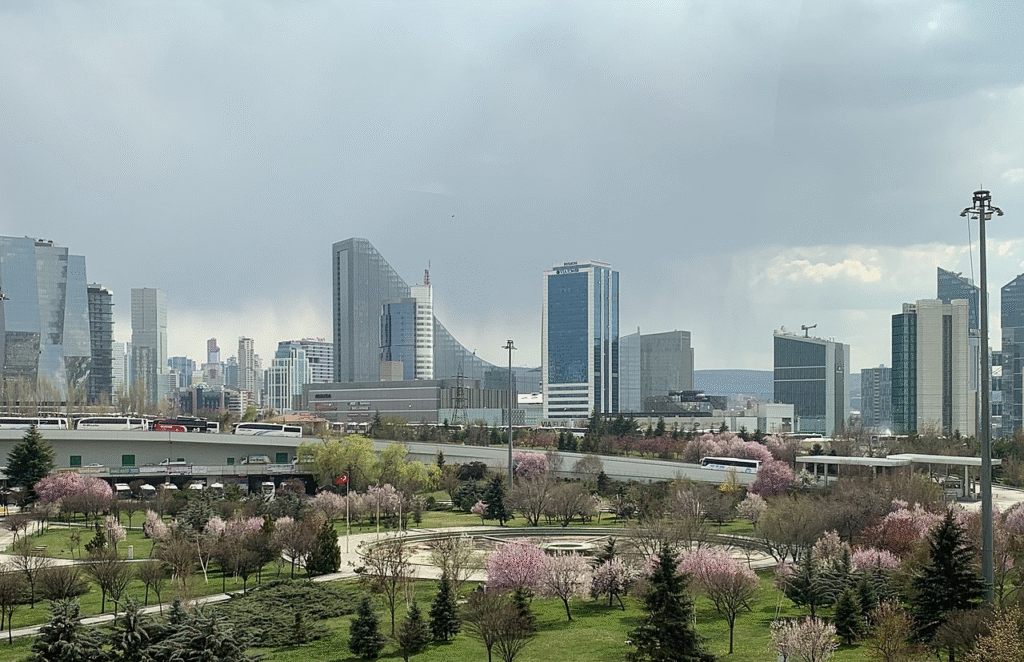
Above: Ankara, Türkiye
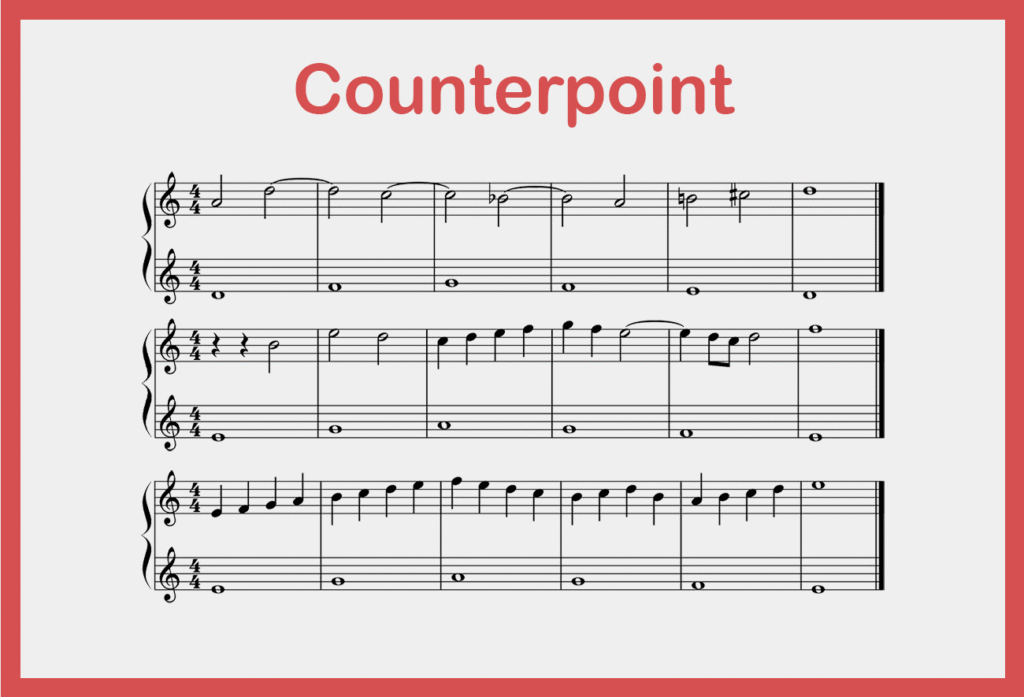
As much as I want to be the school’s counterpoint — a melody woven into an existing tune — there are moments when the harmony eludes me.
“The subjective character of experience” is a term from psychology and the philosophy of mind:
Every conscious being perceives the world from a single point of view, an ego.
American philosopher Thomas Nagel illustrated this in his famous paper, What Is It Like to Be a Bat?
Nagel argued that since bats are conscious mammals who perceive the world in ways utterly alien to us, it is impossible to know what it is like to BE a bat — FOR the bat.
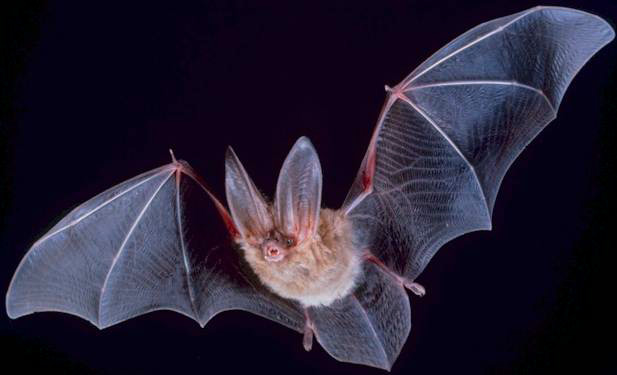
And by extension, we can never truly know what it is like to be anyone other than ourselves.

Above: American philosopher Thomas Nagel
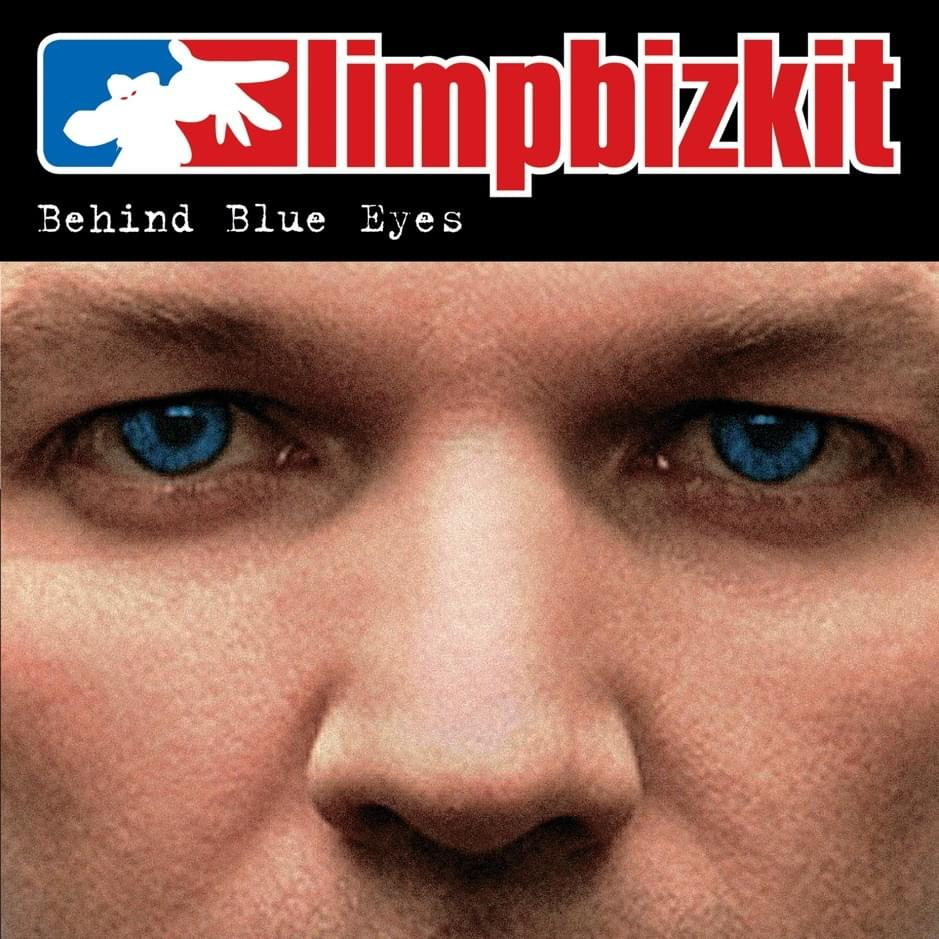
Or, in plainer English, from the jukebox of the mind:
No one knows what it’s like
To be the bad man,
To be the sad man
Behind blue eyes…
(Limp Bizkit, “Behind Blue Eyes”)
Try as I may, I cannot know what it is like to be my students.
Even though I once was one.
(Perhaps the learning doesn’t end?)
What is it like to be Turkish?
(Can a Canadian possibly know?)

What is it like to be a teenager, restless, and convinced that only your perspective is real?

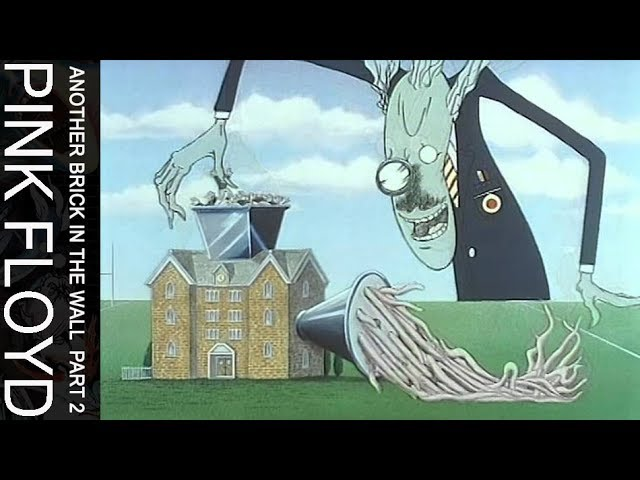
“Hey, Teacher! Leave those kids alone!“
(Pink Floyd,”Another Brick in the Wall”)
Australian philosopher Frank Jackson sharpened this dilemma in his 1982 thought experiment, Mary’s Room.
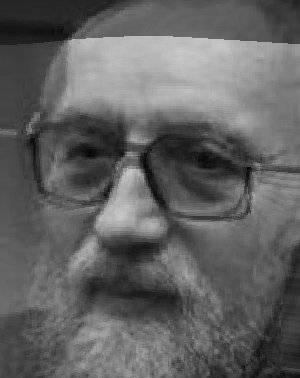
Above: Australian philosopher Frank Jackson
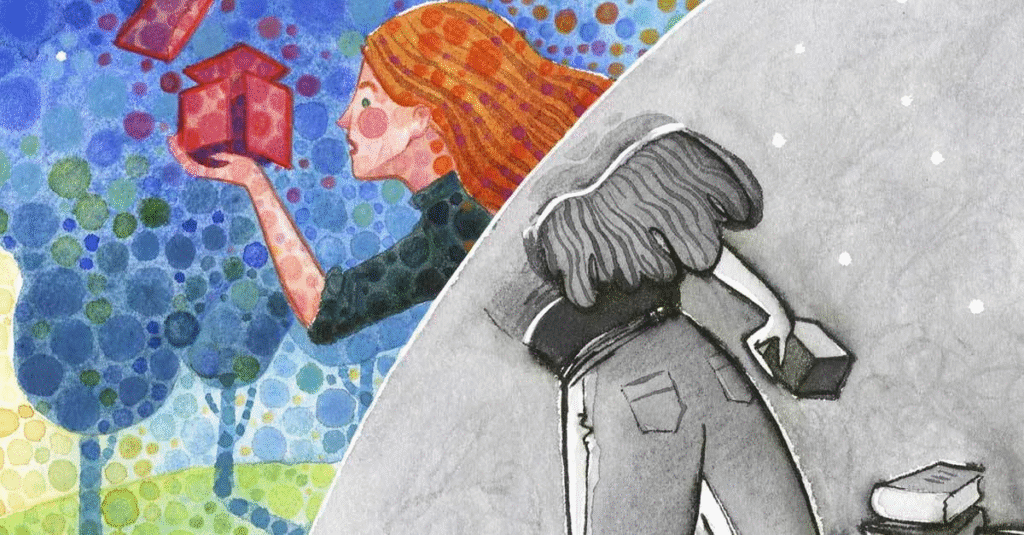
Mary, a scientist, knows everything about colour but has only ever lived in a black-and-white world.
The question:
When she finally steps outside and sees colour, does she gain new knowledge?
I’ll tell you about the magic, and it’ll free your soul
But it’s like trying to tell a stranger about rock ’n’ roll.
(The Lovin’ Spoonful, “Do You Believe in Magic?”)
Even if I had complete dossiers on every student and colleague, would I ever truly know them?
And would I even want them to fully know me?
“When I was young, it seemed that life was so wonderful
A miracle, oh, it was beautiful, magical
And all the birds in the trees, well they’d be singing so happily
Oh, joyfully, oh, playfully watching me
But then they sent me away to teach me how to be sensitive
Logical, oh, responsible, practical
And then they showed me a world where I could be so dependent
Oh, clinical, oh, intellectual, cynical
There are times when all the world’s asleep
The questions run too deep
For such a simple man
Won’t you please, please tell me what we’ve learned?
I know it sounds absurd
Please tell me who I am
I said, now, watch what you say, they’ll be calling you a radical
A liberal, oh, fanatical, criminal
Oh, won’t you sign up your name?
We’d like to feel you’re acceptable
Respectable, oh, presentable, a vegetable
Oh, take, take, take it, yeah
But at night, when all the world’s asleep
The questions run so deep
For such a simple man
Won’t you please (oh, won’t you tell me)
Please tell me what we’ve learned? (Can you hear me?)
I know it sounds absurd (oh, won’t you tell me)
Please tell me who I am
Who I am, who I am, who I am“
(Supertramp, “The Logical Song”)

I see souls around me — inside the school and beyond — who are hurting and don’t know how to stop hurting themselves or others.
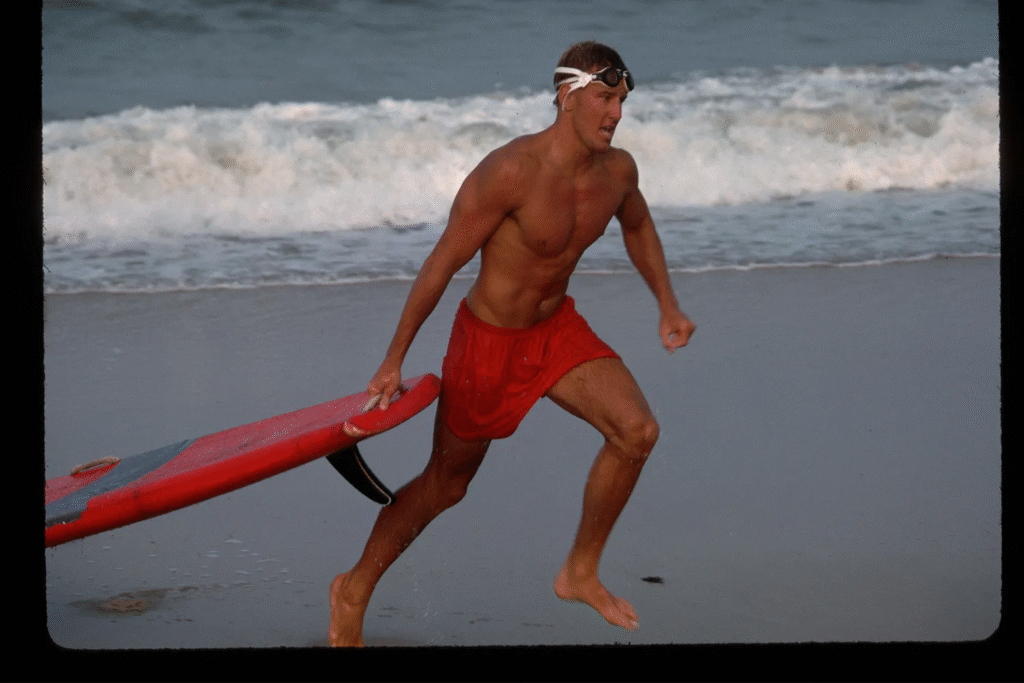
Sometimes I feel like a lifeguard beside troubled waters, desperate to help but afraid of being drowned in their tears.
I walk a tightrope:
Close enough to be human.
Distant enough to be professional.
I know that too much self-revelation can leave me vulnerable.
Yet I long to give hope.
Even when my fearlessness feels like a façade.

And then there is boredom — the sea in which so many students float.
They convince themselves their own perspective is the only reality.
And so they drift.
Unseeing.
“There are more things in Heaven and Earth than are dreamt of in your philosophy.”
So Shakespeare reminds me.
But convincing them is another matter.

Above: English writer William Shakespeare (1564 – 1616)
I redouble my efforts.
Draw on CELTA training.
Try to speak with the clarity of TED.

And yet, like Moses, I sometimes feel tongue-tied, unable to persuade the inattentive that my words might be worth a moment of their time.
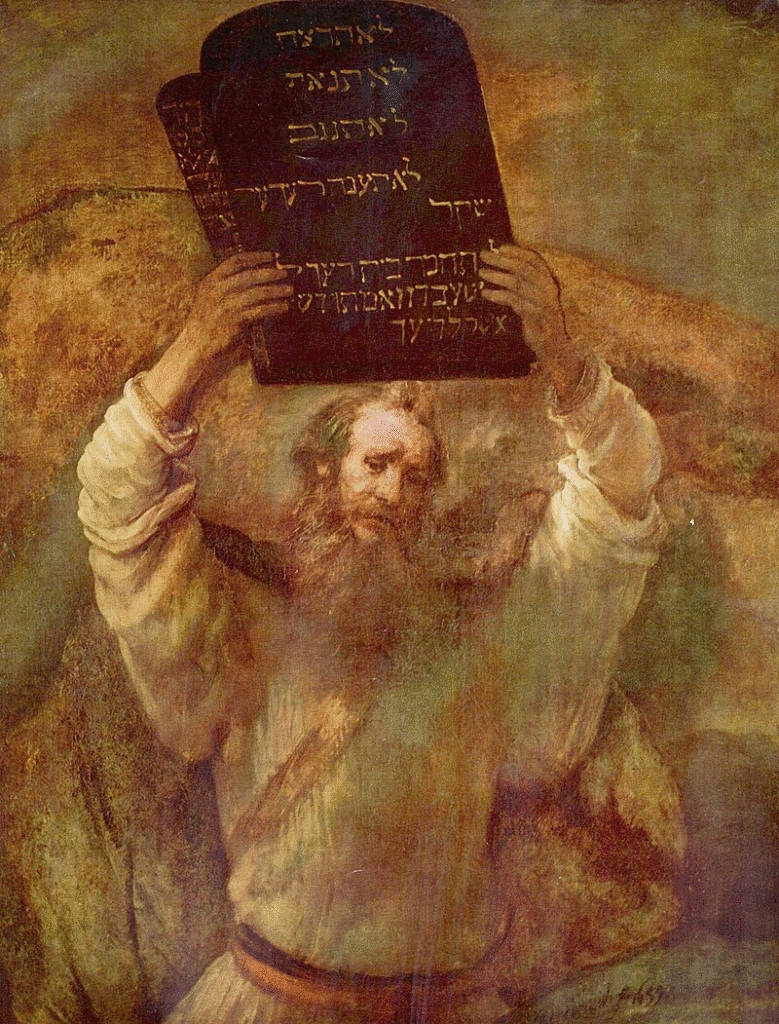
Above: Moses Breaking the Tablets of the Law, Rembrandt Harmensz. van Rijn (1658)
I am human, fallible.
I refuse to punish myself for imperfections.
The pulse that stirs me is simple:
I want to help, even knowing my limits.
And I am humble enough to see that everyone is my teacher, even as I try to teach them.

So the question remains:
Will I learn?
Will I gain new knowledge when I finally step outside my colourless world —
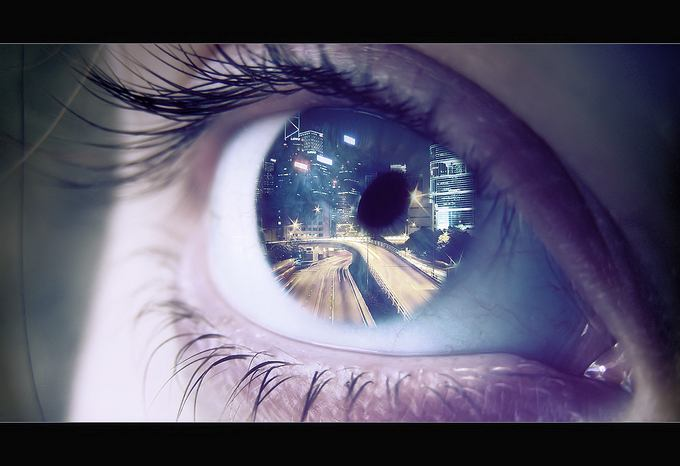
And see the rainbows behind their eyes?

“Love, I get so lost sometimes
Days pass and this emptiness
Fills my heart
When I want to run away
I drive off in my car
But whichever way I go
I come back to the place you are
All my instincts, they return
The grand façade, so soon will burn
Without a noise, without my pride
I reach out from the inside“
(Peter Gabriel, “In Your Eyes”)