Tuesday 19 June 2026
Kutaisi, Georgia
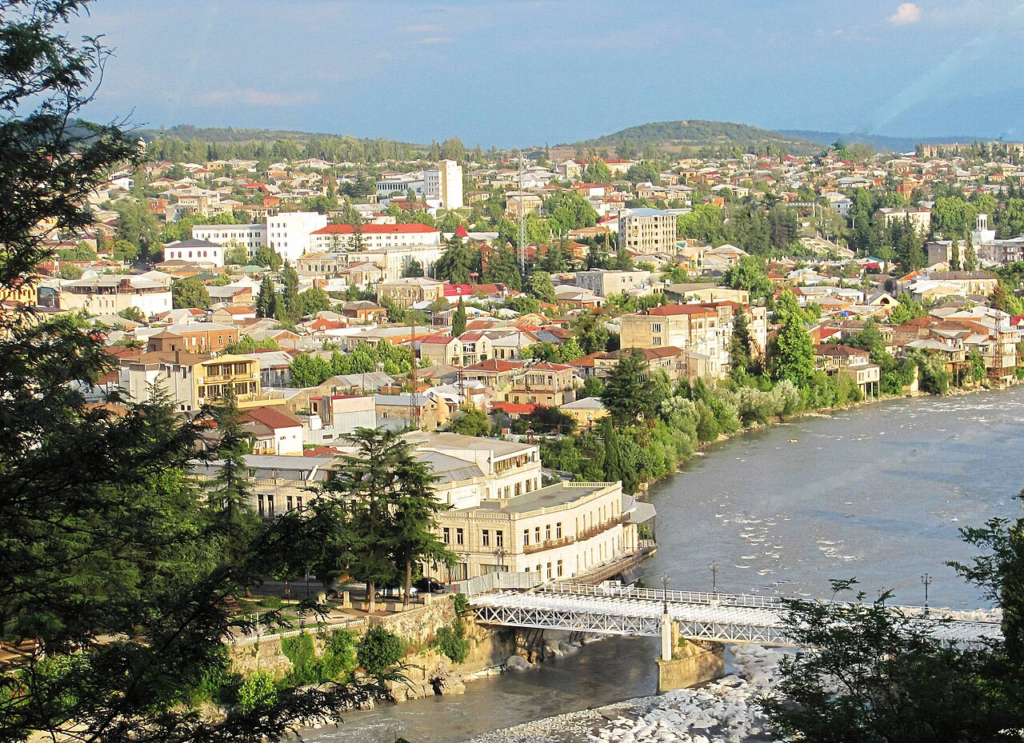
Above: Downtown Kutaisi and the White Bridge, as seen from Mt Gora

Above: Flag of Georgia (Sakartvelo)
I have come to the conclusion that airports and I maintain a polite but deeply suspicious relationship.
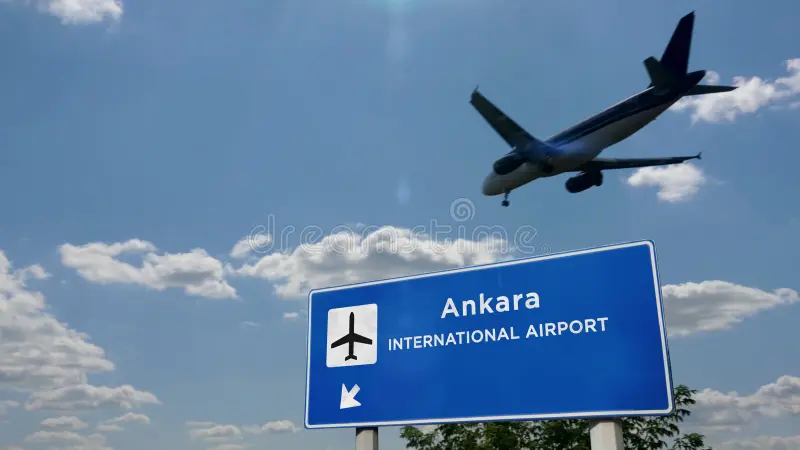
With one exception — the bus from Rize to Batumi — every entry into and departure from Turkey during the past four years has been through an airport.

Above: Flag of the Republic of Türkiye
Each journey has reinforced a curious truth:
Airports have become to me what banks were to the Canadian humourist Stephen Leacock.
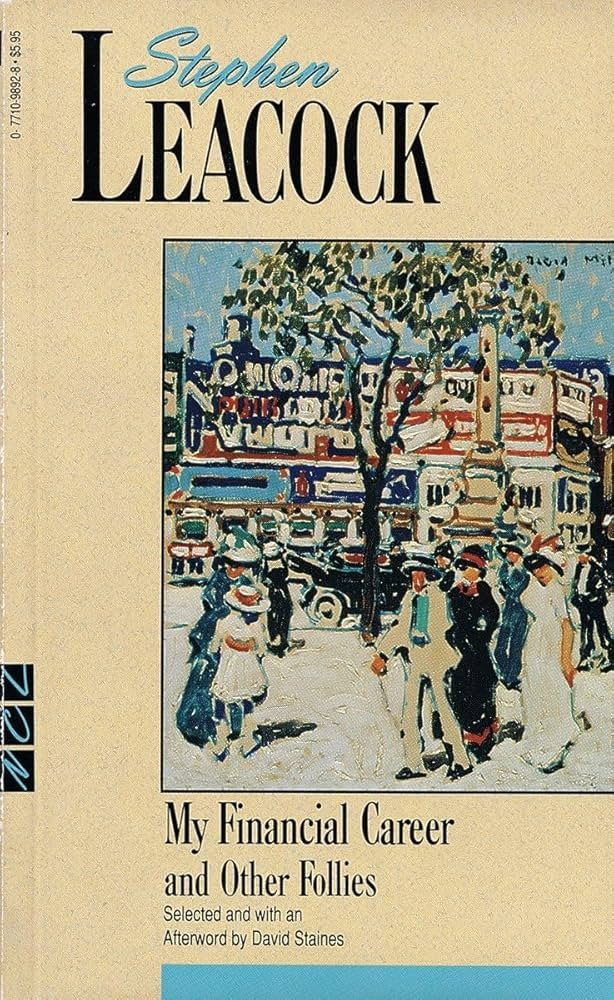
In his delightful short story My Financial Career (1910), Leacock confessed:
“When I go into a bank I get rattled… everything rattles me.”
I understand him completely.
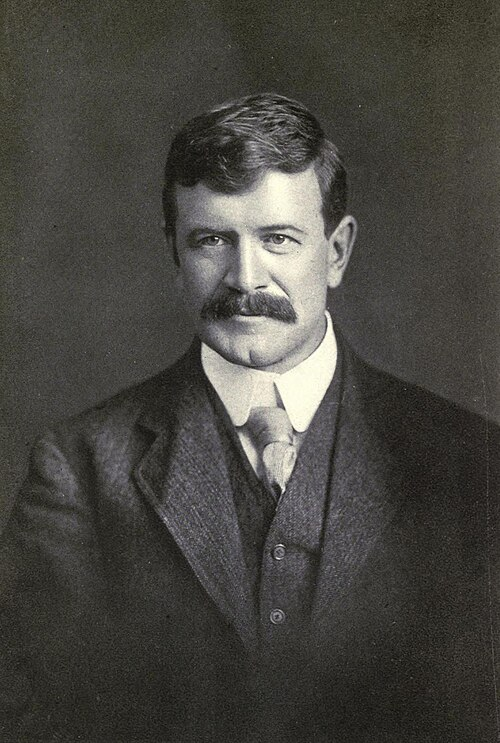
Above: Stephen Butler Leacock (1869 – 1944) was a Canadian teacher, political scientist, writer and humourist. From 1915 to 1925, he was the best-known English-speaking humourist in the world.
When I enter an airport, I get rattled.
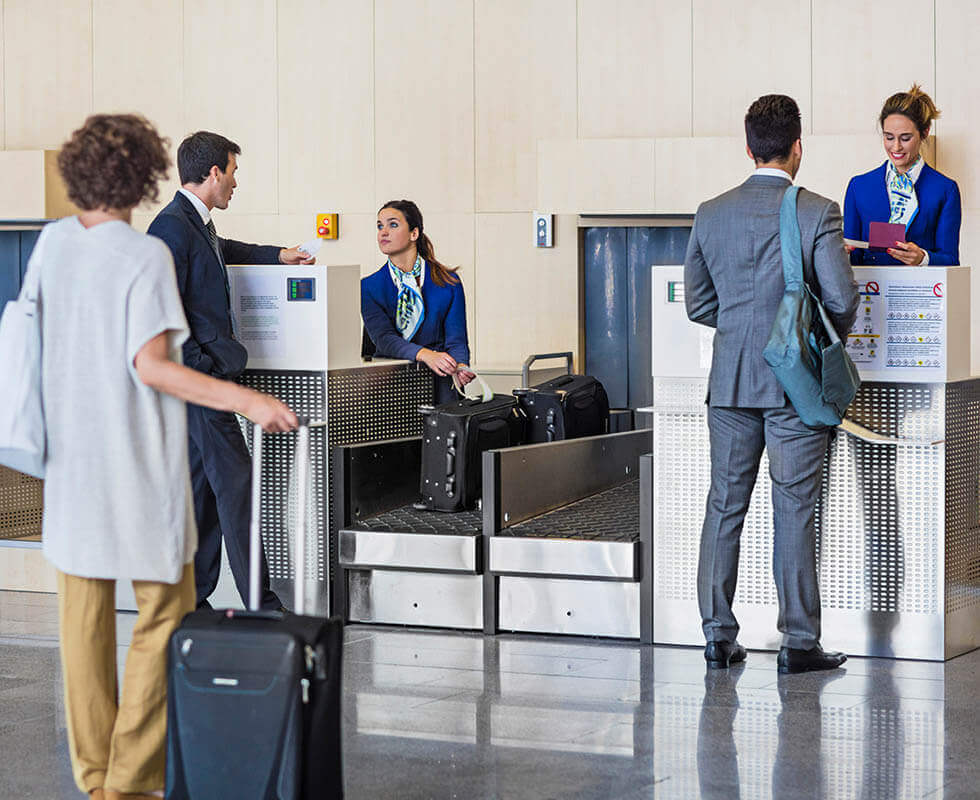
The check-in counters rattle me.
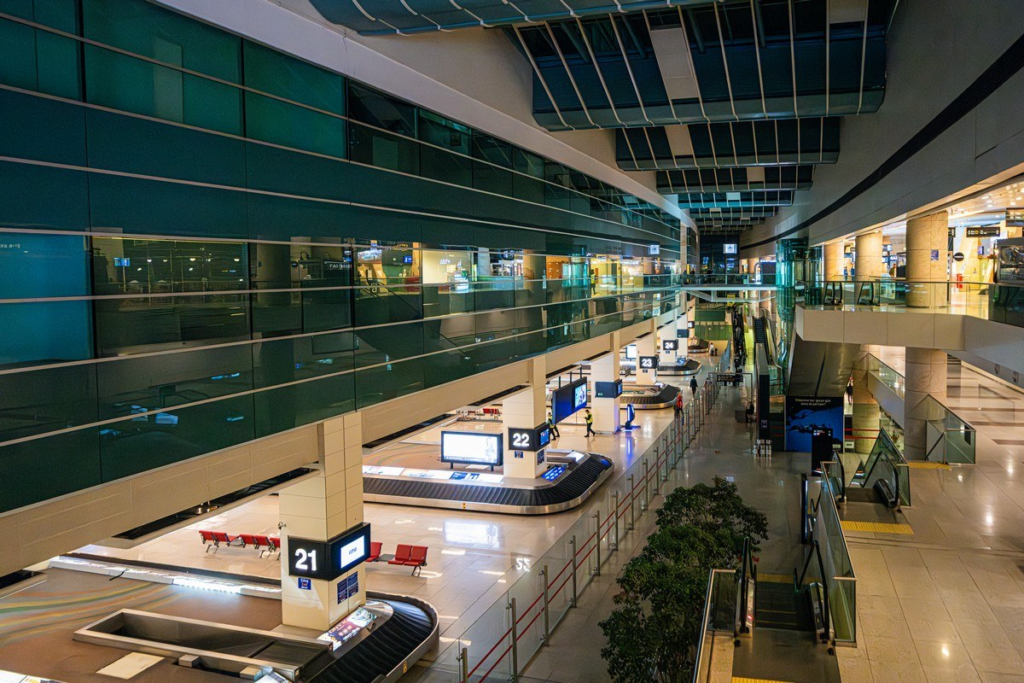
The baggage scales rattle me.
Security rattles me.
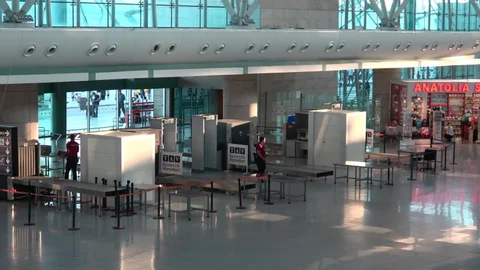
Passport control rattles me.

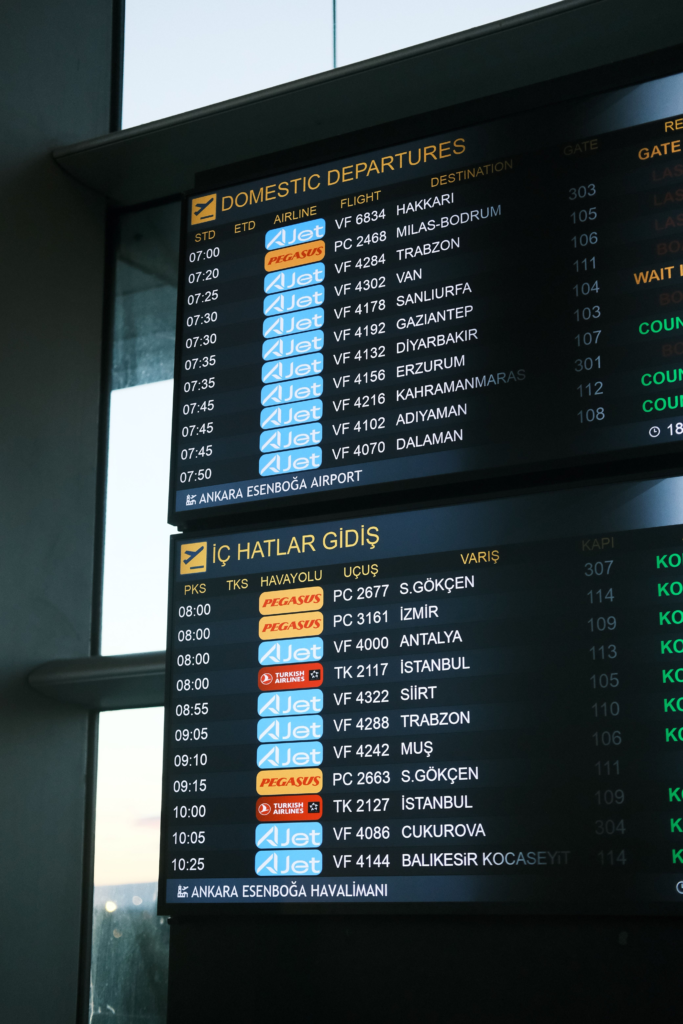
Departure boards rattle me.
The boarding announcements rattle me.
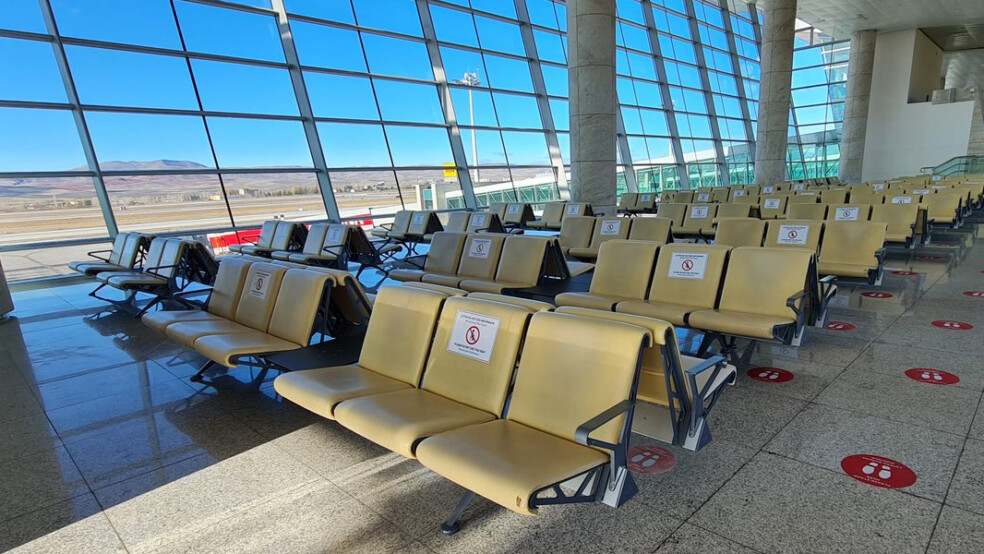
Everything rattles me.

The moment I wheel a suitcase through the sliding doors of an airport, I become an irresponsible idiot.
Some of my anxieties are perfectly rational.
Others are almost certainly not.
Some, I suspect, are shared by millions of travellers.
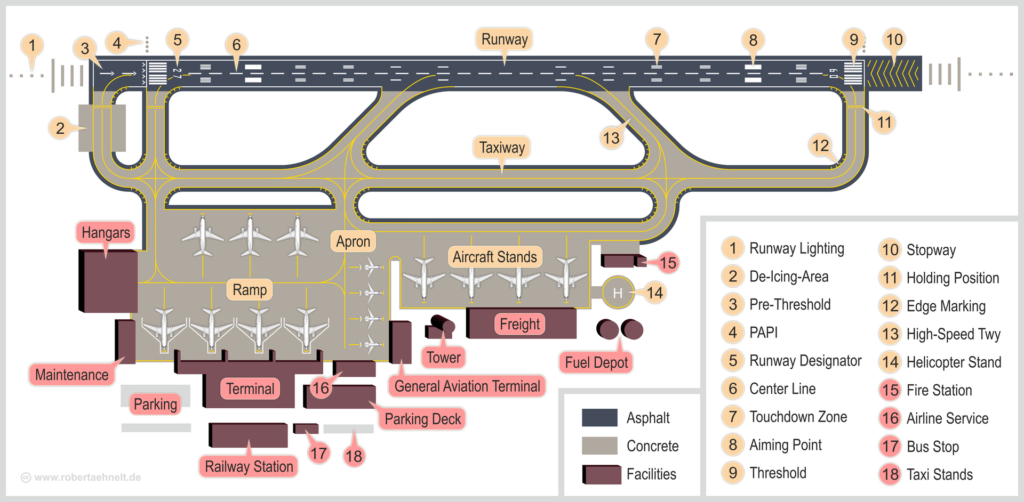
Above: Sample infrastructure of a typical airport. Larger airports usually contain more runways and terminals.
The Traveller’s Questions
After enough journeys, certain questions begin to insist upon being asked.
If the airline’s computer knows I have checked in and paid for my ticket, why not announce my name before closing the gate?
Why does one country welcome visitors for a year while another allows only thirty days?
Why should an honest traveller inherit the political relationships of the country whose passport he happens to carry?
Why does seven kilograms of extra baggage suddenly become worth more than many people’s weekly wages?

Airport security remains a fascinating mixture of science, precaution and theatre.
Apparently my belt represents a potential threat to aviation.
Yet the greater danger may be that, without it, my trousers descend unexpectedly and cause cardiac distress among otherwise respectable fellow passengers.

Liquids present another puzzle.
I cannot carry a bottle of water through security.
Once beyond security, however, I may purchase one without concern.
The water has not changed.
Only its location has.

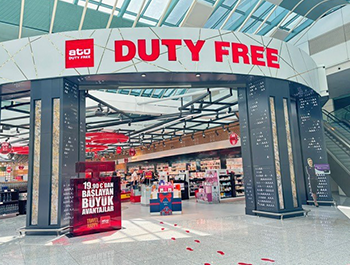
Duty-free shopping offers another small comedy.
One must produce a boarding pass and passport to buy a bottle of whisky.
Yet reaching the duty-free shop has already required producing both documents repeatedly.
The final request feels rather like asking a guest standing in one’s sitting room whether he has remembered to knock at the front door.
Most People Are Decent
Despite all this, I remain convinced of one thing.
Most people are decent people.
Most passengers simply wish to arrive safely, collect their luggage and continue with their lives.

Unfortunately, the actions of a tiny minority have changed the experience of the overwhelming majority.
Every shoe removed, every bottle surrendered, every queue endured, every additional security measure exists because, at some point, someone attempted to exploit a weakness.
The precautions are understandable.
Sometimes they are indispensable.
Sometimes they appear wonderfully bureaucratic.

Fear
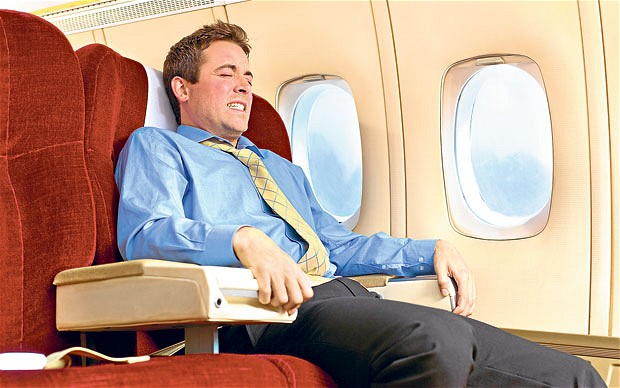
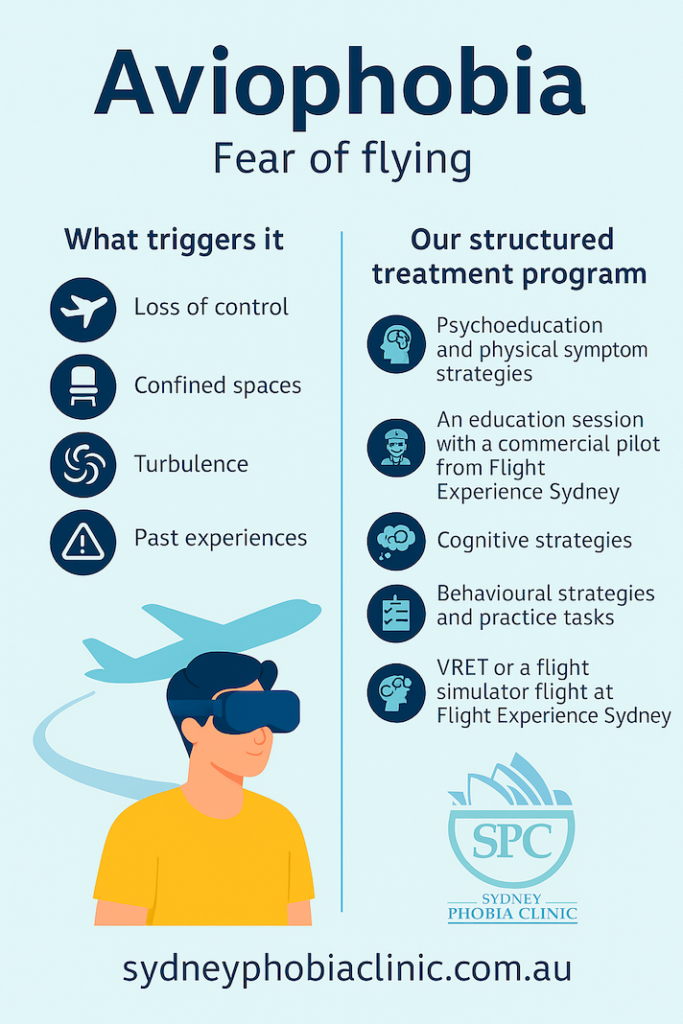
People often ask whether I fear flying.
The truthful answer is:
Yes.
Statistics tell me I am more likely to be injured travelling to the airport than flying from it.
Logic tells me commercial aviation is among the safest forms of transport ever devised.
My imagination occasionally refuses to read the statistics.
News reports do not help.
An automobile accident killing four people seldom makes international headlines.
An aircraft accident killing two hundred does.
The rarity of the event is precisely what gives it such prominence.
The mind confuses publicity with probability.
Esenboğa
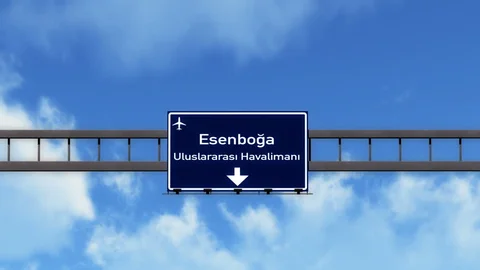
On the morning of 10 May 2026 I missed my flight from Ankara to Rize.
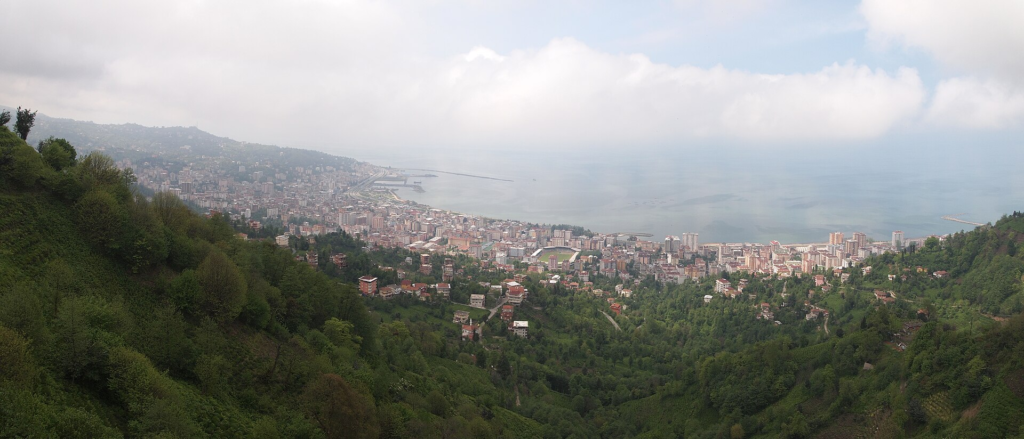
Above: Panorama of Rize, Türkiye, from Tea Mountain
Fatigue, an ageing body, a late taxi and the inevitable laws of time combined against me.

An expensive replacement ticket later, I found myself unexpectedly reflecting upon the airport itself.
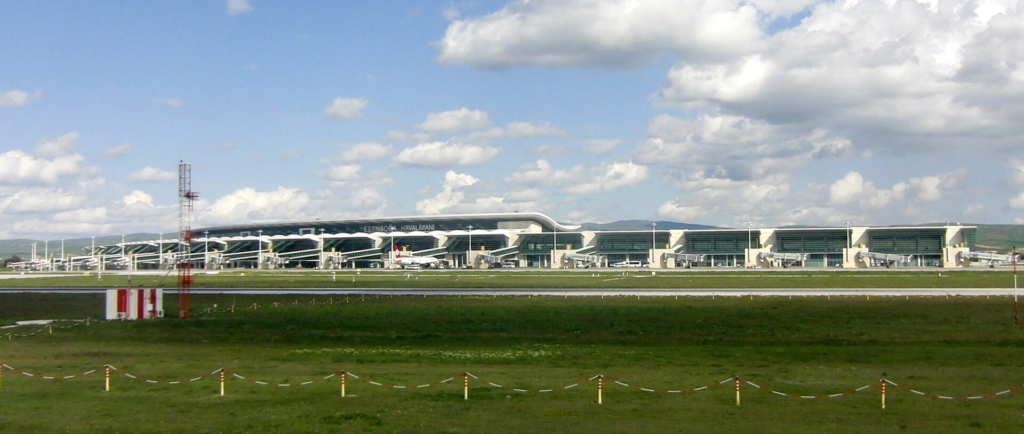
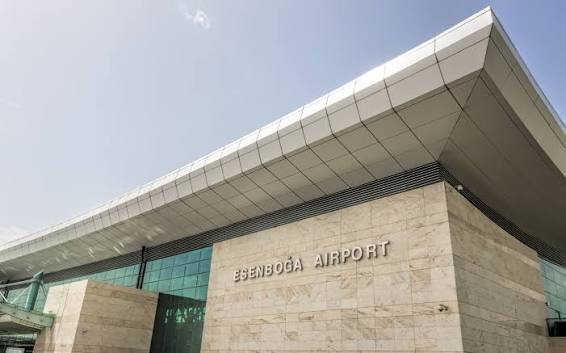
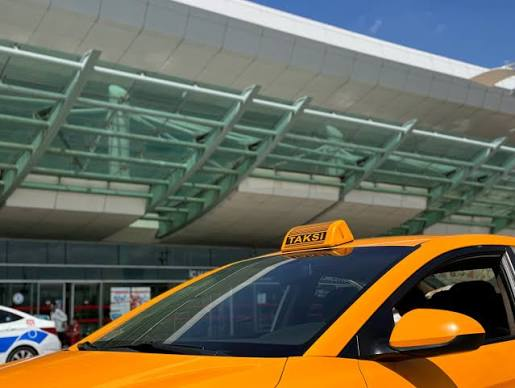
Above: Esenboğa International Airport in Ankara, Türkiye
The name “Esenboğa” comes from the nearby village, itself named after Isen Buqa, a commander in Timur’s army during the Battle of Ankara in 1402.
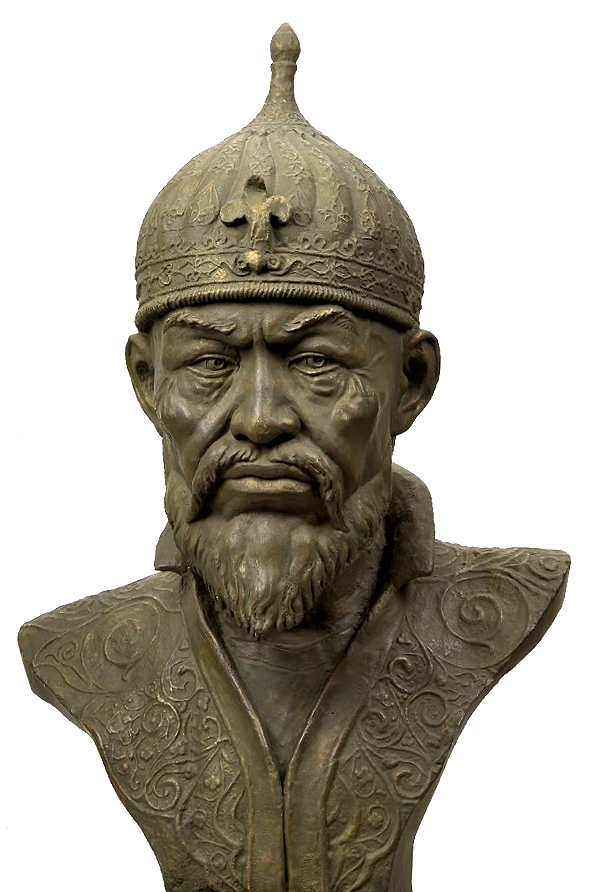
Above: Facial reconstruction of Timur (aka Tamerlane) (1320 – 1405)
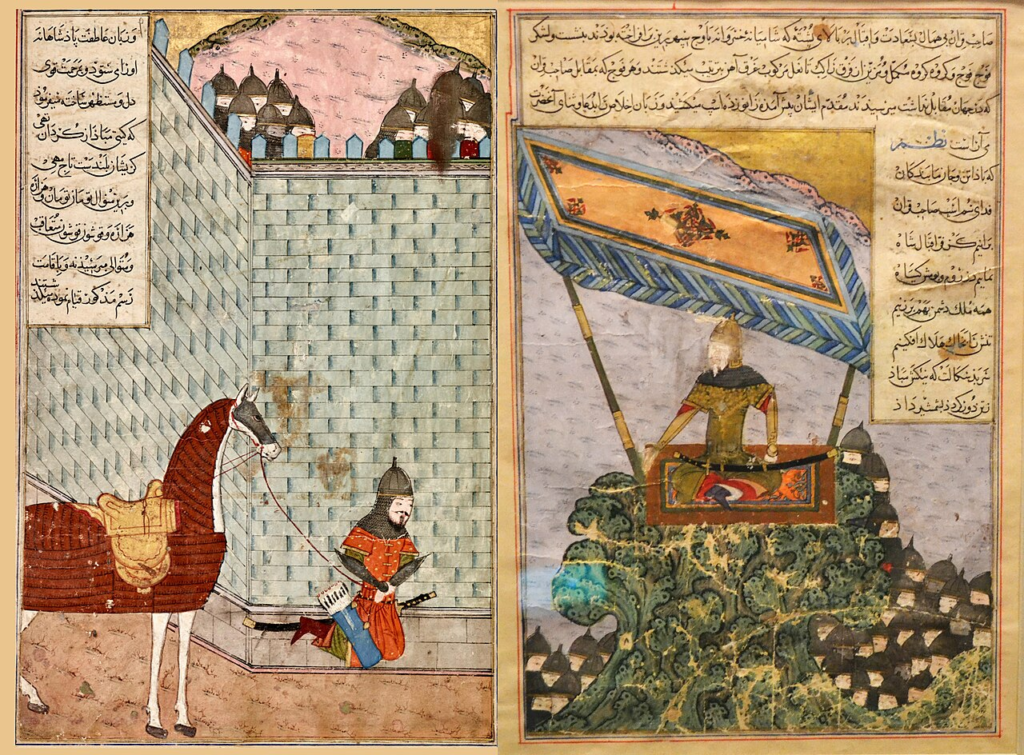
Above: Timur reviews his troops in the plain of Sivas in the Battle of Ankara, 28 July 1402
Over the centuries, Isen Buqa became Esenboğa.
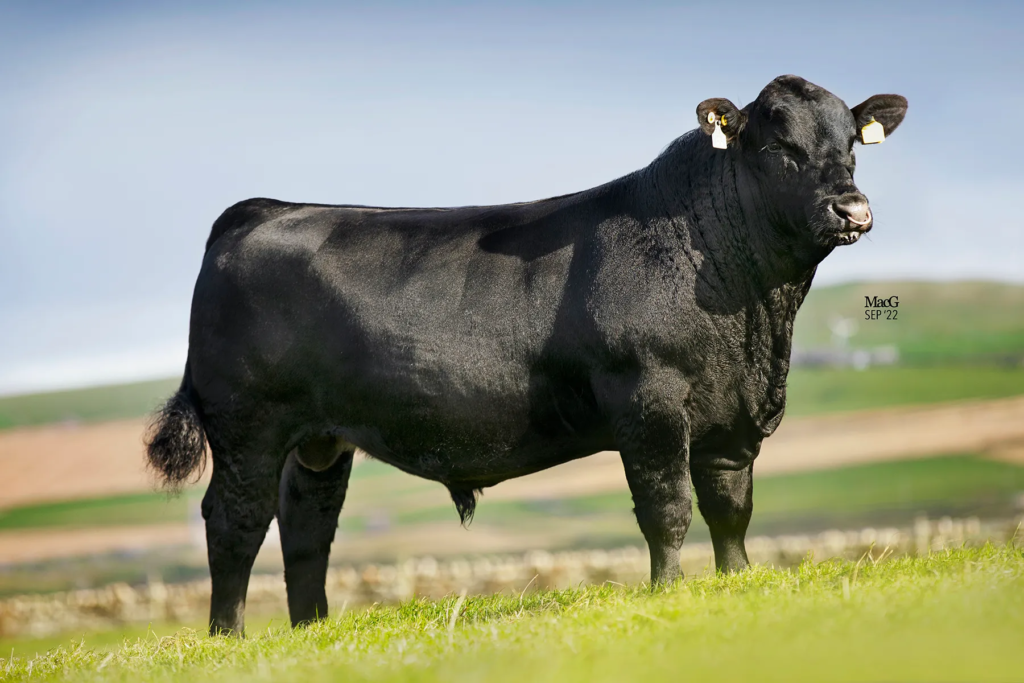
Today the name is often interpreted as “Serene Bull“.
The symbolism appealed to me.
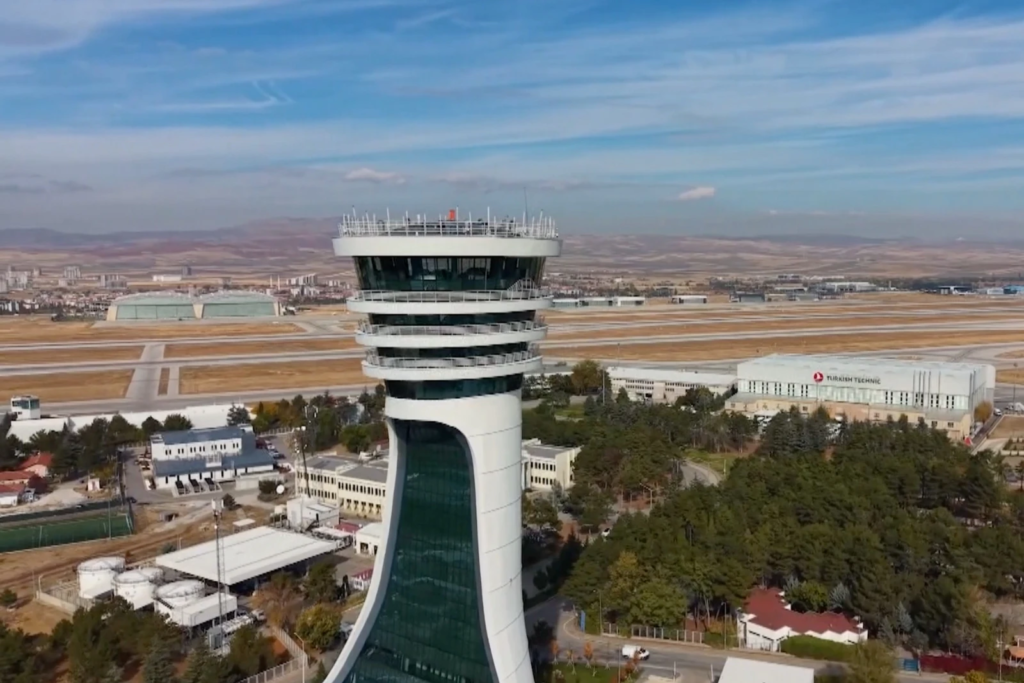
Above: Esenboğa Airport, Ankara, Türkiye
Not because I felt particularly serene.
Quite the opposite.
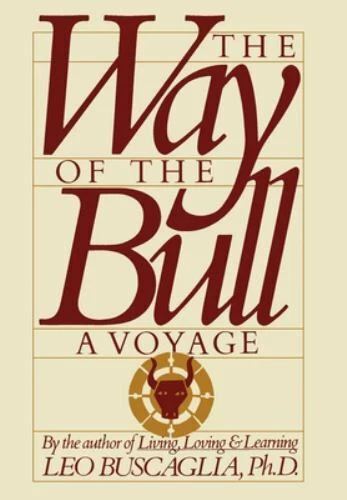
But because I had recently been reminded of Leo Buscaglia’s story of the bull that turns and walks into the storm instead of fleeing from it.
Whether the story is zoologically accurate hardly matters.
Its truth lies elsewhere.
Sometimes the shortest path through difficulty is directly through it.

My Own Storm
My final months in Ankara were marked by uncertainty.
I received employment, accommodation and practical assistance, for which I remain genuinely grateful.
At the same time, questions surrounding the legal and administrative status of my employment remained unresolved for far longer than they should have.
Only after seeking clarification through official channels did the situation become sufficiently clear for me to make the necessary decision.
Looking back, I realize that I did not run from the storm.
Neither did I conquer it.
I simply continued walking.
I asked questions.
I sought answers.
I completed my work professionally.
Then, when the facts became clear, I boarded a plane.
Well…
Eventually.
Eastward
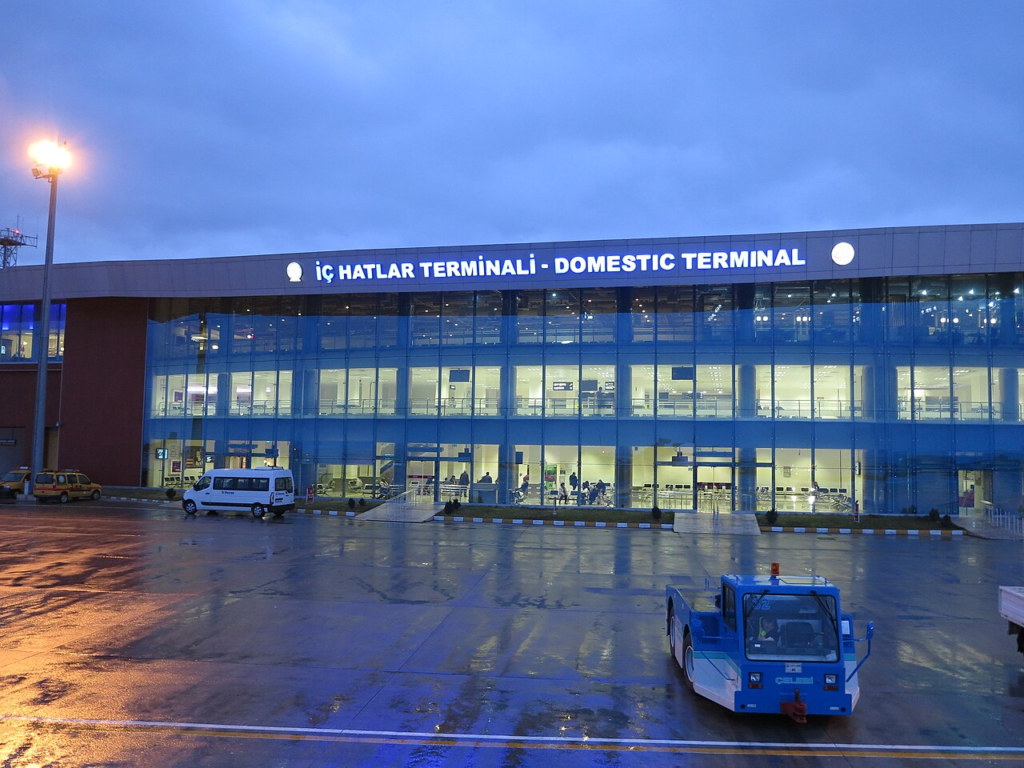
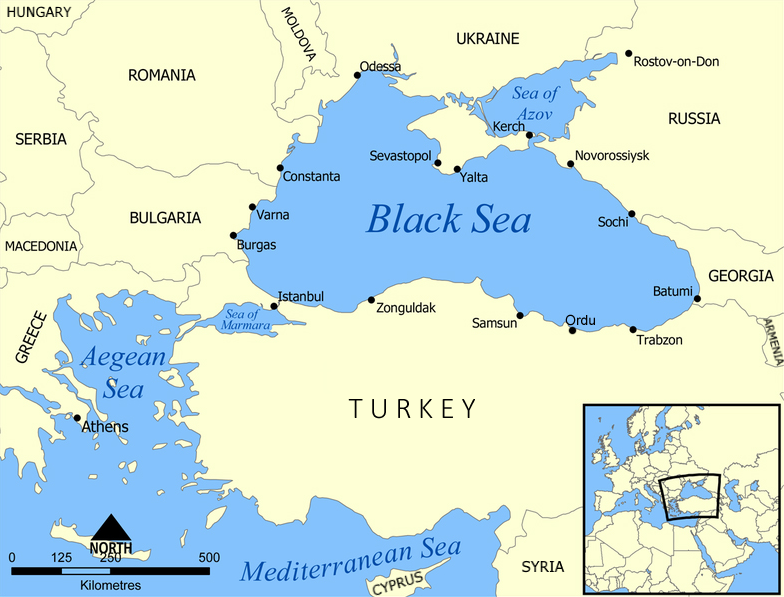
The journey from Ankara through Trabzon to Rize became something more than travel.
It became decompression.
The airport gave way to tea fields.
The departure halls gave way to fishing boats.
The bureaucracy gave way to cafés.
A ginger cat refused to be petted.
A shoeshine man restored dignity to tired shoes.
A Swiss traveller described his dream of reaching Japan through Kazakhstan overland.

Above: Flag of Switzerland

Above: Flag of Japan

Above: Flag of Kazakhstan
The Black Sea reminded me that the world continues quietly while we worry.
The Serene Bull
Perhaps that is what Esenboğa finally came to mean for me.
Not fearlessness.
Not triumph.
Not even serenity in the ordinary sense.
Rather, the quiet determination to continue despite uncertainty.
To accept what functioned.
To acknowledge what did not.
To leave without bitterness.
To walk into the storm when life requires it, trusting that, eventually, one emerges into calmer weather.
I left Ankara with appreciation for what it had given me, acceptance of what it could not, and relief that uncertainty had ended.
Sometimes the greatest journey is not measured in kilometres or flight times.
Sometimes it is measured in the distance between anxiety and acceptance.