Landschlacht, Switzerland, 1 January 2018
As another New Year begins the question turns to New Year´s resolutions, to make them or avoid them, and if made what those resolutions should be.

Above: New Year´s Eve, Sydney, Australia
For example, some of us resolve to become fitter in the following twelve months, but those that know us know better than us that the sacrifice of time, effort and money required to do so isn´t truly who we are or really want to be.
Sometimes a person can be too close to a situation to properly see it for what it is.
Two women in my life recently caused themselves and others great friction, because they never accepted that their behaviour is harmful and refused to change their behaviour, despite being warned of consequences.
In fairness to them, it is often difficult to see beyond our own perspectives, regardless of what is said to us or what happens around us.
For example, I never truly appreciated how much I am liked by some of my regular customers when two evenings ago one of them spontaneously entered the Café and gave me a hug wishing me “Happy Holidays”.

It wasn´t until I have reflected upon this several hours later that I realised that my response might not have been as warm and welcoming to him as it should have been.
Visiting him at his place of business bearing gifts of apology and remorse for my unintended coldheartedness is the first of my New Year´s resolutions.
For every person there are also situations that trigger a kind of blindness that makes it difficult to see anything besides the emotions the situations generate.
For example, nothing makes me see red more than bullies.
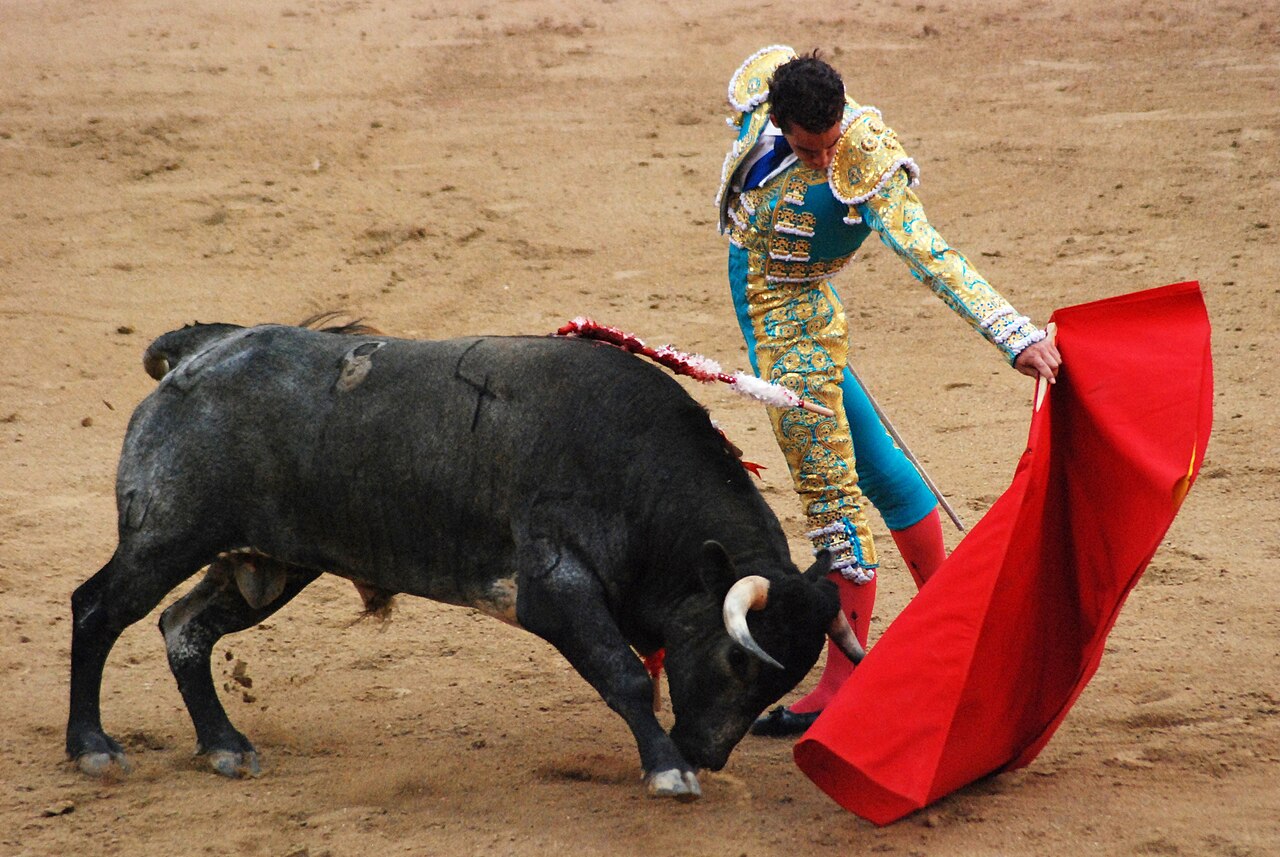
So, as a result, I have the most difficult time seeing American, Turkish or Filipino politics open-mindedly, for Trump, Erdogan and Duterte strike me as being the epitome of bullies in their behaviour.

Above: Donald Trump, 45th US President since 20 January 2017

Above: Recep Erdogan, 12th President of Turkey since 2014, 25th Prime Minister of Turkey (2003 – 2014)

Above: Rodrigo Duterte, 16th President of the Philippines since 2016
These leaders and their followers can´t see, won´t see, what they are doing is wrong and truly believe that they are doing what is best and can´t comprehend, won´t comprehend, why others don´t see things as they do.
I was reminded of this last summer when we visited Lovere…..

Lovere, Italy, 4 August 2017
The Rough Guide to Italy doesn´t love Lovere very much.
“Lago d´Iseo raises your expectations:

Descending from Clusone, the road passes through steep gorges, thick forests and stark angular mountains, at the foot of which lies the Lake.
(For a description of Clusone, please see Canada Slim and the Dance Macabre of this blog.)
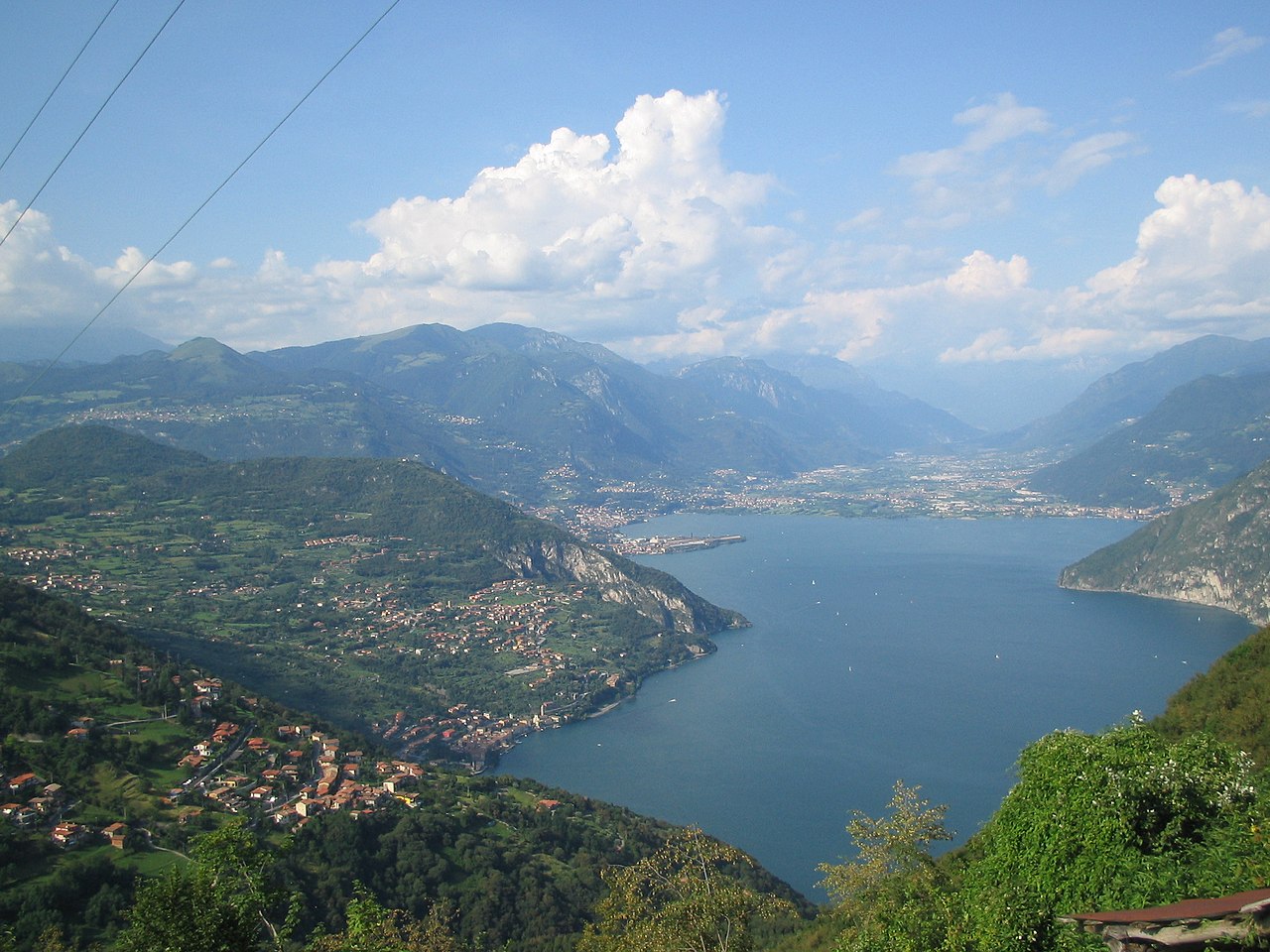
As Iseo is the 5th largest of the northern lakes and the least known outside Italy, you would imagine it to be more undiscovered than the others but the apartment blocks, harbourside boutiques, ice cream parlours and heavy industry of Lovere put paid to any notions that Lago Iseo might have escaped either tourist exploitation or industrialization.”
Lonely Planet Italy isn´t complimentary either.
“Lago d´Iseo is the least known and least attractive of the lakes.
Shut in by mountains, Iseo is scarred by industry and a string of tunnels at its northeastern end around Castro and Lovere, although driving through the blasted rock face at the water´s edge can be enjoyable.”
And herein lies the problem.
Because so many English-speaking readers trust and faithfully follow the advice given by these two popular travel guides, they fail to discover that there might be more to Heaven and Earth than is expounded by these two guidebooks´ philosophies.
Automobiles are quick, efficient and quite liberating from the quirks of predetermined routes and set schedules, but much is missed if the destination is deemed superior to the possible discoveries that can be made if one stops and explores along the journey.
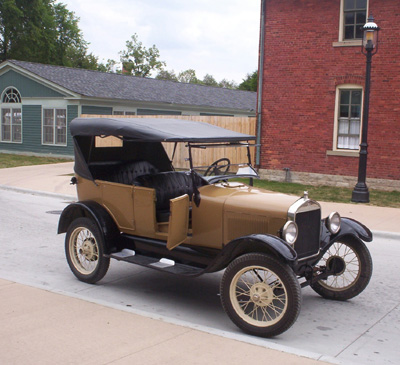
My wife and I, like many other automobile travellers, were restricted by time and money to how often we could leisurely stop and explore.
And that is a shame.
For had we taken the train from Bergamo to the harbour town of Iseo then a ferry from there to Lovere, we might have discovered a town far more deserving of compliments than the aforementioned guidebooks give it credit.
Lovere is much like Lecco in that it is considered far more unremarkable than it truly is.
(For Lecco, see Canada Slim and the Unremarkable Town of this blog.)

At first glance of Lovere a person might be forgiven for thinking that somehow the road had led the traveller somehow back to Switzerland, for the houses in this town (of 5,000 residents) have overhanging wooden roofs, typical of Switzerland, yet united with the heavy stone arcades of Italy.
Lovere faces the Lago Iseo and is held in the warm embrace of a semi-circle of mountains behind.
The Tourism Council of the Associazione Nazionale Comuni Italiani includes Lovere as one of the I Borghi piu belli d´Italia, one of the small Italian towns of artistic and historical interest and one of the most beautiful villages in Italy.

Being part of the crossroads of culture and conflict that this region has been for centuries, Lovere has seen different peoples struggle to possess it: the Celts, Romans, Lombards, Franks, the monks of the Marmoutier Abbey (Tours, France), the Bishops of Bergamo, the Republic of Venice, the Napoleonic French, the Austrians and finally Italians.
There are a few sights in town worthy of a look and a linger of a few hours: the Church of Santa Maria in Valvendra with works by Cavagna, Carpinoni and Marone; the Palazzo Tadini which is both historic palace and art gallery, with many beautiful paintings and magnificent marble sculptures, along with terracotta, porcelain, antique armaments, furniture and zoological collections; the Church of San Giorgio with Cavagana´s Last Supper and Palma the Younger´s Trinity with the Virgin; the Clarissan monastery of Santa Chiara; the frescoes of the Oratorio San Martino; the ancient fortifications of Il Castelliere Gallico.

Above: Basilica Santa Maria in Valvendia, Lovere

Above: Palazzo Tadini, Lovere

Above: Church of San Giorgio, Lovere

Above: Convent of Santa Chiara, Lovere

Above: Church of San Martino, Lovere

Above: Fortifications of Castelliere Gallico, Lovere
This town is truly deserving of mention and preservation.
Yes, Rough Guide and Lonely Planet, there is industry here in Lovere, for the town possesses a metallurgic plant, Lucchini, which employs about 1,300 people and specializes in the manufacture of railroad wheels and axles.

But this town is more than industry and churches and it has produced or adopted a few folks worthy of mention:
The English aristocrat, letter writer and poet Lady Mary Wortley Montagu (1689 – 1762) resided in Lovere for ten years.

Above: Lady Mary Montagu (1689 – 1762)
The 1906 Nobel Prize for Medicine recipient Camillo Golgi studied in Lovere´s Liceo Classico.

Above: Camillo Golgi (1843 – 1926)
(Golgi was known for his work on the central nervous system and his discovery of a staining technique called black reaction or Golgi´s method, used to visualize nerve tissue under light microscopes.)
The all-time leader in victories in motorcycle Grand Prix history, Giacomo Agostini was born in Lovere in 1942.

Above: Giacomo Agostini
Leading cinema critic and author Enrico Ghezzi was born in Lovere in 1952.

Above: Enrico Ghezzi
And while these abovementioned four have world recognition (at least in their day), Italians and the locals of Lovere also won´t forget that the town has also produced Santa Vincenza Gerosa, Santa Bartolomea Capitanio, acrobatic pilot Mario Stoppani, as well as Italian liberators, athletes and politicians.
Of the more famous four the person that captures my imagination the most is the Lady Montagu.

The Lady Mary Pierrepont Wortley Montagu (1689 – 1762) is today chiefly remembered for her letters from travels to the Ottoman Empire as wife to the British Ambassador, which have been described as “the very fine example of a secular work by a woman about the Muslim Orient”.
Aside from her writing, Lady Mary is known for introducing and advocating for smallpox inoculation in Britain after her return from Turkey.
Her writings address and challenge the hindering contemporary social attitudes towards women and their intellectual and social growth.
Mary began her education in her father´s home and to supplement the instruction of a despised governess, Mary used the library in Thoresbury Hall to “steal” her education, teaching herself Latin, a language reserved for men at the time.
By 1705, at the age of 14, Mary had written two albums filled with poetry, a brief epistolary novel (a novel written as a series of documents), and a romance modelled after Aphra Behn´s Voyage to the Isle of Love (1684).
By 1710, Mary had two possible suitors to choose from: Edward Wortley Montagu (1678 – 1761) and Clotworthy Skeffington.
May corresponded with Edward, but Mary´s father rejected Edward as a prospect pressuring her to marry Skeffington.
In order to avoid marriage to Skeffington, Mary and Edward eloped in 1712.
The early years of Mary´s married life were spent in the countryside.
She had a son, Edward Jr., on 16 May 1713.
On 1 July 1713, Mary´s brother died of smallpox, leaving behind two small children for Mary and Edward Sr. to raise.
On 13 October 1714, Edward Sr. accepted the post of Junior Commissioner of the Treasury.
When Mary joined him in London, her wit and beauty soon made her a prominent figure at court.
Her famous beauty was marred by a bout with smallpox in 1715.
In 1716, Edward Sr. was appointed Ambassador to Istanbul, where they remained until 1718.
After unsuccessful negotiations between Austria and the Ottoman Empire, the Montagus set sail for England via the Mediterranean, finally reaching London on 2 October 1718.
The story of this voyage and of her observations of Eastern life is told in her Letters from Turkey, a series of lively letters full of graphic descriptions.
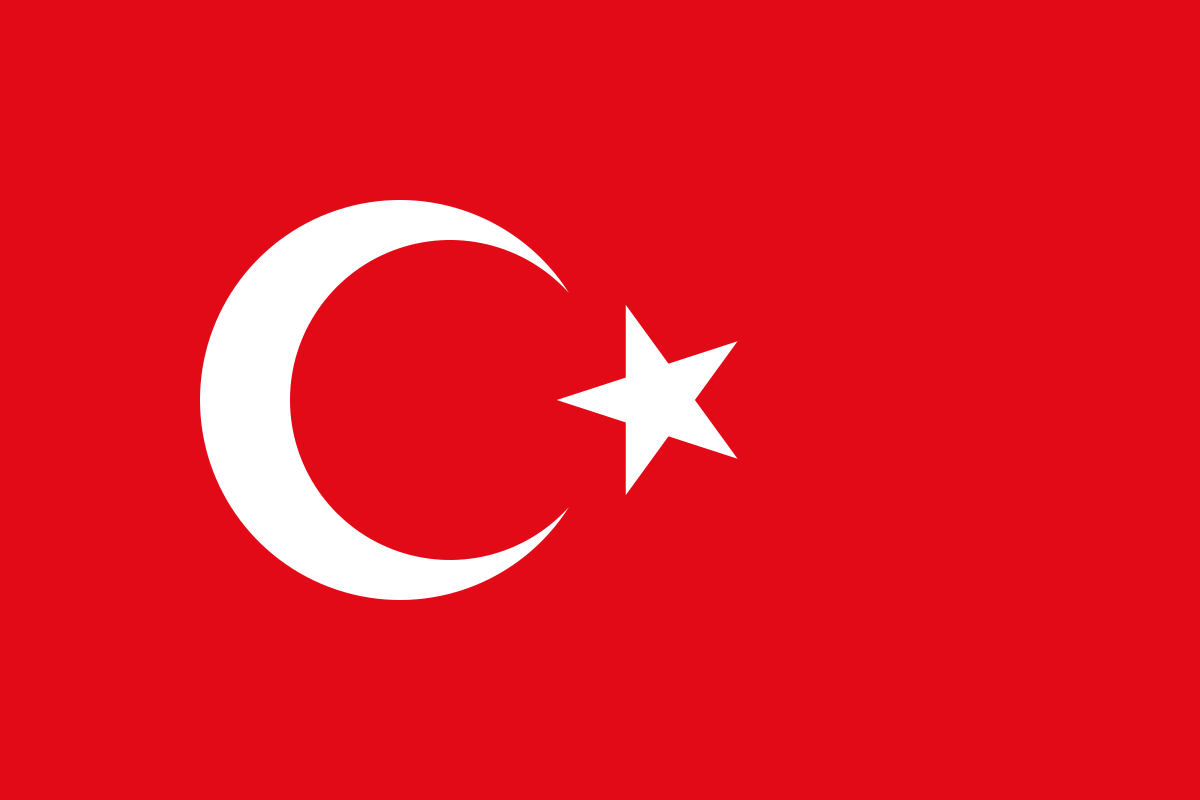
Above: Flag of Turkey
Letters is often credited as being an inspiration for subsequent female travellers/writers.
During her visit Mary was sincerely charmed by the beauty and hospitality of the Ottoman women she encountered and she recorded her experiences in a Turkish bath.

She recorded a particularly amusing incident in which a group of Turkish women at a bath in Sofia, horrified by the sight of the corset she was wearing, exclaimed that “the husbands in England were much worse than in the East, for they tied up their wives in little boxes, for the shape of their bodies”.
Mary wrote about misconceptions previous travellers, specifically male travellers, had recorded about the religion, traditions and the treatment of women in the Ottoman Empire.
Mary´s gender and class status provided her with access to female spaces that were closed off to males.
Her personal interactions wth Ottoman women enabled her to provide, in her view, a more accurate account of Turkish women, their dress, habits, traditions, limitations and liberties, at times irrefutably more a critique of the West than a praise of the East.

Above: Lady Mary Montagu in Turkish dress
Mary returned to the West with knowledge of the Ottoman practice of inoculation against smallpox.
In the Ottoman Empire, Mary visited the women in their segregated zenanas, making friends and learning about Turkish customs.
There she witnessed the practice of inoculation and eager to spare her children, she had Edward Jr. vaccinated.
On her return to London, Mary enthusiastically promoted the procedure, but encountered a great deal of resistance from the medical establishment, because vaccination was an Eastern custom.
In April 1721, when a smallpox epidemic struck England, Mary had her daughter inoculated and published the event.
She persuaded Princess Caroline to test the treatment.

Above: Caroline of Ansbach (1683 – 1737), Queen of England (1727 – 1737)
In August 1721, seven prisoners at Newgate Prison awaiting execution were offered the chance to undergo vaccination instead of execution.

All seven survived and were released.
After returning to England, Mary took less interest in court compared to her earlier days.
Instead she was more focused on the upbringing of her children, reading, writing and editing her travel letters – which she then chose not to publish.
In 1736, Mary met and fell in love with Count Francesco Algarotti.
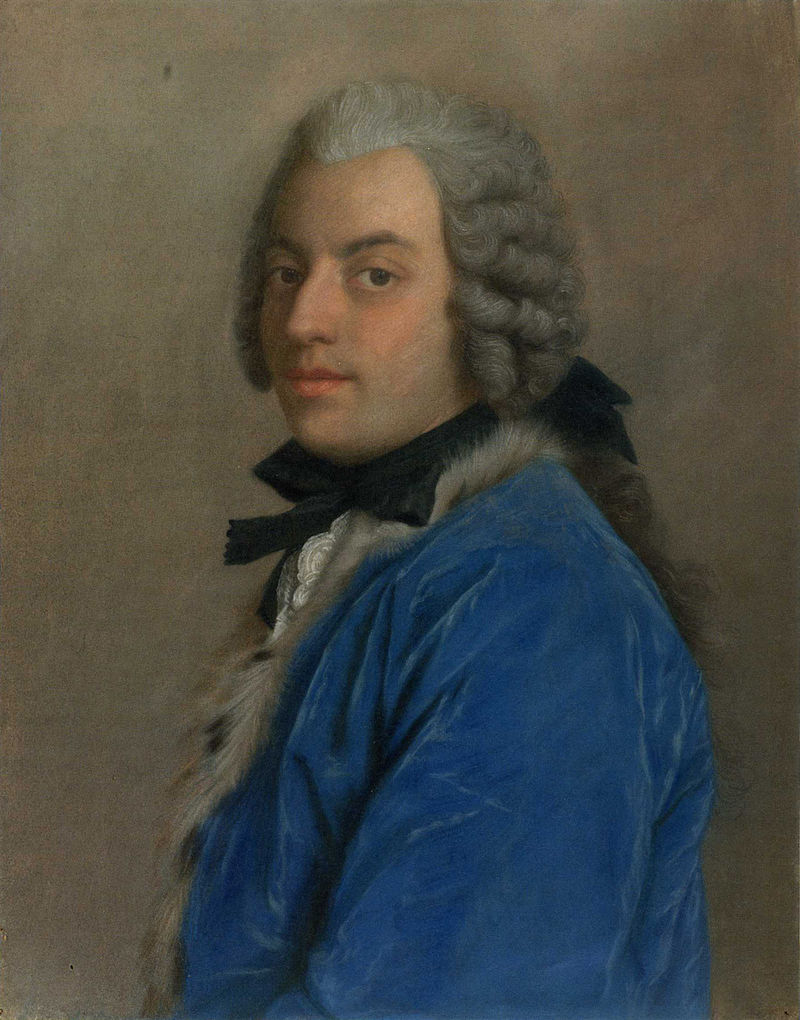
Above: Francesco Algarotti (1712 – 1764)
She wrote many letters to Algarotti in English and French after his departure in September 1736.
In July 1739, Mary departed England “for health reasons” declaring her intentions to winter in the south of France.
In reality, Mary left to visit and live with Algarotti in Venice.

Their relationship ended in 1741, but Mary stayed abroad and travelled extensively.
She would finally settle in Avignon and then later Lovere.
After August 1756, she resided in Venice and resumed her relationship with Algarotti.
Mary received news of her husband Edward´s death in 1761 and left Venice for England.
En route to London, she handed her Letters from Turkey to Benjamin Sowden of Rotterdam, for safekeeping “to be disposed of as he thinks proper”.
Mary´s Letters from Turkey was only one set of memoirs written by Europeans who had been to the Ottoman Empire:
Ogier Ghiselin de Busbecq (1522 – 1592) was a diplomat in the Holy Roman Empire sent to the Ottoman Empire to discuss the disputed territory of Transylvania.
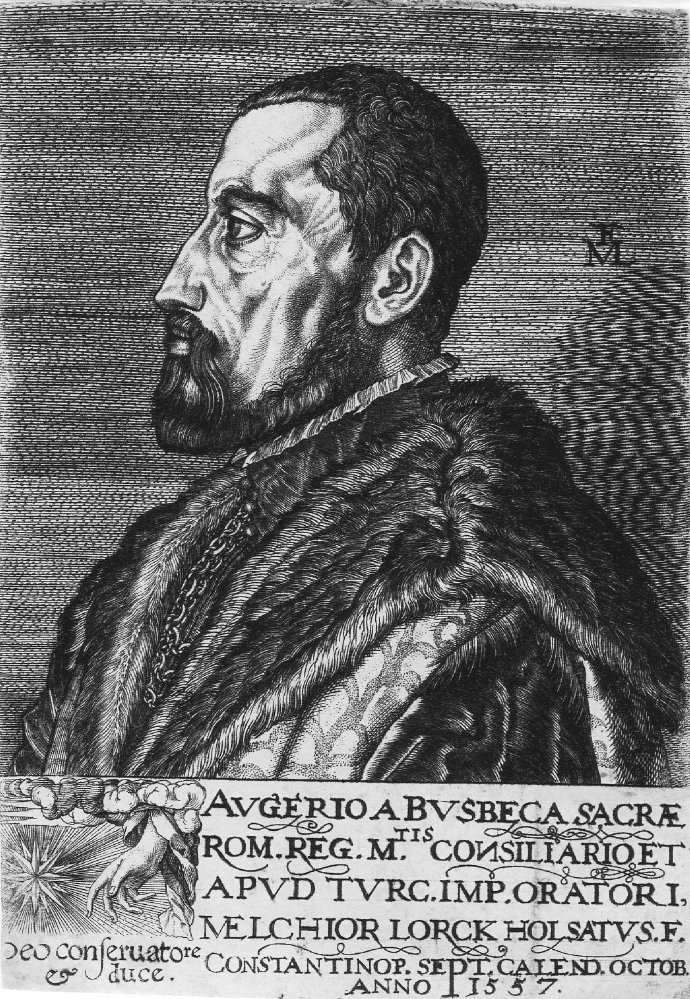
Above: Ogier de Busbecq
Upon returning to his country Busbecq published the letters he had written to his colleague Nicholas Michault under the title Turkish Epistles.
Busbecq is also known for his introduction of the tulip from Turkey to Europe.

Above: Tulip cultivation, Netherlands
Kelemen Mikes (1690 – 1761) was a Hungarian essayist, noted for his rebellious activities against the Habsburg Monarchy.

Above: Kelemen Mikes
Although backed by the Ottoman Empire, Hungarian rebels were defeated and Mikes had to choose a life in exile.
After 1715, Mikes spent the rest of his life in Tekirdag (near Istanbul).
His work is known as Letters from Turkey.
Helmuth von Moltke the Elder (1800 – 1891) was an officer in the Prussian army.
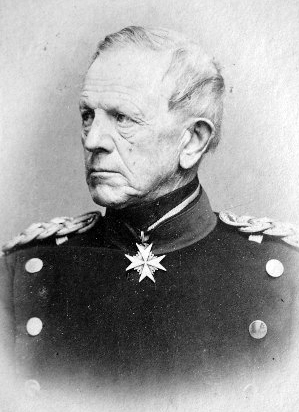
Above: Helmuth von Moltke the Elder
He spent four years in the Ottoman Empire as a military advisor between 1835 and 1839.
Upon returning to Germany, Moltke published Letters on Conditions and Events in Turkey (1835 – 1839).
As I ponder my visit to Lovere and think of how necessary and important the Lady Montagu observations about Turkey were, I am left with two distinct impressions:
First, Lady Mary saw what others did not see.
She viewed Turkey through her own perspective, inspiring generations of writers and travellers to express themselves in their own unique fashion.
Second, Lady Mary saw something about Lovere, a town possibly as ignored in her day as it is ignored in these modern times, that inspired her to remain until the siren call of love compelled her return to Venice and an old flame.
All of which reminds me that I, in my own humble way, have my own unique perspective on places that guidebooks ignore and that people might be inspired to visit.
And, as well, perhaps my observations about places and politics that are often misunderstood or ignored might encourage others to advocate positive changes to both our perspectives on these places and a rallying call to empathise with people rather than judging them for the inadequate governments that suppress them.
So, if I have any New Year´s resolutions, it would be to continue reading, travelling and writing about places both near and far.
Who knows what ripples my wee pebbles can cause?

Sources: Wikipedia / Google / The Rough Guide to Italy / Lonely Planet Italy