Sunday 7 July 2024
Eskişehir, Türkiye
“The primary concern of religion should be to provide a practical solution of life.
The heavenly reward is too remote.
The return should be brought within the earthly span.
People can now understand as universally accessible the miracle of the renewal of possibilities.
Hence, either the hand of the Invisible Friend or a sharp sword.
And, remembering the advantage of immediate remuneration, people will find a new path to the Temple.
There is no need to implore Divinity.
One should bring to oneself the best deed.
People believe they can attain perfection by many methods.
This multiplicity of mirages lulls the mediocre mind.
But one really has only two ways to live:
Either wisely and ardently to seek the realization of Aum, or to lie in a coffin like a log — self-centered and impoverished in spirit — assuming that one’s destiny will be taken care of by something or someone else.
It would seem, then, that a true striving toward realization of supreme possibilities should fill the greater part of human life as a most essential and engrossing occupation.
But in reality the light of knowledge has been replaced by the conventional dogma of religion, and Man, meant to be a thinker, worships his dark corner of idols, hanging amulets upon himself without even understanding the meaning of their symbols.
Repeat this to all those who sleep in the darkness of the ordinary.
Agni Yoga (Living Ethics), Helena and Nicholas Roerich
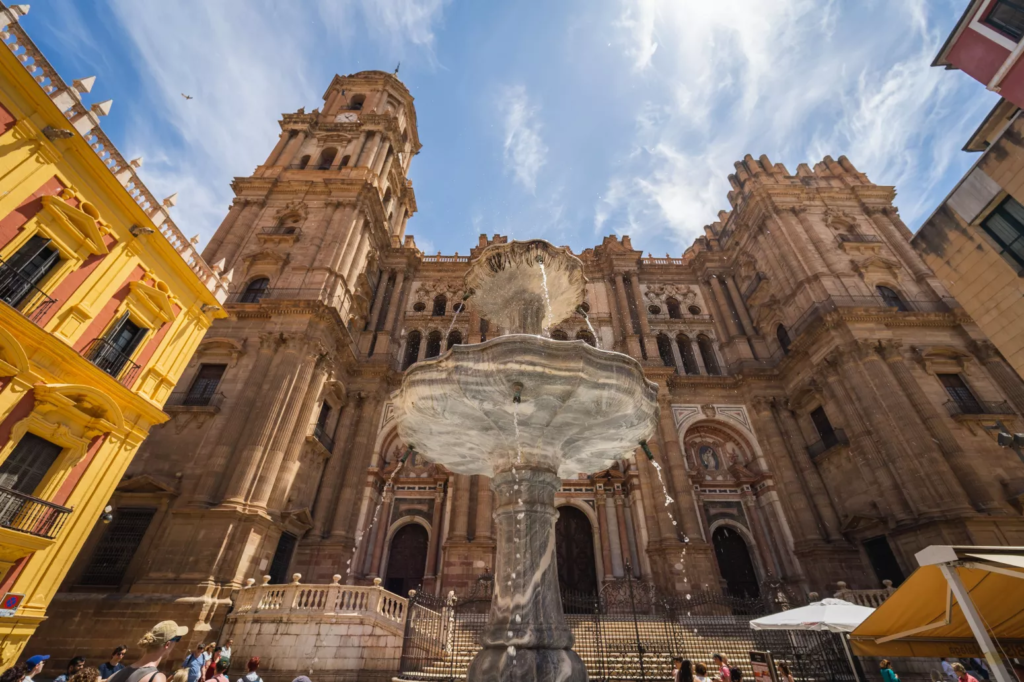
Above: Catedral Santa Maria de la Encarnación, Málaga, España
Tuesday 11 June 2024
Málaga Premium Hotel, Calle San Juan 11, Málaga, España
Every morning the Mercado Central (or Mercado Atarazanas) bustles with the typical ambiance of any city market, with stalls selling fish, shellfish, fruit, vegetables and meat.
There are also bars with outside tables where one can enjoy breakfast or tapas.
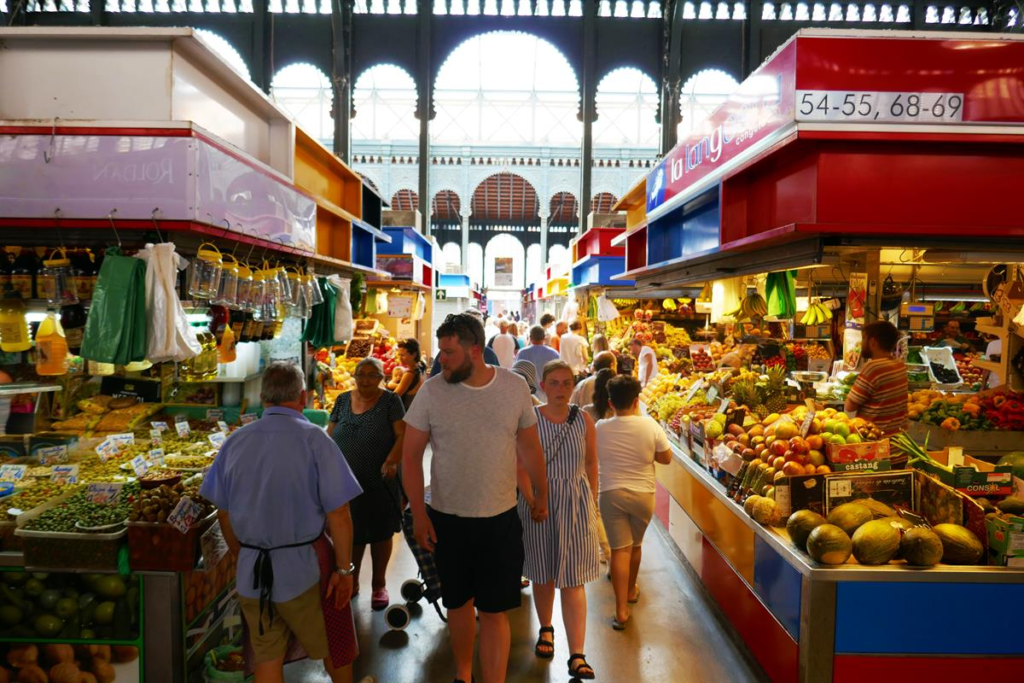
Above: Atarazanas Mercado, Málaga, España
The Mercado Central was constructed in the 19th century in neo-Mudejar style in the place where the Atarazanas – the old naval factory of the city – once stood.
On the façade of the original building facing the sea, seven gates were opened, of which the most monumental, known as the Gate of the Atarazanas, has been preserved.
Made in marble in the 14th century, the Gate displays a horseshoe arch and measures 14 metres high by 7 metres wide.
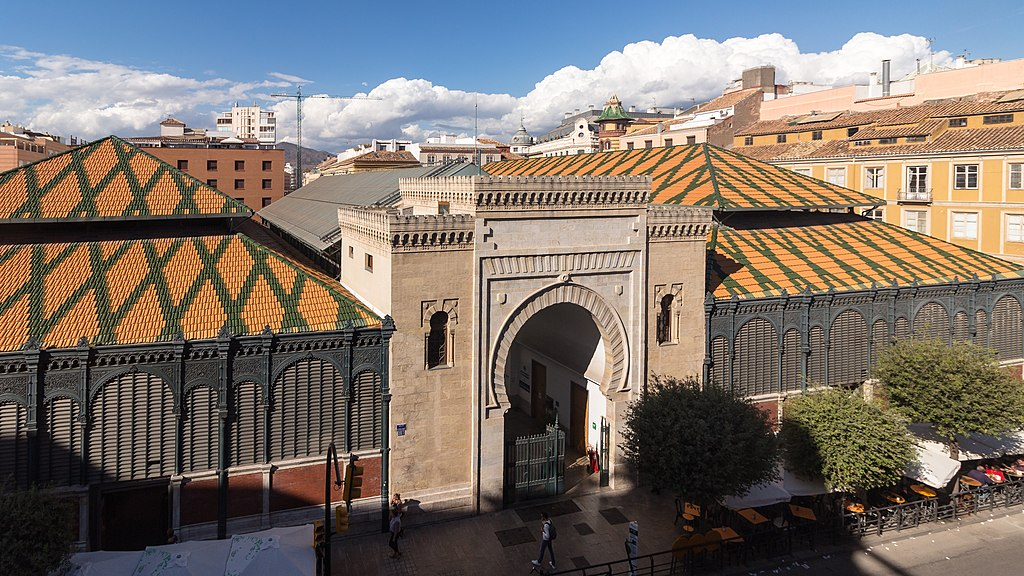
Above: Atarazanas Mercado, Málaga, España
This main entrance is presided over by an enormous stained glass window making me thinking of cathedrals with similar accoutrements.
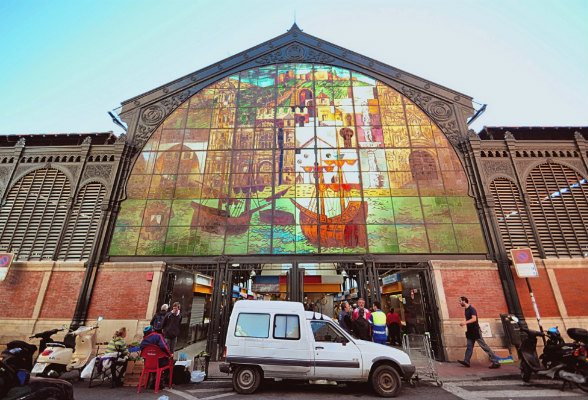
Above: Atarazanas Mercado, Málaga, España
I recall a tale from the Christian Bible:
“Jesus went straight to the Temple and threw out everyone who had set up shop, buying and selling.
He kicked over the tables of loan sharks and the stalls of dove merchants.
“My house shall be called a place of prayer, but you have made it a den of thieves.““
(Matthew 21: 12 – 13)
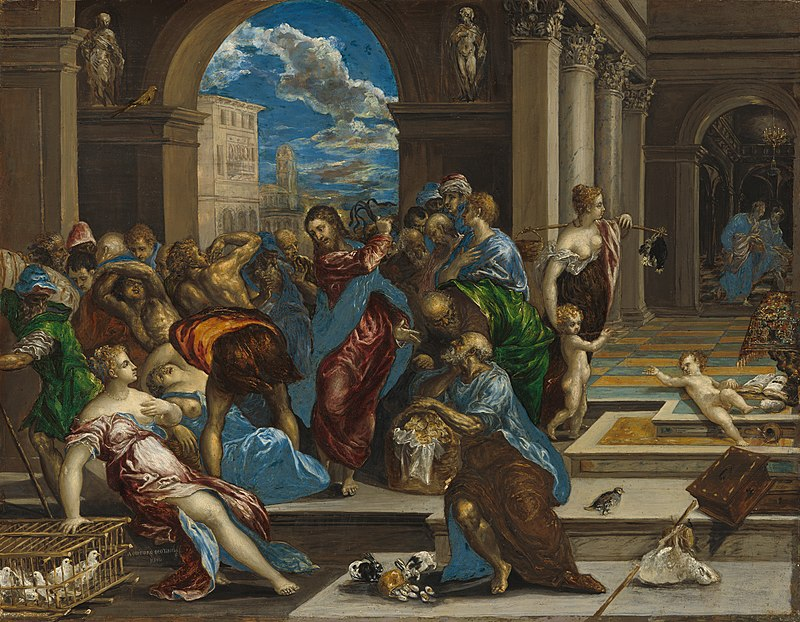
Above: The Cleansing of the Temple, El Greco (1568)
The Atarazanas would set the tone for our tourism today – religion and art.
We would visit the Museo Carmen Thyssen, the Málaga Cathedral and the Museo Picasso Málaga and other sites in the vicinity of these.
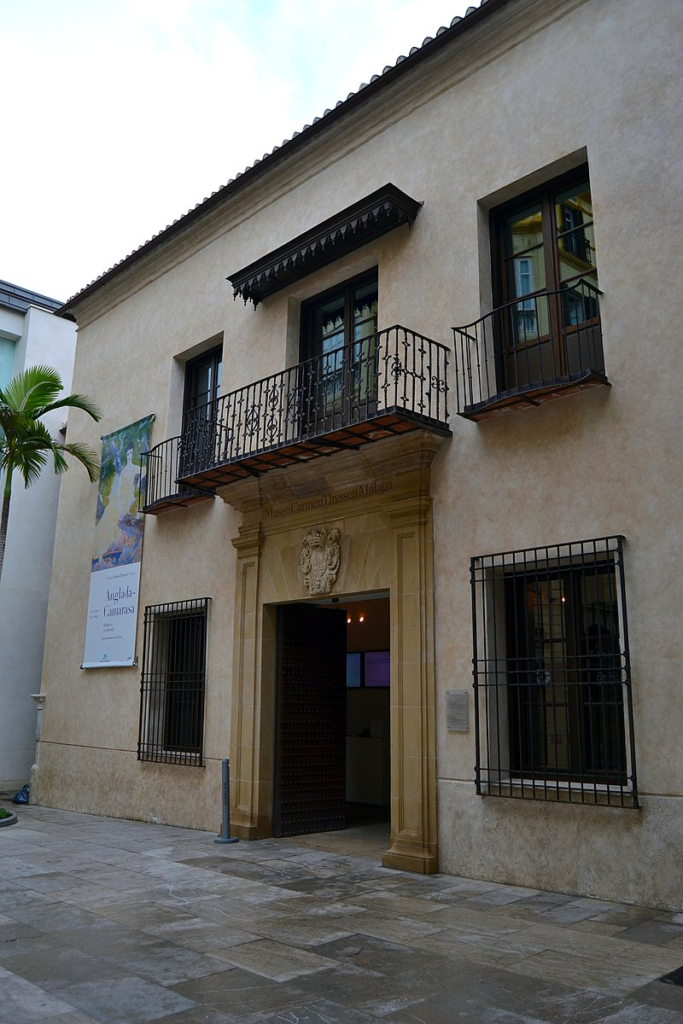
Above: Museo Carmen Thyssen, Palacio de Villalón, Málaga, España
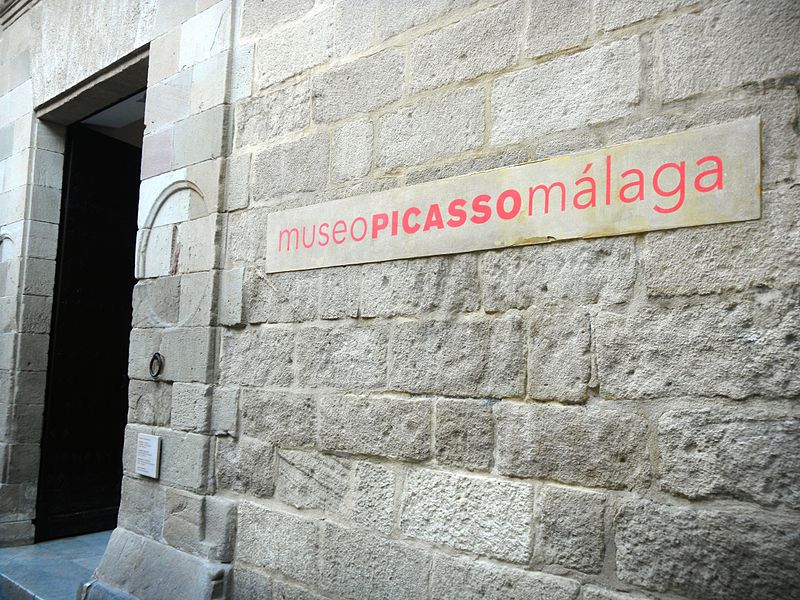
Above: Entry, Museo Picasso Málaga
What follows below are the ecclesiastical parts of the day….

There had been moments of unsettledness between us yesterday, but the wife and I go through the motions of acting civilized towards each other and those we encounter.
For we are here in Málaga, a leading international tourism destination for decades now.
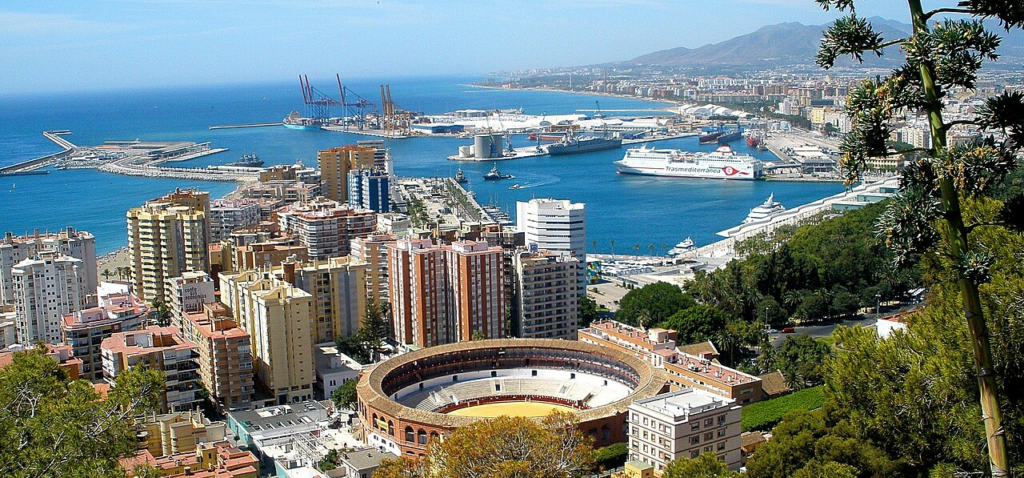
Above: Málaga
This is because of the Costa del Sol, almost 200 km of coastline that attracts hundreds of thousands of visitors every year.
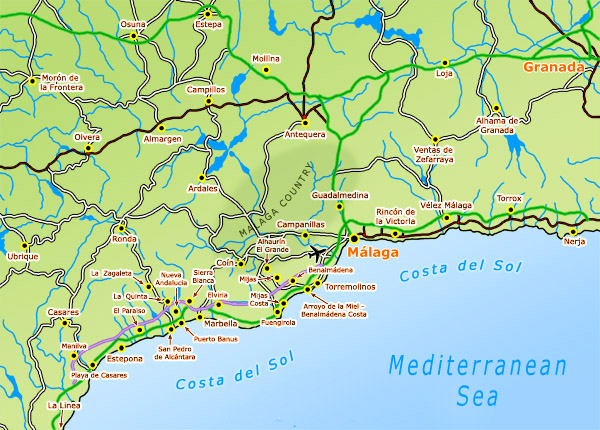
Málaga, capital of the Costa del Sol, is the chosen destination of many of these tourists who seek to complement the attractions of sun and sand, as this is a city whose history goes back more than 3,000 years, boasts a huge range of cultural attractions and outstanding architectural heritage.
The name of Málaga appears in Latin as Malaca, but it is older, possibly Phoenician, meaning is ‘port of refuge‘.
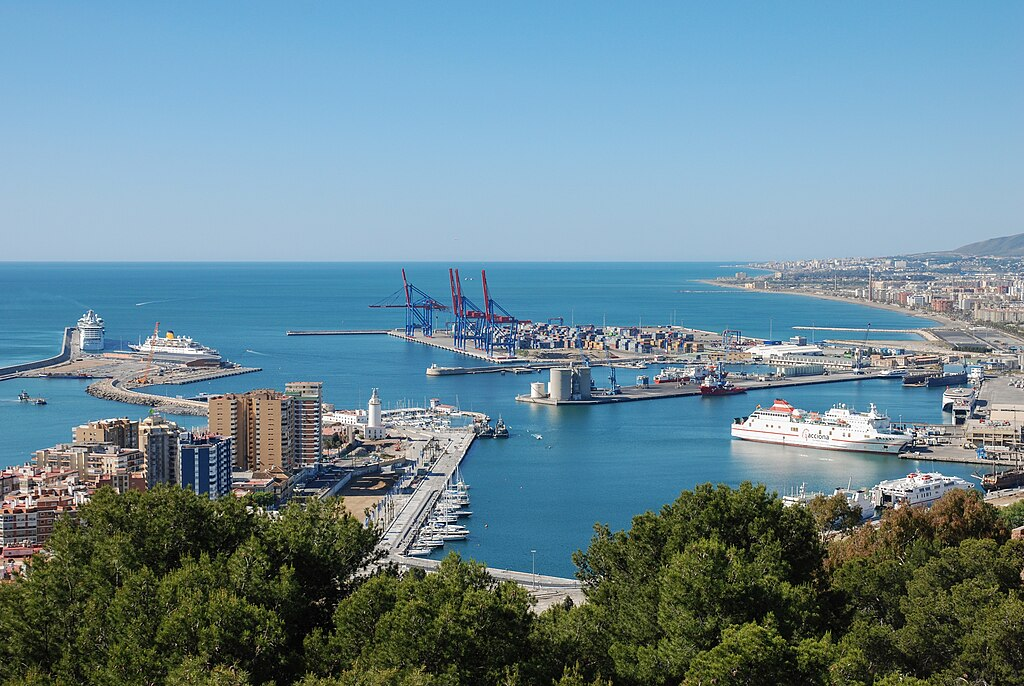
Above: The port of Málaga
We did somethin’ we both know it
We don’t talk too much about it
Ain’t no real big secret all the same
Somehow we get around it
Listen it don’t really matter to me, baby
You believe what you want to believe
You see, you don’t have to live like a refugee (don’t have to live like a refugee)
Somewhere, somehow, somebody
Must have kicked you around some
Tell me why you want to lay there
Revel in your abandon
Honey, it don’t make no difference to me, baby
Everybody’s had to fight to be free
You see, you don’t have to live like a refugee (don’t have to live like a refugee)
Now baby, you don’t have to live like a refugee (don’t have to live like a refugee) No
Baby we ain’t the first
I’m sure a lot of other lovers been burned
Right now this seems real to you
But it’s one of those things
You gotta feel to be true
Somewhere, somehow, somebody
Must have kicked you around some
Who knows, maybe you were kidnapped
Tied up, taken away and held for ransom, honey
It don’t really matter to me, baby
Everybody’s had to fight to be free
You see, you don’t have to live like a refugee (don’t have to live like a refugee)
No, you don’t have to live like a refugee (don’t have to live like a refugee)
You don’t have to live like a refugee (don’t have to live like a refugee)
Oh, oh, oh
Tom Petty and the Heartbreakers, “Refugee“

Come for the cuisine.
Málaga’s exquisite fried anchovies and whitebait are outstanding, along with espeto de sardinas (sardines grilled on a spit in the open air, especially on the beach), rice à la marinera, stuffed tuna fish à la malagueña and chivo al ajillo (goat with garlic).

Above: Espeto de sardines

Above: Paella marinera

Above: Tuna à la Malagueña
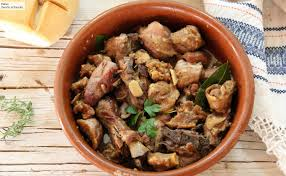
Above: Chivo al ajillo
Three cold soups are also excellent:
Zoque is a rather thicker variant of gazpacho with carrots.

Porra antequerana is a variant on salmorejo.
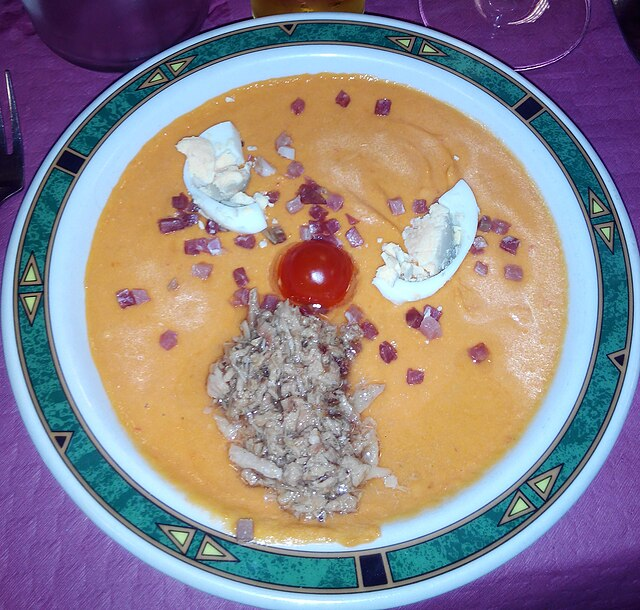
Above: Porra antequerana
Ajo bianco (“white garlic“) is made from almonds and garlic with muscatel grapes.
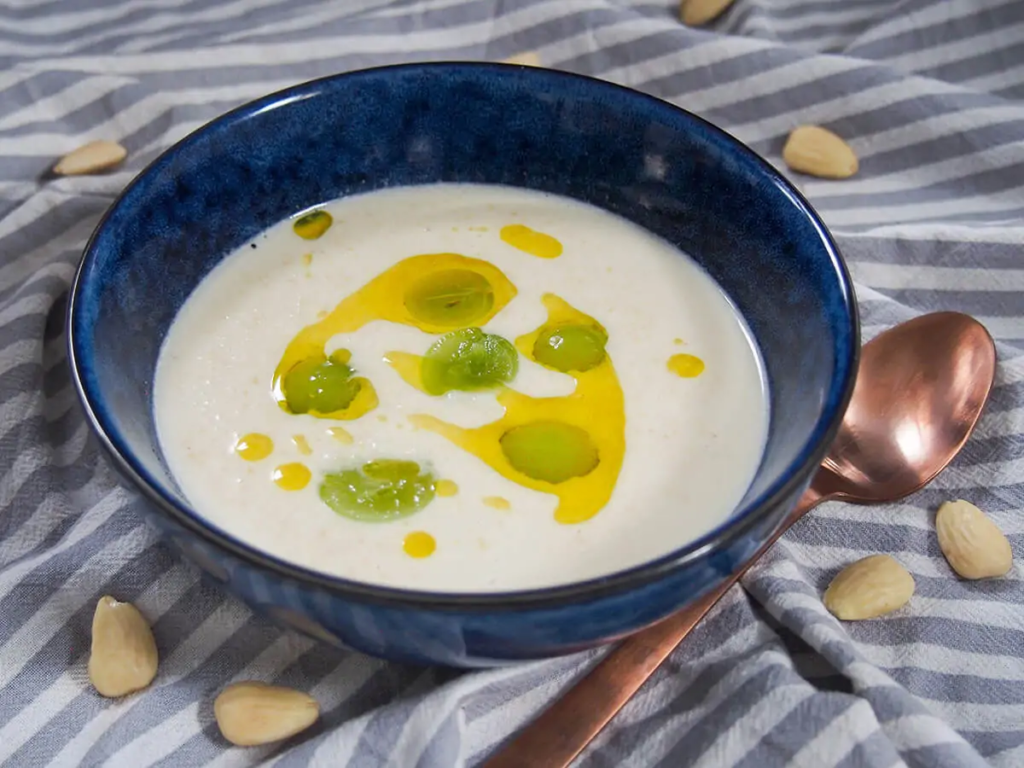
Above: Ajo bianco
For dessert, raisins, muscatel grapes, borrachuelos, polvorones and a variety of tropical fruit, like cherimoya and avacado, enjoy fame.
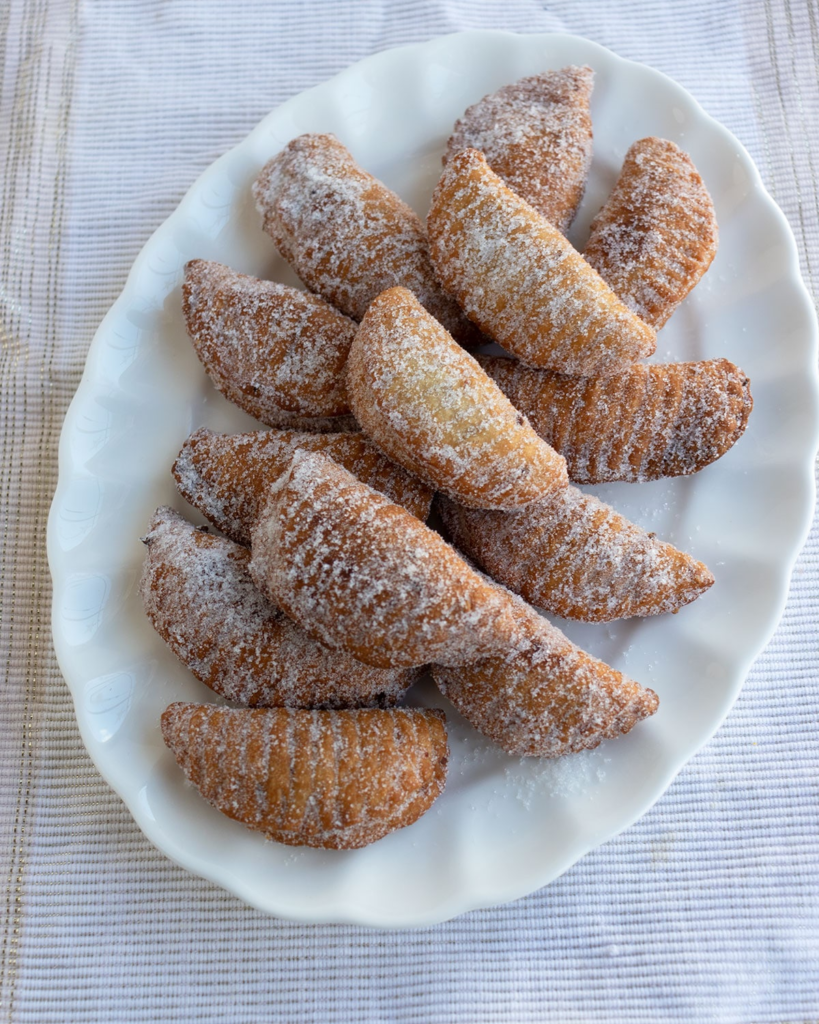
Above: Borracuelos malagueños

Above: Polvorones malagueños
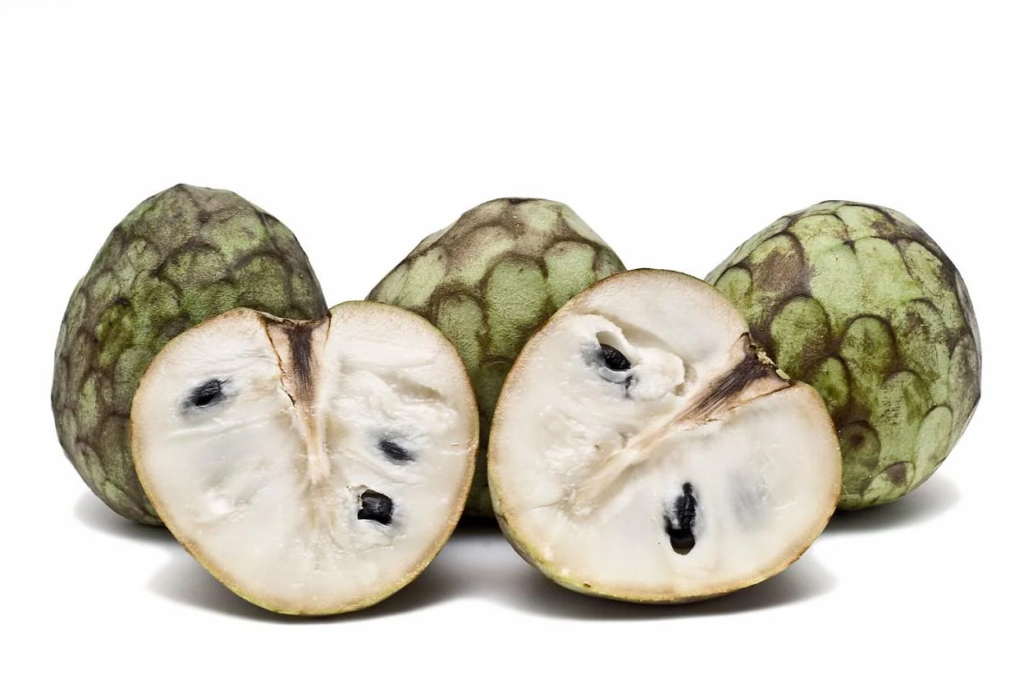
Above: Cherimoya malagueños
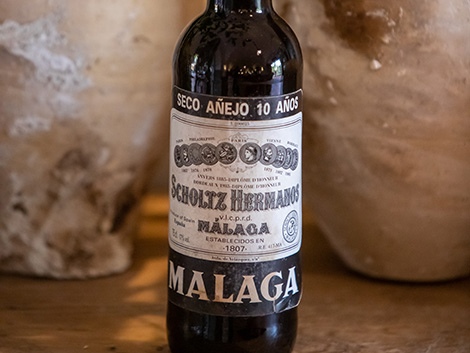
Regarding wine, Málaga is, of course, famous for its delicate sweet wines.
The people of Málaga are very fond of tapas.
There are many bars in all the cities of the province for the most demanding gourmet, guaranteed to be satisfied with the quality and variety of the snacks and wines that are served.
These will sustain the body, if not the soul.
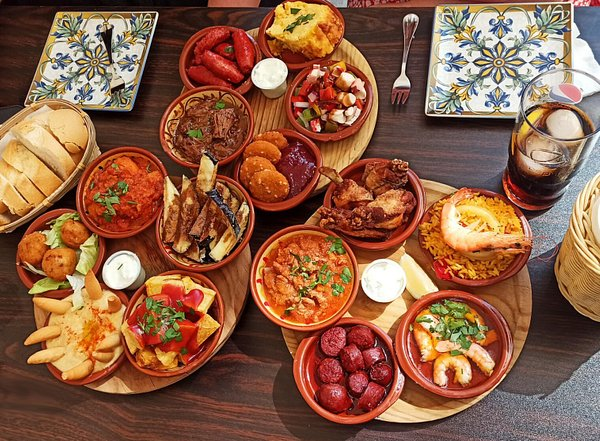
Above: Tapas
If a man wished to have his Last Supper anywhere in the world, Málaga would be a fine choice.
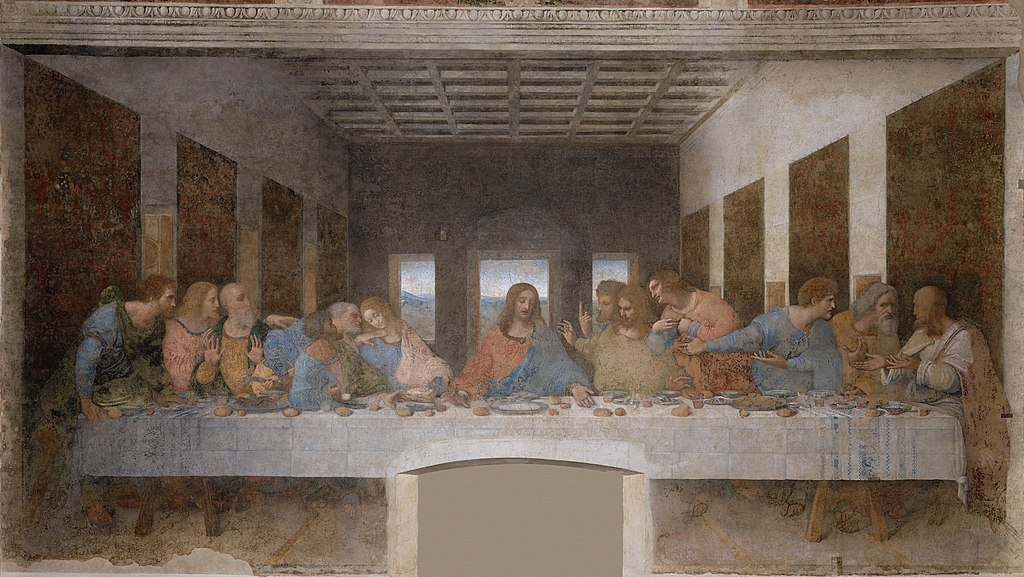
Above: Leonardo da Vinci’s Last Supper (1498)
Málaga’s old town occupies the area that once lay between the perimeters of the walls built by the Moors.
Indeed, much of its old Arabic layout has been preserved.
The main reforms carried out after the Christian conquest of the city in 1487 were the extension of a square that became known as Plaza de las Cuatro Calles and served the function of a main square (Plaza Major) (today’s Plaza de la Constitucion) and the establishment of a street, Calle Nueva, to connect this square with the Sea Gate, which then stood by the sea.
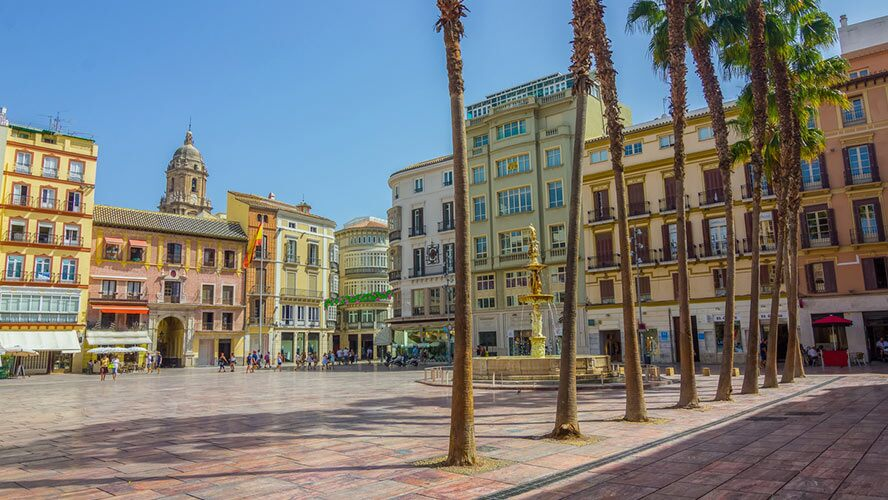
Above: Plaza de la Constitucion, Málaga
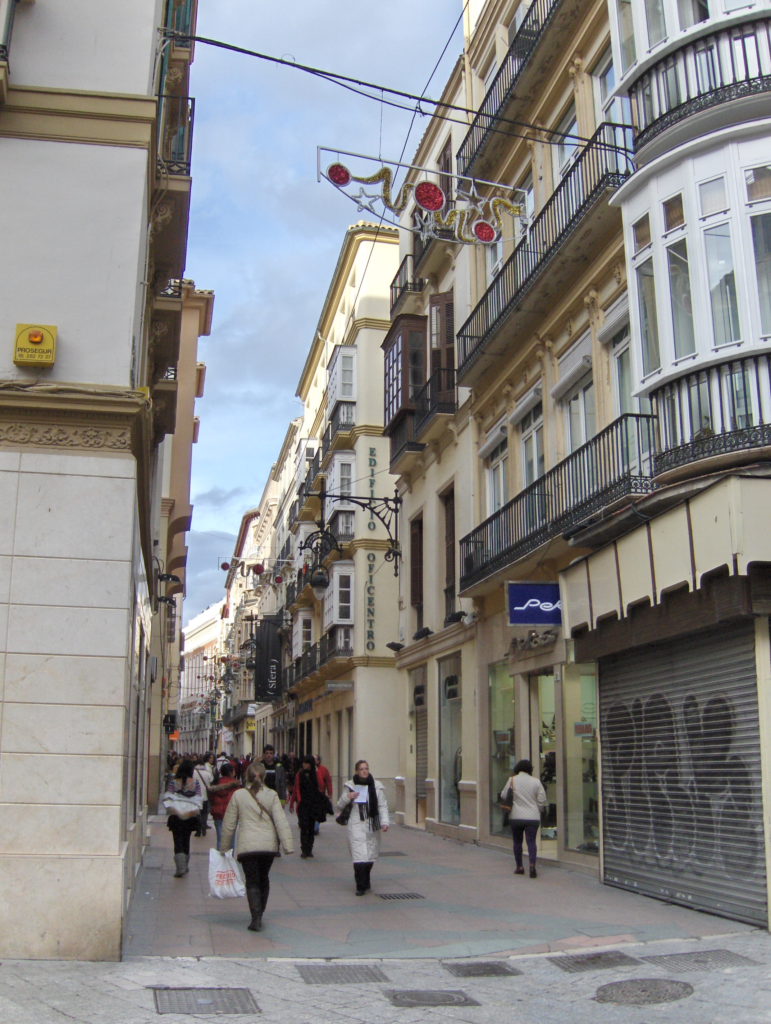
Above: Calle Nueva, Málaga
Other main thoroughfares, such as Calle Marqués de Larios, were not built until much later, in the late 19th century.
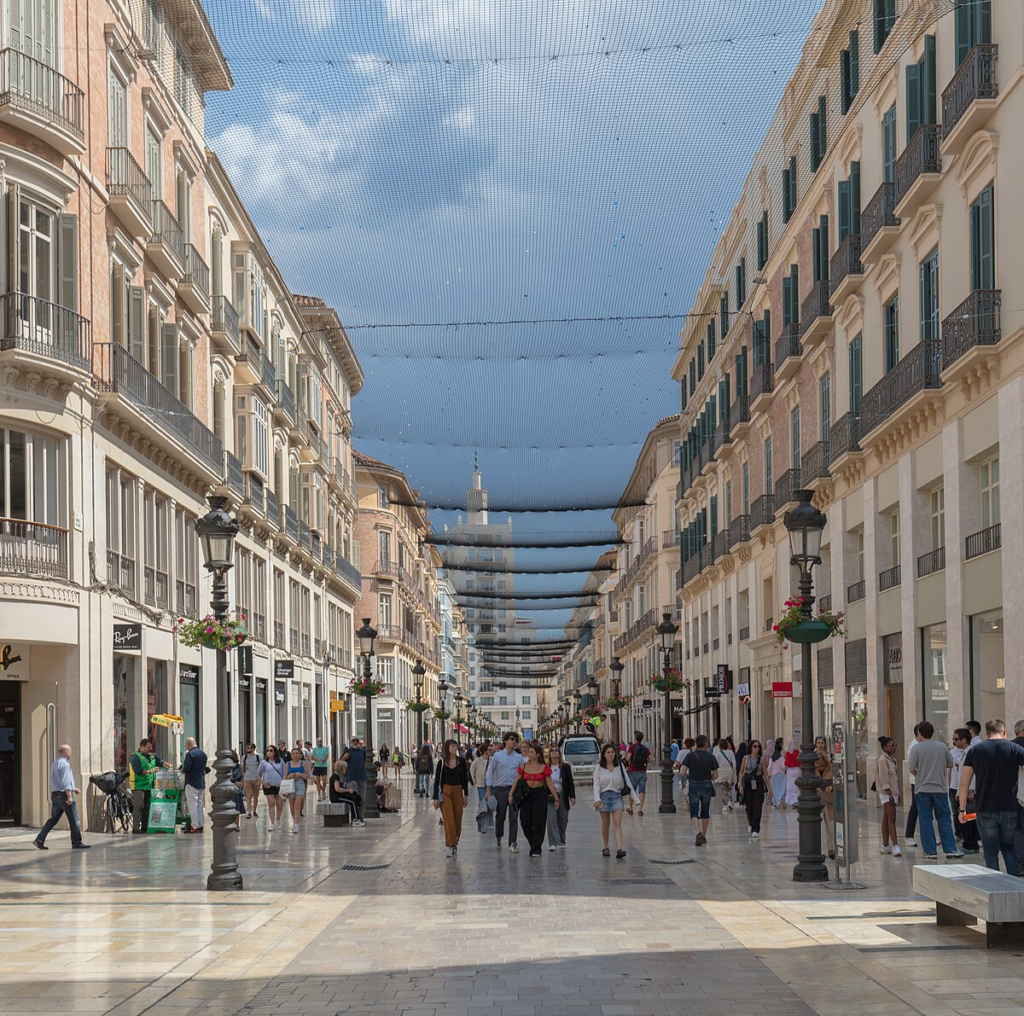
Above: Calle Marqués de Larios, Málaga
Previously, in the 18th century, to enable the growth of the city, the walls were demolished.
Today, the old town is practically all pedestrian, making it a delight to explore on foot.
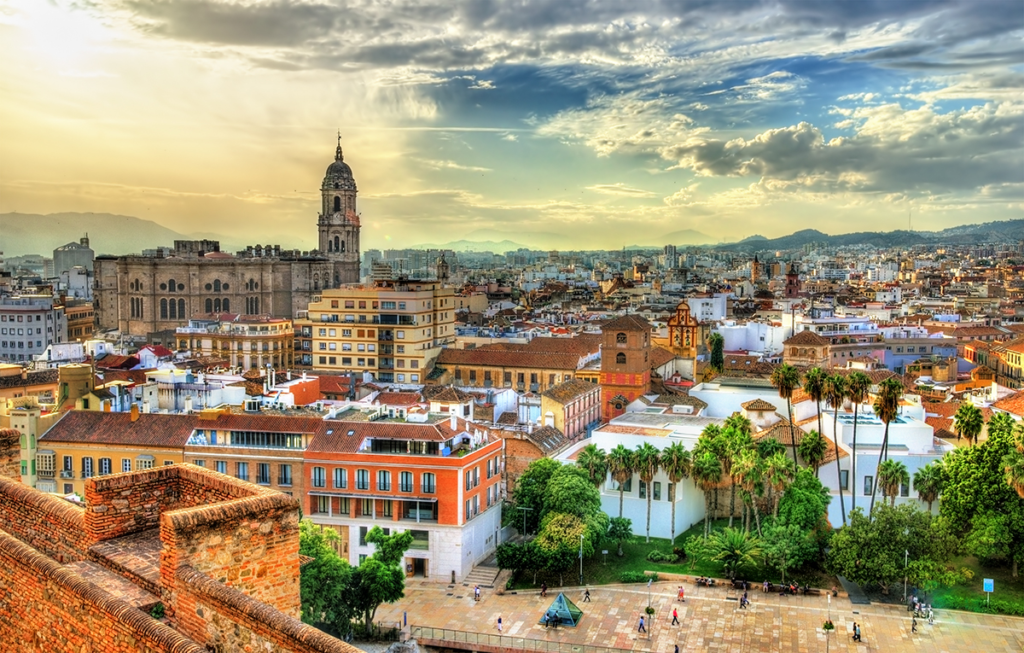
Above: Old Town, Málaga
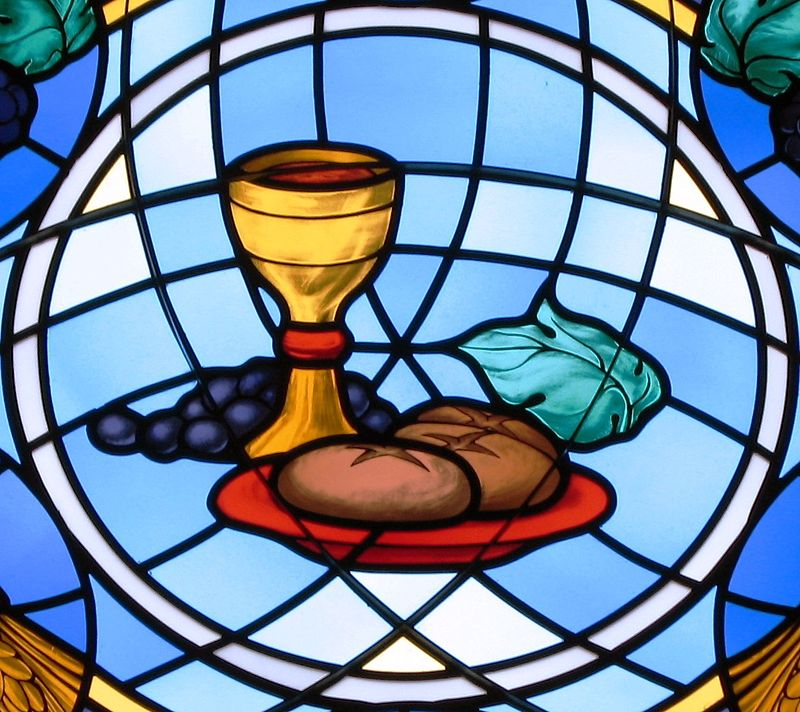
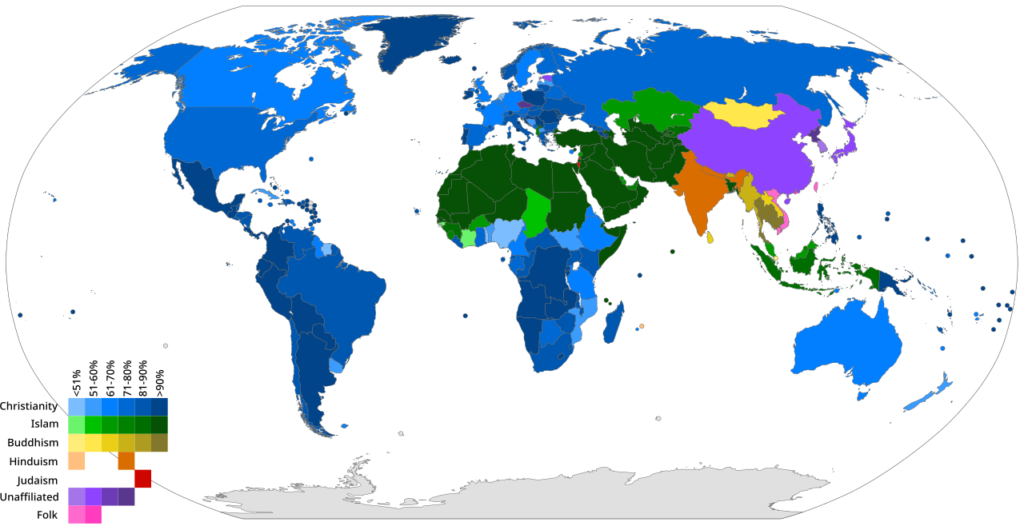
From mud huts in Africa to the Canadian tundra, Christians kneel to receive the elements of the Holy Eucharist.
It is an impressive picture.
Yemenite Jews in their synagogue in Jerusalem – dark-skinned men sitting shoeless and cross-legged on the floor, wrapped in their prayer shawls their ancestors wore in the desert – sway backwards and forwards like camel riders as they recite the Torah.
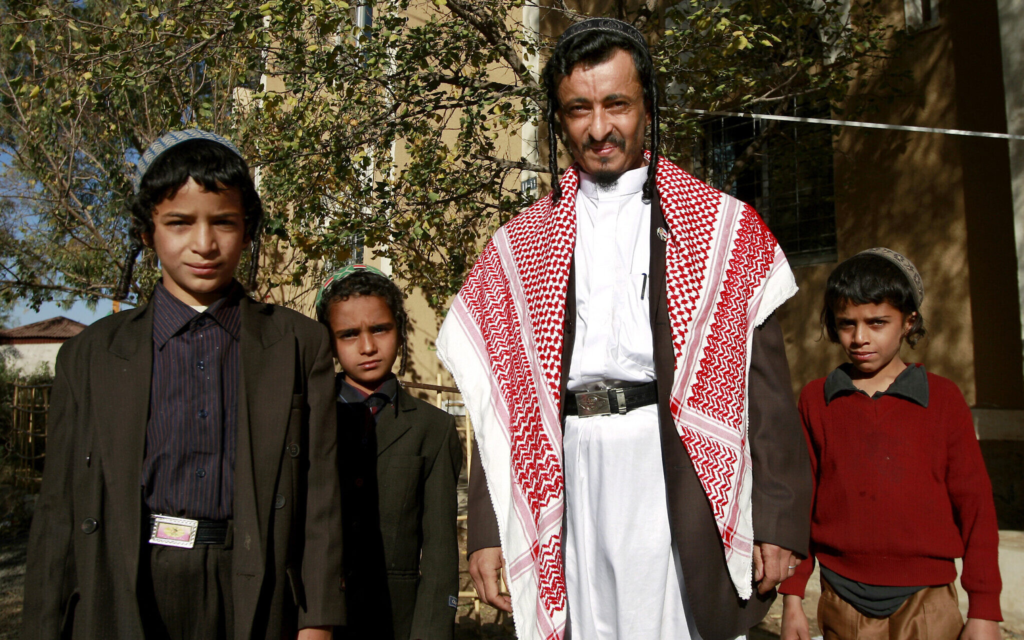
Above: Yemenite Jews
Meanwhile, inside the Blue Mosque in Istanbul, folks prostrate themselves – five times a day wherever and whenever they can – toward Mecca.
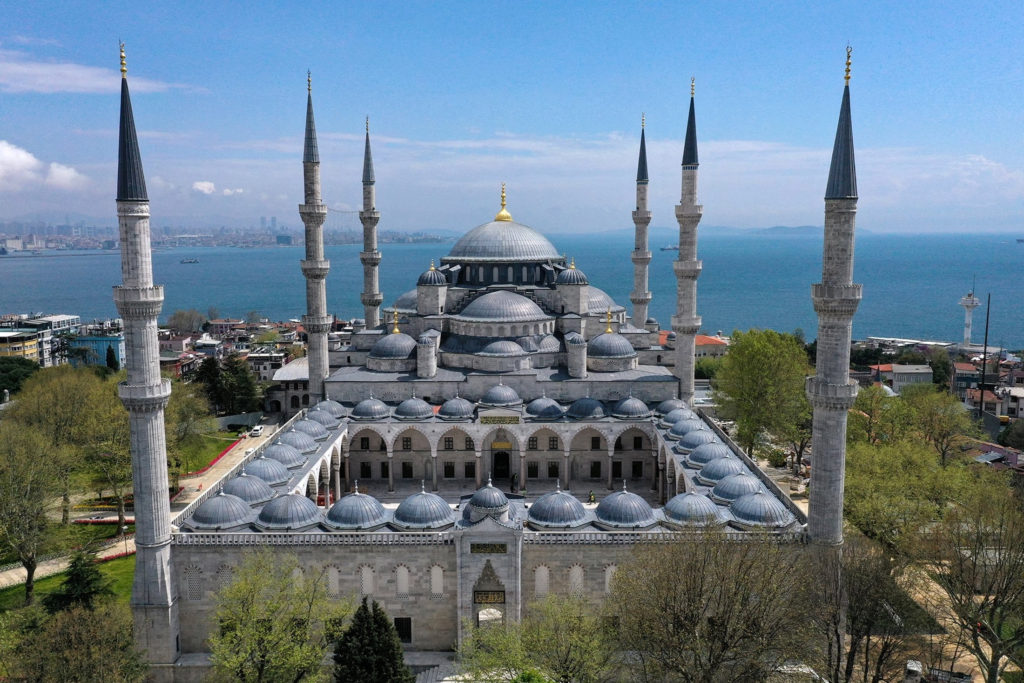
Above: The Blue Mosque, Istanbul, Türkiye
A Swami, in his tiny house by the Ganges at the foot of the Himalayas, will not speak today.
He will continue the devotional silence that, with the exception of three days each year, he has kept for five years.
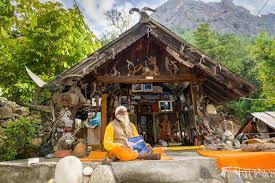
Above: Swami
From 0400 to 0600 this morning, a Buddhist is alone with the Eternal in the privacy of the shrine that adjoins his home in Rangoon.
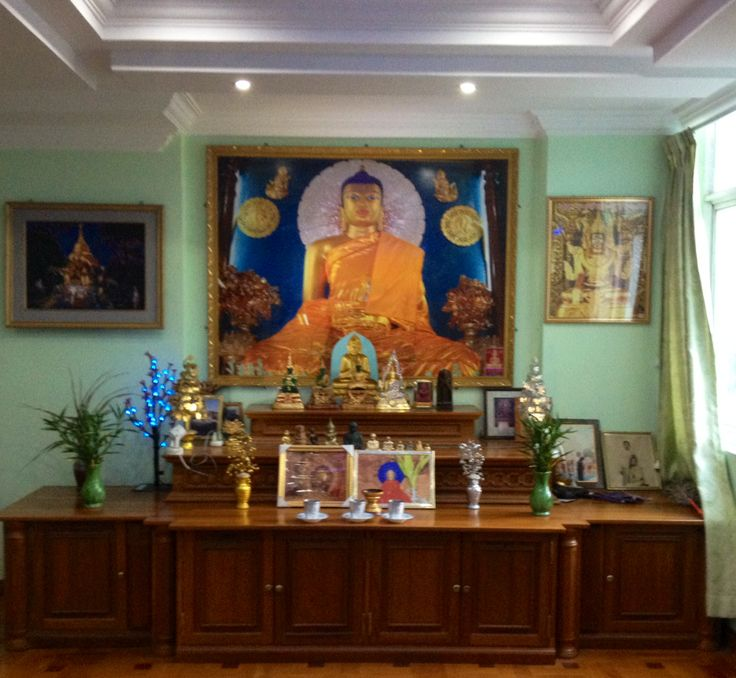
Above: Home altar, Rangoon, Burma
Zen monks in Kyoto are ahead of him by an hour.
They have been up since 0300 this morning and until 2300 tonight will spend most of their day sitting immovable in the lotus position as they seek with intense absorption to plumb the nature that lies at the centre of their being.
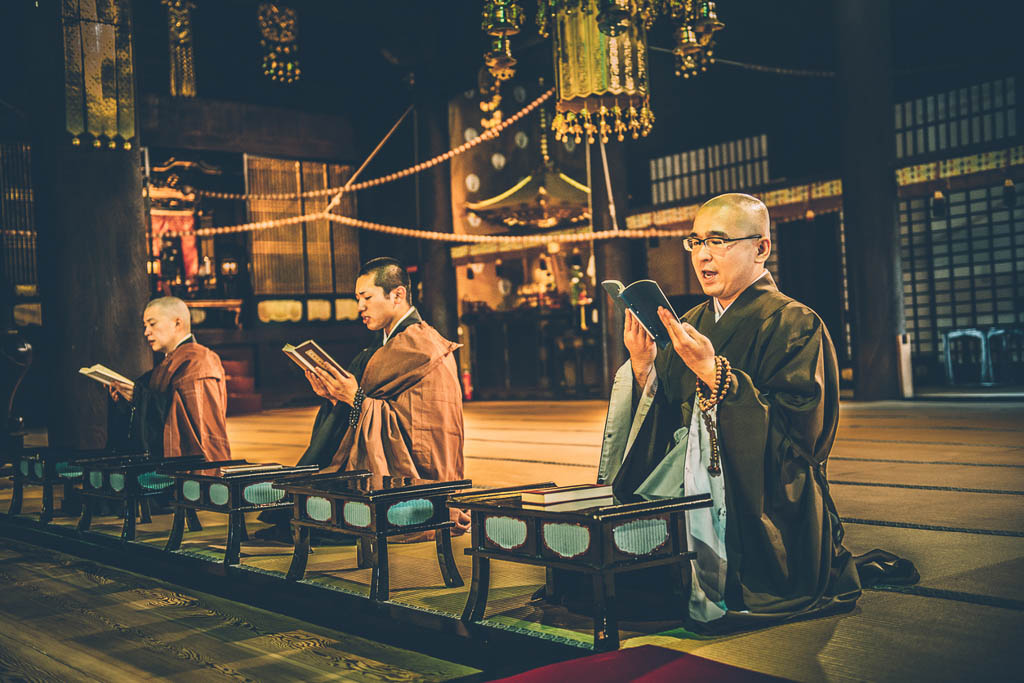
Above: Zen monks, Kyoto temple, Japan
What a strange fellowship this is, the seekers of the divine in every land, lifting their voices in the most disparate ways imaginable to an invisible God whose only proof of existence is that his non-existence cannot be proved.
If God does exist, how does all this clamour sound from above?
Like bedlam?
Or do the strains blend in some strange ethereal harmony?
Does one faith carry the lead or do the parts share in counterpoint and antiphony where not in full-throated chorus?
I do not know.
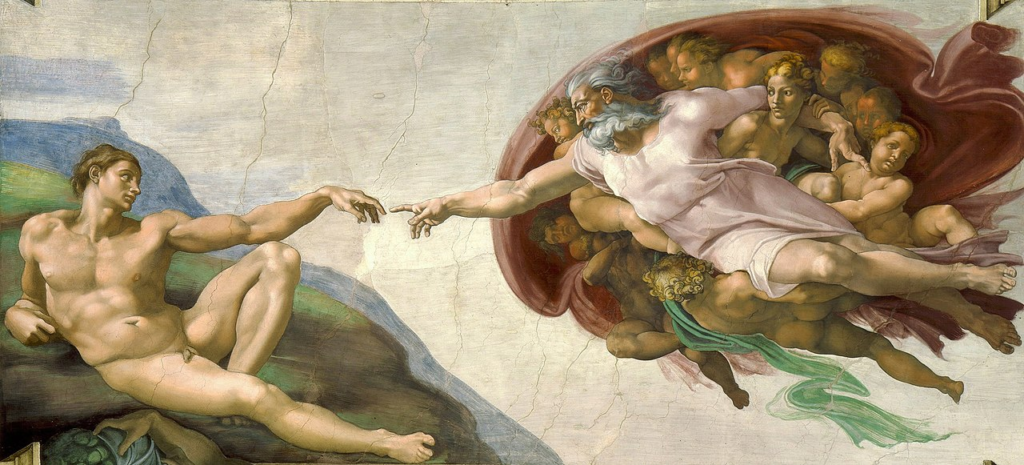
Above: The Creation of Adam, Michelangelo (1511), Sistine Chapel, Vatican City
All that is required of me is that I try to listen carefully and give attention to each voice in turn as I encounter their attempts to address the divine.
It is true that there are some faiths that everyone should be acquainted with, simply because, if for no other reason, hundreds of millions of people live by them.
Perhaps by studying faith one can bring order to the chaos of existence?
Every religion mixes universal principles with local peculiarities.
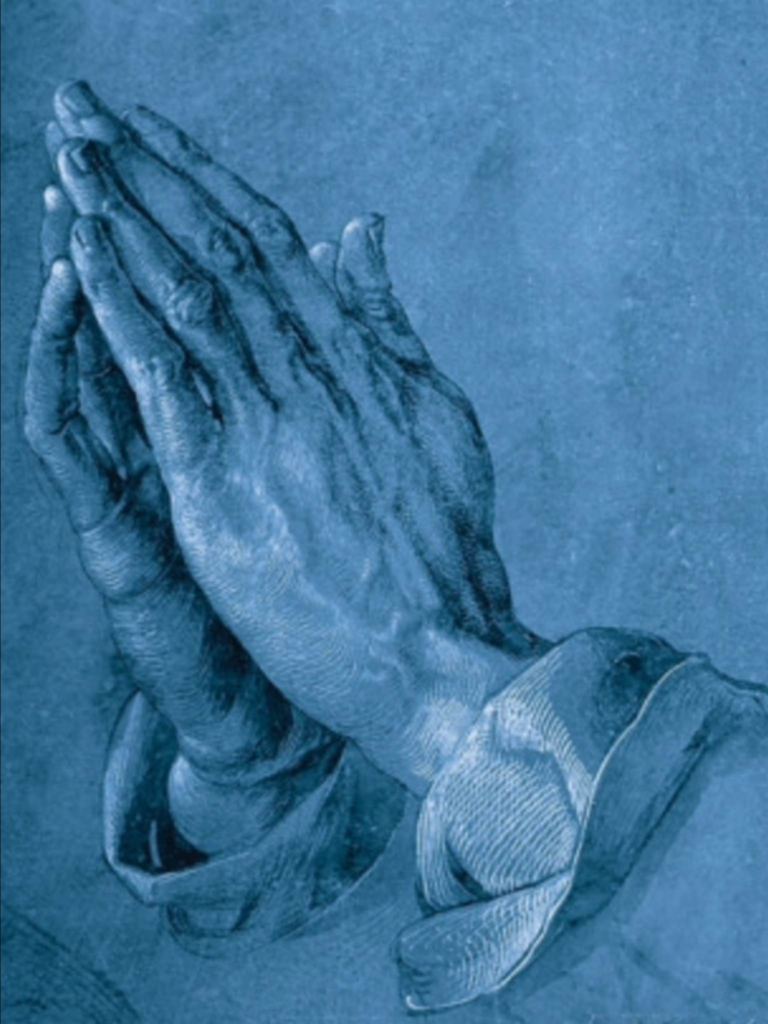
Above: Praying hands, Albert Dürer
Most of the population of Málaga professes Roman Catholicism as its religion, although not many are practising Catholics.
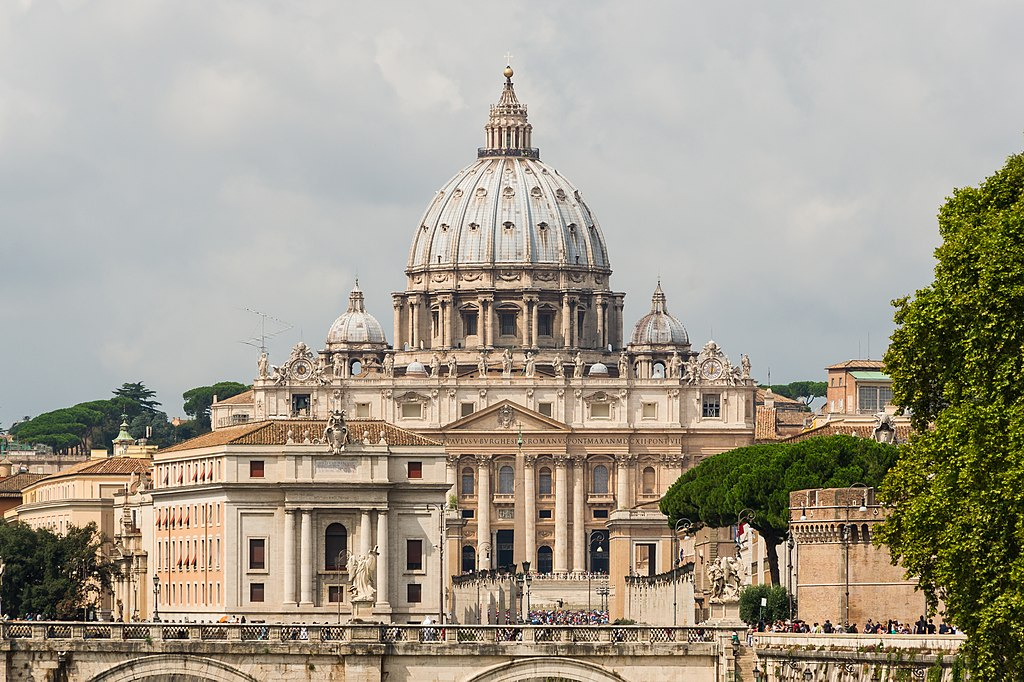
Above: St. Peter’s Basilica, Vatican City – the largest Catholic church building in the world
Perhaps, by sifting out clearly what is generically human in us all, we can discover that the universal principles of faith are more important than the rites and rituals that feed them.
I cannot render a balanced account of religion, for that which is preached is not always practiced.
How can we balance a silent Christ with the Crusades (1095 – 1291) and the Spanish Inquisition (1478 – 1834)?
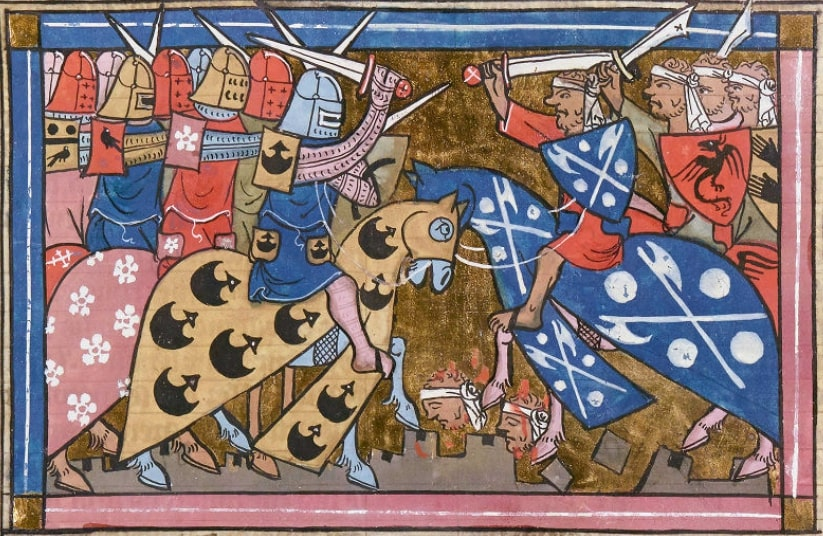
Above: 14th-century miniature of a Second Crusade battle from the Estoire d’Eracles
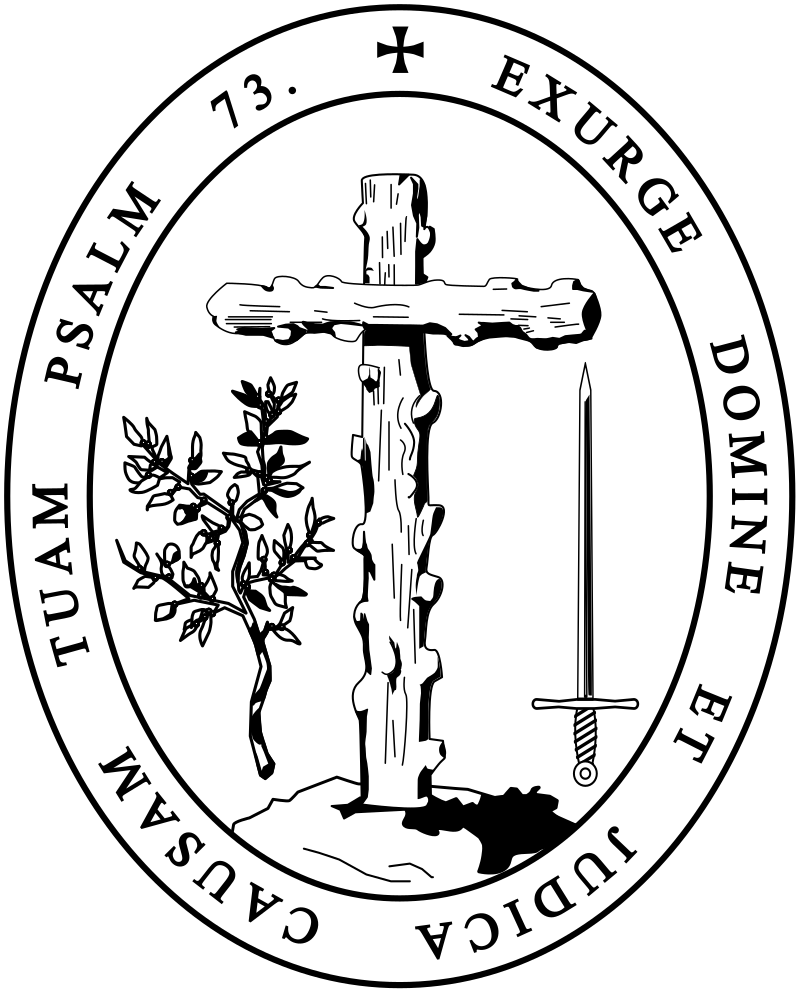
Above: The coat of arms of the Tribunal of the Holy Office of the Inquisition – Seal for the Tribunal in Spain –
Flanking the cross is a sword, symbolising the punishment of heretics, and an olive branch, symbolising reconciliation with the repentant.
In Latin, the inscription “Exurge Domine et judica causam tuam. Psalm 73”
(“Arise, O God, and defend your cause“)
How can we ever suggest that Allah would want holy war or would ever condone terrorism?
Terrorism is not unique to one religion.
How can we ignore that all established religions have blood-soaked pasts that need little encouragement to be replayed?
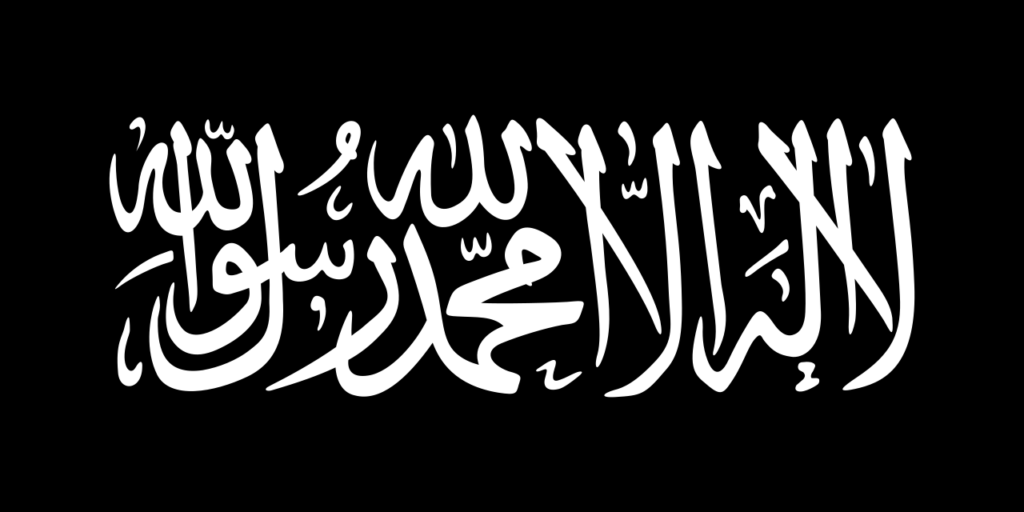
Above: Flag of Jihad, Al-Qaeda
How can we equate the birth of Christ with Santa Claus and shopping at the mall?
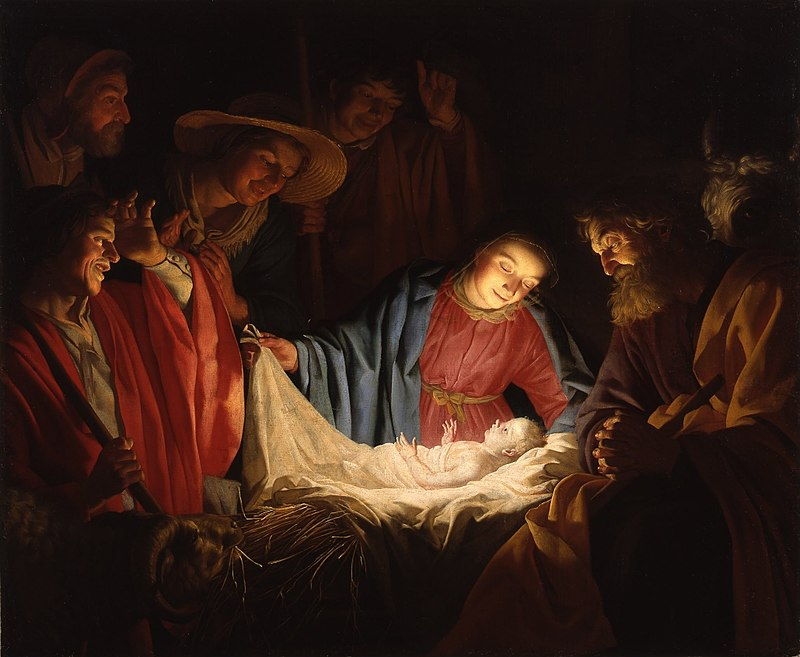
Above: Adoration of the Shepherds by Gerard van Honthorst (1622)

Above: Santa Claus
How can we equate the death and resurrection of Jesus with chocolate bunnies and Easter eggs?
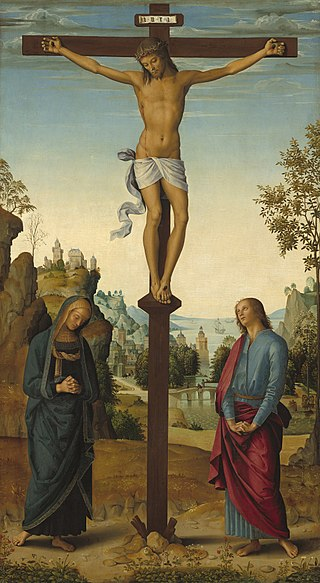
Above: The Crucifixion, Pietro Perugino (1482)
How can we explain the insane disparity between faith and fanaticism?
How can we say that God is love while killing in His Name?
Perhaps faith should be less about rite and ritual and more about right and wrong?

Lincoln Steffens tells a fable of a man who climbed to the top of a mountain and, standing on tiptoe, seized hold of Truth.
Satan, suspecting mischief from this upstart, had directed one of his underlings to tail the man, but when the demon reported with alarm the man’s success – that he had seized hold of Truth – Satan was unperturbed.
“Don’t worry“, he yawned.
“I’ll tempt him to institutionalize it.“
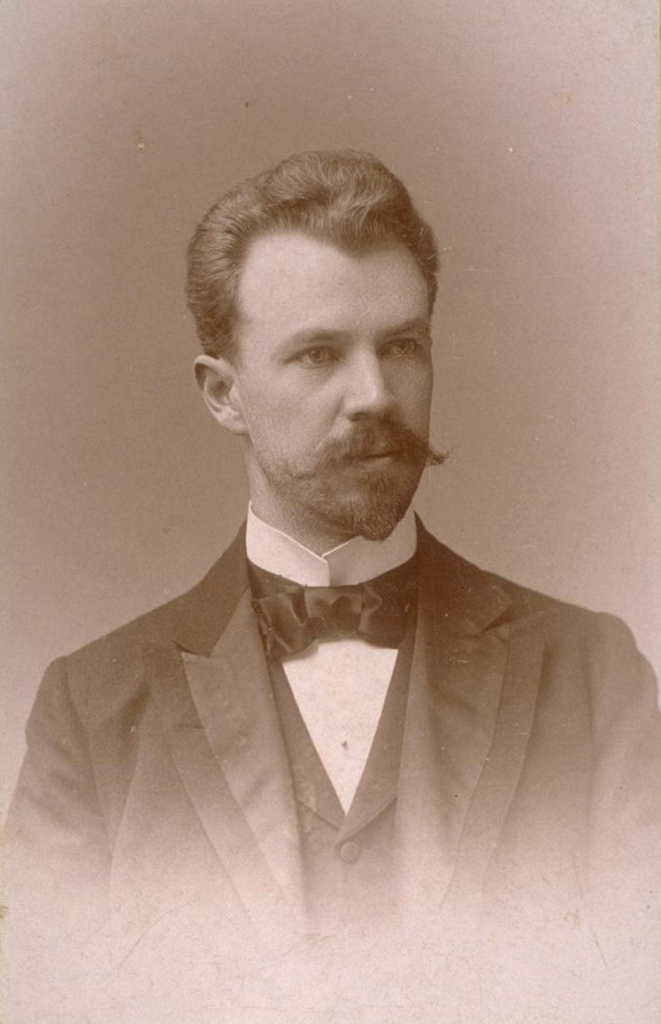
Above: US investigative reporter Lincoln Steffens (1866 – 1936)
That story helps to separate the best from the ambiguous in religion.
The empowering theological and metaphysical truths of the world’s religions are inspired.
Institutions – religious institutions emphatically included – are another story.
Constituted as they are of people with their inbuilt frailities, institutions are built of vices as well as virtues.
When the vices get compunded by numbers, the results can be horrifying to the point of suggesting that the biggest mistake religion ever made was to get mixed up with people.
But for religion to hold aloof from people would have resulted in faith leaving no mark on history.
T.S. Eliot speaks to a truth I see reflected in these modern times:
“Where is the knowledge that is lost in information?
Where is the wisdom that is lost in knowledge?“
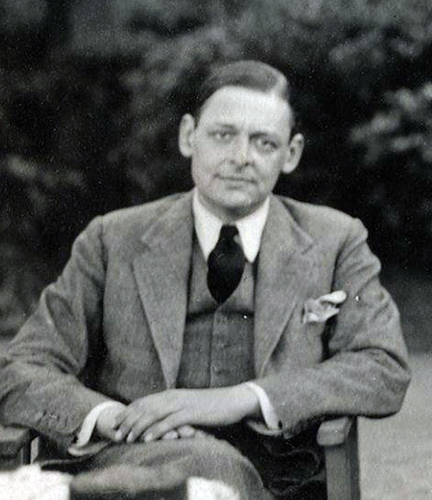
Above: US-born English poet Thomas Stearns Eliot (1888 – 1965)
Wisdom lies beneath the rites and rituals – the universality of the human condition.
We live in fantastic times.
Lands across the planet have become our neighbours, China across the street, the Middle East at our back door.
I am one of many who travel anywhere and everywhere.
I am one of many who when at home face a bombardment, an endless parade, of books, documentaries and encounters with others from faraway places with strange sounding names.
Put it another way:
What do we know of Home, who only Home know?

We are truly as Diogenes exclaimed:
“I am not an Athenian nor a Greek but a citizen of the world.“
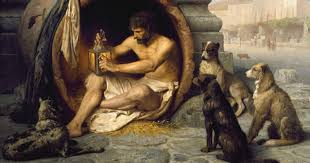
Above: The Greek philosopher Diogenes (404 – 323 BC) is seated in his abode, the earthenware tub, in the Metroon, Athens, lighting the lamp in daylight with which he was to search for an honest man.
His companions were dogs that also served as emblems of his “Cynic” (“kynikos” / dog-like) philosophy, which emphasized an austere existence.
What does belonging mean?
What passes in Life and what endures?
Is the Infinite within or outside ourselves?
Is everything holy because it exists or is there something beyond that which we perceive?
Religion is faith alive.
It exists not as a dull habit but as an acute fever.
Religion confronts reality, asking each of us to master ourselves.
Those who dare, those who have the courage, to hear and follow that secret call soon learn the dangers and difficulties of its lonely journey.
I am ashamed to admit that I lack that courage.
“Now I have come to the crossroads in my life.
I always knew what the right path was.
Without exception, I knew.
But I never took it.
You know why?
It was too… damn… hard.”
Al Pacino / Lieutenant Colonel Frank Slade, Scent of a Woman

“A sharpened edge of a razor, hard to traverse,
A difficult path is this – the poets declare.”
Katha Upanishad
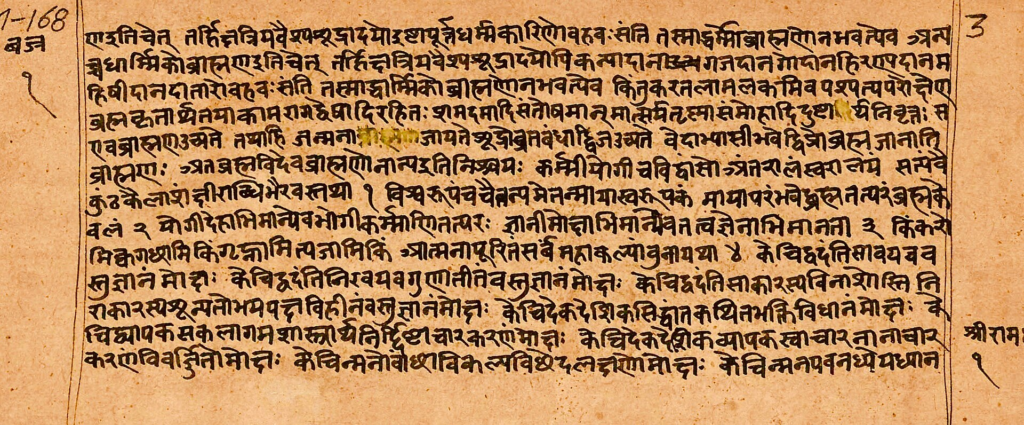
Above: Sample of the Vajrasuchi Upanishad
Where the Plaza de la Constitucion meets the corner of Calle Compañia is the Iglesia Santa Cristo de la Salud, which dates to the 16th and 17th centuries.
The Church has a circular ground plan and was originally a Jesuit church.
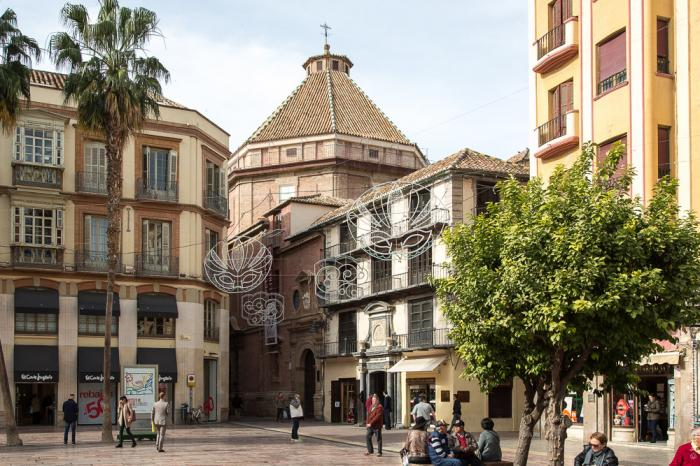
Above: Iglesia Santa Cristo de la Salu (Church of the Sainted Christ of Salvation), Málaga
Nearby are two other interesting churches as both house some of the best-known images from Málaga’s Holy Week.
These are the Iglesia de los Santos Martires, built in honour of the martyrs Ciriaco and Paula (killed in Málaga in the year 303), patron saints of the city, and the Iglesia San Juan Bautista.
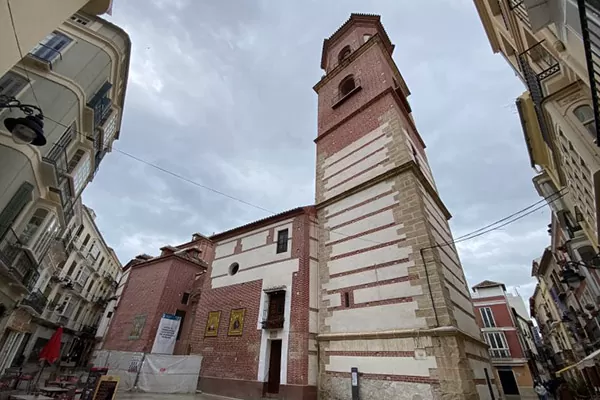
Above: Iglesia de los Santos Martires, Málaga
Above: Iglesia San Juan Bautista, Málaga
These two churches, together with those of Iglesia de Santa Maria del Sagrario (Church of St. Mary of Sanctuary) and Iglesia Santiago Apostol (Church of St. James the Apostle), are the four churches whose construction the Catholic Monarchs (Queen Isabella I of Castile / King Ferdinand II of Aragon) ordered inside the walls after the conquest of the city.
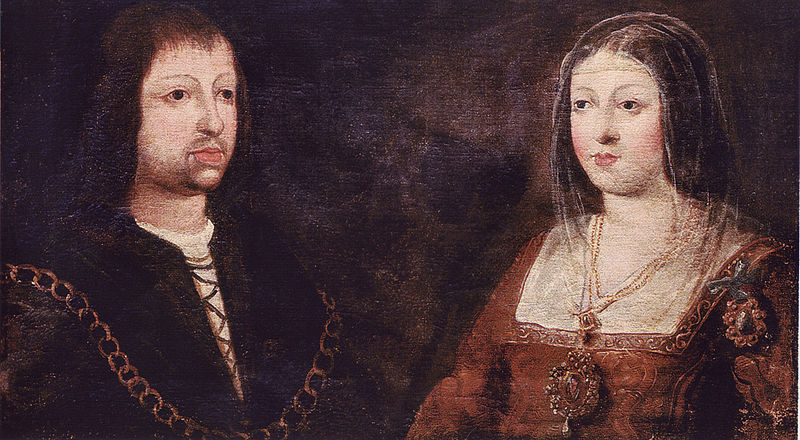
Above: The Catholic Monarchs King Fernando II of Aragon (1452 – 1516) and Queen Isabella I of Castile (1451 – 1504)
However, Iglesia El Sagrario and Iglesia Santiago were greatly altered in the 18th century.
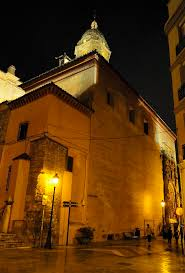
Above: Iglesia de Santa Maria del Sagrario, Málaga
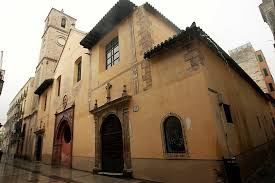
Above: Iglesia Santiago Apostol, Málaga
In the Plaza del Obispo (Bishop’s Square), facing the façade of the Cathedral, you can admire one of the most beautiful examples of Málaga’s baroque architectural heritage:
The Bishop’s (or Episcopal) Palace.
The site is formed by an ensemble of buildings in different shapes and styles that occupy an entire block.
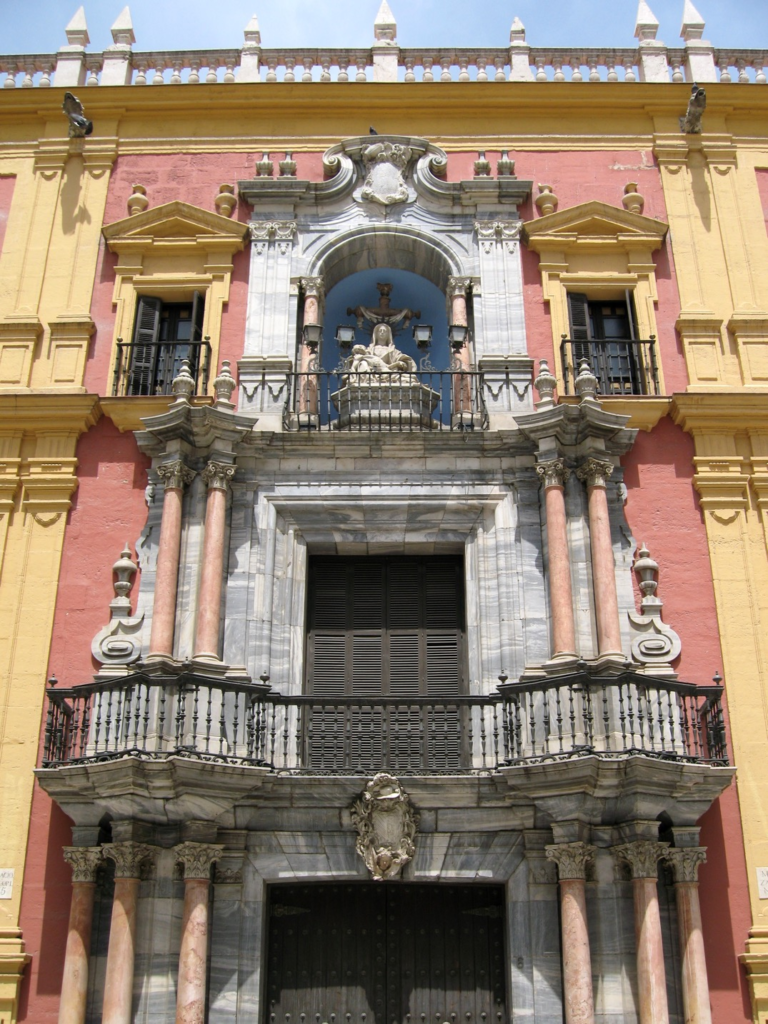
The main façade – the most interesting – was completed by Antonio Ramos (1703 – 1782) in 1772 and is presided over by a beautiful image of Our Lady of Anguish, by Fernando Ortiz (1717 – 1771).
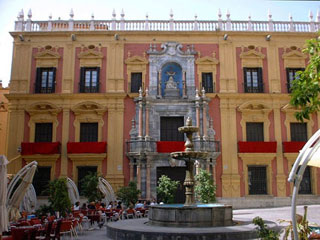
Above: The Bishop’s Palace (Palacio Episcopal), Málaga
Inside the Palacio Episcopal, interesting features include an imperial style staircase, a central courtyard and the Private Garden, which is adorned by a valuable collection of Seville polychrome tiles depicting scenes and representative types from 18th century Andalusian society.
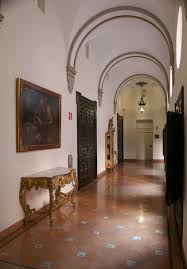
Above: Interior, Palacio Episcopal, Málaga
The Palacio Episcopal houses ArsMálaga, a museum that preserves important collections of sacred art and African cultural art as well as an interesting portrait gallery.
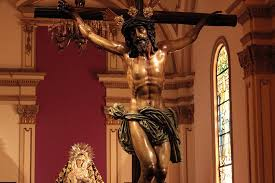
Above: Sacred art, ArsMálaga, Palacio Episcopal, Málaga
The city’s most conspicuous edifice seen from the heights of the Gibralfaro Castle is Málaga’s peculiar, unfinished Cathedral (April – September: 1000 – 1845 / October – March: 1000 – 1245, 1600 – 1845)(Closed Sunday, except for services).
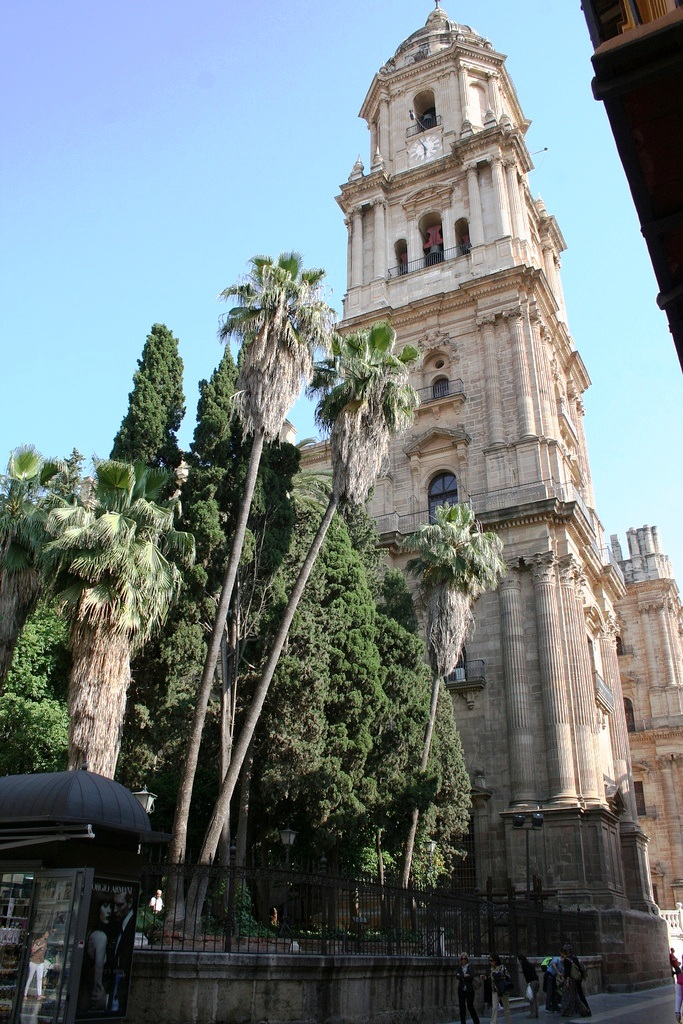
Above: Santa Iglesia Catedral Basílica de la Encarnación, Málaga
On 18 August 1487, the Feast of San Luis, the city of Málaga was conquered by the Castilian troops.
The Aljama mosque was ordered to be converted into a cathedral and consecrated under the protection of Santa Maria de la Encarnación (St. Mary of the Incarnation).
The Holy Cathedral Basilica of the Incarnation is the Cathedral of Málaga.
Located in front of the Plaza del Obispo, the temple is considered one of the most valuable Renaissance jewels of Andalusia.
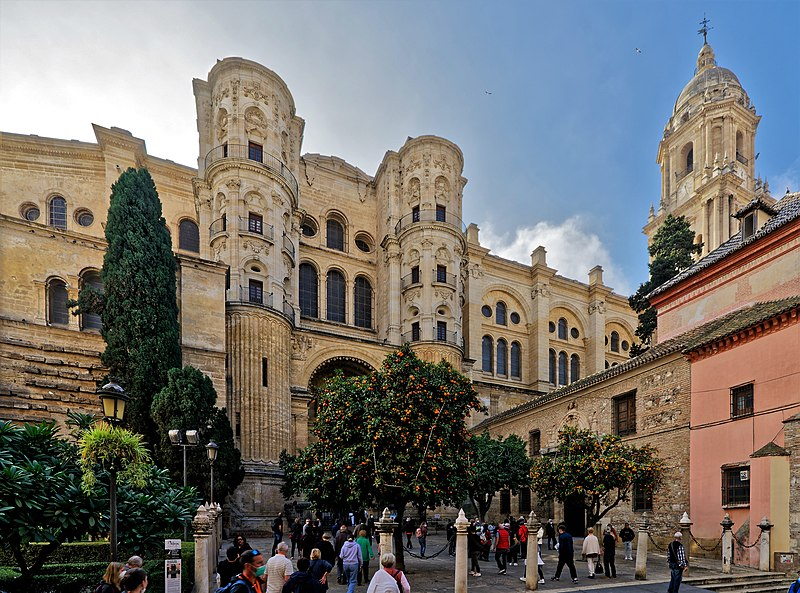
Above: Santa Iglesia Catedral Basílica de la Encarnación, Málaga
It is located within the limits marked by the disappeared Arab wall on the site of the primitive Aljama mosque, the place where the Catholic monarchs Isabel and Fernando ordered the erection of a Christian temple a few days after conquering the city in 1487.
Its construction process began in 1528 and ended in 1782, although in an unfinished manner.
The original Gothic style plans led to a Renaissance project in whose plans Diego de Siloé (1495 – 1563) and Andrés de Vandelvira (1505 – 1575) participated.
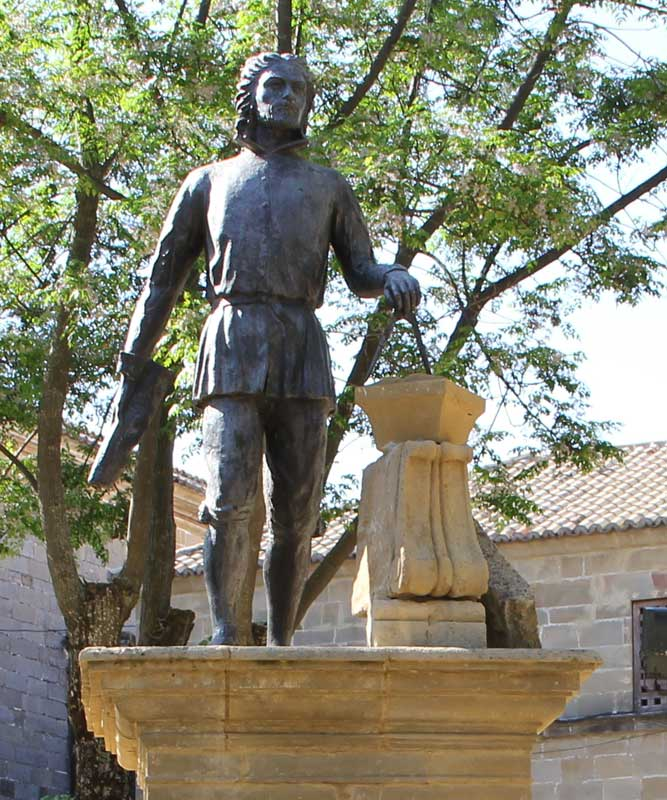
Above: Statue of André de Vandelvira in Ubeda, Jaén Province, Andalucia
The Cathedral is a synthesis of architectural styles, among which the Renaissance prevails over the first Gothic of the old foundation and the Baroque elements added since the beginning of the 18th century .
Until 2012, it was the 2nd tallest building in Andalusia, only surpassed in its tower by the Giralda (the bell tower of the Cathedral of Santa María de la Sede in the city of Seville).
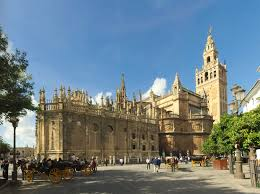
Above: Cathedral of Santa María de la Sede, Sevilla, Andalucia
The height of its vaults at the Spanish level is only surpassed by the Cathedral of Palma, being the cathedral temple of Malaga, one of the fifteen European temples with the highest naves.
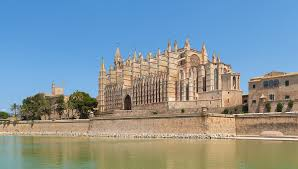
Above: Cathedral of Palma de Mallorca
The Cathedral Church of the Incarnation of Málaga began to be built in 1528 on the site of the old Great Mosque or Aljama Mosque.
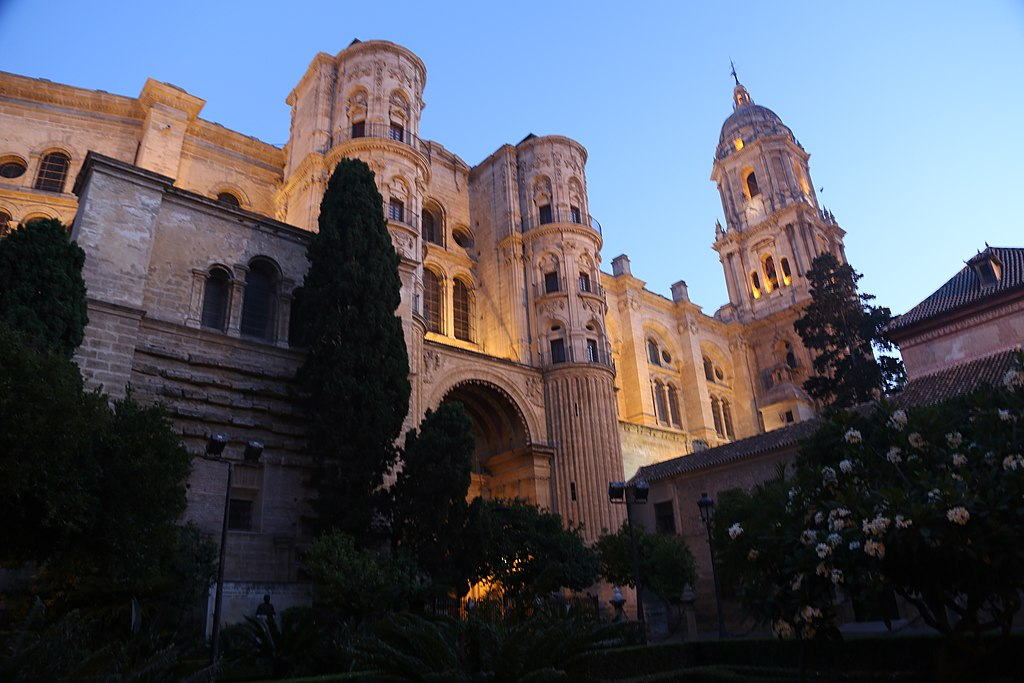
Above: Santa Iglesia Catedral Basílica de la Encarnación, Málaga
Architect Enrique Egas (1455 – 1534), who came from Toledo in the company of the master stonemason Pedro López de Gamiz (1488 – 1528), issued a first report on its plans, three years after the chapter decided to erect a new temple, with Pedro López himself being in charge of directing the works of the chancel, designed by one of the great masters of the time, Diego de Siloé (1495 – 1563).
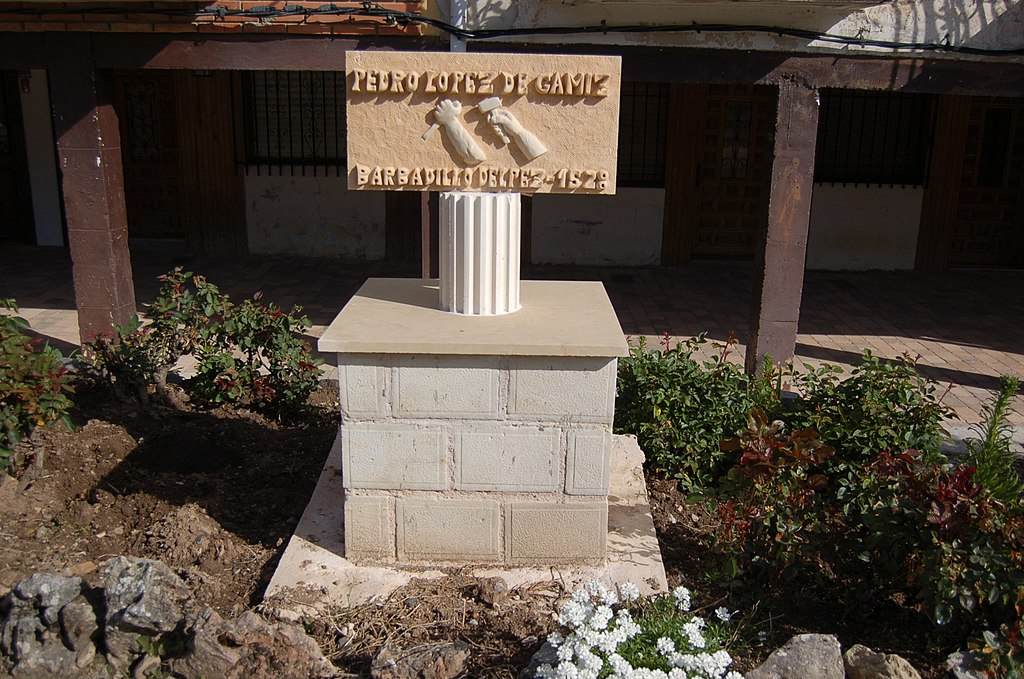
Above: Tribute sculpture in Pedro Lopez de Gamiz’s hometown of Barbadilla del Pez, Burgos Province, España
After a period of inactivity, the chapter brought in Andrés de Vandelvira in 1549, passing the commission the following year to Hernán Ruiz II (1514 – 1569), (both great exponents of Renaissance architecture in Andalusia), and then to Diego de Vergara (1499 – 1583), a master trained in Italy, and his son of the same name, who worked on this Cathedral until almost the end of the 16th century.
Thus, by this time the chancel and the sacristy were already standing.
It can be said that until then all the great masters of the Andalusian Renaissance had intervened in the great project to a greater or lesser extent.
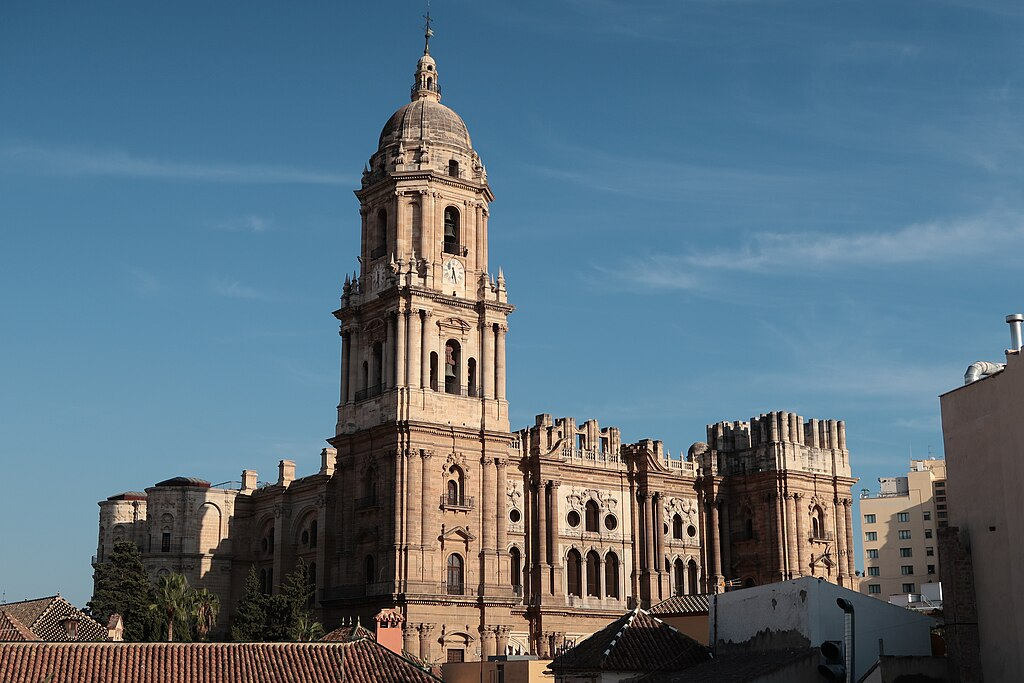
Above: Santa Iglesia Catedral Basílica de la Encarnación, Málaga
The Cathedral was consecrated on 3 August 1588.
Pope Pius IX (1792 – 1878) declared the Cathedral a minor basilica on 13 March 1855.
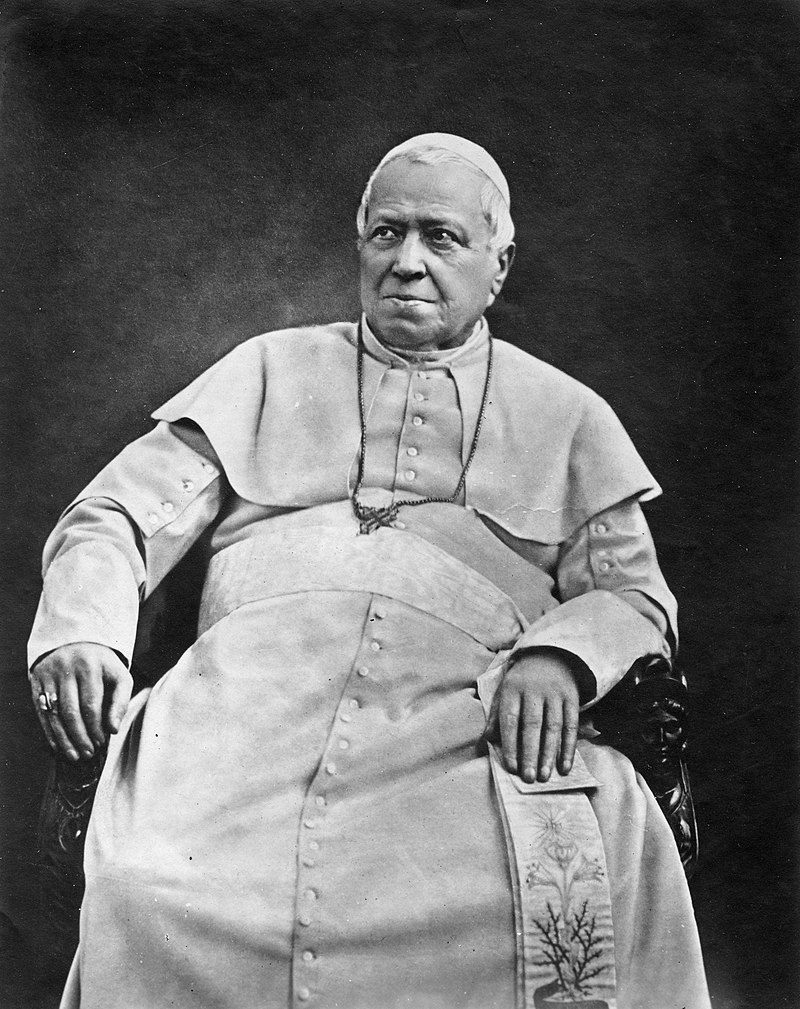
Above: Pope Pius IX (né Giovanni Maria Battista Pellegrino Isidoro Mastai Ferretti) (1792 – 1978)
Therefore, it is one of the three temples in the city that have this title, along with the Basílica del Dulce Nombre de Jesús (the Basilica of the Sweet Name of Jesus)(1998) and the Santuario de la Victoria (the Sanctuary of Victory)(2007).
Above: Basílica del Dulce Nombre de Jesús, Málaga
Above: Santuario de la Victoria, Málaga
At the beginning of the 18th century, the completion of the Cathedral was resumed, the works on which had been interrupted almost a century earlier.
The architects of the time, including José de Bada y Navajas (1691 – 1755), Antonio Ramos (1703 – 1782) and Ventura Rodríguez, administered by the canon rationer Tomás de Unzaga Amézaga y Paniza, assured the canons that, if what had already been completed was not completed, the temple was in danger of collapsing.
Thus the works began, building from the current façade to the beginning of the choir, where the part already built and inaugurated in 1588 began.
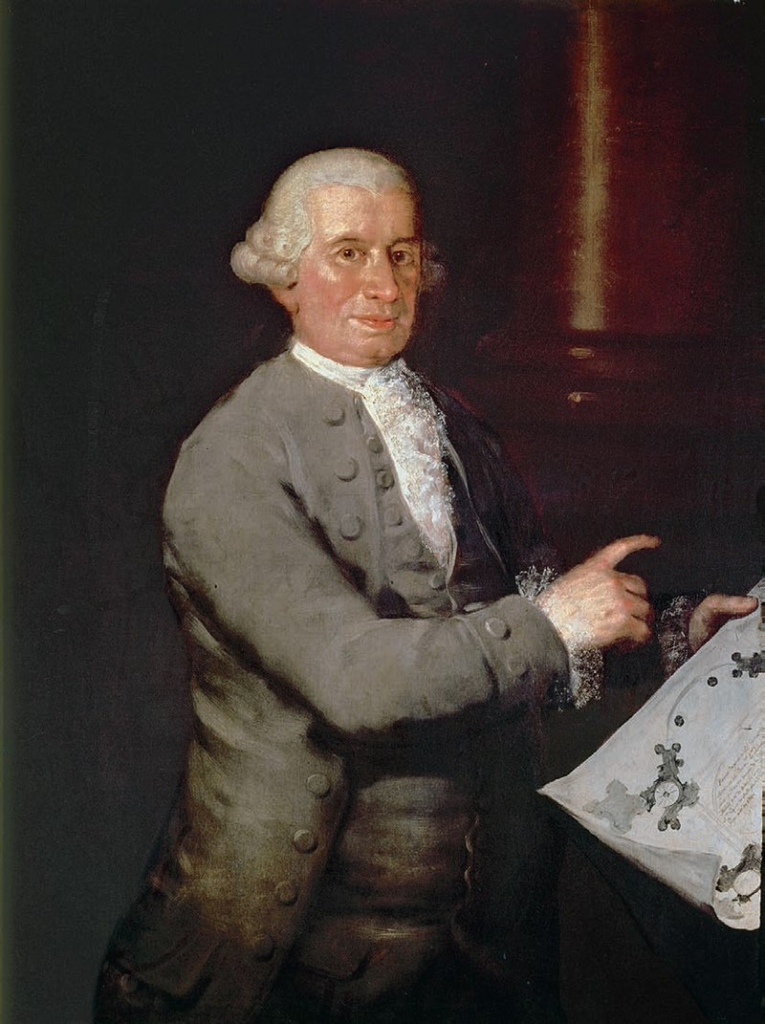
Above: Spanish architect Ventura Rodriguez (1717 – 1785)
To defray the enormous expenses of the work, the Crown, after the War of the Spanish Succession (1701 – 1714), imposed a tax on ships that docked in Málaga, demanding an amount for each arroba of weight they loaded.
In this way, throughout the 18th century and especially since 1776, when trade with America began to be liberalized, thanks to the work of the Unzaga, Gálvez and Molina families, the work progressed rapidly.
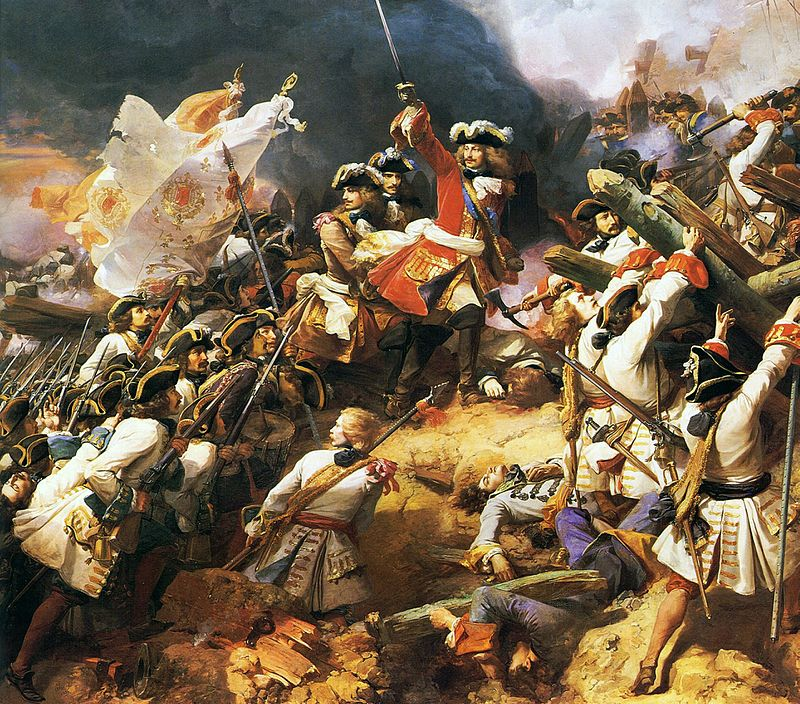
Above: Marshal Villars (1653 – 1734) leading the French charge during the Battle of Denain (24 July 1712), War of the Spanish Succession
At the end of the century, the budget to finish the work ran out, as King Carlos III, through the Ortega Monroy brothers, a canon and gentleman of His Majesty, and the rationer canon Tomás de Unzaga Amézaga, assigned it to his brother, the Governor of Louisiana, Luis de Unzaga y Amézaga, brother-in-law of Bernardo de Gálvez, to be sent as aid to the Americans who had risen up against England to achieve their independence.
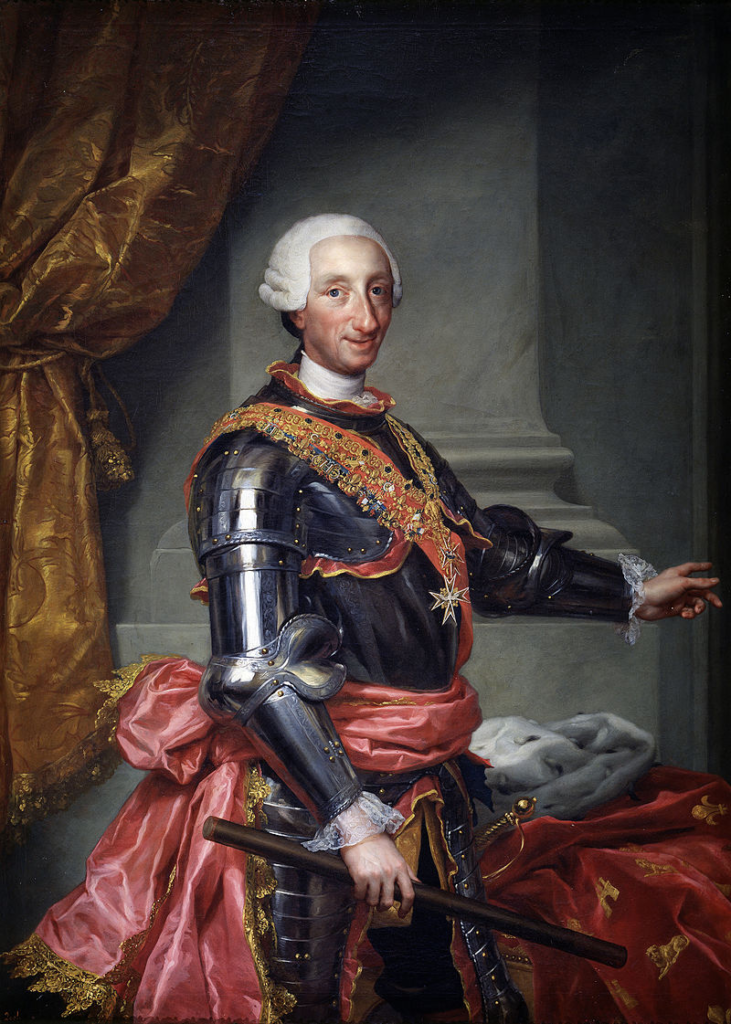
Above: Spanish King Carlos III (1716 – 1788)
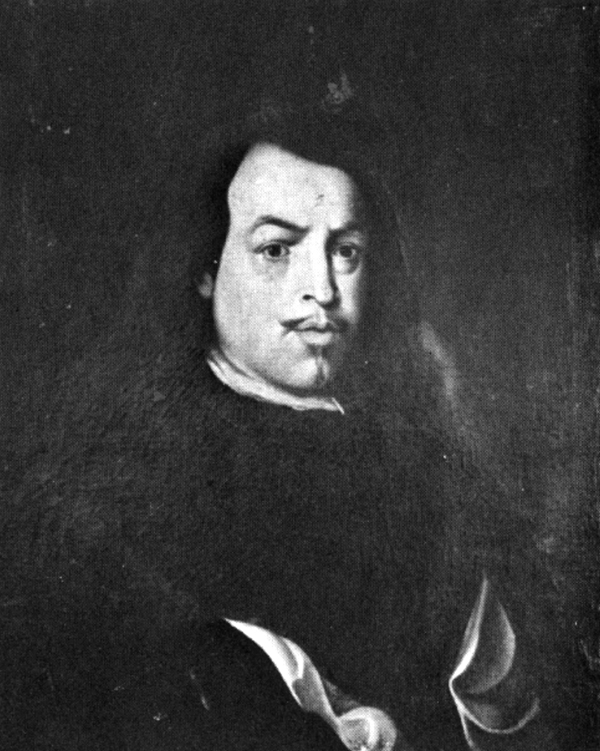
Above: Luis de Unzaga y Amézaga (1717 – 1793)
(Bernardo de Gálvez (1746 – 1784) went to America in 1764, where he spent the next eight years.
He fought against the Apaches on the northern border of the Virreinato de Nueva España (Viceroyalty of New Spain).
As Governor of Louisiana, he participated in the American War of Independence (1775 – 1783) with a series of successful raids against the British (1779 – 1781) that allowed him to expel them from West Florida.
He was named an honorary citizen of the United States by President George Washington (1732 – 1799) for his contribution to the defeat of Britain and his active participation in support of the Continental Army.
Today his portrait hangs with the others in the Hall of Founders of the United States Congress.)
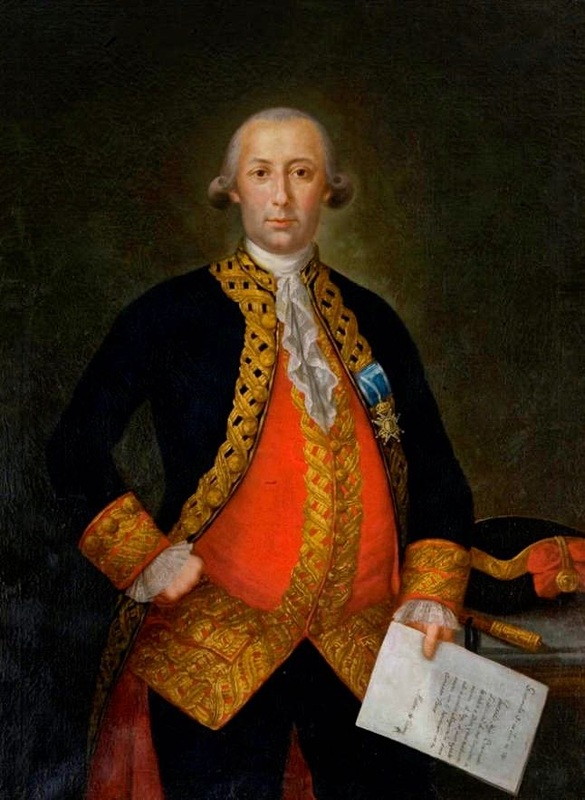
Above: Spanish General Bernardo de Galvez
Today, a bilingual plaque commemorates this event, which in the past promoted the twinning of the city of Mobile (Alabama) with Málaga.
That American city even offered to raise funds to secure the completion of the Cathedral as a sign of gratitude.
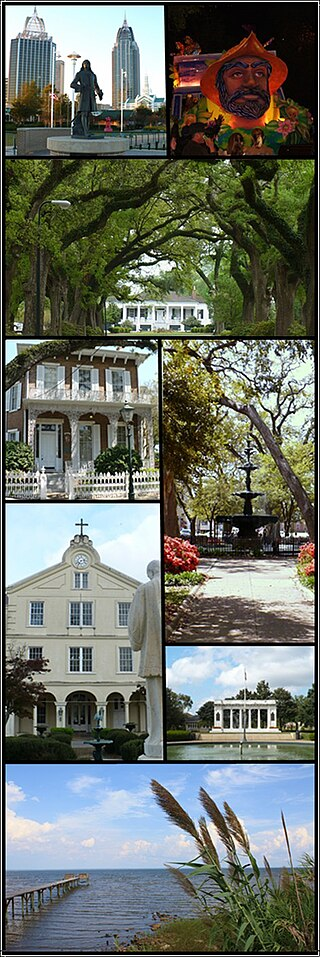
Above: Images of Mobile, Alabama, USA
The rest of the budget from port taxes was used to rehabilitate the roads of Vélez-Málaga and Antequera, to bring water to Málaga through the San Telmo Aqueduct, the start of the Colmenar Road and the Monte Pío of the Hermandad de los Viñeros, mainly for the widows and orphans of the militias that participated in the American Revolution.
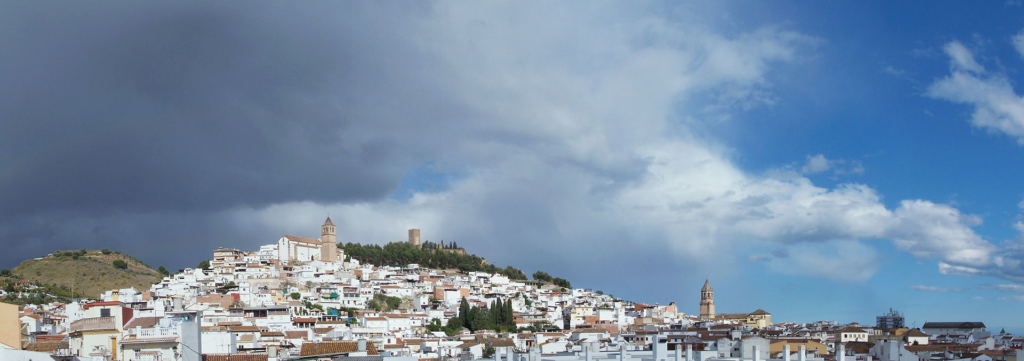
Above: Village of Vélez-Málaga, Málaga Province
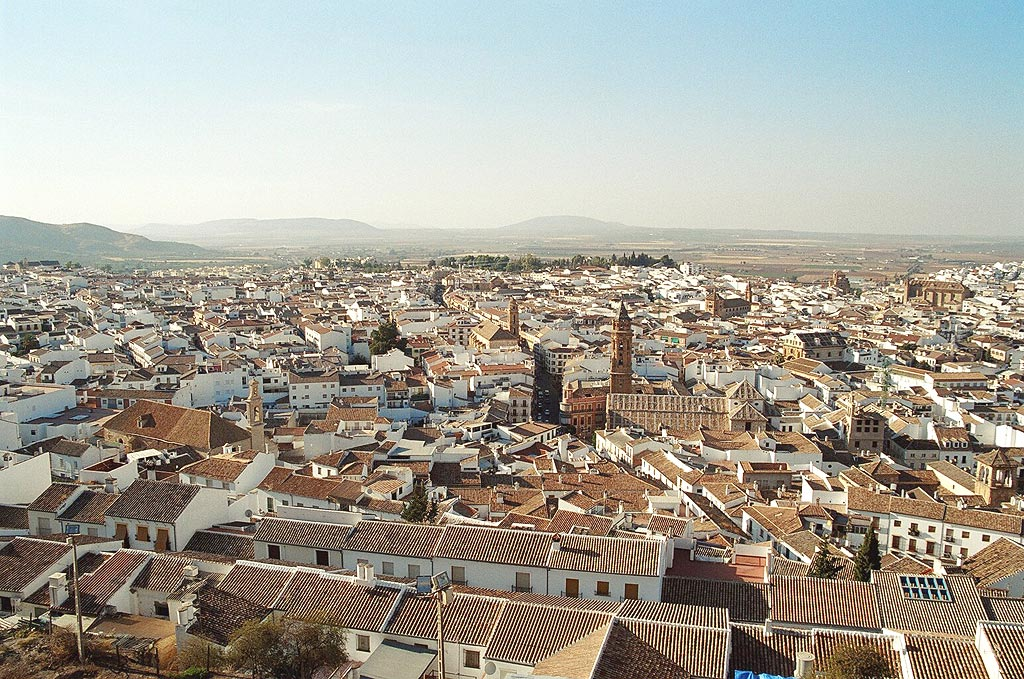
Above: Antequera, Málaga Province
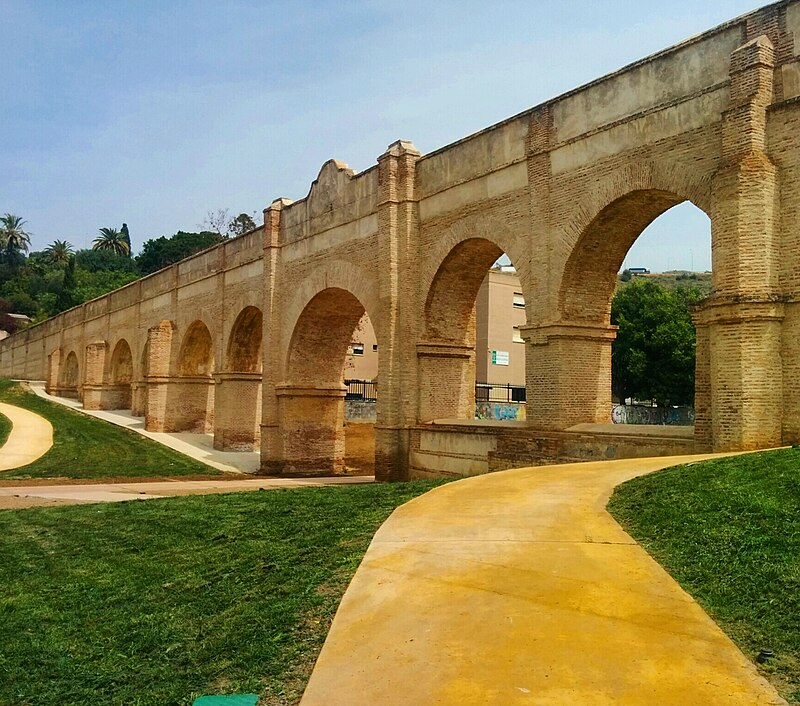
Above: Acueducto de San Telmo
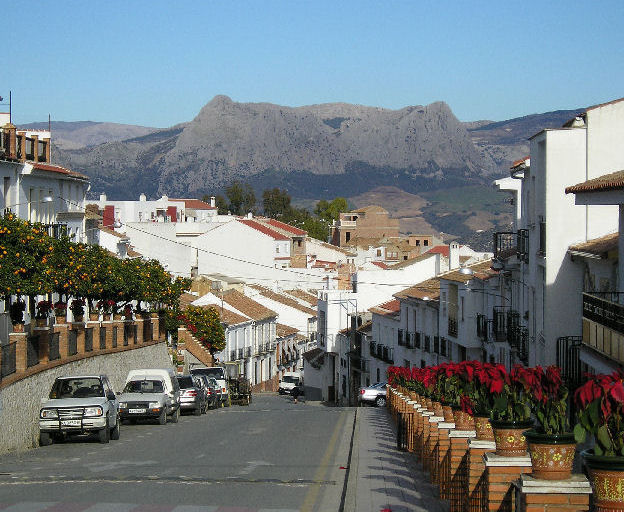
Above: Colmenar, Málaga Province
Thus, the Cathedral remains unfinished.
This unfinished state has led to the Cathedral being called “La Manquita“, meaning in English, “The One-Armed Lady“.
A tower – hence its nickname “La Manquita“– the roof, the main sacristy, the central bell gable, the sculptural ornamentation, etc. were left unbuilt.
The debate over the completion of the Cathedral is still current, because in addition to the non-existence of its second tower and numerous decorative elements, the roof of the vaults was not built either, which from the year 2000 resulted in serious deterioration in the interior of the Cathedral temple, such as detachments in the bas-relief of the vaults due to the filtration of humidity that forced it to be covered with safety nets.
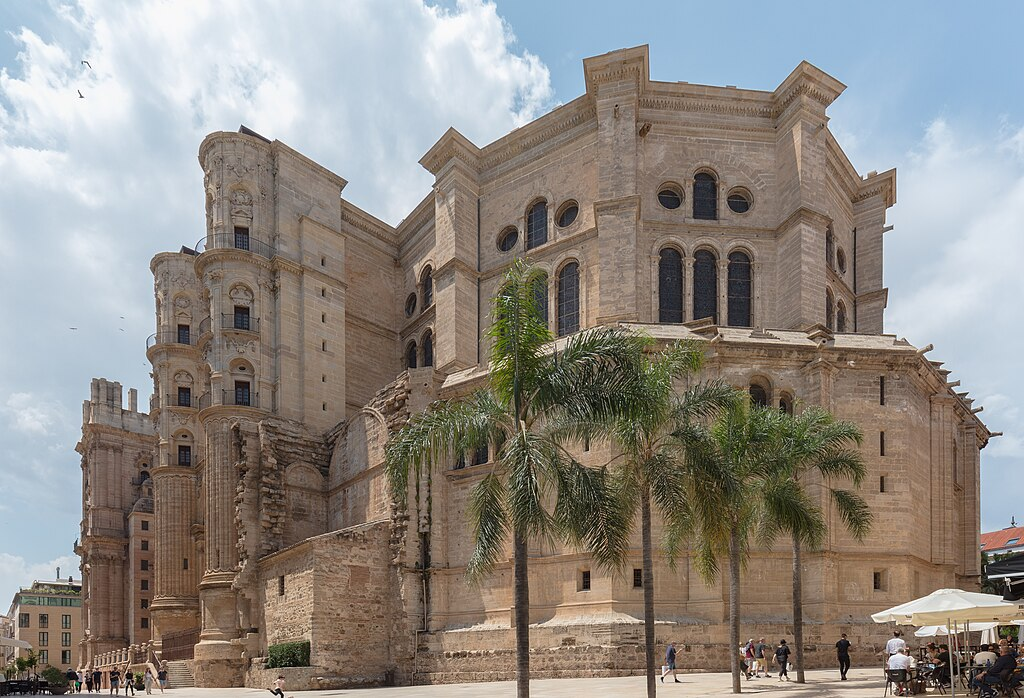
Above: Santa Iglesia Catedral Basílica de la Encarnación, Málaga
In 2009, the first urgent restoration of the roofs of the Cathedral was carried out by the Junta de Andalucía.
In 2011, the Master Plan for the Cathedral of Málaga was drawn up, which carried out another provisional arrangement of the ceramic vaults that were cracked in 2015, since the restoration of 2009 was ineffective and leaks occurred again, also turning it into a visitable space.
The City Council, the Provincial Council and the Bishopric of Málaga have declared themselves in favour of completing the Cathedral according to the existing construction plans, for which the financial collaboration of the Junta de Andalucía would be necessary, although a patronage plan estimated at €7 million is also contemplated.
Among the elements included in the Master Plan, announced in November 2016 by the Bishopric for approval by the Junta which will be presented publicly on a date yet to be determined, are the completion of the pediment, the definitive repair of the roof which continues to filter moisture into the chapels, the balustrade, the tower and the sculptural programme, as well as a possible extension of the sacristy that would destroy part of the Cathedral gardens.
The objective is to have it completed in the 5th centenary of its construction after more than two centuries with the works stopped, which would make it a jewel of the Spanish Renaissance.
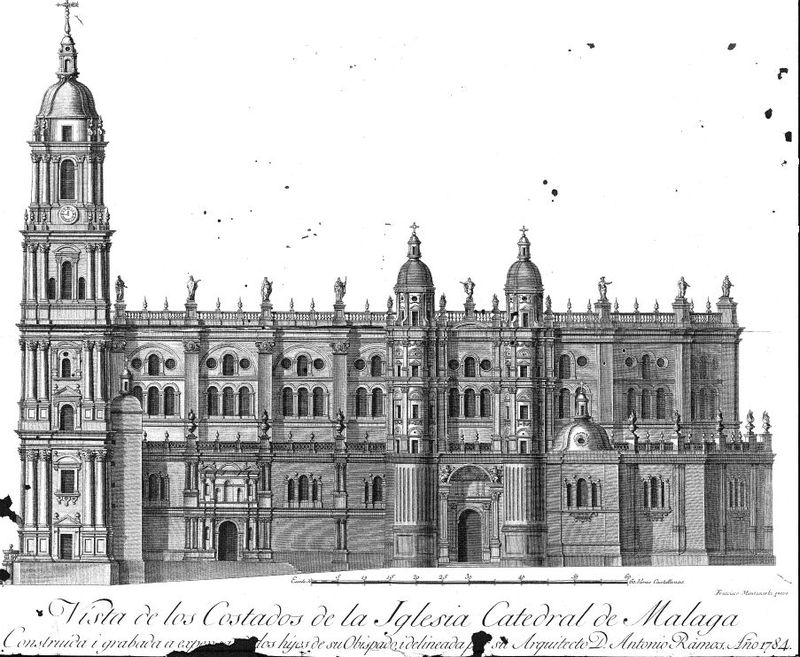
The central body of the façade is divided into two levels and three sections separated by monumental Corinthian columns erected on high bases.
On the lower floor there are three monumental arches and in them, doors flanked by reddish marble columns.
The main door is topped with Solomonic columns.
Above the doors there are medallions.
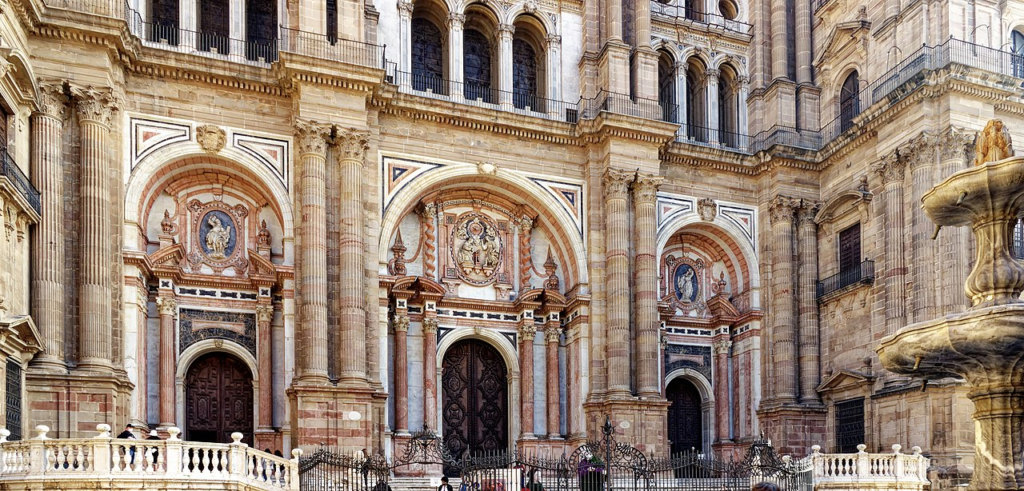
Above: Portals, Santa Iglesia Catedral Basílica de la Encarnación, Málaga
Those on the side doors represent the patrons of Málaga, San Ciriaco and Santa Paula, while the central one represents the Annunciation of the Lord, a work carved in 1743 by the Baroque sculptor Antonio Ramos.
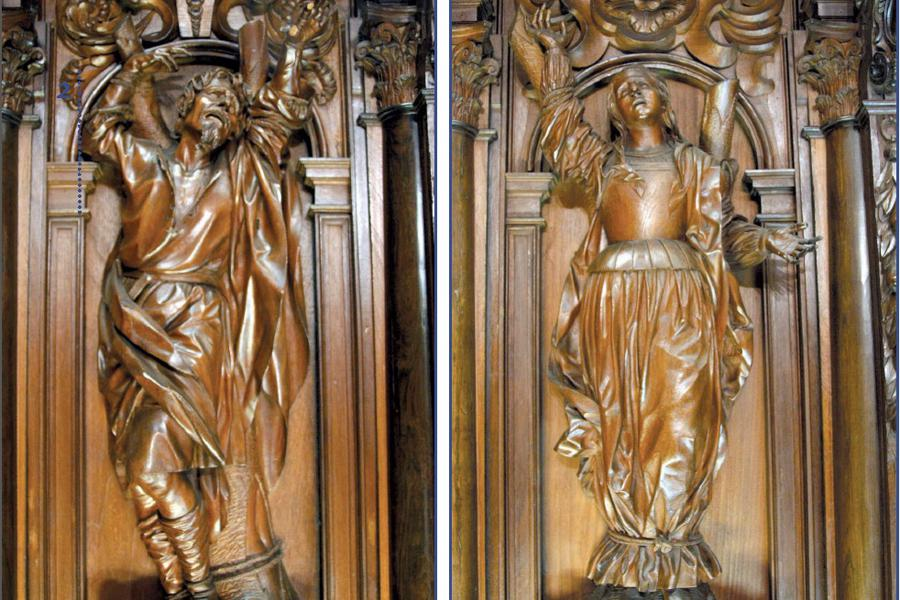
Above: San Ciriaco y Santa Paula Portals, Santa Iglesia Catedral Basílica de la Encarnación, Málaga
Above: Annunciation Portal, Santa Iglesia Catedral Basílica de la Encarnación, Málaga
(Cyriacus and Paula were two Hispano – Roman Christian saints and martyrs, who died in Málaga on 18 June 303.
They were young and belonged to the then growing Christian community in the city, presided over by Málaga Bishop Saint Patricio (d. 307).
Captured in the context of the 10th persecution of the Emperor Diocletian and Maximian, they were subjected to painful torments with the aim of making them renounce their faith and worship the pagan Roman deities.
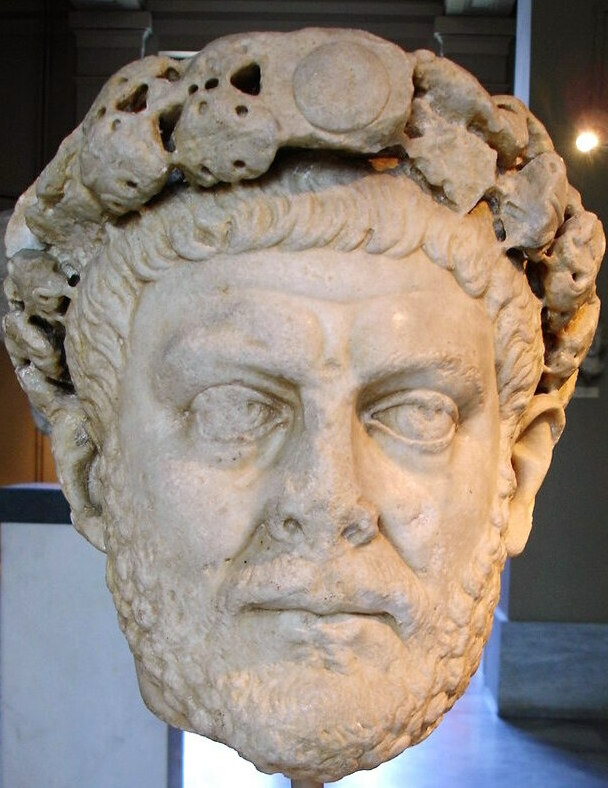
Above: Bust of Eastern Roman Emperor Diocletian (242 – 312)
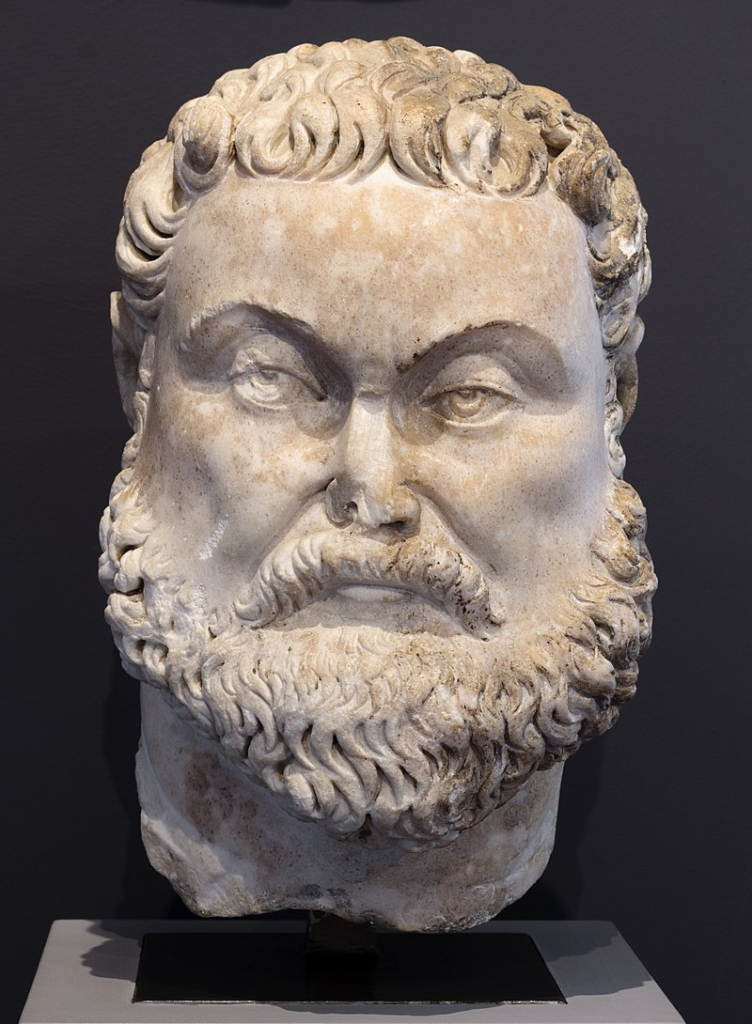
Above: Bust of Western Roman Emperor Maximian (250 – 310)
As they did not achieve this goal, they were sentenced to death and stoned, tied to trees, on the banks of the Guadalmedina River, in the place that is still known today as Paseo de los Martiricos (next to the current La Rosaleda Stadium).
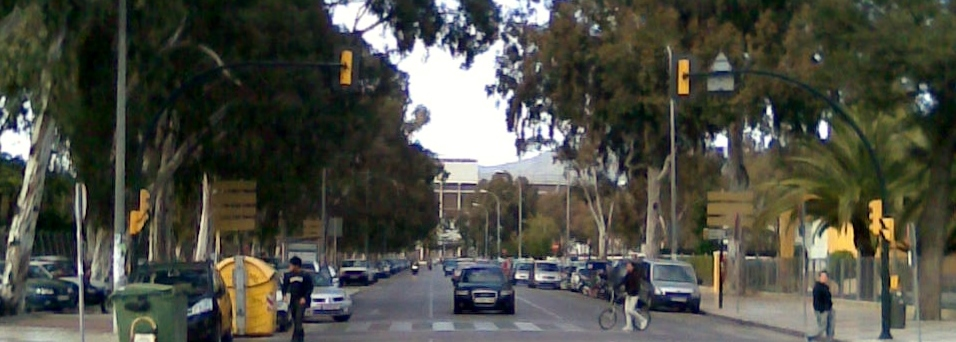
Above: Paseo de los Martiricos, Málaga
After their death, a heavy downpour fell that prevented their bodies from being burned.
The Christians of Málaga collected them and proceeded to bury them.
From then until the 11th century they were venerated in the city.
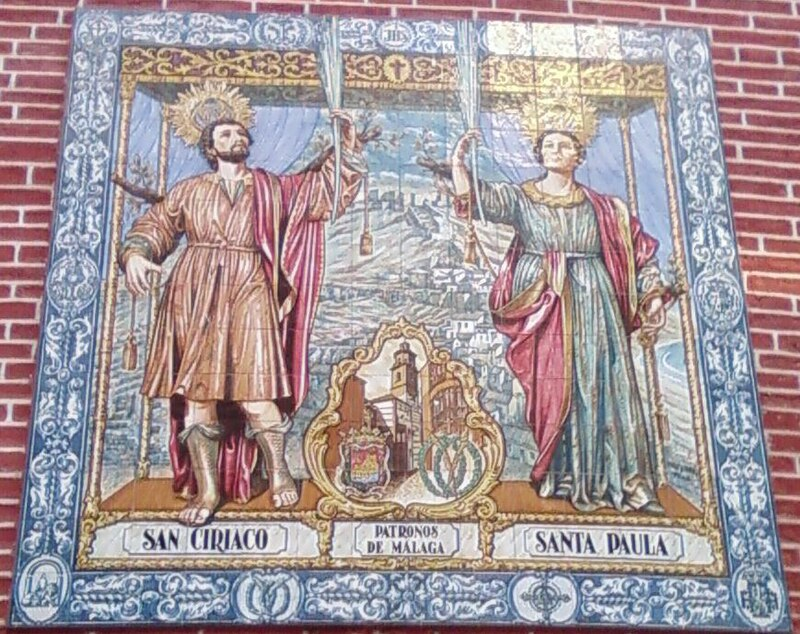
Above: Saints Cyriacus and Paula, tiles in the Church of the Martyrs, Málaga
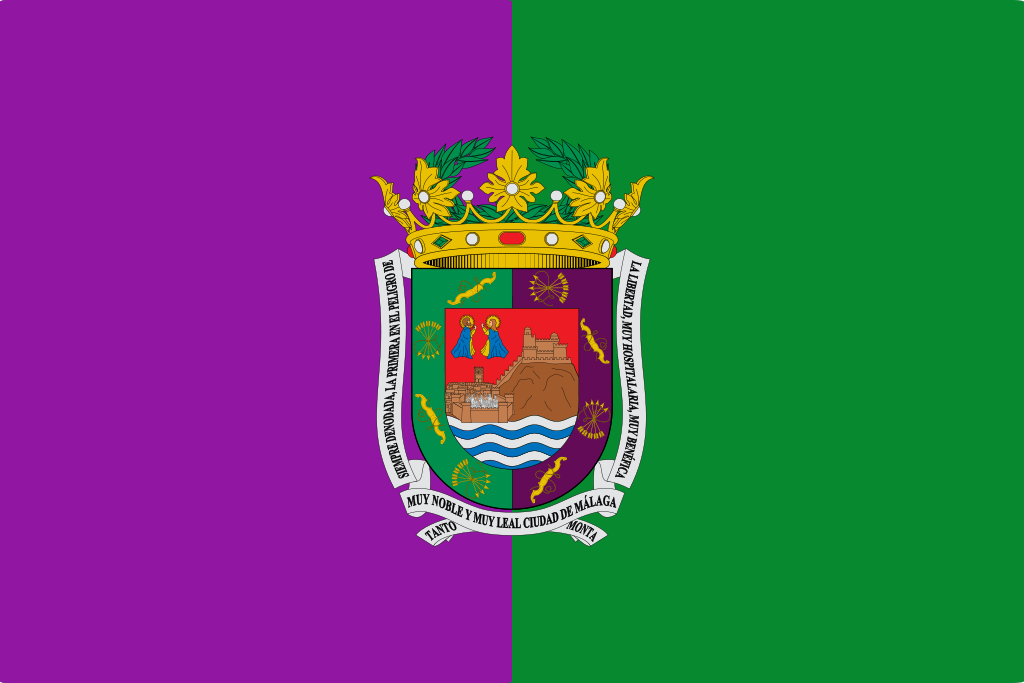
The Catholic Monarchs consecrated one of the four founding parishes to San Ciriaco and Santa Paula after the capture of Málaga in the Granada War (1487), designated them patrons of the city of Málaga in 1490 and included them in the coat of arms of Málaga in 1494.
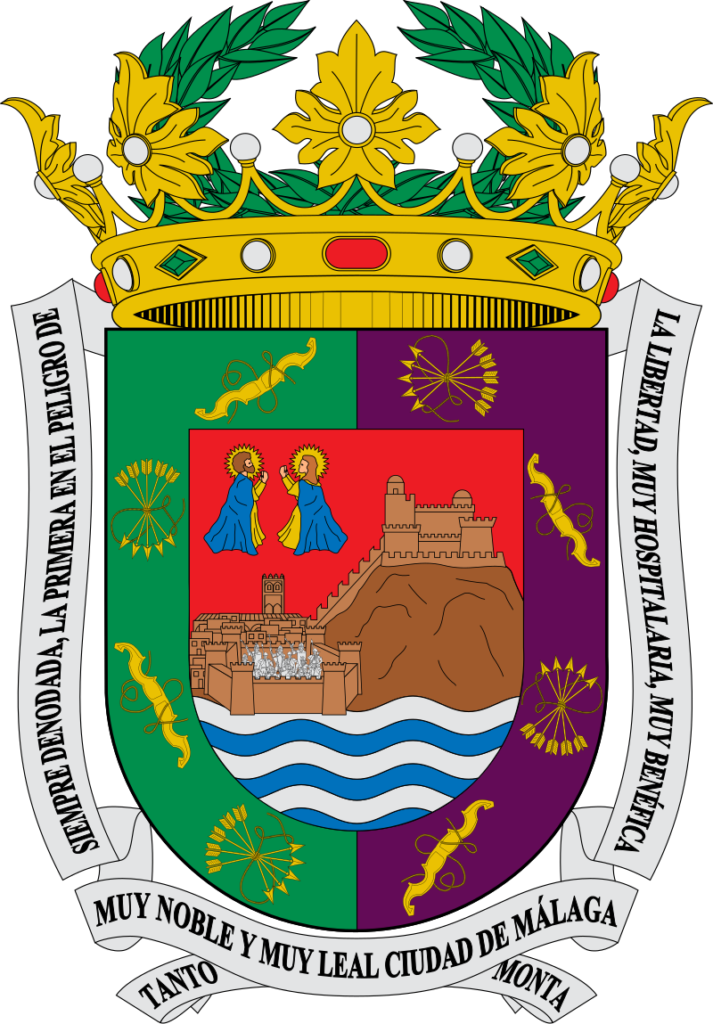
Above: Escudo (coat of arms) de Málaga
The origin of the devotion to the Holy Martyrs is due, according to some historians, to a supernatural presence prior to the incorporation of Málaga into the Crown of Castile.
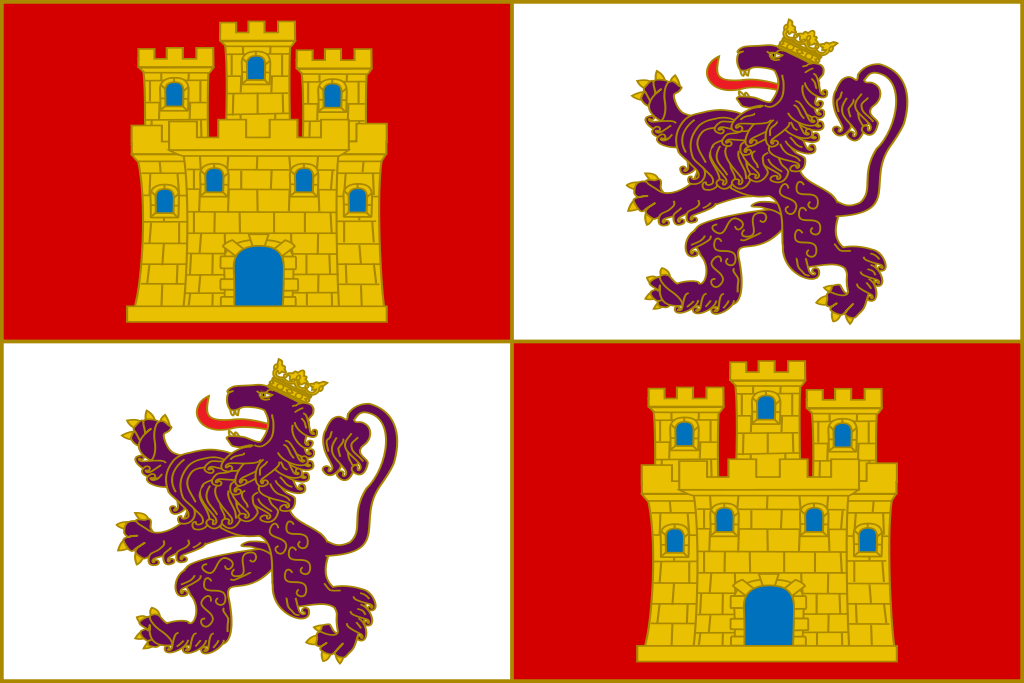
Above: Royal standard of the Crown of Castile and Léon (1230 – 1715)
The Catholic Monarchs were in Córdoba planning their military campaign to conquer the important stronghold of the Kingdom of Granada : the great port city of Málaga, a centre of maritime supplies and contact with North Africa, when a Hieronymite monk named Fray Juan de Carmona communicated to the Catholic Monarchs a premonition he had had:
If they committed to founding a church under the patronage of the martyrs Saint Cyriacus and Saint Paula, victory would be theirs.
Therefore, the Holy Martyrs were already present before the Catholic monarchs entered Málaga on 19 August 1487.
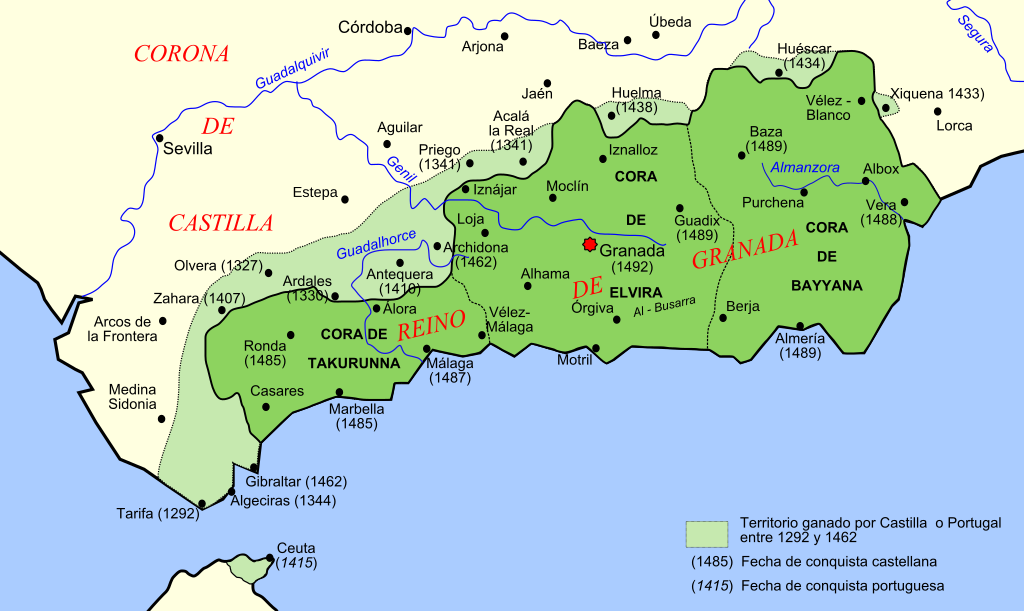
Above: Map of the Emirate of Granada
The other version, faithfully recorded by local historians, refers to the fact that once Málaga was taken from the Muslims, the Catholic Monarchs revived a centuries-old tradition surrounding the martyrdom of two young people from Málaga.
When Pope Innocent VIII received the embassy of the Catholic Monarchs notifying him of the conquest of this important Islamic stronghold, he congratulated them on this political – military victory, indicating to them in turn, in an Apostolic Brief, that the young Ciriaco and Paula, persecuted by the Emperors Diocletian and Maximian in the 4th century, had suffered martyrdom in that city .
The existence of these martyrs from the city became known to the resettlers who designated them as the Patrons of Malaga.
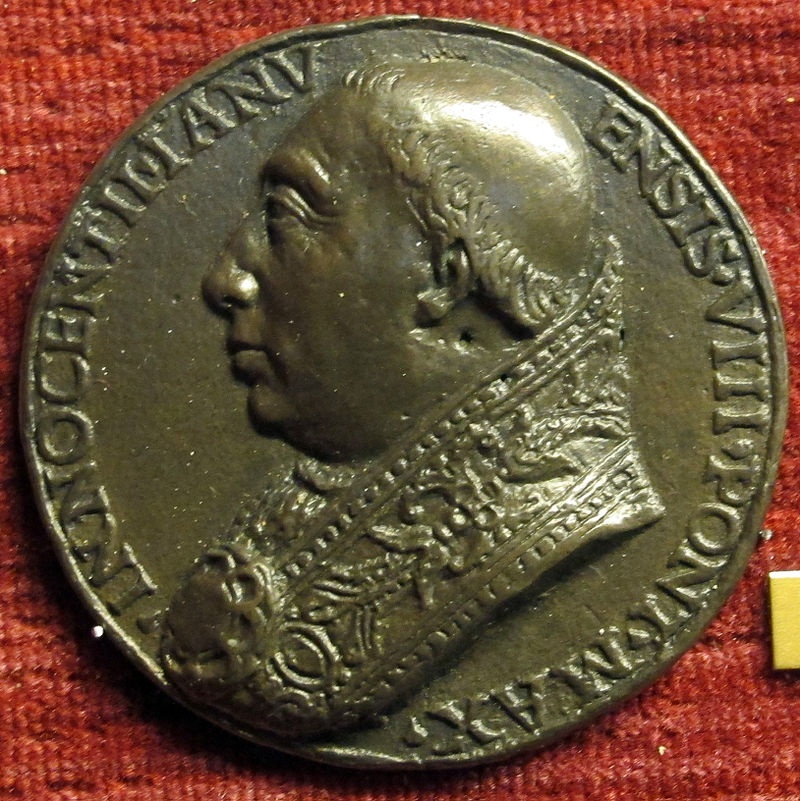
Above: Coin image of Pope Innocent VIII (né Giovanni Battista Cybo) (1432 – 1492)
Although Málaga honours Cyriacus and Paula as its saints, there is no precise information about their lives.
The details of their birth, childhood or youth are unknown.
The writings only refer to their death.
Their martyrdom records must have been lost during Muslim rule.
The tradition transmitted to Rome, which is echoed by Innocent VIII, dates back to the 9th century when the Benedictine monk Usuard (d. 875), from the French court of Charles II “the Bald“, collected information about the Spanish martyrs.
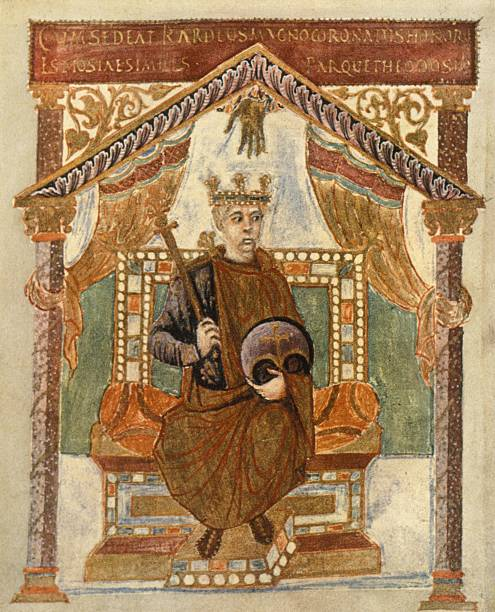
Above: French King Charles II (823 – 877)
In his Martyrology, he collects the information about the Málaga patrons as follows:
“In Spain, in the city of Málaga, the martyrs Ciriaco and Paula, virgin, died on this day.
After suffering many torments, they were stoned and their souls went to Heaven among the very stones.”
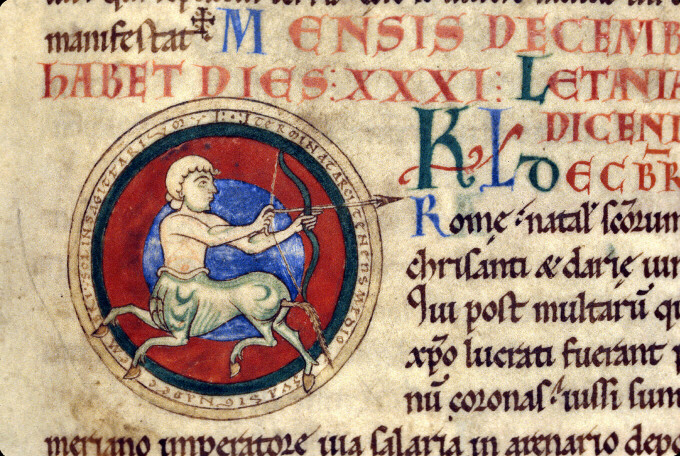
Above: Detail of the Martyrology of Usuard in the library of Dijon, France
The heyday of martyrologies took place in the Middle Ages, in the 11th century, when the cult of relics flourished, as each city claimed to have its own martyrs from whom they requested protection.
Surely in Málaga numerous Christian faithful gathered around the relics of the local martyrs, although always under the fear of Muslim reprisals.
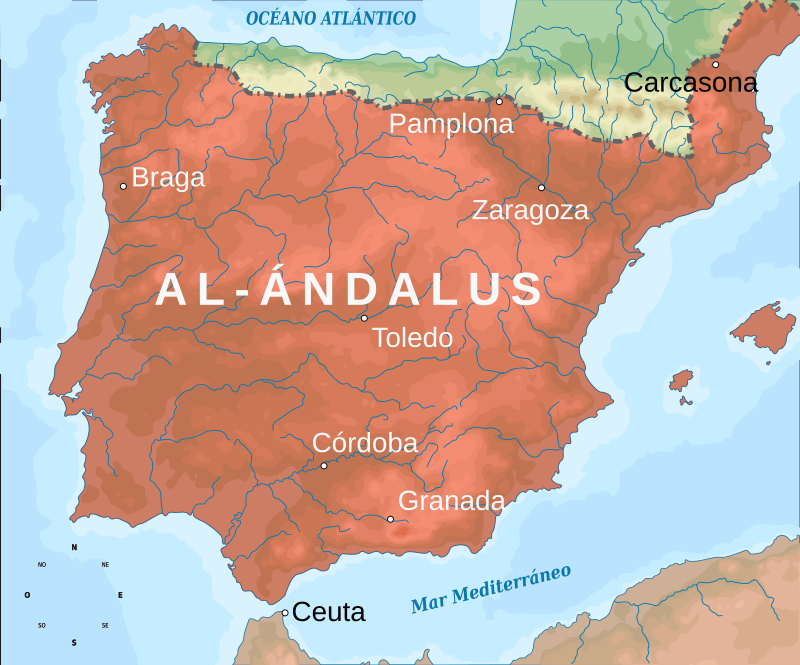
With the waves of invading Almoravids and Almohads, the Christian nuclei of Málaga were expelled to North Africa, so Ciriaco and Paula had to wait until the 15th century to be designated as Titular Saints.
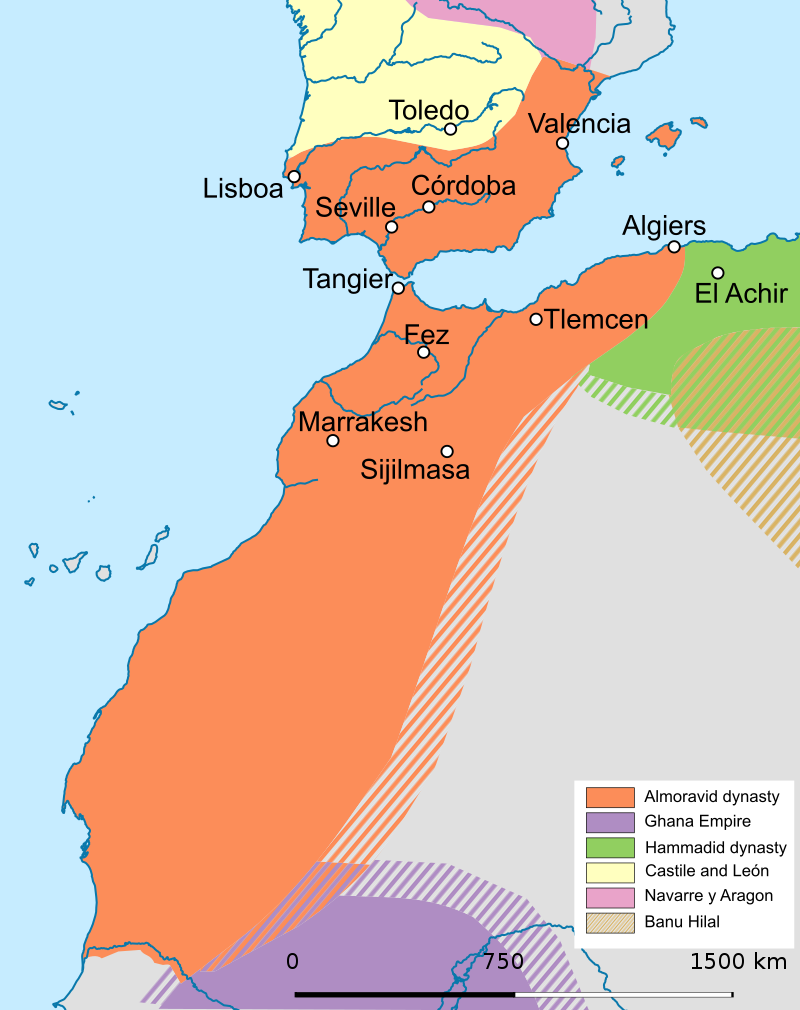
Above: Almoravid Caliphate (1050 – 1147) at its greatest extent
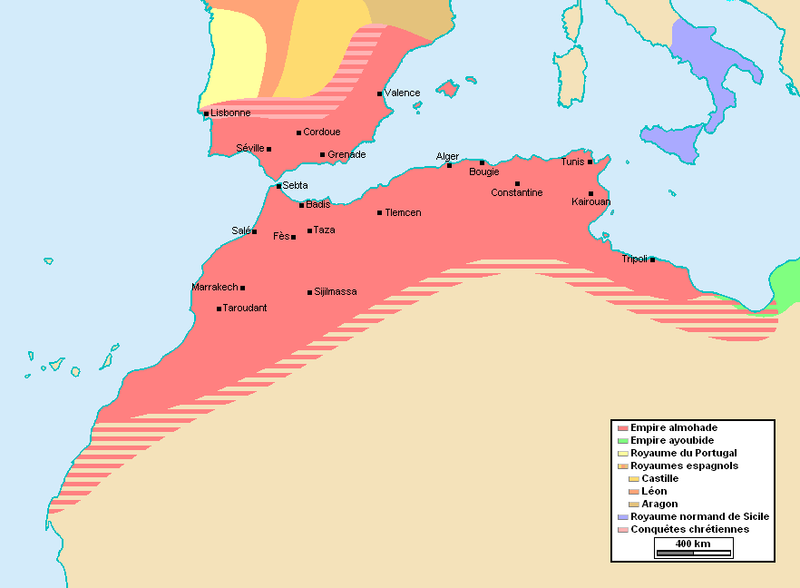
Above: Almohad Caliphate (1121 – 1269) at its greatest extent
At the end of the 17th century, the Archbishop of Toledo, Don Francisco Antonio Lorenzana, found a Mozarabic hymnal in which the hymn corresponding to Saint Ciriaco and Saint Paula was reproduced.
Apparently, these hymns are taken from the acts of martyrdom.
However, it is not known where their bodies were deposited, although traditionally it was claimed that they could not be very far from the city, next to the banks of the Guadalmedina River, from where the stones were taken to stone them.
This belief about the location of the bodies of the Holy Martyrs has survived to this day.
Today we know the place of martyrdom as Martiricos.
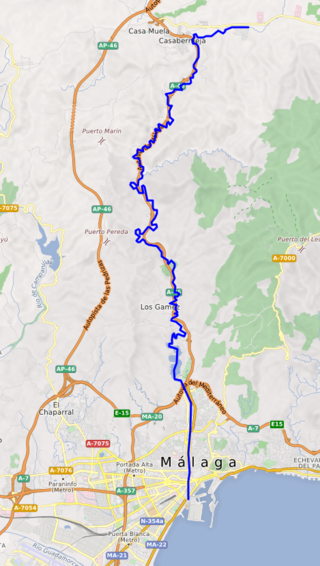
Above: Map of the Guadalmedina River
Others point to the neighbouring Arroyo de los Ángeles, close to the Franciscan convent of the same name, although the excavations carried out were unsuccessful.
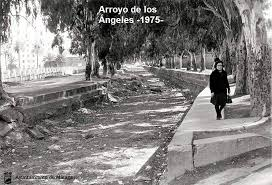
Diego de Torres, its promoter, ordered that certain compositions be composed in which the martyrdom of the Saints is celebrated.
On the pedestal of the cross one can read:
“To the Holy Martyrs Ciriaco and Paula who in Malaga shed their blood and were stoned for defending the Cross.
It is known that their tombs are within the walls of this monastery.”
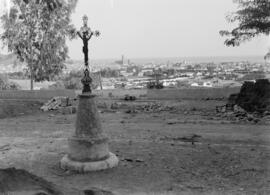
Above: The cross of the Arroyo de los Angeles Convent, Málaga
The patron saint Festivity of Ciriaco and Paula were gradually formed over the centuries.
For five centuries, the Festivity of the Martyrs was linked to the Town Hall, so the Councillors carried the floats on which the images of Saint Ciriaco and Saint Paula were held in procession through the streets and squares of the city.
The budget for celebrating the patron saints came from municipal revenues, and was used to light the Town Hall building, to pay for the candles for the procession and for the bullfights, cane games and couples games.
Above: Flag of Málaga
The first written references to the celebration of the Martyrs Ciriaco and Paula are found in the Minutes of the Cathedral Chapter, which states that:
“Being Don Pedro de Toledo, by the grace of God and the Most Holy Church of Rome, Bishop of Malaga, as it pleased our Lord God, through his great piety, and through the intercession of Our Lady the Virgin Mary, his mother, advocate and Lady Mayor, to take and recover from the hands of the enemies of the Holy Catholic Faith the city of Malaga, where the Holy Martyrs Ciriaco and Paula, our patrons, were martyred long ago for love of Our Lord Jesus Christ, and where in those times before the land was lost was where the Cathedral Church of our Bishopric is now located.”
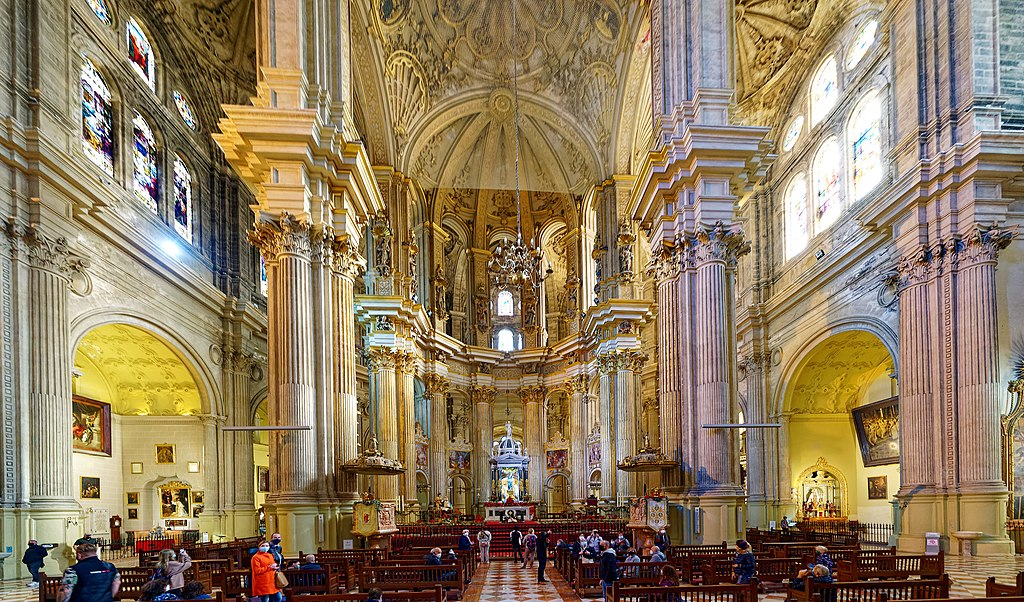
Above: Interior of the Santa Iglesia Catedral Basílica de la Encarnación, Málaga
Possibly, since the consolidation of the municipality of Málaga, there were celebrations in honour of Saints Ciriaco and Paula.
The first news dates back to 1507, the year in which the City agreed to take the patron saints in a solemn procession to their parish church from the Main Church or Cathedral, and that on the eve there would be a bullfight, cane and couples performance.
In 1580, eight full-length statues were placed on the cornice in the main chapel of the Cathedral, and among them were those of Ciriaco and Paula, reminding the people of Málaga of their Martyrs.
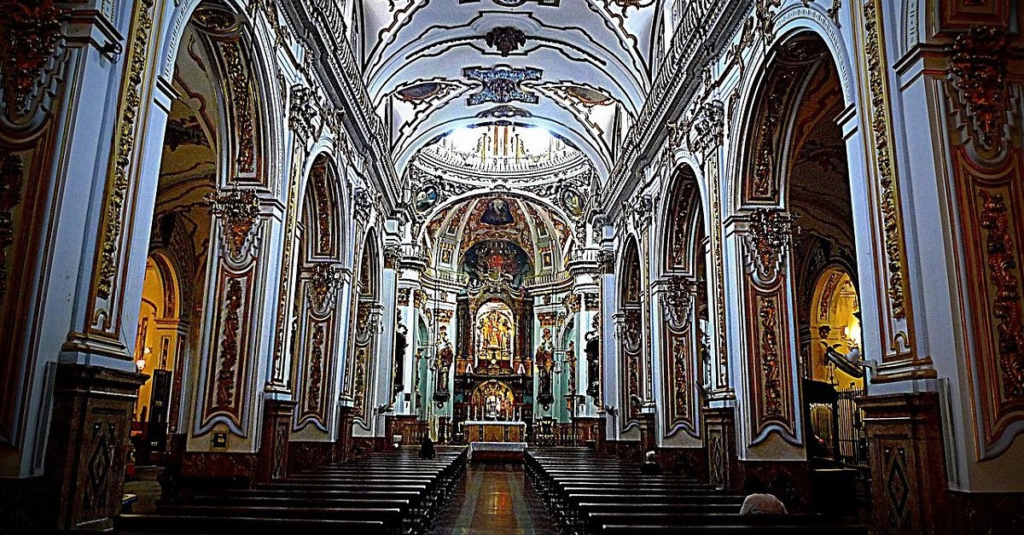
Above: Interior of the Iglesia de los Santos Martires (Church of the Holy Martyrs), Málaga
In 1581 a strong earthquake was felt when Bishop Pacheco was meeting with his Council in the Iglesia de los Santos Martires, according to Father Morejón.
There were hardly any losses to regret, so both the civil and ecclesiastical councils decided on 16 June 1582 to make a solemn vow and declare 18 June, the Day of the Holy Martyrs, a holiday with the obligation to hear Mass in the city and its suburbs.
At the same council meeting, the City agreed to order the making of two silver statues to be taken out in procession on the day of their feast.
These images, donated by the Municipal Council, were processed for the first time on 18 June 1604, by the knights aldermen, making a route from the Cathedral to the parish church through the main streets of the city, accompanied by the Cathedral Council, the religious from the Málaga convents, the brotherhoods and confraternities, and a multitude of faithful lighting the patrons.
The founding of a brotherhood, with its corresponding constitution, was also proposed in the municipal council to help prisoners in jail with their alms.
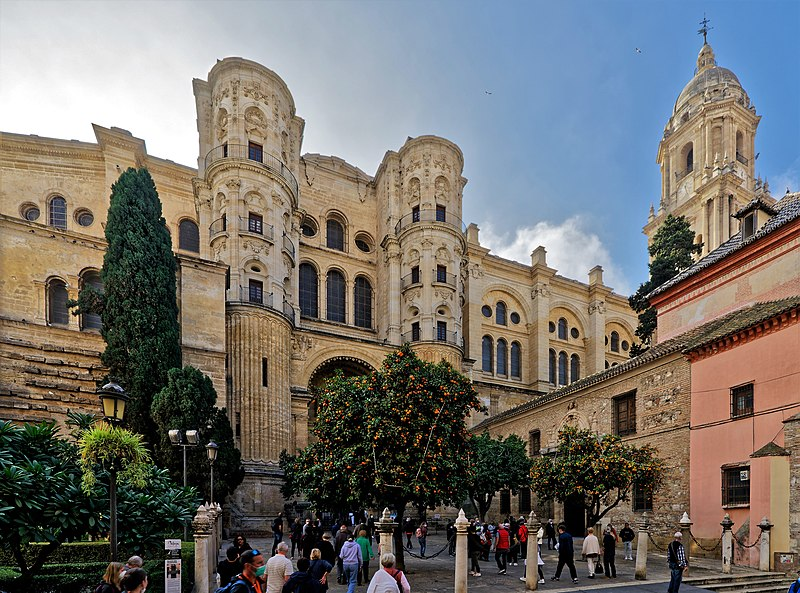
Above: Santa Iglesia Catedral Basílica de la Encarnación, Málaga
In 1623, Bishop Juan Alonso de Moscoso López founded the Colegio Mayor de San Ciriaco y Santa Paula in Alcalá de Henares so that young people from Malaga without resources could study at university.
The College is known as the College of Málaga.
The Bishop contributed more than 60,000 ducats for its construction and maintenance.
The works were completed in 1673.
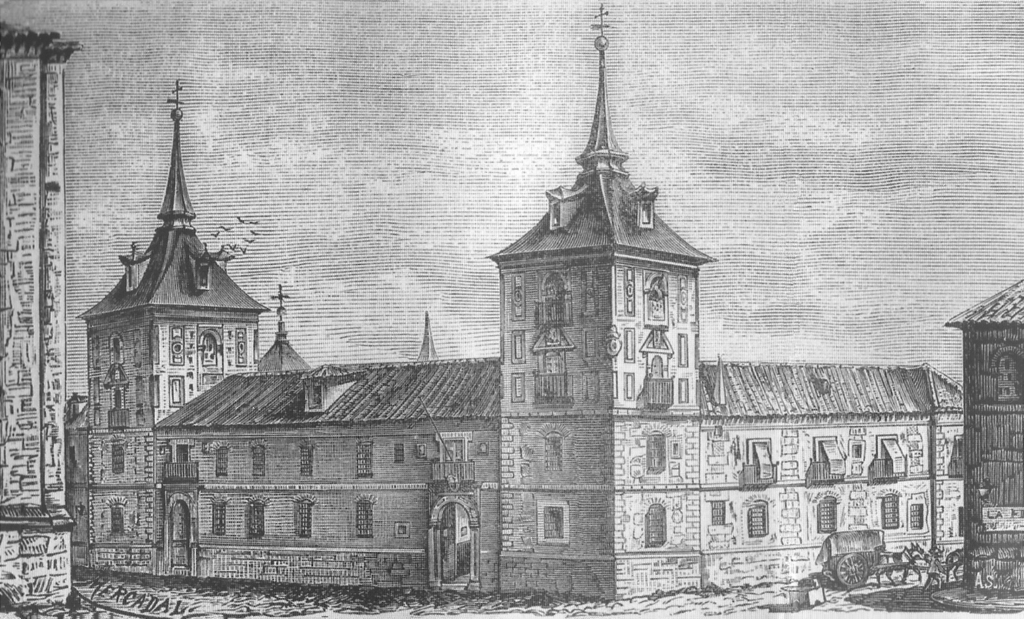
Above: Colegio Menor de San Ciriaco y Santa Paula (Minor College of San Ciriaco and Santa Paula), popularly known as the Colegio de Málaga (College of Málaga)
In 1635 and 1661, catastrophic weather conditions caused the Guadalmedina River to flood, causing devastation in the city, and so the Festival of the Holy Martyrs did not have the same importance as in other years.
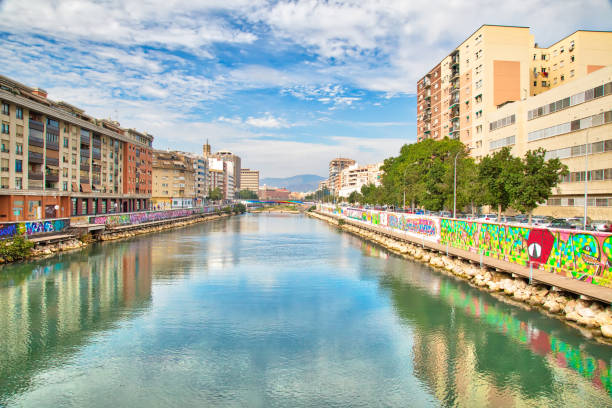
Above: Guadalmedina River, Málaga
In 1637, 1648 and 1678, epidemics contributed to decimating the population of Málaga, so religious events were restricted.
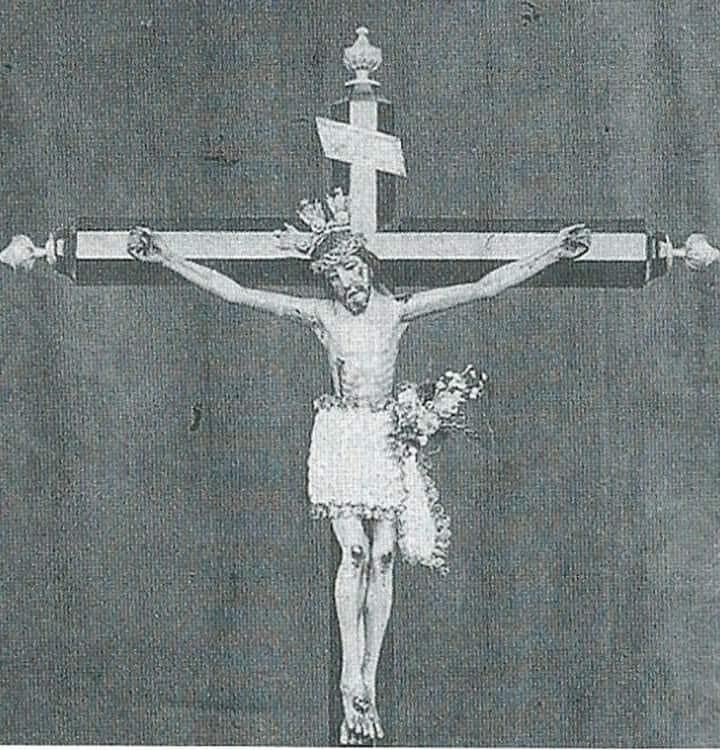
Above: Cristo de la Epidemia, Málaga
In 1680, a strong earthquake hit Málaga.
Nearly 850 houses collapsed and 70 residents perished.
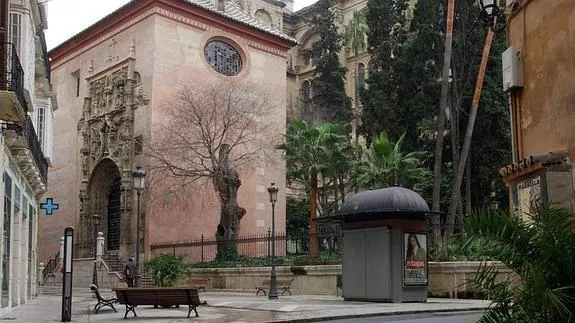
Above: Memorial to the victims of the 1680 Málaga Earthquake
In 1673, when the shield with the royal arms and a long inscription was placed on the eastern part of the Arab wall, a large alabaster medallion was placed below the shield and between two others, somewhat worn, where the images of the city’s patron saints can be seen.
The martyrs Ciriaco and Paula are represented tied to the trunks of palm trees that shelter them with their cups, just as they must have been at the time of their martyrdom.
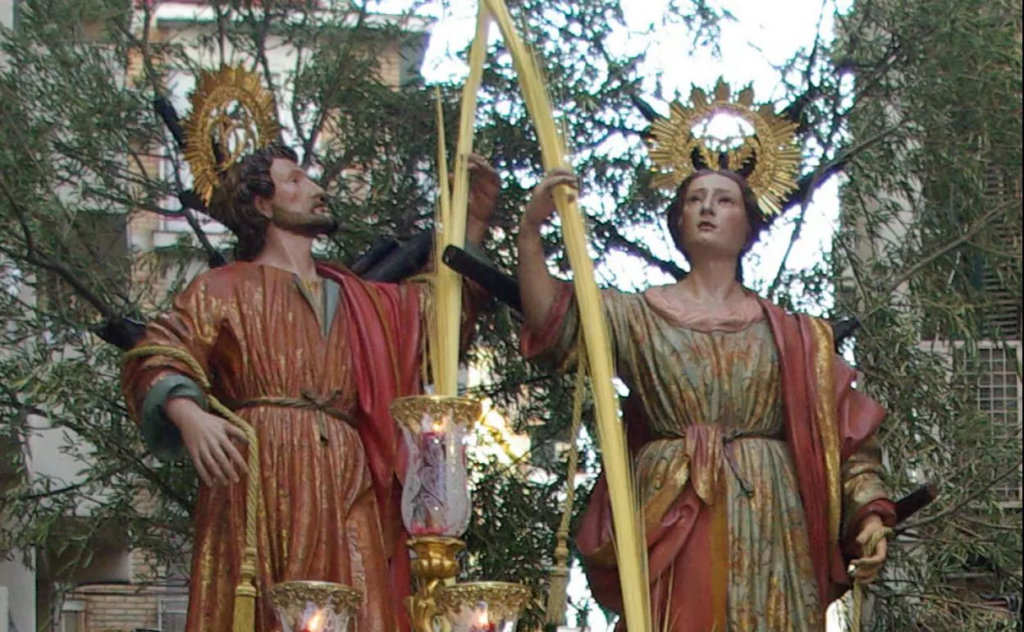
Above: Ciriaco and Paula, Málaga
When work on the three main doors of the Cathedral façade was resumed in the mid-18th century, they were designed as follows:
“Above the central one and above the cornice, a medallion that was to represent the theme of the Incarnation, while the side medallions would represent the Holy Martyrs Ciriaco and Paula, our Patrons.”
And so it can be seen today, perpetuating the devotion of the citizens in its main monument.
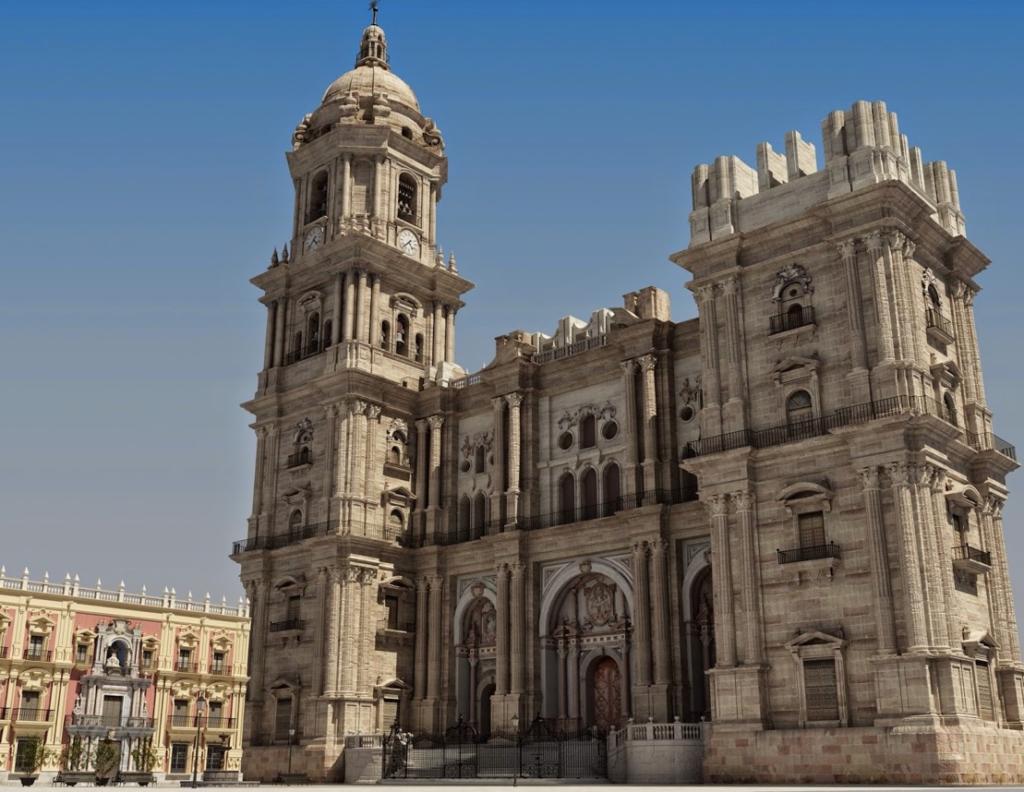
Above: Santa Iglesia Catedral Basílica de la Encarnación, Málaga
Above the side doors, in a white marble high relief, inside the oval medallions, are depicted Ciriaco and Paula.
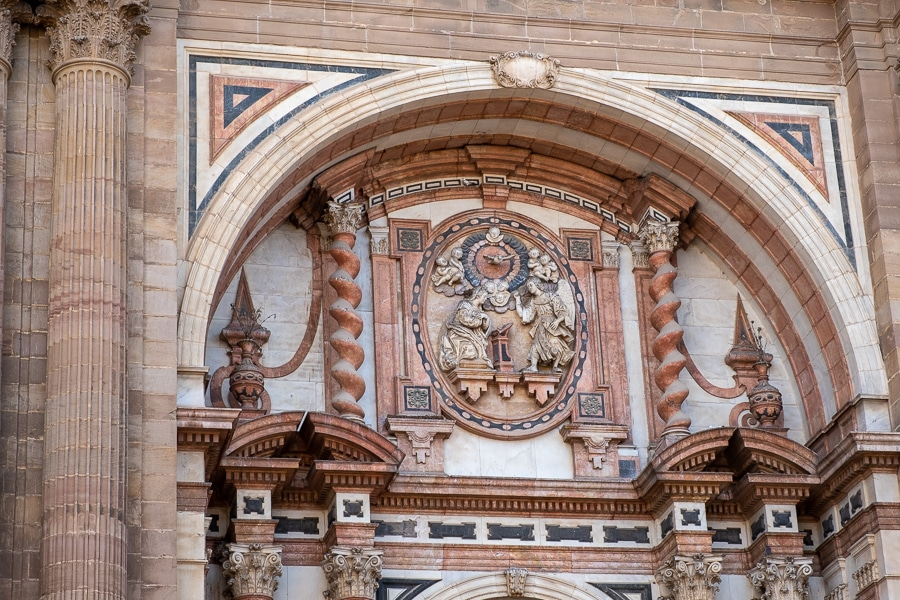
Above: Santa Iglesia Catedral Basílica de la Encarnación, Málaga
No one could have suspected that in November 1755 a new seismic movement would shake the city causing victims among the rubble of the collapsed buildings.
The catastrophe could have claimed more victims so a procession was organized in recognition of the:
“Intercession of the Virgin, under the constant patronage of our illustrious patrons, the glorious Saint Cyriacus and Saint Paula, natives of this city, where they gave their lives gloriously for the faith, under the blows of the hardest stones.”
As a result of this earthquake, the parish church of the Holy Martyrs was seriously damaged, so a reconstruction of the temple was necessary, which was completed in 1777.
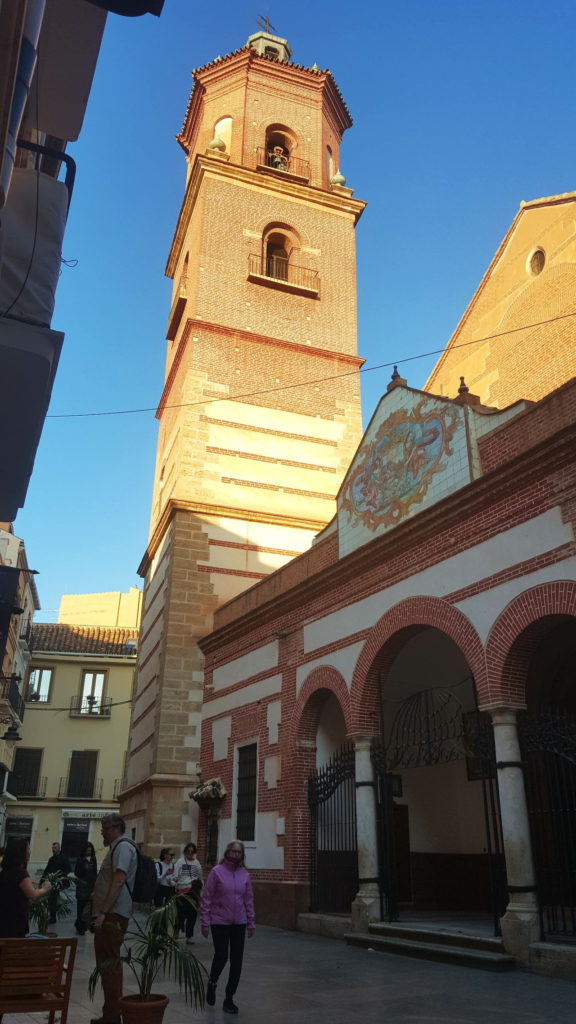
Above: Iglesia de los Santos Martires, Málaga
On 5 February 1810, the French entered Málaga and took away from the people of Málaga the two statues of the Patron Saints because of their precious metal.
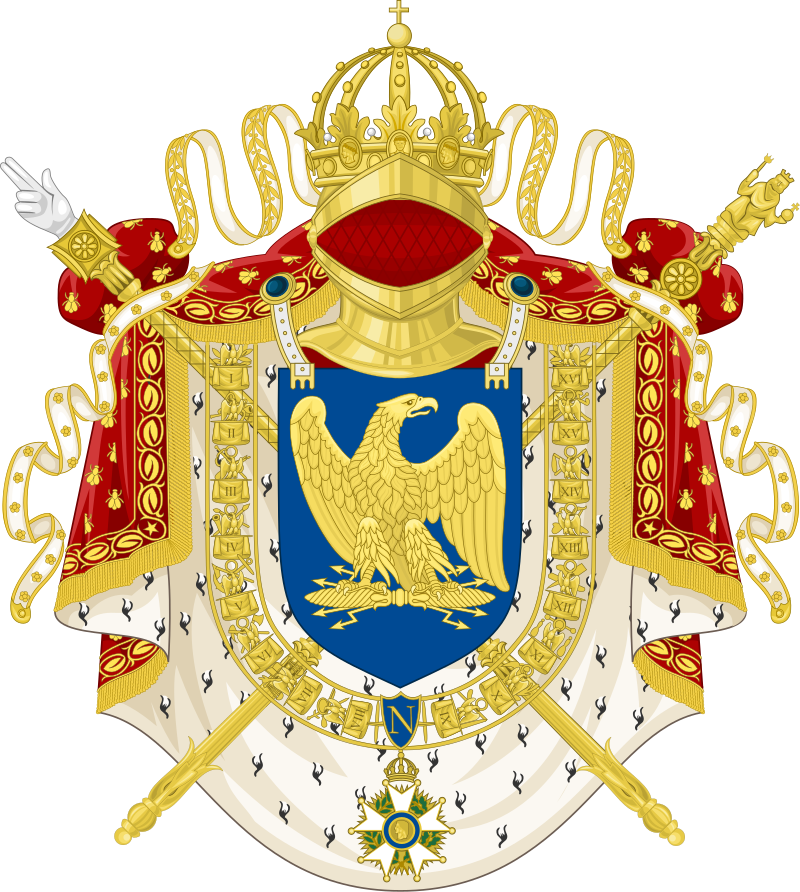
Above: Coat of arms of the First French Empire (1804 – 1815)
It was necessary to carve other effigies of the Patrons that, from that date on, were carried in procession to the Chapel of Martiricos in a pilgrimage, organizing a brotherhood snack after the Mass and its corresponding sermon.
In 1889, political instability forced this Procession to be suppressed.
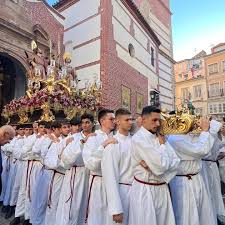
The memory of Saints Ciriaco and Paula has remained unchanged in the city for 17 centuries and good proof of this is their wide presence in the city’s streets.)
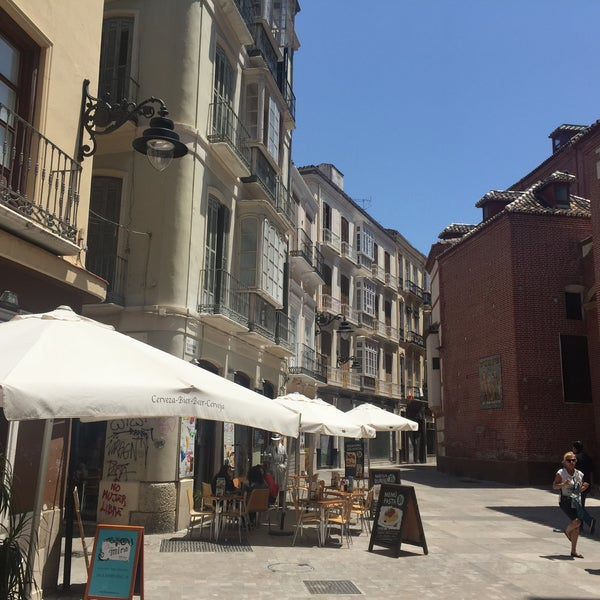
Above: Plaza de los Martires Ciriaco y Paula, Málaga
The Renaissance portals of the transept are flanked by unique towers with balconies, one of the best examples of Málaga stonework.
These portals contain a semicircular door with archivolts on capitals and a body with three niches, the central one semicircular and the lateral ones lintelled, of interesting Palladian composition.
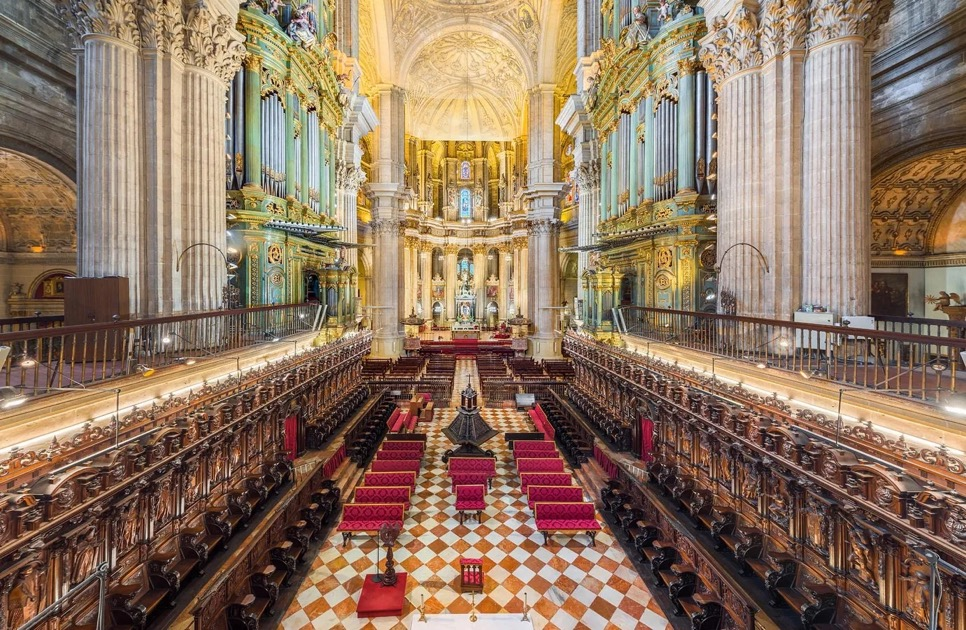
Above: Interior of the Santa Iglesia Catedral Basílica de la Encarnación, Málaga
The beautiful Portal of the Tabernacle, semicircular between an order of columns, has a curved pediment with the episcopal shield on its tympanum.
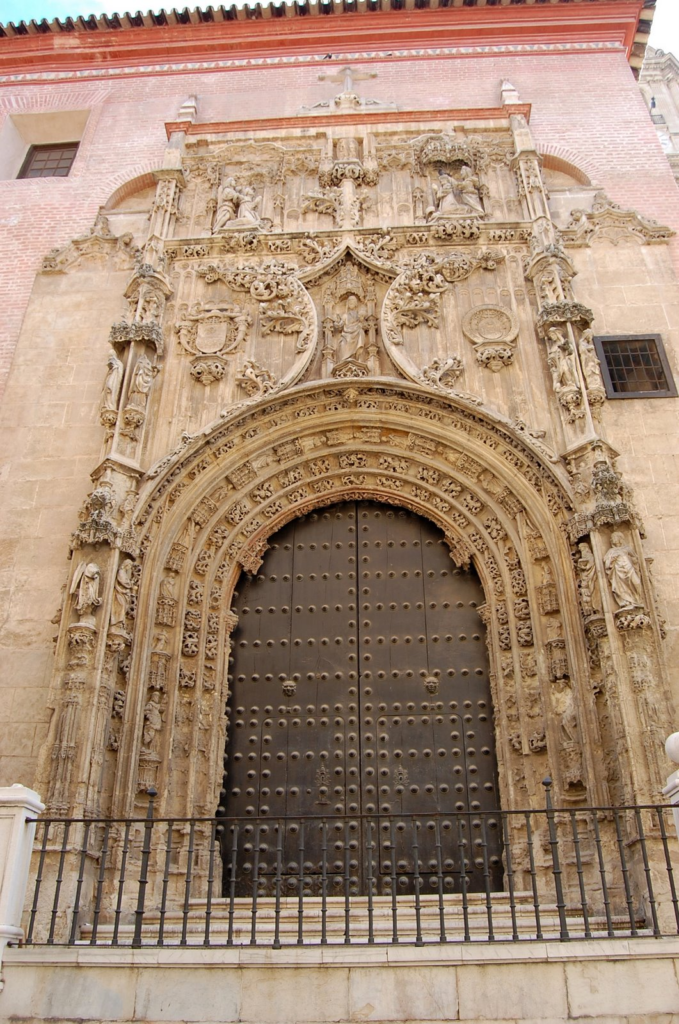
Above: Portal of the Tabernacle, Santa Iglesia Catedral Basílica de la Encarnación, Málaga
The side walls show the grandeur of their buttresses topped by classical cornices and two bodies of windows.
The apse of the temple, dating from the 16th century, is large and has no decoration, which gives it a solid effect.
At the bottom, we find triple arches, while at the top, we find simple arches accompanied by round windows.
Therefore, light enters the interior very well, although this light is filtered by stained glass windows.
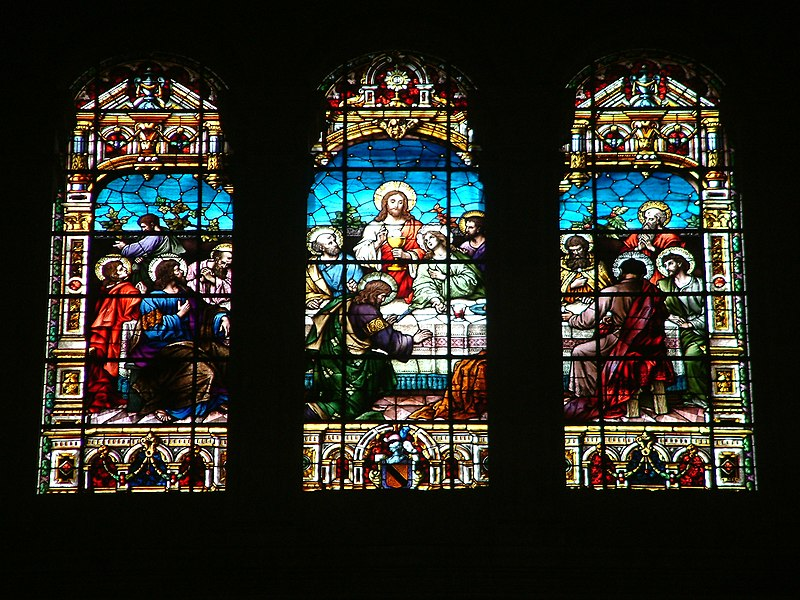
Above: Stained glass windows, Santa Iglesia Catedral Basílica de la Encarnación, Málaga
The north tower rises to 84 metres in height and 92 metres if we measure up to the harpoon.
Located to the left of the main façade, its first two bodies have the same proportions as the two heights of the central structure.
In the third body, a triple arch opens on its four sides, inside which are the 14 bells, of which eight main ones were cast by the master Francisco Venero in 1784.
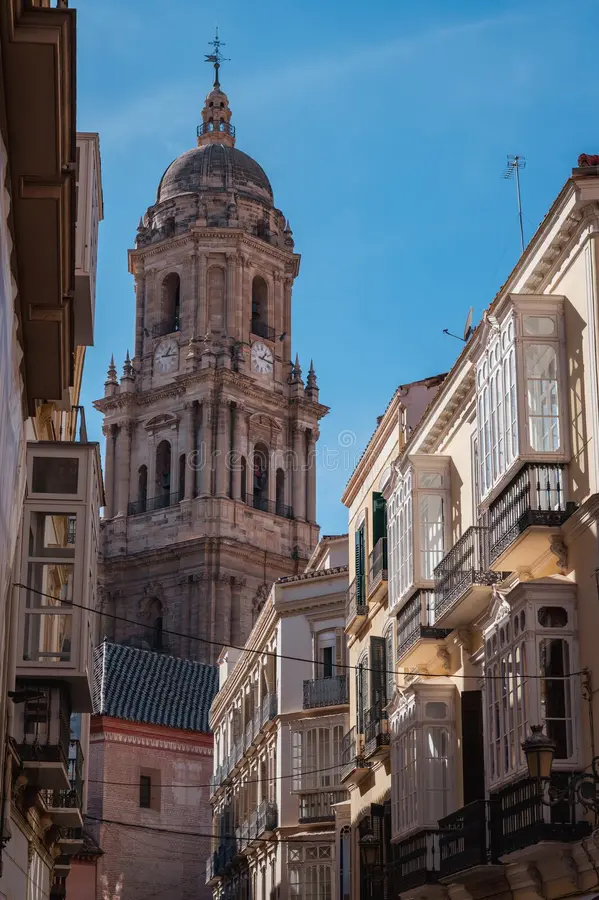
Above: North Tower, Santa Iglesia Catedral Basílica de la Encarnación, Málaga
The Cathedral has its own gardens and a beautiful orange tree courtyard reminiscent of the old mosque.
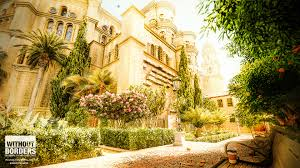
Above: Gardens, Santa Iglesia Catedral Basílica de la Encarnación, Málaga
The Cathedral has a rectangular floor plan and is made up of three naves, the central one being wider than the side naves and all of equal height.
Its 41.79 metres height makes it the highest cathedral vault in all of Andalusia.
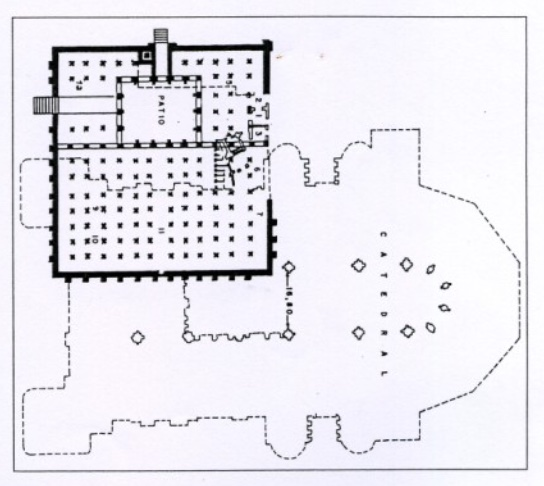
Above: Floor plan of the Santa Iglesia Catedral Basílica de la Encarnación, Málaga
It has side chapels around the entire perimeter of the Church except for the foot, with a noticeably prominent transept, ambulatory and polygonal apse.
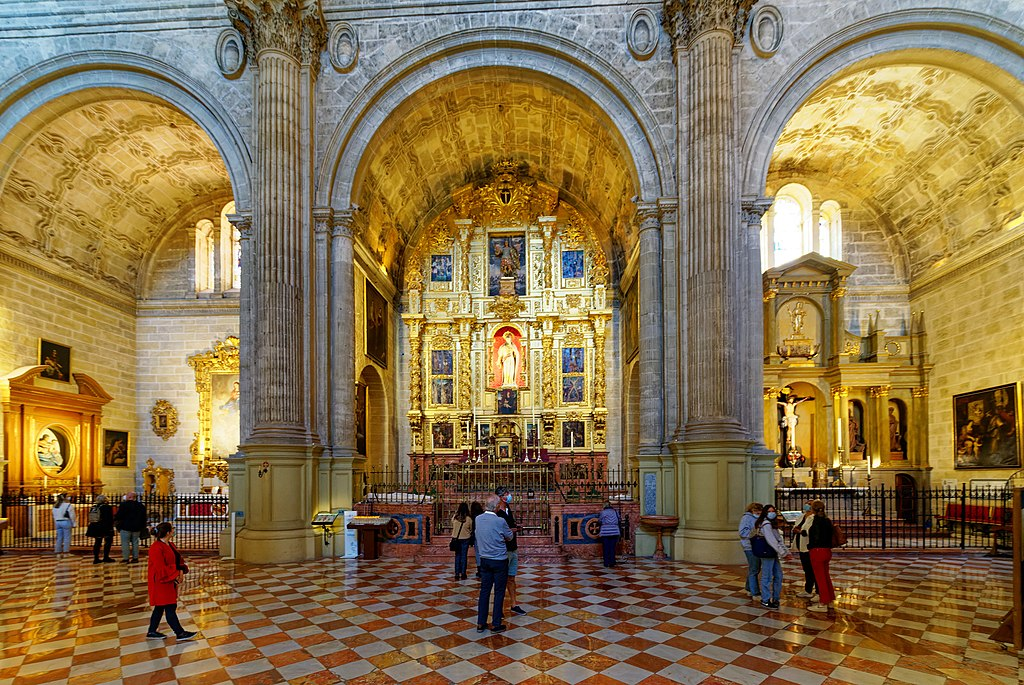
Above: Side chapels, Santa Iglesia Catedral Basílica de la Encarnación, Málaga
The principal chapels are the Capilla Nueva (New Chapel or Chapel of Camponuevo) and those of Santa Barbara and La Encarnación.
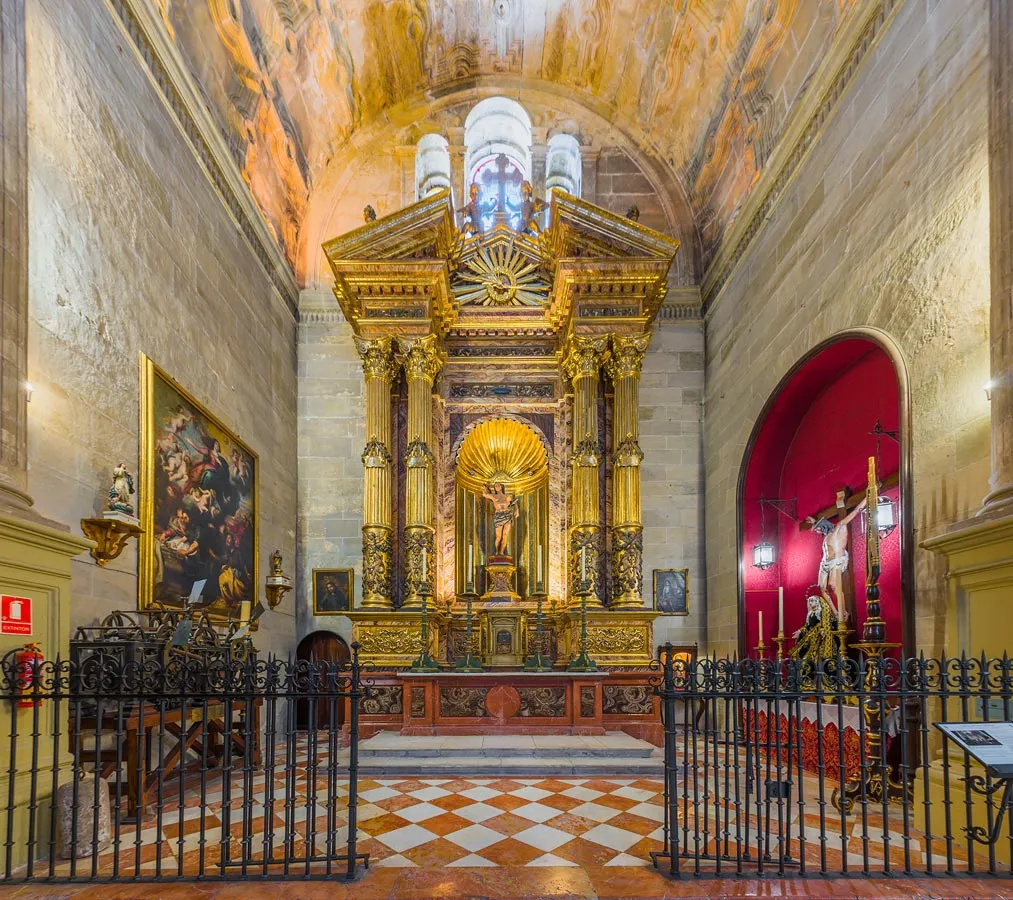
Above: Capilla Nueva, Santa Iglesia Catedral Basílica de la Encarnación, Málaga

Above: Capilla Santa Barbara, Santa Iglesia Catedral Basílica de la Encarnación, Málaga
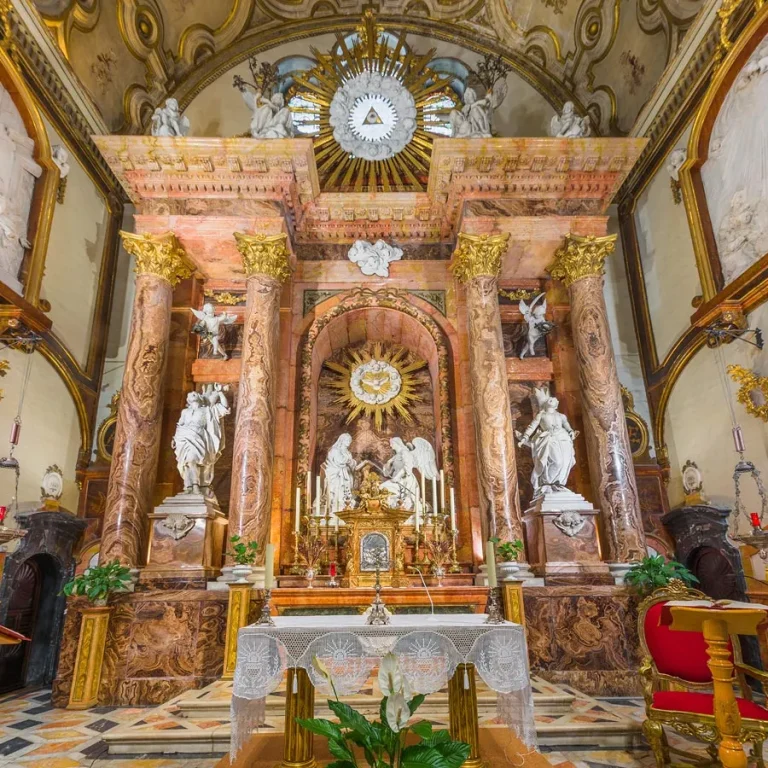
Above: Capilla de la Encarnación, Santa Iglesia Catedral Basílica de la Encarnación, Málaga
They contain paintings by Alonso Cano, Enrique Simonet and Juan Niño de Guevara, as well as well-known sculptures by Pedro de Mena.
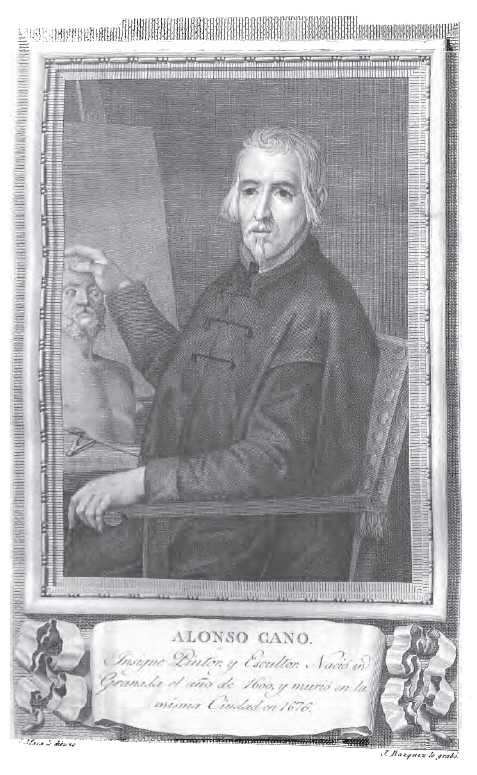
Above: Spanish artist Alonso Cano (1601 – 1667)
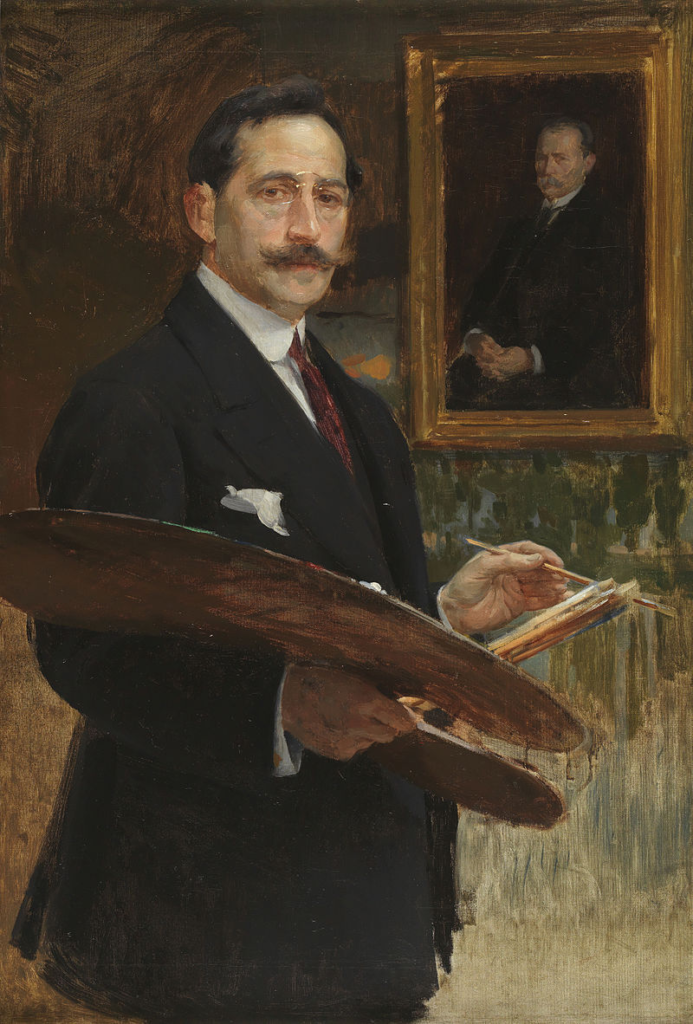
Above: Spanish painter Enrique Simonet (1866 – 1927)
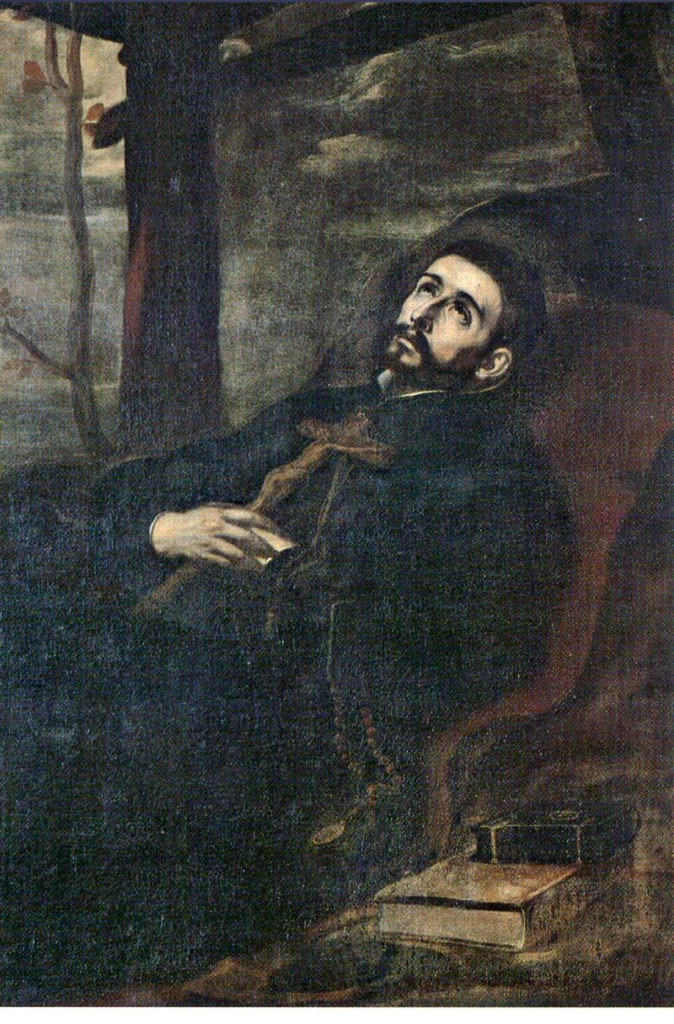
Above: Death of Saint Francis Xavier, Juan Niño de Guevara (1632 – 1698), Santa Iglesia Catedral Basílica de la Encarnación, Málaga
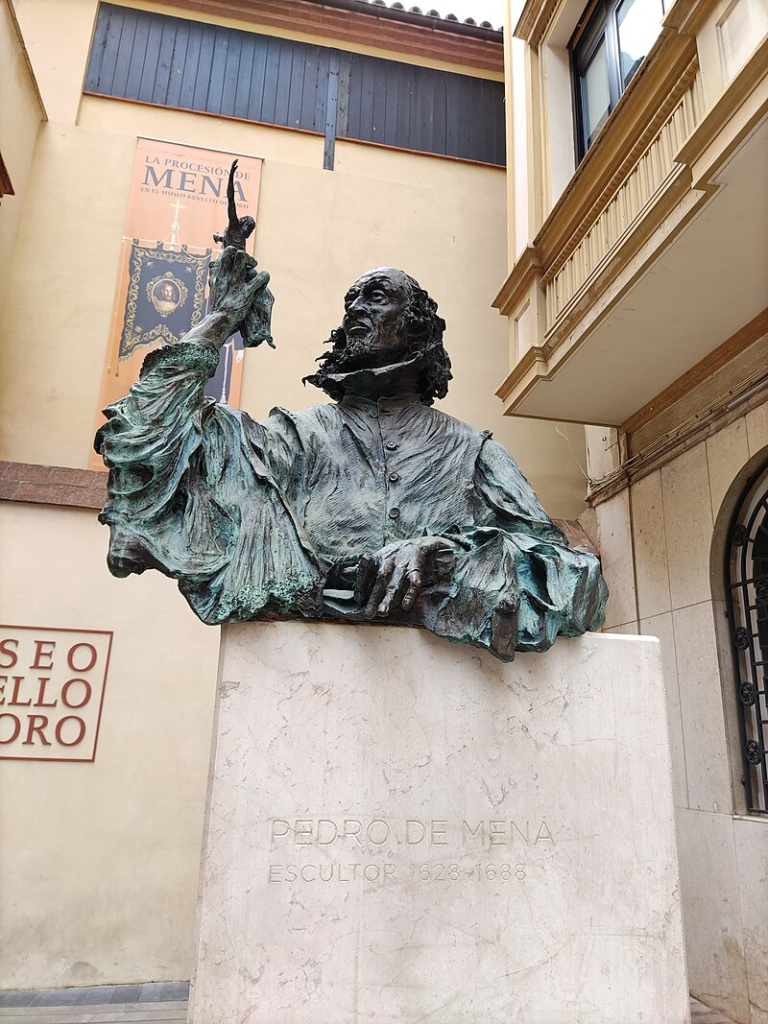
Above: Bust of Spanish sculptor Pedro de Mena (1628 – 1688), Exterior of the Museo Revello de Toro, Málaga
The Main Altar stands out, a work by Diego de Vergara in 1541, semicircular, with its walls torn by high windows superimposed between fluted Corinthian columns and covered with a beautiful ribbed vault.
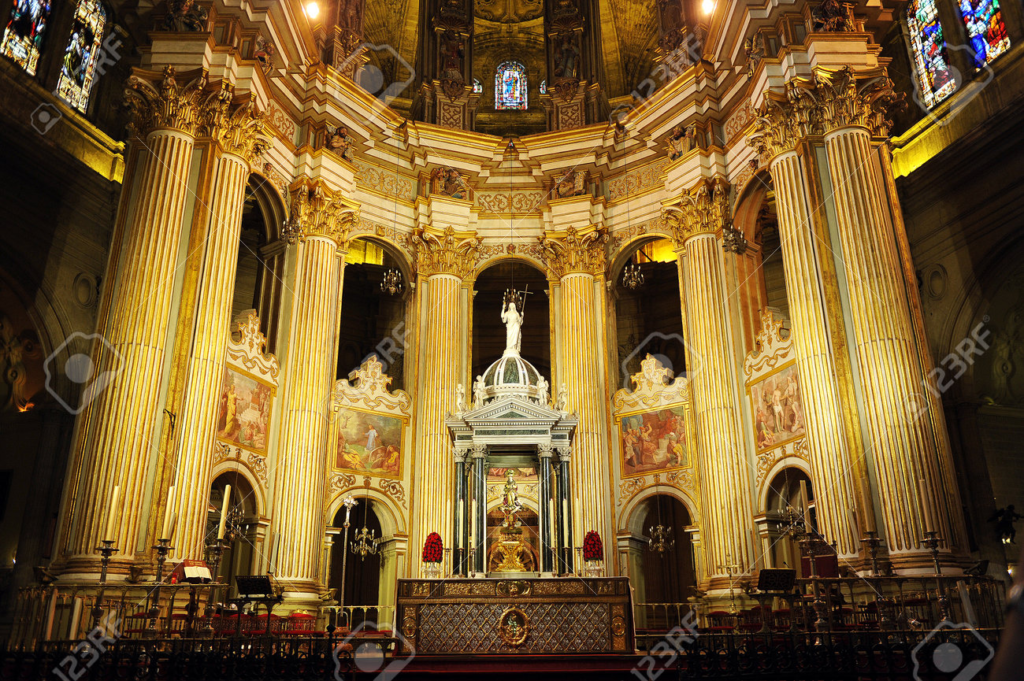
Above: Main Altar, Santa Iglesia Catedral Basílica de la Encarnación, Málaga
The rest of the interior is covered by spectacular ribbed vaults, decorated with grotesques and palms, where in a display of mastery new pillars are mounted on the existing ones in the centre of the temple to gain height, leaving behind the traditional Gothic staggered layout of the three naves.
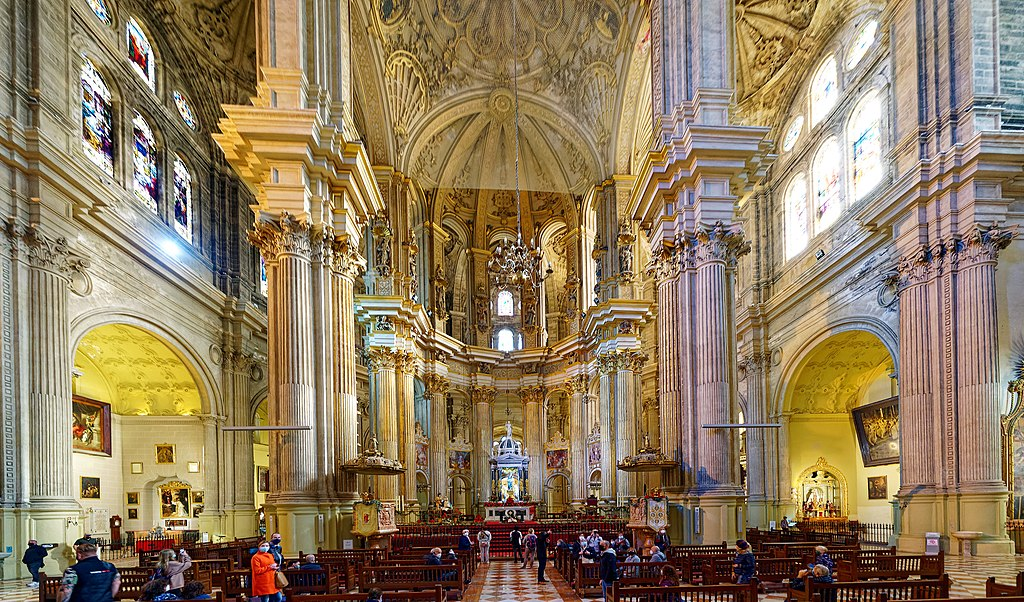
Above: Interior of the Santa Iglesia Catedral Basílica de la Encarnación, Málaga
The choir stalls of the Cathedral of Málaga have their origins in the year 1590, when the Cathedral Chapter decided to equip the temple with a choir which, together with the main chapel, will be one of its most representative pieces.
The first outlines of this spectacular work were drawn by Juan de Minjares (1520 – 1599), the master builder of the Lonja de Sevilla, with the participation of other masters.
In 1592 the direction of the work fell to the architect Diego de Vergara, son, who was then master of the Cathedral of Málaga, and under the supervision of the master builder of the Cathedral of Cordoba, Hernán Ruiz III (1534 – 1606).
Later, Pedro Díaz de Palacios (1549 – 1636) took charge of the work, taking up the projects of Juan de Minjares and Francisco de Mora (1553 – 1610).
The choir stalls were inaugurated in 1631.
From 1633 onwards, the sculptural work on the choir stalls began, initially awarded to the Jaén sculptor Luis Ortiz de Vargas (1588 – 1649), related to the family of Ocampo sculptors, who created the wooden architecture of the complex.
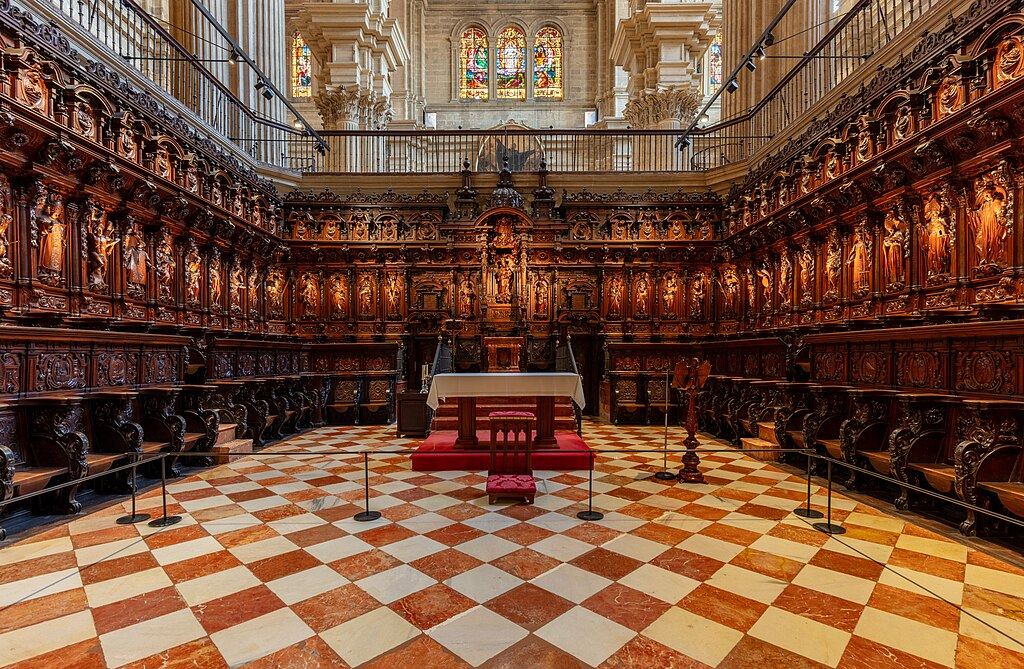
Above: Choir, Santa Iglesia Catedral Basílica de la Encarnación, Málaga
In 1658, work was restarted after the arrival of Pedro de Mena, the author of 42 high relief figures attached to the backrests, as well as the crowning of the Choir.
The expressiveness of the hands, the mysticism of the figures and the gestures of his sculptures are exceptional.
The Choir is one of the most valuable rooms in the Cathedral, a masterpiece of Baroque carpentry and one of the most dazzling works of the sculptor Pedro de Mena.
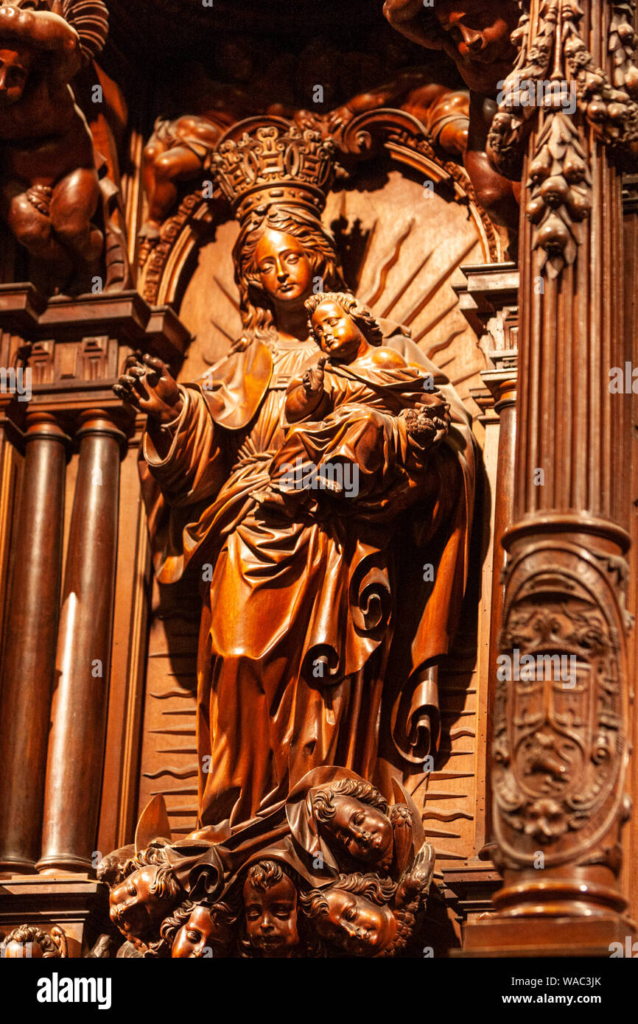
Above: Our Lady of Sorrows, Pedro de Mena, Choir, Santa Iglesia Catedral Basílica de la Encarnación, Málaga
However, several artists worked on the Choir.
In 1633, the Malaga council hired the services of Luis Ortiz de Vargas, who designed the wooden architecture of the complex and some images.
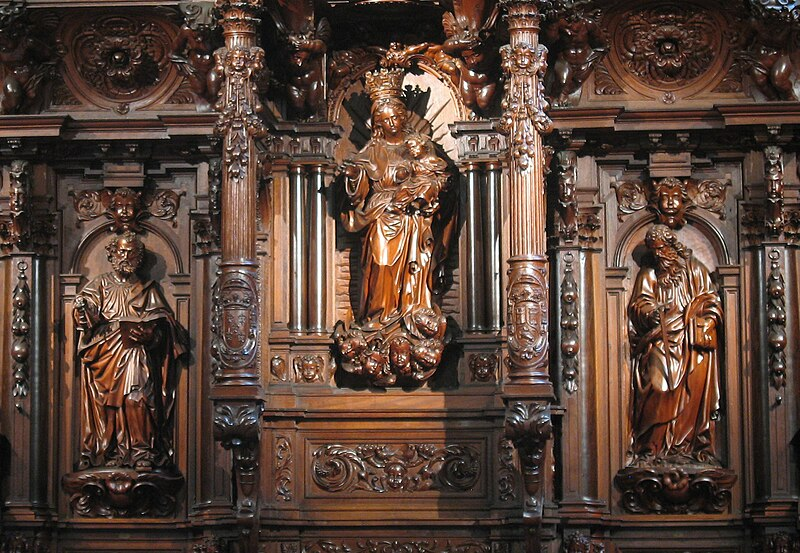
Above: The Virgin Mary, Saint Peter and Saint Paul, Choir stalls, Luis Ortiz de Vargas (1588 – 1649), Santa Iglesia Catedral Basílica de la Encarnación, Málaga
Shortly afterwards, José Micael y Alfaro made the carvings of the Apostles and some of the small busts of the saints that crown the choir stalls.
The work was interrupted due to his death in 1649.
José Micael y Alfaro gave his images a severe drama using mannerist resources.
José Micael y Alfaro was involved in the creation of the Apostolate and the busts of the saints that crown the Choir Stalls and which faithfully reflect the mannerist style of Málaga, and finally, Pedro de Mena, under the episcopate of Diego Martínez de Zarzosa and thanks to a donation of 1,000 ducats from the Bishop, was in charge of finishing this work, giving each of the sculptures a deep religious expression, full of serenity and endowed with spectacular restrained gesticulation.
The artistic and educational value of this sculpture lies in the different interventions of the artist who worked on it, leaving the imprint of their art, and therefore, of the different styles that characterize this work.
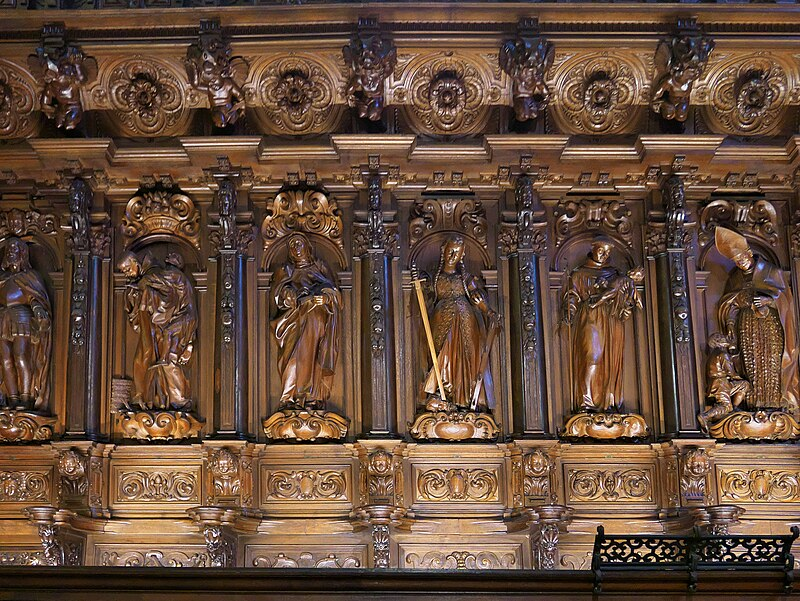
Above: Sculptural group of the Choir stalls, José Micael y Alfaro (1595 – 1650), Santa Iglesia Catedral Basílica de la Encarnación, Málaga
In addition, one cannot forget the political – religious message of this space, erected as an element of de facto power and control within the Church itself.
Following a long and intense construction process, the Choir Stalls of Málaga Cathedral are presented with a rectangular layout, arranged on three levels, the first two for seating and the last section for the attic, all presided over by the episcopal seat, preceded by a staircase and protective railings.
The Choir is accessed either through the gate that separates it from the Presbytery, or through one of the two twin doors opened, respectively, on the Gospel and Epistle sides.
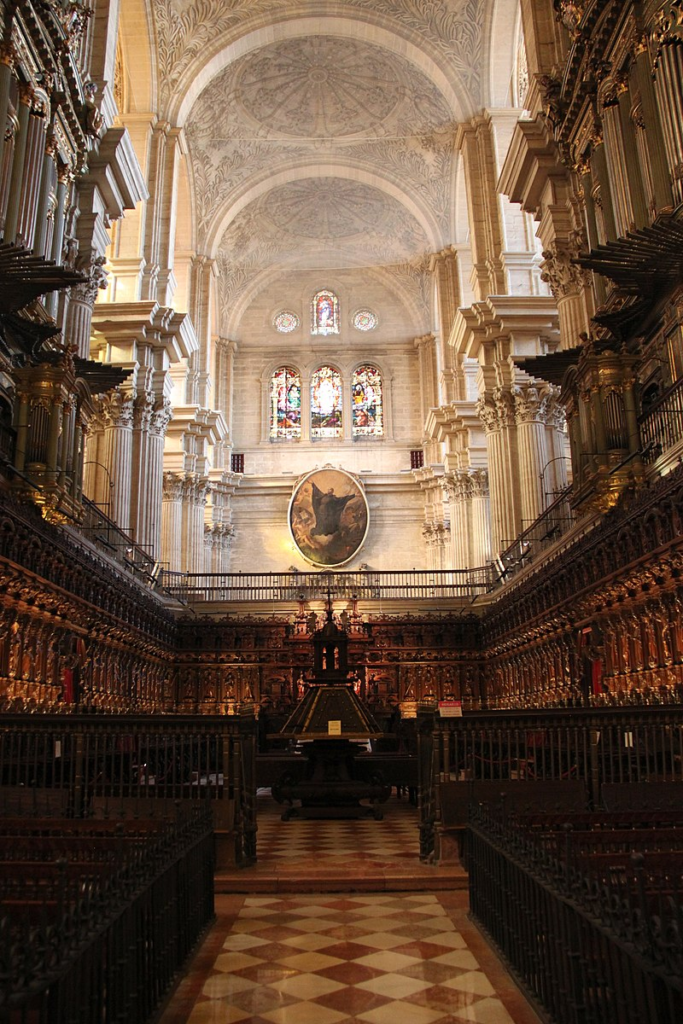
Above: Choir, Santa Iglesia Catedral Basílica de la Encarnación, Málaga
The first body is made up of 44 seats, half of which correspond to deans and the other to archpriests.
This first space is characterized fundamentally by the decorative program of the seats, carved in the lower and lateral parts with various geometric, vegetal, animal, allegorical and emblematic motifs, both of passion and moral, as well as male and female heads with individualized gestures, the work, for the most part, of the Sevillian artist Luis Ortiz de Vargas between the years 1633 and 1637.
Between the seats there are various pedestals decorated with male heads sprinkled with fantastic features.
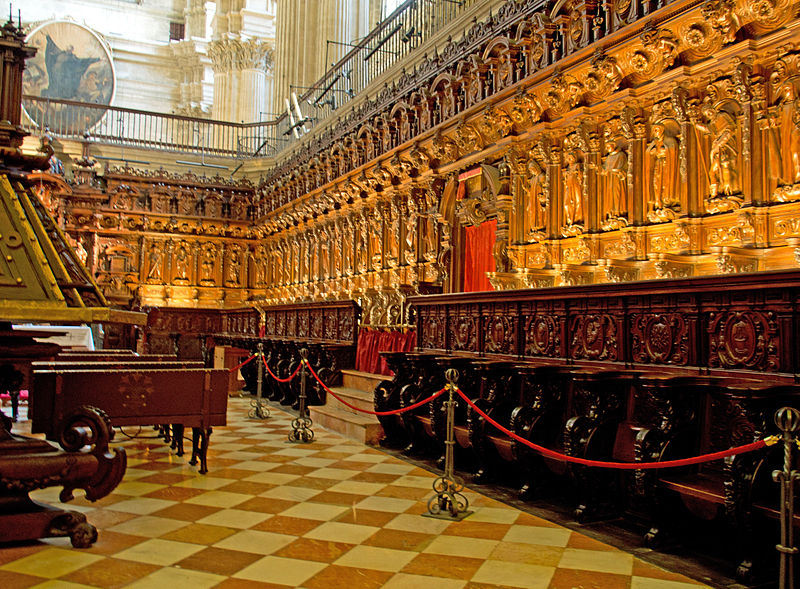
Above: Choir, Santa Iglesia Catedral Basílica de la Encarnación, Málaga
Also, completing the sculptural programme of the lower choir stalls of the Dean, we must highlight the Misericordia, represented in different ways such as, for example, a male head with a beard like flames or the head of a nun with a tearful expression on her face.
The backrests and seats of the lower stalls of the deans are made up of panels decorated with various shapes and motifs.
Particularly noteworthy are seats #1 and #44, which represent Hope and Strength, respectively.
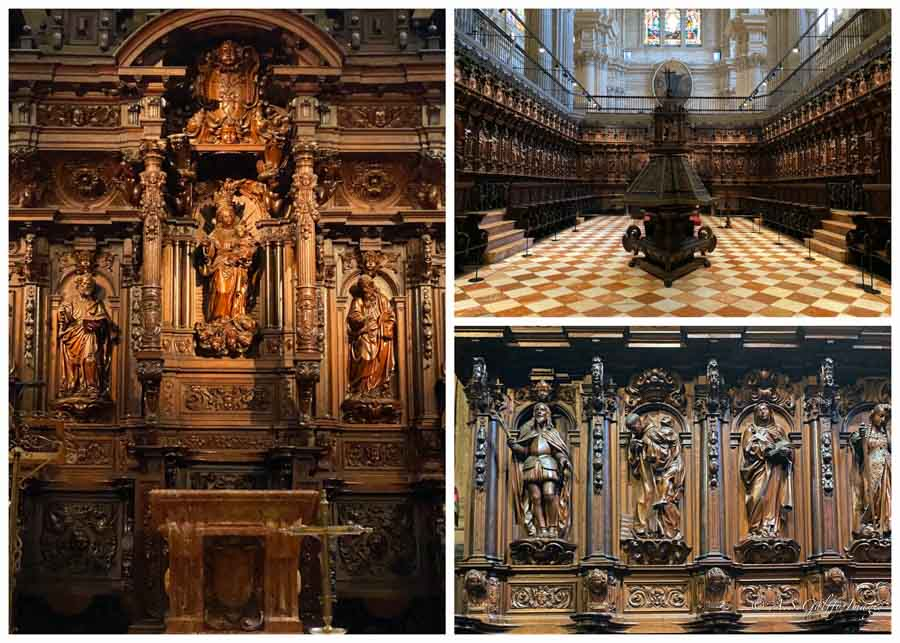
Above: Choir, Santa Iglesia Catedral Basílica de la Encarnación, Málaga
The second section of the Choir has the same number of seats as the previous one, with the only difference being the backrests, decorated with large panels and containing impressive round sculptures representing Saint Peter and Saint Paul, works by Luis Ortiz de Vargas, the Apostolate and the Virgin, made by José Micael y Alfaro, and the church fathers, saints and evangelists, made by Pedro de Mena.
The work of Pedro de Mena reflects the rapid evolution of this respect with respect to his previous stage strongly influenced by his teacher, the Granadan Alonso Cano.
All the sculptures are made of fine wood, mahogany, cedar and granadillo, on a flat background framed by pilasters and semicircular arches.
It is worth highlighting the representation of San Juan de Dios, which occupies seat #2, this work being a magnificent study from life, endowed with great gestural expressiveness.
Likewise, the figure of Santo Tomás de Villanueva in seat #6, the representation of San Jerónimo Penitente in seat #15 and the Virgin and Child in the episcopal seat, works by Luis Ortiz de Vargas, are of exceptional artistic value.
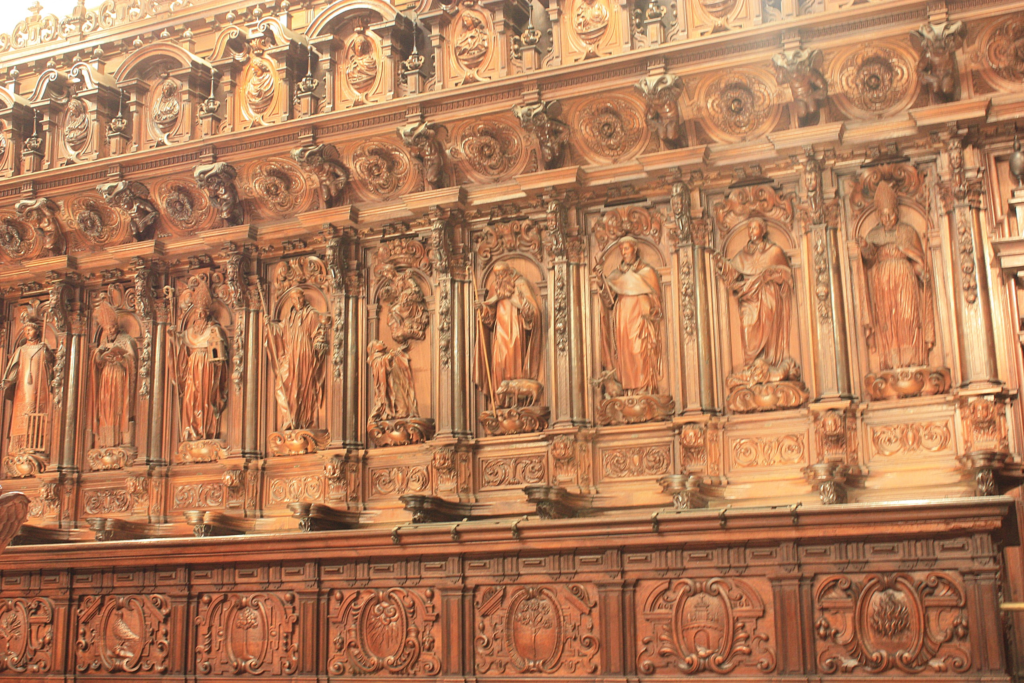
Above: Choir, Santa Iglesia Catedral Basílica de la Encarnación, Málaga
The third body, corresponding to the attic, is composed of female heads framed by a moulding topped by a crest composed, in turn, by a projecting cornice framed by two pilasters and a curved pediment interrupted in the centre by an oval in which is inscribed the bust of a woman dressed in a habit, cloak and toga.
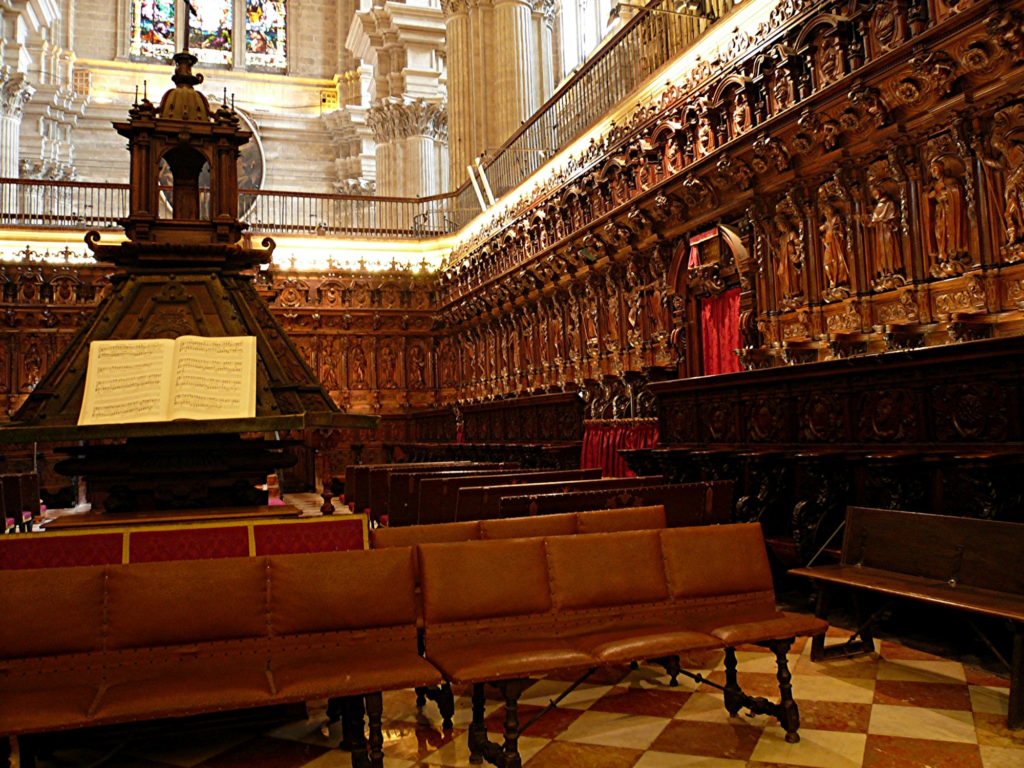
Above: Choir, Santa Iglesia Catedral Basílica de la Encarnación, Málaga
The Choir of the Cathedral of Málaga is completed with other movable assets such as a small mobile wooden lectern, the Bishop’s lectern, made of veined pink marble and decorated with the coat of arms of Bishop Fray Alonso Enríquez, is located at the top of the staircase and plateau, where the episcopal seat is located and, finally, the lectern, which is dated between 1645 and 1671 and attributed to Luis Ortiz de Vargas and Fernando Ortiz, in the mannerist style.
It consists of a rhomboidal base with the corners ending in volutes and a central body with four inclined bodies and topped by a small temple with four open sides, inside which is an image of the Immaculate Conception.
The decorative programme of the lectern is made up of several coats of arms, among which the most notable are those of the Cathedral of Málaga, the episcopal coat of arms and the coat of arms of Cardinal Alonso de la Cueva, as well as bas-reliefs depicting angels with cartouches.
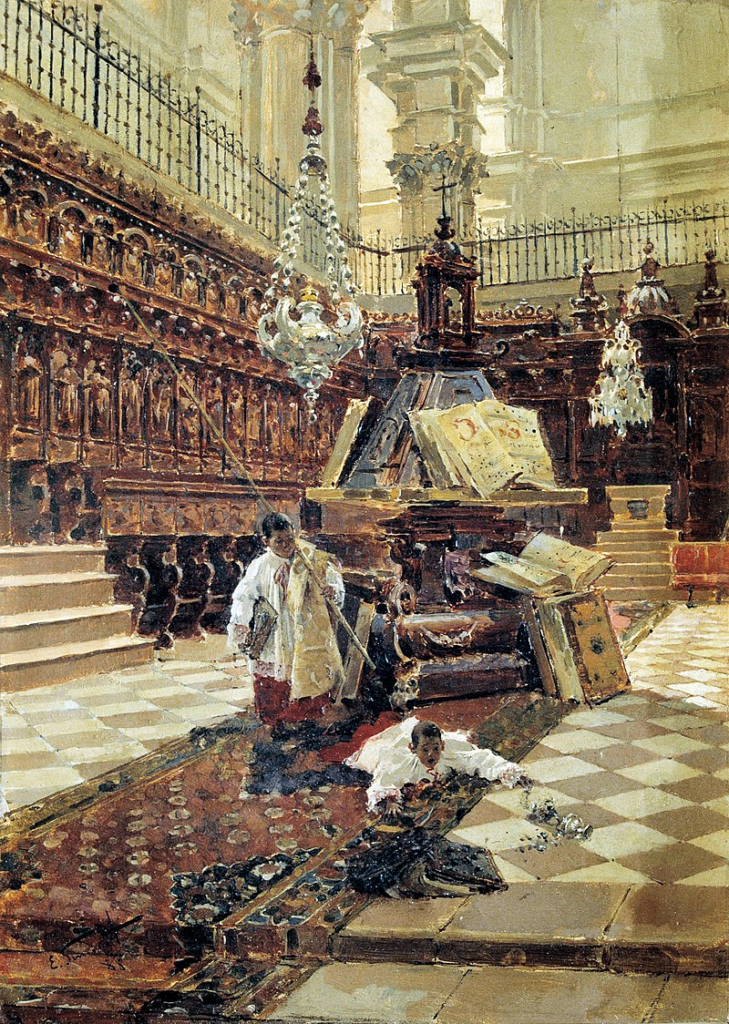
Above: Stumble in the choir of the Cathedral of Malaga (1888) by Enrique Simonet
On the sides of the choir rise the horizontal trumpet organs, the work of Julián de la Orden between 1779 and 1781.
The cases were carved and designed by José Martín de Aldehuela, in harmonious composition with the rest of the temple.
They have more than 4,000 pipes.
The two organs are practically identical, except for the length of some of their pipes.
They also differ in sound.
They have three keyboards and 64 registers per organ.
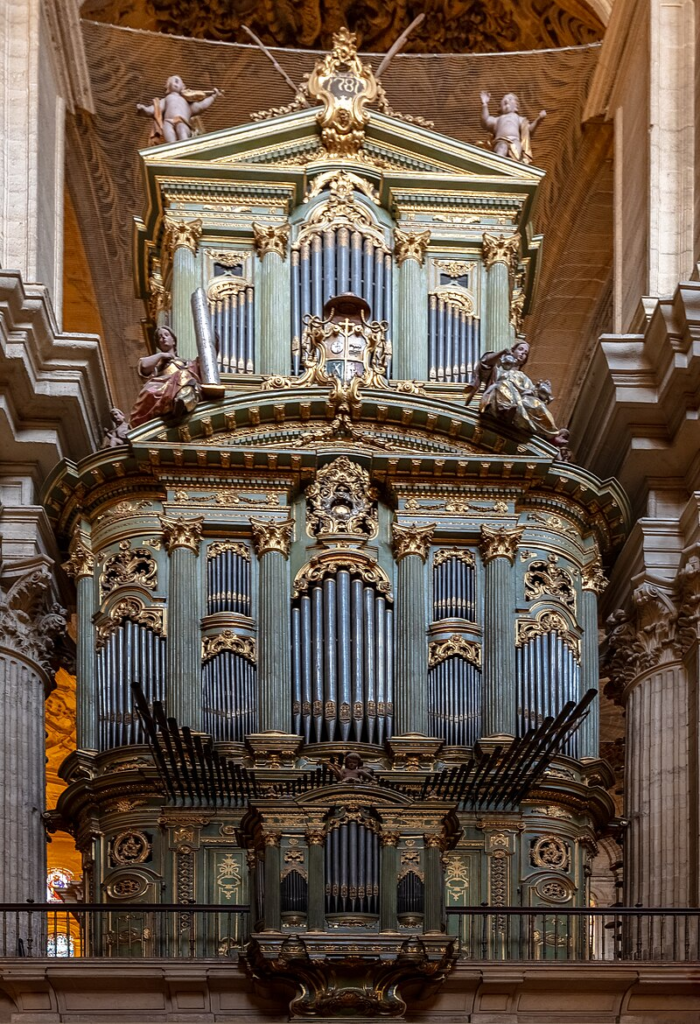
Above: Organ, Choir, Santa Iglesia Catedral Basílica de la Encarnación, Málaga
The retrochoir is presided over by an altar where a beautiful Pietà sculpted in marble by the Pissanis brothers rests.
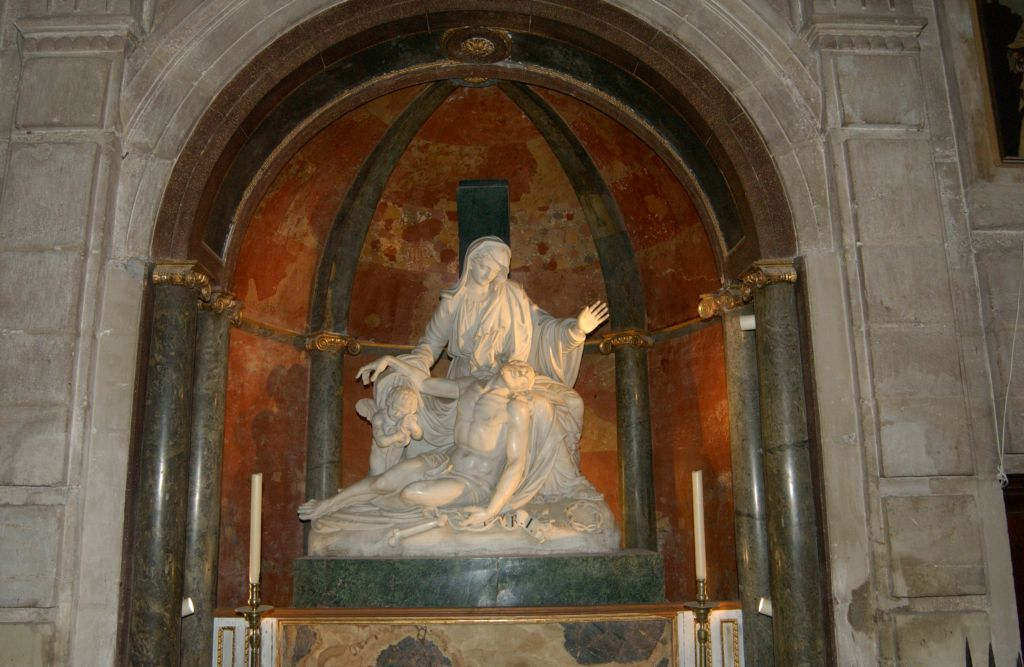
Above: Pieta, Santa Iglesia Catedral Basílica de la Encarnación, Málaga
In the side niches the sculptures of Saint John and Mary Magdalene are venerated, made, like the images in the side chapels, by the 19th century Malaga sculptor Salvador Gutiérrez de León.
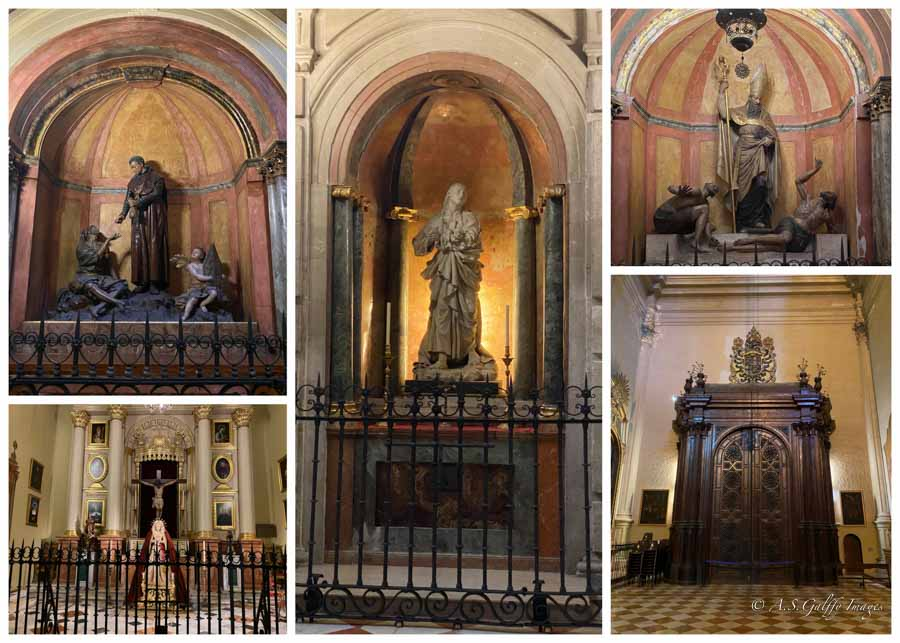
Above: Images of Santa Iglesia Catedral Basílica de la Encarnación, Málaga
Various pieces and works of art are located in the temple.
Among them are the Gothic altarpiece of the Capilla Santa Barbara (Chapel of Santa Barbara) and the 16th century tombs of the Capilla San Francisco (Chapel of San Francisco), as well as valuable works by Juan Niño de Guevara (1632 – 1698), Claudio Coello (1642 – 1693), Alonso de Mena (1587 – 1646), Francisco Palma Burgos (1918 – 1985) and Enrique Simonet (1866 – 1927).
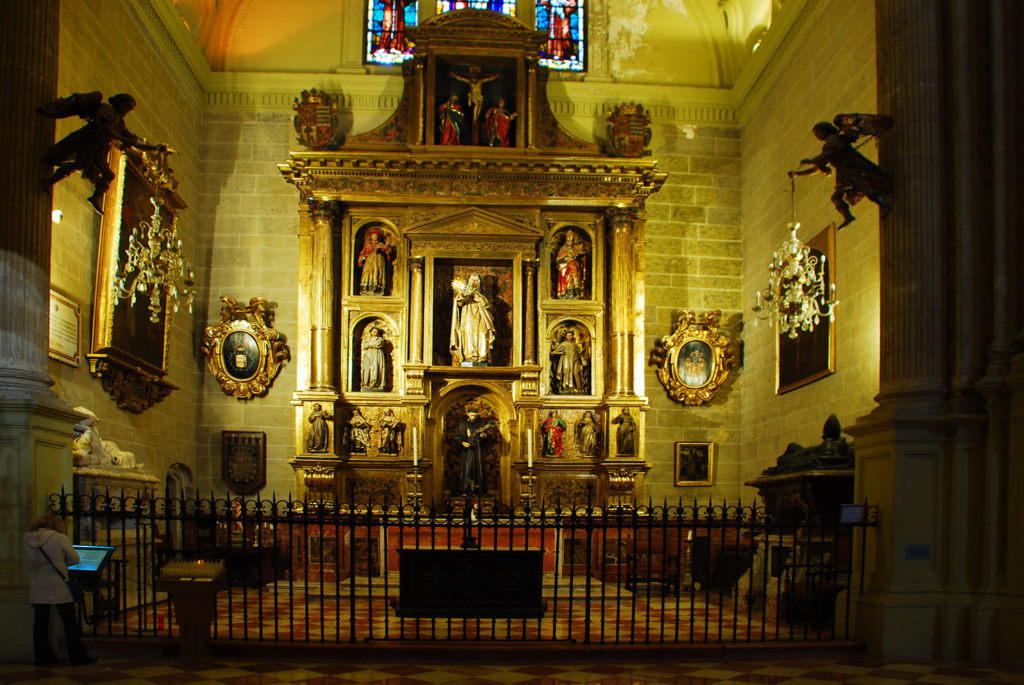
Above: Capilla San Francisco, Santa Iglesia Catedral Basílica de la Encarnación, Málaga
The main chapel houses mannerist paintings by the Italian artist César Arbasia (1547 – 1614).
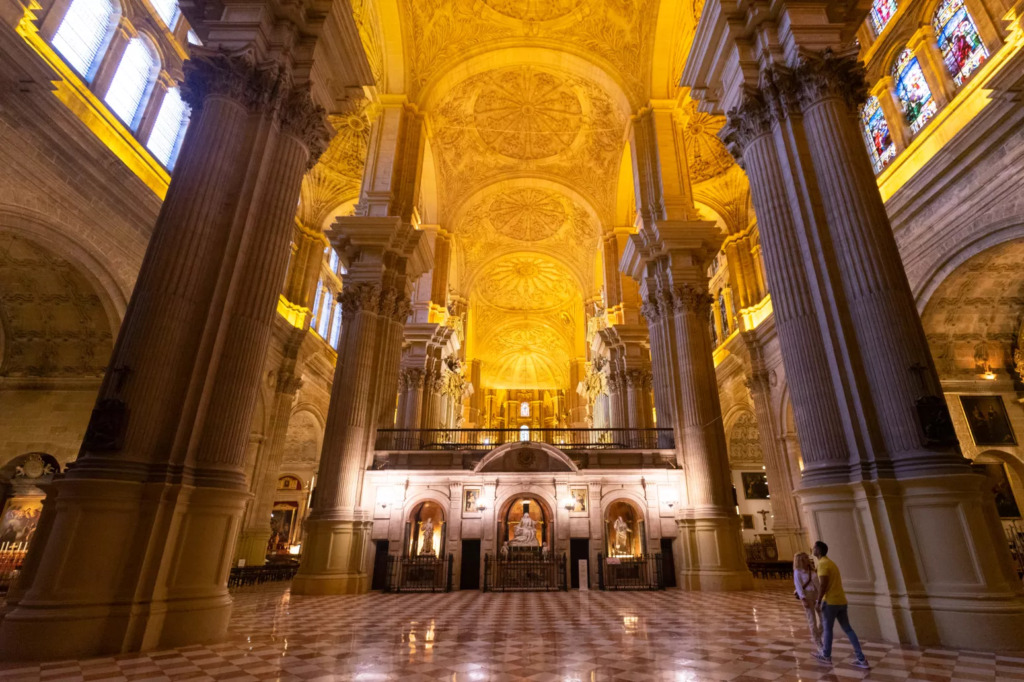
Above: Interior, Santa Iglesia Catedral Basílica de la Encarnación, Málaga
The Capilla de la Encarnación was designed by Ventura Rodríguez and carved with agate stone.
It displays a neoclassical altarpiece from 1785, the work of Juan de Villanueva (1739 – 1811) and carved by Antonio Ramos y Aldehuela, with sculptures by Salazar and Antonio Palomino (1655 – 1726).
It houses the tombs of Bishops Bernardo Manrique de Lara (1500 – 1564) and Molina Lario (r. 1776 – 1783).
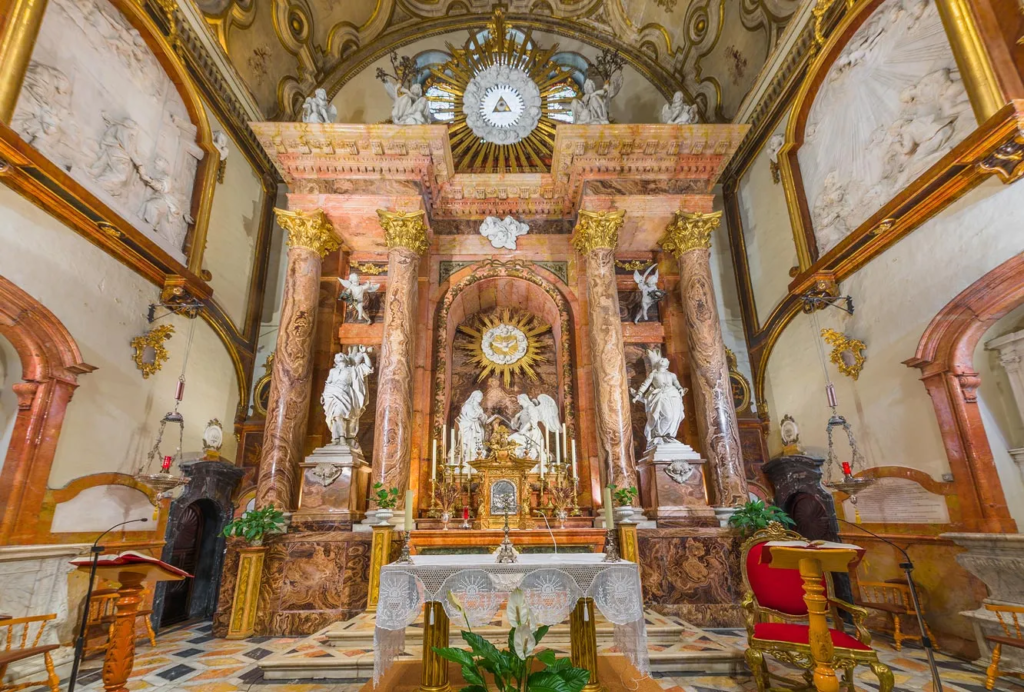
Above: Capilla de la Encarnación, Santa Iglesia Catedral Basílica de la Encarnación, Málaga
The Capilla de la Virgen del Rosario (Chapel of the Virgin of the Rosary) houses a painting by Alonso Cano (1601 – 1667), made in 1665, in which the Virgin hands a rosary to Saint Dominic.
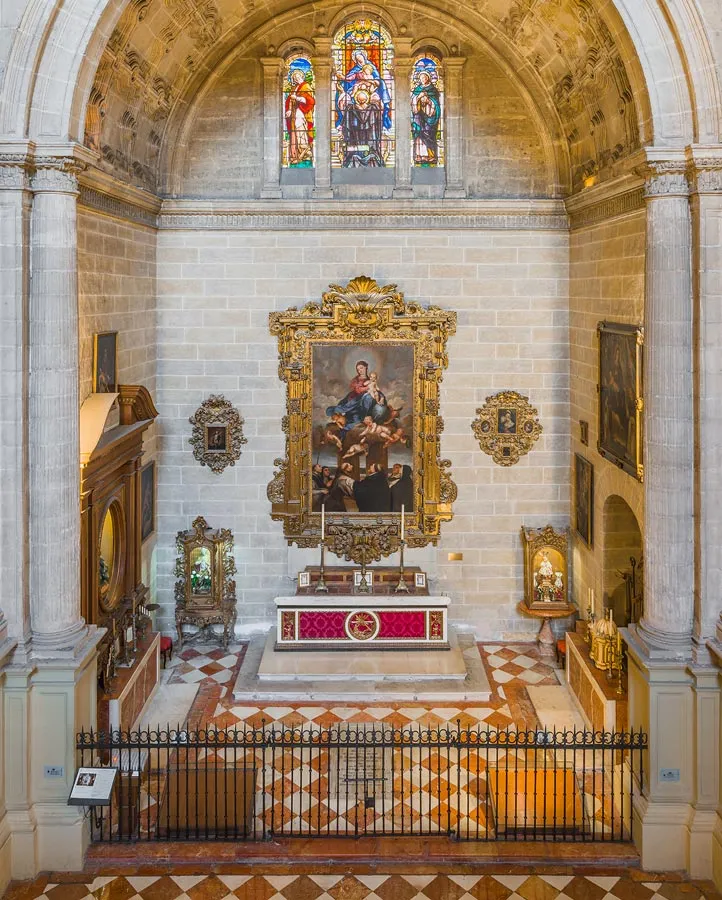
Above: Capilla de la Virgen del Rosario, Santa Iglesia Catedral Basílica de la Encarnación, Málaga
A series of grand artworks fills the sanctuary, among them are the Gothic altarpiece of the Capilla de Santa Barbara and the 16th century tombs of the Capilla de San Francisco.
The Capilla de la Encarnación contains a neoclassic altarpiece (1785) designed by the sculptor Juan de Villanueva and carved by Antonio Ramos and Aldehuela, a group of figures representing the Annunciation and sculptures of the patron saints of Málaga, Saint Ciriaco and Saint Paula, carved by Juan Salazar Palomino also in the 18th century, and The Beheading of Saint Paul, painted by Enrique Simonet in 1887 during his stay in Rome.
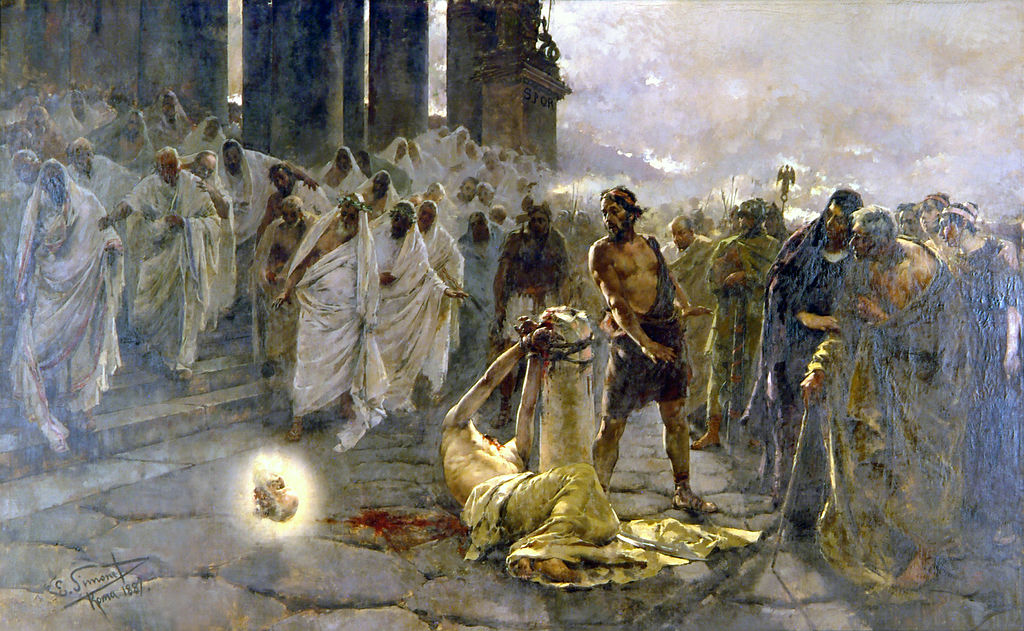
Above: The Beheading of Saint Paul (1887), Enrique Simonet
In 2023, restoration works were undertaken to the Cathedral crypt, including tombs of the Count and Countess of Buenavista and the count and countess of Villalcazar de Sirga.
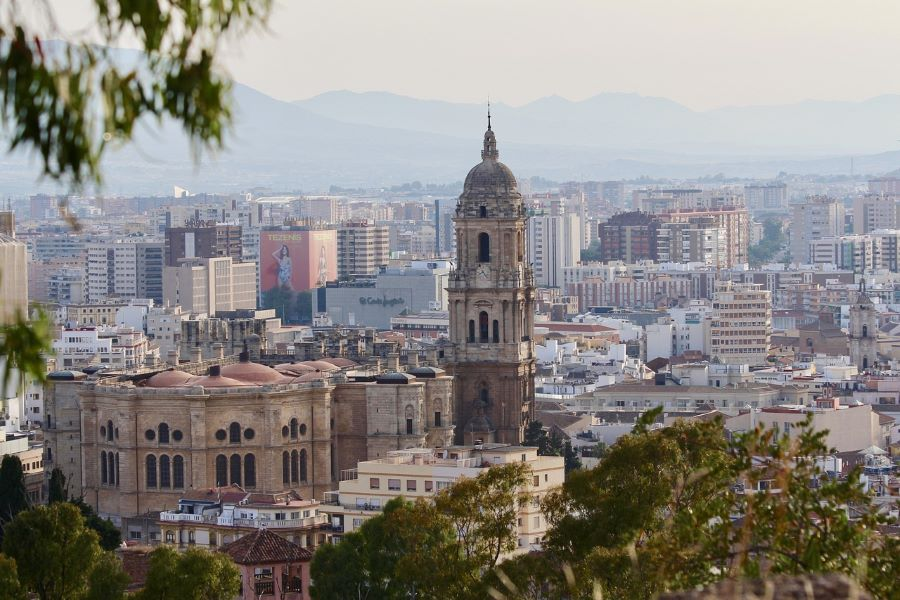
Above: Santa Iglesia Catedral Basílica de la Encarnación, Málaga
The Museo Catedralicio (Cathedral Museum), which occupies the old rooms of the Chapterhouse, exhibits liturgical vestments, valuable pieces of goldsmithing (highlighting the Reliquary of the Lignum Crucis attributed to Fernando de Velasco and the Cathedral Cross by Damian de Castro), and important sculptures and paintings, among which the theme of the Pity by Luis de Morales “the Divine” and the canvas that represents Saint Paul the Hermit by José Ribera are noteworthy.
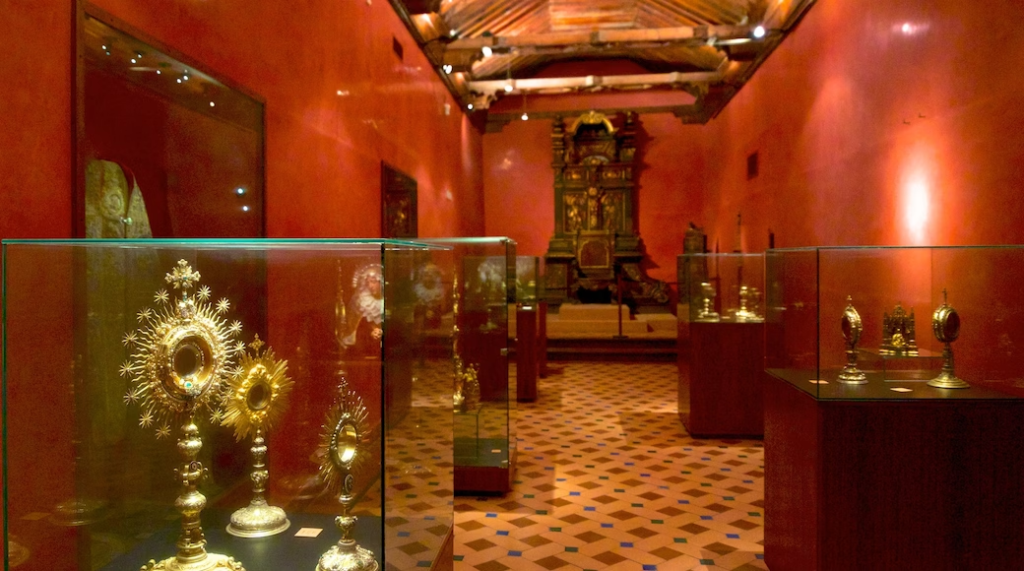
Above: Museo Catedralicio, Santa Iglesia Catedral Basílica de la Encarnación, Málaga
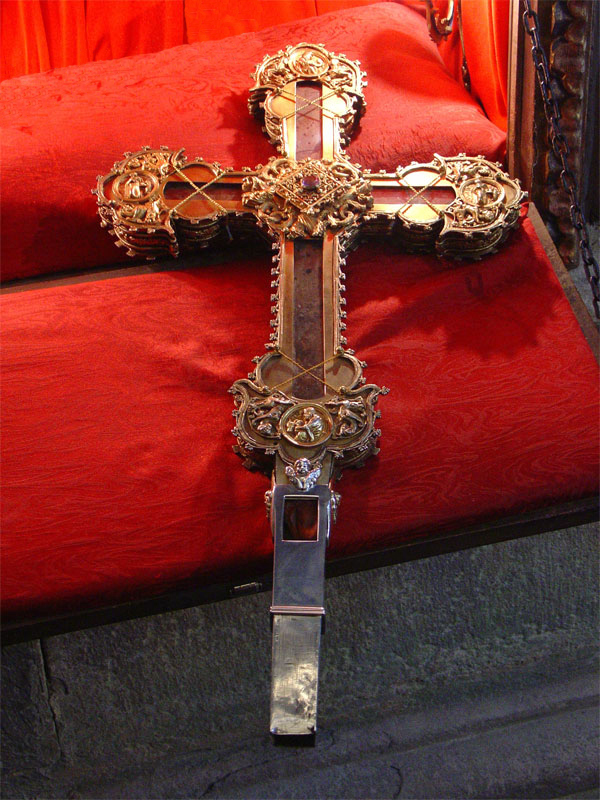
Above: Lignum Crucis, Museo Catedralicio, Santa Iglesia Catedral Basílica de la Encarnación, Málaga
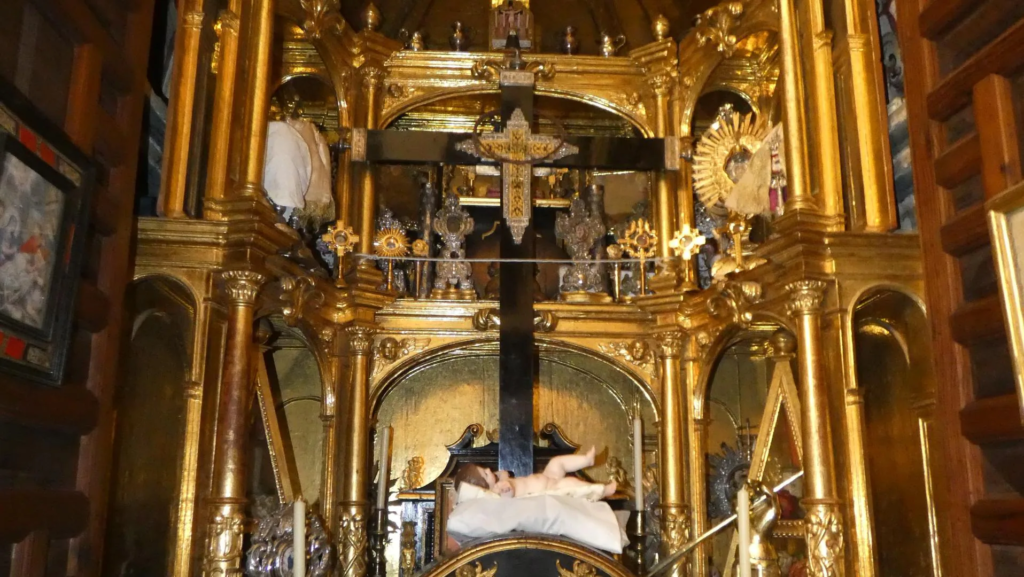
Above: Catedralicio Crucis, Museo Catedralicio, Santa Iglesia Catedral Basílica de la Encarnación, Málaga
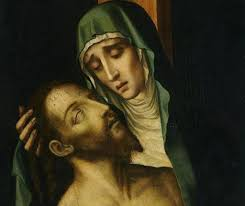
Above: La Piedad (1560), Luis de Morales (1510 – 1586), Museo Catedralicio, Santa Iglesia Catedral Basílica de la Encarnación, Málaga
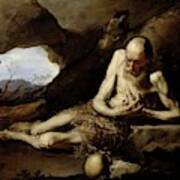
Above: Saint Paul the Hermit (1640), José de Ribera (1591 – 1652), Museo Catedralicio, Santa Iglesia Catedral Basílica de la Encarnación, Málaga
On 12 May 2015, after a process of adaptation and construction of walkways, access to the Roofs of the Cathedral was opened to the public, in a guided tour of approximately one hour, being able to enjoy up there for about 30 minutes, in which you can see a panoramic view of the city including the Alcazaba, the Gibralfaro and the roof and the tower of the monument.
In summer, night tours are also available.
Tickets can be purchased at the Episcopal Palace, the Plaza del Obispo or at the ArsMálaga ticket office.
In March 2016, new information panels were installed on the decks to inform visitors.
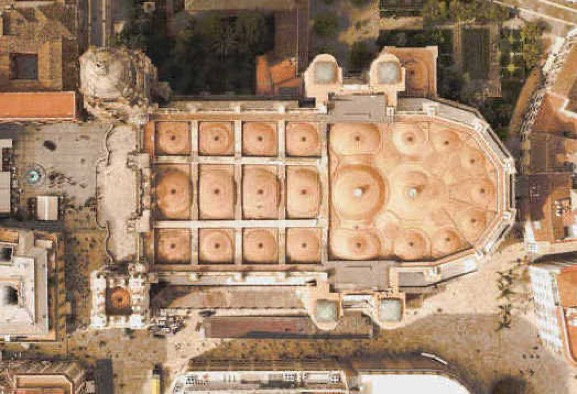
Above: Aerial view of Santa Iglesia Catedral Basílica de la Encarnación, Málaga
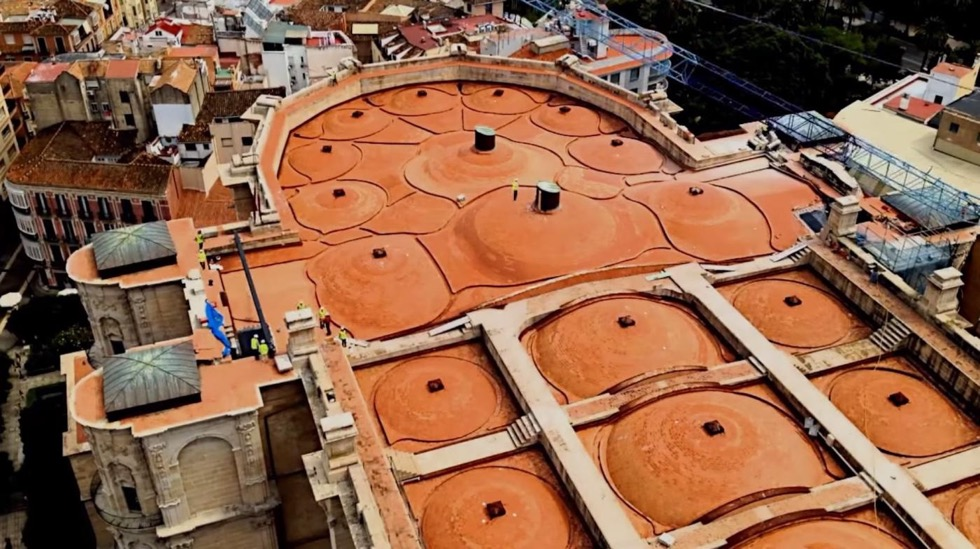
Above: Roof of the Santa Iglesia Catedral Basílica de la Encarnación, Málaga
The main mosque of Málaga had its entrance on what is now Calle Císter, where the Sagrario Church stands.
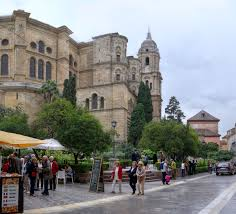
Above: Calle Cister, Málaga
When the Monarchs Isabel and Fernando conquered Málaga, they ordered the Islamic temple to be converted into a Christian church.
The Gothic doorway through which the Church is accessed is the oldest work in the temple.
It is believed to have been opened in 1498 at the base of the minaret of the old mosque, under the mandate of the first Bishop of Málaga, Diego Ramírez de Villaescusa.
The doorway is a masterpiece of Isabelline Gothic.
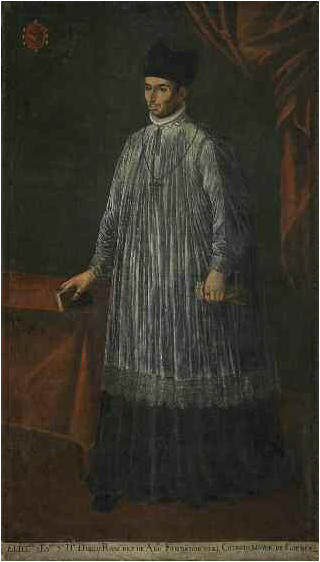
Above: Bishop Diego Ramirez (1459 – 1537)
In 1487, the Catholic Monarchs took the city.
Six months later the Mosque Aljama was consecrated with the title of Santa María de la Encarnación.
Its small size led the Bishops Diego Ramírez and César Riario (1480 – 1540) to build a larger one, of which the door in the north wall of the Tabernacle remains, called the Puerta del Perdón, in Gothic style and dating from the 16th century.
The rest of the building is Islamic and Mudejar, although it underwent a major reform in the 17th century, once the first phase of the current Cathedral of Málaga was completed.
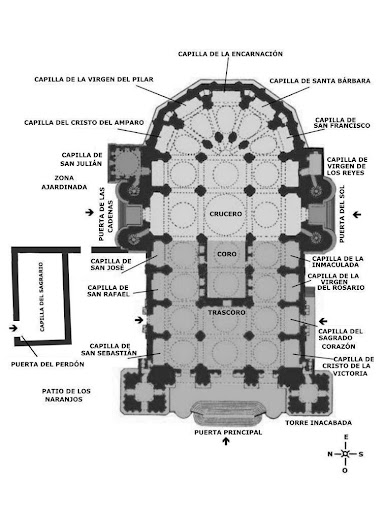
Above: Floor plan of the Santa Iglesia Catedral Basílica de la Encarnación, Málaga
The doorway to the Tabernacle stands out from the rest of the façade.
Framed by pinnacles, it is essentially iconographic and narrative, loaded with altarpieces and period clothing, according to the Building Surveyor of the Cathedral, Fernando Ramos de Rivas.
“The Virgin can be seen on the right, and on the left the archangel Saint Gabriel.
This is when the Word becomes flesh and is very symbolic.
The name that the Catholic Monarchs gave to the cathedrals after the Reconquest, the Annunciation or Incarnation, is a differentiating element with respect to Islam.”
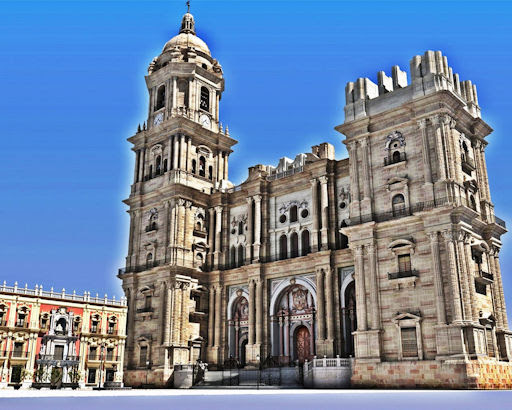
Above: Santa Iglesia Catedral Basílica de la Encarnación, Málaga
The precursors of the Church are located on the four archivolts and above the keystone of the arch is God the Father omnipresent with a sceptre and a globe in his hand.
On the left is the coat of arms of Cardinal Riario and on the right the Cardinal’s seal or stamp.
On the upper part, figures from the Reconquest were sculpted, such as Cardinal Mendoza with an angel, on the left.
On the right, the first Bishop of Malaga, Pedro de Toledo y Ovalle, who was a canon of the Cathedral of Seville and almoner of the Catholic Monarchs, appears “assisted by the Apostle and standard-bearer of the Reconquista, Santiago“.
Above the arch we can see “a stone that was a Virgin of the O, a Virgin in a state of good hope“.
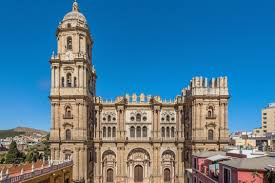
Above: Santa Iglesia Catedral Basílica de la Encarnación, Málaga
The work was halted because, according to engineer Ramos, they realised that they were building the Cathedral from north to south, “when every monotheistic temple is oriented from east to west; in addition, the style was already out of date, since the Renaissance reigned in the rest of Europe“.
Thus, what was to be the Cathedral of Santa María de la Encarnación became the Church of Santa María, and later the first parish in the centre, until the centre was depopulated and the church of Santiago was added, where the Chapter was even moved when the works of the second phase of the cathedral made it uninhabitable.
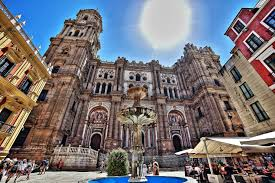
Above: Santa Iglesia Catedral Basílica de la Encarnación, Málaga
On the other side of the Puerta del Perdón, in the Gardens of the Tabernacle, which was formerly the courtyard for ablutions, the sgraffito façade shows Marian symbols that have sometimes been misinterpreted.
A solitary stone represents another Annunciation and near the entrance door that is usually used is the Cathedral‘s first sundial.
Today the Tabernacle is considered just another chapel.
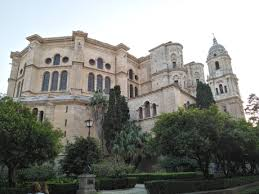
Above: Santa Iglesia Catedral Basílica de la Encarnación, Málaga
Eucharists are celebrated inside under the plaster vaults, by the architect Zuzurrunzaga, which hide the original Mudejar wooden structure.
The dome of the altar is of Renaissance design with Baroque muqarnas, as the last interventions date back to the 18th century.
It was then that the minaret of the Tower was demolished.
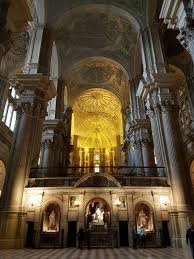
Above: Interior of the Santa Iglesia Catedral Basílica de la Encarnación, Málaga
A century later, in 1862, the seminary and the school that were attached to the church also disappeared.
It still stands and you can see on one side the outline of its structure, which connected the Bishopric to the original Cathedral.
That same year, on the occasion of a visit by Queen Isabella II, the steps of the Tabernacle on Calle Santa María were removed, “because the royal caravan did not fit through the passage, and the portico looked like an altarpiece hanging on the wall,” Ramos explained.
The stone staircase was not put back in place until 1954, but the traffic of cars made it difficult for pedestrians to cross.
In the 1990s, Mayor Celia Villalobos closed the street to traffic permanently.
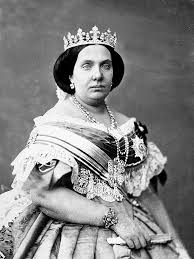
Above: Spanish Queen Isabella II (1830 – 1904)
The Tabernacle and the entire cathedral complex, built on foundations of so much history, “including, it is thought, the remains of a Visigothic church“, are Assets of Cultural Interest.
The doorway underwent a restoration in the 19th century with hot microwaxes that have flooded the stone, also eroded by humidity, since under the foundations there also runs an underground river from Los Montes.
In 2020, during a series of soundings that were being carried out in the foundations of the temple, early Christian remains were discovered, which certifies the Christian presence in the vicinity of the Cathedral from a very early date.
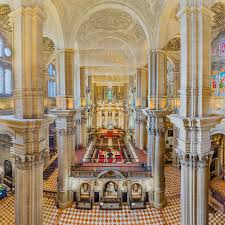
Above: Santa Iglesia Catedral Basílica de la Encarnación, Málaga
The Cathedral Chapter is the governing and administrative body of the Cathedral.
It is made up of priests of the Diocese of a certain recognition or seniority, sometimes members of the Curia or parish priests of the main temples.
These are appointed by the Bishop.
Among its functions is to attend spiritually to the needs of the faithful who visit it, its members being in charge of the liturgical celebrations.
This chapter is headed by the Dean-President, appointed by the Diocesan Bishop at the proposal of the Chapter.
The Dean is the representative of the Chapter and therefore is the person with the highest direct responsibility for the Cathedral, being in charge of the care and attention of the temple.
The Chapter of the Cathedral of Malaga is currently made up of 20 canons including the Dean-President Alfonso Fernández-Casamayor Palacio.
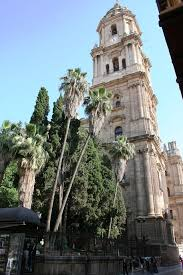
Above: Santa Iglesia Catedral Basílica de la Encarnación, Málaga
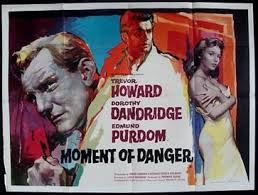
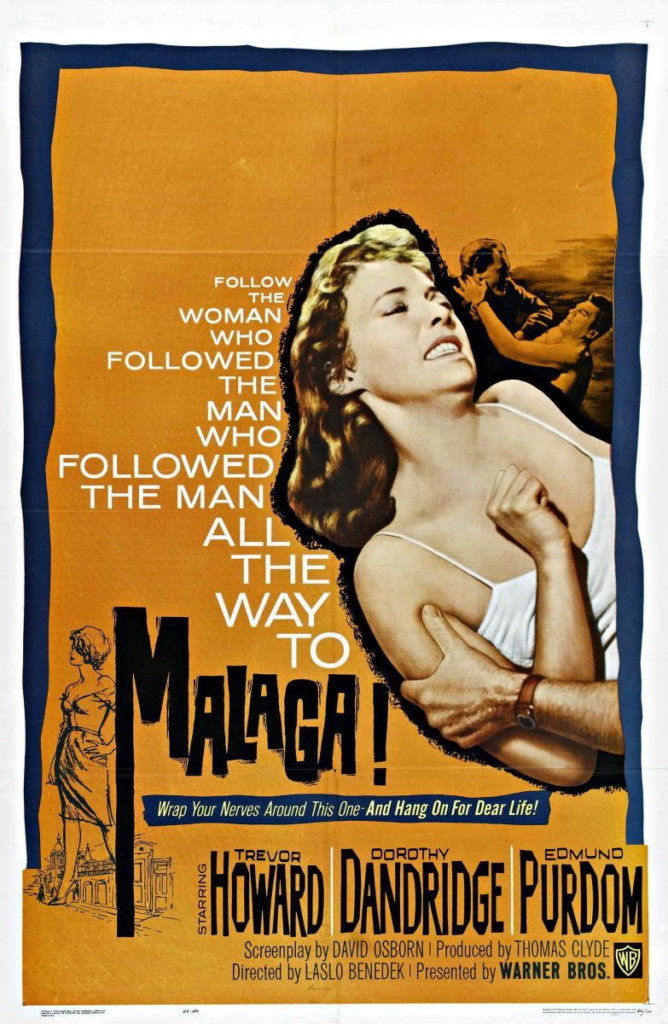
Some scenes from the feature film Moment of Danger directed by László Benedek and starring Trevor Howard and Dorothy Dundrige were filmed in the Cathedral atrium in 1959.
As well as scenes from the film The Bridge of San Luis Rey (2004) starring Robert De Niro, Kathy Bates and Harvey Keitel.
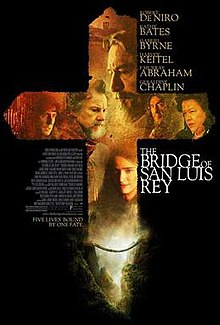
The Netflix series Warrior Nun, released in 2020, also filmed some scenes inside the Cathedral representing the place where the cardinals are summoned to elect a new Pope.

Unfortunately – and despite its huge scale – the Cathedral lacks any real inspiration.
It is distinguished only by its intricately carved 17th century silleria (choir stall) by noted sculptor Pedro de Mena.
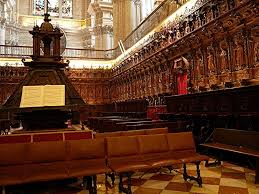
Above: Choir stalls, Santa Iglesia Catedral Basílica de la Encarnación, Málaga
However, the Iglesia del Sagrario (same hours as the Cathedral) on the Cathedral’s northern flank, is worth a look if only for its fine Gothic portal, dating from an earlier, uncompleted Isabelline church.
Inside, a restored and magnificent gilded Plateresque retablo, which is brilliantly illuminated during services, is the work of Juan Balmaseda.
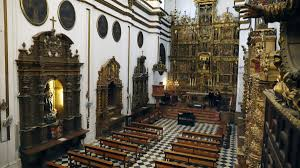
Above: Interior, Iglesia del Sagrario, Málaga
Take Calle de San Agustin, a particularly charming street.
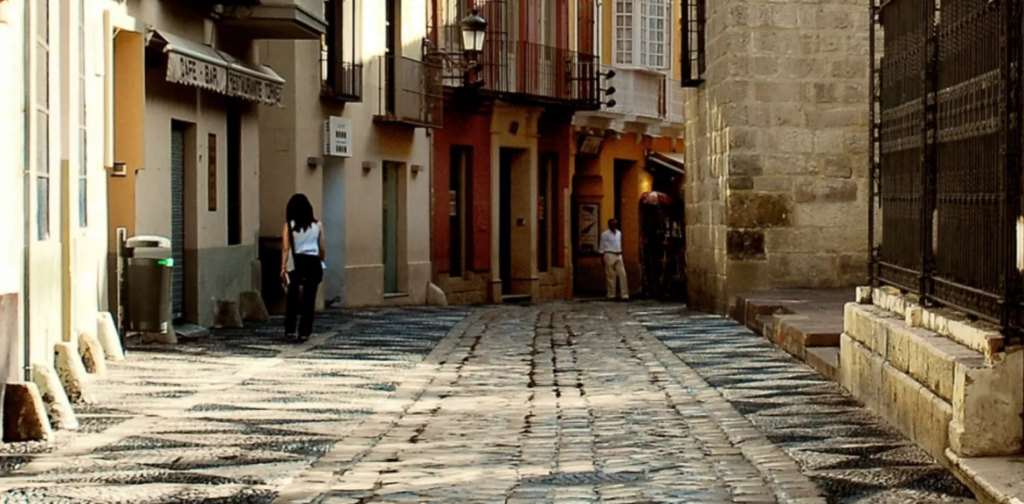
Above: Calle de San Agustin, Málaga
Here stands the Iglesia de San Agustin (18th century) and the Palacio des Condes de Buenavista (Palace of the Counts of Buenavista), which, with other adjoining buildings, houses the Museo Picasso Málaga.
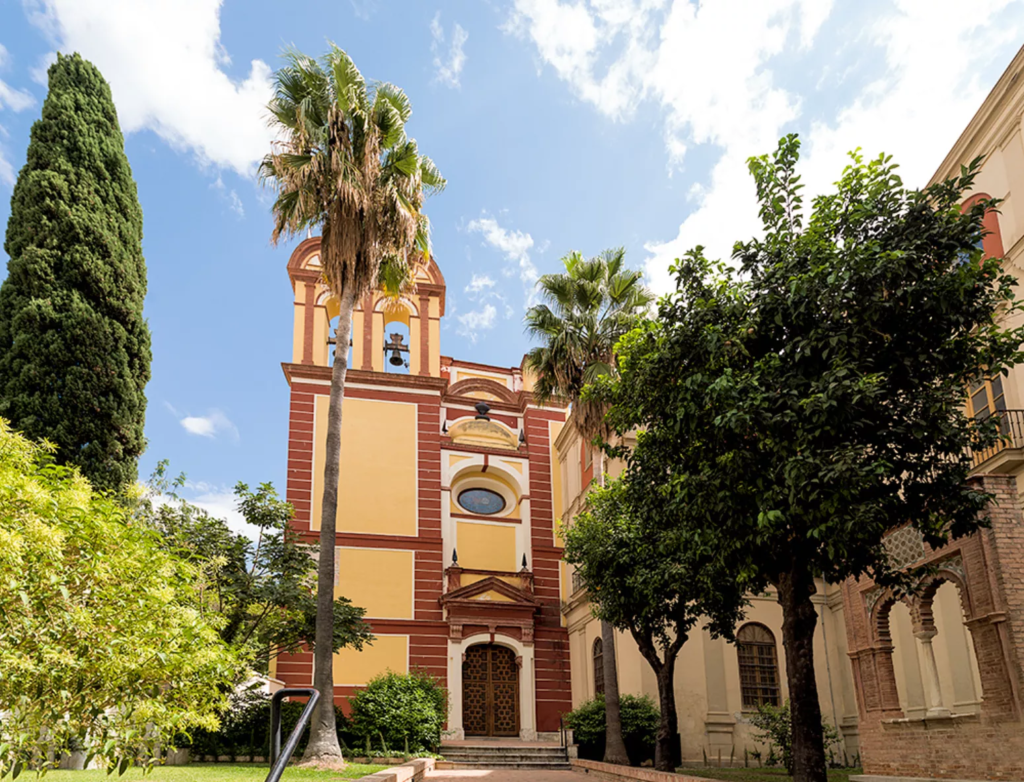
Above: Convento de San Agustin, Málaga
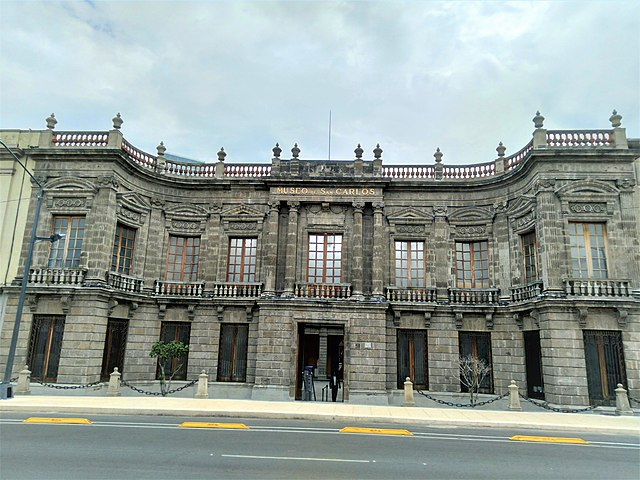
Above: Palacio des Condes de Buenavista, Málaga
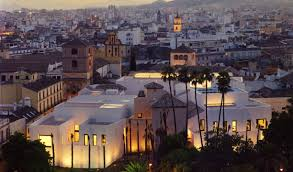
Above: Museo Picasso Málaga
On Calle Granada, you will find the Iglesia de Santiago, where Picasso was baptized.
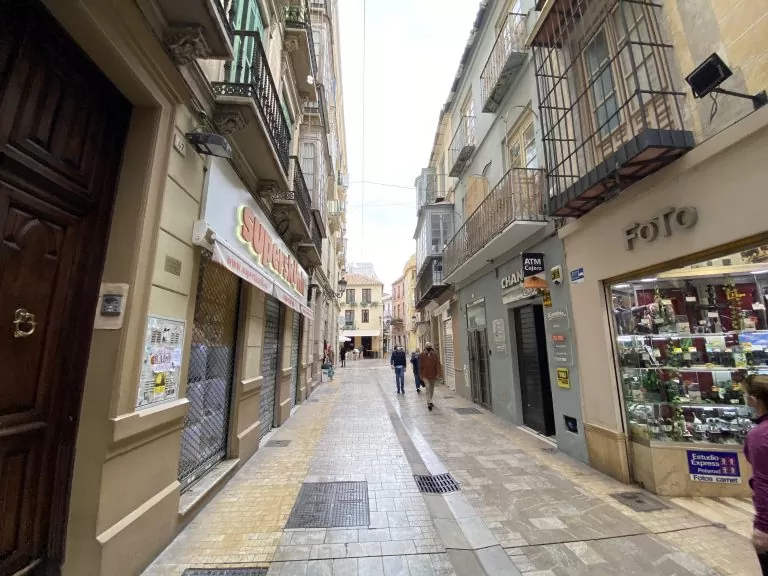
Above: Calle Granada, Málaga
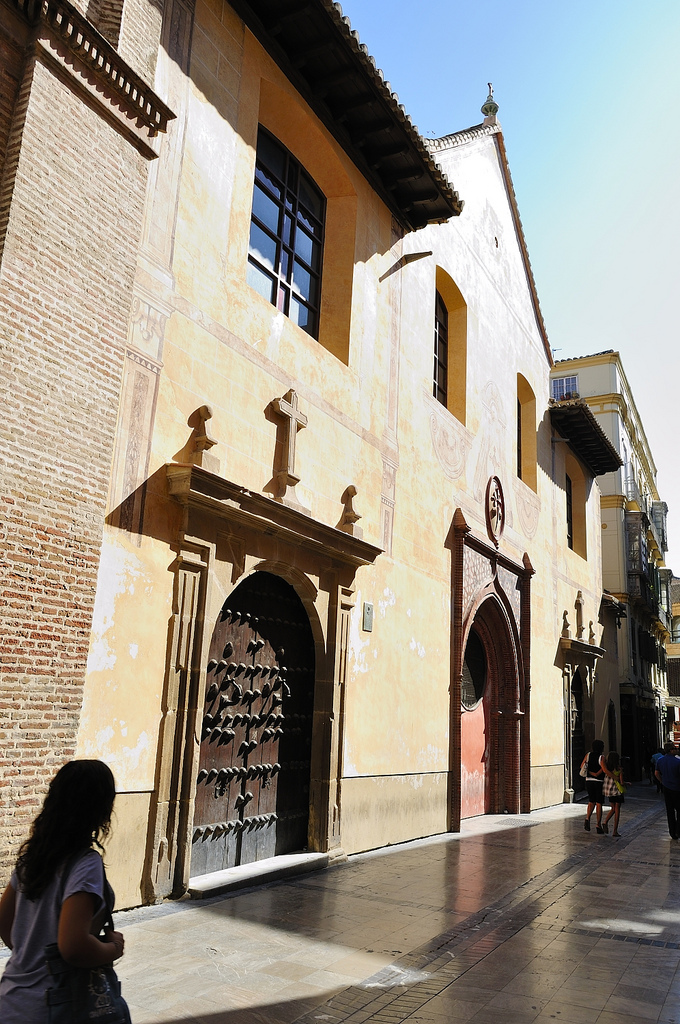
Above: Iglesia de Santiago, Málaga
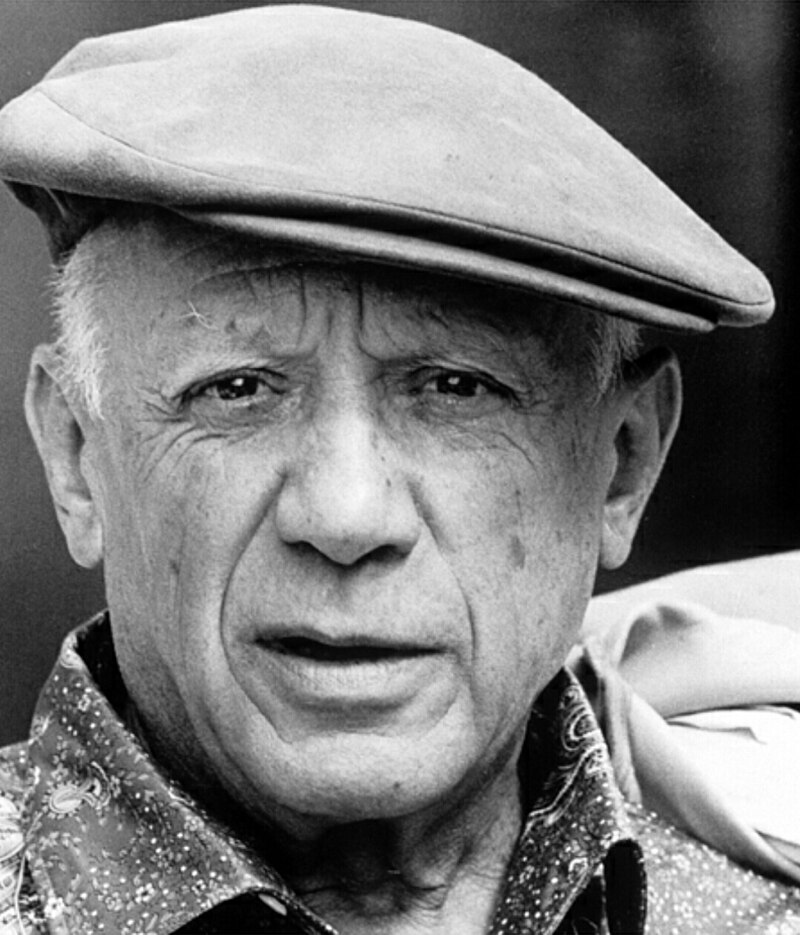
Above: Spanish artist Pablo Picasso (1881 – 1973)
Construction of the Church, founded by the Catholic Monarchs, began in 1490 in Gothic – Mudejar style, but large scale alterations were made, particularly in the interior, during the baroque period.
As the headquarters of some of the most important brotherhoods that lead Easter processions in Málaga, the Church houses several much-beloved sculptures, including the Jesus of Medinaceli.
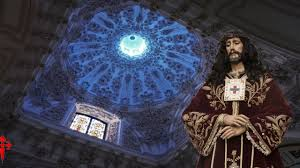
Above: Jésus de Medinaceli, Iglesia de Santiago, Málaga
At the end of Calle de la Victoria stands the Sanctuario de Nuestra Señora de la Victoria (Sanctuary of Our Lady of Victory), seat of the city’s patron saint.
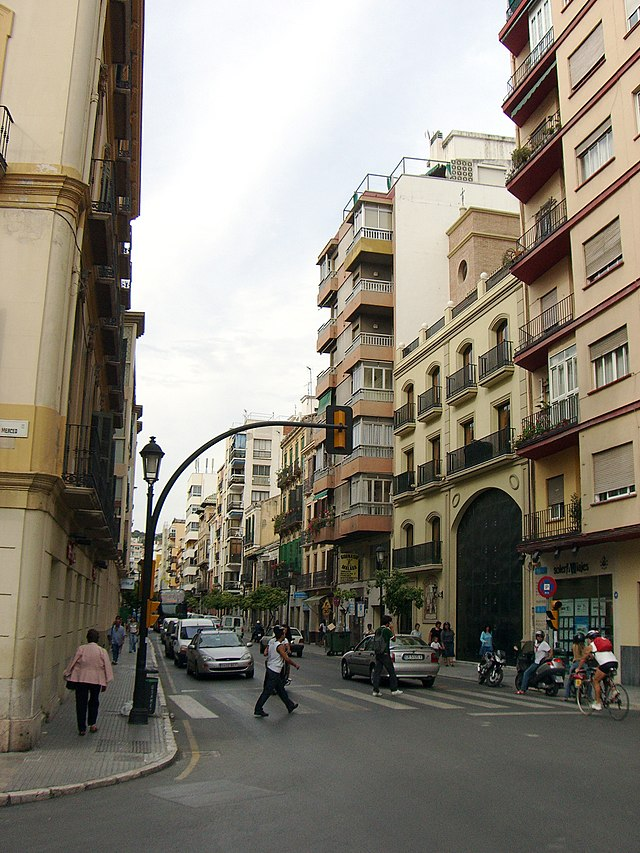
Above: Calle de Victoria, Málaga
The primitive temple was ordered to be built by Fernando but has deteriorated over time.
It was reconstructed at the end of the 17th century.
The work was financed by the Count of Buenavista, who arranged for a mausoleum for his family below the tiny Chapel of Our Lady.
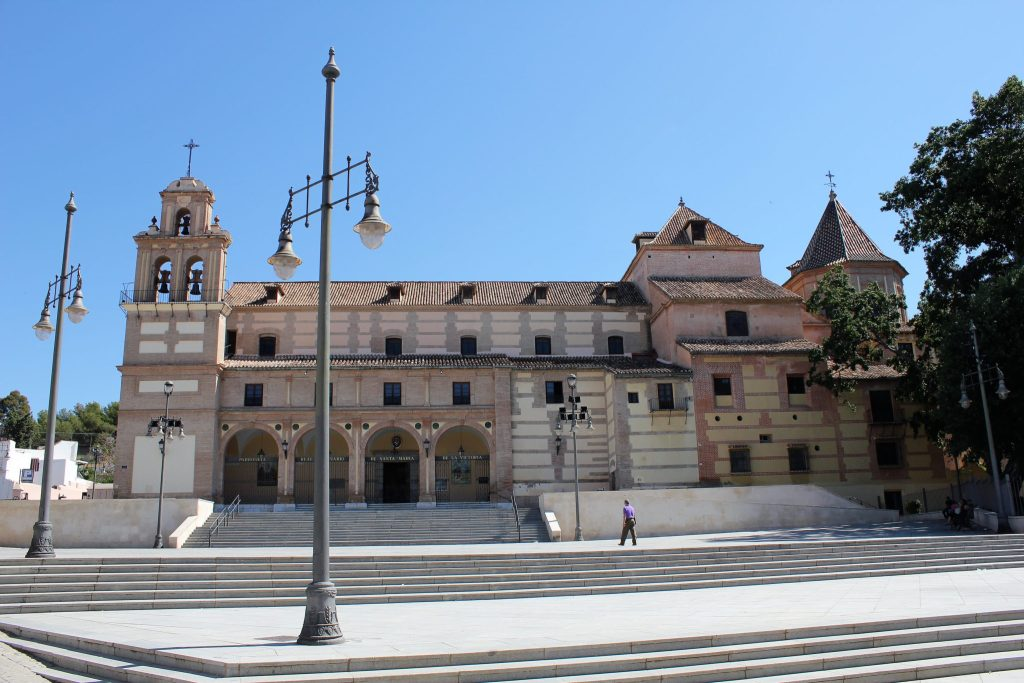
Above: Sanctuario de Nuestra Señora de la Victoria, Málaga
The tombs of the Counts in the Crypt and the small Chapel with profuse and singualr baroque decoration are precisely what call the attention of visitors.
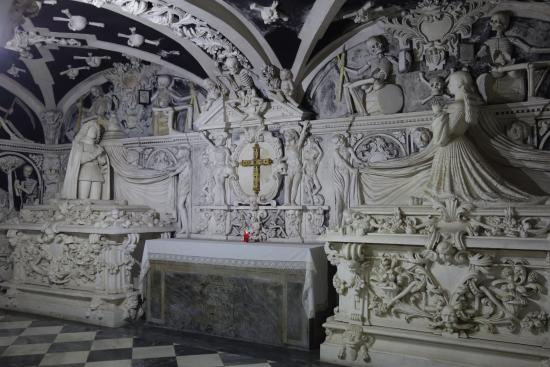
Above: Crypt, Sanctuario de Nuestra Señora de la Victoria, Málaga
In the Sacristy, exceptional paintings and gold pieces are exhibited.
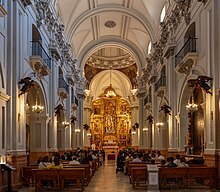
Above: Interior of the Sanctuario de Nuestra Señora de la Victoria, Málaga
Another noteworthy piece is the sculpture of the Doloros (Agony), a work by Pedro de Mena, situated in the Altar del Via Crucis (Altar of the Stations of the Cross).
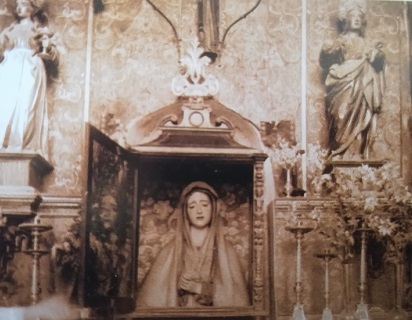
Above: Doloros, Pedro de Mena, Altar del Via Crucis, Sanctuario de Nuestra Señora de la Victoria, Málaga
Protestants, with at least ten churches, also have a presence in Málaga:
One of seven congregations of the Reformed Churches in Spain is based in the city and is the only one that permits paedo (infant) communion.
Islam is represented by a growing number of immigrants and a mosque.
Strong migration flows from Africa have placed Spain among the European countries with the greatest proportion of Muslims among their inhabitants.
There are about 700,000 Moroccans living legally in Spain.
The province of Málaga (Andalucía) in southern Spain belongs to areas with the highest number of people practising Islam in Europe.
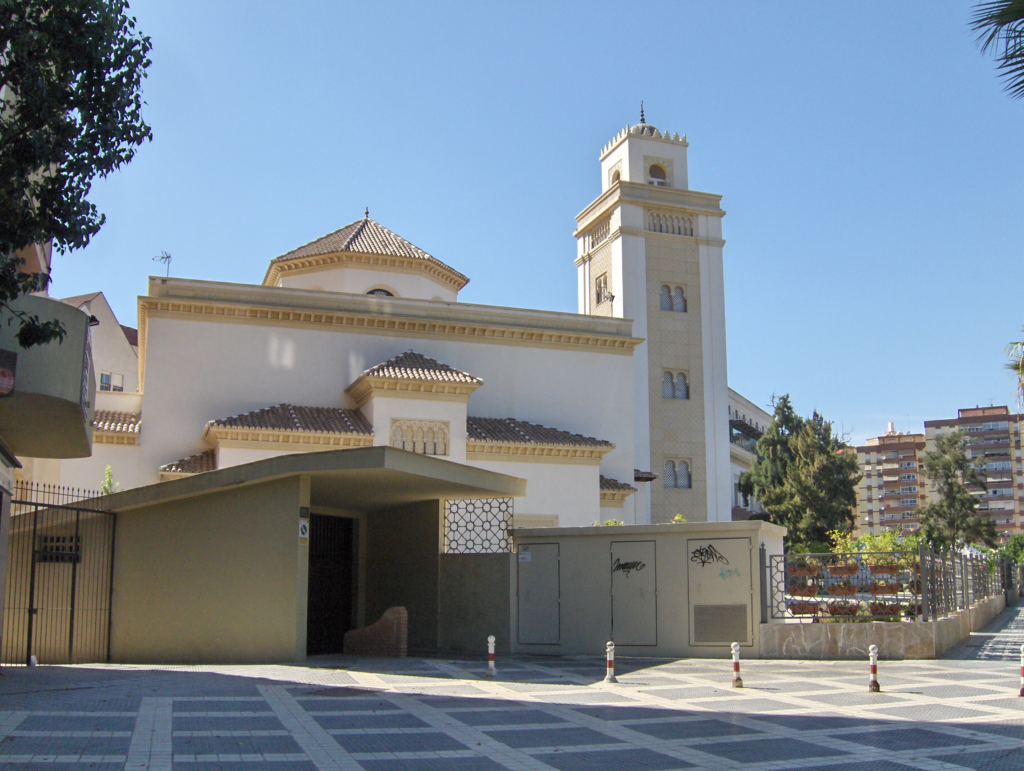
Above: Al-Andalus Mosque, Málaga
What I am feeling are a number of things:
It saddens me to see the houses of worship of one faith destroyed or remodelled in the name of another.
I would see in my travels in Andalucia again and again examples of former Muslim mosques transformed into Christian churches, just as I have witnessed the transformation of Christian churches in Turkey transformed into Muslim mosques.
There is no sense of respect for the preservation of one faith’s architecture co-existing with that of another dominant faith.
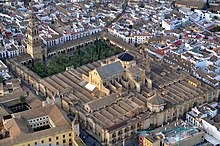
Above: Cathedral of Cordoba, España
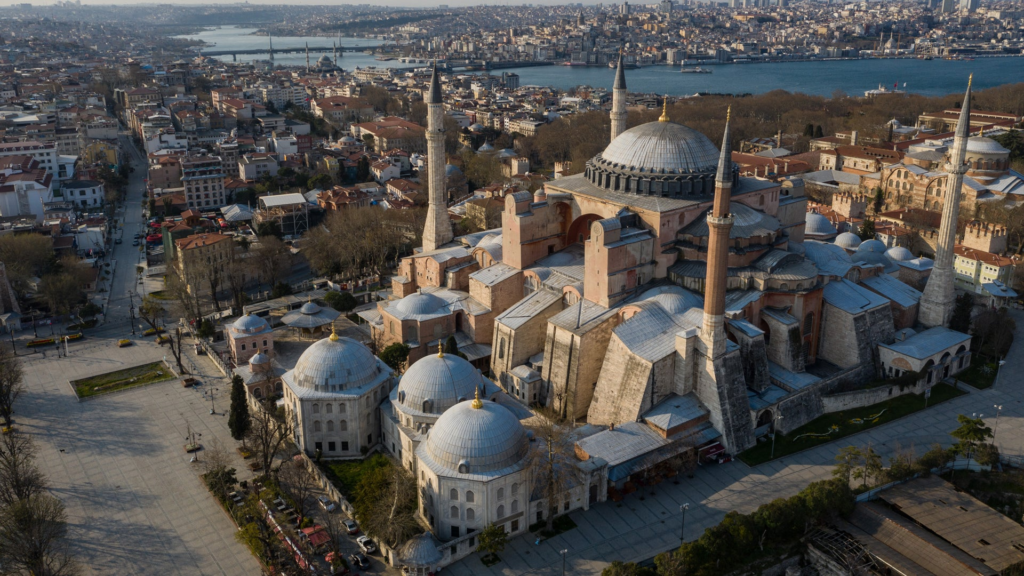
Above: Hagia Sophia, Istanbul, Türkiye
I find myself wondering whether houses of worship are built for the glory of God or for the hubris of humanity.
Eastern Orthodox and Roman Catholic Christians worship in ornate cathedrals while Quakers consider even steeples desecrations.
Who is right?
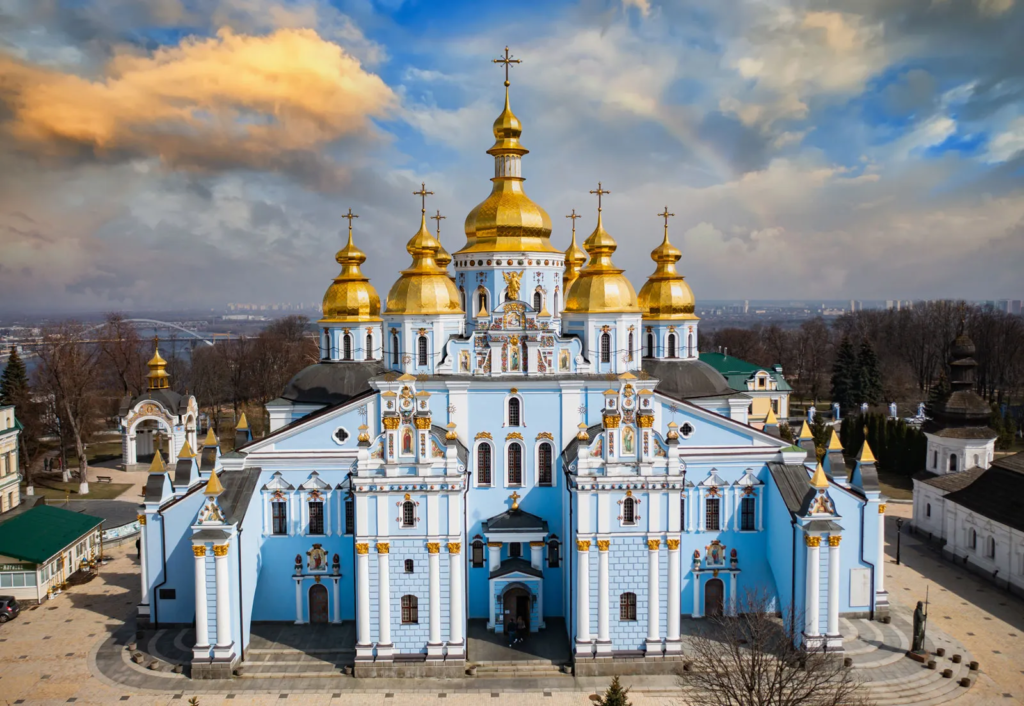
Above: Eastern Orthodox church
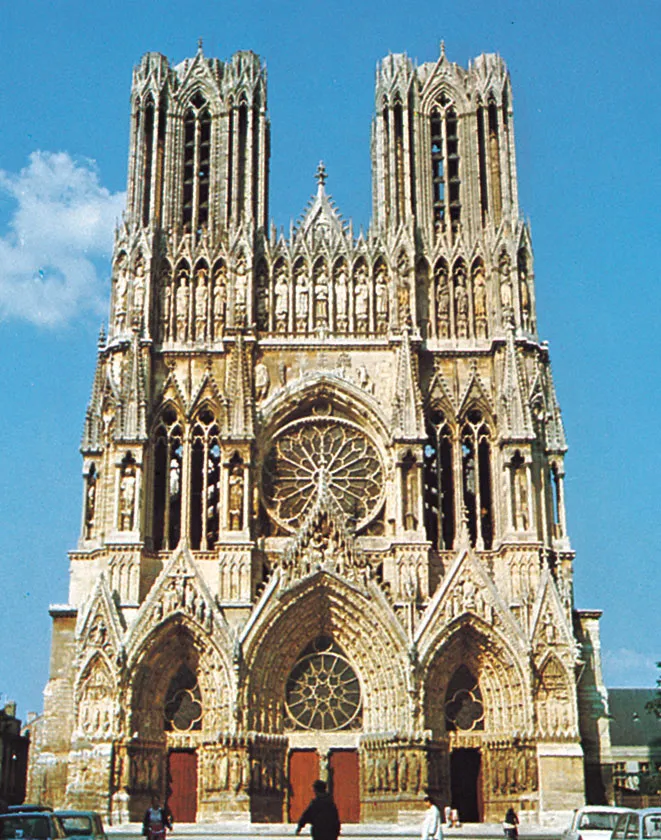
Above: Roman Catholic church
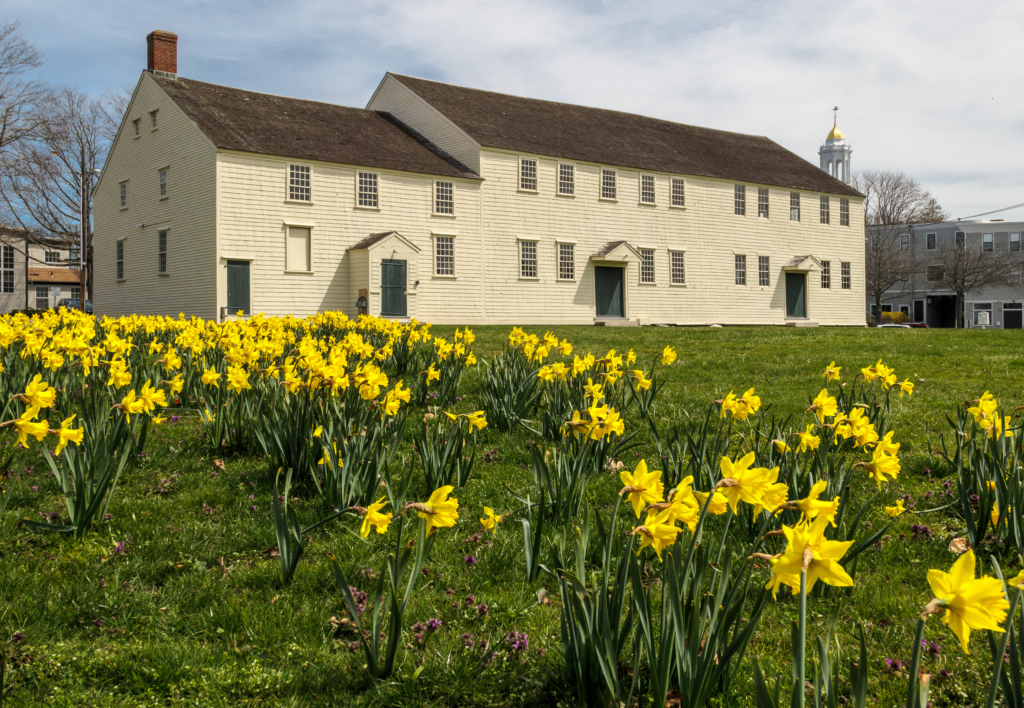
Above: Quaker Meeting House
So many divisions within faiths meant to unite humanity.
There are Christian mystics and Christians who reject mysticism.
Sunnis and Shi’ites sever the unity of Islam while attitudes differ regarding Sufism.
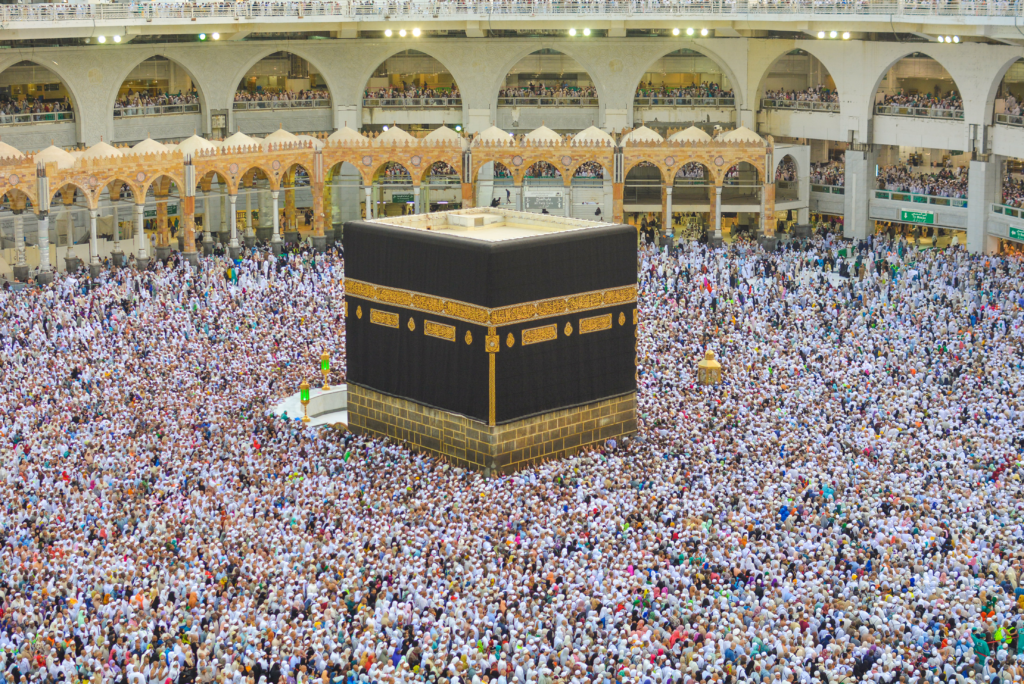
Above: The Kaaba at Masjid al-Haram in Mecca, Saudi Arabia, the holiest Islamic site
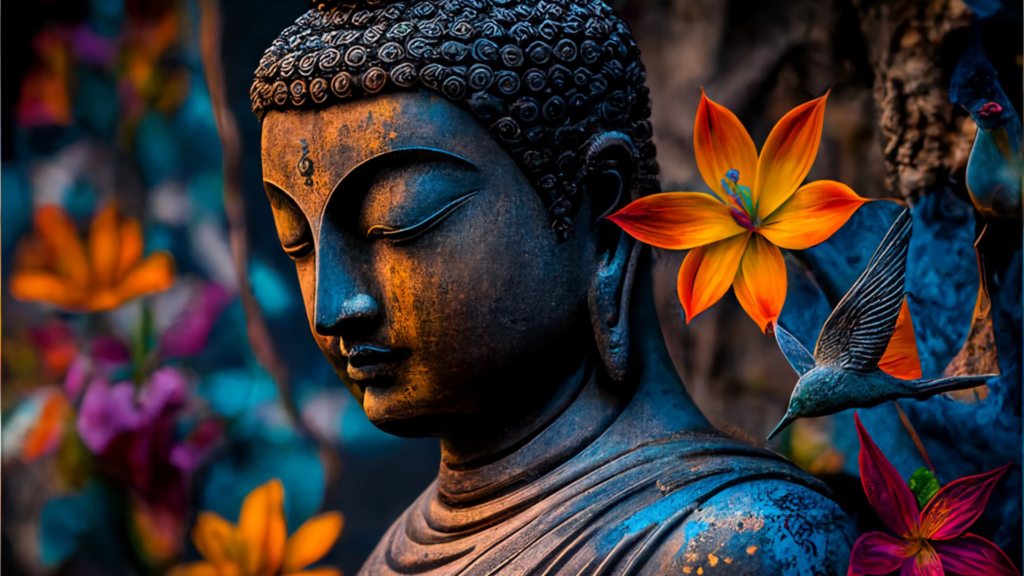
Buddhism has three separate traditions: Hinayana, Mahayana and Vajrayana.
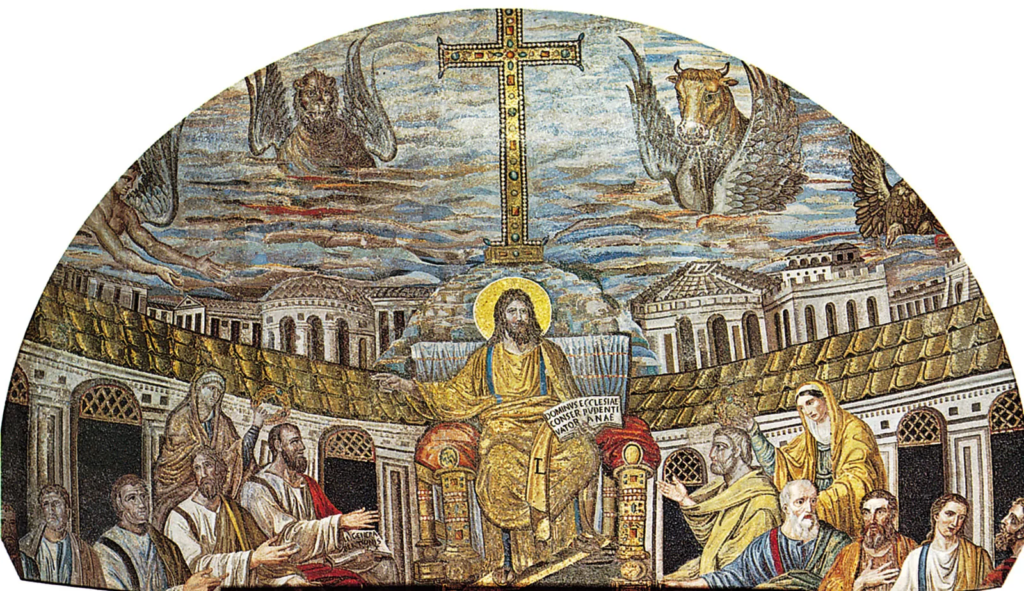
Try describing Christianity to someone who has no conception of it.
How would you explain all its different denominations?
What are the differences between Roman Catholics, Greek Orthodox and Protestants?
What separates Baptists from Presbyterians?
And aren’t Judaism, Christianity and Islam all Abrahamic in origin?
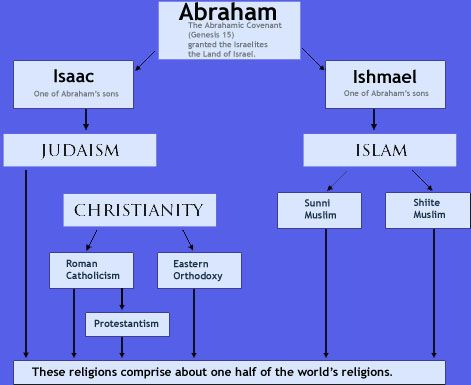
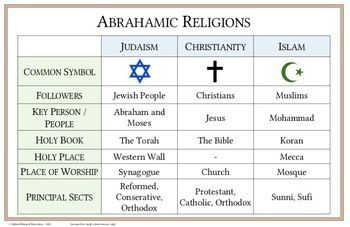
How can we claim to worship the same Jehovah / God / Allah and yet wish to destroy one another over what is the best way to show our devotion to Him?
Do these differences matter?
Or are they as inconsequential as bald men fighting over a comb?
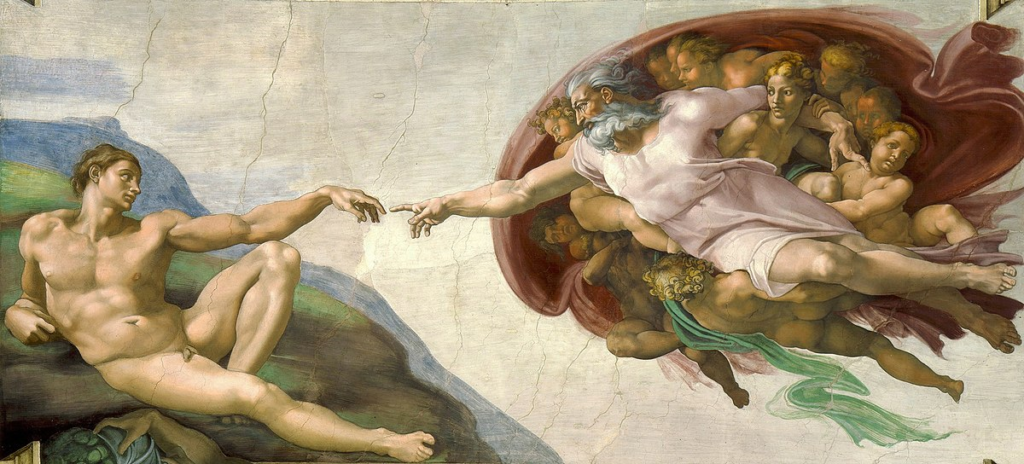
Above: The Creation of Adam, Michelangelo (1512), Sistine Chapel, Vatican City
Personally, I feel closer to God on a walk through a forest than at any time as part of a congregation in a Cathedral.
In a city it is difficult to believe in God.
In nature it is impossible to deny His existence.

Above: Cathedral Grove, Nanaimo, British Columbia, Canada
The problem I have with Andalucia is the same that I have had with Istanbul or Kyoto.
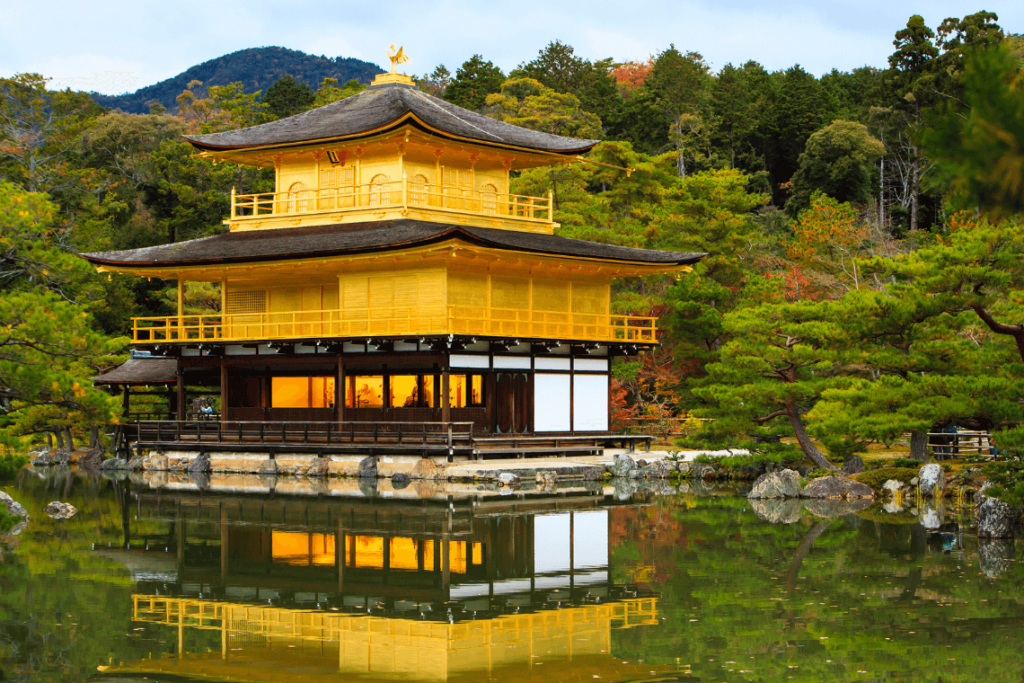
Above: Temple, Kyoto, Japan
A man can have too much of a good thing.
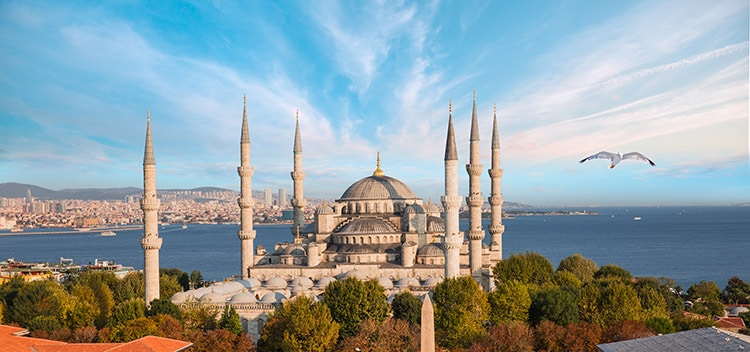
Above: Blue Mosque, Istanbul, Türkiye
There are too many temples in Kyoto, too many mosques in Istanbul, too many churches in Andalucia.
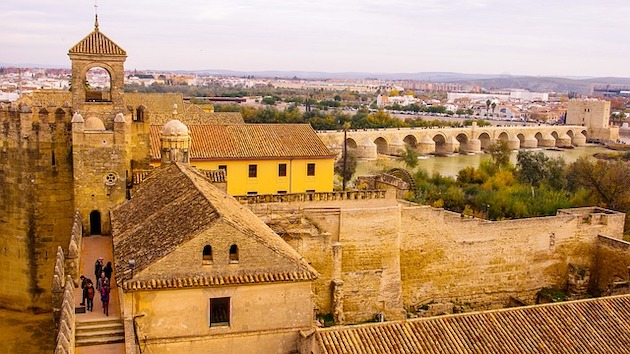
Above: Andalucia church
After a while, the houses of worship begin to resemble a row of townhouses so similar in appearance that a drunk man cannot discern their differences.

The Jewish community of Málaga (primarily Sephardi) is represented by its Synagogue and the Jewish Association.
The Synanogue was opened on 12 April 1965.
The Synagogue is Spain’s 3rd, the two others being in Madrid, whose Jewish population is 2,500, and Barcelona, which has 3,500 Jews.
Málaga has a Jewish population of 100.
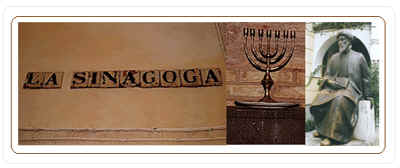
Opposite the Teatro Romano are the Gabirol Gardens, a park dedicated to an 11th century Hebrew poet and philosopher, commemorated here by a statue.
The Gardens and surrounding streets occupy what was once the site of Málaga’s old Jewish Quarter, of which nothing now remains.
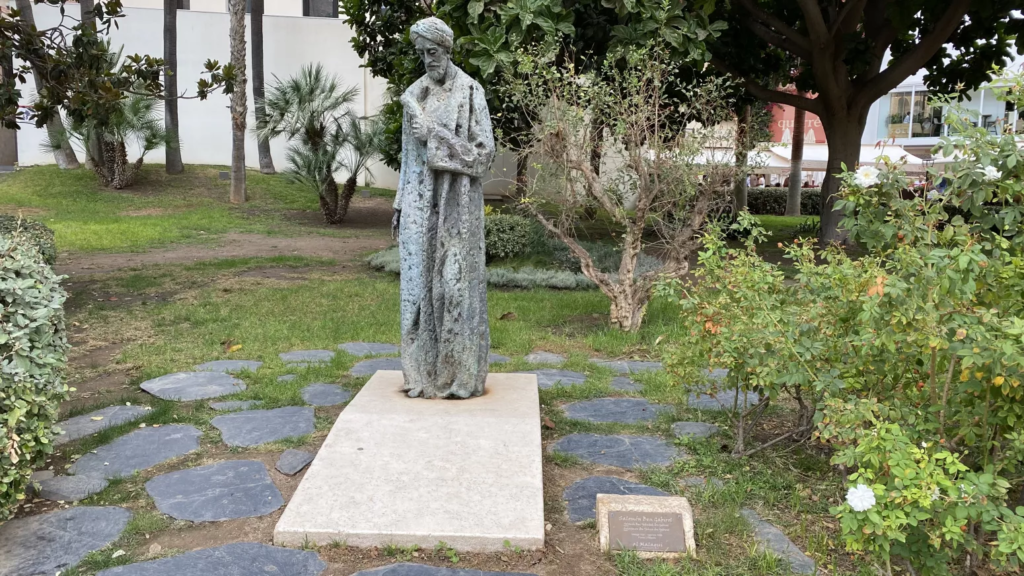
Above: Gabirol Gardens, Málaga
Solomon ibn Gabirol was an 11th century Jewish poet and philosopher in the Neo-Platonic tradition in Al-Andalus.
He published over a hundred poems, as well as works of biblical exegesis, philosophy, ethics and satire.
One source credits ibn Gabirol with creating a golem, possibly female, for household chores.
In the 19th century it was discovered that medieval translators had Latinized Gabirol’s name to Avicebron or Avencebrol and had translated his work on Jewish Neo-Platonic philosophy into a Latin form that had in the intervening centuries been highly regarded as a work of Islamic or Christian scholarship.
As such, ibn Gabirol is well known in the history of philosophy for the doctrine that all things, including soul and intellect, are composed of matter and form (“Universal Hylomorphism“), and for his emphasis on divine will.
Above: Statue of Solomon Ibn Gabirol in Malaga by American sculptor Reed Armstrong (1970)
Little is known of Gabirol’s life, and some sources give contradictory information.
Sources agree that he was born in Málaga in 1021.
The year of his death is a matter of dispute, with conflicting accounts having him dying either before age 30 or by age 48.
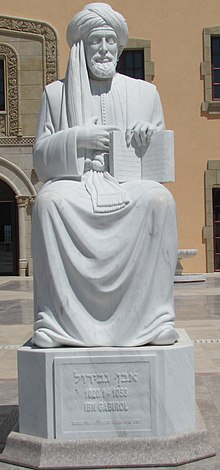
Above: Statue of Solomon ibn Gabirol, Caesarea, Israel
Gabirol lived a life of material comfort, never having to work to sustain himself, but he lived a difficult and loveless life, suffering ill health, misfortunes, fickle friendships and powerful enemies.
From his teenage years, he suffered from some disease, possibly lupus vulgaris, that would leave him embittered and in constant pain.
(Lupus vulgaris (also known as tuberculosis luposa) are painful cutaneous tuberculosis skin lesions with nodular appearance, most often on the face around the nose, eyelids, lips, cheeks, ears and neck.
It is the most common Mycobacterium tuberculosis (pathogenic bacteria) skin infection.
The lesions may ultimately develop into disfiguring skin ulcers if left untreated.)

He indicates in his poems that he considered himself short and ugly.
Of his personality, Rabbi Moses ibn Ezra (1055 – 1138) wrote:
“His irascible temperament dominated his intellect nor could he rein the demon that was within himself.
It came easily to him to lampoon the great, with salvo upon salvo of mockery and sarcasm.”
He has been described summarily as “a social misfit“.
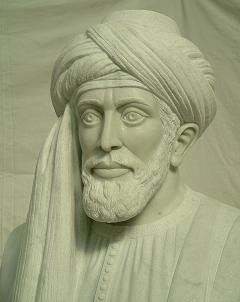
Above: Solomon ibn Gabirol
Gabirol’s writings indicate that his father was a prominent figure in Córdoba, but was forced to relocate to Málaga during a political crisis in 1013.
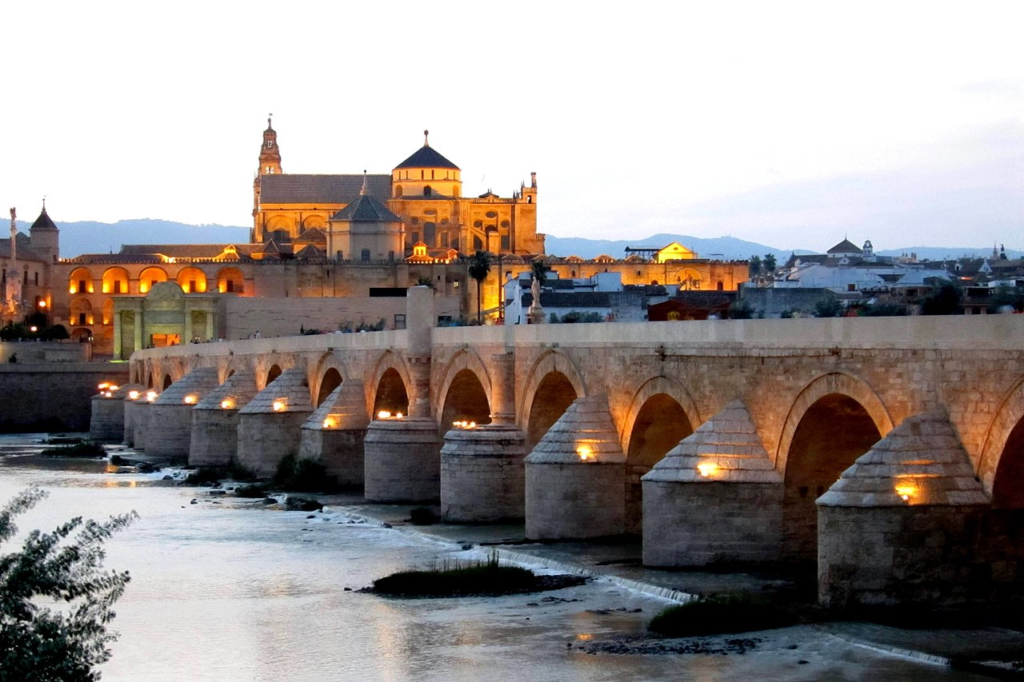
Above: Mesquita Catedral y Puente Romano, Cordoba, España
Gabirol’s parents died while he was a child, leaving him an orphan with no siblings or close relatives.
He was befriended, supported and protected by a prominent political figure of the time, Yekutiel ibn Hassan al-Mutawakkil ibn Qabrun, and moved to Zaragoza, then an important center of Jewish culture.
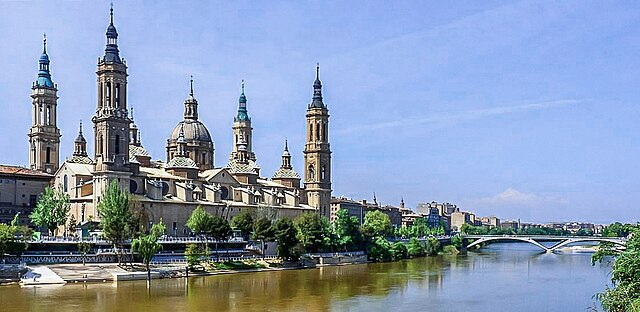
Above: Basilica del Pilar y Rio Ebro, Zaragoza, España
Gabirol’s anti-social temperament, occasionally boastful poetry, and sharp wit earned him powerful enemies, but as long as Jekuthiel lived, Gabirol remained safe from them and was able to freely immerse himself in study of the Talmud, grammar, geometry, astronomy, and philosophy.
However, when Gabirol was 17 years old, his benefactor was assassinated as the result of a political conspiracy.
By 1045 Gabirol found himself compelled to leave Zaragoza.
He was then sponsored by no less than the Grand Vizier and top general to the kings of Granada, Samuel ibn Naghrillah (993 – 1056).
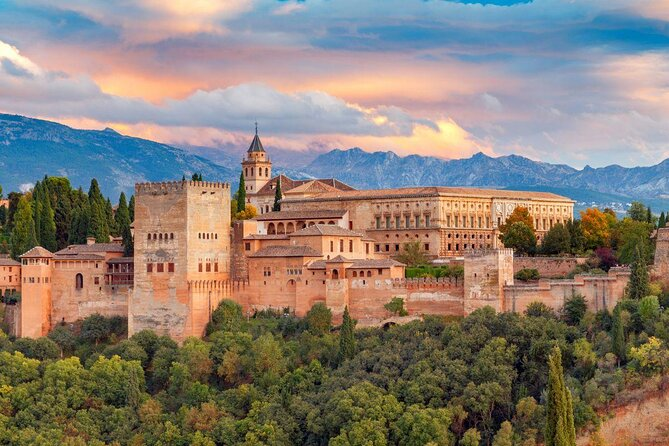
Above: Alhambra, Granada, España
Gabirol made ibn Naghrillah an object of praise in his poetry until an estrangement arose between them and ibn Naghrillah became the butt of Gabirol’s bitterest irony.
It seems Gabirol never married and that he spent the remainder of his life wandering.
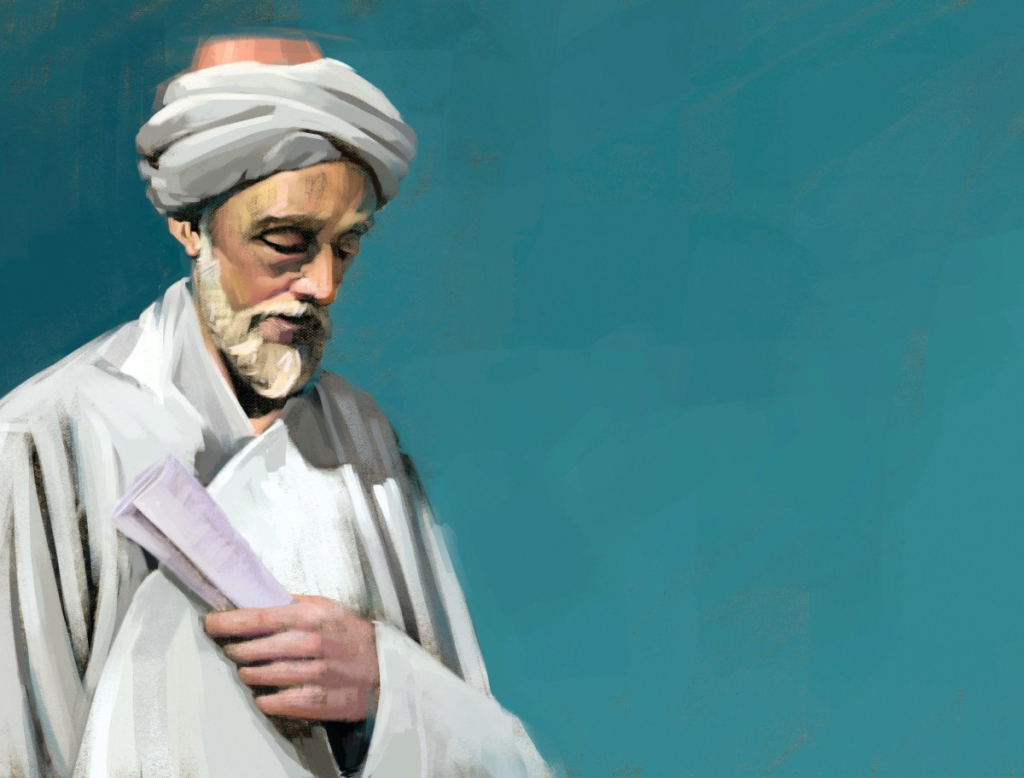
Above: Solomon ibn Gabriol
Gabirol had become an accomplished poet and philosopher at an early age:
- By age 17, he had composed five of his known poems, one an azhara (a didactic liturical poem) (“I am the master, and Song is my slave“) enumerating all 613 commandments of Judaism.
- At age 17, he composed a 200-verse elegy for his friend Yekutiel and four other notable elegies to mourn the death of Hai Gaon (939 – 1038).
- By age 19, he had composed a 400-verse alphabetical and acrostic poem teaching the rules of Hebrew grammar.
- By age 25, he had composed, in Arabic, Improvement of the Moral Qualities.
- At around age 25, he composed his collection of proverbs Mivchar Pninim (“Choice of Pearls“), although scholars are divided on his authorship.
- At around age 28, he composed his philosophical work Fons Vitæ.
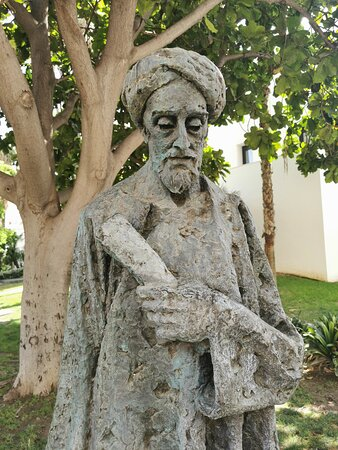
Above: Solomon ibn Gabirol
As to the circumstances of his death, one legend claims that he was trampled to death by an Arab horseman.
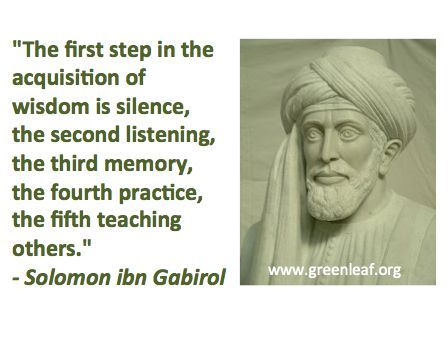
A second legend relates that he was murdered by a Muslim poet who was jealous of Gabirol’s poetic gifts, and who secretly buried him beneath the roots of a fig tree.
The tree bore fruit in abundant quantity and of extraordinary sweetness.
Its uniqueness excited attention and provoked an investigation.
The resulting inspection of the tree uncovered Gabirol’s remains, and led to the identification and execution of the murderer.
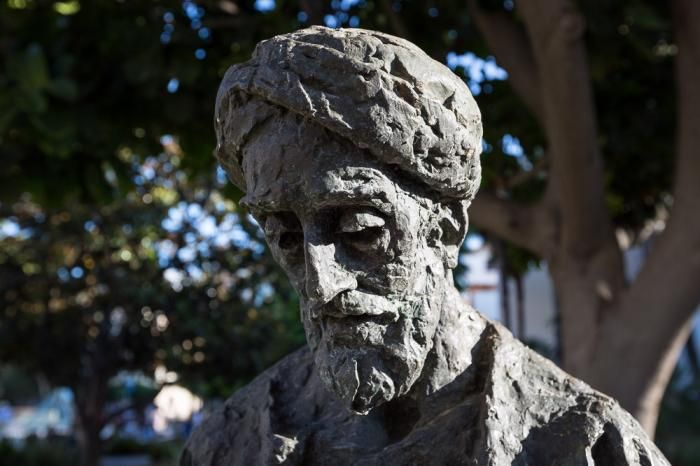
Above: Statue of Solomon ibn Gabirol, Málaga
Gabirol claimed to have written 20 philosophical works.
Through scholarly deduction, we know their titles, but we have the texts of only two.
Gabirol made his mark on the history of philosophy under his alias as Avicebron, one of the first teachers of Neo-Platonism in Europe, and author of Fons Vitæ.
As such, he is best known for the doctrine that all things, including soul and intellect, are composed of matter and form (“Universal Hylomorphism”), and for his emphasis on divine will.
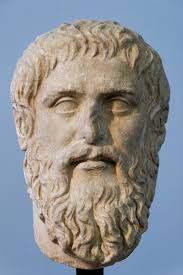
Above: Roman bust of Greek philosopher Plato (427 – 348 BC)
His role has been compared to that of Philo:
Both were ignored by their fellow Jews, but exercised considerable influence upon Gentiles (Philo upon primitive Christianity, Gabirol upon medieval Christian scholasticism).
Both served as cultural intermediaries (Philo between Hellenistic philosophy and the Oriental world; Gabirol between Greco-Arabic philosophy and the Occident).
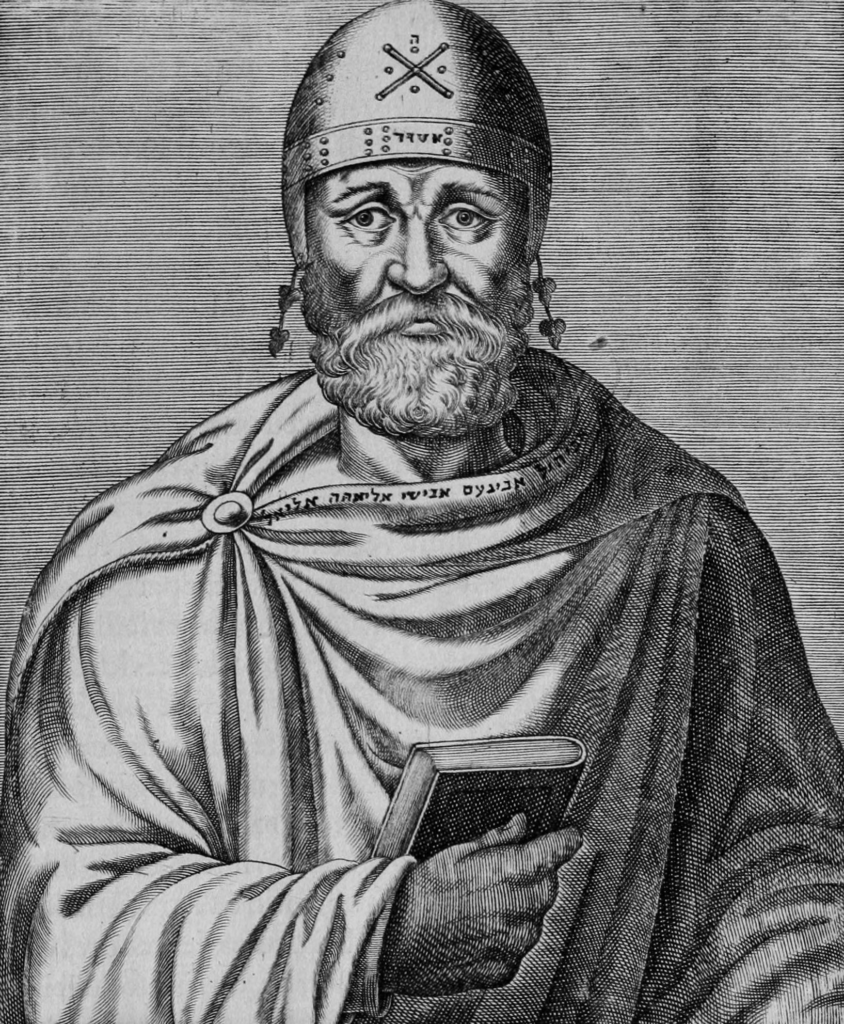
Above: Jewish philosopher Philo of Alexandria (20 BC – AD 50)
Fons Vitæ is a Neo-Platonic philosophical dialogue between master and disciple on the nature of Creation and how understanding what we are (our nature) can help us know how to live (our purpose).
“His goal is to understand the nature of being and human being so that he might better understand and better inspire the pursuit of knowledge and the doing of good deeds.”
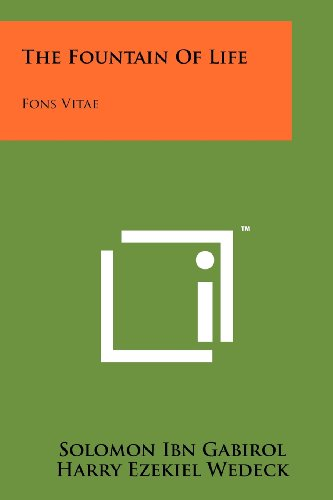
The work stands out in the history of philosophy for introducing the doctrine that all things, including soul and intellect, are composed of matter and form, and for its emphasis on divine will.
Student: What is the purpose of man?
Teacher: The inclination of his soul to the higher world in order that everyone might return to his like.
(Fons Vitæ)

In the closing sentences of the Fons Vitæ, ibn Gabirol further describes this state of “return” as a liberation from death and a cleaving to the source of Life.
Fons Vitæ posits that the basis of existence and the source of life in every created thing is a combination of “matter” (materia universalis) and “form“.
The doctrine of matter and form informed the work’s subtitle:
“De Materia et Forma“.
Its chief doctrines are:
- Everything that exists may be reduced to three categories:
- God
- Matter and form (i.e. Creation);
- Will (an intermediary).
- All created beings are constituted of form and matter.
- This holds true for both the physical world (substantiis corporeis sive compositis) and the spiritual world (substantiis spiritualibus sive simplicibus), which latter are the connecting link between the first substance (i.e. the Godhead: essentia prima) and the physical world (substantia, quæ sustinet novem prædicamenta: “substance divided into nine categories“).
- Matter and form are always and everywhere in the relation of “sustinens” and “sustentatum“, “propriatum” and “proprietas“: substratum and property or attribute.
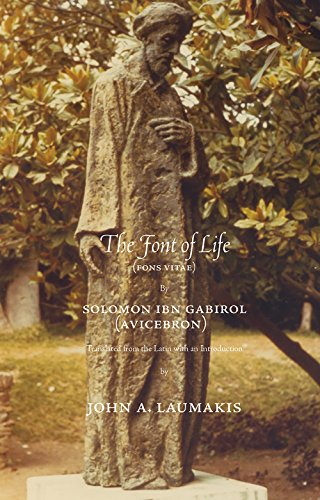
The Improvement of the Moral Qualities is an ethical treatise that has been called “a popular manual of morals“.
It was composed by Gabirol at Zaragoza in 1045, at the request of some friends who wished to possess a book treating of the qualities of man and the methods of effecting their improvement.
The innovations in the work are that it presents the principles of ethics independently of religious dogma and that it proposes that the five physical senses are emblems and instruments of virtue and vice, but not their agents.
Thus, a person’s inclination to vice is subject to a person’s will to change.
Gabirol presents a tabular diagram of the relationship of 20 qualities to the five senses and urges his readers to train the qualities of their souls unto good through self-understanding and habituation.
He regards man’s ability to do so as an example of divine benevolence.
Gabirol wrote both sacred and secular poems, in Hebrew, and was recognized even by his critics as the greatest poet of his age.
His secular poems express disillusionment with social mores and worldliness, but are written with a sophistication and artistry that reveals him to have been socially influenced by his worldly Arabic contemporaries.
Gabirol’s lasting poetic legacy, however, was his sacred works.
Today, “his religious lyrics are considered by many to be the most powerful of their kind in the medieval Hebrew tradition, and his long cosmological masterpiece, Keter Malchut, is acknowledged today as one of the greatest poems in all of Hebrew literature“.
His verses are distinctive for tackling complex metaphysical concepts, expressing scathing satire, and declaring his religious devotion unabashedly.
Gabirol’s most famous poem is Keter Malchut (Royal Crown), which, in 900 lines, describes the cosmos as testifying to its own creation by God, based upon the then current (11th-century) scientific understanding of the cosmos.
Gabirol’s poetry has been set to music.
The Ben Gabirol Visitor Reception Centre is a building located in a restored Mudejar Tower in the old Jewish Quarter of the historic centre of Málaga.
This property is located at Calle Granada 70 very close to other buildings of interest such as the Palacio del Marqués de la Sonora, the Iglesia Santiago and the Bodega El Pimpi (historical restaurant / wine cellar).
Ben Gabirol Visitor Reception Centre is a 17th century tower house built in brick with Mudejar elements that preserves remains of mural painting.
Its constructed area is 130 square metres.
In 2008, its restoration was completed by the City Council of Málaga.
The building is used as a visitor reception centre and tourist information office, as well as an interpretation center of the Jewish Quarter of Malaga and the figure of the Jewish -Andalusian philosopher and poet Salomón Ben Gabirol.
Next to this building, the Plaza de la Judería (until then known as Plaza de la Nieve) is being renovated, which will connect the streets of Granada and Alcazabilla, where there are monuments such as the Teatro Romano, the main entrance to the Alcazaba and the Museo Picasso Málaga.
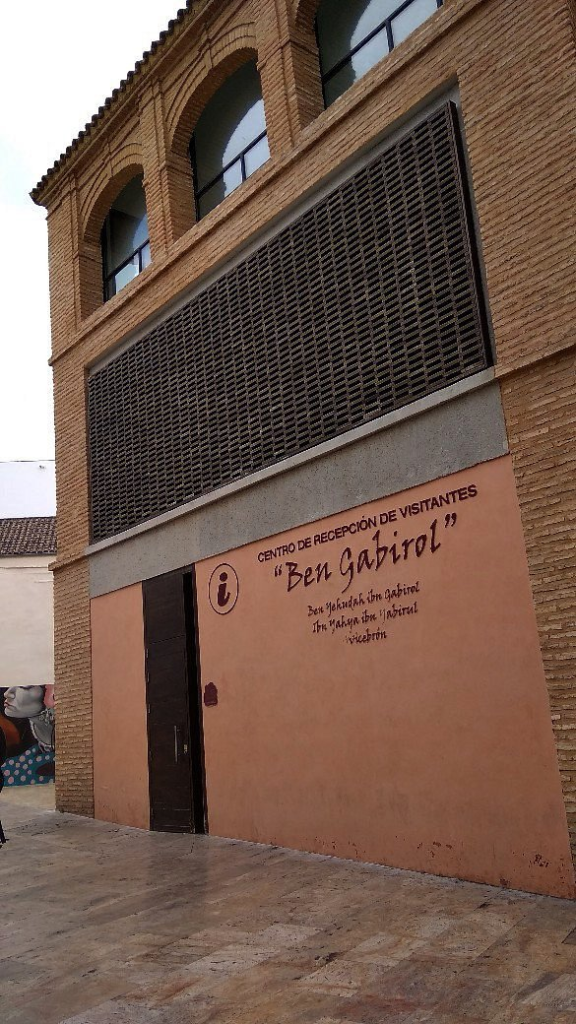
Above: The Centro Ben Gabirol, Málaga
A large number of festivities take place in Málaga and its province throughout the year.
With various motives, these many events form an almost continuous series of popular celebrations.
The first important date of Málaga’s festive calendar is Carnival in February, during which numerous murgas (street musicians) and chirigotas (jokesters) cheer up life in the distinct neighbourhoods.
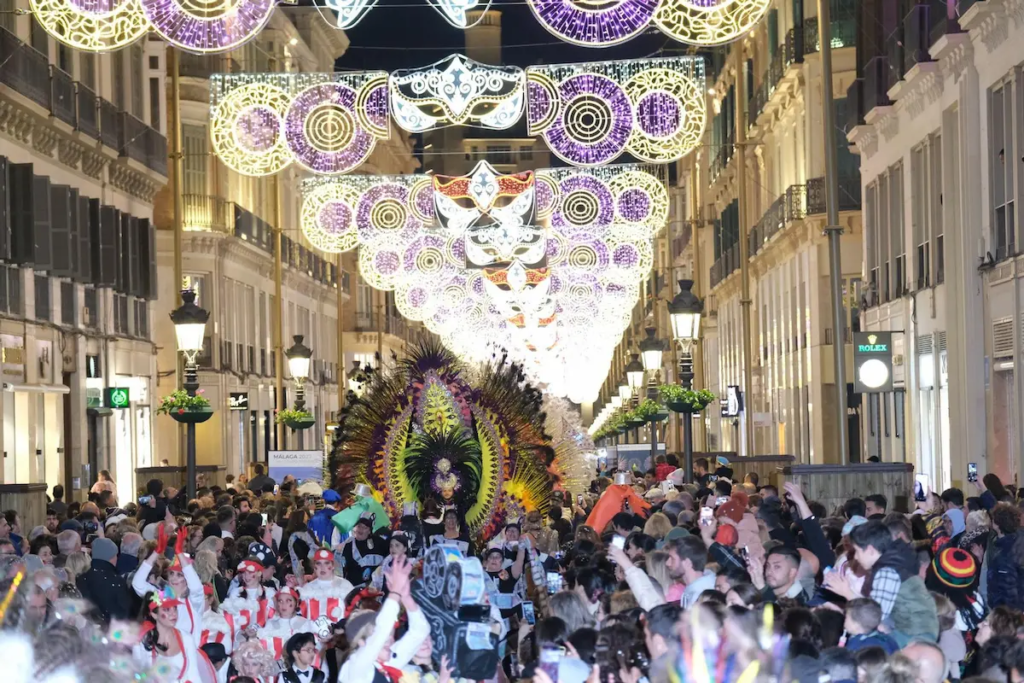
Above: Carnival, Málaga
(I imagine this is the time to speak of “the little boy from the road“.
Gregorio Esteban Sánchez Fernández (1932 – 2017), known by the stage name of Chiquito de la Calzada, was a Spanish comedian , flamenco singer and comic actor.
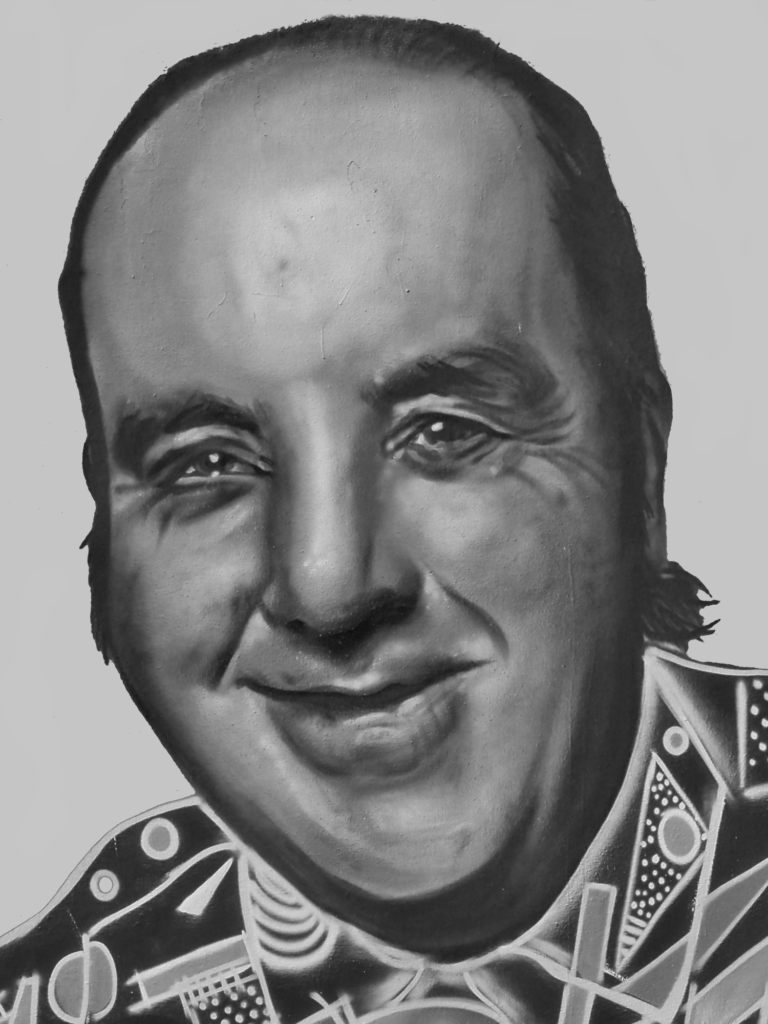
Above: Chiquito de la Calzada
Sánchez was born in the Málaga neighborhood of La Trinidad, on Calle Calzada de la Trinidad, which would later inspire his stage name.
Above: La Trinidad, Málaga
The son of an electrician, and the second of three brothers (born after Francisco and before Tomás), at the age of eight he went on stage for the first time and soon after, as a member of a children’s company called “Capullitos Malagueños“, he developed his skills for flamenco singing with the nickname “Chiquito de la Calzada” (“Little one” because he started working when he was very young and “de la Calzada” for the street where he was born), travelling on numerous occasions to Madrid where he performed on renowned stages such as the Teatro Calderón, the Circo Price and the Teatro de La Latina.
Above: Teatro Calderon, Madrid, España
Above: Circo Price (Price Equestrian Circus), Madrid
Above: Teatro La Latina, Madrid
He also performed abroad and for two years he resided in Japan.

Above: Flag of Japan
In 1985, he briefly appeared as a clapper in an episode of the American television series The Love Boat (1977 – 1986).

At 62 years old, Chiquito de la Calzada was discovered in the television world by producer Tomás Summers and hired for the comedy television show Genio y figura (Genius and Character) by Antena 3 Televisión.
The show began broadcasting in the summer season of 1994.
His personal and innovative style quickly led him to stand out from all his fellow program members, catapulting the show to the highest audience levels, to such an extent that at the end of the season his success was recognized by favourable critics as the television personality of the summer:
“He is a middle-aged man, probably from Cadiz, who “starts” the jokes rather than tells them.
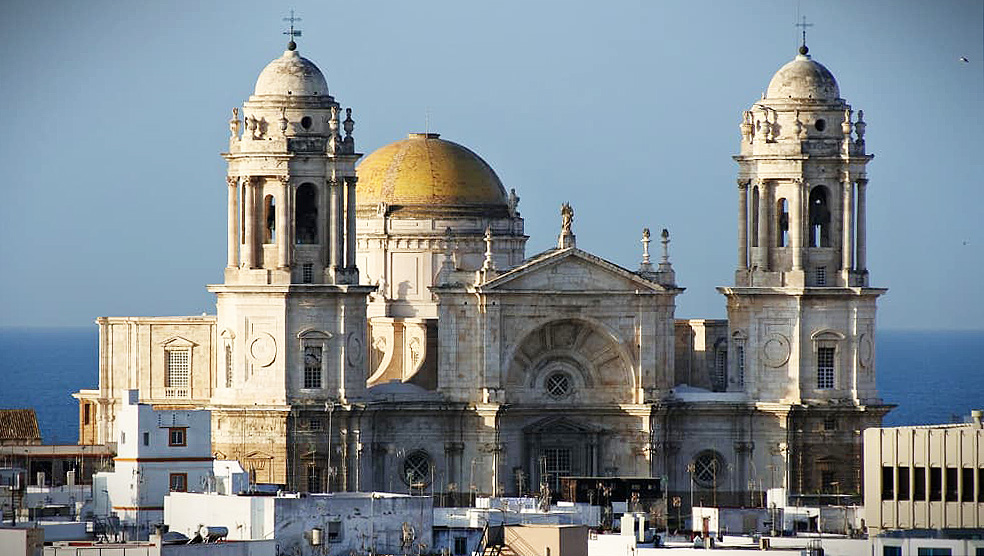
Above: Catedral de Santa Cruz, Cadiz, Andalusia, España
His comic talent is of such calibre, the magnetism he exerts on the laughter of others, that as soon as he gets up from his seat, people, from Pepe Carrol himself to the studio technicians, passing through the audience on the set, the viewers and his fellow joke-tellers, burst out laughing.
Above: Spanish magician / TV presenter Pepe Carrol (né Jose Arsenio Franco Larraz)(1957 – 2004)
And the curious thing is that Chiquito de la Calzada’s humour is not scatological, nor genital, nor like that of an old lady slipping on a banana peel.
That is, it is not a typical “Spanish” humour, but rather it is born from the pranks of intelligence and the surrealist winks of reason.
Chiquito de la Calzada has been the personality of the summer on television, and although from now on the medium will be invaded by a mob of grotesque and laughable subjects (the commentators, the stars, the politicians of the Regime), I hope that he consolidates his scepter in the autumn.
The jokes he tells are terrible, but no one would be able to tell them as well as he does.“
Rafael Torres, El Mundo, 2 September 1994, “Chiquito de la Calzada“
Above: Chiquita de la Calzada
Chiquito de la Calzada’s media appeal continued throughout the autumn of 1994 and was used by the network to establish itself as the audience leader to the detriment of broadcasts that had previously been very popular in Spain, such as sporting events.
Thus, on 27 October 1994, a compilation broadcast of Chiquito de la Calzada’s best jokes surpassed the broadcast of the Karlsruhe – Real Madrid football match by 500,000 viewers, reaching 4.5 million viewers.
As his popular success grew, analysis of his striking style was met with divisiveness by critics and media commentators.
Praised as a sociological phenomenon by some, the particularities of his style and persona were seized upon by others as a tool for sociopolitical criticism, and since then used by the media to satirize or ridicule the adversary.

Above: Chiquito de la Calzada
In December 1994, Warner Home Video and Antena 3 Televisión published Genio y figura, a video tape compiling a selection of Chiquito’s performances, selling 280,000 copies in three months with a turnover of 500 million pesetas (€3.01 million), figures considered a record for a Spanish comedian at the time.
Above: Chiquito de la Calzada
That same year, although a few months earlier, Chiquito also appeared on the compilation Bolero Mix 11 (nicknamed Bolero Mix Fistro y Pecador), published by Blanco y Negro Music (1994), where on the cover his face appeared on the body of a bodybuilder.
In the megamix of the album, prepared by Quique Tejada, you could hear his famous catchphrases and phrases mixed with the best dance songs of the moment.
There was also a track of effects and jingles, where you could hear the phrases that he previously recorded for the preparation of the megamix.

In September 1995, Chiquito de la Calzada’s television activity extended to radio at a time of high competition between the main stations to attract a larger audience through comedy programs.
Cadena Cope hired Chiquito de la Calzada and Paz Padilla to participate in a joke contest that aired on the program La mañana, directed and presented by Antonio Herrero.

Since February of that year, Chiquito participated weekly with Paz Padilla and El Fary in the broadcasts of the program La mañana on the COPE network , where he interpreted the listeners’ jokes, joining the humorous offering of other networks such as the Hoy por hoy program on the SER network with the characters of Mrs. María and Mr. Casamajor, the Debate on the State of the Nation of Protagonists, Chumy Chúmez in Las mañanas on Radio 1, Gomaespuma on M-80 and El Terrat on Radio Barcelona.
Above: Chiquito de la Calzada
In August 1996, Chiquito was the town crier for the Málaga Fair celebrations, invited by the municipal corporation in a decision that, although subject to criticism, was justified by different spokesmen through a public praise of the comedian’s personality.
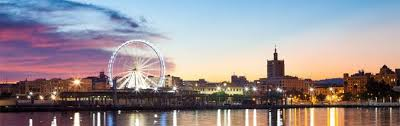
Above: Málaga Fair
For councillor Antonio Romero, Chiquito de la Calzada represented the “greatness of simplicity” and the “elevation of the average man“, highlighting his simplicity and humility, being “a street-wise man from Málaga with a special grace, very much loved“.
He co-presented the 2000 and a Night gala.
In October 1996, he participated in the broadcast of the special De los buenos along with other comedians.
Above: Chiquito de la Calzada
During the first decade of the 21st century, Chiquito collaborated in advertising campaigns, performances in theatres and supporting various promotional events with his presence.
In 2009, his Facebook page achieved some notoriety when it was highlighted for its parody of some of the elements of the electoral promotion campaign in support of Barack Obama during the 2008 US presidential election, identified by the Shepard Fairey-style graphics and the use of the slogan “Yes, We Jarl“.

Above: US President Barack Obama (r. 2009 – 2017)
At the end of 2009, the comedy film Spanish Movie was released where Chiquito de la Calzada appears alongside Canadian actor Leslie Nielsen (1926 – 2010) in a small scene broadcast on the Internet and in the final credits.

Chiquito married Josefa “Pepita” García Gómez from Córdoba in 1950.
He met her while working at Manolita Chen’s Chinese Theatre.
The couple had no children.
Although she was on the sidelines at the beginning of the Chiquito phenomenon, later she was frequently seen in the audience where her husband performed (either in a programme or a live performance), although always in a discreet second place and without giving interviews about herself or her husband’s fame.
Pepita died suddenly of cardiac arrhythmia on 3 March 2012 and was cremated in Málaga.

Above: Chiquita and Pepita
On 14 October 2017, the comedian suffered a fall at his home.
He was rescued by firefighters and admitted to a hospital in Málaga and recovered.
On 31 October 2017, he was hospitalized again, at the Carlos Haya Hospital in Málaga, due to chest pain, which after a hemodynamic study of the blood vessels, was confirmed to be angina pectoris.
Despite the catheterization that was performed, he died on 11 November 2017.
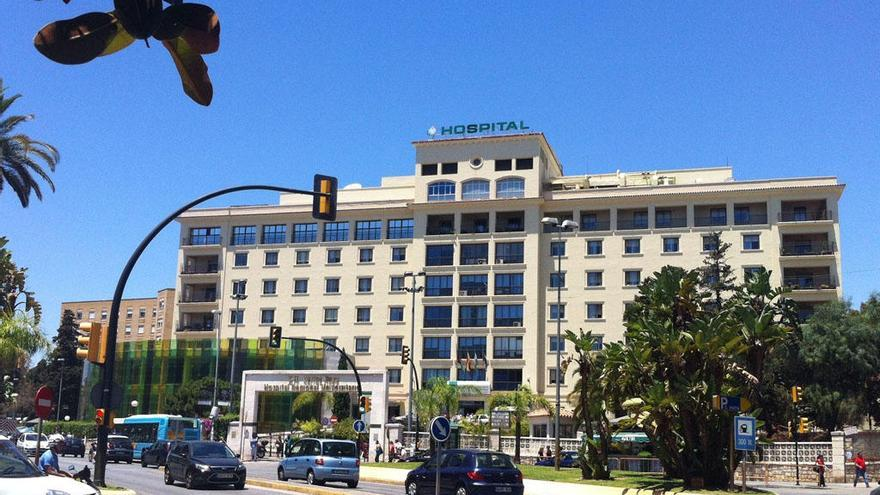
Above: Hospital Carlos Haya, Málaga
He was cremated on Sunday, 12 November 2017.
His ashes rest alongside those of his wife in the columbarium of the Iglesia de San Pablo in Málaga.
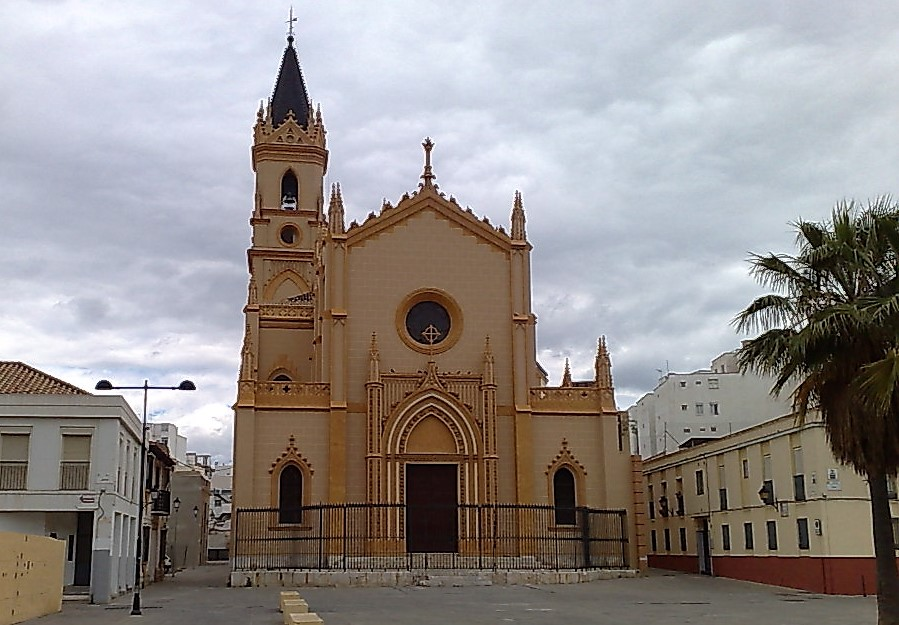
Above: Iglesia de San Pablo, Málaga
In 2018, the tribute documentary “Chiquito, el cantaor de detrás” was released.
In 2019, his biography Las legendarias aventuras de Chiquito (“The Legendary Adventures of Chiquito“) was published in graphic novel format.
At the end of 2021, a memorial dedicated to Chiquito de la Calzada was erected in Málaga in the form of a bronze statue, the work of Ramón Chaparro.
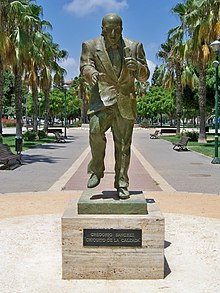
Above: Memorial to Chiquito de la Calzada, Málaga
In the summer of 2022, at the intersection of Tomás Echeverría and Antonio Soler streets, in the Huelin neighbourhood where he lived his last years, a traffic light was inaugurated with pedestrian lights adapted to the comedian’s image, while reproducing the sound of some of his most popular expressions: Quietooorrr!!! Al ataque!!!.
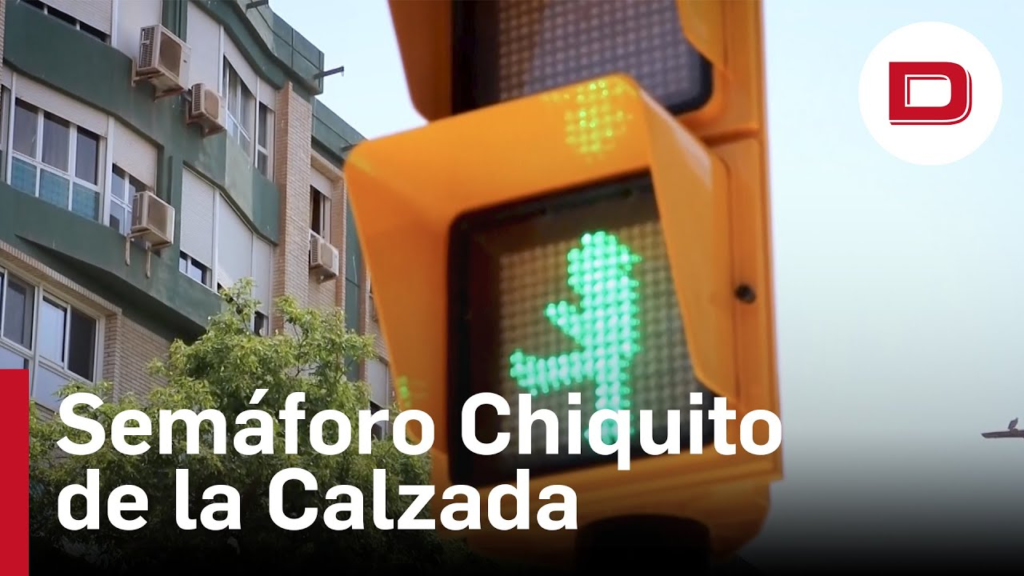
Above: Traffic light dedicated to Chiquito de la Calzada
It is part of the heritage of Málaga to remember the brilliant Chiquito de la Calzada.
The content of his jokes, usually simple and short (although lengthened by his peculiar way of telling them), presents clever comparisons (for example: “I’m more nervous than a five-peseta steak.” or “I’m hungrier than Tarzan’s tailor.”), reinforced in their presentation by a way of walking from one side of the stage to the other, while holding the lower part of his back as if he were in pain.
The language includes words and expressions of his own invention, the result of onomatopoeic distortions of the formal language of Spanish, of Andalusian speech and even of English.
Many of his words and interjections, such as fistro, ¿ Cómooor?, or jarl , have transcended to the register of colloquial and informal speech of Spain.

Above: Chiquito de la Calzada
Chiquito’s style has had numerous imitators.
Thus, in the program Esta noche cruzamos el Mississippi (Tonight we cross the Mississippi) by Pepe Navarro, the comedian Florentino Fernández played the role of Lucas Grijander, a character that was created in imitation of Chiquito and that ended in a lawsuit for plagiarism.
Above: Spanish entertainer Florentino Fernandez
Similiarly, in the program Los clones, broadcast by Intereconomía Televisión, the comedian Federico de Juan plays a character called Chiquito del Parqué, who pretends to be the economic analyst of the series.
Above: Spanish comedian Federico de Juan
Such has been the significance of Chiquito de La Calzada that numerous tributes have been made to him, from video and DVD compilations of his television appearances to races imitating his unique gait and movements.
Daniel Rovira de Rivas, known artistically as Dani Rovira, is a Spanish actor, comedian, announcer, presenter and philanthropist.
He won the Goya Award in 2015 for best new actor for the film Ocho apellidos vascos, directed by Emilio Martínez-Lázaro.

Above: Spanish entertainer Dani Rovira
Dani Rovira was born in the Málaga neighborhood of La Paz, son of Andrés Rovira Caro and Juana de Rivas Lobato.
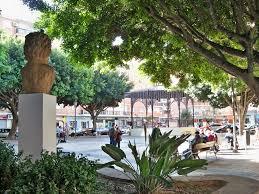
Above: Plaza Mozart, La Paz, Málaga
He studied at the Rosario Moreno School.
He has a degree in Physical Activity and Sports Sciences from the University of Granada.
Above: Coat of arms of the University of Granada
After graduating, he moved towards comedy, dedicating himself to telling monologues in bars and cafes, and on the Comedy Central program Nuevos cómicos.
Over time, he managed to make his way in the world of comedy working for television programs such as Todas no son las noticias (“This is not the news“) (Cuatro) and collaborating in Con hache de Eva (“With Eva’s axe“)(La Sexta).
In addition to his participation in the program El club de la comedia (“The comedy club“), he was part of the team of No le digas a mamá que trabajo en la tele (“Don’t tell Mom I work in TV“)(Cuatro) and Alguien había que decir (“Someone had to say it“)(La Sexta).
For two years, he collaborated on the program Abierto hasta las 2 (“Open until 2“)(Radio Nacional de España).
While advancing in his television career, Dani continued touring throughout Spain with the shows Monólogos 10 and Las noches de el club de la comedia (“Comedy club nights“) sharing the stage with other stand-up comedians.
He also performed his own show ¿Quiere salir conmigo? (“Do you want to go on a date with me?“) in Barcelona (Teatre Alexandra) and Madrid (Teatro Alcázar), which ended in 2014.
In the summer of 2013 he began filming Ocho apellidos vascos (“Eight Basque surnames“), this being his debut as an actor in film.
After this film, he began filming the Globomedia series B & B: De boca en boca (“Word of mouth“), where he plays Juan, an intern in the editorial office of B&B magazine.

In March 2014 , Ocho apellidos vascos was released with a resounding success, becoming the highest-grossing film in the history of Spanish cinema.
As a result of this film, he managed to attract the attention of film buffs and enter Spanish cinema.
On 7 February 2015, he was in charge of presenting the XXIX edition of the Goya Awards.
He won the award for best new actor that same year for the film Ocho apellidos vascos.
He also presented the XXX edition of the Goya Awards in 2016 and the XXXI edition in 2017.
Above: Goya Award statuette
In 2015, he starred in the comedy Ahora o Nunca (Now or Never).

On 20 November 2015, he premiered Ocho apellidos catalanes (“Eight Catalan Surnames“), a sequel to Ocho apellidos vascos, causing great excitement.
On 12 November 2015, he published his first book, Dolor en las y 88 razones para seguir volando (“Soreness in the Wings and 88 Reasons to Keep Flying“), a book of short stories illustrated by Monica de Rivas.
In 2016, he starred in El futuro no es lo que era (“The Future Is Not What It Was“) as the lead, where he plays a psychic.
On 4 November 2016, he premiered his biggest challenge as an actor, his first dramatic film, 100 Metros (“100 Metres”), directed by Marcel Barrena, where he plays a man who suffers from multiple sclerosis.

In 2018, he was one of the protagonists of the comedy Thi Mai: Rumbo a Vietnam (“Thi Mai, heading to Vietnam“).

That same year, director Emilio Martínez Lázaro once again counted on Dani Rovira for his new romantic comedy, Miamor perdido (“My lost love“), which he plays Mario, a character inspired by the same actor.

Also that year he starred in Superlópez by Javier Ruiz Caldera, where he gets into the skin of the mythical comic book character.
In 2019, he starred in the film Taxi a Gibraltar (“Taxi to Gibraltar“).

That same year, he also starred in the comedy Los Japón.

In 2021, he returned to television as the host of the program La noche D broadcast on Televisión Española, which remained on the air between January and March of the same year, with ten episodes.

That same year he also presented a comedy special on Netflix Odio, which premiered worldwide on the platform in February and received very good reviews.

In addition, in June of the same year, his signing by Canal Sur to present Desafío Ártico (“Arctic Challenge“) was announced.
In 2020, he began filming the American film Jungle Cruise, distributed and produced by Walt Disney Pictures, where he plays a supporting character, Sancho.
The film was released worldwide in July 2021.

In October of the same year he starred in the Spanish drama film Mediterráneo, in the role of Gerard Canals, inspired by the birth of Proactiva Open Arms, and in November in the Christmas comedy film Cuidado con lo que deseas (“Be careful what you wish for“), directed by Fernando Colomo.


At the beginning of November he also starred in one of the episodes of the remake of the series Historias para no dormir (“Stories to keep you from sleeping“).

In 2017, Rovira founded the Fundación Ochotumbao with Clara Lago as a way to care for and collaborate on projects aimed at improving the lives of the most disadvantaged people, the conservation of the environment and the defense of animals.

Among others, in its first year they carried out campaigns to support Save the Children, for research into Rett Syndrome and different animal rights associations.)

Perhaps maybe Calzada and Rovira inadvertantly present the solution to these questions of faith:
Perhaps God is the Giver of Gags and Christ is a Comedian?
It might explain the duck-billed platypus or why God in His infinite wisdom placed upon the human body sanitation disposal organs next to the organs from which we derive physical pleasure.

Above: Duck-billed platypus
“And that’s when you realize that God gave you a penis and a brain and only enough blood to run one at a time.“
Robin Williams, Live on Broadway (2002)

Perhaps faith should have a comedic element to it.
Morgan Freeman / God:
Bruce, you have a divine spark.
You have the gift of bringing joy and laughter to the world.
I know.
I created you.
Bruce Almighty

Perhaps this is why I have trouble with organized religion.
It doesn’t feel like anyone is having any fun.
Did Jesus joke?
Did Mohammad make mischief?
Did Buddha laugh?
If they were as human as history claims then perhaps they too felt joy and were more than merely grim purveyors of truth and redemption.
Above: The Westcar Papyrus (1600 BC) contains an example of one of the earliest surviving jokes.
On the last day of Carnival, a large parade, which goes through the centre of the city, is also celebrated, bringing to an end the Fiesta del Entierro de la Sardinia (“Festival of the Burial of the Sardine“) on the beaches of La Malagueta.
Above: Fiesta del Entierro de la Sardinia, Málaga
In March or April, the Semana Santa (“Holy Week“) of Málaga is surely the most well-known date on an international level.
Religious feeling here is both vital and deeply sincere.
Throughout Holy Week, there is an unforgettable pageant of great enthusiasm accompanied by rich colour and splendour.
It is characterized, above all, by the monumentality of its thrones carried upon the shoulders of their brotherhood members and moved to and for by the special Málagan step.
The various brotherhoods of Málaga, some of which date back to the 15th and 16th centuries, parade through the streets, each following its time-honoured route, carrying richly adorned statues.
The Holy Week celebrations end on Easter Sunday, with the Procession of the Holy Christ Risen from the Dead, in which all the brotherhoods of Málaga take part.
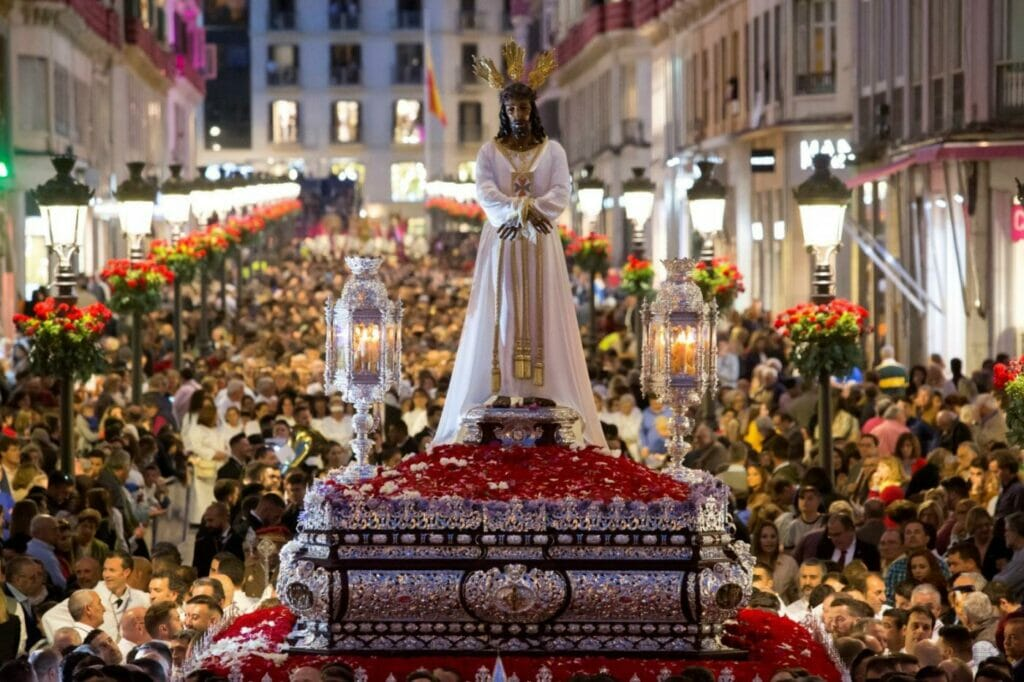
Above: Holy Week procession, Málaga
There is a curious museum, the Museo de la Semana Santa (“Museum of the Holy Week“), which includes an impressive display of Baroque ecclesiastical items.
This new Museum is located in the old hospital of San Julián, headquarters of the Association of Hermandades and Cofradias (religious brotherhoods) of Easter of Málaga.
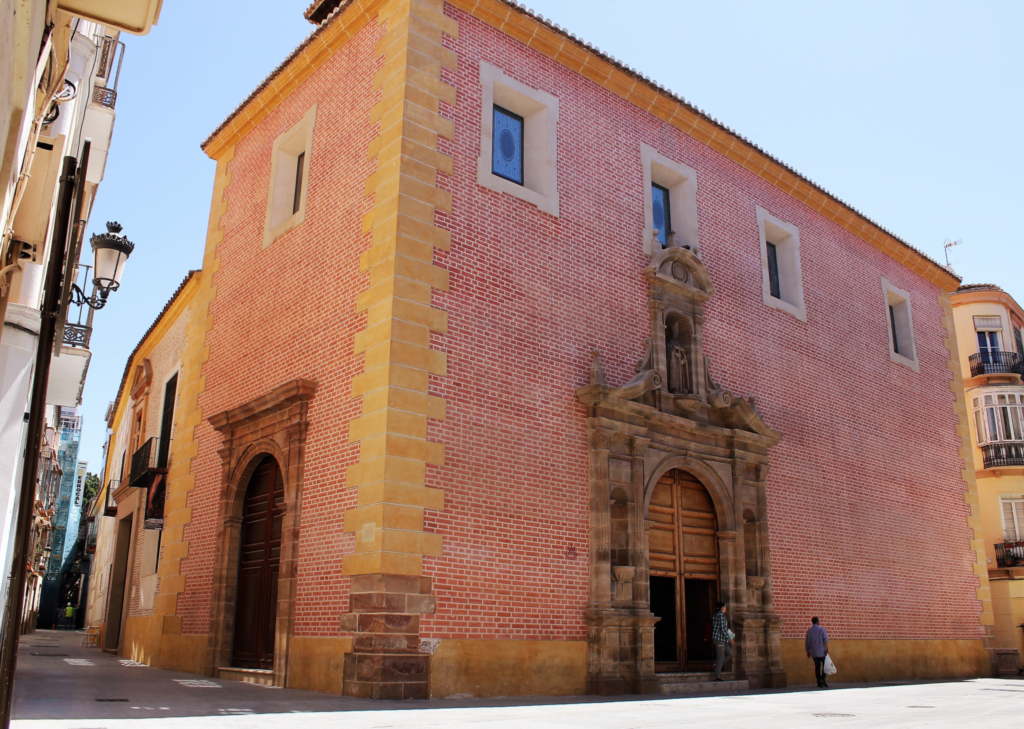
Above: Museo del Art Cofrade / Museo de la Semana Santa, Málaga
The Museum houses the meaning of the Easter (Holy Week among Christians) in Málaga in 1,060 square meters, of which 600 make up the permanent exhibition, where tourists can visit the Iglesia de San Julián (Church of San Julian).
This Church has the largest collection of Baroque paintings of Málaga, with works of Juan Niño de Guevara.
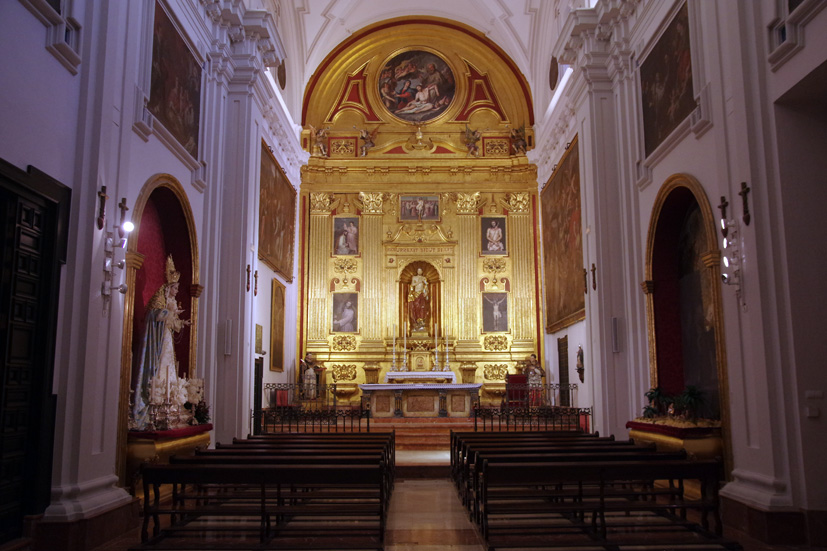
Above: Interior of the Iglesia de San Julián, Málaga
The exhibition is conceived with a didactic approach and using the most advanced techniques.
“This Museum is a service provided by the Hermandades and Cofradias to Malaga,” said the President of the aforementioned Association.
The Holy Week Museum has over 150 exhibits from sculptures, paintings and jewelry provided by the Association and some of the most unique hermandades (brotherhoods) of capital, so that the visitor can have a clear idea of the processions in Málaga.
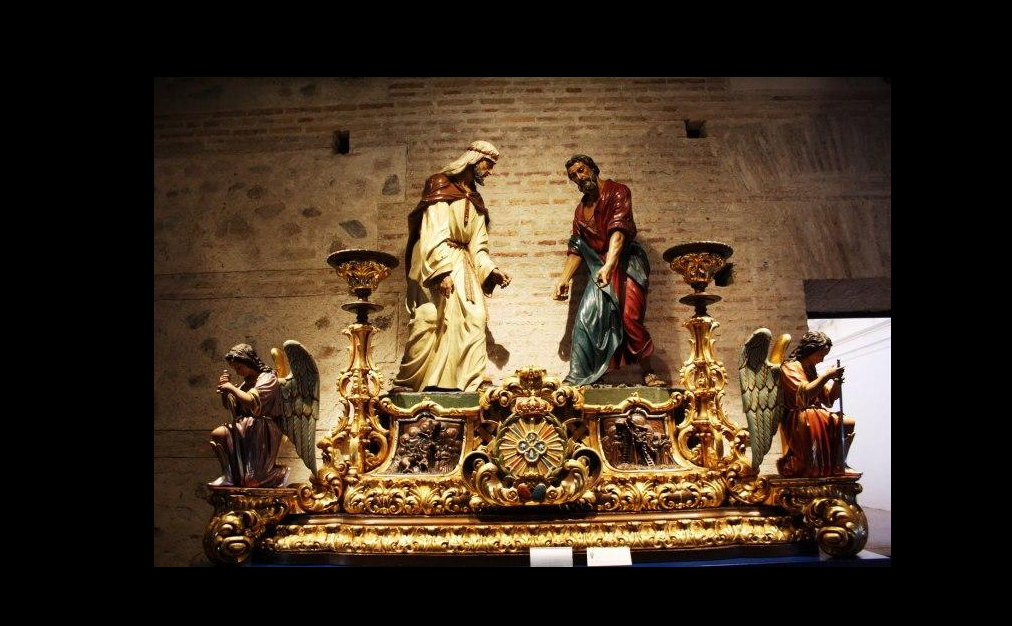
The Museum consists of a total of six rooms on two floors which summarizes what is Easter: the origin of the religious brotherhoods, the images, the nazarenes, the thrones, the music, the carving and the metalwork.
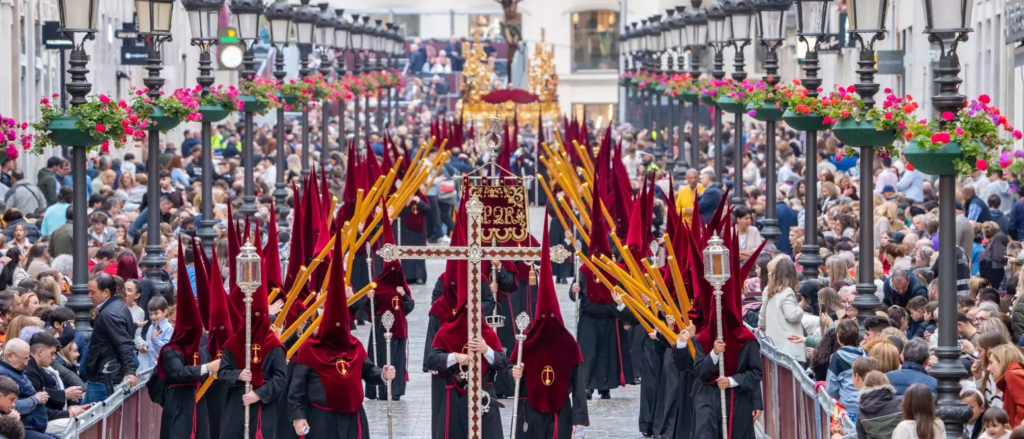
Holy Week has been observed for five centuries in Málaga.
Processions start on Palm Sunday and continue until Easter Sunday.
The processions are massive, lasting for hours.
Devotees in medieval garbs carrying the shrines of Jesus and the Virgin on their shoulders, marching to solemn music performed live by a band.
Images depicting scenes from the Passion are displayed on huge ornate tronos (floats or thrones), some weighing more than 5,000 kilograms (11,000 pounds).
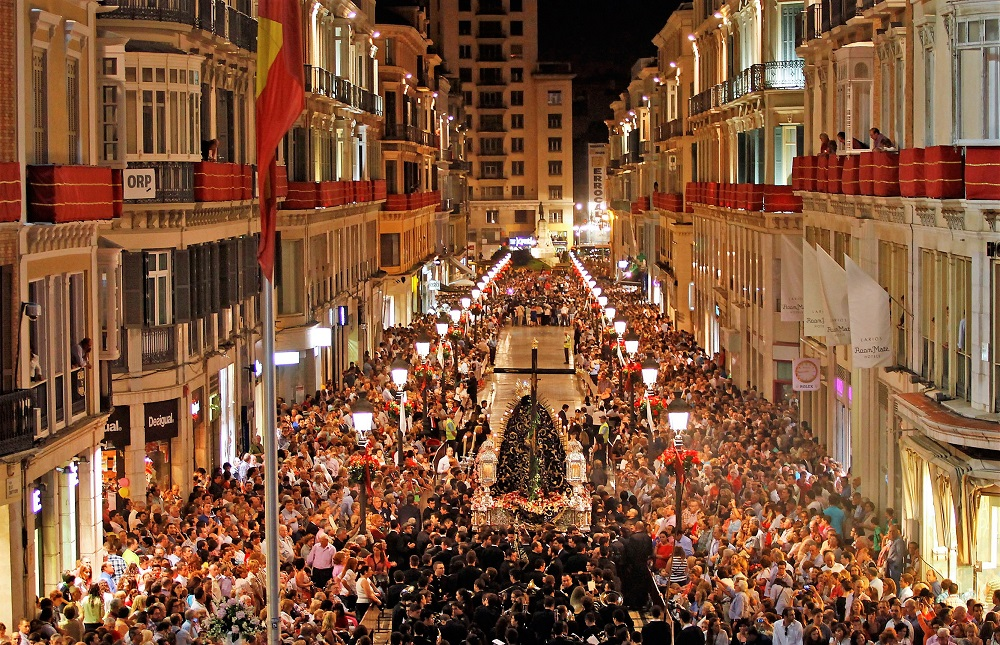
Famous is the royal archbrotherhood of Our Lady of Hope (Nuestra Señora de la Esperanza).
They have more than 5,000 members and 600 nazarenos.
These tronos highlight the processions that go through the streets led by penitents dressed in long robes, with capirote, followed by women in black carrying candles.
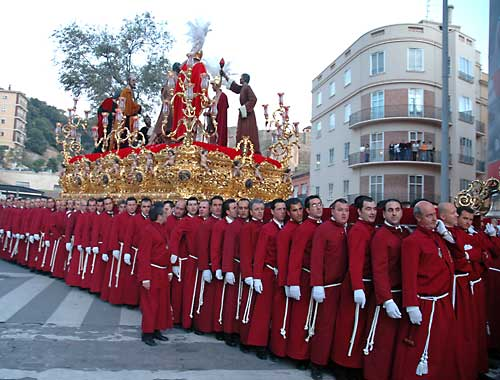
A major warning for first time US visitors:
The medieval outfits worn by the participants may appear offensive to some Americans.
The robe and cone shaped hood do resemble those worn by the Ku Klux Klan.
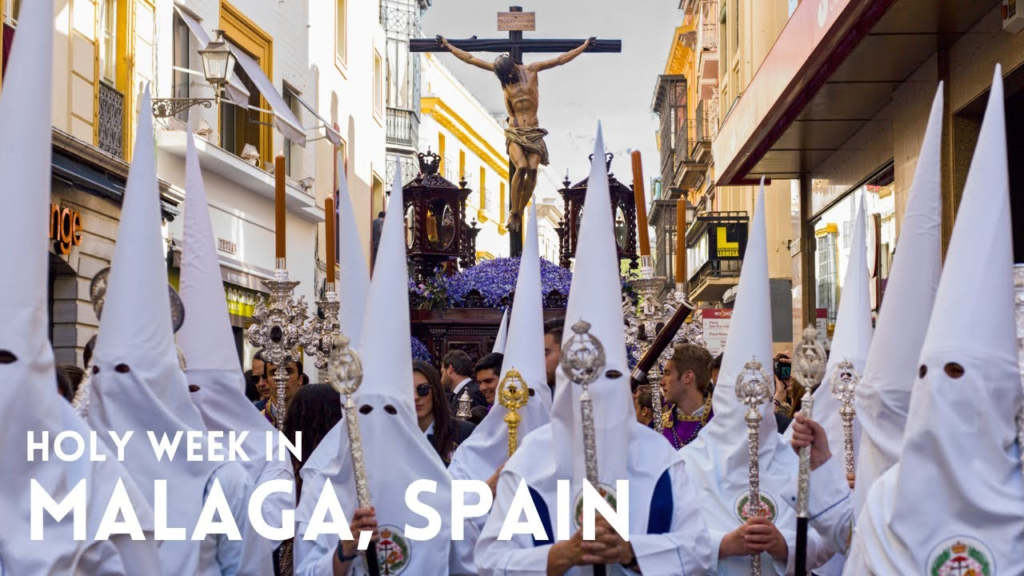
That is the American initial reaction.
But a trip to the Museum and talking with the locals will explain away any feeling of discomfort.
It is important to learn about cultural differences before jumping to conclusions.
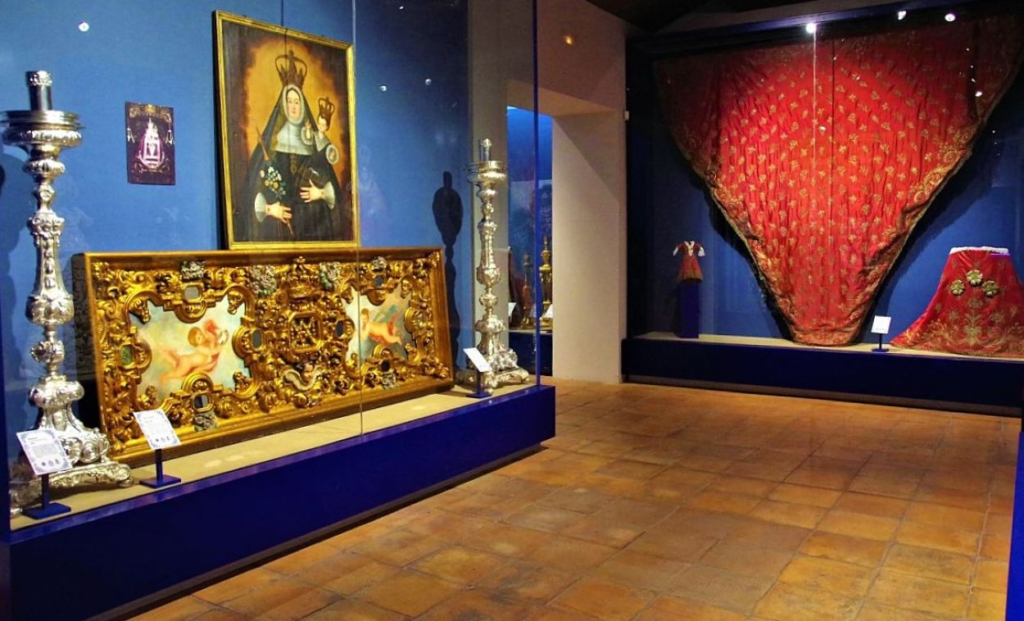
Above: Museo Semana Santa, Málaga
Drums and trumpets play music and occasionally someone spontaneously sings a mournful saeta dedicated to the floats as they make their way slowly round the streets.
Some Holy Week tronos are so huge that they must be housed in places outside the churches, as they are taller than the entrance doors.
Famous is the military procession of “la legion” (royal congregation of Mena) playing marches and singing their anthem (El Novio de la Muerte) during procession.
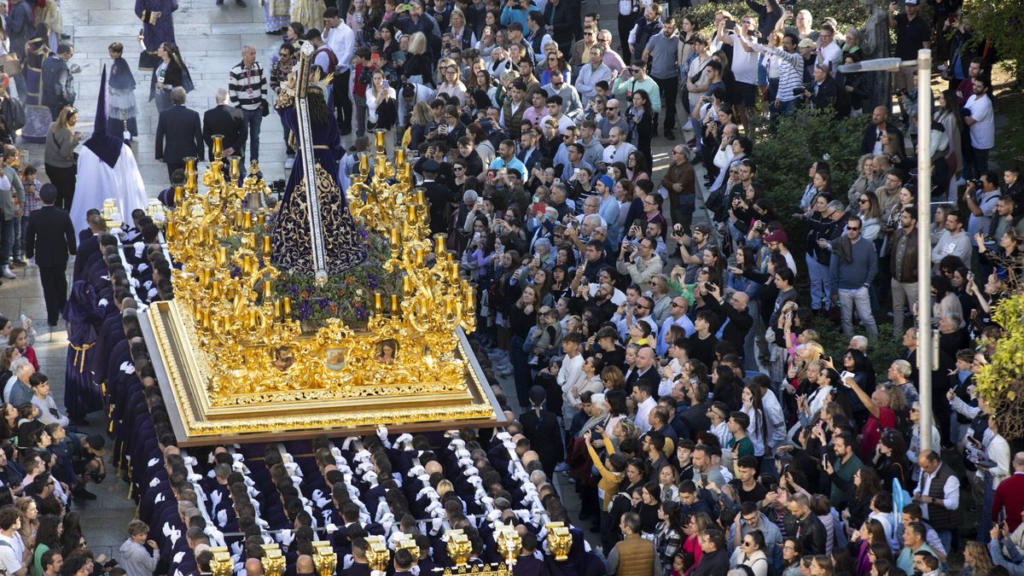
Holy Week in Málaga (Semana Santa en Málaga), is the annual commemoration of the Passion of Jesus in Málaga.
It takes place during the last week of Lent, the week immediately before Easter.
It is one of the city’s main cultural and religious events.
During Holy Week, 42 brotherhoods (cofradía) make 45 processions through the streets of Málaga showing realistic wooden sculptures that depict scenes from the Passion, or images of the Virgin Mary showing sorrow.
Holy Week in Málaga was declared in 1965 to be a Fiesta of International Tourist Interest of Spain.
In common with other Holy Week events in Spain, some participants in the procession use a nazareno or penitential robe.
This garment consists of a tunic, a capirote (hood with conical tip) used to conceal the face of the wearer, and sometimes a cloak.
The fabrics normally used in these garments are velvet, damask, satin or twill.
The nazarenos of some brotherhoods also include gloves, scapulars, stoles and a tunic fastened with a cincture made of esparto.
The exact colors and forms of the robes depend on the particular brotherhood.
In the Málaga procession, their colors are different in the sections of Christ and the Virgin.
Usually, the nazarenos carry candles and go in front of the thrones at the leading segments.
The majority of the brotherhoods carry a significant number of insignia in the procession that are carried by nazarenos:
- Guiding Cross (Cruz de Guía) is carried at the beginning of each procession and is responsible for guiding it.
- Banner (Guión) is an emblem of the cofradía in the form of a folded flag, that carries in the center of the flag embroidered in thread of gold and silk the shield or arms of the brotherhood.
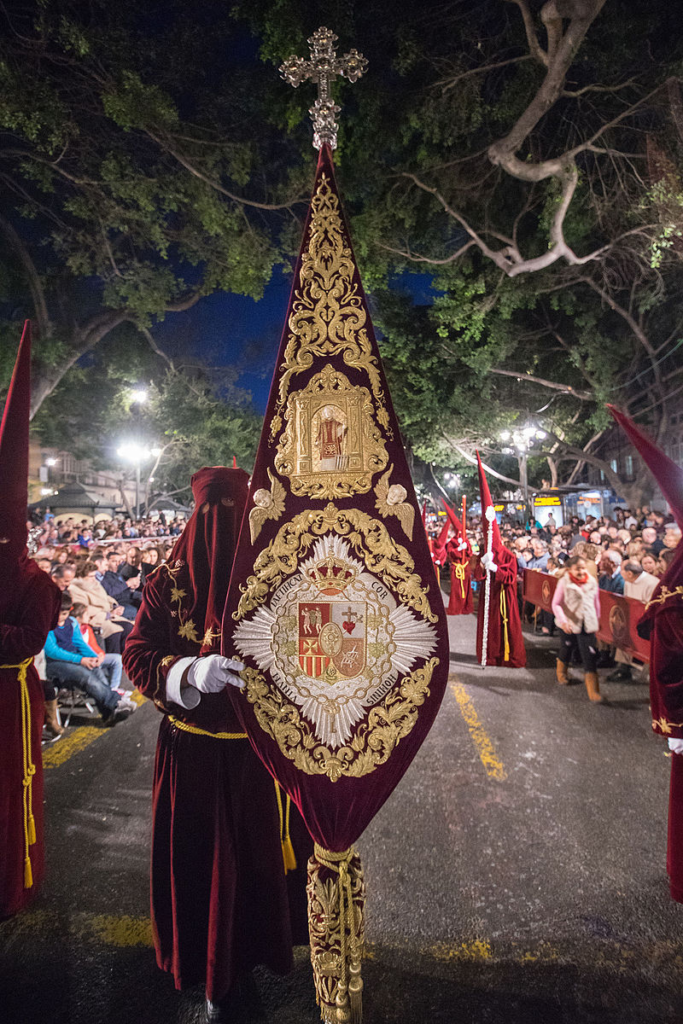
- Senatus is the name with which it is known to an emblem that serves to recall the time of the Roman Empire, the period wherein the events of the Passion of Jesus Christ are set. It bears the letters SPQR, which is an acronym for the Latin expression Senatus Populus Que Romanus (Senate and People of Rome).

- Book of Rules (Libro de Reglas) is a book that contains the norms and rules of the Brotherhood.
- Standard (Estandarte) is an insignia, sometimes embroidered in gold thread and luxuriously decorated, with a painting of the Christ or Virgin of each brotherhood.
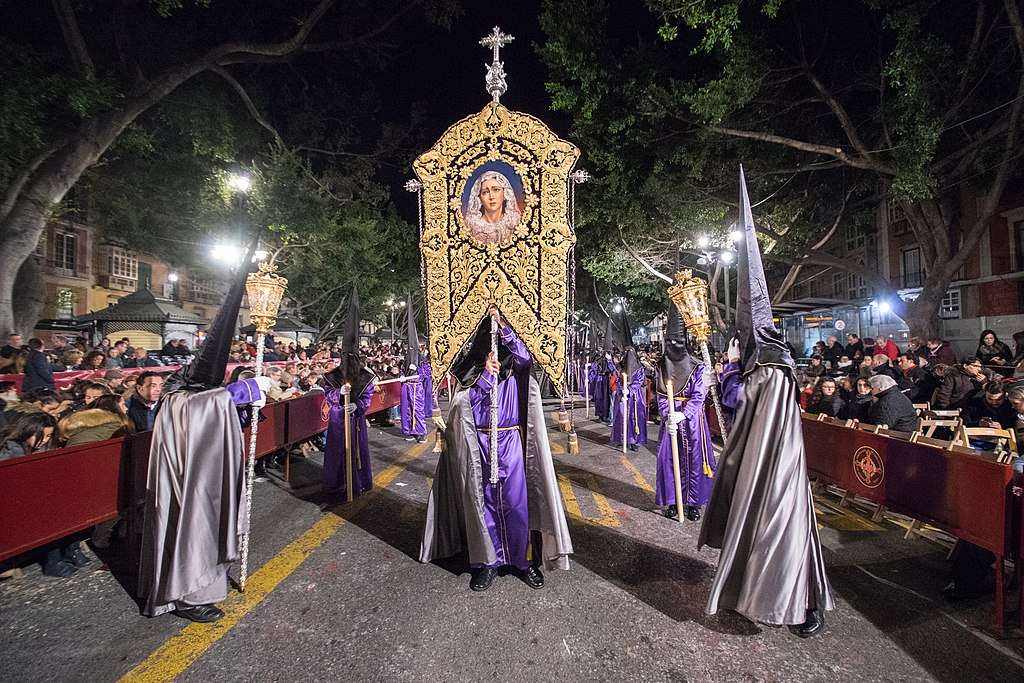
Some processions are accompanied by women who wear mantillas.
It is formed by a black dress, a sign of mourning and pain, is accompanied by a mantilla, lace or silk veil or shawl worn over the head and back.
The peineta, similar in appearance to a large comb, is used to hold up the mantilla.
Before the throne are placed a group of six or eight acolytes dressed in vestments, many of them wearing dalmatics, the ceroferarios who carries the ciriales (processional candlesticks) and the thurifers who carries the thurible where incense is burned and dispersed.
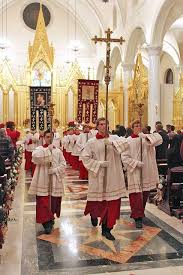
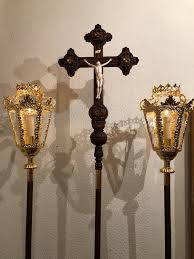
The thrones, in others places called pasos, are enormous platforms where are located the sculptures that depict different scenes from the gospels related to the Passion of Christ or the Sorrows of Virgin Mary.
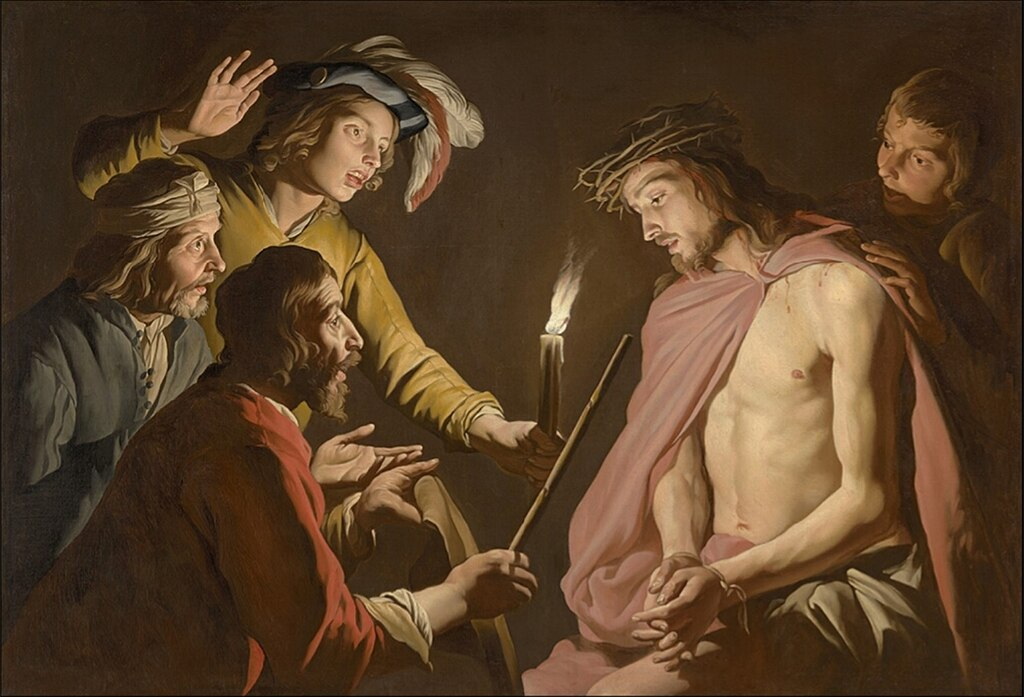
Above: Christ Crowned with Thorns by Matthias Stom (1639)
Each brotherhood usually exhibit two thrones, the first one would be a sculpted scene of the Passion, or image of Christ, and the second an image of the Virgin Mary, known as a dolorosa.
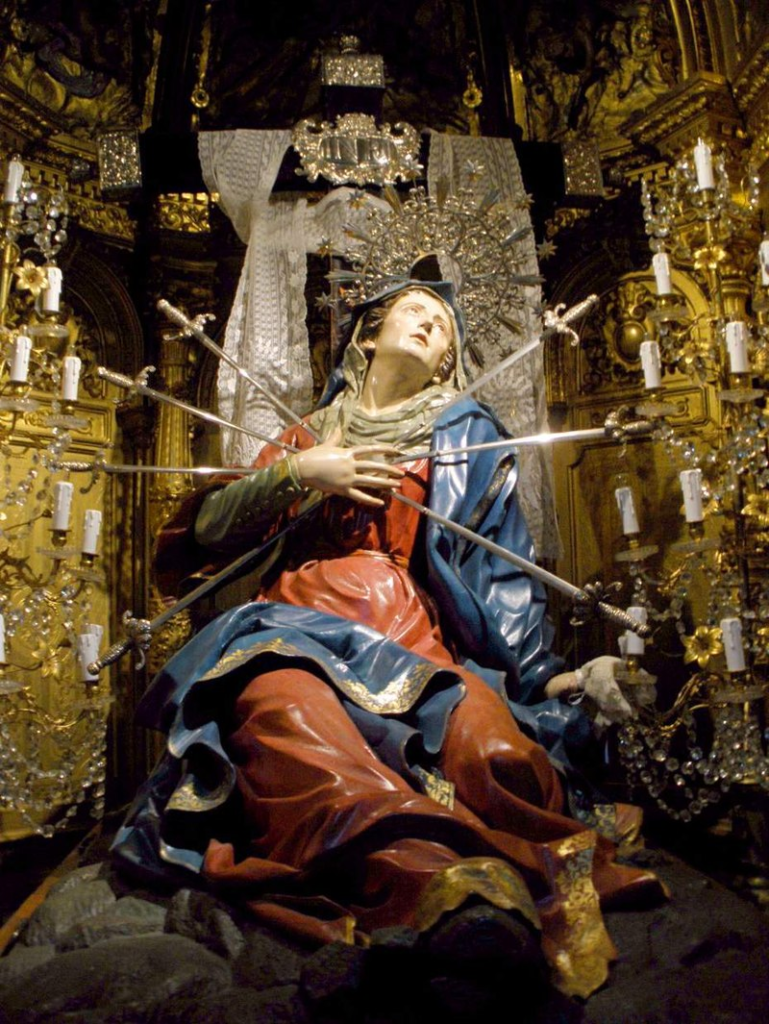
Above: Seven Swords Piercing the Sorrowful Heart of Mary, Iglesia de la Vera Cruz, Salamanca
The structure of the thrones, known as cajillo, is richly carved in wood, silver, bronze or nickel silver and some gilt with gold leaf.
In each of the corners of the cajillo is placed the arbotantes (candelabra or lantern) to illuminate the image or sculptural group that is located in the upper part of the cajillo.
The thrones of Christ are adorned at the top with carpet of flowers such as carnations or iris, or a mountain of corks, while most of the Virgin’s thrones are covered by an ornate canopy secured to the cajillo by 12 or 16 palio bars.
From the front, back and sides of the canopy hang the bambalinas, velvet or mesh draperies embroidered in gold, plate and silk.
In front of the image of the Virgin is placed the candelería, a set of candlesticks which are placed in a stepped layout.
Thrones are carried on the shoulders of men and women, called men of thrones or bearers, through long bars or beams called varales, which usually measure between 8 and 14 meters long.
Each throne has six or eight varales depending on the size of the throne.
Depending on weight, some can weigh up to 5 tonnes, a throne requires between 120 and 270 portadores (bearers) to move.
Each person can carry between 20 and 40 kilograms of weight, during the time of the procession, from 6 to 14 hours.
At the front of the throne’s varales there is a big bell.
This is rung with a hammer by the Throne Butler (the chief of the Throne Men) to guide and stop to rest the bearers.
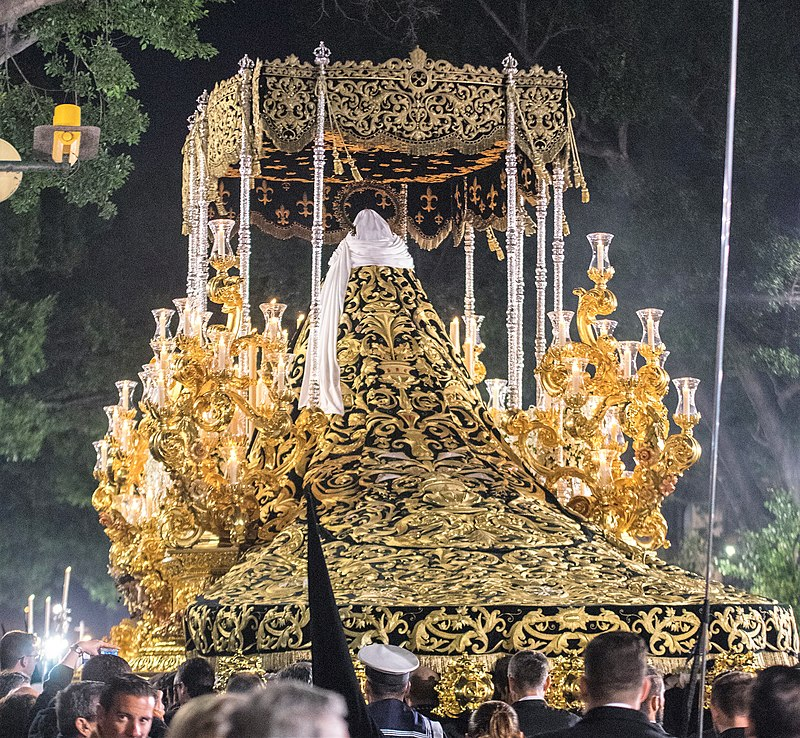
The sculptures are located at the top of the throne and are the central axis of each brotherhood, most of the sculptures are carved wood (or recently, polychrome), often life-size or somewhat smaller.
Some of these carvings are great works of art with centuries of antiquity, although unfortunately during the burning of churches and convents in the 1931 riots, a great number of these sculptures were destroyed, between them the great majority of works of Pedro de Mena.
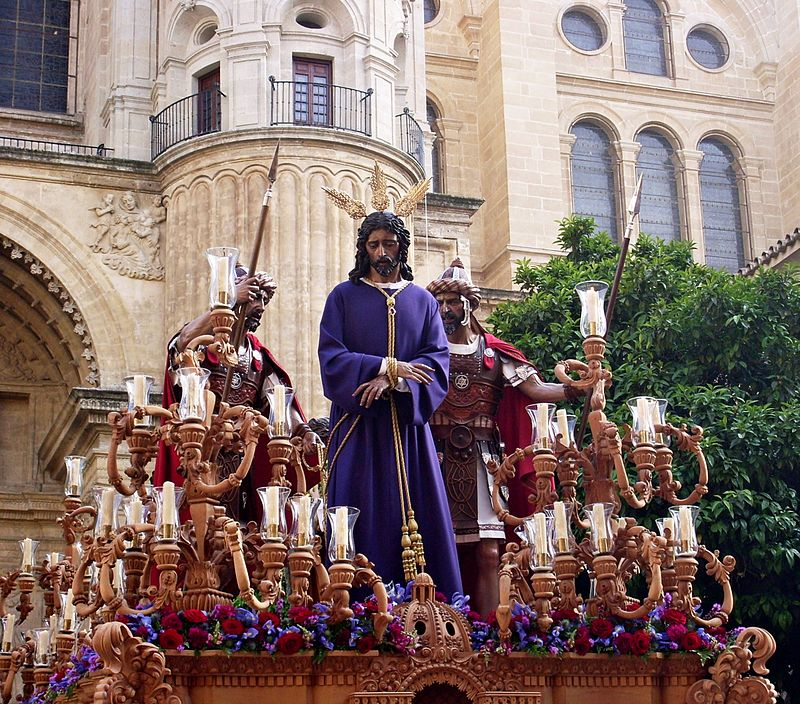
After the Spanish Civil War, artists such as Mariano Benlliure, Francisco Palma Burgos, Castillo Lastrucci and José Navas Parejo began to make new sculptures to replace the destroyed works.
These sculptures are in their respective churches and chapels during the rest of the year where they receive worship.
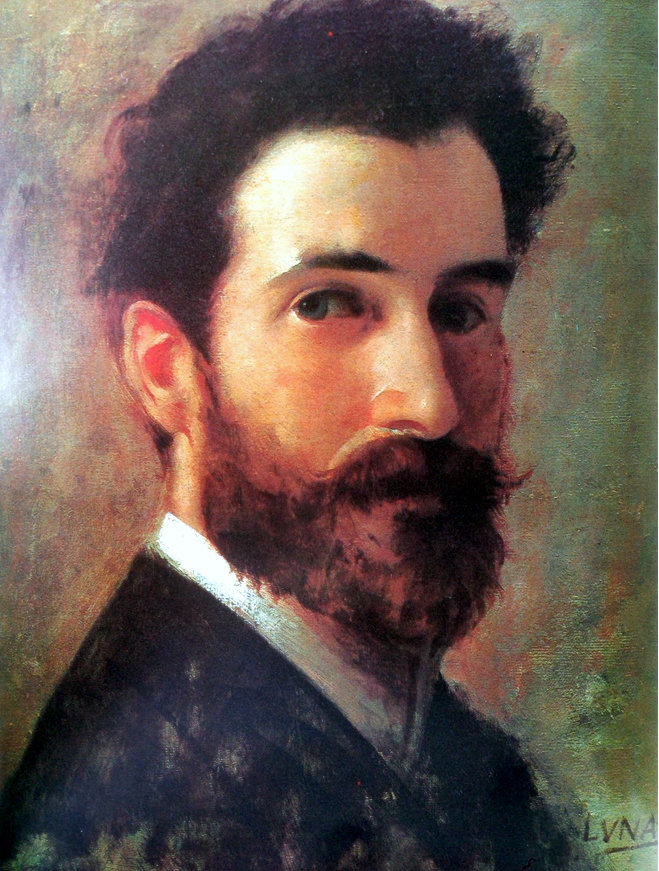
Above: Spanish sculptor Mariano Benlliure (1862 – 1947)
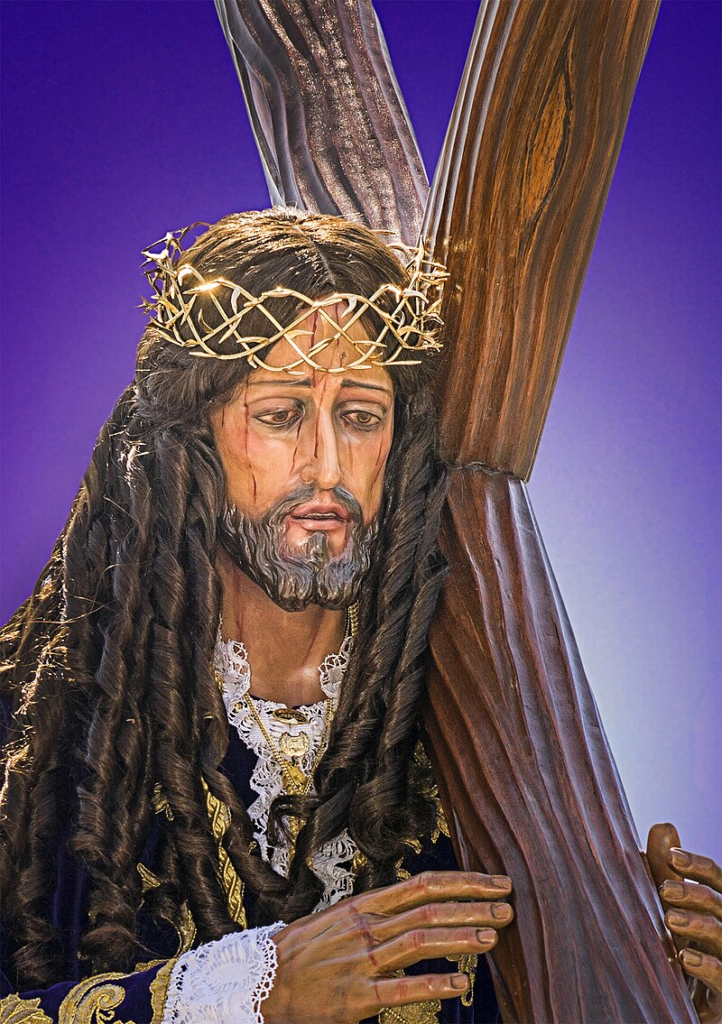
Above: Brotherhood of Our Father Jesus of Nazareth done by Francisco Palma Burgos (1918 – 1985)
Above: Spanish sculptor Antonio Castillo Lastrucci (1882 – 1967)
Above: Spanish artist José Navas-Parejo (1883 – 1953)
The images of Jesus are situated on the first throne, which represents a Biblical passage of the Gospels: Jesus’ triumphal entry into Jerusalem, Jesus carrying the cross, Jesus crucified, the descent from the Cross, etc.
Depending on the scene depicted the carving of Jesus may appear alone or accompanied by other statues related to the Biblical passage.
Some images of Christ wear tunics, smooth or richly embroidered over much of its surface.
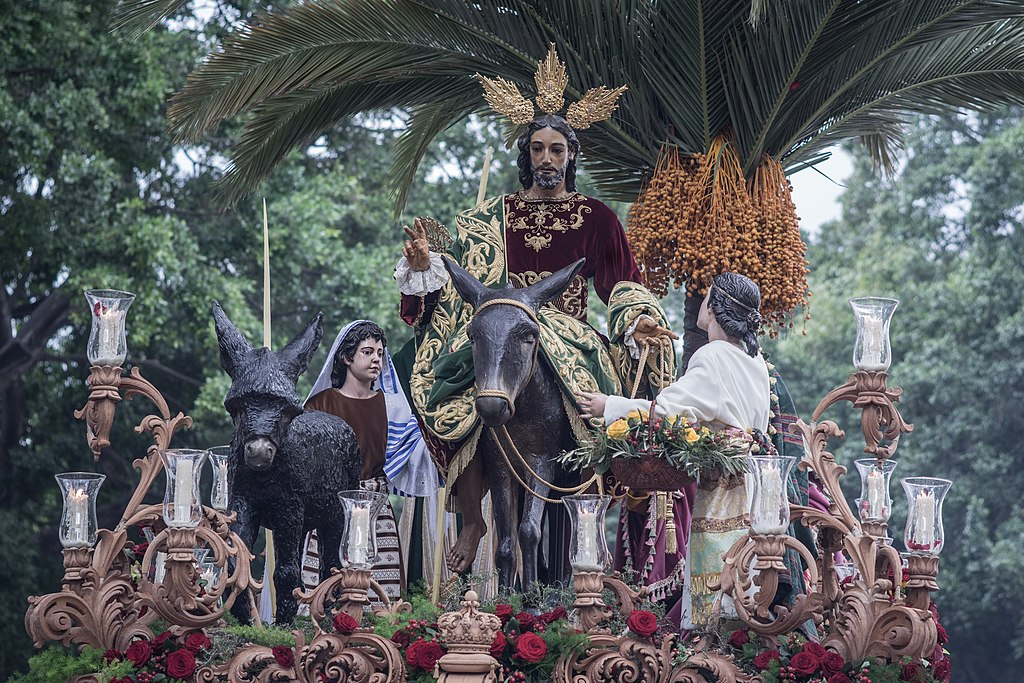
Above: Jesus’ triumphal entry into Jerusalem
In the second throne is located the Virgin of Sorrow, mostly alone but sometimes accompanied by sculpture St. John the Evangelist.
The statue of the Virgin usually is of a mannequin, with only the hands and the head carved.
The body and arms are covered with luxurious dresses embroidered with gold and silver thread as well as colored silks.
Around the head is placed a veil and usually carry a crown or halo.
In the back is placed long capes embroidered in gold and silver thread and taking forms that are generally inspired by vegetable motifs.
In Málaga these capes can reach up to 8 meters in length.
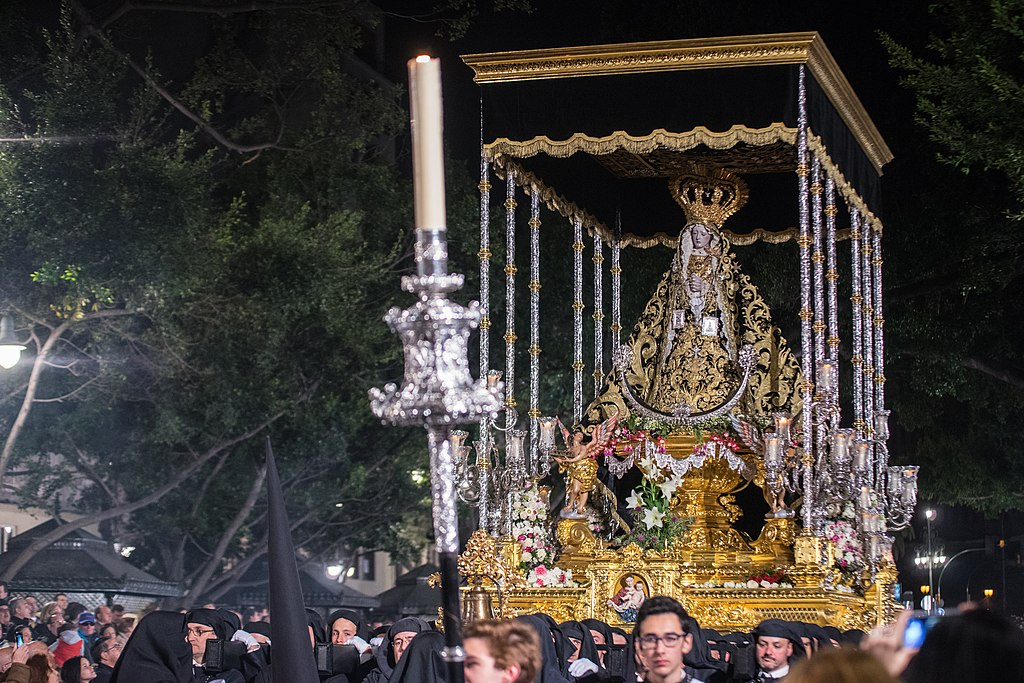
Most of the thrones are accompanied by marching bands.
Each procession usually has three bands:
The first band, a drum and bugle band is located behind the lead cross.
The second band walks behind the first float, this band is usually of bugles and drums, military band or concert band with woodwind instrument, brass instrument and percussion.
Finally, the Throne of the Virgin is only accompanied by a concert band.
Many of these bands are created by the brotherhoods themselves, a few being made up of personnel of the Armed Forces.
These bands play processional marches during processions, most of these marches have been created to accompany the movement of the thrones.
It is a tradition that the Marcha Real is played at the departure and entrance of the images in the home churches or chapels of the confraternities and once it is played, everyone pays respect to the anthem (military, police and fire personnel out of formation salute when it is performed).
As throughout the Spanish world, and especially in Andalucia, during the processions saetas are sung to the sculptures.
The saeta is a religious song, generally improvised and without accompaniment, which is usually sung from a balcony or on the street.
It is a melody of free style full of lyricism.
It recalls the style of cante jondo typical of the musical tradition of flamenco.
In Holy Week, the official route is made up of those streets that share each and every one of the brotherhoods.
During Holy Week, the brotherhoods of Málaga leave their temple or brotherhood’s house, to go to the official route that begins in the Alameda Principal and follows the Larios roundabout, Calle Marqués de Larios, Constitution Square and Granada Street.
The brotherhood house is the place from which the great majority of the corporations begin their processional route, because the dimensions of the thrones do not allow them to begin the procession at their associated churches.
It is also where they keep the heritage throughout the year, occupying many positions in their Museum during the rest of the year.
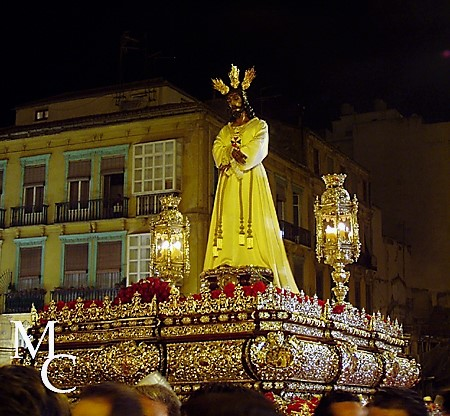
This route has a distance of about 850 meters.
After this route, the brotherhoods continue their own journey returning to their brotherhood or temples of origin, or enter the Cathedral to establish their penitence station.
The Association of Holy Brotherhoods of Malaga places on the official route around 16,000 chairs and several grandstands, among which the Constitution Square Grandstand stands out among the rest, as it is where the city mayor and members of the city council are assembled to witness the procession of the images.
At the end of Calle Carretería, at the confluence with the Santa Isabel Hall, there is a staircase which at Holy Week becomes a natural tribune to witness the processions of Malaga.
Some brotherhoods are expected there with great enthusiasm and popular fervor.
It is called the Rostrum of the Poor because it is free and in contrast to the Official Rostrum, located in Constitution Square where the authorities sit.
Of the 45 processions participating in Holy Week, 28 pass through this place.
Some brotherhoods make a penitential station inside the Cathedral of Málaga.
There are 15 cofradías that enter the Cathedral.
The remaining corporations do not station in the Cathedral due essentially to the large size of their thrones, which prevents them from entering the Cathedral through the main gates.
During the days of Holy Week, 41 brotherhoods, belonging to the Brotherhoods Association, carry out 45 penitential processions through the streets of Málaga.
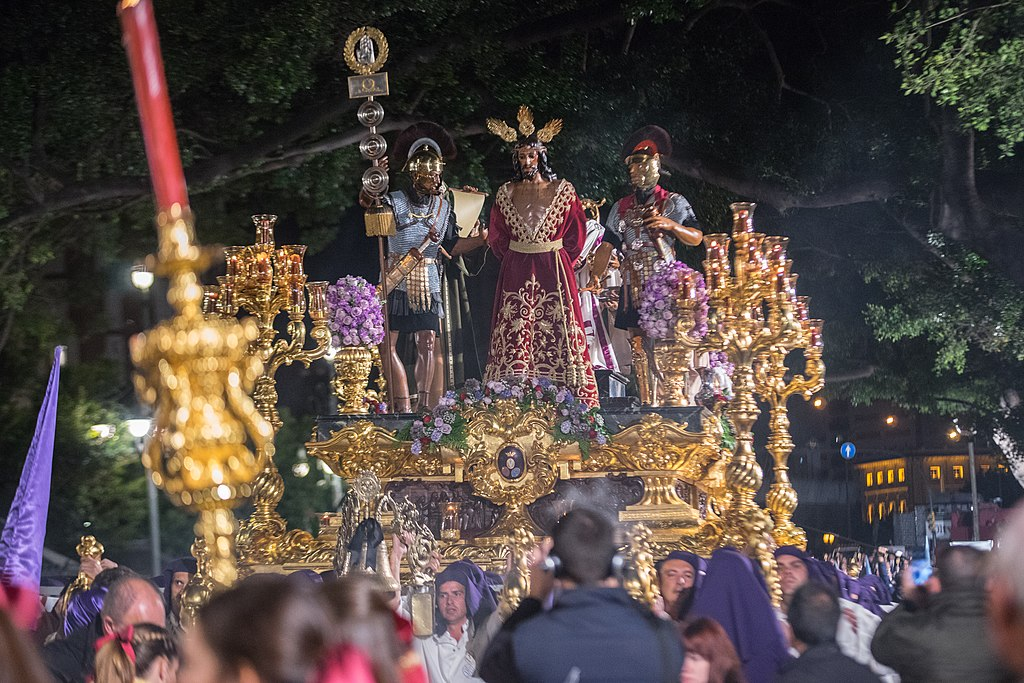
The Iglesia de Santiago (Church of Saint James) is an example of Gothic vernacular Mudéjar, the hybrid style that evolved after the Reconquista incorporating elements from both Christian and Islamic tradition.
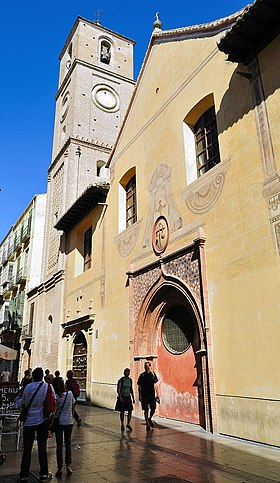
Above: Iglesia de Santiago, Málaga
Also from the period is the Iglesia del Sagrario, which was built on the site of the old mosque immediately after the city fell to Christian troops.
It boasts a richly ornamented portal in the Isabeline-Gothic style, unique in the city.
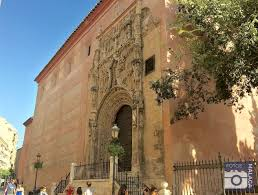
Above: Iglesia del Sagrario, Málaga
The Catedral and the Palacio Episcopal were planned with Renaissance architectural ideals but there was a shortfall of building funds and they were finished in Baroque style.
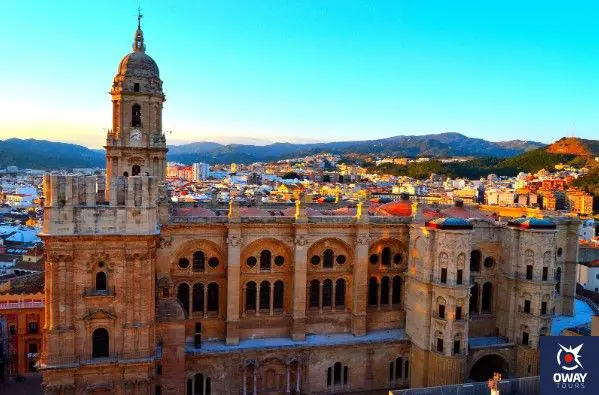
Above: Catedral de Málaga
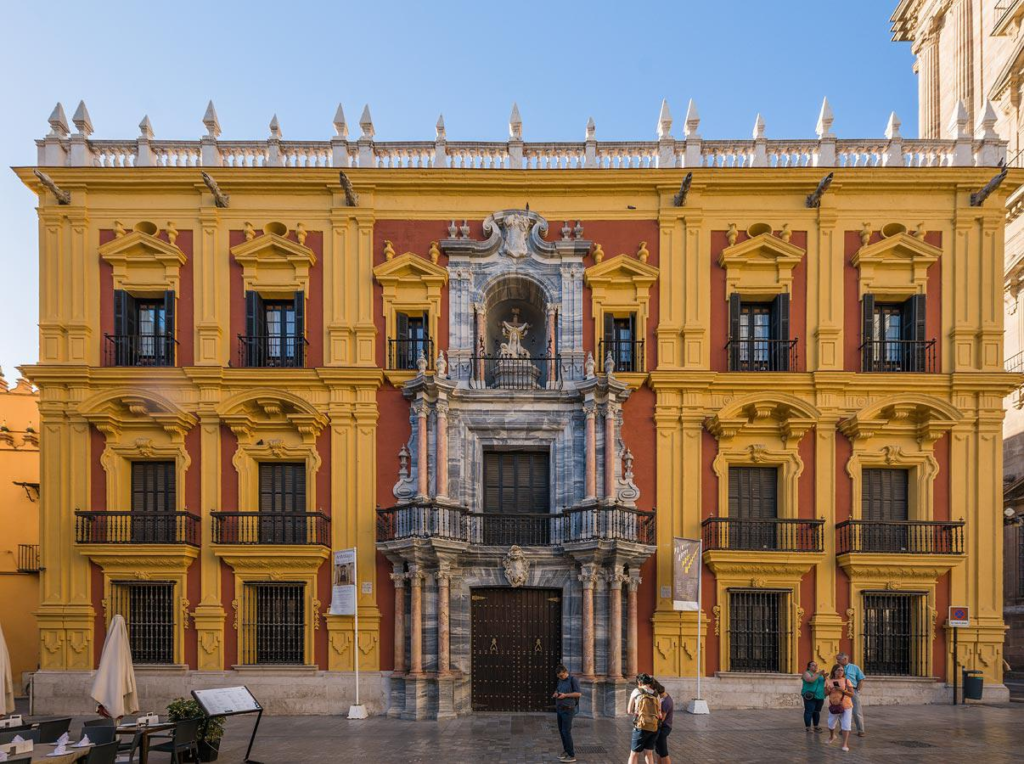
Above: Palacio Episcopal, Málaga
The Basílica y Real Santuario de Santa María de la Victoria, built in the late 17th century, has a chapel in which the vertical volume is filled with elaborate Baroque plasterwork.
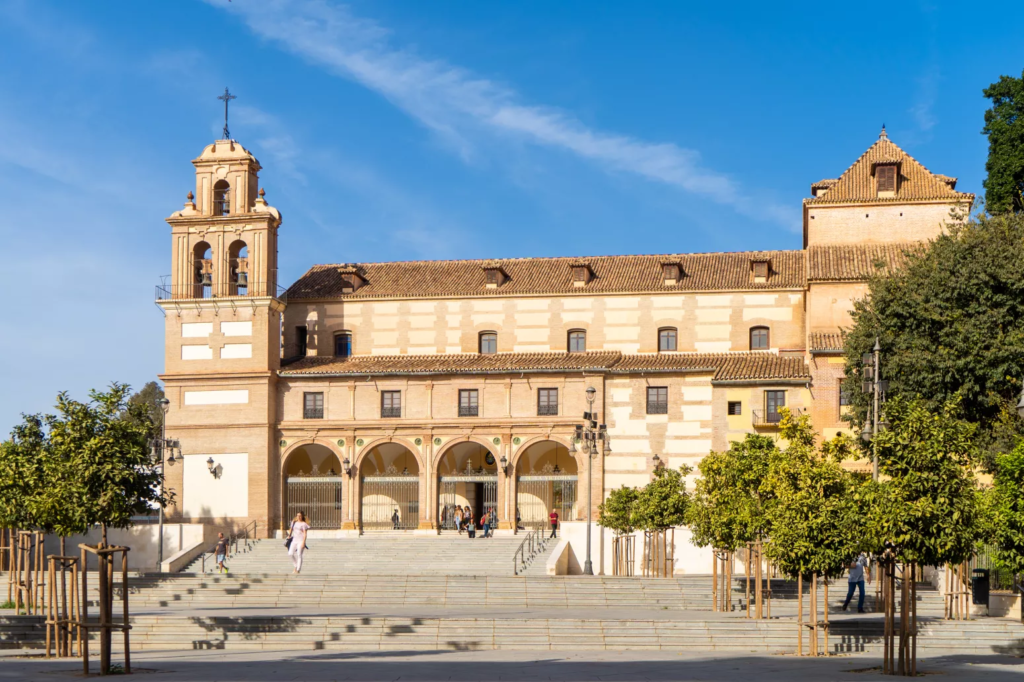
Above: Basílica y Real Santuario de Santa María de la Victoria, Málaga
Before the August Fair, the other important event on the Málaga calendar, there are several festivals:
- the Málaga Festival, devoted to Spanish film, in April

- Los Cruces de Mayo (Crosses of May)
- Corpus Christi
- the Fiesta de San Juan (Festival of Saint John) (on the night of 23 June, with bonfires on the beach, live music and fireworks in Málaga and all the main resorts along the Costa del Sol)
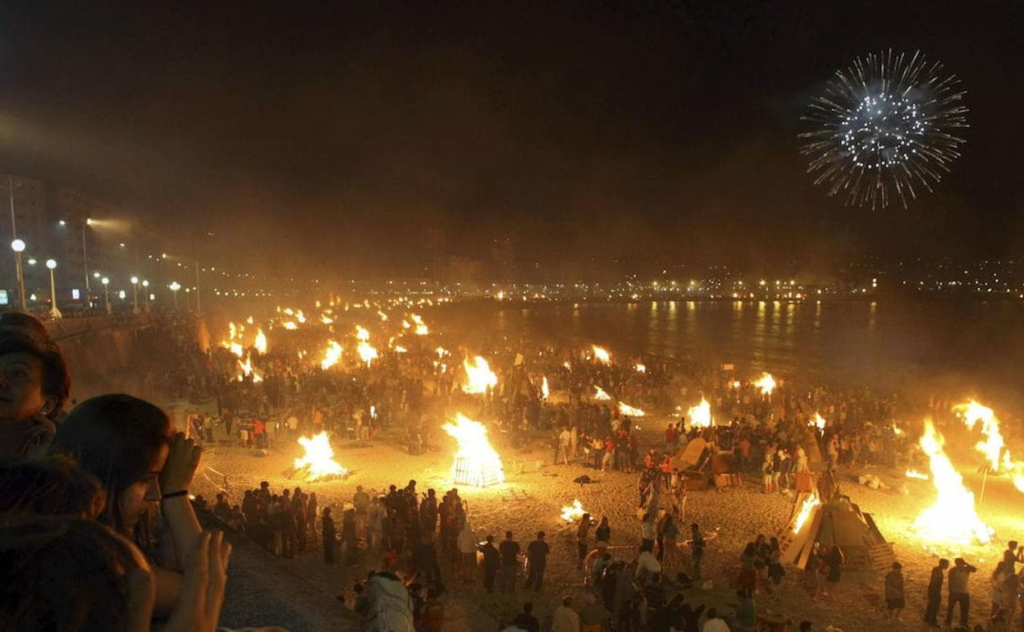
- the Procesion de la Virgen del Carmen (procession of the Virgin of Carmen), the patron saint of sailors on 16 July
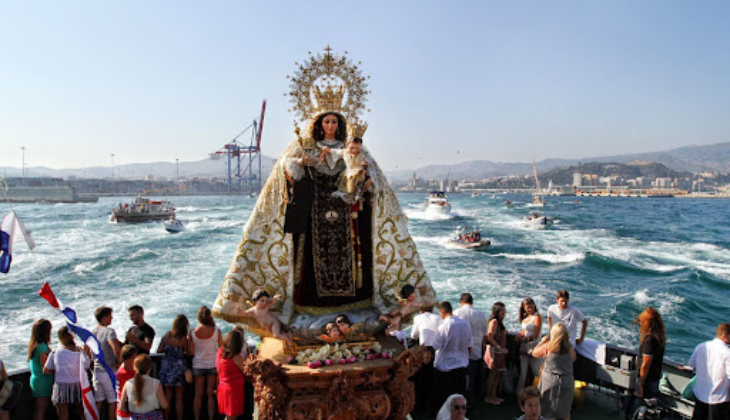
The Feria de Agosto (August Fair), which due to its importance has been called “the Great Fair of Southern Europe“, is celebrated during the week that includes 19 August, the day in which the conquest of the city by the Catholic Monarchs is commemorated.
During the celebration, the historic city centre becomes one huge party, with a pilgrimage to the Shrine of Our Lady of Victory, patron saint of the city, as well as processions of horse riders and carriages, richly adorned wagons and popular dances.
At night, the excitement turns to the Fairgrounds, where stalls of clubs are installed, whose activities, as well as the shows organized by City Hall, end near dawn.
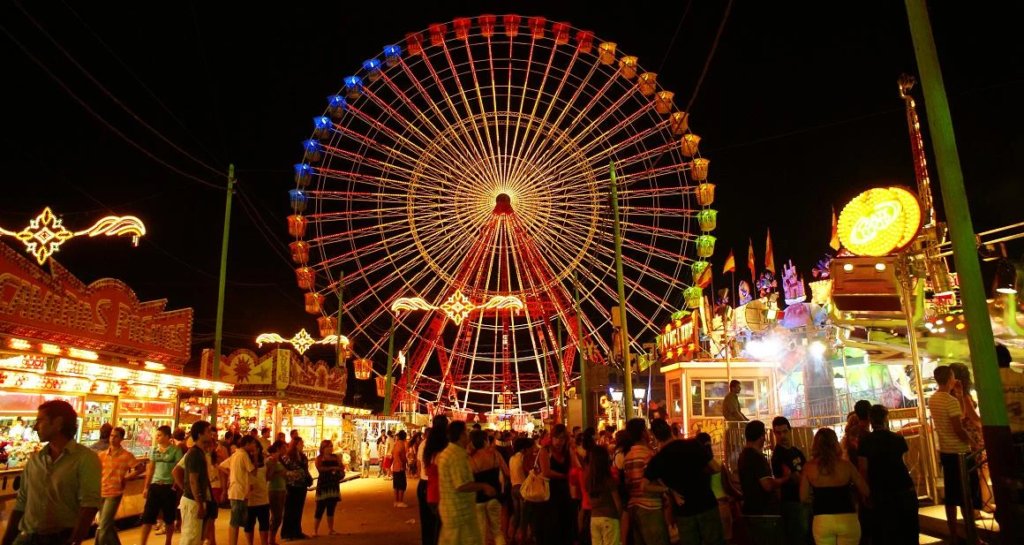
Finally, the Fiesta de Verdiales (Festival of Verdiales) on 28 December must be mentioned.
It is a contest that faces diverse flamenco groups from the region of Montes de Málaga against each other.
They wear bright hats decorated with mirrors and coloured ribbons.
Verdiales are typically Málagan songs, accompanied by violin and tambourines, whose origins and influences date back to the first civilizations of the Mediterranean.
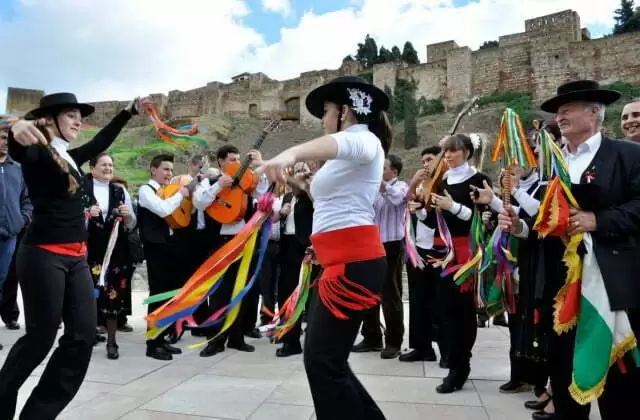
I want to learn a Verdial.
I want to sing.
I long to scream at the sky.
“It begins with the King as a boy, having to spend the night alone in the forest to prove his courage so he can become King.
Now while he is spending the night alone he is visited by a sacred vision.
Out of the fire appears the Holy Grail, symbol of God’s divine grace.
And a voice said to the boy:
“You shall be keeper of the Grail so that it may heal the hearts of men.”
But the boy was blinded by greater visions of a life filled with power and glory and beauty.
And in this state of radical amazement he felt for a brief moment not like a boy, but invincible, like God, so he reached into the fire to take the Grail, and the Grail vanished, leaving him with his hand in the fire to be terribly wounded.
Now as this boy grew older, his wound grew deeper.
Until one day, Life for him lost its reason.
He had no faith in any man, not even himself.
He couldn’t love or feel loved.
He was sick with experience.
He began to die.

One day a fool wandered into the castle and found the King alone.
And being a fool, he was simple minded, he didn’t see a King.
He only saw a man alone and in pain.
And he asked the King:
“What ails you, friend?”
The King replied:
“I’m thirsty.
I need some water to cool my throat.”
So the fool took a cup from beside his bed, filled it with water and handed it to the King.
As the King began to drink, he realized his wound was healed.
He looked in his hands and there was the Holy Grail, that which he sought all of his life.
And he turned to the fool and said with amazement:
“How can you find that which my brightest and bravest could not?”
And the fool replied:
“I don’t know.
I only knew that you were thirsty.”
It’s very beautiful, isn’t it?“
Robin Williams (Parry), The Fisher King (1991)

Does God dwell in the houses of worship built for Him in Málaga, in Rotterdam or anywhere?
I have my doubts.
But perhaps a sanctuary of sanctimony seeks the wrong solution.
We should not be searching for salvation and solace in mere monuments of man.
It is not the finding of God, the destination of divinity, that determines our destinies, but rather it is the search itself that defines us.
“Joke” is a comedy sketch written and performed by English comedians Rowan Atkinson and Richard Curtis.
It was performed live during Atkinson’s 1980 tour of the United Kingdom.
A live recording was made at the Grand Opera House in Belfast, Northern Ireland, on 19 September 1980 and released as the last track on Atkinson’s live comedy album, Live in Belfast.
At the start of the sketch, Rowan Atkinson’s character tells Richard Curtis’ character he’s “got a joke“.
He goes on to explain, “It’s one of those ones where I ask a question and you say ‘I don’t know, dot, dot, dot, dot, dot, dot’.”
Rowan begins the joke by saying, “I say, I say, I say, what is the secret of great comedy?”
Richard replies by literally saying, “I don’t know, dot, dot, dot, dot, dot, dot.”
After laughing at his own wit, Richard tells the annoyed Rowan that he’ll “do it again“.
Rowan repeats the question and Richard replies, “I don’t know. What is the secret to great comedy?”
However, before Richard can finish his reply, Rowan interrupts, “timing“.
The point of the joke is that Rowan deliberately got his timing wrong when saying that timing is the secret to great comedy.
However, Richard does not understand the joke.
Bewildered by Richard’s stupidity, Rowan enquires, “But didn’t you see?”
“Sorry, was it a visual joke?” Richard replies, still confused.
After trying the joke a third time, Richard still does not understand the irony of the joke.
Annoyed by Richard, Rowan asks, “Don’t you think that’s a clever joke?” to which Richard replies, “Clever… no. Joke… no.”
Disheartened by his joke falling flat with Richard, he claims “it was very funny when Michael told it“, then makes the excuse that his timing might be out to which Richard replies, “It could be other factors like the complete absence of anything funny in the joke.”
Rowan proclaims, “It’s so difficult telling jokes.”, before suddenly exclaiming that he has another joke that is “far more straightforward” to which Richard replies, “As long as it’s funny, I don’t mind.“
The second joke begins with Rowan saying, “Knock! Knock! Who’s there? Death…” but he is interrupted by Richard who complains that knock-knock jokes “are meant to be two-handers“.
Rowan argues that this joke “doesn’t work that way“.
It becomes apparent that Rowan is attempting to tell the same joke told by Toby, the Devil, during a previous sketch.
The joke is meant to go “Knock, Knock. Who’s there? Death. Death wh…” at which point the person telling the joke pretends to die.
If a second person was replying in the joke, they would not know to pretend to die when saying “Death who?“.
Richard protests and Rowan gives in and the pair attempt the knock-knock joke in the “old way“.
Richard, ignorant to the fact he is meant to say the punch line, replies “Death who?” and Rowan replies “Ah, now, that’s where it goes wrong.”
Rowan explains to Richard how he is meant to say the punch-line but after another attempt at the joke, Richard replies wrong.
Rowan, getting increasingly more annoyed as the sketch goes on, says he has another joke and this time he will be “third time lucky“.
Rowan explains that the third joke is “a very old joke but a very good joke“.
Rowan begins to tell the classic joke, which begins “I say, I say, I say, my wife’s gone to Jamaica“.
The person replying is meant to say, “Jamaica?” which sounds like “D’you make ‘er?” or “Did you make her?“.
The joke-teller then replies, “No, of her own accord.”
However, when Rowan says, “I say, I say, I say, my wife’s gone to Jamaica.”, Richard replies, “Of her own accord?” which ruins the whole joke and causes Rowan to swear loudly and give up telling jokes to Richard.

Perhaps the problem I am having with Andalucia, with Málaga, is not so much a question of the place where I am as it is a question of the place where my mind is.
A problem with timing.
My mind reflects on the rigours of the past and the trials of tomorrow instead of taking pleasure in the present that is Now.
I think of the complexities of married life and the challenges of working and living abroad.
I am here in Málaga and yet…
I am not.
I am here in body but not in mind nor spirit.
Mary does not move me nor Jesus give me joy.
An invisible God remains intangible.
The Cathedral and the churches I view are all meant to inspire awe and yet I feel awful.
You could say I lost my faith in science and progress
You could say I lost my belief in the Holy Church
You could say I lost my sense of direction
You could say all of this and worse, but
If I ever lose my faith in you
There’d be nothing left for me to lose
Some would say I was a lost man in a lost world
You could say I lost my faith in the people on TV
You could say I’d lost my belief in our politicians
They all seemed like game show hosts to me
If I ever lose my faith in you
There’d be nothing left for me to lose
I could be lost inside their lies without a trace
But every time I close my eyes I see your face
I never saw no miracle of science
That didn’t go from a blessing to a curse
I never saw no military solution
That didn’t always end up as something worse, but
Let me say this first
If I ever lose my faith in you
There’d be nothing left for me to lose
Sting,”If I Ever Lose My Faith in You“

I lack faith.
Faith that what came before has happened to make me a stronger person.
Faith that what will come will happen as it will, regardless of the folly of feeling fearful of the forecast.
Faith in myself, that I exist for a reason.
I used to think that I could not go on
And Life was nothing but an awful song
But now I know the meaning of true love
I’m leaning on the everlasting arms
If I can see it, then I can do it
If I just believe it, there’s nothing to it
I believe I can fly
I believe I can touch the sky
I think about it every night and day
Spread my wings and fly away
I believe I can soar
I see me running through that open door
I believe I can fly
I believe I can fly
I believe I can fly (woo)
See I was on the verge of breaking down
Sometimes silence can seem so loud
There are miracles in Life I must achieve
But first I know it starts inside of me
If I can see it, then I can be it
If I just believe it, there’s nothing to it
I believe I can fly
I believe I can touch the sky
I think about it every night and day
Spread wings and fly away
I believe I can soar
I see me running through that open door
I believe I can fly
I believe I can fly
I believe I can fly (woo!)
Hey, ’cause I believe in you
Oh
If I can see it (woo!), then I can do it (I can do it)
If I just believe it, there’s nothing to it (hey)
I believe I can fly (woo!)
I believe I can touch the sky
I think about it every night and day
Spread my wings and fly away
I believe I can soar
I see me running through that open door
I believe I can fly (I can fly)
I believe I can fly (I can fly)
I believe I can fly (I can fly)
If I just spread my wings (I can fly)
I can fly (I can fly)
I can fly (I can fly)
I can fly (I can fly)
If I just spread my wings (I can fly)
I can fly (I can fly, I can fly)
Woo (I can fly)
Hm-mm… fly, fly, fly
R. Kelly, “I Believe I Can Fly“

“A person should not believe in an ‘ism’.
He should believe in himself.
I quote John Lennon:
‘I don’t believe in the Beatles.
I just believe in me.‘“
Above: British musician John Lennon (1940 – 1980)
Matthew Broderick, Ferris Bueller’s Day Off

Perhaps I need to return to my country boy roots where John Denver would sing that “Life ain’t nothing but a funny funny riddle“.
I should be having the time of my life instead of simply making time.

The Eagles start singing in the jukebox of my mind:
All alone at the end of the evening
And the bright lights have faded into blue
I was thinking ’bout a woman
Who might have loved me
I never knew
You know I’ve always been a dreamer (spent my life running round)
And it’s so hard to change
Can’t seem to settle down
But the dreams I’ve seen lately
Keep on turning out and burning out and turning out the same
So put me on a highway
Show me a sign
Take it to the limit
One more time
You can spend all your time making money
You can spend all your love making time
If it all fell to pieces tomorrow
Would you still be mine?
And when you’re looking for your freedom (nobody seems to care)
And you can’t find the door
(can’t find it anywhere)
When there’s nothing to believe in
Still you’re coming back
You’re running back
You’re coming back for more…
Put me on a highway
Show me a sign
Take it to the limit
One more time
Take it to the limit
Take it to the limit
Take it to the limit
One more time
The Eagles, “Take It to the Limit“

I need to dance, to be part of a Procession, a Ferris Bueller type leading a parade.

Matthew Broderick / Ferris Bueller, Ferris Bueller’s Day Off
Kevin Bacon (Ren McCormack)
[addresses the Town Council and reads from his notes in the Bible]
“From the oldest of times, people danced for a number of reasons.
They danced in prayer, or so that their crops would be plentiful, or so their hunt would be good.
And they danced to stay physically fit, and to show their community spirit.
And they danced to celebrate.”
And that is the dancing we’re talking about.
Aren’t we told in Psalm 149:
“Praise ye the Lord.
Sing unto the Lord a new song.
Let them praise His name in the dance.”?
And it was King David – King David, who we read about in Samuel – and what did David do?
What did David do?
What did David do?
[reads again]
“David danced before the Lord with all his might leaping and dancing before the Lord.”
Leaping and dancing.
Ecclesiastes assures us that “there is a time for every purpose under Heaven.
A time to laugh and a time to weep.
A time to mourn and there is a time to dance.”
And there was a time for this law, but not anymore.
See, this is our time to dance.
It is our way of celebrating life.
It’s the way it was in the beginning.
It’s the way it’s always been.
It’s the way it should be now.
Footloose (1984)
In fairness, the churches of Málaga are superb structures, but like the Fisher King‘s Holy Grail, God need not be sought.
What is needed is already everpresent.
Praise God in His temples but do not seek Him there, for He is not there, but rather He is everywhere.
We are the personification of God, for it is said that we are made in His own image.
Sing the hymns from the hymnals and dance til dawn in the streets.
Málaga is Life and Life is good.
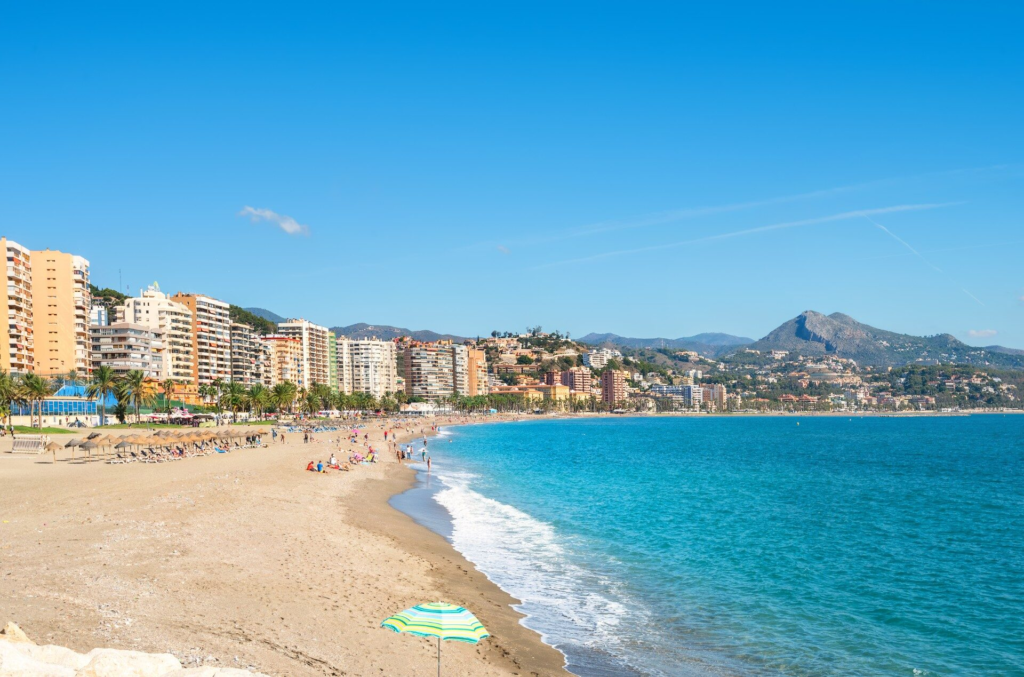
Above: Málaga, España
It has been a long time since I have felt like dancing.
It has been an eternity since I danced with my wife.
Isn’t the point of Life that we live, that we feel alive and live Life abundantly?
There is a time to dance.
There is a place to dance.
The time to dance is always now.
The place to dance is Málaga.

Callin’ out around the world
Are you ready for a brand new beat
Summer’s here and the time is right
For dancing in the street
They’re dancing in Chicago (dancing in the street)
Down in New Orleans (dancing in the street)
In New York City (dancing in the street)
All we need is music, sweet music
There’ll be music everywhere
There’ll be swingin’ and swayin’ and records playing
Dancing in the street
Oh it doesn’t matter what you wear
Just as long as you are there
So come on ev’ry guy grab a girl
Everywhere around the world
There’ll be dancing (dancing in the street)
They’re dancing in the street
Dancing in the street
It’s just an invitation across the nation
A chance for folks to meet
There’ll be laughing, singing and music swinging
Dancing in the street
Philadelphia, PA (dancing in the street)
Baltimore and D.C. now (dancing in the street)
Can’t forget the Motor City (dancing in the street)
All we need is music, sweet music
There’ll be music everywhere
There’ll be swingin’, swayin’ and records playing
And dancing in the street
Oh, it doesn’t matter what you wear
Just as long as you are there
So come on, every guy grab a girl
Everywhere around the world
They’re dancing
They’re dancing in the street (dancing in the street)
Way down in L.A., every day, they’re dancing in the street
Let’s get our big strong long, get on time (they’re dancing in the street)
Across the ocean blue, me and you (we’re dancing in the street)
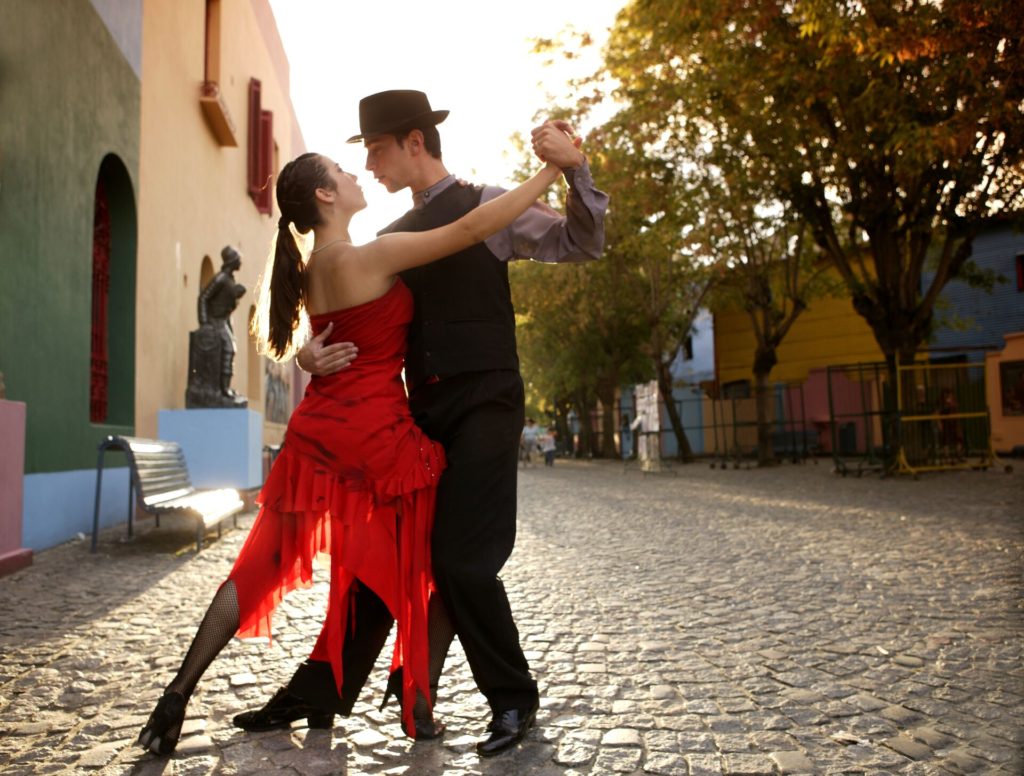
Sources
- Live in Belfast, Rowan Atkinson
- “Take It to the Limit“, Eagles
- Scent of a Woman, Bo Goldman
- Ferris Bueller’s Day Off, John Hughes
- “I Believe I Can Fly“, R. Kelly
- Bruce Almighty, Steve Koren, Mark O’Keefe and Steve Oedekerle
- The Fisher King, Richard LaGravenese
- “Dancin’ In the Street“, Martha and the Vandellas
- “Refugee“, Tom Petty and the Heartbreakers
- Footloose, Dean Pitchford
- Agni Yoga, Helene and Nicholas Roerich
- “If I Ever Lose My Faith in You“, Sting
