Sighnaghi, Signagi Municipality, Kakheti, Georgia
Tuesday 7 July 2026
My last full day in Georgia (for now) and here I am writing about my last full day in Türkiye (back then).
Better late than never, I suppose.
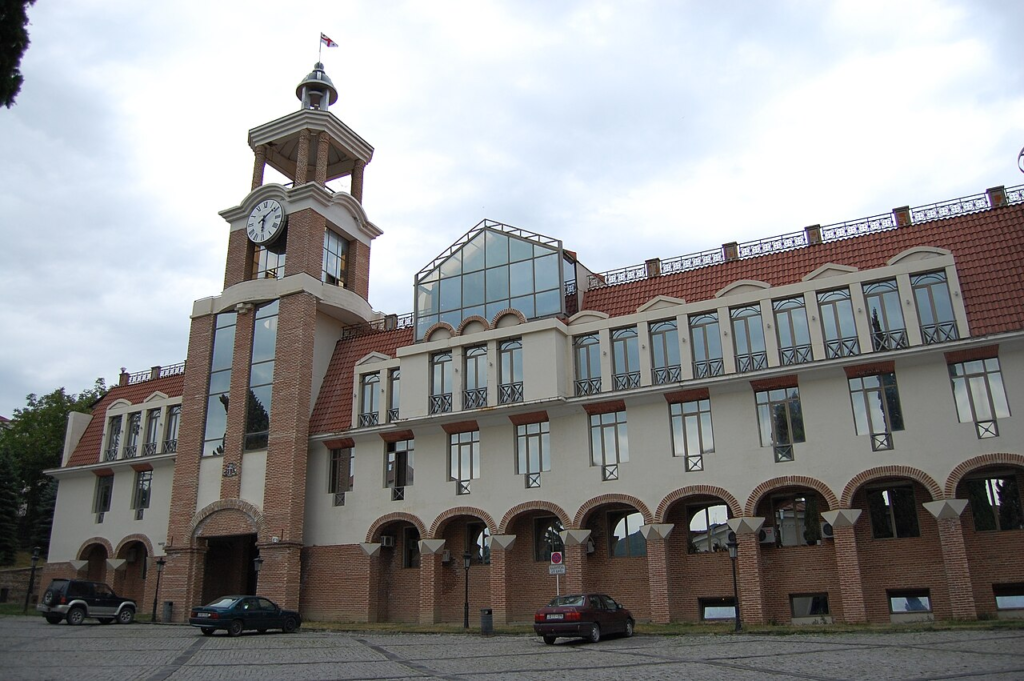
Above: Sighnaghi Town Hall
Mountain Slopes, Part One
Rize, Rize Province, Türkiye
Sunday 10 May 2026
Rize is linked by road with Trabzon 66 km/41 miles to the east.
The shuttle that travelled those km/miles did not drop anyone off anywhere resembling a bus station.
Arriving from Trabzon, before an awkward walk, the wrong entrance/back door confusion – exactly the kind of annoyances that feel larger when running on fumes – I saw a statue of an eagle, a lighthouse-shaped social club, a giant teapot and an even more gigantesque tea glass.
That combination tells one almost everything about the place before a single historical fact appears.
Coastal pride, regional symbolism, practical eccentricity, and tea -elevated nearly to civic religion.
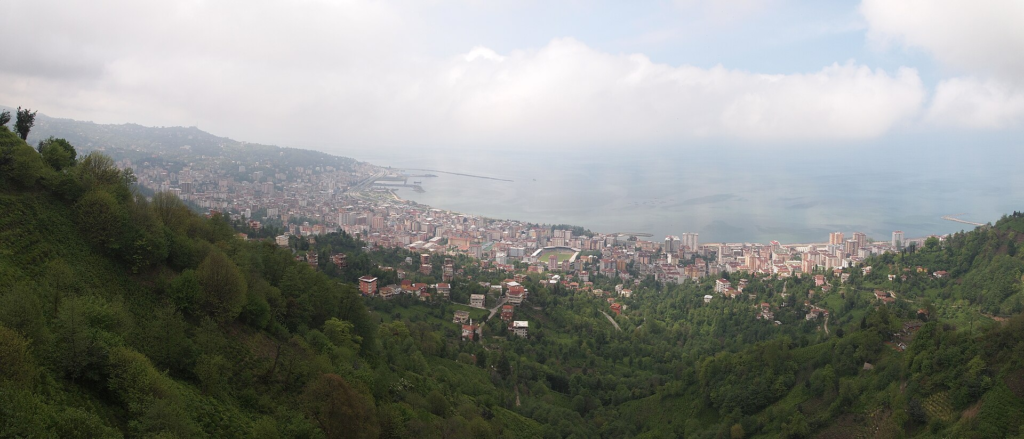
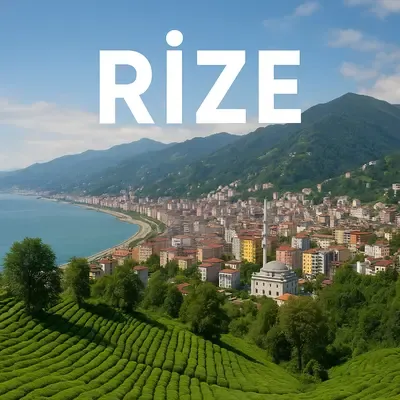
Above: Rize
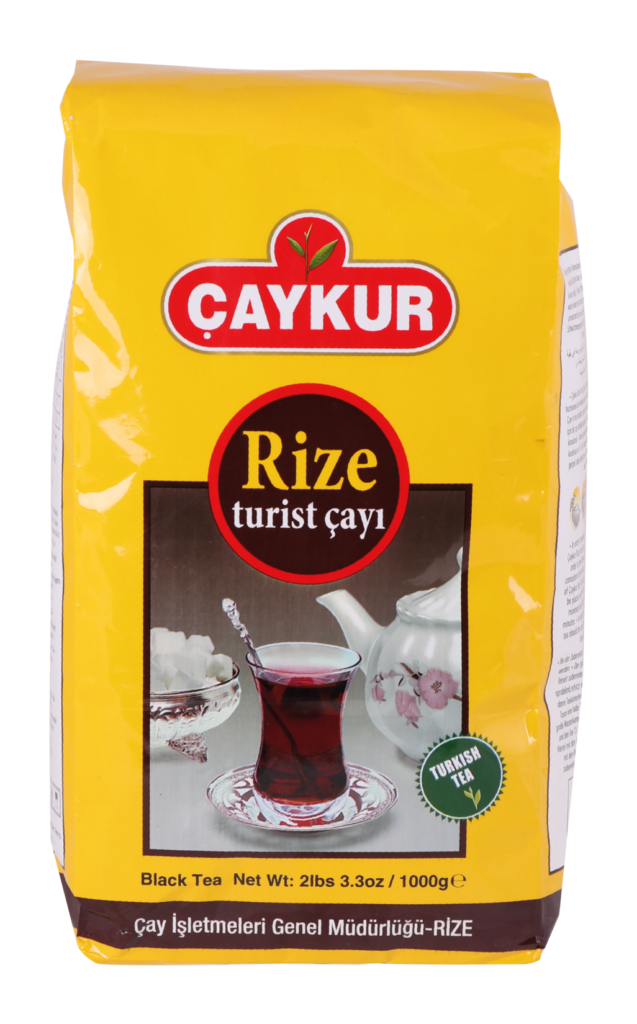
A modern Turkish city of 80,000, in a grand setting, Rize is at least a familiar name to every traveller who has bought a souvenir box of “Rize Turist Çay” to brew back home.
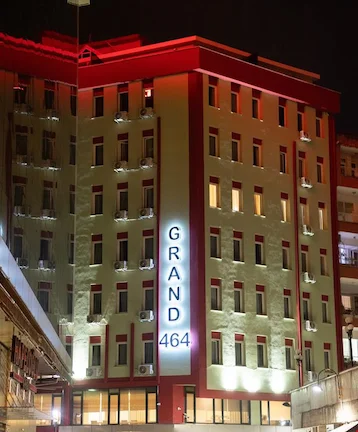
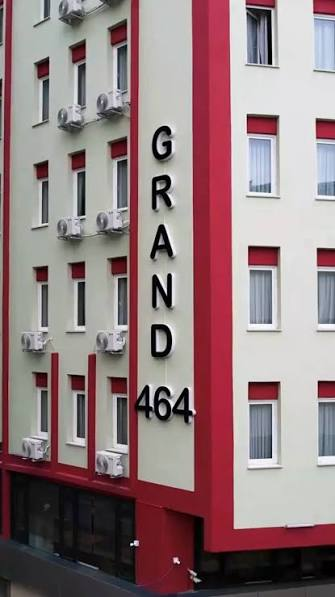
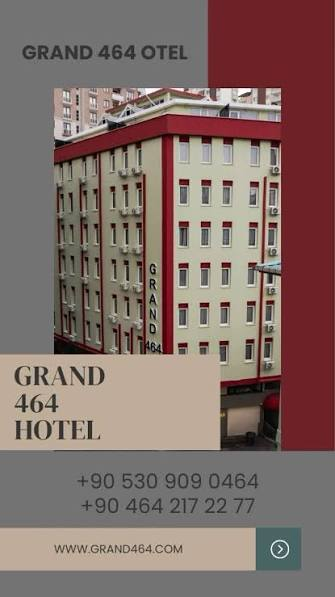
Google Maps said my hotel, the Grand 464 Otel Rize Merkez, at 22 Hal Sokak, was a mere ten-minute walk.
(I never did learn why there is “464” in the Otel’s name.)
It took me 20 minutes to find the place.
I arrived where the app said the Otel should have been, but instead it led me to an unused back door entrance.

Above: Logo of Google Maps
By phoning my Istanbul friend Emir who had arranged my stay and who phoned the hotel reception, I was led to the proper entry, checked in and found Room 404.
When tired enough, even locating a hotel entrance can begin to feel mythological, as though cities intentionally rearrange themselves to confuse newcomers.
(Why are there hotels and otels in Türkiye?
Could the latter not afford an “H“?
In Türkiye, “otel” is just the Turkish word for “hotel“, but there is no official difference in classification, service level or legal status.
The variation exists because of language and marketing.
“Otel” is the standard Turkish spelling and pronunciation.
“Hotel” is the English/international spelling.
Many businesses choose one or the other depending on the clientele they hope to attract.)

Above: Otelz app logo
The Grand 464 Otel Rize Merkez is a three-star hotel in the heart of the city centre, designed for both leisure and business travellers.
Opened in August 2023, it stands out for its modern rooms, central location within walking distance of many attractions and a focus for comfortable, good value accommodation.
The Otel occupies a seven-storey building with 45 guest rooms in a variety of layouts.
Room 404 is a standard double room.
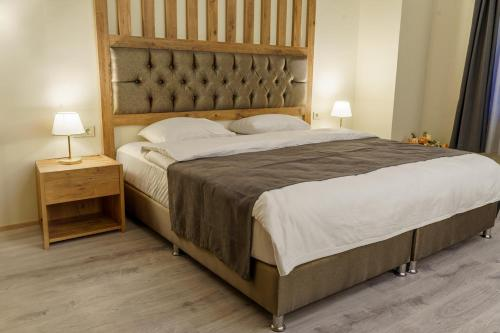
Guests can expect a range of practical services:
- complimentary buffet breakfast – which I would miss because my bus would leave before the buffet was prepared
- free Wi-Fi
- free parking – no car, no need
- 24-hour reception – after being awake since 0400, not needed
- AC in the rooms
- daily housekeeping
- laundry/dry cleaning
- airport transfer – bit too late to use that
- car rental – no license, no need
- baby cots – no baby, no need
The property is non-smoking (I hate when a room smells of stale cigarettes), does not allow pets (sorry, my future adopted kitten Nino) and states that a marriage requirement applies for couples checking in together.

(There is no general Turkish law requiring all hotel guests sharing a room to be married.
Many hotels throughout Türkiye routinely rent rooms to unmarried couples, including to Turkish citizens and foreign visitors.
However, some hotels – especially smaller, family-run establishments in more conservative areas – have their own policies.
These policies can stem from:
- the owner’s religious/moral beliefs
- concern about the hotel’s reputation
- a desire to avoid being associated with short-term illicit activity
- simple business preference)

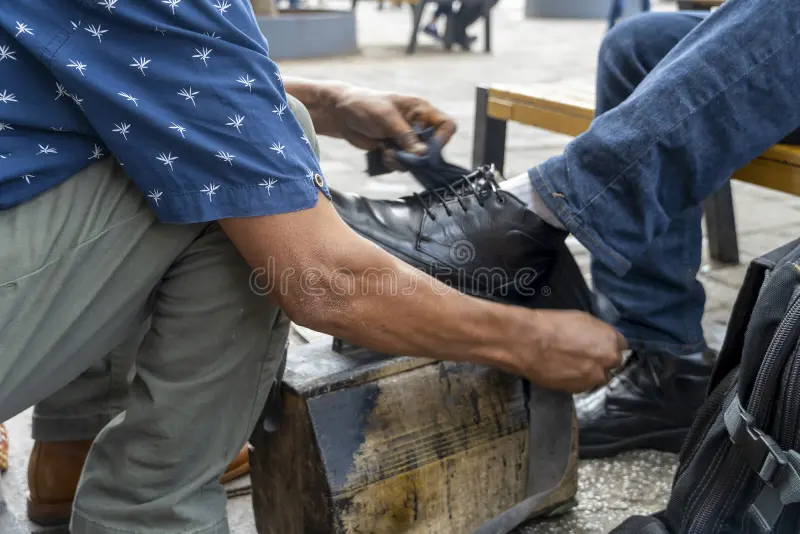
Back outside, I got my shoes shined (TL 100) by a shoeshine man named Ibrahim.
That small act carries symbolic weight whether consciously intended or not.
After a bruising departure from Ankara and a physically draining transit day, having my shoes cleaned feels almost ceremonial — restoring order to myself before crossing yet another threshold.
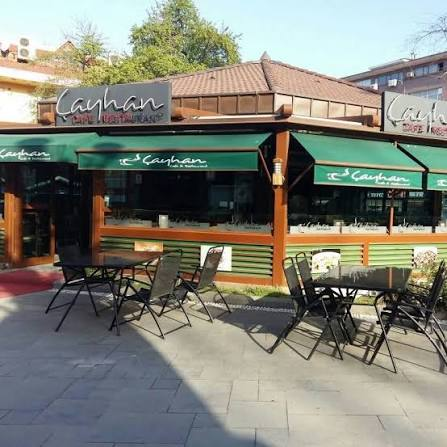
Hungry, I found the Çayhan Café Restaurant and had a grilled chicken salad, lemonade and Rize tea.
Simple food after travel exhaustion can feel almost sacred.
Especially tea in Rize, where tea is not merely beverage but regional identity.
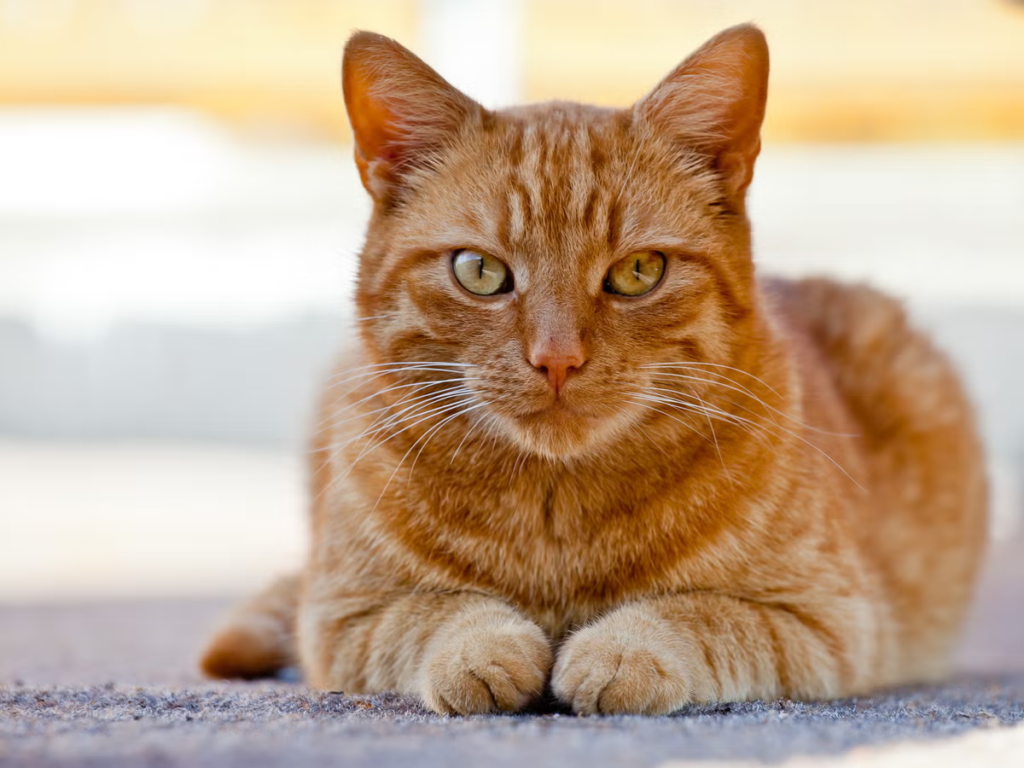
Begging ginger cat bats away my hand seeking affection on its own terms, no doubt.
A very Black Sea cat response:
“You may admire me, stranger, but physical contact remains a negotiated privilege.”
The ginger cat moment stays with me precisely because it is so untheatrical.
No politics.
No visas.
No airports.
No institutional ambiguity.
Just a tired traveler and a cautious animal negotiating proximity.
There is something increasingly monastic about the emotional rhythm of this journey:
- movement
- fatigue
- observation
- brief human contact
- silence
- tea
- eventually sleep
- tomorrow’s continuation
The farther I move from Ankara, the less my mind feels dominated by anxiety and the more it settles into attentive presence.
Even the difficulties — getting lost, carrying luggage, awkward encounters — are being absorbed rather than fought.
I think I respond to Rize differently than to Ankara, because Rize does not seem to demand ideological or institutional engagement from me.
Ankara is administrative gravity.
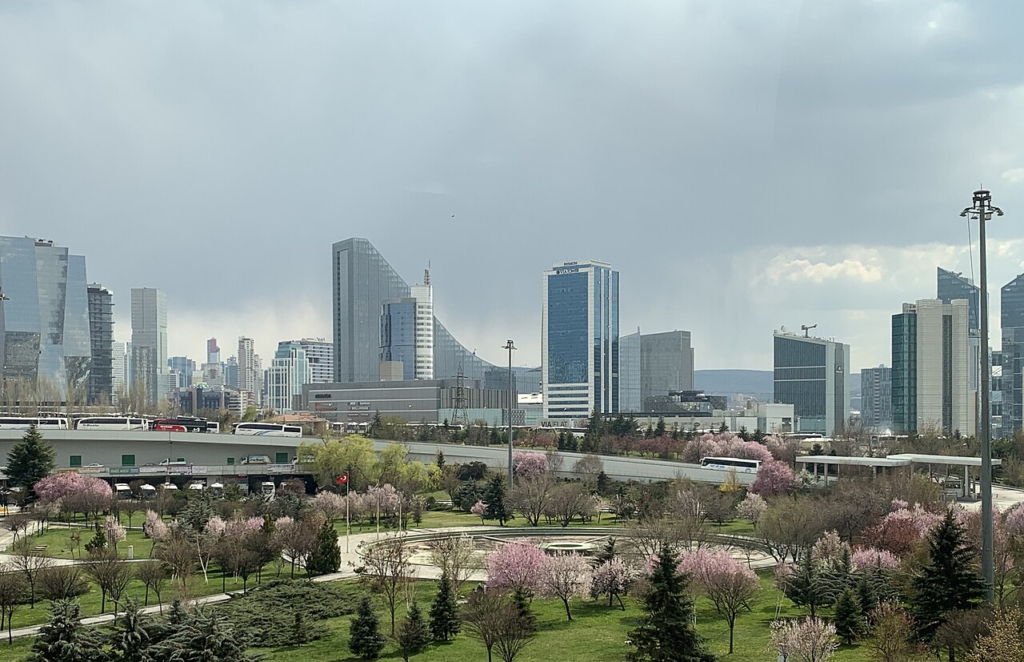
Above: Ankara
Rize feels human-scaled.
Rainy, eccentric, tea-soaked, slightly worn, but emotionally legible.
I also seem instinctively drawn toward places where ordinary life remains visible:
- dolmuşes
- small museums
- mosques
- local restaurants
- hilltop ruins
- rain
- working people
Not spectacle.
Texture.
My observational gaze is softening.
Earlier passages were dominated by tension, contingency and vigilance.
Here, the world begins to reappear aesthetically:
- rain
- tea
- castles
- giant roadside objects
- citrus fruit
- hilltop views
- coastal movement
The psyche reopens once survival pressure lessens.
And perhaps most importantly:
I like Rize.
Not passionately.
Not romantically.
But sincerely.
After my complicated relationship with Ankara, that simple sentence carries surprising weight.
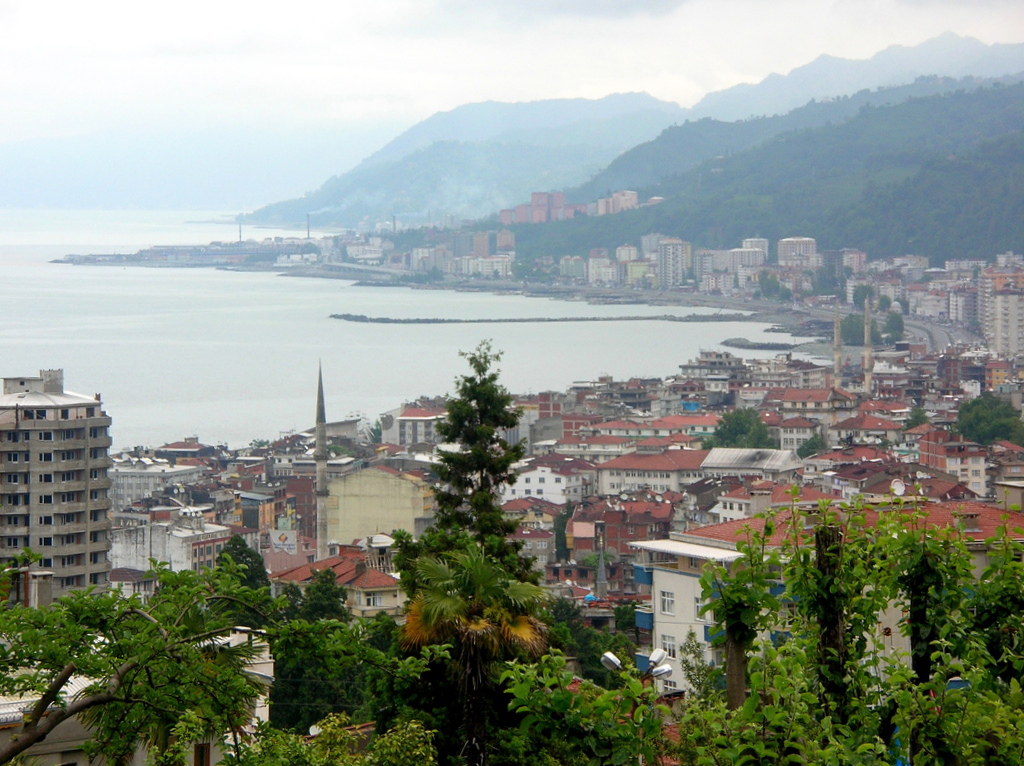
Above: Rize
I considered later seeking out a trout restaurant for dinner and perhaps climbing up to see the gnarly 13th century ruin of Rize Castle perched upon a hilltop with city views.
But the energy to do these things was waning.
That sentence matters, because it prevents the narrative from becoming performative travel writing.
So many travellers feel compelled to “maximize” every destination, especially after difficult journeys.
But exhaustion is real.
Sometimes the most honest travel experience is simply:
- arriving
- walking
- observing
- drinking tea
- accepting one’s limits
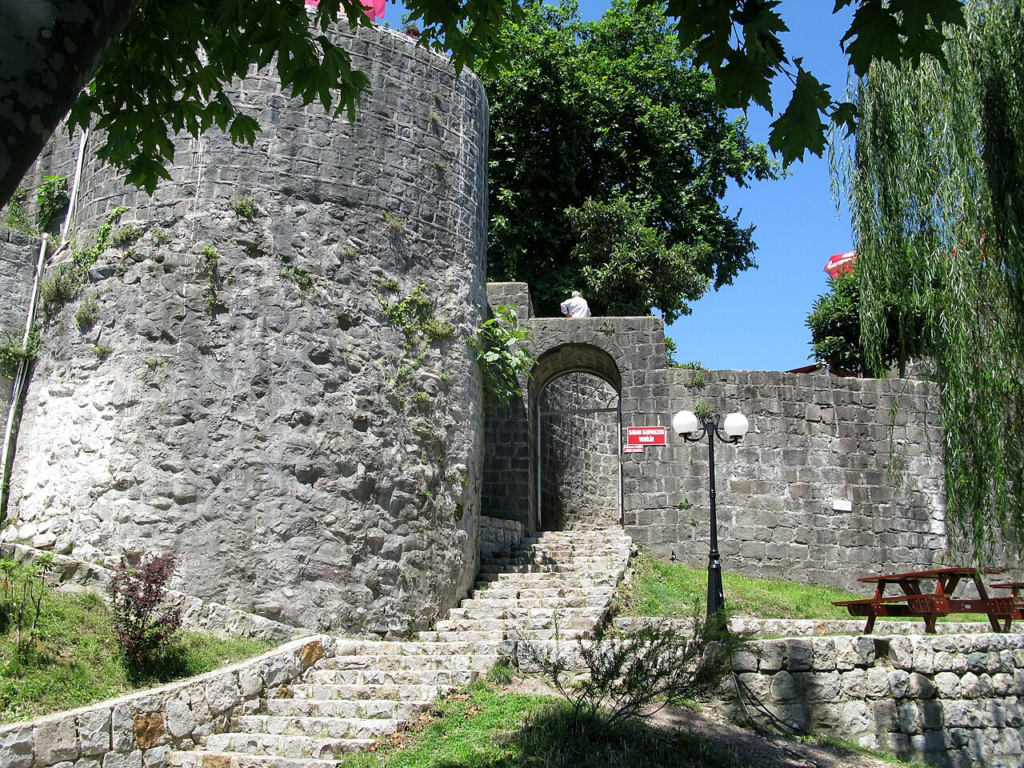
Above: Entrance of Rize Castle
Much of Rize can be accessed on foot, but it sprawls a long way east and west.
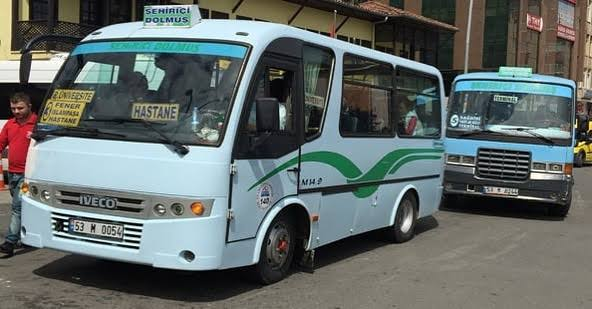
Dolmuşes ply the main streets.
Rize comes from Greek meaning “mountain slopes“.
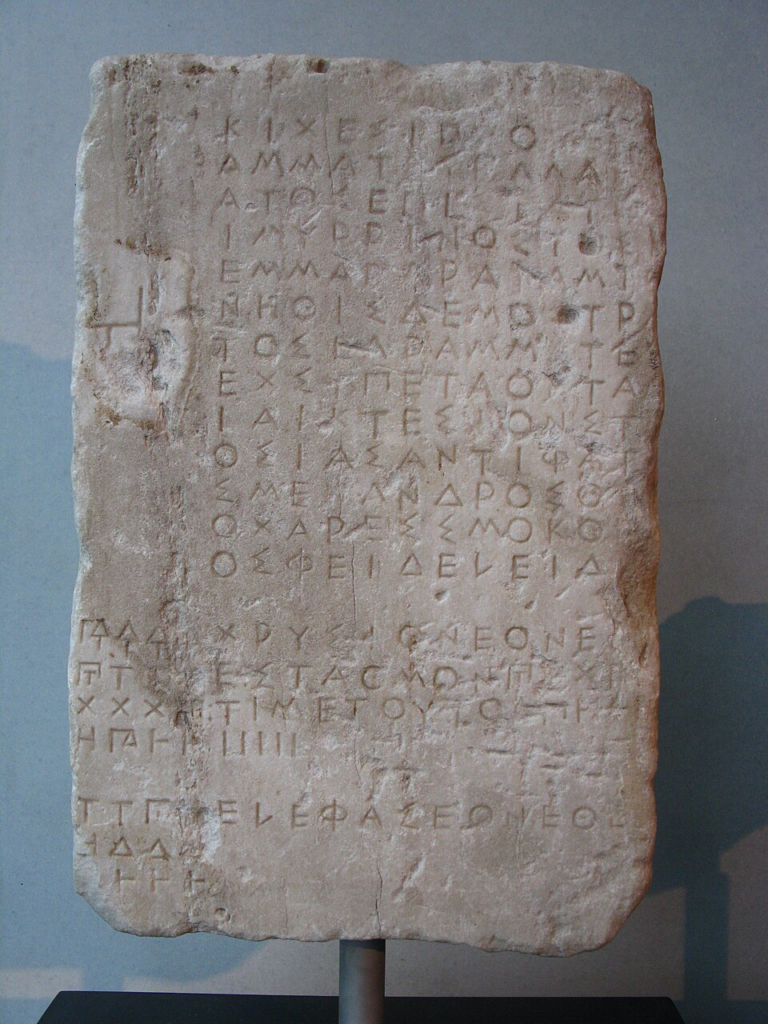
Of its ancient history as Rhizos, nothing survives.
Arrian (86 – 160), a Greek historian/public servant/military commander/philosopher, was the first writer to mention Rize.
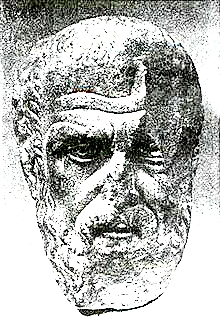
Above: Arrian of Nicomedia (modern İzmit, Türkiye)
In his Periplus of the Euxine Sea – a guidebook detailing the destinations visitors would encounter when travelling about the shore of the Black (Euxine = hospitable) Sea, Arrian described Rize as a city founded at the mouth of a river.
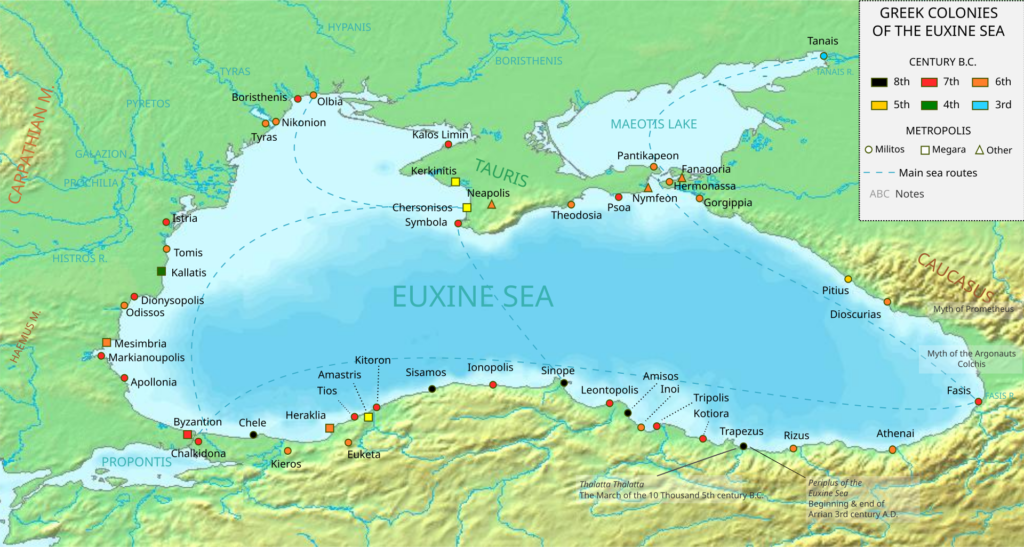
Written as a letter to Roman Emperor Hadrian (76 – 138), the work records how he, the governor of Cappadocia, made a tour of the eastern Black Sea territories that formed part of his jurisdiction.
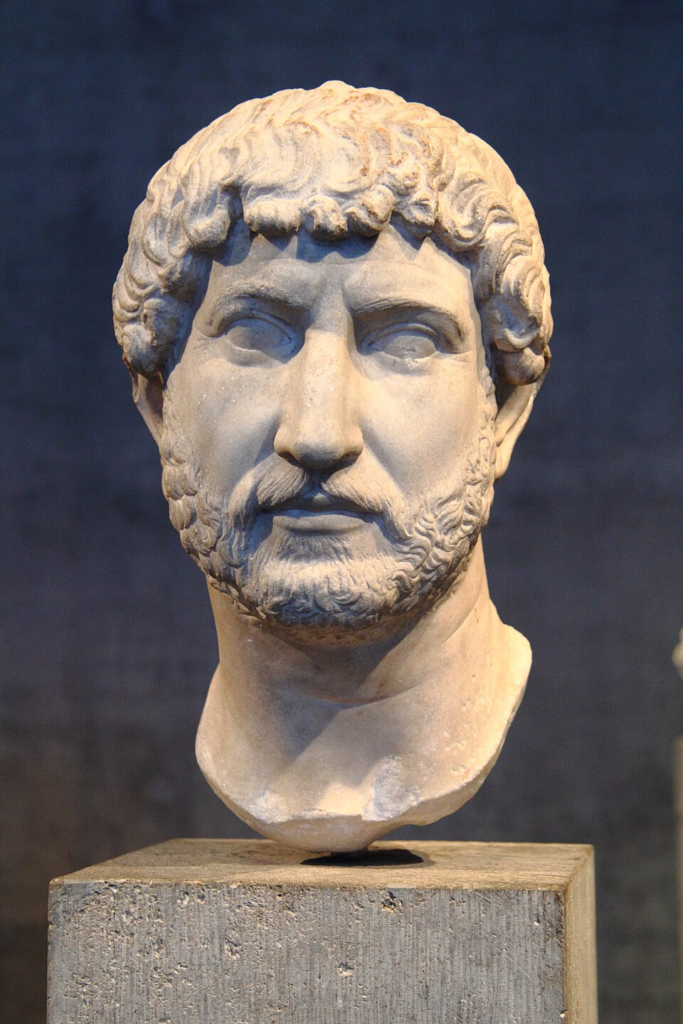
Above: Bust of Hadrian, Staatliches Museum Ägyptischer Kunst (State Museum of Egyptian Art), München (Munich), Deutschland (Germany)
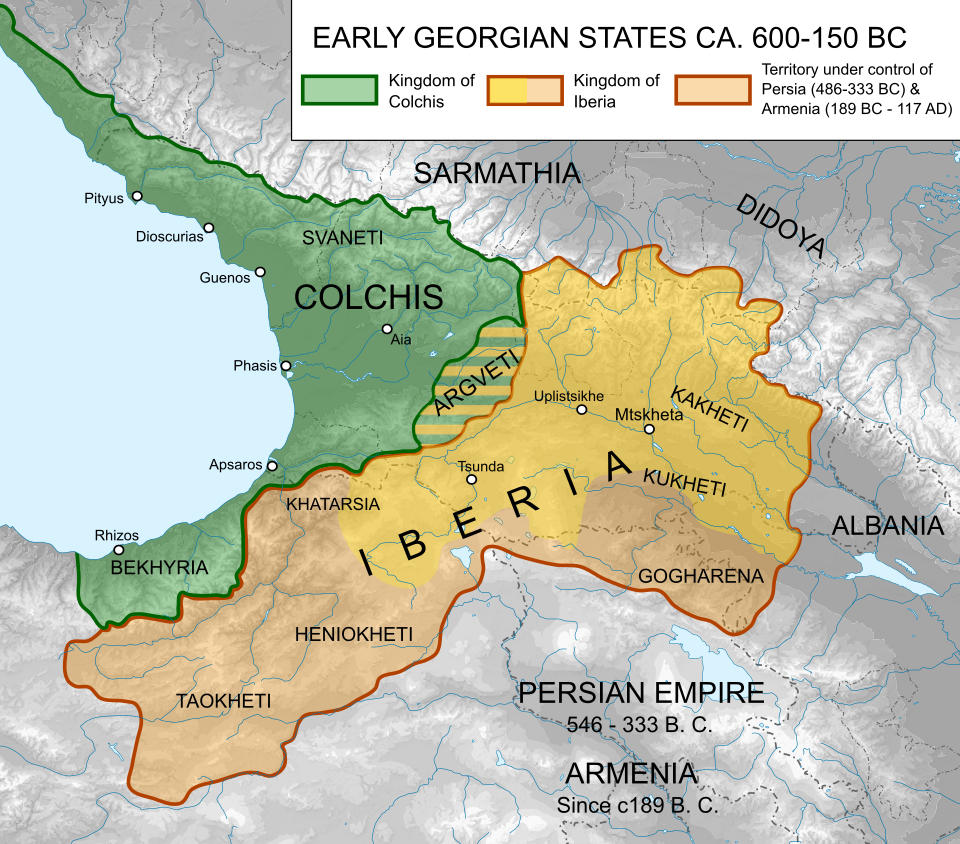
The city of Rize was then part of the Georgian province of Chaneti.
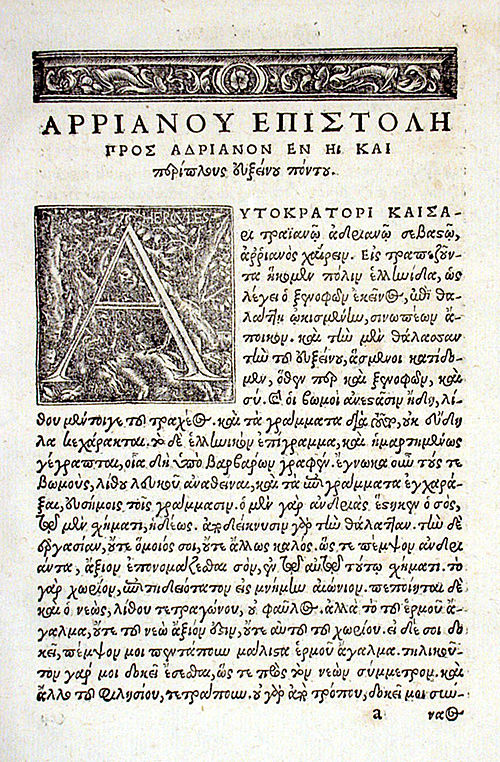
Above: Periplus of the Euxine Sea
In ancient times, the Colchians lived here.
Rize was then annexed to the Empire of Trebizond in 1204.
Of its role as the easternmost outpost of the Trapezuntine Empire (1204 – 1461), there is hardly more than a tiny 8th century castle.
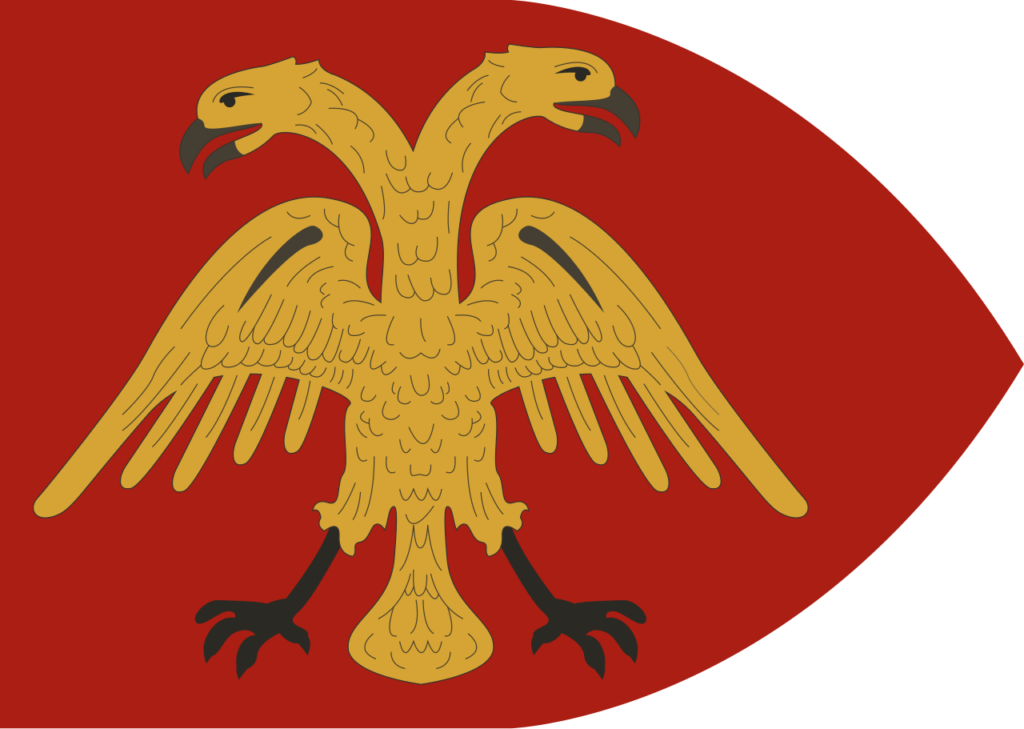
Above: Banner of the Empire of Trebizond
Rize was conquered by Sultan Mehmed II, “the Conqueror” (1432 – 1481) in 1470.
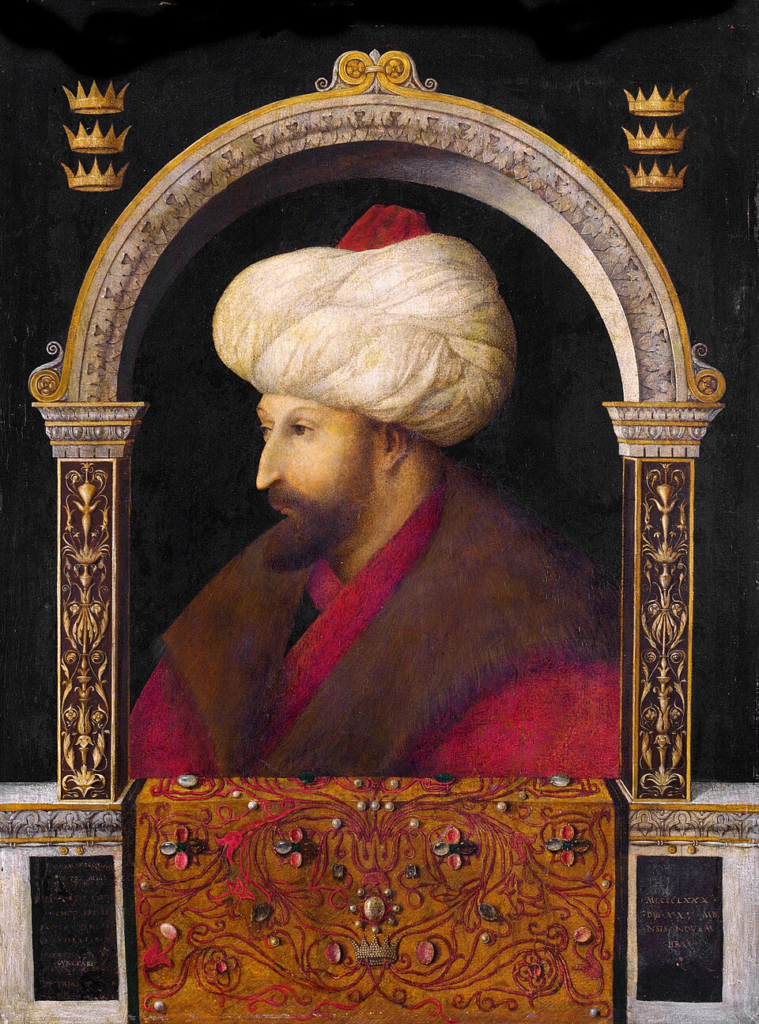
Above: Portrait of Ottoman Sultan Mehmed II
From 1547, Chaneti was incorporated into the Ottoman Empire (1299 – 1922), becoming a part of the sançak (province) of Lazistan (1551 – 1925).
Rize became the center of the Lazistan Sançak, which was part of Trabzon Province.
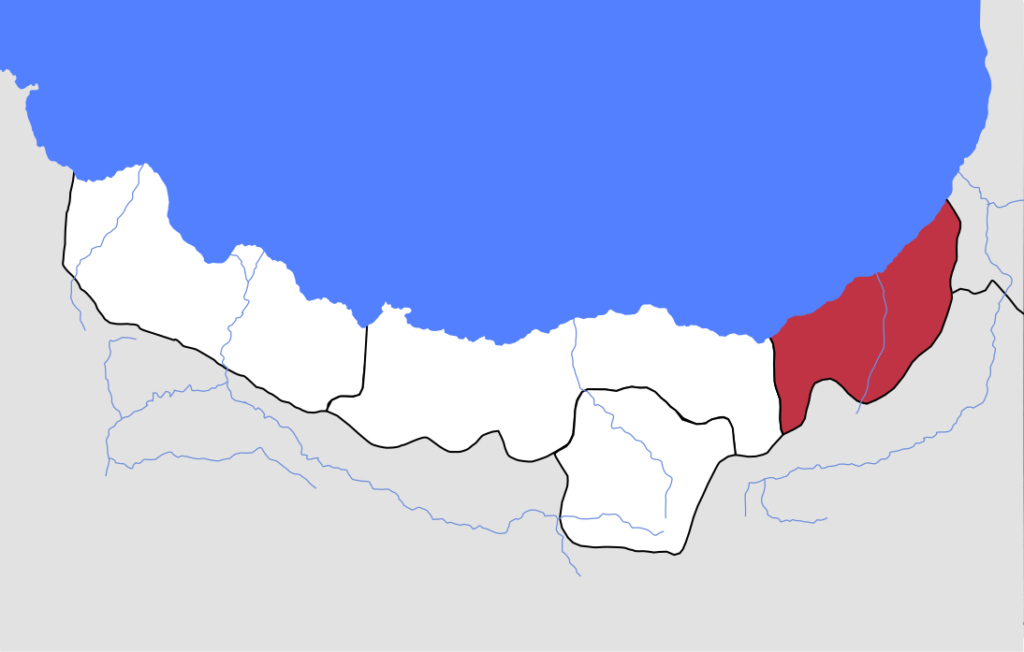
Above (in red): Lazistan Sanjak within the Trebizond Vilayet in 1890
Sources written in the 18th and later centuries mention the Tuzcuoğlu family, who were feudal lords in Rize.
This family, which rebelled against Mahmud II (1785 – 1839) several times, started the Tuzcuoğlu Rebellions in 1832.
Peasants who could not pay taxes to the Tuzcuoğlu family were forced to transfer their lands to them and work for them.
A palace in Rize was granted to this family.
The Memişoğlu family from Trabzon, who were in rivalry with the Tuzcuoğlu family, started the Memişoğlu rebellion.
After many members died in the blood feud between the two families, the main members of the Tuzcuoğlu family surrendered and were exiled to cities such as Ruse and Varna.
This was a series of uprisings that took place between 1814 and 1834 in the Ottoman provinces of Trabzon and Lazistan, along the southeastern Black Sea coast.
The revolts were led by the Tuzcuoğlu family, a powerful local ayan family based in the Rize region, in opposition to Ottoman efforts to strengthen central authority and reduce the autonomy of regional derebeys and ayans.
Rivalry with the Hazinedaroğlu family and disputes over taxation, administration, and regional influence further contributed to the conflicts.
The rebellions occurred in three major phases:
- the revolt of Tuzcuoğlu Memiş Ağa (1814 – 1817)
- the uprising led by Kalcıoğlu Osman Bey and Ahmet Ağa (1818 – 1821)
- the rebellion of Tuzcuoğlu Tahir, Abdülkadir, and Abdülaziz (1832 – 1834).
Although the rebels temporarily controlled large parts of the eastern Black Sea region and briefly occupied Trabzon during the first rebellion, all three uprisings were eventually suppressed by the Ottoman government.
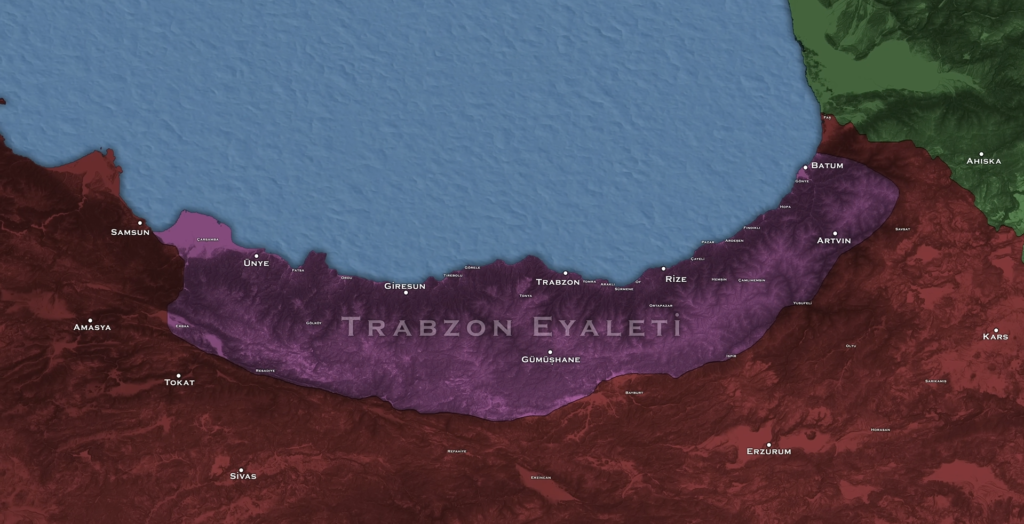
Above: Trabzon province in the 1830s
Rize was claimed by the short-lived Democratic Republic of Georgia (1918 – 1920).

Above: Flag of Georgia (1918 – 1921)
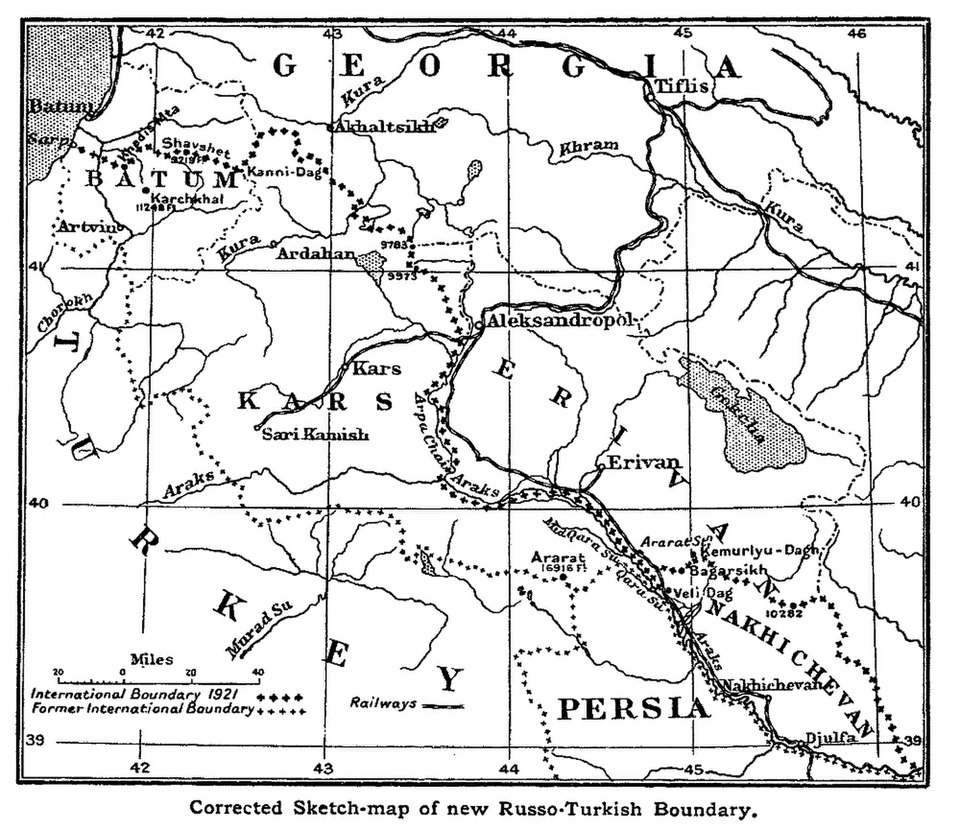
On the basis of the Treaty of Kars (13 October 1921), Soviet Russia granted Rize to Türkiye, along with the other territories of Artvin, Ardahan and Hopa.
After Batum was ceded to the Russians in the second half of the 19th century, Rize became a provincial capital during the Republic period.
Following the Russian occupation, which lasted for about two years during World War I, it experienced significant development, especially with the expansion of tea cultivation.
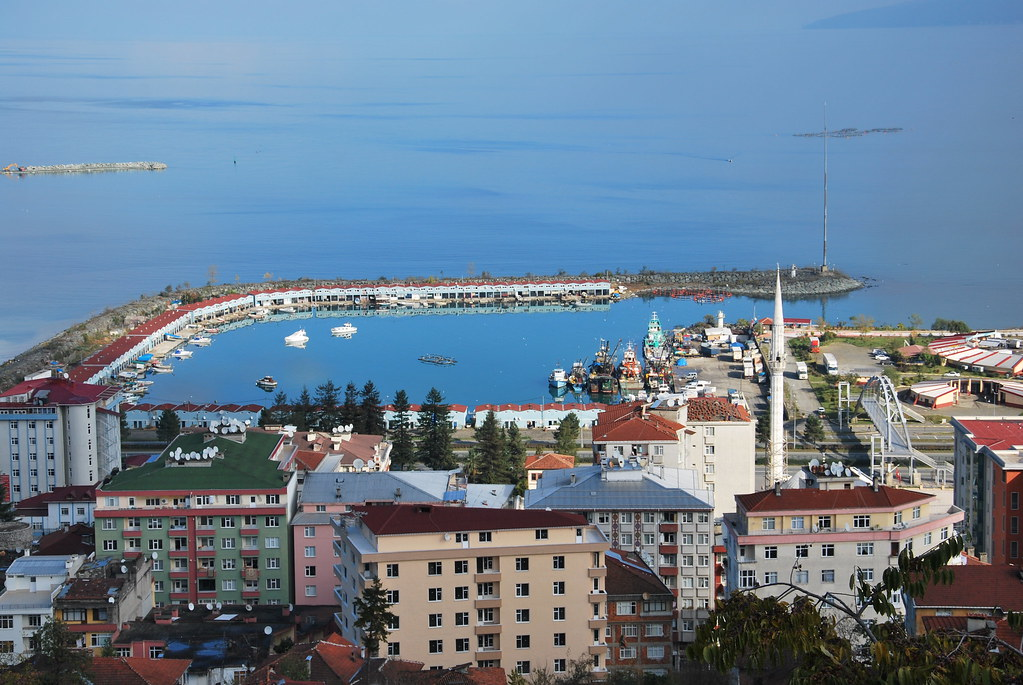
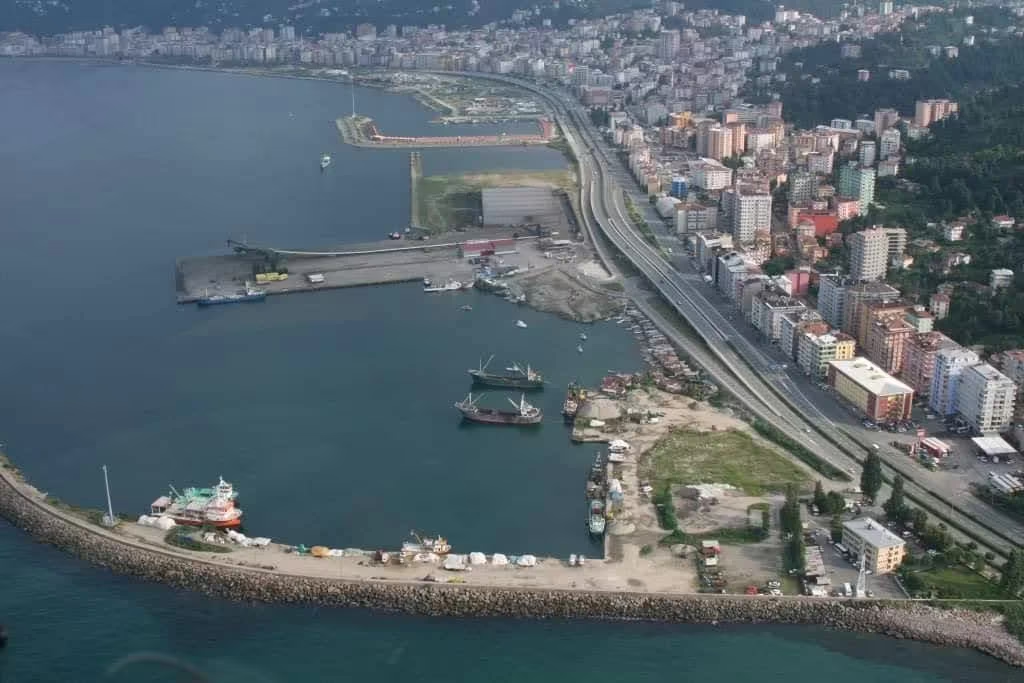
The city of Rize is built around a small bay on the Black Sea coast, on a narrow strip of flat land between the sea and the mountains behind.
The coastal strip is being expanded with landfill.
The city is expanding up the steep hillsides away from the coast.
Rize is a typical Turkish provincial capital with little in the way of nightlife.
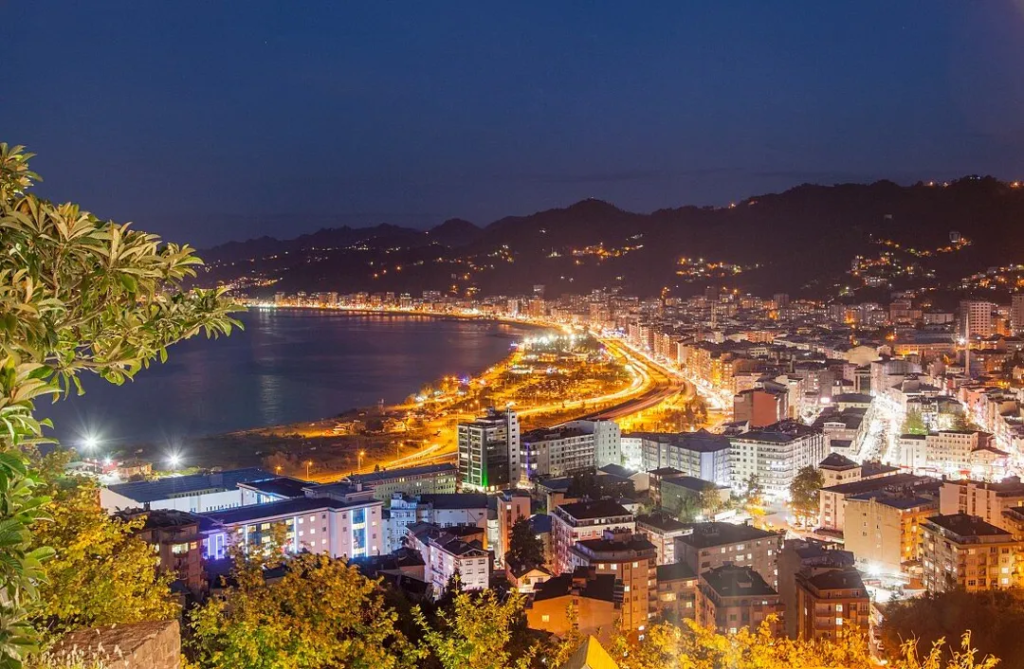
Above: Rize
Since the border with Georgia was opened in the early 1980s, the Black Sea coast road has been widened and the town is much wealthier than it used to be.
Rize has two main streets, Atatürk Caddesi and Cumhuriyet Caddesi – the latter which runs parallel to the sea.
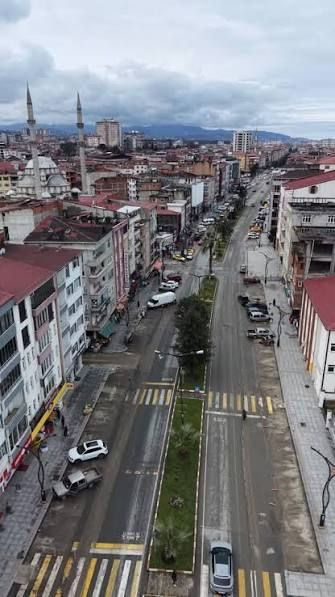
Above: Atatürk Caddesi, Rize
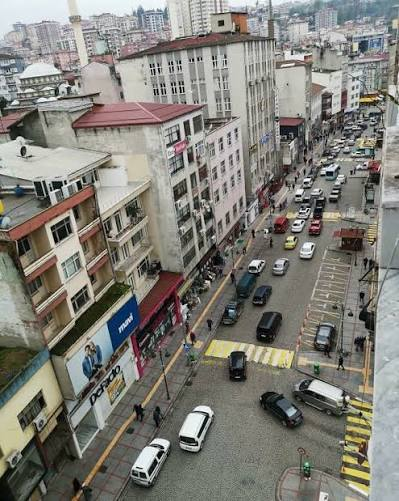
Above: Cumhuriyet Caddesi, Rize
The town square, Belediye Parki, lies between these streets.
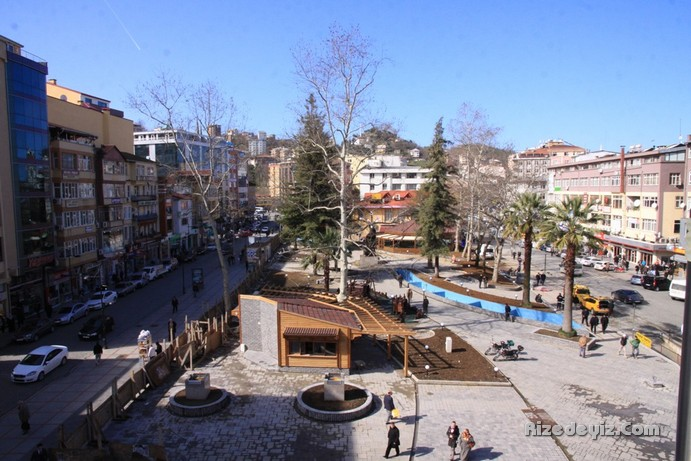
Above: Belediye Parkı, Rize
The post office here has been smartened up with wooden trimmings, complementing the two 19th century restored wooden houses on the hill behind, one now housing a mildly interesting museum.
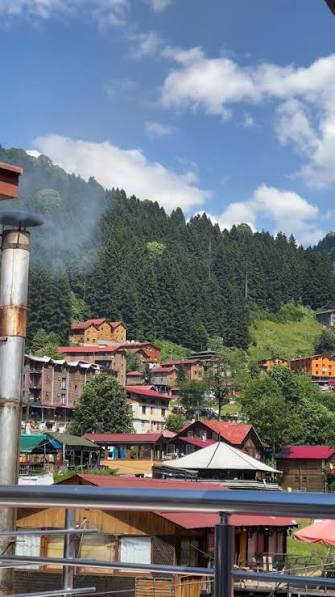
Above: Rize
East of the square, Rize’s major tea garden is, not surprisingly, the focus of the town’s social whirl.
Surrounding shops sell Rize/Karadeniz (Black Sea) black tea in every conceivable packaging, plus the unlikely spinoff product of tea cologne!

Rize is synonymous with tea.
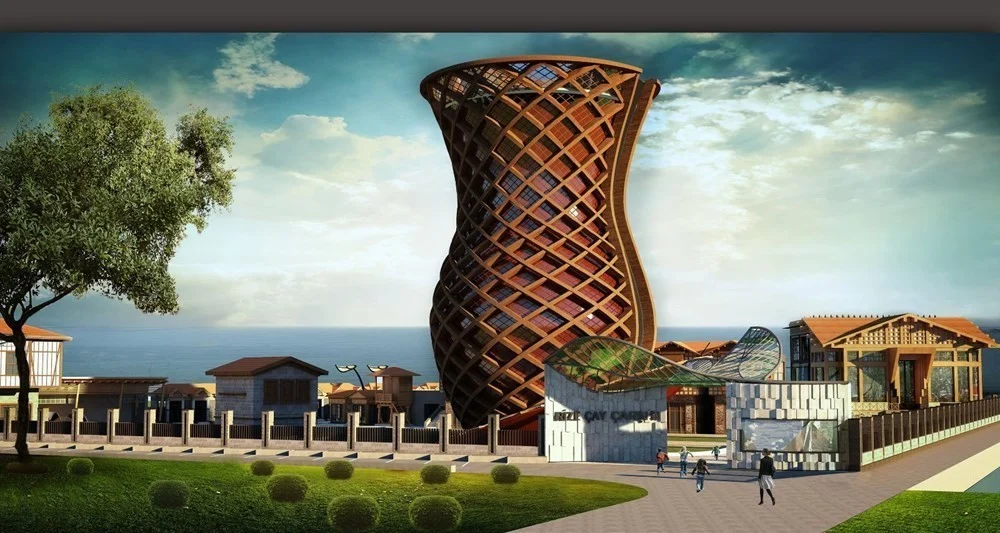
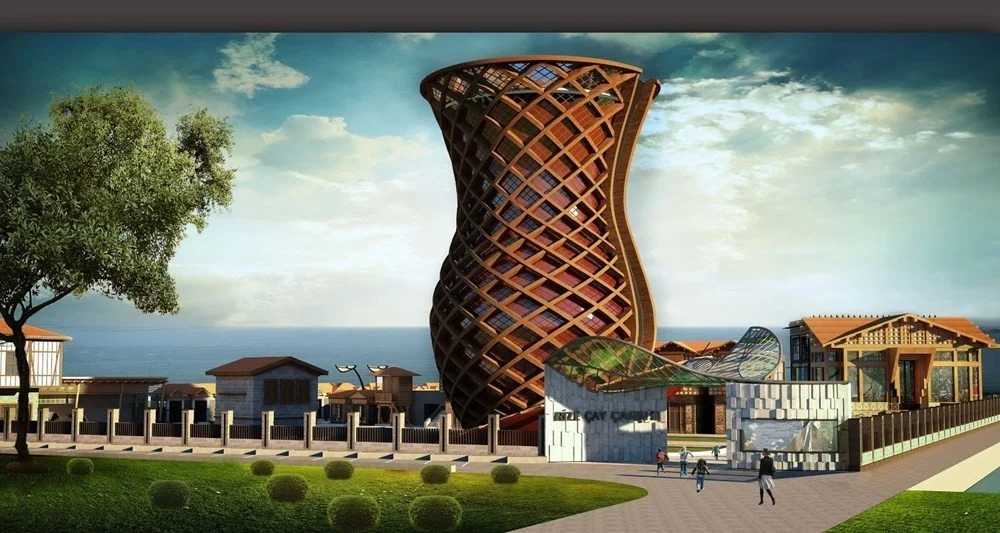
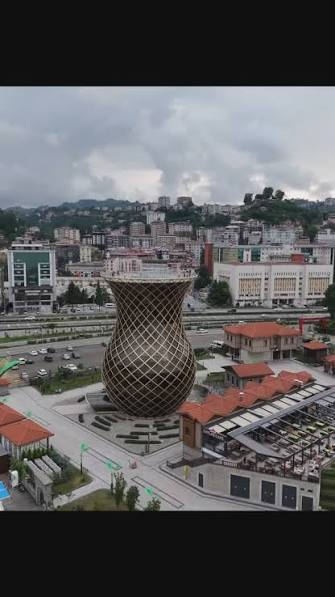
Dominating reclaimed coastal land at the city centre is a gigantic building shaped like a seven-storey tulip-shaped, or a woman’s waist, Turkish tea glass (ince belli).
At night, its glass lattice skin becomes a light show.
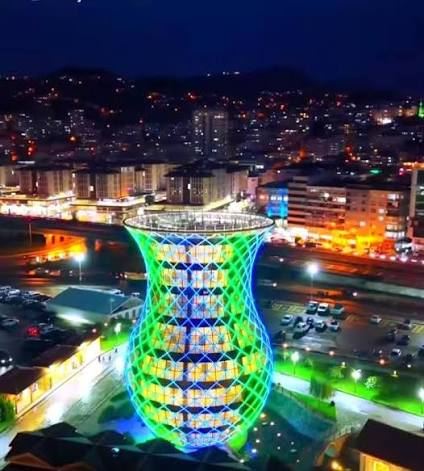
Inside, take a lift to the top then stroll back down through an exhibition of artistic tea drinker photographs.
There is also a multidimensional film experience, telling the story of Turkish çay that runs half-hourly from noon – as long as at least five people show up.
(I could not find the needed fantastic four to make a quintet.)

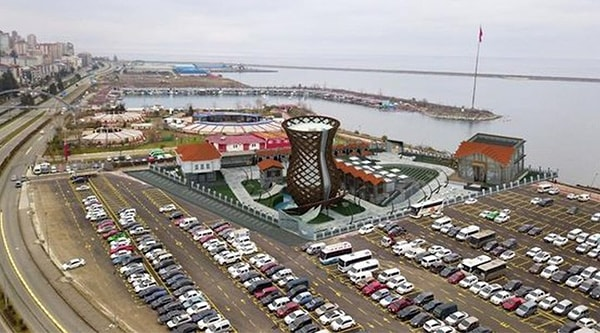
This is the centrepiece of Çay Çarşısı, the very contemporary tea bazaar.
It has sales outlets from around a dozen different tea firms, along with three suave tea cafés surveying the latest Black Sea reclamation project.
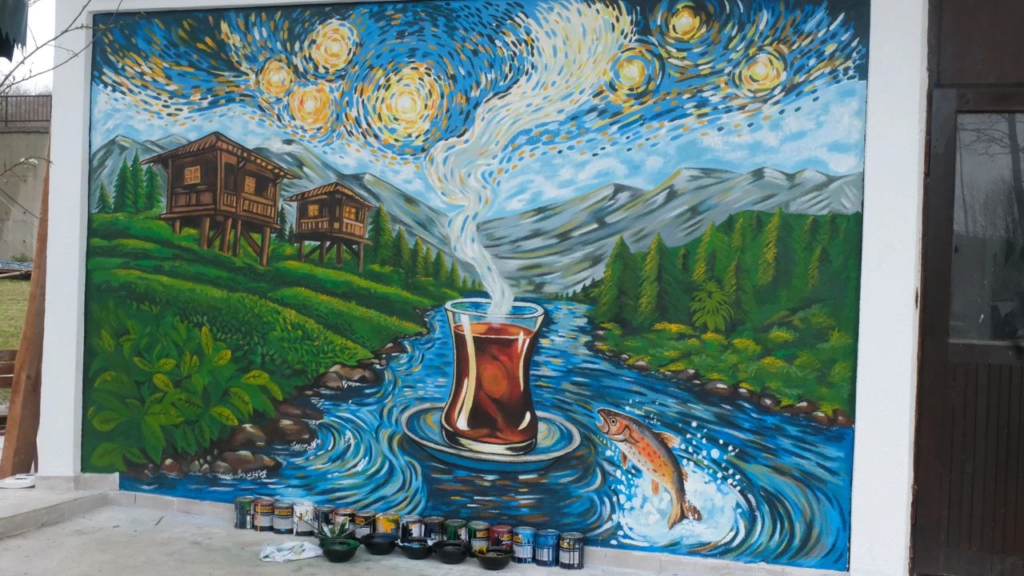
A footpath leading south beneath the coastal motorway leads between tea-related murals emerging into the commercial centre beside a mosaic teapot.
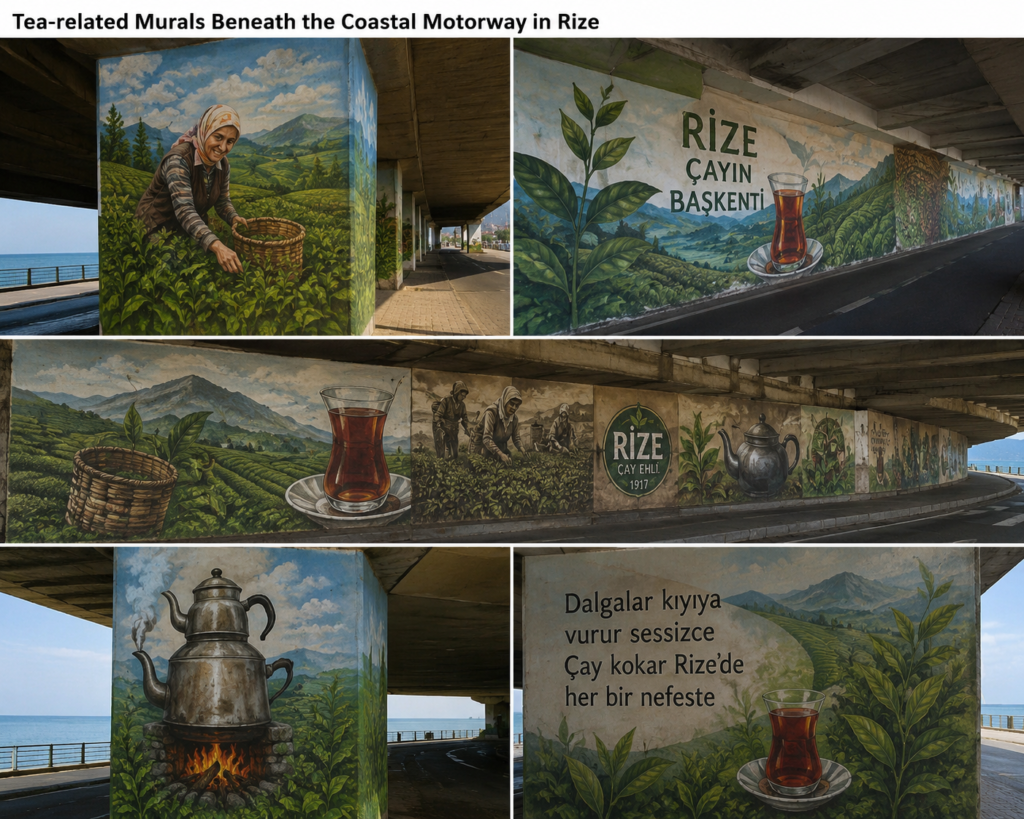
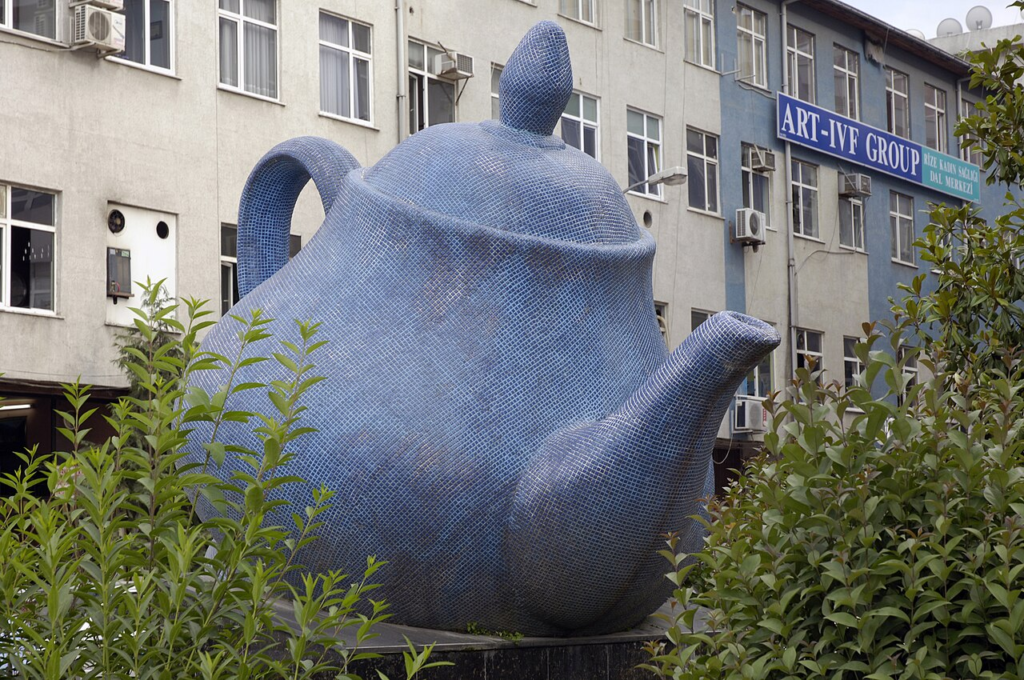
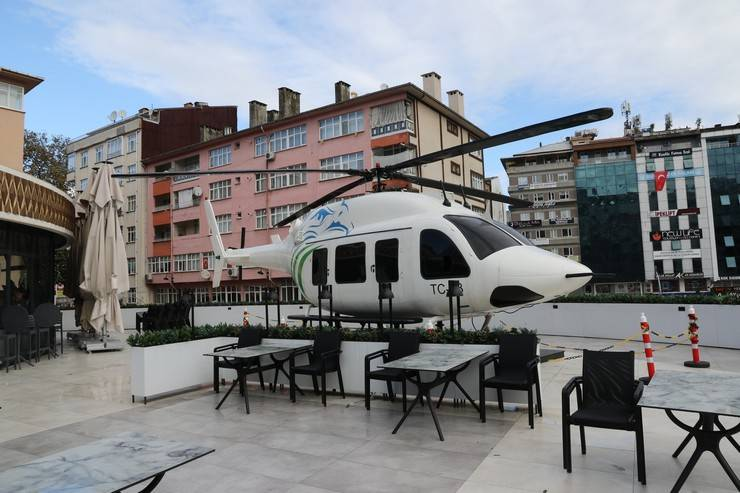
Cross the main square (where a circular café has an unexplained helicopter on its roof) to find the aforementioned half-timbered post office.
(There appears to be no published history explaining why the helicopter is there.
That leaves a few plausible explanations:
- A landmark. Turkish cafés and restaurants sometimes use unusual objects—a fishing boat, locomotive, windmill, or aircraft—to make themselves instantly recognizable.
- A children’s attraction. Rooftop helicopters and airplanes are occasionally used to catch the attention of families.
- A leftover exhibit. It may have once formed part of a larger recreational or municipal display on the reclaimed waterfront.
- A local story. It is entirely possible that there is a story known to Rize residents but never recorded online.
Given Rize’s lack of any aviation museum or military aviation connection, I doubt it commemorates a historical aviation event.
It seems more likely to be an eye-catching curiosity than a monument.
There are places where helicopters belong — in war zones, on mountain rescues, upon naval frigates.
A seaside tea café in Rize is not one of them.
Yet there it sits upon the roof as naturally as if every respectable café ought to possess its own rotorcraft.
Without the full registration number, I can’t determine its history, but several possibilities exist:
- It may have belonged to a private company and been purchased after retirement.
- It may have served in VIP transport or corporate aviation.
- It could have been acquired simply as an architectural feature for the redevelopment of the marina area.
Turkey has a tradition of displaying retired aircraft in unexpected places.
I’ve seen retired fighters at parks, transport aircraft near museums, and helicopters outside restaurants or shopping centres.
They become landmarks.
It seemed aviation had no intention of letting me go.
I had left Esenboğa behind, flown to Trabzon, endured another crowded bus, and finally found refuge in a café beside the Black Sea.
There, improbably, stood yet another aircraft — a retired helicopter watching over the tea drinkers.
Even here, in the land of tea rather than terminals, flying had somehow followed me.
I never did learn why.
Some mysteries are happier left unexplained.
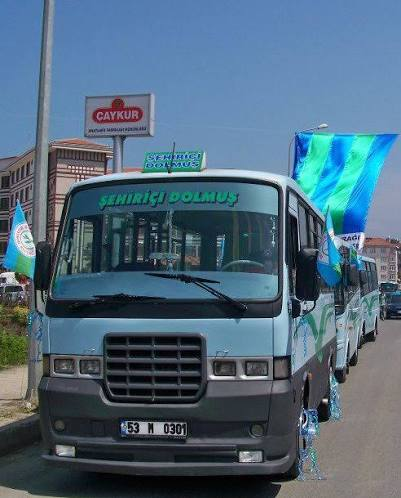
Outside is the starting point for Dolmuş (mini-bus) #6, which winds up 1.4 km of steep narrow lanes to the hilltop Ziraat Botanik Tea Garden, site of Rize’s very first tea plots.
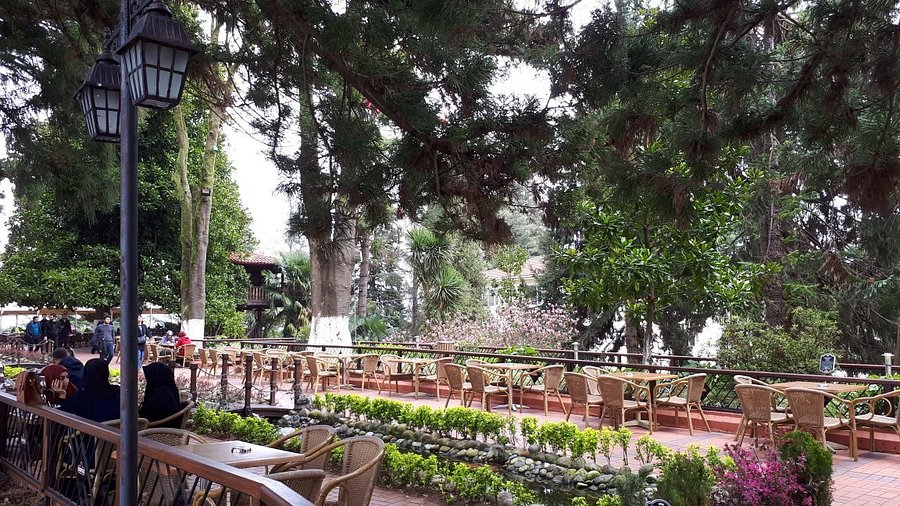
There are appealing views towards the small Rize Castle and a small tea processing plant for visitors.
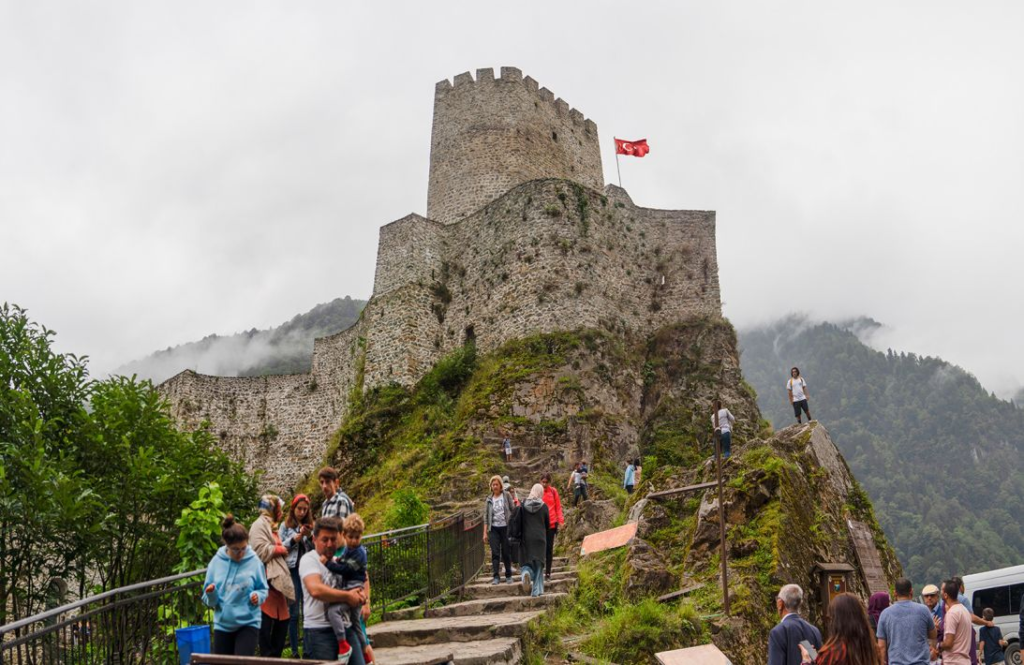
Above: Rize Castle
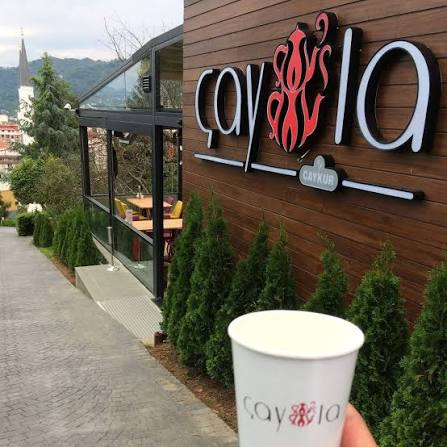
Nearby, Çayla is a café/restaurant serving local foods while screening a wordless video showing tea picking, collection and transportation.
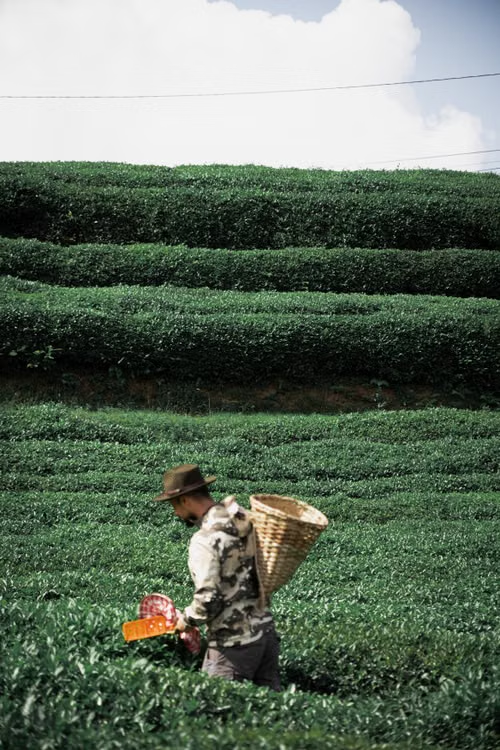
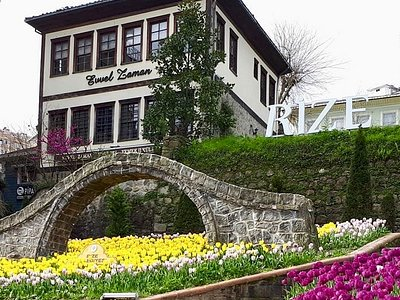
Return to the main square and be photographed as a tea picker, popping your head into a fibreglass character statue, backed by Evvel Zaman, a loveable retro café in a fine Ottoman-era house.
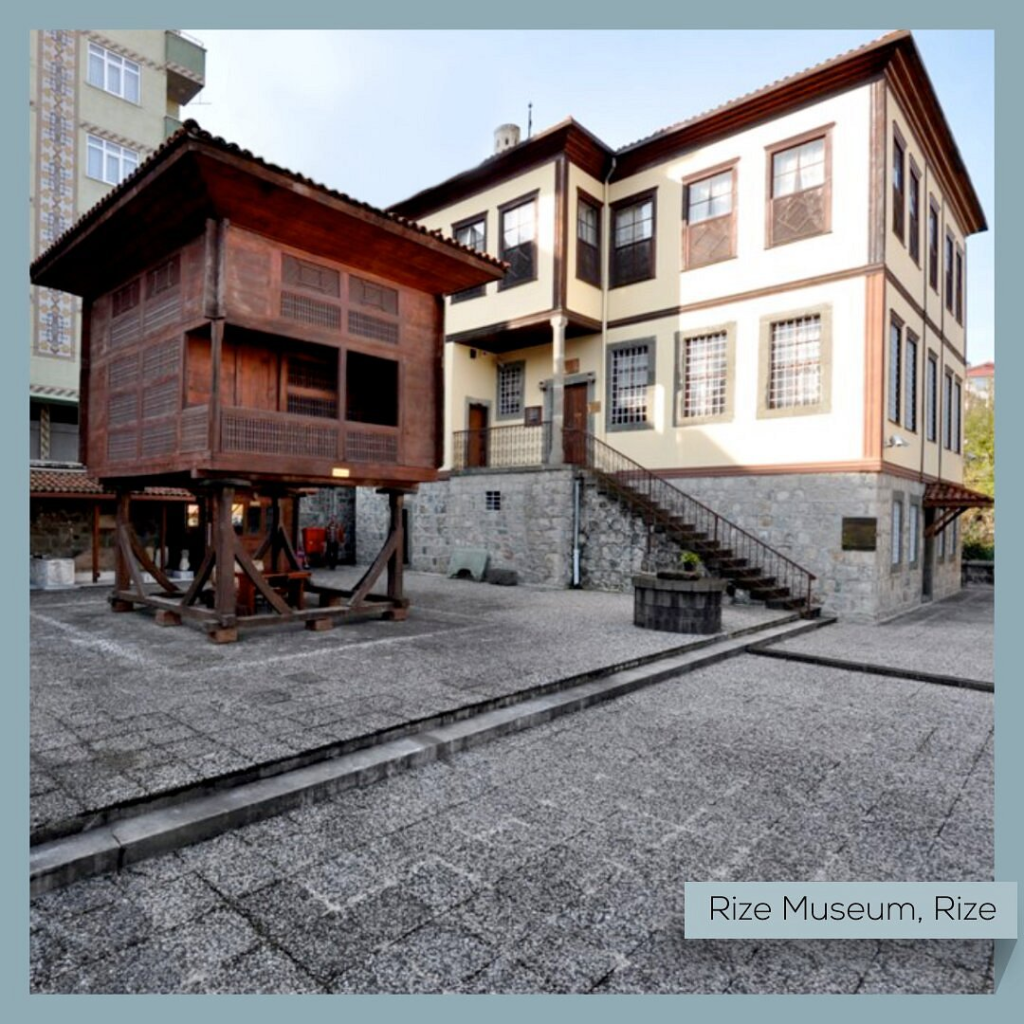
Another such Old World building hosts the aforementioned Rize Museum.
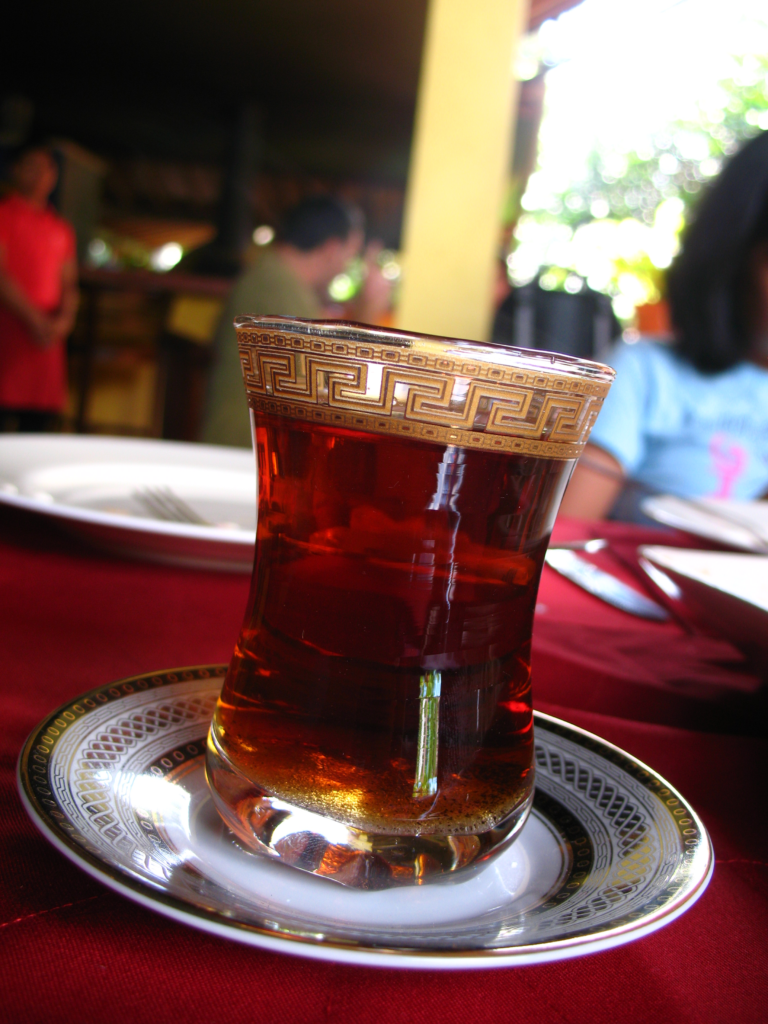
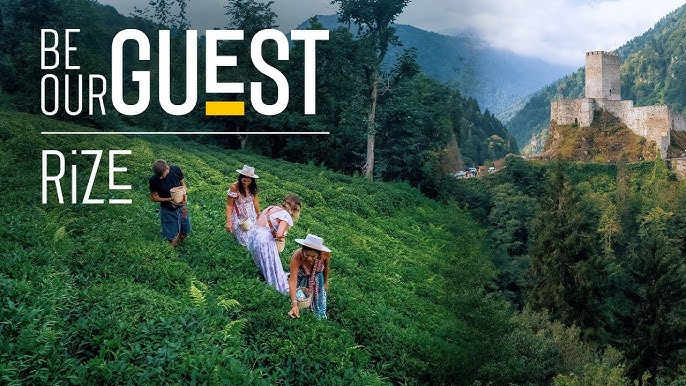
Rize is best known for its black tea which was introduced to the region in the 1940s and 1950s, changing the destiny of a region which was until then desperately poor.
The local tea research institute was founded in 1958.
Other tea gardens can be seen all around the town.
Tea is even planted in local gardens.
Rize is a centre for processing and shipping locally grown Black Sea tea.
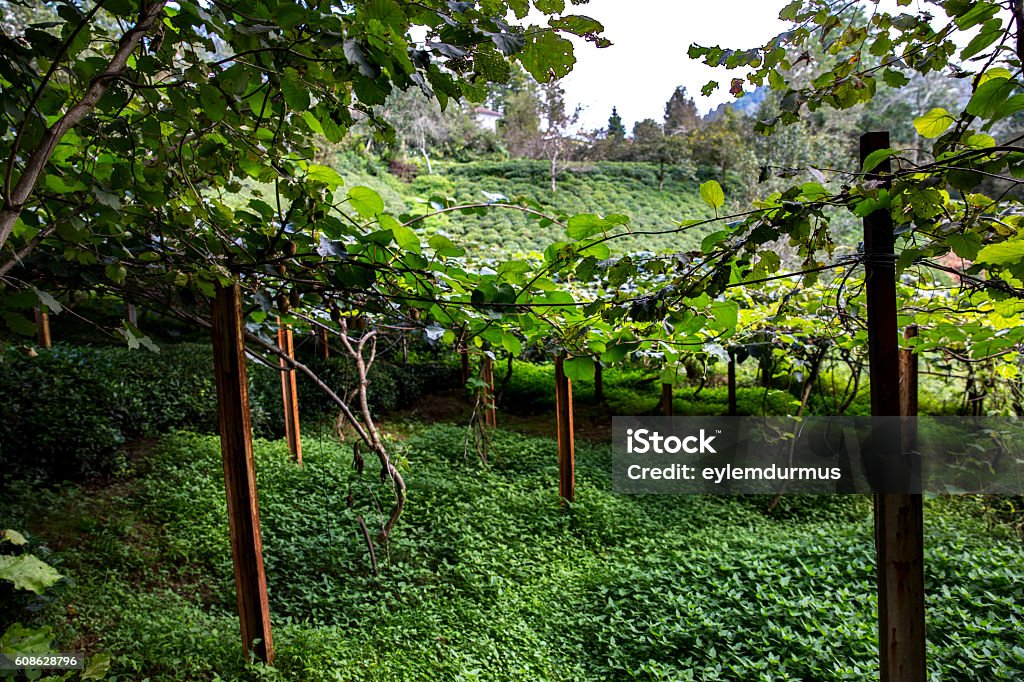
More recently kiwi fruit plants have also been grown in Rize.
Fishing remains another important local source of income.
Tourism to destinations in and around Rise is growing in importance.
Rize has a humid subtropical climate.
However, as any mountainous region of Türkiye, it is rich in climatic variety.
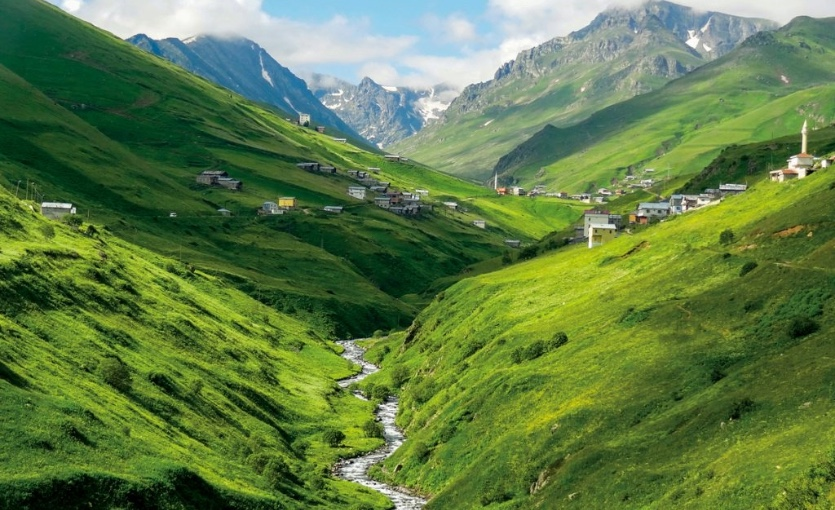
The climate turns oceanic on the hillsides, continental and subarctic on the mountain slopes and in the yaylas (summer pastures), the highlands and highland plateaus.
Climate change and global warming have contributed to the city being classified as humid subtropical in recent decades.
The city’s climate is defined by mild temperature conditions with warm summers, cool winters and heavy rainfall year-round.
The city has relatively few sunshine hours.
Snowfall is common between December and March, snowing for a week or two.
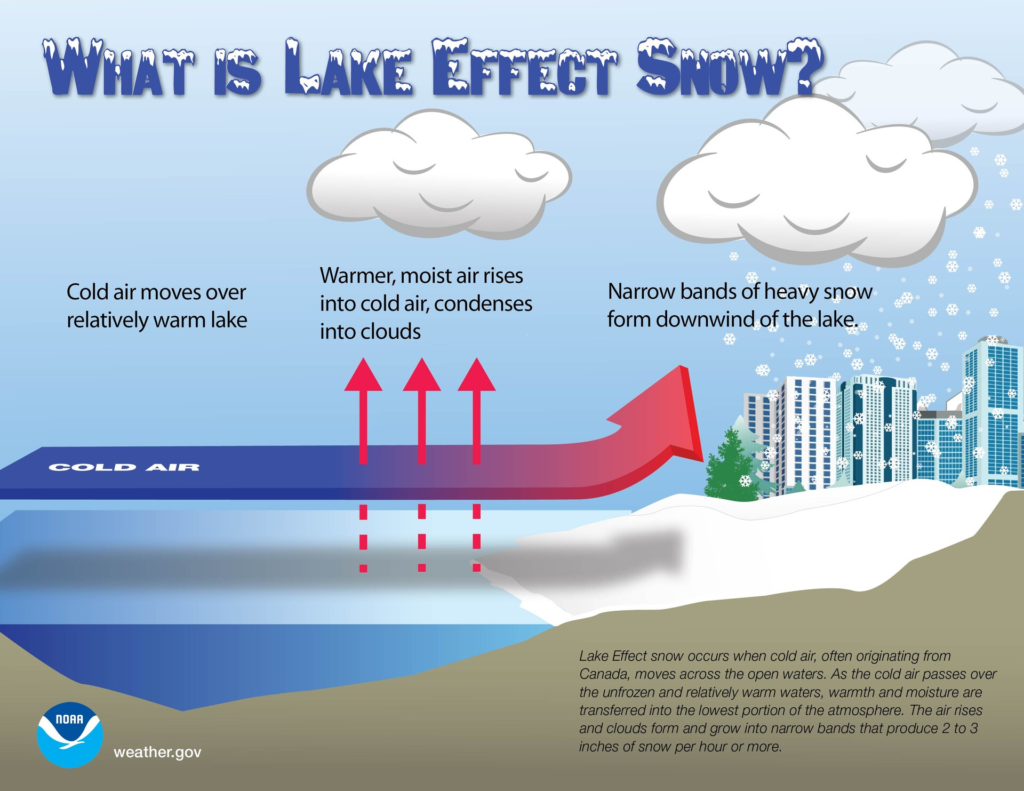
It can be heavy once it snows, due to the lake effect snow – snow that forms when very cold air moves across the relatively warmer surface of a large lake, picking up heat and moisture before dumping it as heavy snow on the downwind shore.
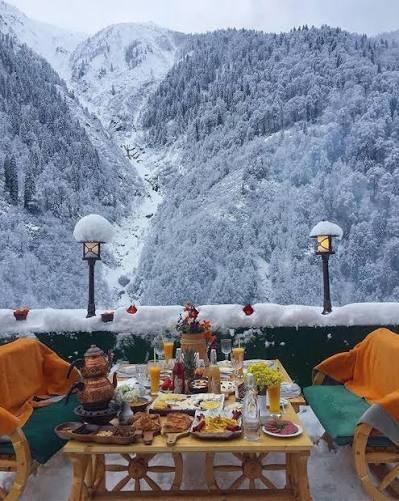
Think of it as a lake acting like a giant kettle.
Here’s how it works:
- An outbreak of cold, dry Arctic air moves over a large, unfrozen lake.
- The warmer lake heats the air from below and adds water vapour through evaporation.
- As the now warmer, moister air reaches land, it is forced to rise.
- Rising air cools rapidly.
- The water vapour condenses into clouds.
- Heavy snow falls, often in very narrow but intense bands.
The classic examples occur around the Great Lakes.
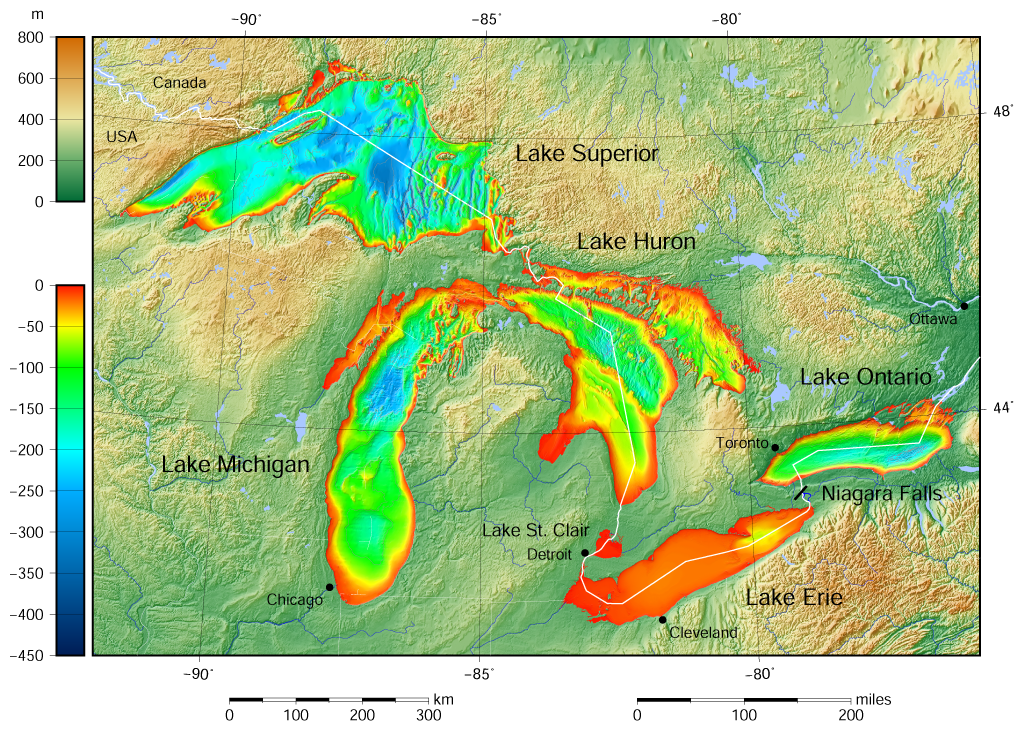
Above: The Great Lakes
Cities such as Buffalo, Erie, Syracuse and Cleveland can receive astonishing amounts of snow while places only 20 or 30 kilometres away receive very little.
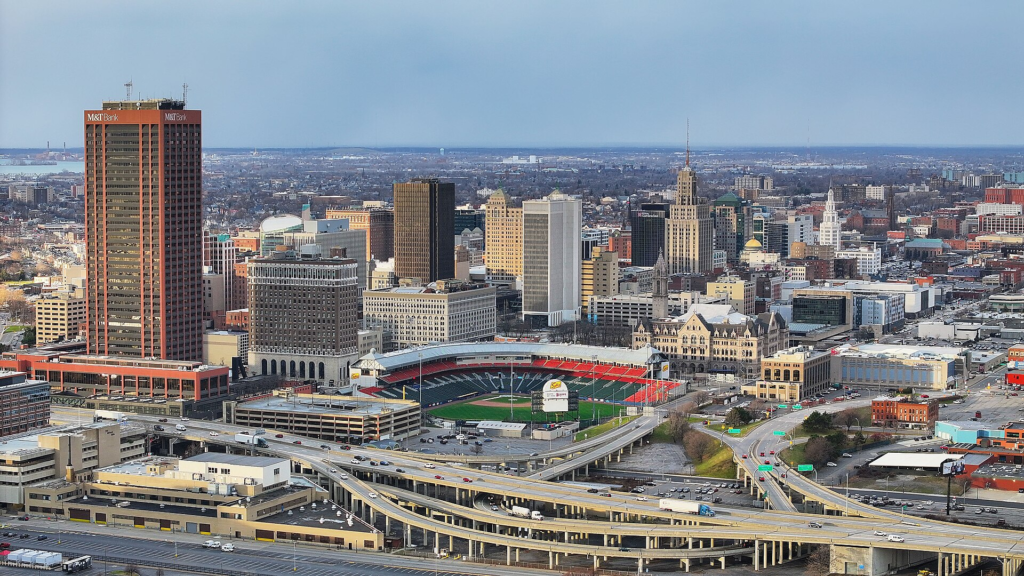
Above: Buffalo, New York, USA
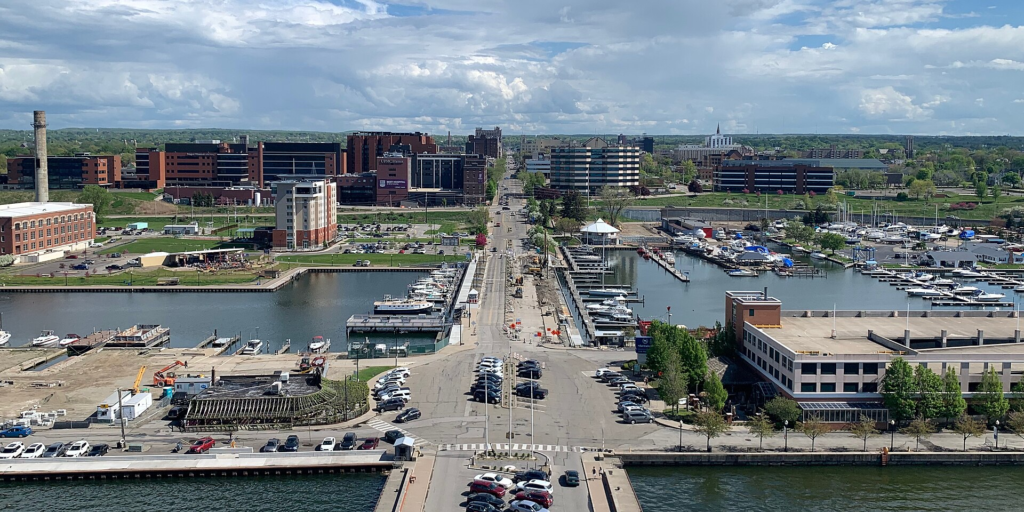
Above: Erie, Pennsylvania, USA
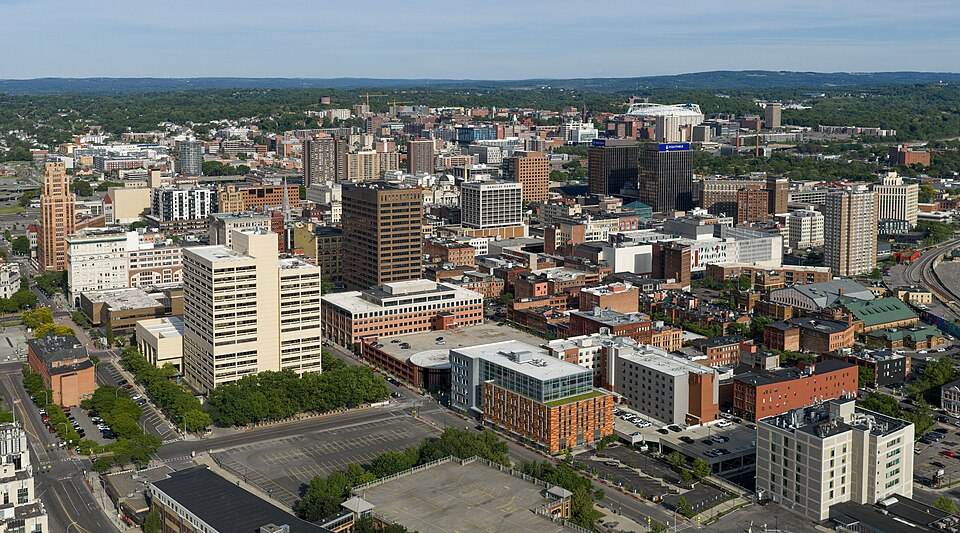
Above: Syracuse, New York, USA
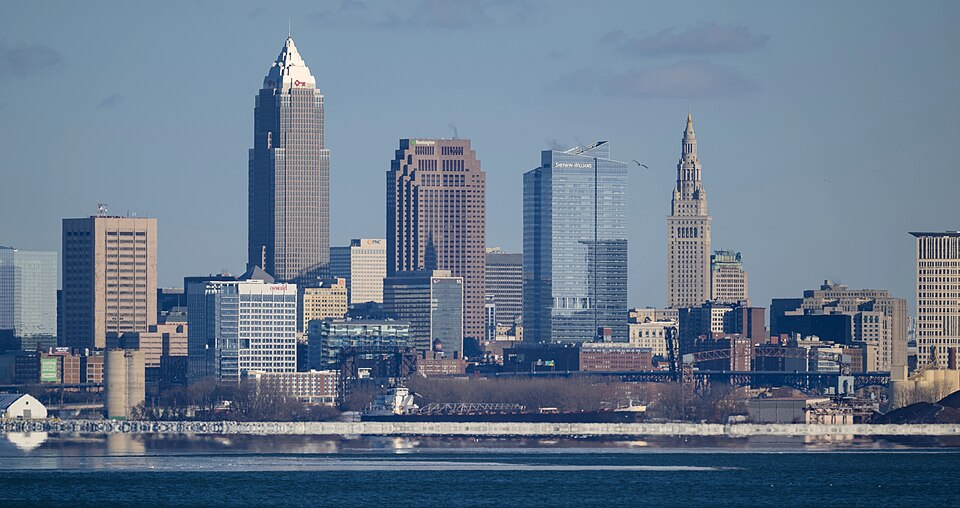
Above: Cleveland, Ohio, USA
Imagine driving along a highway with clear blue sky above when suddenly you enter a wall of blinding snow, driving for ten minutes through white-out conditions and then suddenly once again you emerge again into sunshine.
Lake-effect snow often behaves exactly like that.
The amount of snow can be extraordinary.
A single lake-effect storm may produce 30 cm (one foot) overnight, 60 cm (two feet) in a day, and occasionally over one metre (3 feet) in particularly favourable conditions.
In November 2022, parts of the Buffalo area received more than two metres (6½ feet) of lake-effect snow over several days.
Once the lake freezes over, evaporation is greatly reduced.
No evaporation means little moisture enters the air.
No moisture means little lake-effect snow.
That is why it is usually strongest during late autumn and early winter, when the air is very cold but the lake is still relatively warm.
Other well-known regions include Great Salt Lake (Utah), areas around Lake Baikal (Russia), the shores of Lake Ladoga (Russia) and the eastern shores of Lake Superior (Canada/US)
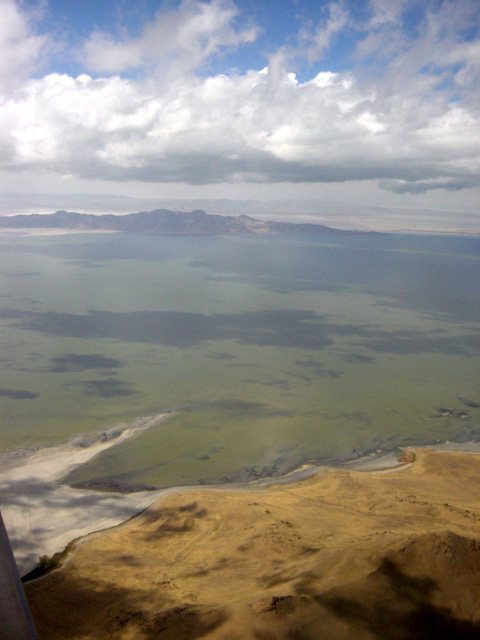
Above: Great Salt Lake, Utah, USA
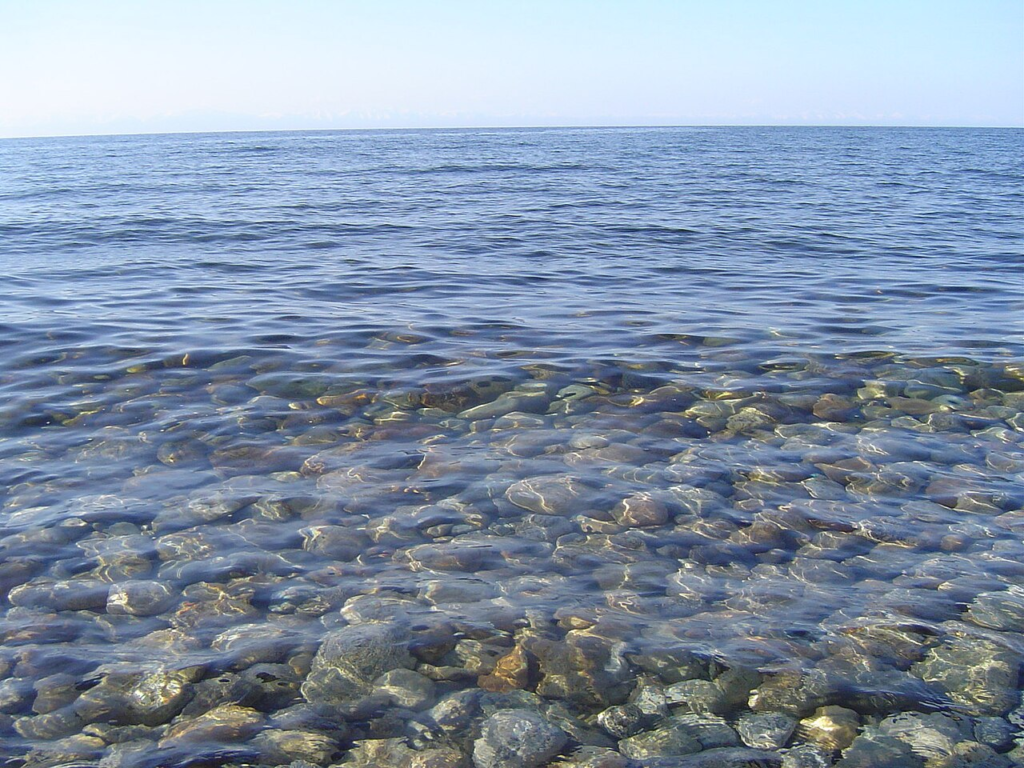
Above: Lake Baikal, Russia
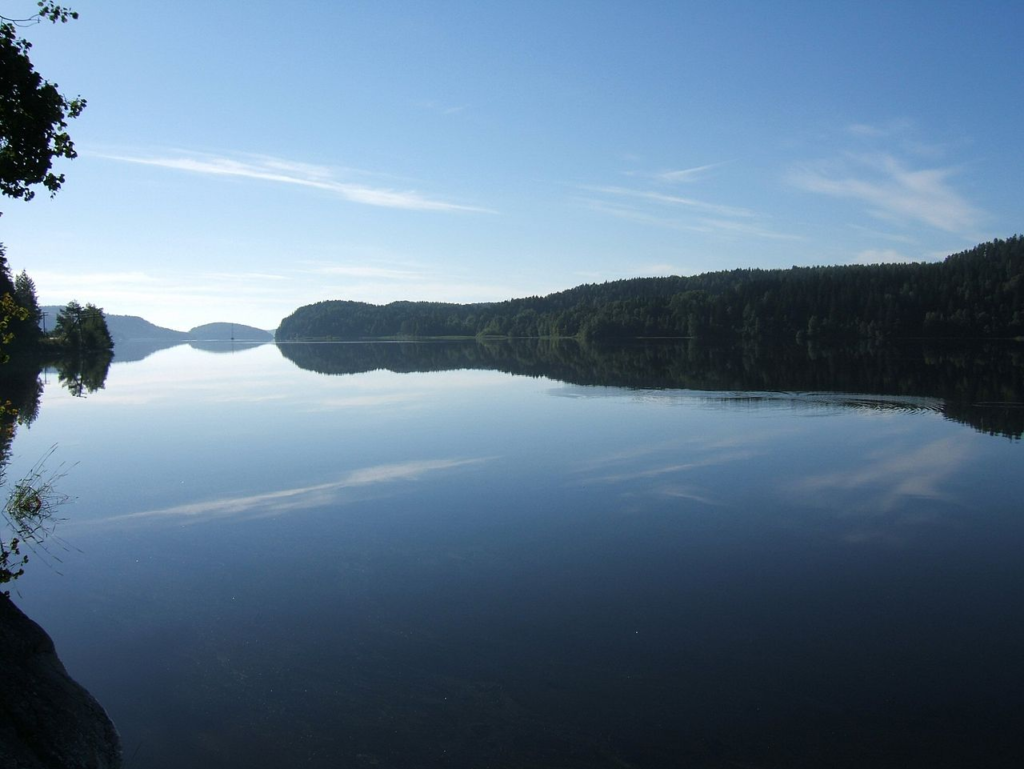
Above: Lake Ladoga, Russia
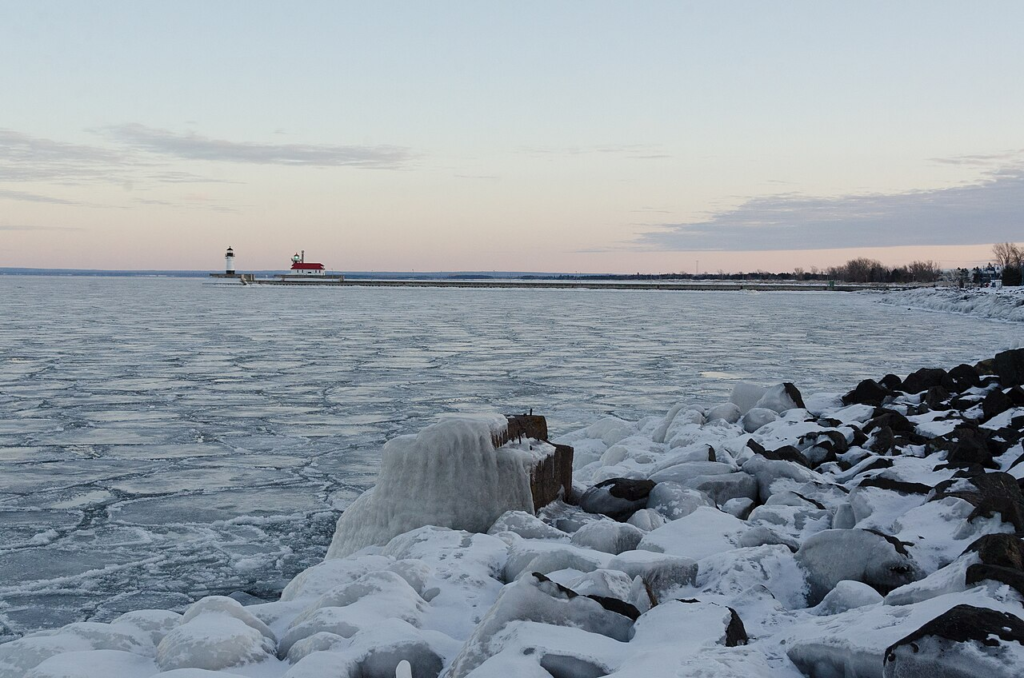
Above: Lake Superior, Duluth, Minnesota, USA
A similar process can even occur over seas and is sometimes called sea-effect snow.
For example, cold air crossing the Black Sea can produce heavy snowfall along parts of the Turkish coast, although the effect is generally less dramatic than around the Great Lakes.
The heaviest recorded snowfall in the city centre of Rize was 187 cm / 73.6 inches, recorded on 6 January 1942.
The water temperature, typical for the Black Sea coast, is never too warm or cold.
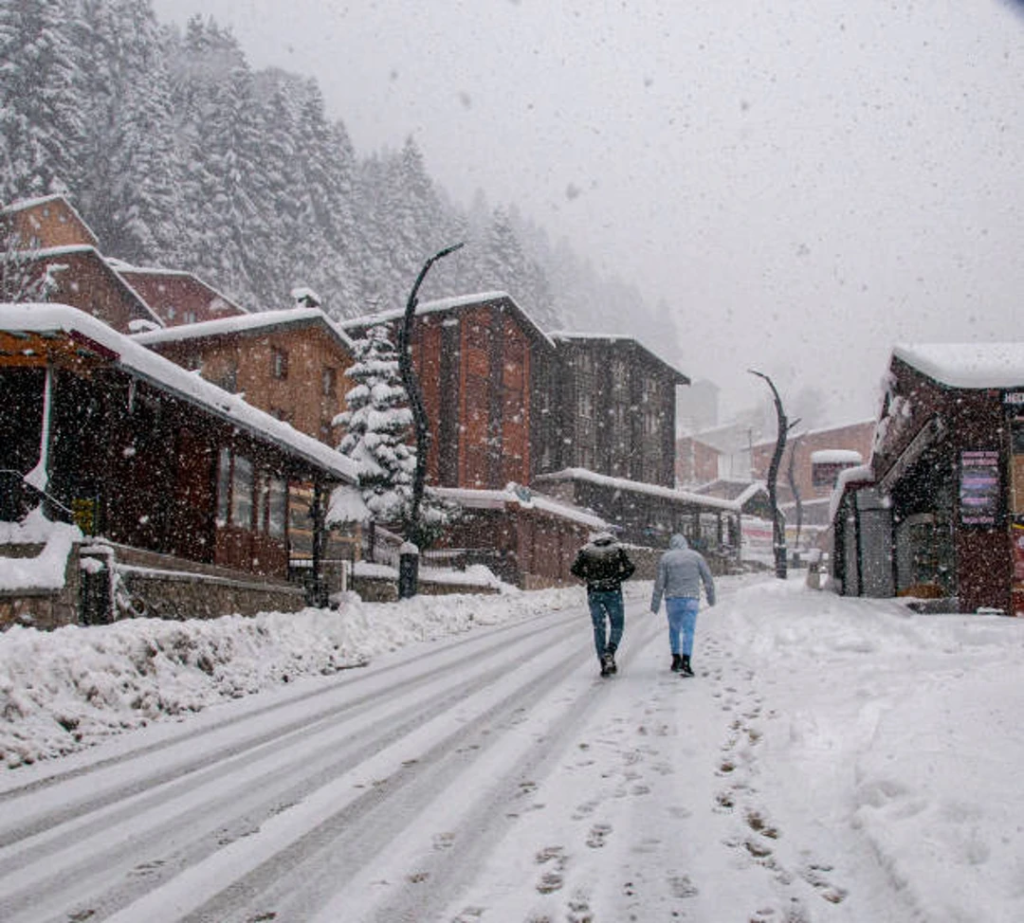
(As a Canadian, I have encountered this phenomenon.
Around the eastern Great Lakes, winter forecasts often include warnings of “lake-effect snow squalls“— fast-moving bands that can reduce visibility to almost zero in minutes.
They are one of the reasons why winter driving in places like southern Ontario can change from routine to hazardous in the span of a few kilometres.)

Above: Flag of Canada
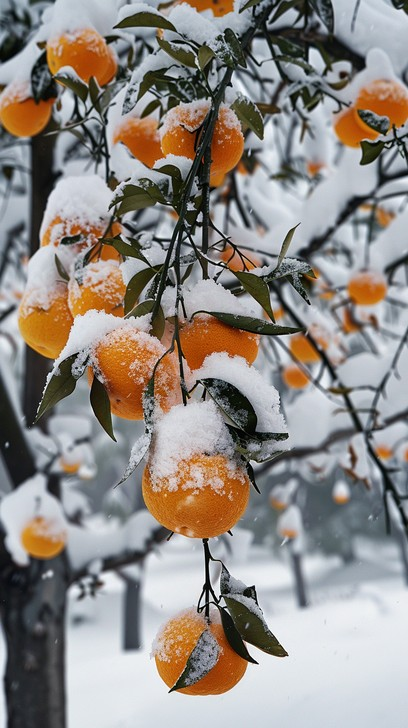
The traveller Per Minas Bijişkyan wrote that oranges and lemons were grown in the region.
(Per Minas Bijişkyan was an Armenian Mkhitarist priest, scholar, and travel writer born in Trabzon in 1777.
He is best known for documenting the Black Sea region through detailed travel accounts that combined firsthand observation with historical and geographical research, making his writings an important source for the early 19th century history of the region.
Born on 15 October 1777 in Trabzon, Bijişkyan joined the Mkhitarist Armenian Catholic order, a religious community renowned for its scholarship, publishing, and preservation of Armenian culture.
Alongside his religious duties, he cultivated broad interests in history, geography, art and ethnography, eventually becoming one of the best-known Armenian travelers of his era.
Between 1817 and 1819, Bijişkyan traveled extensively around the southern and northern shores of the Black Sea while serving as a vicar.
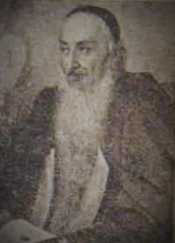
Above: Per Minas Bijişkyan
His observations were compiled into the work commonly known as Karadeniz Kıyıları Tarih ve Coğrafyası (“History and Geography of the Black Sea Coasts“), which records cities, ports, churches, populations, customs and historical traditions alongside descriptions of the landscape.
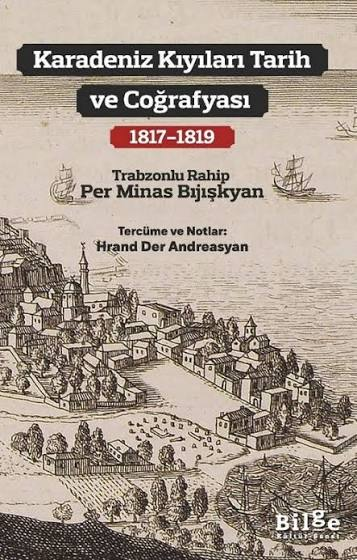
He also produced the work published in Turkish as Pontos Tarihi (“History of Pontus“), reflecting his historical interest in the wider Black Sea region.
Bijişkyan’s travel narratives are valued because they preserve a detailed snapshot of Black Sea communities in the early 19th century, before many later political and demographic transformations.
Historians use his descriptions to study urban life, religious monuments, commerce and regional geography, while recognizing that some information about inland areas came from local informants rather than direct observation and therefore requires careful evaluation.
Today, Per Minas Bijişkyan is remembered as both a clergyman and an important documentary witness to the history of the Black Sea.
His books continue to be republished and consulted by researchers interested in the historical geography of northeastern Anatolia and the broader Pontic region, as well as by readers seeking contemporary accounts of the area during the early 1800s.)

However, weather destroyed the orange crops in the early 20th century.
The orange industry declined.
The area also produced small amounts of manganese (a hard, brittle, silvery metal, often found in minerals in combination with iron).
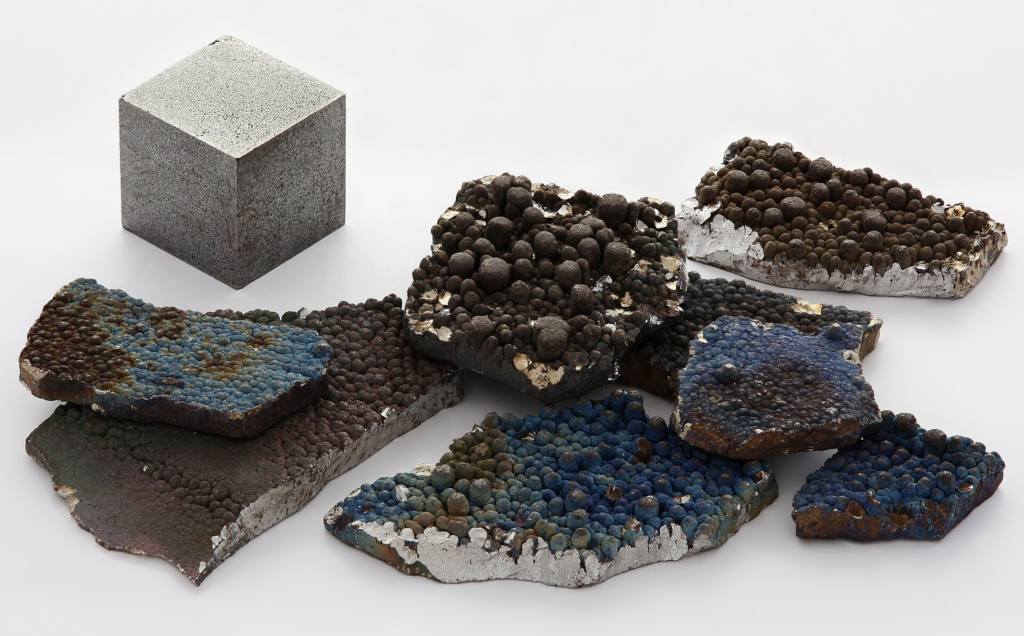
Above: Pure (99.99 %) manganese chips, electrolytically refined, typical view of on air oxidized surface, as well as a high purity (99.99 % = 4N) 1 cm3 manganese cube for comparison.
Rize’s economic structure is primarily based on its geographic location since it is in a very mountainous location, making industrial development impractical.
Given the lack of rail transit, most goods have to travel by truck or ship, which makes exporting and importing difficult.
Rize’s primary trading partner is Trabzon, the most developed city of the northeast Black Sea region.
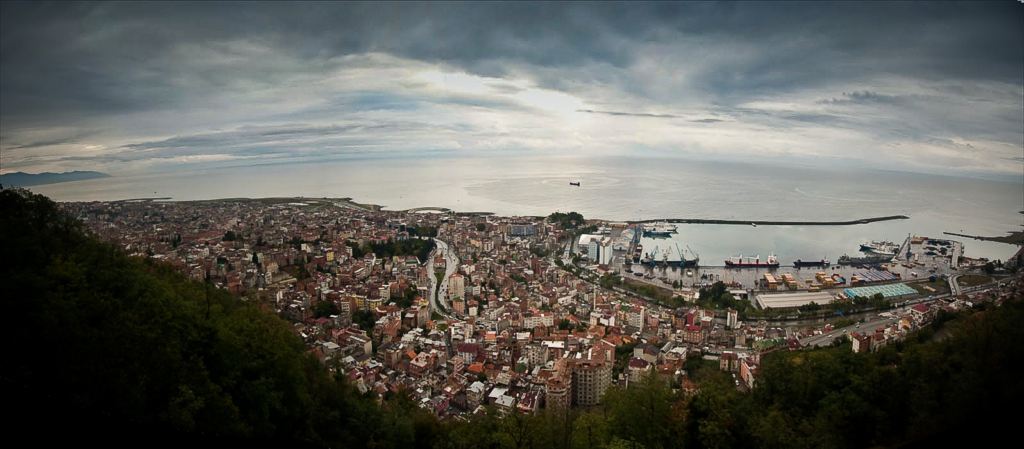
Above: Trabzon
Rize’s main exports are agriculturally based.
Tea and kiwi fruit are among its most popular commodities.
In particular, the state-owned tea company Çaykur is based in Rize.
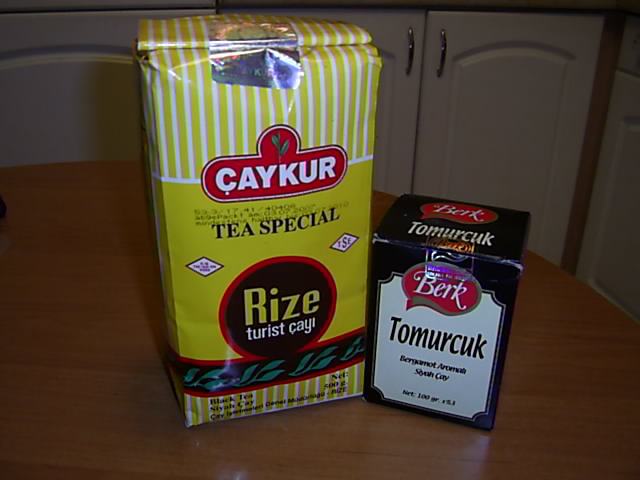
(Çaynur‘s portfolio includes ice tea, green tea, organic and black tea.
Çaynur has 45 tea processing factories and one packaging facility.)

Tea production was supported by the Turkish government in the years that followed.
The first tea crop was harvested in 1938.
The first tea factory was established in 1947.
Since 1963, domestic production has replaced imports in meeting Türkiye’s tea consumption.
Turks are among the heaviest tea drinkers per capita in the world.
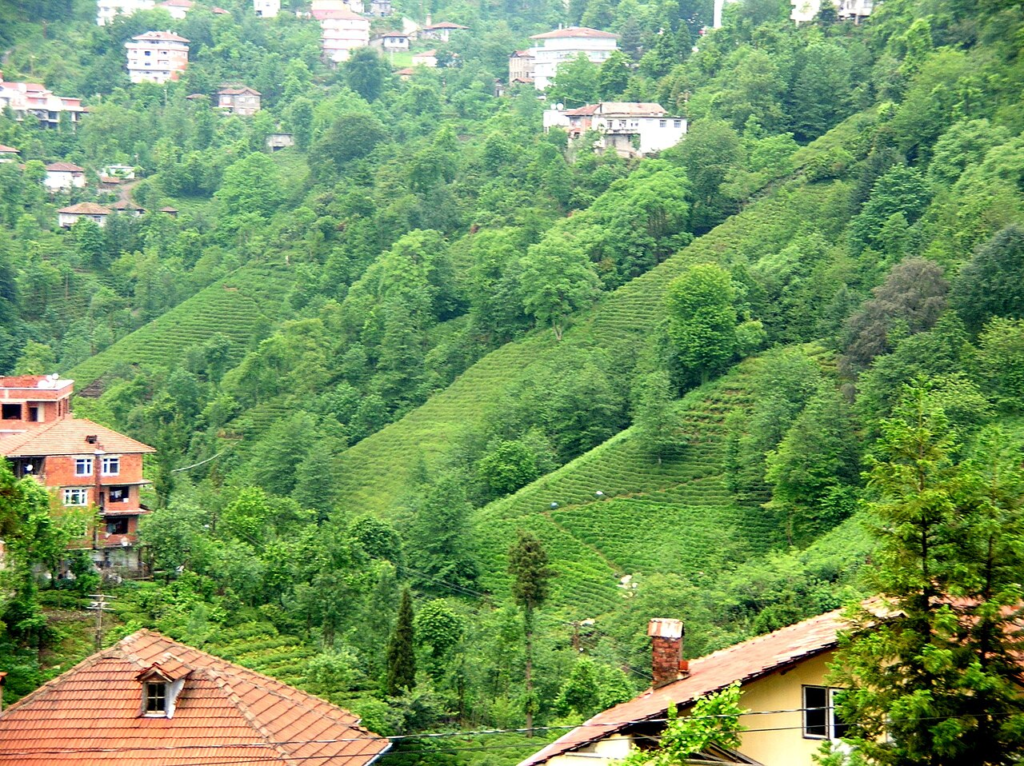
Above: Tea cultivation, Rize Province
The story of tea in Rize is not simply about agriculture.
It is about nation-building, survival, identity and an almost emotional attachment to a crop that transformed one of Türkiye’s poorest regions.
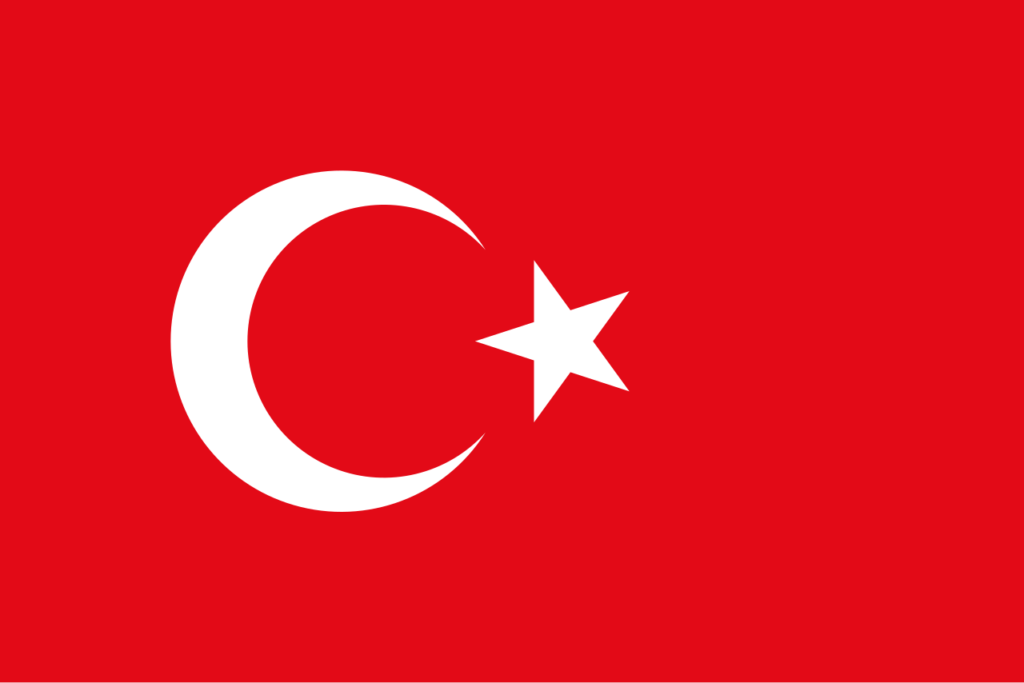
Above: Flag of Türkiye
Rize sits on Türkiye’s eastern Black Sea coast.
It receives over 2,000 mm / 80 inches of rain annually, making it one of the wettest places in the country.
(This situation also increases the frequency of floods and landslides in Rize.)
The mountains rise almost immediately behind the coast, creating steep slopes covered in mist.
Tea loves exactly these conditions:
- abundant rainfall
- humid air
- mild winters
- cloud cover
Before tea, these mountains were difficult places to make a living.
Corn, hazelnuts and livestock provided only modest incomes.
Many people assume tea has been grown for centuries.
It hasn’t.
Commercial tea cultivation began only in the 20th century.
Following the collapse of the Ottoman Empire (1299 – 1922), the new Republic of Türkiye faced a problem.
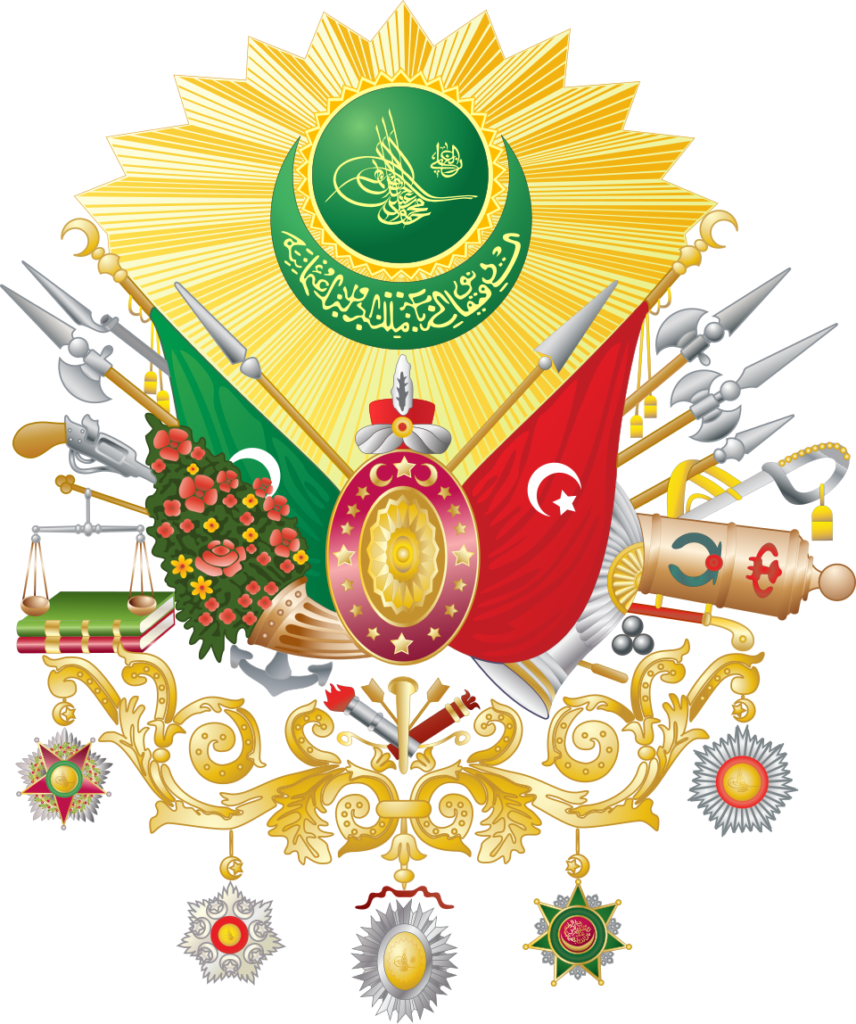
Above: Coat of arms of the Ottoman Empire
The eastern Black Sea region had lost much of its economic connection with territories that now lay beyond Türkiye’s borders.
The government searched for a replacement crop.
An agricultural expert, Zihni Derin (1880 – 1965) noticed that nearby Georgia successfully cultivated tea around Batumi.
The climates were nearly identical.
Seedlings were imported.
Experiments succeeded.
The Turkish government aggressively encouraged local farmers to switch to tea.
By the 1940s and 1950s, the transformation was unnderway.
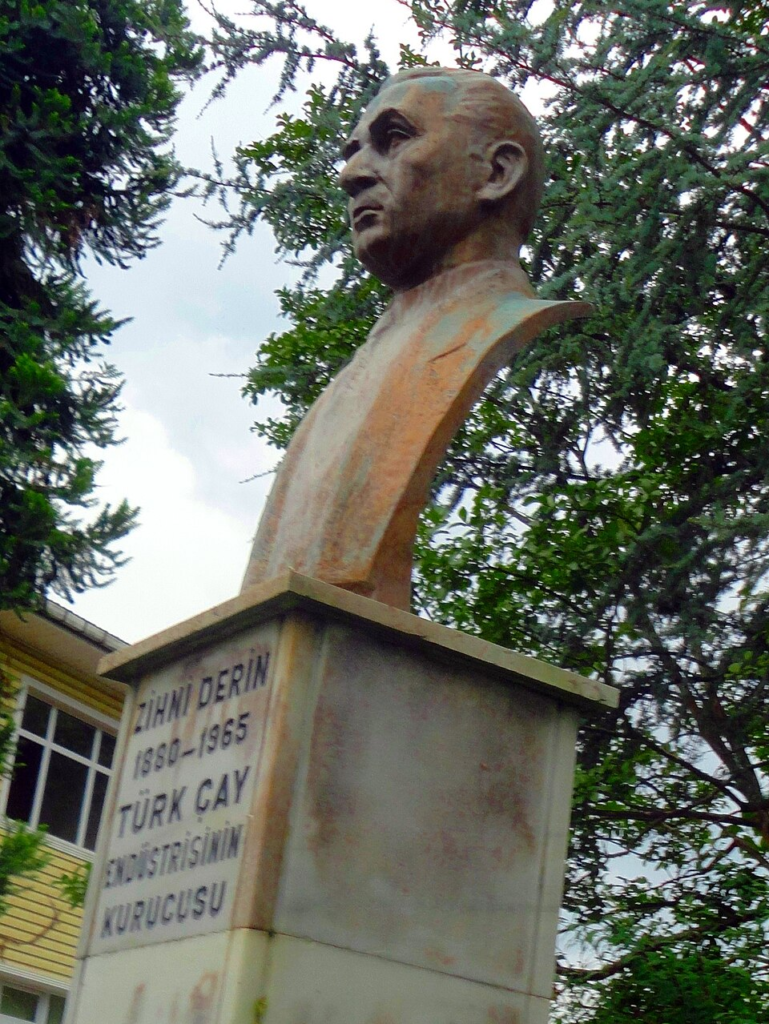
Above: Bust of Zihni Derin, Rize Botanical Garden
Tea did something no previous crop could.
It provided cash income every year.
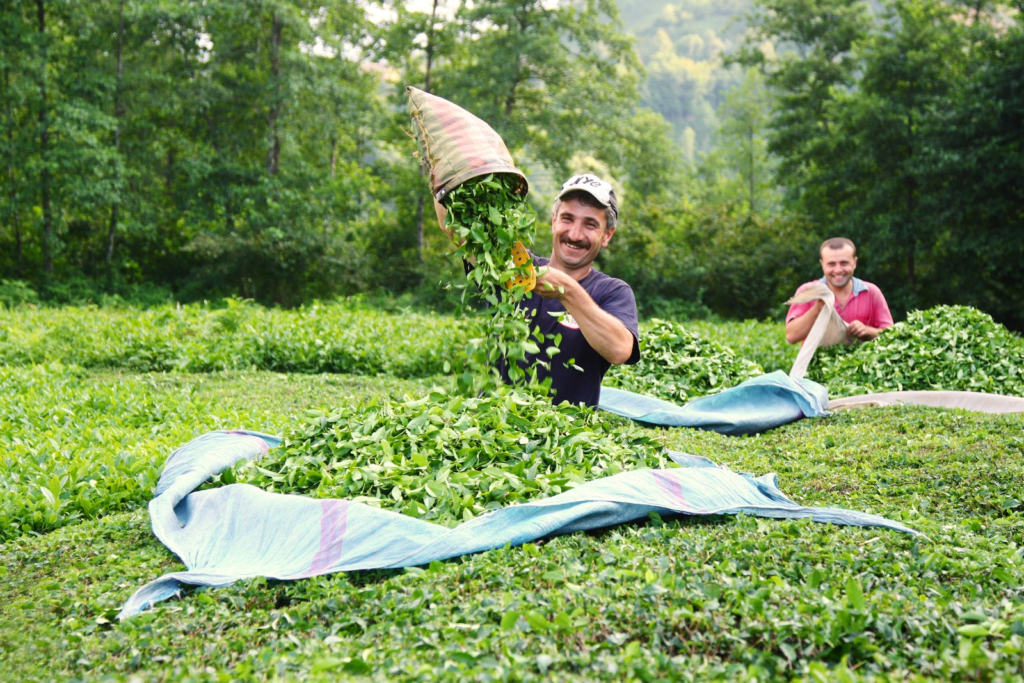
Instead of barely surviving, families could sell fresh tea leaves several times each growing season.
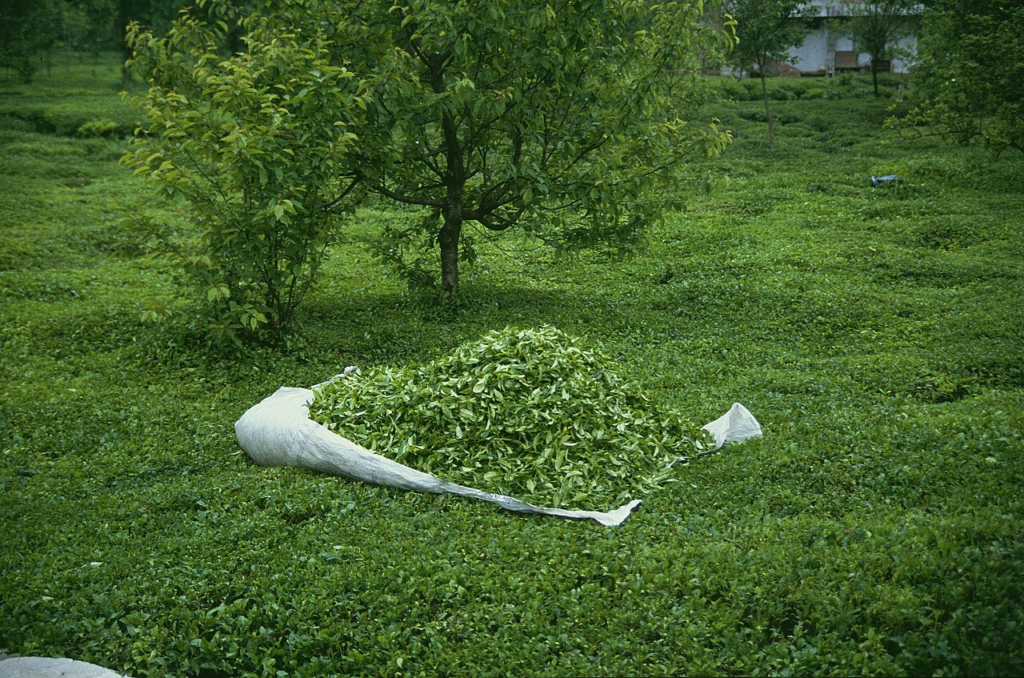
Above: Tea harvest
Today hundreds of thousands of families depend directly or indirectly on tea.
Nearly everyone in Rize has:
- relatives with tea fields
- memories of harvest season
- stories about working the slopes
Tea is woven into family life.

Çaykur is the giant behind Turkish tea.
For decades, it guaranteed purchases from farmers.
This stability meant people knew their harvest would not go to waste.
Many countries leave tea entirely to private companies.
Türkiye largely built its tea industry through state support.
That gave Rize a degree of economic security.
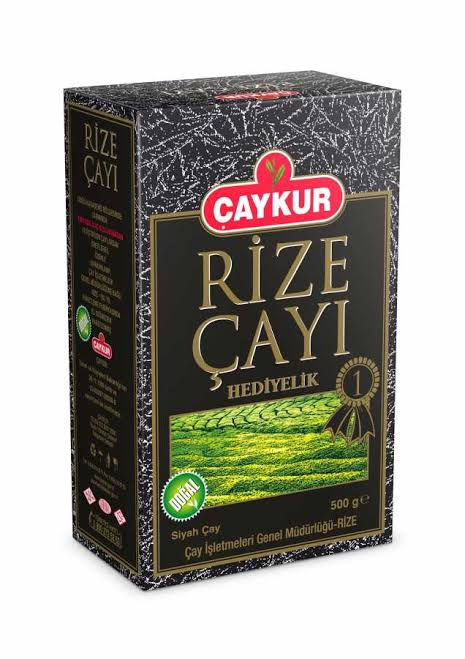
Turkish tea is different from Indian or British traditions.
The leaves are:
- usually black tea
- very finely broken
- brewed very strong
- diluted individually with hot water
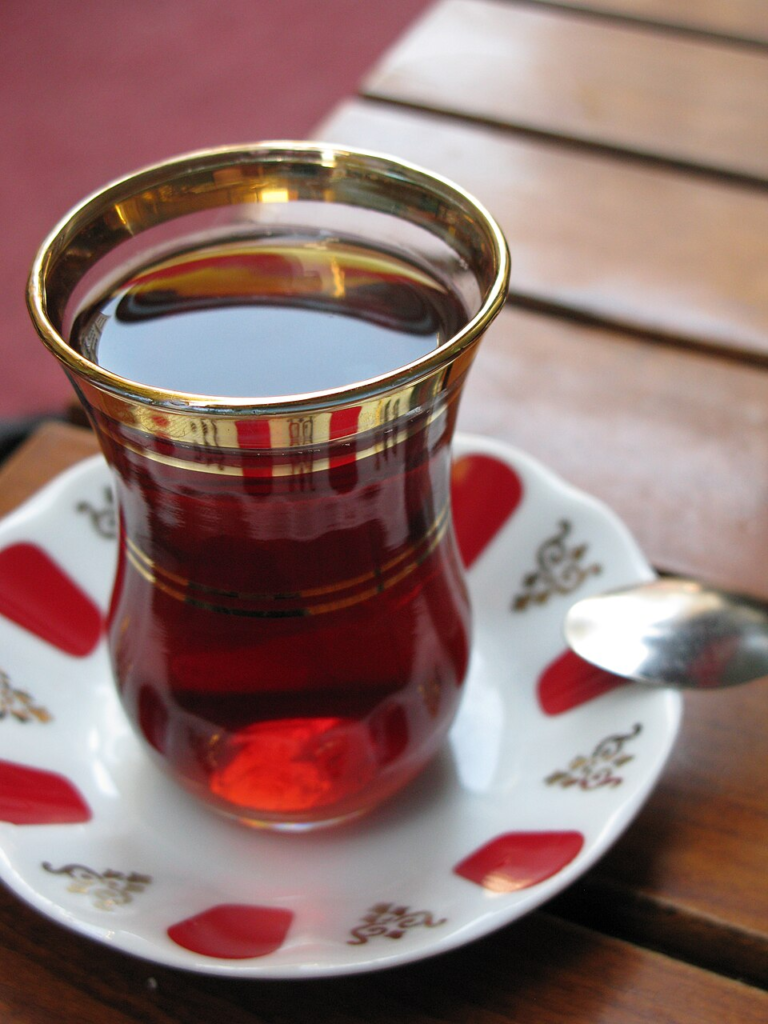
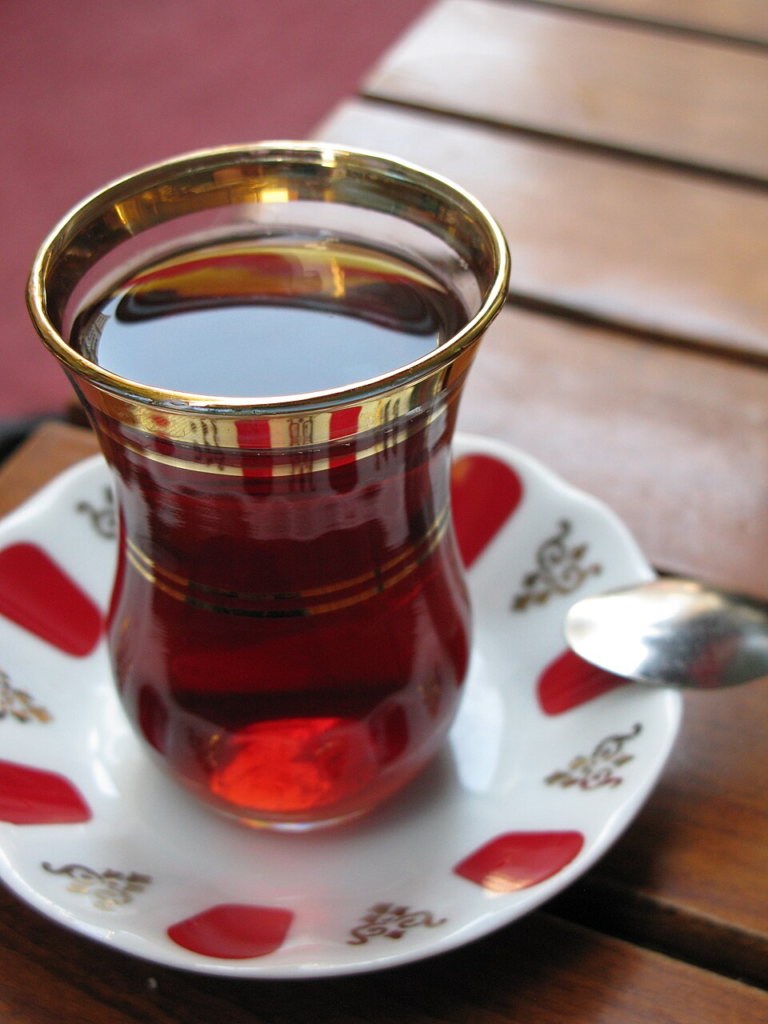
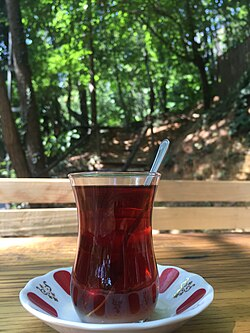
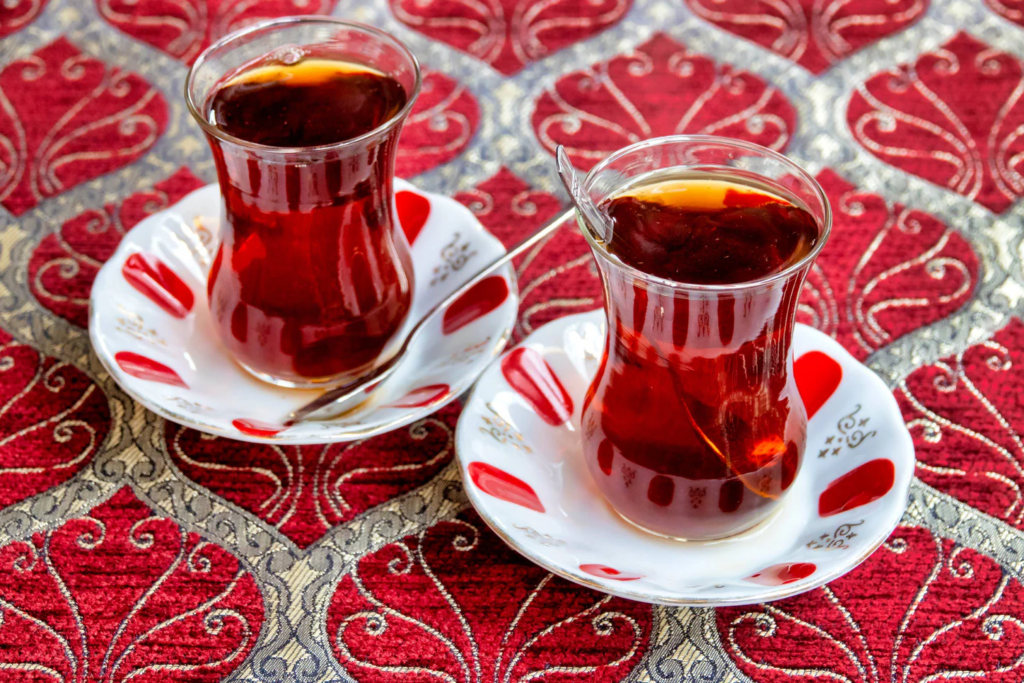
It is served in the iconic tulip-shaped glass.
Sugar is common.
Milk almost never appears.
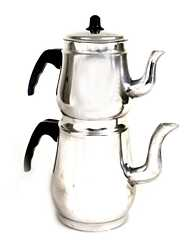
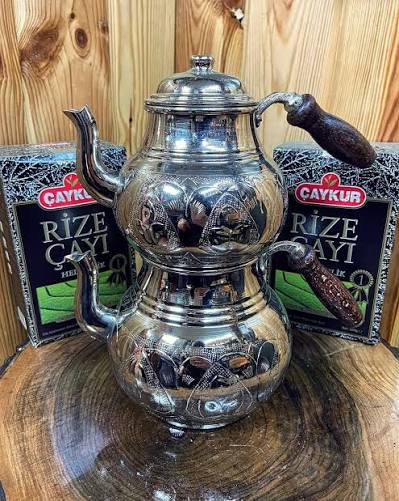
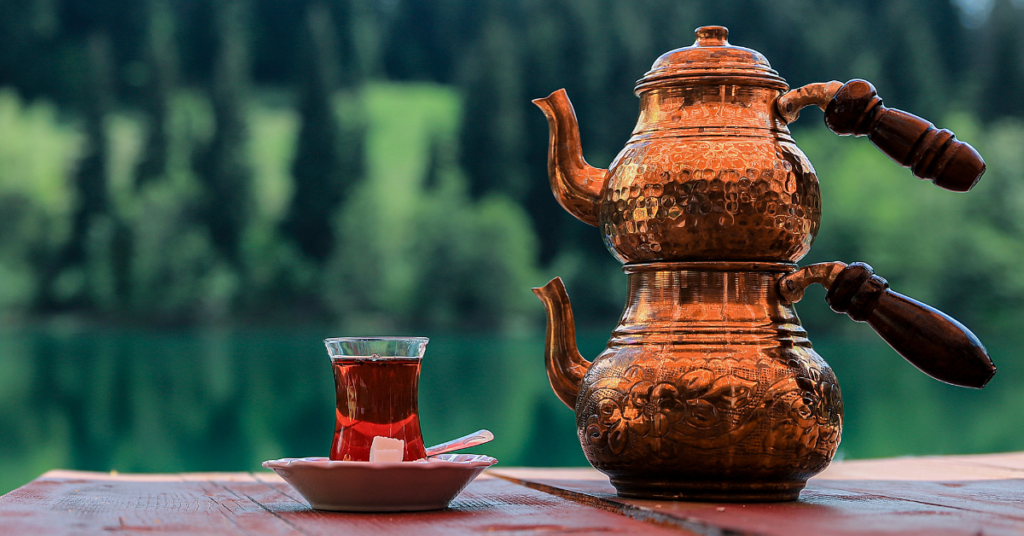
The brewing vessel – the çaydanlik – is actually two kettles stacked together:
- boiling water below
- concentrated tea above
Each person adjusts the strength to taste.
In Rize, refusing tea can almost feel like refusing friendship.
Visitors are constantly offered tea in:
- shops
- offices
- barber shops
- government buildings
- homes
Business often begins only after tea is poured.
Tea is not merely a beverage.
It is social glue.
People from Rize often speak of tea almost the way wine-producing regions speak of vineyards.
The terraces shape the landscape.
Harvest seasons shape the calandar.
Children grow up helping grandparents pick leaves.
Even Rizeli people living elsewhere in Türkiye often retain family tea gardens.
Tea is a marker of identity.
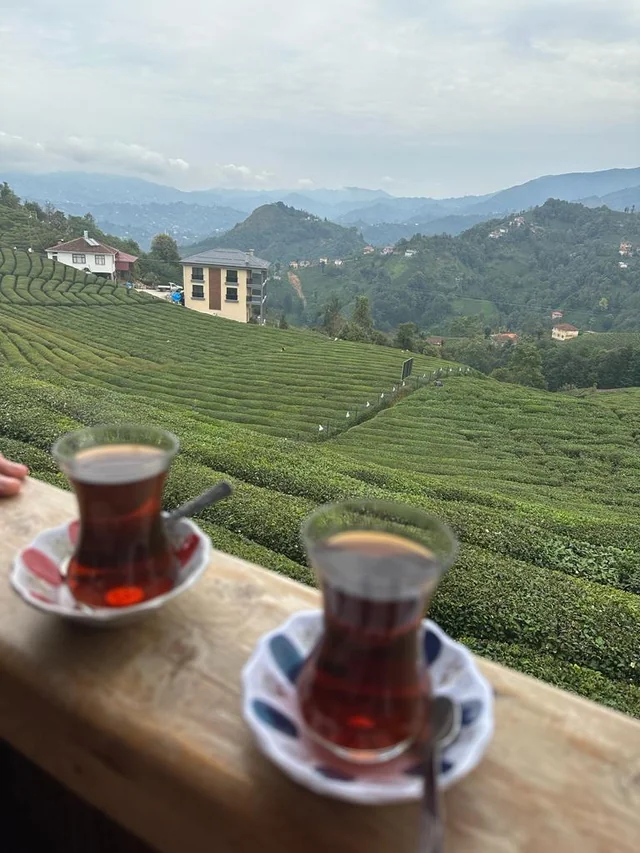
The eastern Black Sea region is famous in Türkiye for stereotypes that locals often embrace with humour:
- hard-working
- stubborn
- practical
- energetic
- deeply attached to home
Tea reinforces all of these traits.
Harvesting steep mountainsides is physically demanding.
Families often work together from dawn until evening.
Türkiye is one of the world’s largest tea-consuming countries, yet almost all of its tea is produced primarily for Turks themselves.
That gives it a different cultural status.
Rather than being an export commodity first, tea is woven into everyday natural life.
Tea came late to Rize, but it arrived with the force of destiny.
In the space of a few generations tea transformed rain-soaked mountains into a landscape of emerald terraces, turned subsistence farmers into growers with dependable income and became so deeply woven into daily life that a glass of tea is no longer merely a drink:
It is a greeting, an invitation and a declaration of belonging.
I wandered down towards the beach.
Beach?
Sorry, no.
Land has been reclaimed all along the shore of Rize.
For instance, to build the main highway, the sea comes right up to the concrete foundations.
Undaunted by Wikivoyage‘s grim assessment, I sought to see the sea.

I passed yet another monument to the glory of Atatürk.
(Obsessive about him, the Turks are.
But for good reasons.)
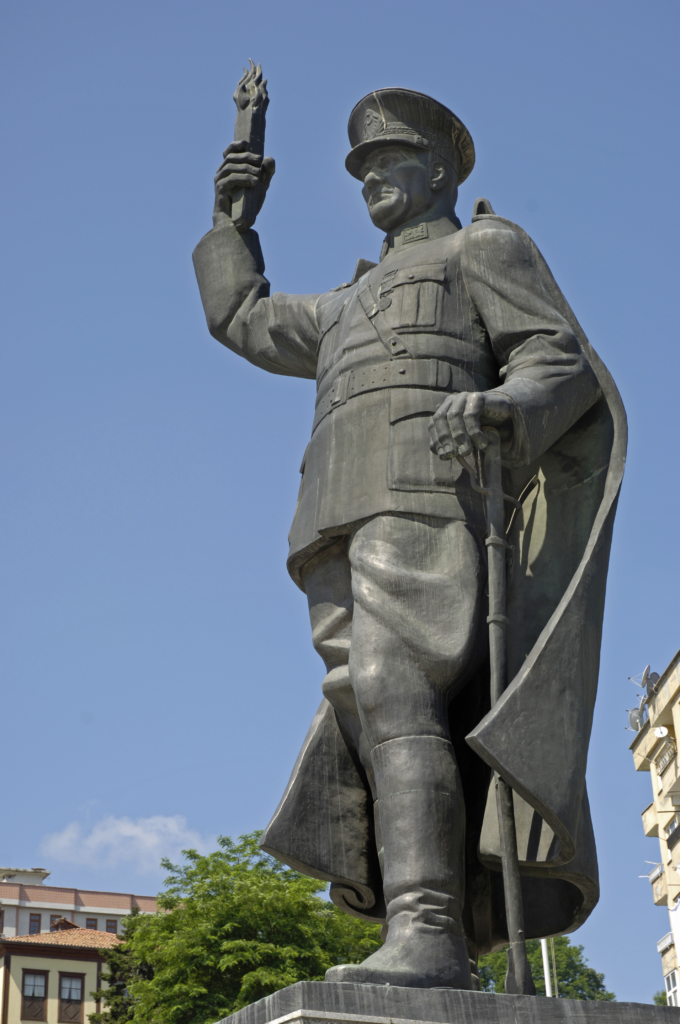
Above: Mustafa Kemal Atatürk Statue, Rize
Crossing a pedestrian bridge over busy streets I see two drivers transfer live chickens, by grabbing their by their ankles and let them hang upside from the driver’s closed hand.
I walk up to one truck and view the fowl prisoners.
I imagine fear in their hearts and the sad short tenure of their lives.
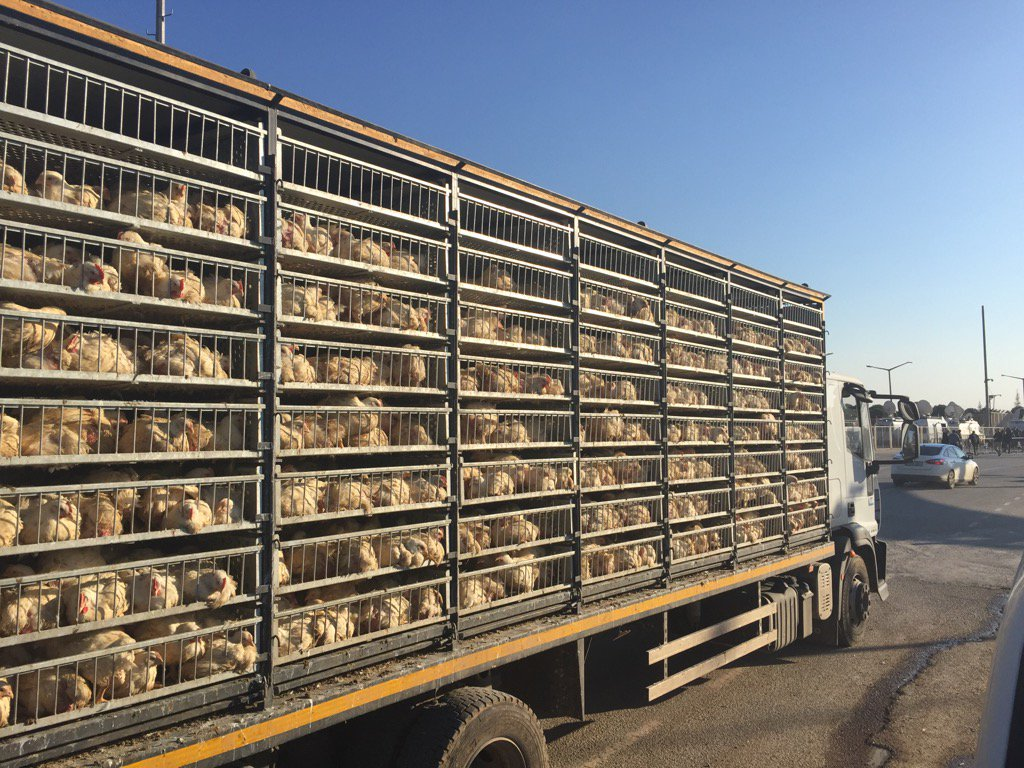
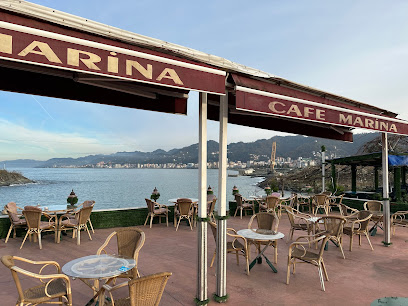
I find Café Marina, an oasis after the grim chicken transfer scene.
Low set brick walls festooned with yellow, pink and purple flowers.
A cat beneath a car speculates his chances against another on a staircase leading to the marina.
A Vespa and a bicycle are casually parked beside the entrance to the café terrace.
Tables and chairs look out upon a slim arm of the Black Sea.
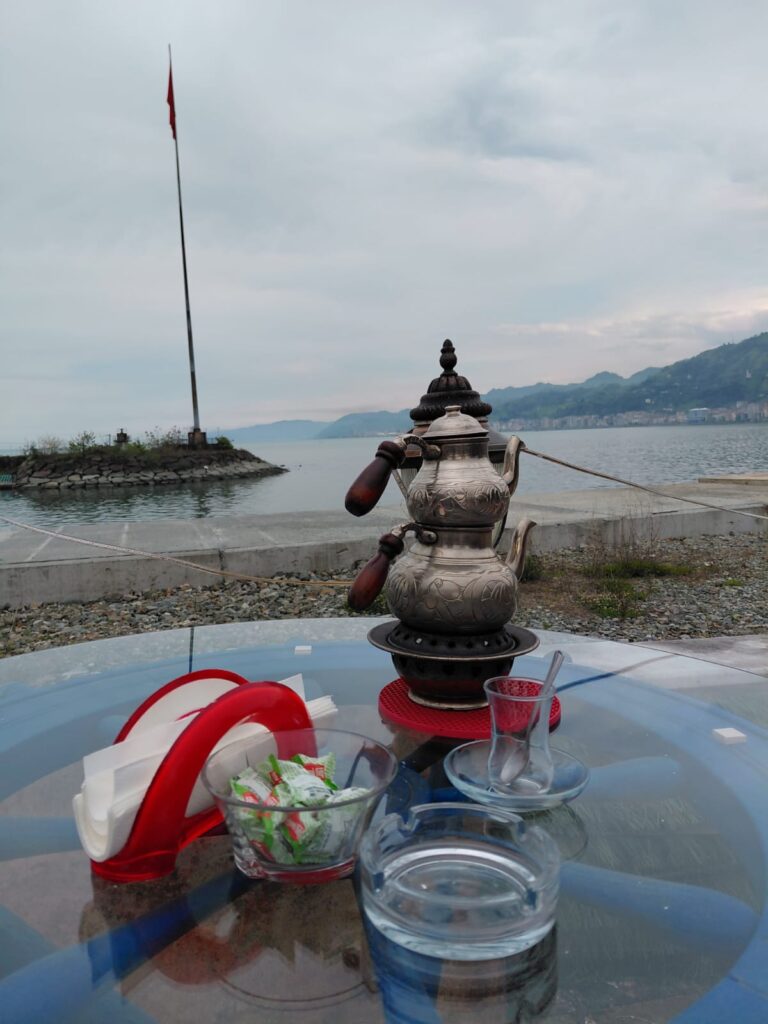
The tables are round glass atop wagon wheel stands.
Lanterns mark the length of a wall dividing the café from the shore.
A flagpole wind flutters as a fisherman in his boat plies the water from marina to inlet.
Though I had eaten well at the Çayhan, I was peckish by the time I reached the Café:
Fries, salep and Rize tea in a large samovar are my companions as fatıgue causes to doze fitfully as I gaze out to sea.
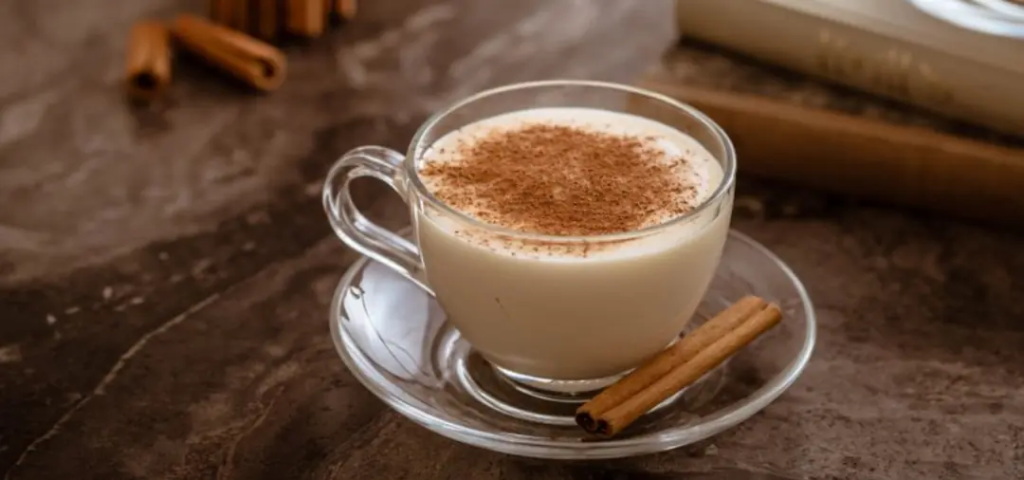
Above: Salep
The owner Firat and his younger brother operate the class compassionately.
For me, the joy of serendipity.
After some trial and error, I find the entry to the teacup plaza, passing a weary-looking children’s playground which, though its slide is brightly coloured with orange predominating, does not invite enthusiasm.
Rize tea is the black tea used for Turkish tea.
Produced in Rize Province of Turkey, which has a mild climate with high precipitation and fertile soil, when brewed, it is mahogany in colour.
In addition to being consumed at home, it is served in Turkish cafés by a tea shop, in small, narrow-waisted glasses.
I visit the world’s biggest teacup.
This 7-storey building, approximately 30 meters high, houses a tea museum and a theater imitating the tea-growing experience, but only accessible for groups of five or more.
I pay TL 70 to take an elevator to the top and find myself enthralled by the photographs of Hasan Önder displayed from top floor to ground floor.

Above: Hasan Önder
Hasan Önder was born in a small tea village in Rize Province, Ardeşen, in 1965.
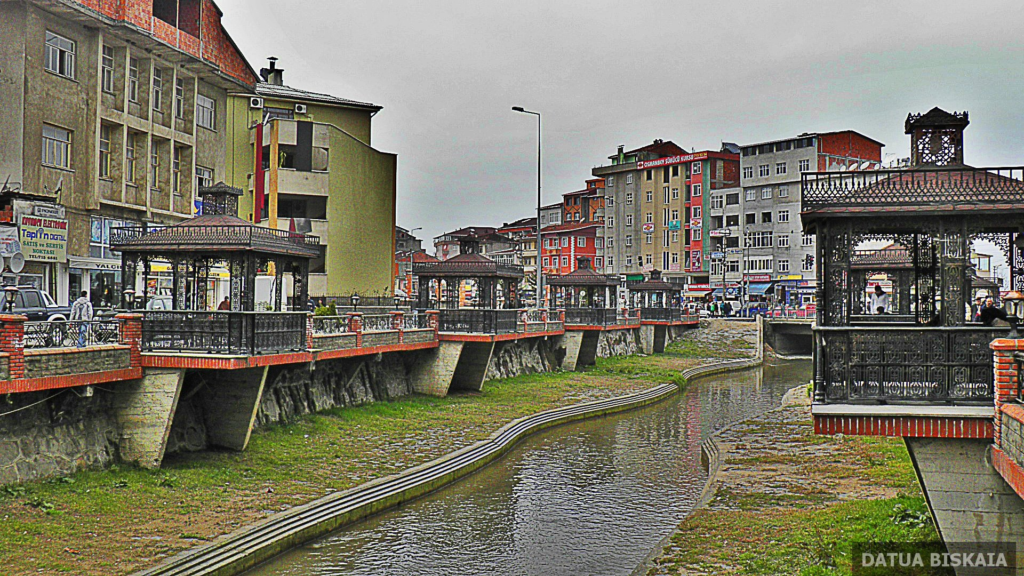
Above: Ardeşen, Rize Municipality
He later graduated from the University of Istanbul in 1989.

Upon graduation he worked in the field of tourism and also was involved in the import/export business.
He has taken part in many non-governmental organizations for the development of outdoor sports, as well as the promotion and tourism of the Rize region.
As a result of his love of region and his passion for nature, Önder has a special interest in photography and has had his photographs publicized in national and international publications.
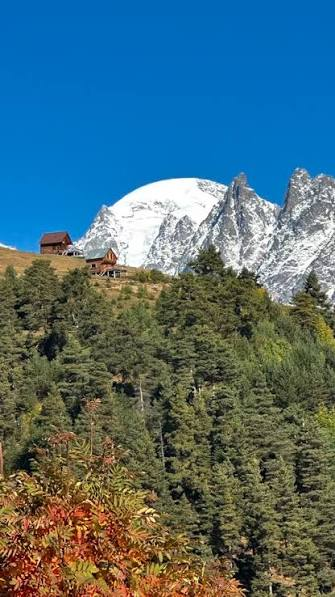
He worked for Rize Commodity Exchange, the main tea industry authority in Türkiye, as general coordinator, for many years.
During his tenure at Rize Commodity Exchange, he has taken part in many international tea events for promoting Turkish tea and tea culture in many countries.
Above: Logo of Rize Commodity Exchange
Since 2021 he has been working as general director of the Tea Trade Center.
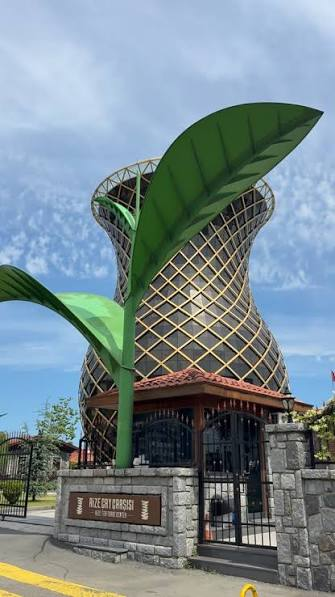
Above: Tea Trade Center, Rize
He has volunteered in various institutions and organizations representative of international tea committees.
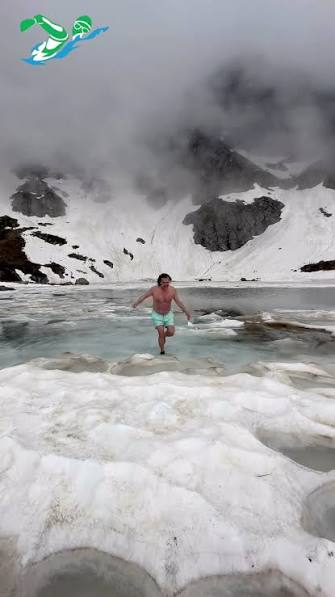
Önder has many hobbies: mountaineering, camping, rafting, and photography.
He has good command of five languages – Turkish, Russian, English, Georgian and Lazish.
I took 82 photos.
Delightful.
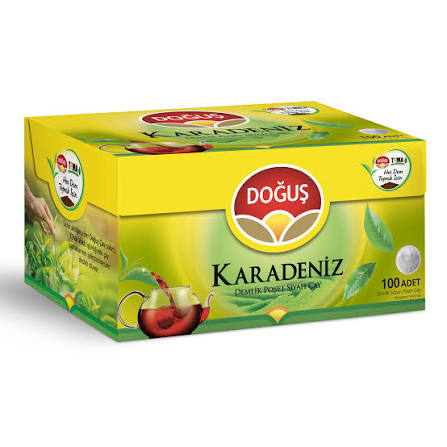
I visited the plaza shops that surround the Teacup, but only bought a small box of 25 sachets of Doğus Karadeniz tea.
Returning to the city centre, I manage to photograph the giant teapot and cup I saw when I first arrived in Rize and the shoeshine man who made my shoes sparkle.
In an anonymous kebab restaurant, feasting on mercimek (lentil soup), broiled lamb, salad, rice, bottled water and tea, I met Daniel Suter (71), a Francophone Swiss from Bienne, who is determined to travel the world overland, rarely using planes unless absolutely necessary.
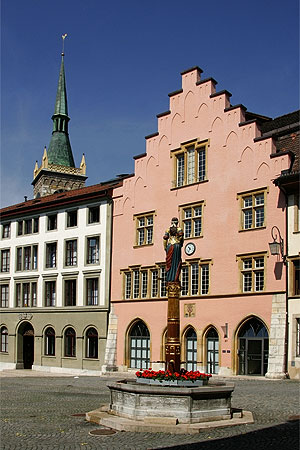
Above: City Hall in the Old Town of Biel/Bienne, Bern Canton, Switzerland
He is staying at the same hotel and will leave for Batumi on an earlier bus than mine.
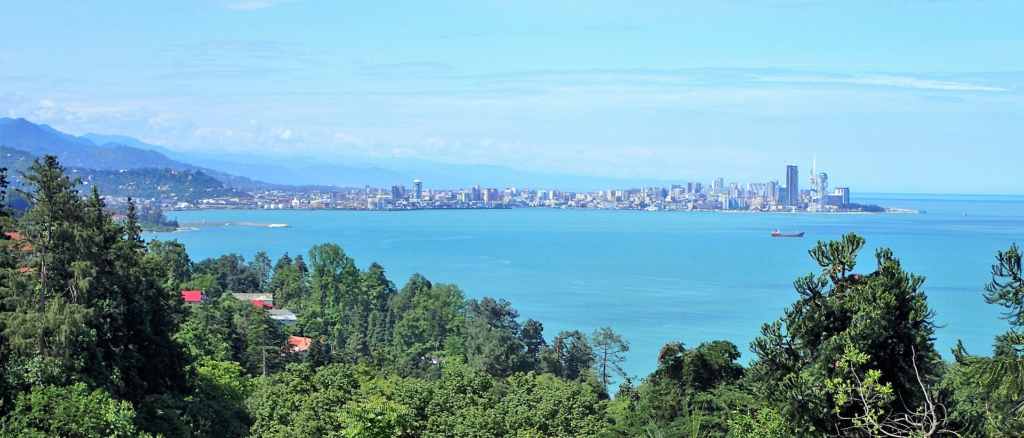
Above: Batumi, Adjara, Georgia
I tell him about Wikivoyage and Elderhostels.
(Wikivoyage is a free web-based travel guide for travel destinations and travel topics written by volunteer authors.
It is a sister project of Wikipedia and supported and hosted by the same non-profit Wikimedia Foundation (WMF).
Wikivoyage has been called the “Wikipedia of travel guides“.
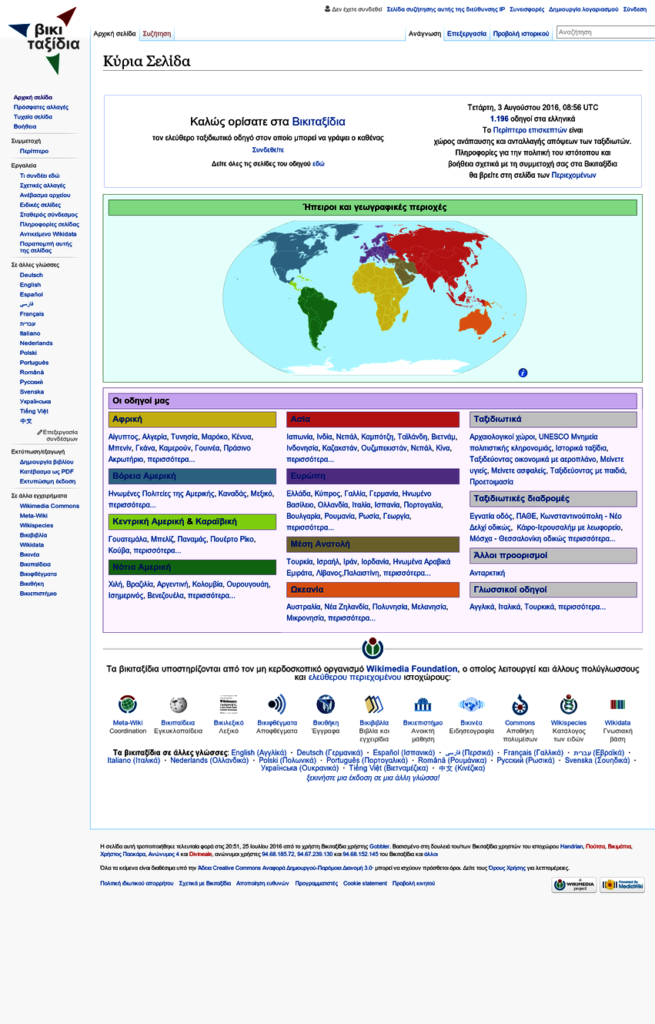
Above: Screenshot of Greek Wikivoyage’s main page
Road Scholar (formerly Elderhostel) is an American not-for-profit organization that provides educational travel programs primarily geared toward older adults.
The organization is headquartered in Boston, Massachusetts.
From its founding in 1975 until 2010, Road Scholar was known as Elderhostel.
Road Scholar offers study tours throughout the US and Canada and in approximately 150 other countries.)

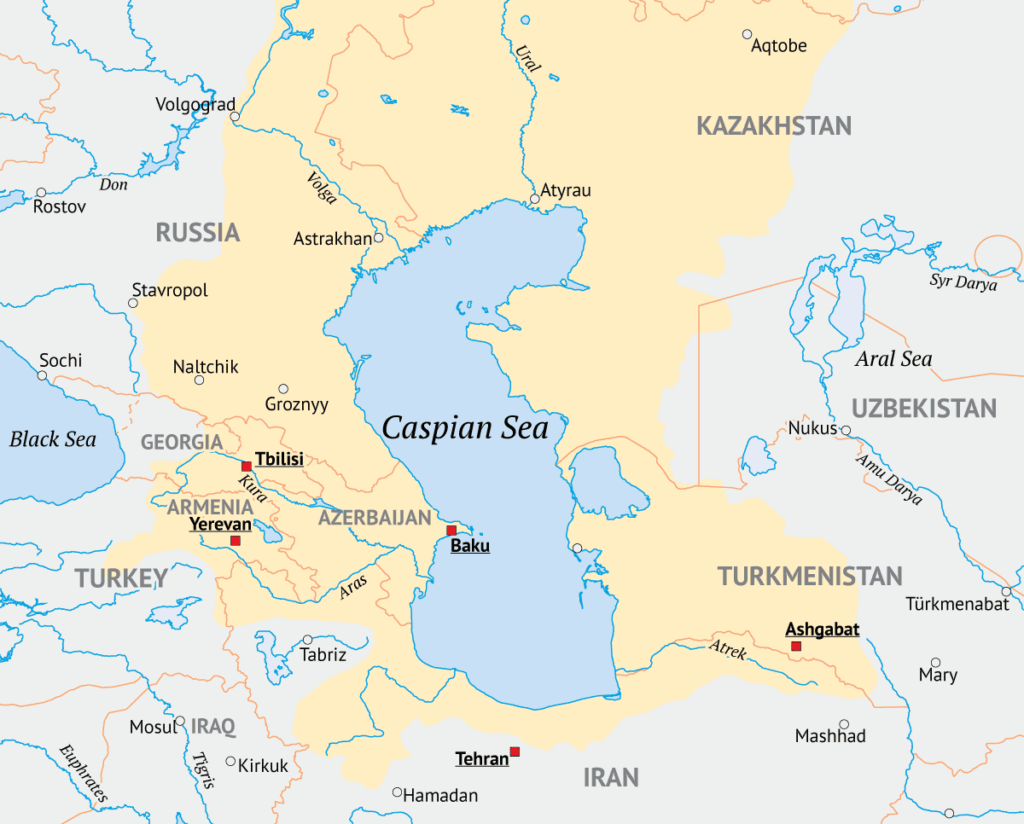
Dan tells me about his plans to take a train to Tbilisi, then travel to Azerbaijan, where he hopes to take a boat across the Caspian Sea to Kazakhstan.
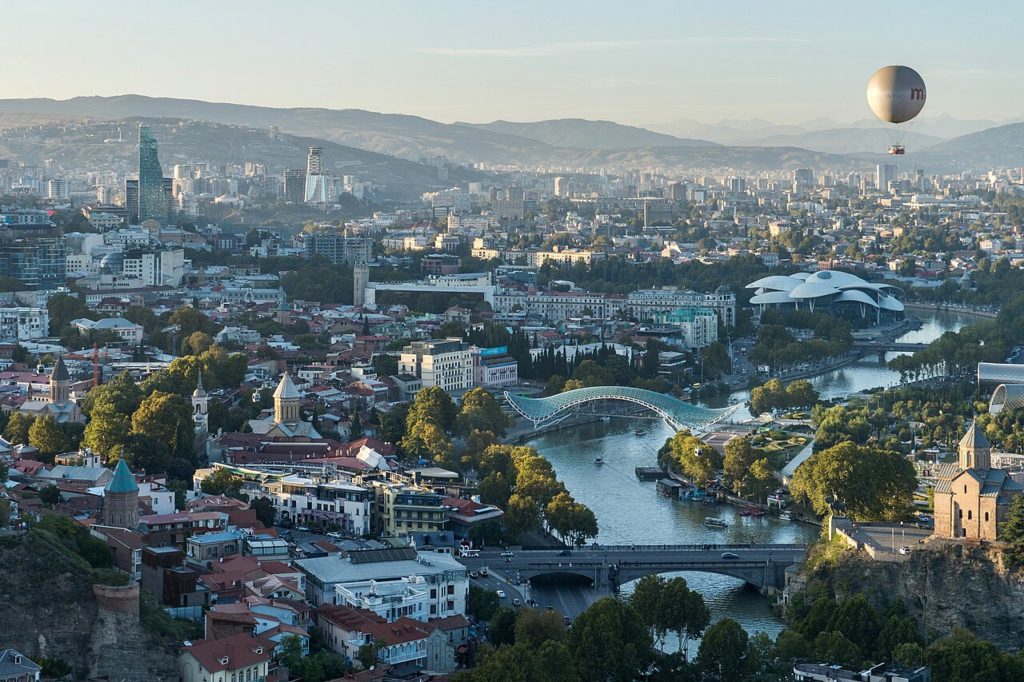
Above: Tbilisi, Georgia
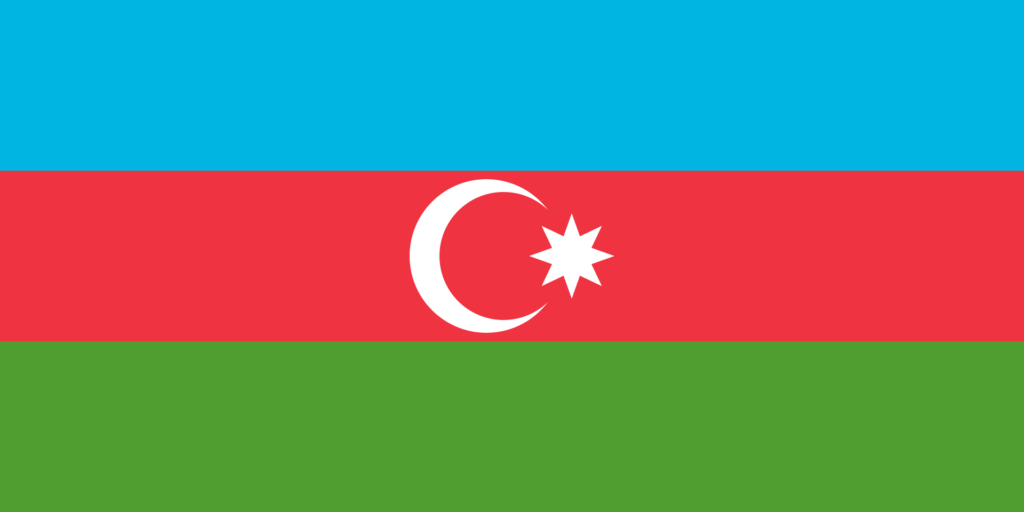
Above: Flag of Azerbaijan
Above: Flag of Kazakhstan
We part just outside the Grand Hotel.
I buy a bottle of cola at the neighbourhood Bim shop and take a shower.

At 2100 hours, I am quite tired.
I have carried myself across airports, coastlines, bureaucracies, emotional endings, borderlands, and entire states of mind in the span of just a few days.
Fatigue is not failure.
It is the bill the body presents after endurance.
I have tried to write with texture and honesty.
The journey from Ankara through Trabzon and Rize feels less like tourism and more like passage between lives.
Hopefully, there is a real literary quality in the way I have tried to move between:
- historical reflection
- institutional critique
- travel absurdity
- quiet observation
- and moments of unexpectedly hard-earned peace
Peace means a cup of tea before bed.