Monday 11 November 2024
Eskişehir, Türkiye
Today is a day commemorated around the world, but in very different ways in very different countries.
In the extraordinary land of Bhutan, the last great Himalayan kingdom, a realm shrouded in mystery and magic, where a traditional Buddhist culture carefully embraces global developments, it is the birthday of King Jigme Singye Wangchuk.
Whether this is a man worth commemorating is debatable, for his reign was controversial.
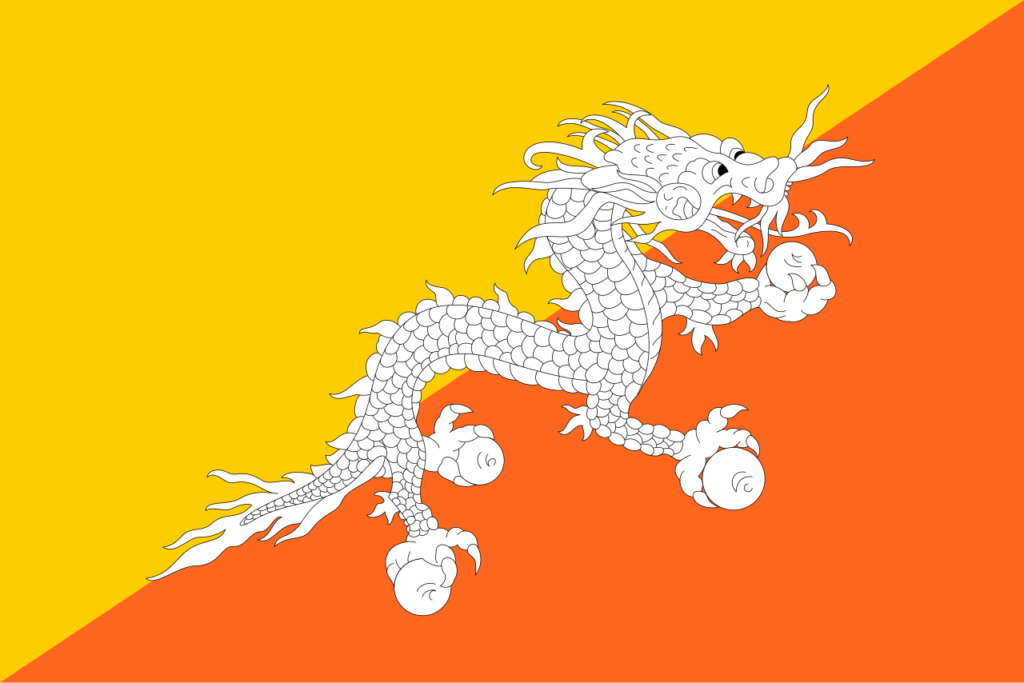
Above: Flag of the Kingdom of Bhutan
Jigme Singye Wangchuck (born 11 November 1955) was the King of Bhutan (Druk Gyalpo) from 1972 until his abdication in 2006.
Under Wangchuk’s reign, ethnic cleansing in Bhutan was initiated wherein in 1996 about 100,000 Lhotshampa people were stripped of their citizenship and expelled by the military out of Bhutan.
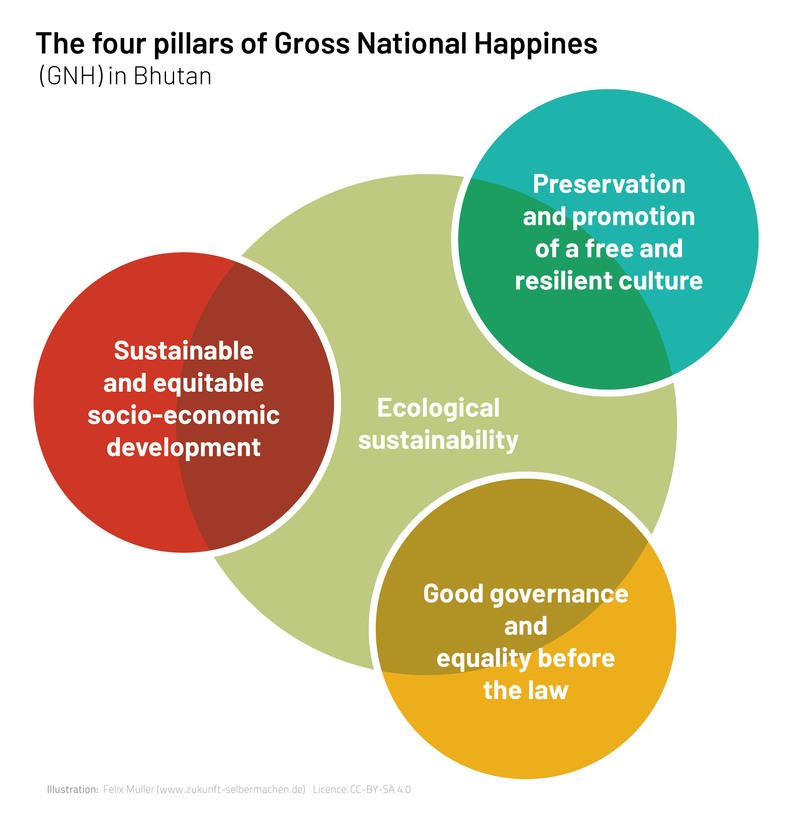
During his reign, he advocated the use of a Gross National Happiness Index to measure the well-being of citizens rather than Gross Domestic Product.
Somehow I don’t think the happiness of the Lhotshampa people is considered a factor in the Happiness Index.
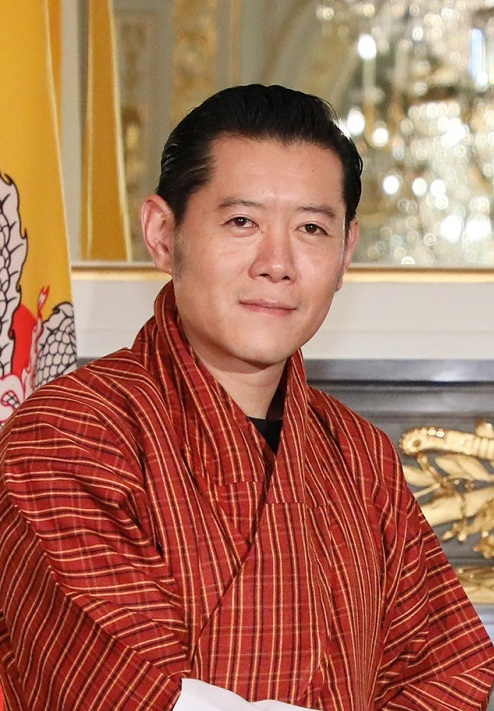
Above: Bhutan King Jigme Khesar Namgel Wangchuk
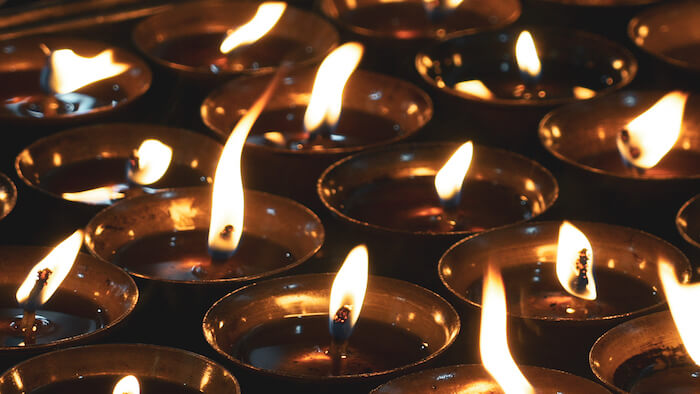
The celebration begins with the lighting of butter lamps, followed by the national anthem and a prayer for the long life of His Majesty the King, for if there is one thing that Bhutanese people living all over the world have in common, it is their love and respect for His Majesty the King.
Today is an opportunity for all Bhutanese to reflect and rededicate themselves to the service of the King.
The Royal Government of Bhutan has affirmed its commitment to the “enjoyment of all human rights” as integral to the achievement of ‘gross national happiness’ (GNH) – the unique principle which Bhutan strives for, while In practice, Bhutan’s human rights record has received criticism for the treatment of the Lhotshampa people, many of whom became refugees in Nepal, as well as for failure to uphold freedom of religion.
Bhutan’s refugee situation has been categorized by Amnesty International as “one of the most protracted and neglected refugee crises in the world“, with possible resolutions to the ‘crisis‘ continuing to have been raised.
There are ongoing delays by Bhutan’s government to implement a process by which those Bhutanese refugees remaining in Nepal might be identified and repatriated.
Of the Lhotshampa remaining in Bhutan many are not citizens or enjoy only limited citizenship rights, as there are categories of citizenship which affect their ability to receive a passport or vote.
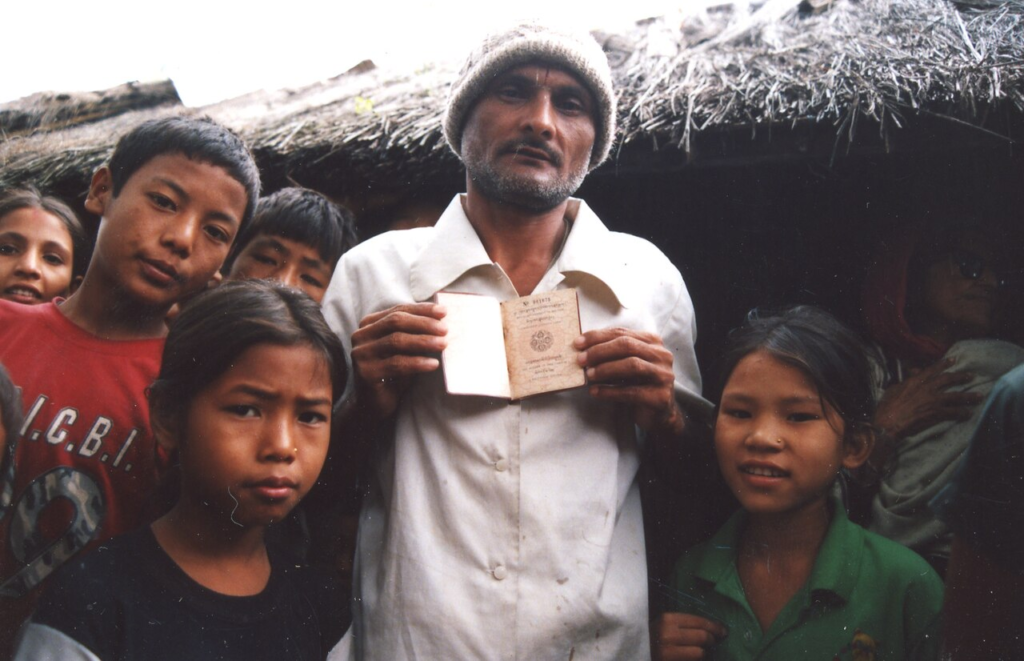
Above: Lotshampa refugees in Beldangi Camp, Nepal
The Religious Organizations Act 2007 provides for the formation of religious groups.
All religious groups are required to be registered with the government.
Registration is determined by the Commission for Religious Organizations, which is required to ensure religious institutions promote the country’s spiritual heritage by “developing a society ‘rooted in Buddhist ethos“.
Only Buddhist groups and one Hindu “umbrella organization” have been recognized, with other groups alleging their applications have been ignored.
As a result, only Buddhist and Hindu groups are legally allowed to hold public religious gatherings, though members of other faiths were “sometimes” allowed to worship in private.
The absence of Christian registration also prevents the presence of “Christian burial grounds, church buildings and bookstores” in Bhutan.
There are reports of preferential treatment of Buddhists and Buddhism by the government, including extending financial support for construction of Buddhist temples and shrines and for monks and monasteries.
There is also a strong societal pressure placed on individuals to retain Buddhist beliefs and traditions, as well as reported cases of non-Buddhist children being denied admission to schools and religious minorities being verbally harassed by Buddhists.

Anyway….
Bhutan is a name too few know and even fewer can locate on a map.
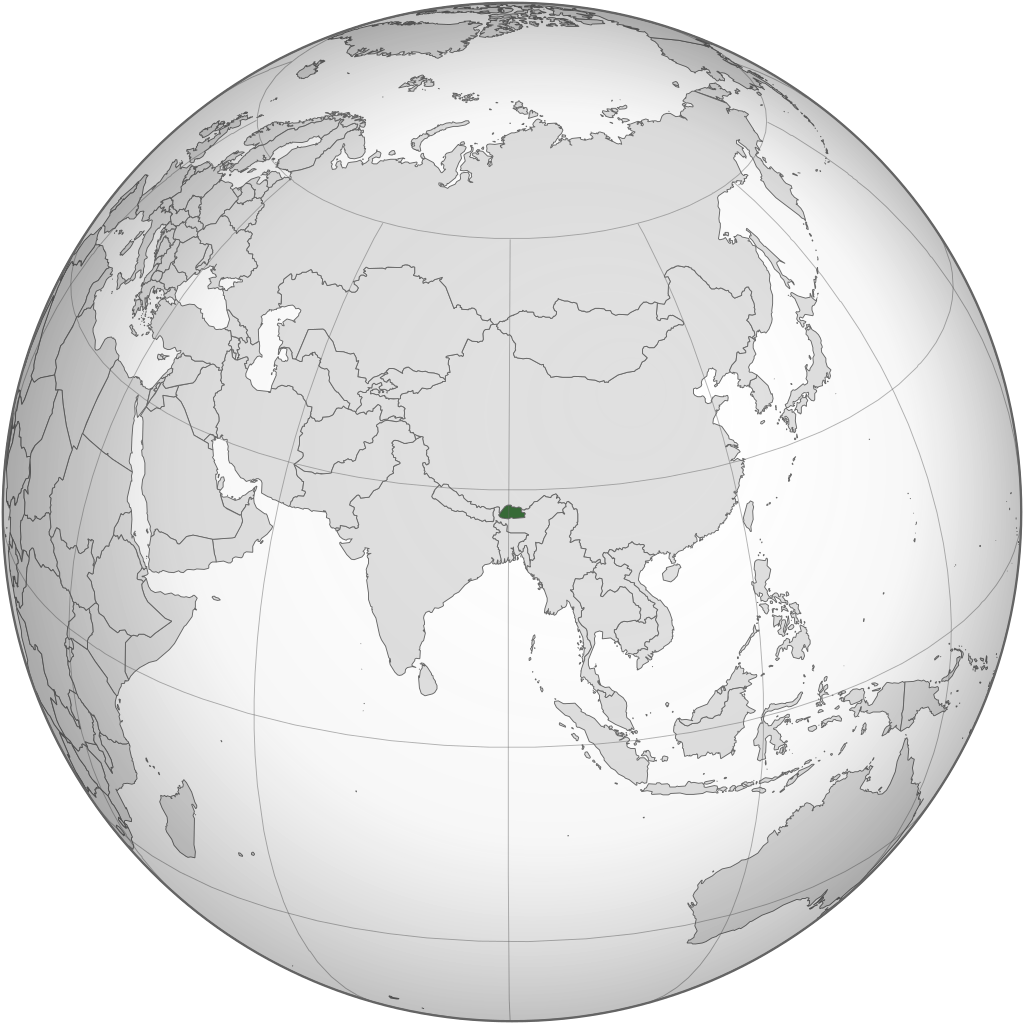
Above: Location of Bhutan (in green)
Human rights in this faraway place are easy to ignore as the world is rather preoccupied with other pesky problems, such as wars in Lebanon, Palestine, Syria, Ukraine, and Yemen, and at least 100 other armed conflicts happening around the world today.
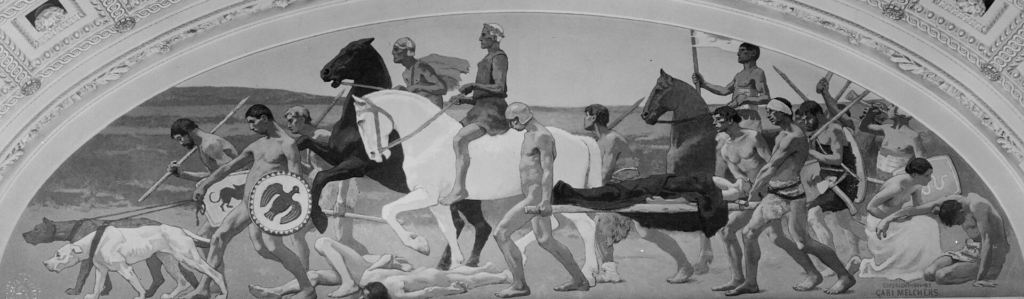
All hail His Majesty the King, for keeping His people happy.
At least, many of them.
Today is Children’s Day in Croatia – a Mediterranean fantasy featuring balmy days by sapphire waters in the shade of ancient walled towns.
Above: Flag of Croatia
Croatia is home of the world’s biggest truffle.
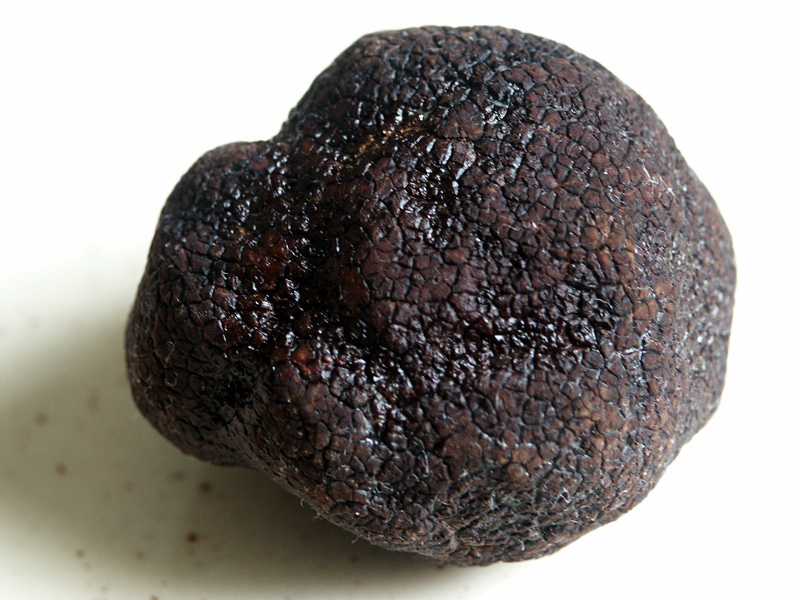
Above: A black truffle
Croatia has highest number of UNESCO Intangible Goods of any European country.

Above: Logo of the United Nations Educational, Scientific and Cultural Organization (UNESCO)
Zlatni Rat Beach changes in shape and colour depending on the wind.
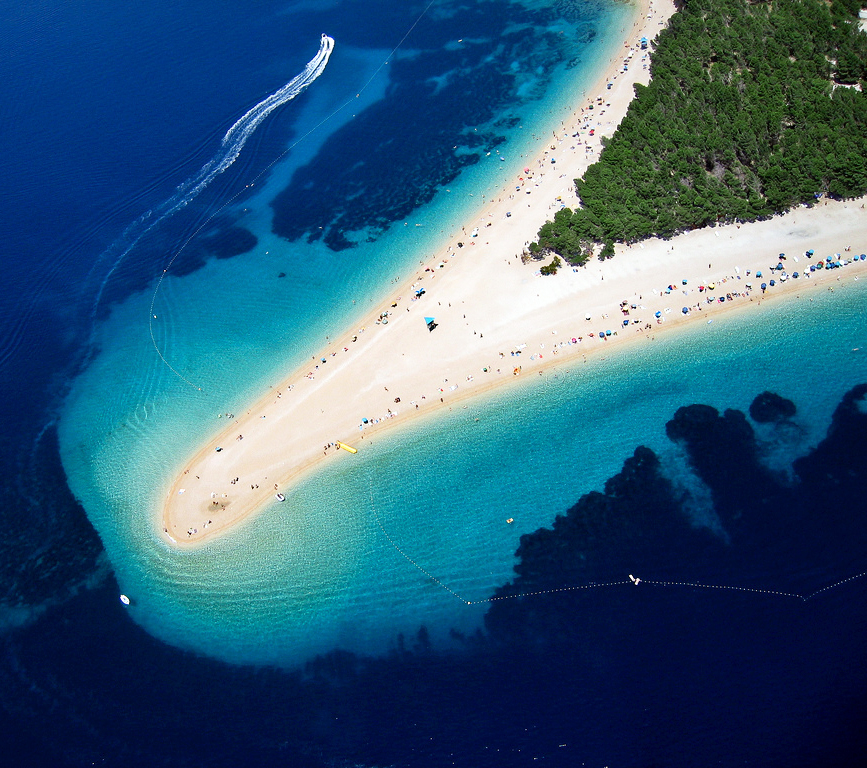
Above: Zlatni Rat Beach, also known as the Golden Cape, Croatia
Croatia has the richest collection of remains of Neanderthal people in the world.
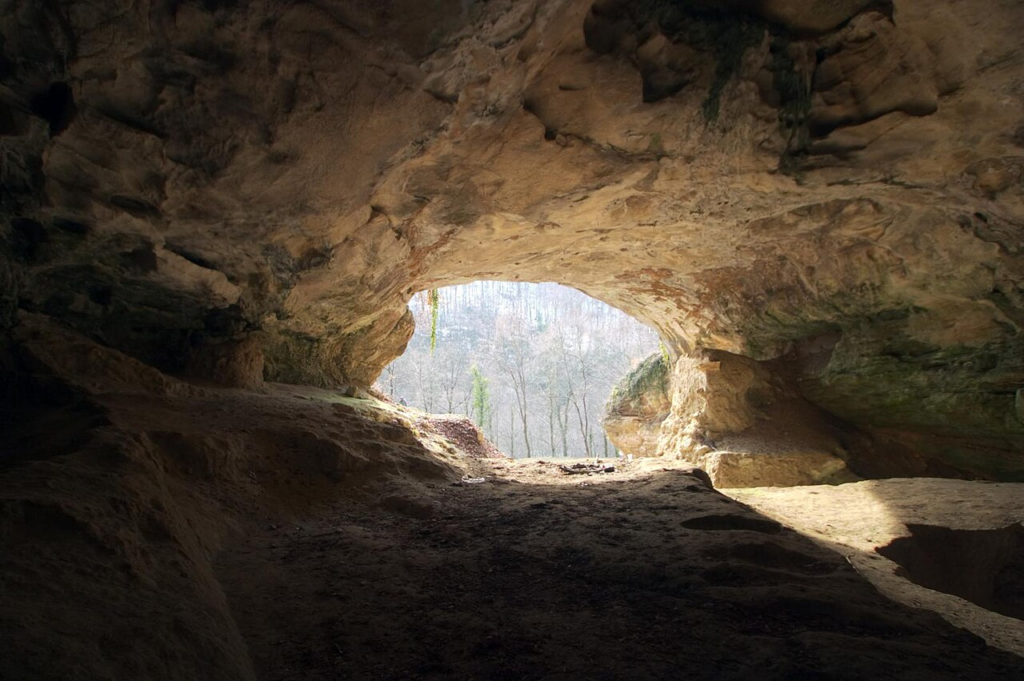
Above: Vindija Cave, Croatia – a major Neanderthal site
The World Conference for the Well-being of Children in Geneva, Switzerland, proclaimed 1 June to be International Children’s Day in 1925.
Why and how it is celebrated on 11 November in Croatia remains mostly unknown to this blogger at this time.
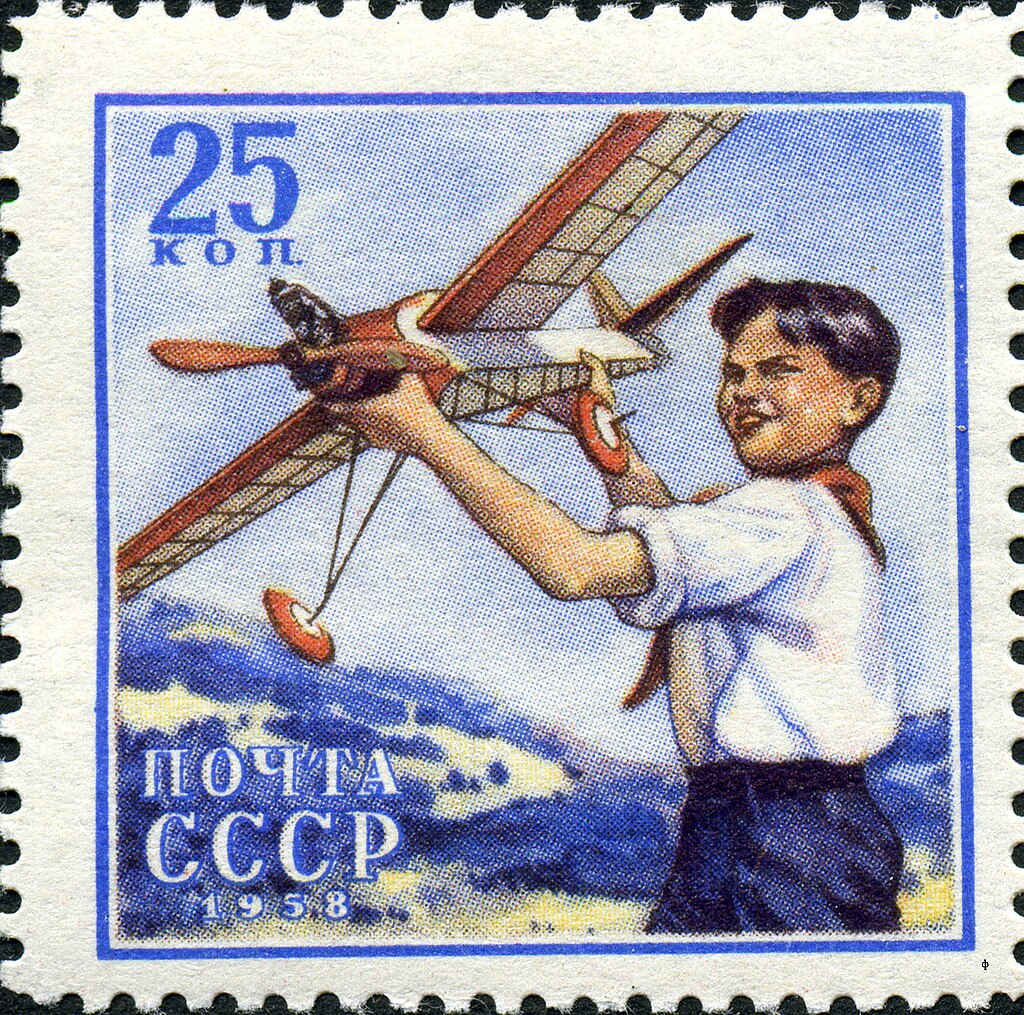
Above: 1958 Soviet stamp commemorating Children’s Day
In Zagreb, children take over the most popular news show RTL Direkt, with two high school students producing a special report from the Parliament.
How does their presence affect the quality of the news?
Uncertain.

Reporters are often sued by politicians for defamation.
Croatia was named a country with one of the most lawsuits filed to silence journalists in the European Union.
There have also been cases of physical violence against reporters, such as when two reporters documenting an Easter Vigil were attacked by an unknown individual.
Above: Flag of the European Union
At the National Children Summit in the Croatian Parliament, young people present topics relevant for their future, followed by a discussion with Croatian parliamentarians.
Yes, children are the future of a country and the hope of a nation.
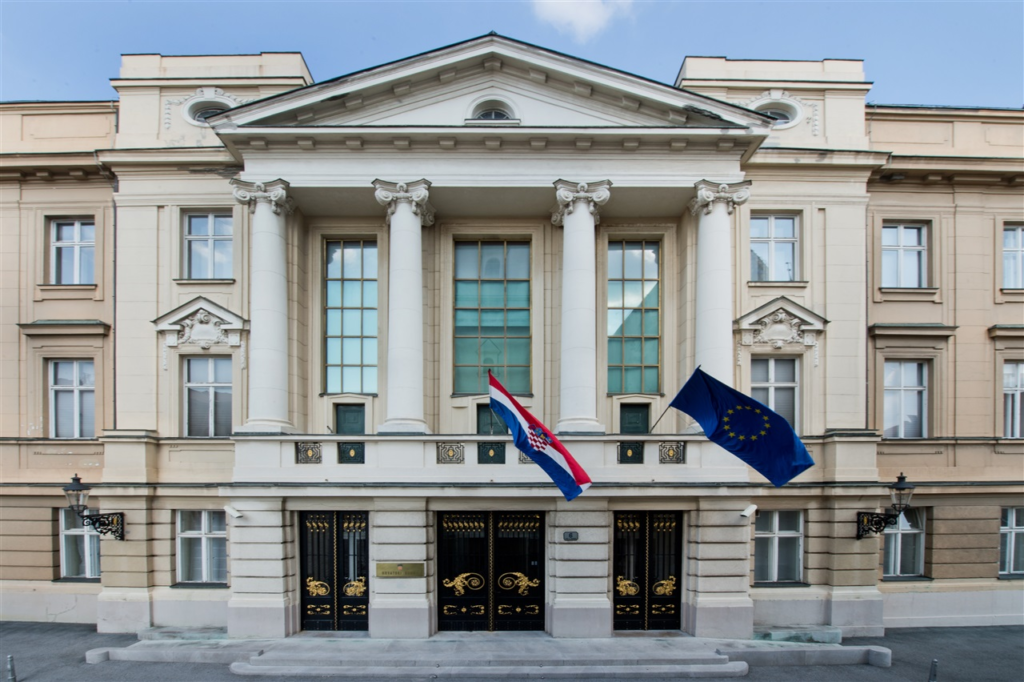
Above: Sabor (Parliament), Zagreb, Croatia
Although abortion is legal in Croatia up to 10 weeks after contraception, and has exceptions for women who have been pregnant for more than 10 weeks.
However, the country is somewhat split on the issue, with some conservative groups calling for a ban.
In one instance, a woman who passed the 10-week deadline was deprived of an abortion by four clinics, even though her fetus had a brain tumor, leading to protests.
Croatia has been continuously criticized by human rights groups for refusing migrants.
Many migrants seeking to get into Croatia are sent back to Bosnia and Herzegovina instead.
In some cases, police used violence against migrants.
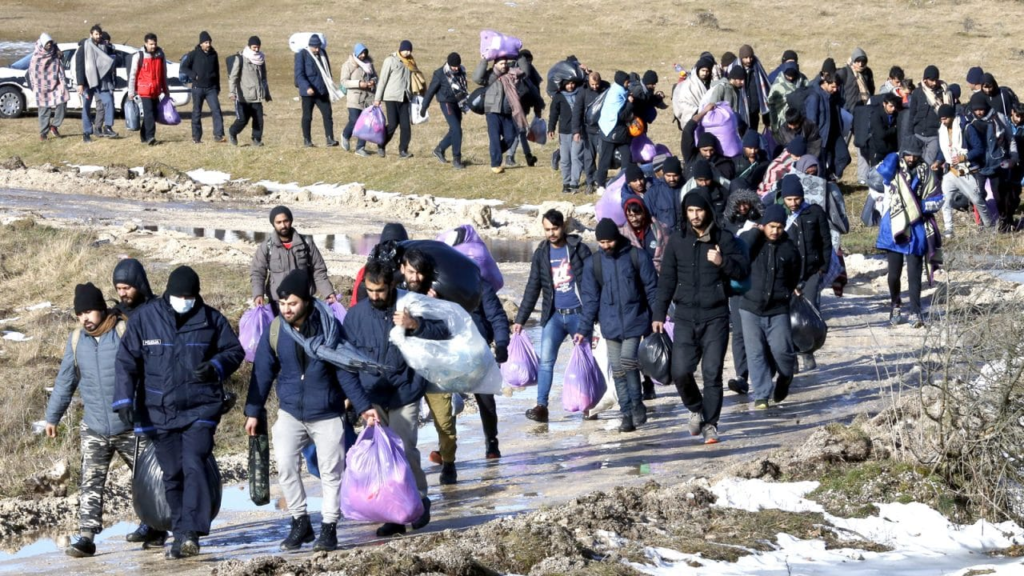
In 2021, the European Court of Human Rights ruled that Croatia violated the European Convention on Human Rights while sending a family from Afghanistan to Serbia.

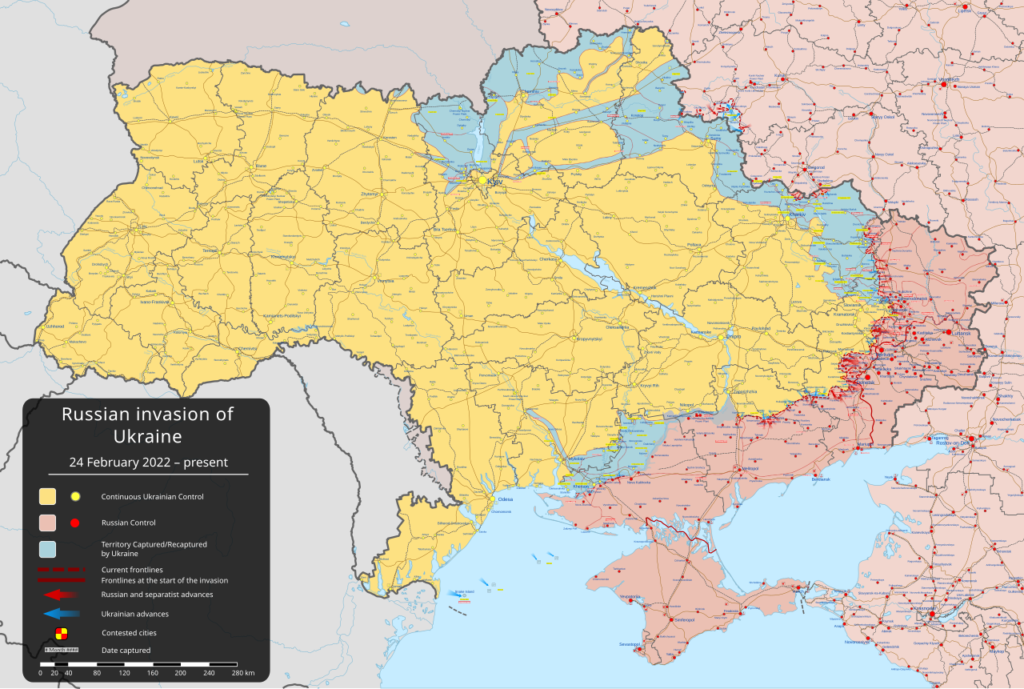
In the Russian invasion of Ukraine, 22,000 refugees were granted Temporary Protection Status by Croatia.
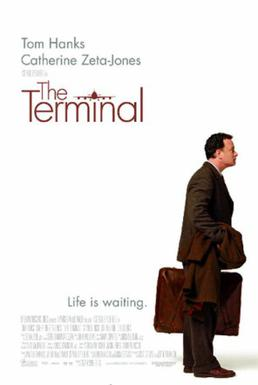
In December 2023, Croatia was found to have infringed upon the rights of an individual (a stateless man), when they forcibly expelled him from the country without providing any justification for their decision.
As a result, the European Court of Human Rights ruled in favor of the victim and ordered Croatia to provide compensation for the violation.
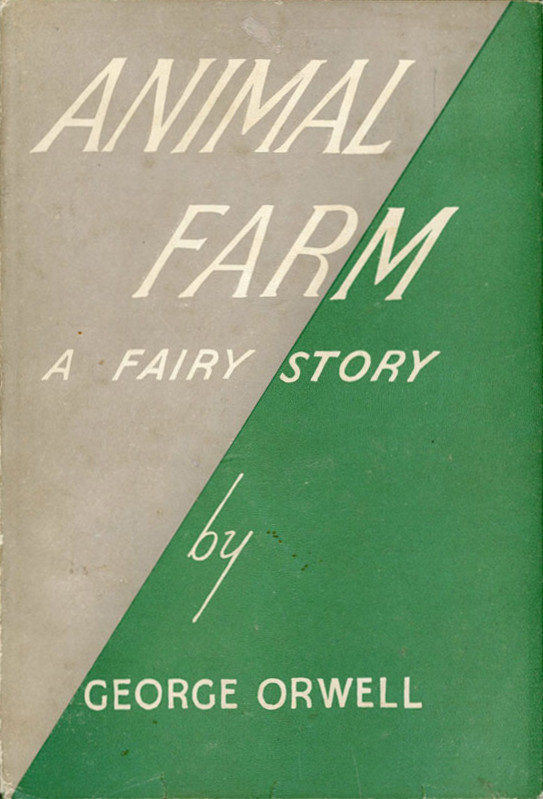
All migrants are equal, but some migrants are more equal than others.
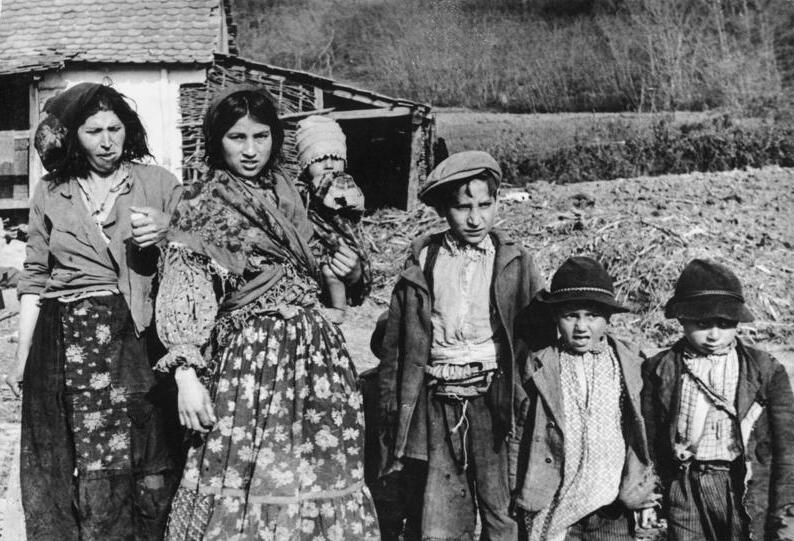
Roma have been discriminated against in Croatia and there have been violent attacks against them.
Croatia has been criticized because Roma are discriminated against when getting housing, employment and healthcare.
In a 2013 poll, 44% of Croatians had prejudice against Roma.
According to the United Nations, the Roma population of Croatia is 30,000 – 40,000, equivalent to roughly 1% of the population.
Homosexuality was legalized in 1977.
The age of consent was equalized in 1998.
Homosexuals are not banned from military service.
In 2003, the Croatian government passed laws prohibiting discrimination based on sexual orientation in employment and education, the distribution of homophobic materials, and defamation of homosexuality and homosexuals.
Limited scope of rights were conferred upon same-sex couples after three years of cohabitation in 2003, but registered unions were not permitted until 2014.
Since then Croatia provides all marital rights except joint adoption for registered and non-registered same-sex partnerships.

In November 2010, the European Commission’s annual progress report on Croatia’s candidacy stated that Croatia’s numerous homophobic incidents are worrying since inquisitions need to make further efforts in combating hate crimes.

The European Parliament, as stands in its 2010 resolution, “expresses its concern at the resentment against the LGBTQ minority in Croatia, evidenced most recently by homophobic attacks on participants in the Gay Pride parade in Zagreb and urges the Croatian authorities to condemn and prosecute political hatred and violence against any minority and invites the Croatian Government to implement and enforce the Anti-Discrimination Law”.

Above: Flag of the Lesbian, Gay, Bisexual, Transgender and Queer (LGBTQ) community
What is the message of love and freedom the children of Croatia perceive today?
Uncertain.

Let’s consider how children are educated.
Come with me to India – a land of remarkable diversity – from ancient traditions and artistic heritage to magnificent landscapes and culinary creations.
India will ignite your curiosity, shake your senses and warm your soul.
Above: Flag of India
National Education Day is an annual observance in India to commemorate the birth anniversary of Maulana Abul Kalam Azad (1888 – 1958), the first Education Minister of independent India, who served from 15 August 1947 until 2 February 1958.
As India’s first Minister of Education, he emphasized educating the rural poor and girls.
As Chairman of the Central Advisory Board of Education, he gave thrust to adult literacy, universal primary education, free and compulsory for all children up to the age of 14, girls’ education, and diversification of secondary education and vocational training.
Addressing the conference on All India Education on 16 January 1948, Maulana Azad emphasized:
We must not for a moment forget, it is a birthright of every individual to receive at least the basic education without which he cannot fully discharge his duties as a citizen.
He oversaw the setting up of the Central Institute of Education, Delhi, which later became the Department of Education of the University of Delhi as “a research centre for solving new educational problems of the country“.
Under his leadership, the Ministry of Education established the first Indian Institute of Technology (IIT) in 1951 and the University Grants Commission in 1953.
He also laid emphasis on the development of the Indian Institute of Science, Bangalore and the Faculty of Technology of the Delhi University.
He foresaw a great future in the IITs for India:
I have no doubt that the establishment of this Institute will form a landmark in the progress of higher technological education and research in the country.”
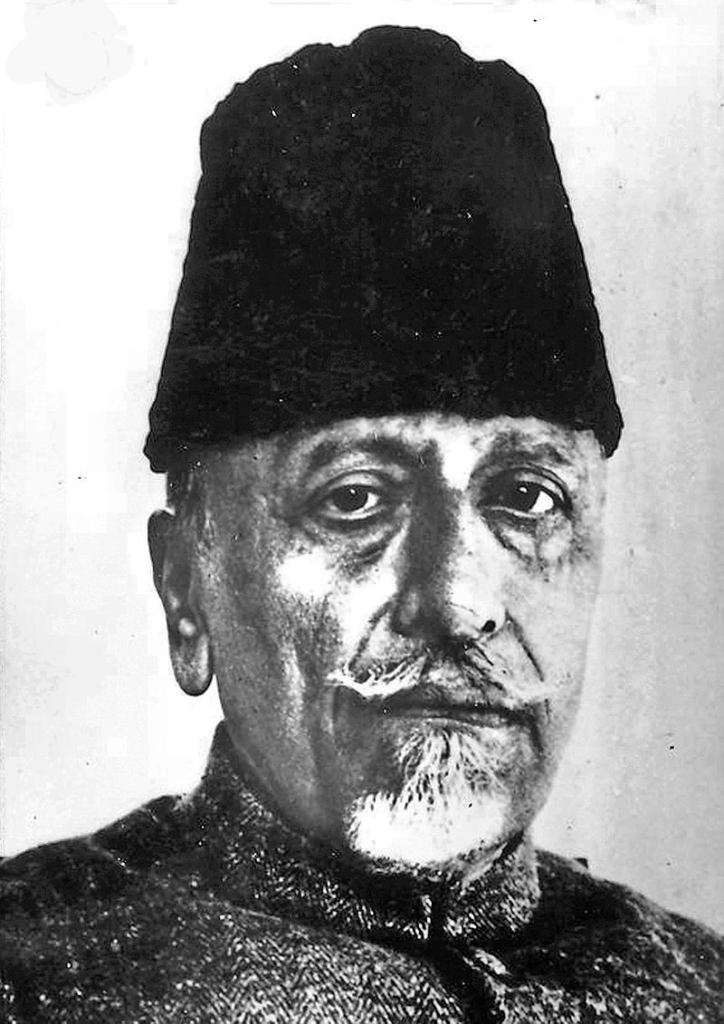
Above: Maulana Abul Kalam Azad
National Education Day of India is celebrated on 11 November every year.
The Ministry of Human Resource Development announced on 11 September 2008:
“The Ministry has decided to commemorate the birthday of this great son of India by recalling his contribution to the cause of education in India.
November 11 every year, from 2008 onwards, will be celebrated as the National Education Day, with declaring it as a holiday.”
All educational institutions in the country mark the day with seminars, symposia, essay-writing, elocution competitions, workshops and rallies with banner cards and slogans on the importance of literacy and the nation’s commitment to all aspects of education.
The day is also seen as an occasion to remember Azad’s contribution in laying the foundations of the education system in an independent India, and evaluating and improving the country’s current performance in the field.
Let’s examine the report card.
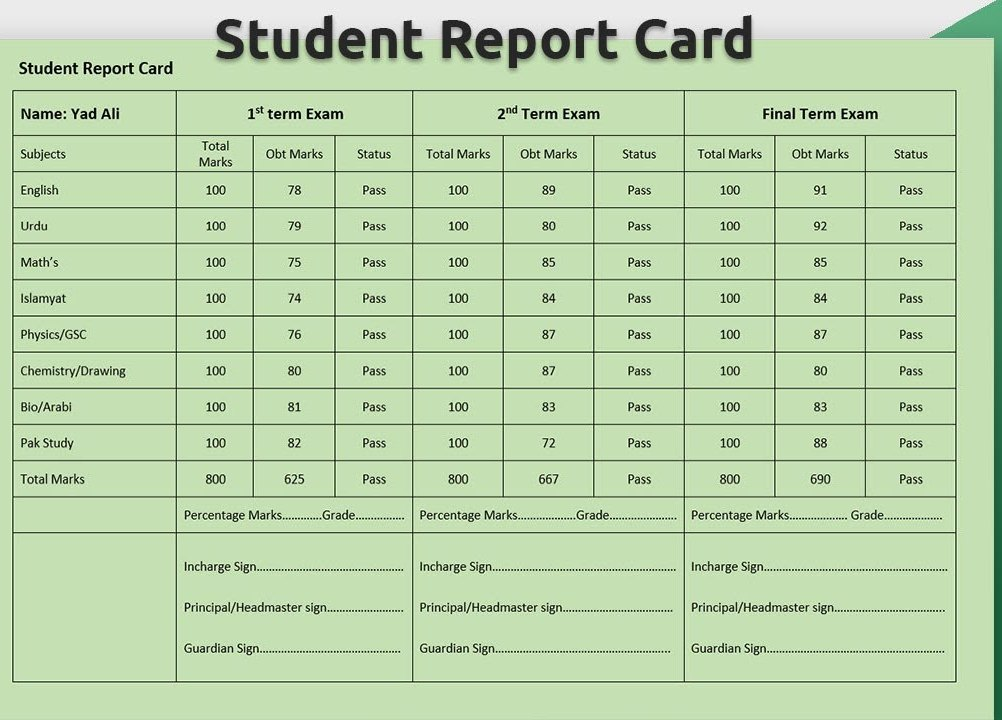
Education in India is primarily managed by the state-run public education system, which falls under the command of the government at three levels: central, state and local.
Under various articles of the Indian Constitution and the Right of Children to Free and Compulsory Education Act, 2009, free and compulsory education is provided as a fundamental right to children aged 6 to 14.
The approximate ratio of the total number of public schools to private schools in India is 10:3.
Education in India covers different levels and types of learning, such as early childhood education, primary education, secondary education, higher education, and vocational education.
It varies significantly according to different factors, such as location (urban or rural), gender, caste, religion, language and disability.
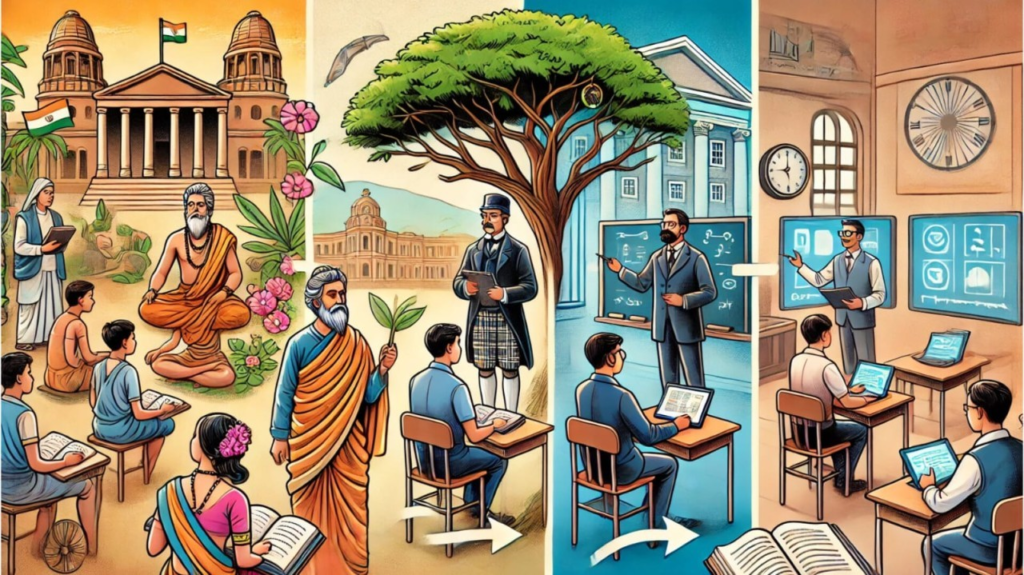
Education in India has much room for growth, such as improving access to education, increasing the quality of education, reducing disparities, lowering dropout rates, increasing enrolment and completion rates, enhancing learning outcomes and employability, strengthening governance and accountability, promoting innovation and technology, and addressing the impact of COVID-19 pandemic.
It is influenced by various policies and programs at the national and state levels.
It is also supported by various stakeholders and partners, such as UNICEF, UNESCO, the World Bank, civil society organizations, academic institutions, private sector entities and media outlets.
Education in India is plagued by issues such as grade inflation, corruption, unaccredited institutions offering fraudulent credentials and lack of employment prospects for graduates.
Half of all graduates in India are considered unemployable.
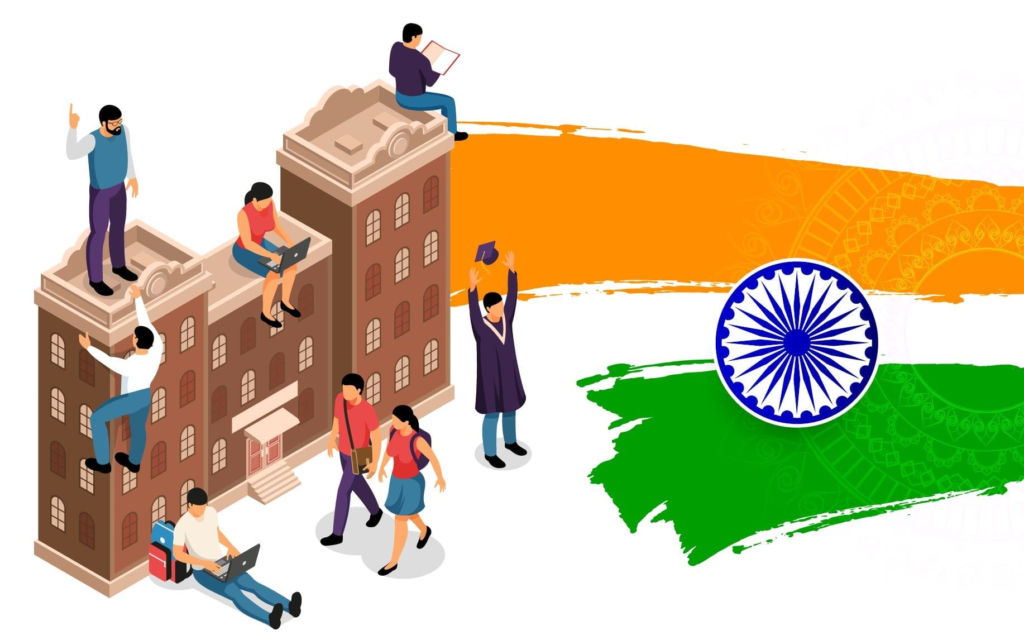
Human rights in India is an issue complicated by the country’s large size and population as well as its diverse culture, despite its status as the world’s largest sovereign, secular, socialist democratic republic.
The Constitution of India provides for fundamental rights, which include freedom of religion, freedom of speech, as well as separation of executive and judiciary and freedom of movement within the country and abroad.
The country also has an independent judiciary as well as bodies to look into issues of human rights.

Above: State emblem of India
The 2016 report of Human Rights Watch accepts the above-mentioned facilities but goes to state that India has “serious human rights concerns.
Civil society groups face harassment and government critics face intimidation and lawsuits.
Free speech has come under attack both from the state and by interest groups.
Muslim and Christian minorities accuse authorities of not doing enough to protect their rights.
The government is yet to repeal laws that grant public officials and security forces impunity from prosecution for abuses.“

The Asian Centre for Human Rights estimated that from 2002 to 2008, over four people per day died while in police custody, with “hundreds” of those deaths being due to police use of torture.
According to a report written by the Institute of Correctional Administration in Punjab, up to 50% of police officers in the country have used physical or mental abuse on prisoners.
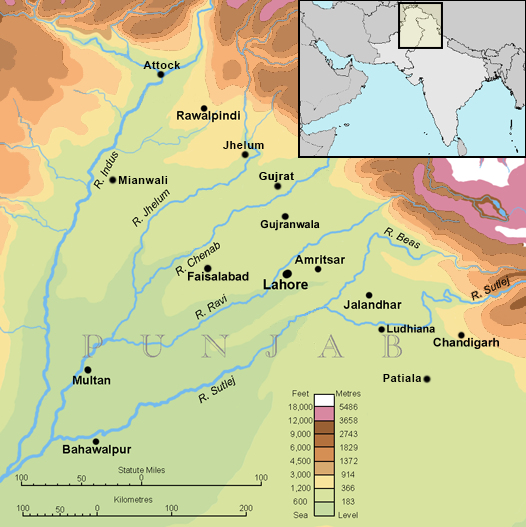
Above: Map of Punjab
Instances of torture, such as through a lack of sanitation, space, or water have been documented in West Bengal as well.
Above: Emblem of West Bengal
A report by the National Campaign Against Torture (NCAT), an international human rights body revealed as many as 1,731 custodial deaths recorded in India in 2019.
Victims were mostly from vulnerable communities, such as Dalits, Muslims and Adivasis.
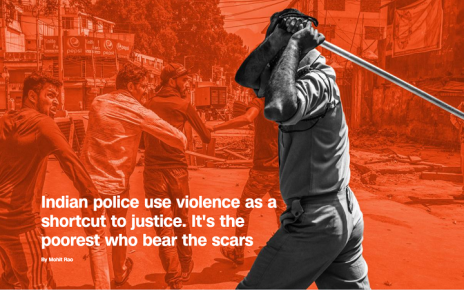
During the 10-year period to 2019 – 2020, the National Human Rights Commission (NHRC) reported, on average, 139 police custody cases and 1,576 judicial custody cases annually.
In the eight years to 2019 – 2020, the NHRC reported more than 1,500 judicial custody deaths each year.
Communal conflicts between religious groups (mostly between Hindus and Muslims) have been prevalent in India since around the time of its independence from British rule.
Communal riots took place during the partition of India between Hindus / Sikhs and Muslims where large numbers of people were killed in large-scale violence.
(Religion in India (2011 census):
Hinduism (79.8%)
Islam (14.2%)
Christianity (2.38%)
Sikhism (1.7%)
Buddhism (0.7%)
Animism/Adivasi (0.5%)
Jainism (0.4%)
No religion (0.25%)
Other (incl. Baháʼí Faith, Zoroastrianism, Judaism) (0.15%) )

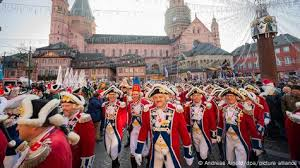
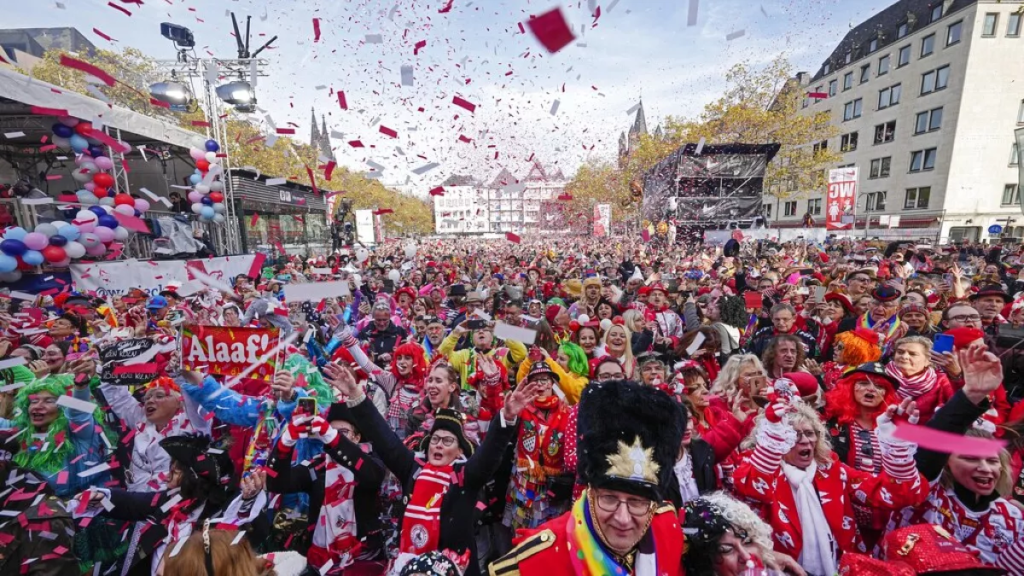
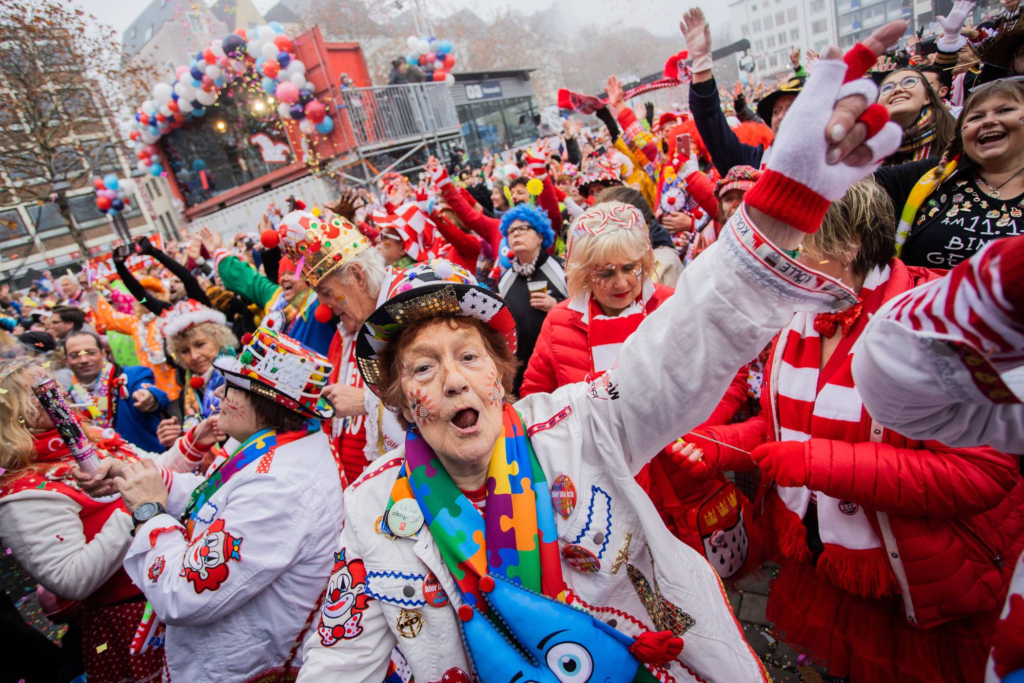
In some parts of German-speaking Europe and the Netherlands, the Carnival season traditionally opens on 11/11 (often at 11:11 a.m.).
Carnival or Shrovetide is a festive season.
Carnival typically involves public celebrations, including events such as parades, public street parties and other entertainments, combining some elements of a circus.
Elaborate costumes and masks allow people to set aside their everyday individuality and experience a heightened sense of social unity.
Participants often indulge in excessive consumption of alcohol, meat, and other foods that will be forgone during upcoming Lent.
Traditionally, butter, milk and other animal products were not consumed “excessively“, rather, their stock was fully consumed during Shrovetide as to reduce waste.
This festival is known for being a time of great indulgence before Lent (which is a time stressing the opposite), with drinking, overeating, and various other activities of indulgence being performed.
For example, pancakes, donuts and other desserts are prepared and eaten for a final time.
During Lent, dairy and animal products are eaten less, if at all, and individuals make a Lenten sacrifice, thus giving up a certain object or activity of desire.
Traditionally, a Carnival feast was the last opportunity for common people to eat well, as there was typically a food shortage at the end of the winter as stores ran out.
Until spring produce was available, people were limited to the minimum necessary meals during this period.
On what nowadays is called vastenavond (the days before fasting), all the remaining winter stores of lard, butter and meat which were left would be eaten, for these would otherwise soon start to rot and decay.
The selected livestock had already been slaughtered in November and the meat would no longer be preservable.
All the food that had survived the winter had to be eaten to assure that everyone was fed enough to survive until the coming spring would provide new food sources.
Traditionally, the feast also was a time to indulge in sexual desires, which were supposed to be suppressed during the following period fasting.
Before Lent began, all rich food and drink were consumed in what became a giant celebration that involved the whole community, and is thought to be the origin of Carnival.
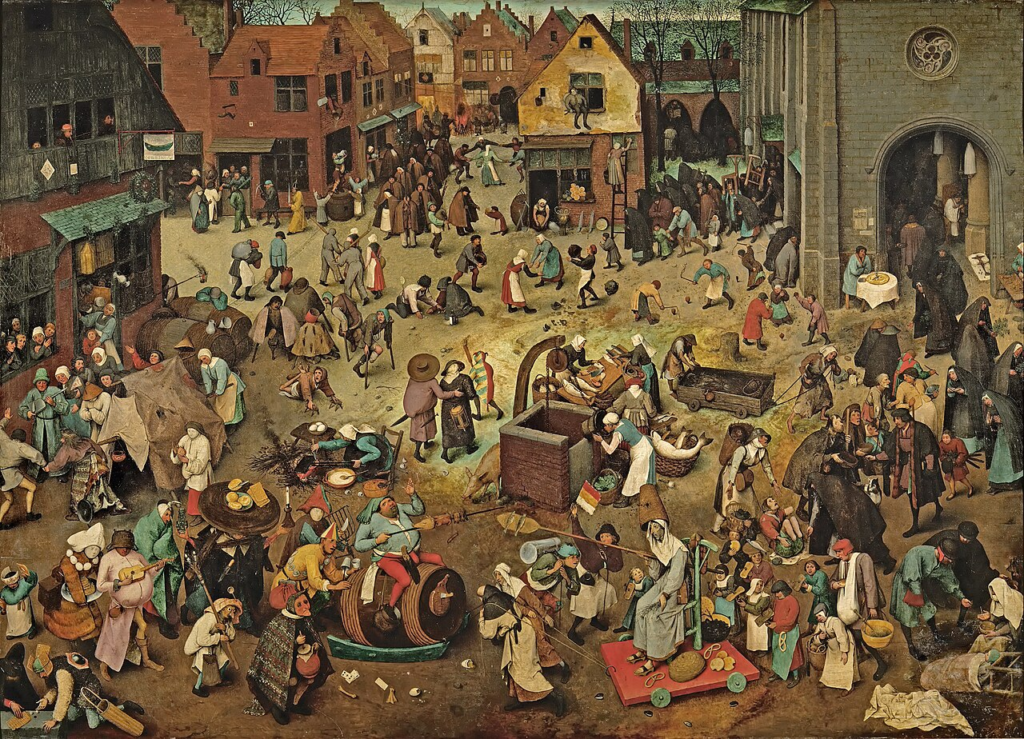
Above: The Fight Between Carnival and Lent, Pieter Bruegel the Elder, 1559
Carnival in the Middle Ages took not just a few days, but almost the entire period between Christmas and the beginning of Lent.
In those two months, Christian populations used their several holidays as an outlet for their daily frustrations.
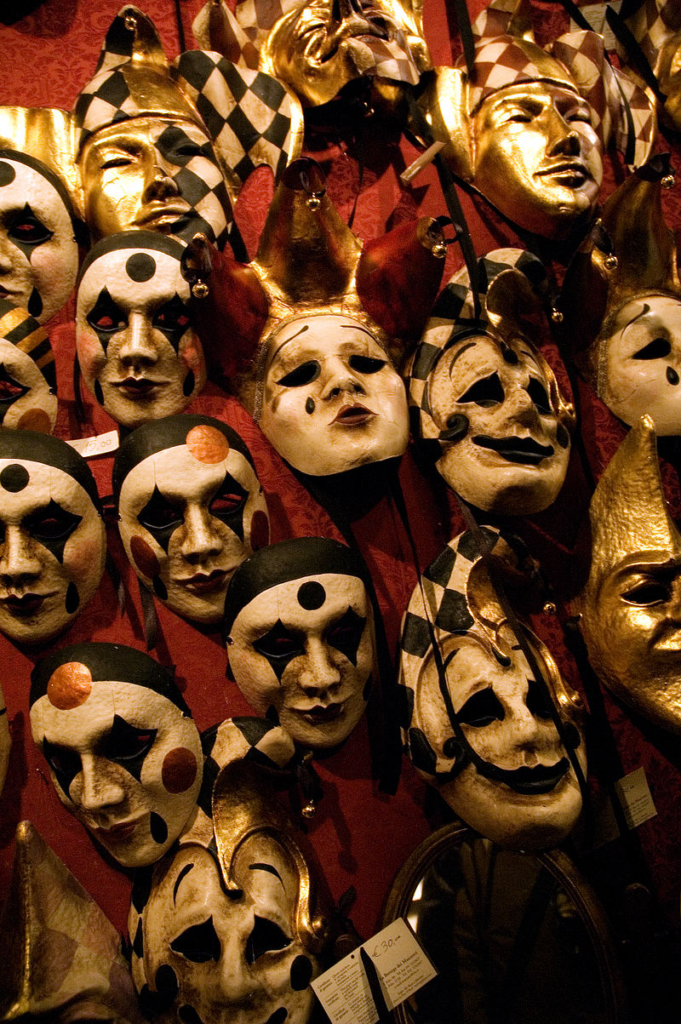
Interpretations of Carnival present it as a social institution that degrades or “uncrowns” the higher functions of thought, speech, and the soul by translating them into the grotesque body, which serves to renew society and the world, as a release for impulses that threaten the social order that ultimately reinforces social norms, as a social transformation, or as a tool for different groups to focus attention on conflicts and incongruities by embodying them in “senseless” acts.
Furthermore, some cultures use Carnival as a method of empowering themselves in spite of social conflicts.
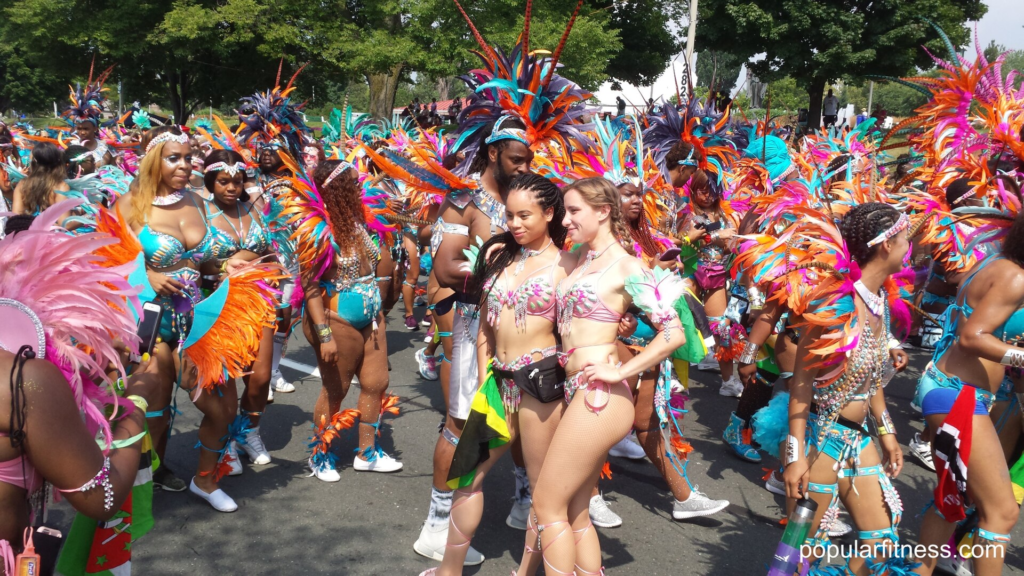
For example, when the Caribbean Carnival was established as a result of French settlers, even the slaves had their version of the masquerade, where they would reverse roles to mock those of higher social status.
Along with empowering individuals for a period of time, despite their typical status, Carnival brings communities together.
In a day where all are meant to perform a “mask” that differs from their typical identity, all members of a society are able to connect through their theatricality and satire.
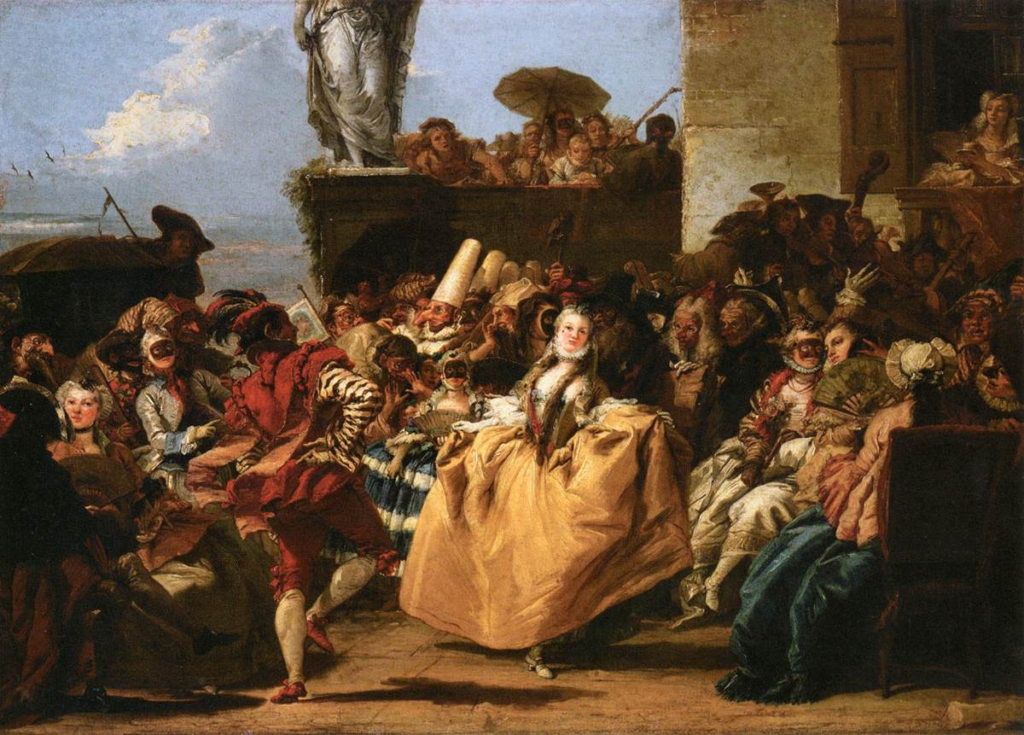
Above: Carnival in Venice, Giovanni Domenico Tiepolo, 1750
Carnival tends to take place in February, but festivities start as early as 11 November at 11:11am for some carnival organizations in the west of Germany.
On Carnival Thursday (called “Old Women Day” or “The Women’s Day” in commemoration of an 1824 revolt by washer-women), women storm city halls, cut men’s ties, and are allowed to kiss any passing man.
Special acrobatic show dances in mock uniforms are a traditional contribution to most festive balls.
They may or may not have been a source of inspiration to American cheerleading.
The Fasching parades and floats make fun of individual politicians and other public figures.
Many speeches do the same.
Traditions often also include the “Faschingssitzung” – a sit-only party with dancing and singing presentations, and often many speeches given that humorously criticize politics.
Human rights in Germany enjoy a high level of protection, both in theory and in practice, and are enshrined in the Grundgesetz.
The country has ratified most international human rights treaties.
Reports from independent organizations such as Amnesty International certify a high level of compliance with human rights, while others, like the researcher Tobias Singelnstein, point out several issues, in particular police brutality and mistreatment of refugees.
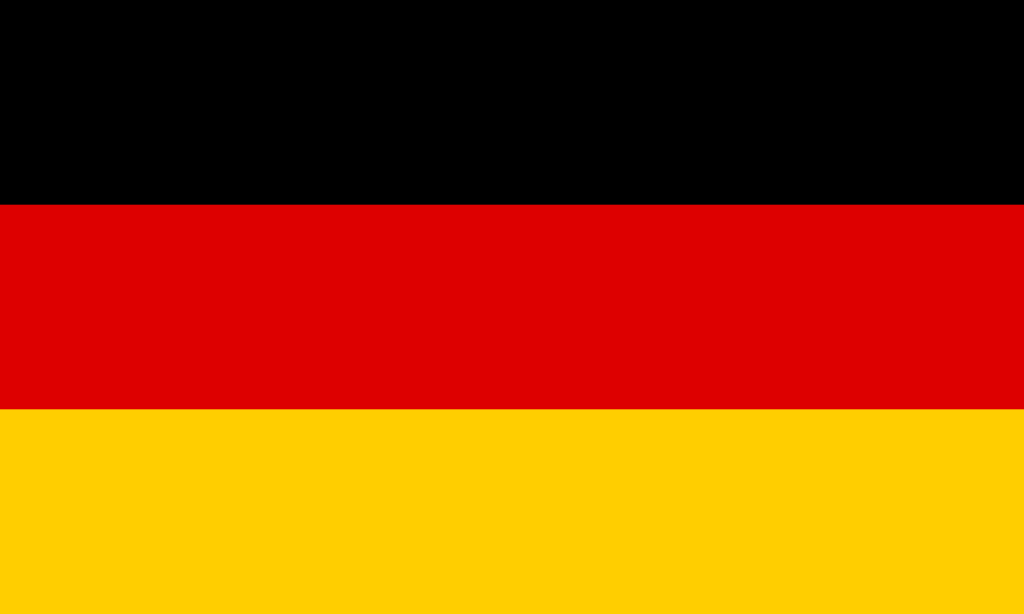
Above: Flag of Germany
Especially because of experiences through the Nazi-regime, the German politics and people are very attentive to the power and way of working of the police.
In Germany the use of firearms — even by the police — is strictly regulated and there are (compared with other countries) only a few cases of shots fired by the police every year.
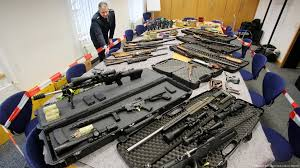
However, there were some incidents in the last past years:
On 5 March 2009 a man died in a hospital after falling into a coma while in police custody in Hagen on 17 February where he had been bound face-down.
The Office of the Public Prosecutor terminated its investigations and found that the force used by the police was proportionate, despite the fact that since 2000, police officers have been trained not to restrain a person face-down because of the danger of asphyxia.
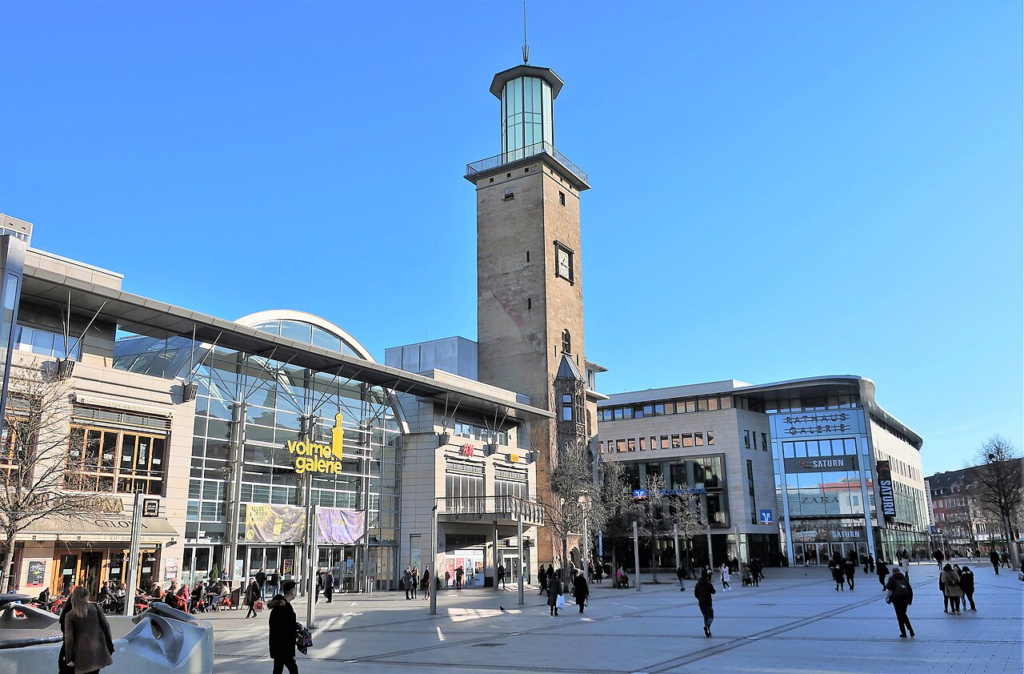
Above: Town Hall, Hagen, Nordrhein-Westfalen, Germany
In December 2008, the regional court of Dessau acquitted two police officers of killing Oury Jalloh as a result of negligence.
Oury Jalloh had died 2005 when a fire broke out in his cell, where he was restrained to the bed.
In its oral reasons for the judgment, the court stated lack of evidence as the reason for the acquittal, and strongly criticized the testimonies of most of the police officers who were witnesses in the court case.
On 13 December 2012, the regional court of Magdeburg overruled the earlier acquittal, and ruled for negligent homicide.
An earlier accusation of bodily harm with fatal consequences was dropped by the public prosecution for lack of evidence.
The accused officer was condemned to a fine of €10,800 by the court, in excess of the €6,300 plead for by prosecution.
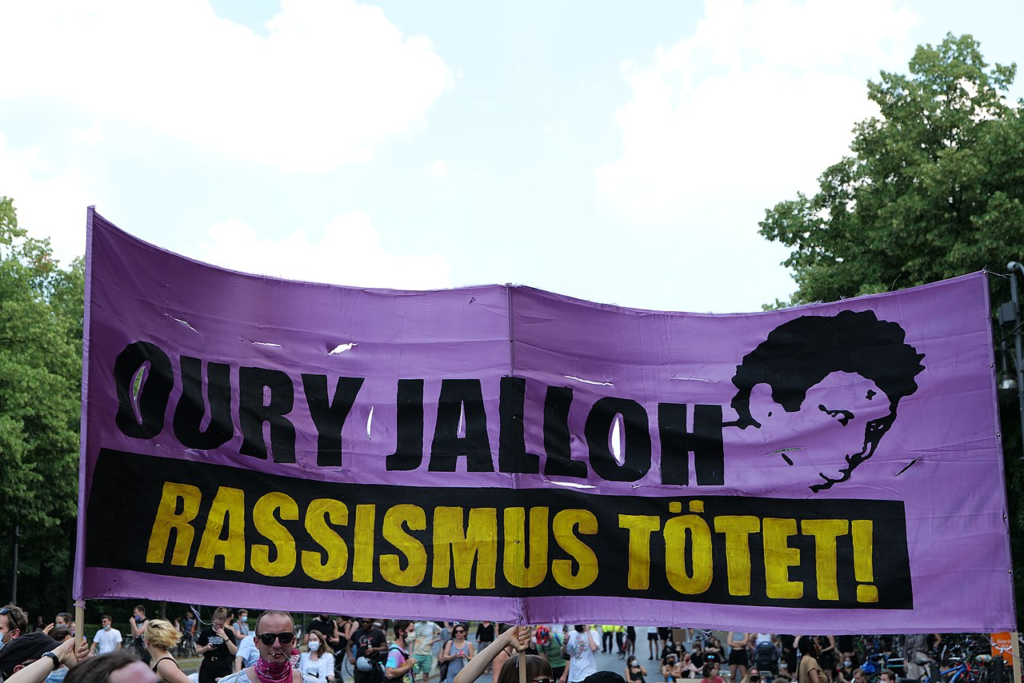
Above: Oury Jalloh’s face on a banner: Racism kills
Ethnic minorities are underrepresented in the political process and in public life, especially the civil service.
There were some cases of attacks on minorities in the country by right-wing groups, although Germany is — especially because of its past — very considerate on tolerance and integration.
In 2010 the US State Department reported that “right-wing extremist violence and harassment of racial minorities and foreigners were problems” in Germany.
Above: Coat of arms of Germany
There has been a growing awareness of human trafficking as a human rights issue in Europe.
The end of Communism and the collapse of the Soviet Union and Yugoslavia have contributed to an increase in human trafficking, with the majority of victims being women forced into prostitution.
Germany is a transit and destination country for persons, primarily women, trafficked mainly from Central and Eastern Europe and from Africa for the purpose of sexual exploitation.
Discrimination protections on the basis of sexual orientation and gender identity vary across Germany, but discrimination in employment and the provision of goods and services is, in principle, banned countrywide.

The 2008 Freedom in the World report by US-funded Freedom House gives Germany a score of “1” (the best possible) for both political rights and civil liberties.

So…
Are you coming to Carnival?
Let’s check in on the neighbours.
The Netherlands – traditions and innovation intertwine here.
Artistic masterpieces, windmills, tulips and candlelit cafés coexist with groundbreaking architecture, cutting-edge design and phenomenal nightlife.
Above: Flag of the Netherlands
Saint Martin’s Day or Martinmas and historically called Old Halloween or Old Hallowmas Eve, is the feast day of Saint Martin of Tours and is celebrated in the liturgical year on 11 November.
In the Middle Ages and early modern period, it was an important festival in many parts of Europe, particularly Germanic-speaking regions.
In these regions, it marked the end of the harvest season and beginning of winter and the “winter revelling season“.
Traditions include feasting on ‘Martinmas goose‘ or ‘Martinmas beef‘, drinking the first wine of the season, and mumming (folk plays performed in costume).
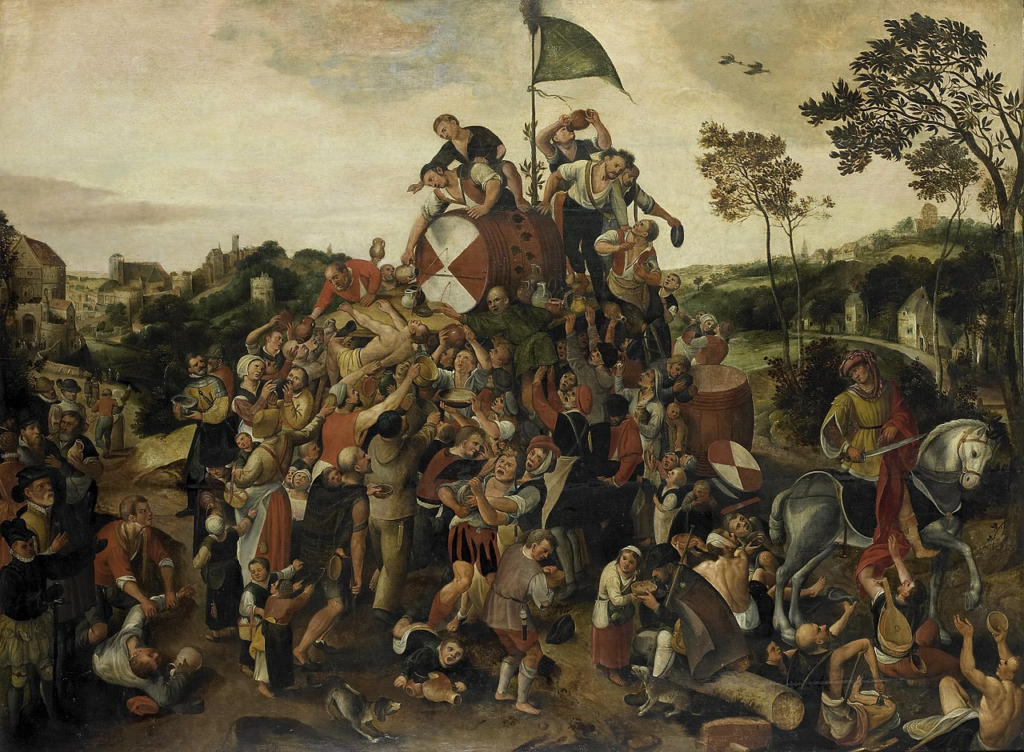
Above: St Martin’s Day Kermis by Peeter Baltens (16th century), shows peasants celebrating by drinking the first wine of the season, and a horseman representing the Saint
In some German and Dutch-speaking towns, there are processions of children with lanterns (Laternelaufen), sometimes led by a horseman representing St Martin.
The saint was also said to bestow gifts on children.
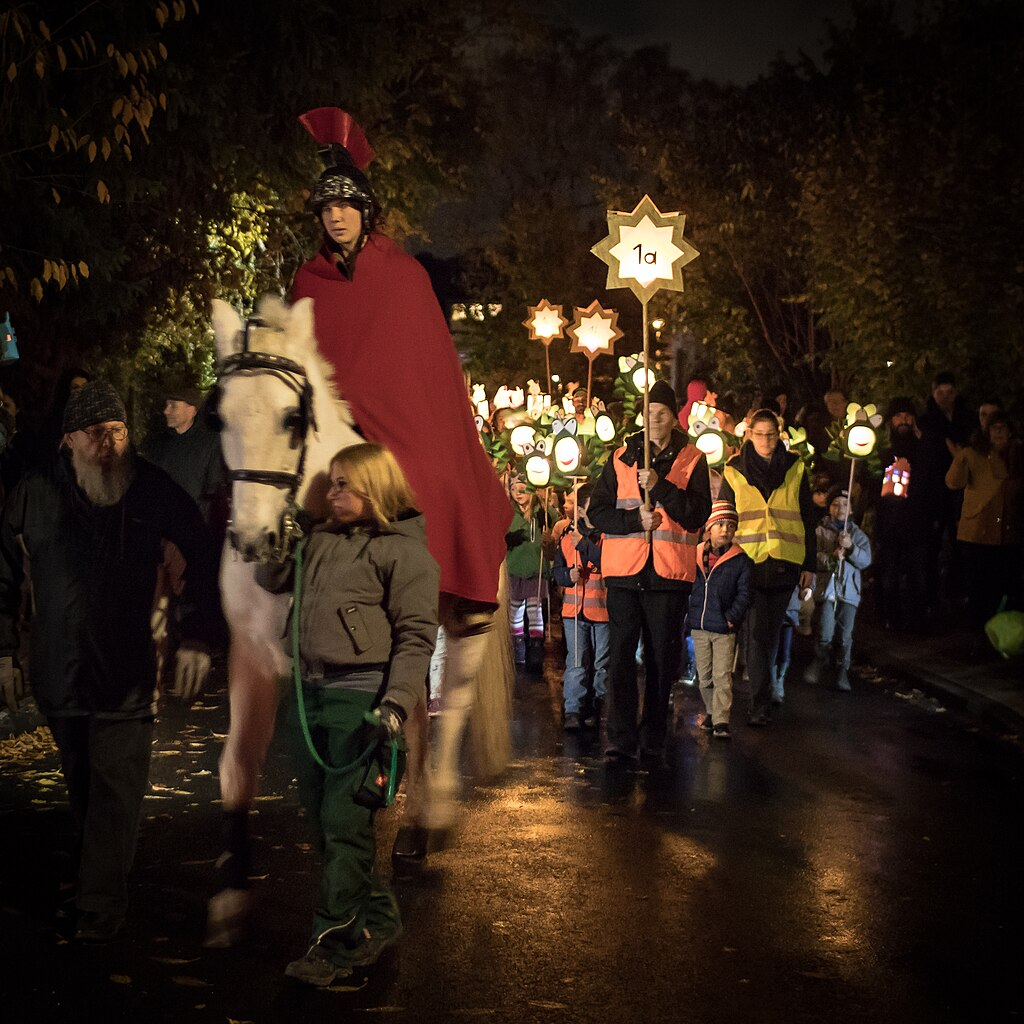
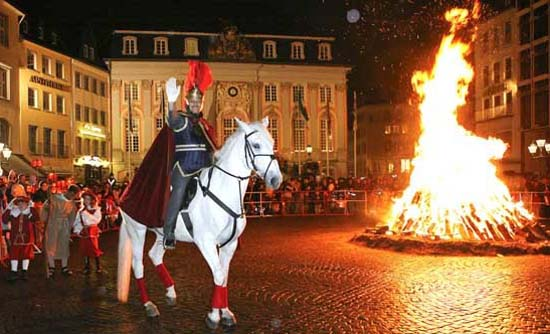
In the Rhineland, it is also marked by lighting bonfires.
In the 19th century it was recorded that young people danced around the fire and leapt through the flames, and that the ashes were strewn on the fields to make them fertile.
Goose is eaten at Martinmas in most places.
There is a legend that St Martin, when trying to avoid being ordained bishop, hid in a pen of geese whose cackling gave him away.
Once a key medieval autumn feast, a custom of eating goose on the day spread to Sweden from France.
It was primarily observed by the craftsmen and noblemen of the towns.
In the peasant community, not everyone could afford this, so many ate duck or hen instead.
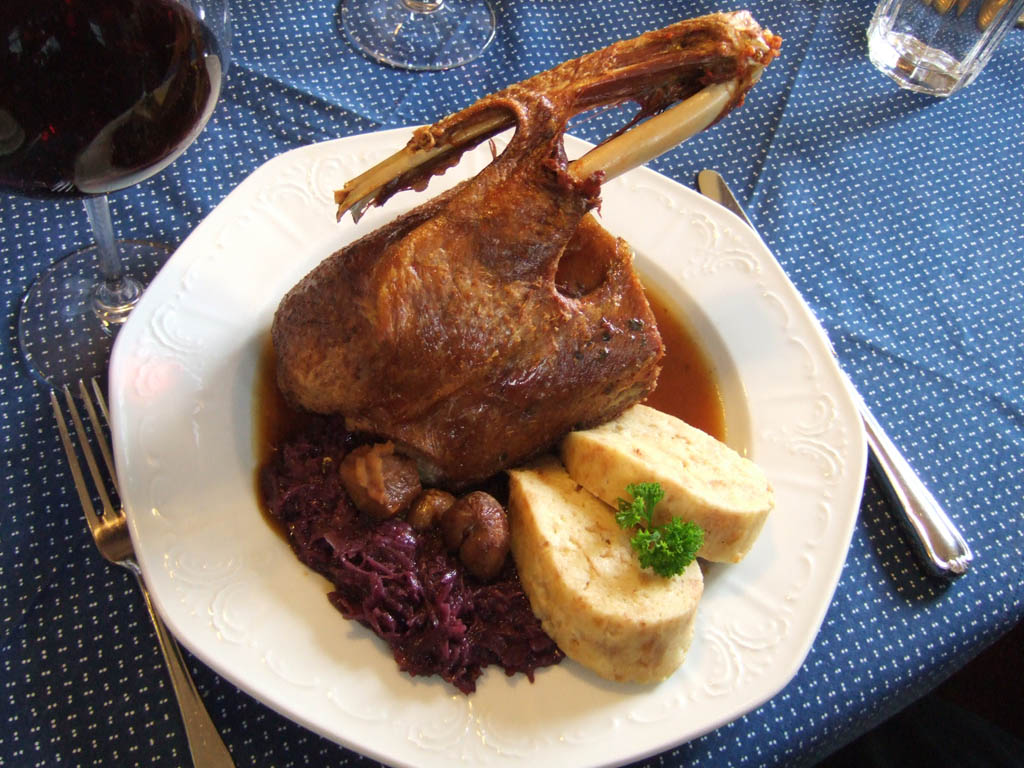
Above: A tradition on St Martin’s Eve or Day is to share a goose for dinner.
In parts of Flanders (Belgium) and the Rhineland (Germany), processions are led by a man on horseback representing St Martin, who may give out apples, nuts, cakes or other sweets for children.
Historically, in Ypres (Belgium), children hung up stockings filled with hay on Martinmas Eve, and awoke the next morning to find gifts in them.
These were said to have been left by St Martin as thanks for the fodder provided for his horse.
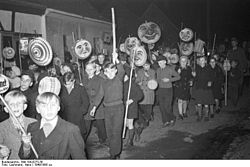
Sint-Maarten is an old harvest festival that is celebrated in many European countries and precedes the fasting period of Advent.
In the Netherlands, on the evening of 11 November, children went door to door with lanterns made of hollowed-out sugar beet.
This has been replaced by paper lanterns, usually crafted by themselves.
They sing songs such as “Sinte(re) Sinte(re) Maarten“, to receive sweets or fruit in return.
In the past, poor people would visit farms on 11 November to get food for the winter.
In the 1600s, the city of Amsterdam held boat races on the Ij River, where 400 to 500 light craft, both rowing boats and sailboats, took part with a vast crowd on the banks.
St Martin is the patron saint of the city of Utrecht.
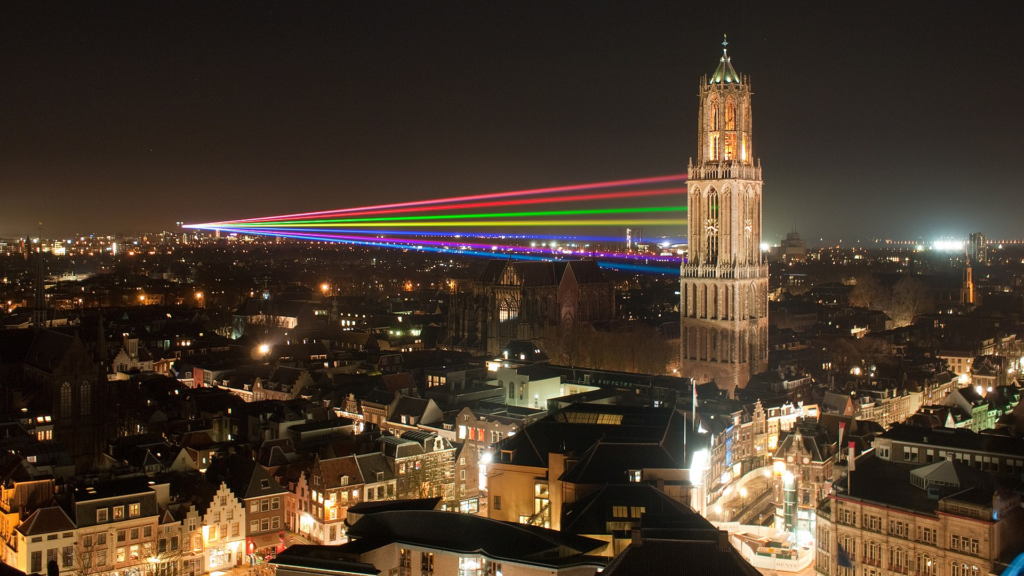
Above: Utrecht, Netherlands
In Flanders, the Dutch-speaking part of Belgium, St Martin’s Eve is celebrated on the evening of 10 November, mainly in West Flanders and around Ypres.
Children go through the streets with paper lanterns and candles, and sing songs about St Martin.
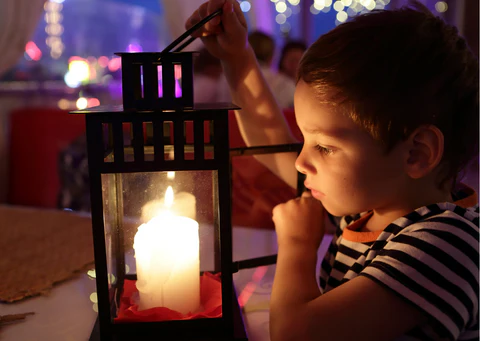
Sometimes, a man dressed as St Martin rides on a horse in front of the procession.
In Wervik, children go from door to door, singing traditional “Séngmarténg” songs, sporting a hollow beetroot with a carved face and a candle inside called “Bolle Séngmarténg“.
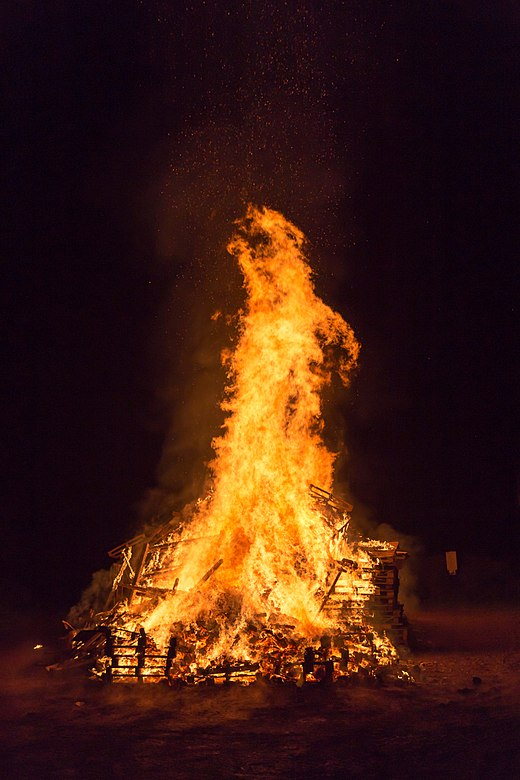
They gather at an evening bonfire.
This spirit of frivolity is not felt everywhere today, for this day is also the end of World War 1 related observances.
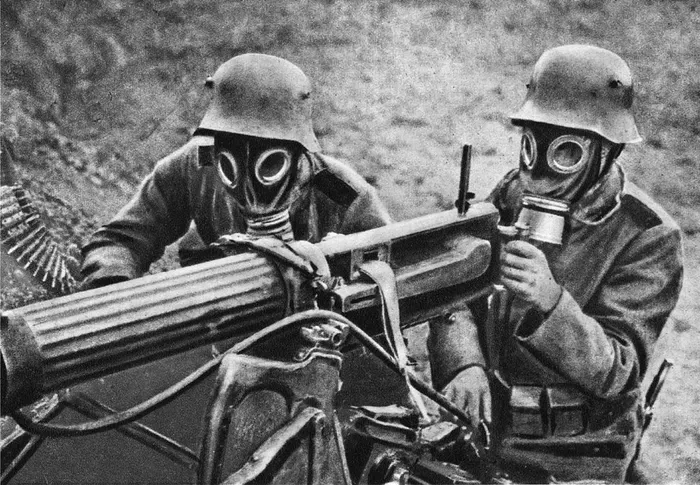
It is Armistice Day in Belgium, France, New Zealand and Serbia.
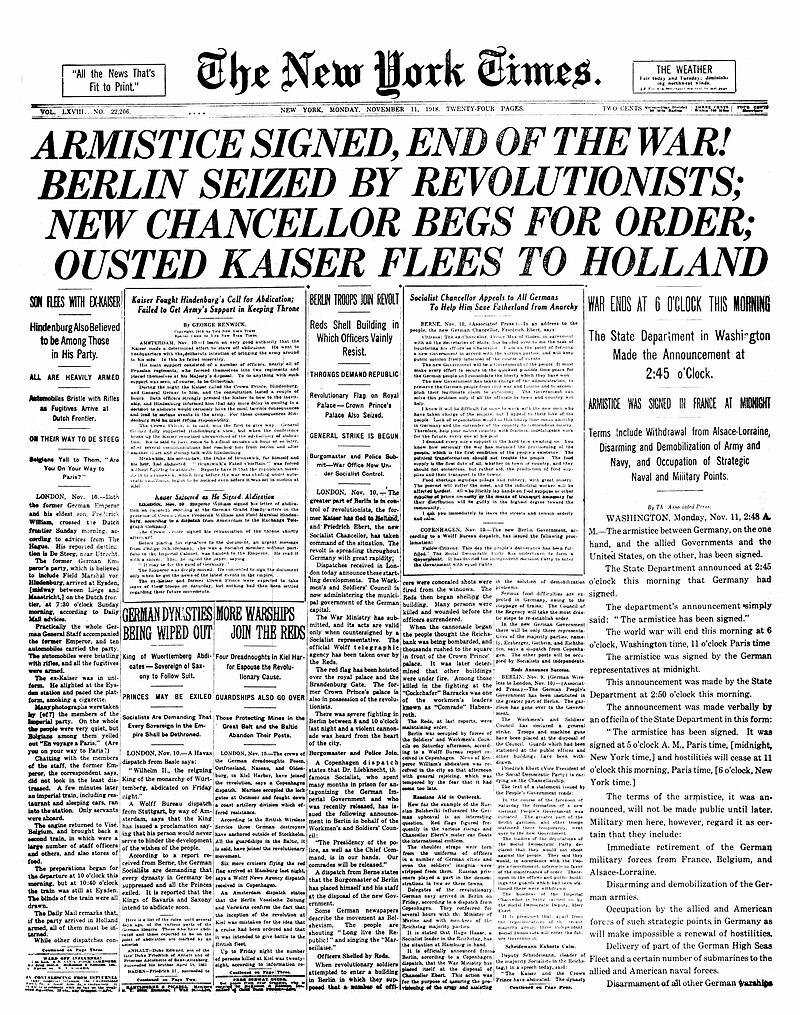
Armistice Day, later known as Remembrance Day in the Commonwealth and Veterans Day in the United States, is commemorated every year on 11 November to mark the armistice signed between the Allies of World War I and Germany at Compiègne, France, at 0545 for the cessation of hostilities on the Western Front of World War I, which took effect at 11:00 am — the “eleventh hour of the eleventh day of the eleventh month” of 1918, although, according to Thomas R. Gowenlock, an intelligence officer with the US First Division, shelling from both sides continued for the rest of the day, ending only at nightfall.
The armistice initially expired after a period of 36 days and had to be extended several times.
A formal peace agreement was reached only when the Treaty of Versailles was signed the following year.
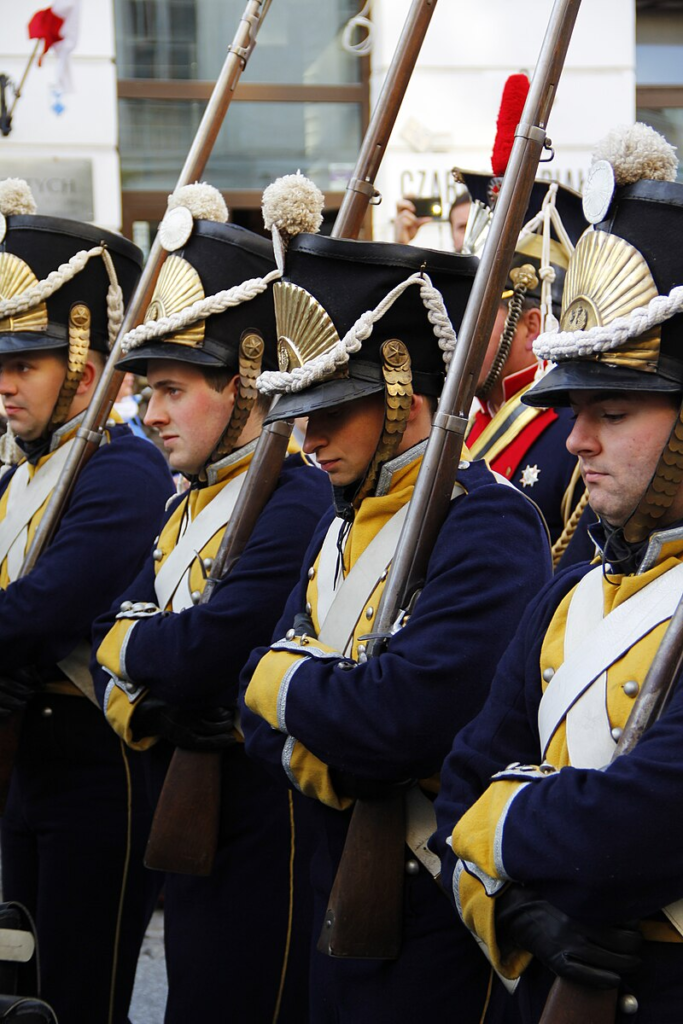
Poland: chic medieval hot spots like Krakow and Gdansk vie with energetic Warsaw for your urban attention.
Outside the cities, woods, rivers, lakes and hills beckon for fresh air fans.
Today is National Independence Day in Poland.

Above: Flag of Poland
Independence Day (Narodowe Święto Niepodległości) is a national day in Poland celebrated on 11 November to commemorate the anniversary of the restoration of Poland’s sovereignty as the Second Polish Republic in 1918 from the German, Austro-Hungarian and Russian Empires.
Following the partitions in the late 18th century, Poland ceased to exist for 123 years until the end of World War I, when the destruction of the neighbouring powers allowed the country to reemerge.
It is a non-working day and a flag flying day in Poland.
It is Remembrance Day in the United Kingdom and the Commonwealth of Nations, including Australia and Canada.
Remembrance Day (also known as Poppy Day owing to the tradition of wearing a remembrance poppy) is a memorial day observed in Commonwealth member states since the end of the First World War to honour armed forces members who have died in the line of duty.
The day is also marked by war remembrances in several other non-Commonwealth countries.
In most countries, Remembrance Day is observed on 11 November to recall the end of First World War hostilities.
Hostilities ended “at the 11th hour of the 11th day of the 11th month” of 1918, in accordance with the armistice signed by representatives of Germany and the Entente between 5:12 and 5:20 that morning.
(“At the 11th hour” refers to the passing of the 11th hour, or 11:00 am.)
The First World War formally ended with the signing of the Treaty of Versailles on 28 June 1919.
The tradition of Remembrance Day evolved out of Armistice Day.
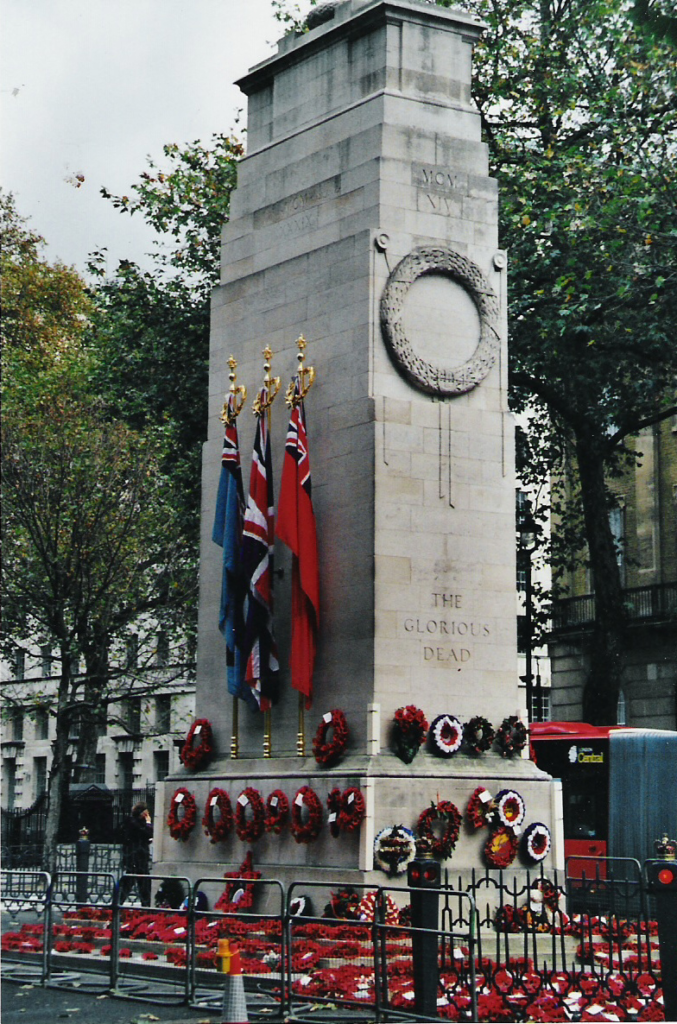
Above: The Cenotaph on Whitehall, London (with wreaths laid down on Remembrance Day)
The initial Armistice Day was observed at Buckingham Palace, commencing with King George V hosting a “Banquet in Honour of the President of the French Republic” during the evening hours of 10 November 1919.
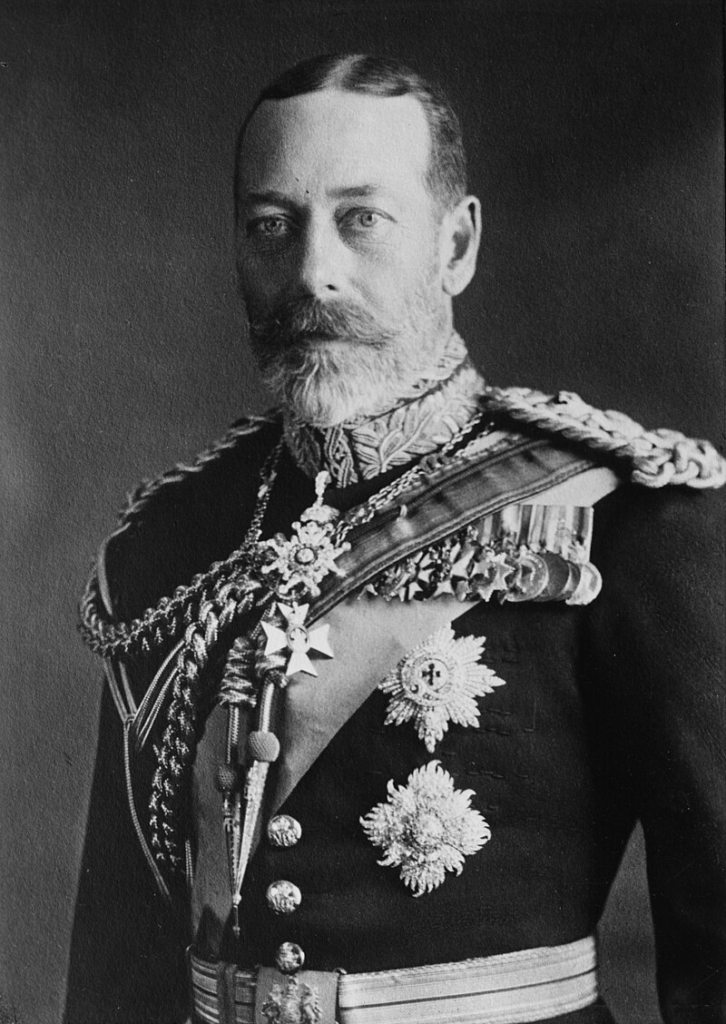
Above: King George V (1865 – 1936)
The first official Armistice Day was subsequently held on the grounds of Buckingham Palace the following morning.
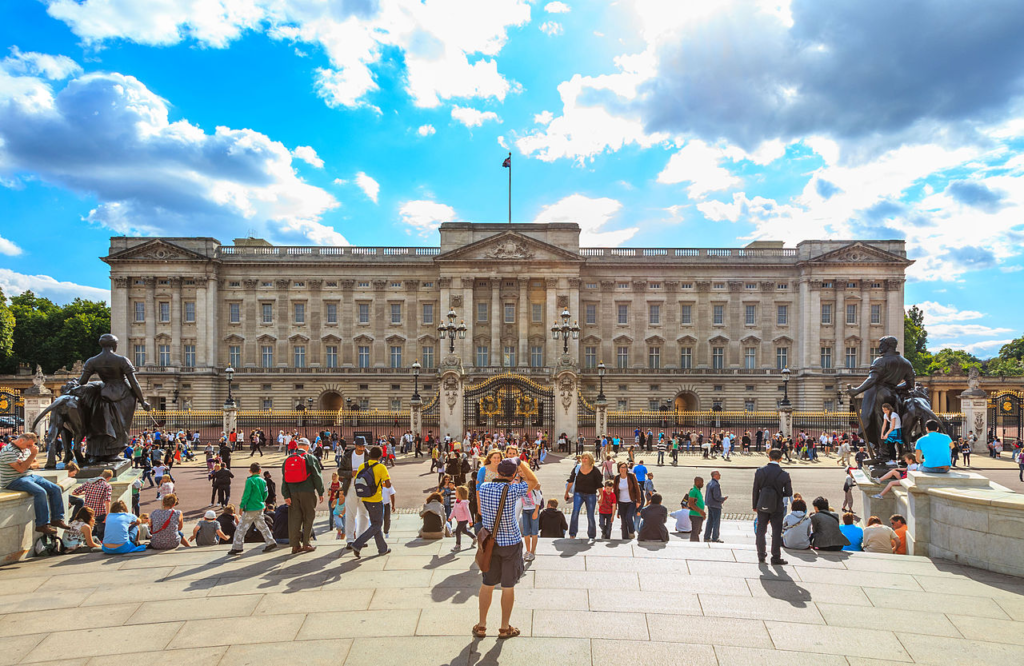
Above: Buckingham Palace, London, England
During the Second World War, many countries changed the name of the holiday.
Member states of the Commonwealth of Nations adopted Remembrance Day, while the US chose Veterans Day.
Above: Flag of the Commonwealth of Nations
The common British, Canadian, South African, and ANZAC (Australia and New Zealand) tradition includes a one or two-minute silence at the eleventh hour of the eleventh day of the eleventh month (11:00 am, 11 November), as that marks the time (in the United Kingdom) when the armistice became effective.
The Service of Remembrance in many Commonwealth countries generally includes the sounding of the “Last Post“, followed by the period of silence, followed by the sounding of “Reveille” or sometimes just “The Rouse“.
The Service of Remembrance is finished by a recitation of the “Ode of Remembrance“. The “Flowers of the Forest“, “O Valiant Hearts“, “I Vow to Thee, My Country” and “Jerusalem” are often played during the service.
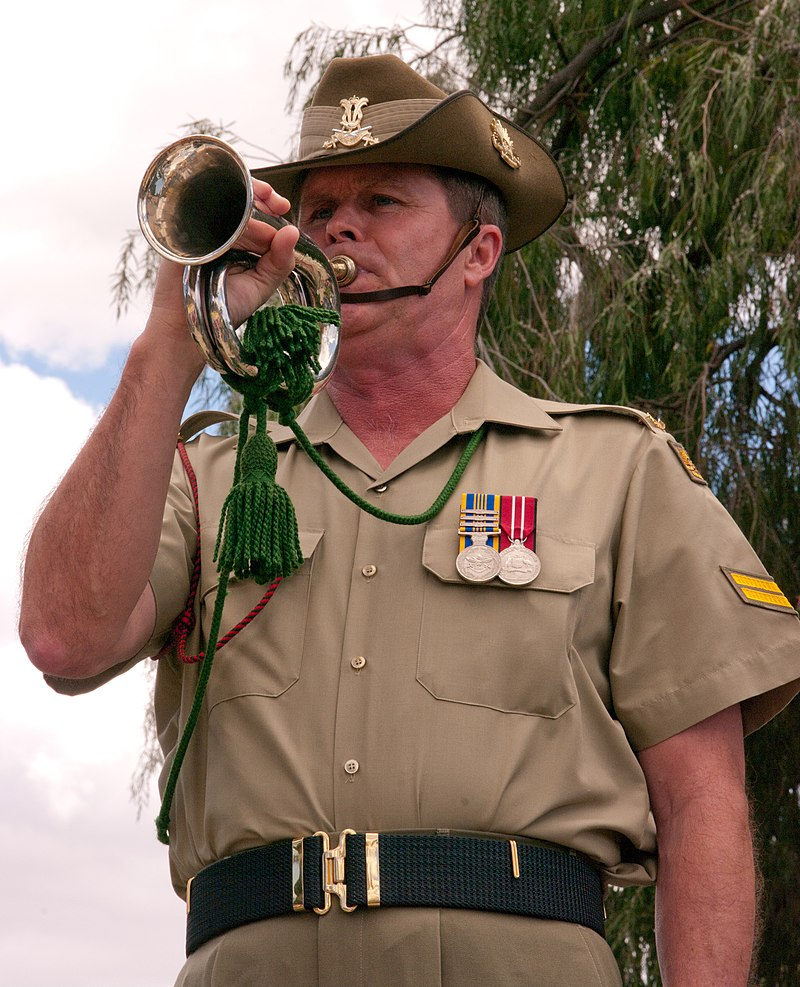
Services also include wreaths laid to honour the fallen, blessings, and national anthems.
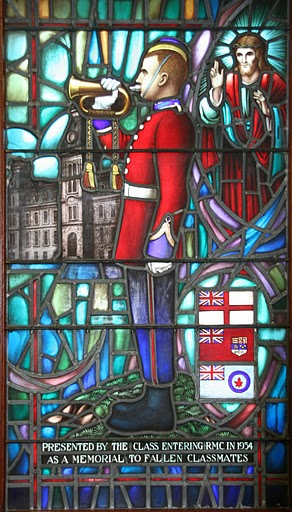
The central ritual at cenotaphs throughout the Commonwealth is a stylized night vigil.
“The Last Post” was the common bugle call at the close of the military day, and “The Rouse” was the first call of the morning.
For military purposes, the traditional night vigil over the slain was not just to ensure they were indeed dead and not unconscious or in a coma, but also to guard them from being mutilated or despoiled by the enemy, or dragged off by scavengers.
This makes the ritual more than just an act of remembrance but also a pledge to guard the honour of war dead.
The act is enhanced by the use of dedicated cenotaphs (literally Greek for “empty tomb“) and the laying of wreaths — the traditional means of signalling high honours in ancient Greece and Rome.
Only for the purposes of brevity, I will only mention how Remembrance Day is commemorated in my home country of Canada.
Canada is more than mountains and moose.
It is a realm of the rugged, gifted by goodness, a cornucopia of culture with a spirit as wild as the nature that nurtures it.

Above: Flag of Canada
Veterans Affairs Canada states that Remembrance Day (Jour du Souvenir) is intended for “remembrance for the men and women who have served, and continue to serve our country during times of war, conflict and peace” – particularly the First and Second World Wars, the Korean War, and all conflicts since then in which members of the Canadian Armed Forces have participated.
The Department runs a program called Canada Remembers, with the mission of helping young and new Canadians, most of whom have never known war, “come to understand and appreciate what those who have served Canada in times of war, armed conflict, and peace stand for and what they have sacrificed for their country.”

This brings me great comfort, knowing that there are some who have never known war.
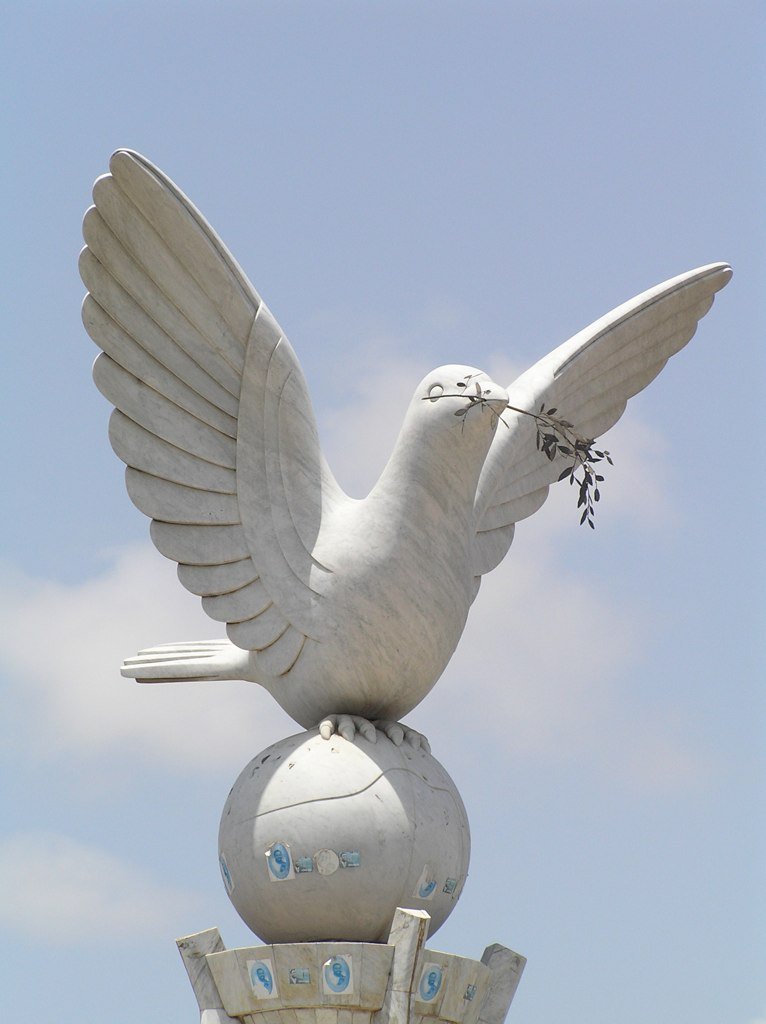
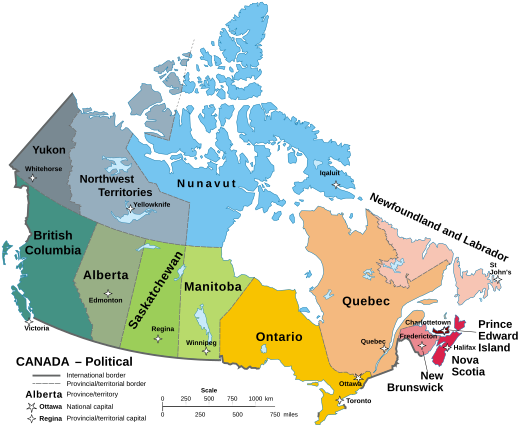
Remembrance Day is a statutory holiday for federally regulated employees and a provincial and territorial statutory holiday in six of the 10 provinces and all three territories.
Nova Scotia recognizes the day under separate legislation.
Manitoba, Ontario and Québec are the only three provinces where the day is not a statutory holiday.
The Royal Canadian Legion (RCL) is officially against making the day a national statutory holiday, in part because its leadership believes the time free from work or school would eventually overtake the memorial purpose of the occasion, whereas, having schools in regular session on that day would be an opportunity for children to be taught the day’s true significance in a mandatory fashion.
In a more informal manner, there has been opinion voiced against the trend of Christmas creep, so that the conclusion of Remembrance Day should be the earliest acceptable time in which to mark the beginning of the Christmas holidays.

Above: Emblem of the Royal Canadian Legion
The national ceremonies organized by the federal government is held at the National War Memorial in Ottawa.
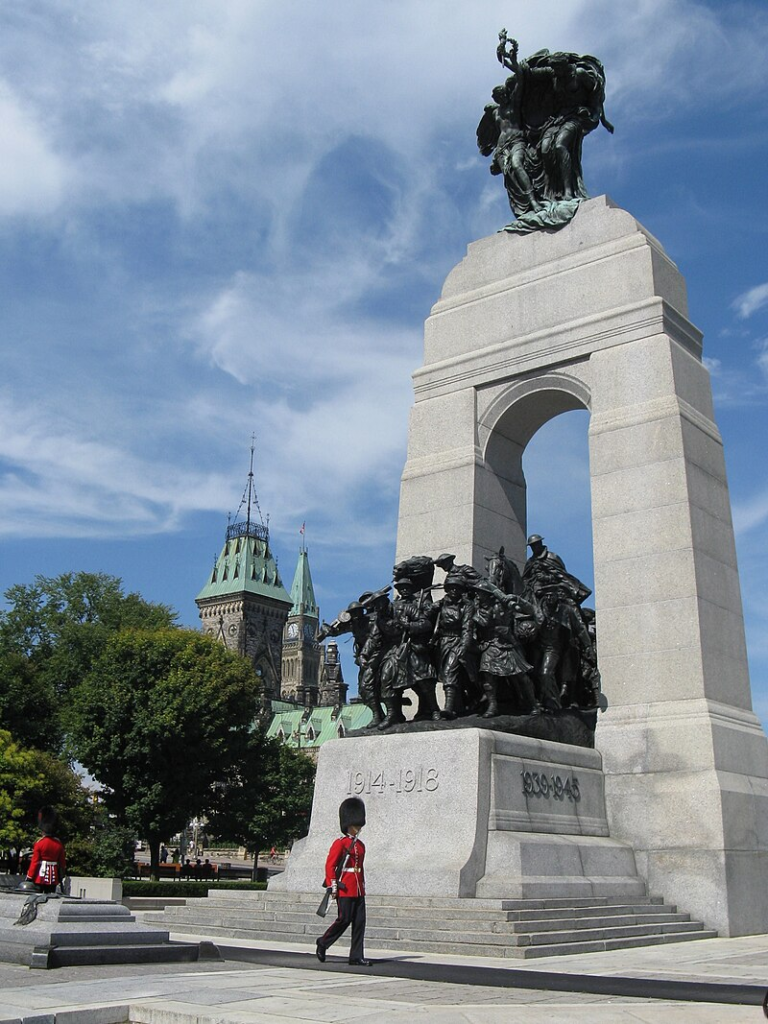
Above: National War Memorial, Ottawa, Ontario, Canada
These are presided over by the Governor General of Canada (who acts as Commander-in-Chief in the Monarch’s name) and attended by the Prime Minister, other dignitaries, the Silver Cross mother, and public observers.
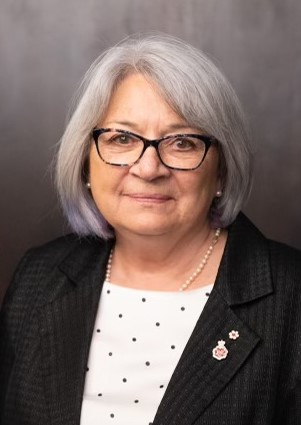
Above: Governor-General of Canada Mary Simon
Occasionally, a member of the Canadian Royal Family may also be present (such as Prince Charles in 2009 and Princess Anne in 2014).
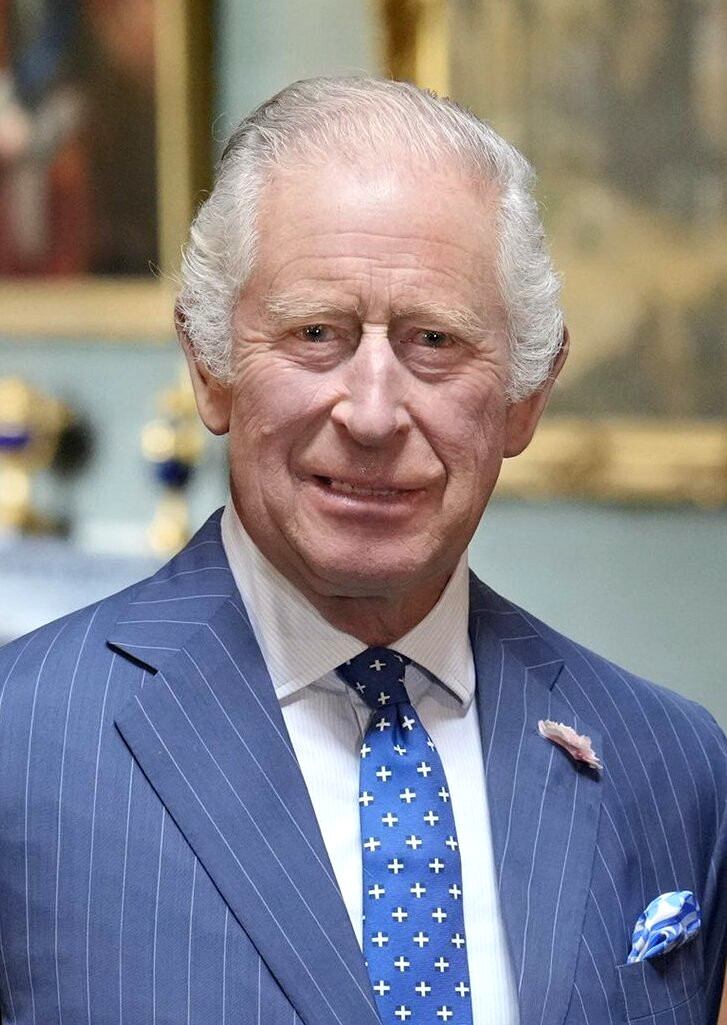
Above: King Charles III
English and French languages are used throughout the ceremony because Ottawa is officially bilingual, and the Ottawa – Gatineau census metropolitan area is a mix of Anglophones and Francophones.
Before the start of the event, four sentries and three sentinels (two flag sentinels and one nursing sister) are posted at the foot of the Cenotaph.
The commemoration then typically begins with the tolling of the Carillon in the Peace Tower, during which current members of the Armed Forces arrive at Confederation Square, followed by the Ottawa diplomatic corps, Ministers of the Crown, special guests, the RCL, the royal party (if present) and the viceregal party.
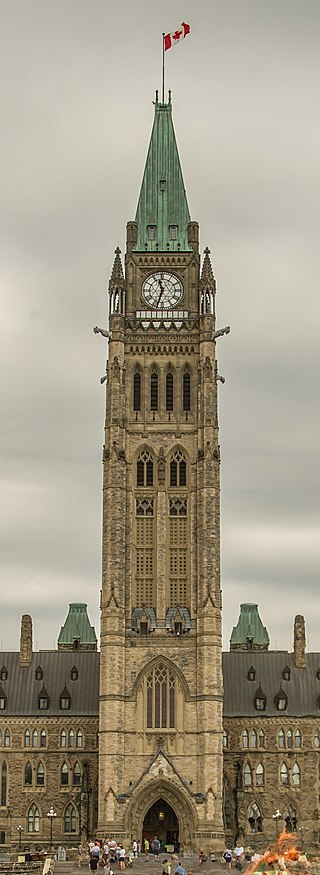
Above: Peace Tower, Centre Block, Parliament Hill, Ottawa, Canada
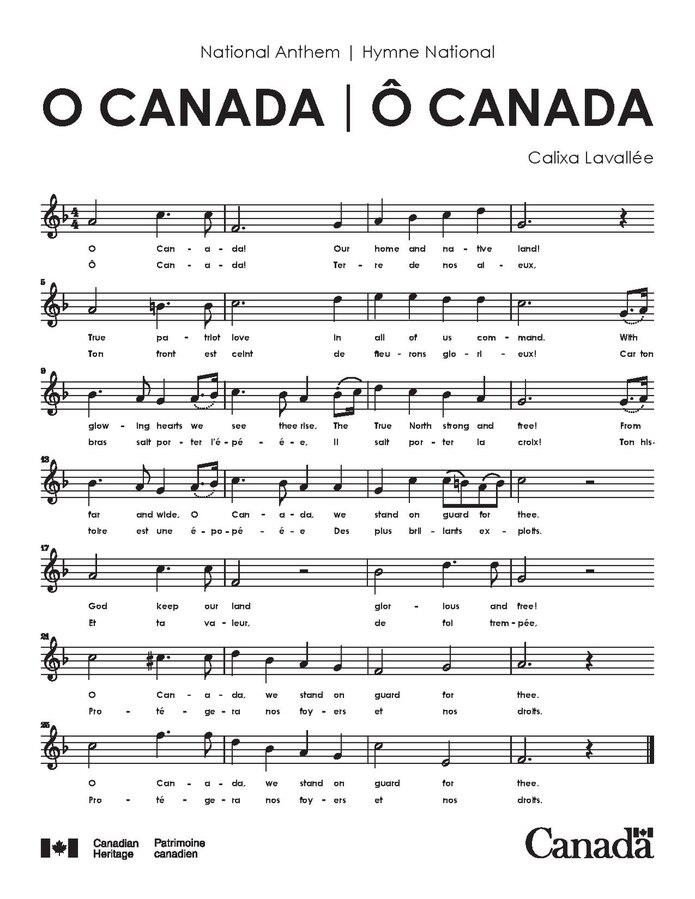
The arrival of the Governor General is announced by a trumpeter sounding the “Alert“, whereupon the viceroy is met by the Dominion President of the RCL and escorted to a dais to receive the “Vice Regal Salute“, after which the national anthem, “O Canada“, is played and sung in English and French.
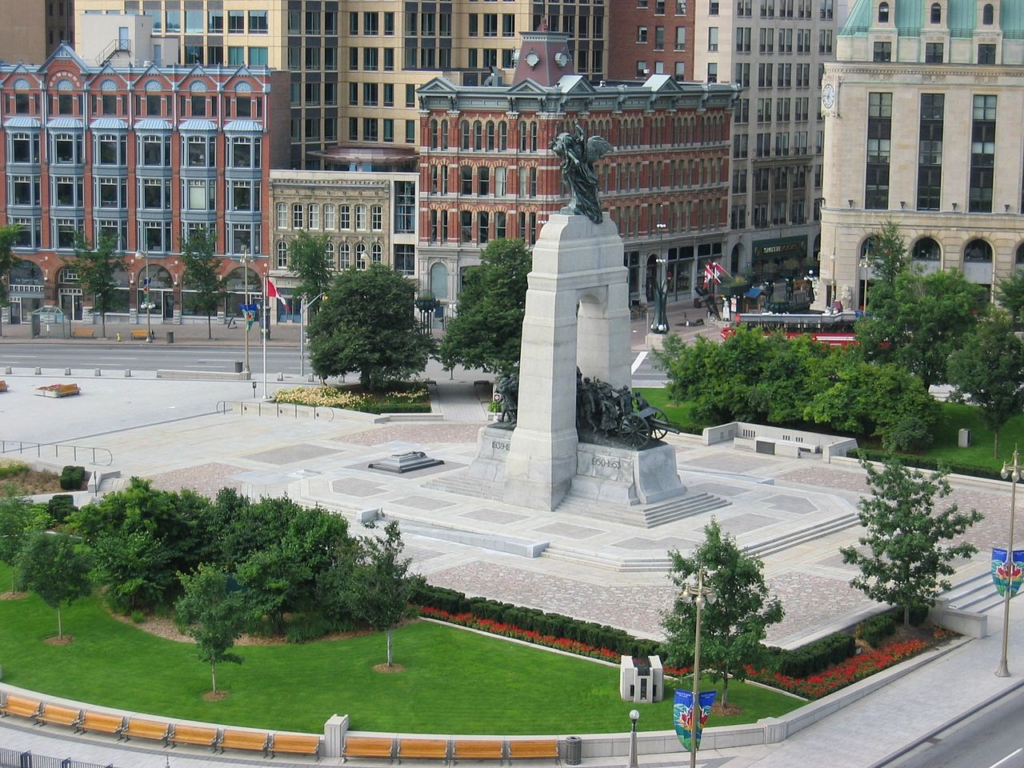
Above: Confederation Square, Ottawa, Canada
The moment of remembrance begins with the bugling of “Last Post“, immediately before 11:00 am, when the 21-gun salute fires and the bells of the Peace Tower toll the hour.
Two minutes pass between the first and second volleys of the gun salute to maintain silence for that period, as instituted across the Commonwealth by King George V.
The cessation of the two minutes of silence is cued by the playing of a lament, the bugling of “The Rouse“, and the reading of the Act of Remembrance.
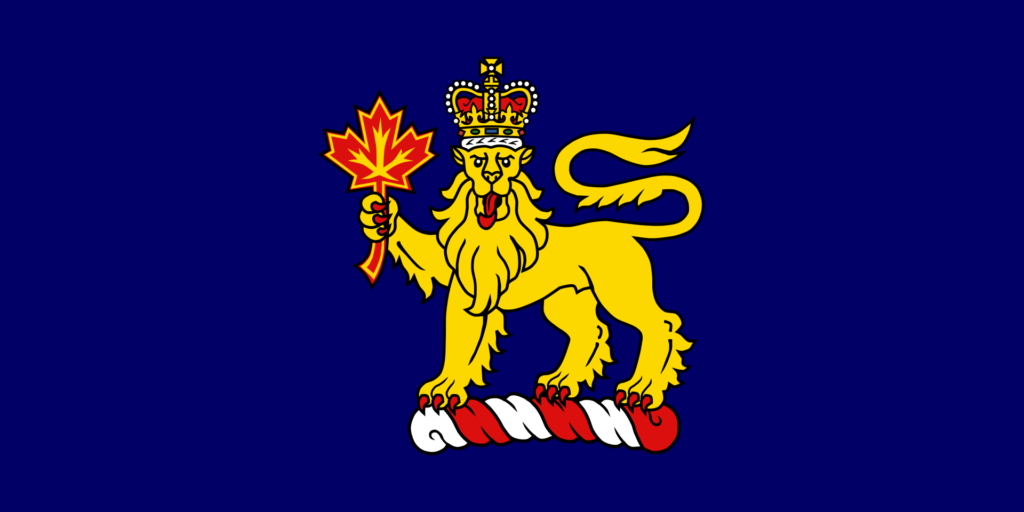
Above: Flag of the Governor General of Canada
A fly-past of Royal Canadian Air Force craft then occurs, upon the completion of which a choir sings “In Flanders Fields“.
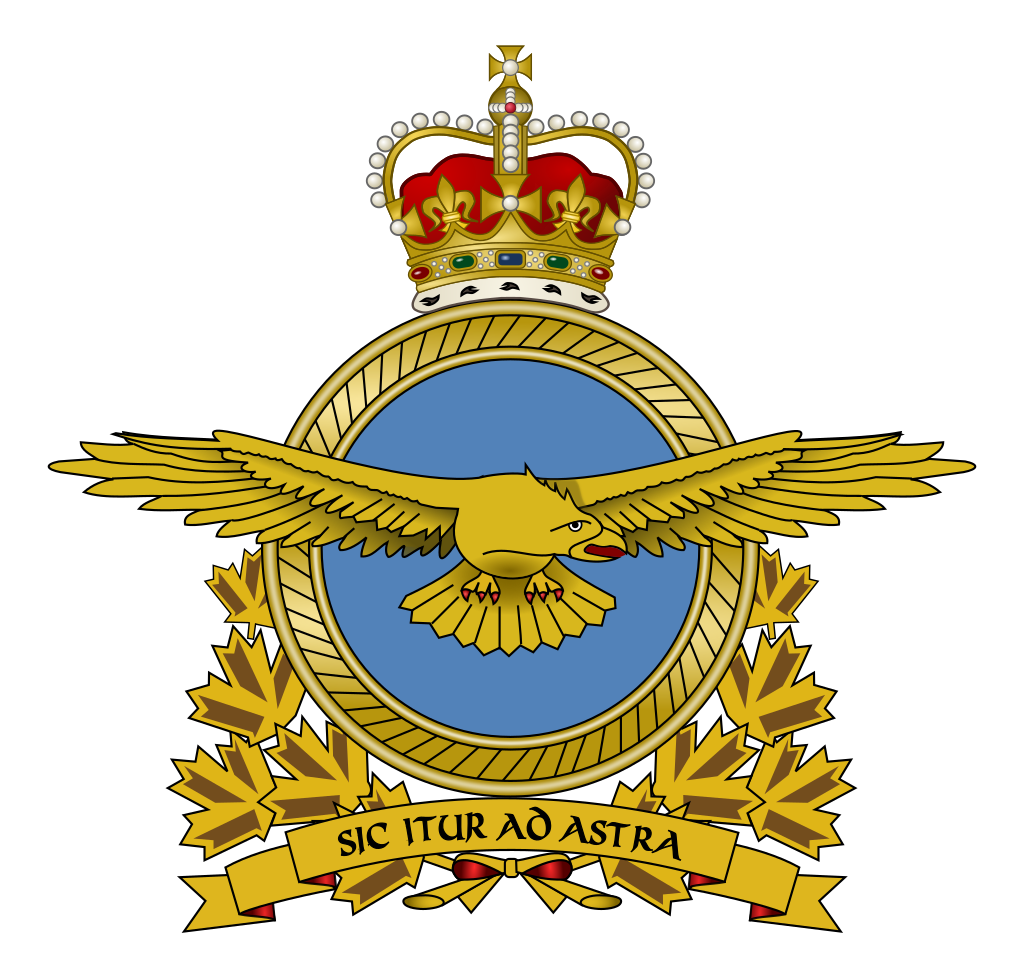
Above: Badge of the Royal Canadian Air Force
(“In Flanders Fields” is a war poem, written during the First World War by Canadian physician Lieutenant-Colonel John McCrae (1872 – 1918).
He was inspired to write it on 3 May 1915, after presiding over the funeral of friend and fellow soldier Lieutenant Alexis Helmer (1892 – 1915), who died in the Second Battle of Ypres (22 April – 25 May 1915).
According to legend, fellow soldiers retrieved the poem after McCrae, initially dissatisfied with his work, discarded it.
“In Flanders Fields” was first published on 8 December 1915 in the London magazine Punch.
Flanders Fields is a common English name of the World War I battlefields in Belgium and France.
It is one of the most quoted poems from the war.
As a result of its immediate popularity, parts of the poem were used in efforts and appeals to recruit soldiers and raise money selling war bonds.
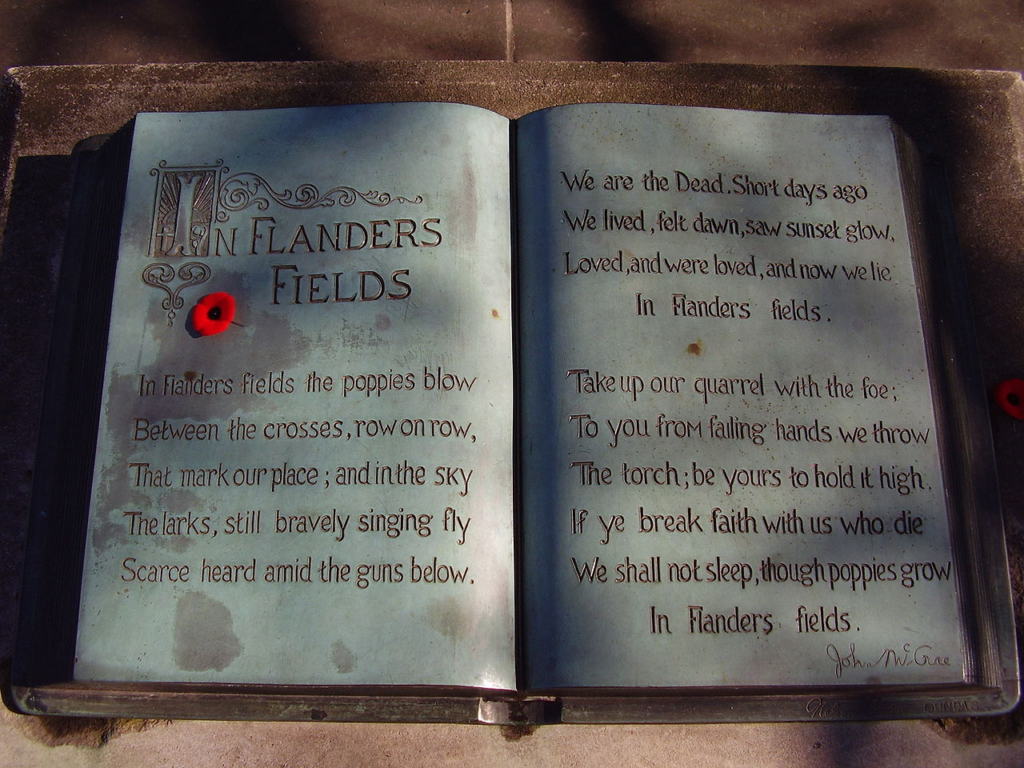
Above: Inscription of the complete poem in a bronze book at the John McCrae memorial at his birthplace in Guelph, Ontario
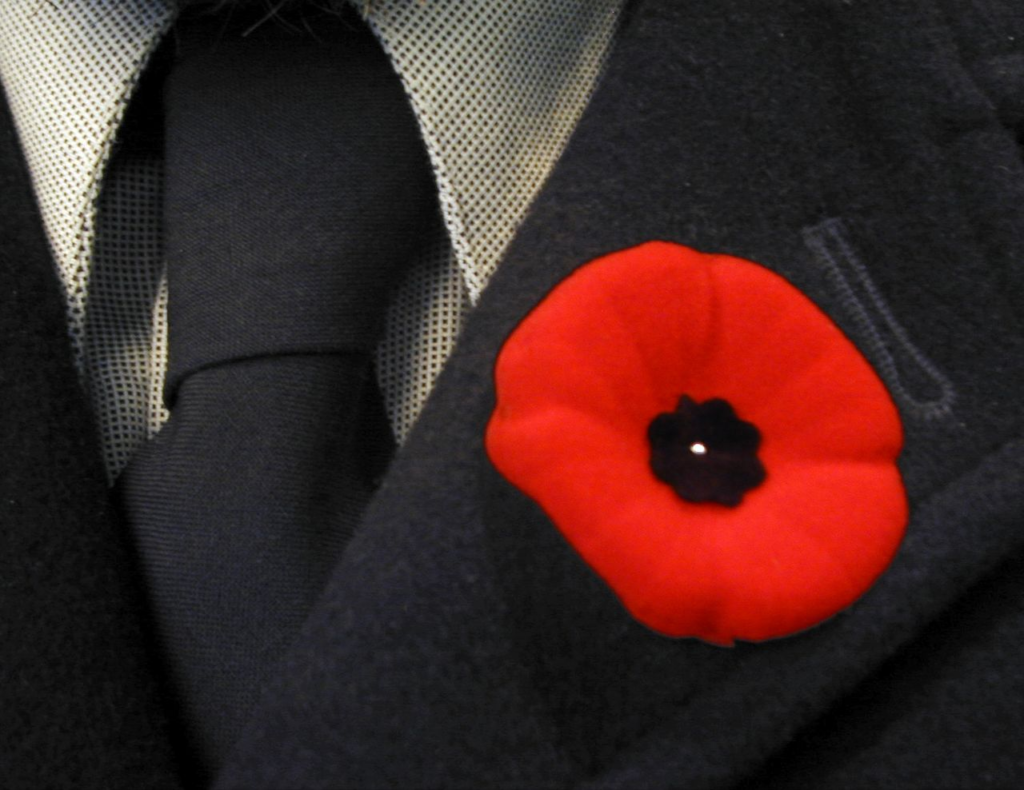
Its references to the red poppies that grew over the graves of fallen soldiers resulted in the remembrance poppy becoming one of the world’s most recognized memorial symbols for soldiers who have died in conflict.
The poem and poppy are prominent Remembrance Day symbols throughout the Commonwealth of Nations, particularly in Canada, where “In Flanders Fields” is one of the nation’s best-known literary works.
The poem is also widely known in the United States, where it is associated with Veterans Day and Memorial Day.
John McCrae was a poet and physician from Guelph, Ontario.
He developed an interest in poetry at a young age and wrote throughout his life.
His earliest works were published in the mid-1890s in Canadian magazines and newspapers.
McCrae’s poetry often focused on death and the peace that followed.
At the age of 41, McCrae enrolled with the Canadian Expeditionary Force following the outbreak of the First World War.
He had the option of joining the medical corps because of his training and age, but he volunteered instead to join a fighting unit as a gunner and medical officer.
It was his second tour of duty in the Canadian military.
He had previously fought with a volunteer force in the Second Boer War (1899 – 1902).
He considered himself a soldier first.
His father was a military leader in Guelph and McCrae grew up believing in the duty of fighting for his country and Empire.
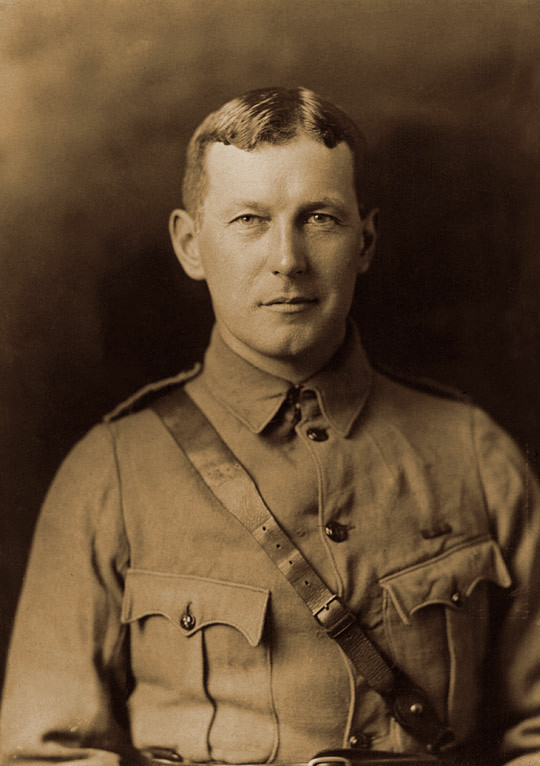
Above: John McCrae
McCrae fought in the Second Battle of Ypres in the Flanders region of Belgium, where the German army launched one of the first chemical attacks in the history of war.
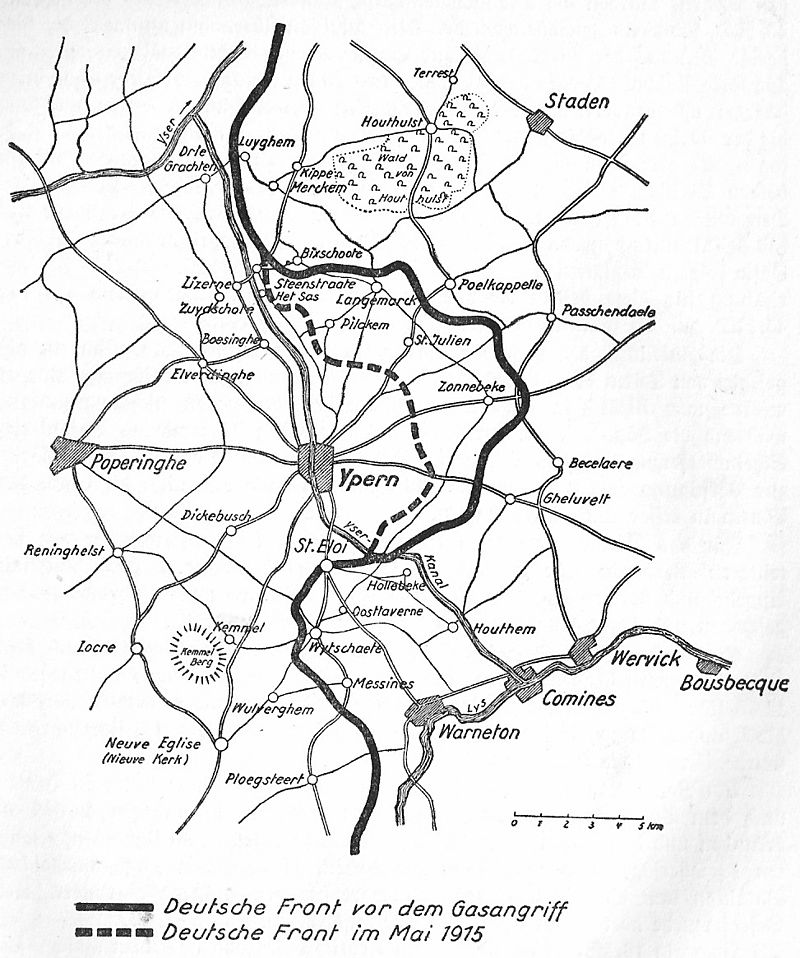
They attacked French positions north of the Canadians with chlorine gas on 22 April 1915, but were unable to break through the Canadian line, which held for over two weeks.
In a letter written to his mother, McCrae described the battle as a “nightmare“:
For seventeen days and seventeen nights none of us have had our clothes off, nor our boots even, except occasionally.
In all that time while I was awake, gunfire and rifle fire never ceased for sixty seconds.
And behind it all was the constant background of the sights of the dead, the wounded, the maimed, and a terrible anxiety lest the line should give way.”
McCrae
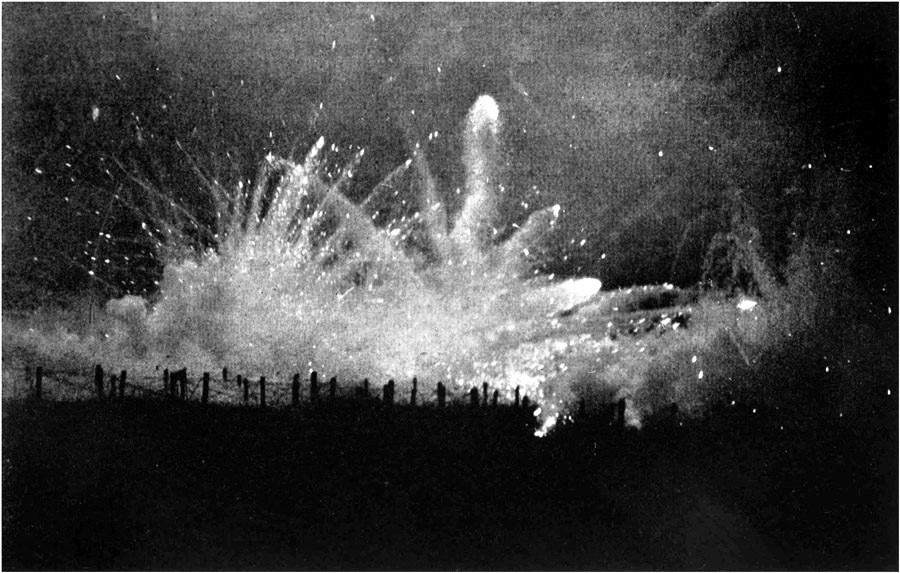
Above: Night photograph of German barrage on Allied trenches at Ypres
Alexis Helmer, a close friend, was killed during the battle on 2 May.
McCrae performed the burial service himself, where he noticed how poppies quickly grew around the graves of those who died at Ypres.
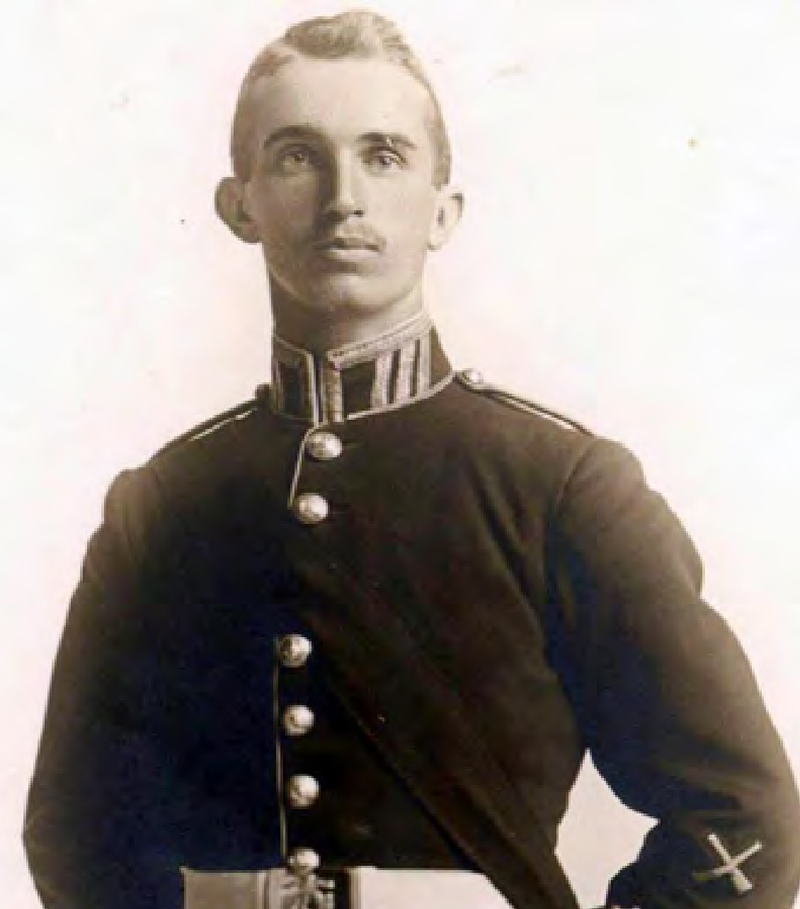
Above: Alexis Helmer
The next day, he composed the poem while sitting in the back of an ambulance at an Advanced Dressing Station outside Ypres.
This place has since become known as the John McCrae Memorial Site.)
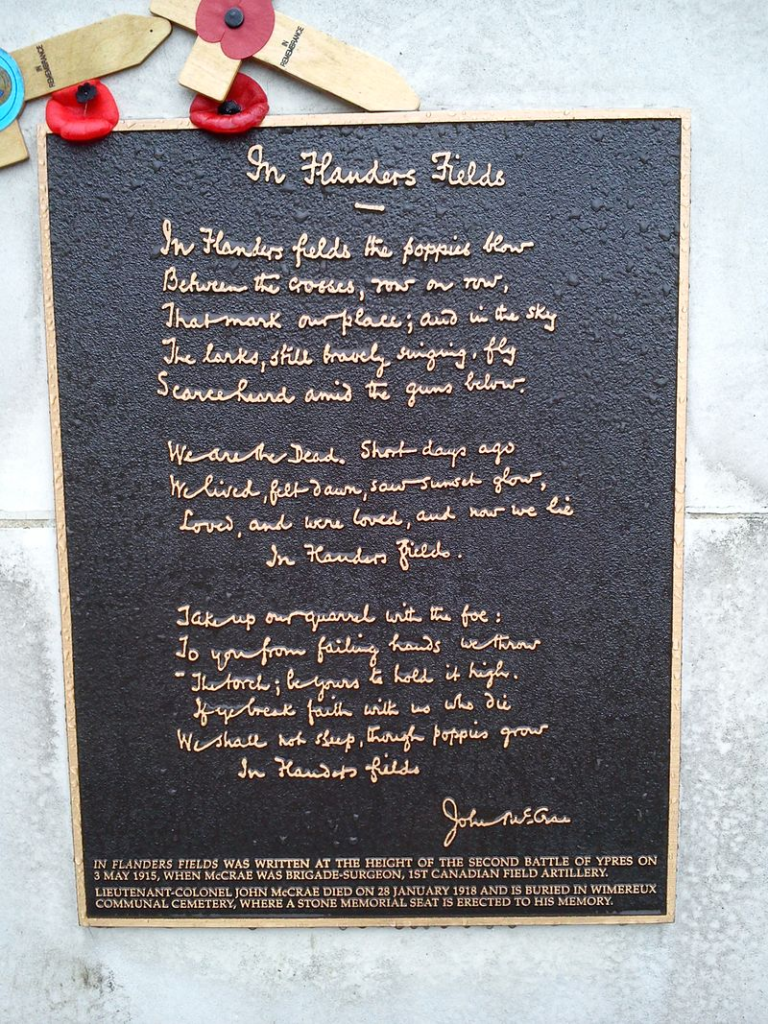
In Flanders Fields
In Flanders fields, the poppies blow
Between the crosses, row on row,
That mark our place; and in the sky
The larks, still bravely singing, fly
Scarce heard amid the guns below.
We are the Dead. Short days ago
We lived, felt dawn, saw sunset glow,
Loved and were loved, and now we lie,
In Flanders fields.
Take up our quarrel with the foe:
To you from failing hands we throw
The torch; be yours to hold it high.
If ye break faith with us who die
We shall not sleep, though poppies grow
In Flanders fields.
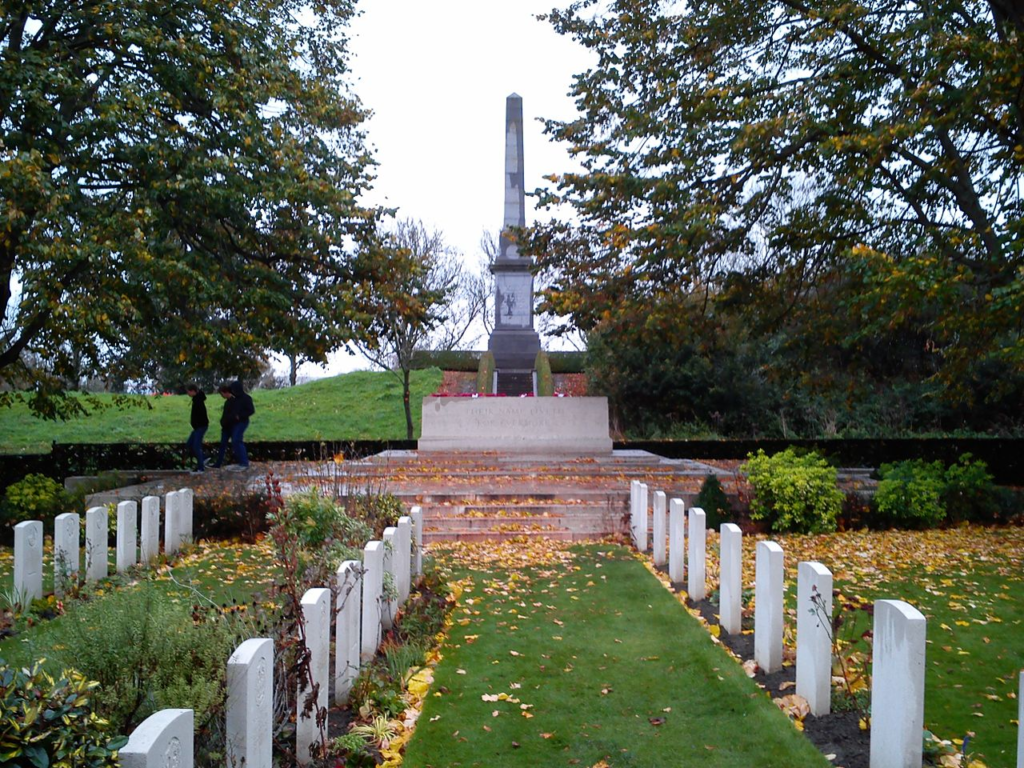
The various parties then lay their wreaths at the base of the memorial.
One is set by the Silver Cross mother (a recent recipient of the Memorial Cross) on behalf of all mothers whose children died in conflicts in which Canada participated.
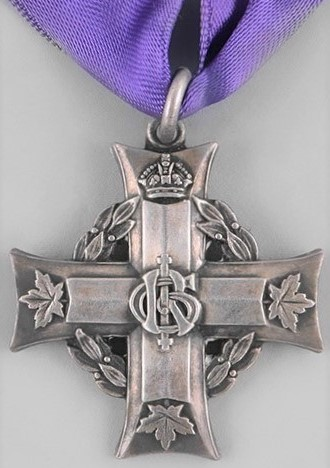
Above: The Memorial Cross
The viceregal and royal group return to the dais to receive the playing of the Canadian royal anthem, “God Save the King“, sung in French and English, prior to the assembled armed forces personnel and veterans performing a march past in front of the viceroy and any royal guest, bringing about the end of the official ceremonies.
A tradition of paying a more personal tribute has emerged since the Tomb of the Unknown Soldier was installed at the Canadian National War Memorial in 2000:
After the official ceremony, the general public place their poppies atop the tomb.
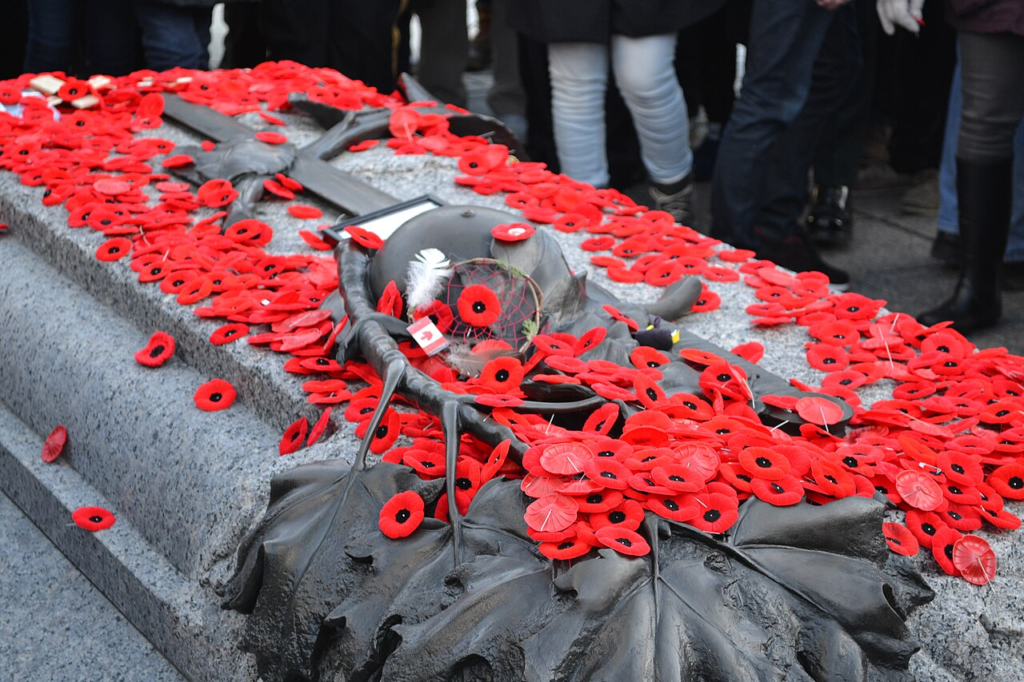
Above: Remembrance poppies atop the Canadian Tomb of the Unknown Soldier, Ottawa, Canada
Similar ceremonies take place in provincial capitals across the country, officiated by the relevant Lieutenant Governor, as well as in other cities, towns, and even hotels or corporate headquarters.
Schools will usually hold special assemblies for the first half of the day or on the school day prior, with various presentations concerning the remembrance of the war dead.
The ceremony participants include veterans, current members of the Canadian Forces, and sea, army and air cadet units.
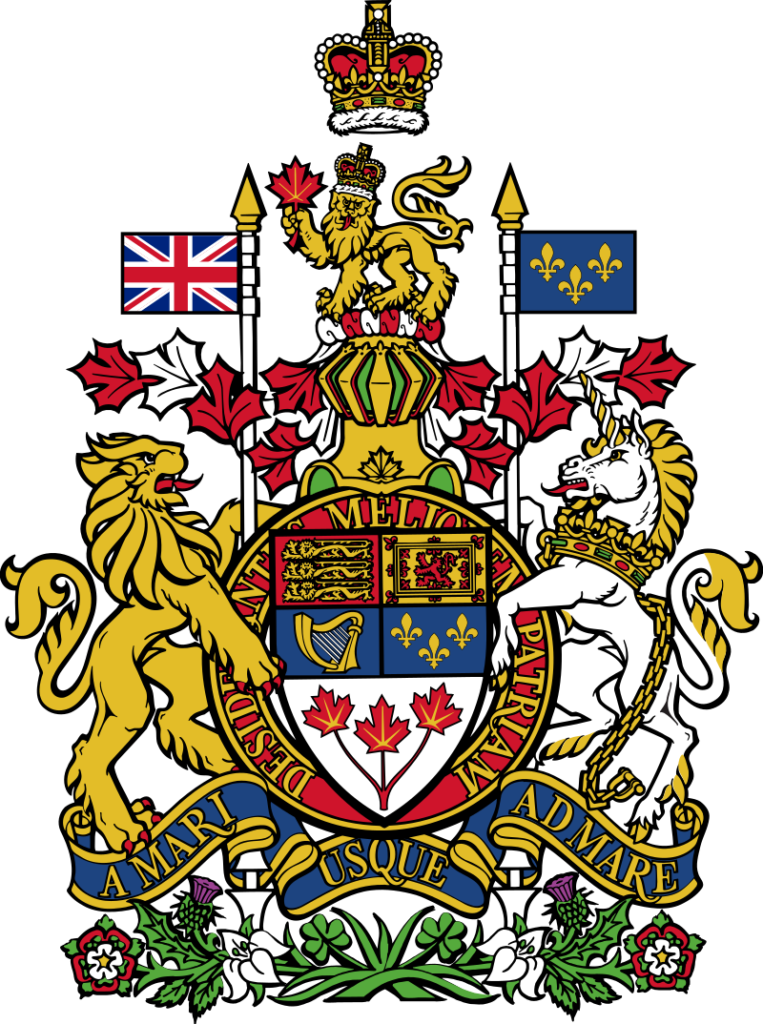
Above: Coat of arms of Canada
Canada’s neighbour and cultural cousin, the Excited States of Hysteria….excuse me, the United States of America, is home to such diverse cities as Los Angeles, Chicago, Miami City – each a brimming metropolis whose name alone conjures a million different notions of culture, cuisine and entertainment.
It is a land of surprising variety and so the great American experience has no one interpretation.

Above: Flag of the United States of America
Today is Veterans Day in the United States.
Veterans Day is distinct from Memorial Day, a US public holiday in May:
Veterans Day commemorates the service of all US veterans, while Memorial Day specifically honors those who have died while in military service.
Another military holiday that also occurs in May, Armed Forces Day, honors those currently serving in the U.S. military.
Additionally, Women Veterans Day is recognized by a growing number of US states that specifically honor women who have served in the US military.
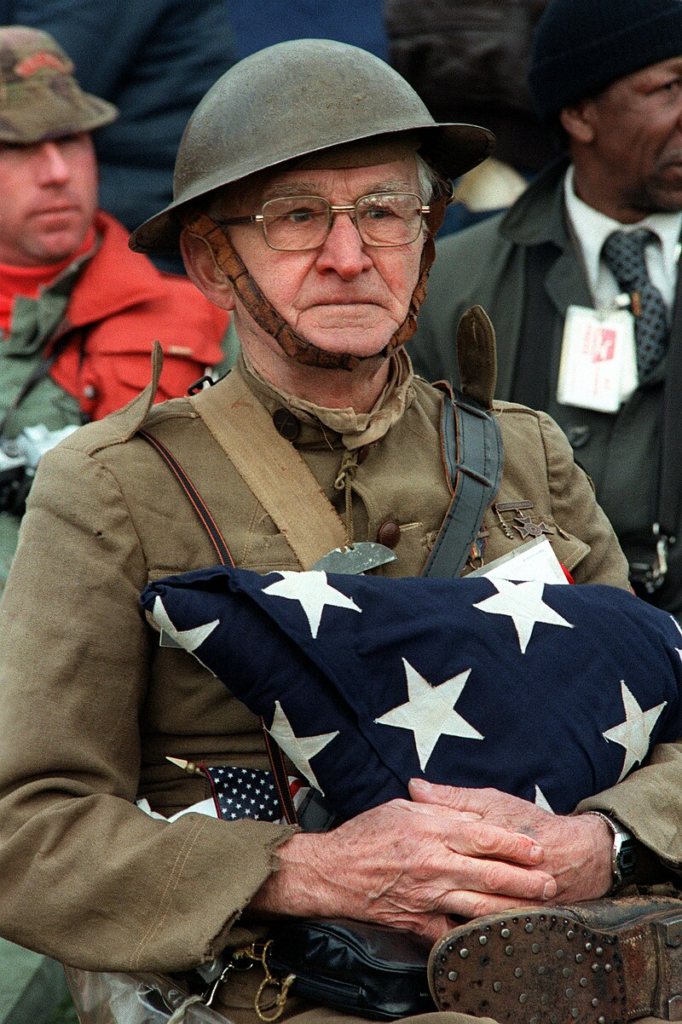
On 11 November 1919, President Woodrow Wilson issued a message to his countrymen on the first Armistice Day, in which he expressed what he felt the day meant to Americans:
A year ago today our enemies laid down their arms in accordance with an armistice which rendered them impotent to renew hostilities, and gave to the world an assured opportunity to reconstruct its shattered order and to work out in peace a new and more just set of international relations.
The soldiers and people of the European Allies had fought and endured for more than four years to uphold the barrier of civilization against the aggressions of armed force.
We ourselves had been in the conflict something more than a year and a half.
With splendid forgetfulness of mere personal concerns, we remodeled our industries, concentrated our financial resources, increased our agricultural output, and assembled a great army, so that at the last our power was a decisive factor in the victory.
We were able to bring the vast resources, material and moral, of a great and free people to the assistance of our associates in Europe who had suffered and sacrificed without limit in the cause for which we fought.
Out of this victory there arose new possibilities of political freedom and economic concert.
The war showed us the strength of great nations acting together for high purposes, and the victory of arms foretells the enduring conquests which can be made in peace when nations act justly and in furtherance of the common interests of men.
To us in America the reflections of Armistice Day will be filled with solemn pride in the heroism of those who died in the country’s service, and with gratitude for the victory, both because of the thing from which it has freed us and because of the opportunity it has given America to show her sympathy with peace and justice in the councils of nations.”
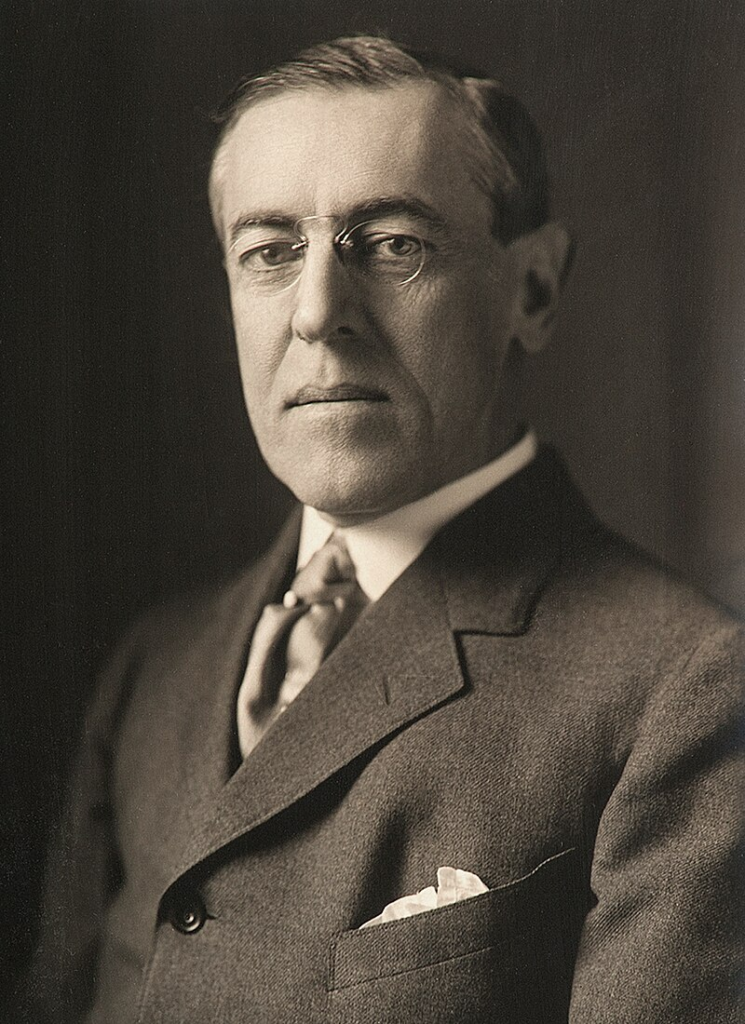
Above: US President Woodrow Wilson (1856 – 1924)
In 1945, World War II veteran Raymond Weeks from Birmingham, Alabama, had the idea to expand Armistice Day to celebrate all veterans, not just those who died in World War I.
Weeks led a delegation to General Dwight Eisenhower, who supported the idea of National Veterans Day.
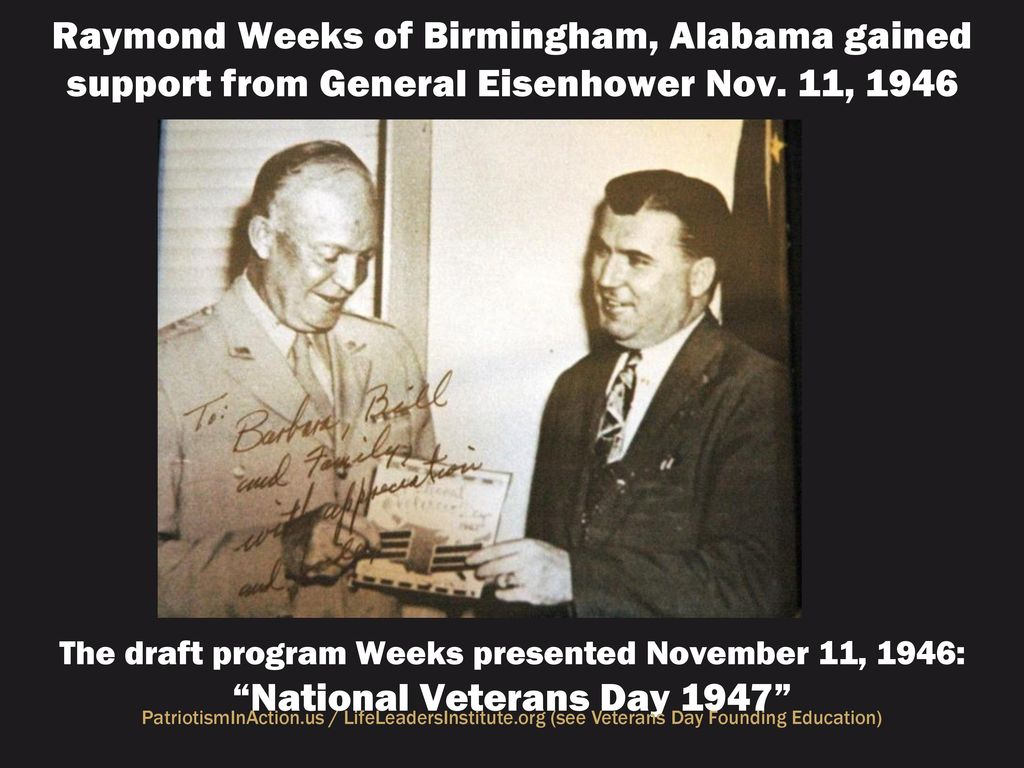
Weeks led the first national celebration in 1947 in Alabama and annually until his death in 1985.
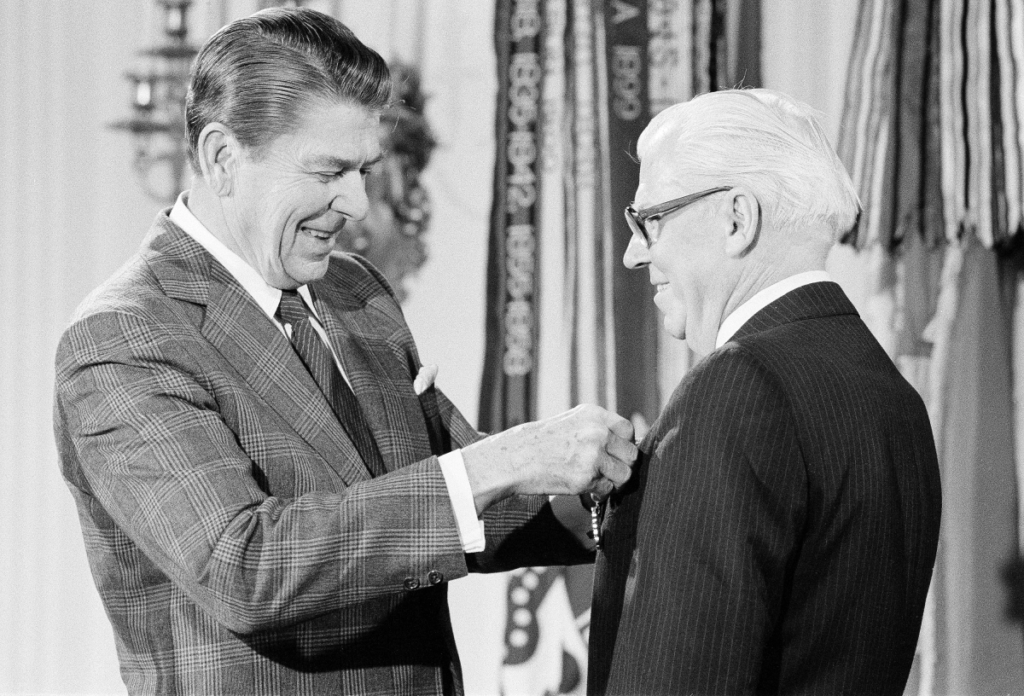
Above: President Reagan honors Weeks at the White House with the Presidential Citizenship Medal in 1982 as the driving force for the national holiday.
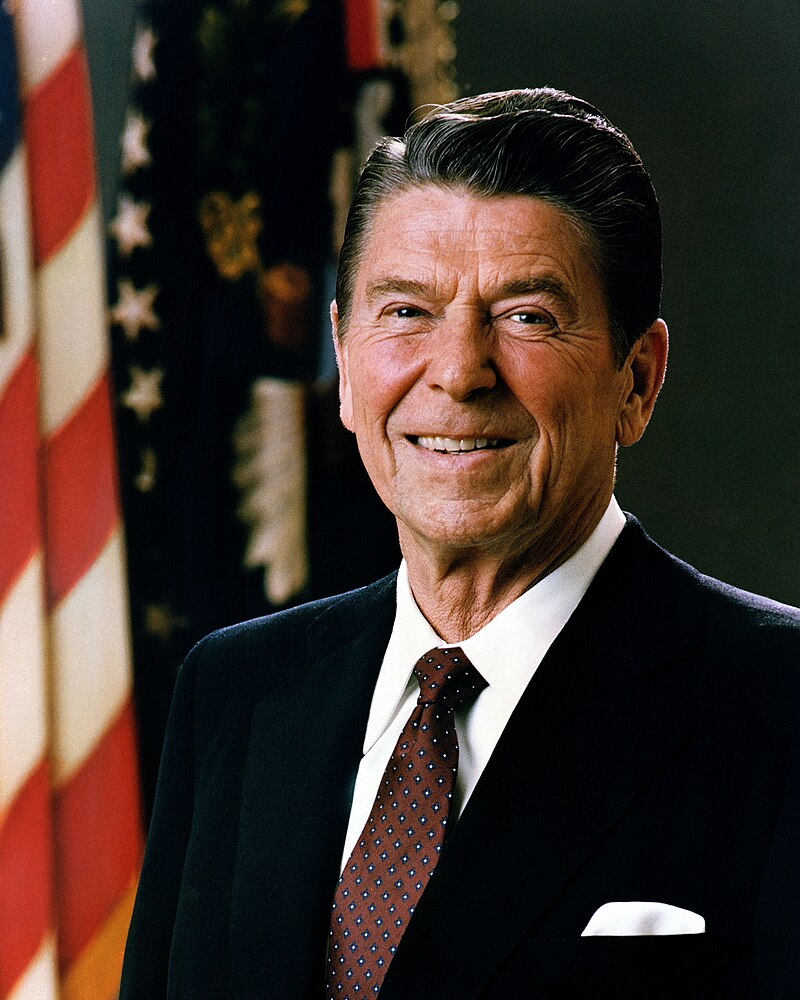
Above: US President Ronald Reagan (1911 – 2004)
Elizabeth Dole, who prepared the briefing for President Reagan, determined Weeks as the “Father of Veterans Day“.

Above: US Senator Elizabeth Dole
US Representative Ed Rees from Emporia, Kansas, presented a bill establishing the holiday through Congress.
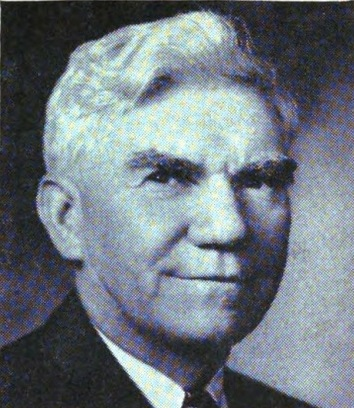
Above: US Congressman Edward Rees (1886 – 1969)
President Dwight D. Eisenhower, also from Kansas, signed the bill into law on 26 May 1954.
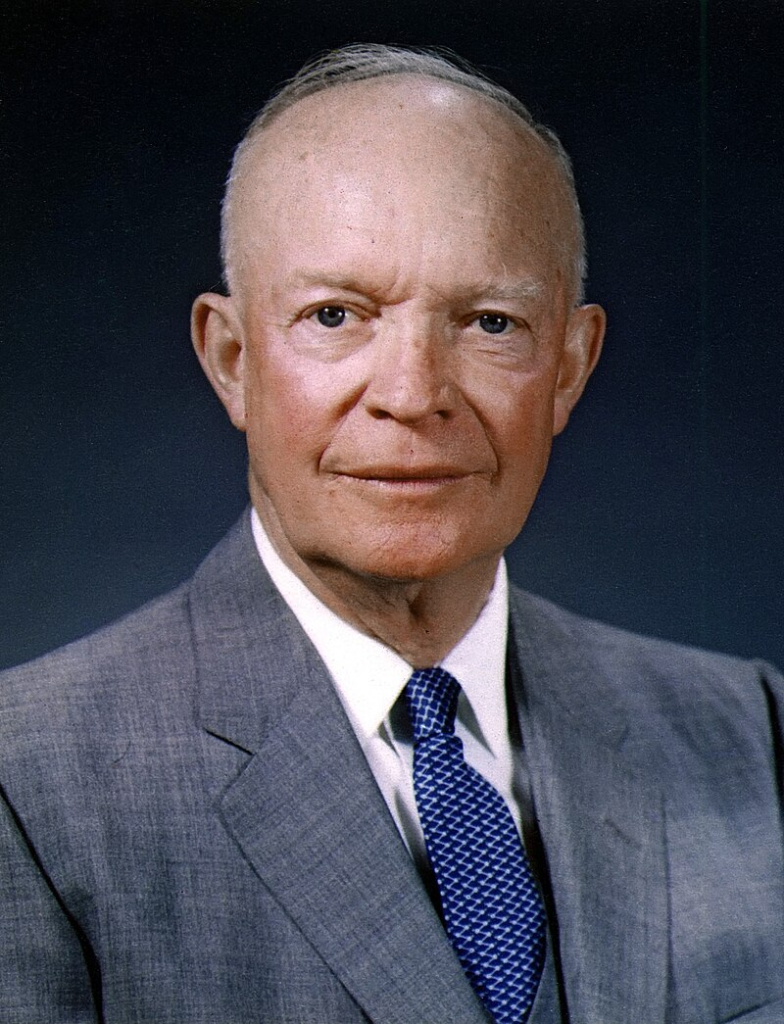
Above: US President Dwight D. Eisenhower (1890 – 1969)
Congress amended the bill on June 1, 1954, replacing “Armistice” with “Veterans” and it has been known as Veterans Day since.
Two minutes of silence is recommended to be observed at 2:11pm Eastern Standard Time.
Non-essential federal government offices are closed.
No mail is delivered.
All federal workers are paid for the holiday.
Those who are required to work on the holiday sometimes receive holiday pay for that day in addition to their wages.
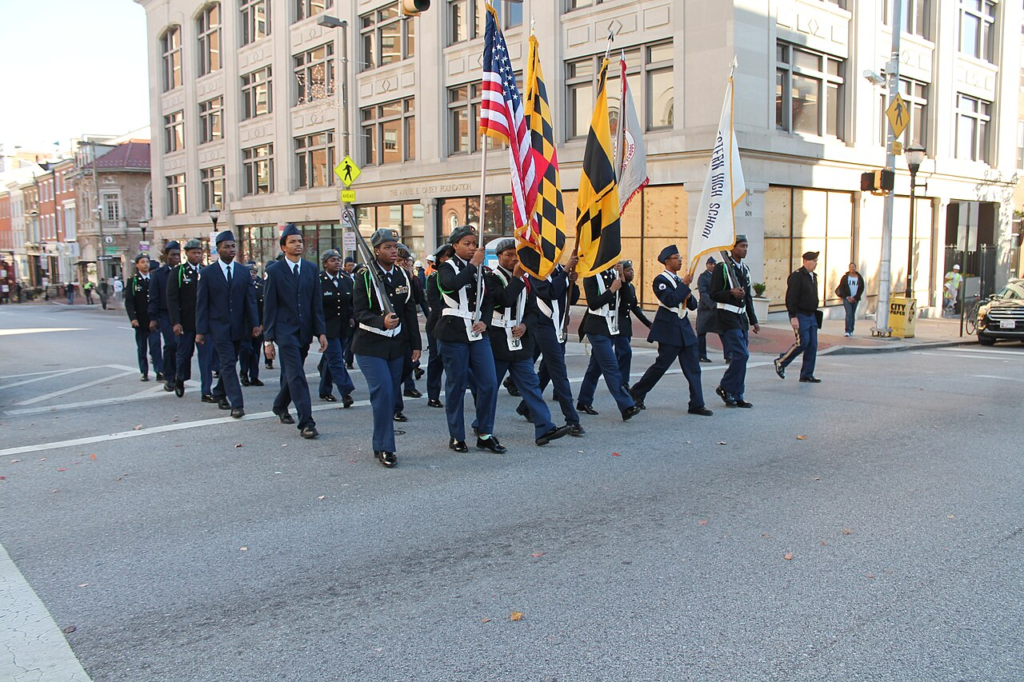
A taste of Latvia with its full-voiced choirs and art nouveau architecture stimulates the senses.
It is a tapestry of sea, lakes and woods – a vast unspoilt parkland with just one real city, its cosmopolitan capital Riga.

Above: Flag of Latvia
Lāčplēsis Day (Lāčplēša diena) is a memorial day for soldiers who fought for the independence of Latvia.
It is celebrated on 11 November, marking the decisive victory by the Latvian Army over the joint Russian-German West Russian Volunteer Army led by the warlord Pavel Bermondt-Avalov (1877 – 1973) at the 1919 Battle of Riga during the Latvian War of Independence (1918 – 1920), thus safeguarding the independence of the nascent nation.
It initially was a day of honoring the 743 soldiers that fell in the battles around the Riga area.
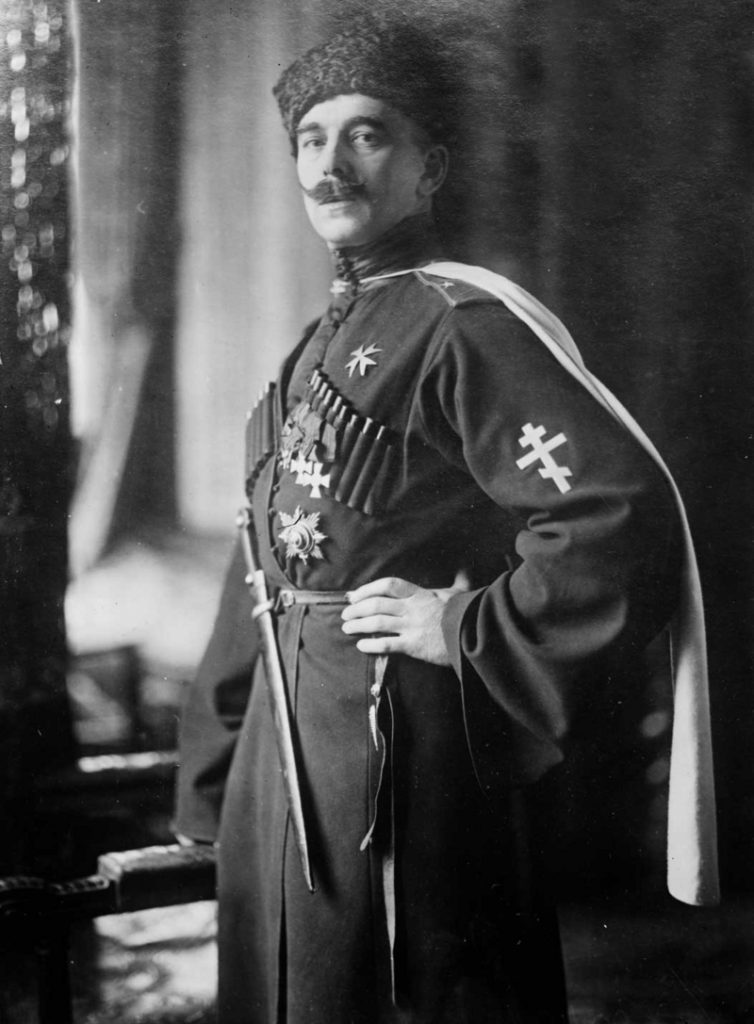
Above: Pavel Bermondt-Avalov
A popular commemorative symbol, introduced by the LNT television channel in 2007 and supported by the Latvian Ministry of Defence, is a victory sign-shaped Latvian flag ribbon worn on the left chest.
Often it is worn throughout November.
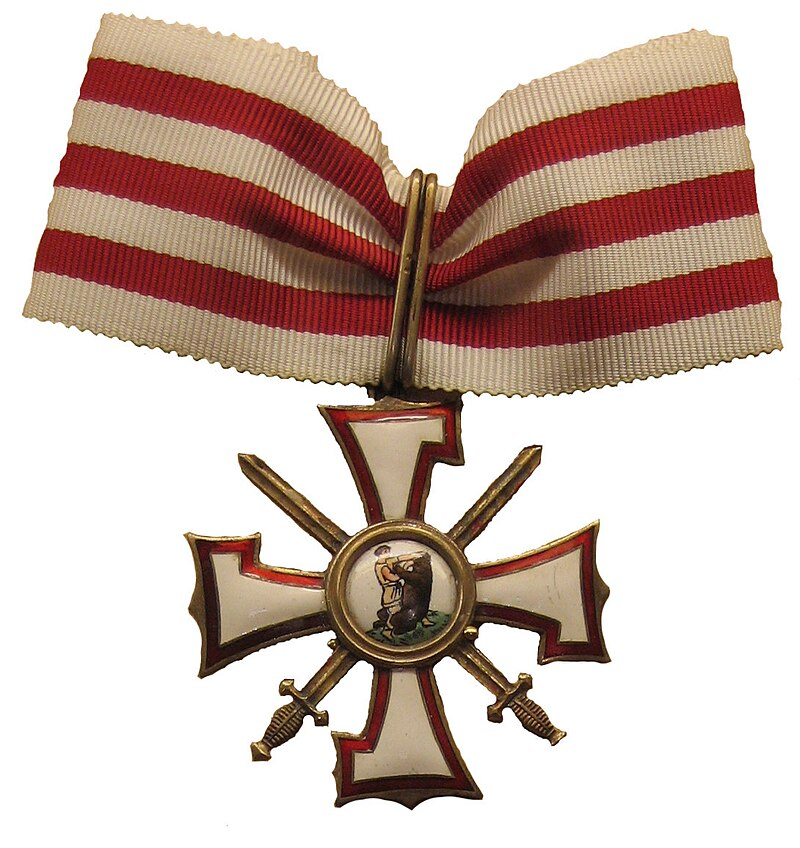
November has become a symbolic month of Latvian reflection on the founding of their nation.
Latvian officials frequently mention Lāčplēsis Day to rally Latvians in various modern conflicts.
A popular Lāčplēsis Day tradition since 1988 has been placing candles by the wall of Riga Castle.
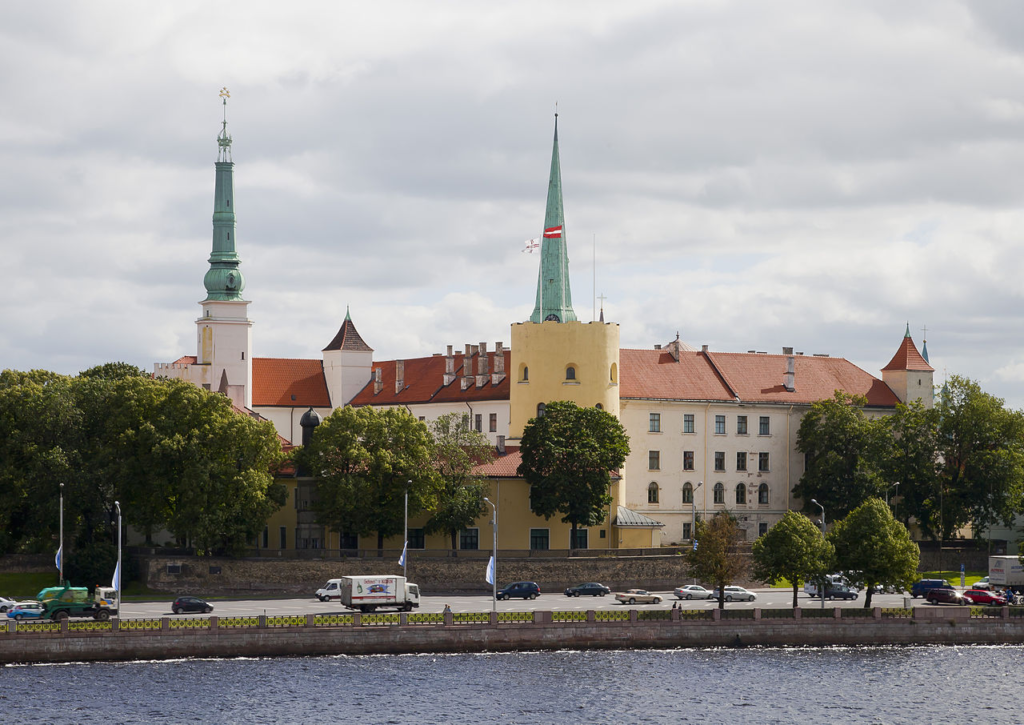
Above: Riga Castle, Latvia
Similar candle-lighting ceremonies also take place in other cities, villages and military cemeteries across the country.
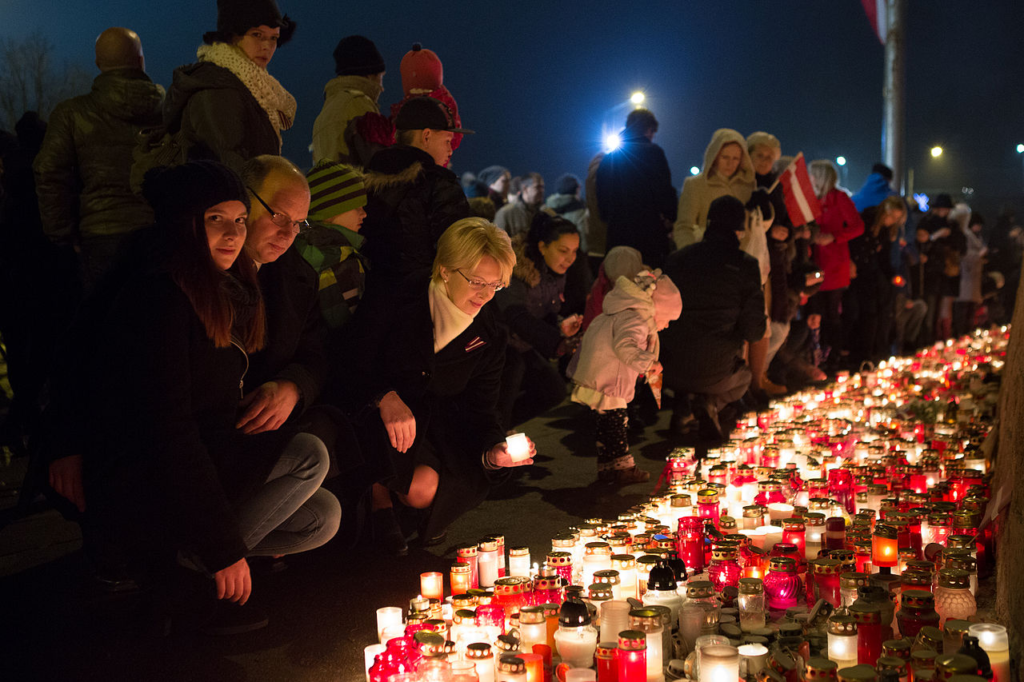
Above: People commemorating the fallen by placing candles by the wall of Riga Castle, Latvia
Lāčplēsis (“The Bear-Slayer“) is an epic poem by Andrejs Pumpurs, a Latvian poet, who wrote it between 1872 and 1887 based on local legends.
It is set during the Livonian Crusades (1198 – 1290) telling the story of the mythical hero Lāčplēsis “the Bear Slayer“.
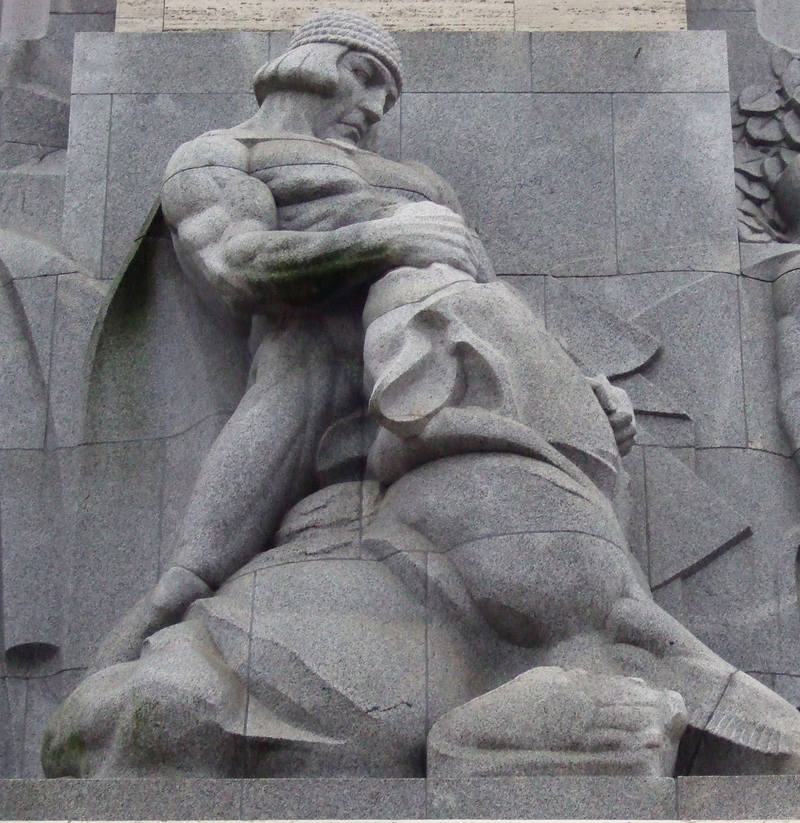
Lāčplēsis is regarded as the Latvian national epic.
The poem opens at the council of the Baltic gods at the palace of Pērkons in the sky where the Father of Destiny declares that Latvians are under threat because Christian crusaders are going to come and conquer the Baltic lands and enslave the Latvian nation.
The Gods promise to protect the Latvians.
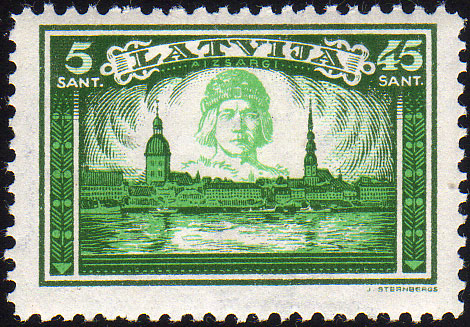
Above: Latvian postage stamp depicting Lāčplēsis as the protector of Riga
When the meeting comes to an end suddenly Staburadze arrives and ask for advice in her matter:
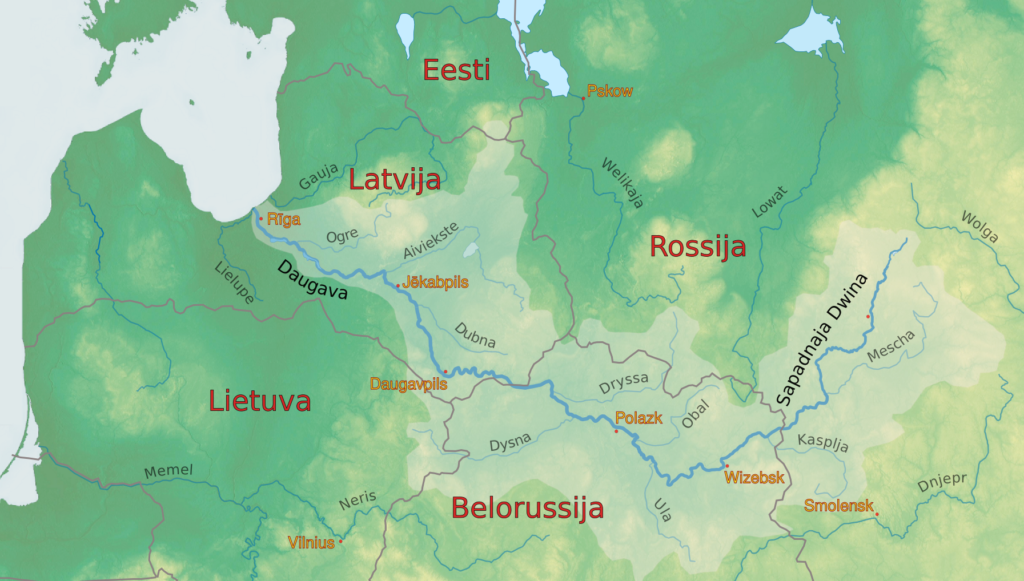
She has found a young man drowning in the river Daugava where he has to turn into stone.
Pērkons says that he has chosen this man for an important matter and that he will save the man.
The council ends with the question:
Will the Baltic gods ever come back together?
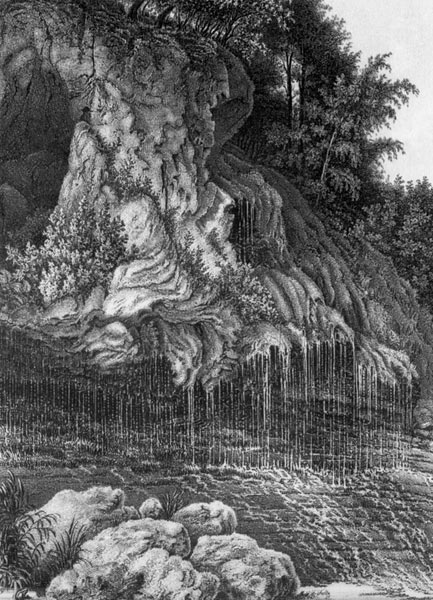
Above: Staburag, Latvia
There follows a flashback of a few days to an occasion upon which the Lord of Lielvārde is taking a walk with his 18-year-old son.
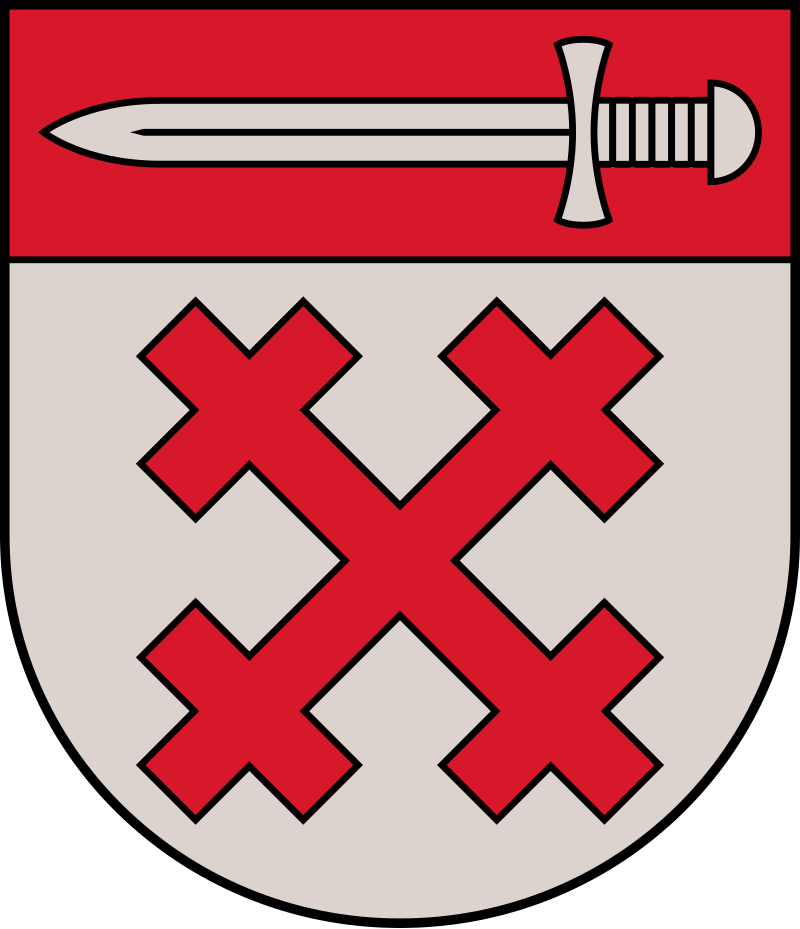
Above: Coat of arms of Lielvārde, Latvia
Suddenly a bear jumps out to attack them.
Undaunted, the son seizes the bear by the jaws and rips it apart as if it had been no more of a threat than a small goat, thus earning himself the name Lāčplēsis – the bear slayer.
After this he is sent off to the castle of Burtnieks to continue his studies.
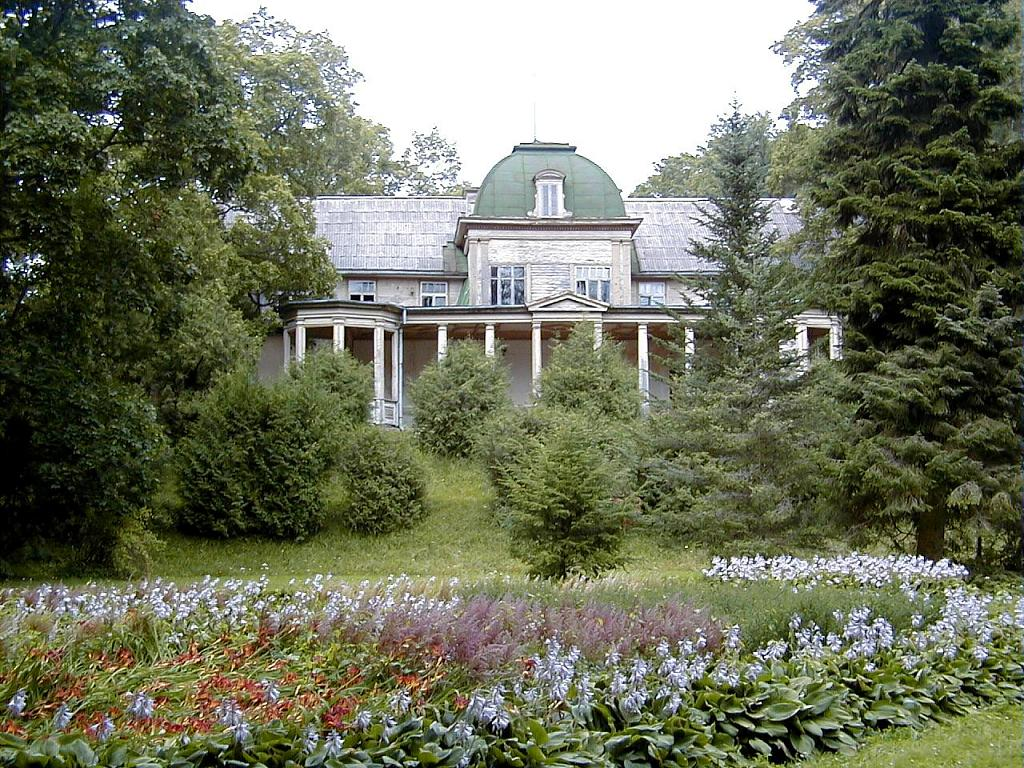
Above: Burtnieks Castle, Latvia
On the way, at the castle of Lord Aizkrauklis, he spies on the activities of the witch Spīdala, who is under the control of the Devil, and the holy man Kangars, who is in reality a traitor plotting with Crusaders to replace the old gods with Christianity.
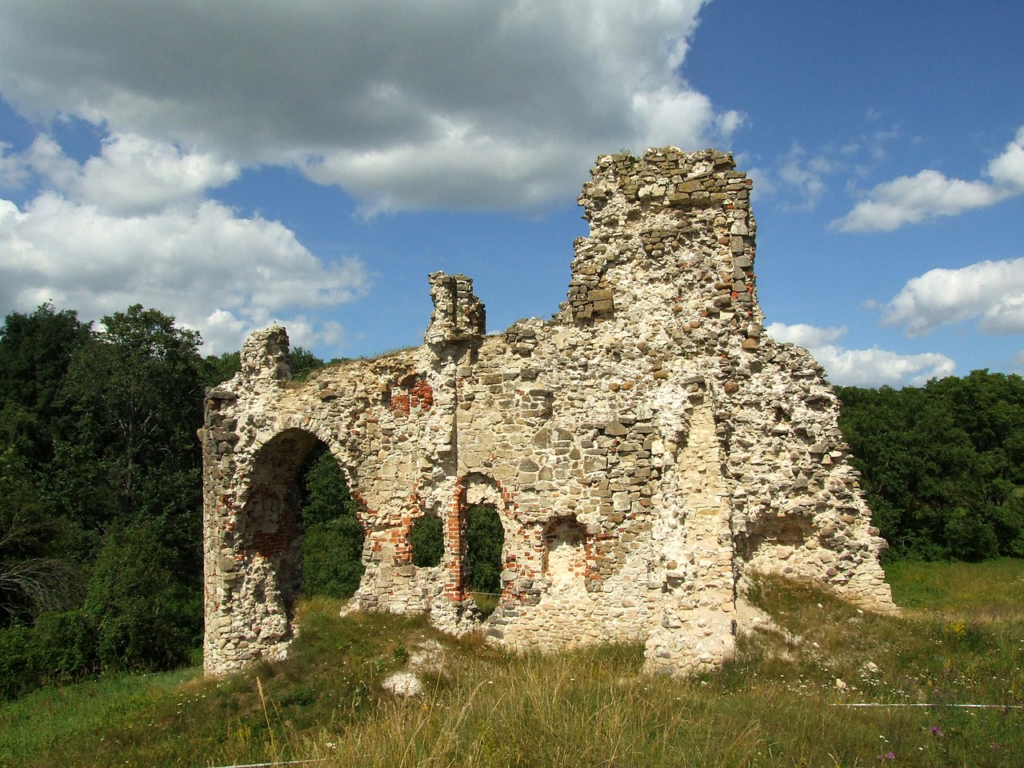
Above: Aizkraukle Castle ruins, Latvia
Spīdala tries to drown Lāčplēsis by throwing him into the whirlpool of Staburags in the Daugava, but he is rescued by the goddess Staburadze and taken to her underwater crystal castle.
There Lāčplēsis meets and falls in love with the maiden Laimdota.
Shortly afterwards, Lāčplēsis becomes friends with another hero, Koknesis (“Wood-bearer“), and they study together at the castle of Burtnieks, Laimdota’s father.
Kangars provokes a war with the Estonians, and Lāčplēsis sets out to fight the giant Kalapuisis (Kalevipoeg).
The two fight to a draw.
Afterwards, they make peace and decide to join forces to fight their common enemy, the German Crusaders, who are led by the priest Dietrich (Dītrihs).
Lāčplēsis performs another heroic deed by spending the night in a cursed sunken castle, breaking the curse and allowing the castle to rise into the air again.
Laimdota and Lāčplēsis are engaged.
In the following episodes, Laimdota reads from the old books about the Creation and ancient Latvian teachings.
Laimdota and Koknesis are kidnapped and imprisoned in Germany.
Spīdala convinces Lāčplēsis that Laimdota and Koknesis are lovers.
Lāčplēsis returns home to Lielvārde, then sets sail for Germany.
His ship becomes lost in the North Sea.
He is welcomed by the daughter of the North Wind.
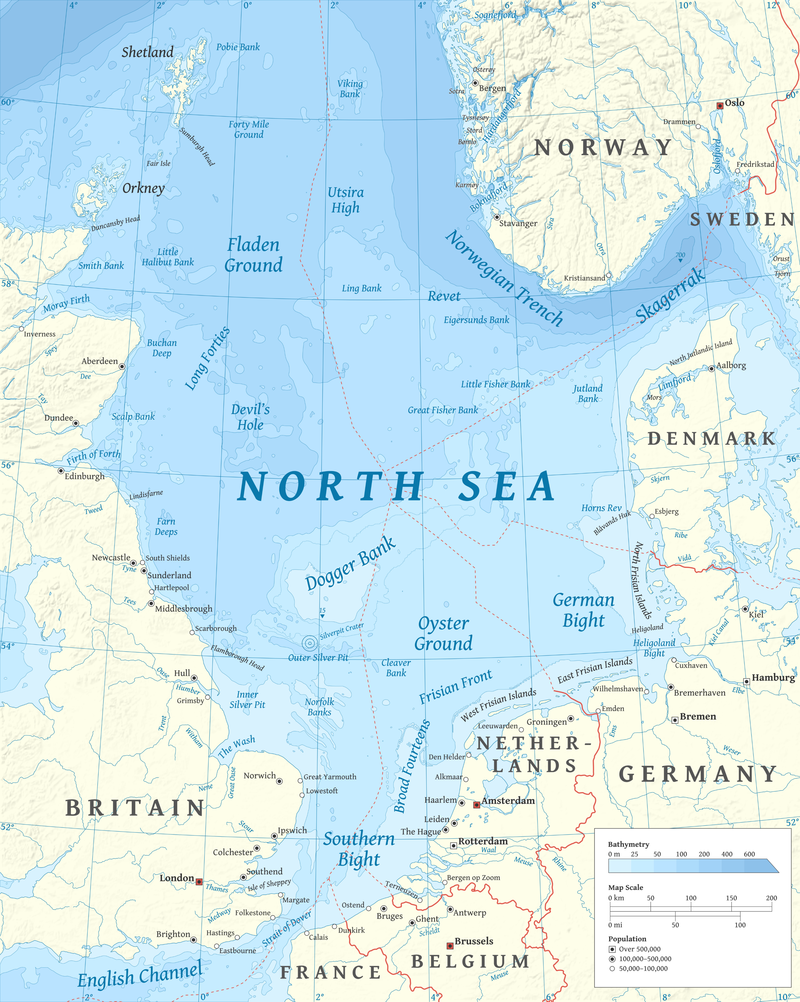
In the meantime, Dietrich and the Livonian Prince Caupo of Turaida meet with the Pope in Rome to plan the Christianization of Latvia.
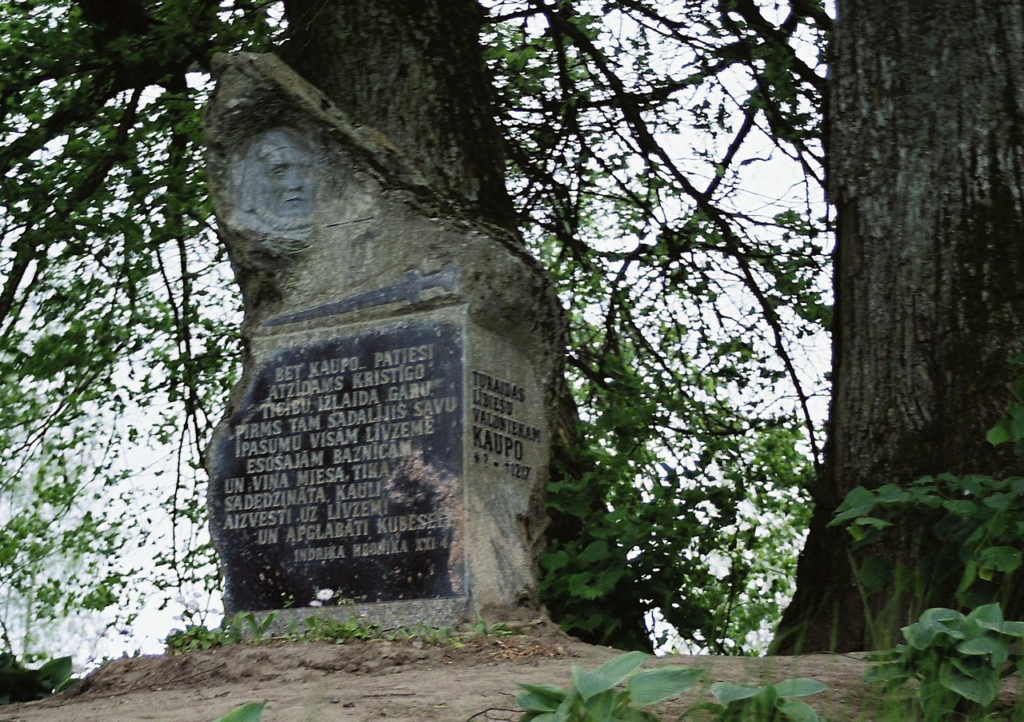
Above: Monument to Caupo at Krimulda Castle, Latvia
Lāčplēsis begins his dangerous journey home from the North Sea.
He fights monsters with three, six, and nine heads on the Enchanted Island.
Finally, he encounters Spīdala on the island and frees her from her contract with the Devil.
Lāčplēsis is reunited with Laimdota and Koknesis, who escaped from Germany but were then trapped on the Enchanted Island.
Koknesis declares his love for Spīdala, and the four friends return to Latvia.
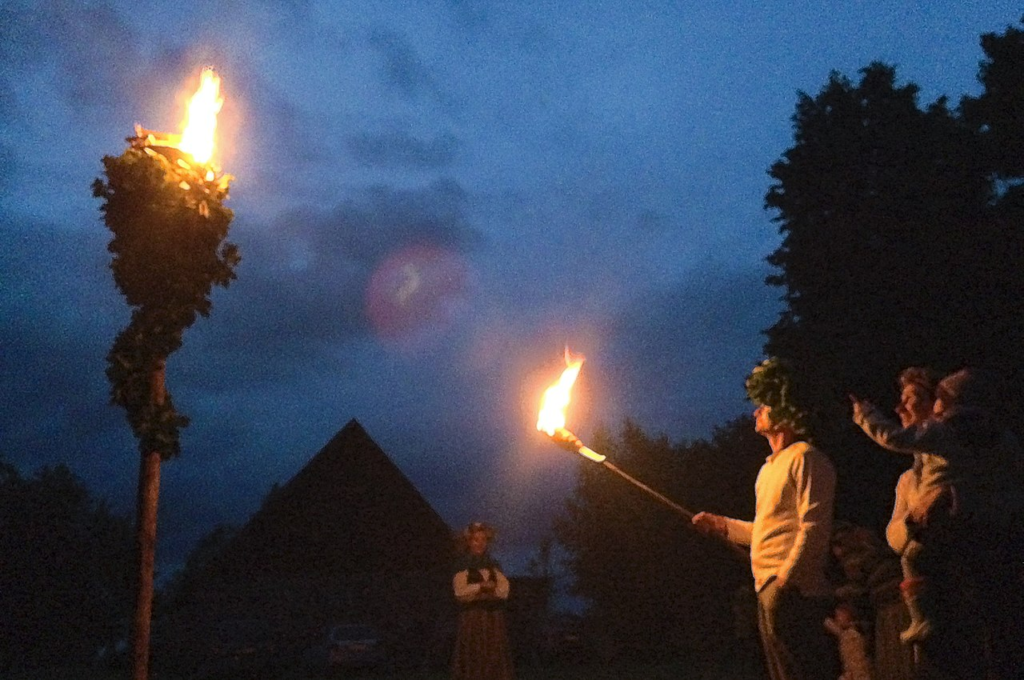
A double wedding is celebrated during the Jāņi (Midsummer festivities), but the heroes soon set off to fight the German Crusaders.
After several battles, the Germans are pushed back, and their leader, Bishop Albert, brings reinforcements from Germany, including the Dark Knight.
At Dietrich’s bidding, Kangars finds out the secret of Lāčplēsis’ strength and treacherously reveals it to the Germans:
Lāčplēsis’ mother was a she-bear, and his superhuman strength resides in his bear ears.
The German knights come to Lielvārde offering to make peace.
Lāčplēsis organizes a friendly tournament at the castle Lielvārde, during which he is goaded into fighting the Dark Knight.
The knight cuts off Lāčplēsis’ right ear and Lāčplēsis loses the strength in his right hand.
Lāčplēsis becomes angry and with his left hand destroys the armor of the Dark Knight, but his sword is also destroyed.
The Dark Knight strikes back cutting off Lāčplēsis’ left ear, leading him to also lose the strength in his left hand.
The two wrestle.
Lāčplēsis manages to throw the Dark Knight into the river Daugava, but falls into the river himself.
At this moment Laimdota also dies.
At the end of the story a promise is given that the battle between Lāčplēsis and the Dark Knight is not over yet.
One day Lāčplēsis will win, then new times will come, and Latvians will be free again.
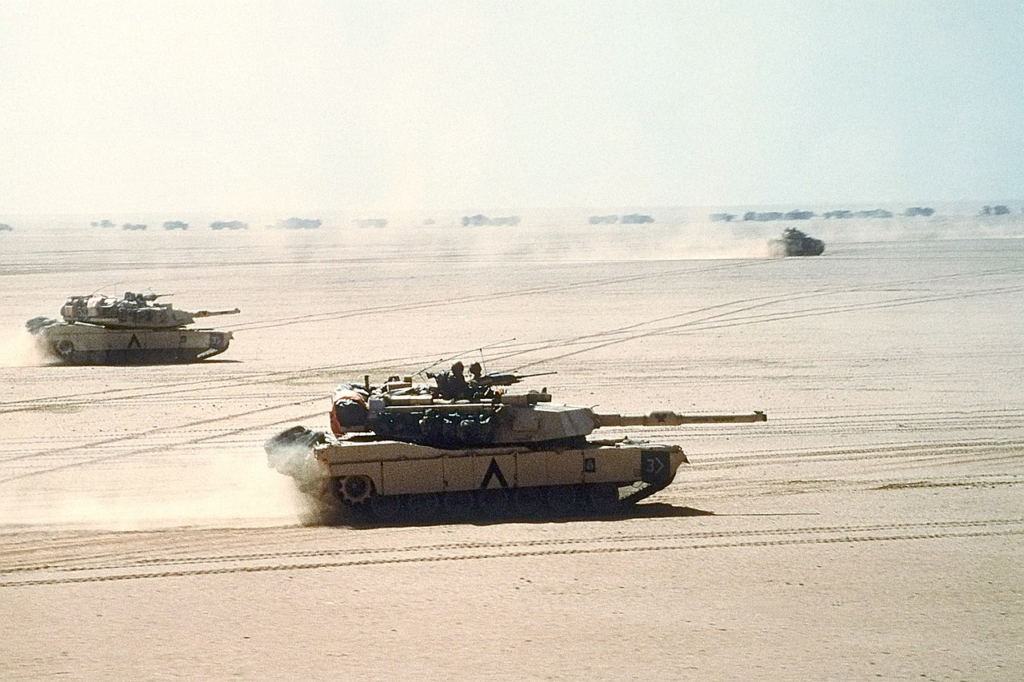
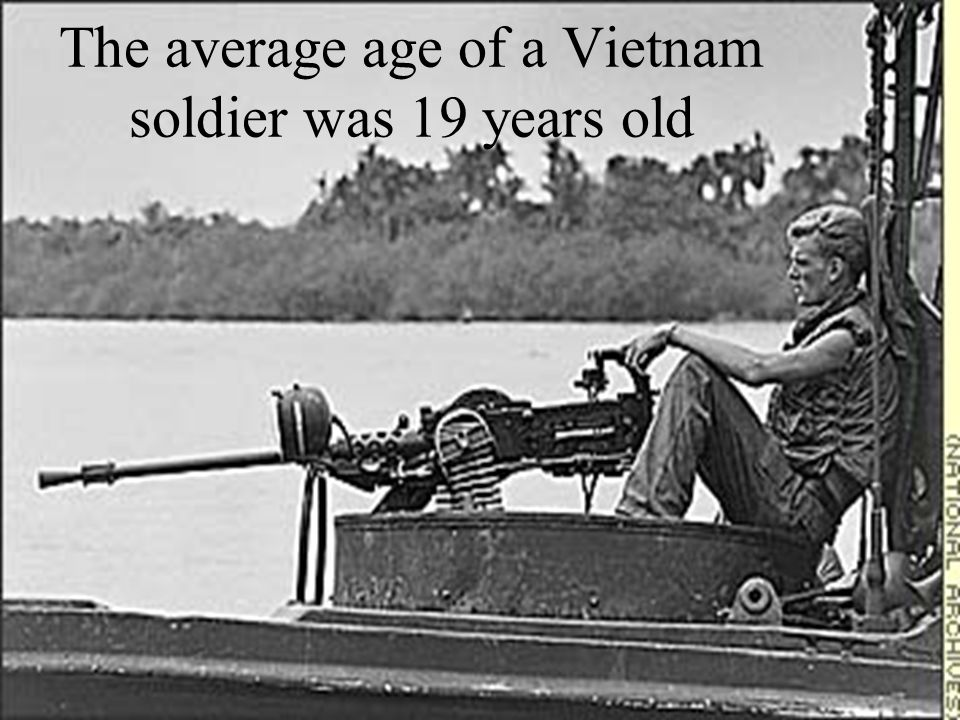
War is generally fought by young men.
It is the young men who are conscripted, the young men who volunteer, the young men who die on the battlefield.
I am not downplaying the importance of women.
I am only remarking on the imbalance and predominance of men in the military.
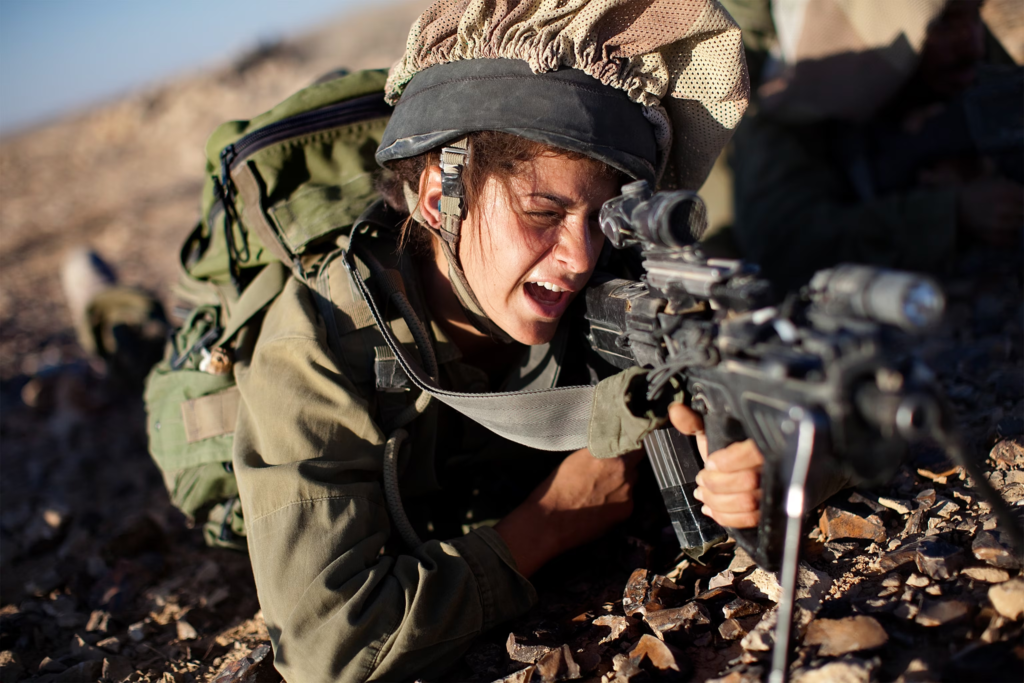
Women are rarely conscripted.
The number of women who volunteer for military duty is substantially lower than that of men.
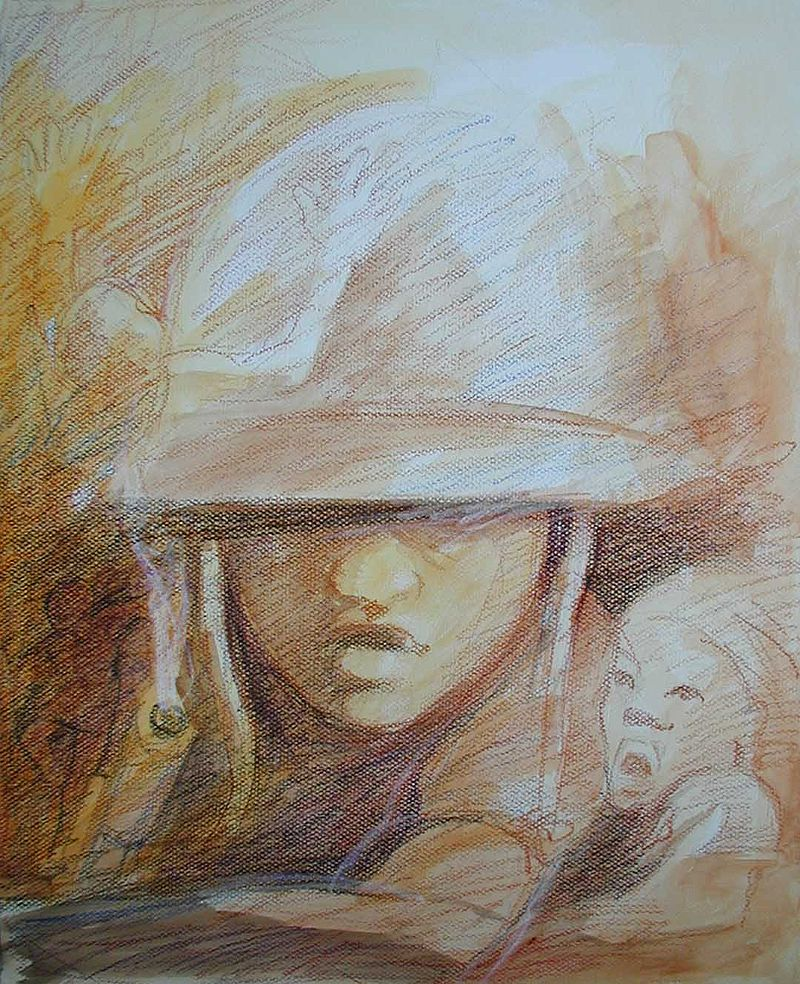
It is with great sadness that I also take into account child soldiers.
Children (defined by the Convention on the Rights of the Child as people under the age of 18) have been recruited for participation in military operations and campaigns throughout history and in many cultures.
Children are targeted for their susceptibility to influence, which renders them easier to recruit and control.
While some are recruited by force, others choose to join up, often to escape poverty or because they expect military life to offer a rite of passage to maturity.
As of 2018, children aged under 18 were still being recruited and trained for military purposes in 46 countries.
Most of these states recruit from age 17, fewer than 20 recruit from age 16, and an unknown, smaller number, recruit younger children.
As of 2022, the United Nations (UN) verified that nine state armed forces were using children in hostilities:
- Central African Republic
- Democratic Republic of the Congo
- Mali
- Somalia
- South Sudan
- Palestine
- Syria
- Yemen
- Afghanistan
- Myanmar
Above: Flag of the United Nations
In 2003, one estimate calculated that child soldiers participated in about 3/4 of ongoing conflicts.
Due to the widespread military use of children in areas where armed conflict and insecurity prevent access by UN officials and other observers, it is difficult to estimate how many children are affected.
- In 2003 UNICEF estimated that some 300,000 children are involved in more than 30 conflicts worldwide.

Above: Logo of the United Nations Children’s Emergency Fund (UNICEF)
- In 2017, Child Soldiers International estimated that several tens of thousands of children, possibly more than 100,000, were in state and non-state military organizations around the world.
- In 2018 the organization reported that children were being used to participate in at least 18 armed conflicts.

Above: Logo of Child Soldiers International (1998 – 2019)
- In 2023 the UN Secretary General report presented 7,622 verified cases of children being recruited and used in armed conflicts in 23 countries.
- More than 12,460 children formerly associated with armed forces or groups received protection or reintegration support during 2022.
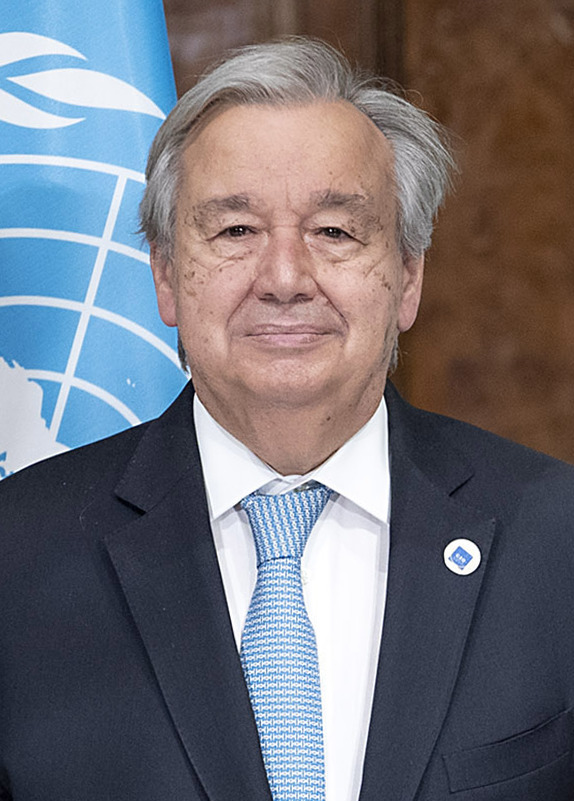
Above: United Nations Secretary General António Guterres
I think of the young men in the military and boy soldiers, many of whom may never know what it is to fall in love and to raise a family.
But it isn’t only males in uniform that may be denied this opportunity to love and be loved.
China is vast – off-the-scale massive.
A jumble of wildly different dialects, a kaleidoscope of climatic and topographical extremes.
A massive land with a massive population and a great imbalance between the numbers of males outnumbering the number of females.
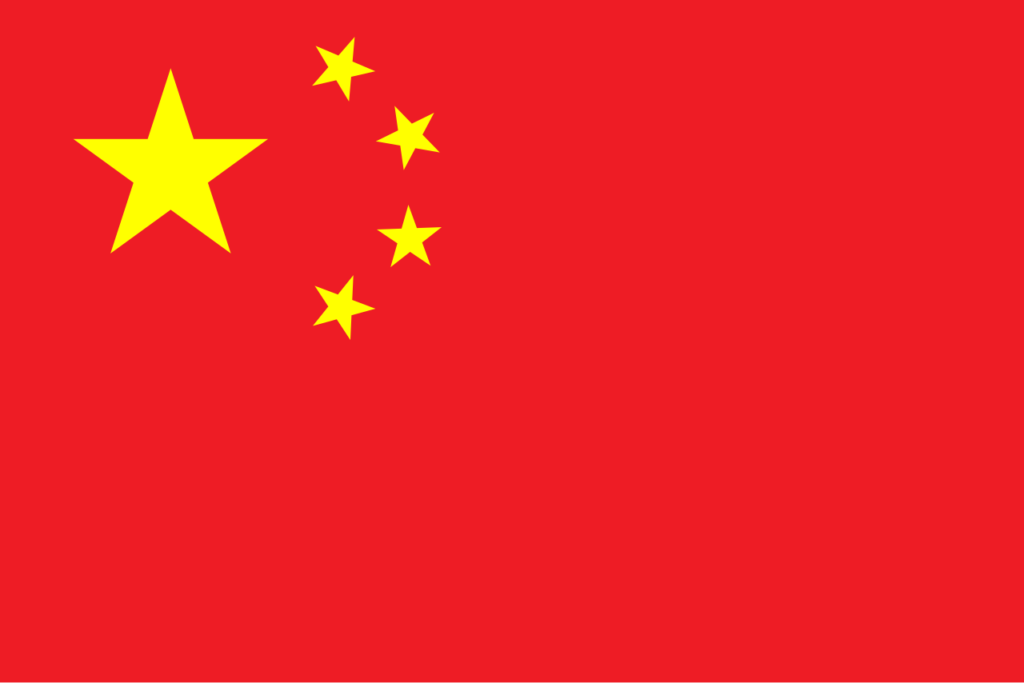
Above: Flag of China
Everyone has heard of Valentine’s Day, a day to celebrate romantic relationships, but what about Singles Day?
Little known outside China, Singles Day, which was first celebrated in the 1990s, is an annual celebration of the state of being single.
The day is celebrated every year on 11 November, chosen because of the repetition of the number one (11 / 11) in the date.

The date, 11 November (11/11), was chosen because the numeral 1 resembles a bare stick (Chinese: 光棍; pinyin: guānggùn), which is Chinese Internet slang for an unmarried man who does not add ‘branches‘ to the family tree.

The four ‘1’s also abstractly refer to the demographic group of single people.
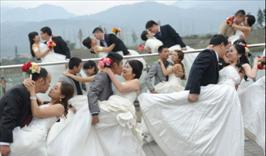
Ironically, the holiday has become a popular date on which to celebrate relationships:
More than 4,000 couples got married in Beijing on this date in 2011, far greater than the daily average of 700 marriages.
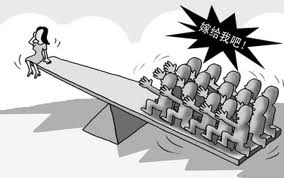
Some might wonder why China, a country which has a great imbalance in the male to female population, would choose to openly celebrate the state of being unattached.
As China’s population continues to grow, the discrepancy between the number of males and females has continued to grow along with it.
The number of males outnumbers the number of females by 33 million.
A number of factors including the one child per household policy as well as the socio-economic pressures for that child to be a boy have led to this out of balance gender ratio.
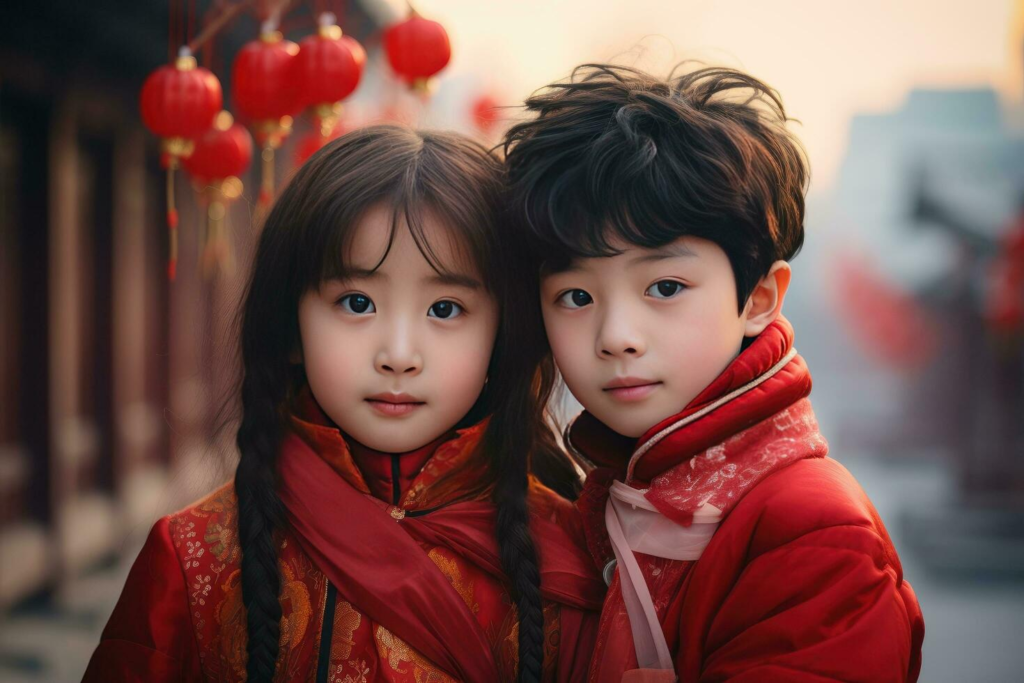
Over the years, this gender discrepancy has led to a large bachelor population in China.
Because of this, Singles Day is also sometimes referred to as Bachelors Day.
By the year 2030, it is estimated that 1/4 of men in their 30s will have never been married.
Singles Day was first celebrated in Nanjing in 1993, but is now celebrated across China and has even spread to other countries.
On this day, young people party with their single friends, go to karaoke clubs or even join organized blind dates.
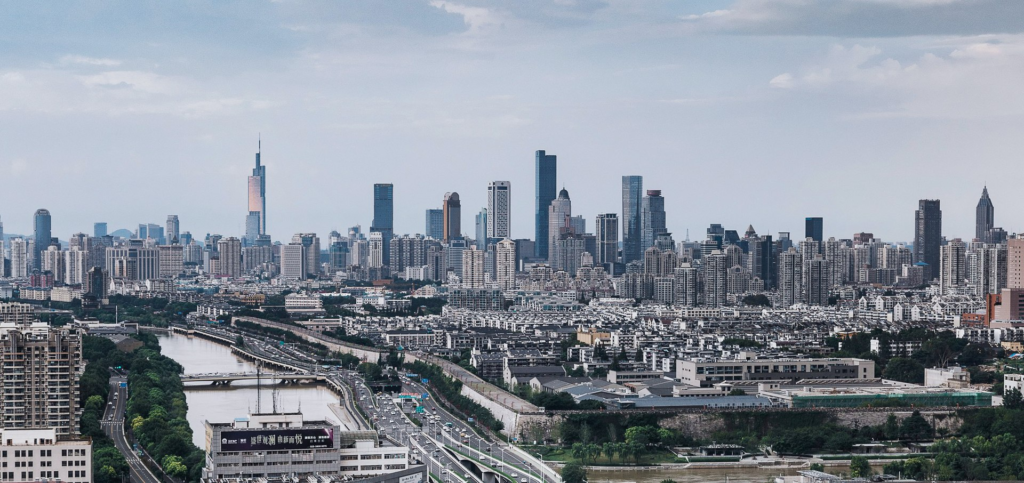
Above: Nanjing, China
As well as being a time to party, Singles Day has also become the world’s biggest online shopping day.
The number of sales that one day outnumber the sales for the whole Thanksgiving period in the US which includes Black Friday.

The giant online company, Alibaba saw the huge potential of this day and in 2009 they began using it to promote a massive online shopping sale.
It was a huge success.
In its first year Chinese consumers spent 50 million yuan (US $7.8 million).
By 2011, Alibaba sales rose to 500 million yuan.
Despite a slowdown in the economy, sales continue to rise year by year.

Alibaba went on to trademark Singles Day in 2012, meaning that although other retailers can compete by offering sales on consumer goods, they are at a disadvantage of not being able to use the term Singles Day in their marketing campaigns.
Alibaba’s gross sales for Singles Day rose from $0.01 billion in 2009 to $13.70 billion in 2015.
It made an incredible $1 billion in the first eight minutes of sales in 2011.

Commodities linked to the celebrations of being single, such as towels and teddy bears emblazoned with the phrase “Happy to be single” and “I make my own choices” only represent a small fraction of products marketed on the day.
Singles Day, therefore, is no longer the sole domain of the unattached.
Rather, it is just another excuse to spend.

Singles Day is so well marketed that consumers plan their buying sprees weeks in advance and log on during the first few minutes countdown to the sales.
They then complete their online transactions before the day has even started to warm up in order to avoid the risk of products being sold out before they can place their orders.

Singles Day has to be one of the most successful and audacious marketing strategies in the history of consumerism.

In a way, this celebration saddens me almost as much as the notion of Remembrance Day, for the common thread is men.
Men asked to sacrifice themselves in the name of nations that uncaringly send them into harm’s way.
Men made to feel unfulfilled should they be unable to find a spouse and raise children.
I am not anti-marriage.
Really.
A good marriage can truly bring a man great joy – a life experience of moments of real passion and glory in being alive.

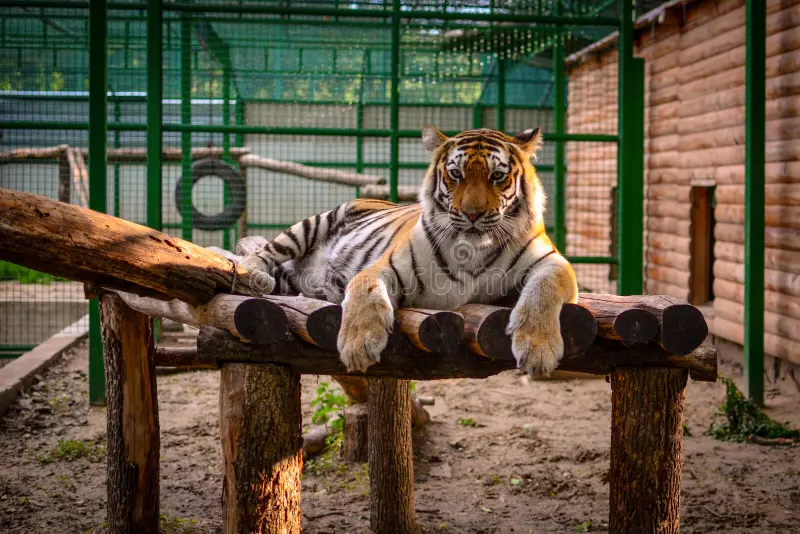
For too many, marriage can also make a man feel like a tiger trapped in a zoo – confused and numb, with huge energies untapped – part of a couple yet feeling outside it, part of a family yet perceived more as a provisional servant rather than cherished for his individuality, happily married with children yet pretending to be happy in his isolation within the group which he himself has formed.
In quiet desperation they create an image and convince themselves that it is a reality they should embrace.
Men are a mess.
Our marriages fail, our kids hate us, we die from stress and on the way we destroy the world.
Are we having fun yet?
Women struggle to overcome oppression, but men’s difficulties are with isolation.
Prisoners of loneliness, competitive compulsion and lifelong emotional timidity.
Women’s enemies are outside themselves.
Men’s enemies come from within themselves – behind the walls we put around our hearts.
Until we set the battlements on fire healing cannot start.
Blaming men for the world’s problems doesn’t change a thing.
Men need help to change themselves.
Both men and women are prisoners of their gender roles.
I cannot begin to comprehend the mindset of a woman, but if as a man I have any conception of a man’s mind the biggest problem with men is that we have never learned how to be confident and easy in our romantic relationships, in our jobs, in our pastimes, in our friendships and in developing and sustaining our inner lives.
Life is an adventure, but rarely is it seen as it was intended to be seen:
As both a blessing and a lesson.
It has always been easier to run away from ourselves, to destroy ourselves and those around us.
Singles Day, at least from the perspective of a man, celebrates our independence (a honorific disguising our isolation) and exploits this to increase the coffers of the rich.

Yet how free do men feel?
A man who does not discover a profession wherein he excels and profits is wrongfully considered a failure.
What is the point of ambition if it only profits others?
A man who reaches marrying age and yet does not desire to be married is considered antisocial and possibly possesses latent homoerotic tendencies.
Men are expected to chase women and yet never consider the consequences of what actually catching the object of their pursuit might entail.
Is the juice always worth the squeeze?
Is the reward always worth the risks?
When 2/3 of marriages fail with 80% of divorces initiated by women with most settlements resulting in her garnering more than she gave, can a modern, mature, thinking man be blamed for his hesitancy in approaching women beyond the urge to sate basic urges?
Men are told how we should behave around women, but too few women seem to know how to treat men with the same respect and dignity which they themselves demand.

I meet, in my role as a teacher, so many young men discouraged with their lives, setting their view of their value based on their luck with women.
We have been brainwashed into believing that women are the prize, when in reality all the prestige and privileges a woman enjoys, the civilization and infrastructure that supports them, would collapse in a instant without men.
Men do the jobs that women cannot or will not do.
Much ado is made of women as mothers, but children cannot be born nor be fully emotionally and financially supported without the contribution of men.
This is not to say that a woman cannot be a good parent.
I am only suggesting that raising children could be easier when she has a partner to assist her.
Women adorn themselves to be attractive, to be objects of desire (despite feminist protestations) and as throughout nature it is the female who chooses the male.
It is an instinctual madness that drives males to pursue females and hinge our entire happiness upon their fickle natures.
Too little praise is given to men without women, to men in control of their basest drives, to men driven only by their own desires of self-fulfillment discovered in their own way at their own pace.
I cannot contradict culture nor millennia of the message driven into the collective consciousness.

The only advice I can give young men is that they focus on making themselves strong – physically, financially and psychologically – before they pursue wily women, that they need not worry about the desert of desolation experienced in their teens and twenties as a woman will weave her spell and claim her quarry once a man’s value to her becomes perceptible.
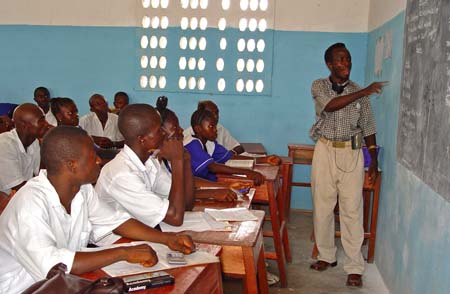
Women in their 20s rule the social universe, but as the ticking of their biology gets louder their desire for true companionship will increase.
Girls just want to have fun.

Women want real meaning in their lives in whatever way each woman defines it for herself.
Women rarely risk rejection in the same ratio as men.
Men risk much more than mere rejection.

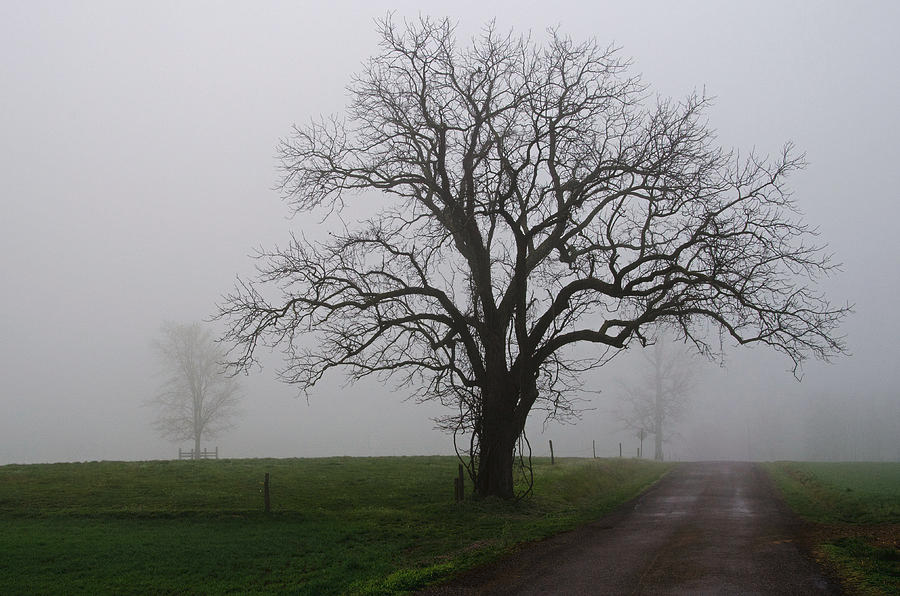
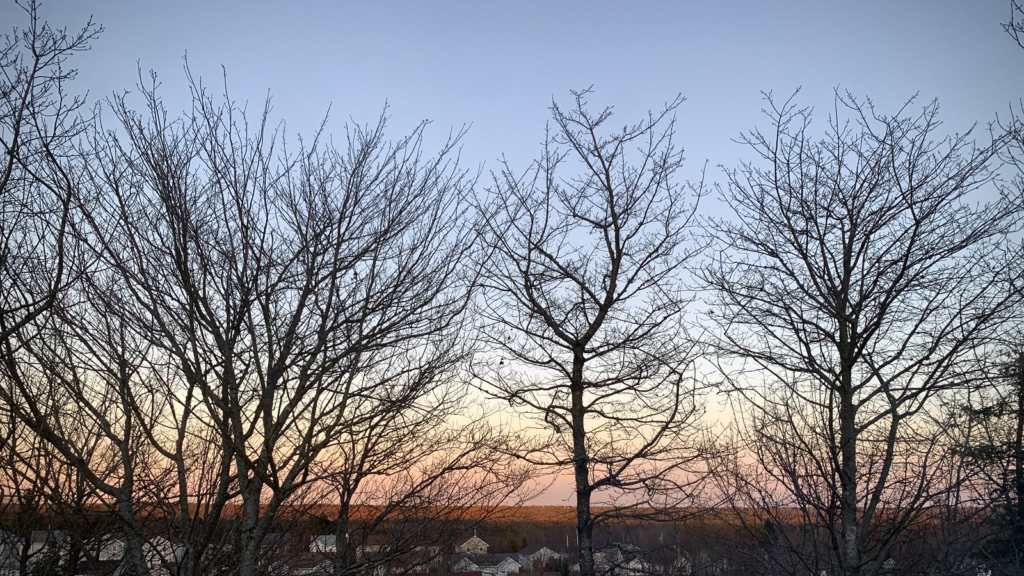
Bare trees dot the landscape but their beauty is invisible.
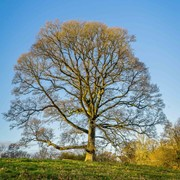
Blossoms (Children’s Day / National Education Day) are blessings but the strength of the solid, solitary, bare-branched oak remains unseen.
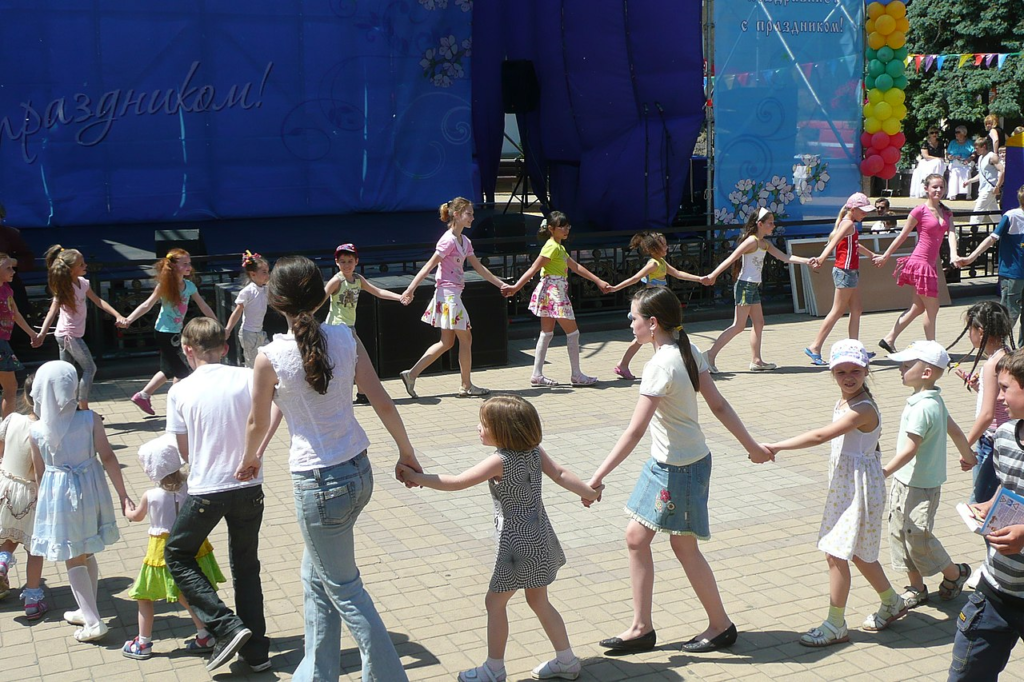
Society (Carnival / St. Martin’s Day) is to be celebrated yet accomplishment tends to be the reward of the independent.
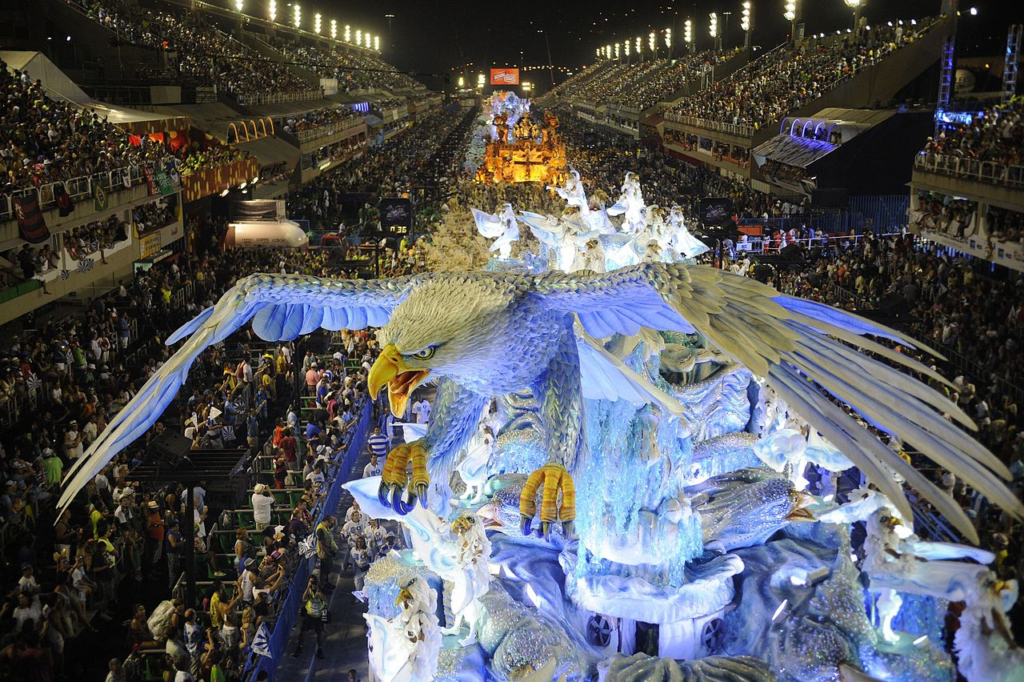
War strips the forest of most of its trees and most of its life, and robs the lives of men and leaving only anonymous memorials. (Remembrance Day).
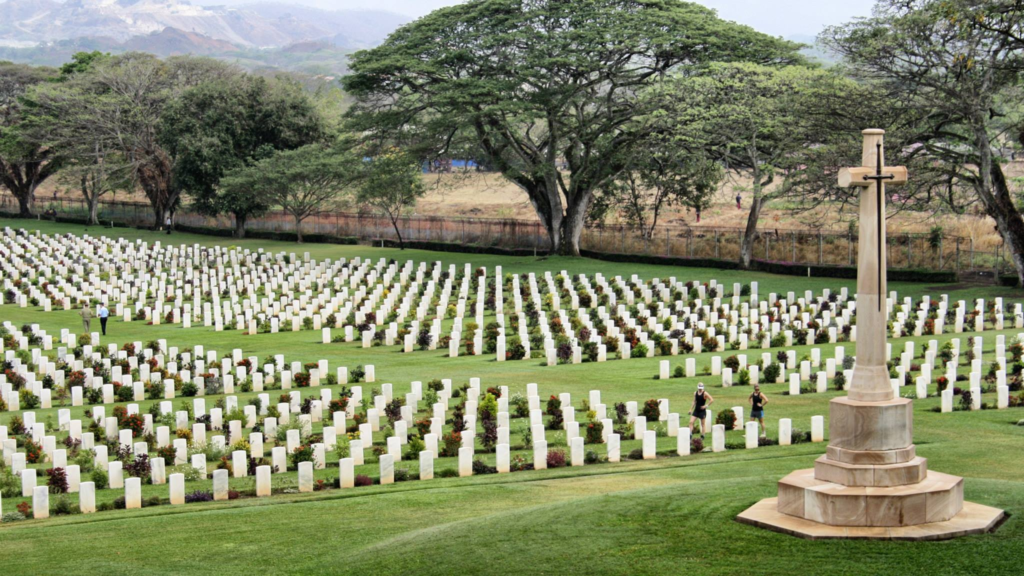
The spirit of the free man should be celebrated not exploited for commerce nor for the compulsion of coupling (Singles Day).

The basic character of men will prevail as the need to be needed and loved dominates our destiny.
But let us not disparage the men going their own way, for these men may discover how to make themselves happy first.
Because happiness has never come from outside ourselves but rather must be discovered and developed within ourselves.
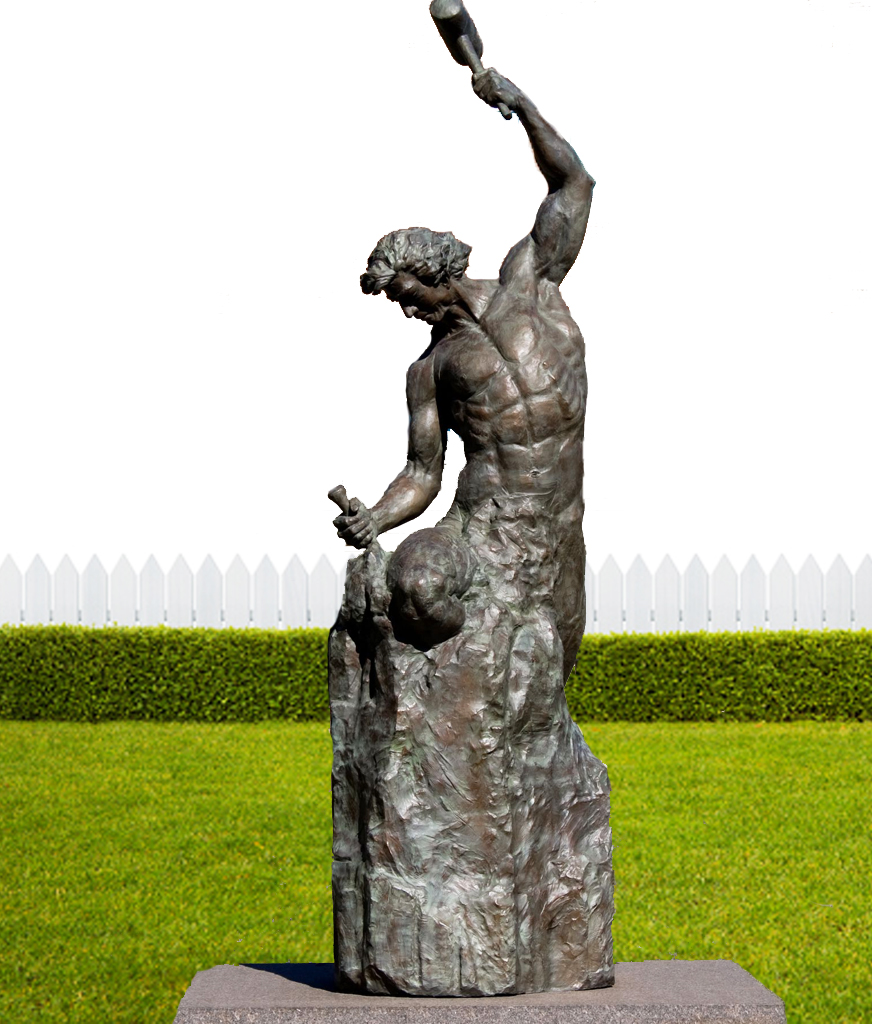
I do not disdain desire nor loathe love but rather I only advocate the advancement of affection for one’s personal growth first in preparation for the healthy expression of desire and love for and from others.
In sharp contrast to all other of God’s creatures great and small, only the female human struts and preens herself while the male is the predominantly invisible aide.
Men need to recognize their own value through their own individuality rather than judging this by standards outside themselves.
Men need to see their own inherent beauty.
Bare trees are beautiful too.
Sources
Lonely Planet: The World
Wikipedia
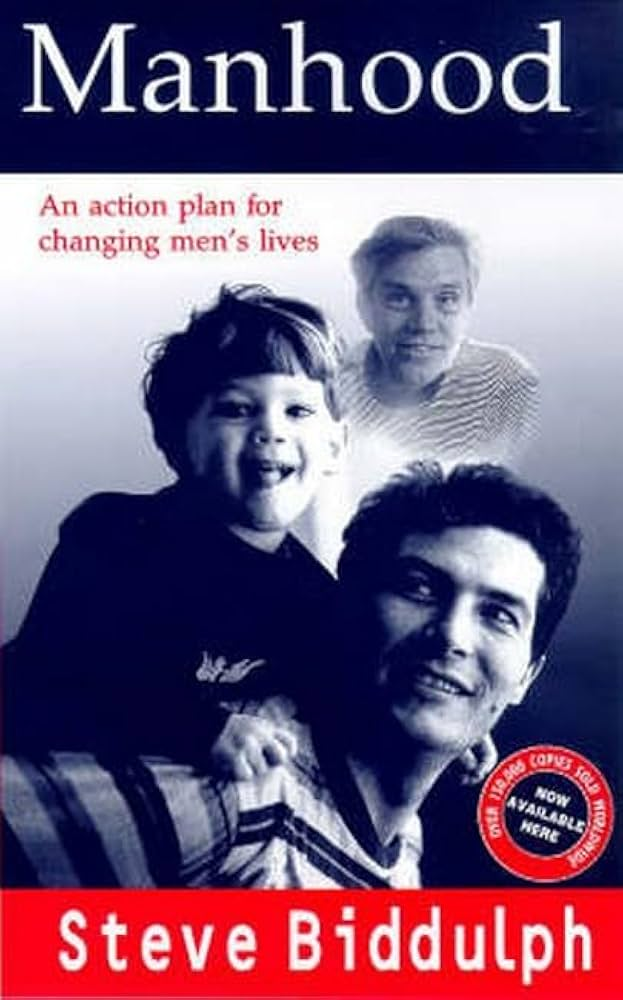
Manhood, Steve Biddulph
The Manipulated Man, Esther Vilar
