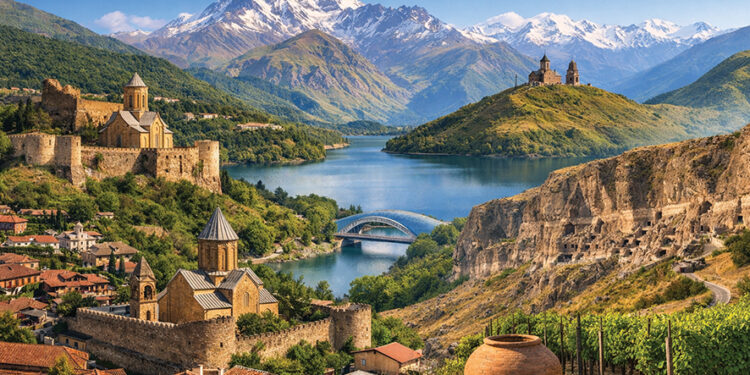
The Road to the Big Good, Part Four
Gori, Shida Kartli, Georgia
Saturday 16 May 2026
I want to revisit the idea that disembarking before one’s intended destination isn’t necessarily a mistake.
We tend to think of journeys as having:
- A departure point.
- A destination.
- A planned route.
- A timetable.
But life doesn’t always cooperate.
Sometimes we discover something interesting along the way.
Sometimes we change direction.
Sometimes we don’t know where we’re going, or even whether we should be going somewhere else.
Gori, for me, is an illustration of that proposition.
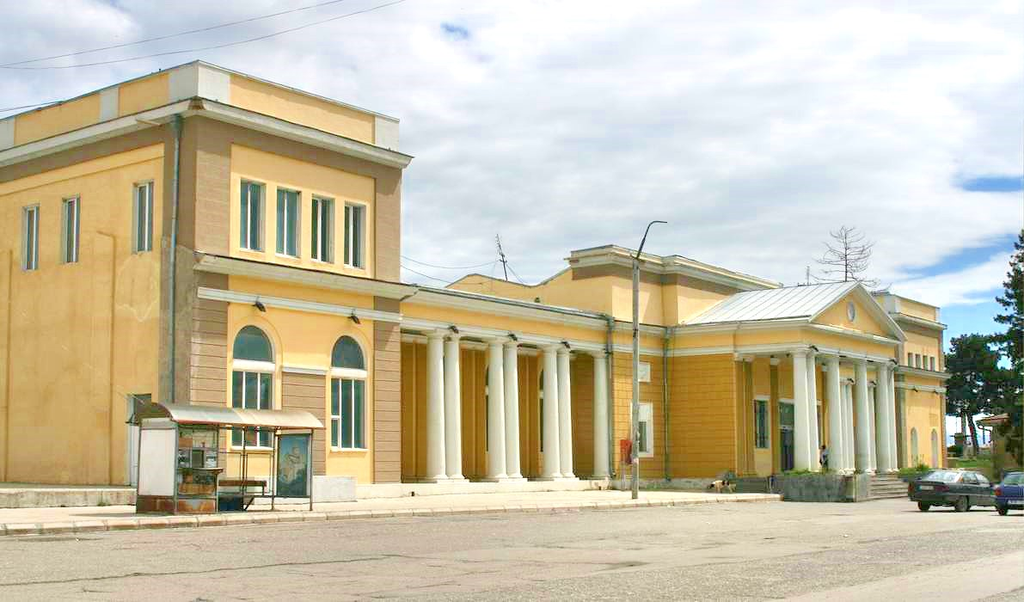
Above: Gori Train Station
Gori is frequently presented as a destination for people interested in Stalin.
Visit the museum, photograph the birthplace, inspect the monument’s former location and move on.
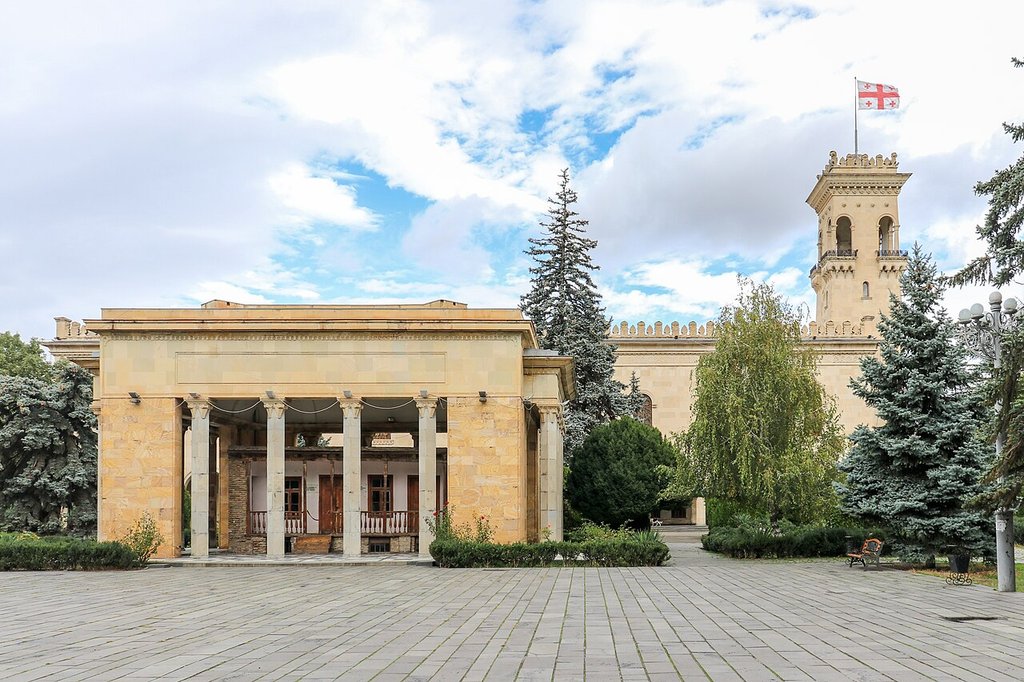
Above: Joseph Stalin Museum, Gori
But that is not necessarily how I approach travel.
I am not simply collecting destinations or ticking attractions off a list.
I want to live somewhere where I can try to establish some stability, exploring opportunities and attempting to understand the country and its people.
There is an important distinction between visiting somewhere and trying to find a place in which you might belong.
In the meantime, I am rather like a child in a candy shop, uncertain which direction to turn or what to investigate next.
Gori seems as good a place as any to begin.

Above: Gori
Gori is a city in eastern Georgia, which serves as the regional capital of Shida Kartli.

Above: (in dark red) Shida Kartli Province, (in stripes) South Ossetia, (in yellow) Georgia
It is located at the confluence of two rivers, the Mtkvari and the Liakhvi.
Gori is the 5th most populous city in Georgia.
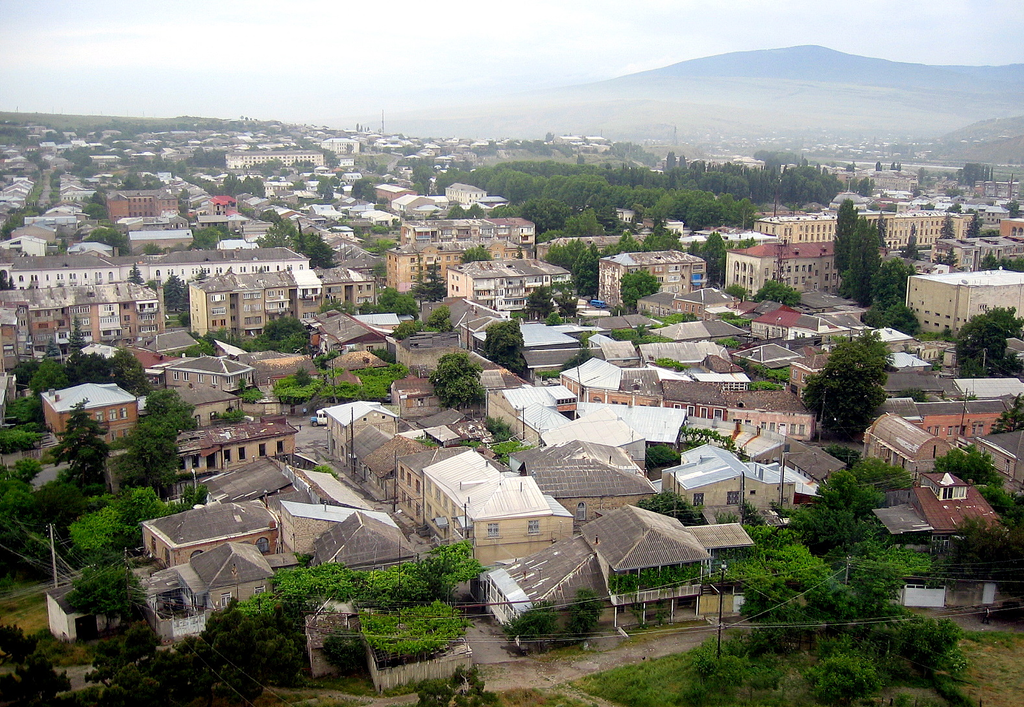
Above: Gori
Its name comes from the Georgian word gora, meaning “heap“, “hill” or “mountain“.

Above: Gori
The territory of Gori has been populated since the early Bronze Age.
There have been fortifications on the hill dominating Gori since the first half of the 1st millennium BCE.
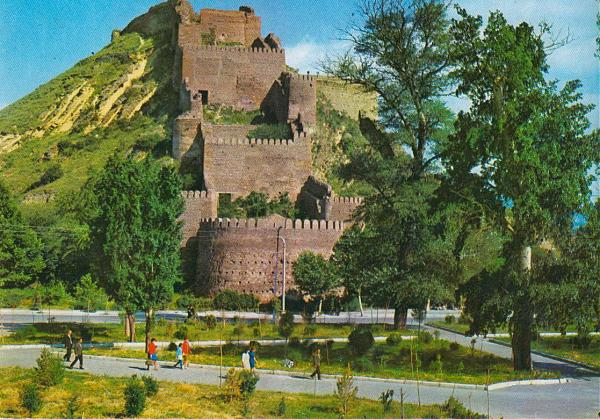
Above: Gori Fortress
The Roman general Pompey (106 – 48 BCE) besieged it in 65 BCE.

Above: Gold aureus minted by Pompey for his second triumph in 71 BC, featuring the head of Africa on the obverse (celebrating his victory against Hiarbas). The reverse shows Pompey in his triumphal chariot, with his son Gnaeus seated before and Victory flying above.
But there was no real civilian settlement here until 1123 when, according to medieval Georgian chronicles, King David IV, “the Builder” (r. 1089 – 1125) established a city, partly settled by Armenian refugees.
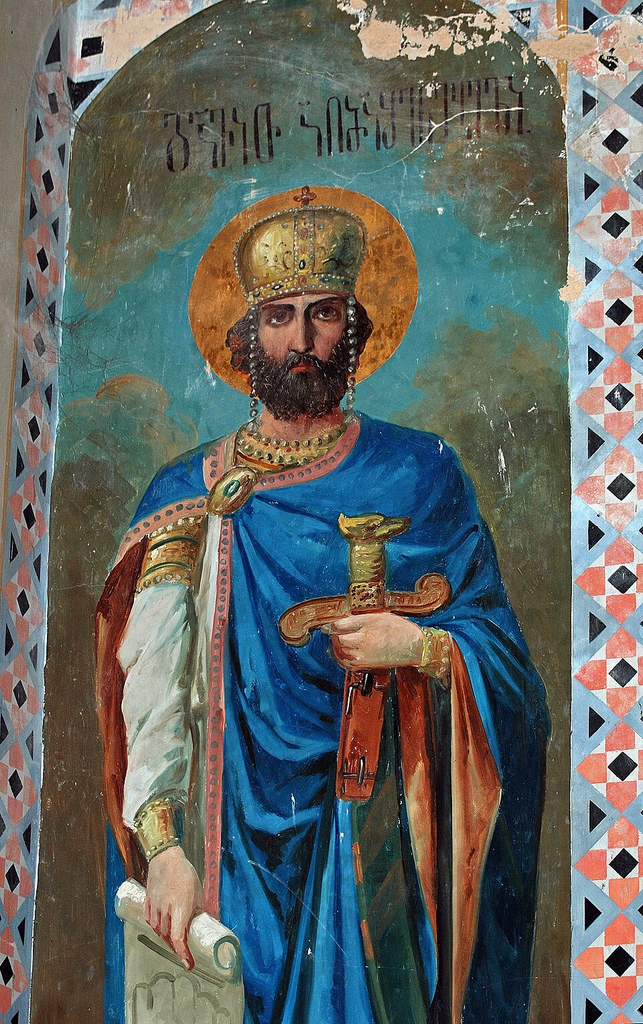
Above: Fresco of King David the Builder, Shio-Mghvime Monastery, Mtskheta, Georgia
The fortress of Gori appears to have been in use already in the 7th century, while archaeological evidence indicates the existence of an urban community in Classical Antiquity.
The Gori Fortress first appears in records from the 13th century, although archaeological evidence shows that the area had already been fortified in the final centuries BC.
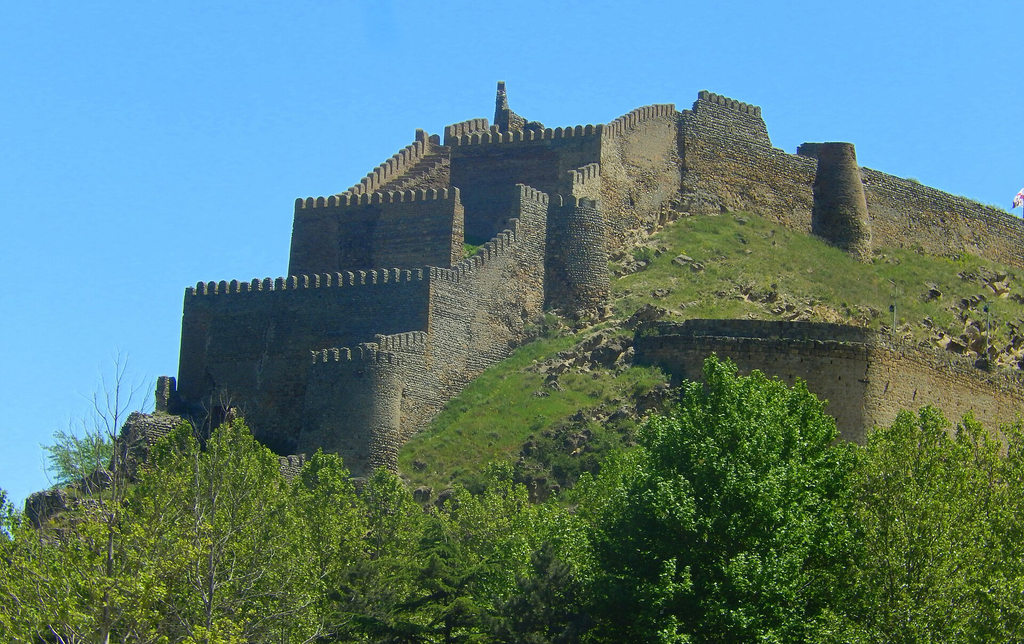
Above: Gori Fortress
Gori was an important military stronghold in the Middle Ages and maintains strategic importance due to its location on the principal highway connecting the eastern and western parts of Georgia.
Gori has been invaded by the armies of regional powers several times over the course of its history.

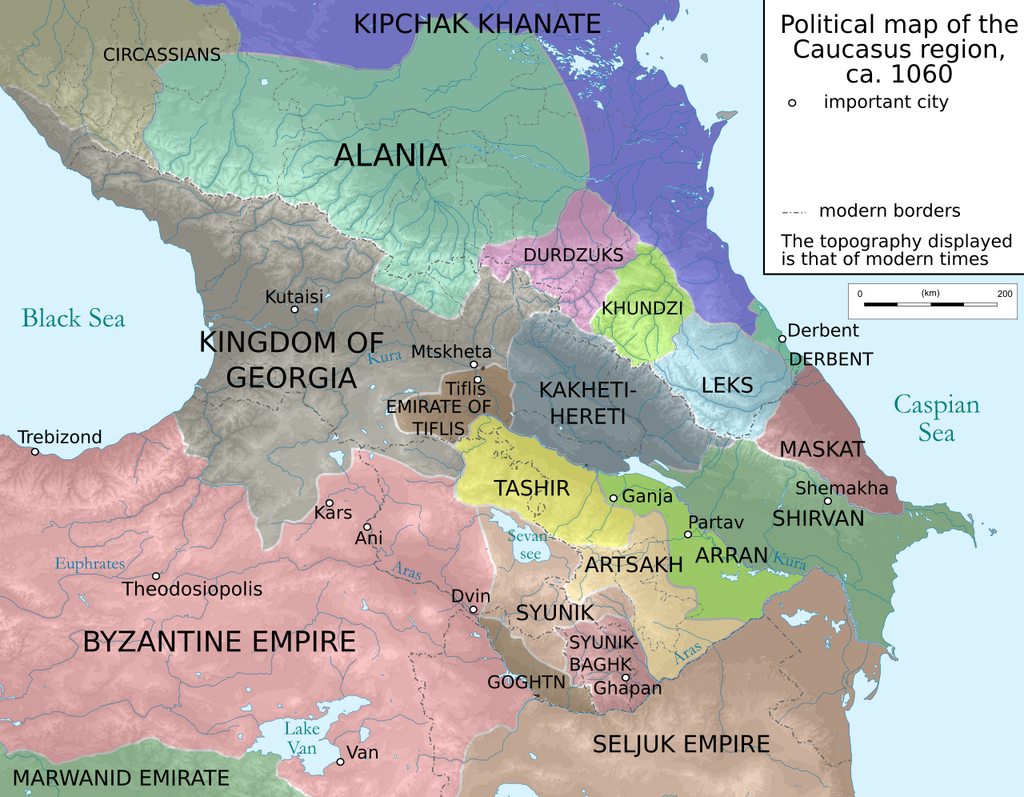
In 1299, Gori was captured by the Alan tribesmen fleeing the Mongol conquest of their original homeland in the North Caucasus.
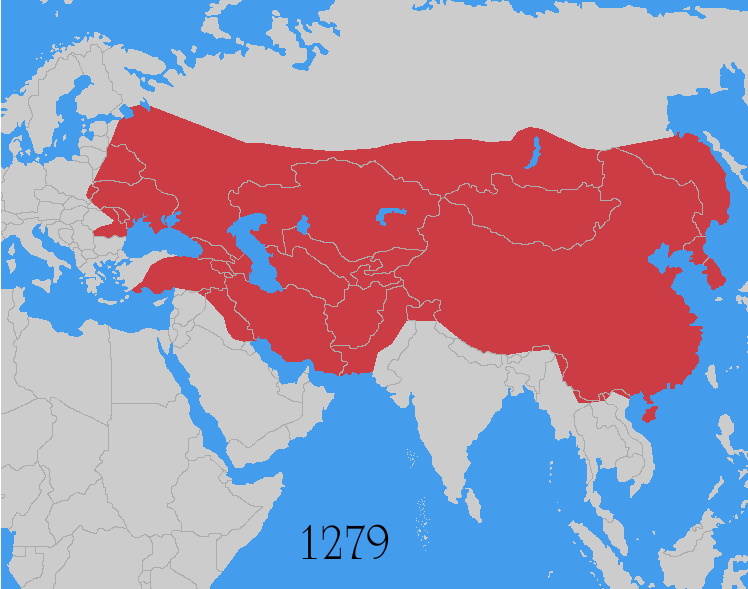
Above: The Mongol Empire at its greatest extent
Georgian King George V recovered the town in 1320, pushing the Alans back over the Caucasus Mountains.

Above: Monument of George V (the Magnificent), Akhaltsikhe, Georgia
With the downfall of the medieval Georgian kingdom, Gori – strategically located at the crossroads of major transit routes – was frequently targeted by foreign invaders, and changed its masters on several occasions.
It was first taken and sacked by Uzun Hassan (1425 – 1478) of the Turkoman Aq Qoyunlu state (1378–1508) (when it included parts or all of present-day Iraq, Turkey, Azerbaijan, Iran, Transcaucasia, and Syria) in 1477.

Above: Uzun Hasan on horse
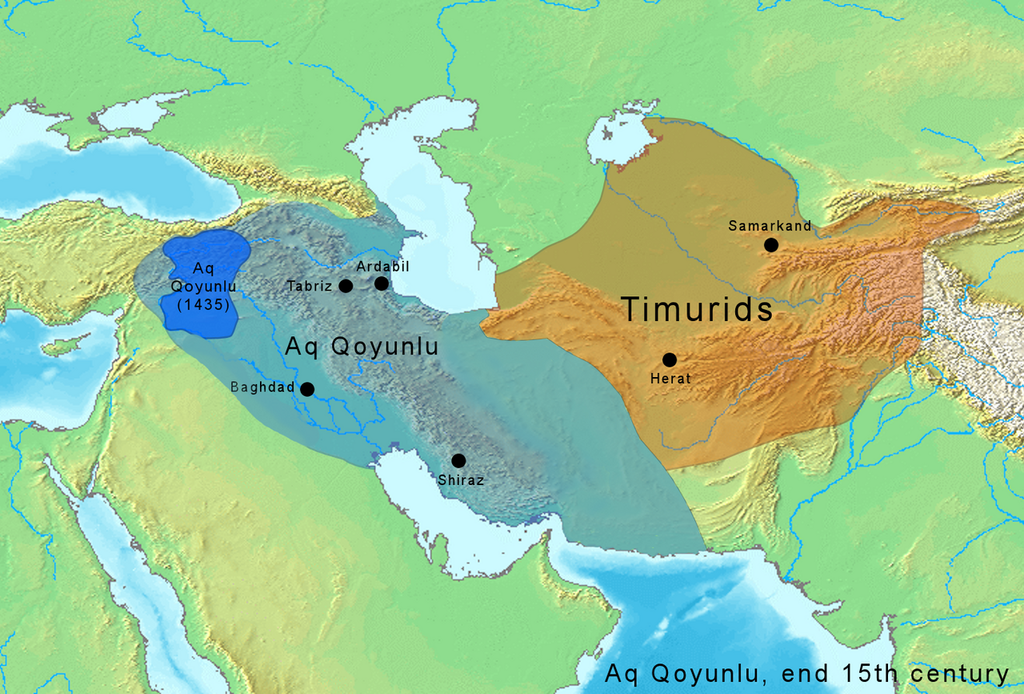
Above: Aq Qoyunlu territory, 1435
Followed by Persian Shah Tahmasp I (1514 – 1576) in the mid-16th century.
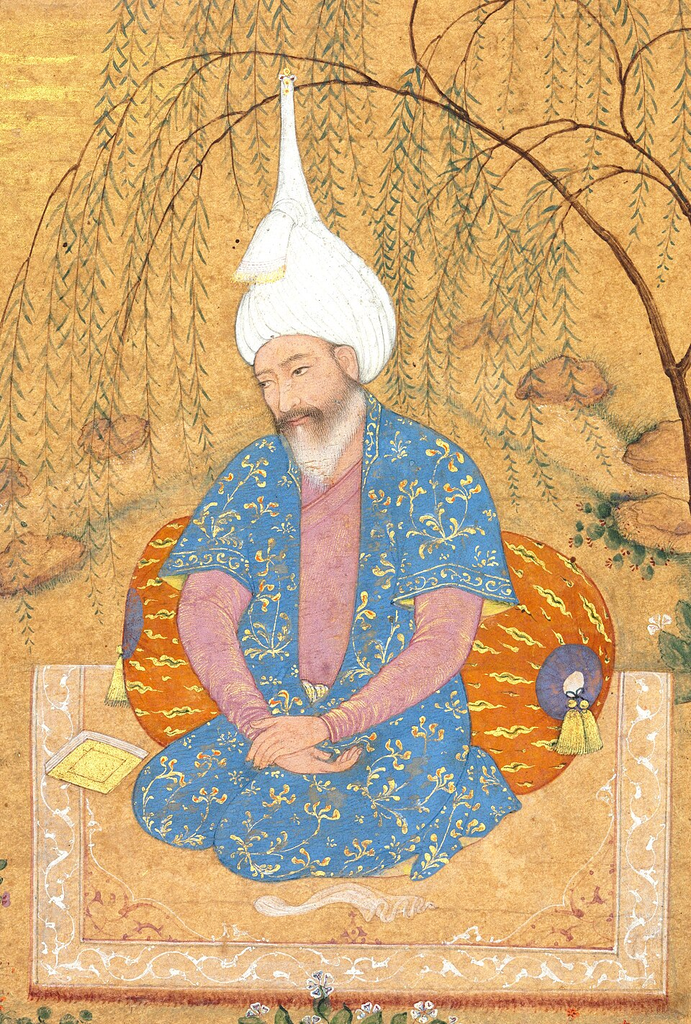
Above: Shah Tahmasp I
By the end of that century, Gori briefly passed to the Ottomans through the 1578 – 1590 Ottoman–Persian War, and became their major outpost in Georgia….
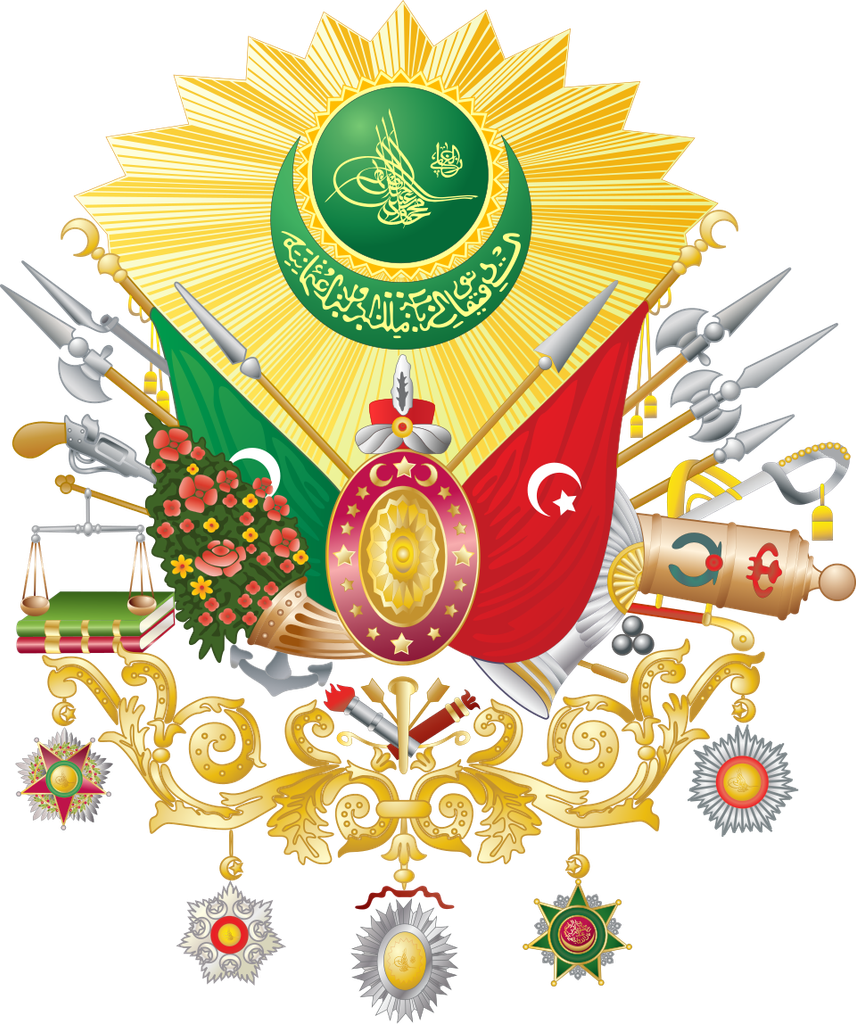
Above: Coat of arms of the Ottoman Empire (1299 – 1922)

Above: Territorial evolution of the Ottoman Empire
Until being recovered by the Georgians under Simon I of Kartli (1537 – 1611) after heavy fighting in 1599.

Above: Georgian King Simon I of Kartli
The town was once again garrisoned by the Persians under Shah Abbas I (1571 – 1629) in 1614.
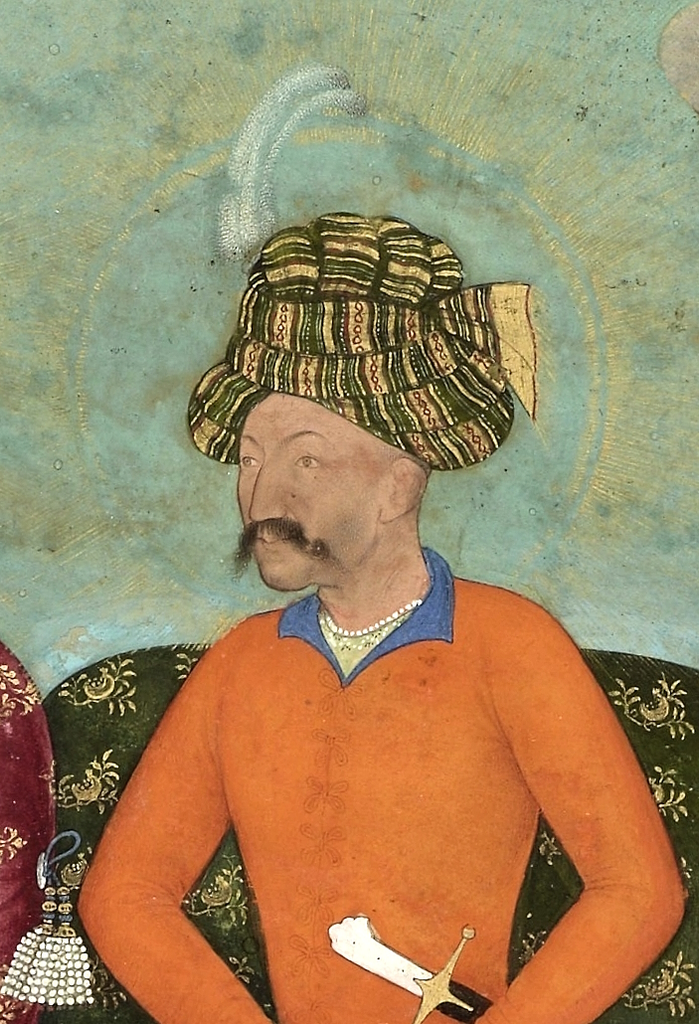
Above: Iranian Shah Abbas I (the Great)
Following successive occupations by the Ottomans (1723 – 1735) and Persians (1735–40s), Gori returned to Georgian control under King Teimuraz II (1695 – 1762) and King Erekle II (1720 – 1798) whose efforts helped to advance economy and culture in the town.
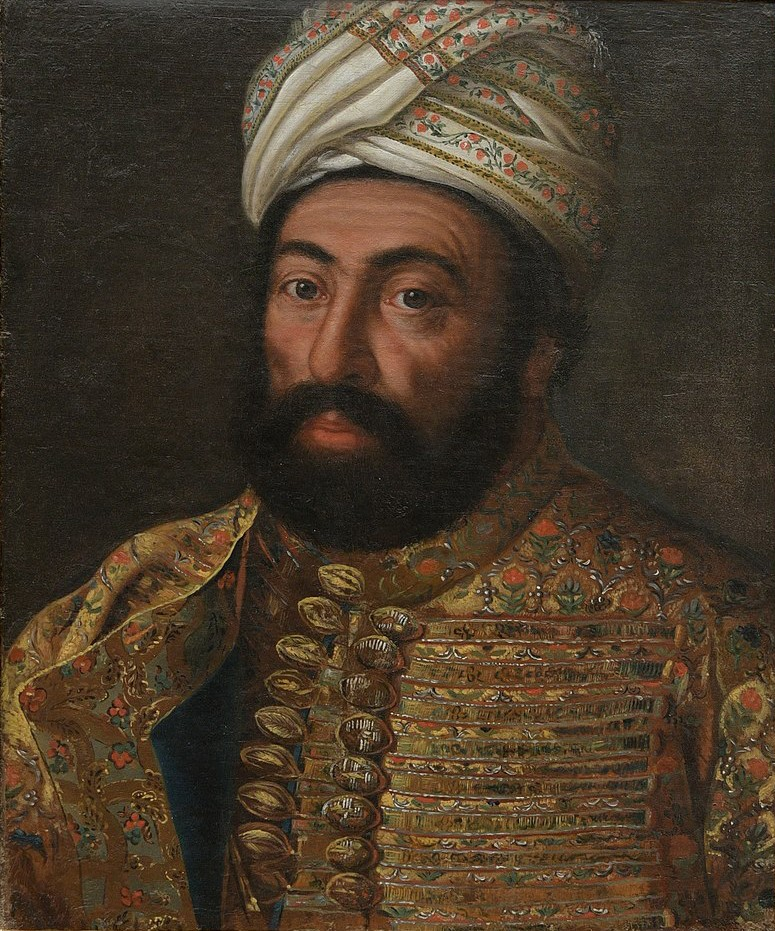
Above: Georgian King Teimuraz II of Kartli
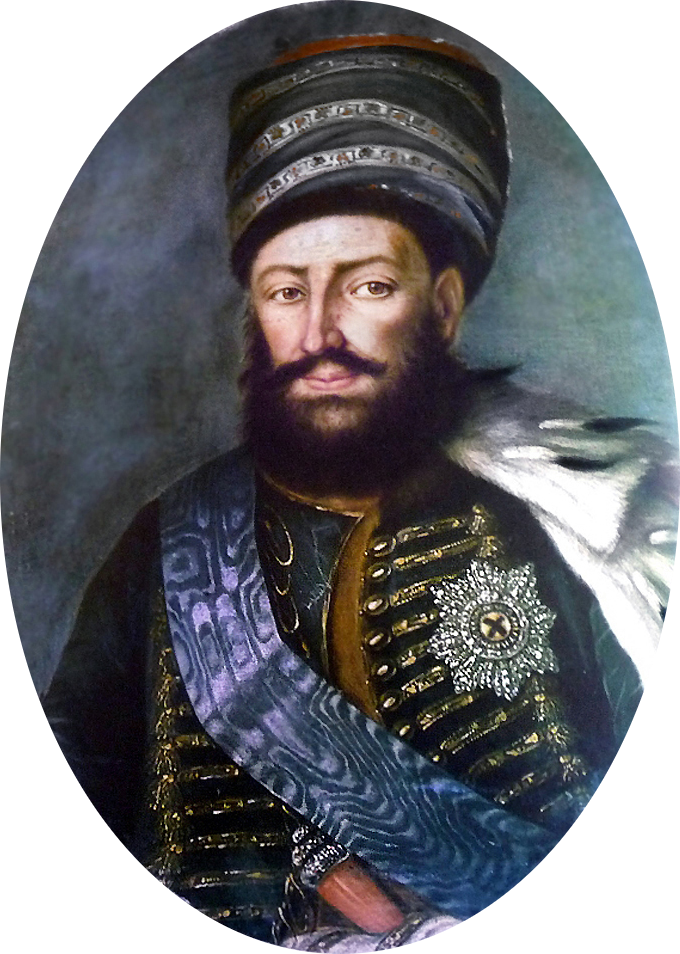
Above: Georgian King Heraclius (Erekle) II (the Little Kakhetian)
Following the Russian annexation of Georgia, Gori was granted the status of a town within the Gori Uyezd of the Tiflis Governorate in 1801.
Above: Flag of the Russian Empire (1721 – 1917)
A plan of 1824 shows the town on the hill slopes below the citadel, and a moat around it.
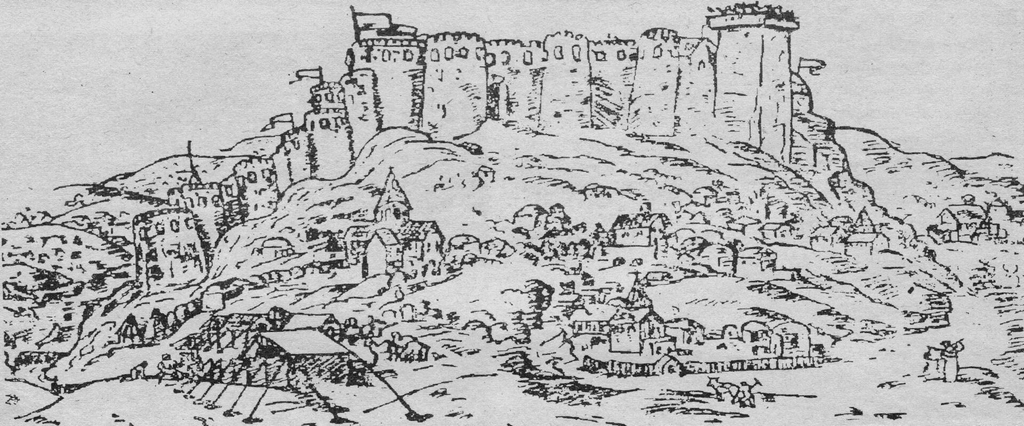
Above: Gori Fortress (1642)
In 1892, Maxim Gorky described Gori as:
“Quite small, no bigger than a fair-size village.
The whole place has a picturesque wildness all its own.
The sultry sky over the town, the noisy turbulent waters of the Kura, mountains in the distance with their “City of Caves” and further away the Caucasus range with its sprinkling of snow that never melts.“
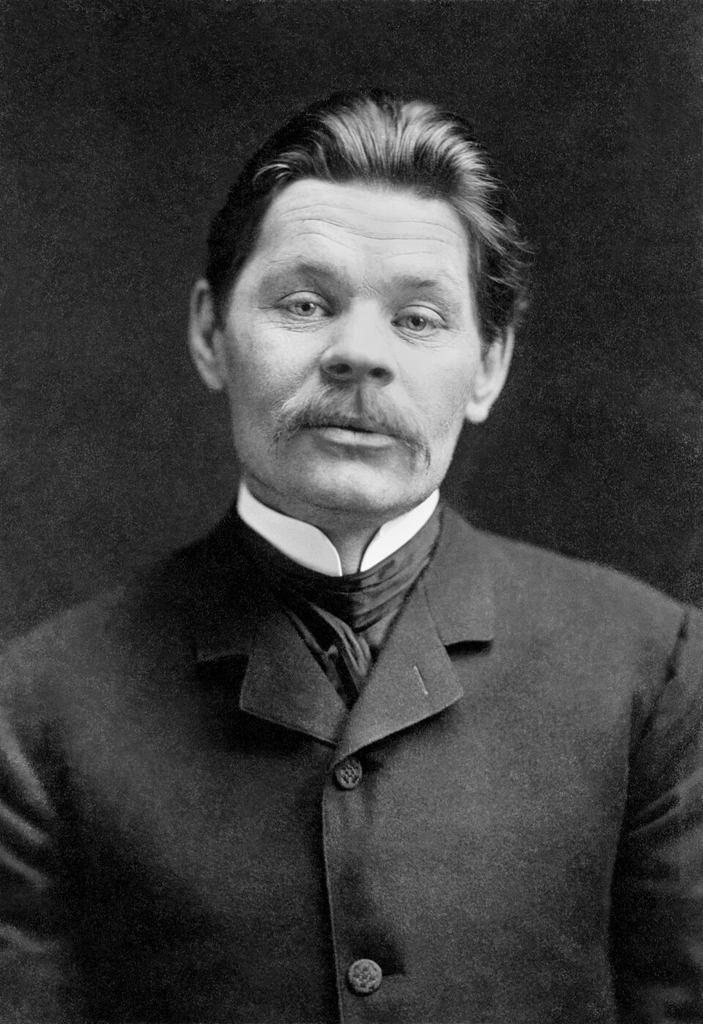
Above: Soviet Russian writer Maxim Gorky (1868 – 1936)
The town was destroyed in the 1920 earthquake and almost completely rebuilt in the Soviet period.
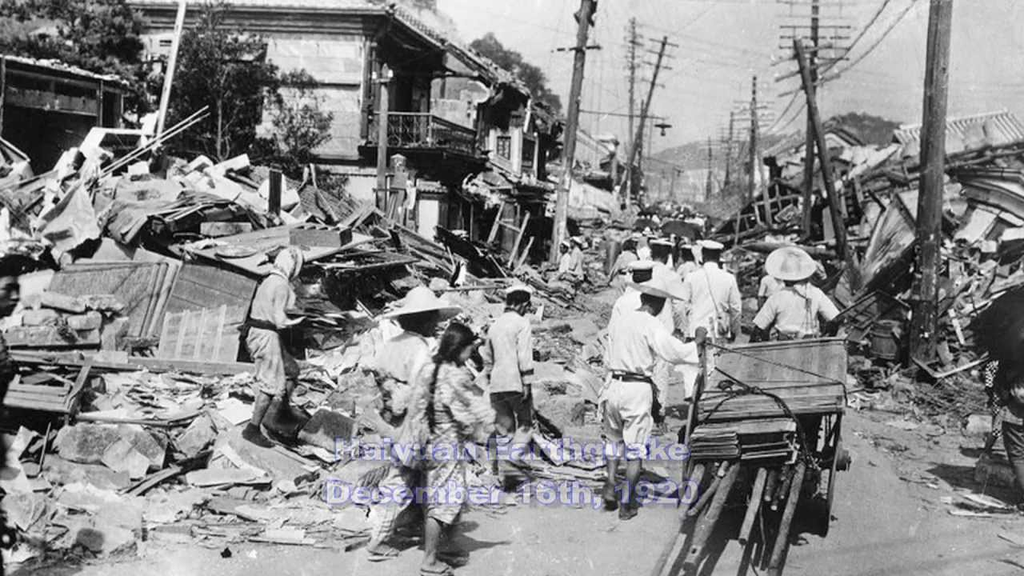
Above: Aftermath of the Gori Earthquake, 1920
An important industrial center in Soviet times, Gori suffered from an economic collapse and the outflow of the population during the years of a post-Soviet crisis of the 1990s.
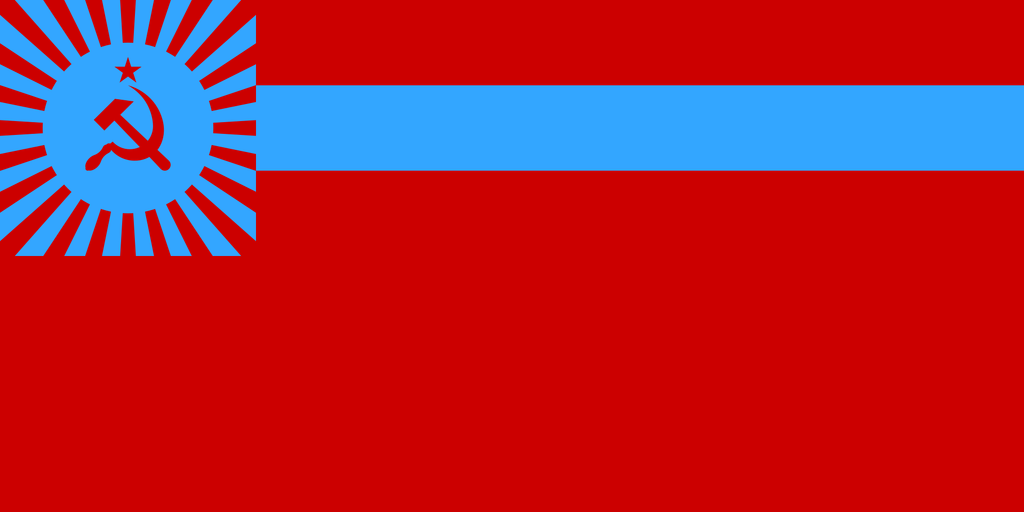
Above: Flag of the Georgian Soviet Socialist Republic (1921 – 1991)
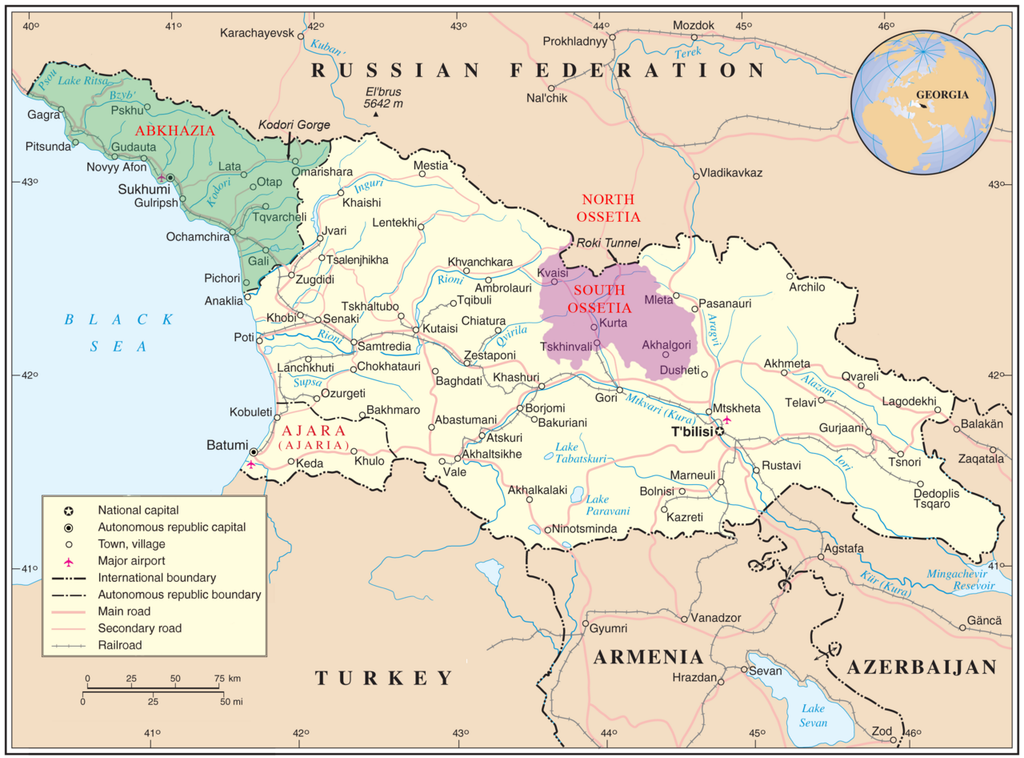
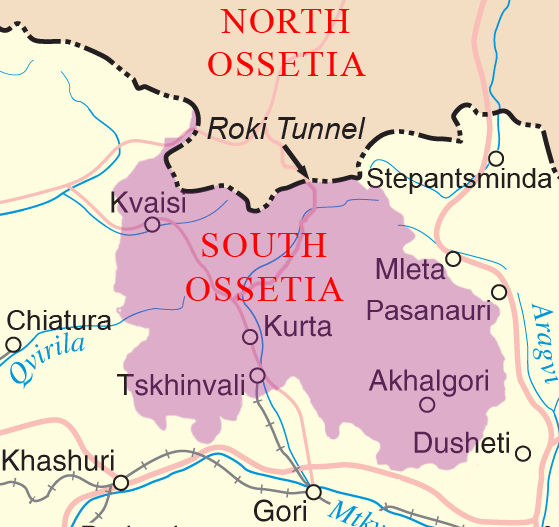
Gori is close to the Georgian–Ossetian conflict zone.

Above: Flag of South Ossetia
It is connected to breakaway South Ossetia’s capital Tskhinvali via a railroad spur which has been defunct since the early 1990s.
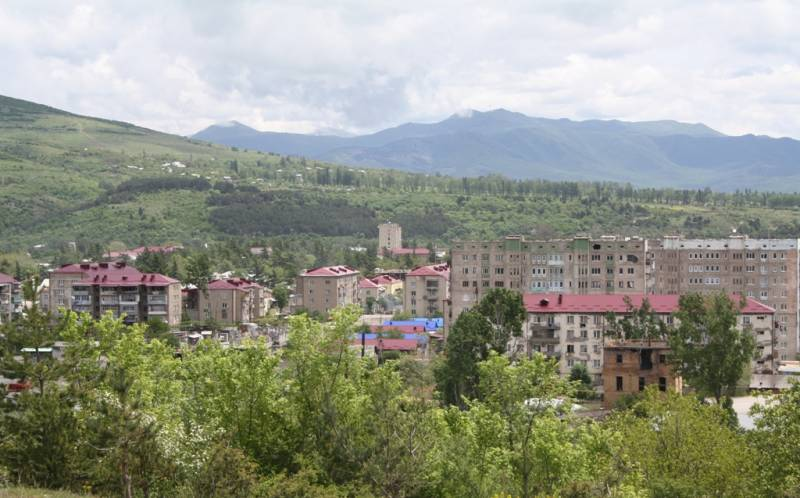
Above: Tskhinali, South Ossetia
The Georgian Agrarian Science Academy Branch was established in the city in 1995.
This became Sukhishvili University in 2003.
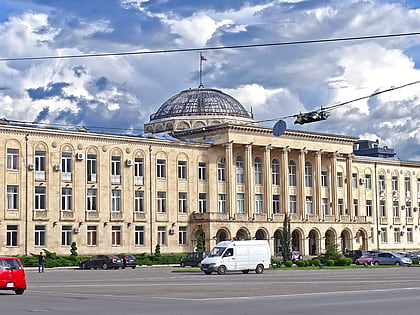
Above: Sukhishvili University, Gori
Since the 2000s, Georgia has increased the military infrastructure in and around the city.
Thus, the Central Military Hospital was relocated from Tbilisi to Gori and re-equipped in October 2006.
Above: Emblem of the Gori Military Hospital
On18 January 2008, Georgia’s second NATO-standard base to accommodate the 1st Infantry Brigade (Georgia) of the Georgian Ground Forces was established at Gori.
Above: Logo of the North Atlantic Treaty Organization (Organisation du traité de l’Atlantique nord)
Above: Logo of the Ground Forces of Georgia
The city was occupied by Russian troops during the 2008 Russo-Georgian War.
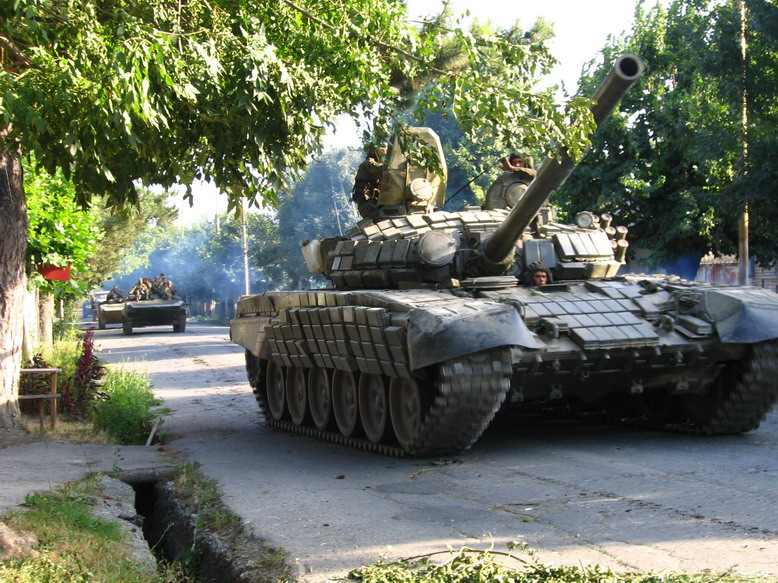
Above: Russian tank, South Ossetia
In the 2008 Russo-Georgian War, the town came under aerial attack by the Russian Air Force from the outset of the conflict.
Above: Emblem of the Russian Air Force
Military targets and residential districts of Gori were hit by the airstrikes, resulting in civilian injuries and deaths.
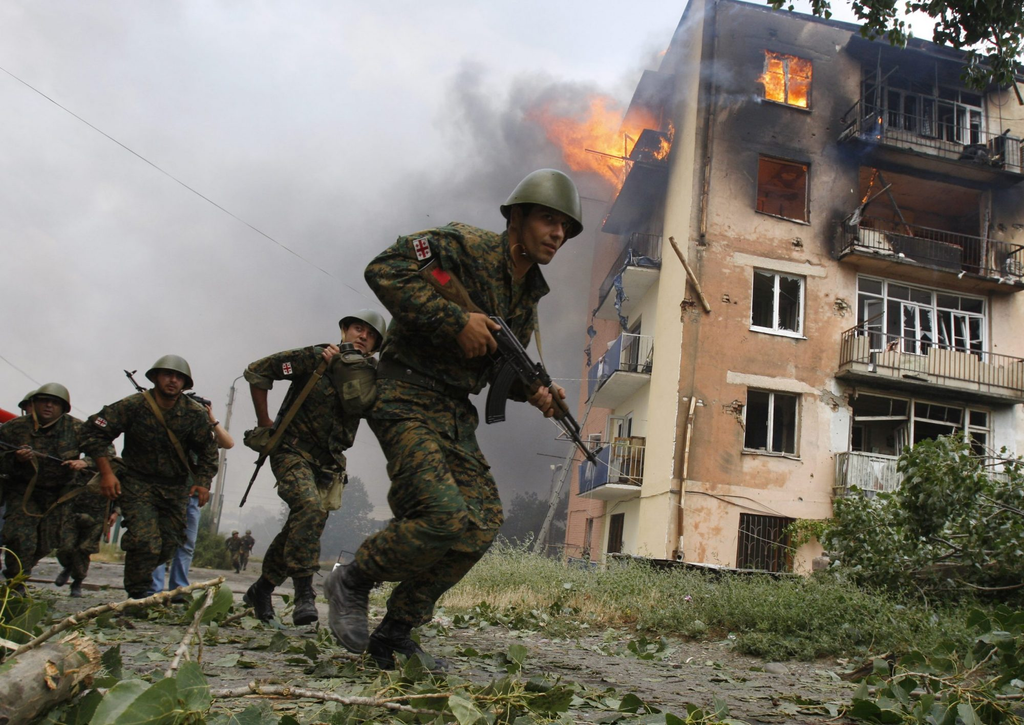
Above: Russian troops, Gori, 2008
Human Rights Watch (HRW) claimed that Russian forces had indiscriminately deployed RBK-250 cluster bombs in civilian areas around Gori.
According to HRW, on 12 August, Russian forces dropped cluster bombs in the centre of Gori, resulting in numerous civilian casualties.
Russian military officials deny using cluster munitions in the conflict, calling the HRW assertion “slanderous” and questioning the HRW’s objectivity.

Numerous unexploded “bomblets” have been found by locals and HRW employees.

By 11 August, Georgian military personnel, government, and most residents had fled the city, which was then captured and occupied by the Russian military and South Ossetian separatist militia.
Above: Emblem of the Russian Armed Forces
Above: Flag of the Armed Forces of South Ossetia
HRW subsequently accused the militia of unleashing a campaign of looting, arson, kidnapping and other attacks against the remaining civilian population.
The Russian and South Ossetian forces withdrew from the city on 22 August 2008.
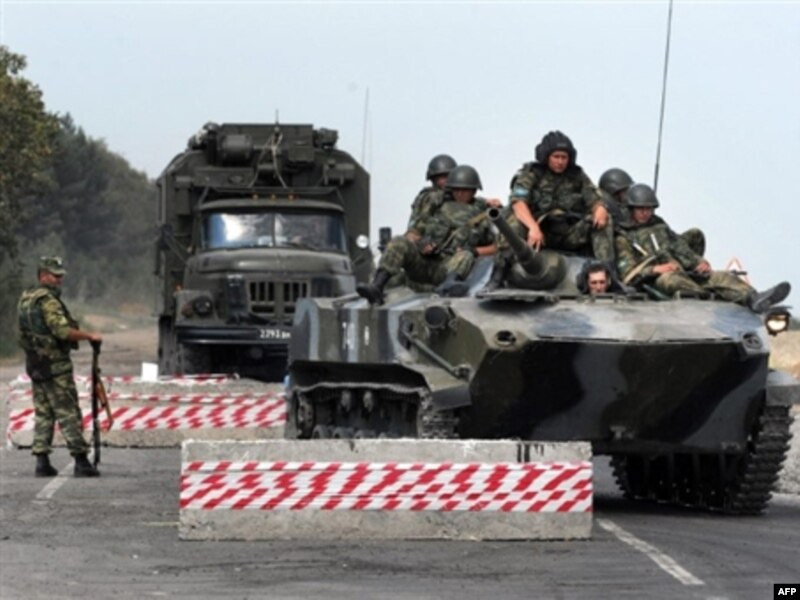
Above: Russian withdrawal from Gori
The following day units of the Georgian Army returned to Gori.
Above: Flag of the Georgian Armed Forces
However, Russian checkpoints remained near Gori as well as in buffer zones near the borders with Abkhazia and South Ossetia.
Above: Flag of Abkhazia
Above: Emblem of South Ossetia
Scars from the episode can still be seen in the town as can the human fallout of the conflict in the shape of large estates of prefab refugee housing across the Gori district.

Above: Image from Russian-Georgian War, 2008
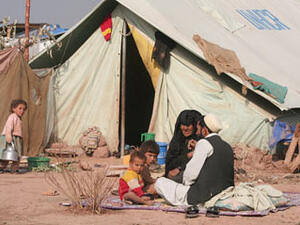
Above: Refugee home, Gori
Today Gori is known as the birthplace of Communist revolutionary and Soviet Union politician and leader Joseph Stalin, ballistic missile designer Aleksandr Nadiradze and philosopher Merab Mamardashvili.

Above: Russian despot Joseph Stalin (1878 – 1953)
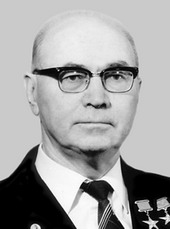
Above: Soviet engineer Aleksandr Nadiradze (1914 – 1987)
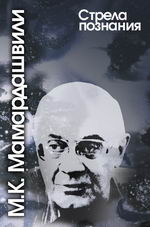
Above: Georgian philosopher Merab Mamardashvili on the cover of his book The Arrow of Cognition
DİGRESSION
Sometimes described as the Georgian Socrates, Georgian philosopher Merab Mamardashvili was concerned with something that sounds deceptively simple:
What does it actually mean to think, to be conscious, and to be a free human being?
His philosophy can be difficult to read because he wasn’t particularly interested in giving people a collection of easy answers.
He wanted them to learn how to think independently.
This is probably the most important part of his philosophy.
Mamardashvili believed that simply possessing a brain, education or accumulated knowledge doesn’t necessarily mean that we are genuinely thinking.
We can repeat what other people tell us.
We can adopt the opinions of our families, governments, political movements and societies.
We can become very knowledgeable without ever examining our own beliefs.
But genuine thinking requires personal effort.
For example:
- Someone tells you that a particular country is bad.
- You accept that opinion because everyone around you seems to agree.
- You repeat it without examining the evidence.
That’s not independent thought.
Independent thought means asking questions, examining evidence, recognising contradictions and reaching your own considered conclusions.
In other words, you must do your own thinking.
This was particularly significant in the Soviet environment in which Mamardashvili worked, where ideological conformity could take precedence over intellectual independence.
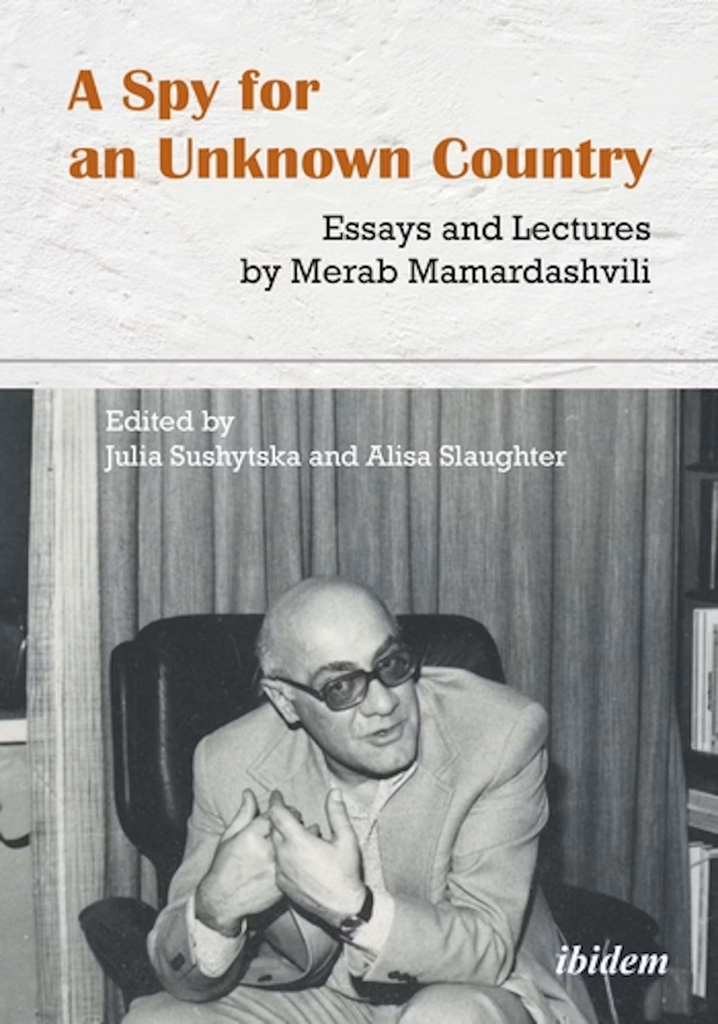
Mamardashvili was fascinated by consciousness.
He wasn’t simply asking whether we are awake or asleep.
He was interested in how we understand ourselves, the world around us and our place within it.
Consider two people looking at the same painting.
One sees a collection of colours and shapes.
The other examines the composition, considers the artist’s circumstances, recognises the emotional expression and begins to question what the painting might mean.
They are looking at the same object, but their experiences are different.
Consciousness involves more than receiving information.
It involves interpreting, understanding and reflecting upon experience.
He believed that understanding ourselves requires considerable intellectual effort, and that we never completely master our own consciousness.
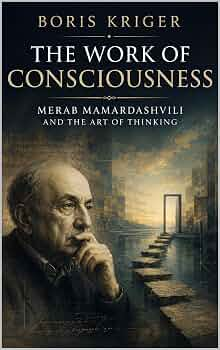
He believed that freedom begins in the mind.
Mamardashvili believed that genuine freedom wasn’t simply a matter of living in a country where you were legally permitted to do what you wanted.
A person could live in a supposedly free society and still be intellectually unfree.
How?
By allowing other people to determine:
- What they believe.
- What they consider acceptable.
- What they fear.
- What they are prepared to question.
- How they understand themselves.
Conversely, someone living under an authoritarian political system could preserve an inner commitment to independent thought.
Mamardashvili’s own intellectual life in the Soviet Union gives this idea considerable significance.
He regarded the ability to think independently as fundamental to human dignity and freedom.
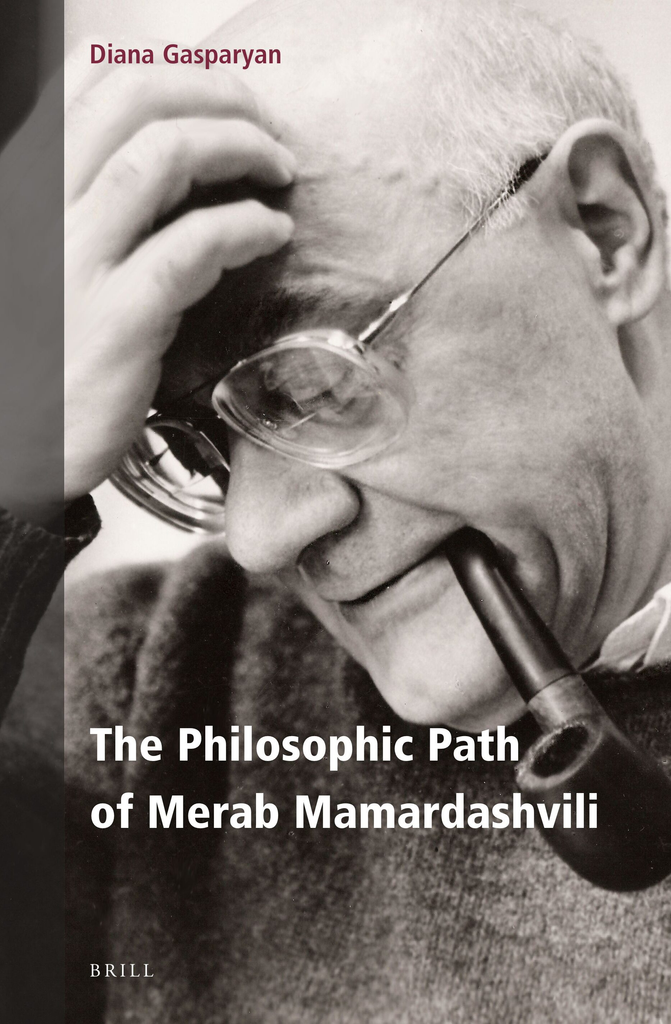
He believed that becoming human is an ongoing effort.
He was particularly interested in the idea that being human isn’t simply a biological condition.
It involves an ongoing effort to become more conscious, responsible and intellectually independent.
You don’t automatically become a thoughtful person because you get older, acquire qualifications or accumulate experiences.
You have to work at it.
You have to question yourself, examine your assumptions, acknowledge mistakes and remain receptive to new ideas.
He described being human as an extended effort.
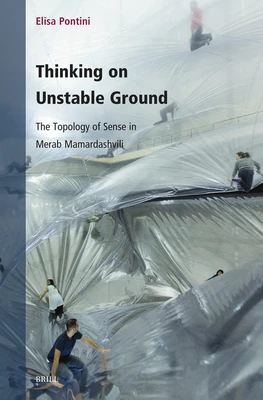
Mamardashvili was born in Gori in 1930 and became an internationally recognised philosopher.
He spent much of his professional life in Moscow, teaching and lecturing, before returning to Georgia towards the end of his life.
He died in Moscow in November 1990, aged 60.
His intellectual independence was particularly important in the context of Soviet ideological conformity.
He wasn’t primarily interested in replacing one political orthodoxy with another.
He was interested in preserving the individual’s capacity to think.
His lectures attracted considerable audiences, including people outside conventional academic philosophy.
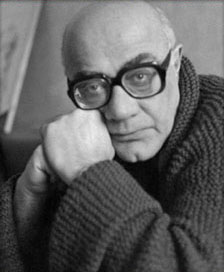
Above: Merab Mamardashvili
Gori and its environs house several notable cultural and historical landmarks.
Although for many foreigners Gori is principally known as the birthplace of Joseph Stalin, in Georgian historical memory the city has long been associated with its citadel, the Gori Fortress, which is built on a cliffy hill overlooking the central part of the modern city.

Above: Interior, Joseph Stalin Museum, Gori
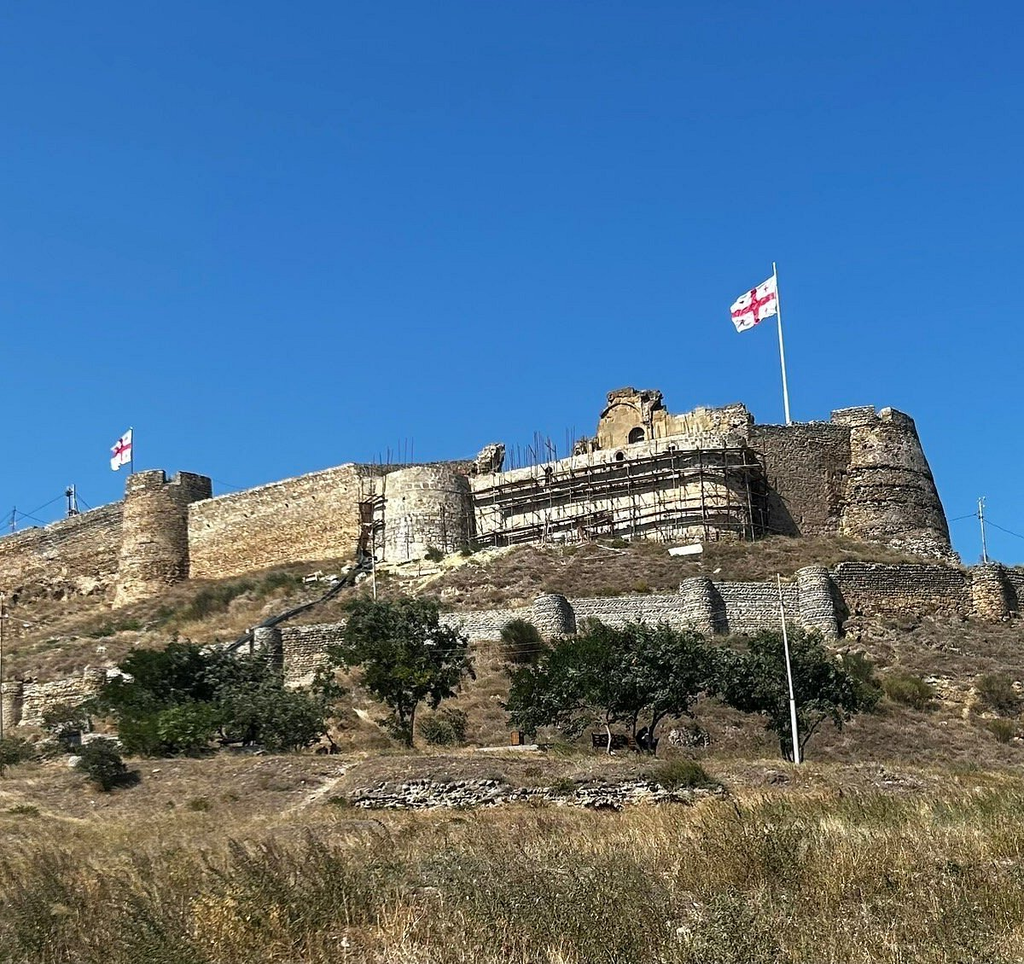
Above: Gori Fortress
On another hill stands the 18th century St. George’s church of Gorijvari, a popular place of pilgrimage.
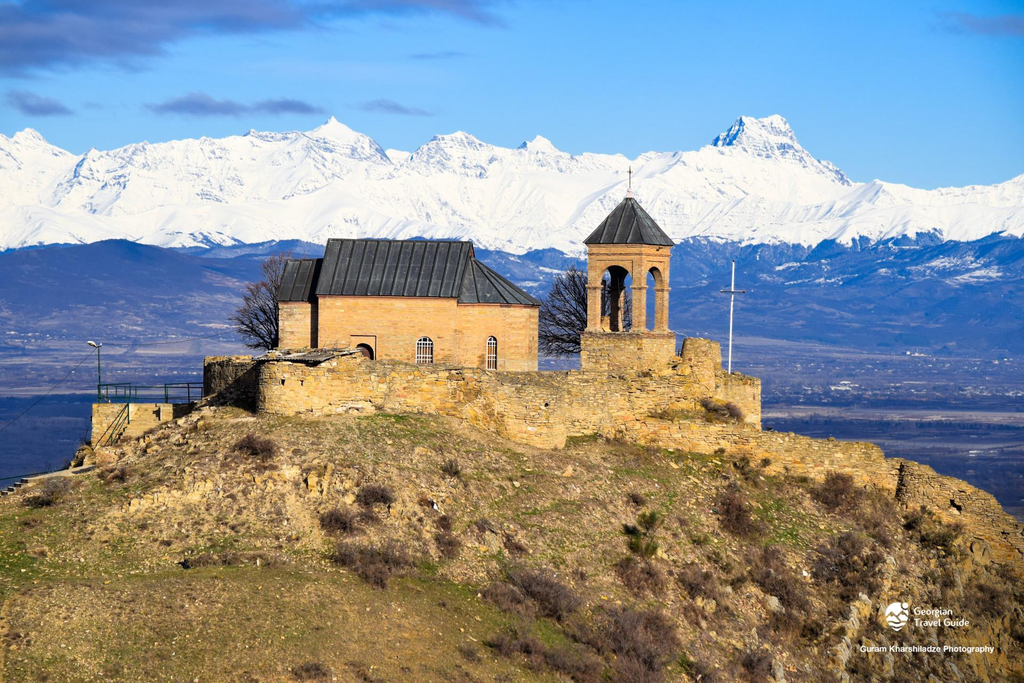
Above: St. George’s Church, Gorijvari, Georgia
The famous ancient rock-hewn town of Uplistsikhe and the 7th century Ateni Sioni Church are located not far from Gori.
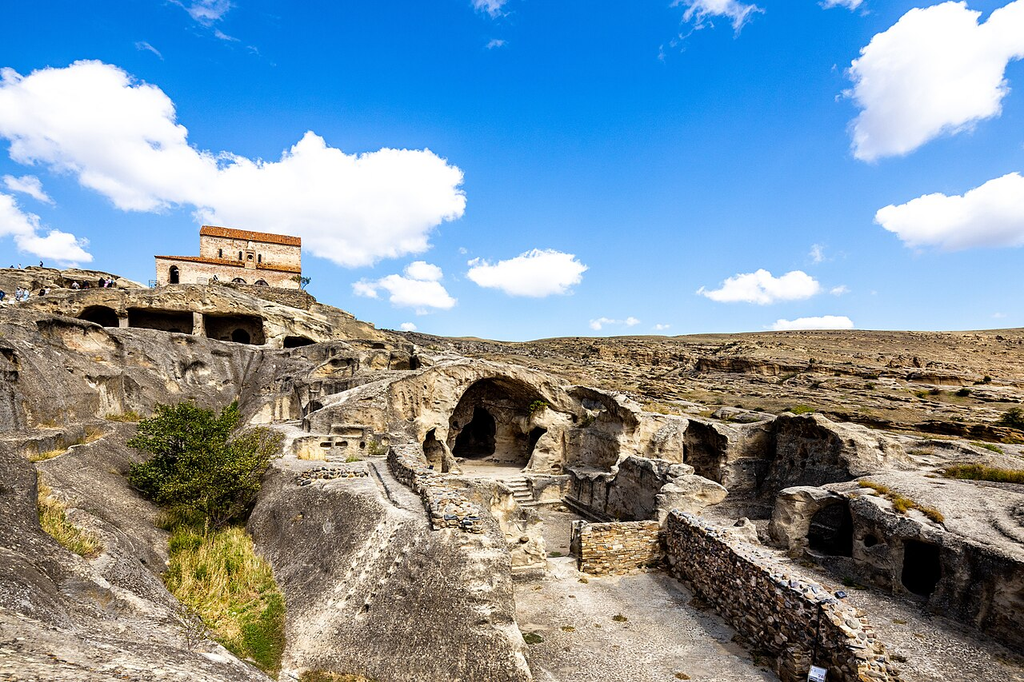
Above: Uplistsikhe, Georgia
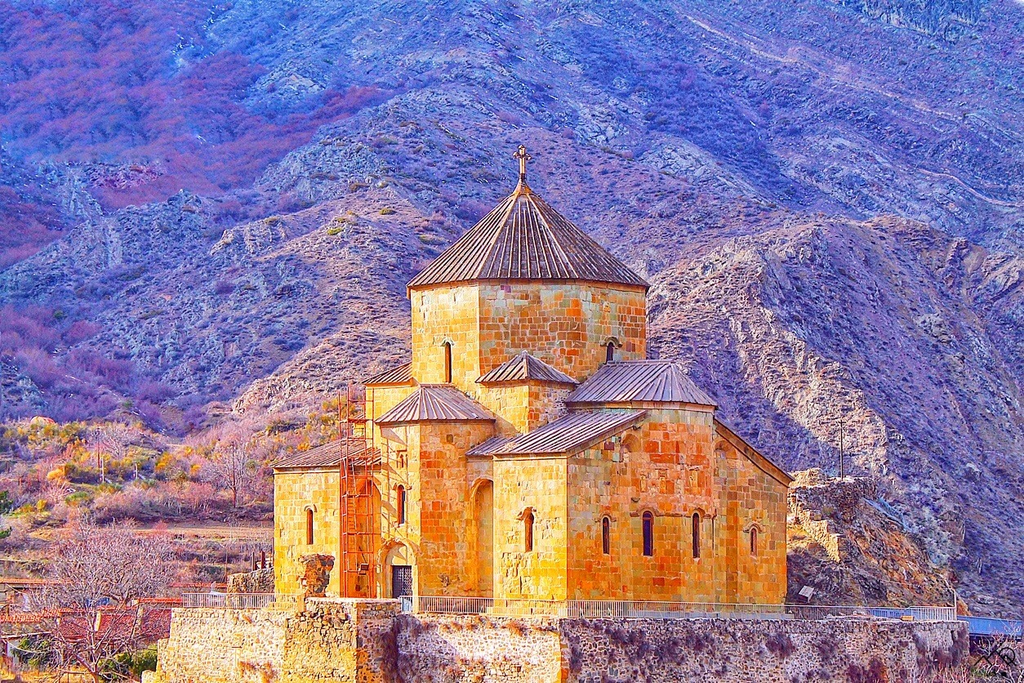
Above: Ateni Sioni Church
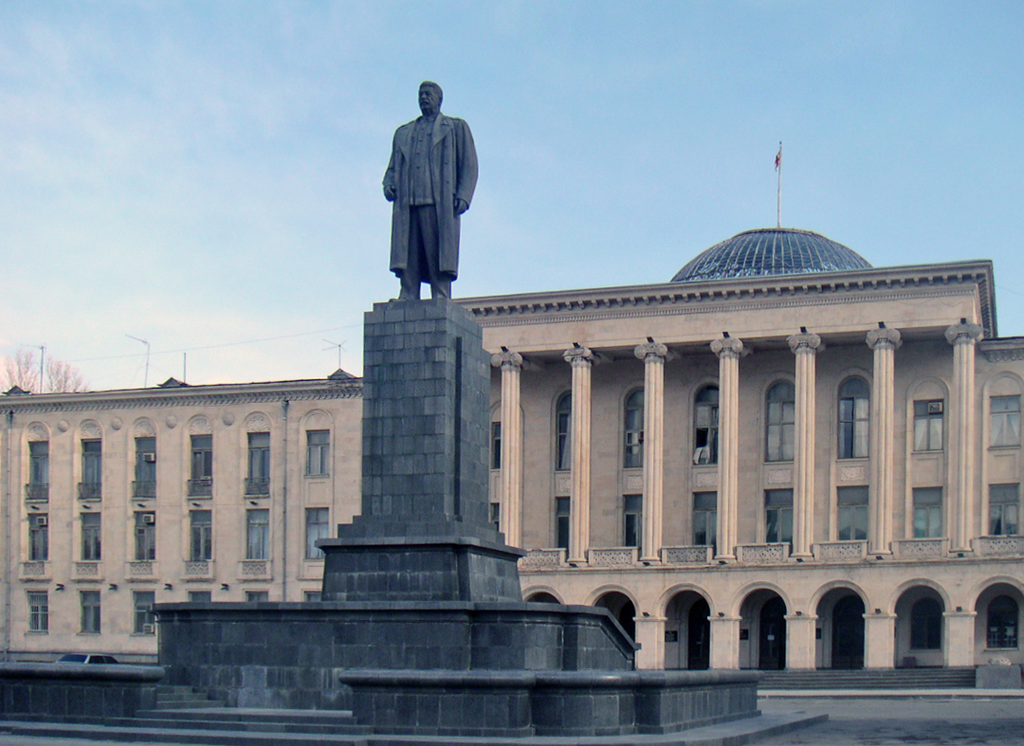
Stalin’s association with the city is emphasized by the Joseph Stalin Museum in downtown Gori and, until recently, the Stalin monument in front of the Gori City Hall, one of the few such monuments to survive Nikita Khrushchev’s de-Stalinization program.
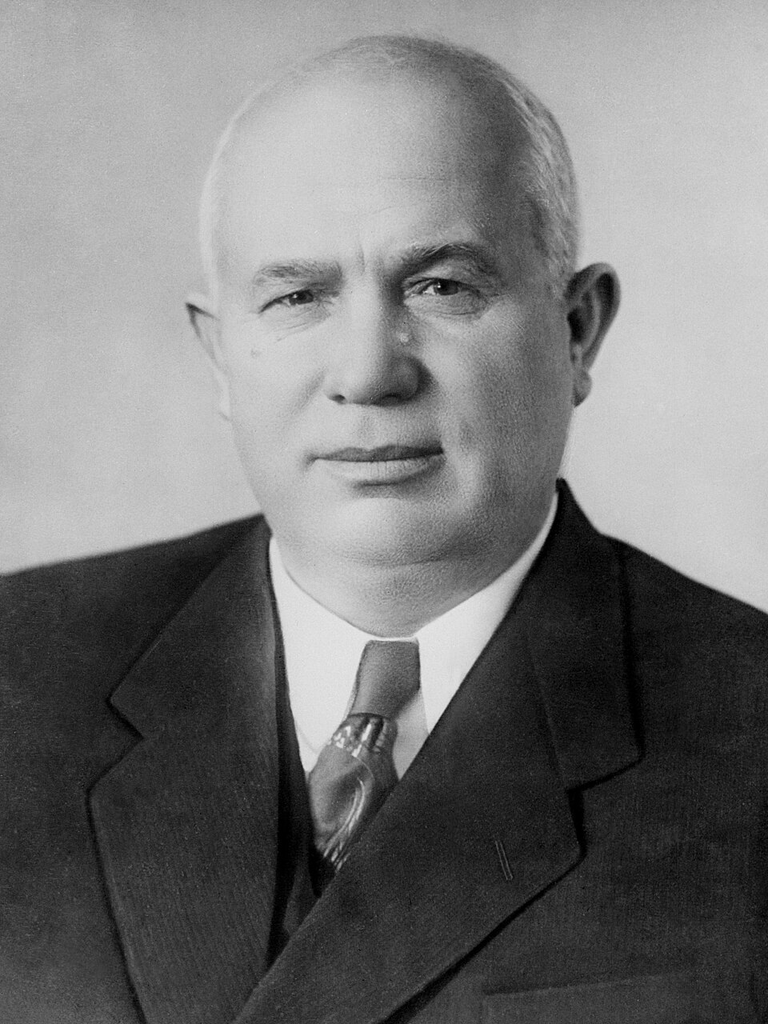
Above: Russian Premier Nikita Khrushchev (1894 – 1971)
The monument was a source of controversy in a newly independent Georgia in the 1990s, but for several years the post-Communist government acceded to the Gori citizens’ request and left the statue untouched.
It was ultimately removed on 25 June 2010.
However, on 20 December 2012, the municipal assembly of Gori voted to reinstate the monument.
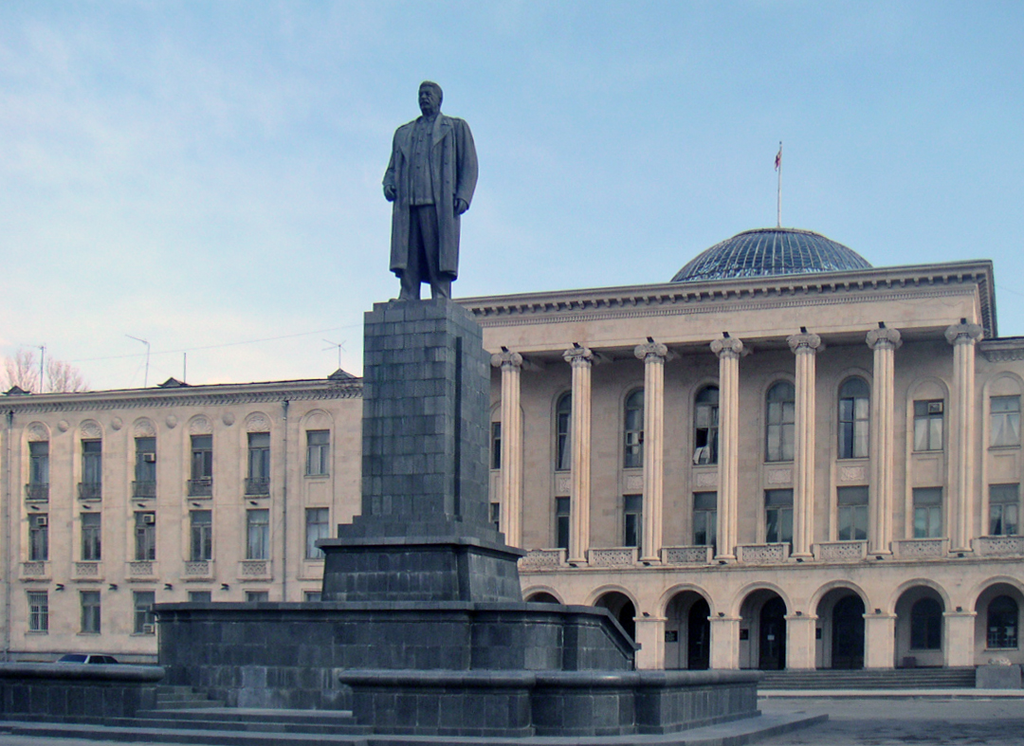
Above: Statue of Stalin stood outside the Town Hall until being removed in 2010 as part of the country’s de-Sovietization process
My overall assessment is that Gori is an underrated destination for historically curious, independent travellers, but not necessarily a destination that justifies a long stay in its own right.
Its appeal lies in the combination of Georgian history, Soviet history, archaeology, architecture and the opportunity to explore the surrounding countryside.
Even if you boycott the Stalin Museum, Gori is nevertheless the base for visiting the cave city of Uplistsikhe and several fine historical churches, notably Ateni Sioni.
Gori has a fascinating combination of medieval Georgian, Soviet and ancient history.
Gori Fortress:
A prominent landmark with excellent views over the town and surrounding valley.
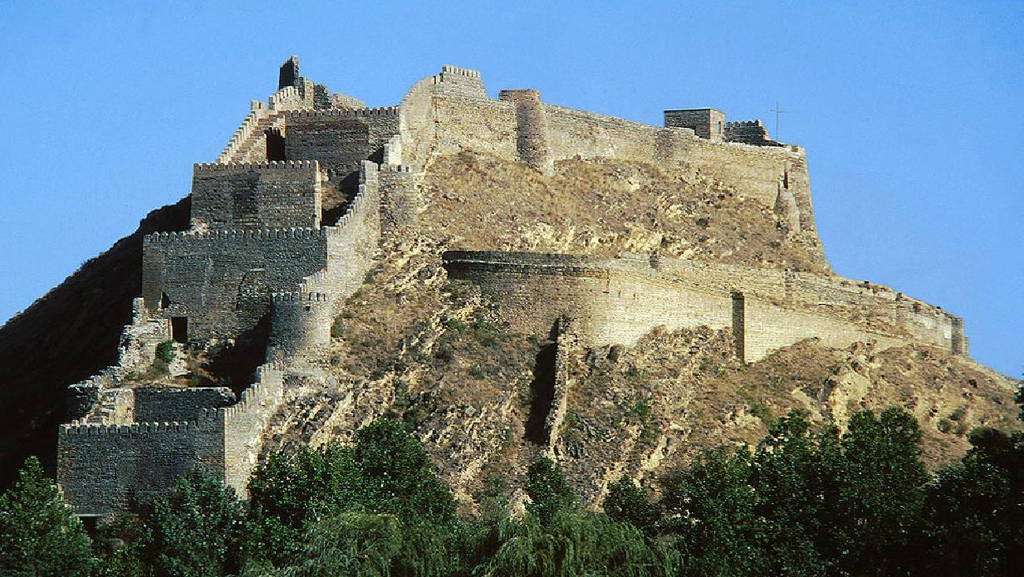
Above: Gori Fortress
Stalin Museum:
Whatever one’s political views, it is an extraordinary historical and ideological attraction.

Above: Joseph Stalin Museum, Gori
Uplistsikhe:
The ancient rock-hewn settlement nearby is arguably the strongest reason to visit the wider area.
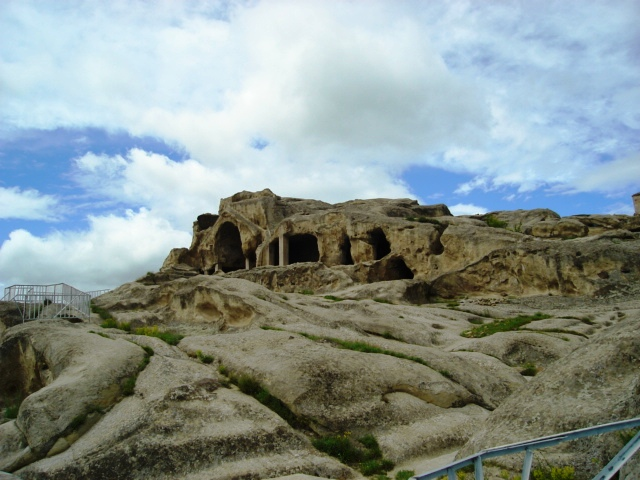
Above: Uplistsikhe
Accessibility:
Gori is approximately 85 km from Tbilisi and is served by rail and road connections.
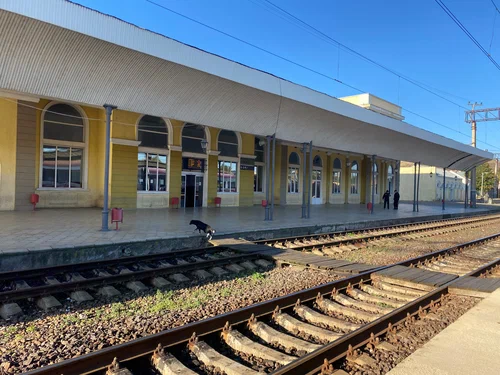
Above: Gori Train Station
Limited architectural charm:
Much of the older town was destroyed in the 1920 earthquake.
Soviet-era reconstruction dominates much of the urban landscape.
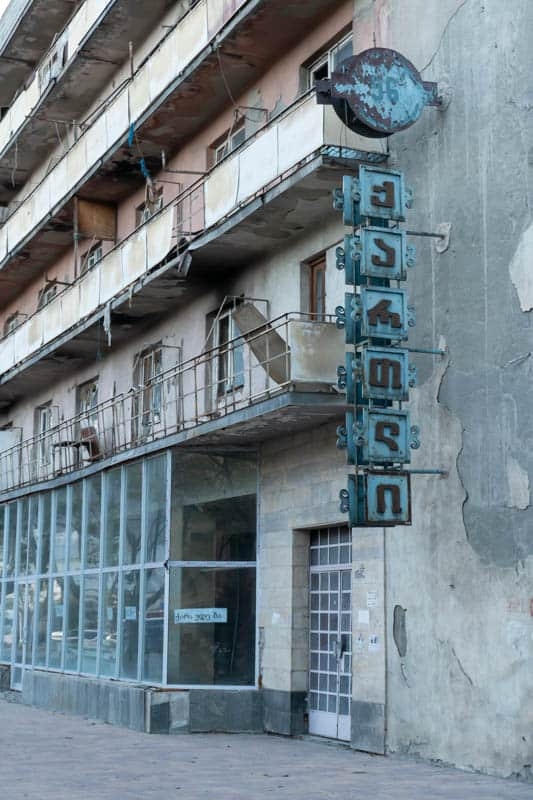
Above: Gori
A narrow international reputation:
Gori is frequently reduced to Stalin’s birthplace.
Limited attractions within the city:
A visitor can cover the principal sights relatively quickly.

Transport beyond the centre:
Reaching Uplistsikhe, Ateni Sioni and some other attractions requires additional transport arrangements.
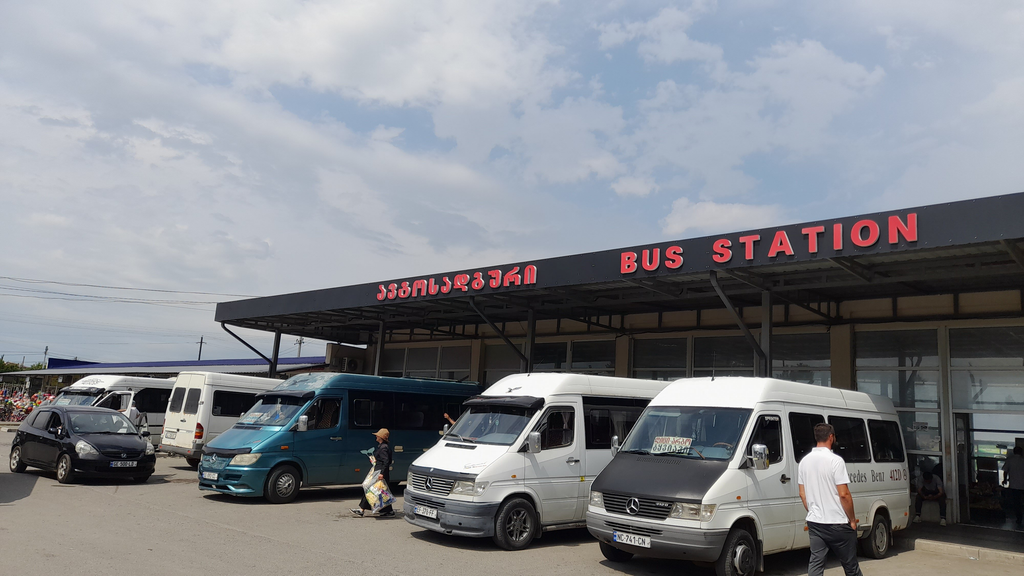
Above: Gori Bus Station
Museum interpretation:
The Stalin Museum’s presentation has historically been criticised for insufficiently confronting the atrocities of his regime.
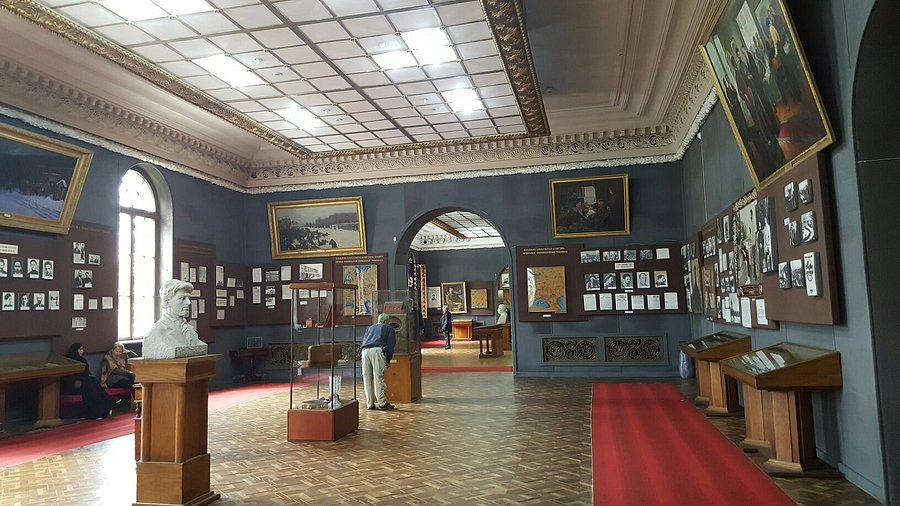
Above: Interior, Stalin Museum, Gori
Historical tourism:
Gori needs to develop a more comprehensive narrative connecting ancient Iberia, medieval Georgia, the Russian Empire and the Soviet period.
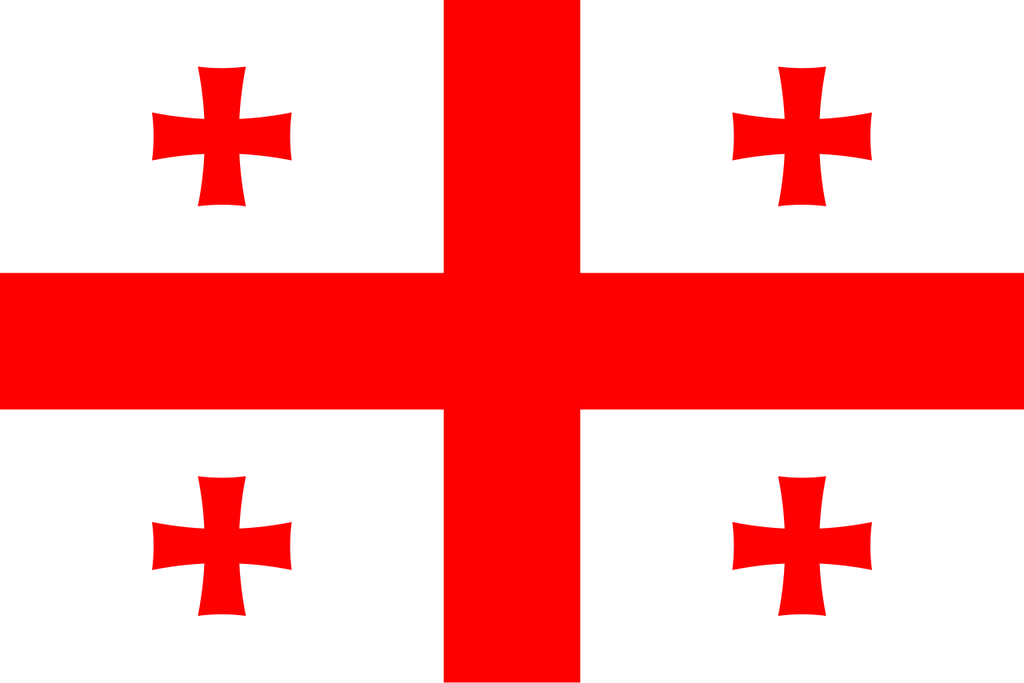
Above: Flag of Georgia
The 2008 war:
There is an opportunity to explain the conflict, its consequences for local residents and the continuing displacement associated with the occupied territories.
Archaeological tourism:
Uplistsikhe, Ateni Sioni and nearby fortifications could form a rewarding regional itinerary.
Cultural tourism:
Gori’s ethnographic museum, local traditions, food and markets offer alternatives to the Stalin narrative.
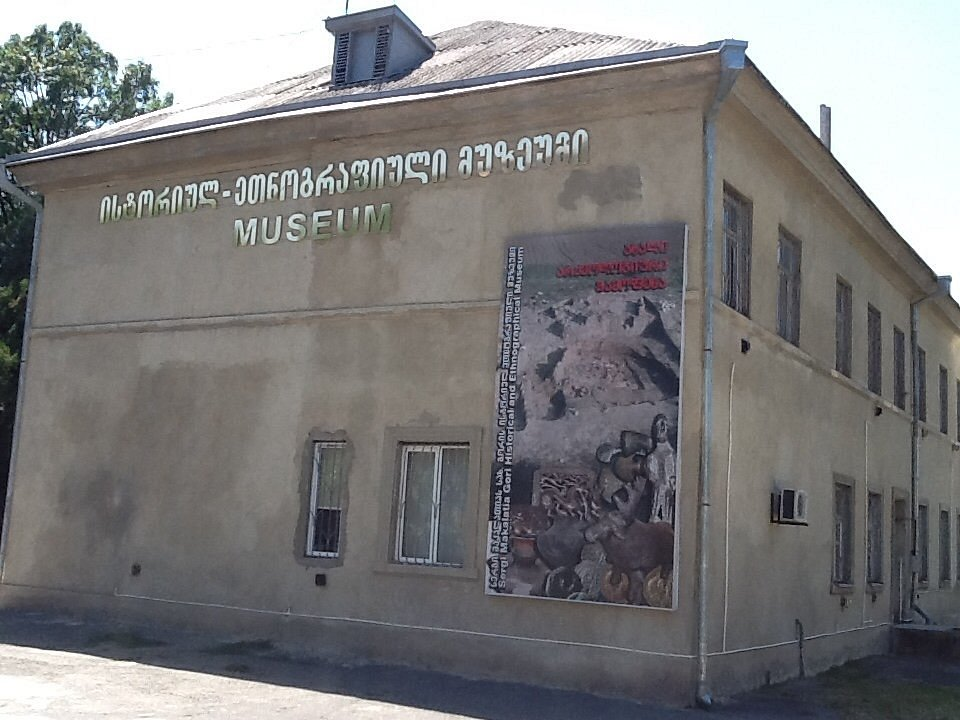
Above: Ethnographic Museum, Gori
Independent exploration:
The surrounding countryside offers opportunities for walking, photography and encounters with everyday Georgian life.

Geopolitical sensitivity:
Gori’s proximity to the South Ossetian administrative boundary line makes the region politically sensitive.
Historical controversy:
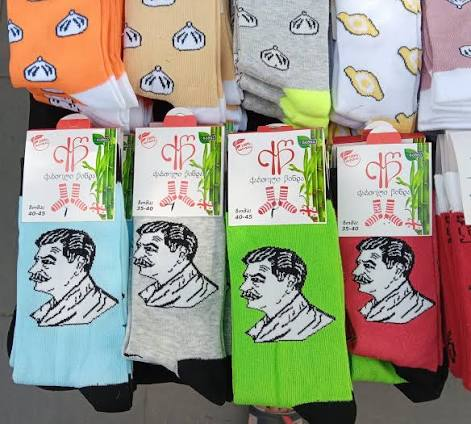
The Stalin Museum’s presentation can leave visitors with a distorted understanding of Soviet repression.
Competition:
Mtskheta, Kutaisi, Tbilisi and other Georgian destinations offer stronger established tourist infrastructure.
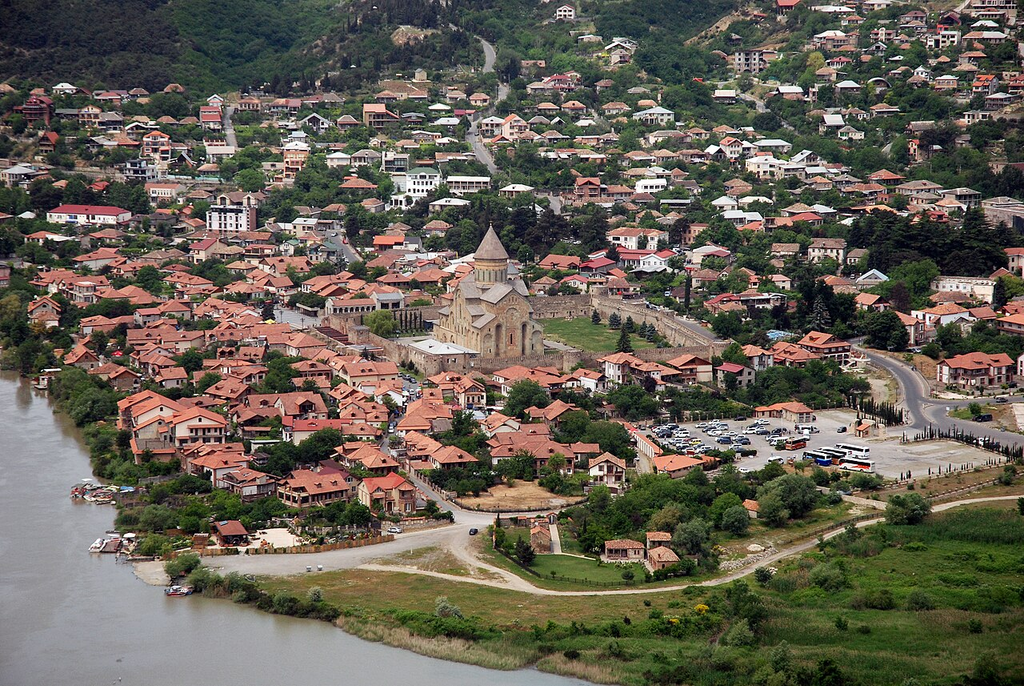
Above: Mtskheta, Georgia

Above: Kutaisi, Georgia
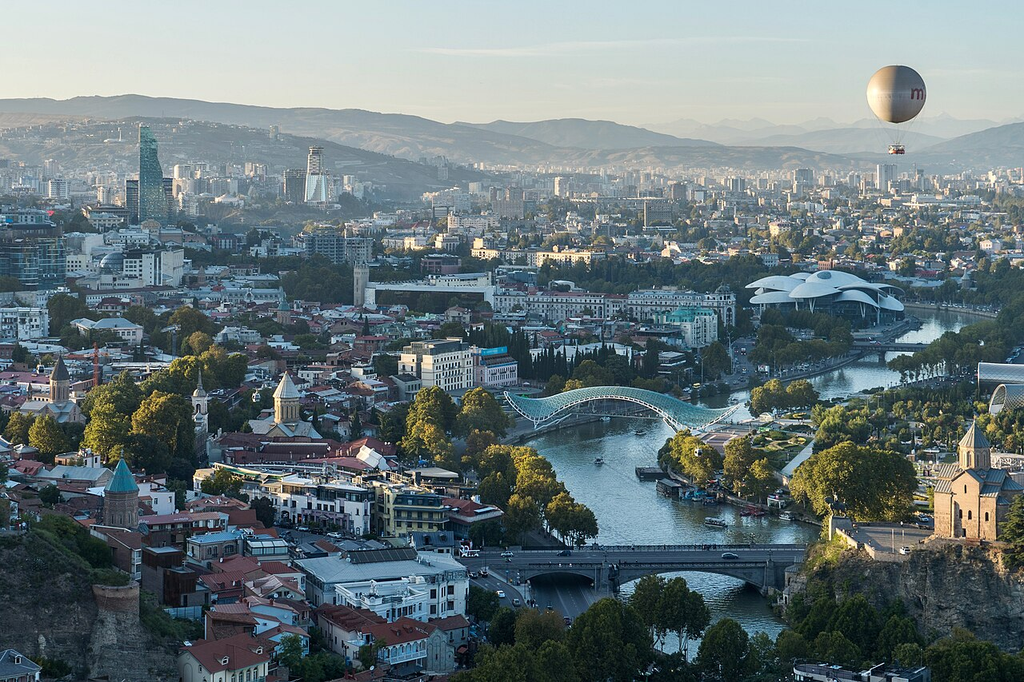
Above: Tbilisi
Seasonality:
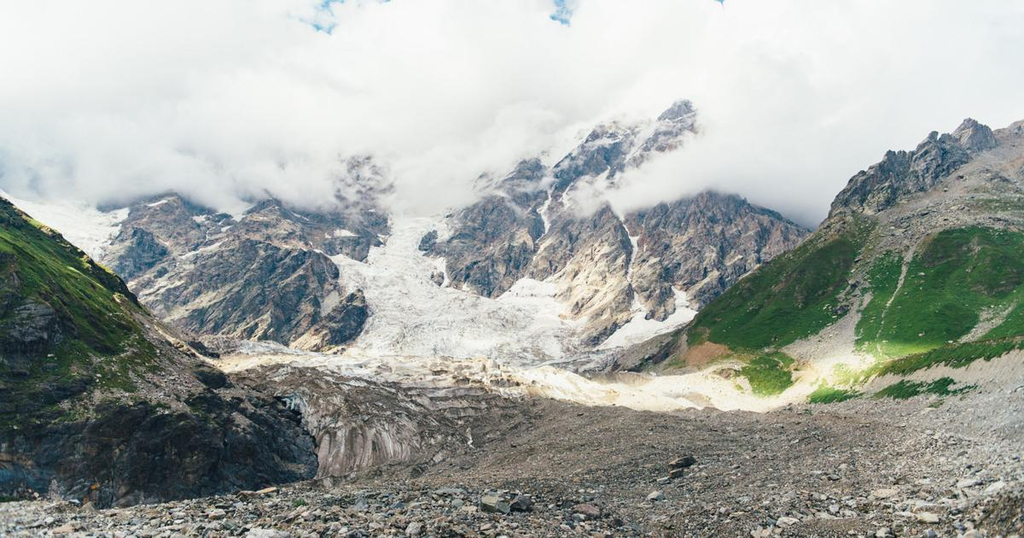
Summer heat can make exploring exposed archaeological sites uncomfortable.
Poor weather can also affect the experience.
Underinvestment:
If regional attractions remain poorly connected, Gori risks continuing to be little more than a short stop on the Tbilisi – western Georgia route.
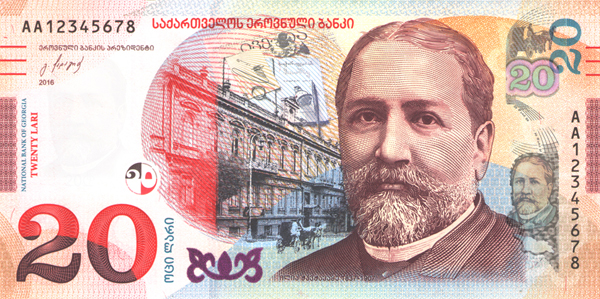
Above: Georgian 20 lari banknote
I think there is a particularly interesting story in Gori that goes beyond Stalin.
Consider the contrast:
- An ancient Georgian civilisation.
- A medieval fortress repeatedly fought over by competing powers.
- A Georgian-born man who became the leader of a vast Soviet empire.
- A town bombed during the 2008 Russo-Georgian War.
- A contemporary Georgian community continuing its everyday existence.
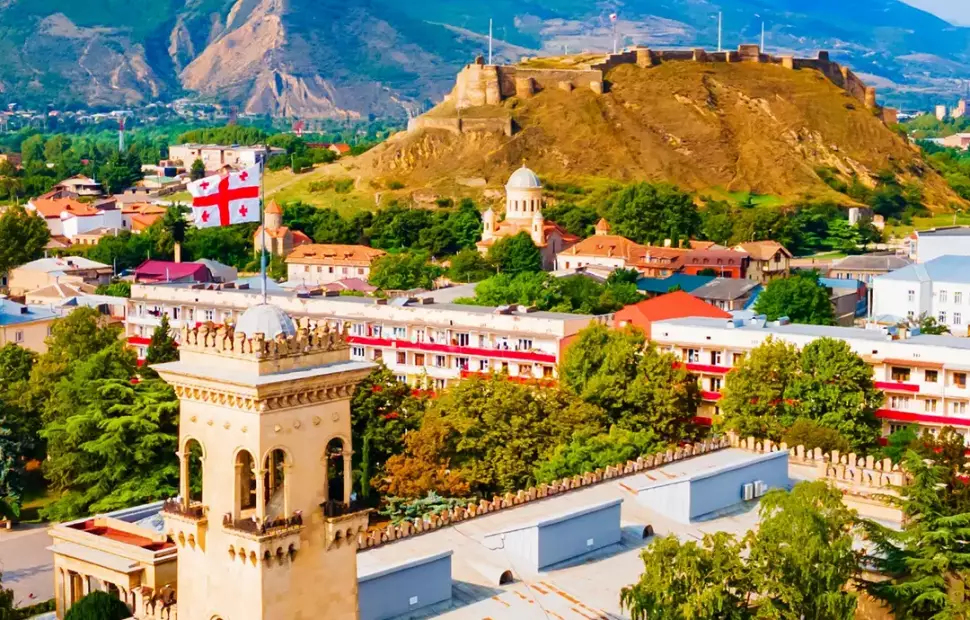
Above: Gori
Gori is a place where the history of Georgia’s relationship with power, empire, identity and independence can be explored in a relatively small geographical area.
And perhaps that is its greatest tourism asset.
I would be inclined to spend a full day there, possibly staying overnight, rather than treating it as a quick photographic stop.
The guidebooks suggest that Gori is a fairly unattractive city known above all as the birthplace of Georgia’s most infamous son, Stalin.
I would challenge that assumption.
A city does not have to be conventionally beautiful to be interesting.
Nor does it need an abundance of tourist attractions to justify a visit.
Sometimes the most revealing destinations are those that make us uncomfortable, challenge our assumptions or force us to reconsider what we thought we knew.
Gori might just be one of those places.
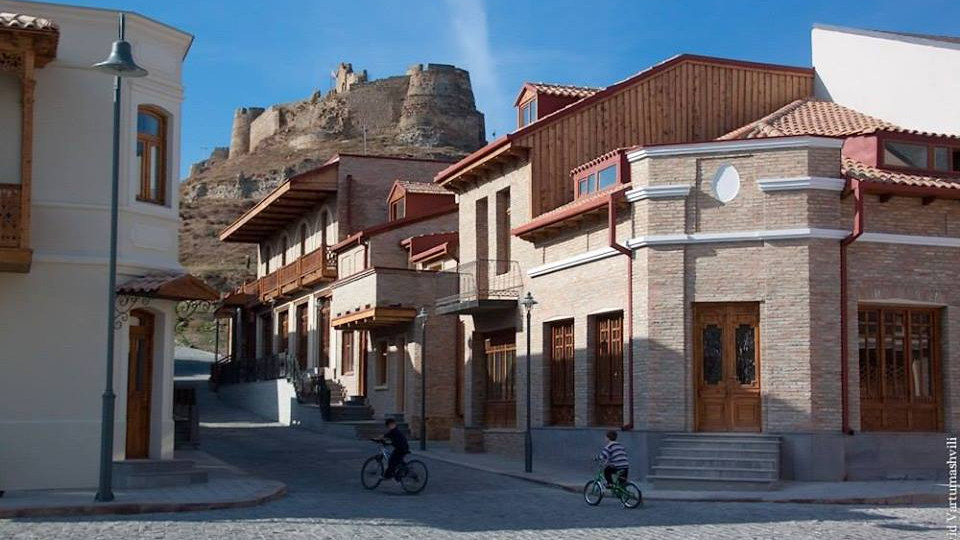
Above: Gori
These days there seems to be a somewhat ambivalent attıtude towards its historical connection with Stalin.
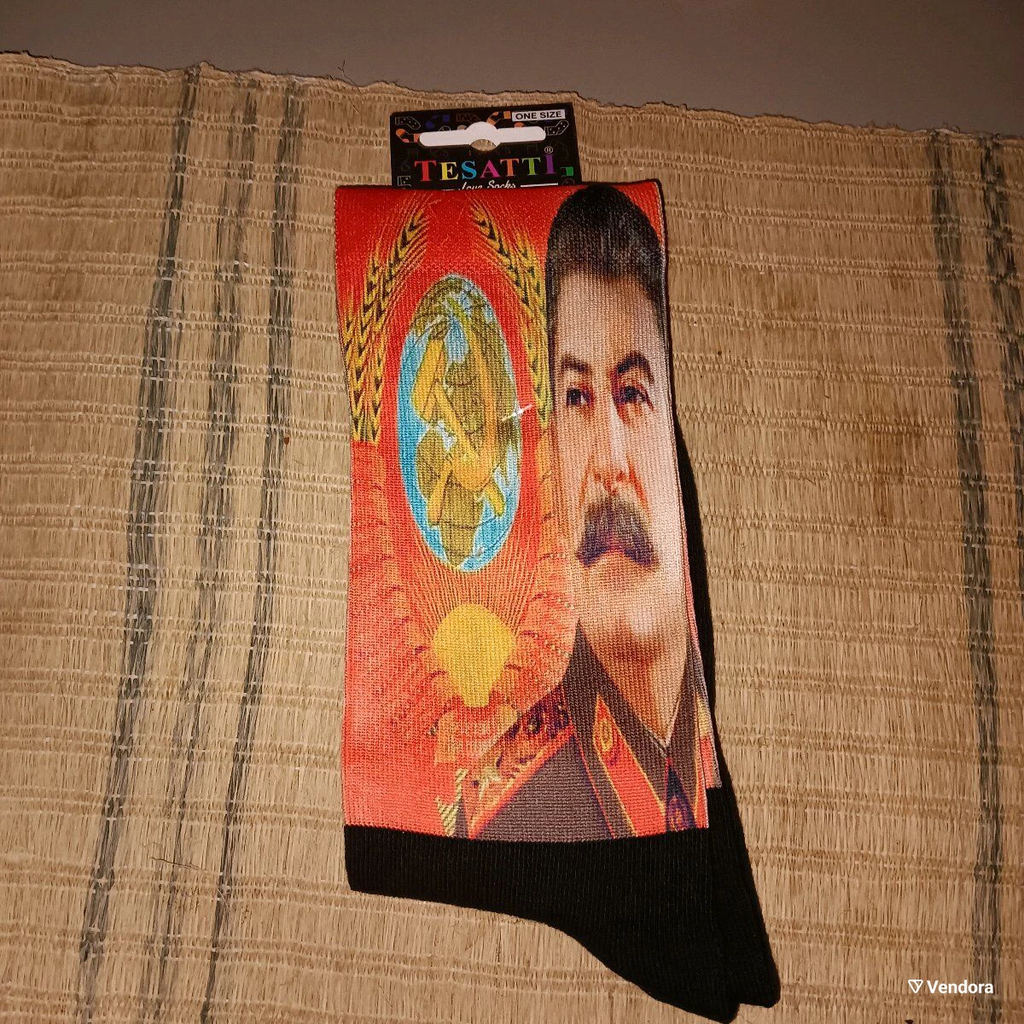
Until 2010, a 15-metre tall statue of Stalin stood in the central square, one of the few remaining monuments that once graced every city square throughout the Soviet Empire.
Although the others were removed elsewhere in the Soviet Union in the years following Khrushchev’s denunciation, the Gori statue remained, defended by the town’s citizens on the premise that however dreadful the despot’s crimes against the Soviet people may have been –
Stalin’s totalitarian regime has been widely condemned for overseeing a system marked by mass repression, ethnic cleansing and the deaths of millions.
He was responsible for an estimated 10,000 Georgian deaths during the Georgian uprising of 1924 and for sending 20,000 more to Siberian gulags in the insane purges of 1937. –
He was still “the local boy makes good“.
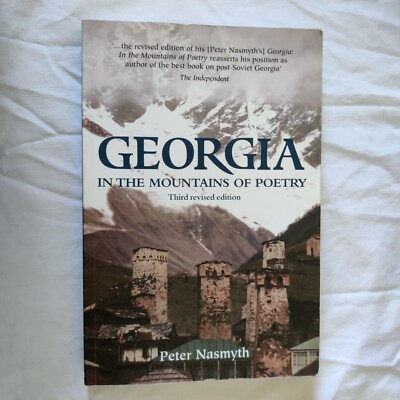
Peter Nasmyth, author of Georgia: In the Mountains of Poetry, has suggested that perhaps the people of Gori are quite simple, that they feel their world is small and Stalin was very big, that he won the Second World War and saved the world, that he was internationally famous, that they are just country people who do not support Stalin’s ideas but respect how big he became.
I think this is an opportunity to explore the difference between historical achievement, personal identity and moral responsibility.
And there is a question worth pondering:
Can a community take pride in the international prominence of one of its sons without endorsing what he did?

In a way Gori represents to me the national indecision regarding Russia.
There are bad Russians, but not all Russians are bad.
Russia remains one of Georgia’s primary international trade partners, despıte the presence of Russian troops in the former provinces of South Ossetia and Abkhazia.
Russian is still used as the lingua franca of the area.
Russians can travel into Georgia with relatively no difficulties.
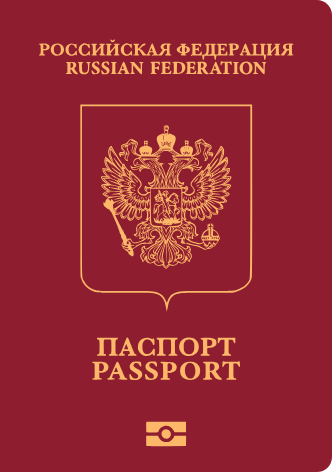
My Bradt guidebook to Georgia suggests that virtually everyone over 30 is bilingual and that Russian is being replaced by English as the second language in schools.
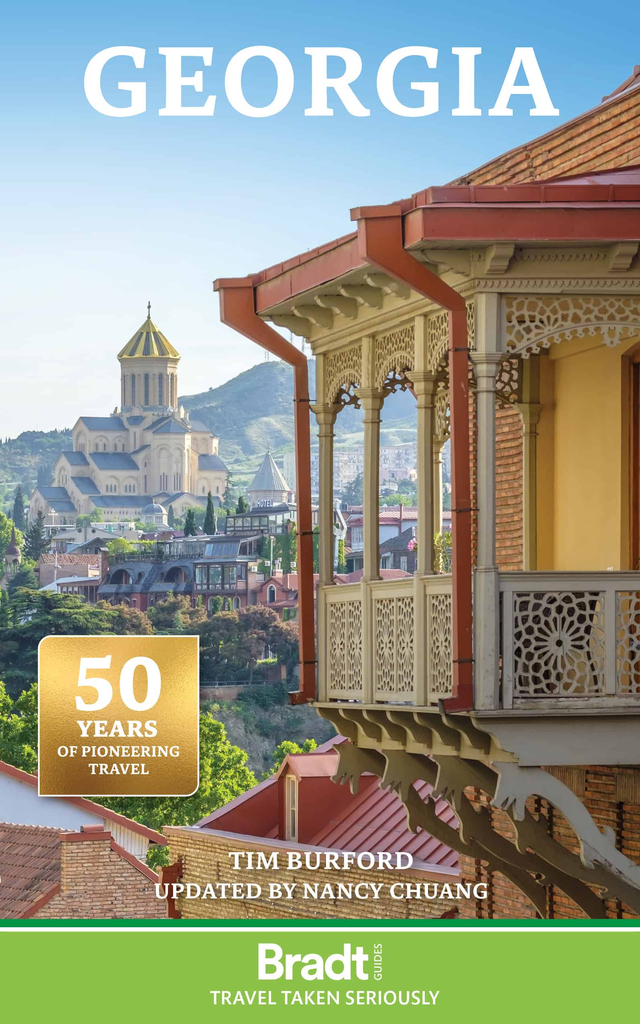
If this is so, then this may bode well for my future in Georgia.
The train travels on.
The Big Good hopefully awaits.