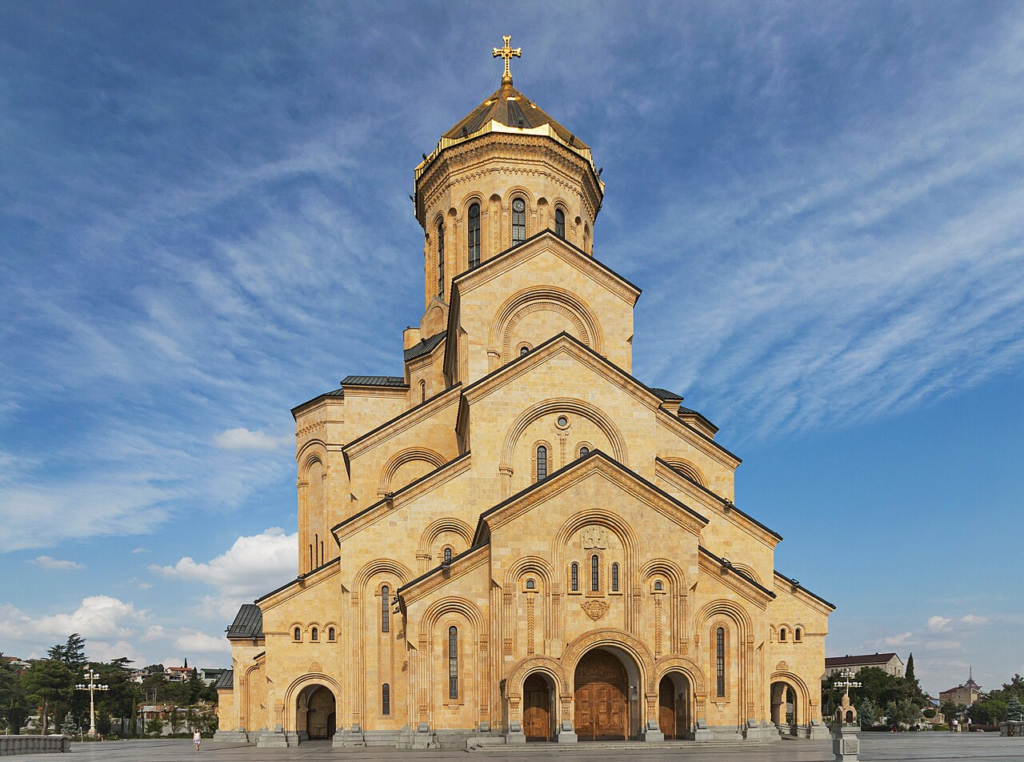
Above: Holy Trinity Cathedral, Tbilisi, Georgia
Wednesday 15 July 2026
Landschlacht, Canton Thurgau, Switzerland
Violent wind.
Heavy rain.
Hailstones.
Nothing about the weather yesterday did I have any control over.

Above: Weather Wizard (Mark Mardon) is a supervillain appearing in American comic books published by DC Comics.
We readily speak of acts of God.
Earthquakes.
Floods.
Lightning.
Events beyond human control.
Human decisions are another matter.
We vote.
We negotiate.
We persuade.
We intrigue.
We deceive.
We compromise.
Yet religious language repeatedly blurs that distinction.
Victories become God’s victories.
Defeats become God’s tests.
Elections become God’s choice.
Which raises a dangerous question.
Whose will is actually at work?
Monday 11 May 2026
Batumi, Adjara, Georgia
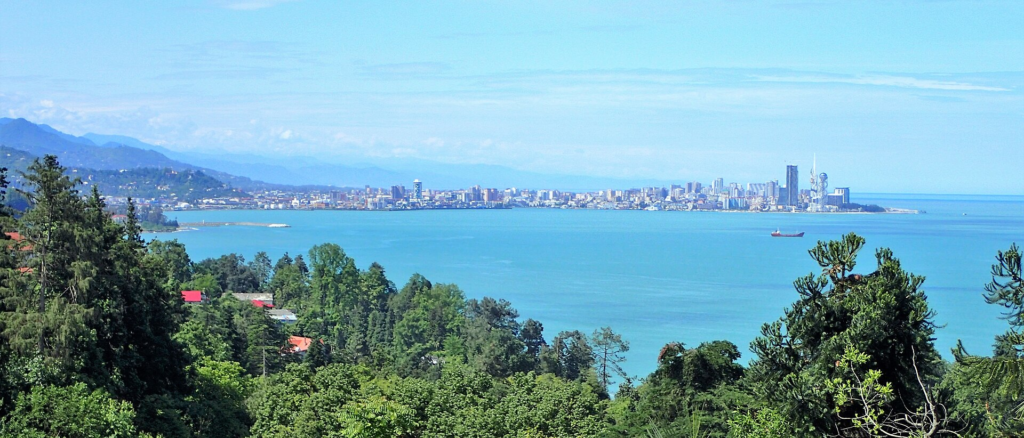
Above: Batumi, Adjara, Georgia
What astonishes me most is how little I know and how little is heard about Georgia.
I think that realization is one of the great rewards of travel.
Georgia is not an obscure country because it lacks history.
Quite the opposite.
It is obscure, at least in much of the English-speaking world, because it sits at the crossroads of several larger narratives and is often overshadowed by them.
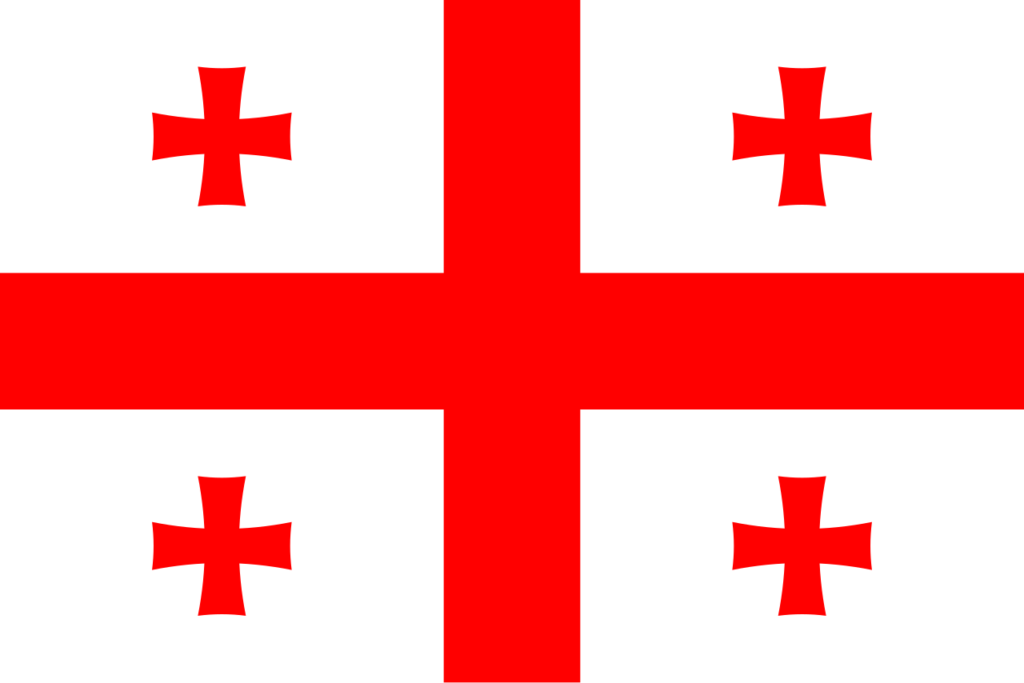
Above: Flag of Georgia
Consider just a few of the threads:
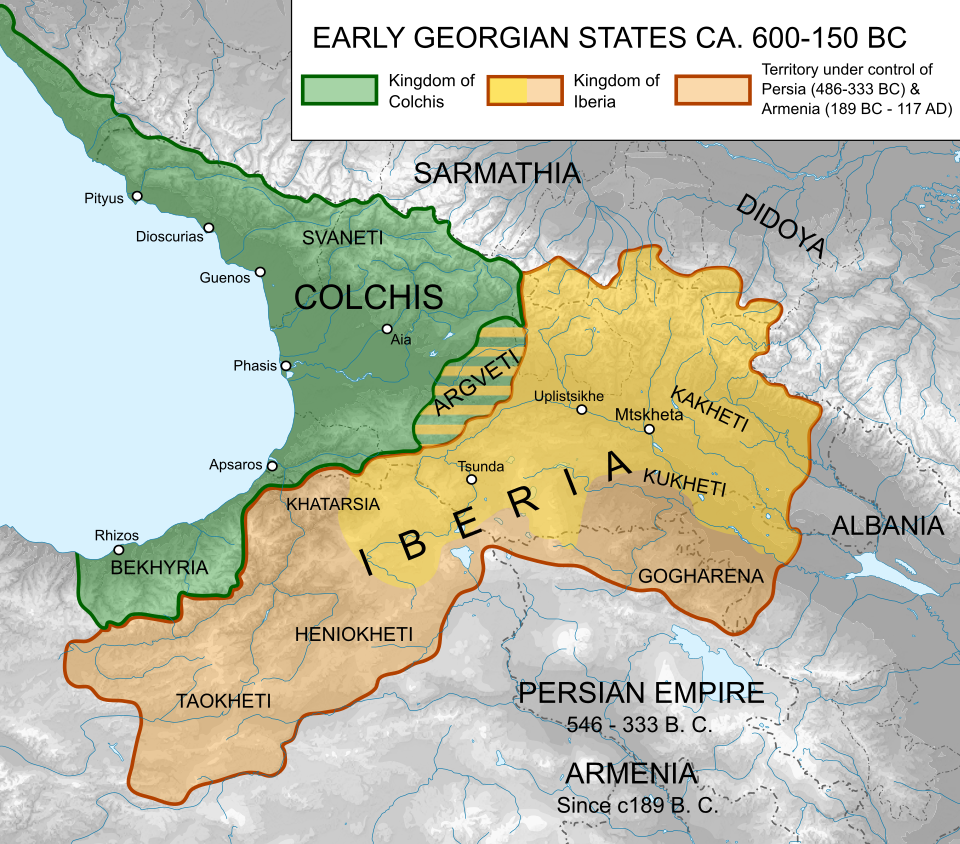
Georgia is a kingdom with over 3,000 years of recorded history, linked to the ancient kingdom of Colchis — the land of the Golden Fleece sought by Jason and the Argonauts.
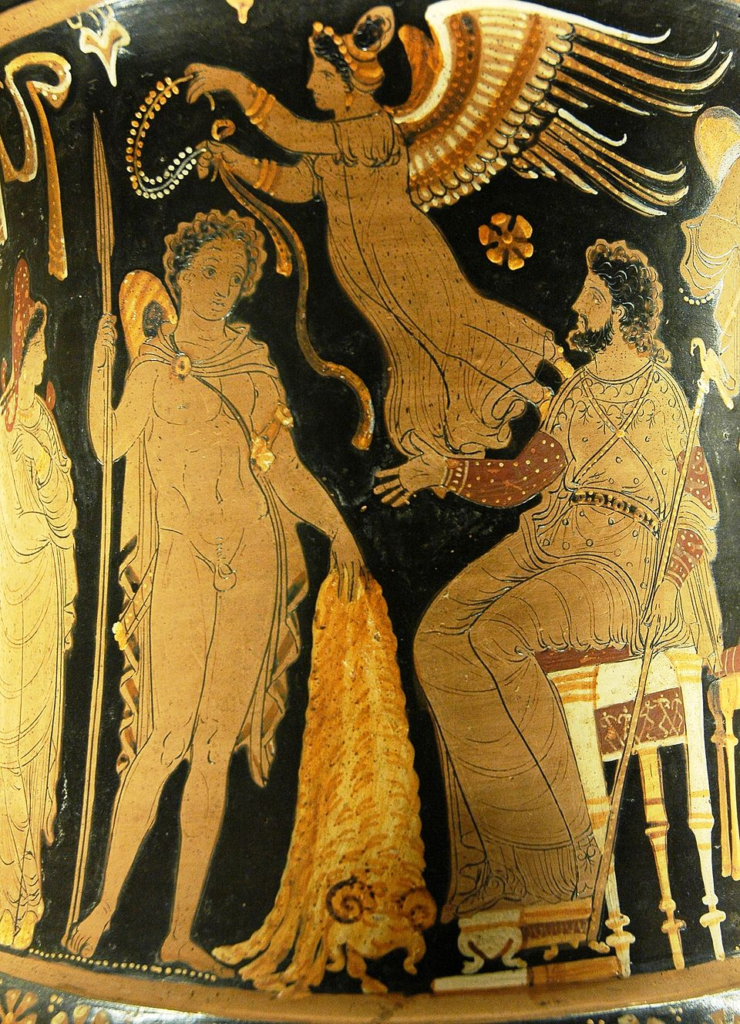
Above: Jason bringing Pelias the Golden Fleece. A winged victory prepares to crown him with a wreath.
Georgia was one of the first Christian kingdoms, adopting Christianity as the state religion in the early 4th century, centuries before much of Europe.
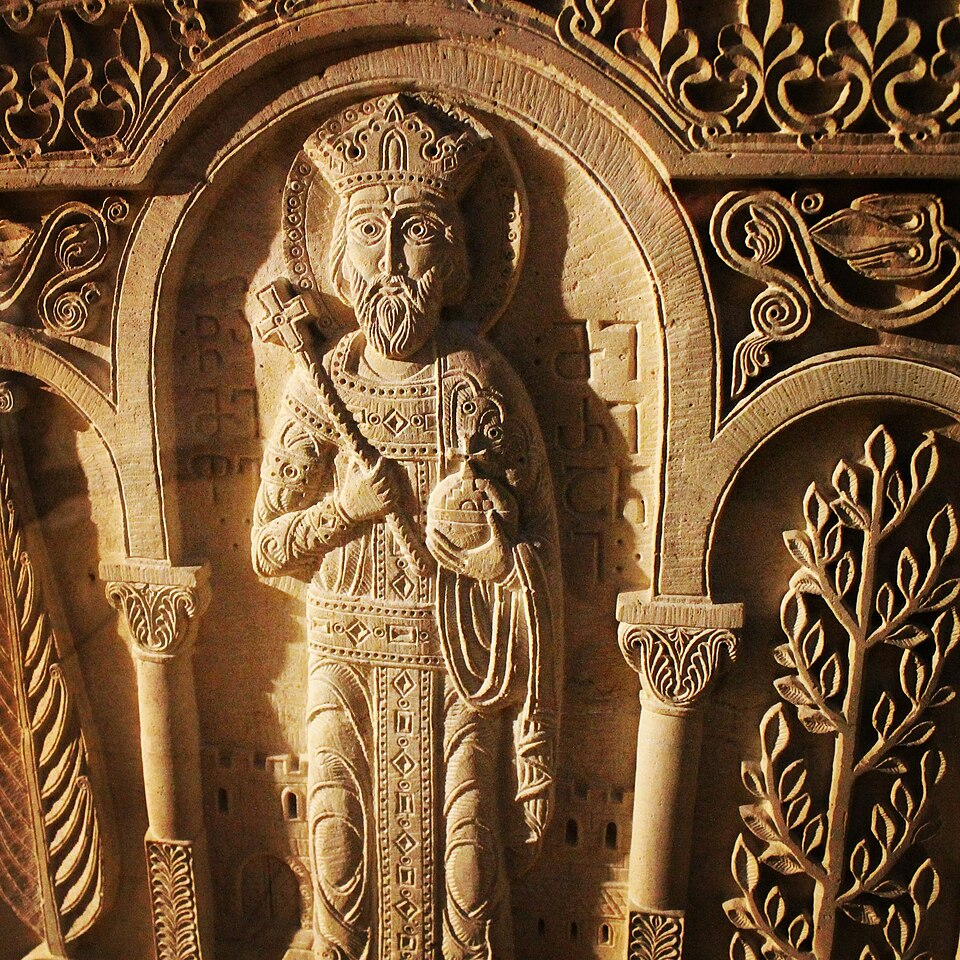
Above: Georgian King Mirian III (258 – 361) converted the nation to Christianity in the 4th century.
Georgian has a unique alphabet unlike any other in the world.
A language that belongs to its own Kartvelian family, unrelated to Indo-European, Turkic or Semitic languages.

Above: “Georgia” written in the Georgian language.
Georgia has medieval monasteries carved into cliffs, like David Gareja.
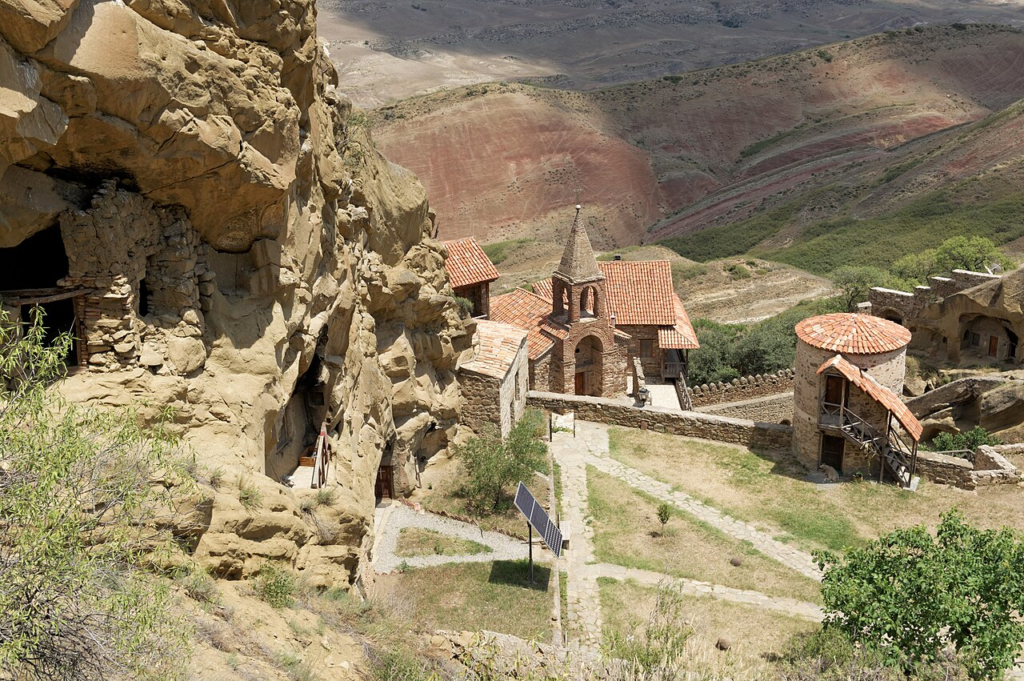
Above: David Gareja Monastery, Mount Gareja, Kakheti, Georgia
Georgia has a literary tradition stretching back to The Knight in the Panther’s Skin, one of the masterpieces of medieval literature.

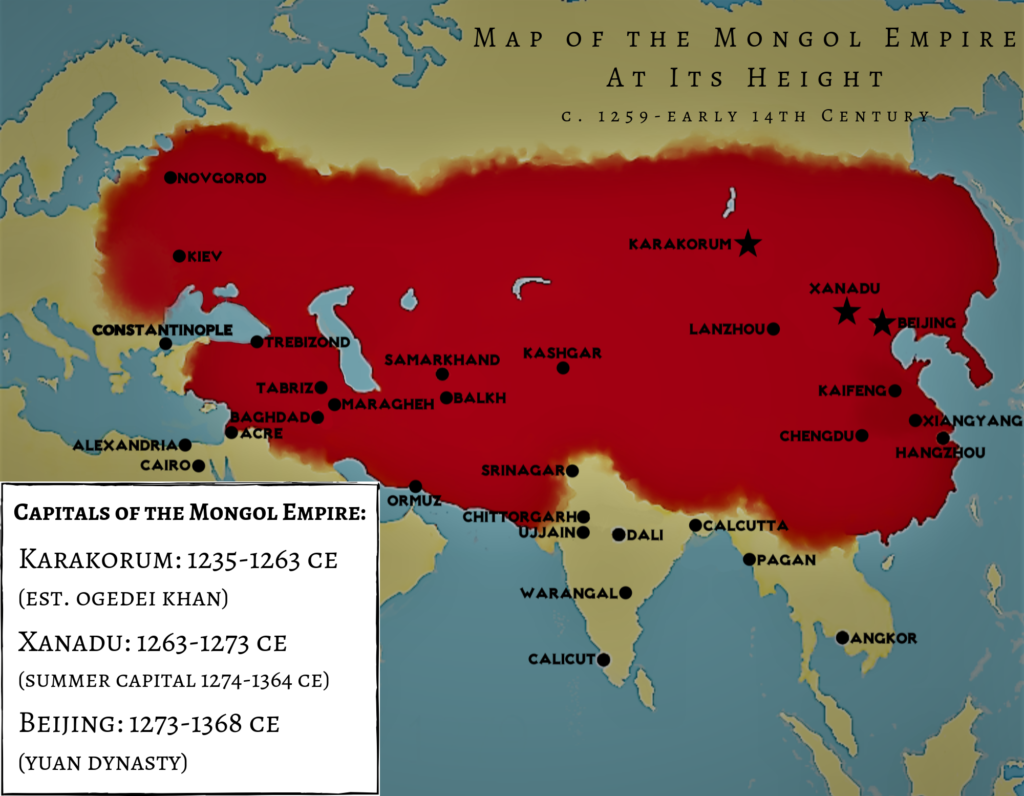
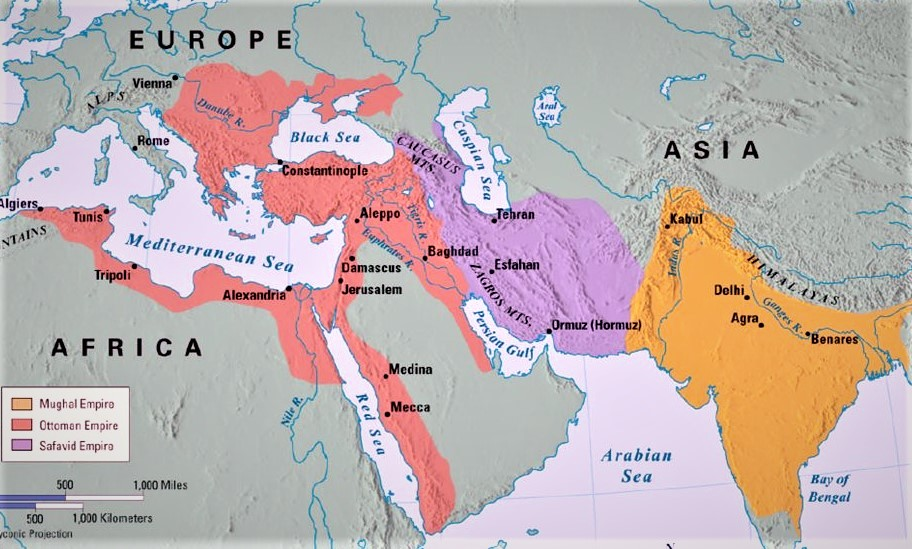
Georgia has been in the midst of centuries of conflict among Persians, Greeks, Byzantines, Arabs, Mongols, Ottomans and Russians.
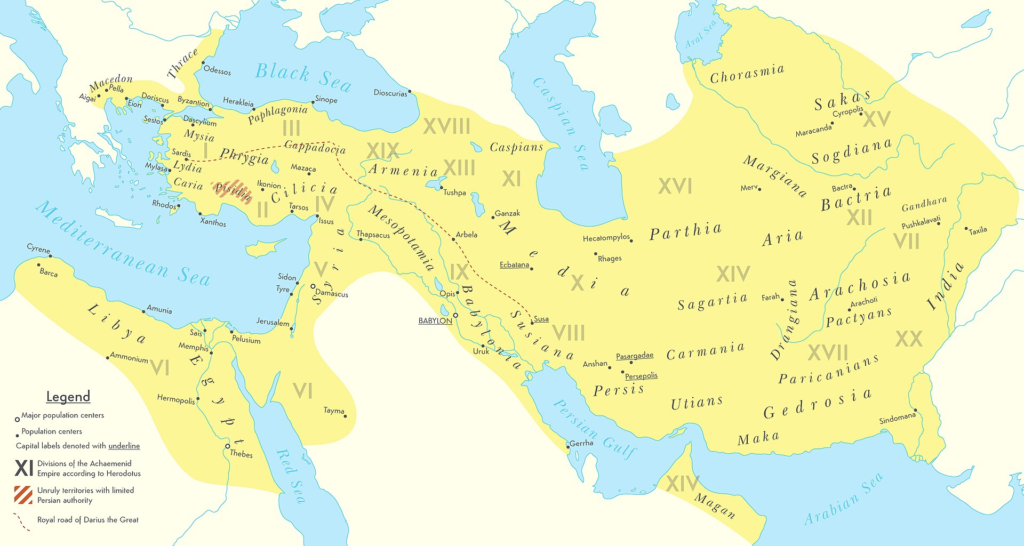
Above: Map of the Achaemenid (Persian) Empire’s greatest territorial extent, achieved during the reign of Darius the Great (522–486 BC)
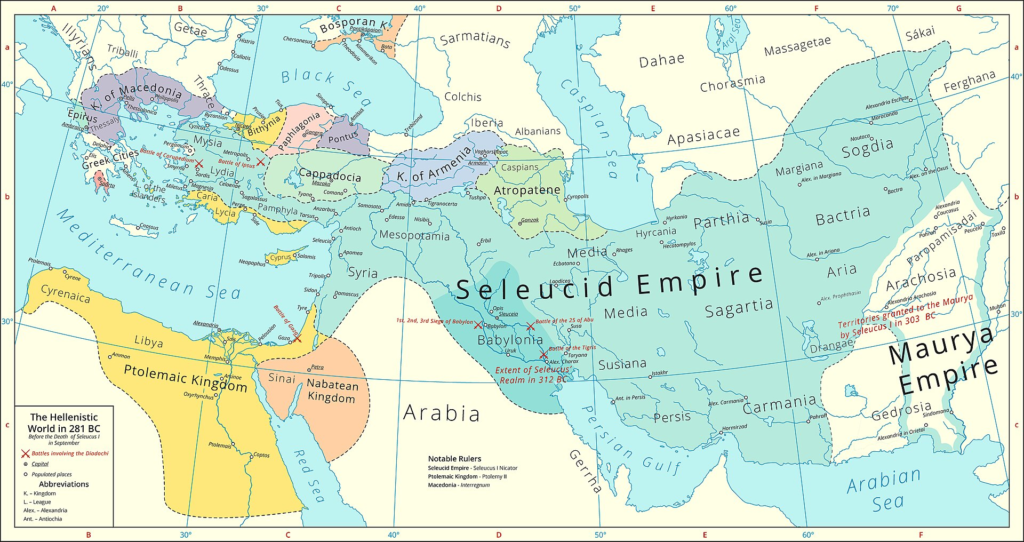
Above: Seleucid (Greek/Macedonian) territory in 281 BC, on the eve of the murder of Seleucus I Nicator (358 – 281 BC)
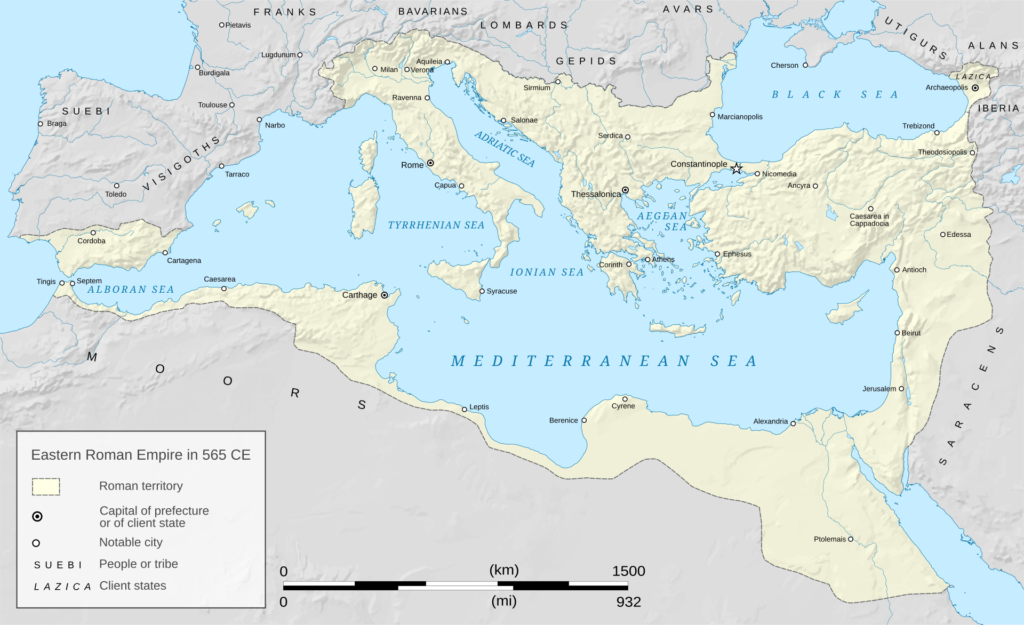
Above: The Byzantine (Eastern Roman) Empire at its greatest territorial extent in 565, at the end of Justinian I’s (482 – 565) rule
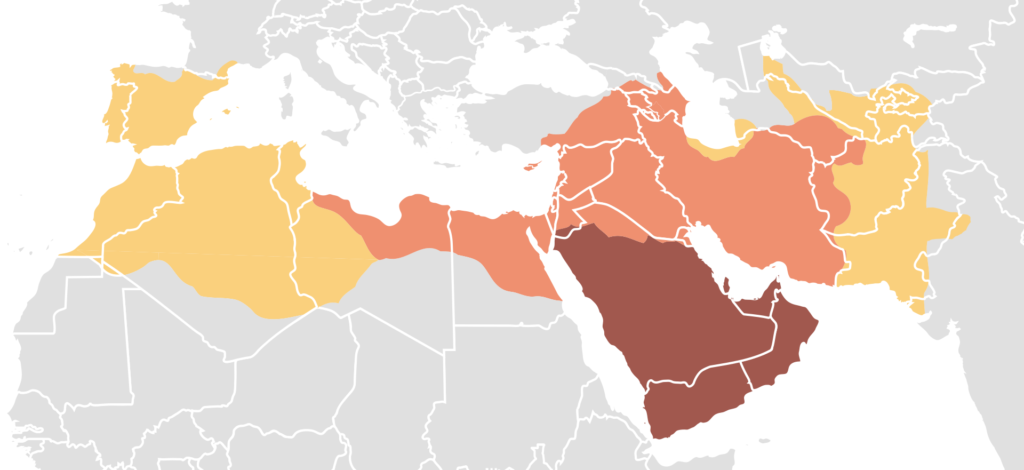
Above: (brown) Islamic expansion (622 – 632) under Muhammad (570 – 632) / (orange) Expansion during the Rashidun Caliphate (632 – 661) / (yellow) Expansion during the Umayyad Caliphate (661 – 750)
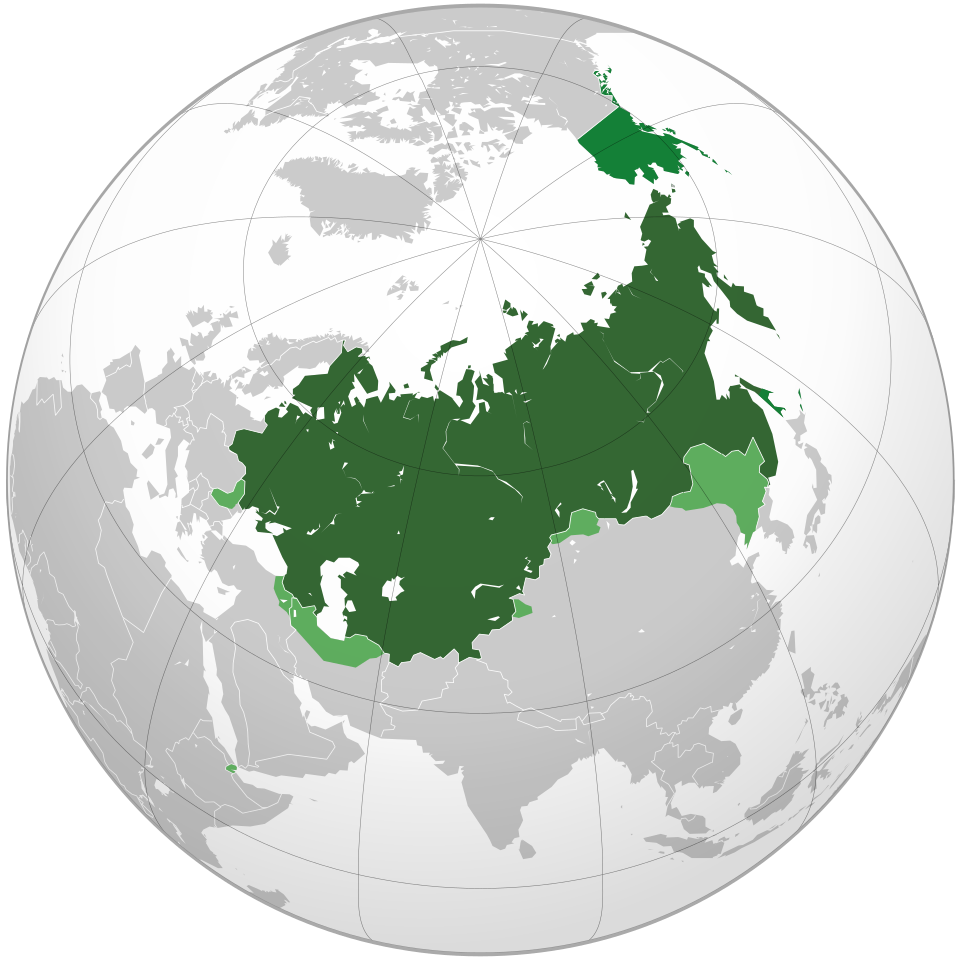
Above: Russian Empire (1721 – 1917)
Brief independence after World War I, Soviet rule, civil war after 1991, the 2008 war with Russia, and continuing debates over Europe, Russia, and national identity.
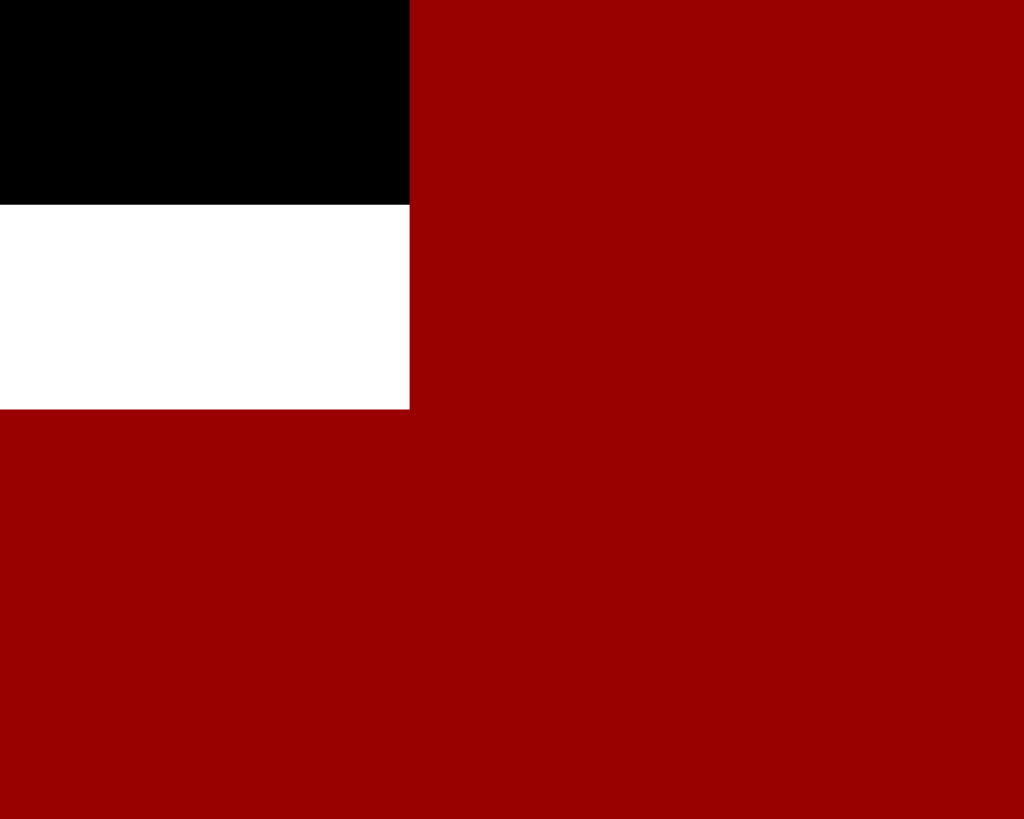
Above: Flag of the Democratic Republic of Georgia (1918 – 1921)
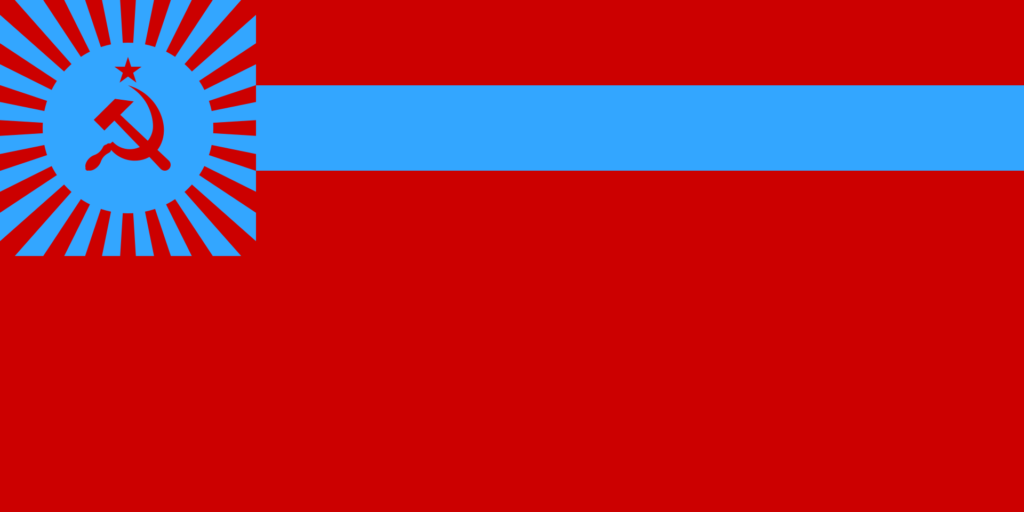
Above: Flag of the Georgian Soviet Socialist Republic (1936 – 1990)
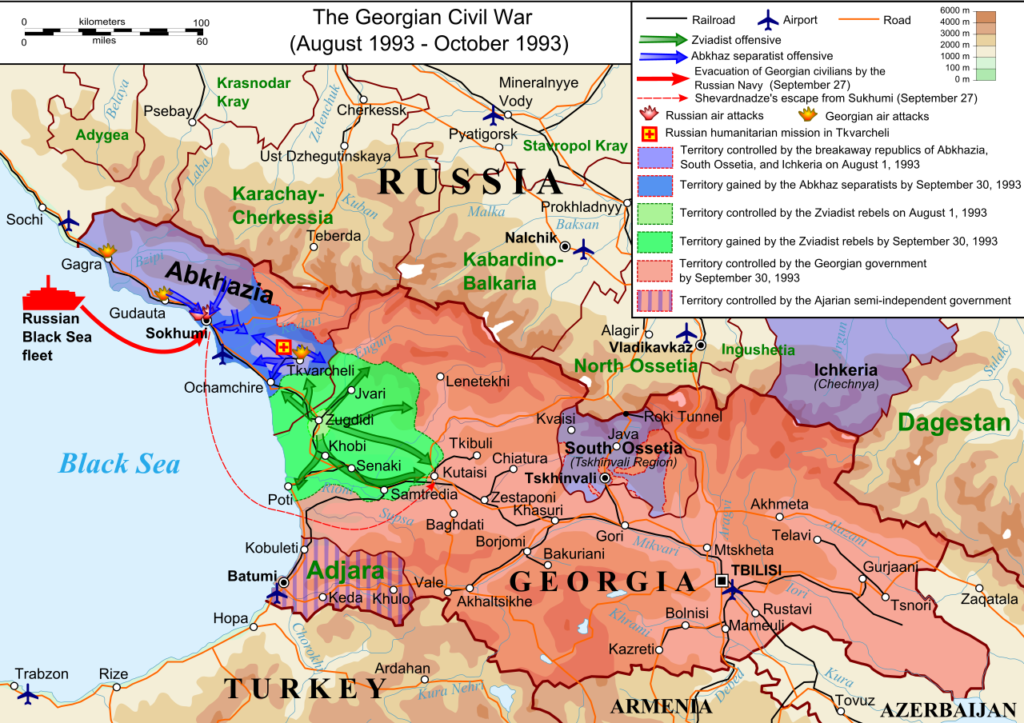
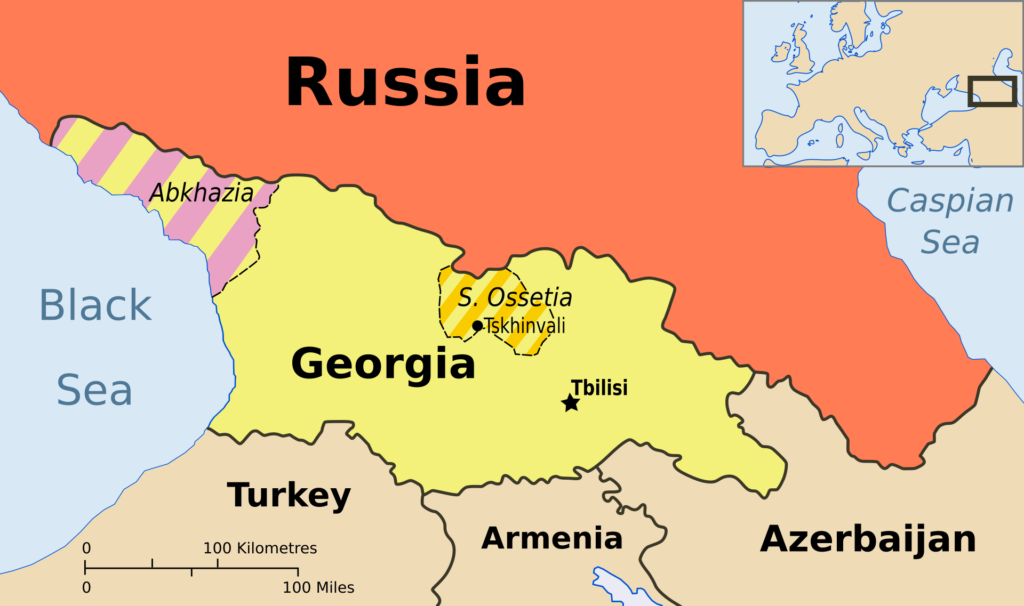
Above: Georgia, Ossetia, Russia and Abkhazia
There are times when all the world’s asleep.
The questions run too deep
For such a simple man.
Won’t you please, please tell me what we’ve learned?
I know it sounds absurd,
Please tell me who I am.
That is an astonishing amount of history packed into a country of fewer than four million people.
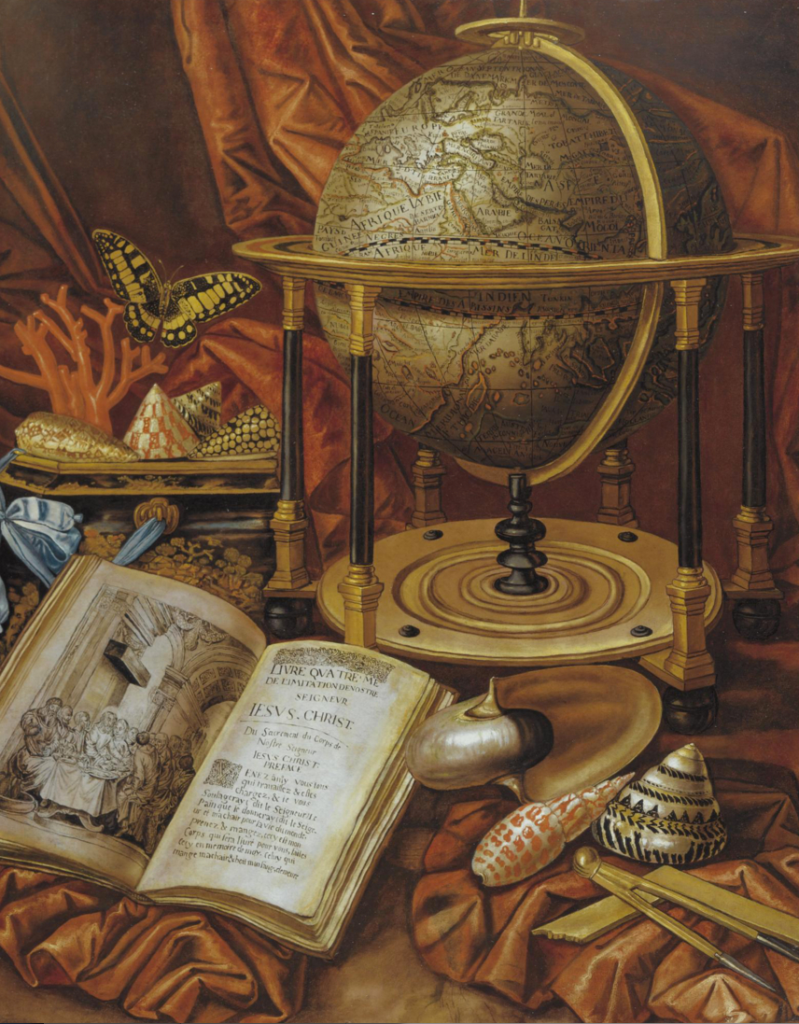
One reason we hear relatively little about Georgia is that it has rarely been a great imperial power.
Much of what English-language education covers is the history of states that projected power across the globe — Britain, France, Spain, Russia, the United States, China.
Georgia has more often been the place where empires met than an empire itself.

Another reason is geography.
Georgia sits in the Caucasus, a region that many people could scarcely locate on a map.
Yet it has always been strategically important because it lies between Europe and Asia, the Black Sea and the Caspian, Russia and the Middle East.
Trade, armies, religions and ideas have all passed through it.
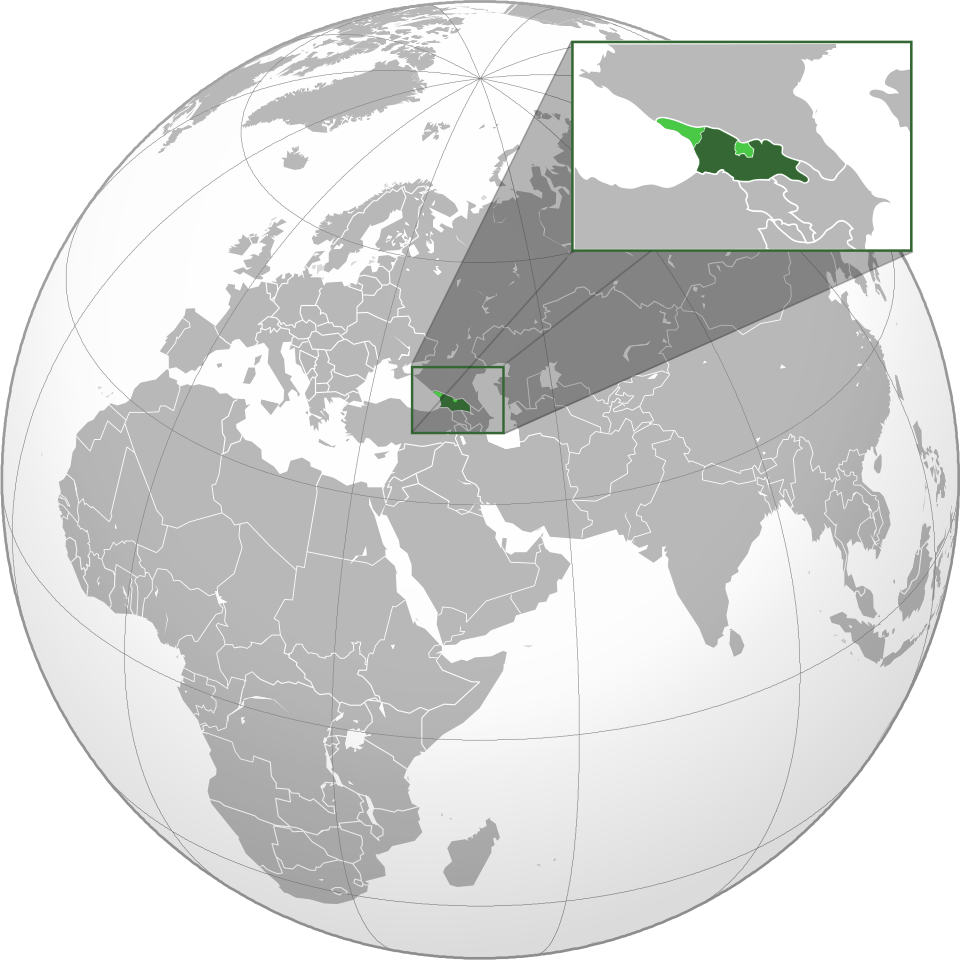
Above: (in green) Georgia
Georgia has quietly influenced world history in ways many people don’t realize.
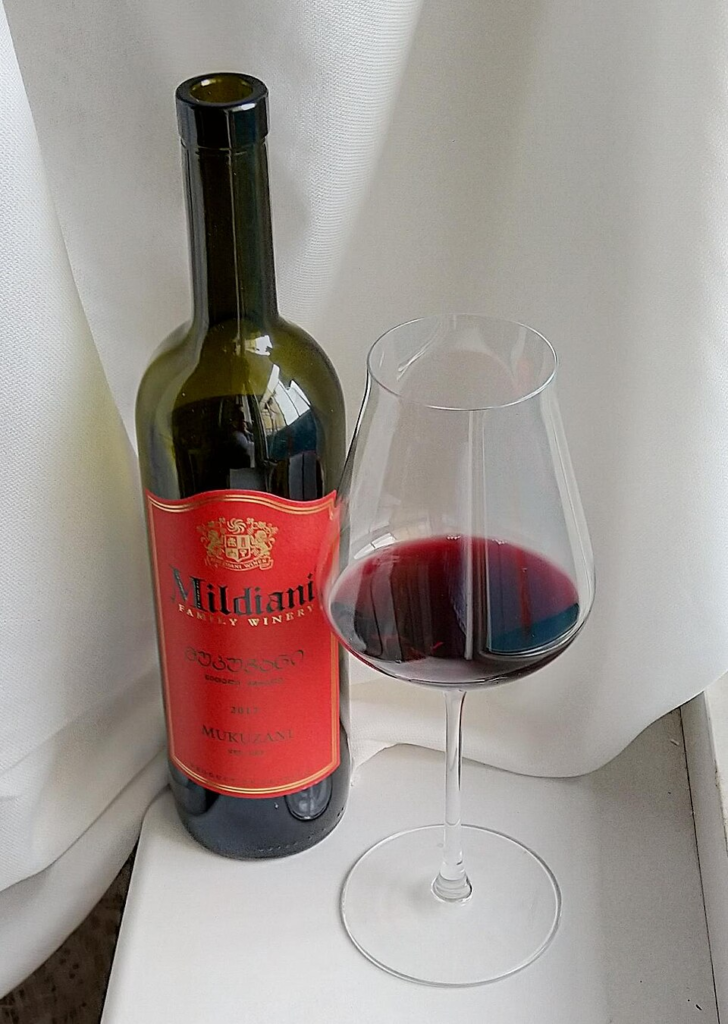
Wine production there dates back some 8,000 years, making it one of the strongest claimants to the title of the birthplace of winemaking.
Georgian monks preserved Christian traditions through centuries of invasion.
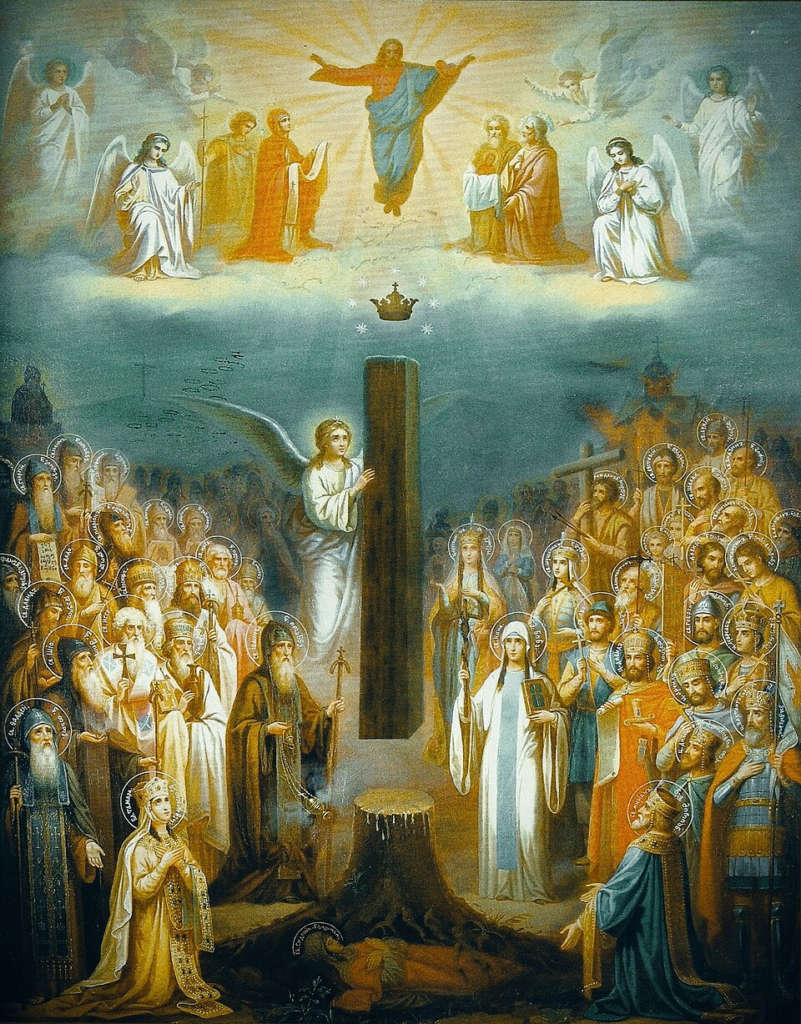
Above: Eastern Orthodox Christianity is the main religion in Georgia. Here, the icon depicts the history of the Georgian Orthodox Church, which, to this day, is recognized as the country’s majority religion.
Georgian soldiers served in Byzantine, Persian and Russian armies.
In the 20th century, one of the most consequential figures in world history, Joseph Stalin, was himself a Georgian from Gori — a reminder that even a small country can leave an outsized mark on the world.
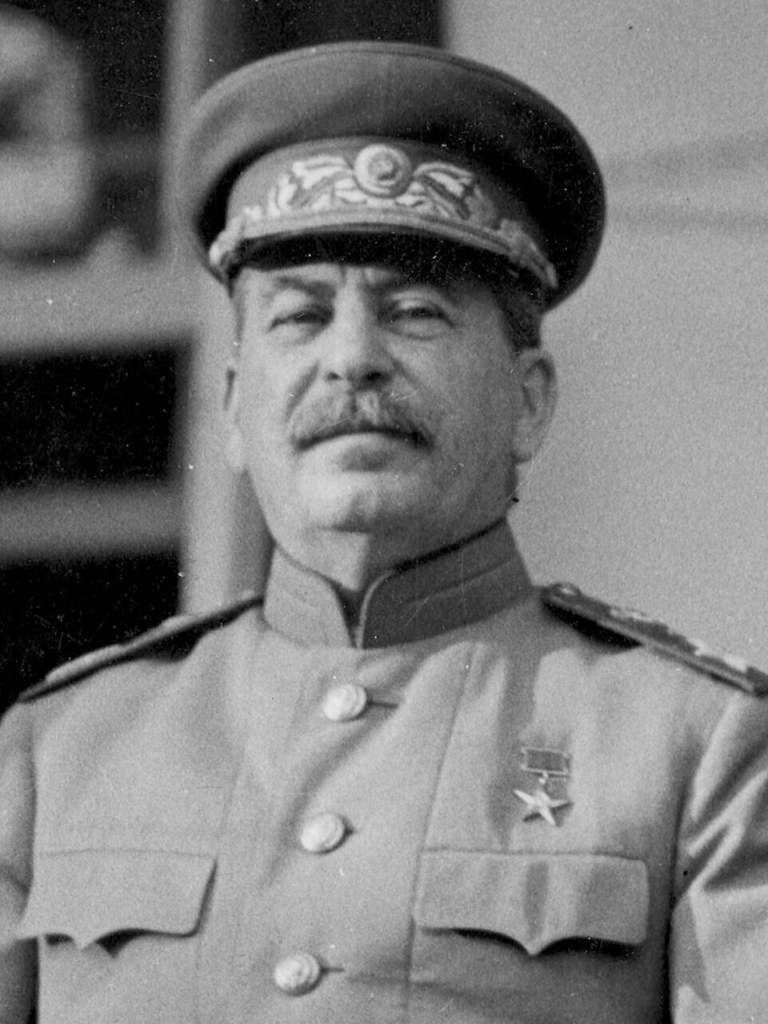
Above: Soviet dictator Joseph Stalin (1878 – 1953)
Georgia has become more than another destination on an itinerary.
It has become a place that continually surprises.
Those are the kinds of discoveries that tend to stay with a traveller long after the passport stamps have faded.

I discovered that 11 May 2026 was a remarkable day in Georgia for reasons unconnected to my person.

I did not perceive religion strongly in Batumi.
Batumi feels almost Mediterranean.
It has:
- casinos
- beach tourism
- glass skyscrapers
- cafés
- Turkish investment
- Russian and Ukrainian visitors
- a notable Muslim community alongside Orthodox Christians
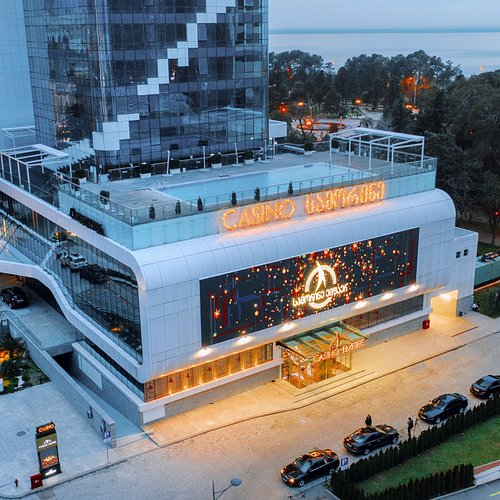
Above: Casino, Batumi
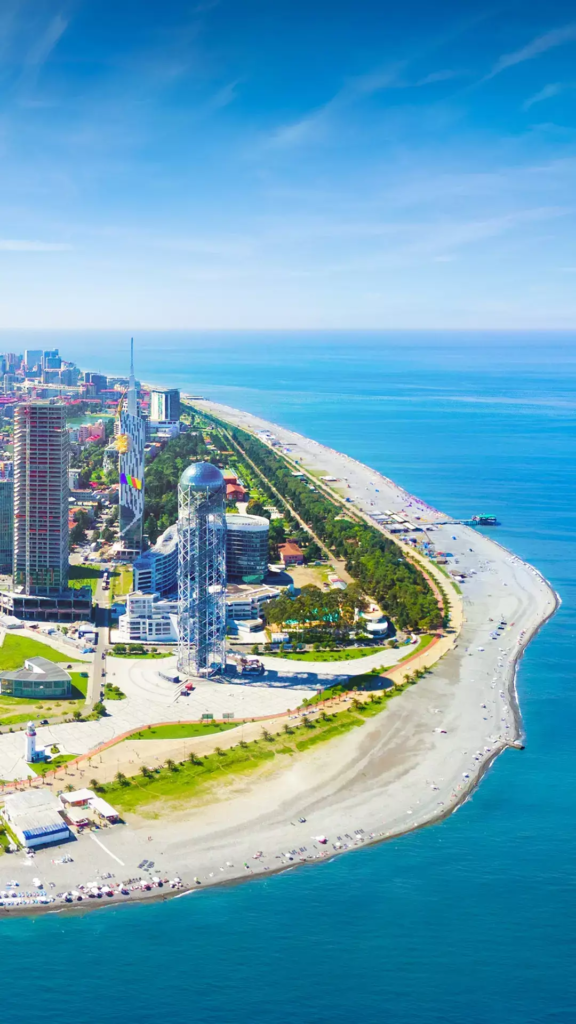
Above: Batumi Beach
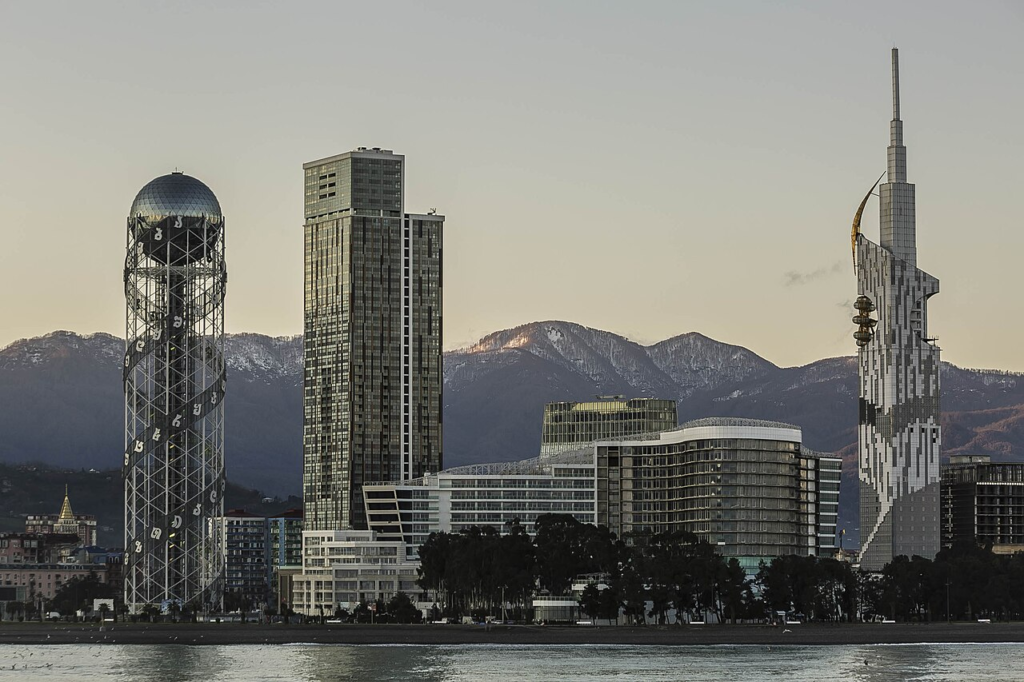
Above: Batumi
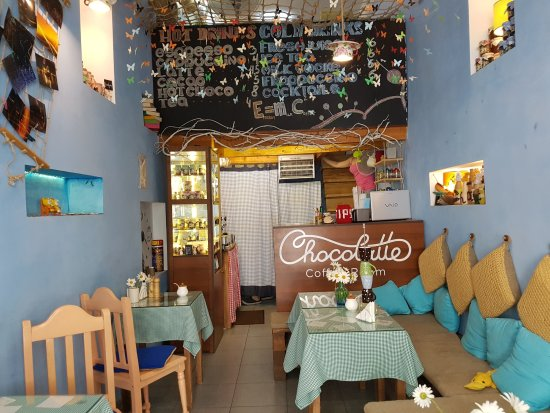
Above: Chocolatte Coffee Room, Battumi
Above: Flag of Türkiye
Above: Flag of Russia
Yet the city has long been a crossroads of religions.
Within a relatively short distance you can find an Orthodox cathedral, a mosque, an Armenian church, a Catholic church and even a synagogue.
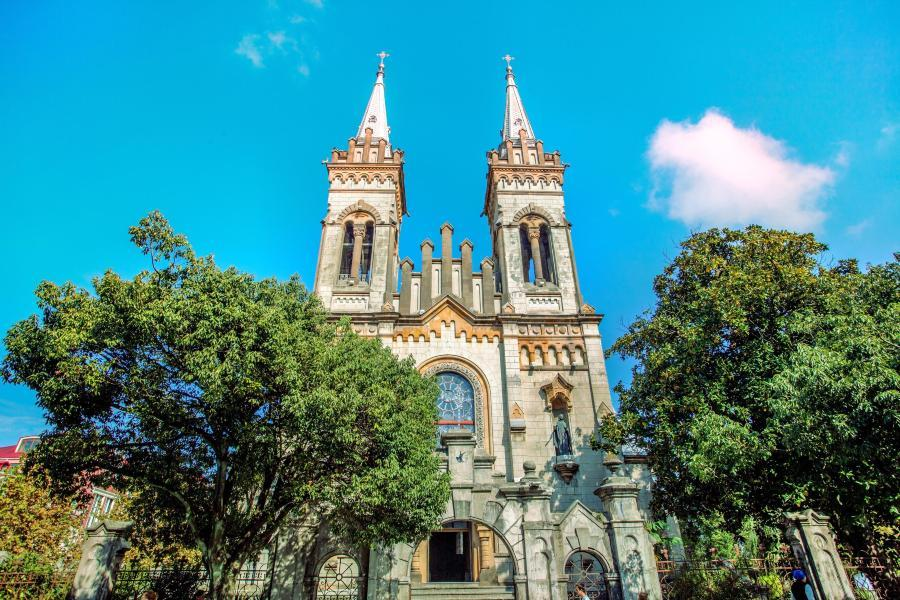
Above: Holy Mother Virgin Nativity Cathedral, Batumi
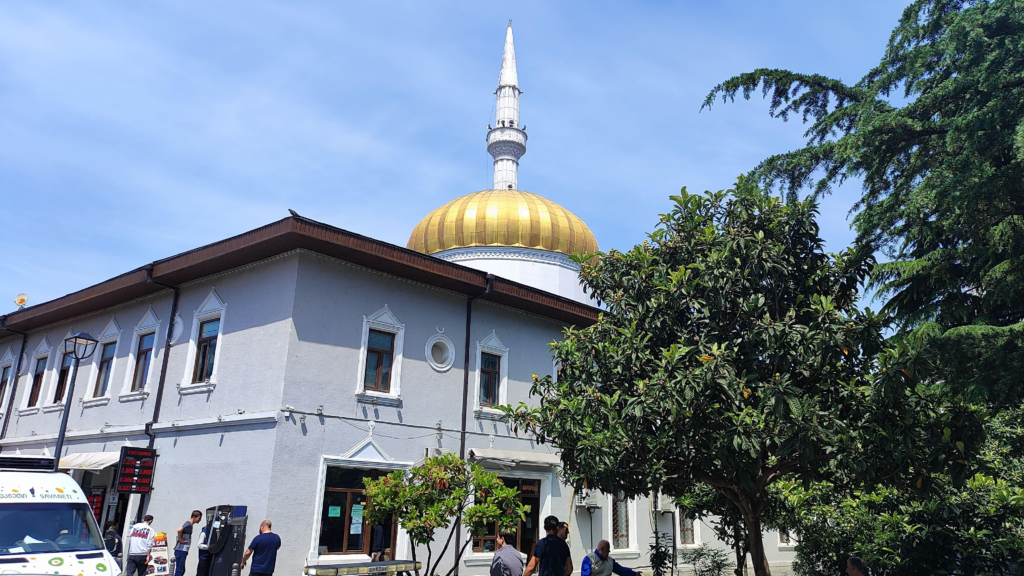
Above: Batumi Central / Orta Jame Mosque, Batumi
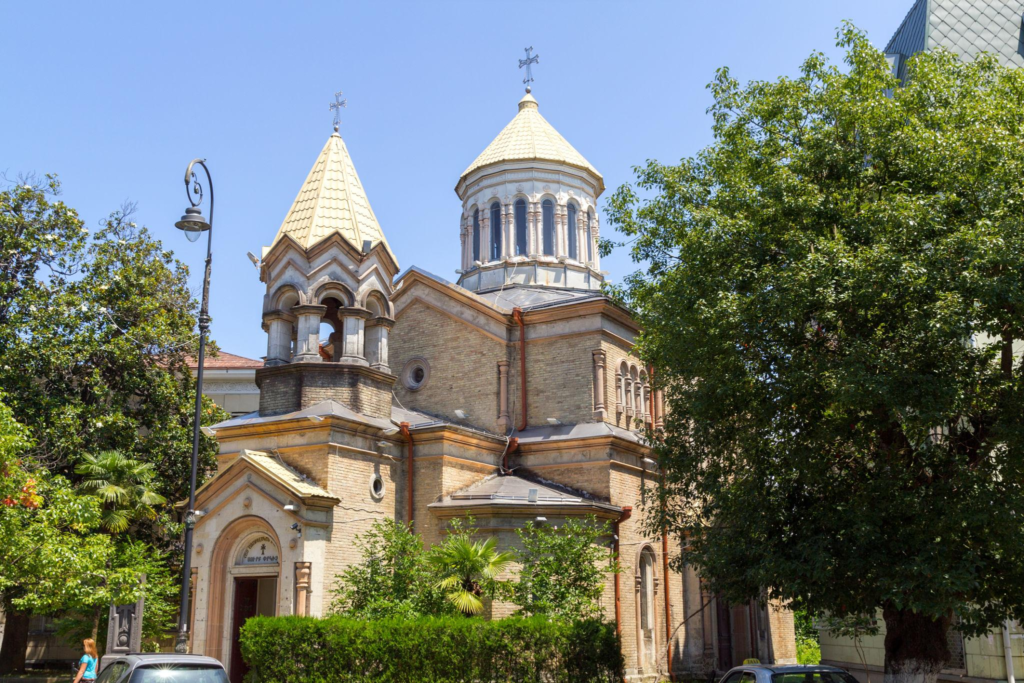
Above: Christ the Saviour Armenian Apostolic Church, Batumi
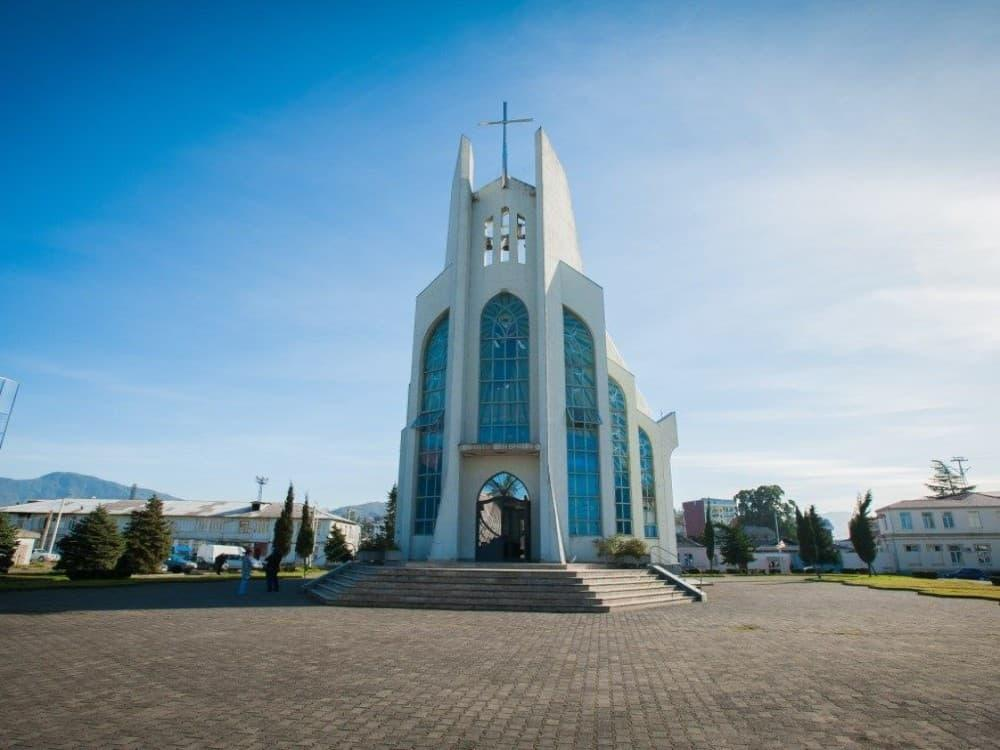
Above: Catholic Church of the Holy Spirit
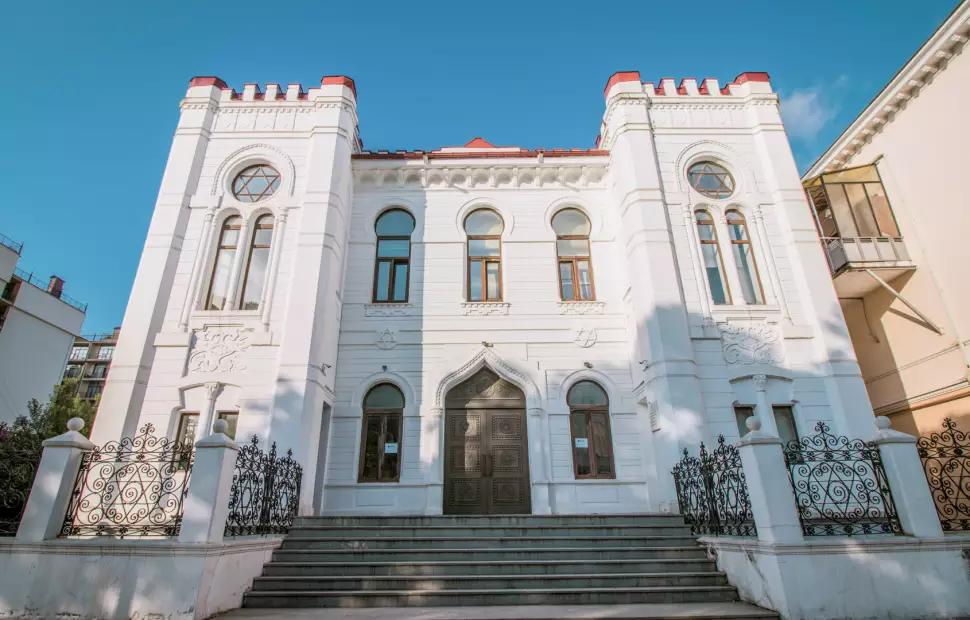
Above: Batumi Synagogue
Religion is certainly present, but it shares space with commerce, tourism and cosmopolitan life.
At the time, I knew none of this.
My concerns were considerably more mundane.
Would the Turkish border guard fine me again?
Could I find my hotel?
Would my booking be honoured?
Would there be somewhere to eat before I collapsed into bed?

Above: Batman Forever (1995) poster
Only later, rereading my journal, did I discover that while I was wrestling with border formalities and a disputed hotel booking, another drama was unfolding only a few kilometres away.
As I was struggling with border formalities, a disputed hotel booking and 43 flights of stairs, only a few hours away in the Holy Trinity Cathedral in Tbilisi the choice of a new leader of the faith.
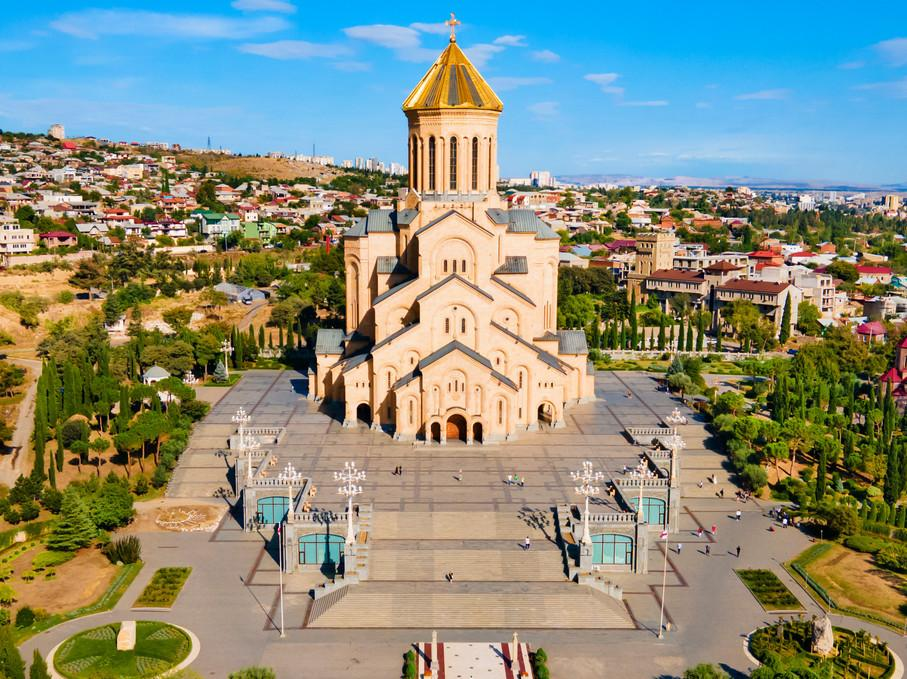
Above: Holy Trinity Cathedral, Sameba, Tbilisi
And the next day, only a few kilometres away in Mtskheta, the Georgian Orthodox Church would soon celebrate a new patriarch after the end of the nearly half-century reign of Ilia II of Georgia.
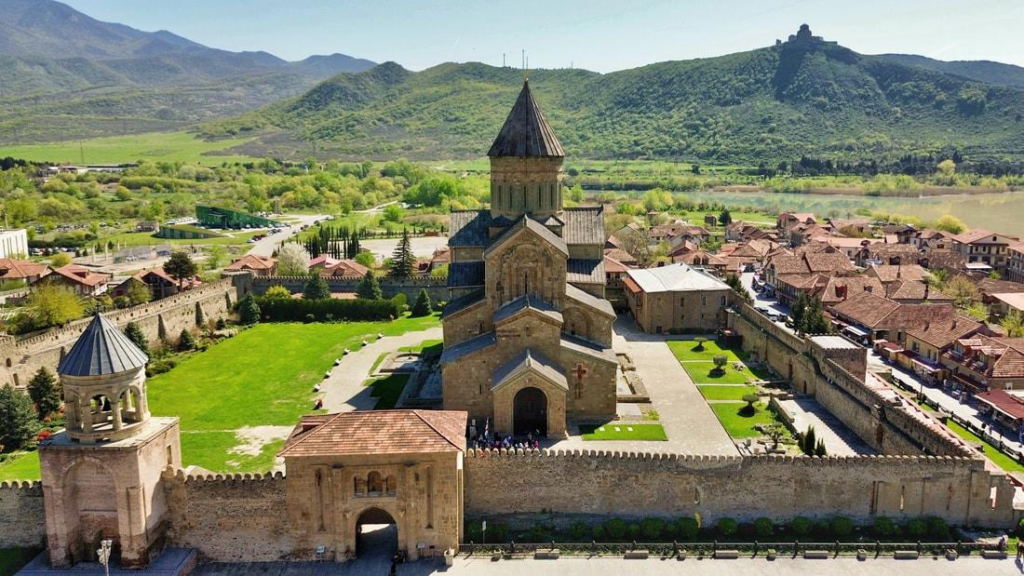
Above: Mtskheta is one of Georgia’s oldest cities and served as the Kingdom’s ancient capital. Located at the confluence of the Mtkvari and Aragvi rivers, it is widely regarded as the spiritual heart of the country, with several UNESCO-recognized religious monuments that make it one of Georgia’s most significant cultural destinations.
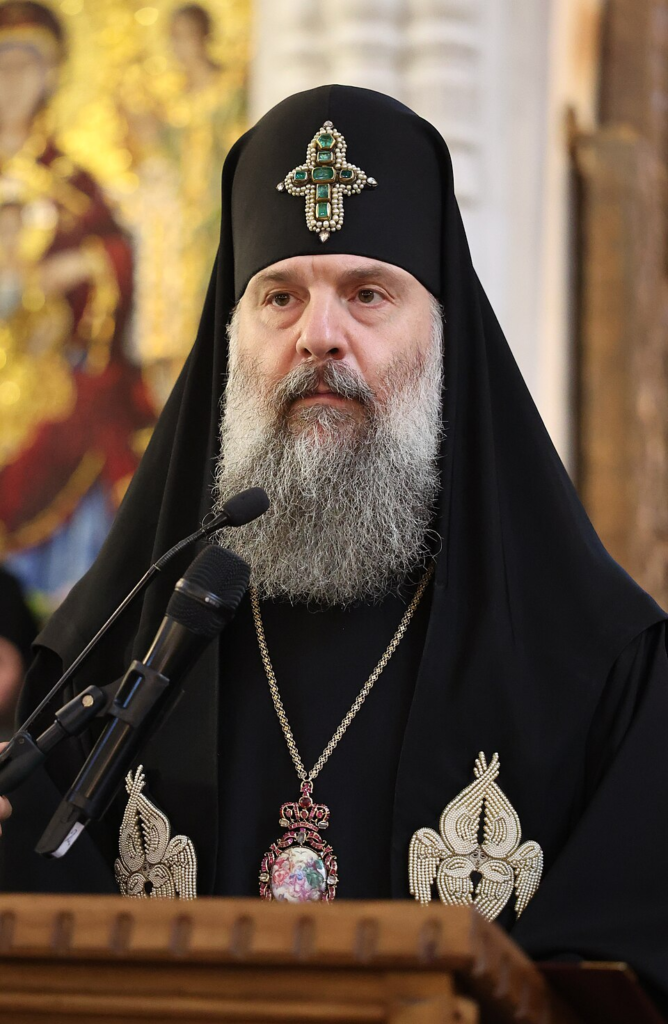
Above: Patriarch of the Georgian Orthodox Church Shio III
My personal chronicle and Georgia’s national chronicle briefly intersect.
That is beautiful.
Because it reminds us of something travellers often forget.
History is always happening around us.
While I was arguing over a hotel bill…
Someone else was voting for a patriarch.
Tbilisi was the place of decision.
Mtskheta was the place of legitimization.
The modern capital provided the vote; the ancient capital provided the sacred continuity.
For a country as conscious of its history as Georgia, that distinction is not accidental.
In other words, while the ballots were cast in Sameba Cathedral, the new patriarch became truly Patriarch of All Georgia only when he stood beneath the stones of Svetitskhoveli, where generations of Georgian kings, saints and church leaders had stood before him.
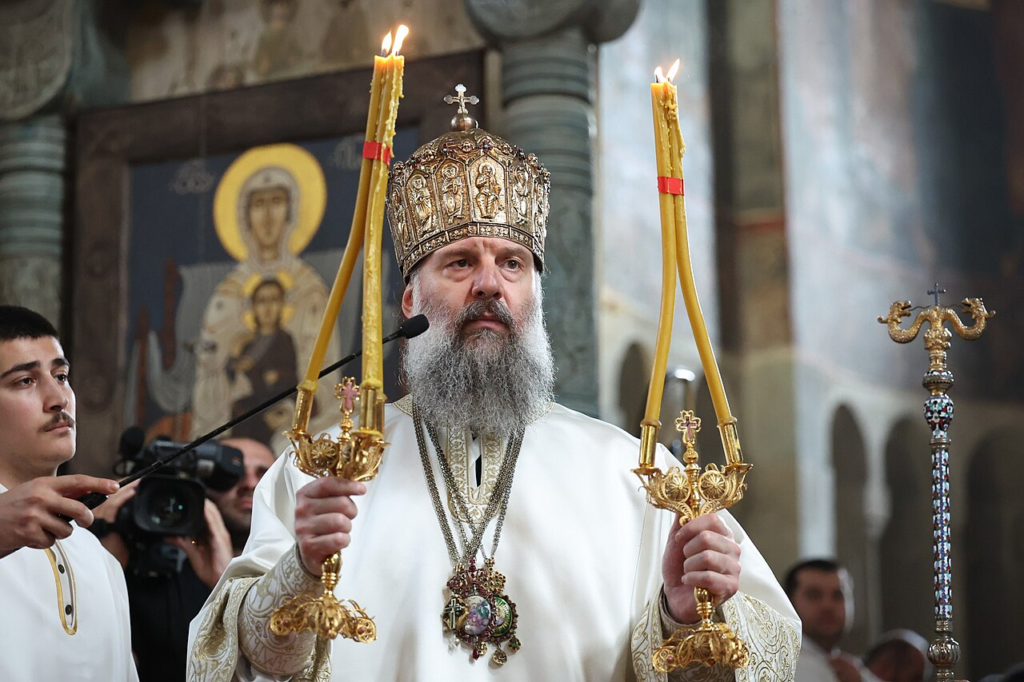
Above: The enthronement of Shio III
While Julius Caesar (100 – 44 BC) crossed the Rubicon…
Someone else was buying bread.
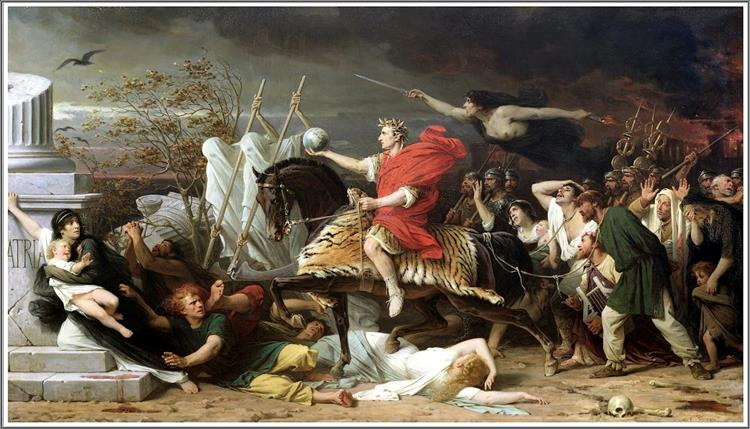
Above: Caesar crossing the Rubicon, 11 January 45 BC, Adolphe Yvon (1875)
The phrase “crossing the Rubicon” is an idiom meaning “passing the point of no return“.
Its meaning comes from the crossing of the Rubicon river by Julius Caesar in January 49 BC at the head of the 13th Legion.
Caesar was not allowed to command an army within Italy proper, and by crossing the river with his forces was defying law and risking death.
The crossing precipitated a civil war, which eventually led to Caesar becoming dictator for life (dictator perpetuo).
While the Berlin Wall fell…
Someone was worrying about missing a train.
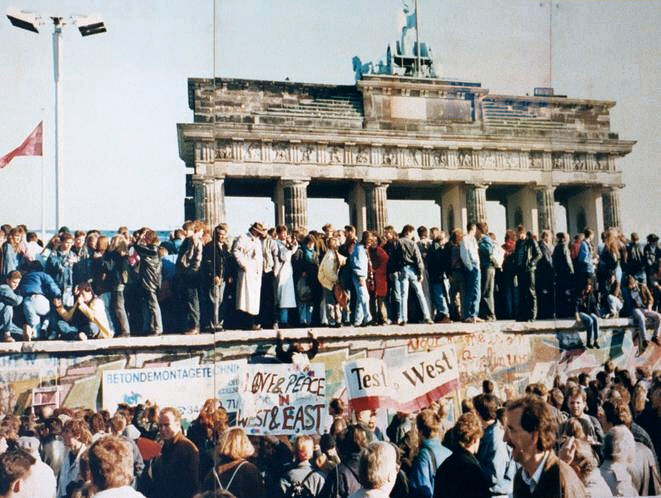
Above: The Berlin Wall fell on 9 November 1989 during the Peaceful Revolution, marking the beginning of the destruction of the figurative Iron Curtain, as East Berlin transit restrictions were overwhelmed and discarded.
Sections of the Wall were breached.
Planned deconstruction began the following June.
It was one of the series of events that started the fall of communism in Central and Eastern Europe.
The fall of the inner German border took place shortly afterward.
An end to the Cold War (1947 – 1991) was declared at the Malta Summit on 2 – 3 December 1989.
German reunification took place on 3 October 1990.
History rarely announces itself to ordinary people living through it.
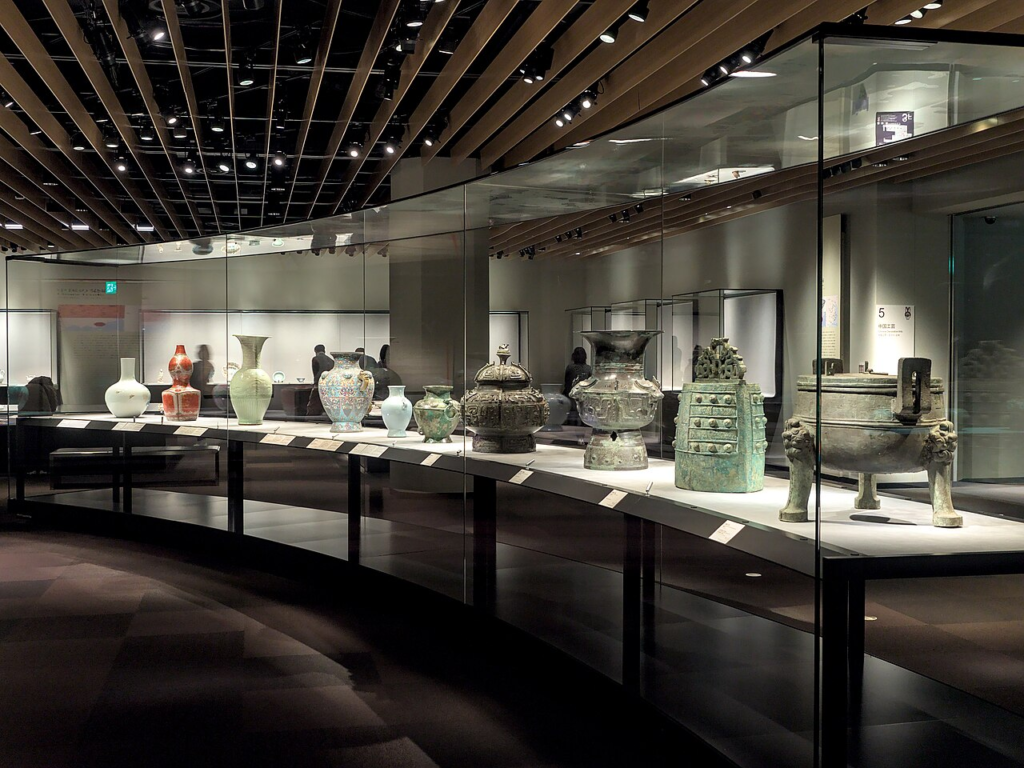
Places become intelligible only when you understand the people and institutions that shape them.
In Georgia, the Church is one such institution.
What makes the election fascinating is not simply religion, but the extraordinary influence of the Georgian Orthodox Church.
Unlike in many Western countries, where churches are one institution among many, in Georgia the Church has consistently been one of the most trusted public institutions since independence.
The Patriarch is therefore not merely a religious leader.
He is often a national moral authority whose opinions can affect politics, foreign policy, education and debates about national identity.
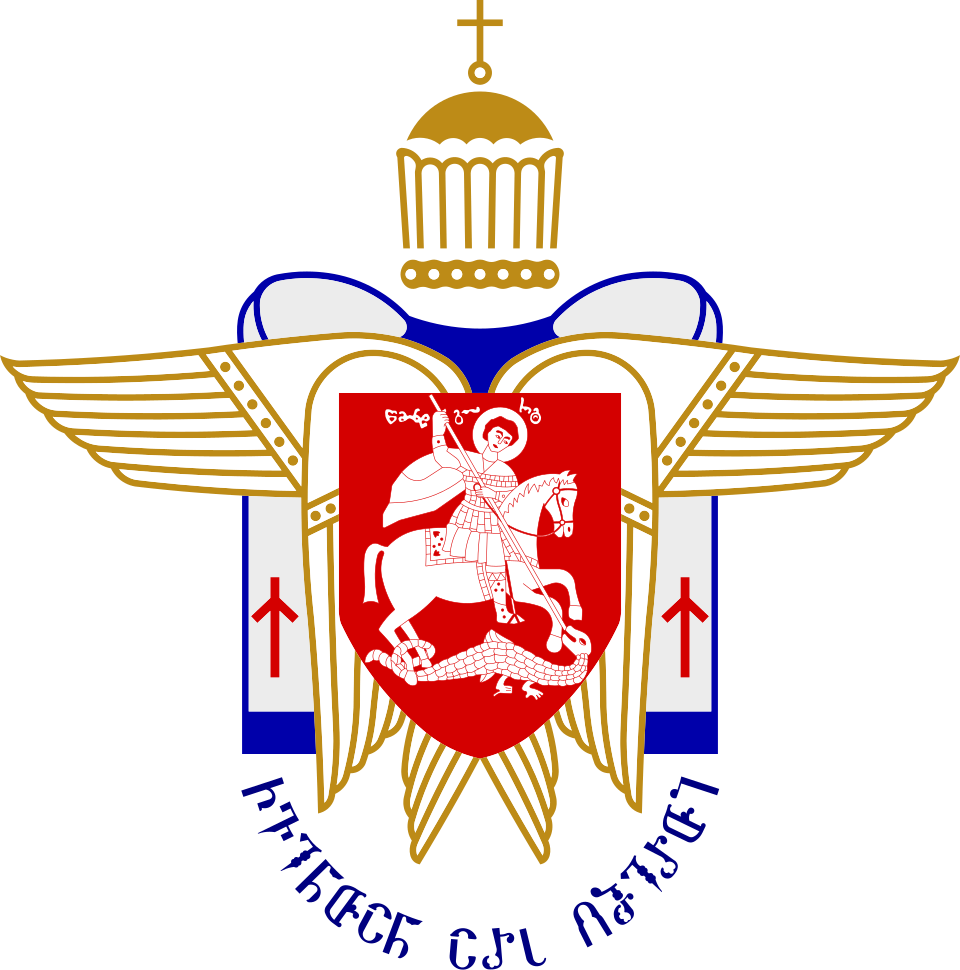
Above: Coat of arms of the Georgian Orthodox Church
On 11 May 2026, following the death of Catolichos-Patriarch of All Georgia Ilia II of Georgia, the Holy Synod of the Georgian Orthodox Church held an election to choose a successor.
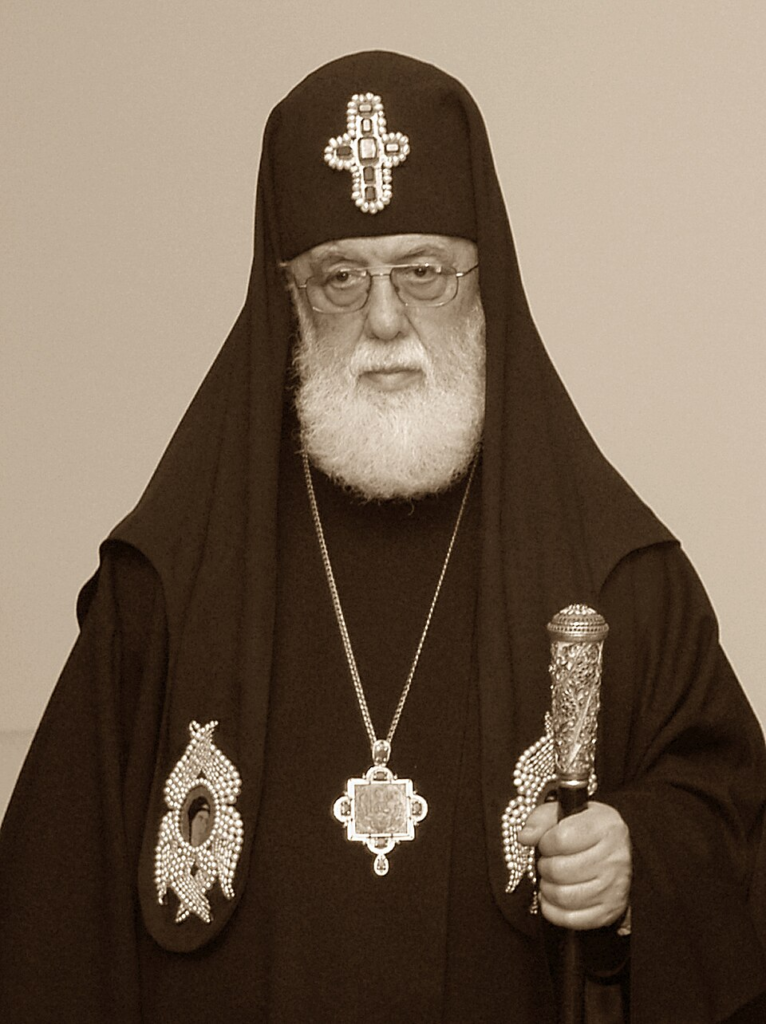
Above: Georgian Patriarch Ilia II (né Irakli Gudushauri-Shiolashvili) (1933 – 2026)
Shio III of Georgia won with 22 votes and ascended to the post from his former role as Bishop of Senaki and Chkhorotsku the following day.
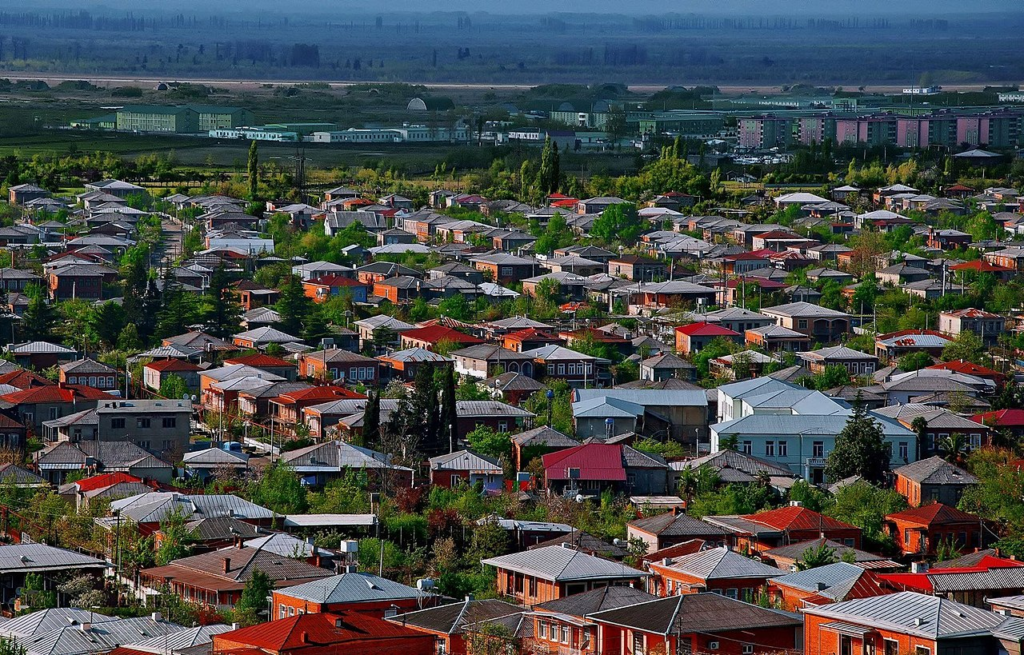
Above: Senaki, Samegrelo – Zemo Svaneti, Georgia
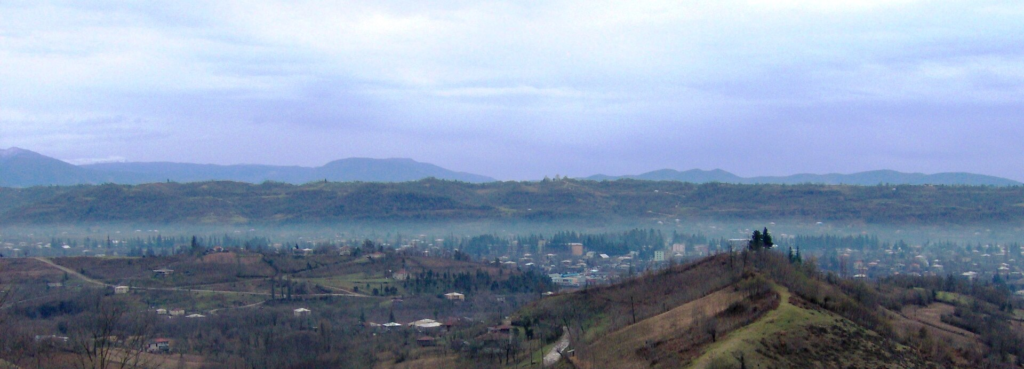
Above: Chkhorotsku, Samegrelo – Zemo Svaneti, Georgia
In reading Shio III’s bio, I have learned that:
- there is a Georgian diaspora
The Georgian diaspora is one of those subjects that seems small until you begin pulling at the threads.
Like Georgia itself, it has been shaped less by conquest than by survival.
Unlike the Irish, Italians or Armenians, Georgians have never emigrated in truly enormous numbers.
Estimates vary, but there are probably between 1 and 2 million people of Georgian origin living outside Georgia, compared with a population of about 3.7 million within the country.
The diaspora is therefore substantial, but scattered.
The Georgian diaspora did not arise from one single event.
For centuries Georgia lay between rival empires.
Persian, Ottoman and later Russian invasions repeatedly devastated the country.
Many Georgians were taken captive or sold into slavery.
One surprising consequence was that thousands of Georgians rose to prominence in Persia.
Above: Flag of Iran (Persia)
Georgian nobles and soldiers entered the Safavid court, some converting to Islam.
Several became governors, generals and even members of the royal family.
The famous Safavid General Allahverdi Khan (1560 – 1613) was ethnically Georgian.
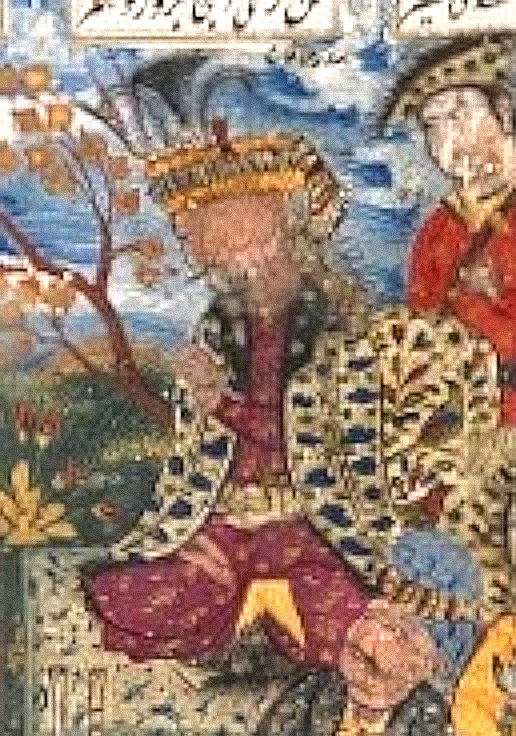
Above: Allah Virdī Khān, (seated center right), from a Jarunnameh of Qadri, Isfahan (1697)
After eastern Georgia was annexed by the Russian Empire in 1801, many Georgian nobles moved to St. Petersburg and Moscow for military and administrative careers.
The flow was largely elite rather than mass migration.
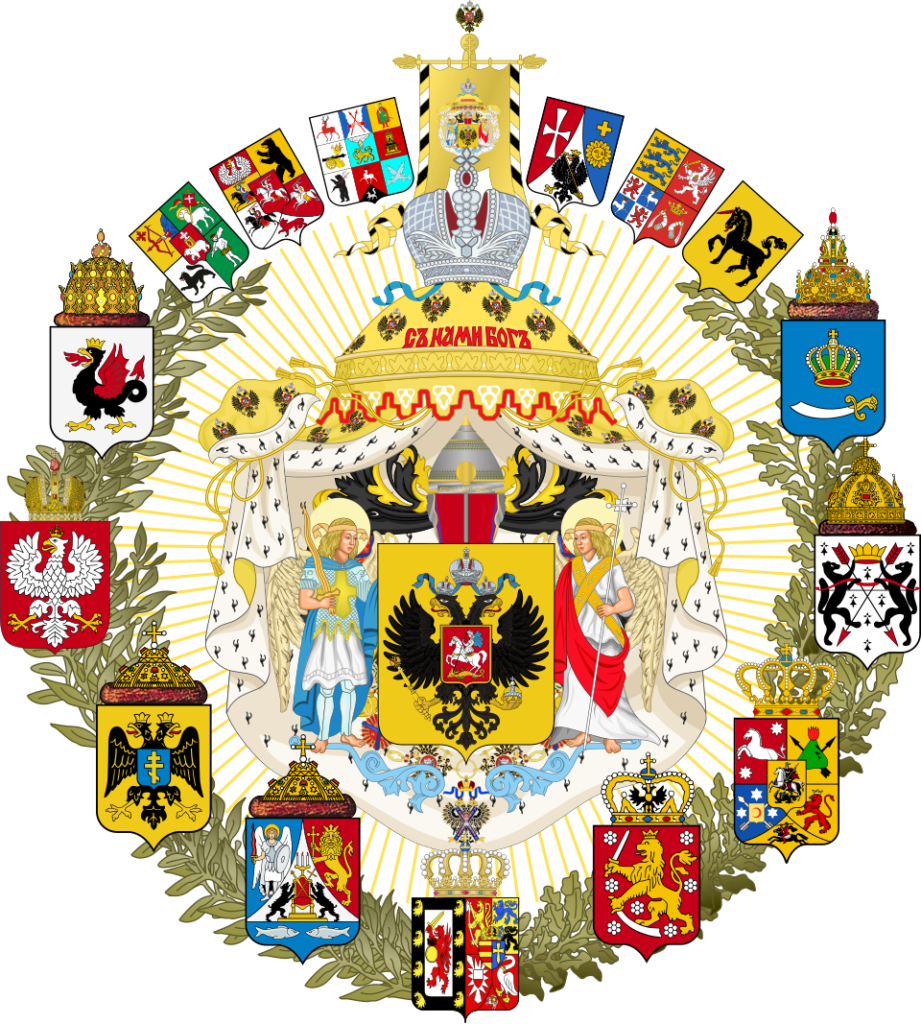
Above: Coat of arms of the Russian Empire
One of the most important diasporas formed after the Red Army overthrew the independent Democratic Republic of Georgia in 1921.
Thousands fled into exile.
Above: Insignia of the Red Army
Many settled in:
- France (especially Paris)

Above: Flag of France
- Germany
Above: Coat of arms of Germany
- Poland

Above: Flag of Poland
- Belgium
Above: Flag of Belgium
Paris became something of an unofficial Georgian capital in exile.
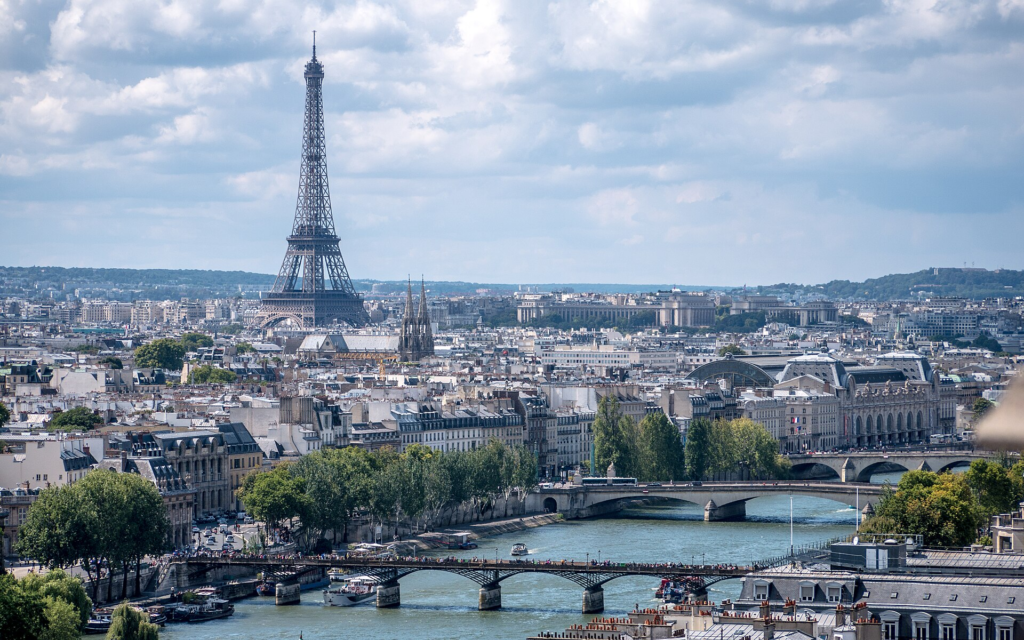
Above: Paris, France
These émigrés hoped Soviet rule would prove temporary.
Many never returned.
Ordinary emigration was almost impossible.
Some Georgians nevertheless found themselves abroad through diplomatic service, scientific work or defection.
The largest modern diaspora developed after independence.
Georgia’s civil wars, economic collapse and unemployment prompted hundreds of thousands to seek work abroad.
Today’s emigrants are often motivated by economics rather than politics.
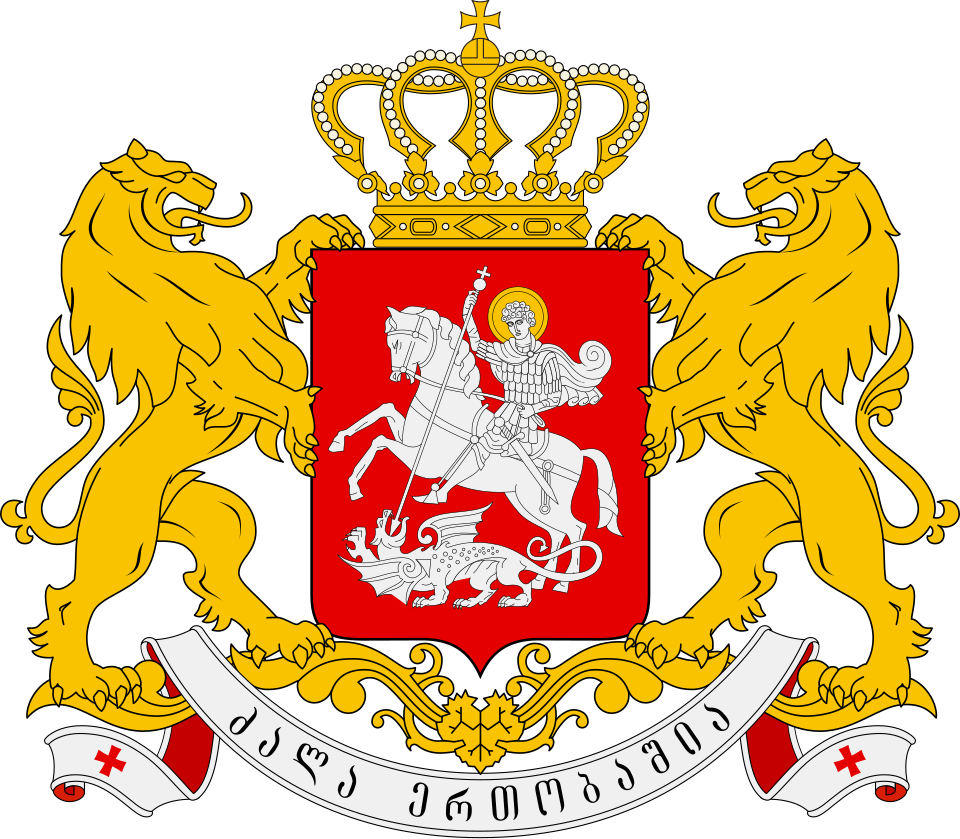
Above: Coat of arms of Georgia
Where do Georgians live today?
Russia
Historically the largest Georgian community.
Hundreds of thousands have lived in Moscow, St. Petersburg and southern Russia.
Relations have fluctuated because of political tensions between the two countries.
Above: Flag of Russia
Greece
Many Georgians work in:
- domestic care
- construction
- agriculture
The shared Orthodox faith has eased integration.
Above: Flag of Greece
Italy
Especially women employed as carers for elderly Italians.
Remittances sent home have become an important source of income for many Georgian families.
Above: Flag of Italy
Germany
Growing rapidly in recent decades.
Many students and professionals have settled there.
Above: Flag of Germany
US
Communities exist in:
- New York
- New Jersey
- Chicago
- Washington D.C.
Although relatively small, they are active in preserving Georgian language and culture.

Above: Flag of the United States of America
Israel
Many Georgian Jews emigrated to Israel, particularly during the 1970s and after the collapse of the Soviet Union.
The Georgian Jewish community is among the oldest Jewish communities in the world, dating back more than two millennia.
Above: Flag of Israel
Australia and New Zealand
These communities are quite small — probably only a few thousand people altogether — but they are significant enough for the Georgian Orthodox Church to establish parishes.
It illustrates how seriously the Church takes ministering to Georgians abroad.
Above: Flag of Australia
Above: Flag of New Zealand
One thing I find particularly interesting is that the Georgian Orthodox Church accompanies the diaspora almost wherever it goes.
Parishes now exist across:
- North America
- Western Europe
- Australia
- New Zealand
They are not simply places of worship.
They teach:
- Georgian language
- traditional singing
- history
- religious festivals
For many emigrants they become small islands of Georgia.
This partly explains why Shio’s biography mentions service to Georgian communities overseas.
Caring for the diaspora has become one of the Church’s principal responsibilities.
Ask a Georgian abroad what keeps them Georgian and you will often hear familiar answers:
- the language
- the alphabet
- the Church
- food
- wine
- polyphonic singing
- hospitality
The alphabet itself becomes a powerful marker of identity.
Few non-Georgians can read it, yet Georgians tend to cherish it as a visible symbol of their distinct civilization.
Georgia has spent much of its history losing people.
War.
Occupation.
Economic hardship.
Political upheaval.
Yet those emigrants have often become unofficial ambassadors.
They have founded restaurants, churches, cultural associations and businesses that introduce outsiders to a country many could scarcely place on a map.
The election of Shio III also reminded me that the Georgian Orthodox Church is not confined to the valleys of the Caucasus.
Its flock extends from Tbilisi to Toronto, from Athens to Sydney, from Berlin to Auckland.
Like the Georgian people themselves, the Church has travelled far beyond the country’s borders while carrying with it a language, an alphabet and a faith that have endured for more than seventeen centuries.
Georgia is a small country geographically, but it possesses a cultural and historical reach that is much larger than its size suggests.
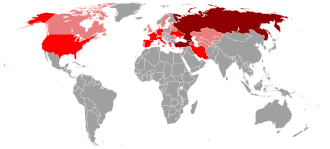
Above: Map of the Georgian diaspora in the world – the darker the region, the more Georgians within it
- According to the Georgian media outlets, Bishop Shio was a childhood friend of the President of Georgia Giorgi Margvelashvili, commentator and activist Irakli Kakabadze (who seems very interesting in his own right), and businessman Levan Vasadze, the latter known for his conservative views and anti-Western rhetoric and has presided, since 2013, over the board of trustees of the government-sponsored Georgian Demographic Revival Fund of which Shio is also a member.
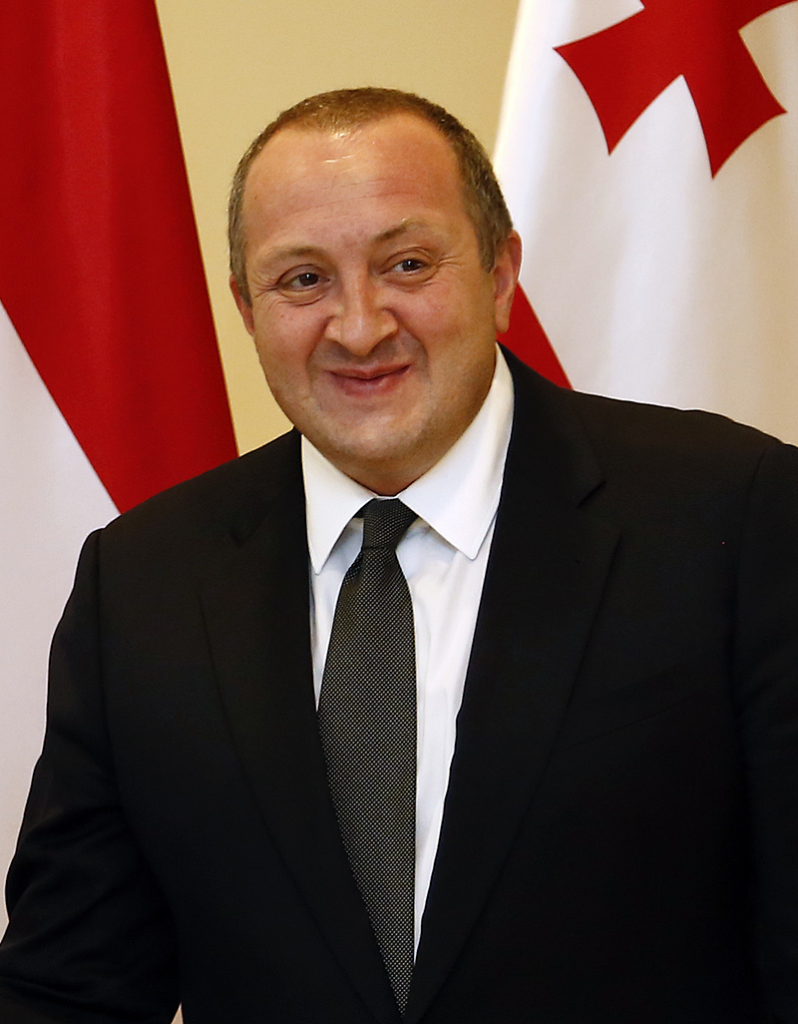
Above: Georgian President Giorgi Margvelashvili (r. 2013 – 2018)
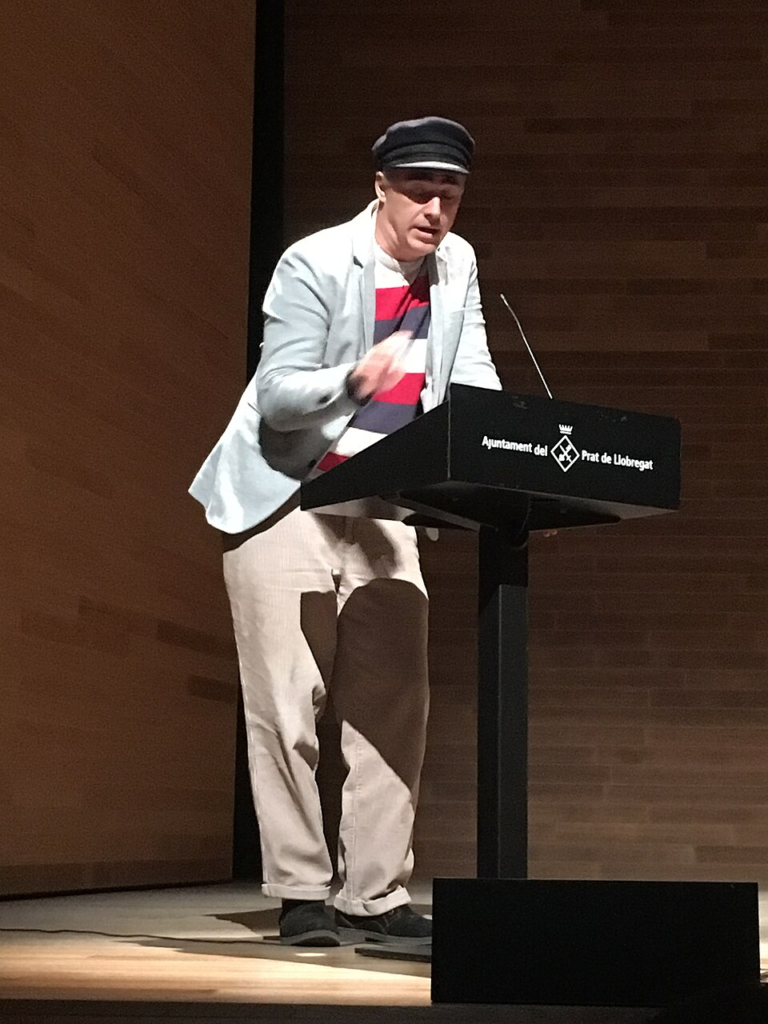
Above: Georgian writer/performance artist/peace and human rights activist Irakli Kakabadze
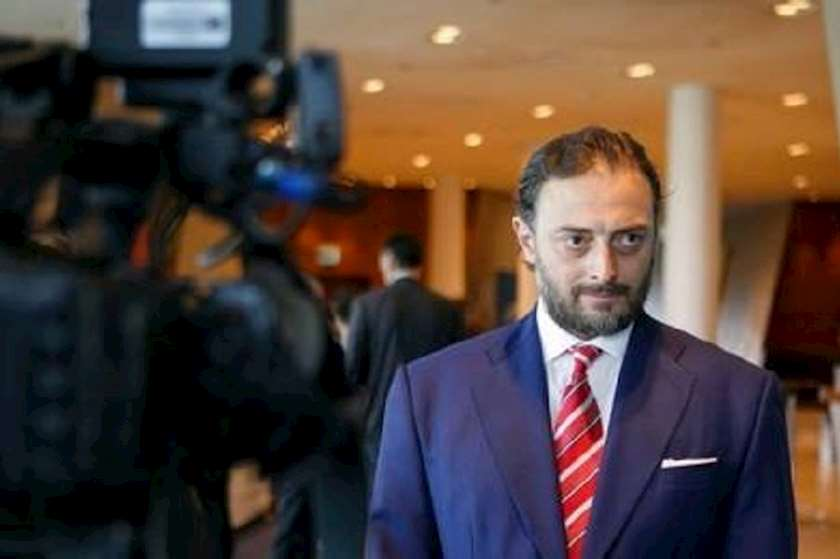
Above: Georgian businessman Levan Vasadze
On 23 November 2017, Saint George’s Day, the leader of the Georgian Orthodox Church, Catholicos Patriarch Ilia II announced an appointment of Shio as the patriarchal locum tenens, that is a church official who would act as a temporary head of the Georgian Orthodox Church for 40 days after the incumbent Patriarch died, until the Holy Synod elected a new Patriarch.
The decree, drafted by Ilia II with his own hand, came amid the ongoing internal tensions within the church leadership, widely publicized in the aftermath of the “cyanide case“, in which a Georgian Orthodox priest was arrested and ruled guilty on charges of plotting to murder the Patriarch’s personal secretary and adviser with cyanide earlier that year.
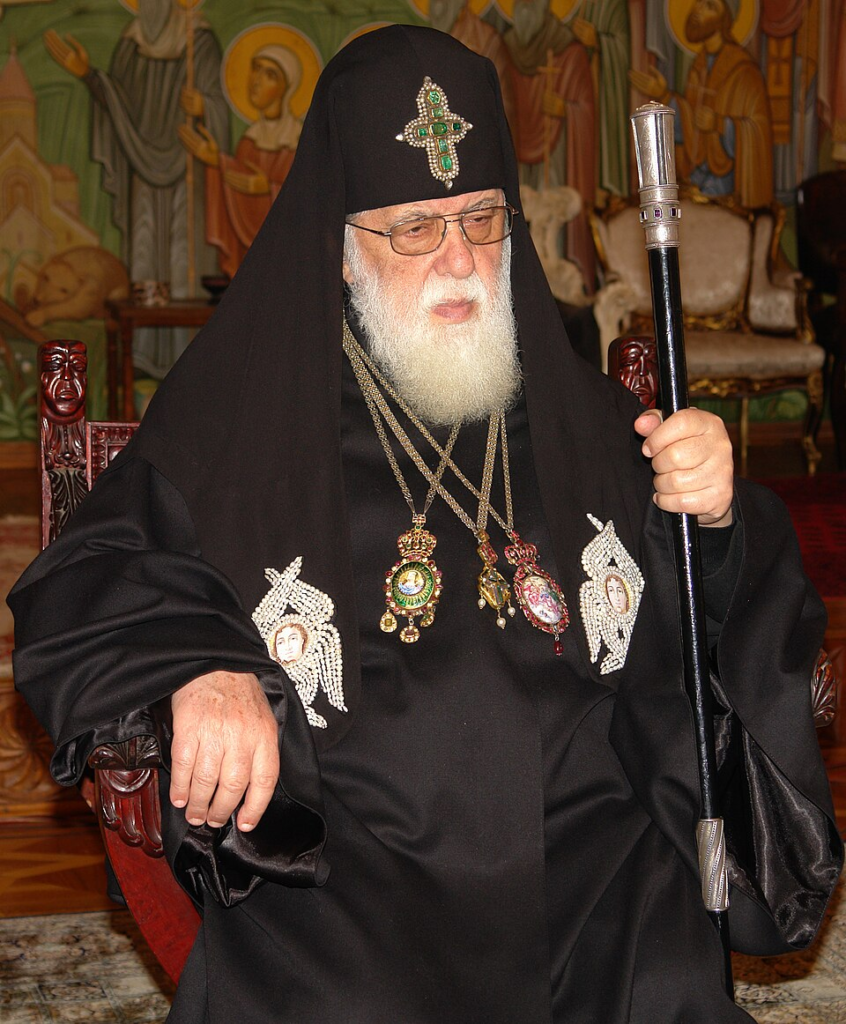
Above: Patriarch Ilia II of Georgia
The Cyanide Case was one of the most sensational scandals in modern Georgian church history.
The central figure was Archpriest Giorgi Mamaladze.
The Mamaladze affair is compelling precisely because it collides with our instinct that priests ought to be immune to ordinary human failings.
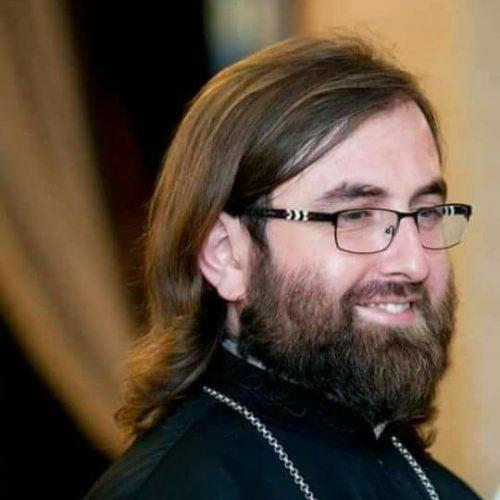
Above: Archpriest Giorgi Mamaladze
In February 2017, Georgian authorities arrested him at Tbilisi Airport as he was preparing to fly to Germany, where Patriarch Ilia II was undergoing surgery.
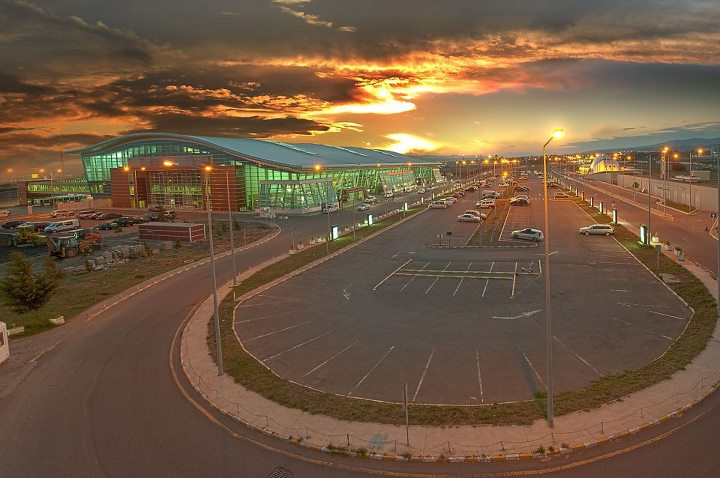
Above: Tbilisi International Airport
Investigators said they found cyanide in his luggage and alleged he intended to use it to murder the Patriarch’s influential secretary, not necessarily the Patriarch himself.
The prosecution argued that the intended victim was the Patriarch’s close adviser, who wielded considerable influence within the Church.
Mamaladze denied planning any murder and claimed the accusations were politically motivated.
He was eventually convicted of attempted murder and sentenced to prison.
The case remains controversial because many details were kept confidential and competing narratives emerged about what really happened.
Giorgi Mamaladze has continued to maintain his innocence.
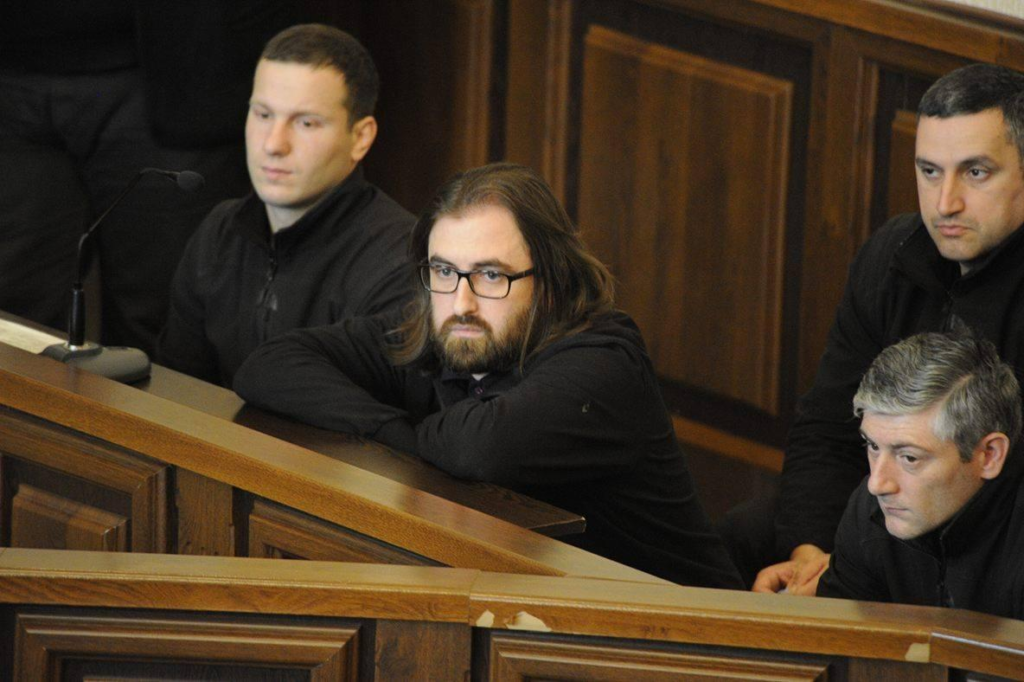
Above: The trial of Giorgi Mamaladze
Some critics have questioned whether the investigation revealed the whole truth.
The affair exposed what many Georgians had suspected for years:
Beneath the public image of ecclesiastical unity existed fierce rivalries over succession to the aging Ilia II.
That helps explain why Ilia II’s decision later in 2017 to designate Shio III of Georgia as locum tenens during his own lifetime caused such surprise.
Many interpreted it as his preferred succession plan.
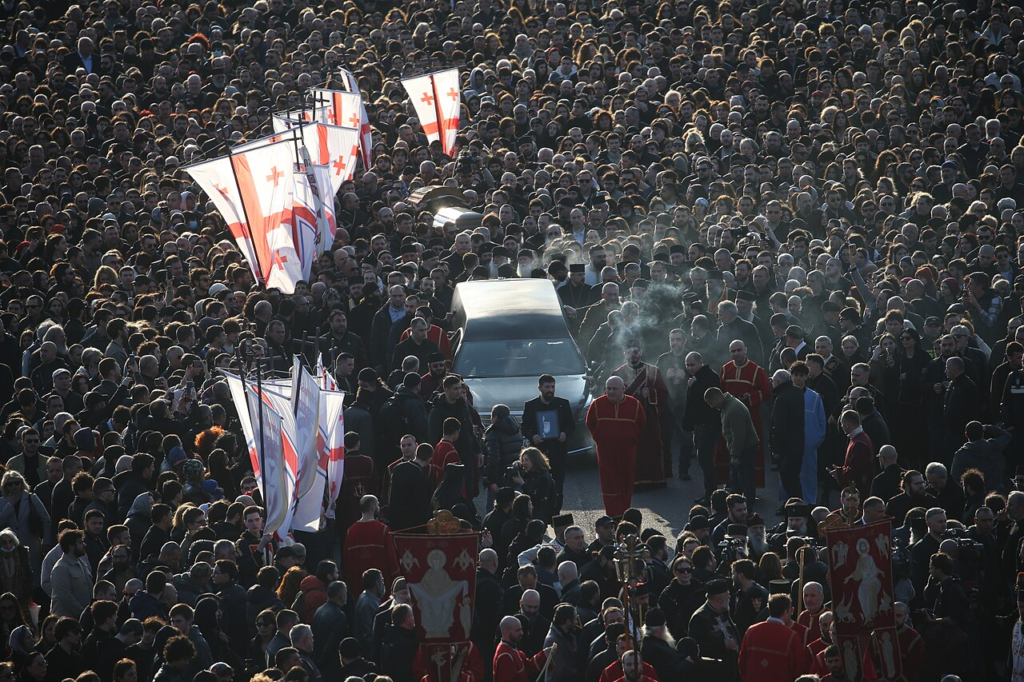
Above: The state funeral procession of Catholicos-Patriarch Ilia II through the streets of Tbilisi, Georgia, 22 March 2026
The Cyanide Case began in February 2017.
Giorgi Mamaladze was serving as the secretary of the Church’s property management service.
At the time, Patriarch Ilia II was receiving medical treatment in Berlin.
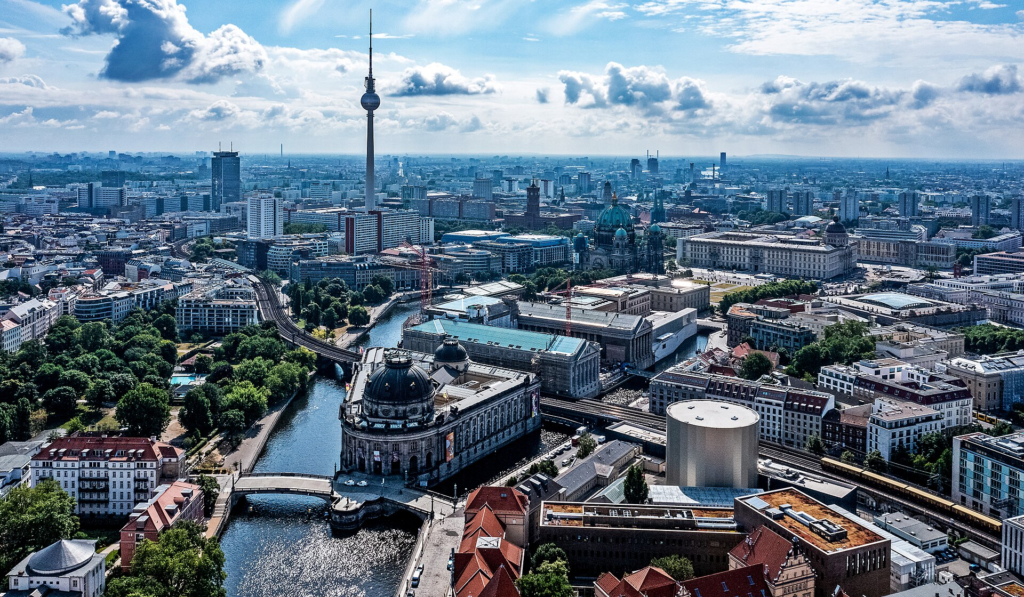
Above: Berlin, Germany
According to the prosecution:
- Georgian security services received intelligence that Mamaladze intended to travel to Germany carrying cyanide.
- The information reportedly came from a witness close to the investigation (the identity has never been publicly disclosed).
- Officers intercepted him at Tbilisi International Airport before his flight.
- During a search they found a quantity of potassium cyanide in his luggage.
Exactly why the authorities were already watching him has never been completely clarified publicly.
Several competing theories emerged:
- the official version — that there was a genuine assassination plot
- that the intended victim was not the Patriarch himself but his influential secretary, Shorena Tetruashvili
- that powerful factions inside the Church informed on him
- that the affair reflected an internal struggle over who would eventually succeed the aging patriarch
The secrecy surrounding the evidence meant the case has remained controversial ever since.

How does one smuggle cyanide?
Surprisingly, not very dramatically.
Potassium cyanide is a white crystalline powder, resembling coarse salt or sugar.
Small quantities can be hidden in:
- plastic containers
- medicine bottles
- cosmetic containers
- laboratory sample tubes
- ordinary luggage
Airport security is primarily looking for weapons and explosives.
Cyanide is chemically dangerous but not necessarily obvious on an X-ray.
Detecting it generally depends upon intelligence, searches or chemical testing rather than simply seeing it on a scanner.
That is why, if investigators genuinely knew he possessed cyanide, they almost certainly knew because of prior intelligence rather than because airport security randomly discovered it.

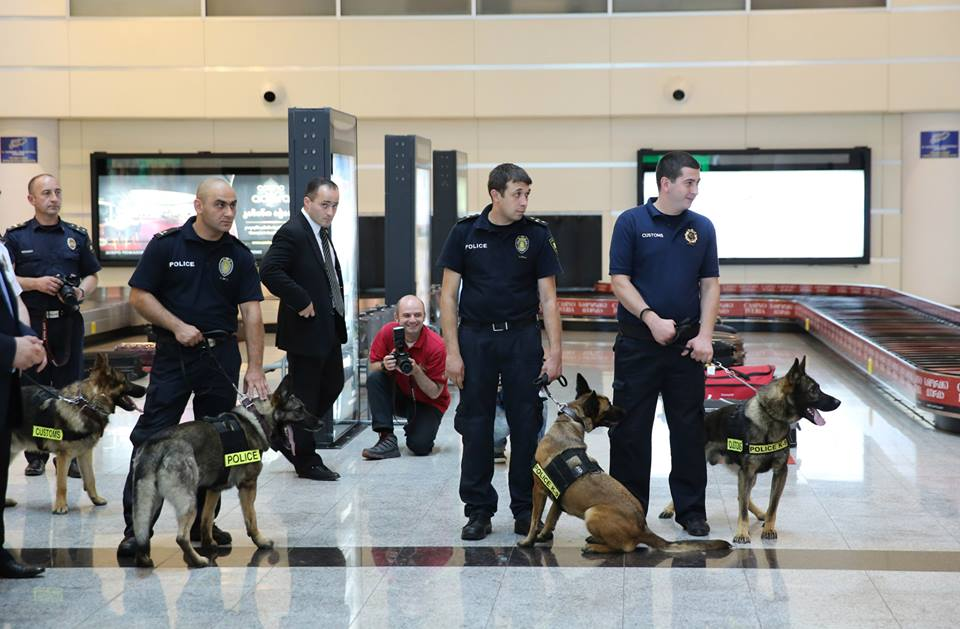
Can dogs smell cyanide?
Yes — but with qualifications.
Dogs possess between 220 and 300 million scent receptors, compared with about six million in humans.
They can be trained to detect an enormous range of chemicals.
Potassium cyanide itself has very little odor to humans (the oft-repeated “bitter almonds” smell is detectable by only a portion of the population due to genetics).
Detection dogs are generally trained not to identify cyanide as an abstract substance, but to recognize the specific scent signature of the chemical compound or its packaging.
Military, police and customs agencies have successfully trained dogs to detect:
- explosives
- narcotics
- accelerants
- certain toxic chemicals
So, if customs officials suspected someone was carrying cyanide, a specially trained dog could potentially assist — but in the Mamaladze case there is no public indication that a dog played any role.
Intelligence appears to have been the decisive factor.
Had Mamaladze tried to speak to Ilia II and had been rebuffed by Tetruashvili?
Yes, there is strong evidence that relations were poor.
Mamaladze had reportedly become increasingly frustrated with what he saw as Tetruashvili’s influence over the Patriarchate.
Numerous bishops and priests had long complained — sometimes privately, sometimes publicly — that access to Ilia II was tightly controlled and that Tetruashvili functioned as an exceptionally powerful gatekeeper.
Whether Mamaladze himself had personally been refused meetings with Ilia II is less clear.
There is no reliable evidence that he repeatedly sought an audience and was rebuffed by Tetruashvili.
Rather, the broader complaint was that many clergy believed she exercised disproportionate influence over appointments, communications, and the Patriarch’s schedule.
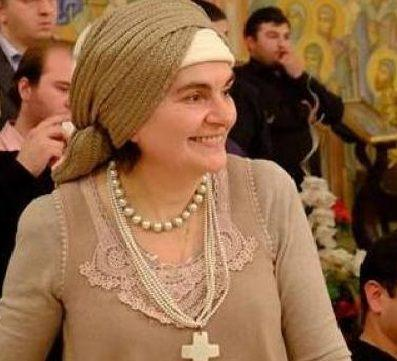
Above: Georgian secretary Shorena Tetruashvili
What would have been gained had Mamaladze succeeded in killing her?
This is where the prosecution’s theory becomes difficult to understand.
If she had been the intended victim, possible motives might include:
- removing the person who controlled access to the Patriarch
- weakening one faction within the Patriarchate
- creating an opportunity for administrative reform
- exacting personal revenge
But none of those outcomes obviously advances the Church’s interests.
In fact, killing her would almost certainly have had the opposite effect:
- international scandal
- enormous damage to the Church
- increased security
- immediate identification of suspects within church circles
From a purely strategic perspective, it seems extraordinarily self-defeating.
That is one reason many Georgians have remained skeptical of the prosecution’s narrative.
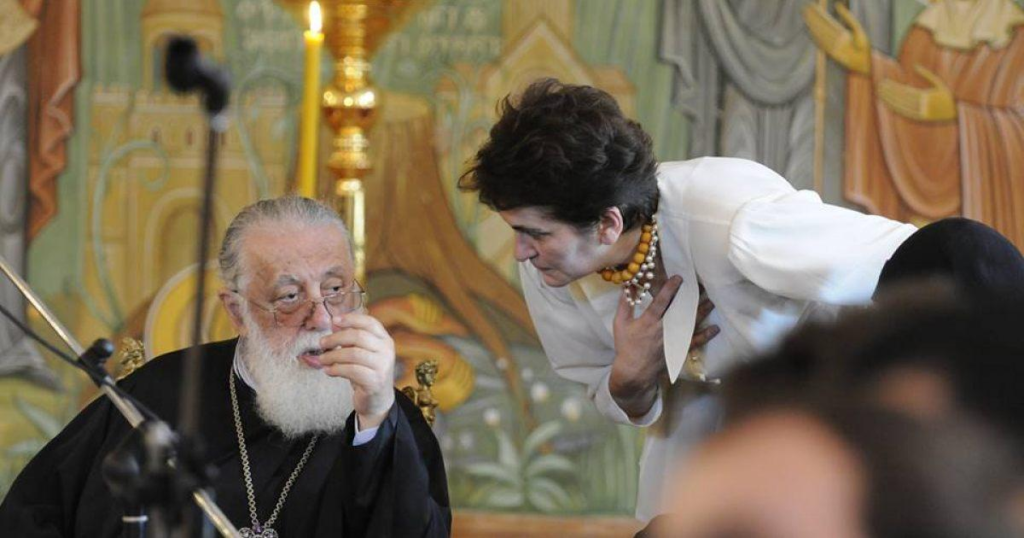
Above: Patriarch Ilia II and Shorena Tetruashvili
Shorena looks quite attractive.
Could Mamaladze have desired her?
We have no evidence whatsoever that this was the case.
Orthodox priests are human beings with ordinary emotions and temptations.
(In the Georgian Orthodox Church, incidentally, parish priests are often married before ordination, while bishops are chosen from the monastic clergy and are celibate.)
However, in the Mamaladze case there has never been credible reporting suggesting:
- a romantic relationship,
- unrequited affection,
- sexual jealousy,
- any personal intimacy between the two.
Everything that has emerged publicly points instead toward institutional conflict.
Tetruashvili was widely perceived as an extraordinarily influential administrator.
If Mamaladze resented her, the available evidence suggests it was because of her perceived power within the Patriarchate rather than because of any personal attachment.
Historians generally try to avoid inventing motives where none are supported by evidence.
Human beings certainly do commit crimes for romantic reasons, but nothing currently known points in that direction here.
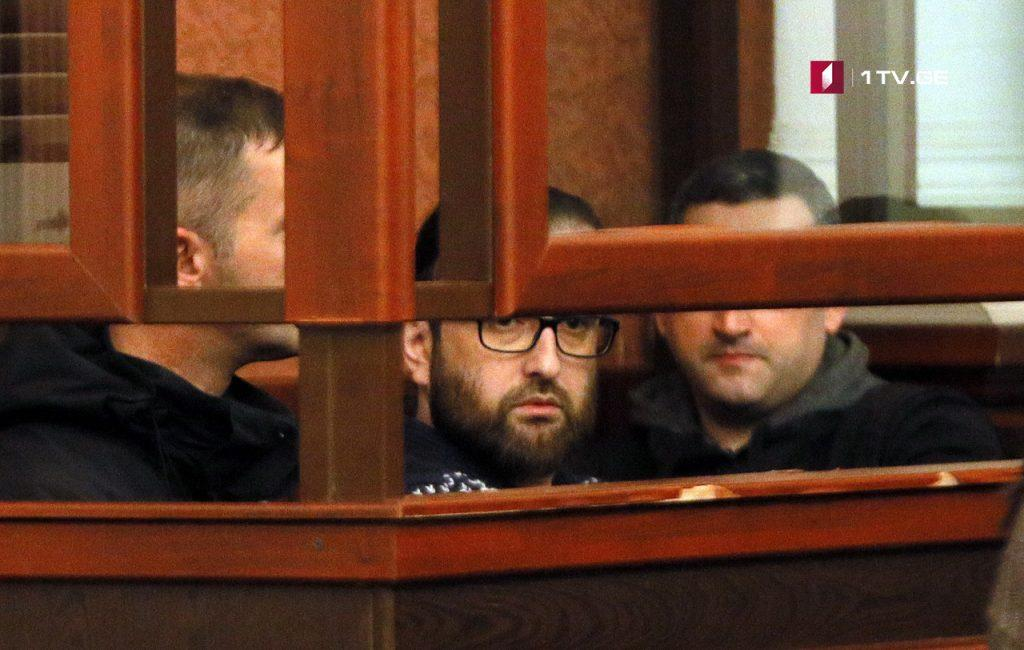
Above: The trial of Giorgi Mamaladze
What do we know – (if we should know at all) – about her private life?
Remarkably little.
That seems to have been deliberate.
Publicly she became famous as:
- the Patriarch’s long-serving secretary
- one of the Church’s most influential lay officials
- a central figure in the cyanide case
But almost nothing reliable is known about:
- whether she married
- whether she had children
- her romantic relationships
- her family life
Georgian media occasionally reported gossip, as media everywhere do, but none of it has been substantiated to a standard that historians would regard as reliable.
In fact, one reason she became such a mysterious figure is precisely because she was highly visible institutionally, but almost invisible personally.

Above: Invisible Woman/Susan Storm (Jessica Alba), Fantastic Four (2005)
Had Mamaladze not been stopped by the authorities at Tbilisi Airport did he have a plan once he arrived in Berlin?
This remains one of the biggest unanswered questions.
According to prosecutors:
- he had booked travel
- cyanide was allegedly found in his luggage
- the Patriarch and Tetruashvili were both in Berlin
Beyond that, almost nothing convincing was publicly established.
Questions that remain unanswered include:
- How would he gain access?
- Where would the poison be administered?
- Was it intended for food?
- Drink?
- Medication?
- Was he acting alone?
- Had anyone agreed to help him?
No detailed operational plan was ever convincingly presented in public.
Without such a plan, it is difficult to understand how the alleged crime would actually have been carried out.

Can we judge Mamaladze rational, for what would cause a priest to contemplate murder?
Could a priest rationally contemplate murder?
History says yes.
That sounds shocking, but clergy are human beings.
Priests have committed:
- murders
- thefts
- fraud
- political conspiracies
- acts of war.
The office does not remove human weaknesses.
History offers countless reminders that they are not immune.
Some examples are tragic, others almost Shakespearean.
Thomas Becket (1119 – 1170) — the other side of the story
Becket is remembered as the victim of murder rather than its perpetrator, but before becoming Archbishop he was a worldly politician and royal chancellor.
Even after entering the Church he could be ruthless, excommunicating opponents and engaging in fierce political struggle with Henry II of England.
His sanctity did not erase his very human capacity for conflict.
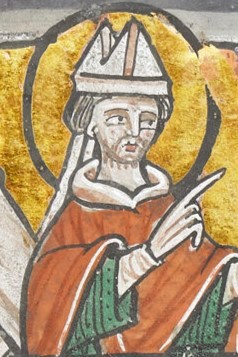
Above: Thomas Becket, Collectio Epistolarum Sancti Thome Cantuariensis (1180), British Library, London
Alexander VI (né Rodrigo Borgia) (1431–1503)
Perhaps the most infamous Pope in history.
He openly acknowledged several children despite his vow of celibacy.
His papacy was marked by accusations of simony (buying church offices), nepotism, political intrigue, and suspected involvement in assassinations carried out by his son, Cesare Borgia.
Whether every accusation is true is debated, but his reputation became synonymous with Renaissance corruption.
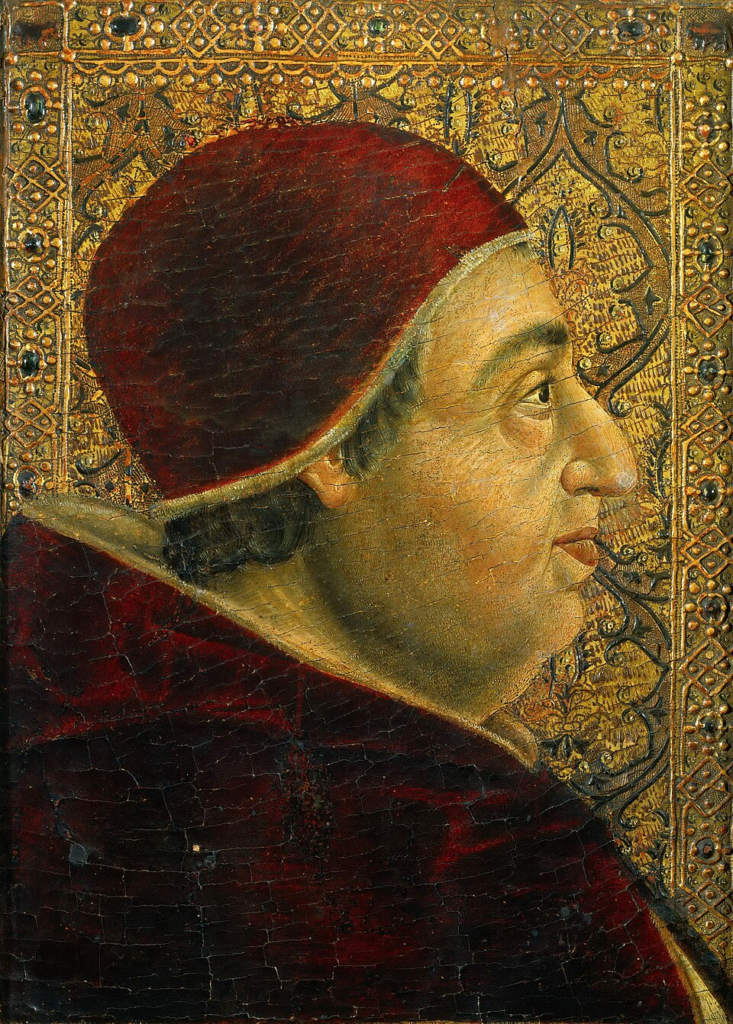
Above: Pope Alexander VI
Rasputin (1869 – 1916)
Not an ordained priest, but a religious figure who gained extraordinary influence over the Russian imperial family.
His life mixed genuine religious devotion with allegations of drunkenness, sexual misconduct, manipulation and political interference.
His career illustrates how proximity to power can distort religious authority.
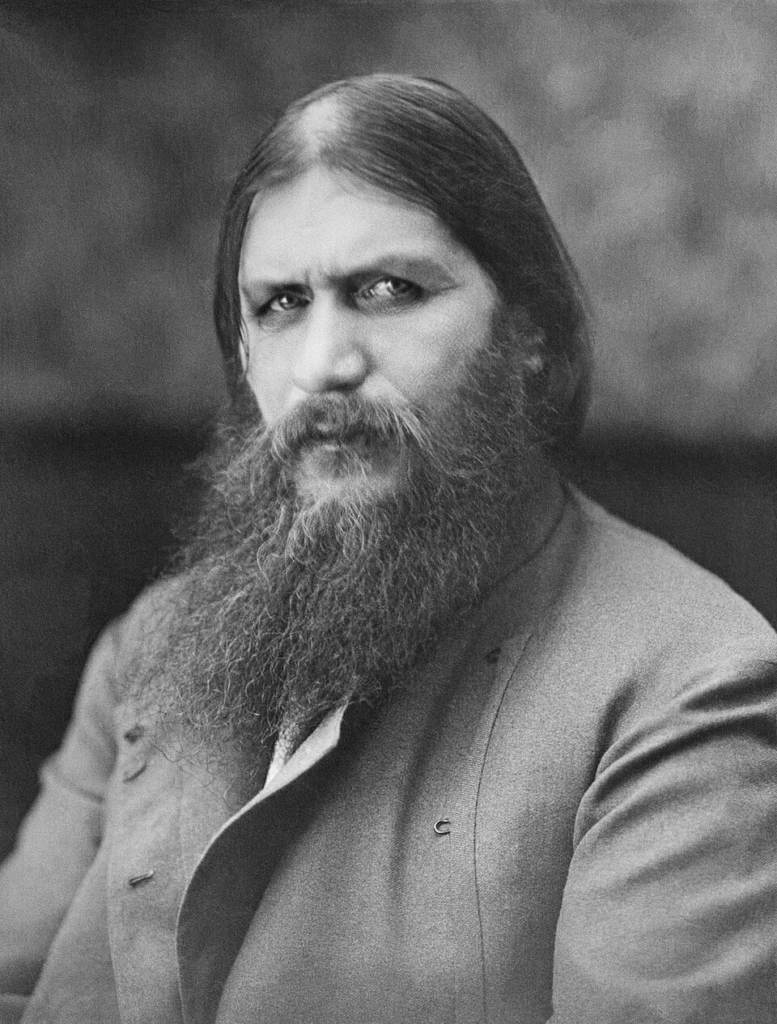
Above: Russian mystic Grigori Rasputin
Girolamo Savonarola (1452 – 1498)
An austere reformer in Florence who sincerely sought moral renewal.
Yet once he gained political influence, he helped create an atmosphere in which dissent was harshly suppressed.
A deeply religious man can still become rigid and intolerant.
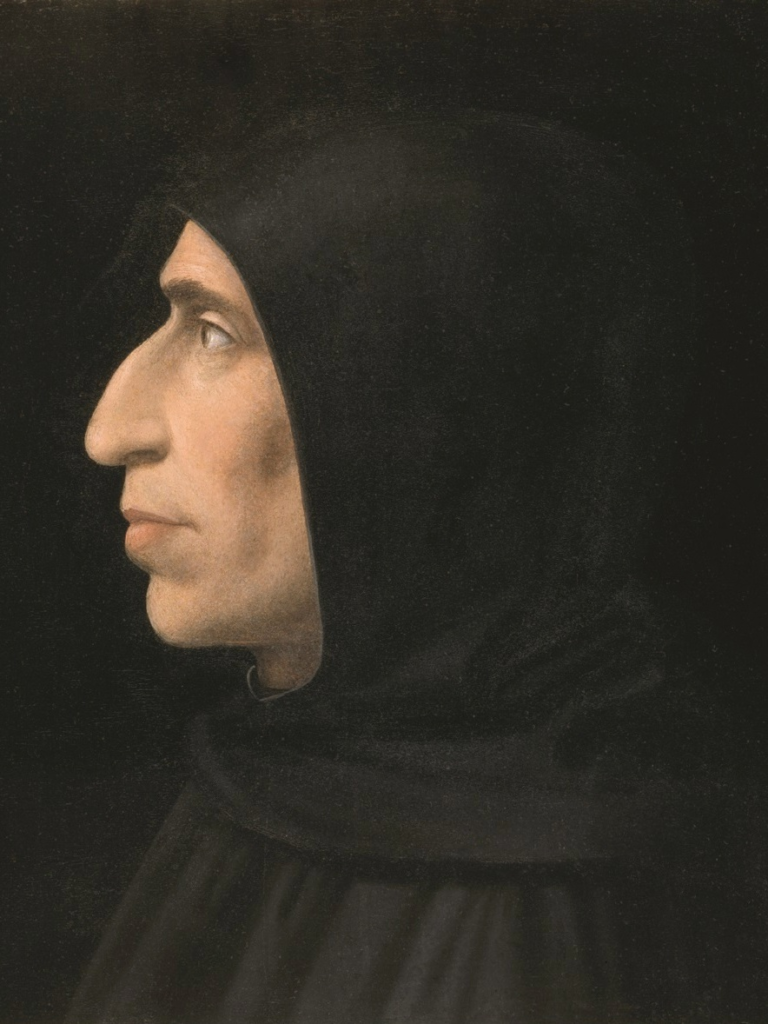
Above: Italian preacher Girolamo Savonarola
Martin Luther (1483–1546)
Luther was courageous in confronting abuses within the Church, but he also wrote fiercely polemical works, including virulent attacks on Jews in his later years.
One can admire his role in the Reformation while acknowledging grave moral failures.
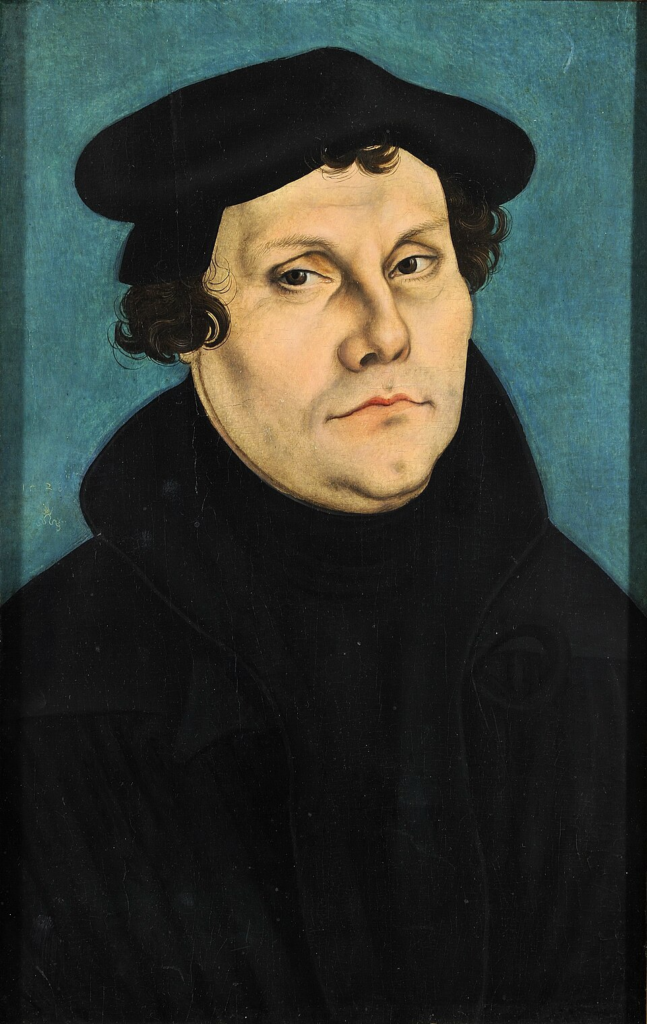
Above: German priest/reformer Martin Luther
Archbishop Makarios III (1913 – 1977)
Makarios uniquely combined the roles of Orthodox archbishop and President of Cyprus.
He found himself making military, diplomatic, and political decisions that affected thousands of lives.
His career illustrates how clergy who exercise temporal power face temptations and compromises unknown to ordinary parish priests.
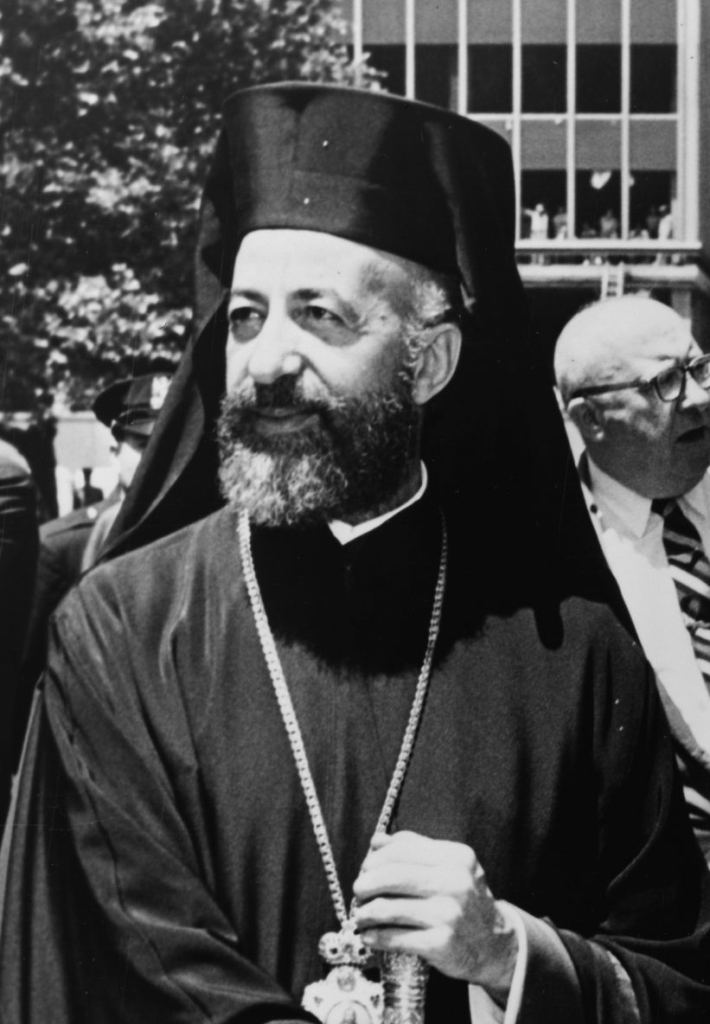
Above: Cypriot President Makarios III
Priests who committed violent crimes are rare, but they have existed:
During the French Wars of Religion (1562 – 1598) and the Thirty Years’ War (1618 – 1648), priests on both Catholic and Protestant sides sometimes encouraged or even participated in violence.
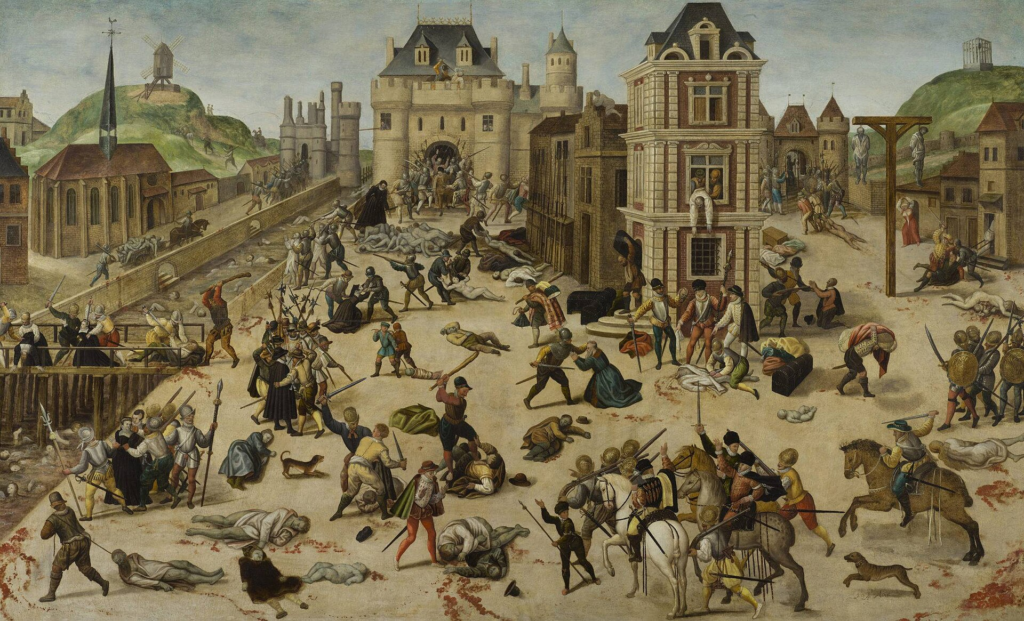
Above: Saint Bartholomew’s Day Massacre, 23 – 24 August 1572, was a targeted group of assassinations and a wave of Catholic mob violence directed against the Huguenots (French Calvinist Protestants).
The slaughter spread throughout Paris.
Lasting several weeks in all, the massacre expanded outward to the countryside and other urban centres.
Modern estimates for the number of dead across France: 30,000
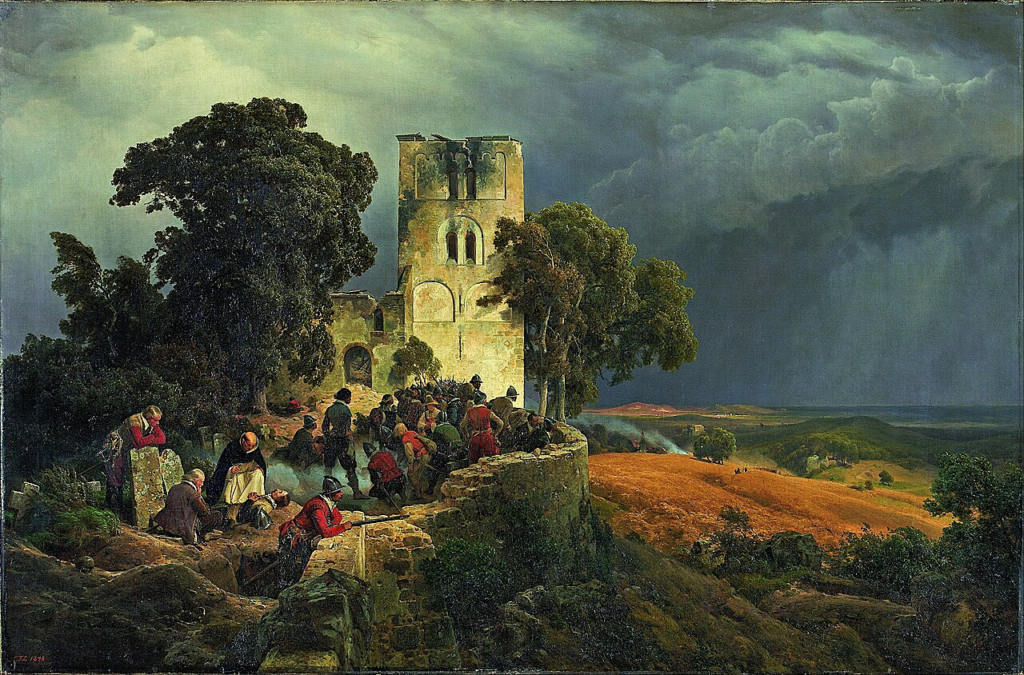
Above: Carl Friedrich Lessing – The Siege (Defense of a Church Courtyard During the Thirty Years’ War)(1848)
During the Balkan conflicts of the 1990s, a small number of Orthodox and Catholic clergy publicly blessed soldiers or nationalist militias.
Most clergy did not fight, but some allowed nationalism to eclipse the Gospel.
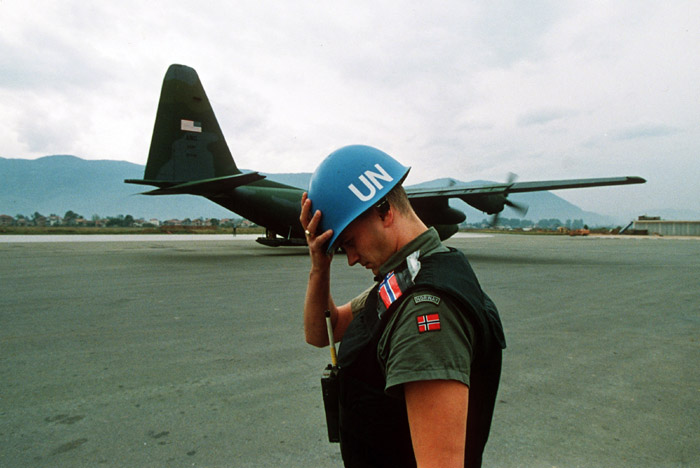
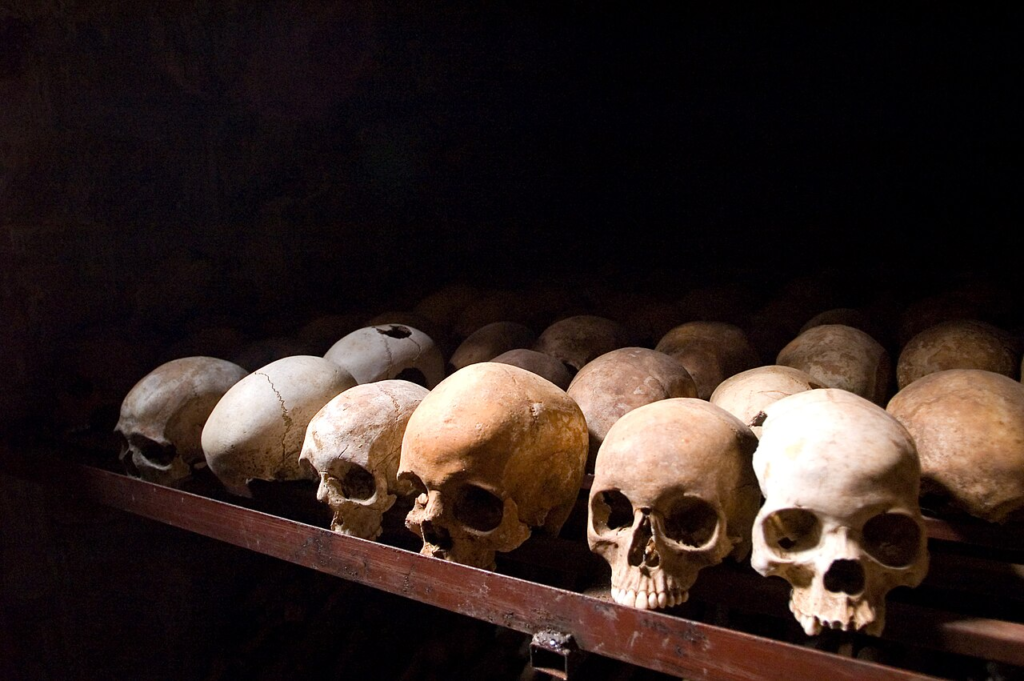
The Rwandan genocide saw a handful of priests and pastors convicted for assisting or facilitating massacres, while many others heroically sheltered victims.
Above: Carl Friedrich Lessing – The Siege (Defense of a Church Courtyard During the Thirty Years’ War)(1848)
The lesson is not that religion causes violence, but that human beings remain capable of terrible choices even when clothed in religious authority.
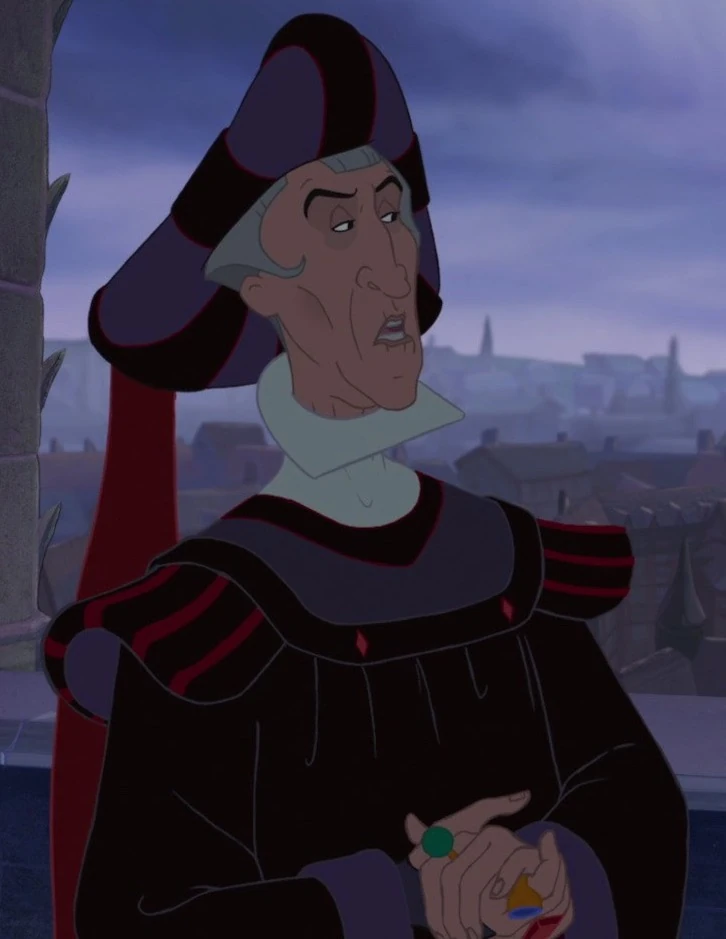
Above: Claude Frollo, The Hunchback of Notre Dame (1996)
This is one reason the Mamaladze affair shocked Georgians so profoundly.
The accusation was not simply that a man possessed cyanide.
It was that an archpriest, educated, trusted, and serving close to the Patriarch, might have contemplated murder.
Whether one accepts every aspect of the prosecution’s theory or not, the allegation shattered the assumption that the Church’s inner circle was somehow above ordinary ambition.
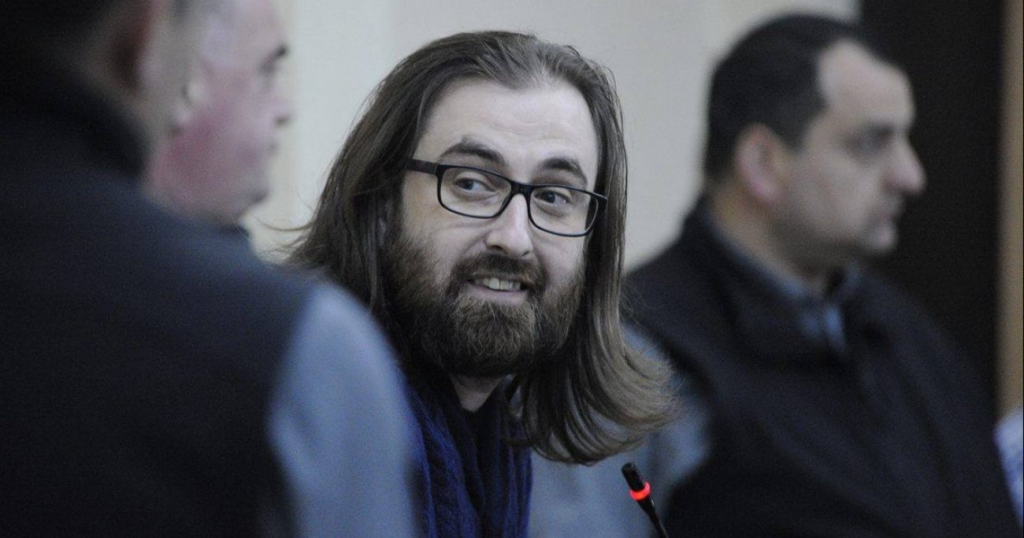
Above: Giorgi Mamaladze
The observation about the patriarch being “the power behind politics” fits here.
Institutions that wield immense moral authority inevitably attract human ambitions.
Medieval popes, Renaissance bishops, Anglican archbishops, Orthodox metropolitans —
They remain susceptible to pride, envy, resentment, fear and the desire for influence.
Christianity has never taught that priests cease to be sinners.
Quite the opposite.
Every liturgy contains prayers of repentance led by the clergy themselves.
The scandal is not that a priest could sin, but that someone called to embody holiness can fall so far.
In that sense, the Mamaladze case is less an exception to Christian anthropology than a painful confirmation of it.
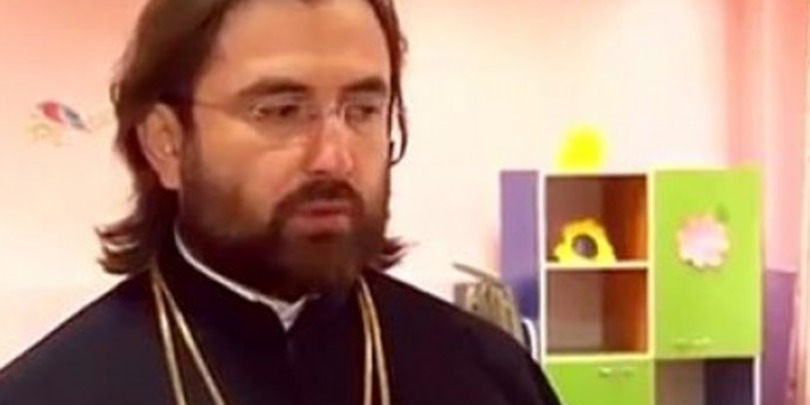
Above: Giorgi Mamaladze
It echoes the ancient words often attributed to Augustine of Hippo: “The Church is not a museum of saints, but a hospital for sinners.“
Whether or not Augustine (354 – 430) phrased it exactly that way is debated, but the sentiment captures the paradox well.
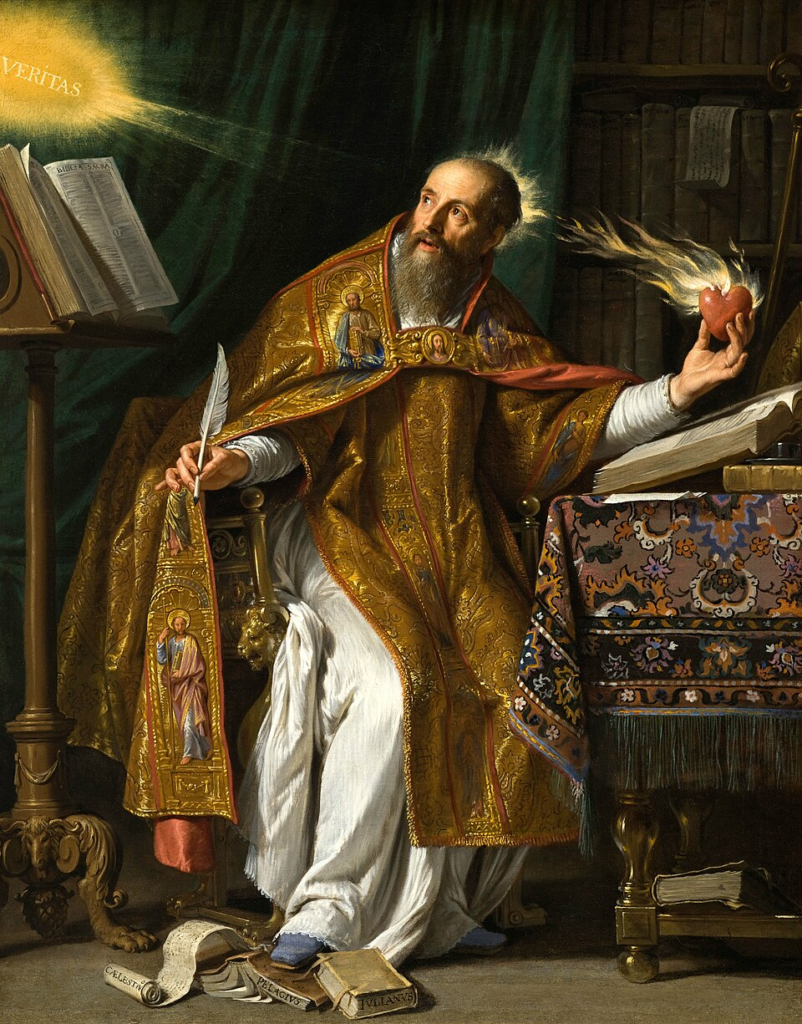
Above: Saint Augustine, Philippe de Champaigne (1645)
The more interesting question is psychological.
If Mamaladze genuinely intended murder, several possibilities exist.
He may have convinced himself that:
- he was saving the Church from corruption
- removing one person would protect a greater good
- extraordinary circumstances justified extraordinary action
History contains many examples of individuals who have persuaded themselves that immoral acts serve a higher moral purpose.
This is one of the great themes of history, philosophy, and psychology.
Very few people think of themselves as villains.
More often, they persuade themselves that the normal moral rules no longer apply because they are pursuing a higher good.

Above: Thanos, a fictional character appearing in American comic books published by Marvel Comics – Thanos is usually portrayed as a villain, although many stories depict him as believing his actions to be justified.
Here are some examples:
Judas Iscariot (3 – 33)
If Judas expected Jesus to establish a political kingdom, some historians have wondered whether his betrayal was an attempt to force events toward what he believed God intended.
Whether that theory is correct or not, it illustrates how one can rationalize a terrible act as serving a greater purpose.
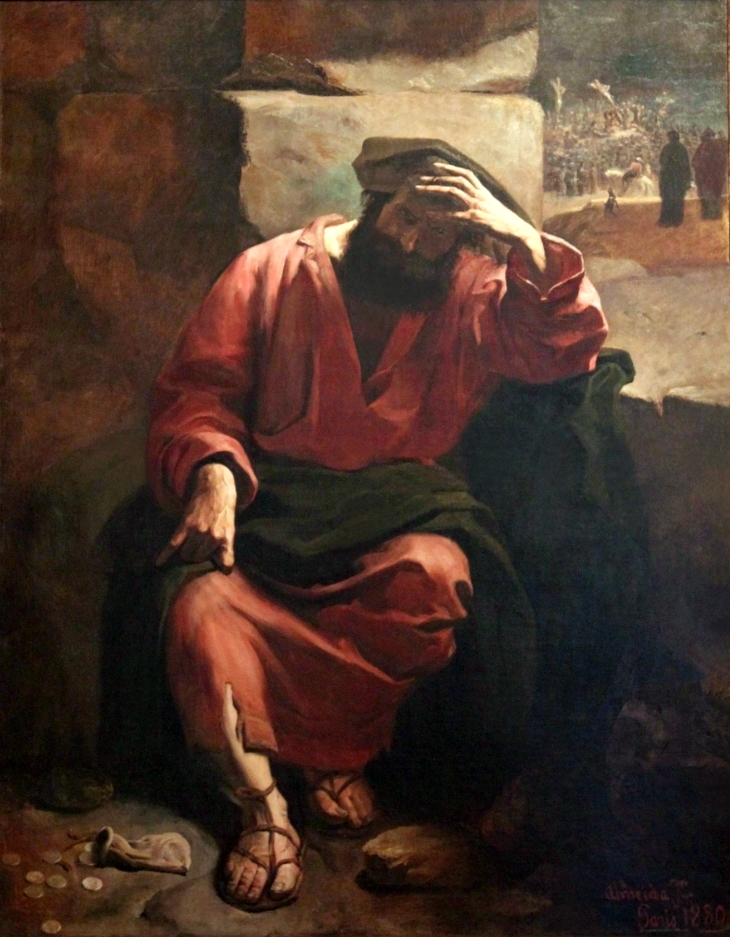
Above: Judas’ regret, Almeida Júnior (1880)
The Spanish Inquisition (1478 – 1834)
Its judges sincerely believed that executing heretics could save immortal souls.
To modern ears this seems monstrous.
To many inquisitors, however, allowing heresy to spread endangered not merely society but eternal salvation.
Cruelty was justified as mercy.
Over the course of the Inquisition, the Inquisition prosecuted an estimated 150,000 people for various offences.
Of these, an estimated 5,000 were turned over to the state for execution
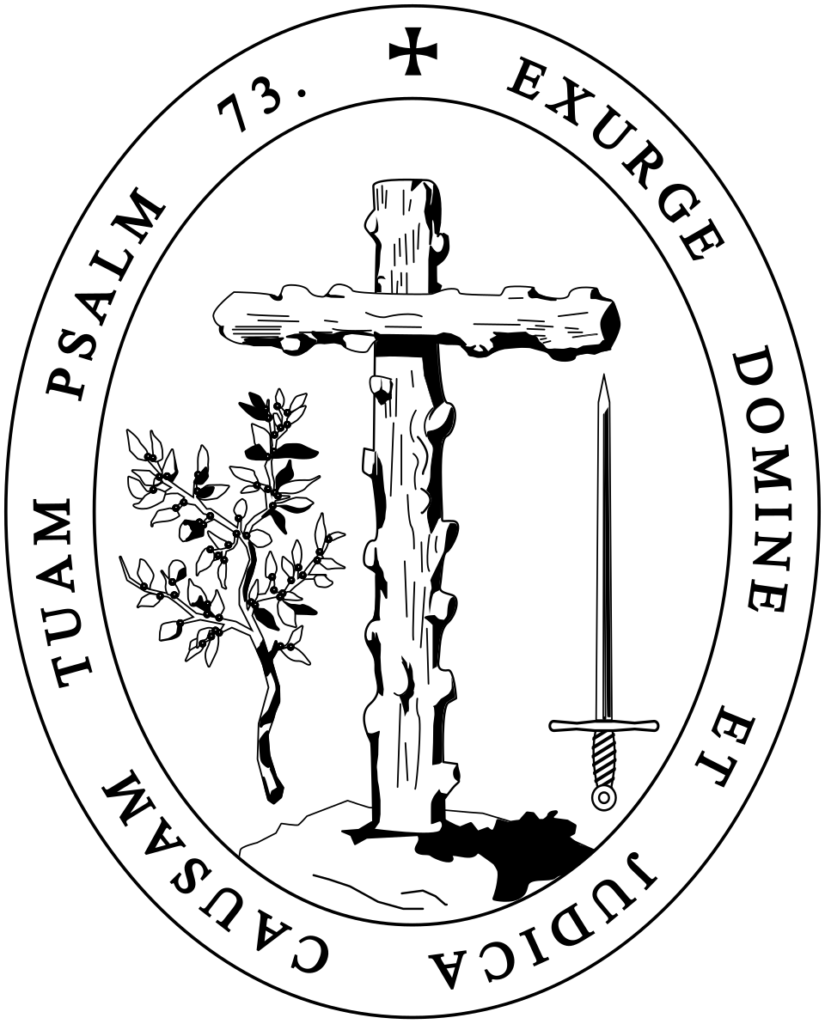
Above: Seal of the Spanish Inquisition
The assassination of Thomas Becket (1170)
King Henry II of England never explicitly ordered Becket’s murder.
His frustrated outburst —
“Will no one rid me of this turbulent priest?”
— was interpreted by four knights as authorization.
They believed they were defending royal authority and the stability of the kingdom.
Instead, they created one of medieval Europe’s greatest martyrs.
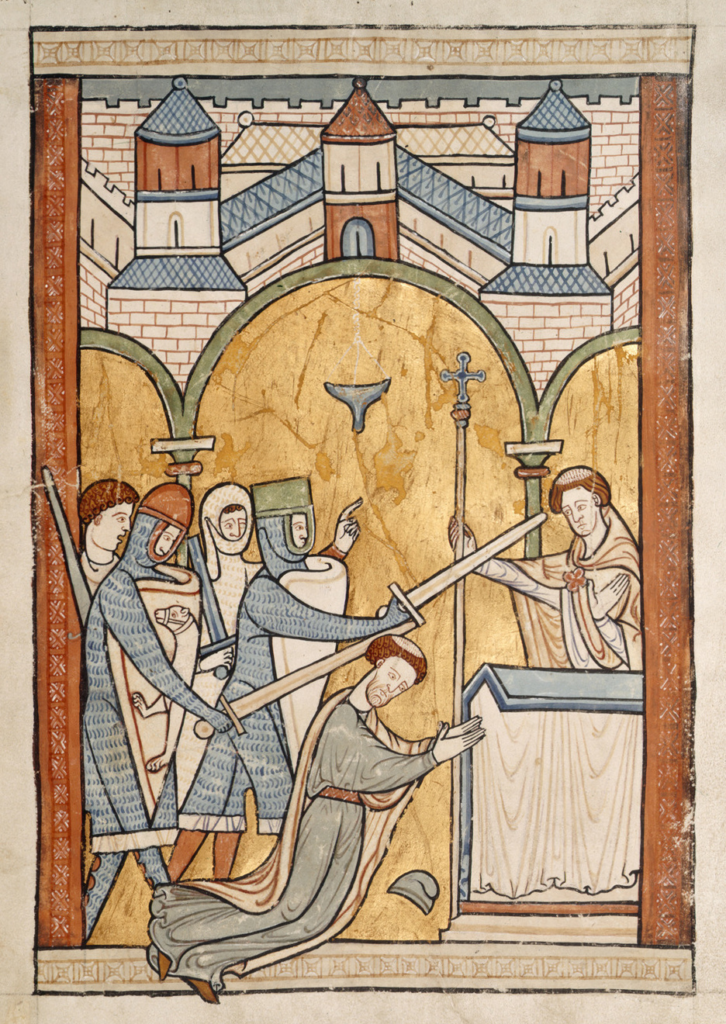
Above: 13th-century manuscript illumination, the earliest known depiction of Thomas Becket’s assassination in Canterbury Cathedral, 29 December 1170
Guy Fawkes
Fawkes and his fellow conspirators planned to blow up Parliament.
To Protestants they were terrorists.
To themselves they were defenders of the true faith, hoping to end persecution of English Catholics.
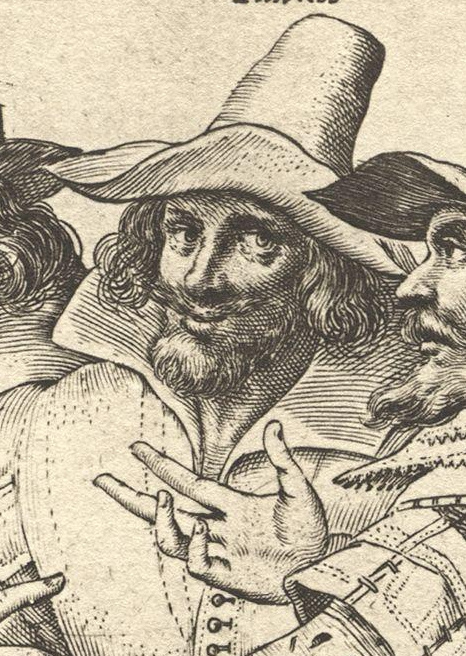
Above: English conspirator Guy Fawkes (1570 – 1606)
Remember, remember the Fifth of November,
The Gunpowder Treason and Plot,
I know of no reason
Why the Gunpowder Treason
Should ever be forgot.

Above: Poster for V for Vendetta (2005)
French Revolution (1789 – 1799) / Reign of Terror (1793 – 1794)
Maximilien Robespierre believed that terror was necessary to create a republic founded on liberty and virtue.
He famously argued:
“Terror is nothing other than justice.”
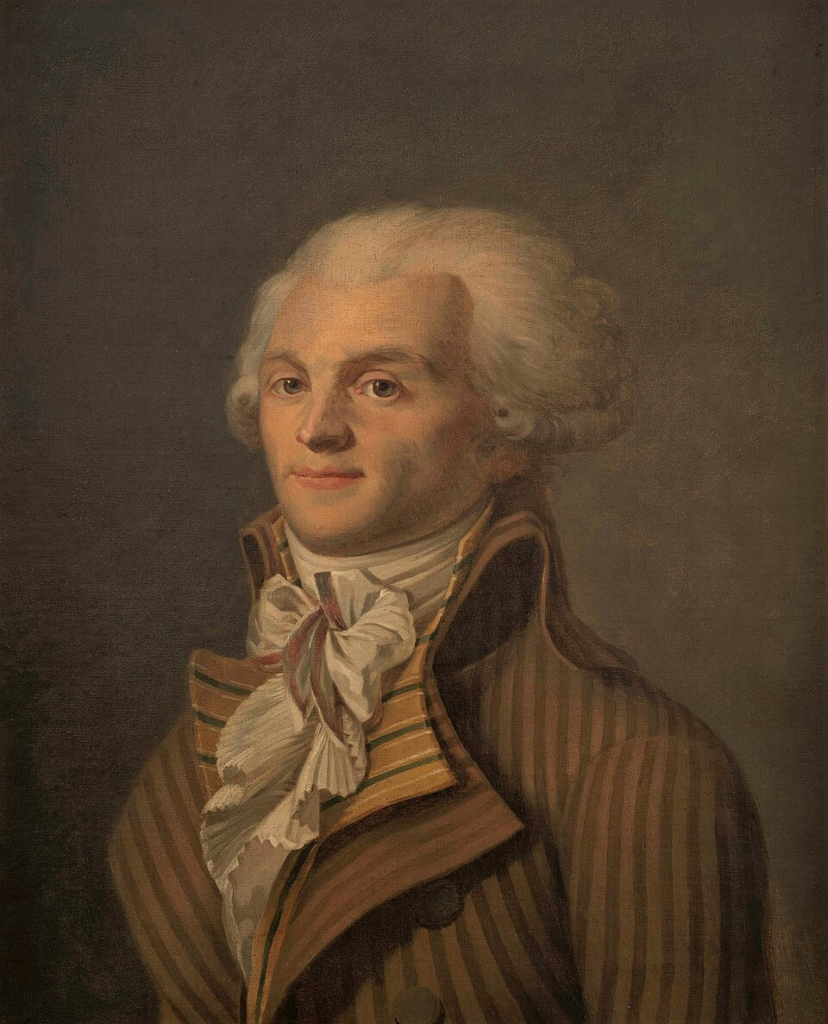
Above: French President Maximilien Robespierre (1758 – 1794)
Thousands died in pursuit of a supposedly moral society.
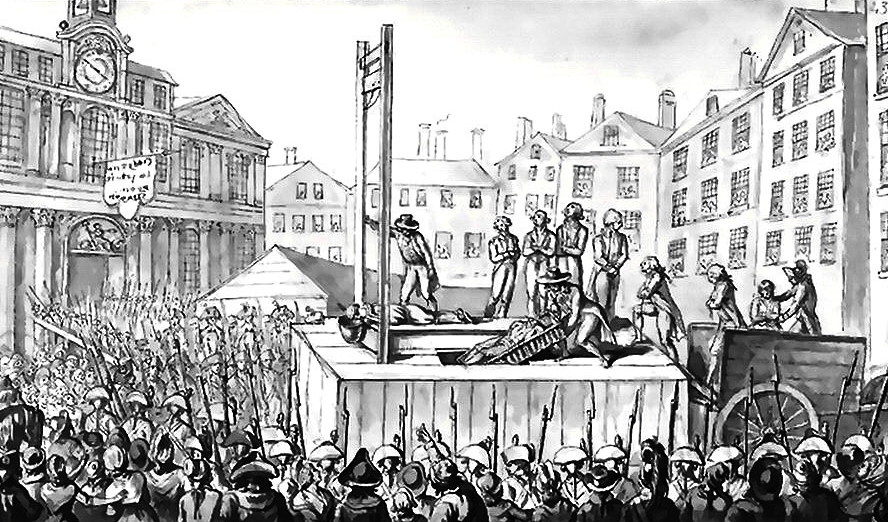
Bolshevik and Communist Revolutions
Vladimir Lenin believed violence was justified to create a classless society.
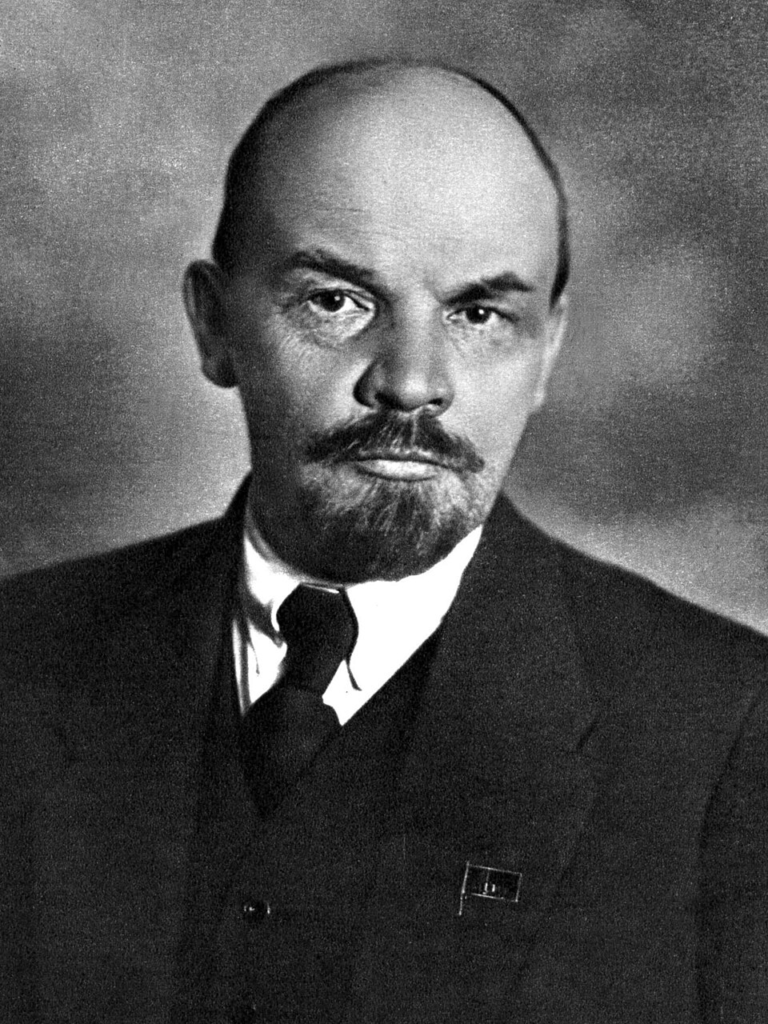
Above: Soviet leader Vladimir Lenin (1870 – 1924)
Later, under Joseph Stalin, millions suffered through collectivization, purges and forced labour.
The justification remained the same:
Temporary suffering would produce a better future.
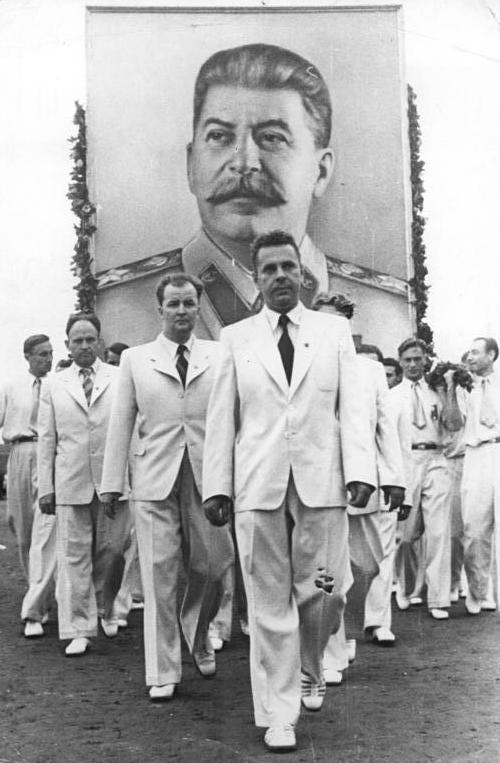
Above: Banner of Stalin in Budapest in 1949
National Socialism
Adolf Hitler and many of his followers convinced themselves that mass murder was necessary to preserve Germany and purify the nation.
The Holocaust represents perhaps the most horrific example of an ideology redefining evil as virtue.
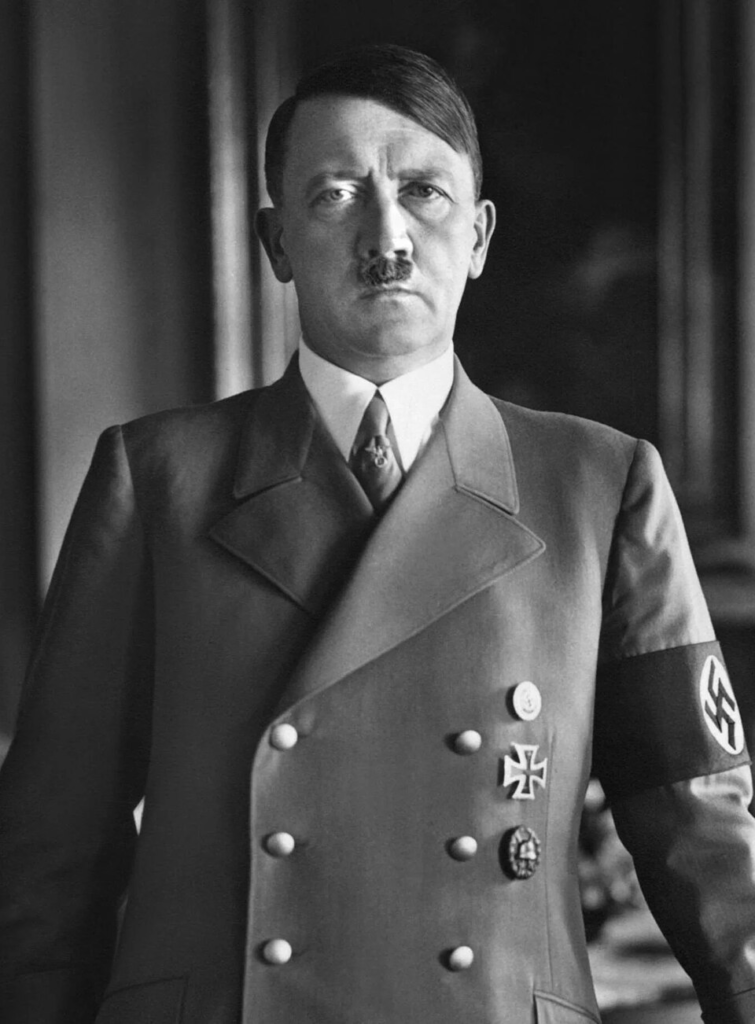
Above: Austrian-born German dictator Adolf Hitler (1889 – 1945)
Modern terrorism
Groups such as Al-Qaeda or Islamic State have persuaded recruits that murdering civilians serves God.
The perpetrators often see themselves not as murderers but as martyrs.
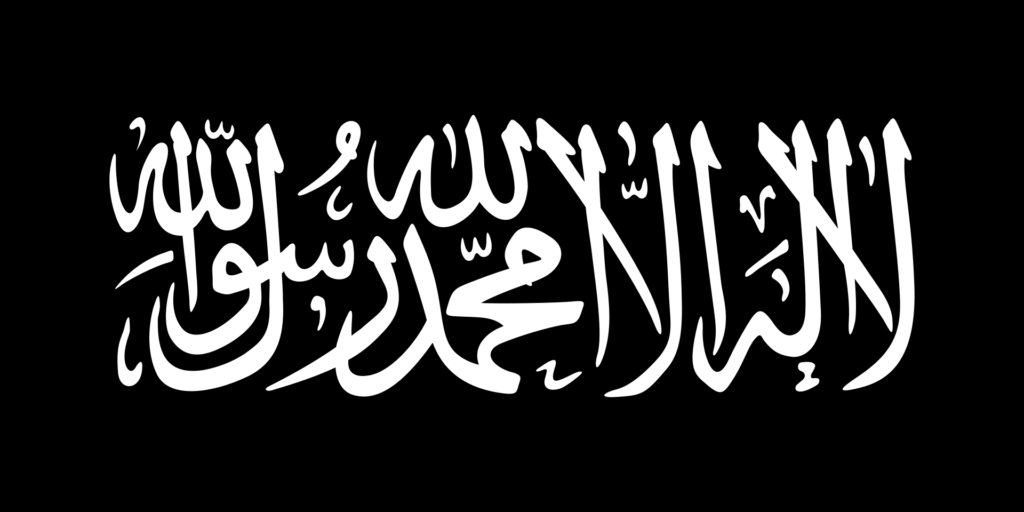
Above: Flag of al-Qaeda
Political assassination
Yigal Amir believed killing Israeli Prime Minister Yitzhak Rabin (1922 – 1995) would save Israel by preventing territorial concessions.
He regarded assassination as a patriotic duty.
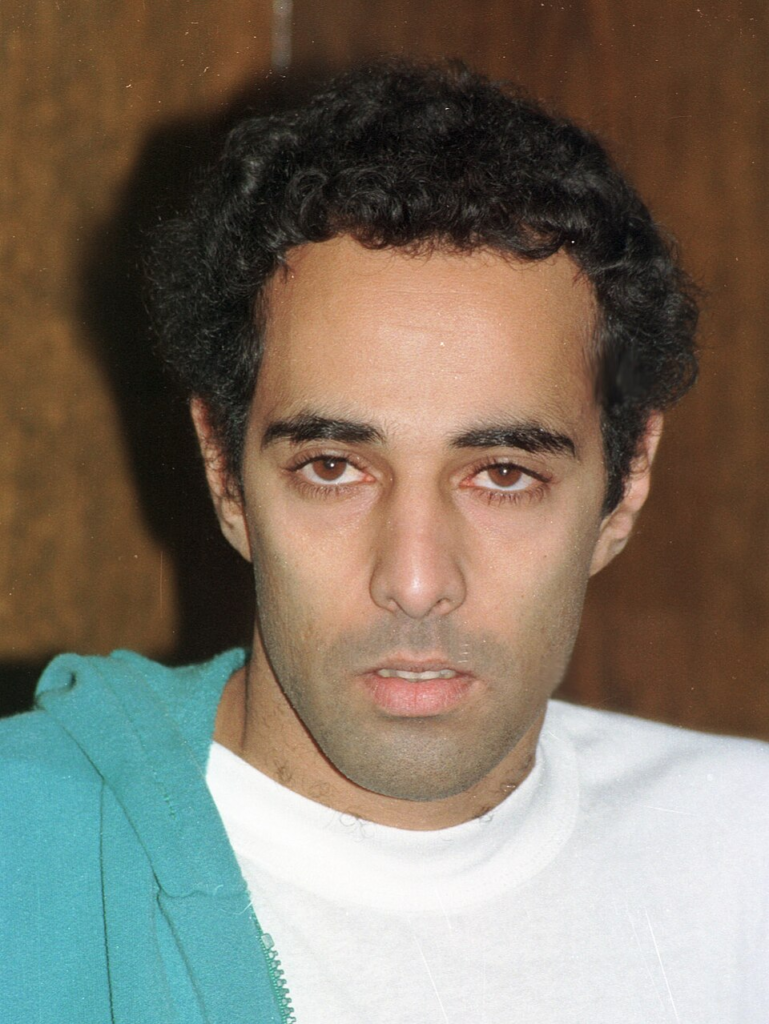
Above: Israeli assassin Yigal Amir
These cases differ enormously, but they often follow the same progression.
- A higher cause is identified.
- An individual or group is portrayed as an obstacle.
- Ordinary moral rules are suspended.
- Violence becomes a regrettable necessity.
- The perpetrator comes to see himself as righteous rather than criminal.
Psychologists sometimes describe this process as moral disengagement, a concept developed by Albert Bandura.
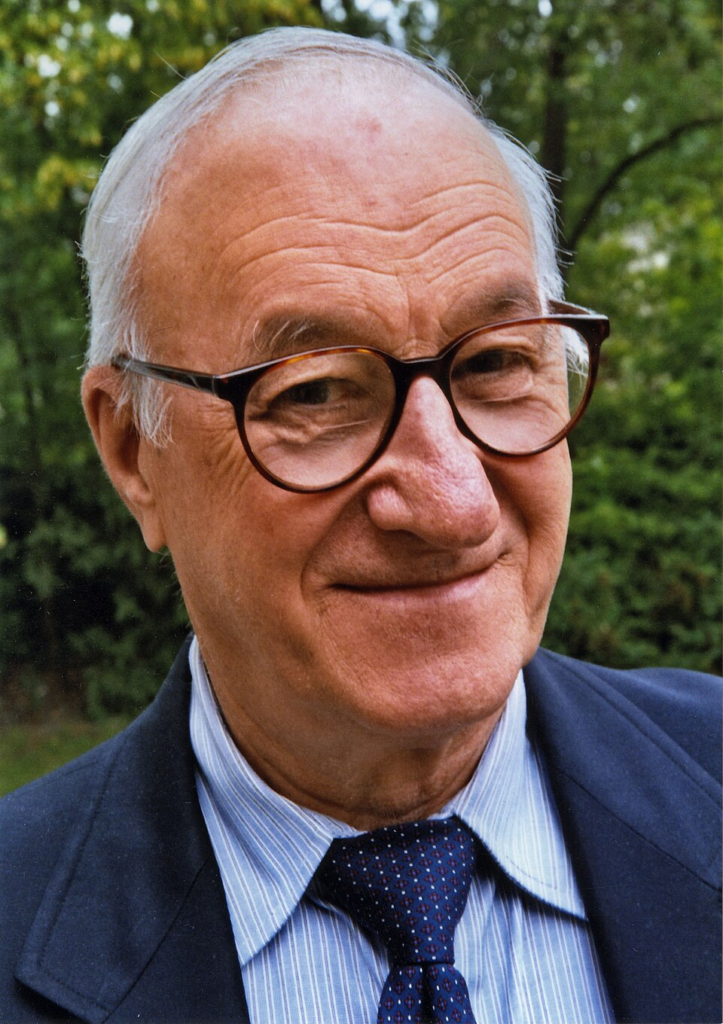
Above: Canadian psychologist Albert Badura (1925 – 2021)
People neutralize their own moral inhibitions by convincing themselves that their actions serve justice, God, the nation or humanity.
This is one reason the Mamaladze case remains so fascinating.
If the prosecution’s account were true, it is unlikely that Archpriest Giorgi Mamaladze woke one morning and thought:
“Today I shall become a murderer.“
Far more plausibly, he would have had to persuade himself that eliminating one person would somehow save something greater:
- the Church
- the Patriarch
- the faith
- Georgia itself
Whether that belief would have been rational is another matter.
But history repeatedly shows that intelligent, educated and even deeply religious people can come to regard an immoral act as a moral duty.
That is one of the most unsettling lessons history has to teach — not because it is unique to priests or politicians, but because it is a temptation woven into human nature itself.
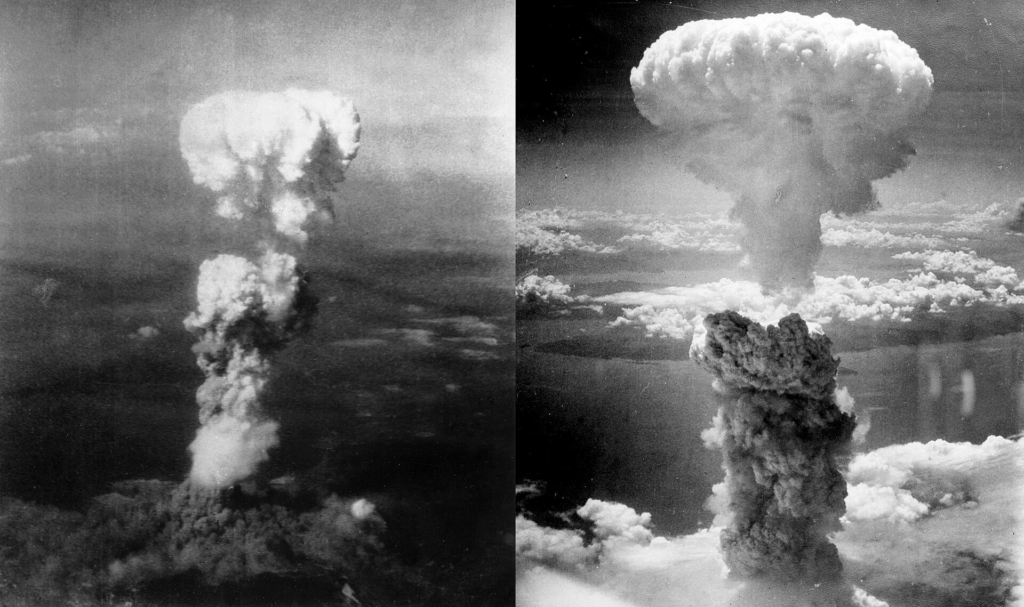
Above: Atomic bombing of Japanese cities Hiroshima (6 August 1945) and Nagasaki (9 August 1945)
The aerial bombings killed 246,000 people, most of whom were civilians, and remain the first and only uses of nuclear weapons in an armed conflict.
Supporters argue that the atomic bombings were necessary to bring an end to the war with minimal casualties and ultimately prevented a greater loss of life on both sides, and also assert that the demonstration of atomic weaponry created the Long Peace in the interest of preventing a nuclear war.
Conversely, critics argue that the bombings were unnecessary for the war’s end and were a war crime, raising moral and ethical implications, and also assert that future use of atomic weaponry is more likely than anticipated and could lead to a nuclear holocaust.
Was Mamaladze rational?
That depends on what we mean by rational.
If we mean capable of coherent planning, there is no evidence that he was psychotic or detached from reality.
If we mean his plan made practical sense, then it is much harder to say yes.
Consider the obstacles.
He allegedly intended to:
- fly internationally
- carry poison through airport security
- enter a hospital or secure environment
- kill one of the most closely connected figures in the Georgian Church
- escape
It is difficult to see how such a plan would have succeeded.
Even had the poisoning been successful, suspicion would almost immediately have fallen on the relatively small circle of clergy and officials who knew where the Patriarch and his entourage were.
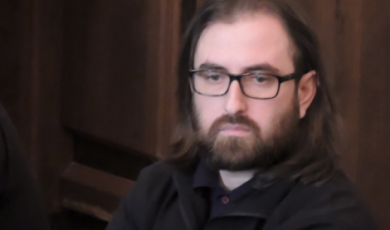
Above: Giorgi Mamaladze
The unanswered question is:
The question that still intrigues many observers is not simply:
“Did he possess cyanide?”
but rather:
“What did he believe would happen the next day?”
Suppose he had succeeded.
Would he imagine:
- quietly flying back to Georgia?
- remaining unnoticed?
- escaping prosecution?
Those expectations would seem unrealistic.

Could the cyanide have been planted in Mamaladze’s luggage?
Yes.
Was it?
We simply do not know.
That possibility has been discussed ever since the arrest.
If one considers the hypothesis purely analytically, planting cyanide would have required:
- access to Mamaladze’s luggage
- knowledge of his travel plans
- confidence that authorities would discover it
- a willingness to risk an enormous scandal if the fabrication were exposed
Such operations are certainly not impossible in principle. Intelligence services around the world have, at various times, planted evidence in criminal or political cases.
The difficulty is that there is no publicly available evidence demonstrating that this happened in Mamaladze’s case.
Conversely, neither has all the evidence been made public in a way that has convinced every observer of the prosecution’s account.

If the cyanide had been planted, who would have benefited?
This brings us to the classic investigative question:
Cui bono? — “Who benefits?”
Several theoretical beneficiaries have been proposed by commentators over the years:
- those wishing to remove Mamaladze from Church politics
- those seeking to reinforce Tetruashvili’s position
- factions hoping to influence the future succession to the Patriarchate
- state actors wanting to avert what they believed to be a genuine threat
The problem is that these remain hypotheses.
They are not established facts.
Moreover, planting evidence would itself be an extraordinarily risky undertaking.
Had such a fabrication been exposed, it would have gravely damaged both the Georgian state and the Church.

That lingering opacity is one reason the case continues to provoke debate in Georgia.
That is one reason some commentators have wondered whether there was more to the story than has ever been made public — not necessarily a grand conspiracy, but perhaps conversations, intentions or misunderstandings that never emerged in court.
The case has never quite faded from Georgian public life.
It is not only because it involved cyanide or a possible assassination.
It is because it touched the inner workings of an institution that, under Ilia II, carried immense moral and national authority.
The case exposed rivalries, personal loyalties, questions of governance, and anxieties about succession that had largely remained behind the walls of the Patriarchate.
In that sense, the “cyanide case” was as much about power within the Georgian Orthodox Church as it was about an alleged criminal plot.
That helps explain why it continues to invite comparison with Conclave:
The mystery lies not only in what happened, but in what the episode revealed about an institution that most outsiders rarely glimpse from the inside.
Since the death of Ilia II what has happened to Shorena Tetruashvili?
For years Shorena Tetruashvili was arguably one of the most influential people in Georgia whom almost nobody outside the country had heard of.
When Ilia II died on 17 March 2026, her unique position inevitably changed.
For decades, her authority derived almost entirely from her proximity to the Patriarch.
She was his secretary-referent, organized his schedule, controlled access to him, coordinated much of the Patriarchate’s administration, and was widely regarded as a gatekeeper within the Church.
This extraordinary informal influence was one reason she became central to the 2017 “cyanide case“
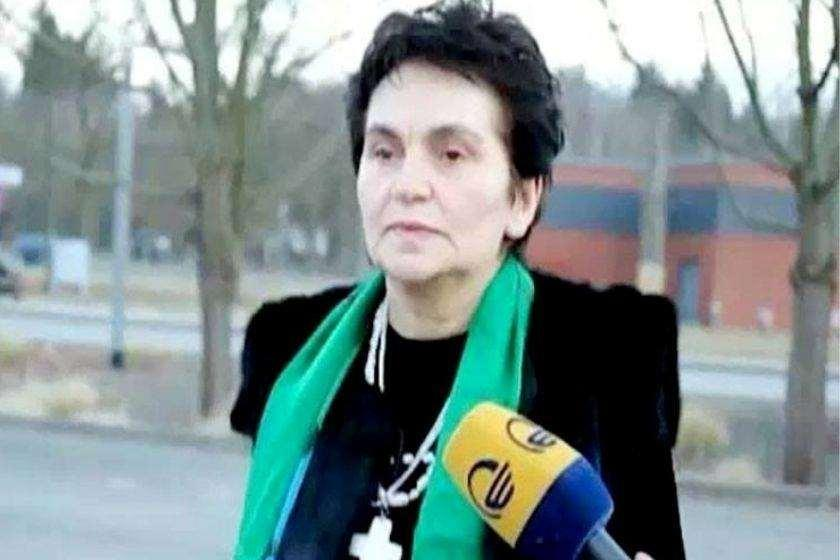
Above: Shorena Tetruashvili
What happened after Ilia II’s death?
The available reporting suggests several things.
First, she remained at the Patriarchate during the immediate mourning period.
Georgian media showed and described her grieving at Ilia II’s funeral after many years of service to him.
Second, there is no indication that Patriarch Shio III has retained her in the same influential role she exercised under Ilia II.
The reports surrounding the succession focus almost entirely on the new Patriarch, the Holy Synod, and the future balance of power within the Church. Tetruashvili has largely disappeared from public discussion.
That absence is itself telling.
Much of Shorena Tetruashvili’s influence was personal rather than institutional.
She was powerful because:
- she had the complete confidence of Ilia II
- she managed access to one of the most revered figures in Georgia
- bishops, politicians and businessmen often needed to go through her to reach him
- many observers believed she understood the Patriarch’s wishes better than almost anyone else
When Ilia II died, that personal authority necessarily expired.
Patriarch Shio III has his own advisers, his own administrative style, and his own relationships within the Church.
As one theologian observed after the succession, Ilia II’s highly centralized, almost monarchical style of governance is unlikely to continue unchanged under his successor.

Did she become a political casualty?
There is no reliable evidence of that.
Some commentators had long portrayed her as the leader of one faction within the Patriarchate, while others argued she was unfairly blamed for controversies because she was the visible administrator closest to Ilia II.
Those competing narratives existed well before his death.
Since March 2026, however, there has been remarkably little verified reporting about her activities.
She appears simply to have receded from public prominence rather than becoming the subject of a dramatic purge or public dispute.
One aspect of her story that I find particularly interesting is how unusual it was within the Orthodox world.
Here was a laywoman — not a bishop, not a monk, not even a member of the clergy — who came to be regarded by many as one of the most influential figures in the Georgian Orthodox Church.
That is precisely why the alleged plot against her in 2017 attracted such extraordinary attention:
If the prosecution’s account was correct, the intended victim was not simply a secretary but someone perceived as having exceptional informal influence over the Patriarch and, by extension, over one of Georgia’s most powerful institutions.
Once Ilia II’s nearly fifty-year patriarchate ended, the very foundation of that influence disappeared with it.
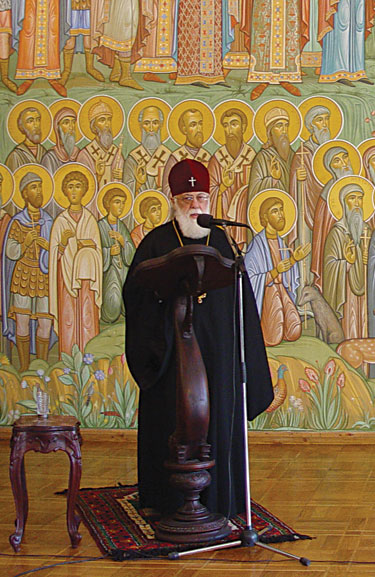
Above: Ilia II of Georgia
Basically the prosecution’s case hinges upon the belief that he who has the king’s ear has the power behind the throne.
“He who has the king’s ear has the power behind the throne” actually captures an old political principle remarkably well.
History is full of similar figures:
- Thomas Cromwell, who controlled access to Henry VIII
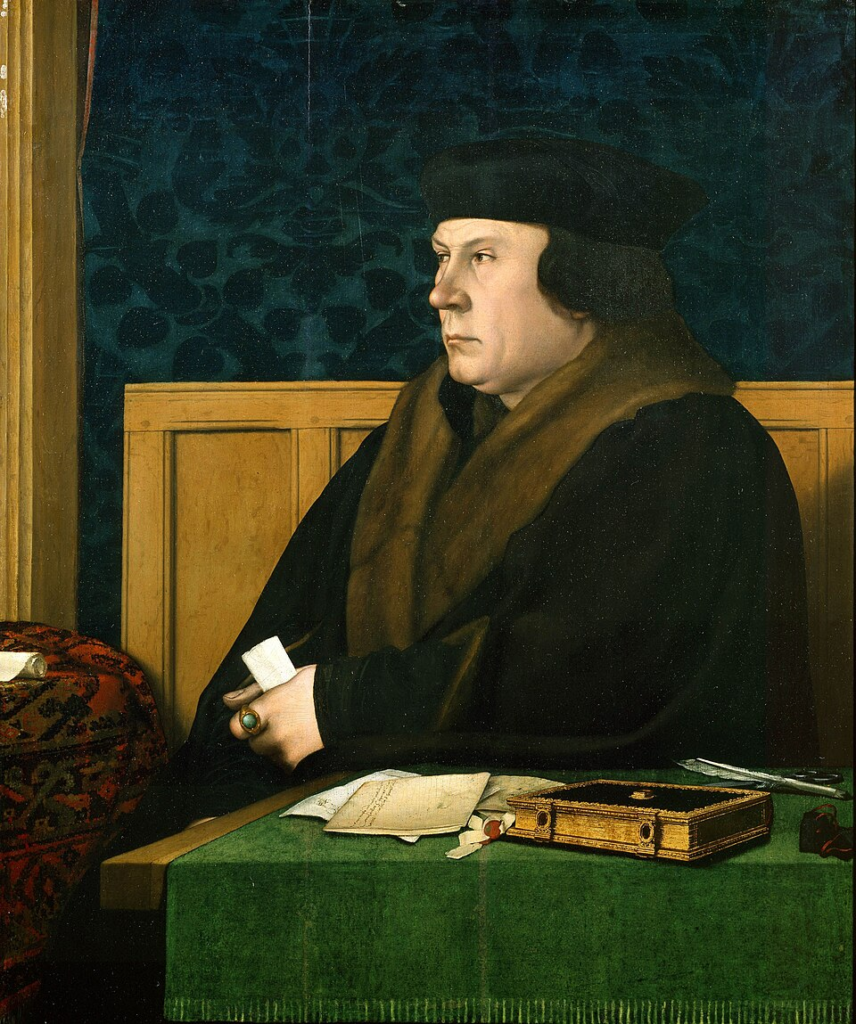
Above: English Chief Minister Thomas Cromwell (1485 – 1540)
- Cardinal Richelieu, who formally served the King but in practice directed much of French policy
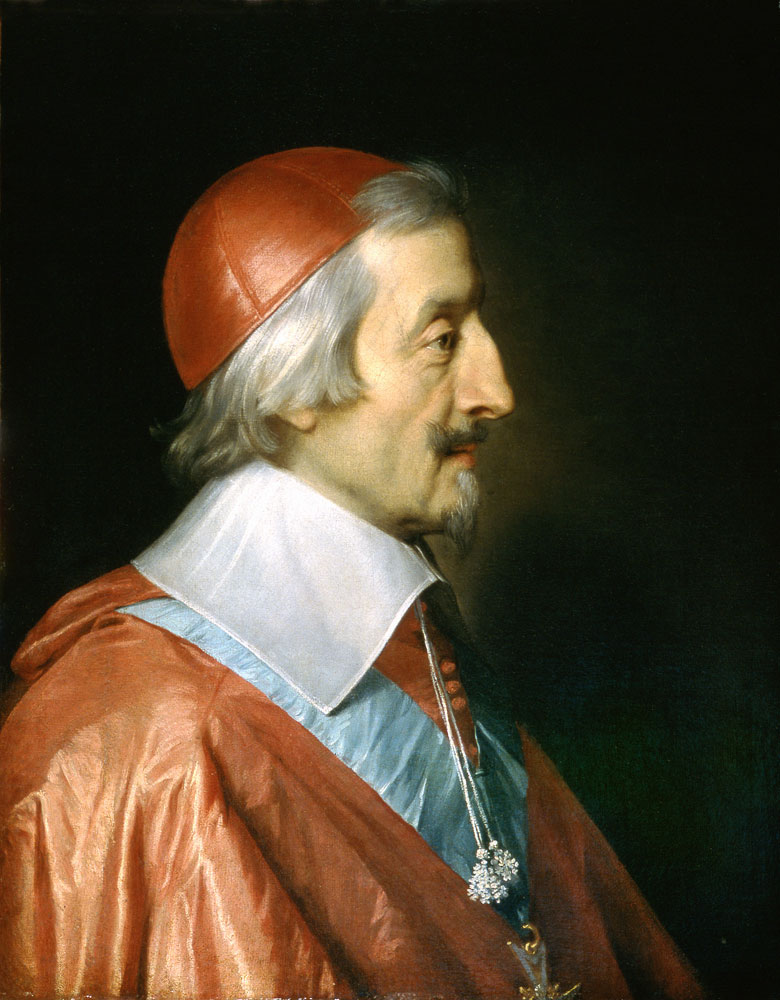
Above: Armand Jean du Plessis, Cardinal Richelieu (1585 – 1642)
- Even in the Vatican, powerful secretaries of state have sometimes been viewed as the indispensable intermediaries around elderly popes.
Above: Flag of Vatican City
The Georgian Patriarchate is, of course, much smaller than these historical courts, but the underlying dynamics can be similar.
The allegation was not that Shorena Tetruashvili was important because of her formal title.
It was that she occupied a uniquely influential position because she controlled — or at least heavily influenced — access to an elderly patriarch who was both frail and enormously revered.
Think of it in terms of medieval courts rather than modern bureaucracies.
A king might officially rule the realm, but those who controlled:
- access to the king
- his correspondence
- his appointments
- his schedule
- the flow of information
could become extraordinarily powerful despite holding no constitutional office.
Throughout history, chamberlains, chief secretaries, royal favorites, and personal aides have often wielded influence disproportionate to their titles.
In Georgia, many observers — supporters and critics alike — believed that Tetruashvili occupied precisely such a role around Ilia II during his final years.
The prosecution’s logic therefore ran something like this:
- Ilia II was in his eighties and increasingly dependent upon trusted aides.
- Tetruashvili controlled much of the day-to-day administration.
- Bishops often complained they could not easily reach the Patriarch directly.
- Removing her would dramatically alter the balance of power inside the Patriarchate.
Whether that theory was true is another matter.
Many Georgians believed it.
Many others thought it was exaggerated.
Some thought it was complete fiction.
This is why the affair became so politically explosive.
If Tetruashvili really was “the power behind the throne“, then harming her could reshape the succession after Ilia II.
If she was not exercising unusual influence, then the alleged motive becomes much harder to understand.
That disagreement remains one of the unresolved questions surrounding the case.
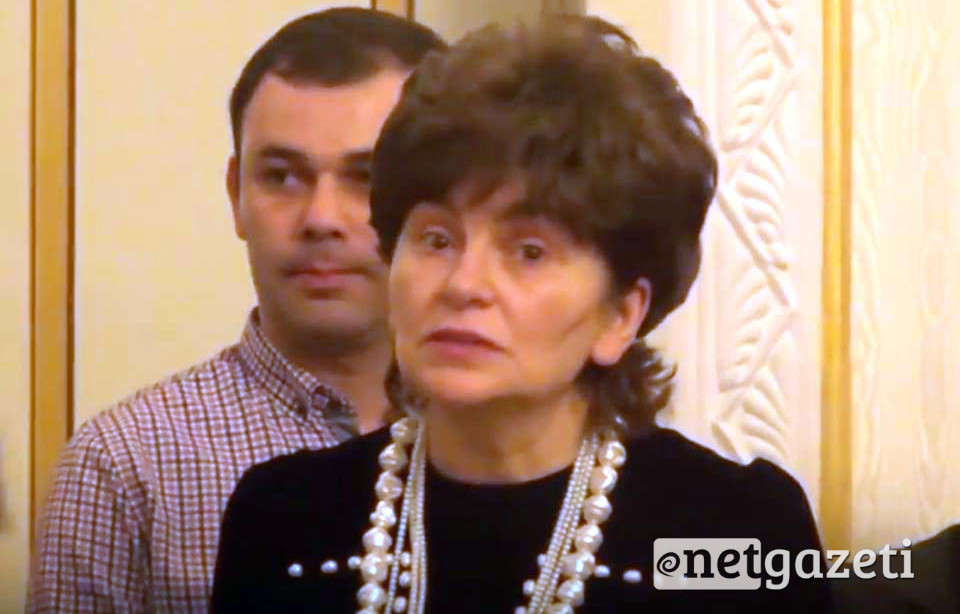
Above: Shorena Tetruashvili
There are historical events where the documentation is so rich that we can reconstruct motives with considerable confidence — for example, the assassination of Julius Caesar or the deliberations of wartime cabinets.
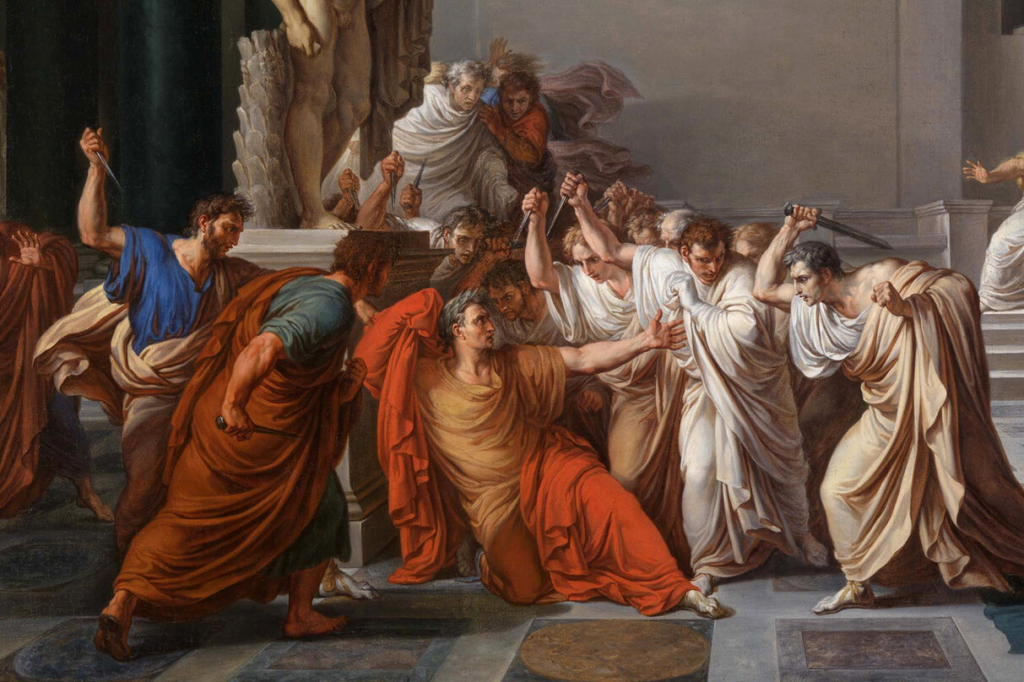
Above: The death of Julius Caesar (15 March 44)
Then there are cases like this one, where crucial evidence remains sealed, disputed or known only to a handful of investigators.
The responsible approach is to acknowledge uncertainty rather than fill the gaps with an attractive narrative.

That, in a sense, is why the Mamaladze affair continues to fascinate.
Nearly a decade later, it still has the structure of a mystery:
We know the arrest, the cyanide, the trial, and the conviction — but the deeper questions of motive, intent and internal Church dynamics remain only partially illuminated.
That uncertainty has left room for competing interpretations, none of which has achieved universal acceptance.
The “cyanide case” has never faded entirely from Georgian public memory.
It was never just about one priest and one alleged victim.
It touched questions of succession, authority, trust, church politics, and even Georgia’s identity after the Soviet era.
Even today, historians and journalists continue to debate which parts of the prosecution’s narrative were firmly established and which remain matters of inference rather than proof.
The incumbent patriarch’s decision to name his locum in his own lifetime came to many Georgians as a surprise.
The Georgian media suggested this might indicate Ilia II’s support for Shio’s candidacy as a future patriarch.
After a meeting of the Holy Synod on 2 November 2023, he called for peace in Ukraine, the Middle East and the whole world.
Ilia II became patriarch in 1977 during the Soviet period, presided over the Church’s transformation from a restricted institution into one of the most influential bodies in Georgia.
Over time, the Church became closely associated with national identity and enjoyed exceptionally high public trust, with the patriarch widely regarded as a unifying figure across political and social divisions.
Ilia II was often described as a conservative leader.
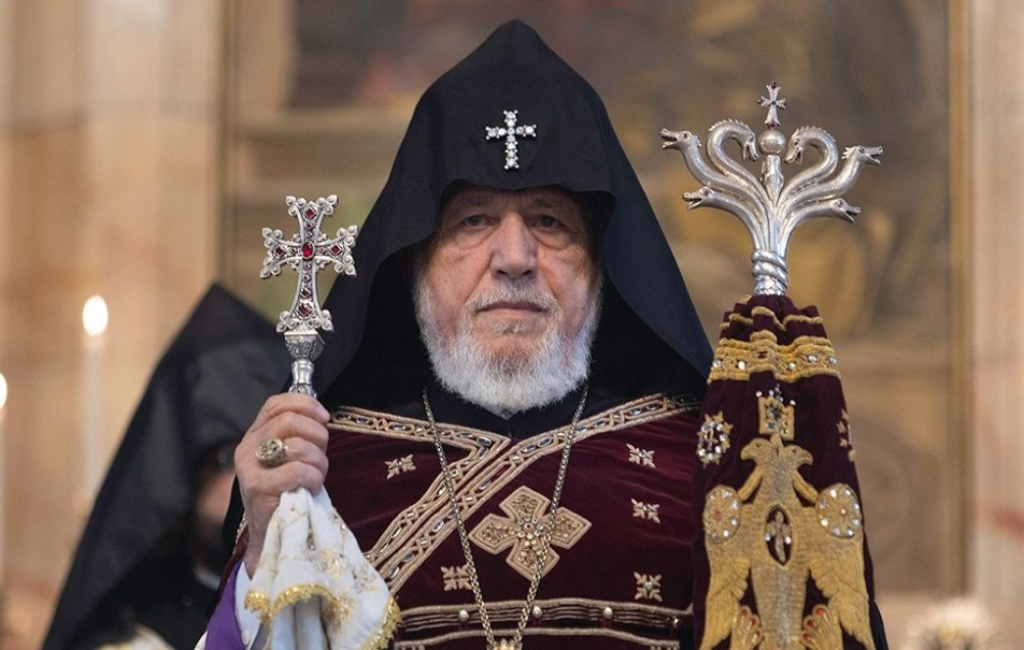
Above: Ilia II of Georgia
Critics, however, pointed to the Church’s reluctance to openly criticize the ruling Georgian Dream party.
Above: Logo of the Georgian Dream party
On 17 March 2026, Metropolitan Shio officially became patriarchal locum tenens following the death of Ilia II (the longest serving patriarch in the history of the Georgian Orthodox Church, which spans more than a millennium).
This was confirmed by the Holy Synod of the Georgian Orthodox Church when it convened on 18 March.
Because of his previous appointment, Metropolitan Shio was widely seen as the front-runner to succeed Ilia II as Patriarch.
On 11 May 2026, Shio was elected as the Catholicos-Patriarch of All Georgia in a vote by the Holy Synod of the Georgian Orthodox Church.
He received 22 votes from the 39 person Synod.
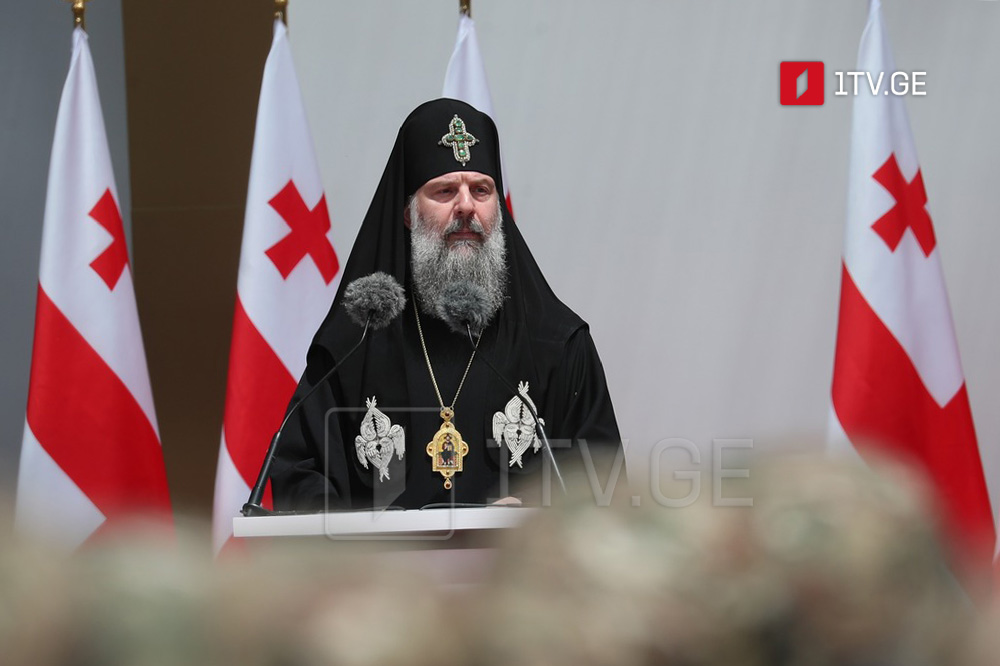
Above: Shio III of Georgia
Shio was enthroned in Svetitskhoveli Cathedral on 12 May.
In his first sermon, delivered during his enthronement, he pledged to continue the legacy of his predecessor.
Shio spoke of the church’s role in addressing contemporary social and social challenges, and emphasized faith, tradition, and national responsibility that the Georgian youth must uphold.
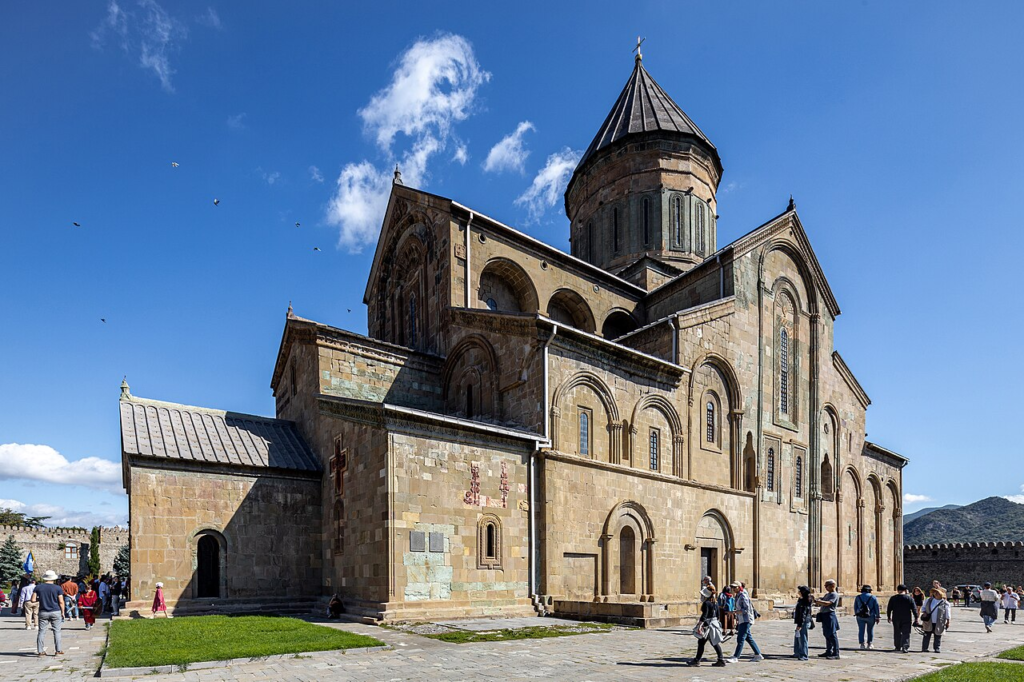
Above: Svetitskhoveli Cathedral, Mtskheta, Georgia
Shio is associated with socially conservative positions within the Georgian Orthodox Church.
During the Church’s “Family Purity Day” events, he described the family as a divinely created institution and said that family values were under threat.
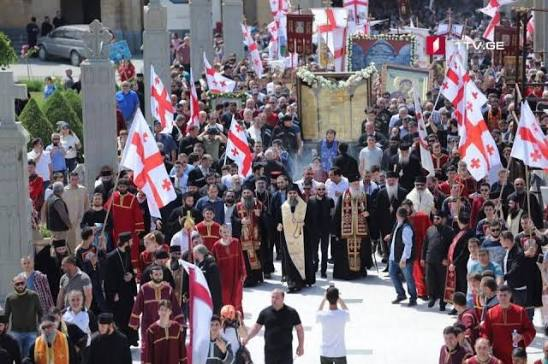
Above: Family Purity Day procession
In 2019, he linked the defense of family to opposition to abortion and what he called “LGBTQ ideology“.

Above: LGBTQ flag
Commentators have described Metropolitan Shio as a conservative figure within debates over the Church’s political orientation.
In 2026, the Carnegie Endowment for International Peace described him as “widely regarded” as a radical conservative and as supportive of closer relations with the Russian Orthodox Church.

Archbishop Zenon Iarajuli has described Shio as “dangerous“, and preferred by both Russia and Georgian authorities.
Shio has denied allegations of links to Moscow, describing them as slander.
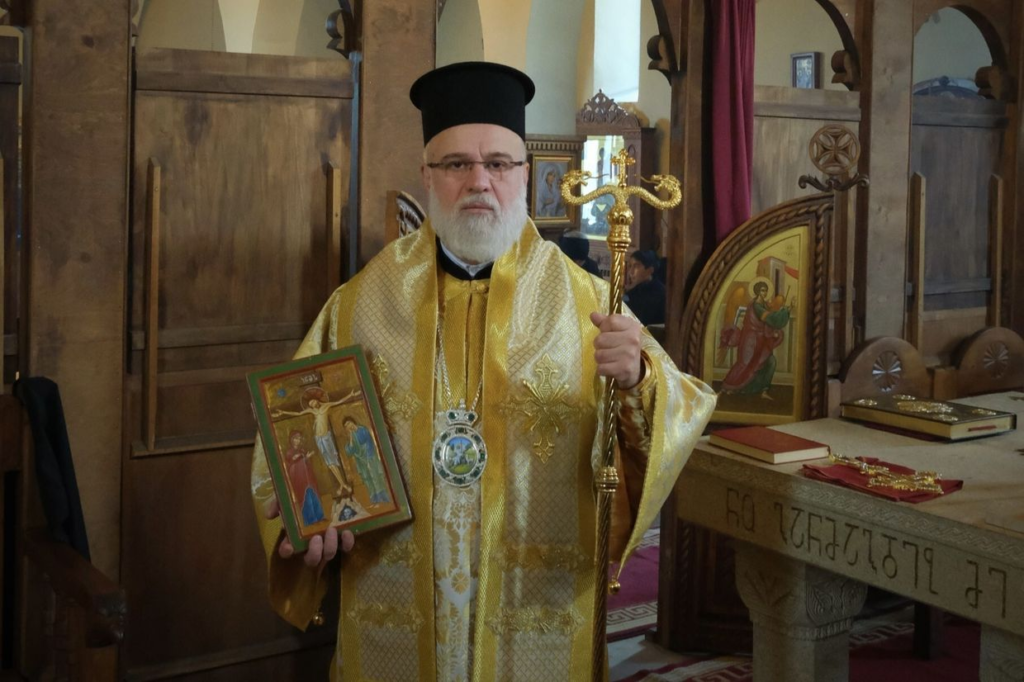
Above: Georgian Archbishop Zenon Iarajuli
After a violent mob, including several Orthodox priests, attacked and injured numerous participants of Tbilisi Pride march, as well as journalists, on 5 July 2021, Mujiri did not condemn the violence, but suggested that to prevent further violence, Georgia should “outlaw insulting religious and national feelings“.
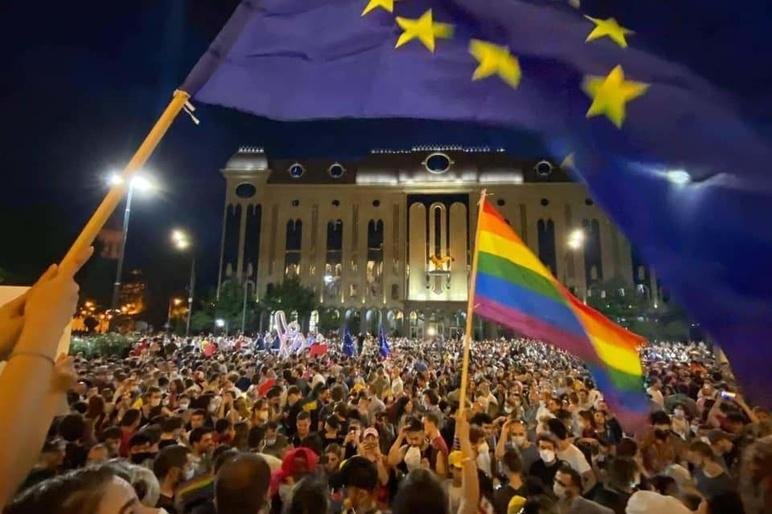
Above: Tbilisi Pride, 5 July 2021
All of this is interesting, but the election itself also sparks.
Above: Election Day single, Arcadia
To be eligible, the candidate has to be ethnically Georgian, a monk and a bishop of the GOC, have a theological education and sufficient experience in church governance and be between the ages of 40 and 70.
While the specific requirements for the level of theological education and the reference date for the age limit were previously points of discussion, these have since been resolved, and the core education and age rules remained the same.
Out of the 39 members of the Holy Synod, 30 are within the allowed age range.
14 of the bishops did not have a theological education necessary for a candidacy.
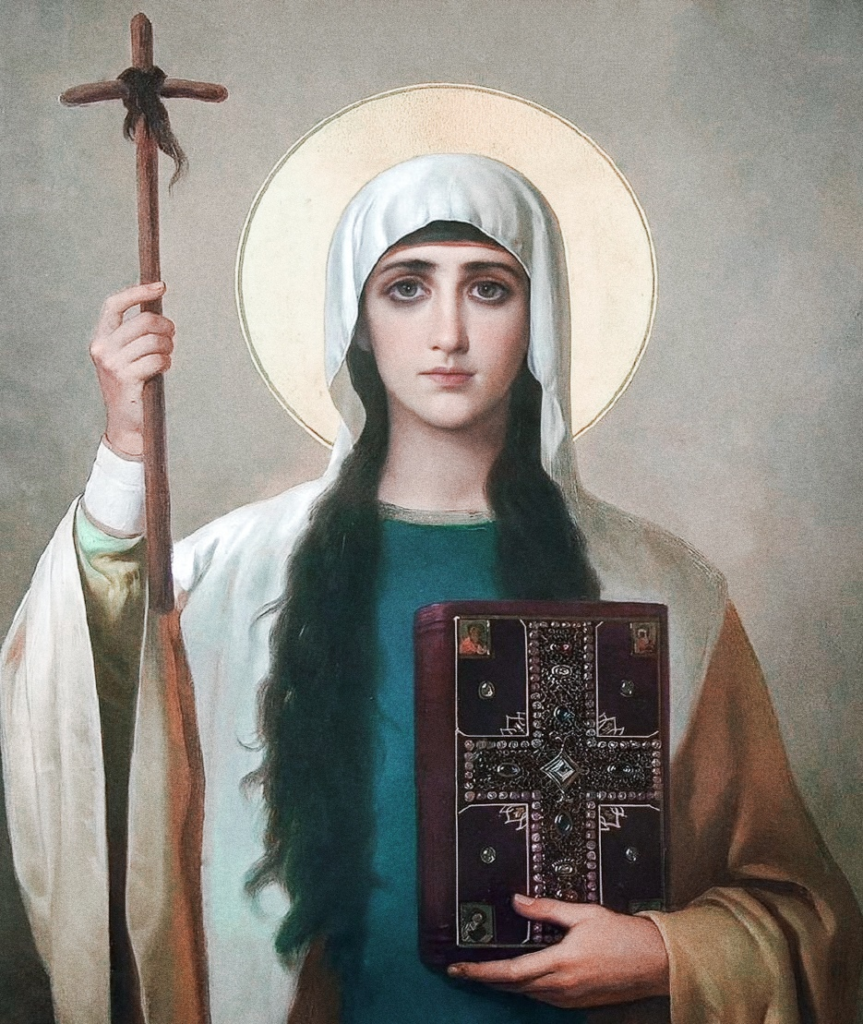
Above: Saint Nino of Cappadocia (280 – 330), baptizer of the Georgians
Metropolitan Iobi was considered Shio’s primary rival and shared his conservative views.
His influence was bolstered by the number of Synod members who had begun their clerical service under him.
There were at least five such bishops in the Synod.
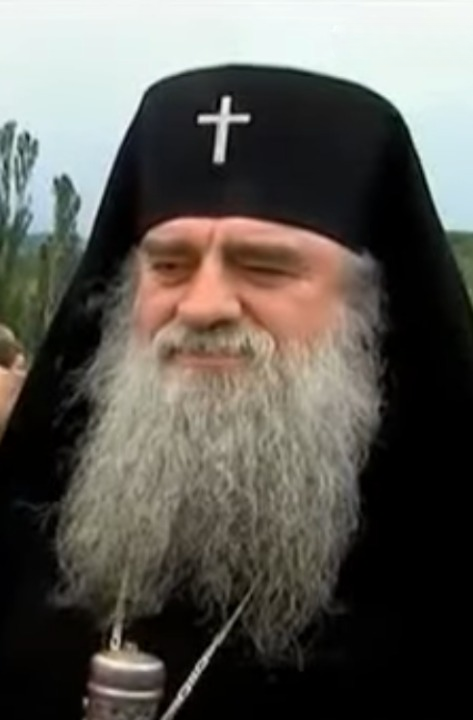
Above: Metropolitan Iobi
Known for controversial conspiracy rhetoric, he claimed electronic ID cards bore “the mark of the Antichrist“, described the COVID-19 epidemic as “artificially imposed“, alleged that elites received a different vaccine than ordinary citizens, and preached that a person of true faith would not contract the virus – though he himself was later hospitalized with corona virus.
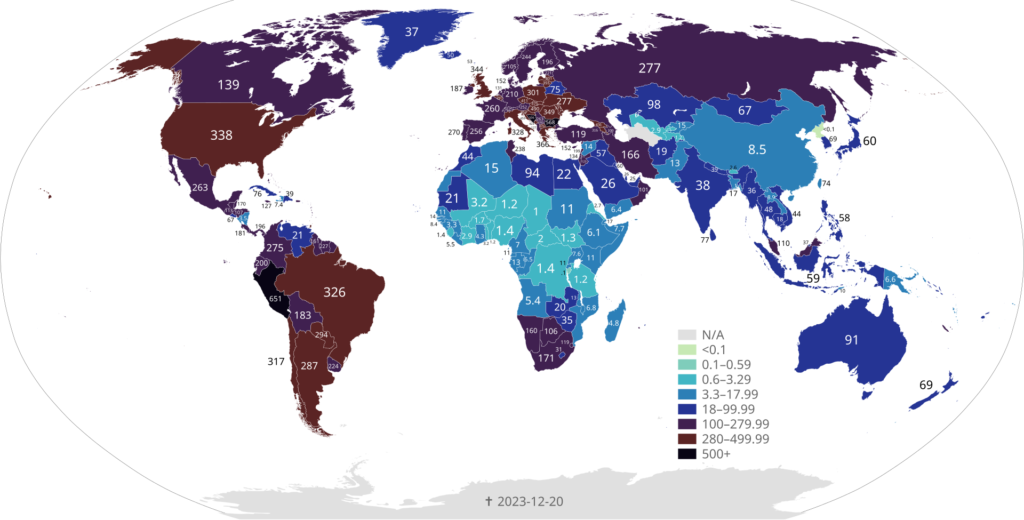
Above: Confirmed COVID-19 deaths per 100,000 population as of 20 December 2023
Iobi had publicly called for the restoration of the monarchy in Georgia under the Bagrationi dynasty, a stance supported by circulating photos of him meeting with David Bagration-Mukhrani and the young Crown Prince Giorgi Bagrationi.
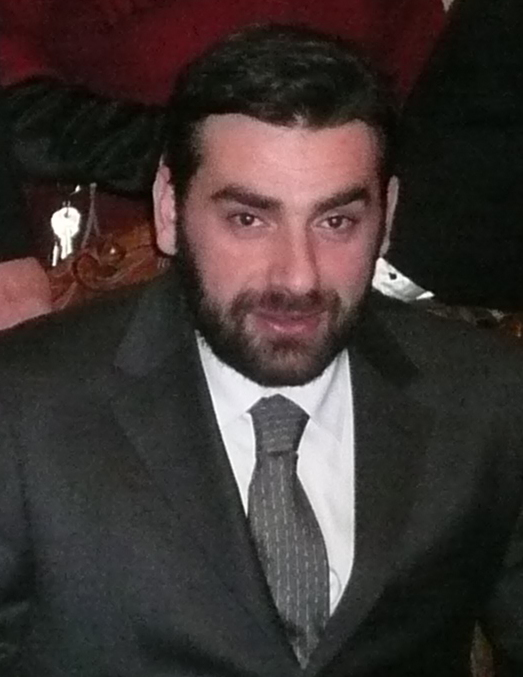
Above: David Bagration, Head of the Royal House of Georgia
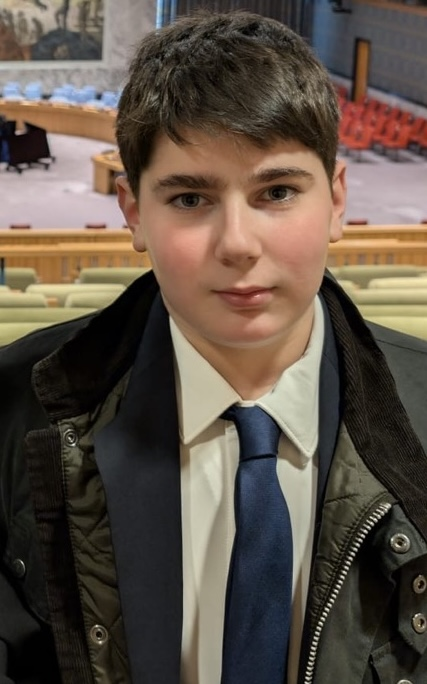
Above: Georgian Prince Giorgi Bagratoni
On Russia, Iobi’s positions were contradictory:
A magazine published under his blessing framed the 2008 war as divine punishment for Georgia’s Western orientation, yet he also claimed he had nearly anathematized Putin and Medvedev over the burning of Georgian villages.
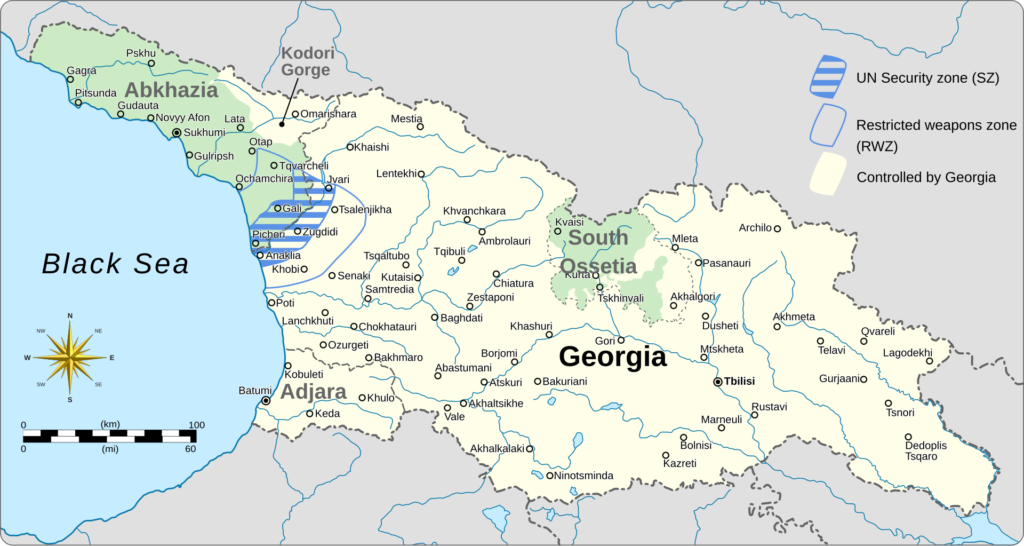
Above: Georgia before the 2008 War
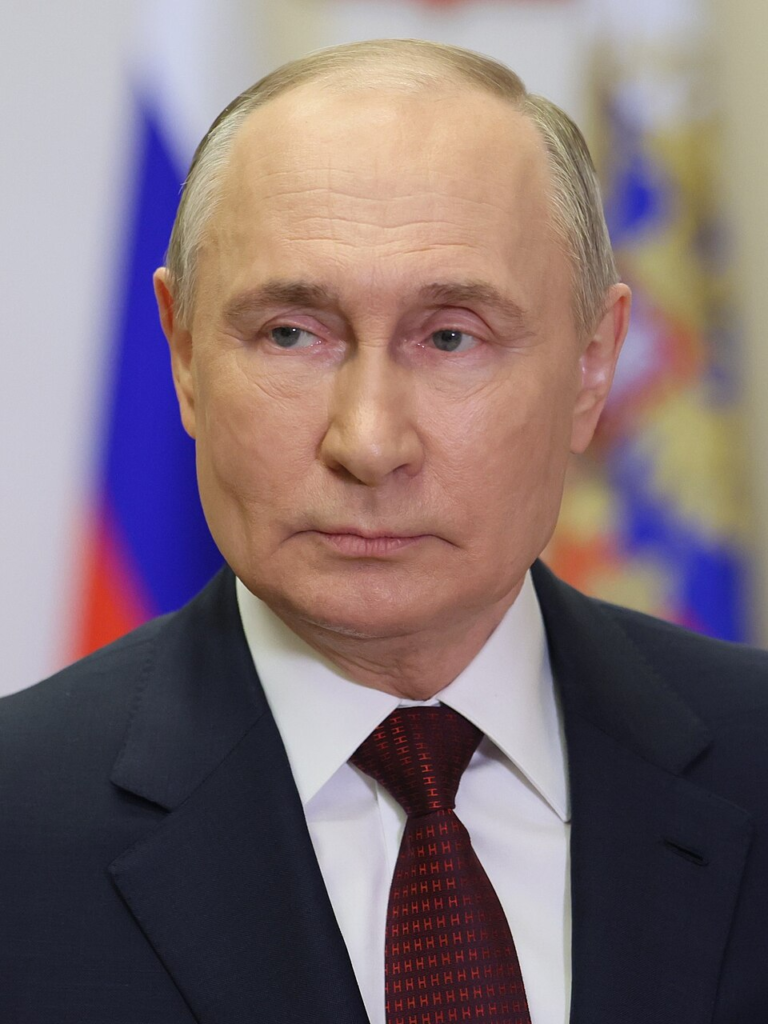
Above: Russian President Vladimir Putin
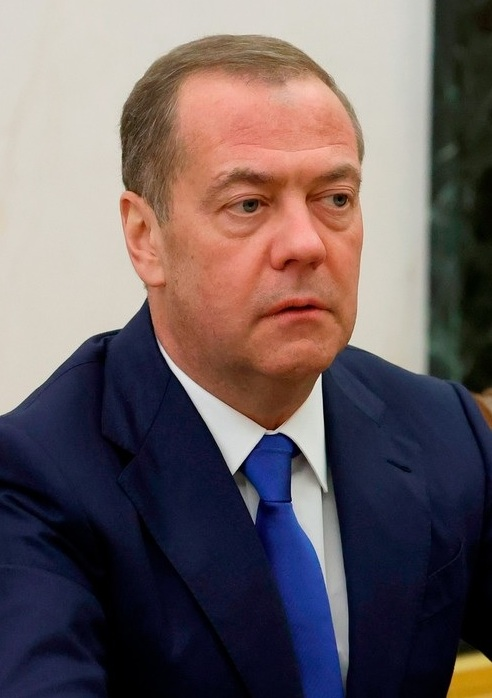
Above: Russian President Dmitry Medvedev (r. 2008 – 2012)
In 2018 Iobi publicly accused the Georgian Dream government of working against the church and deliberately promoting drug addiction in the country.
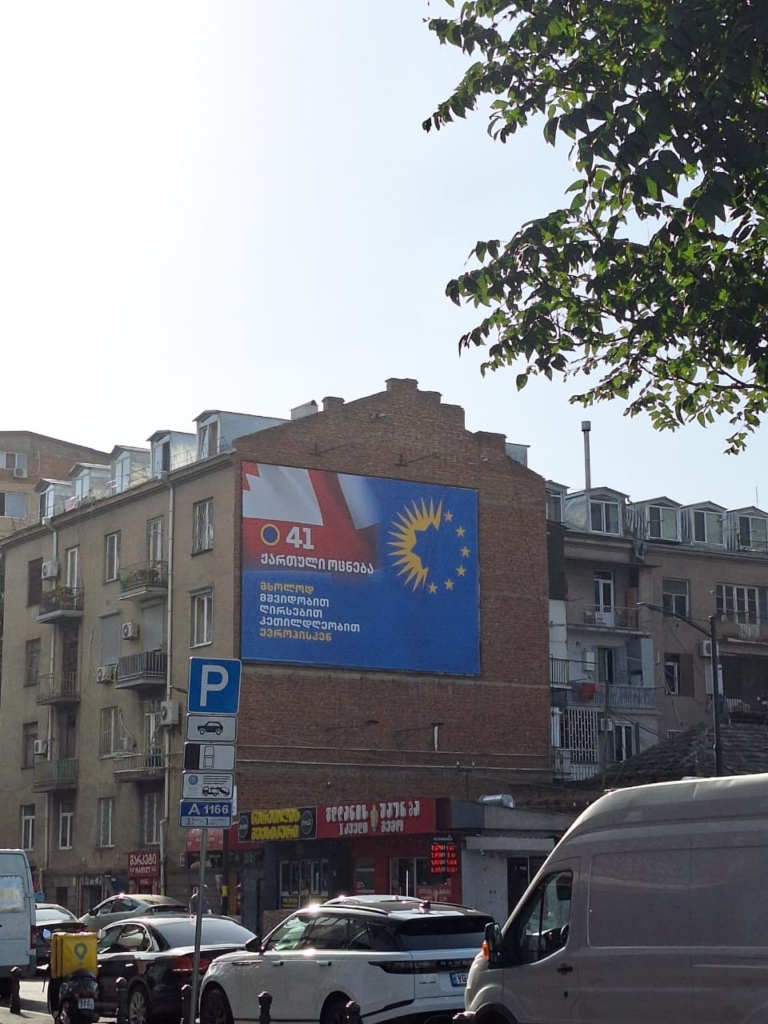
Above: Georgian Dream electoral billboard ‘Only with peace, dignity and prosperity to Europe‘ (2024)
Iobi cursed and excommunicated journalist Giorgi Gabunia, called for clergy to “go first” if bloodshed became necessary over the David Gareji dispute with Azerbaijan, and described Muslims as bearing “the spiritual mark” of the Devil.
(Giorgi Gabunia is one of Georgia’s most controversial television journalists.
He became internationally known in July 2019 after delivering an extraordinarily vulgar live on-air tirade directed personally at Russian President Vladimir Putin.
The broadcast provoked enormous controversy inside Georgia.
Some defended Gabunia on free-speech grounds and because of Russia’s occupation of Georgian territory.
Others — including many who strongly opposed the Kremlin —argued that his language damaged Georgia’s interests and crossed professional boundaries.
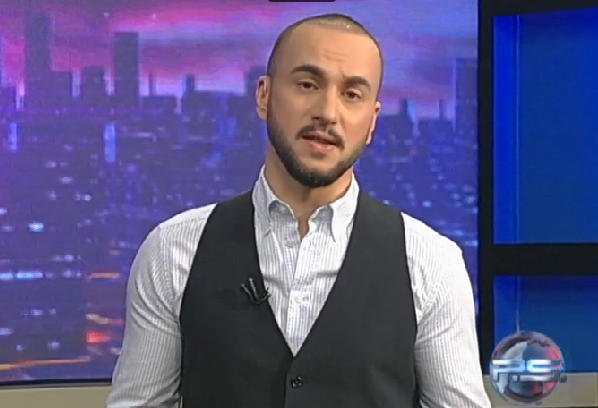
Above: Georgian commentator Giorgi Gabunia
The controversy intensified in 2020, when Georgian security services announced they had disrupted an alleged assassination plot against Gabunia.
Authorities arrested a man they said had links to actors from outside Georgia.
The precise circumstances remain disputed, but the incident underscored how politically charged his public profile had become.
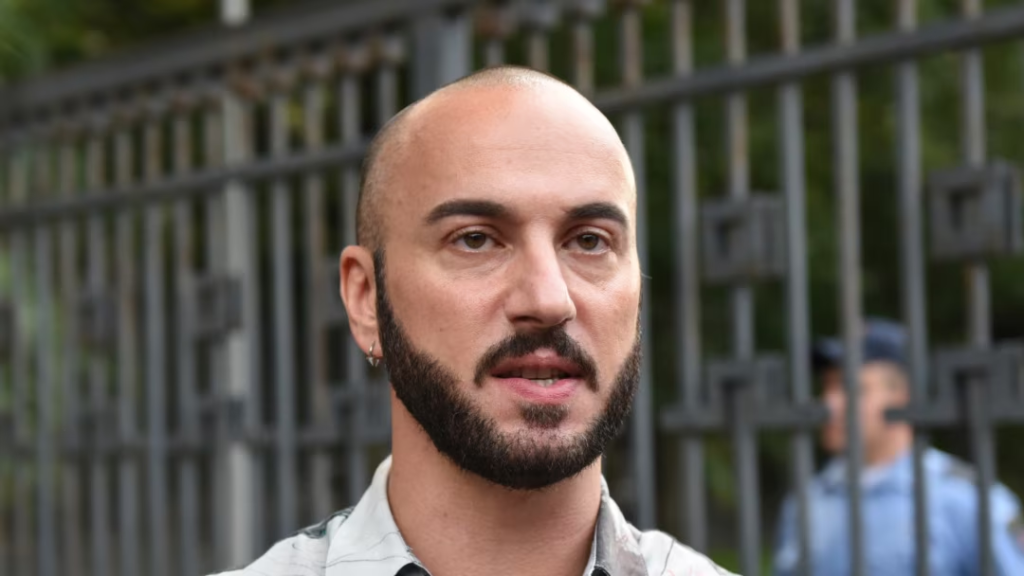
Above: Giorgi Gabunia
When Metropolitan Iobi excommunicated him, it reflected the degree to which Gabunia had become a lightning rod in Georgia’s culture wars.
How vulgar was Gabunia’s anti-Putin rant?
Very.
Giorgi Gabunia went far beyond ordinary political criticism.
In July 2019, during a live broadcast on the opposition television channel Rustavi 2, he delivered a tirade directed personally at Russian President Vladimir Putin.
The speech included repeated obscene insults involving Putin’s deceased parents.
Those insults are difficult to translate because they relied on particularly offensive Russian profanity (“mat“), but they were among the strongest insults one can direct at another person in Russian-speaking culture.
It caused:
- protests in Georgia,
- outrage in Russia,
- condemnation even from many Georgians who opposed Putin,
- criticism from the Georgian government,
- and embarrassment for Rustavi 2 itself.
The television station later apologized.

Above: Logo of Rustavi 2 television channel
Compared with Robert De Niro’s criticism of Donald Trump, how offensive was Gabunia?
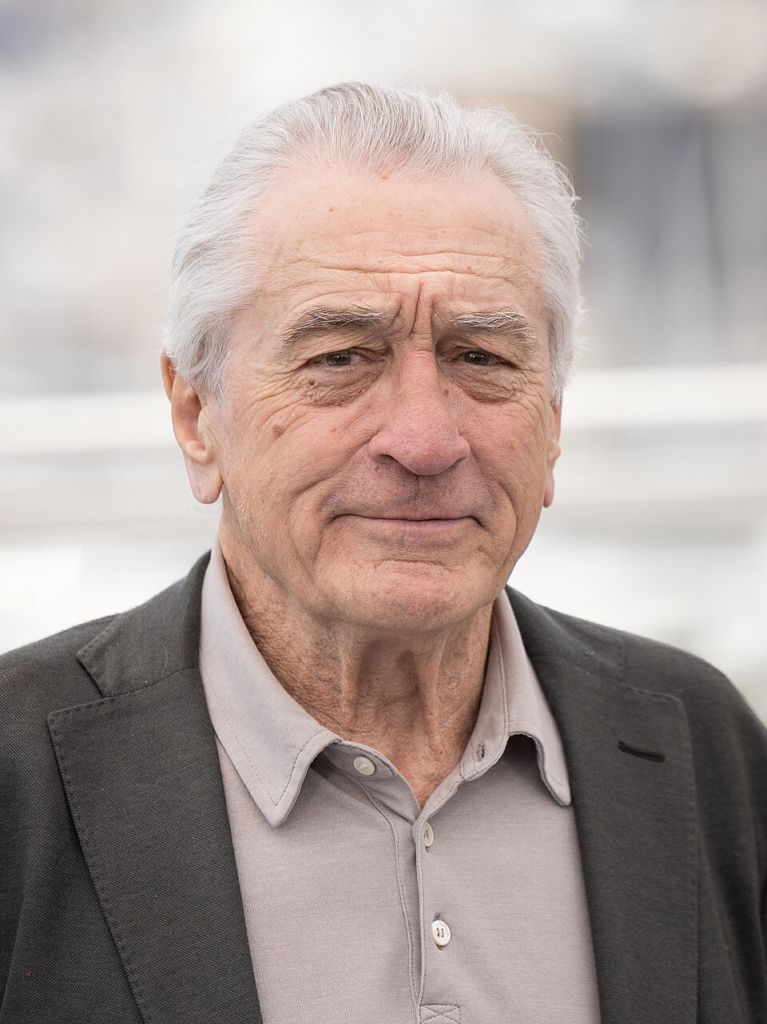
Above: US actor Robert de Niro
They’re really different categories.
Robert De Niro has called Trump things like:
- “a punk“
- “a dog“
- “a clown“
- “a fool“
Those are harsh political insults.
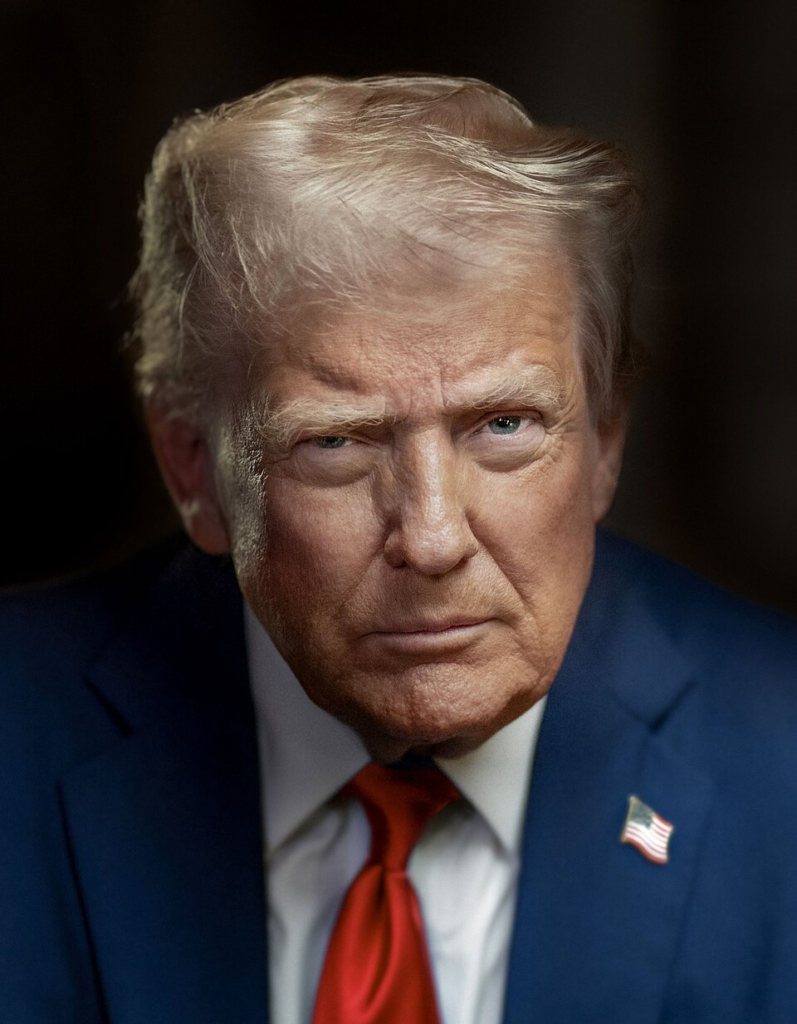
Above: US President Donald Trump
Gabunia instead launched into what amounted to a sustained stream of explicit sexual obscenities directed not only at Putin but also at his family.
By most broadcasting standards, it was extraordinary.

About a year later, in 2020, Georgian security services arrested a man identified as Vasambek Bokov (sometimes reported under another identity).
Authorities alleged he had entered Georgia intending to assassinate Gabunia.
Investigators suggested:
- the operation had links to Russian interests
- the suspect had conducted surveillance
- and the intended target was Gabunia
Russia denied any involvement.
No court ever produced definitive public evidence tying the Russian state directly to the alleged assassination attempt, although many observers considered such involvement plausible given earlier cases involving Kremlin critics.
Like many intelligence-related cases, the full picture remains unknown.

What benefits would have been achieved had Gabunia been “removed“?
If one assumes the assassination plot was genuine, several possible motives have been suggested by analysts.
First, revenge.
Gabunia’s 2019 broadcast was viewed by many Russians — not only officials — as an extraordinary personal insult to Vladimir Putin.
Eliminating him could have been seen as retribution.
Second, intimidation.
Killing a prominent journalist would send a message to other journalists throughout the former Soviet Union:
There are consequences for publicly humiliating powerful leaders.”
Third, political destabilization.
Had Gabunia been murdered in Tbilisi, the consequences could have included:
- severe deterioration in Georgian – Russian relations
- increased domestic political tensions
- heightened public fear
- international condemnation
Whether that would actually have benefited anyone is another matter.
In many similar cases, assassinations create martyrs rather than silence criticism.)

The David Gareji monastery complex is one of the most historically and emotionally sensitive places in the South Caucasus.
Founded in the 6th century, it is one of Georgia’s most important Orthodox monastic centres.
The complication is geographical.
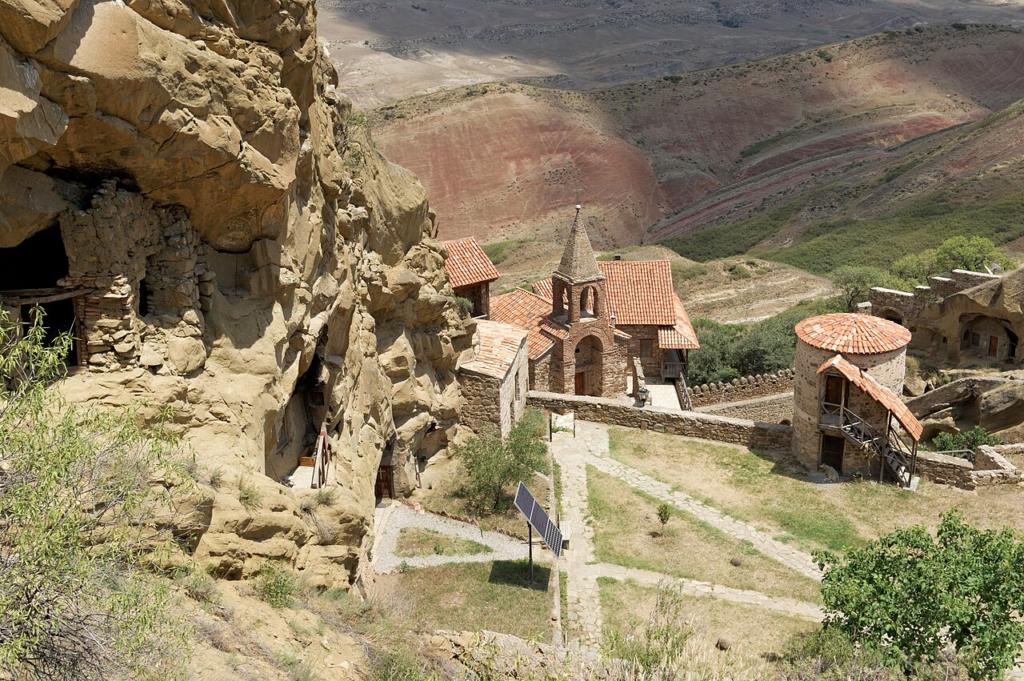
Above: David Gareja Monastery
Part of the monastery complex lies near — or according to Azerbaijan, across — the internationally recognized border.
Georgia regards the monasteries as central to its religious and national heritage.
Azerbaijan regards the surrounding territory as part of its sovereign state.
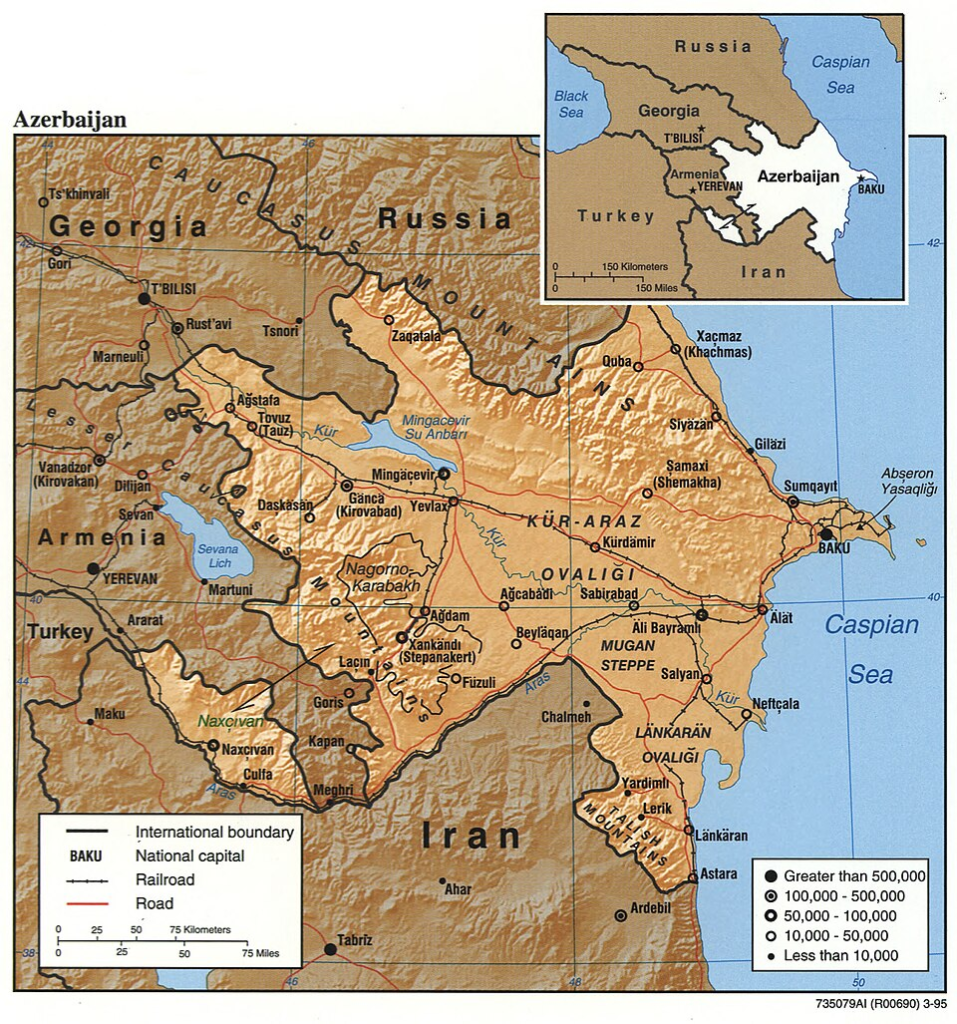
The dispute has periodically produced:
- restrictions on pilgrimages
- diplomatic tension
- nationalist demonstrations
- strong rhetoric from clergy and politicians
Unlike many border disputes, this one revolves as much around sacred heritage as strategic territory.
When Metropolitan Iobi suggested clergy should “go first” if bloodshed became necessary, critics regarded the remark as dangerously inflammatory because it implied willingness to escalate a territorial dispute into religious confrontation.
Interestingly, Georgia and Azerbaijan generally enjoy good state relations.
They cooperate on:
- energy pipelines,
- rail transport,
- trade,
- regional security.
The tension concerns one very specific place:
The David Gareja monastery complex.
This is a spectacular medieval monastery carved into cliffs.
The problem is that the Soviet Union drew administrative borders that later became international borders after independence.
As a result:
- part of the monastery lies in Georgia;
- part lies inside Azerbaijan.
Both countries value it deeply.
For Georgians:
- it is one of their holiest religious sites;
- it symbolizes medieval Georgian Christianity.
For Azerbaijan:
- the surrounding territory is sovereign Azerbaijani land;
- there are also important archaeological and historical considerations.
Whenever access is restricted, emotions rise quickly.
Some Georgian clergy — including Metropolitan Iobi — used very militant rhetoric, saying clergy should be prepared to die defending the monastery.
Fortunately, neither government has allowed the disagreement to escalate into armed conflict.
When Azerbaijan closes its land borders it does affect the David Gareja complex much.
Interestingly, the land-border closure itself has had less impact than the territorial dispute.
The monastery is reached from the Georgian side, not by crossing into Azerbaijan.
The real issue has been the disputed ridgeline.
Since 2019:
- the lower Lavra monastery has generally remained accessible
- access to the upper cave complexes has fluctuated depending on the security situation
- Azerbaijani border guards have periodically restricted visitors from walking onto the ridge
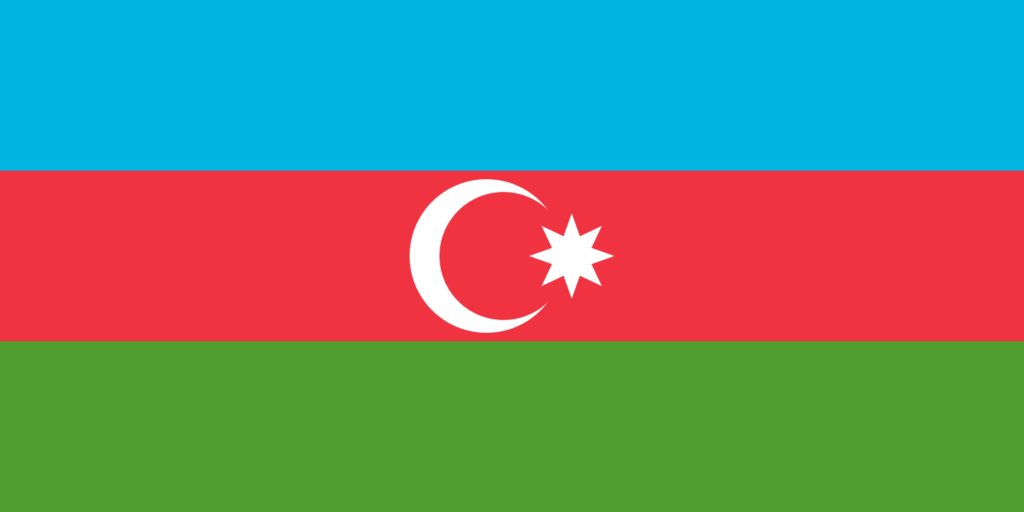
Above: Flag of Azerbaijan
As of early 2026, visitors can still reach the main monastery, but access to the upper sections has been restricted or periodically closed depending on conditions.
The David Gareja monastery complex is not a single monastery but a network of cave monasteries founded in the 6th century by David Garejeli, one of the Thirteen Assyrian Fathers who helped spread monasticism in Georgia.
The complex stretches for roughly 25 km along the semi-desert ridge.
The principal sites include:
- Lavra, the active monastery at the foot of the ridge, where monks still live.
- Udabno, a remarkable cave monastery built into the cliffs above, containing medieval frescoes.
- Bertubani, another cave complex, now on the Azerbaijani-controlled side.
- Several smaller hermitages, chapels, cells and caves scattered along the escarpment.
The ridge itself serves several purposes simultaneously:
- it provides magnificent views over the Azerbaijani plains
- it contains many of the most artistically important caves
- it coincides with the disputed international boundary
So when access to the ridge is closed, visitors are not merely prevented from enjoying a panorama — they are also unable to reach some of the most historically significant cave churches and frescoes.
One reason the dispute is so emotionally charged is that some of Georgia’s finest medieval religious art lies in precisely the area where the border remains unsettled.
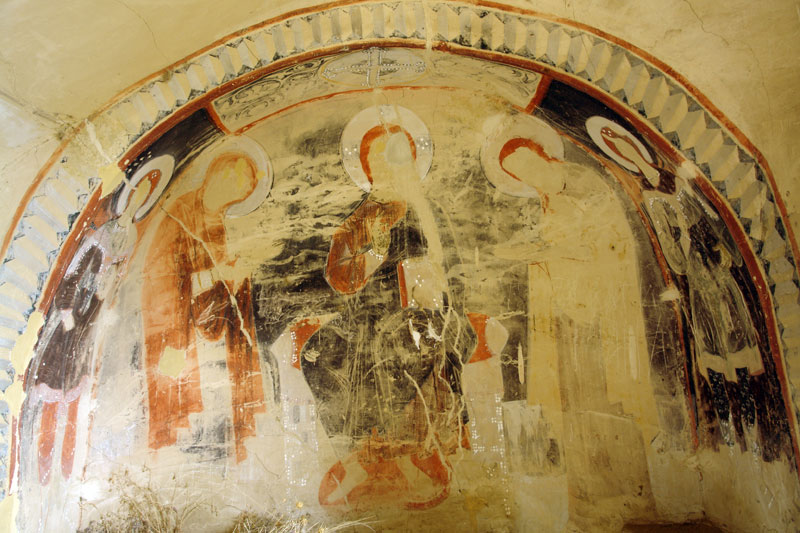
Above: Fresco in David Gareja Monastery
Metropolitan Grigoli was regarded as a heavy-weight candidate due to his significant authority and influence within the Holy Synod.
Because of his frequent criticism of the current government, he is often characterized as a pro-Western candidate.
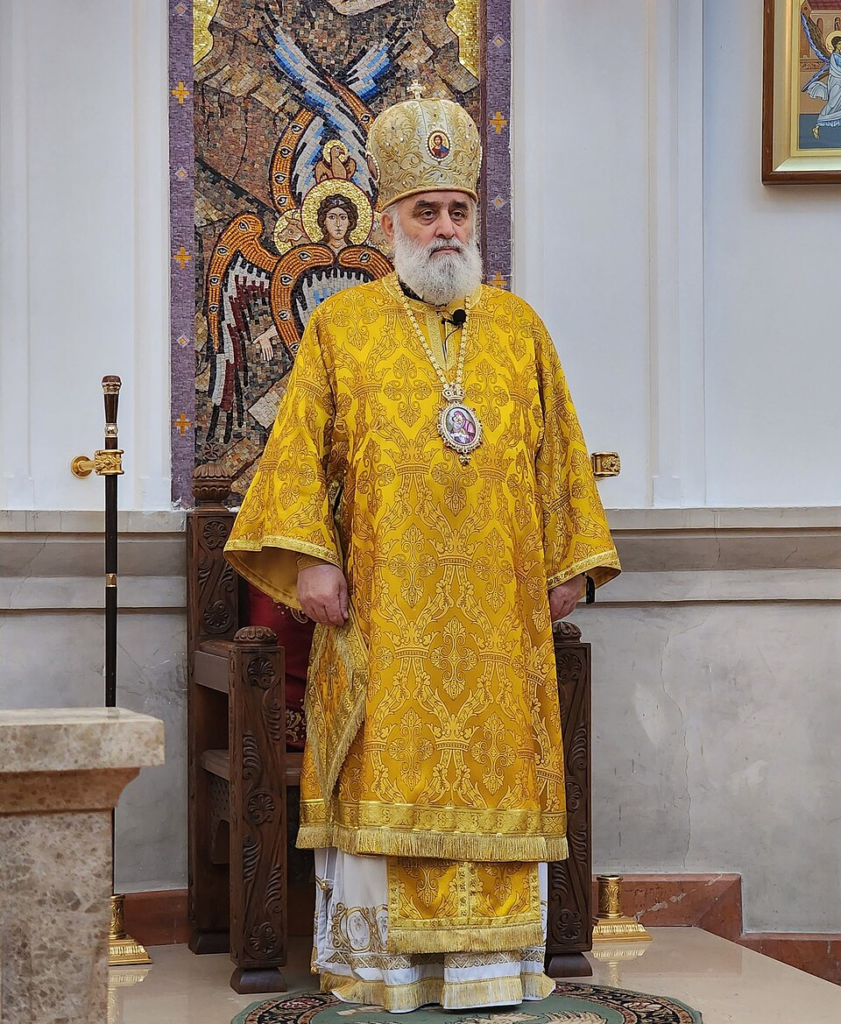
Above: Metropolitan Grigoli
Grigoli is also among the few hierarchs who have publicly supported the autocephaly of the Orthodox Church of Ukraine.
Above: Emblem of the Ukrainian Orthodox Church
On Russia, Grigoli’s positions were largely consistent:
He described the 1921 Soviet occupation as an “insidious and treacherous act“, characterized Russia’s war in Ukraine as an attempt to erase an independent state from the face of the Earth, and maintained that Russia’s interests should not determine Georgia’s positions, including on ecclesiastical matters in Abkhazia and South Ossetia, where he acknowledged the limits of Georgian control while cautioning against linking unrelated issues.
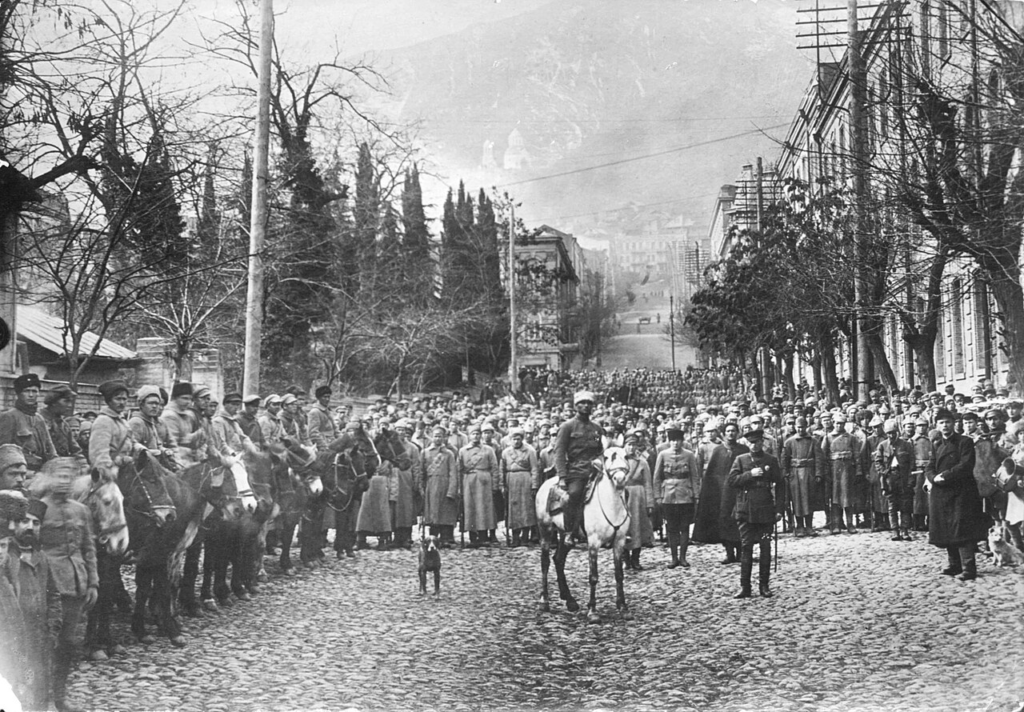
Above: Red Army in Tbilisi, 25 February 1921
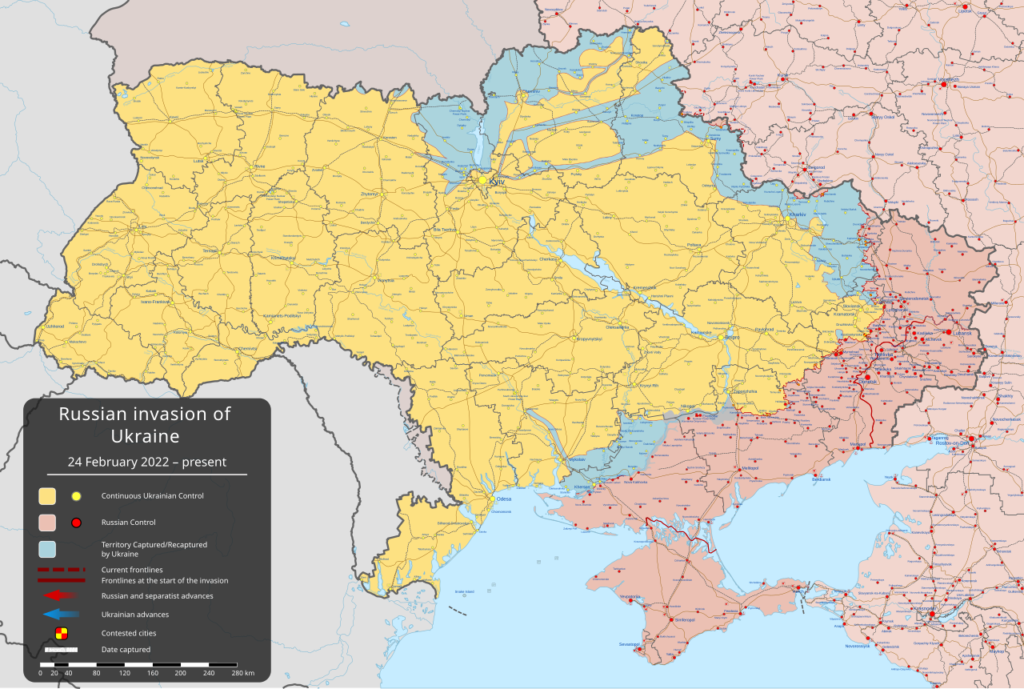
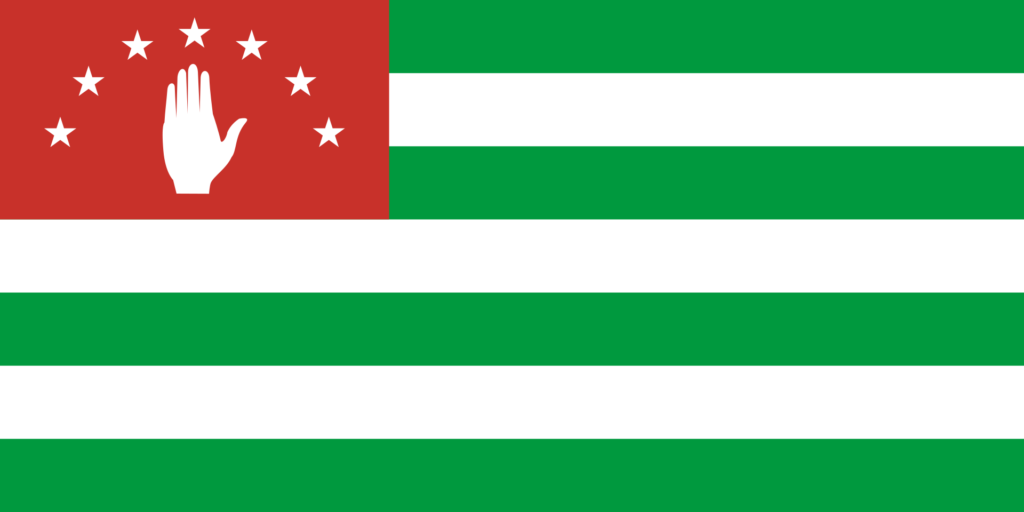
Above: Flag of Abkhazia
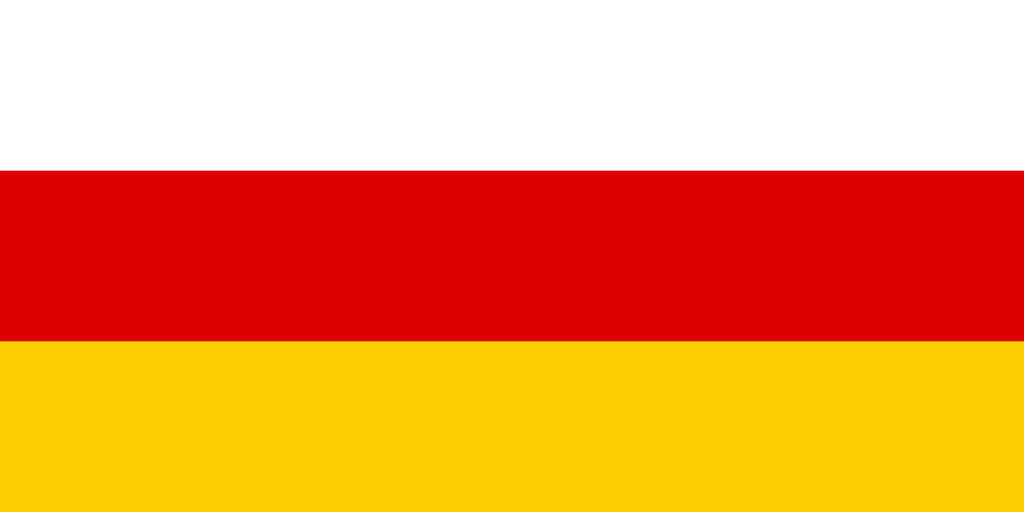
Above: Flag of South Ossetia
On domestic matters, Grigoli wrote that every day Mikheil Saakashvili spent in prison acted to the detriment of Georgia’s national interests, condemned the 5 July 2021 violence against Tbilisi Pride participants as unbecoming of Christians, and during the 2023-2024 protests against the “Agents Law” defended the younger generation against blanket criticism, describing them as sincere and courageous.
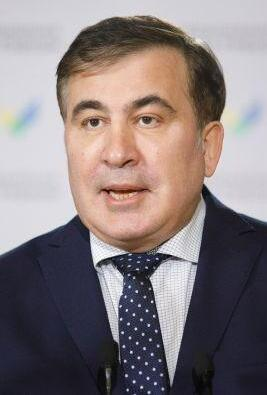
Above: Georgian President Mikheil Saakashvili (r. 2008 – 2013)
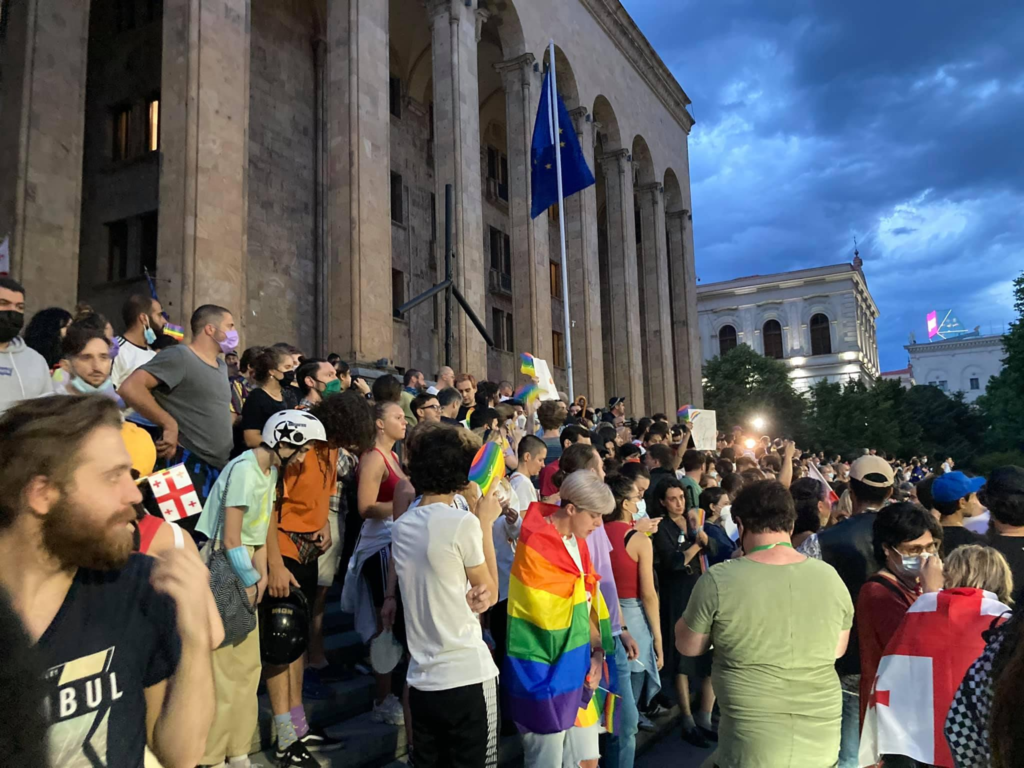
Above: Tbilisi Pride, 5 July 2021
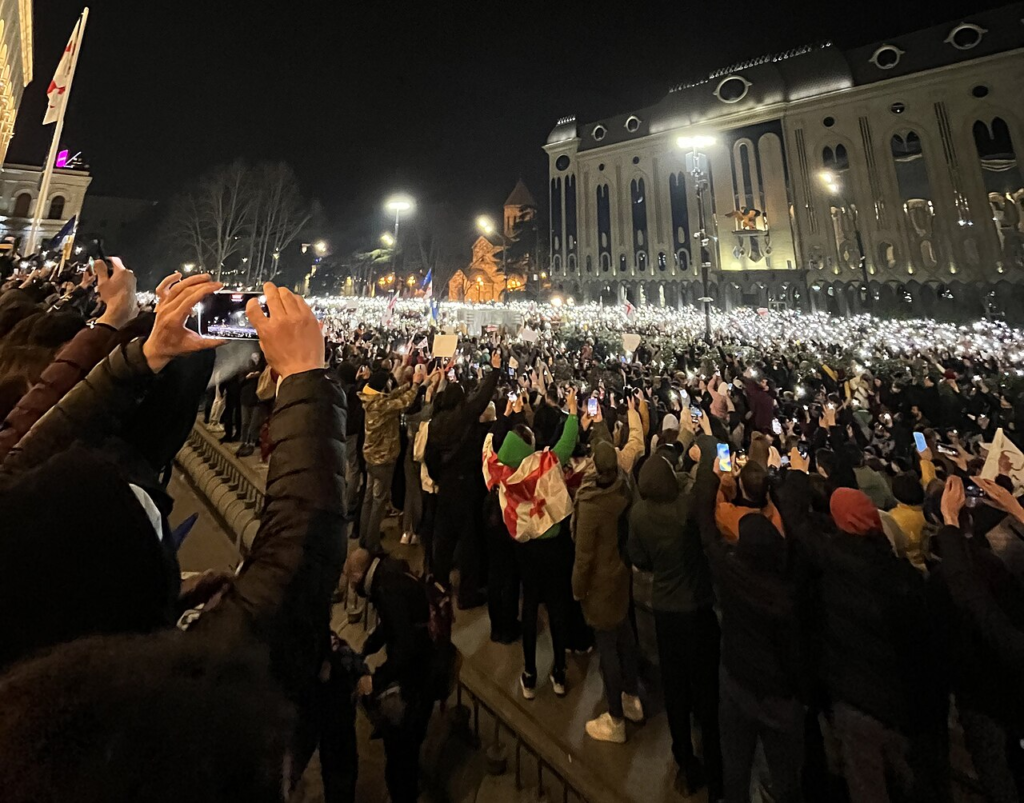
Above: Protesters in Tbilisi on 8 March 2023
Grigoli has also addressed the role of women, arguing that a society which fails to value women is itself unable to create anything of worth.
Above: Poster for And God Created Woman (1988)
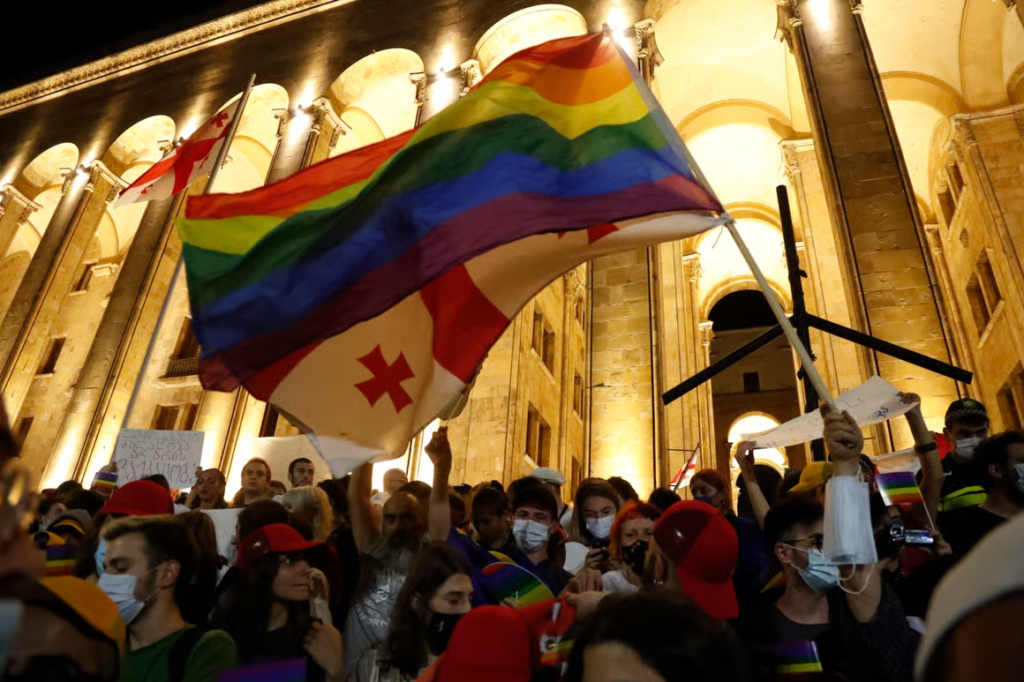
The violence of 5 July 2021 remains one of the darkest episodes in recent Georgian public life.
The background was a planned Tbilisi Pride march.
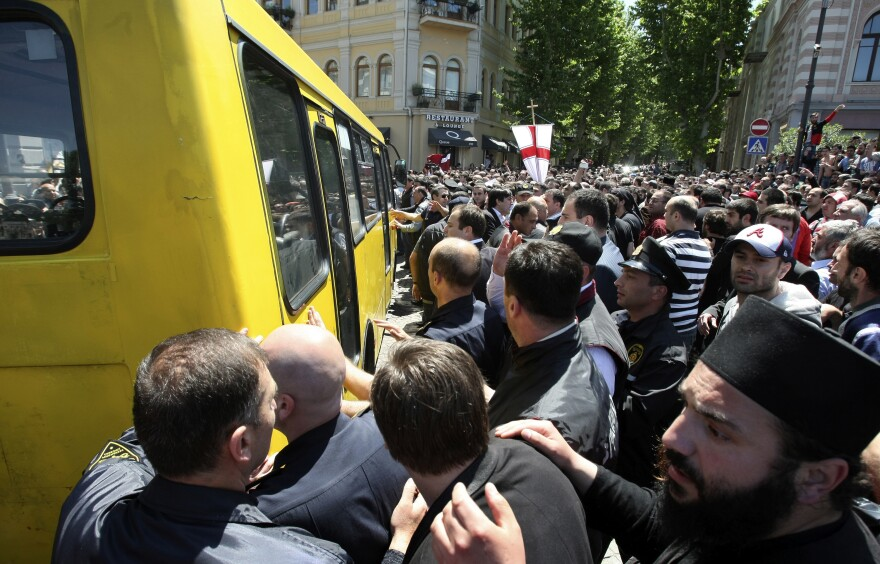
Before the march could begin, thousands of counter-protesters —including clergy, religious activists, and nationalist groups —gathered in central Tbilisi.
Violence followed.
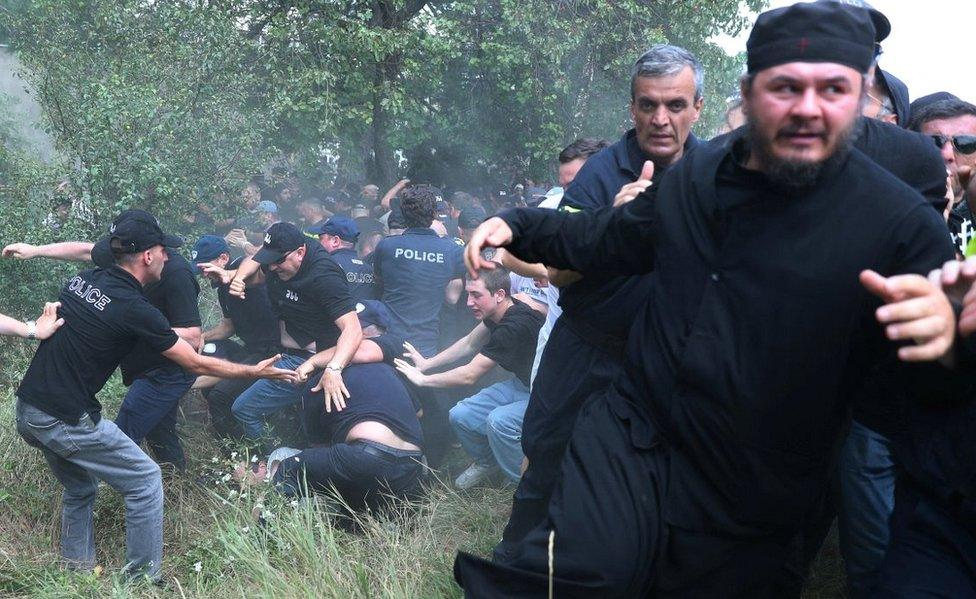
Journalists covering the events were beaten.
LGBTQ+ activists were assaulted.
Organizers cancelled the march because they concluded police could not guarantee participants’ safety.
More than 50 journalists reported being attacked.
One cameraman, Lekso Lashkarava, was severely beaten.
He died several days later.
Although the exact medical cause of his death became the subject of political and forensic dispute, many Georgians associated his death with the violence, making him a symbol of the events.
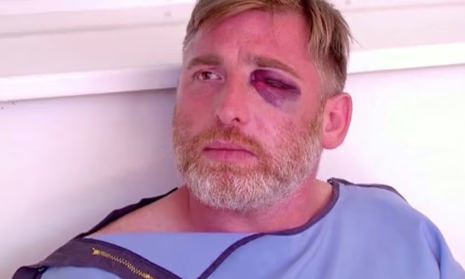
Above: Lekso Lashkarava
The government’s response drew heavy domestic and international criticism.
Many observers argued that the authorities failed to provide adequate protection despite clear warnings that violence was likely.
Within the Church, reactions varied.
Some clergy condemned the attacks outright.
Others criticized Pride events while stopping short of endorsing violence.
Still others argued that preventing future conflict required restricting what they viewed as insults to religious feeling rather than focusing first on condemning the assaults themselves.
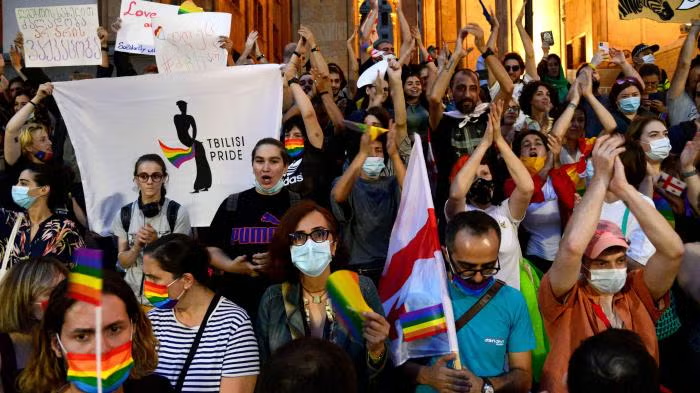
Why were there such strong reactions to Tbilisi Pride?
This question goes to the heart of modern Georgian society.
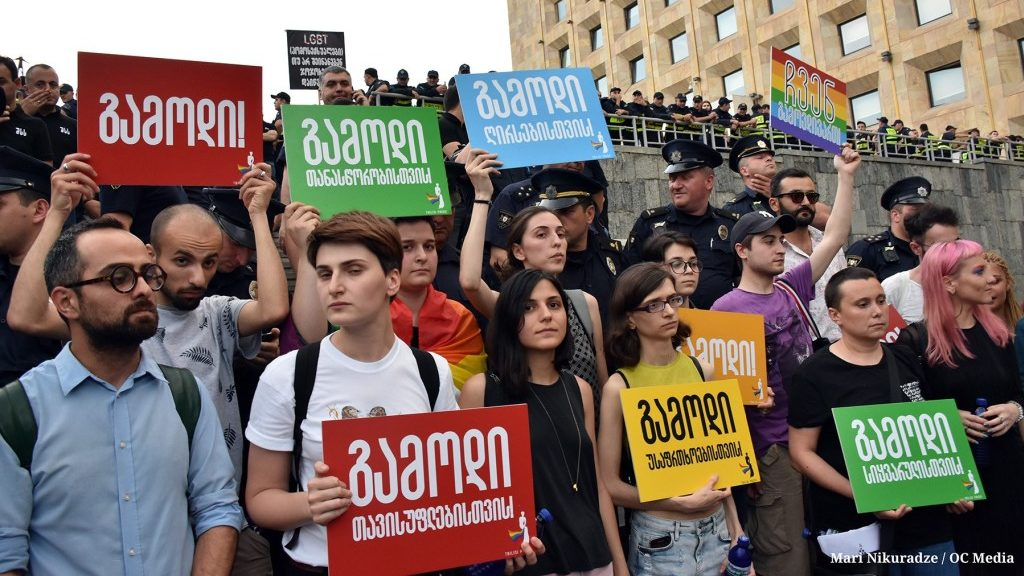
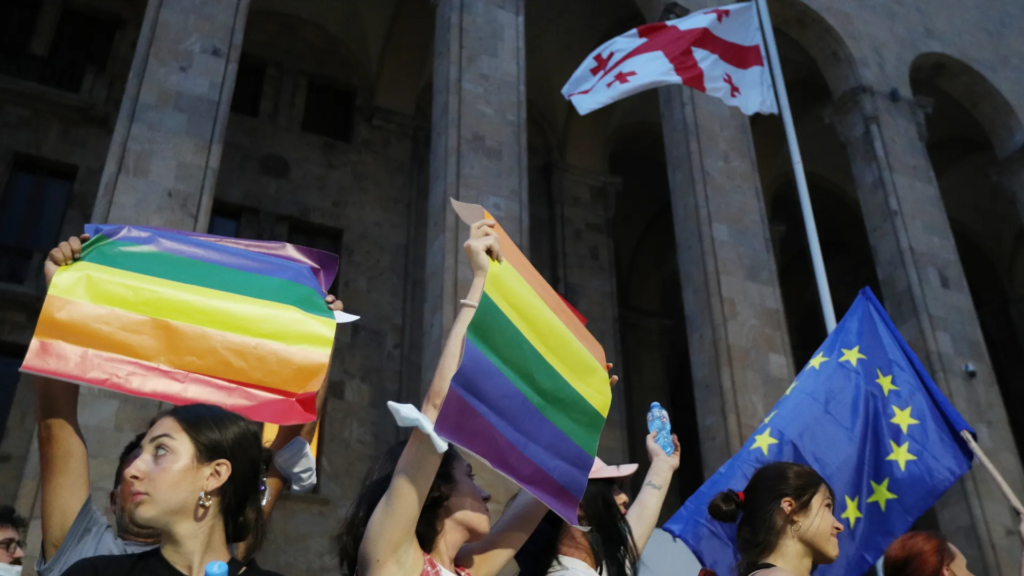
The Pride events became symbolic of competing visions of Georgia.
Many Georgians viewed Pride as representing:
- European integration
- liberal democracy
- expanding civil rights
Many opponents saw exactly the opposite.
They believed Pride represented:
- unwanted Western cultural influence
- erosion of traditional family structures
- attacks on Orthodox Christianity
- foreign NGOs imposing values from abroad
The Georgian Orthodox Church has enormous moral authority.
Although Church leaders often called for peace, they also strongly opposed Pride events themselves.
This created an atmosphere in which some extremist groups believed they were defending Georgia’s faith and nation.
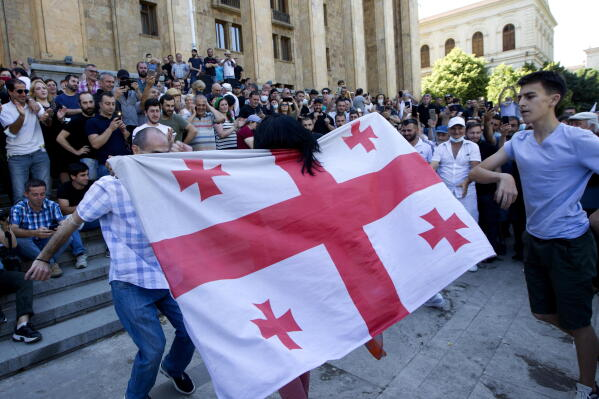
On 5 July 2021, several thousand counter-demonstrators — including extremist groups and some Orthodox clergy — attacked:
- journalists
- activists
- Pride organizers
- media offices
The planned Pride march itself was cancelled because organizers concluded they could not guarantee participants’ safety.
The violence shocked much of Europe and raised serious questions about freedom of assembly and the state’s willingness or ability to protect demonstrators.
Have there been Pride marches since 2021?
Not in the way organizers originally envisioned.
The sequence has been roughly:
- 2021:
- Planned march cancelled after mob violence.
- 2022:
- Many public Pride events cancelled because of credible threats.
- 2023:
- An LGBTQ festival near Tbilisi was attacked by anti-LGBT demonstrators before it could properly begin.
- 2024:
- Parliament adopted legislation restricting what it termed “family values and protection of minors“, including provisions that effectively prohibit Pride marches and similar public events.
Today, large public Pride marches are effectively absent.
Is Georgia’s LGBTQ community underground?
I would say partly visible, partly underground.
In Tbilisi especially:
- LGBTQ people certainly exist openly
- There are support organizations
- There are discreet social venues
- Some people are openly gay among trusted friends and colleagues
However, many Georgians still choose not to be publicly open because of:
- family pressure
- employment concerns
- religious conservatism
- fear of harassment or violence
Outside Tbilisi, remaining private is often even more common.
So it is not an underground movement in the Cold War sense.
Rather, visibility varies enormously depending upon one’s social circle, profession and location.
Why is there such intense opposition to LGBTQ Pride?
Many Western Europeans instinctively see Pride as a civil-rights demonstration.
Many Georgian conservatives perceive something entirely different.
To them it symbolizes:
- rapid Western cultural change
- declining religious authority
- changing family structures
- foreign influence (particularly from the EU and NGOs)
Because the Georgian Orthodox Church is closely tied to national identity, many people experience debates over sexuality not merely as questions about individual rights but as questions about what it means to be Georgian.
That does not excuse violence — many Orthodox clergy themselves condemned violence even while opposing Pride — but it helps explain why emotions became so intense.
Metropolitan Isaiah (Chanturia) was often cited as a strong and popular figure among the clergy and the public.
However, his candidacy was ultimately blocked because he lacked the specific theological degree required by church statutes.
After the declaration of candidates, the Patriarchate published Metropolitan Isaiah’s appeal alongside the minutes of the Synod meeting.
In it, he argued that his decades of hands-on diocesan experience should outweigh his lack of a formal academic diploma, a requirement he said he was unable to meet “due to the country’s instability during his years of study.”
He further contended that his 1995 ordination as Bishop had already confirmed his readiness for the high priesthood.
Nevertheless, the Holy Synod excluded both him and Metropolitan Daniel from the candidate list, citing strict adherence to the Church statute’s age and education criteria.
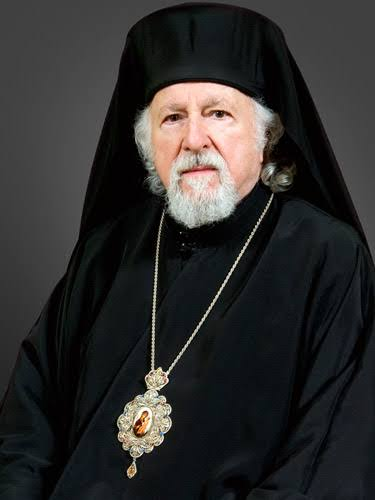
Above: Metropolitan Isaiah
Metropolitan Daniel (Datuashvili) was another prominent and influential candidate who holds one of the highest ranks within the ecclesiastical hierarchy.
Although his patriarchal ambitions have long been recognized throughout the Church, but his candidacy was ultimately disqualified because he had surpassed the age limit of 70.
Along with Iobi, Daniel was viewed by some observers as a relatively moderate alternative to Shio.
On 4 May 2026, Synod member Bishop Giorgi (Jamdeliani) announced that the seminary diploma of Metropolitan Iobi, a candidate in the patriarchal election, had gone missing from his episcopal residence, and expressed suspicion that it had been stolen.
The disappearance initially cast doubt on his candidacy, as possession of a valid diploma was a statutory requirement for eligibility.
Bishop Giorgi noted that during the Synod session for candidate selection, they had turned to the former rector of the Mtskheta Theological Seminary, Metropolitan Zosime, who confirmed that the diploma had been issued.
The Theological Academy subsequently also recognized Metropolitan Iobi’s educational credentials.
In his first public comment on the matter, Metropolitan Iobi himself confirmed that his documents had been stolen.
When summoned by the Patriarchate to submit his papers as a candidate, he went to retrieve them and found that both his secular and religious educational documents were gone.
Asked whether the theft was connected to his candidacy, he declined to draw a direct link, leaving the question open.
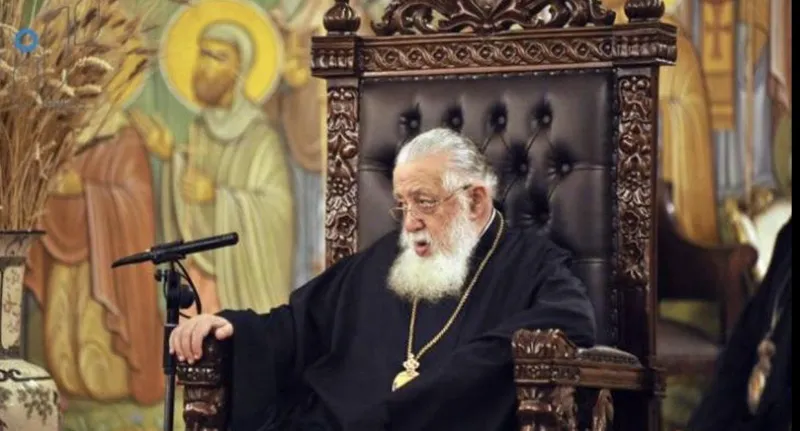
Above: Metropolitan Daniel
The Holy Synod sounds as exciting as Robert Harris’ Conclave.
It resembles the fictional intrigue of Conclave, because several competing visions of Georgia were effectively represented among the bishops.
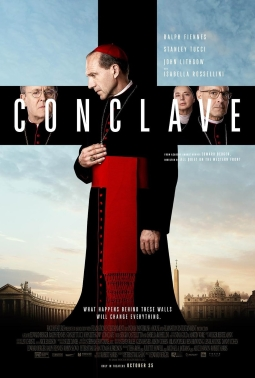
Above: Poster for Conclave (2024)
Very broadly:
- Shio represented institutional continuity, social conservatism, and maintaining the legacy of Ilia II.
- Iobi was even more outspokenly conservative, often embracing conspiratorial rhetoric and monarchist ideas.
- Grigoli represented a more outward-looking and comparatively pro-Western current within the Church.
- Isaiah had considerable pastoral authority but lacked the statutory educational qualification.
- Daniel possessed seniority but exceeded the age limit.
Those divisions were not merely theological.
They reflected different answers to fundamental questions:
- Should Georgia look primarily toward Europe?
- How should the Church relate to Russia?
- How political should the Church become?
- What role should it play in questions of gender, family and civil rights?
What makes the 2026 patriarchal election fascinating is not simply who won, but what the candidates reveal about Georgia itself.
Behind the ecclesiastical titles lie debates about:
- Europe versus Russia
- tradition versus modernization
- nationalism versus pluralism
- the relationship between Church and state
- Georgia’s identity after the Soviet period
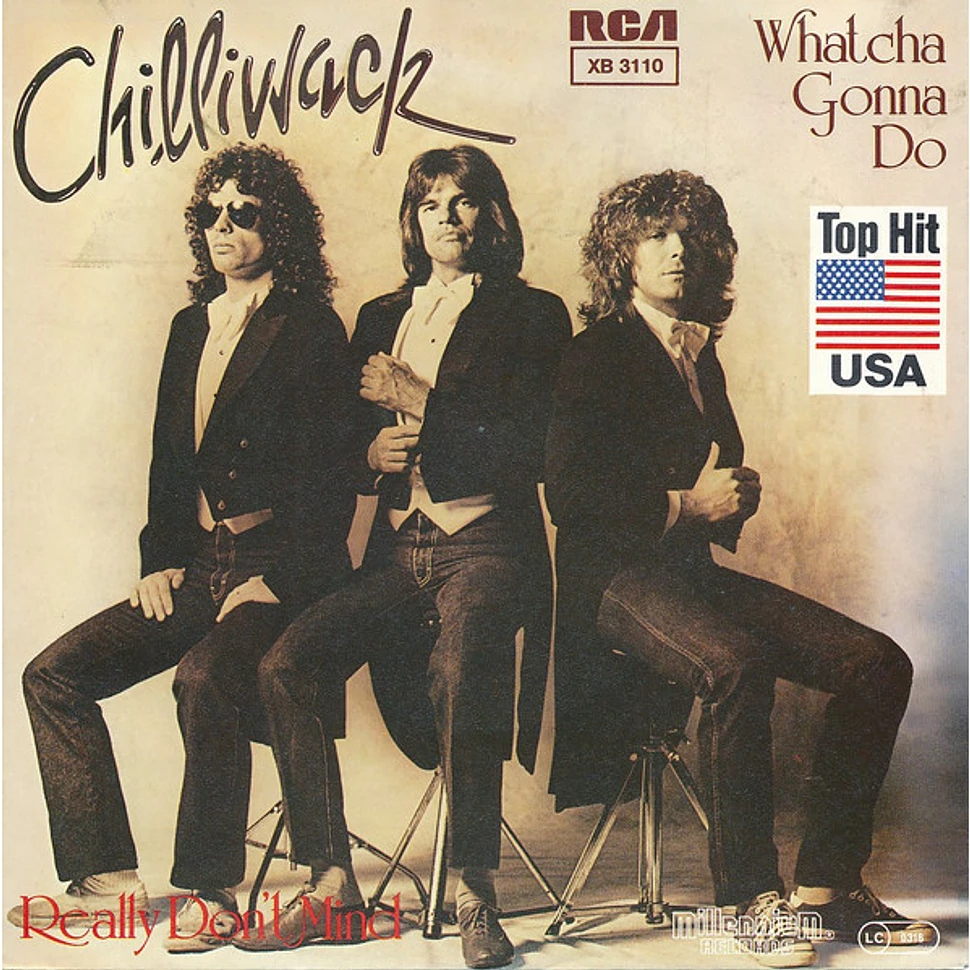
I was not simply arriving in Batumi after a difficult day of travel.
I arrived on the eve of one of the most consequential leadership transitions in the Georgian Orthodox Church in nearly 50 years.
My personal narrative now sits alongside a significant moment in Georgian national history, adding another layer to my account.
I was experiencing Georgia at precisely the moment the country itself was entering a new chapter.
While I was struggling with border crossings, a hotel dispute and the uncertainty of finding work, the Georgian Orthodox Church was quietly preparing for one of the most consequential transitions in decades.
Above: Pink Floyd album, Wish You Were Here
So, so you think you can tell
Heaven from Hell? Blue skies from pain?
Can you tell a green field from a cold steel rail?
A smile from a veil? Do you think you can tell?
How I wish, how I wish you were here
We’re just two lost souls swimming in a fishbowl, year after year
Runnin’ over the same old ground, what have we found?
The same old fears, wish you were here.
I got a sense of that the patriarch is not merely a religious leader.
He is often a national moral authority whose opinions can affect politics, foreign policy, education, and debates about national identity, when I later saw his face across the Parliament Building in Tbilisi.
In many Western democracies, the head of a national church occupies a largely ceremonial position.
In Georgia, especially under Ilia II, the Patriarch often functioned as something closer to a national elder statesman.
Politicians sought his blessing, ordinary Georgians trusted him more than almost any public institution, and foreign governments understood that his words could influence debates over Europe, Russia, education, family policy, and national identity.
That explains why the succession I happened to coincide with generated such intense interest:
It was not only the election of a church leader, but the selection of one of the country’s most influential public figures.
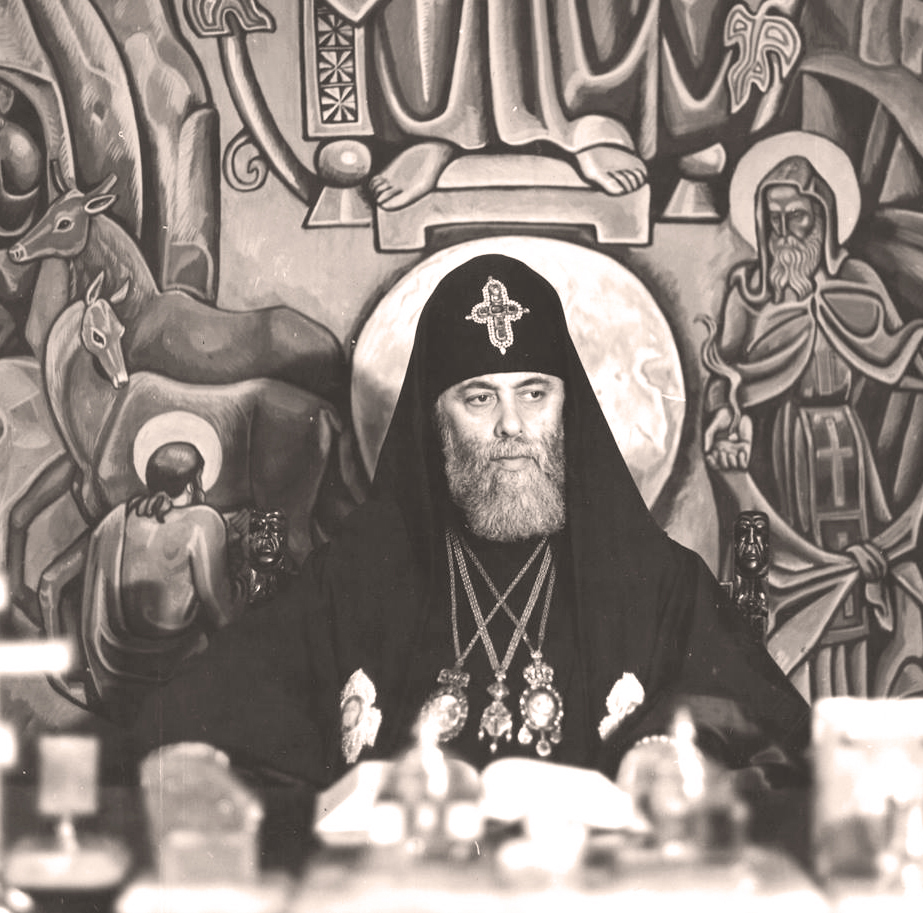
Above: Ilia II of Georgia
What struck me as well was the contrast between the public exposure of President Erdoğan in Türkiye and the invisible presence of Georgian President Mikheil Kavelashvili or Prime Minister Irakli Kobakhidze.
Above: Turkish President Recep Tayyip Erdoğan
Shio III seems more visible than the politicians who run the country.
It’s not that Georgia’s politicians are absent, but that the Georgian Orthodox Church occupies a place in public life that has few parallels in Europe.
As a visitor, especially one interested in history and architecture, one is almost inevitably drawn toward churches, monasteries, icons and the Patriarch far more often than toward the day-to-day machinery of government.
For many Georgians, the Patriarch has long been more than the head of a church.
He has been regarded as a moral symbol of the nation itself.
In such an environment, the people closest to him inevitably become objects of fascination, suspicion, admiration, or resentment.
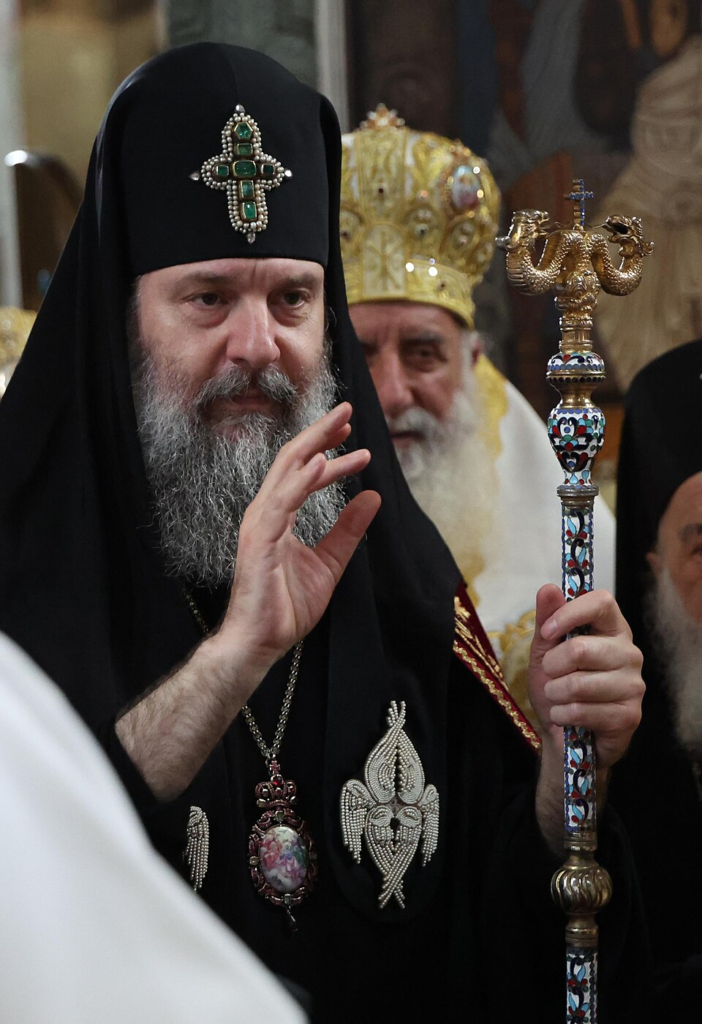
Above: Shio III of Georgia
There are several reasons for this.
First, the Church has extraordinary historical legitimacy.
Georgia has been Christian since the early 4th century.
Over the centuries, kingdoms disappeared, foreign empires ruled the country, languages were suppressed, and borders shifted, yet the Church survived.
During Persian, Ottoman and Russian domination — and especially during the Soviet period — it became one of the principal guardians of Georgian identity.
Consequently, many Georgians see the Church not simply as a religious institution but as the living embodiment of the nation itself.
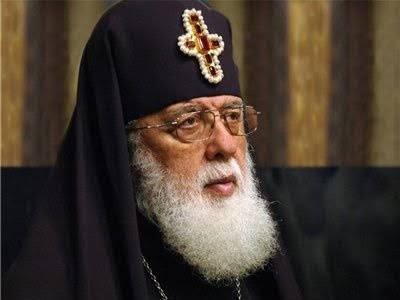
Above: Ilia II of Georgia
Second, Ilia II was an exceptional figure.
Nearly 50 years as patriarch meant that several generations grew up with only one spiritual leader.
Few politicians remain in office long enough to acquire that kind of symbolic status.
Poll after poll for decades showed him to be the most trusted public figure in Georgia by a considerable margin, comparable to a revered founding father.
By contrast, Georgian politics has been remarkably turbulent since independence:
- Presidents have come and gone.
- Governments have changed.
- Mass protests have been frequent.
- Political parties are intensely polarizing.
- Public trust in politicians has often been relatively low.
A prime minister might dominate headlines for several years, but another election or political crisis can quickly replace him.
The patriarch represented continuity.
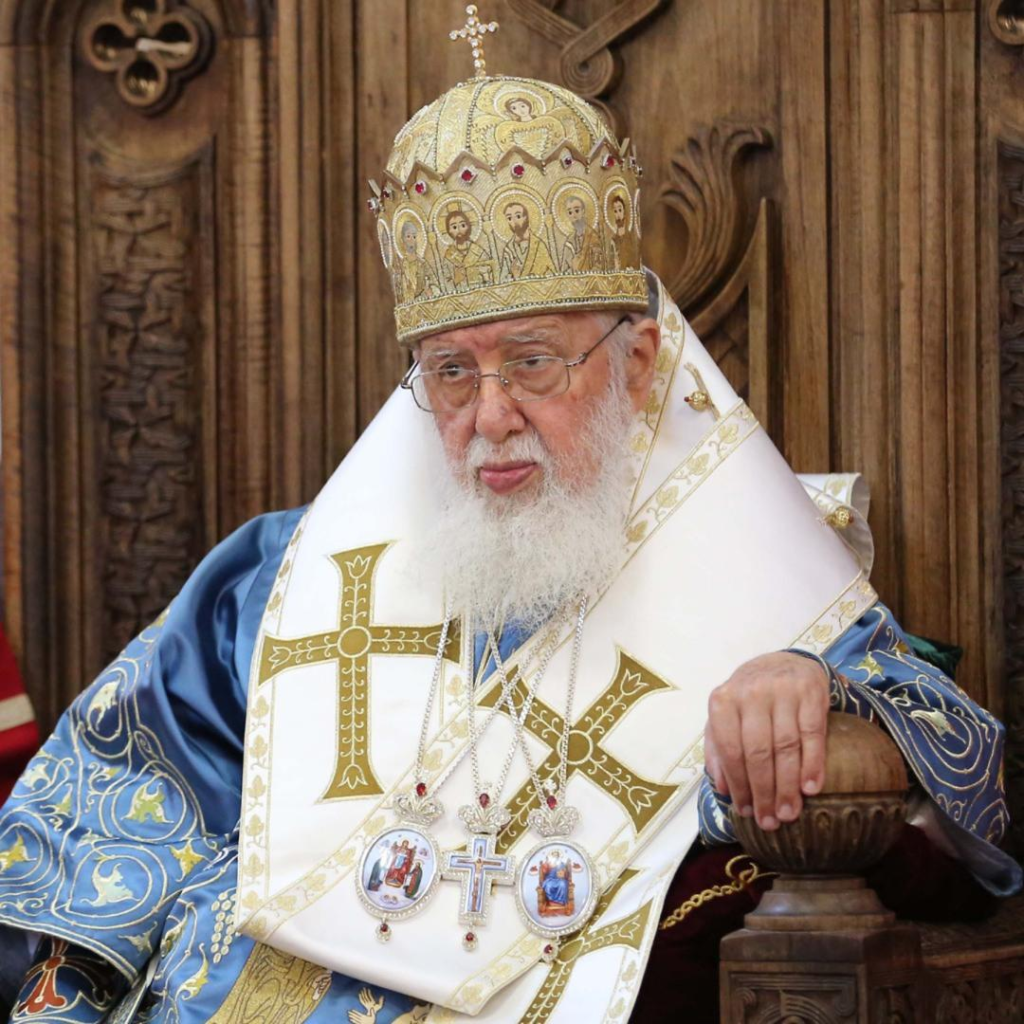
Above: Ilia II of Georgia
That helps explain why Mikheil Kavelashvili or Irakli Kobakhidze may seem less visually prominent than Shio III.
Their offices are constitutionally important, but the office of patriarch carries immense symbolic and cultural weight that extends well beyond constitutional powers.
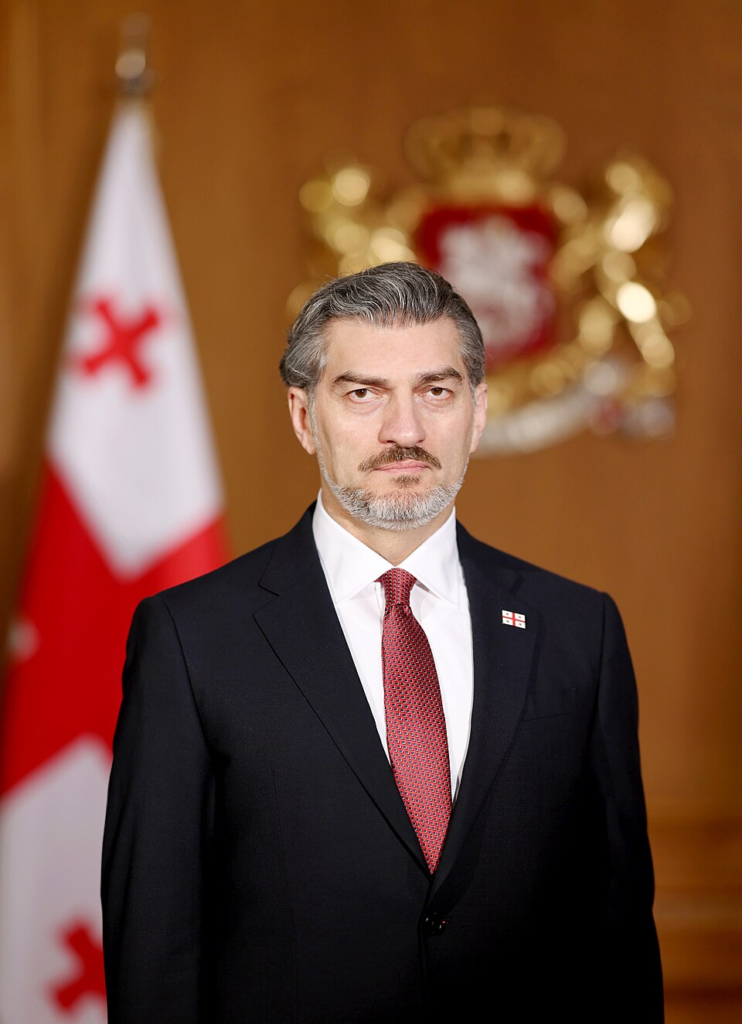
Above: Georgian President Mikheil Kavelashvili
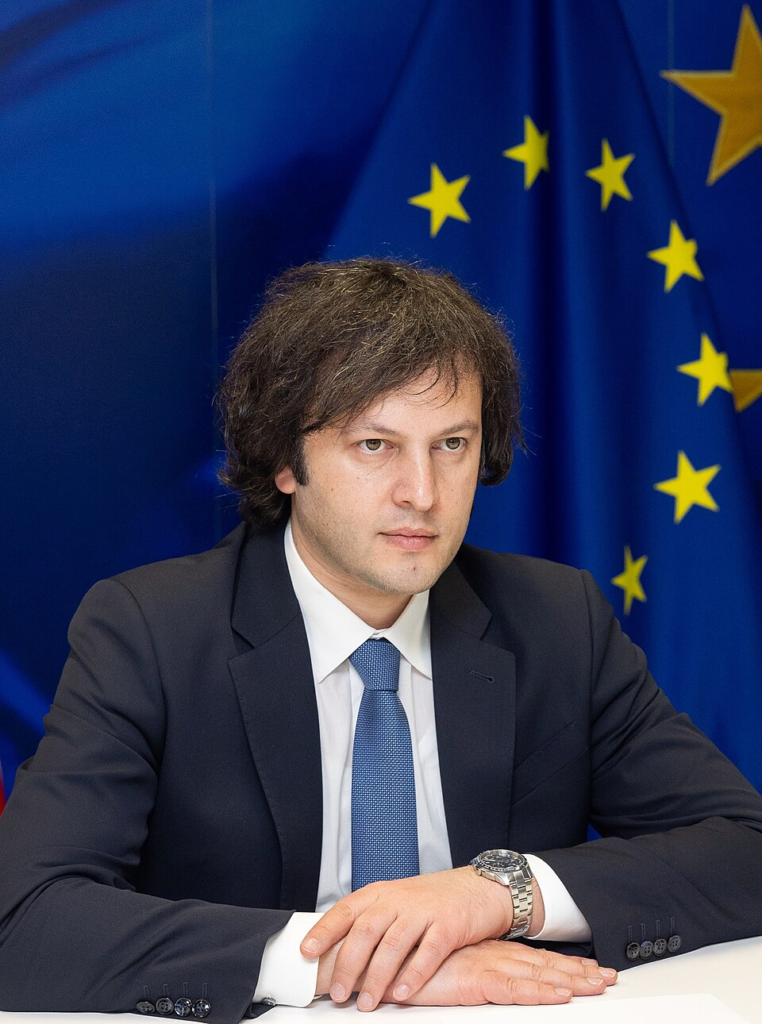
Above: Georgian Prime Minister Irakli Kobakhidze
Another difference from Türkiye is the political culture itself.
In Türkiye, President Recep Tayyip Erdoğan has consciously cultivated a highly visible public presence.
His portrait is common in government buildings, universities named after him, airports, campaign posters and major public works.
The presidency has become strongly personalized.
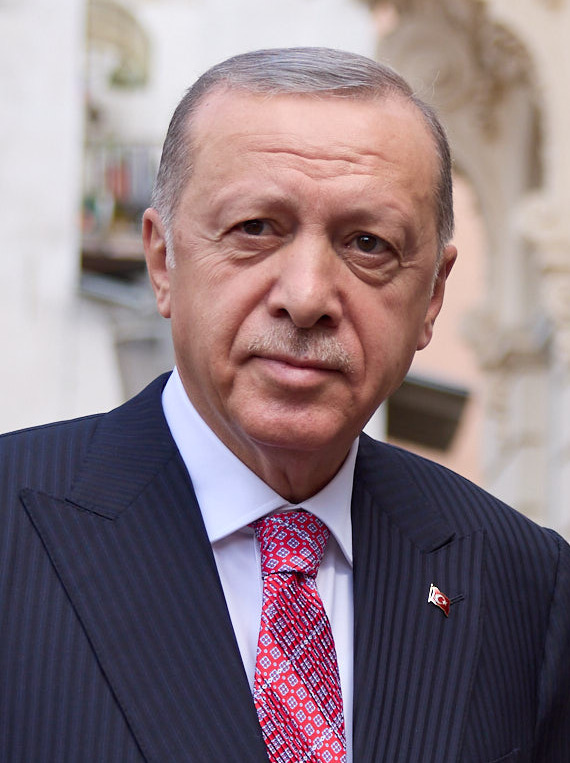
Above: Turkish President Recep Tayyip Erdoğan
Georgia has tended not to cultivate that same kind of omnipresent political imagery.
There are portraits of officials in government offices, certainly, but you’re much more likely to encounter:
- churches filled with worshippers;
- icons on street corners;
- roadside crosses;
- monasteries perched on mountains;
- clergy participating in national ceremonies.
Religion is woven into the visual landscape in a way politics generally is not.
In much of Western Europe, one can spend days in a capital city scarcely thinking about the national church.
In Georgia, by contrast, churches dominate skylines, icons appear in taxis and shops, roadside shrines are everywhere, and the Patriarch’s portrait could look out over Parliament itself.
Those are visual reminders that religion in Georgia remains not only a matter of personal faith but also an important component of national history, identity and public life.
That broader context helps explain why issues such as the succession to the Patriarchate, David Gareja or Tbilisi Pride resonate far beyond their immediate subjects.
Ring the bells that still can ring
Forget your perfect offering
There is a crack, a crack in everything
That’s how the light gets in
The three top candidates for the Patriarchy of Georgia were Shio, Iobi and Grigoli.
Why was Shio chosen?
That is an excellent historical question, because it asks us to distinguish between what we know and what we can reasonably infer.
The Synod votes by secret ballot, so no bishop has publicly explained his individual vote.
We therefore have to weigh the evidence rather than claim certainty.
My assessment is that Shio’s victory (22 votes out of 39 members of the Holy Synod) resulted from the convergence of several factors rather than one decisive reason.
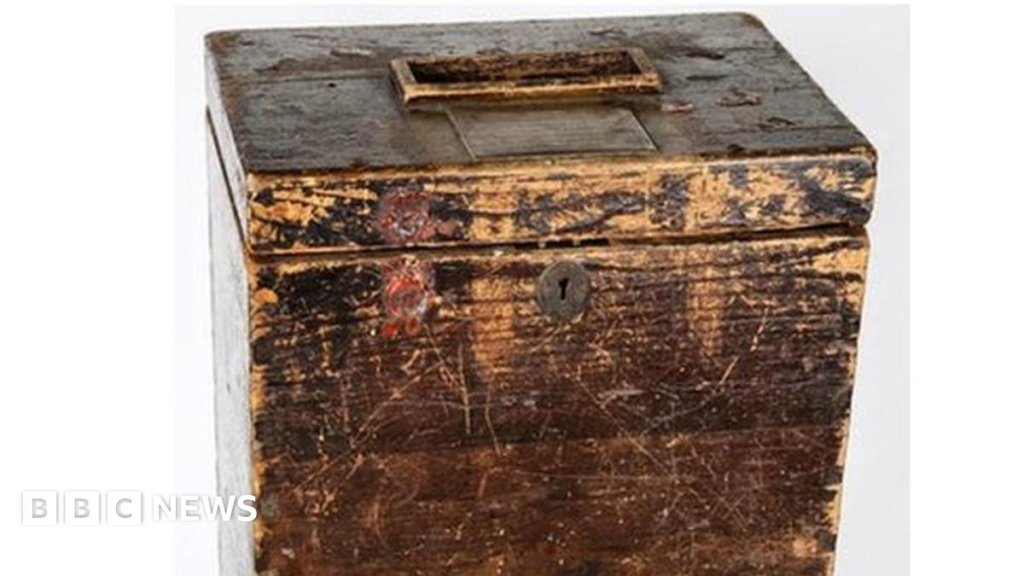
Ilia II had effectively indicated his preference.
This was probably the single most important factor.
In 2017, Ilia II appointed Shio III as patriarchal locum tenens while still alive.
That was unprecedented in modern Georgian practice.
Although Ilia II never explicitly said, “I want Shio to succeed me.”, many bishops interpreted the appointment that way.
Orthodox Churches place considerable emphasis on continuity and respect for the wishes of a revered patriarch.
Had the Synod rejected Shio, it might have appeared to be rejecting Ilia II’s final judgment.
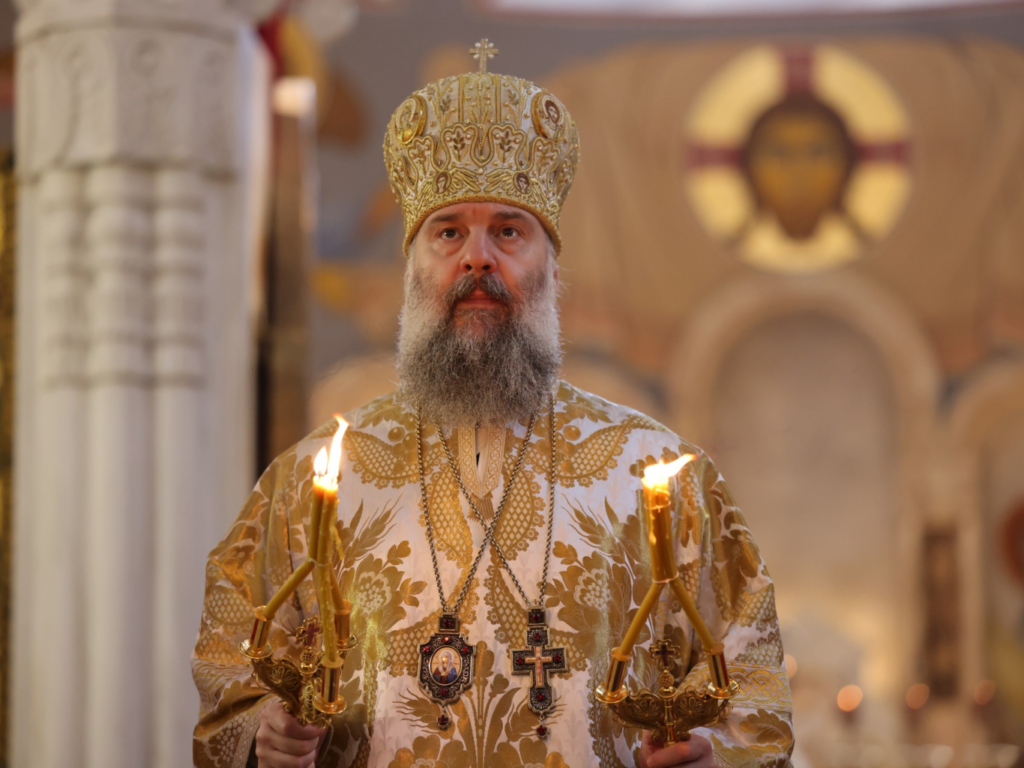
Above: Shio III of Georgia
Shio represented continuity without being Ilia II himself.
Every Church faces a dilemma after a long-serving leader.
After nearly 50 years under one patriarch, many bishops probably wanted:
- stability
- institutional continuity
- gradual change rather than upheaval
Shio fit that role.
He had worked closely with Ilia II but was young enough (born in 1963) to lead for decades.
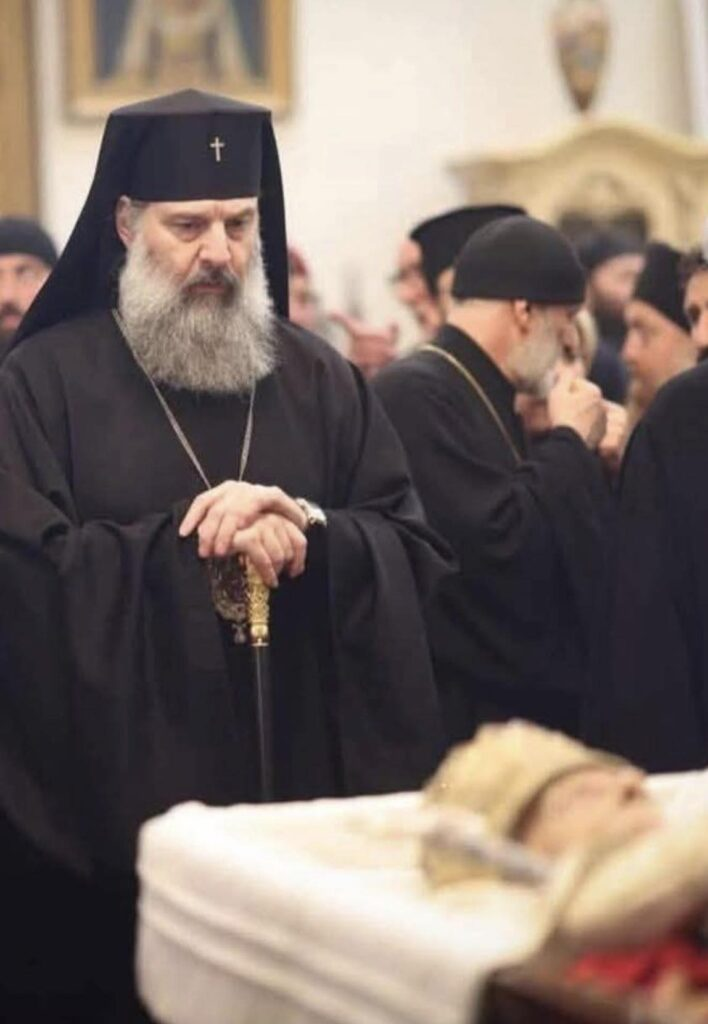
Above: Shio III of Georgia
Shio was acceptable to several factions.
This may have been decisive.
The Georgian Church is not divided into neat political parties, but observers generally describe several tendencies:
- strongly conservative
- more nationalist
- more pro-Western
- more pastoral/pragmatic
Shio appears to have been someone many of these groups could tolerate, even if he was not everyone’s first choice.
That often matters more in an ecclesiastical election than having the largest passionate following.
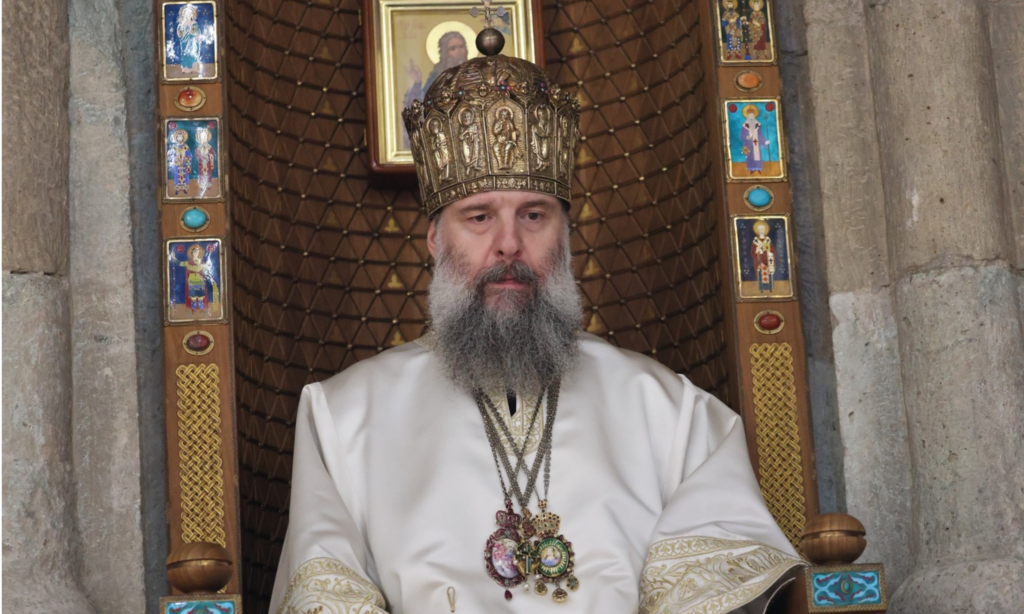
Above: Shio III of Georgia
Iobi had significant liabilities.
Iobi certainly had supporters.
However:
- his public statements were often highly controversial
- conspiracy theories about COVID-19
- electronic IDs as the “mark of the Antichrist“
- repeated political interventions
- inflammatory remarks about Muslims and journalists
Even bishops who shared some of his conservative theology may have wondered whether he would unite the Church or continually generate controversy.
A patriarch is expected not only to defend doctrine but to embody prudence.
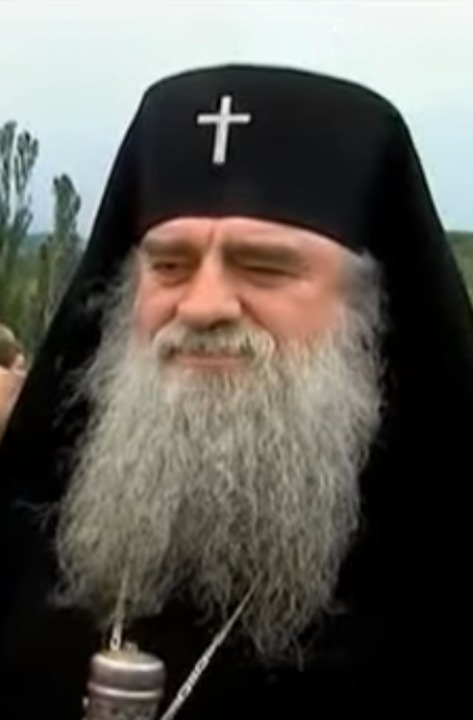
Above: Metropolitan Iobi
Grigoli inspired admiration – but also caution.
Grigoli has considerable intellectual authority.
He has:
- criticized the government
- condemned political violence
- spoken sympathetically toward Ukraine
- defended younger Georgians during protests
Those positions earned him respect from many observers.
But precisely because he had become associated with criticism of the government, some bishops may have feared that electing him would place the Church in direct political conflict.
Orthodox hierarchs often value institutional harmony over public confrontation.
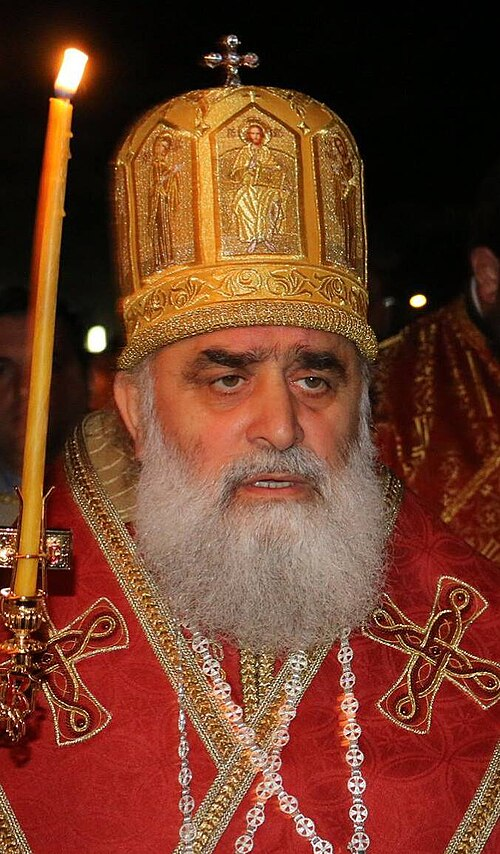
Above: Metropolitan Grigoli
Shio’s previous administrative experience mattered.
A Patriarch today is not simply a theologian.
He oversees:
- dioceses
- monasteries
- seminaries
- finances
- clergy
- relations with government
- relations with other Orthodox Churches
Shio had already accumulated substantial administrative experience.
That reassured many bishops.
International considerations
This is perhaps the most delicate point.
Some Western analysts have described Shio as relatively sympathetic to closer relations with the Russian Orthodox Church, while critics inside Georgia have voiced similar concerns.
Shio himself has denied being “pro-Russian“.
The reality is probably more nuanced.
The Georgian Church faces a difficult balancing act:
- preserving communion with other Orthodox Churches
- resisting Russian occupation of Abkhazia and South Ossetia
- avoiding an outright schism within Orthodoxy
Many bishops likely regarded Shio as someone capable of navigating those competing pressures.
Why 22 votes?
The result itself is telling.
Twenty-two votes is a clear victory, but not an overwhelming landslide.
That suggests:
- Shio had a solid majority.
- Iobi and Grigoli retained meaningful support.
- The Synod was not unanimous.
That is fairly typical of many ecclesiastical elections.

Again I am reminded of Robert Harris’ Conclave.
The comparison isn’t because there is evidence of secret conspiracies in Georgia, but because both illustrate the same truth:
Religious elections are never decided by theology alone.
Personality, trust, administrative ability, networks of friendship, perceptions of continuity, concerns about unity, and the institution’s future all play a role.
In the Georgian case, my judgment is that Shio won not because he was necessarily viewed as the “best theologian” or the “most charismatic bishop“, but because a majority of the Synod concluded he was the safest and most credible choice to preserve the Church’s stability after the extraordinary half-century of Ilia II’s patriarchate.
The bishops gathered believing they were discerning the will of God.
They were also human beings carrying friendships, rivalries, convictions, ambitions and fears into the voting chamber.
Those realities need not be mutually exclusive.

I was just a traveller arrived in Georgia expecting another border crossing and instead I stumbled into a country wrestling with questions that have occupied civilizations for centuries:
- Who speaks for God?
- How does power really work?
- Can holy institutions escape ordinary human ambition?
- And when people say, “God has chosen,” whose voice are we actually hearing?