Hope springs eternal
On a gaudy neon street
Not that I care at all
Such a muddy line between
The things you want
And the things you have to do
Friday 16 July 2026
Landschlacht, Canton Thurgau, Switzerland
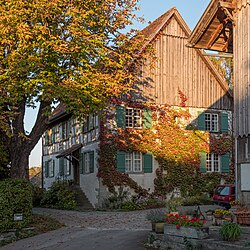
Above: In Landschlacht, Canton Thurgau, Switzerland
On the way to Konstanz, 15 km away, to get my teeth cleaned upon the advice of two Georgian lady dentists – one in Tbilisi and the other in Kutaisi – and one German lady doctor – She Who Must Be Obeyed, aka the Wife, who made a compulsory appointment for me to see a third lady dentist.
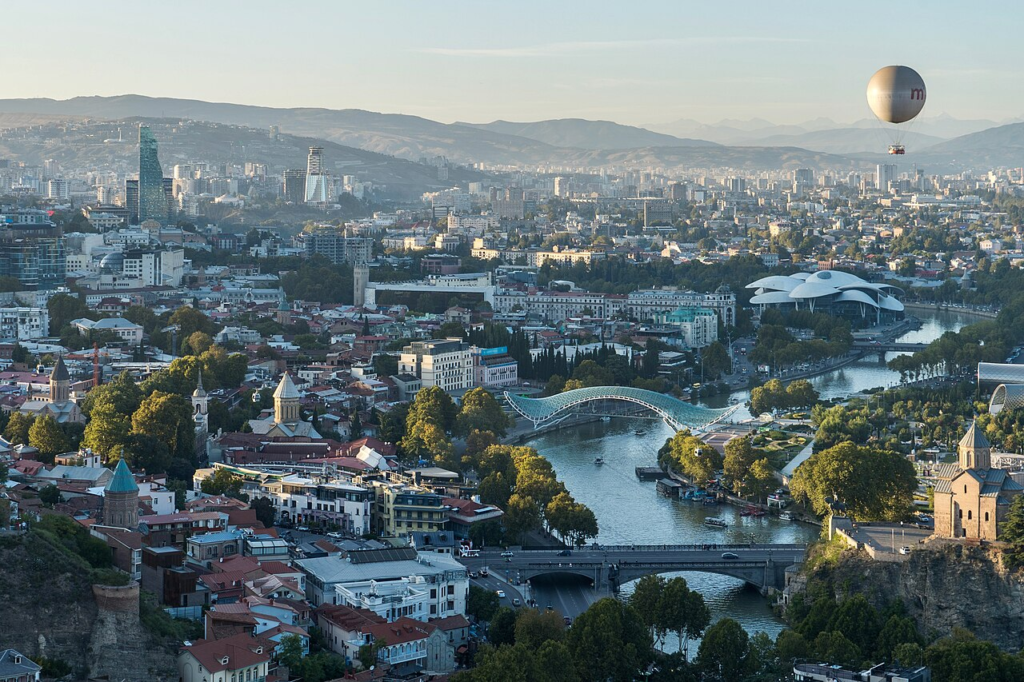
Above: Tbilisi, Georgia
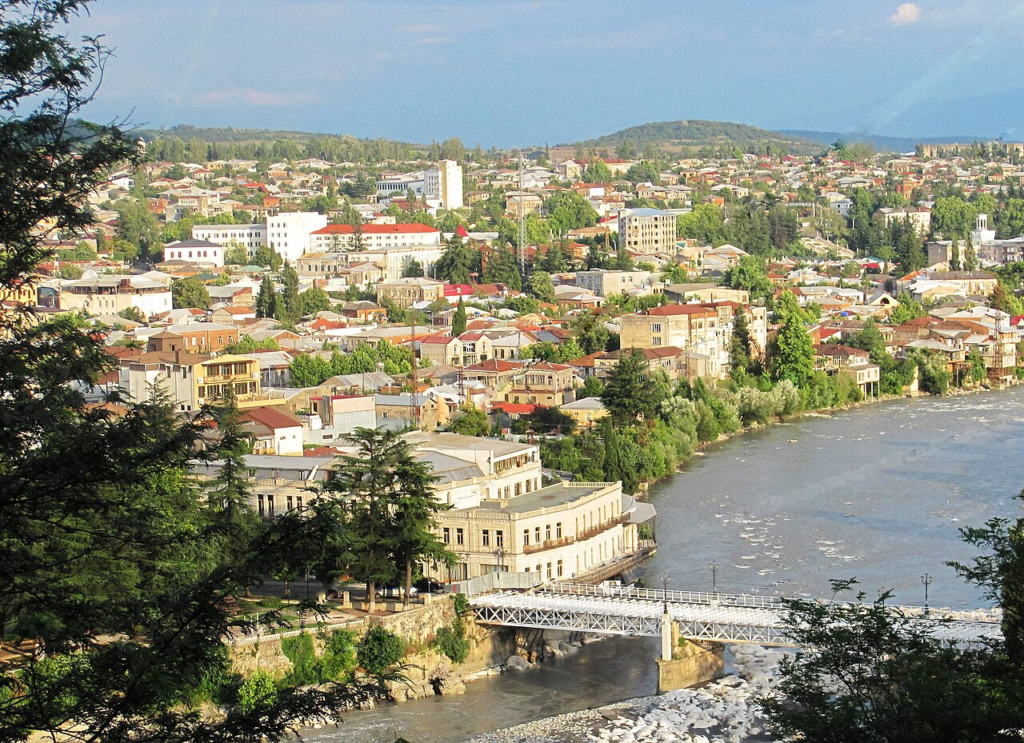
Above: Kutaisi, Imerati, Georgia
She Who may be right, but I am going to avoid an argumentative outburst rather than my actual willingness to go.
The lengths a man will go for peace….
There comes a point where resistance ceases to be a principle and becomes an expensive hobby.
The strategy of preserving domestic harmony is the wiser gamble today.
It is the gambling aspect of choosing discomfort in a dentist’s chair to domestic discontent that has made me think of Batumi….
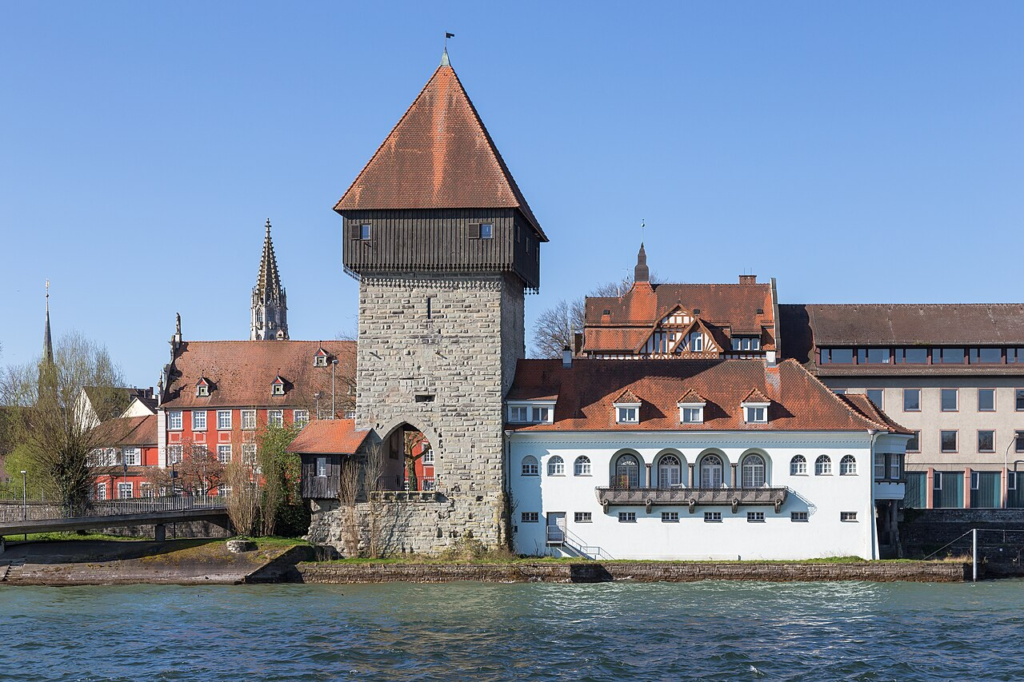
Above: Rheintorturm (Rhine Gate Tower), Konstanz (Constance), Baden-Württemburg, Deutschland (Germany)
Tuesday 12 May 2026
Batumi, Adjara, Georgia
The irony of Batumi was not lost on me.
I had arrived in the city’s gambling capital to make a wager of my own.
The currency was not euros placed on a roulette table, but years of teaching experience, persistence and hope.
The outcome was uncertain, but unlike a casino player, I still had some influence over the result.
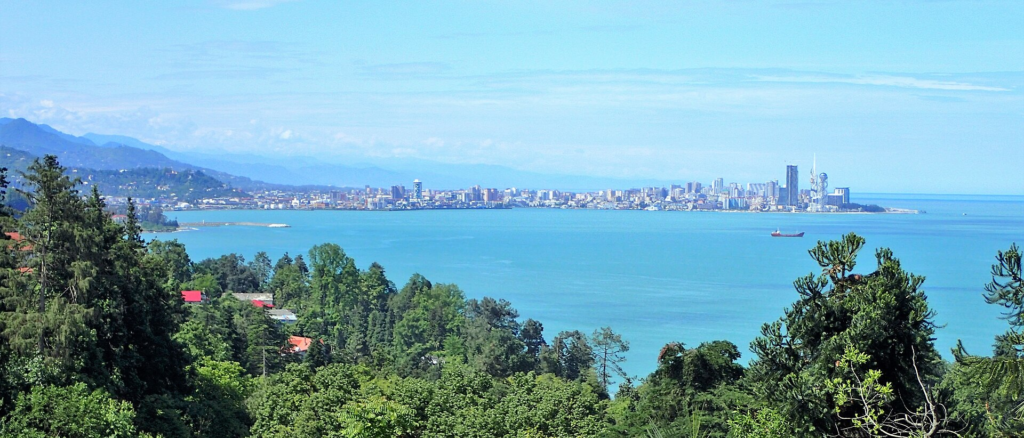
Above: Batumi, Adjara, Georgia
Every evening in Batumi, fortunes are risked beneath chandeliers while, a few streets away, fishermen patiently wait for a bite on the Black Sea promenade.
Two forms of hope.
Two very different odds.
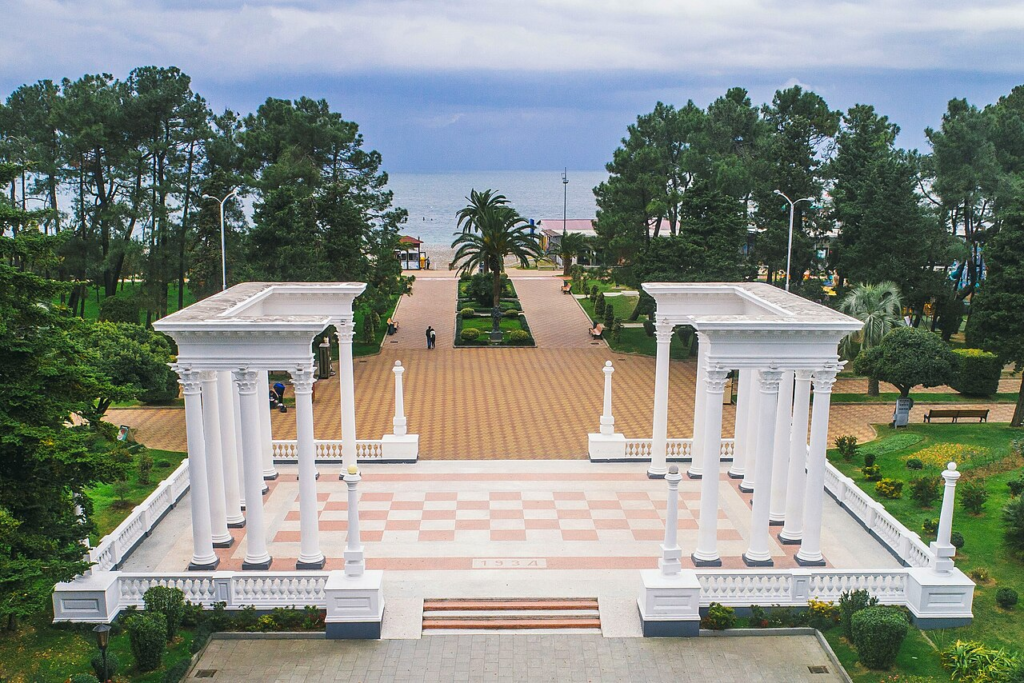
Above: Batumi Boulevard collonades
How did Batumi come to be known as “the Las Vegas of the Black Sea“?
It is not because Georgians are inveterate gamblers.
Batumi became a casino city largely because of legislation.
Türkiye prohibits casinos, so Batumi, only 20 kilometres from the border, became the nearest legal playground.
Above: Flag of Türkiye
Weekend visitors cross from Trabzon, Rize and Artvin.
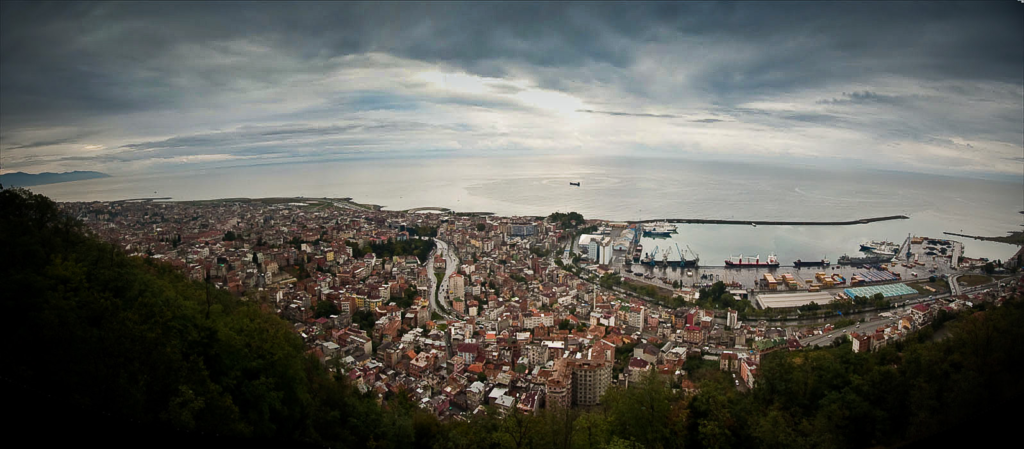
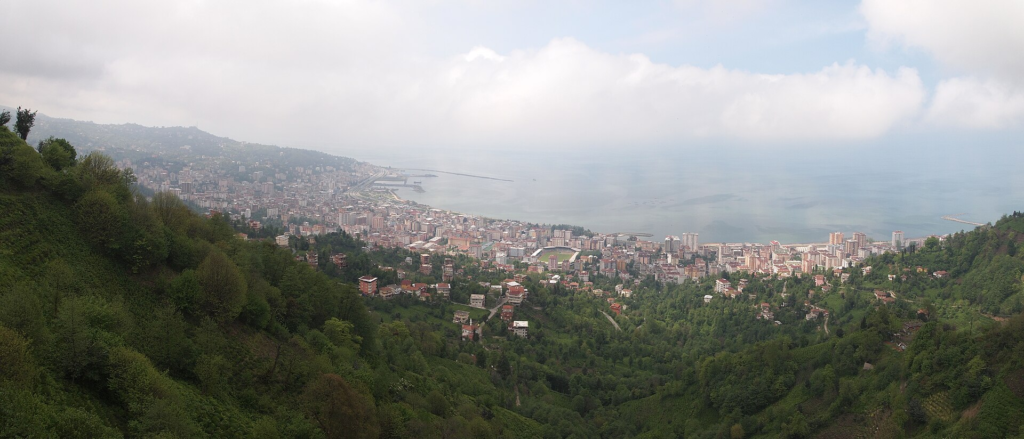
Above: Trabzon, Türkiye
Above: Rize, Türkiye
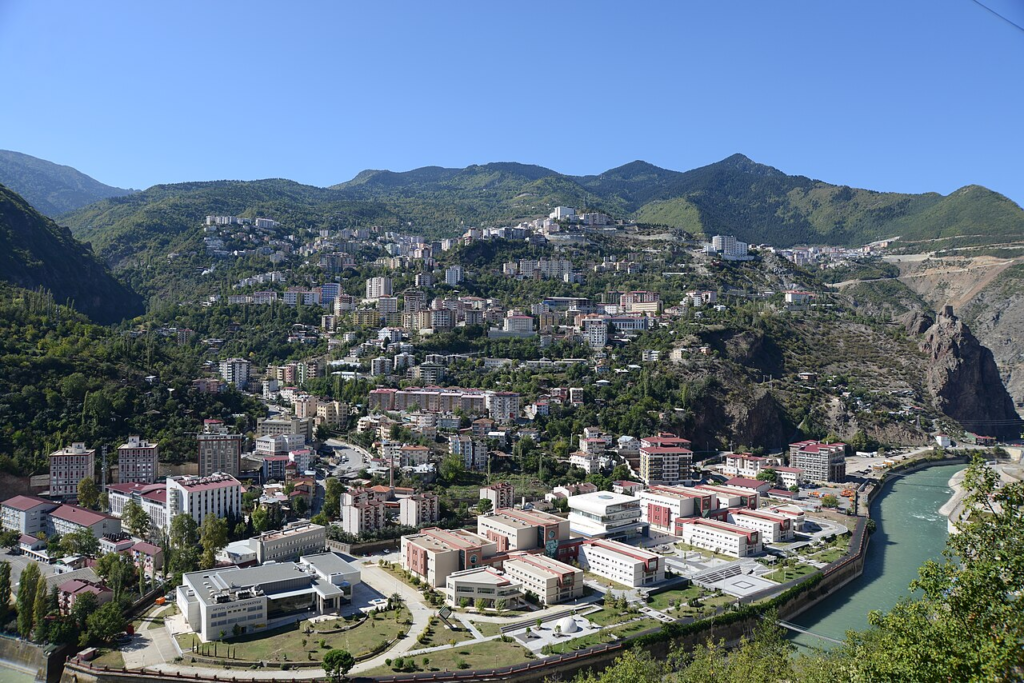
Above: Artvin, Türkiye
Add Israelis, Gulf tourists, Russians, Kazakhs and Europeans and you have an improbable cosmopolitan mixture around the gaming tables.
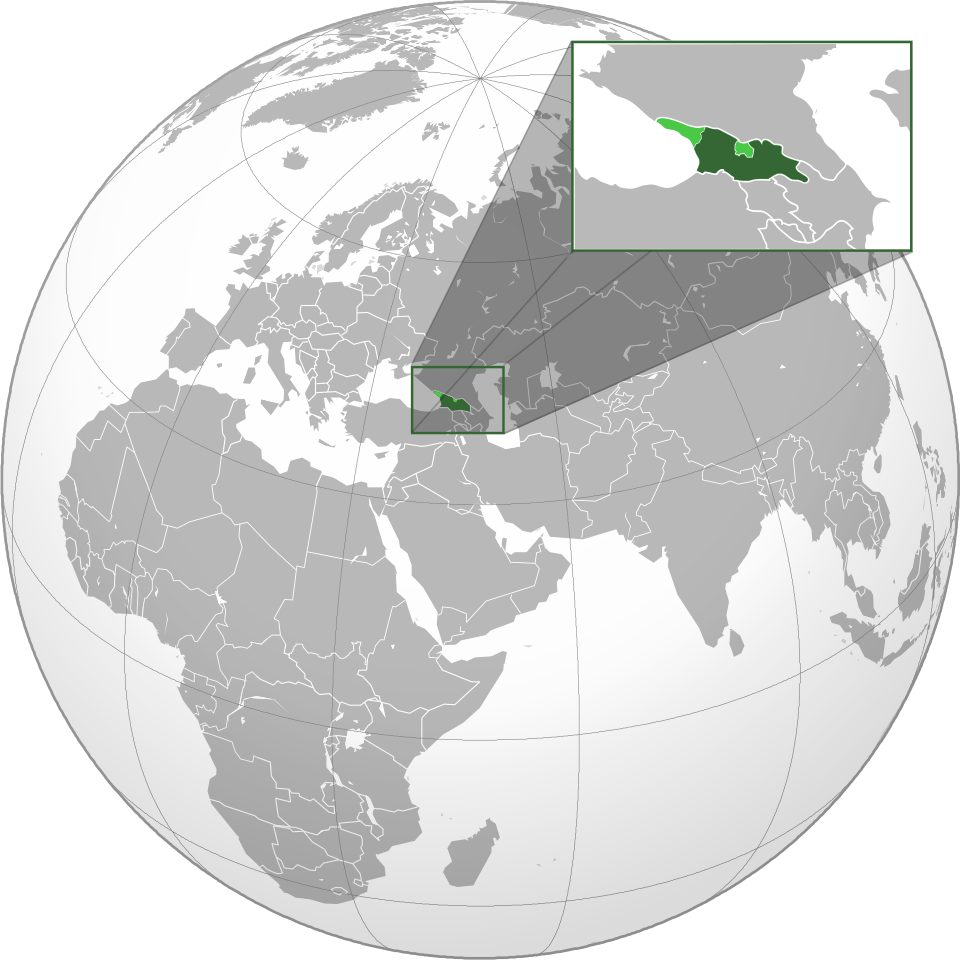
Above: (in green) Georgia
There is something wonderfully ironic about a quiet Georgian seaside town reinventing itself for Black Sea blackjack.
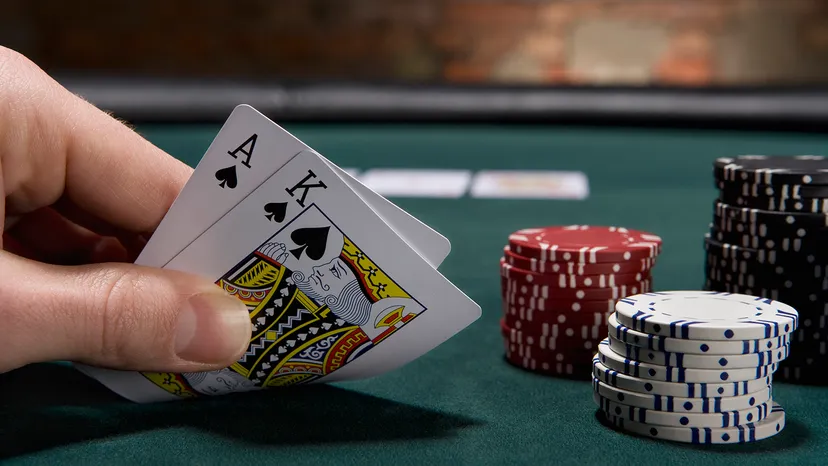
How does a casino actually work?
Many people have never entered one.
The discreet security at the entrance.
The passport check.
Carpets designed to swallow footsteps.
The absence of clocks.
Complimentary drinks.
The psychological effect of chips replacing cash.
The croupier’s elegant, economical movements.
The almost liturgical phrases:
No more bets.
It becomes theatre.
The literature practically writes itself.
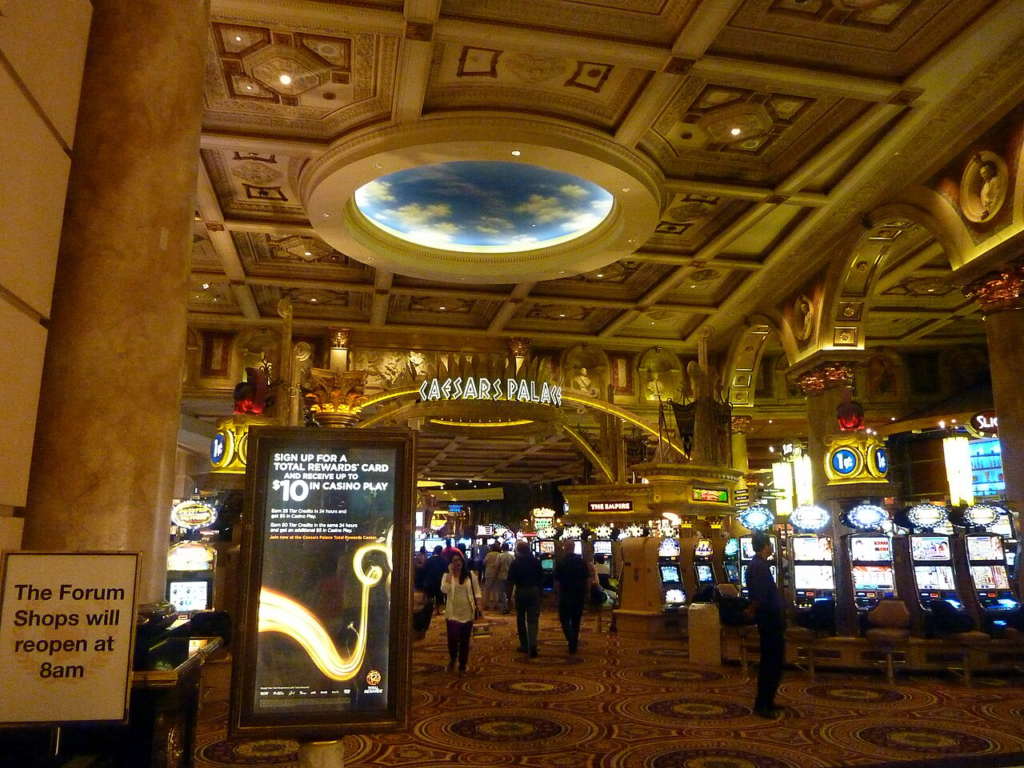
Above: Caesars Palace, Las Vegas, Nevada, USA
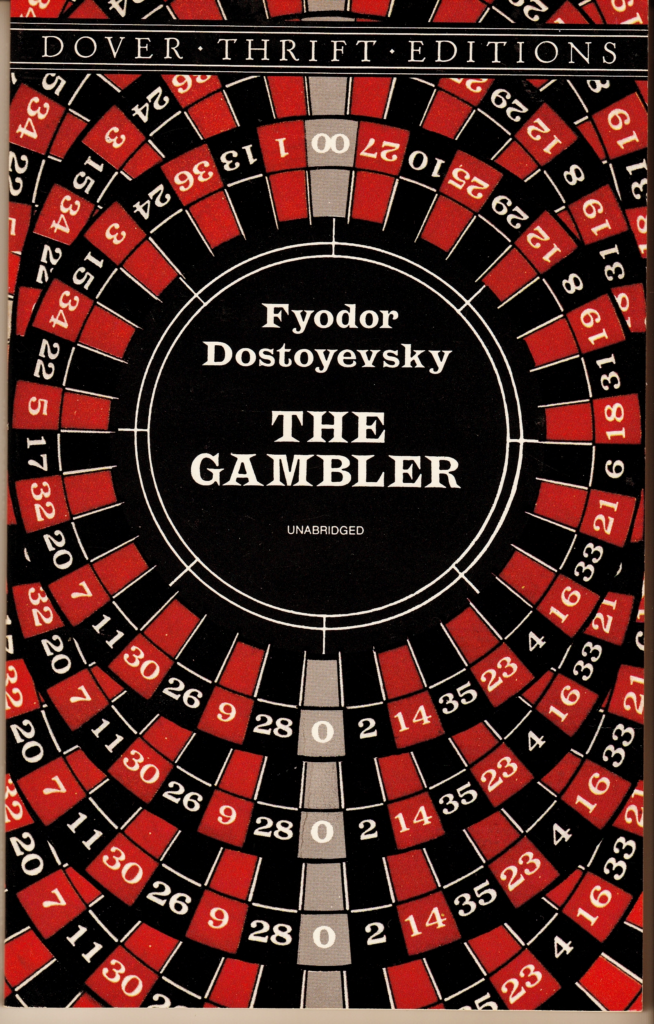
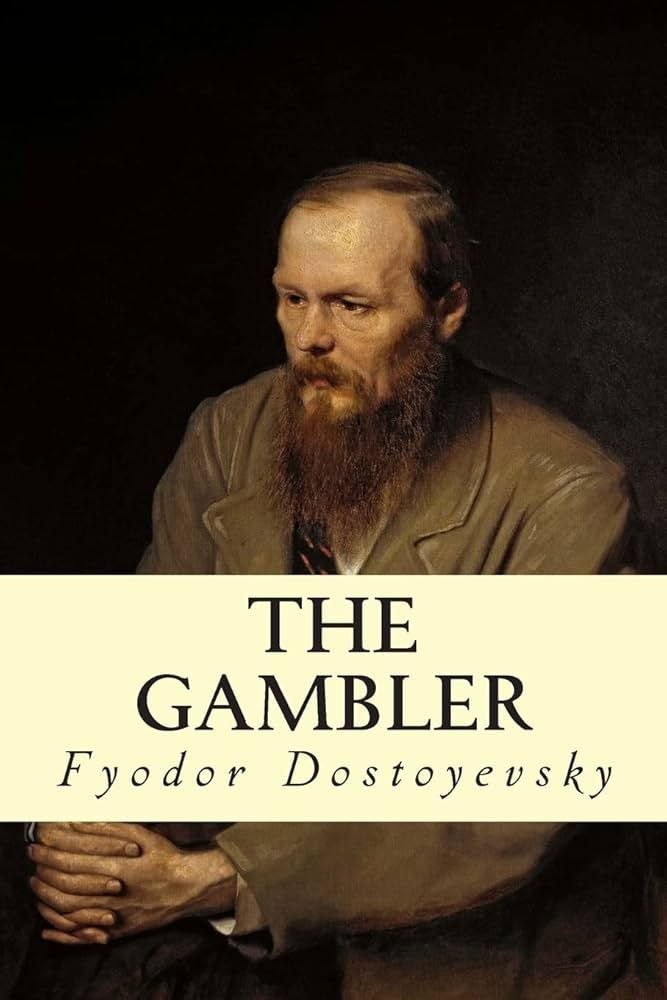
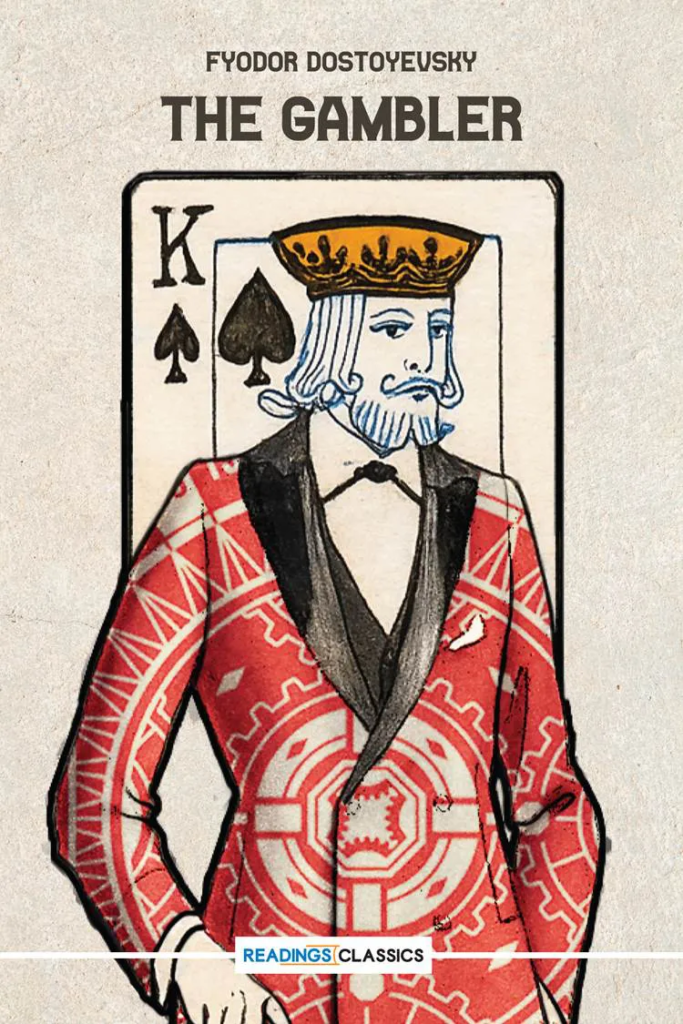
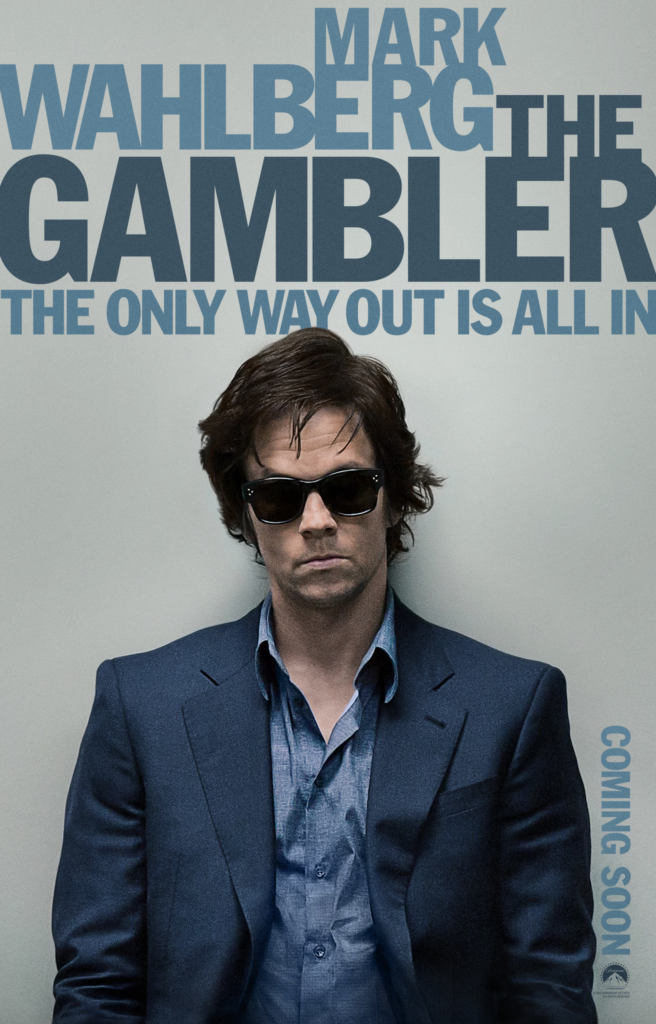
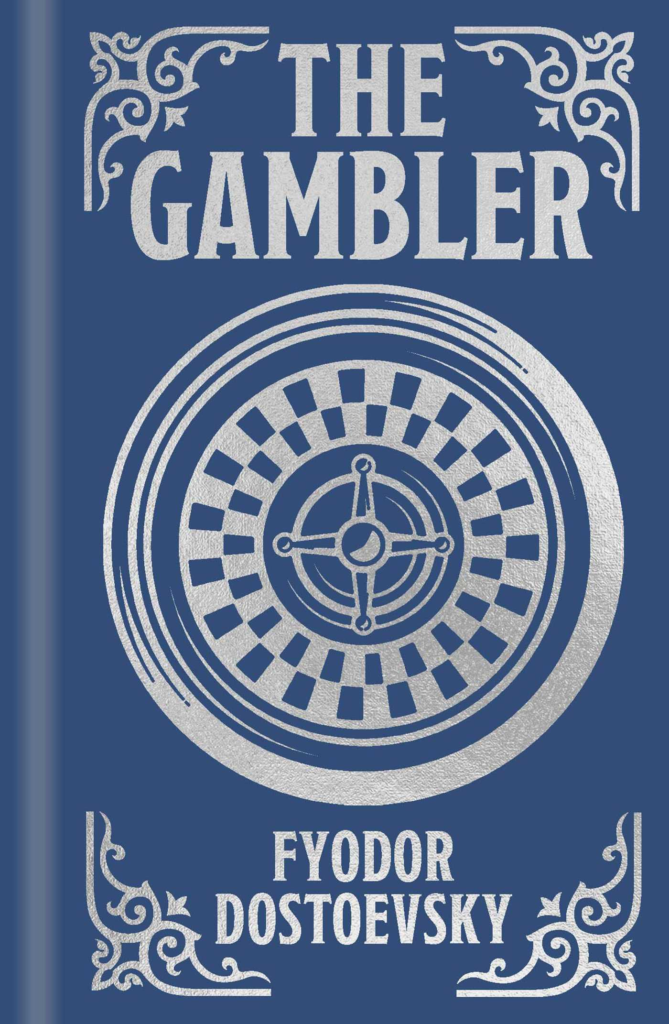
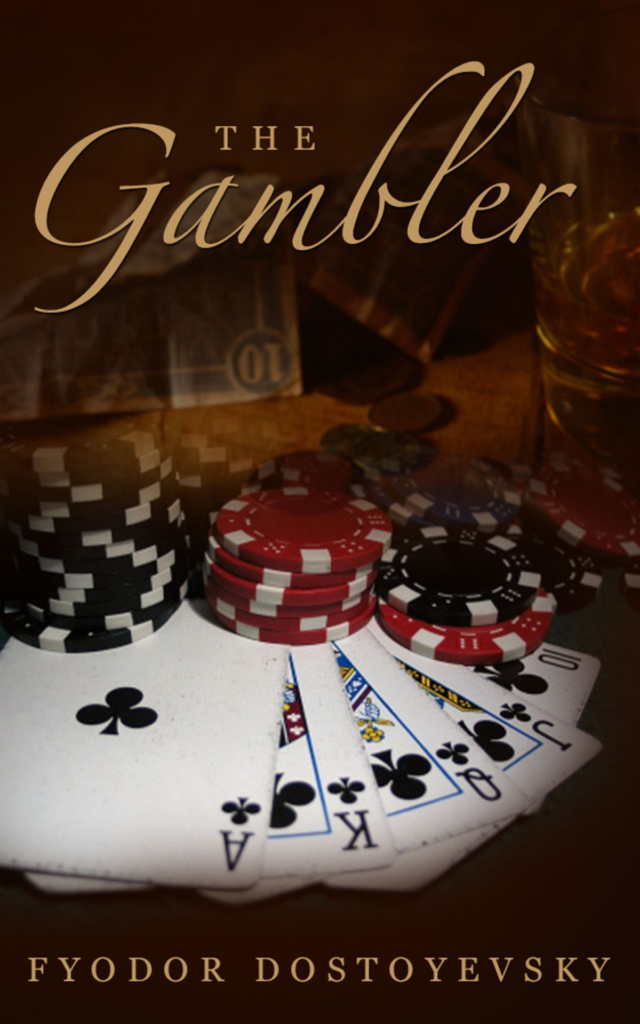
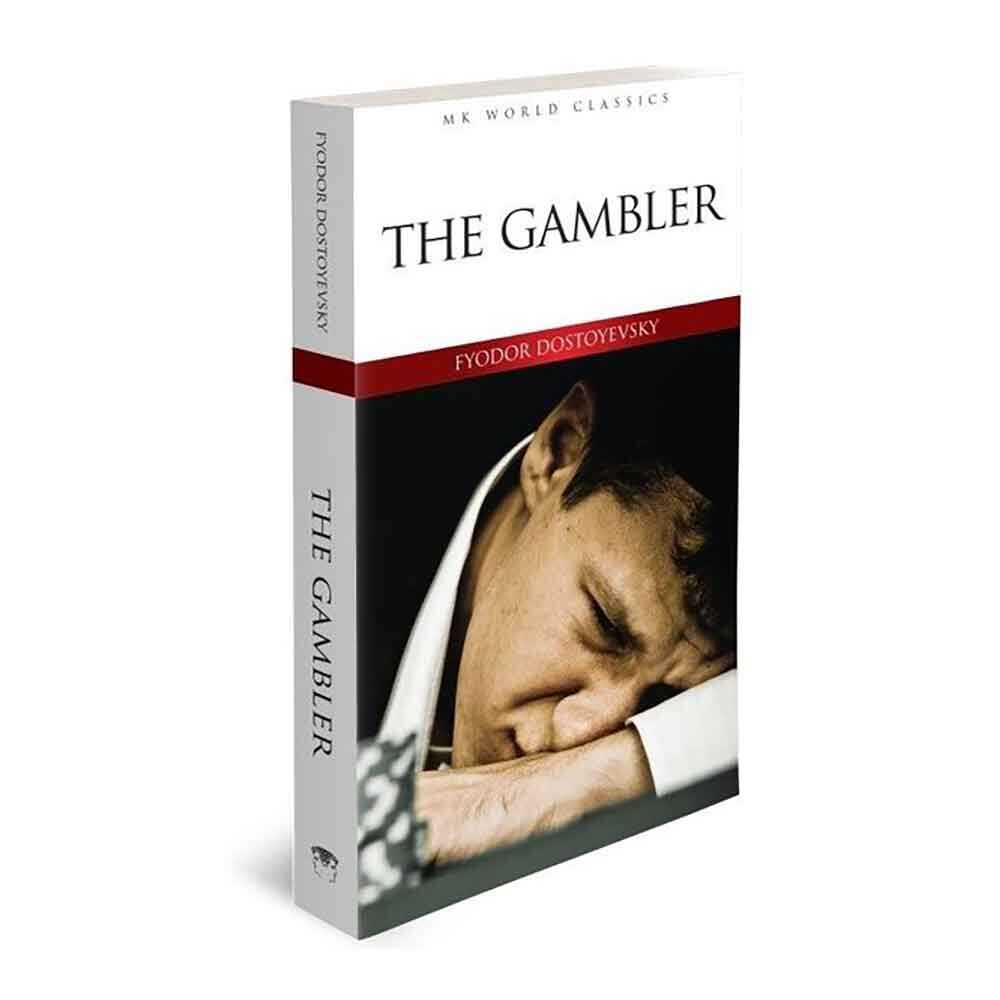
Dostoevsky’s The Gambler is unavoidable – not because it is famous, but because Dostoevsky understood addiction from the inside.
He wrote much of it under pressure to pay gambling debts.
His description of the intoxicating belief that this spin will be different remains painfully modern.
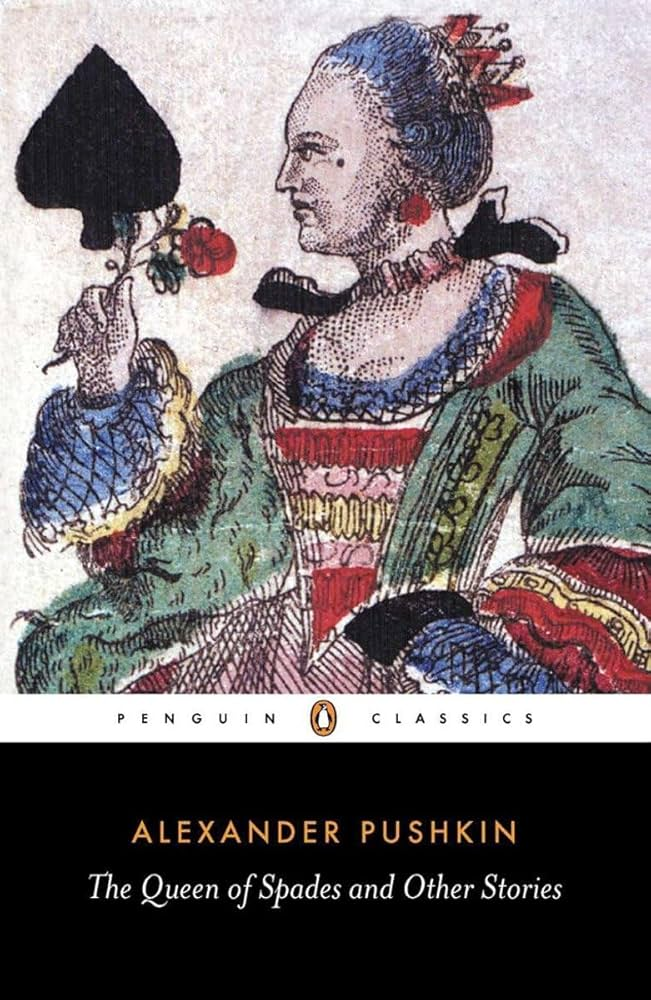
Pushkin’s (1799 – 1837) The Queen of Spades would make another wonderful detour.
Hermann is destroyed not by bad luck but by obsession.
Then perhaps Somerset Maugham (1874 – 1965), who observed that people often gamble less for money than for excitement.
Even Shakespeare can sneak in:
“The fault, dear Brutus, is not in our stars, but in ourselves…“
William Shakespeare, Julius Caesar
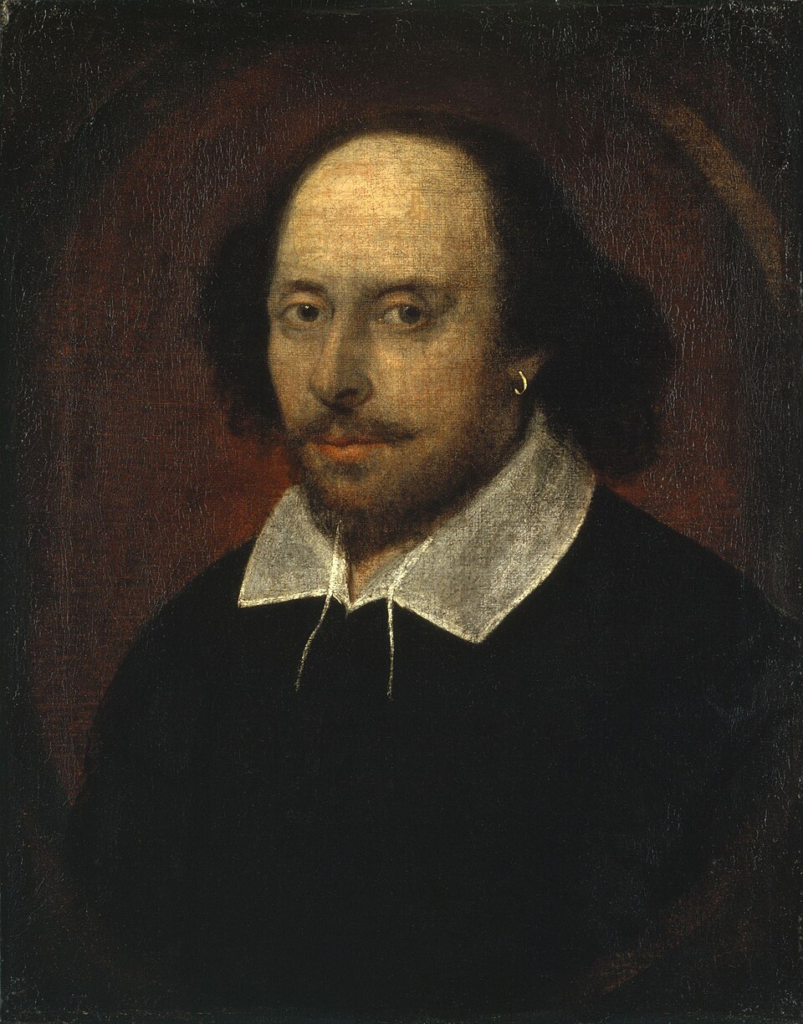
Above: William Shakespeare (1564 – 1616)
Though the roulette player usually blames the stars.
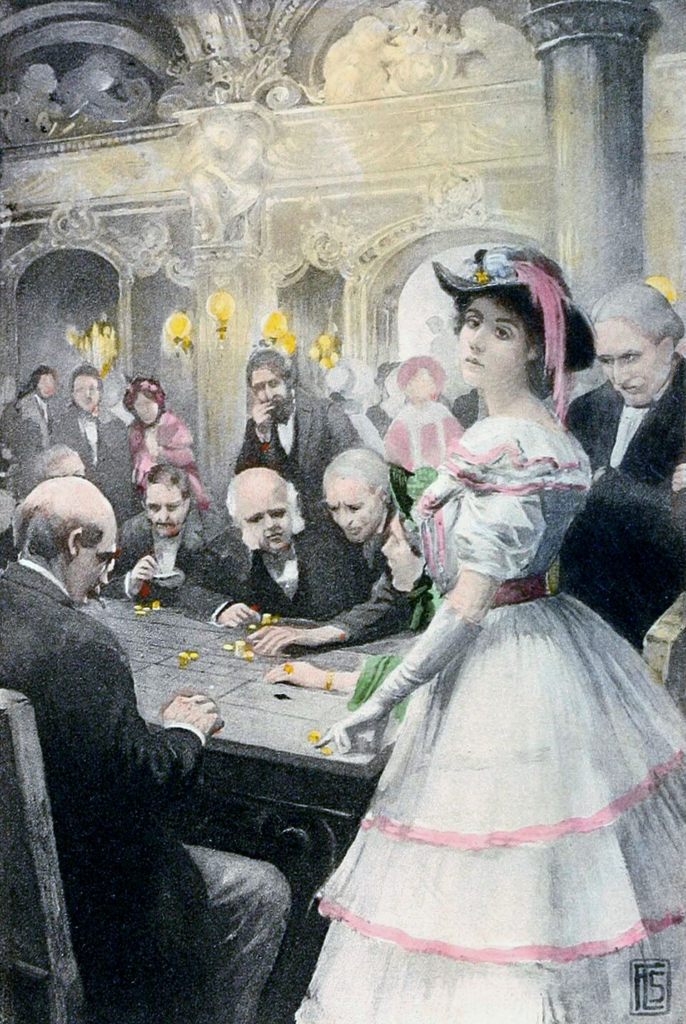
Above: “Gwendolen at the roulette table” – 1910 illustration to George Eliot’s Daniel Deronda
And there is music beyond the cascade of coins from slot machines….
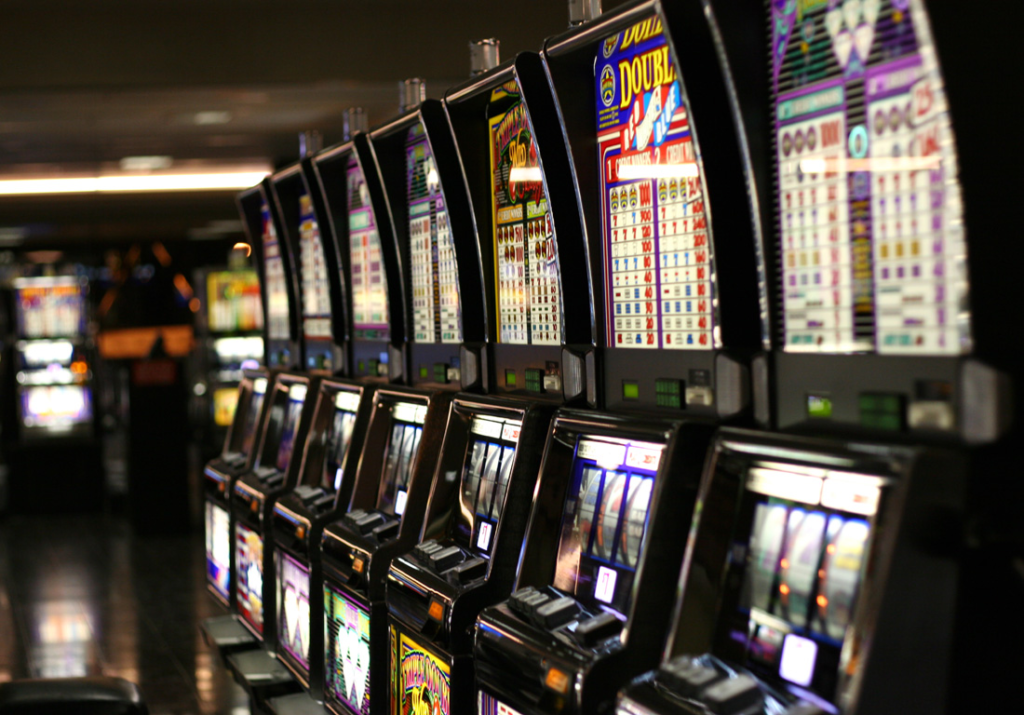
Oh, yes.
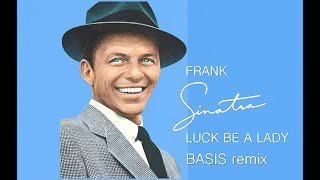
Frank Sinatra’s (1915 – 1998) Luck Be a Lady.
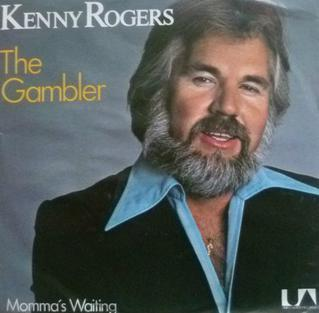
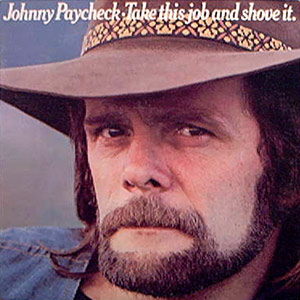
Kenny Rogers'(1938 – 2020) The Gambler – almost obligatory.
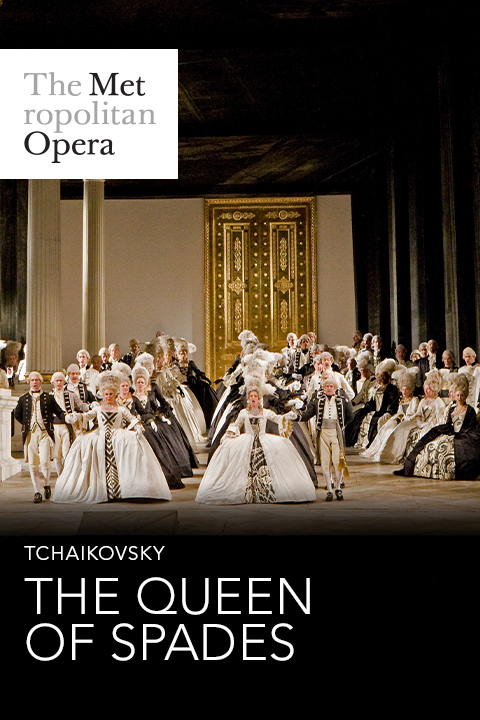
Even Pyotr Ilyich Tchaikovsky’s (1840 – 1893) The Queen of Spades opera.
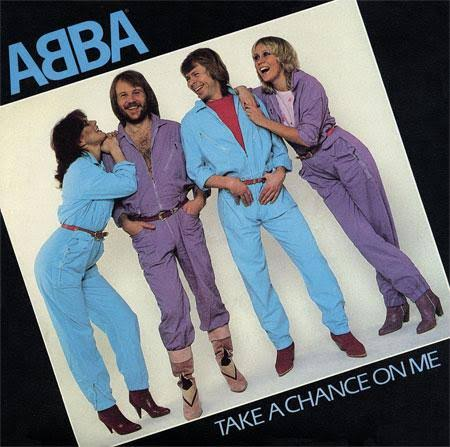
Music about chance nearly always turns out to be music about life.
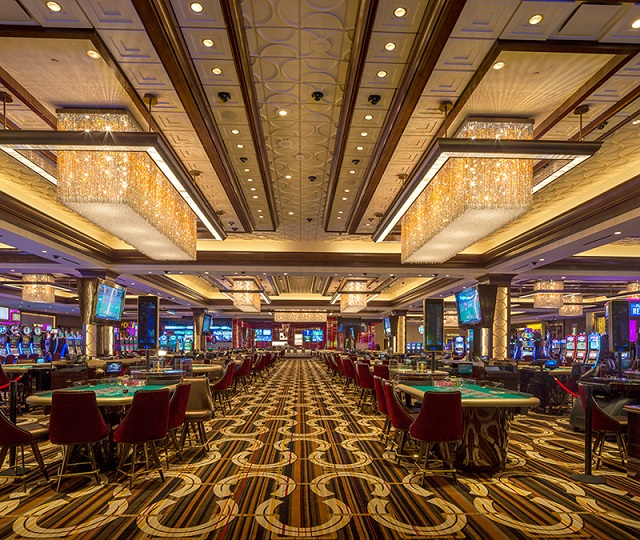
Wander through a casino.
Notice the silence.
The concentration.
No one celebrates wildly while everyone else walks away expressionless.
Gambling is neither wholly evil nor wholly harmless.
For some, it is entertainment with a strict budget.
For others, it becomes compulsion.
A casino itself is beautifully engineered to blur the distinction.
The tension is fascinating.
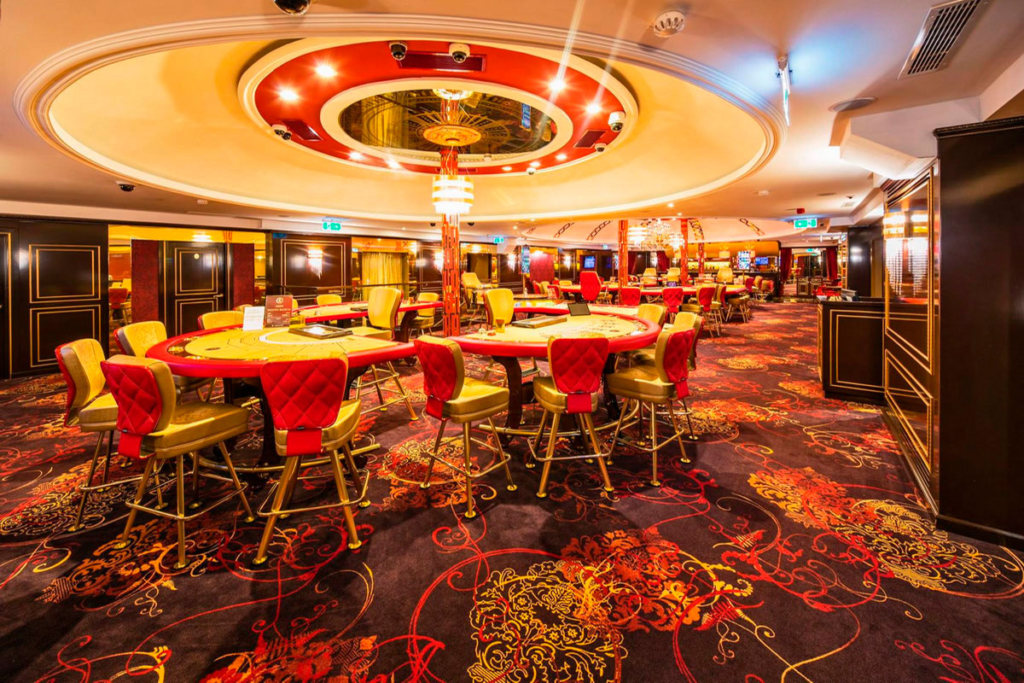
Two in the morning.
Bright lights of the hotel left behind.
Outside, the sea is black and indifferent.
Young couples stroll.
I am alone again.
Naturally.
An old man casts his fishing line into the water that has no memory of winners or losers.
Inside the casino, fortunes change hands.
Outside, the tide continues exactly as before.
This is a tale about hope, risk, illusion and the curious things that people travel many miles in search of.
Whether it is money, excitement or simply the possibility that tomorrow might be different.
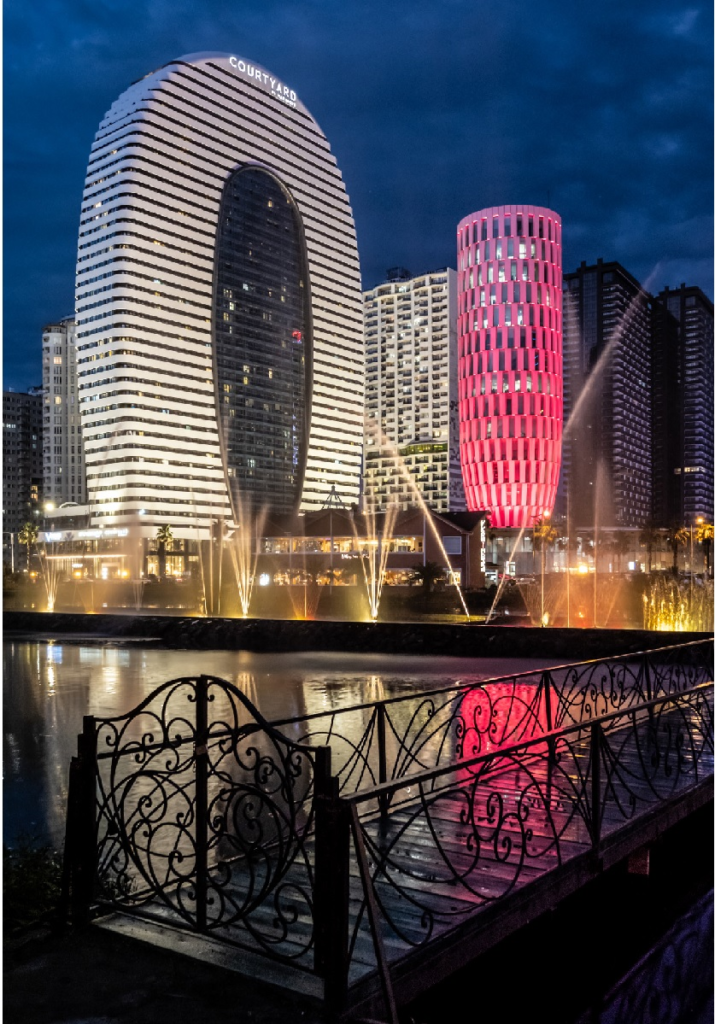
Above: Otium Casino, Batumi
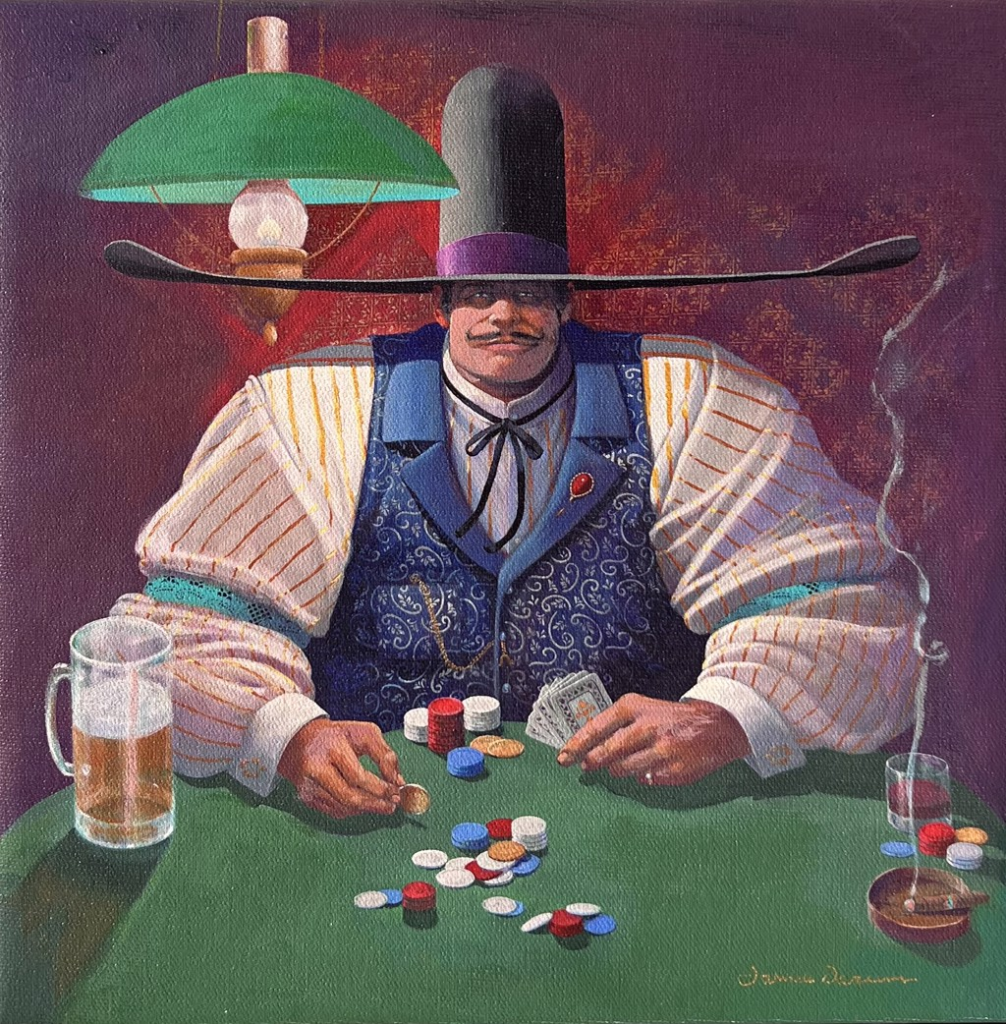
Gambling has a curious quality.
Unlike alcohol or tobacco, it leaves no smell on the breath, no stain on the fingers.
A person can appear perfectly respectable while losing not only money but judgment, relationships and eventually themselves.
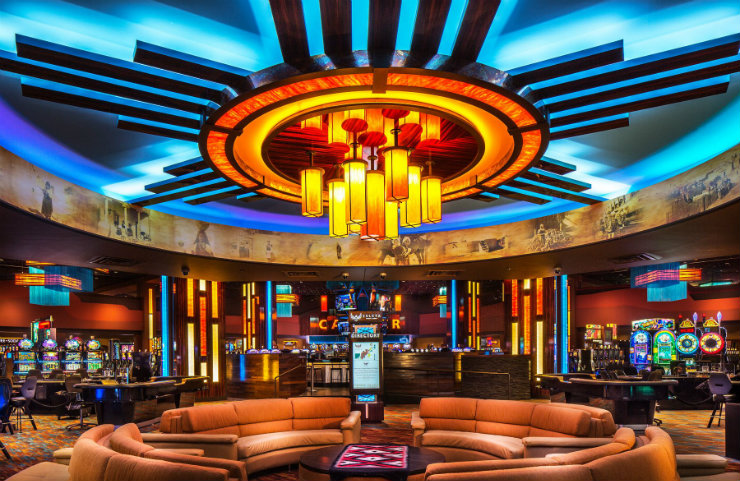
The first danger is that casinos are not games of chance in the way most people imagine.
They are businesses built on mathematics.
Every game carries a house edge, a small statistical advantage that ensures that, over thousands or millions of bets, the casino will come out ahead.
Individual players may enjoy spectacular wins, but over time the odds favour the establishment.
The glittering chandeliers and complimentary drinks are not generosity.
They are investments in keeping players at the tables.
Then comes the danger of illusion.
Humans are remarkably poor at understanding probability.
We convince ourselves that after five reds, black is “due“.
It isn’t.
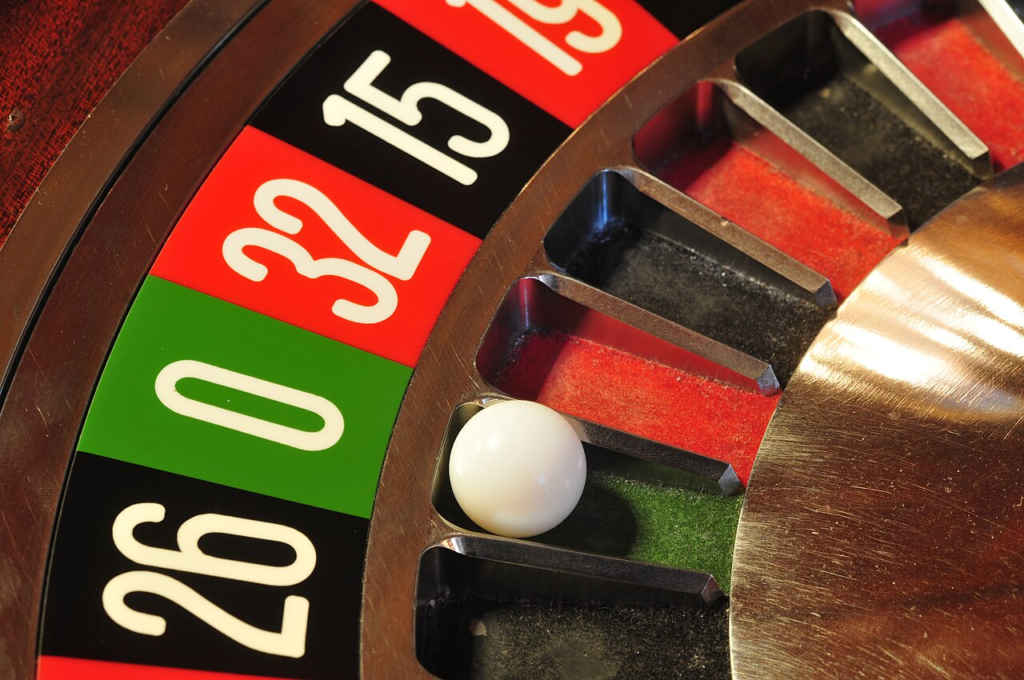
Every spin of the roulette wheel is independent.
We remember our lucky streaks and conveniently forget the countless small losses that paid for them.
Psychologists call this the gambler’s fallacy, but long before psychologists named it, gamblers lived it.
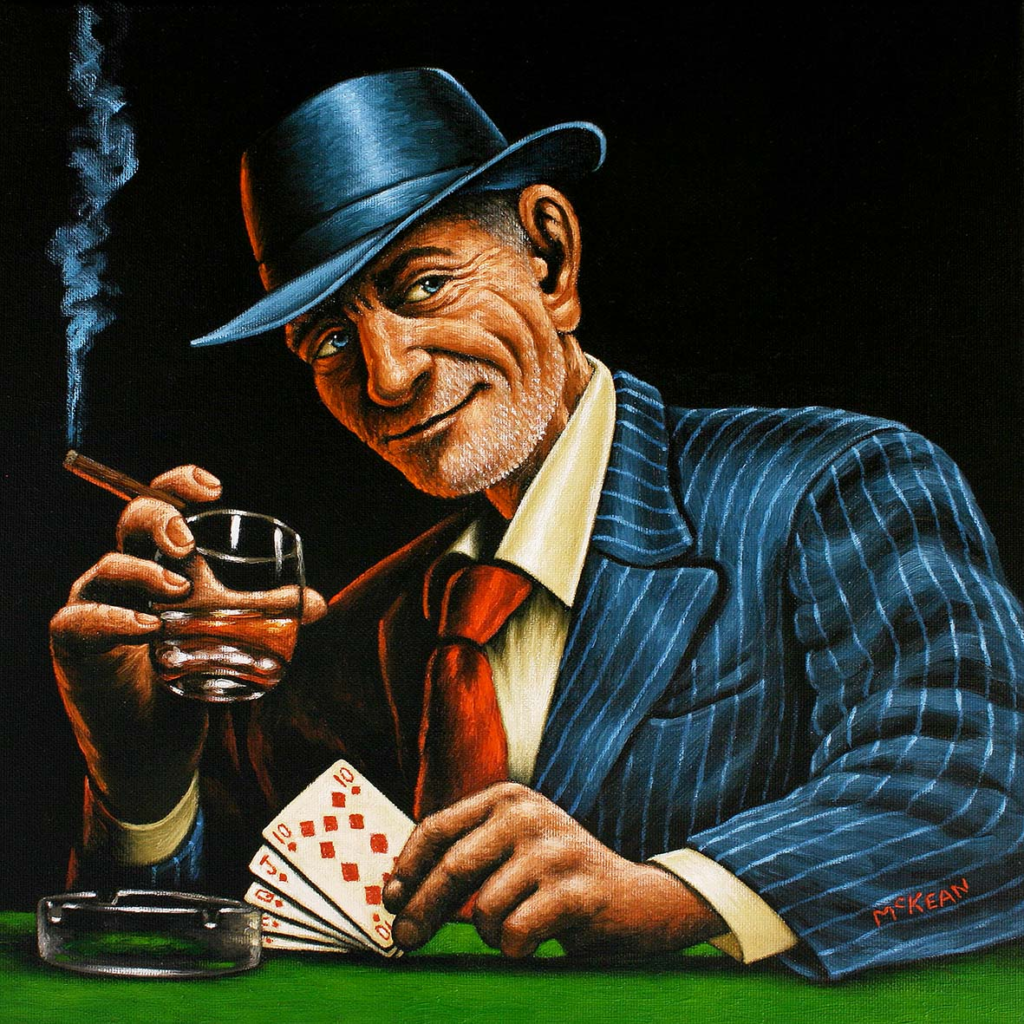
The most insidious danger is the chase.
A sensible person loses €100 and goes home disappointed.
The compulsive gambler loses €100 and believes another €100 will recover the first loss.
After losing €200, they borrow €400 to recover €200.
The arithmetic becomes increasingly absurd, yet emotionally it feels perfectly logical.
Many addictions begin with pleasure.
Gambling addiction begins with the desperate attempt to erase yesterday’s mistake.
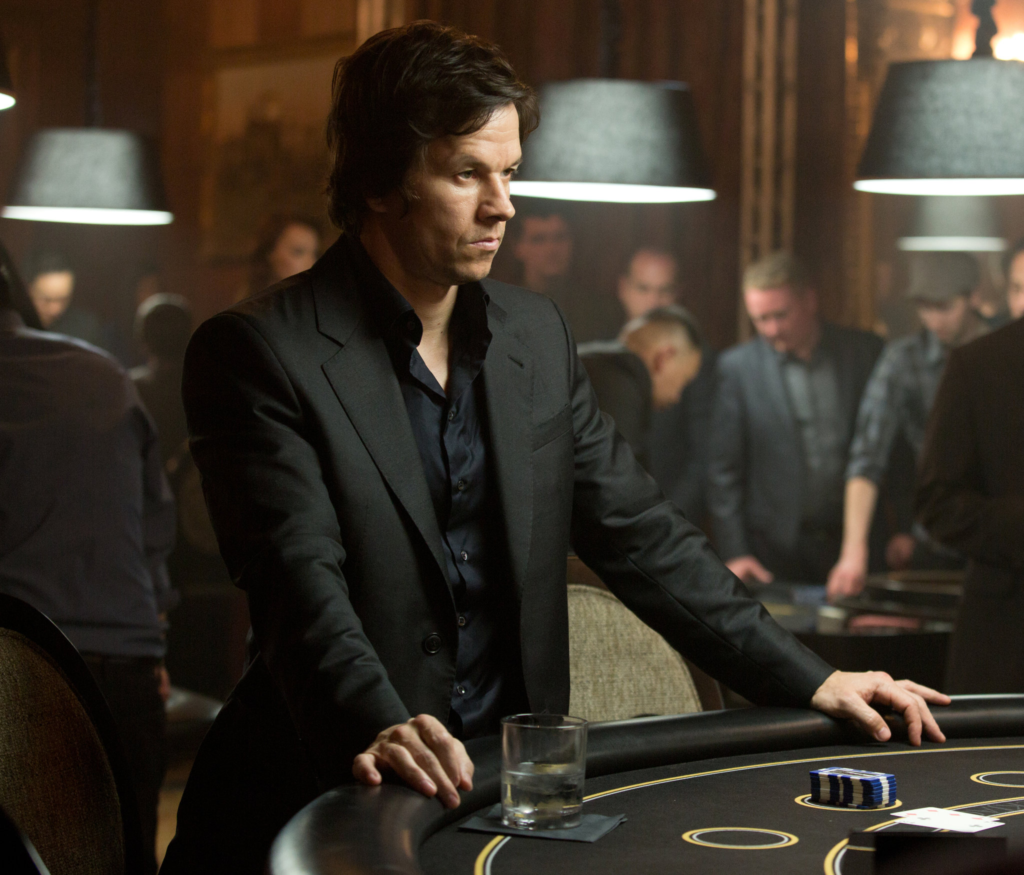
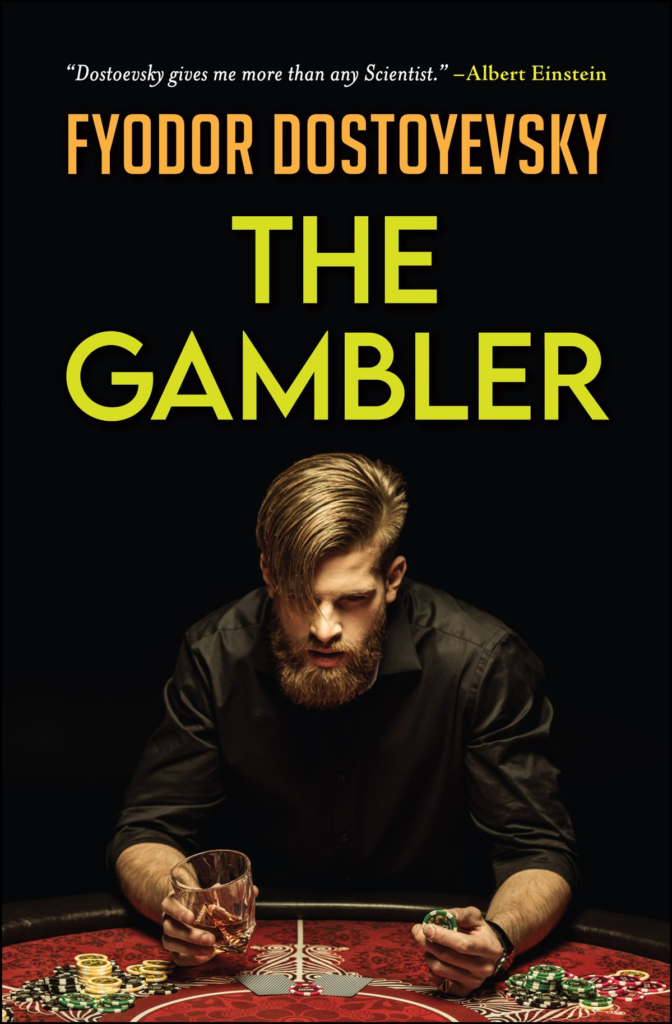
Dostoevsky understood this with terrifying clarity in The Gambler.
His protagonist does not gamble because he loves money.
He gambles because he becomes intoxicated by possibility.
Hope itself becomes addictive.
Dostoevsky knew the feeling firsthand.
His own roulette addiction repeatedly plunged him into debt.
He wrote under intense pressure to satisfy creditors.
The psychology he describes remains strikingly modern.
There is also the danger of winning.
That sounds paradoxical, but many addiction specialists observe that a large early win can be more dangerous than a loss.
A win persuades the novice that they possess unusual skill or luck.
They return, convinced they have discovered a profitable pastime, when in fact they have merely experience statistical good fortune.
The casino has acquired a loyal customer.
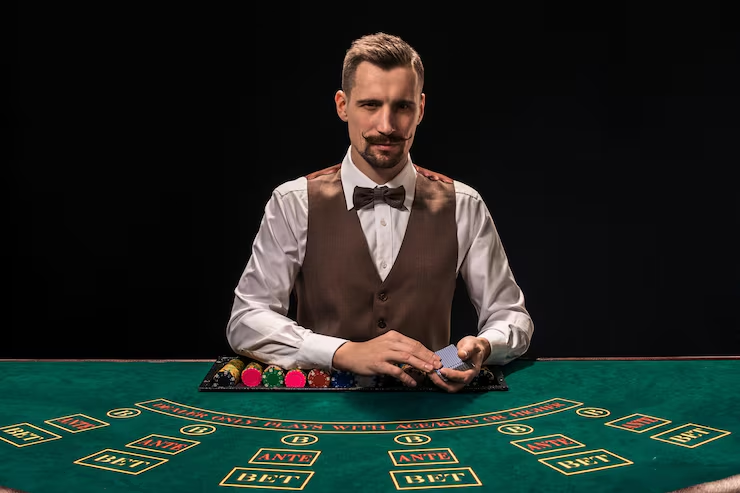
Another danger is time distortion.
Casinos are designed to separate players from ordinary life.
Clocks are scarce.
Windows are few.
Lighting is constant.
Music is carefully chosen.
Drinks appear almost magically.
Chips replace cash, making spending feel less real.
Hours disappear unnoticed.
It is not deception in the legal sense, but it is undeniably an environment crafted to encourage prolonged play.
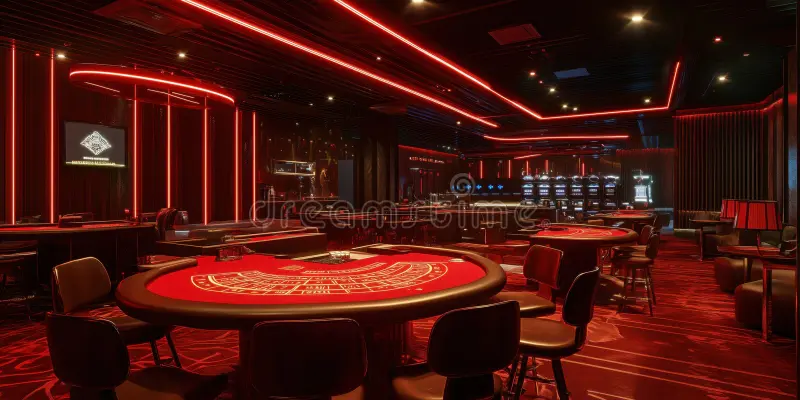
The financial consequences are only part of the story.
Families suffer.
Trust evaporates.
Savings disappear quietly before anyone notices.
Debts accumulate in secrecy because shame grows alongside them.
Unlike many other forms of financial difficulty, gambling losses are often hidden until they become impossible to conceal.
Be aware of the distinction between a casino and a casino business.
The saying “the house always wins” refers to the mathematical advantage the casino has over its players.
It does not mean that the company owning the casino cannot fail.
Donald Trump’s casino ventures in Atlantic City are a classic example.
He was associated with several major casinos, including Trump Taj Mahal, Trump Plaza and Trump Marina.
The casinos themselves generated substantial gambling revenue.
The problem was that the businesses were burdened with enormous debt.
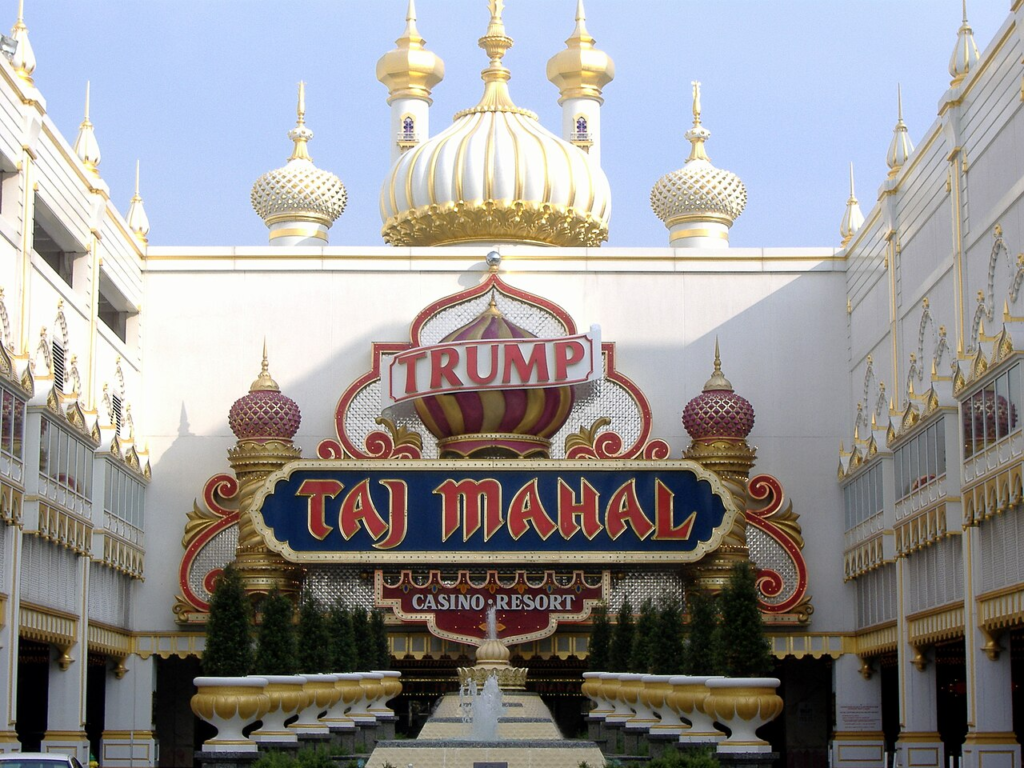
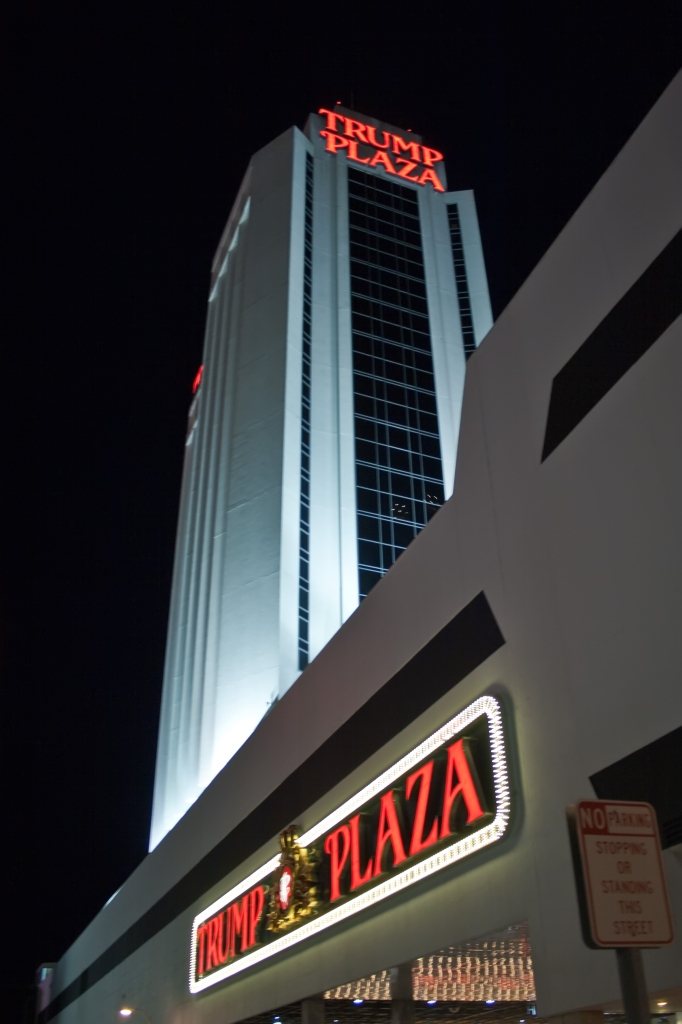
Trump financed expansion by borrowing heavily, particularly through high-interest “junk bonds“.
The revenue from gambling often wasn’t sufficient to service those debts while also covering operating costs and capital expenses.
The result was a series of corporate bankruptcies during the 1990s and 2000s.
It is also important to distinguish between corporate bankruptcy and personal bankruptcy.
Several of Trump’s casino companies filed for Chapter 11 bankruptcy protection, allowing them to restructure their debts and continue operating.
Trump himself did not file for personal bankruptcy in connection with those businesses.
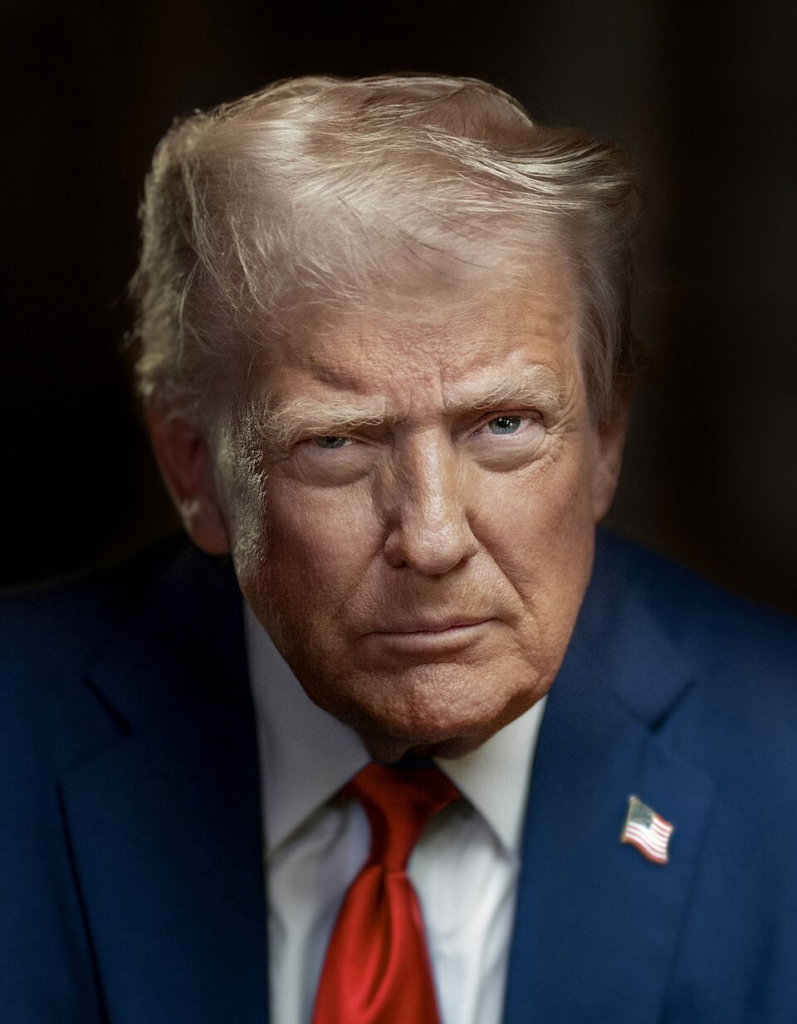
Above: US President Donald Trump
There were other contributing factors:
- Atlantic City’s gambling market became increasingly competitive.
- New casinos opened in nearby states, reducing Atlantic City’s regional monopoly.
- Some analysts argued that the properties were overbuilt and overleveraged from the outset.
- Economic downturns reduced discretionary spending on gambling and tourism.
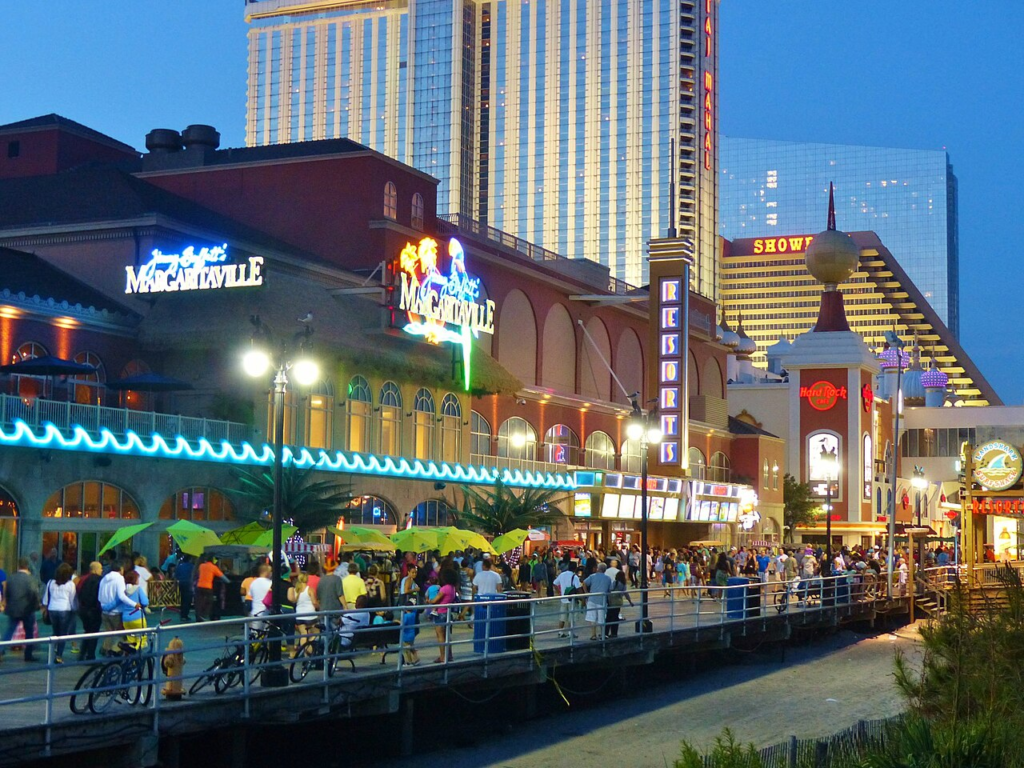
Above: Atlantic City, New Jersey, USA
So, the irony is this:
The gamblers often lost to the house.
The house, in turn, struggled to pay its creditors.
Those are two entirely different mathematical problems.
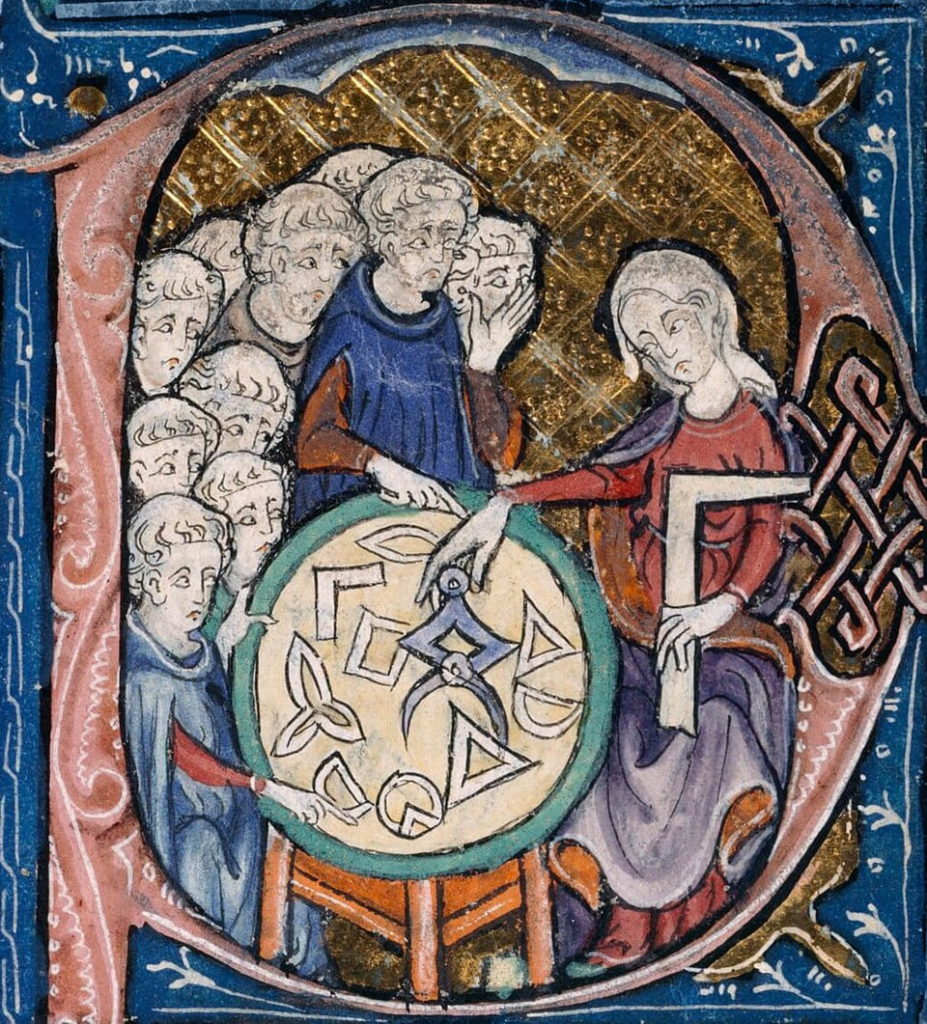
People say the house always wins.
That is true only if the house remembers that it is in the gambling business, not the borrowing business.
Even a casino can lose if it gambles on too much debt.
It is almost a metaphor for life.
A sound enterprise can be undone not because its core activity is unprofitable, but because it takes on obligations it cannot sustain.
In that sense, casinos are rather like households or governments:
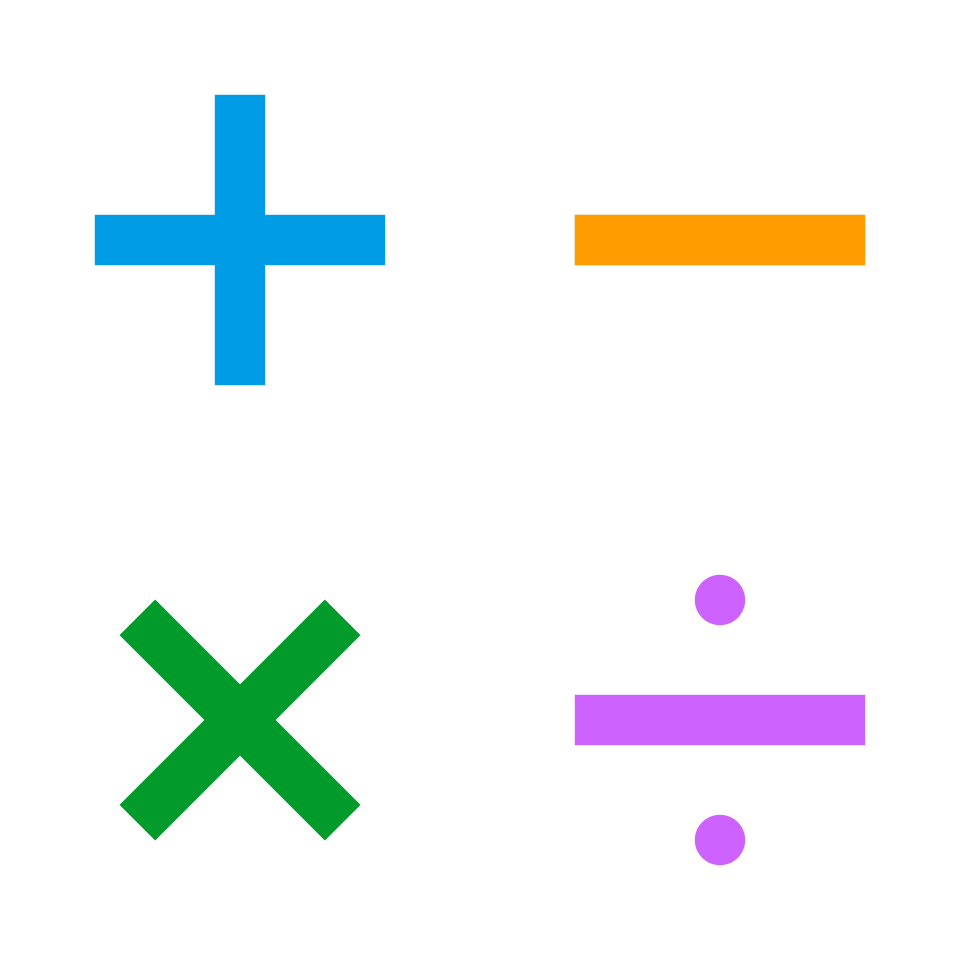
The arithmetic of debt can overwhelm even a business that enjoys favourable odds.
Yet I would resist portraying gambling as inherently immoral.
Millions of people buy a lottery ticket, place a modest sports bet or spend an evening in a casino without lasting harm.
For them, the money spent is simply the price of entertainment, no different from theatre tickets or a concert.
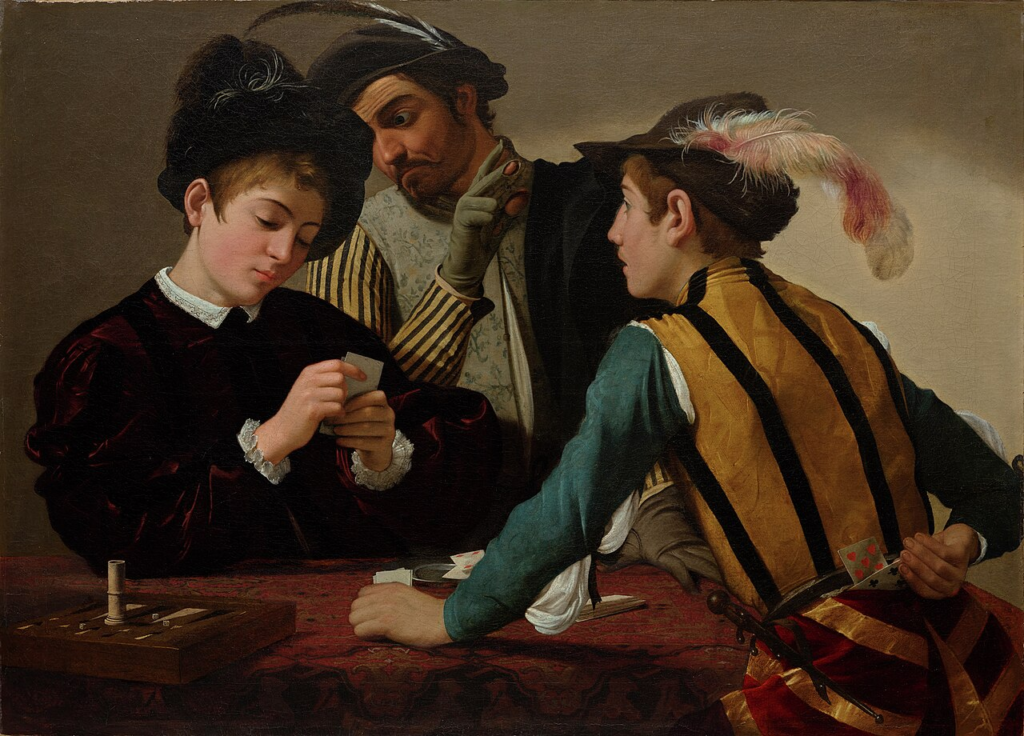
Above: The Cardsharps – Caravaggio (1594)
The dividing line is not the game but the player.
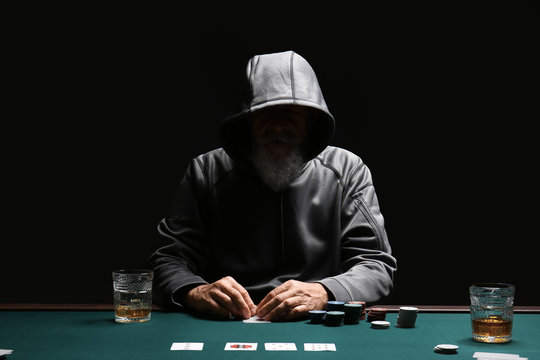
Son, I’ve made a life
Out of readin’ people’s faces
Knowin’ what the cards were
By the way they held their eyes
A useful question is this:
Can you walk away?
If the answer is yes – if you can lose your predetermined amount without resentment or the urge to recover it – you are treating gambling as entertainment.
If walking away becomes difficult or if gambling begins to occupy your thoughts when you are nowhere near a casino, then the game has begun to play you.
Perhaps the greatest irony is this:
Casinos sell dreams, but they prosper through arithmetic.
Players arrive hoping to defy the odds.
The owners become wealthy by respecting the odds.

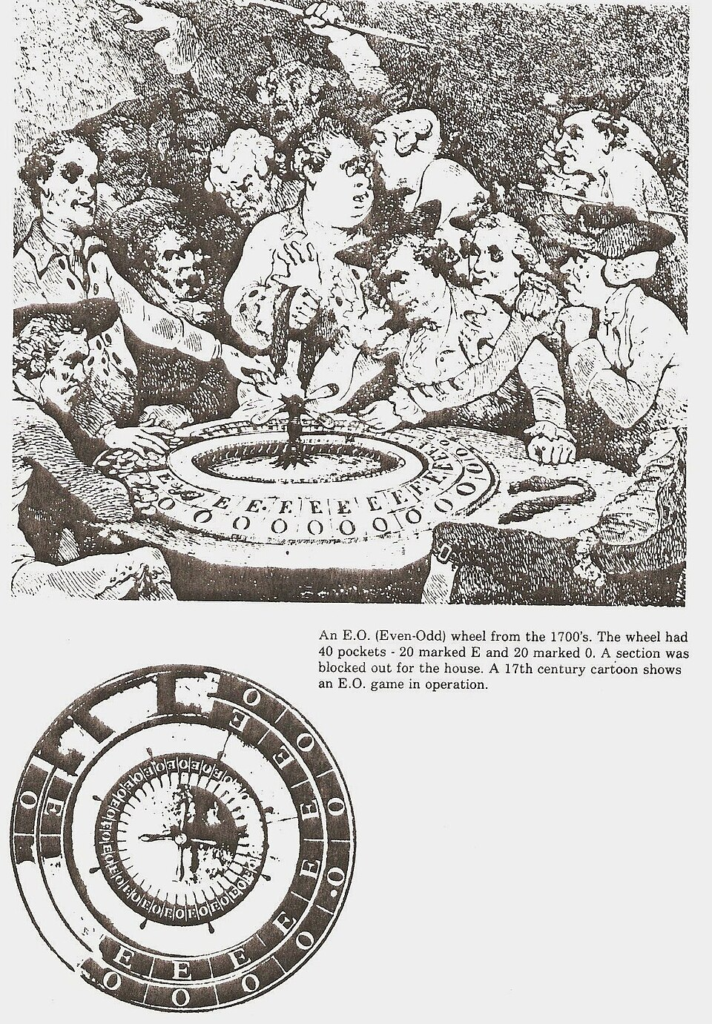
The roulette wheel is indifferent.
It has no memory, no malice and no mercy.
It simply turns.
The danger lies not in the wheel itself, but in the very human belief that, somehow, the next spin will be different.
I’m just sitting here watching the wheels go round and round
I really love to watch them roll
I can recall visits to casinos in Germany and Australia.
I have seen “one-arm bandits” – slot machines – on ships plying international waters.
Personally I find the places mind-numbingly boring.
The opposite of fun.
Each time I left with the same conclusion:
If this was excitement, I clearly lacked the proper equipment.
I have never understood how watching a little white ball bounce around a wheel could compete with a good book, a Bach overture or an interesting conversation over a glass of wine.
I have nothing against gambling in moderation.
If a few euros buy an evening’s entertainment, so be it.
I also have a basic rule:
If you cannot afford to lose, you cannot afford to play.
Besides, I have discovered that the greatest jackpots in life – a happy romantic relationship, enduring friendships, good books and the privilege of travel – cannot be won at a gambling table.
This is not just good financial advice.
It is almost a philosophy of life.
It applies equally to investing, starting a business, climbing mountains – and indeed to marriage.
Thursday 28 July 2005
Baden-Baden, Baden-Württemburg, Germany
Karlsruhe/Baden-Baden Airport (IATA: FKB) (German: Flughafen Karlsruhe/Baden-Baden) is the international airport of Karlsruhe, the third-largest city in the German state of Baden-Württemberg, and also serves the spa town of Baden-Baden.
It is the state’s second-largest airport after Stuttgart Airport, and the 12th-largest in Germany with 2,257,542 passengers as of 2025 and mostly serves low-cost and leisure flights.
The airport itself is part of Baden Airpark, a business park with numerous other tenants.
It is located in Rheinmünster, 40 km (25 mi) south of Karlsruhe, 12 km (7.5 mi) west of Baden-Baden, 25 km (16 mi) east of Haguenau and 25 km (16 mi) north of Strasbourg, France.
There is no direct service to Napoli service today, but the airport was expanding rapidly at that time with new low-cost routes being added and withdrawn from season to season.
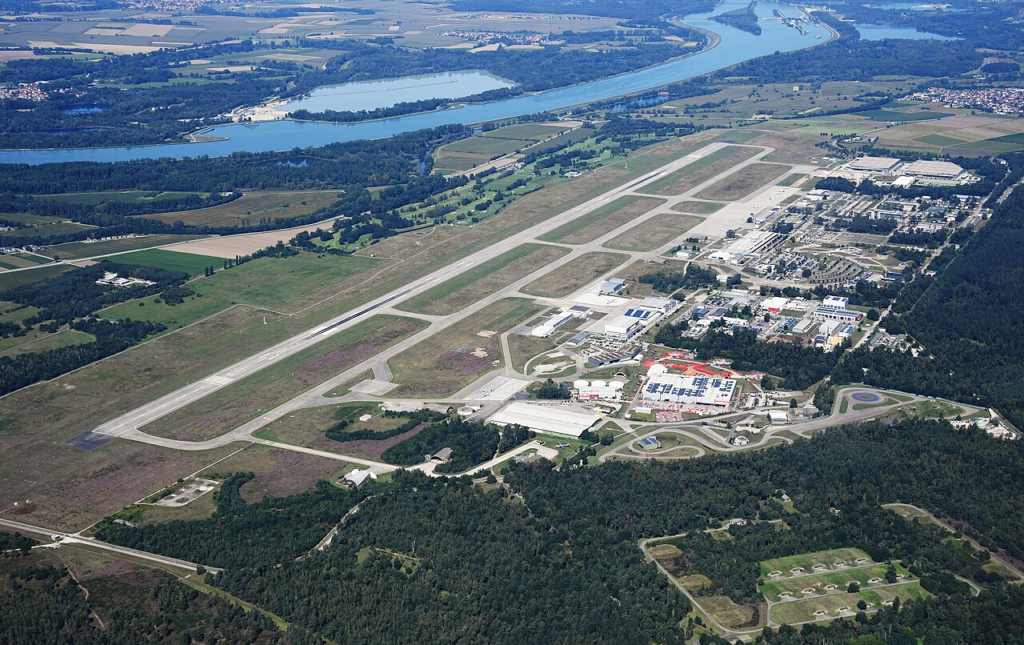
Above: Aerial image of the Karlsruhe/Baden-Baden airport
My wedding night to She Who Must Be Obeyed.
We got married in Freiburg im Breisgau that afternoon, then we stayed overnight in Baden-Baden, because our flight to Naples wasn’t until the next morning.
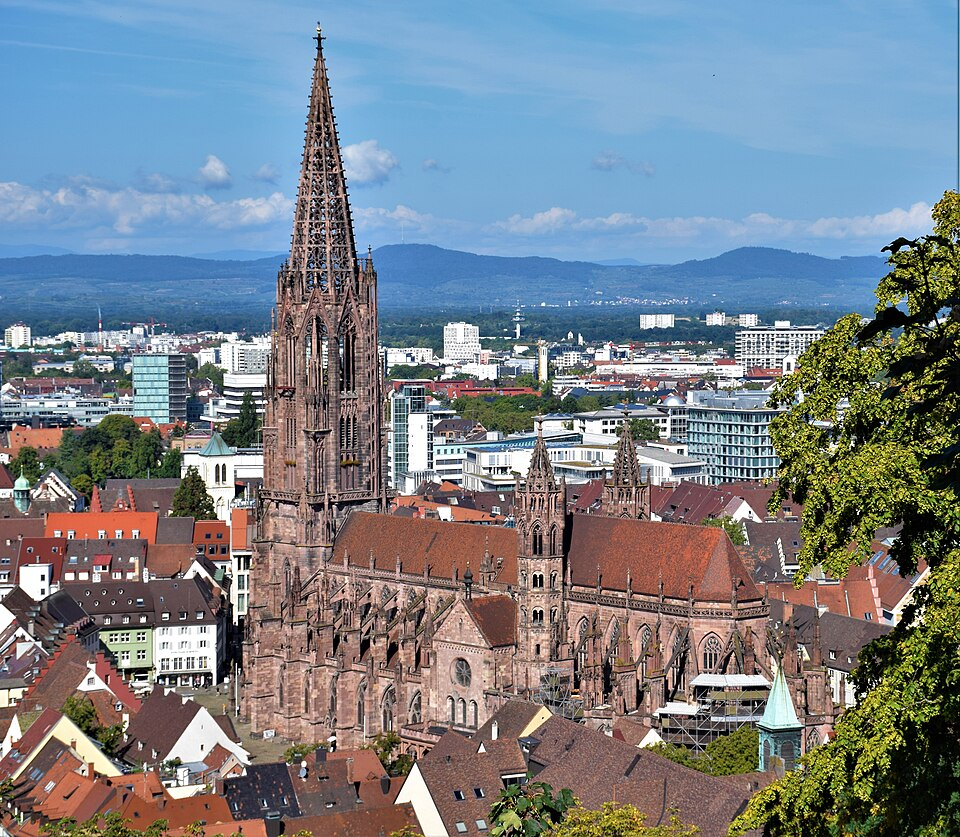
Above: Freiburg im Breisgau, Baden-Württemburg, Germany
Baden-Baden became popular after the visit of the Prussian queen in the early 19th century.
She came for medicinal reasons, as the waters were recommended for gout, rheumatism, paralysis, neuralgia, skin disorders, and stones.
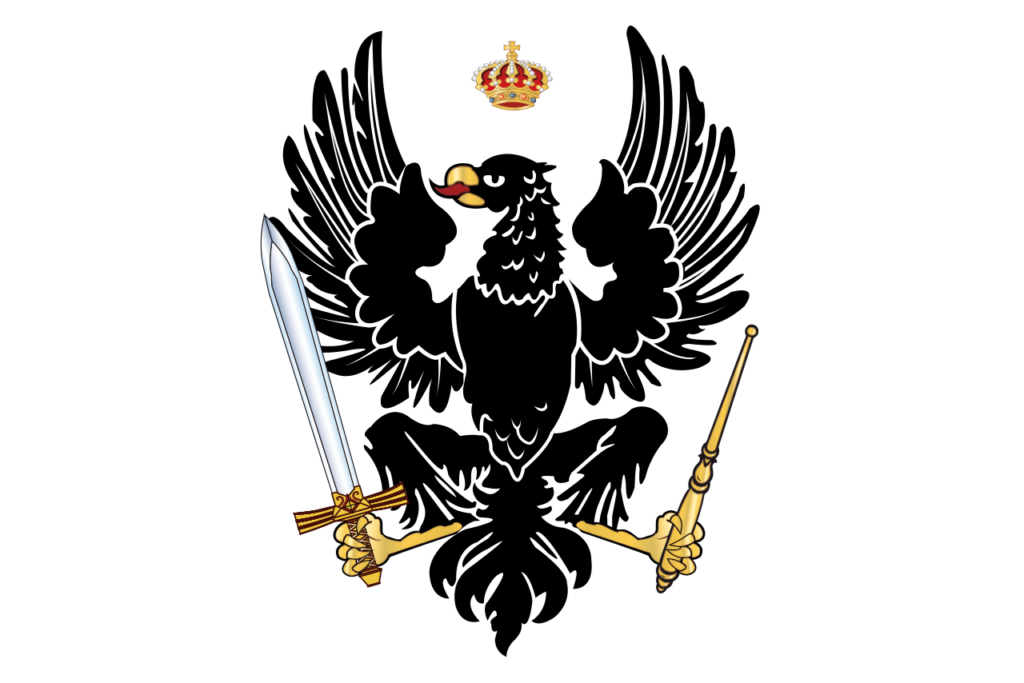
Above: Flag of the Kingdom of Prussia (1701 – 1918)
The Ducal government subsequently subsidized the resort’s development.
Above: Flag of the Grand Duchy of Baden (1806 – 1918)
The town became a meeting place for the nobility and prosperous upper middle classes, who visited the hot springs and the town’s other amenities:
- luxury hotels
- the Spielbank Casino
- horse races
- the gardens of the Lichtentaler Allee
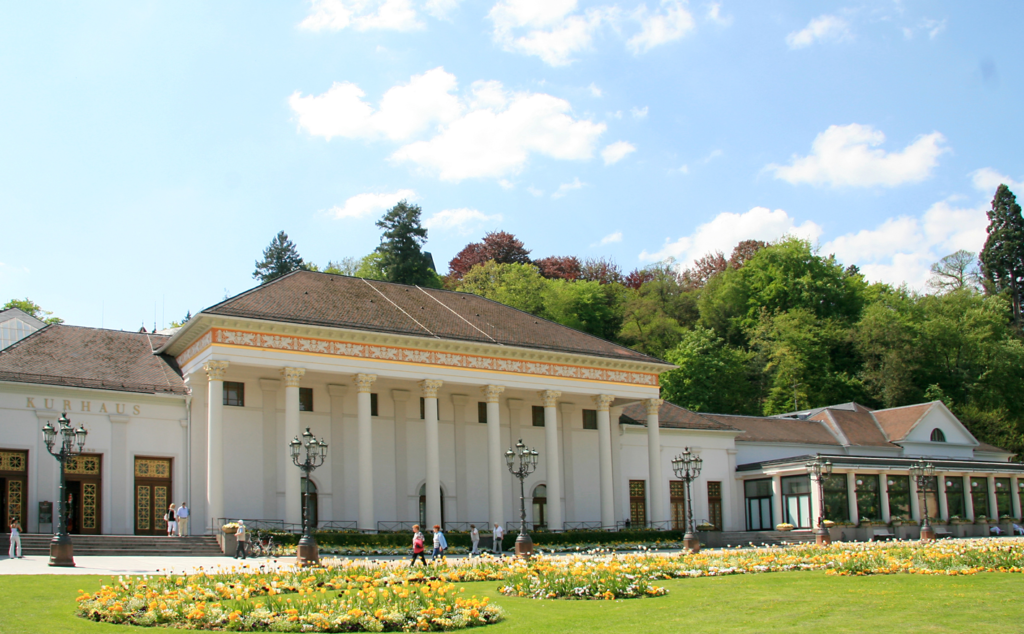
Above: Casino Baden-Baden
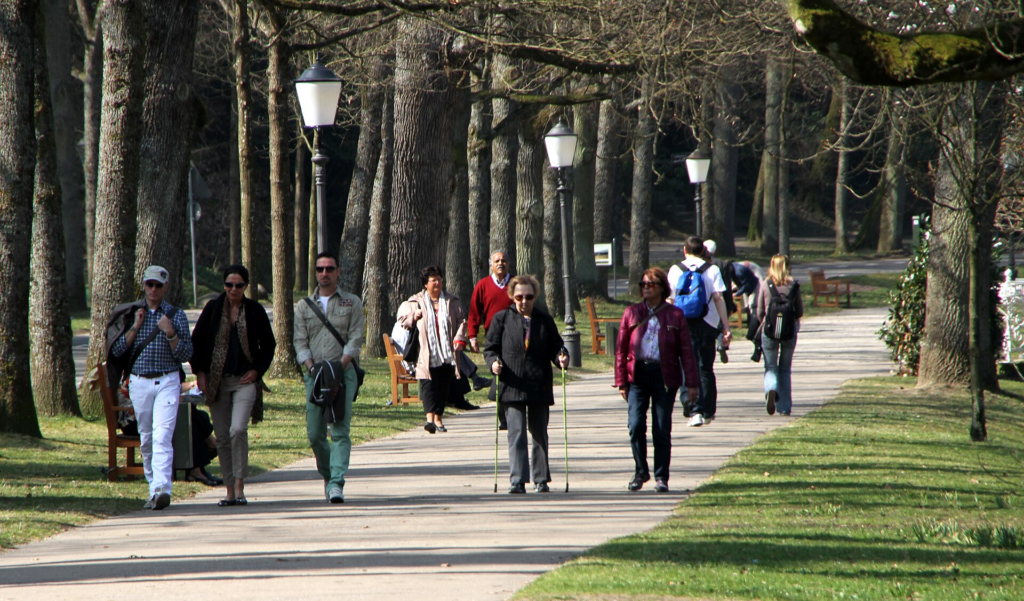
Above: Lichtentaler Allee, Baden-Baden
Guests included:
- Queen Victoria
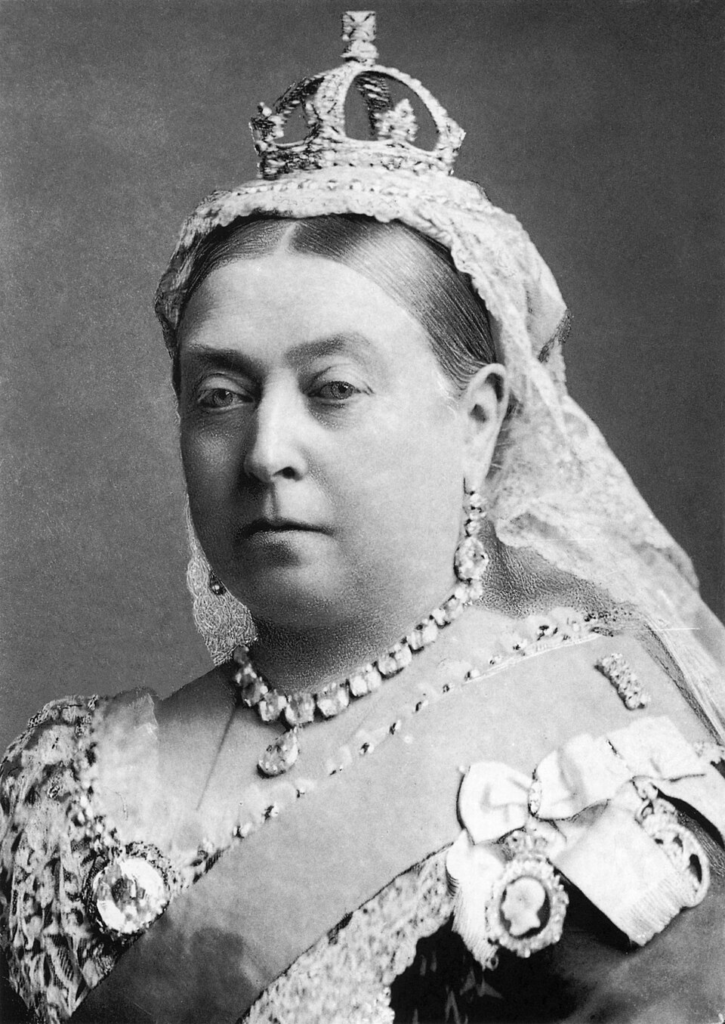
Above: British Queen Victoria (1819 – 1901)
- Wilhelm I
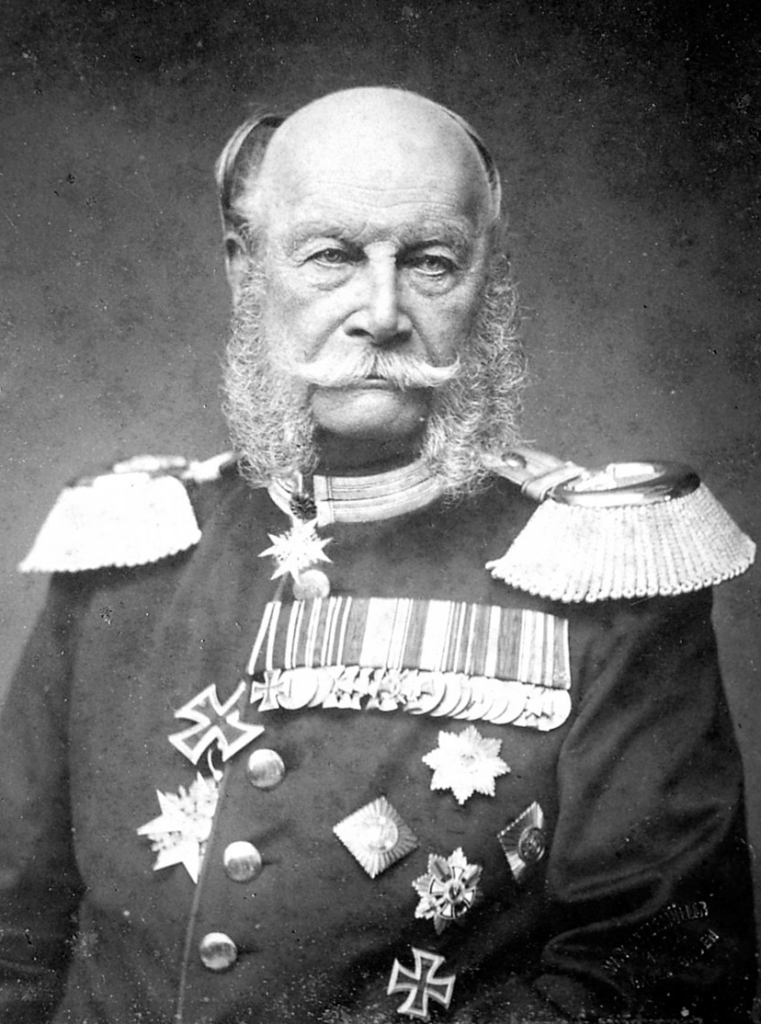
Above: German Emperor Wilhelm I (1797 – 1888)
- Berlioz
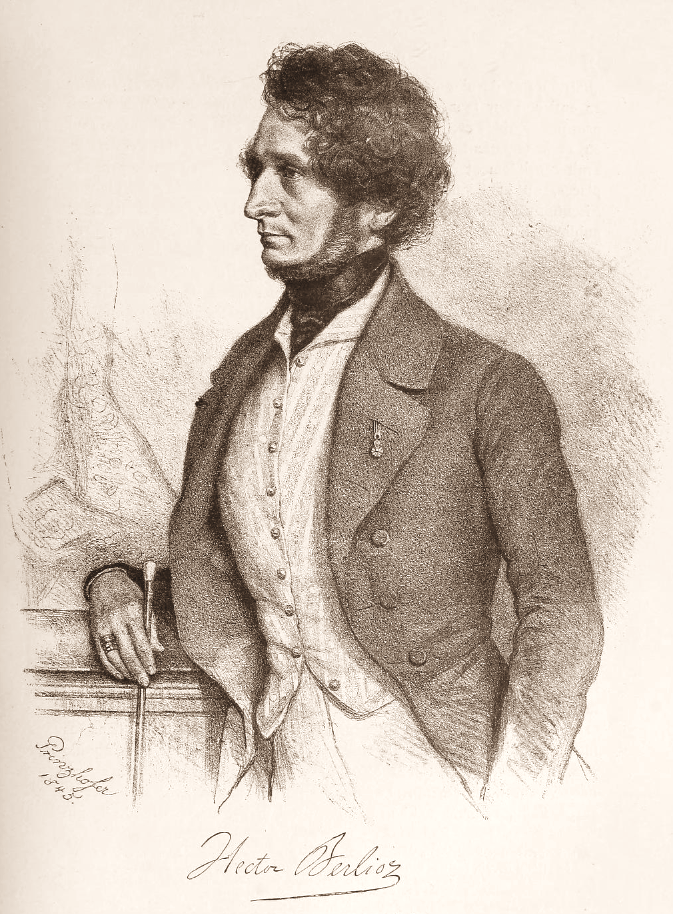
Above: French composer Louis Hector Berlioz (1803 – 1869)
- German poet Reinhold Schneider
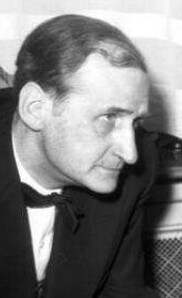
Above: Reinhold Schneider (1903 – 1958)
- French writer Marc Trillard

Above: Marc Trillard
- Canadian playwright/novelist/actress/broadcast host Ann-Marie MacDonald
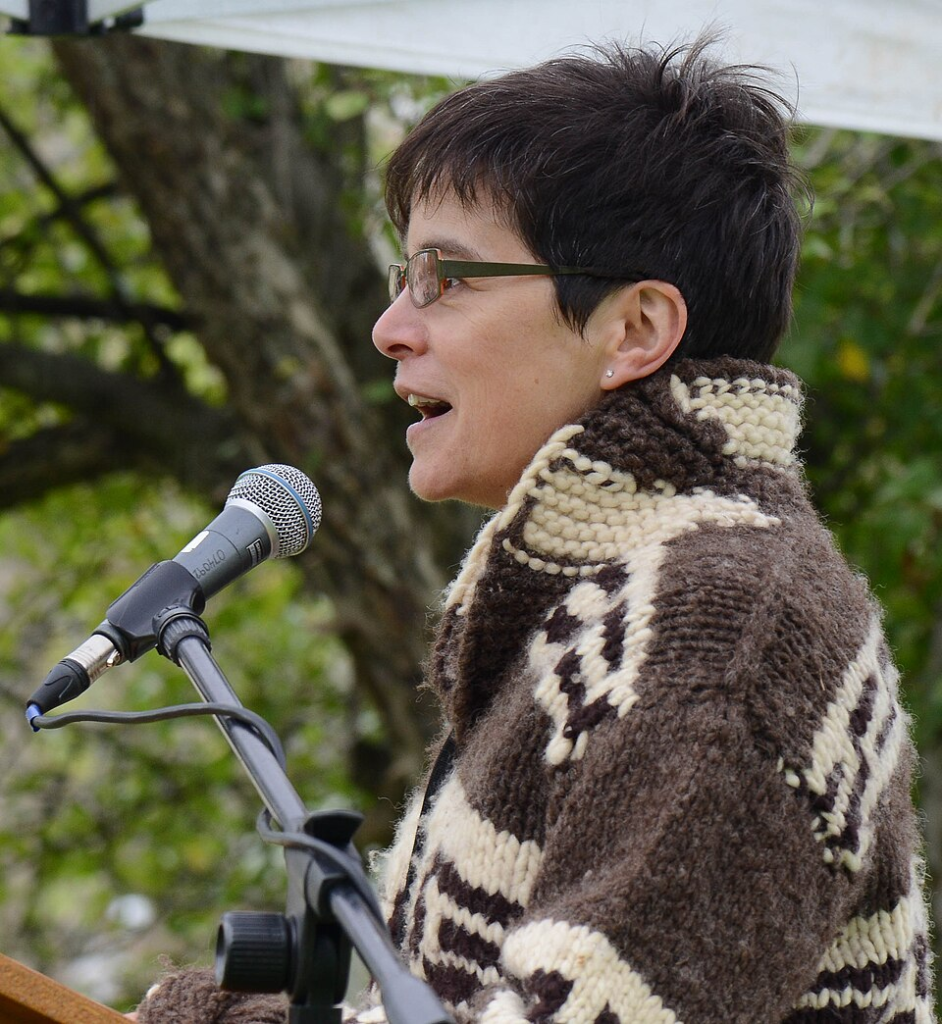
Above: Anne Marie MacDonald
- Russian writer Fyodor Dostoevsky
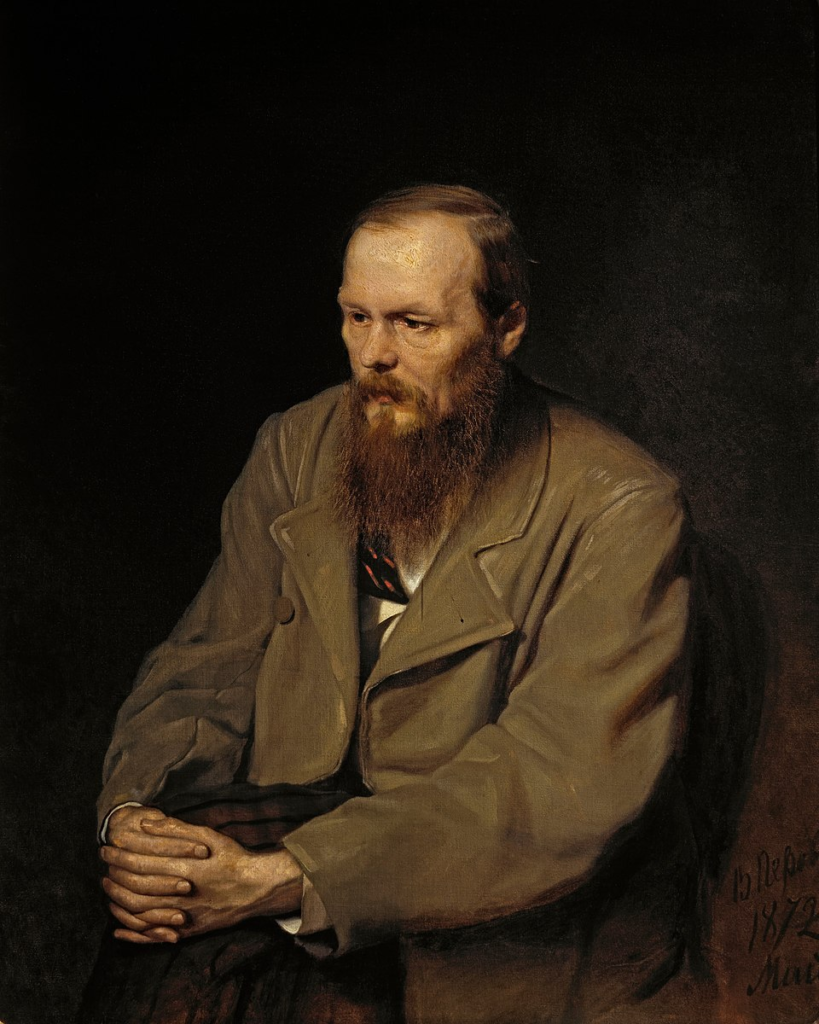
Above: Fyodor Dostoevsky (1821 – 1881)
Reaching its zenith under Napoleon III in the 1850s and ’60s, Baden became “Europe’s summer capital“.
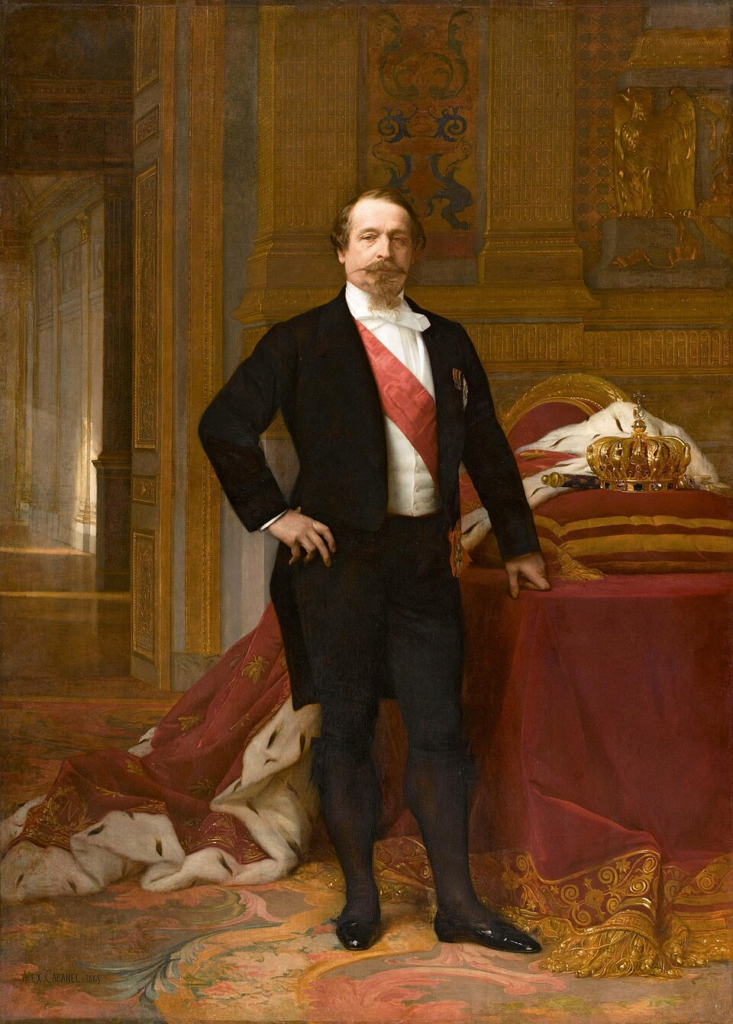
Above: French Emperor Napoleon III (1808 – 1873)
With a population of around 10,000, the town’s size could quadruple during the tourist season, with the French, British, Russians, and Americans all well represented.
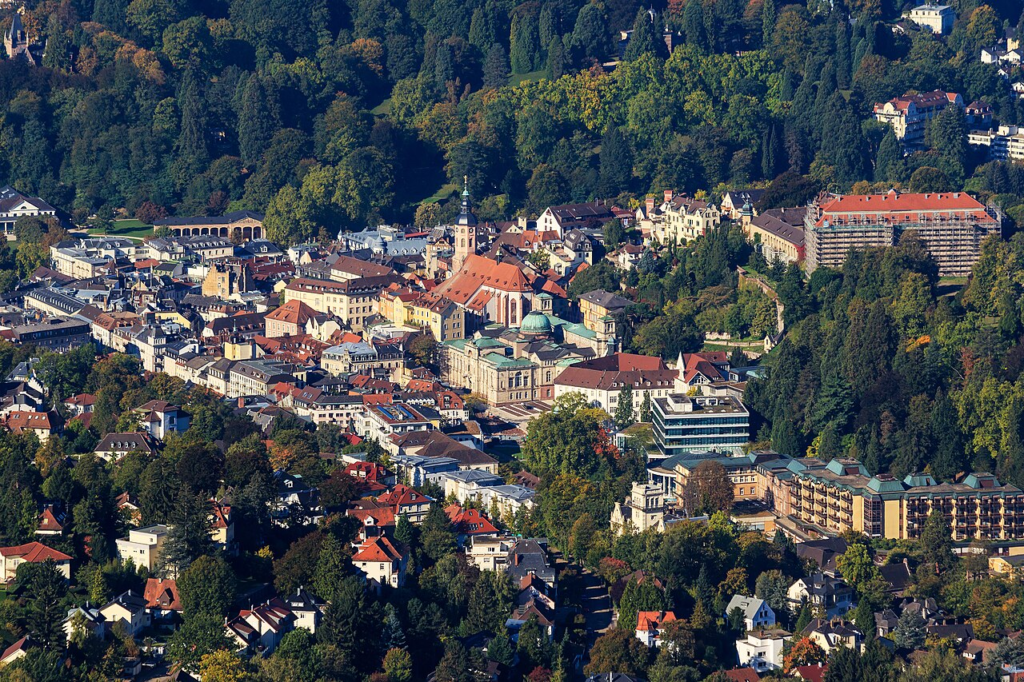
Above: Baden – Baden
Neither one of us had ever set foot inside a casino before.
I imagined tuxedos, evening gowns and the ghost of Dostoevsky squandering his fortune.
Folks were well-dressed but certainly not elegant or debonair.
Every face, whether pumping furiously the arm of a slot machine or gathered morosely around a game table, never seemed to have any enthusiasm, excitement or joy in the experience.
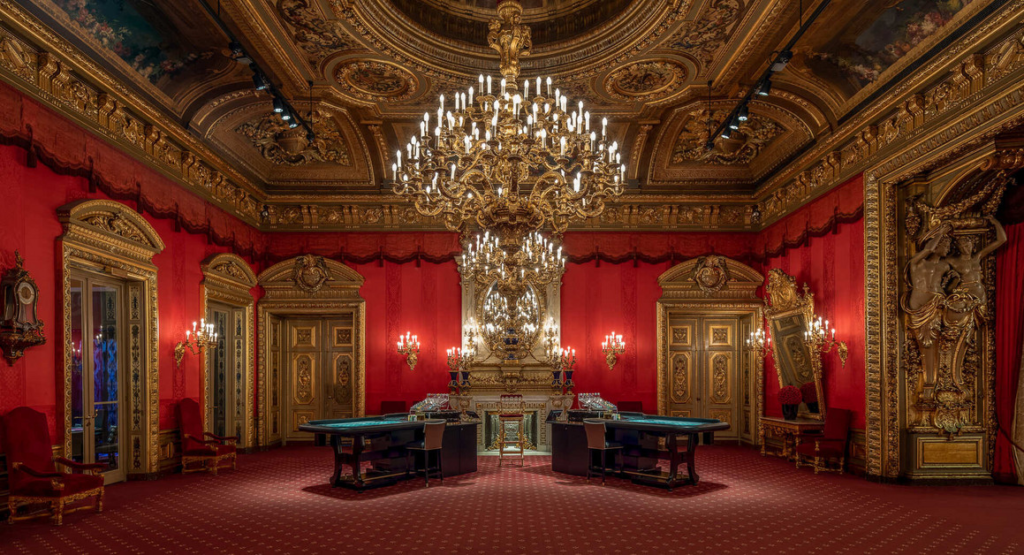
Above: Interior of Casino Baden-Baden
We knew nothing about the games that the people played, but the slot machines seemed simple.
Pull the arm.
Watch the fruit fly.
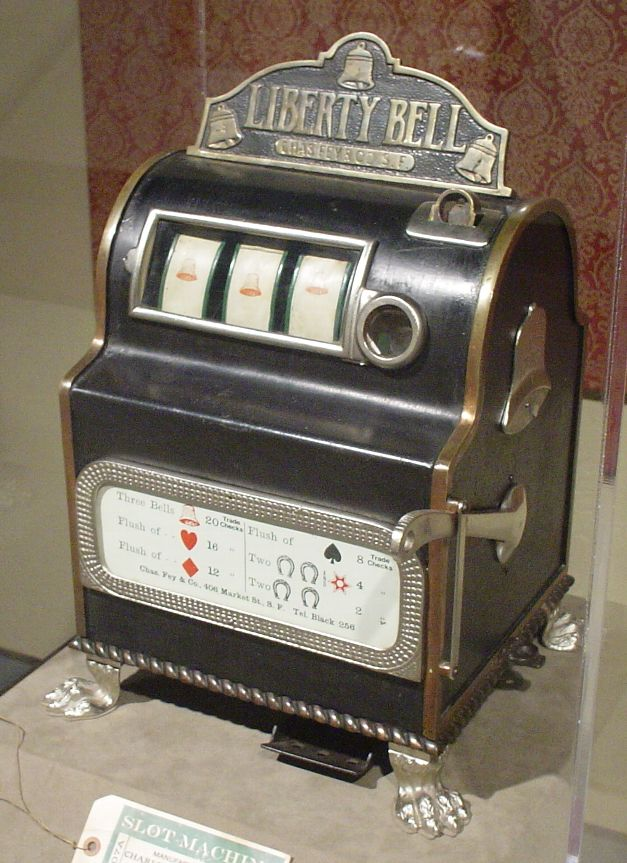
On the spot I developed a philosophy.
Start with €20.
Win or lose.
Stop after the original €20 has been spent.
The rule is not about gambling per se as it is about setting a boundary before emotion could overrule reason.
It is a question of psychological discipline.
The rule applies equally to winning.
Winning can be more seductive than losing because it whispers:
“Perhaps I can double it.“
The rule cuts off that temptation at the knees.
The important decision was made before we inserted the first coin.
That is precisely what many responsible gambling campaigns recommend:
Decide in advance how much money and time you are prepared to lose and treat it as the price of entertainment.
The safest gambler is not the one with the best system.
It is the one who has already decided, before the first coin drops, what “enough” means – whether enough is losing €20, winning €20 or simply satisfying a passing curiosity.
That decision is made with a clear head, before the lights, the sounds and the seductive possibility of “just one more try” begin to work their magic.
Many gamblers do not conscious think:
“I deserve to win.“
Rather, they come to believe:
“I have put in the time.
My turn must surely come.“
The gambler’s fallacy:
After 20 losses, the player begins to think:
“The odds owe me a win.“
But the roulette wheel has no memory.
It cannot be persuaded by perseverance or pity.
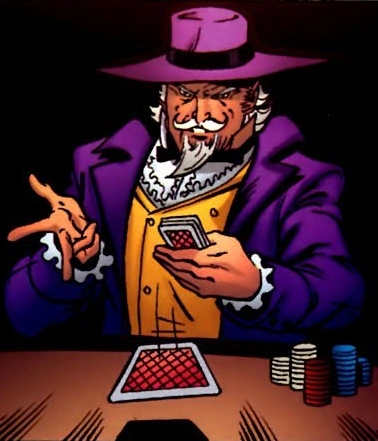
Then there is the illusion of control.
People often believe that by studying systems, choosing “lucky” machines, throwing dice in a particular way or developing betting strategies, they can influence outcomes that are largely random.
Then there is the investment trap.
“I have already lost €5,000.
If I stop now, it was all for nothing.“
So they continue, because quitting would force them to acknowledge the loss.
Ironically, the refusal to accept a small loss often creates a catastrophic one.
“I am brave enough to play.
Surely persistence will reward me?“
In most areas of life, persistence is a virtue.
Persist in learning a language and you will improve.
Persist in practicing the piano and you will become more accomplished.
Persist in writing and you will develop a distinctive voice.
But gambling turns that virtue on its head.
Persistence is exactly what the casino hopes for.
The longer you play a game with a house edge, the more likely the mathematics will prevail.
Gambling is not simply about losing money.
It is about what money represents.
When someone gambles beyond their means, the losses rarely stop at the cashier’s cage.
The first casualty is honesty.
The gambler tells himself:
“I will win it back before anyone notices.”
Then comes the first lie to a spouse, the unexpected withdrawal from a bank account, the unpaid credit card bill.
Gambling addiction often thrives in secrecy because admitting the loss makes the loss real.
The second casualty is relationships.
Partners begin to lose trust, not merely because of the money, but because promises are repeatedly broken.
Children may not understand why holidays are cancelled or why tension fills the house but they feel its effects.
Friends tire of lending money that is never repaid.
Then there is work.
A distracted gambler thinks about bets instead of business.
Some begin using company funds, convinced they are only “borrowing” them until the next big win.
Tragically, embezzlement cases frequently begin not with greed but with desperation.
There is also the erosion of self-respect.
One of the cruelest aspects of gambling addiction is that many sufferers understand the mathematics perfectly well.
They know the odds are against them.
Yet they continue, feeling ashamed of behaviour they cannot seem to control.
The conflict between reason and compulsion can be agonizing.
If you’re gonna play the game, boy
You gotta learn to play it right
You’ve got to know when to hold ’em
Know when to fold ’em
Know when to walk away
And know when to run

In this peculiar domain, walking away is often wiser than persevering.

Hey girl, what you gonna do?
If you get too sentimental
He’s gonna have a better hold on you
You’re gonna have to pay
For every minute you stay
If you want to do something for yourself today
Try walkin’ away
Hey girl
Take a walk tonight
You don’t owe no man a thing
If he isn’t gonna treat you right
You ain’t some record to be played
On someone’s hit parade
If you want to do something for yourself today
Try walkin’ away
Life, unfortunately, does not distribute rewards according to moral deserve.
Chance is gloriously indifferent.
The roulette wheel does not know or care whether you are a saint, a scoundrel, a millionaire or a pensioner.
Nature has no obligation to fulfil our expectations.
We suffer when we confuse what we hope should happen with what does happen.
Persistence is among the noblest of human virtues.
It builds cathedrals, masters languages and repairs broken marriages.
Yet in a casino, persistence is often transformed from a virtue into a liability.
The house does not fear a persistent gambler.
It quietly depends upon him.
The very qualities that help us flourish in ordinary life – hope, determination, resilience – can become our undoing when directed towards a game designed with a mathematical advantage against you.
I view the stock market in much the same way.
Especially if I have no idea what I am doing.
Speculating in the stock market without understanding what you are doing has much in common with gambling.
Investing in productive businesses over decades is something else entirely.

Warren Buffet once remarked that the stock market is a mechanism for transferring money from the impatient to the patient.
A casino transfers money from those who continue playing to the house.
The mathematics are fundamentally different.
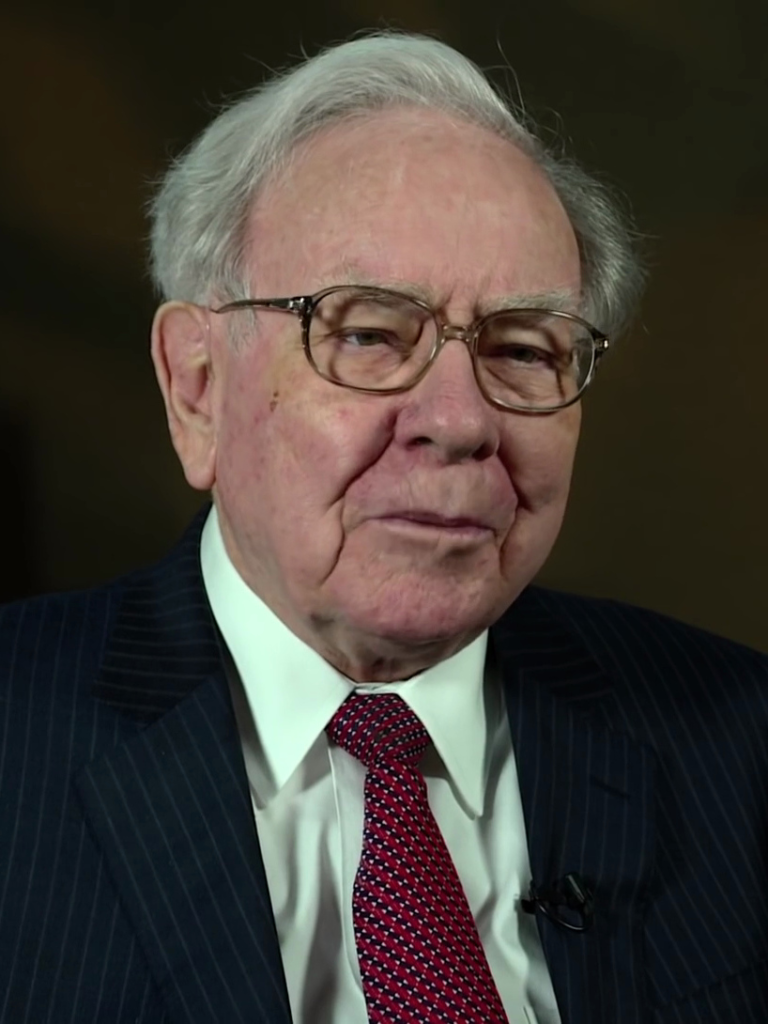
Above: US investor Warren Buffet
A casino has a negative expected return for the player.
If you keep playing roulette long enough, the odds will eventually grind you down.
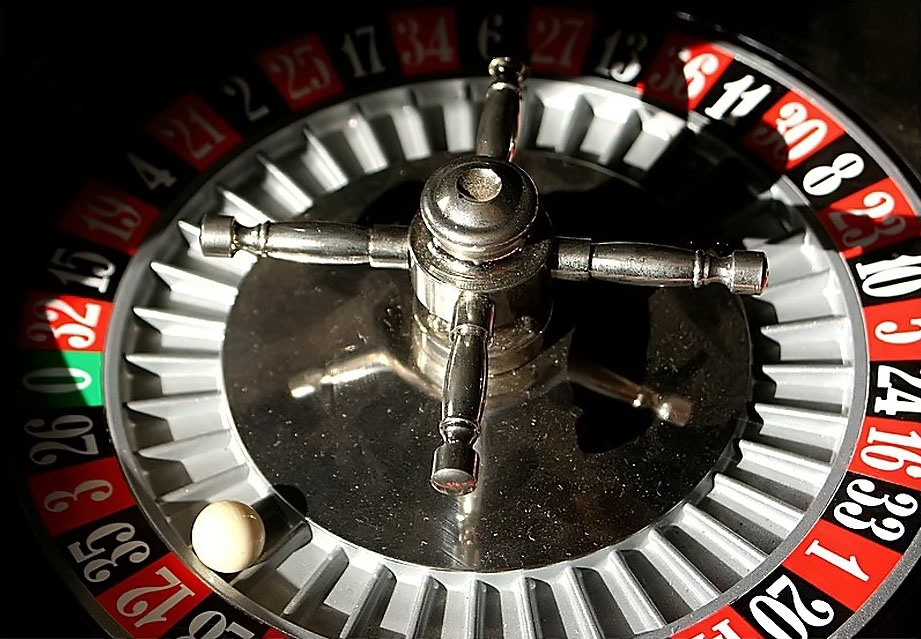
The stock market, historically, has had a positive expected return over long periods because companies create real value – they invent products, provide services, employ people and earn profits.
The risk lies in not knowing which companies will succeed or in buying or selling emotionally.
The qualification “especially if I have no idea what I am doing” displays humility.
One of the most expensive sentences ever uttered by investors is:
“How hard can it be?”
They mistake a rising market for their own brilliance.
I know what I don’t know.
If I cannot explain why I am buying something, I have no business risking money on it.
Ignorance is not an investment strategy.
Yet many otherwise sensible people will buy shares in a company after reading a single headline or hearing a tip from a neighbour.
As Peter Lynch, one of the great fund managers quipped:
“People spend weeks researching a new refrigerator but will buy a stock after a five-minute conversation at a barbeque.”
Understand first, risk later – or perhaps not at all.
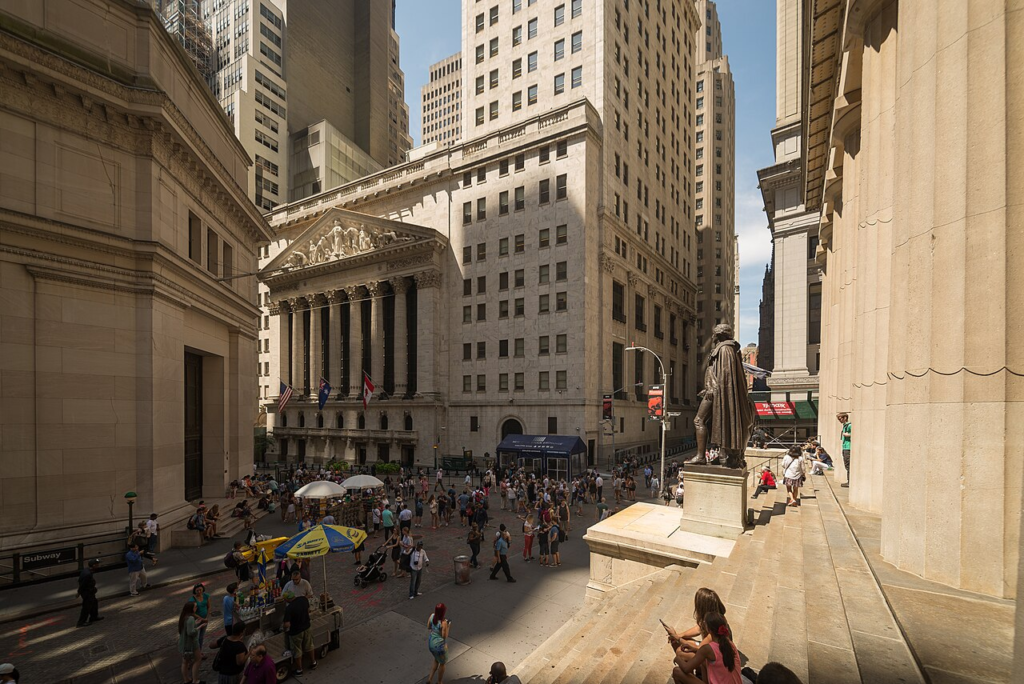
Above: New York Stock Exchange
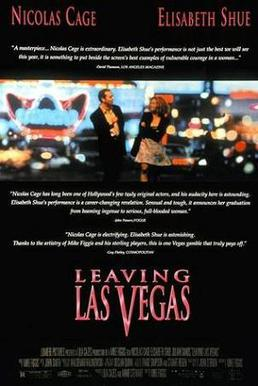
I’m standing in the middle of the desert
Waiting for my ship to come in
But now no joker, no jack, no king
Can take this loser hand
And make it win
In fact, my entire gambling career can be summarized on the back of a postage stamp.
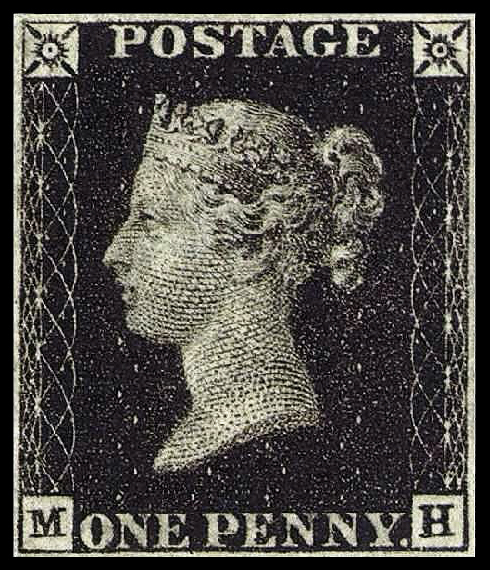
Above: Penny black – World’s first adhesive stamp
€20 is not an investment.
It is the price of satisfying my curiosity.
Once spent, the evening resumes.
The gambling is incidental, not the purpose of the evening.
I wasn’t chasing excitement.
I was sampling an experience.
The moment gambling ceased to be a minor diversion – the Wife won our money back twice over – and threatened to become the focus of the evening, I had already decided to leave.
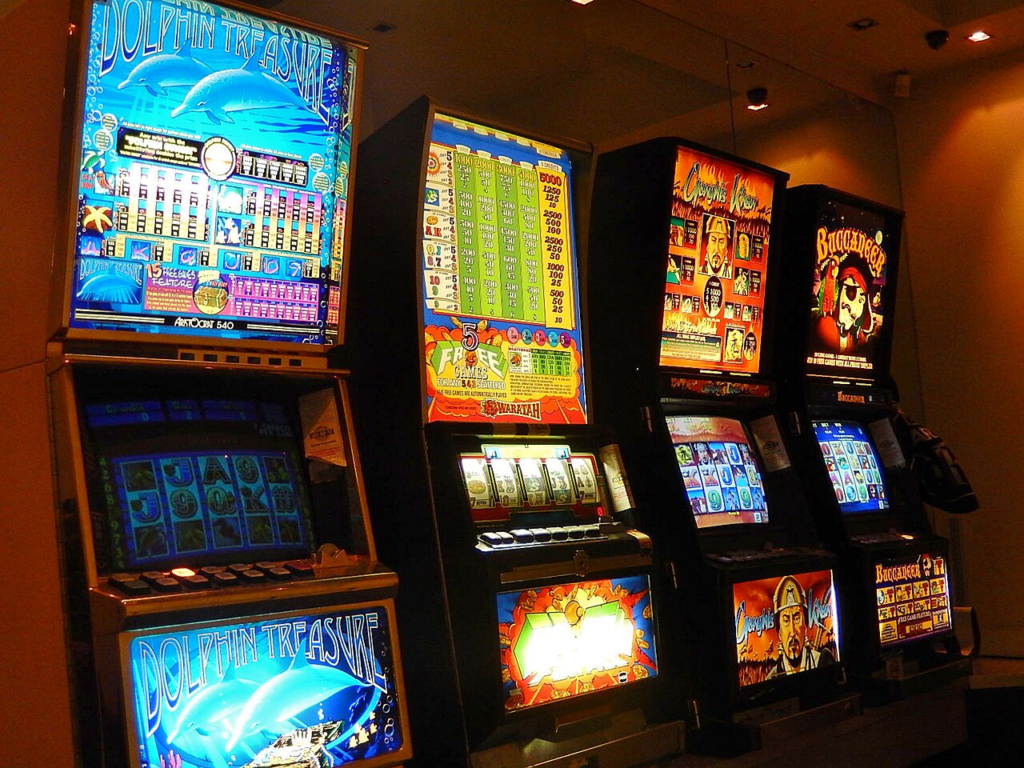
Casinos promise instant transformation.
One spin.
One card.
One jackpot.
Literature teaches precisely the opposite.
Jane Austen tells us character develops slowly.
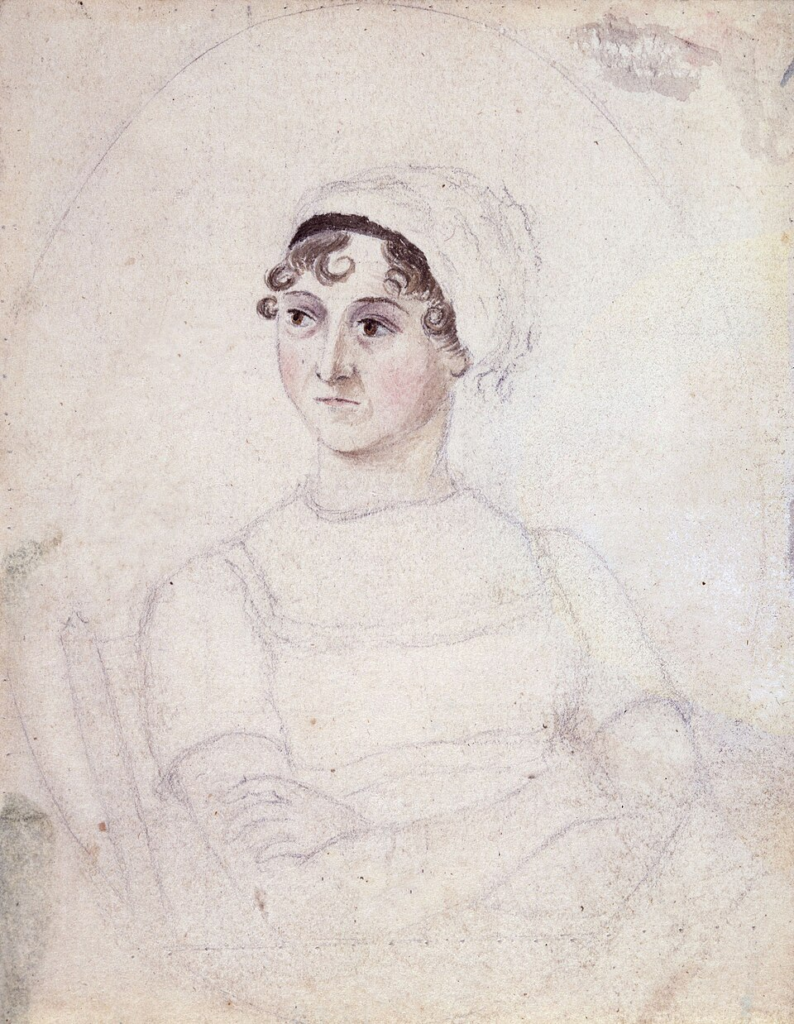
Above: English novelist Jane Austen (1775 – 1817)
Leo Tolstoy tells us lives unfold over decades.
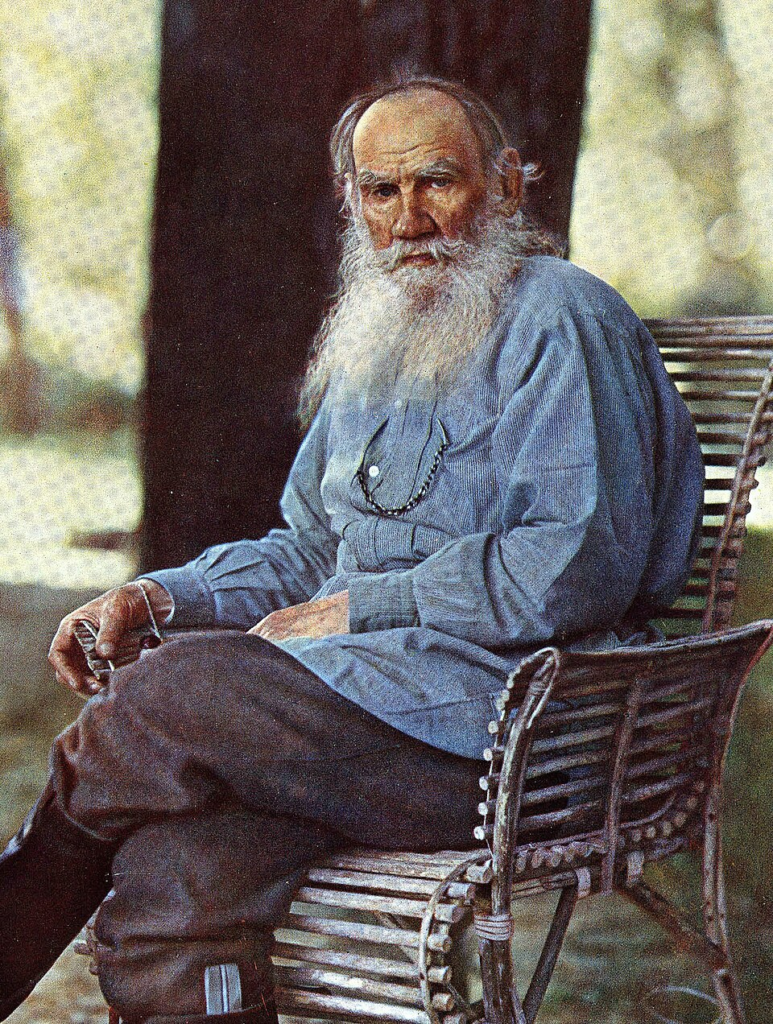
Above: Russian writer Leo Tolstoy (1828 – 1910)
George Eliot reminds us that happiness is built from countless ordinary acts of kindness.
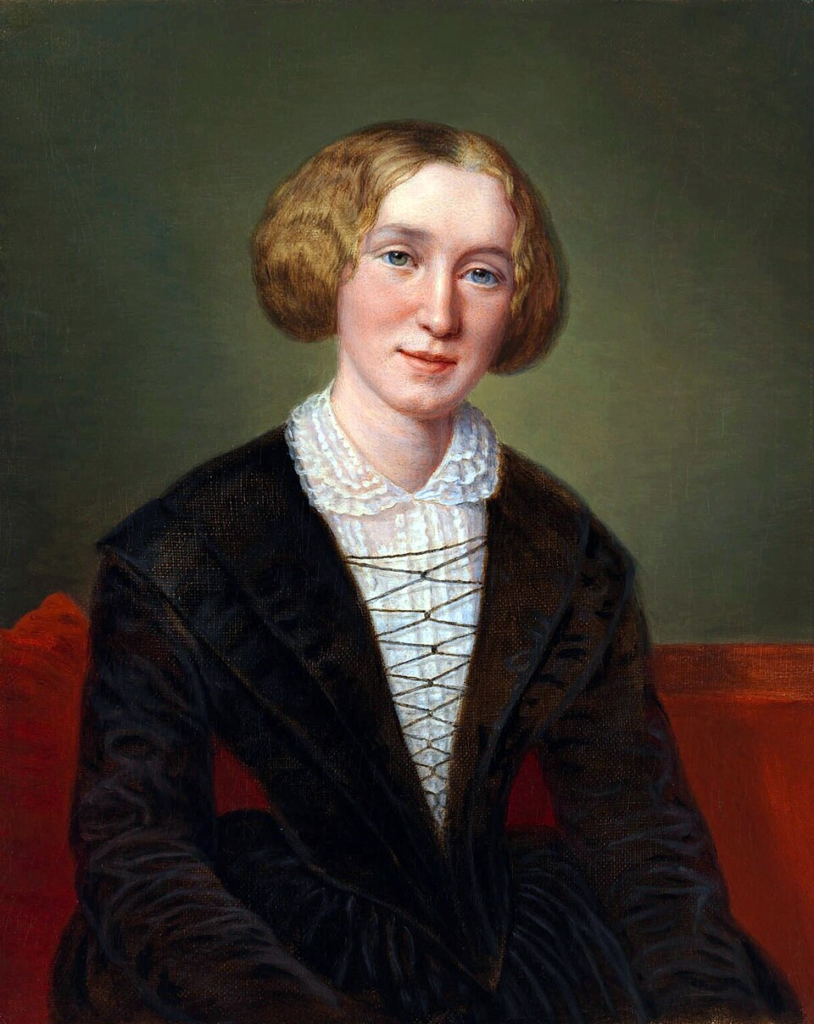
Above: English novelist Mary Ann Evans (aka George Eliot) (1819 – 1880)
Even the Bible distrusts sudden riches.
Proverbs says:
“Wealth gained hastily will dwindle, but whoever gathers a little by little will increase it.“
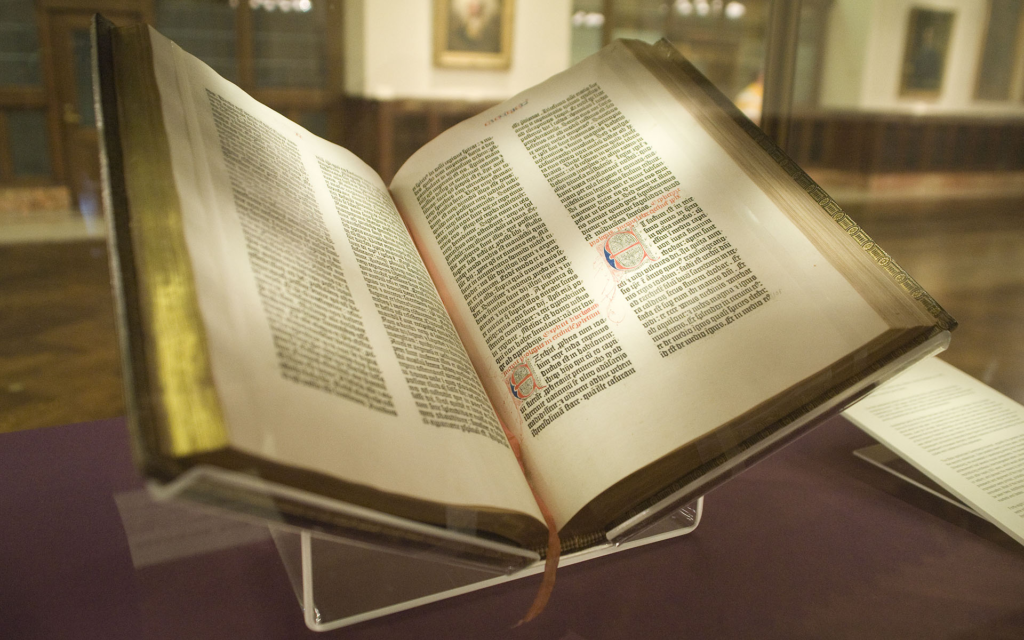
A casino offers the fantasy that tomorrow can be bought tonight.
Life rarely works that way.
I am reminded of something the novelist Anthony Trollope once said about horse racing.
He enjoyed the races but believed the wager should merely add “a little zest” to the occasion, but never become the occasion itself.
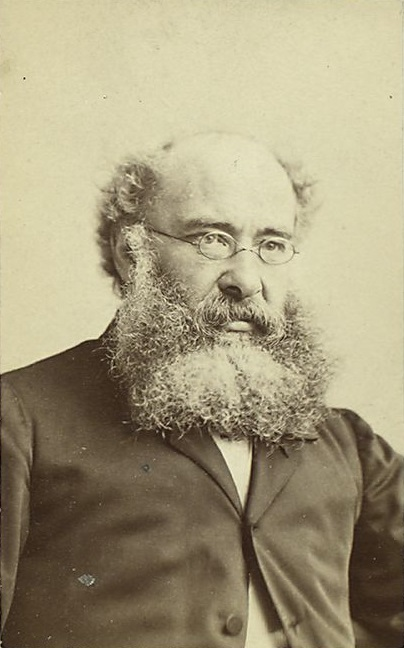
Above: English novelist Anthony Trollope (1815 – 1882)
Georgia has never had the same gambling tradition as Monaco or Las Vegas.
Historically, Georgian culture revolves around family, hospitality, the Orthodox Church and the supra.
Success has traditionally been measured less by spectacular wealth than by generosity, honour and one’s standing within the family and community.
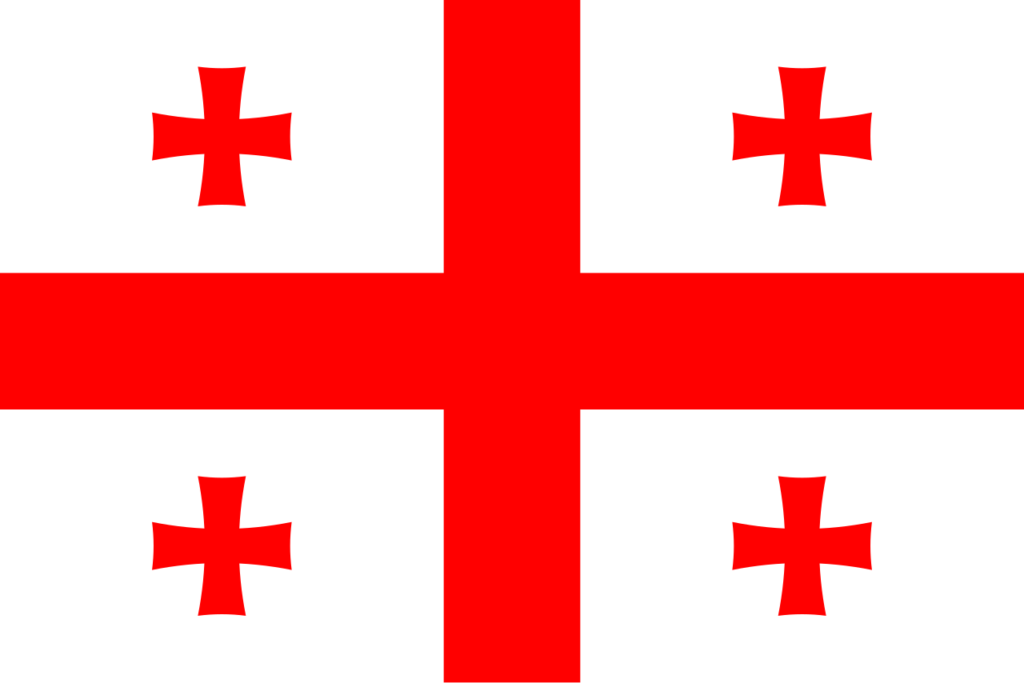
Above: Flag of Georgia
That does not mean that gambling is absent.
Quite the contrary.
Batumi has become one of the region’s major gambling centres, largely because of tourism and its proximity to Türkiye where casinos are prohibited.
The industry has brought jobs, investment and visitors, but it has also raised concerns about addiction, debt and the social costs that accompany easy access to gambling.
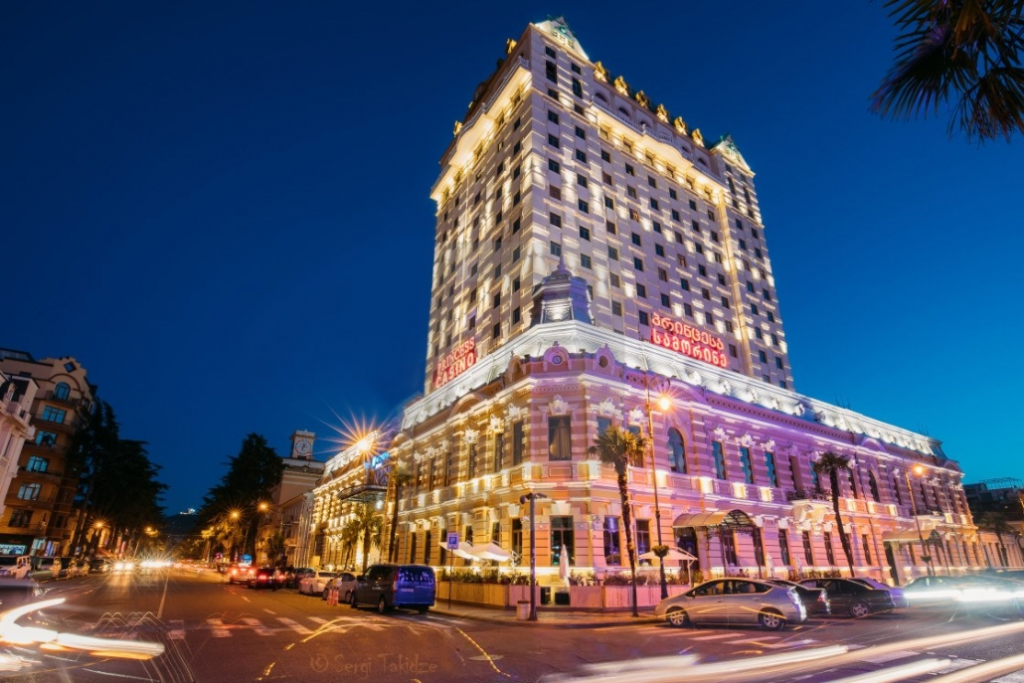
Above: Batumi Princess Casino
Within Georgia itself, gambling addiction has increasingly been discussed as a public health and social issue rather than merely a personal failing.
There have been public debates about restricting advertising, lımiting online gambling and protecting younger people from developing addictive habits.
The concern is that online betting and sports gambling have made the problem much less visible than the casino floor.
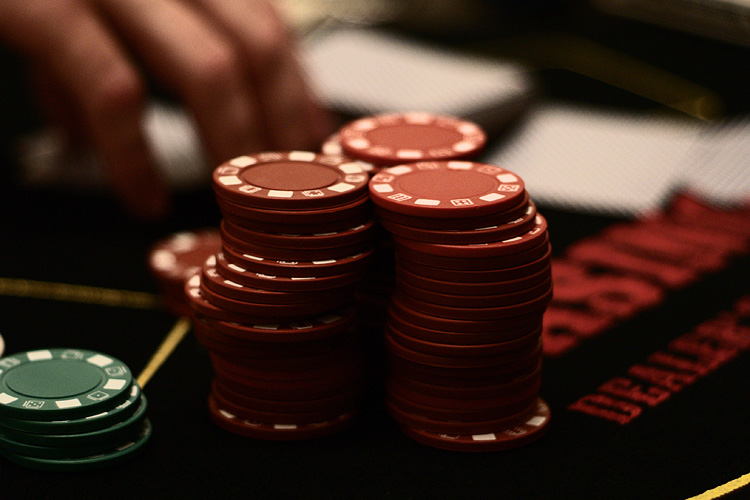
Batumi is not Monte Carlo.
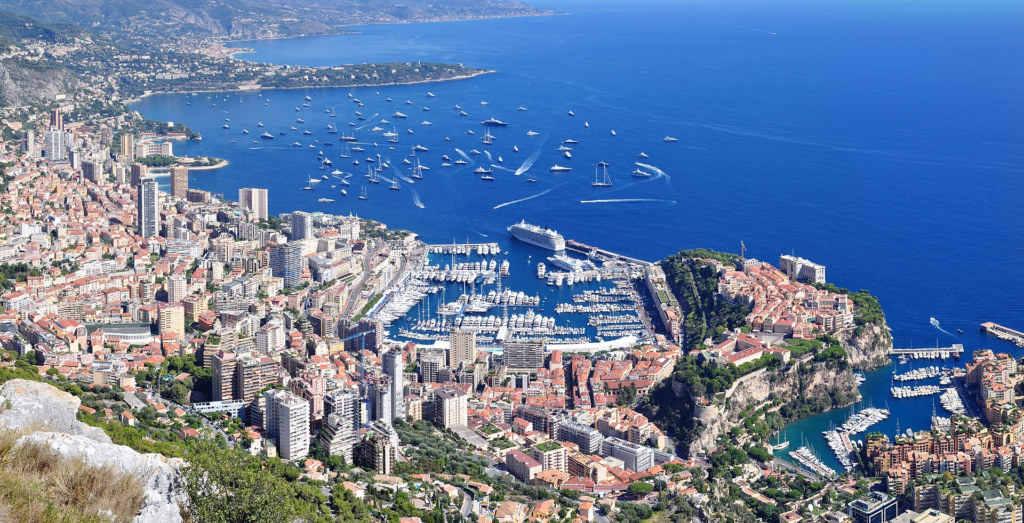
Above: Monte Carlo, Monaco
It is not Las Vegas.
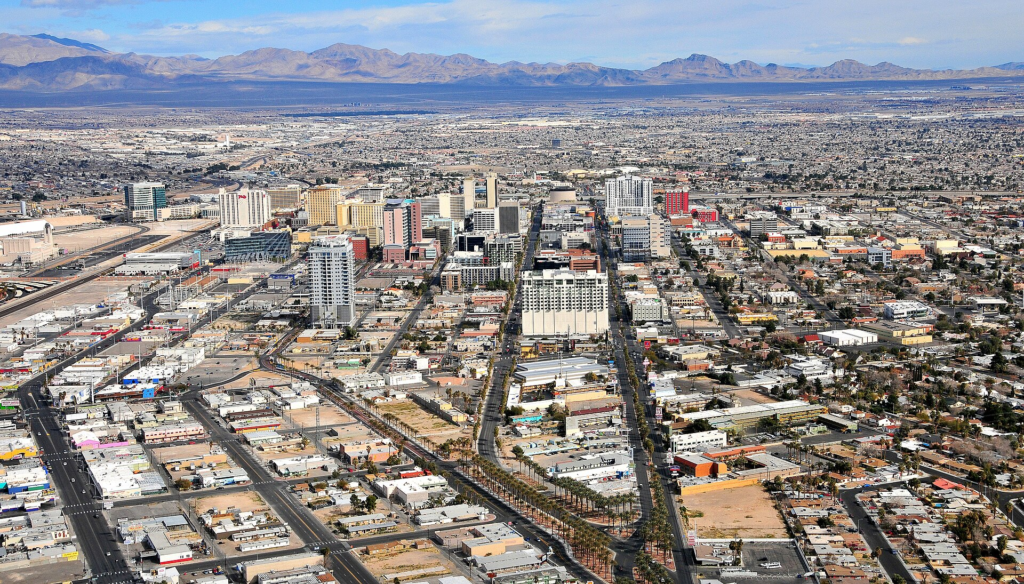
Above: Las Vegas, Nevada, USA
Nor is it the Baden-Baden that Dostoevsky knew.
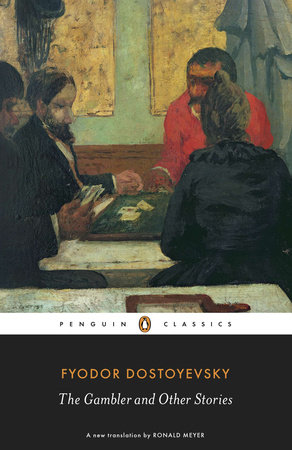
Batumi lacks the mythology that surrounds the famous gambling cities.
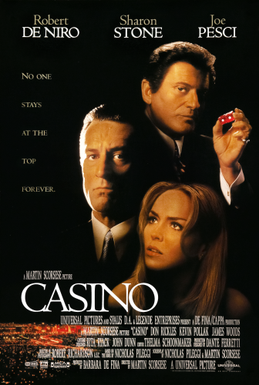
Ian Fleming would probably have found Batumi rather pedestrian.
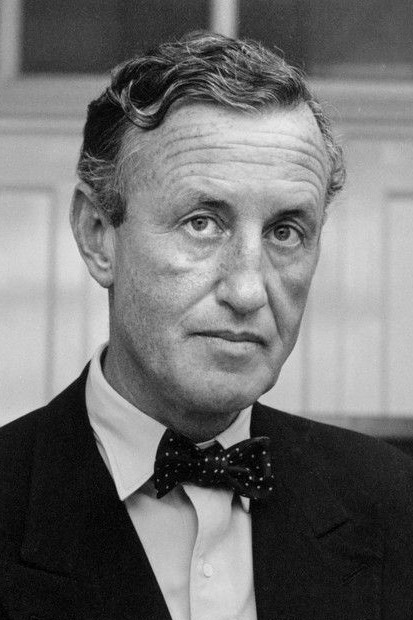
Above: British writer Ian Fleming (1908 – 1964)
James Bond’s casinos are glamourous theatres of espionage.
The stakes are geopolitical as much as financial.
Beautiful women in evening gowns, impeccably dressed villains, baccarat, martinis and whispered conspiracies.
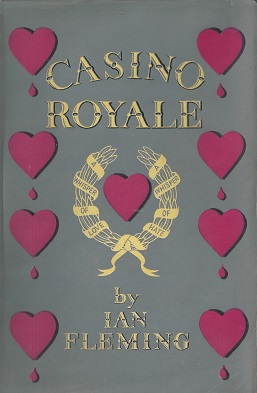
Batumi’s casinos are much more democratic.
You are more likely to see tourists in polo shirts than international arms dealers in black tie.
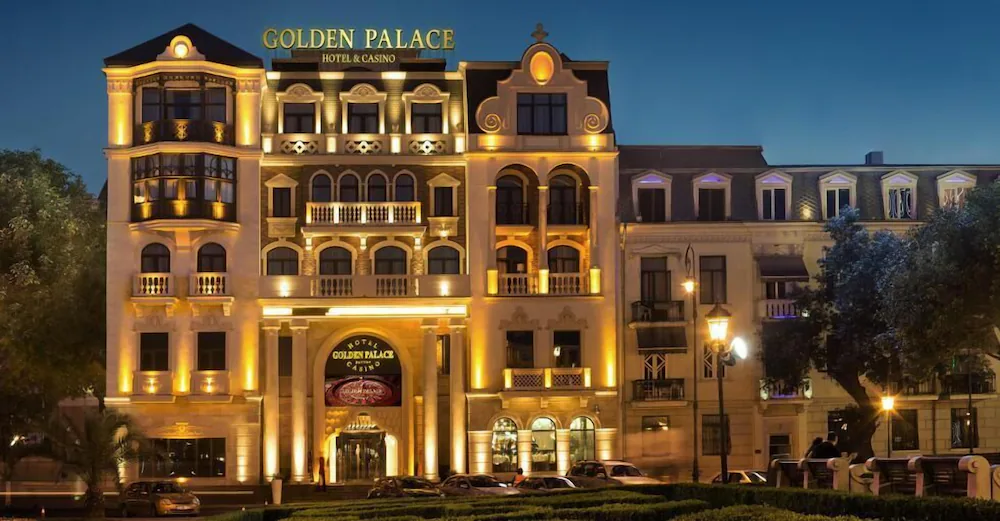
Above: Golden Palace Casino, Batumi
Dostoevsky, however, is the more interesting comparison.
The casinos that obsessed him – Wiesbaden, Baden-Baden, Homburg – were almost temples of European high society.

Above: Wiesbaden, Hesse, Germany
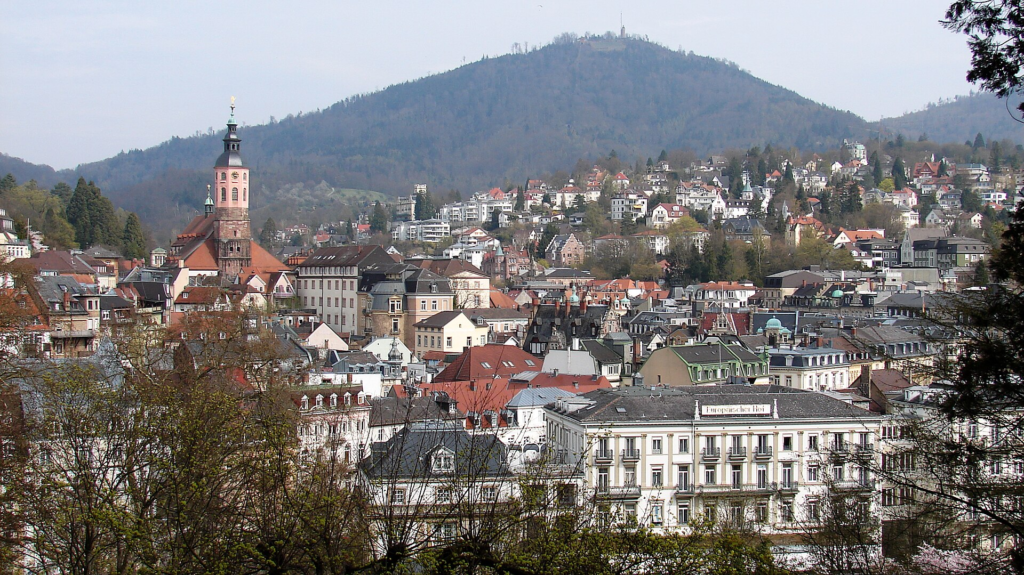
Above: Baden-Baden
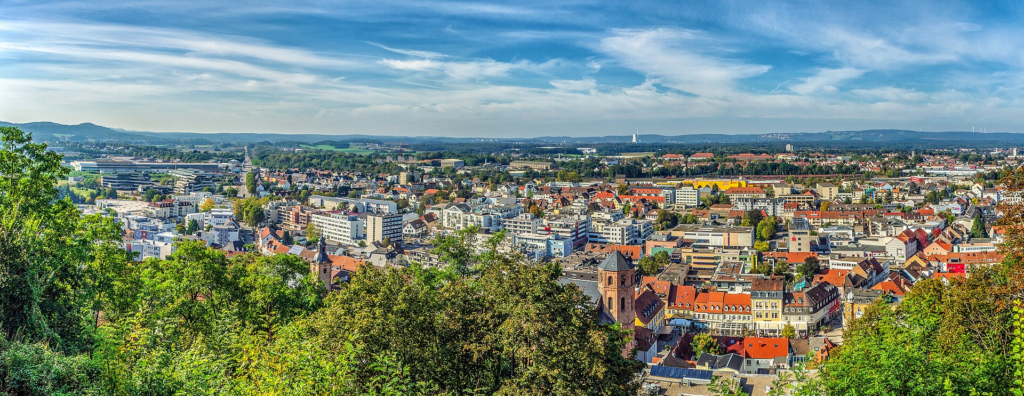
Above: Homburg, Saarland, Germany
Aristocrats, wealthy Russians, titled Germans and fashionable French mingled there.
For Dostoevsky, the casino was a psychological battlefield where pride, desperation, vanity and hope collided.
Much like marriage.
Batumi feels different.
It is more commercial than romantic.
People are there because gambling is legal and accessible, not because they are participating in a grand social ritual.
Many visitors cross from Türkiye for a weekend.
Others arrive from Israel, Kazakhstan or the Gulf states.
They come to play, not to be seen.
That changes the atmosphere.
There is less ceremony.
Less elegance.
More practicality.
The casinos become simply other businesses among hotels and restuarants.
Ironically, that may make Batumi a more honest gambling city.
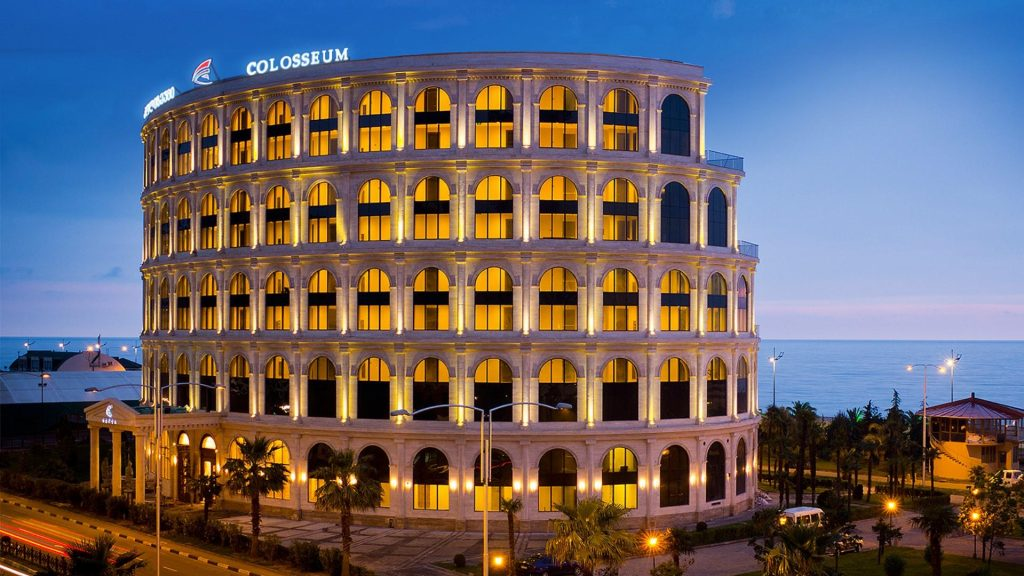
Above: Colosseum Casino, Batumi
Las Vegas sells fantasy.
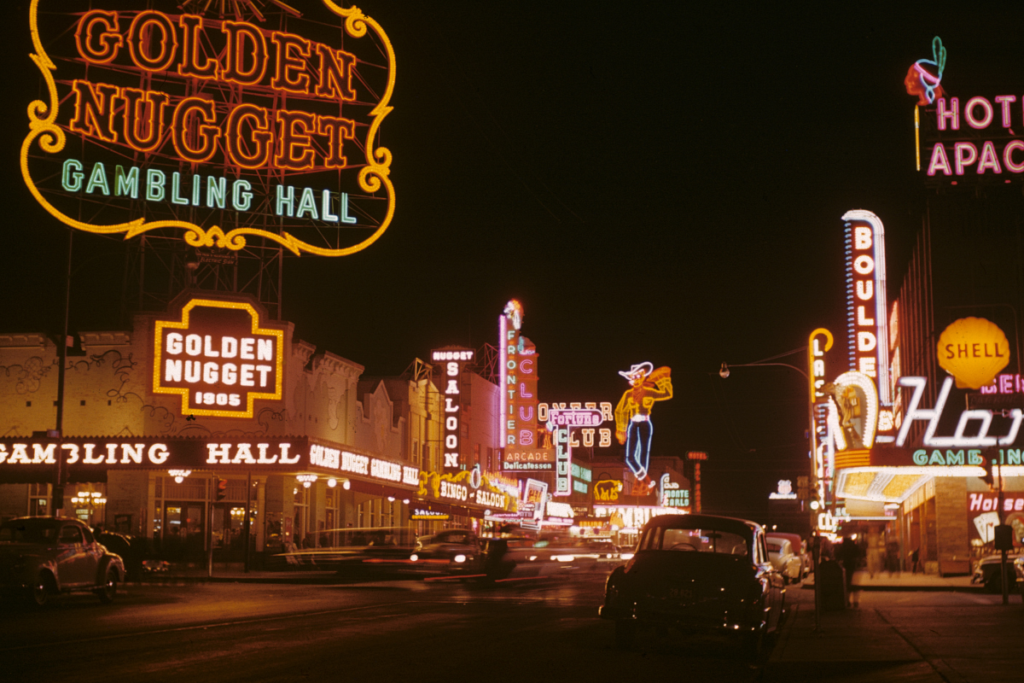
Above: Las Vegas
Monte Carlo sells prestige.
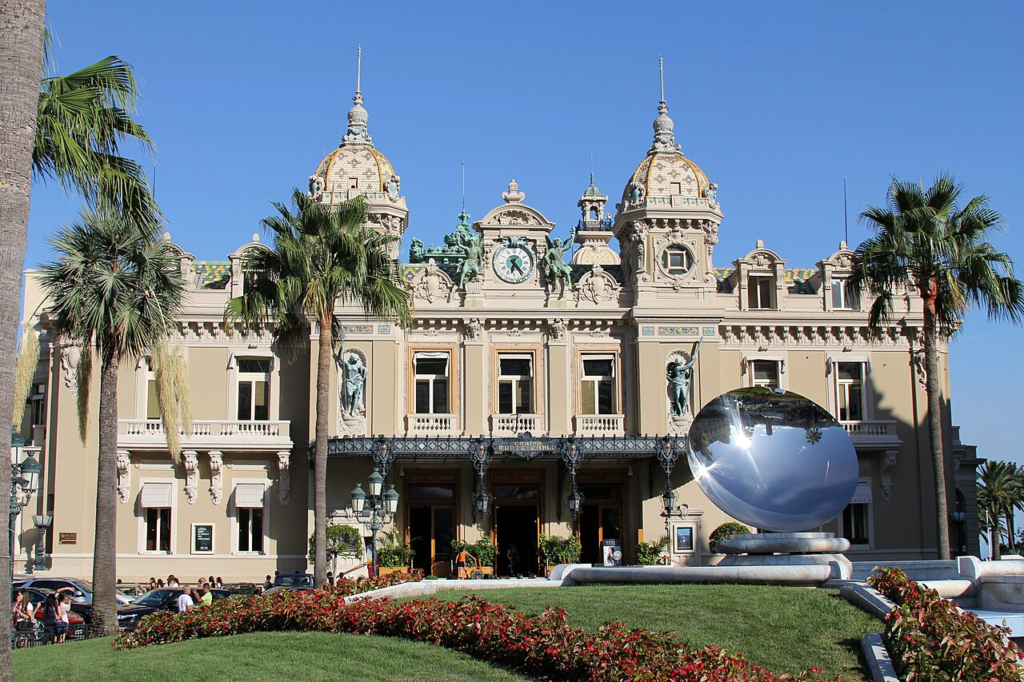
Above: Monte Carlo Casino
Macau sells scale.

Above: Macau, China
Batumi sells opportunity.
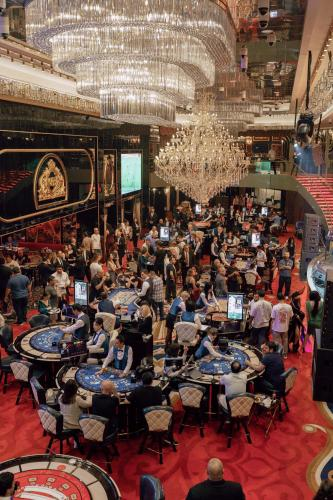
As of 2026, Batumi has about 13 licensed casinos, the highest concentration in Georgia and one of the highest per capita in Europe.
Most are located inside international hotels along the seafront.
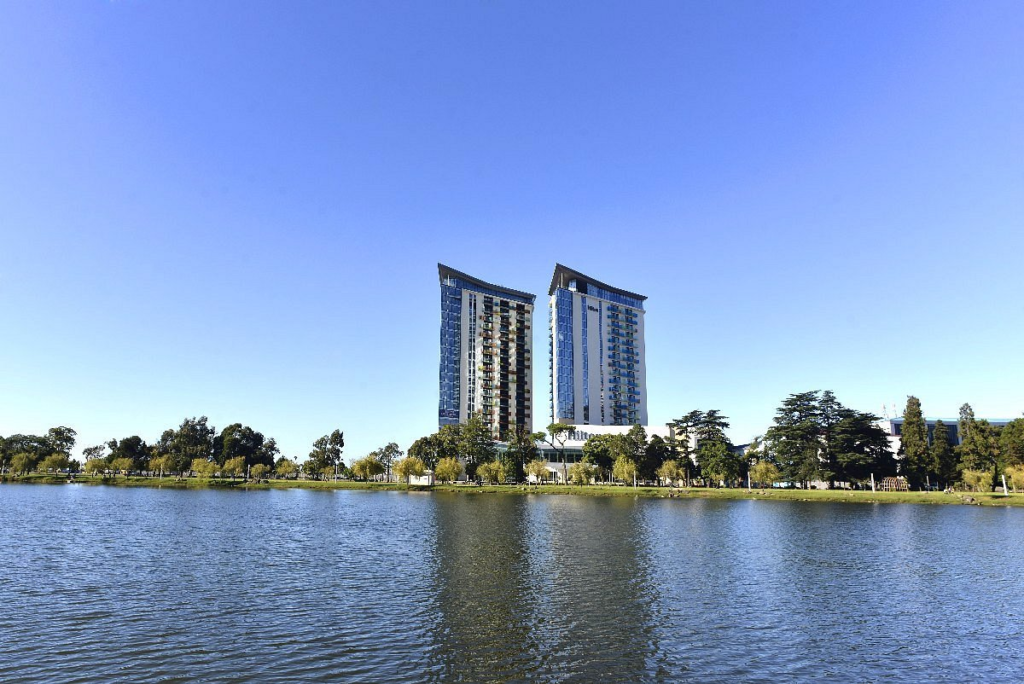
Above: Batumi
A typical casino offers two broad categories of games:
- Table games: played against the casino or other players
- roulette
- blackjack (21)
- poker
- baccarat
- casino war
- Gaming machines: these occupy most of the floor space
- Slot machines
- Video poker machines
- Electronic roulette terminals
- Multi-game electronic gaming stations
In fact, Batumi has far more machines than tables.
As of 2024 there were 214 gaming tables and 1,397 slot machines across the city’s casinos – these carefully designed environments.
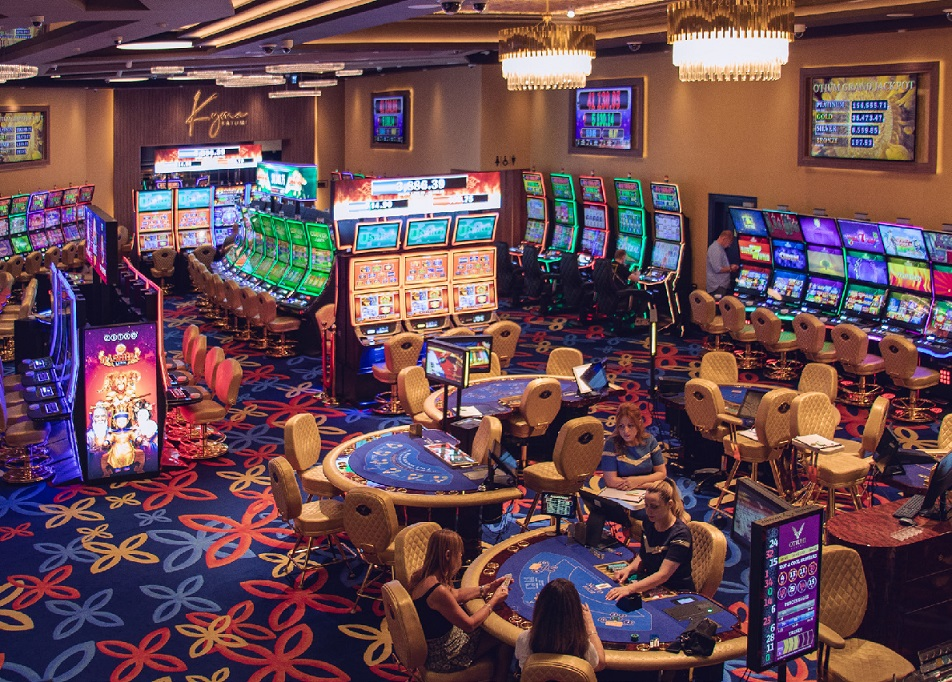
A casino promises excitement.
I found repetition.
Roulette wheels spin.
Slot machines chime.
Chips move from one pile to another.
The only thing that changes is the size of your wallet.

Above: The Georgian lari currency sign
There is also the city’s geography.
Few casino cities sit on a subtropical coastline beneath snow-capped mountains.
One moment you can be standing beside the Black Sea watching children chase pigeons along the boulevard.
Ten minutes later you are inside a casino where there is no daylight, no weather and no sense of time.
The contrast is striking.
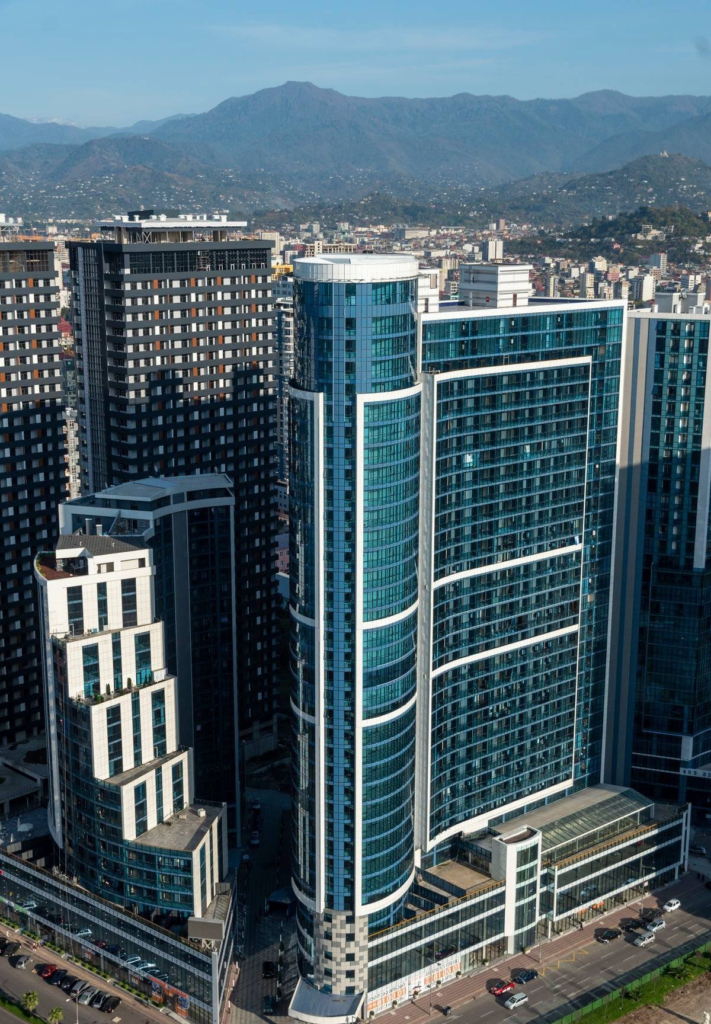
Above: Casino Billionaire Batumi
Perhaps that is why Batumi’s casinos never held much fascination for me.
Step outside and the real attraction is waiting.
The Black Sea changes colour with the light.
Elderly men play backgammon beneath the trees.
Lovers stroll along the boulevard.
The Ali and Nino statue slowly turns.
Compared with that, another spin of the roulette seems rather ordinary.
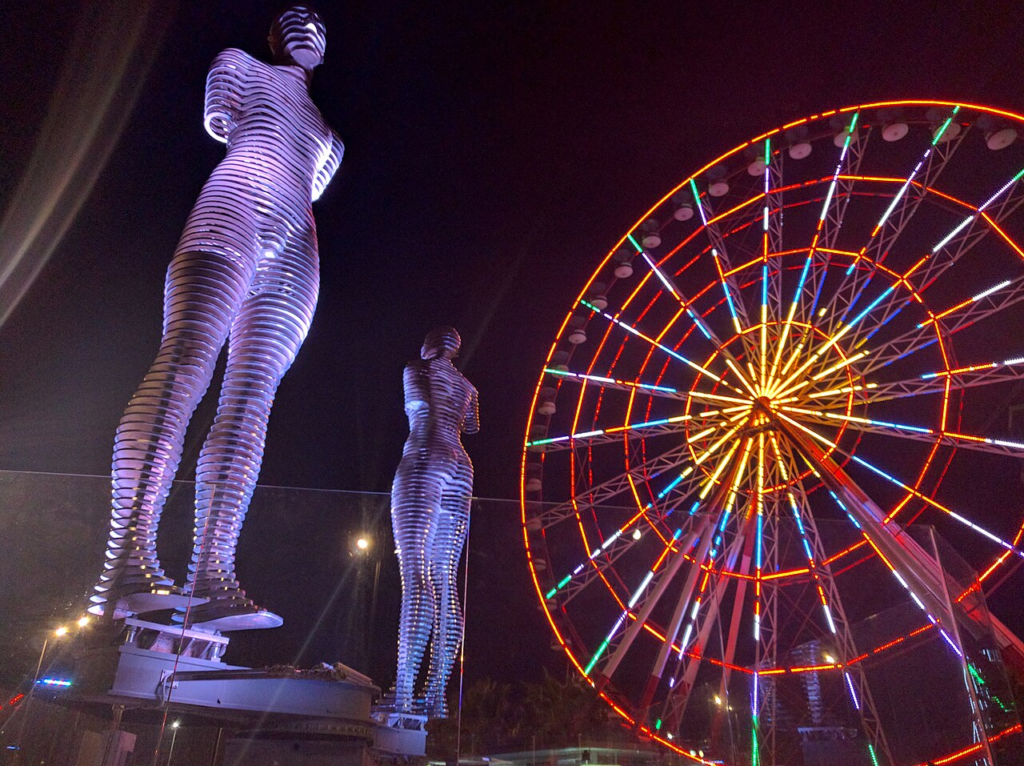
Above: Nino and Ali statues, Batumi
One final observation:
Batumi is still, at heart, a Georgian city.
For all its casinos, Georgians remain a people who traditionally place enormous value on hospitality, conversation, food, wine and the supra – the feast where time disappears because of company rather than chance.
Those are pleasures that ask nothing of probability.
I suspect an older Georgian might put it more simply:
“Better to lose your money at a supra feeding your friends than to lose money to a machine that doesn’t even know your name.“
You do not need to beat the odds to enjoy a table laden with khachapuri, fresh fish and a toastmaster holding forth with increasing eloquence.
That may be Batumi’s quietest paradox.
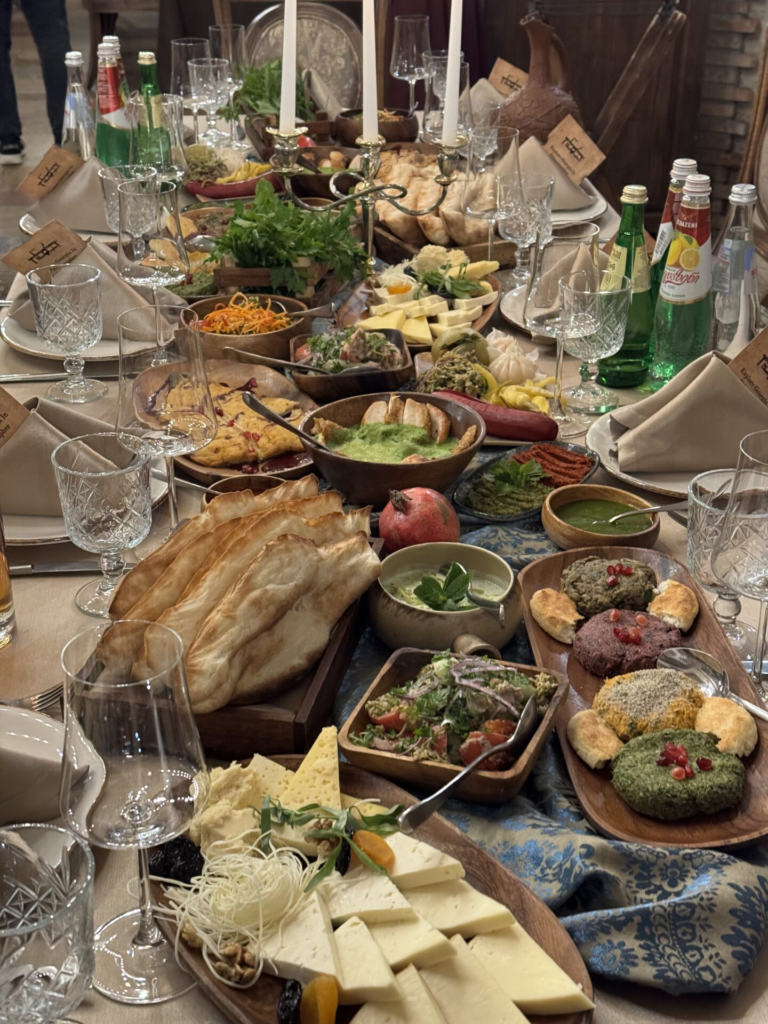
Above: Georgian supra
The city is famous abroad for gambling, yet some of its greatest riches cost nothing more than a walk along the promenade or an invitation to share a meal.
The casinos offer the thrill of chance.
Georgia offers the pleasure of abundance.
Chance is fleeting.
Abundance has a habit of lingering in the memory.

Above: Batumi Port
The Georgian word imedi means hope.
Hope is one of the country’s defining qualities.
Hope has sustained Georgians through invasions, occupations and hardship.
A casino trades on exactly the same human emotion.
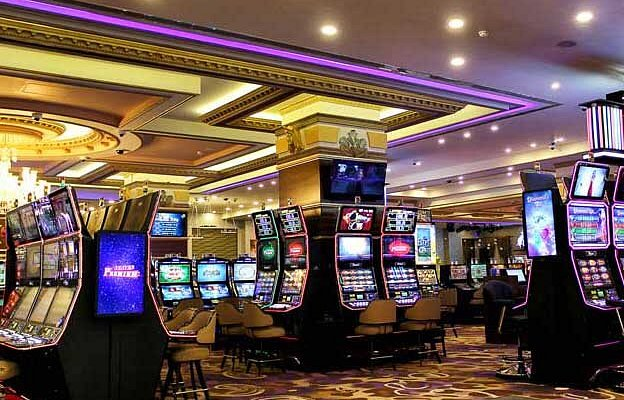
The difference is that Georgian hope is usually directed towards family, faith, education or hard work.
Gambling redirects hope toward probability.
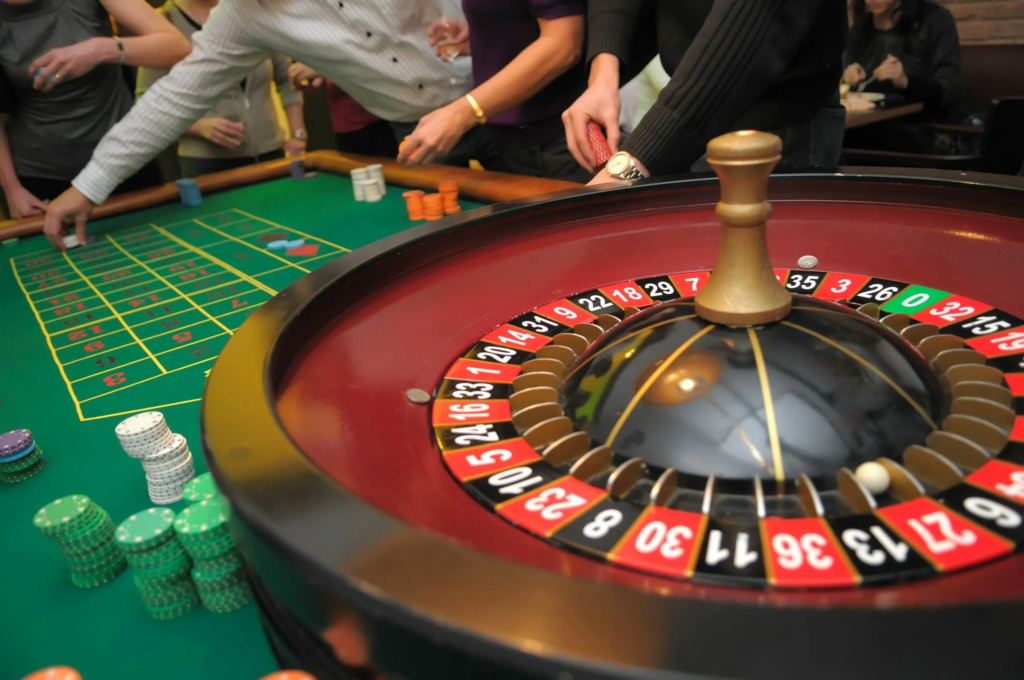
Perhaps that is the saddest consequence of addiction.
It persuades people to place their hope in a mechanism that has neither memory nor compassion.
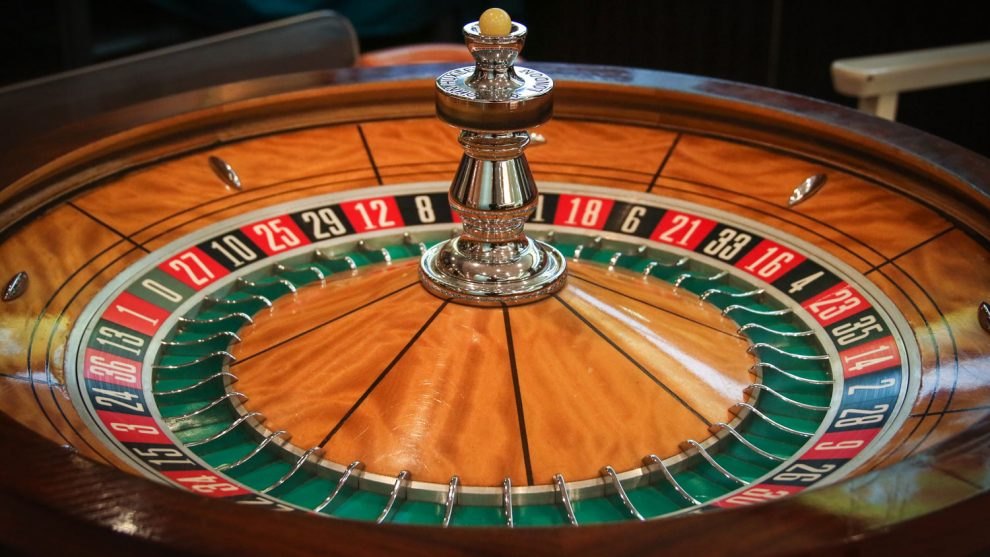
A roulette wheel does not know whether you are trying to pay universıty fees, save your marriage or recover last month’s losses.
It simply spins.
“She did not oppose me, nor did she get angry
She was gracious to my comrades and to me.
I, on account of one die too many, have pushed away my avowed wife.
My mother-in-law hates me.
My wife pushes me away.
A man in distress finds no one to pity him.
“I find no more use for a gambler than for an old nag up for sale,” (so they say).
When I resolve, “I will not play with them“, I am bereft of my comrades, who go off (without me).
And as soon as, scattered down, the dice have raised their voice, I just go to their appointed place, like a girl with a lover.
Don’t keep playing with dice.
Just plow your own plowland.
Be content in your possessions, thinking them much.
There are your cows, o gambler, there your wife.
In this way does Savitar here, protector of the stranger, watch out for me.”
Gambler’s Lament, Rigveda
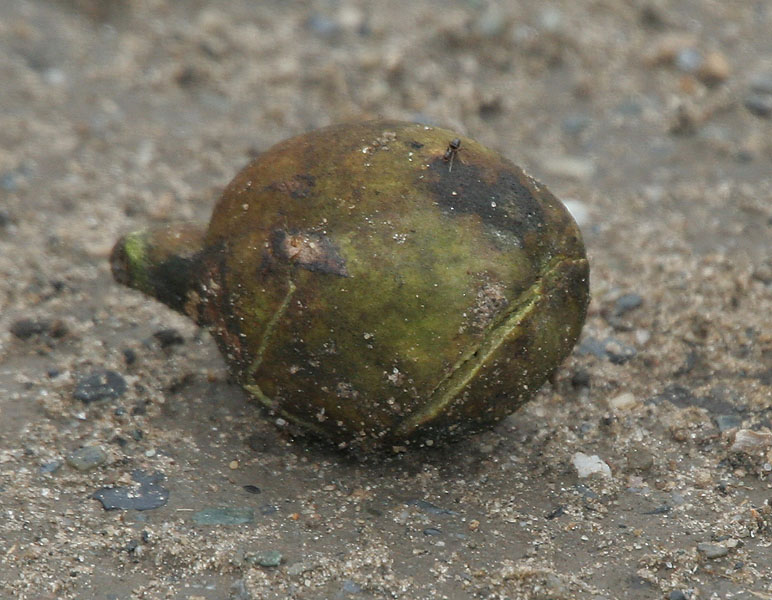
Above: Fallen fruit of Terminalia bellirica (Vibhīdaka), which was used to make dice in ancient India
A society can flourish when hope is invested in people, institutions and honest endeavour.
It falters when hope is repeatedly entrusted to chance.
To a certain degree, are we not all gamblers?
We go to sleep in the hope that we will wake up the nextmorning.
We get an education in the hope that it will somehow benefit us.
We get married in the hopes that this union will last.
We have children in the hope that they will make us proud.
We plan in the hope that death will not interfere with our schedule.
We die in the hope that there may be life after.
Hope fits and lingers well inside Pandora’s box.
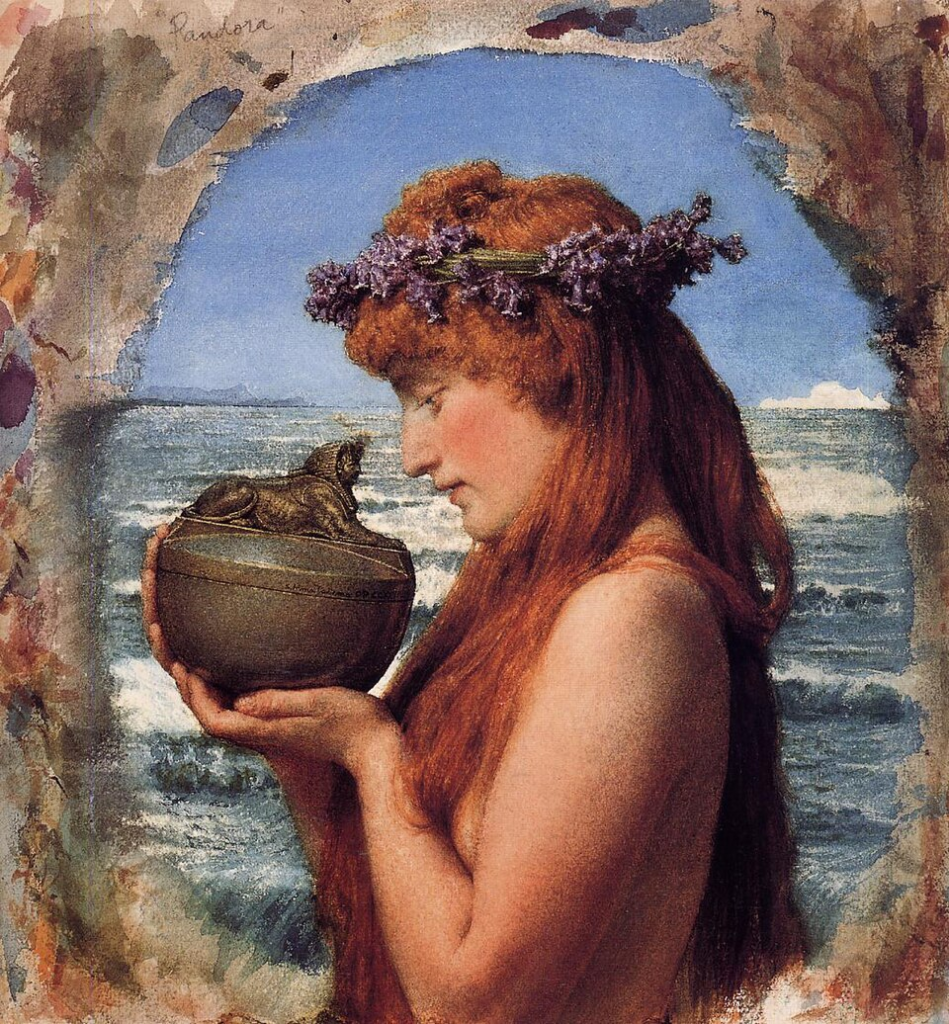
Hope dies last.
We calculate the odds foolishly hoping that they are in our favour.
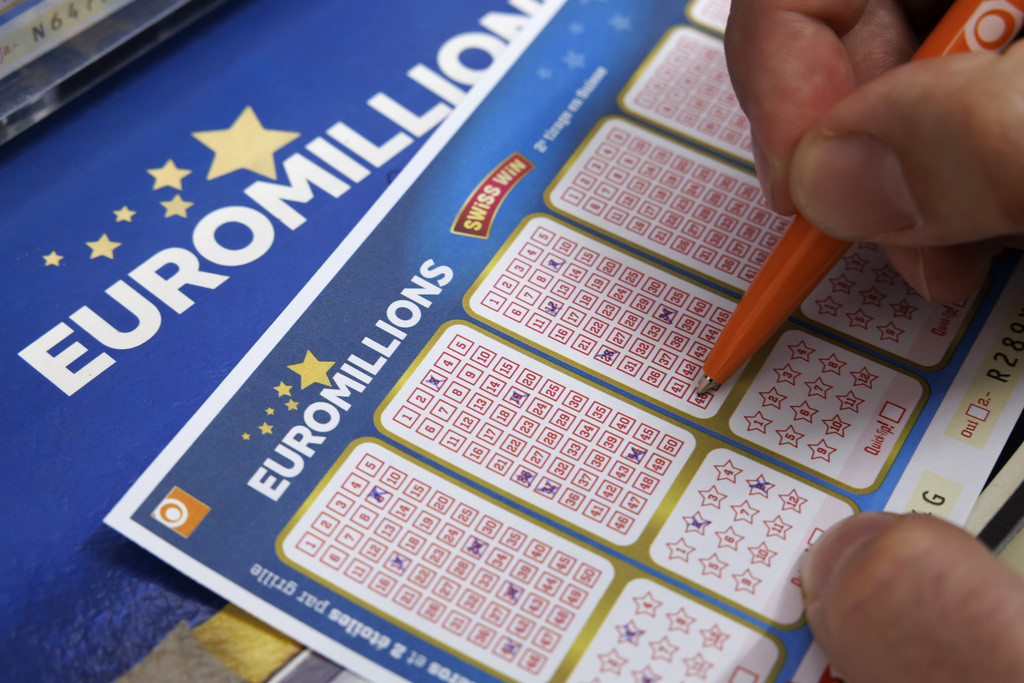
I even bought a lottery ticket.
I hope to win even though the odds are astronomically against it.