Saturday 16 May 2026
Room 203, Old City Boutique Hotel, Tbilisi, Georgia
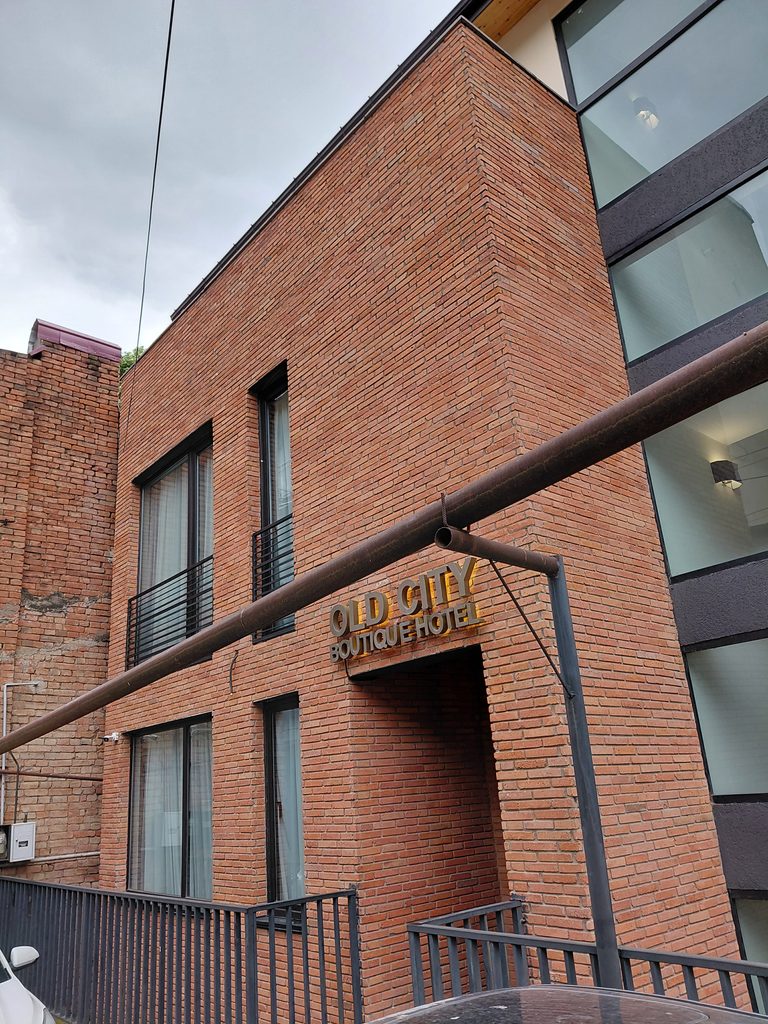
Above: Old City Boutique Hotel, Tbilisi
It is late in the evening.

Despite my fatigue I find myself musing over the past (How did I get here?) and the future (Where am I going?) while perhaps not fully appreciating the present moment.
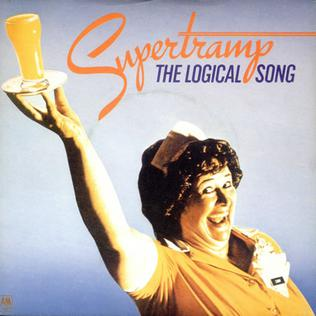
“There are times when all the world’s asleep
The questions run too deep
For such a simple man
Won’t you please, please tell me what we’ve learned?
I know it sounds absurd
Please tell me who I am“
The Logical Song, Supertramp
My mind thinks back over the past week –
Has it only been a week since I left my apartment in Ankara?
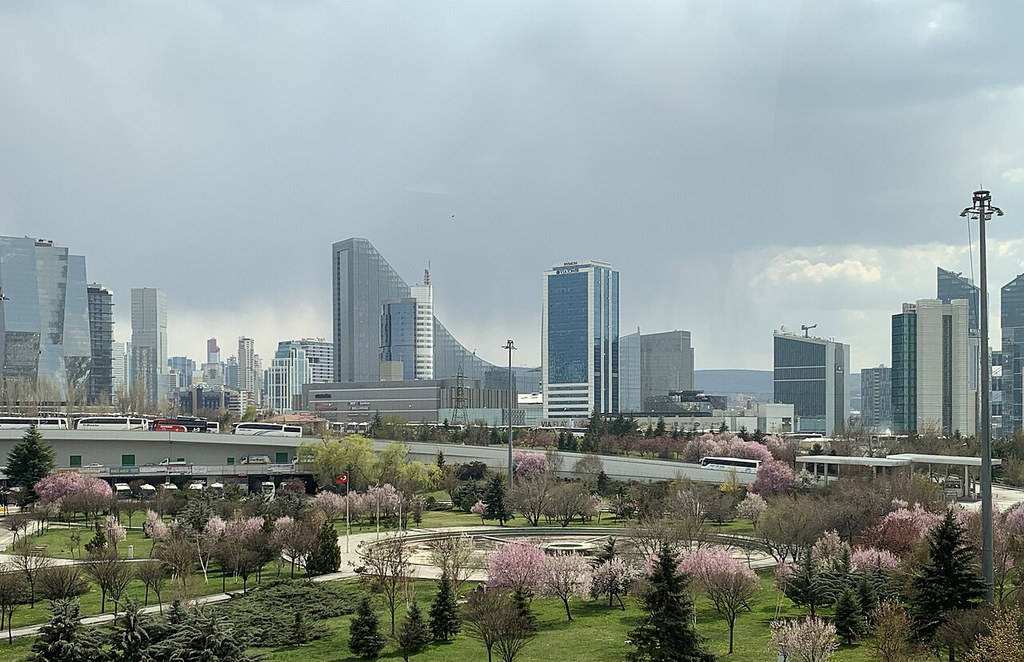
Above: Ankara, Türkiye
Since I left Türkiye where I had lived from 1 March 2021 to 11 May 2026?
During my time there, as well as on two previous visits to the Republic, I had travelled extensively throughout Türkiye.
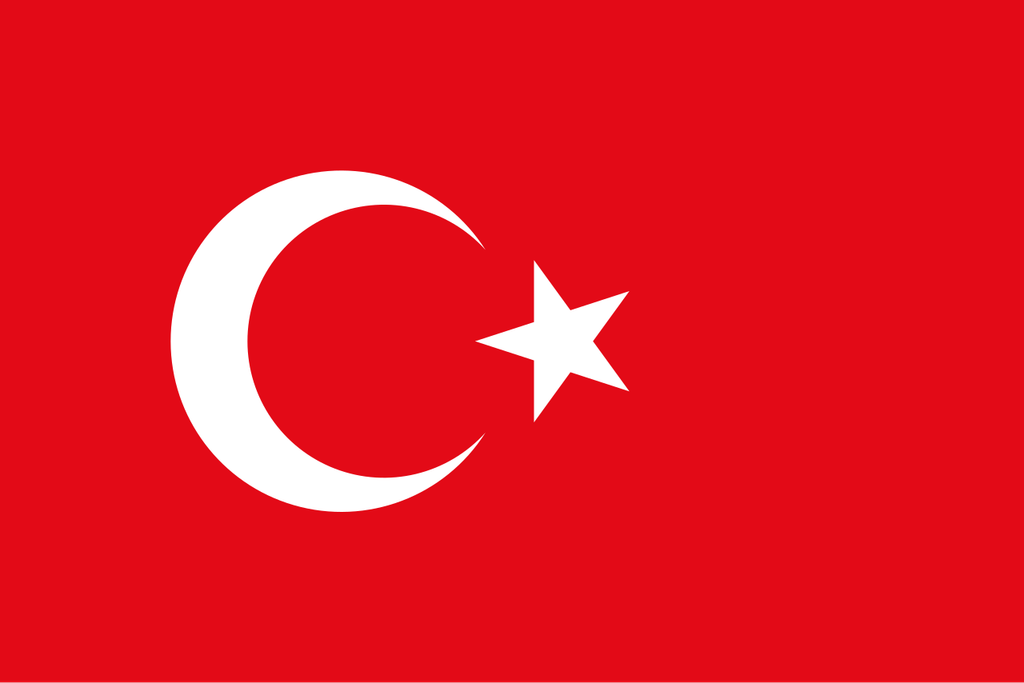
Above: Flag of Türkiye
My explorations had taken me from Edirne and Istanbul in the west to Erzurum, Kars and Van in the east; from the Black Sea settlements of Sinop, Samsun and Trabzon, Zonguldak, Ordu and Rize; to the Mediterranean resorts of Antalya and Alanya.

Above: Edirne, Türkiye

Above: Istanbul, Türkiye
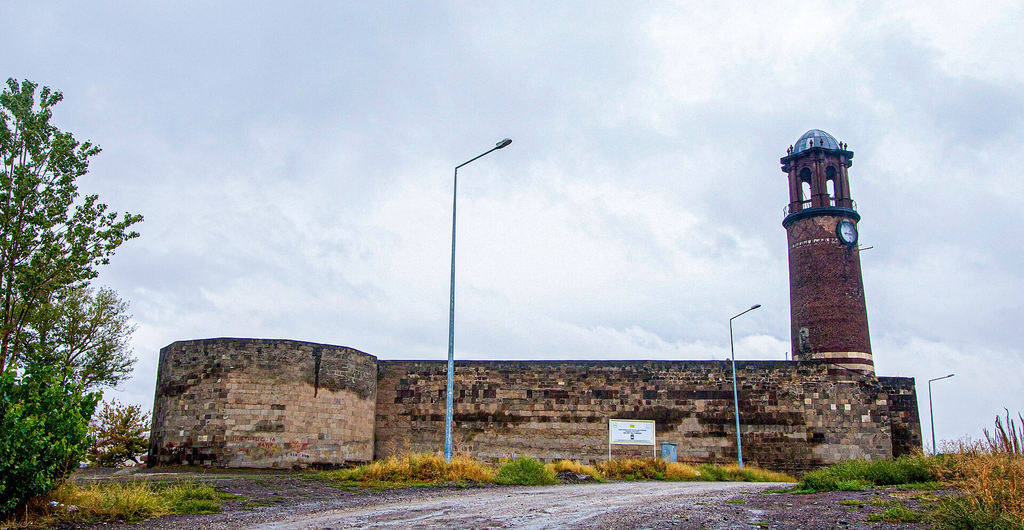
Above: Citadel, Erzurum, Türkiye
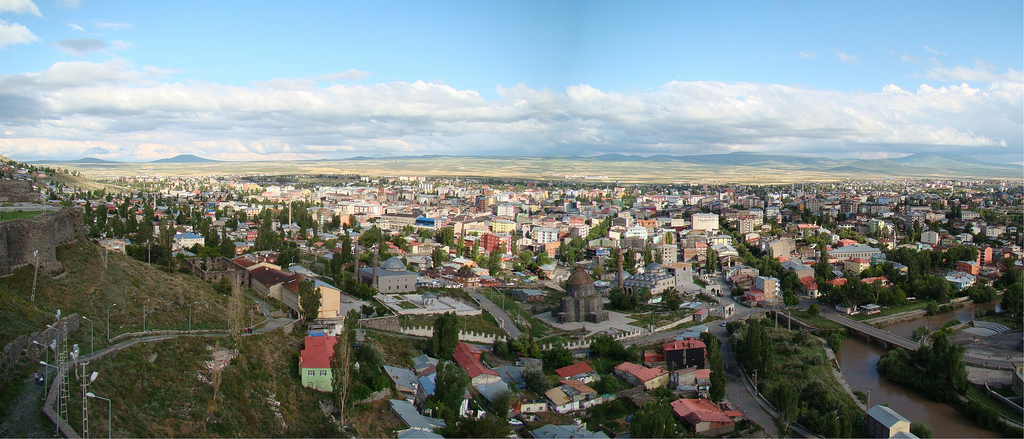
Above: Kars, Türkiye

Above: Akhtamar Island, Van Lake, Türkiye
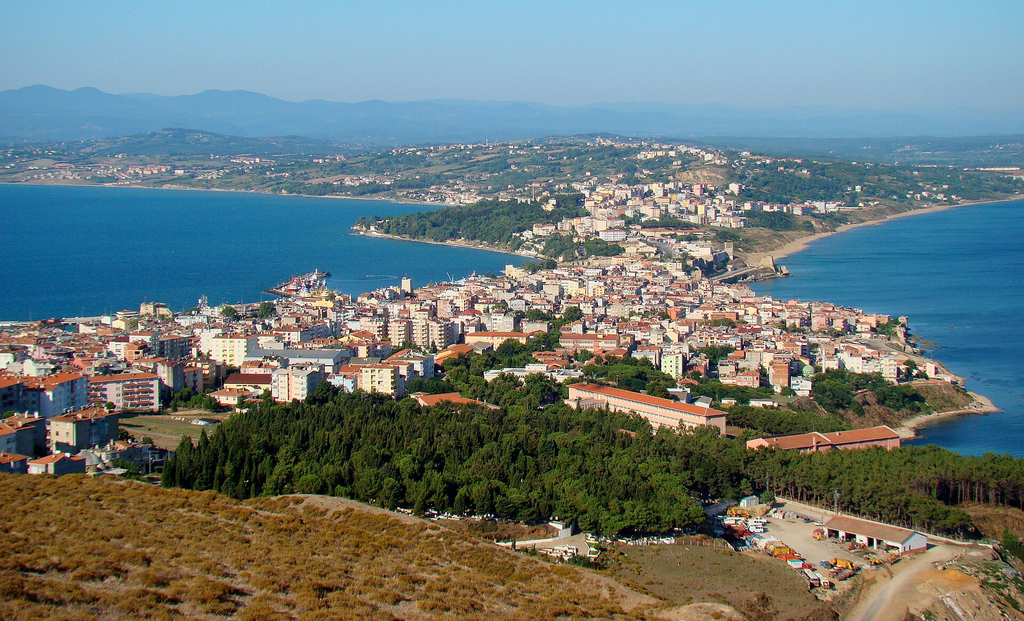
Above: Sinop, Türkiye

Above: Images of Samsun, Türkiye

Above: Trabzon, Türkiye

Above: Zonguldak, Türkiye

Above: Ordu, Türkiye

Above: Rize, Türkiye
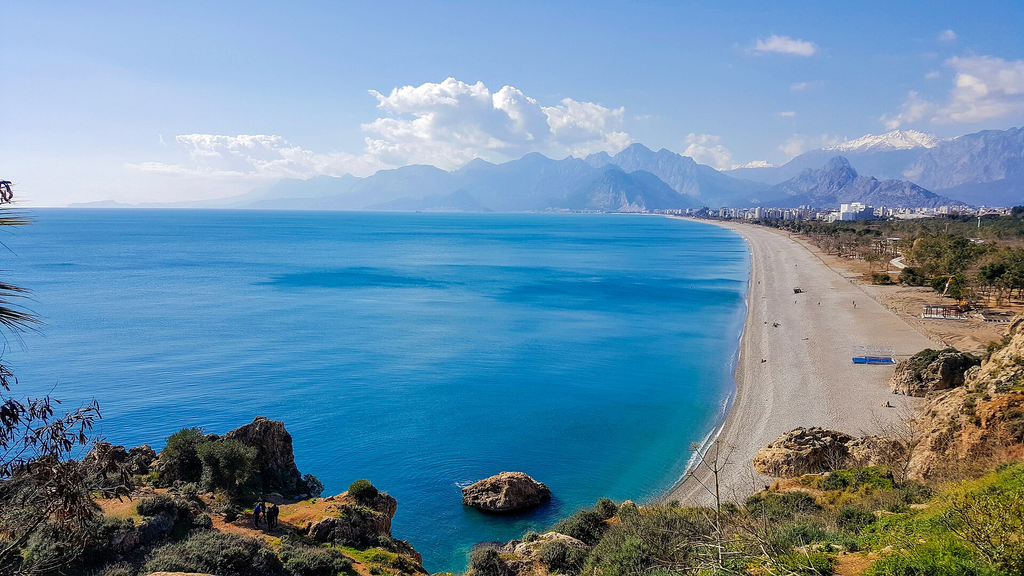
Above: Antalya, Türkiye
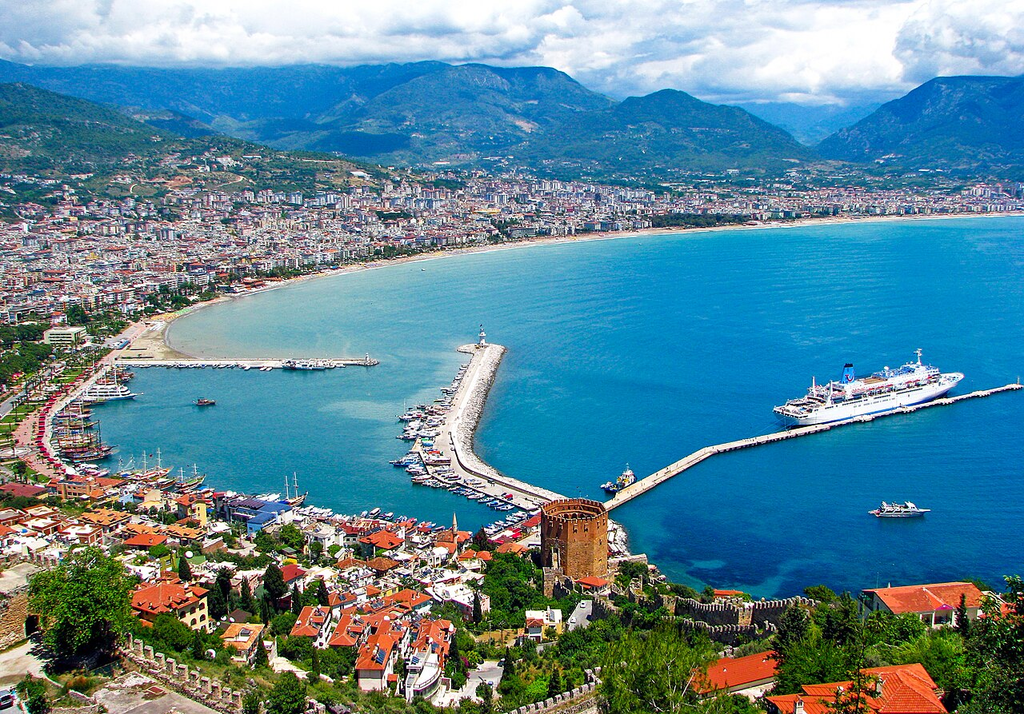
Above: Alanya, Türkiye
I had visited Bursa, Mudanya, Nicaea (İznik), Yalova and Sapanca in the Marmara region; Troy and Gallipoli near Çanakkale; Smyrna (İzmir) and Ephesus (Selçuk) on the Aegean coast; and Bodrum, Isparta, Eğirdir and Pamukkale further south and west.
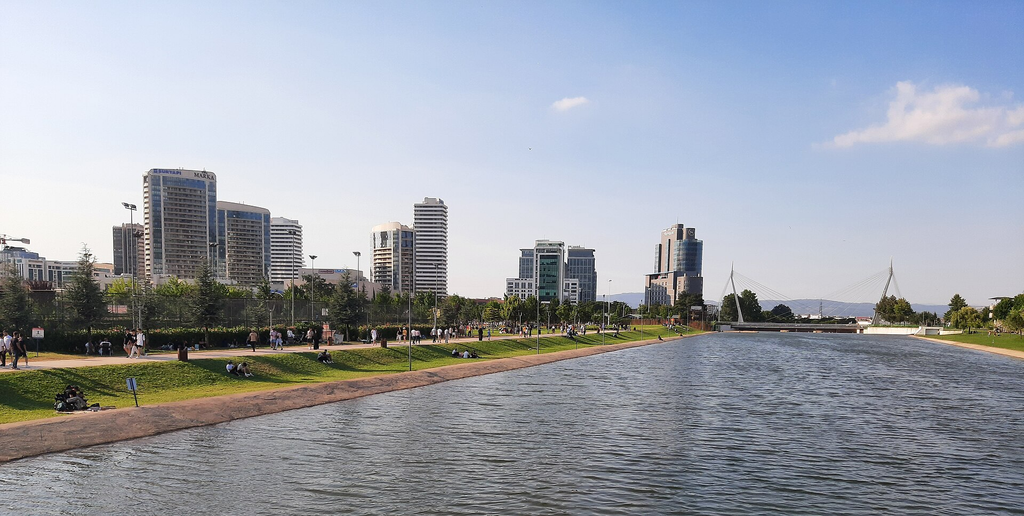
Above: Bursa, Türkiye
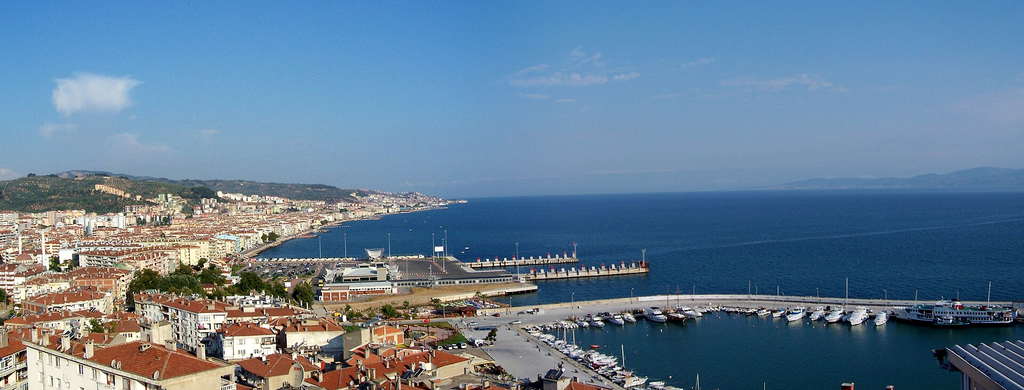
Above: Mudanya, Türkiye
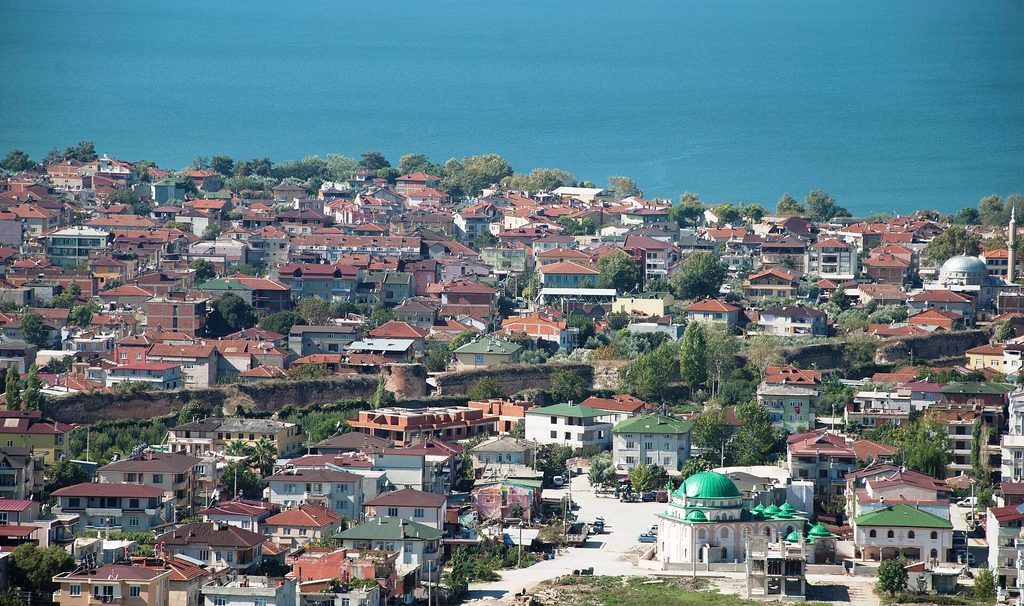
Above: İznik, Türkiye
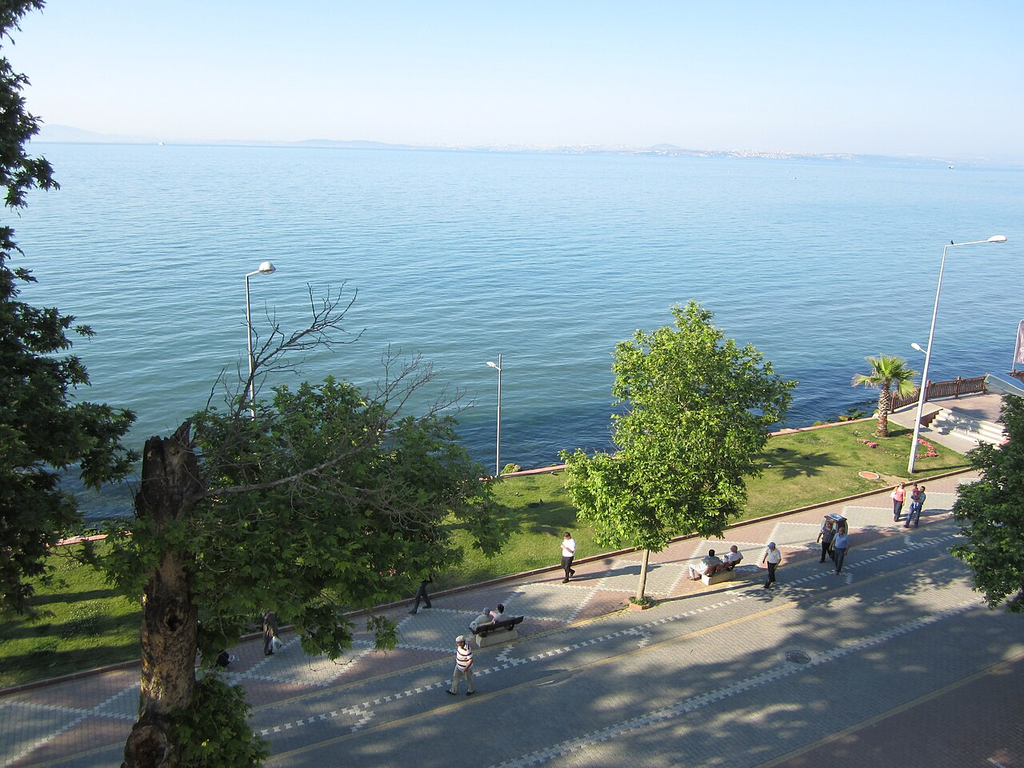
Above: Yalova, Türkiye
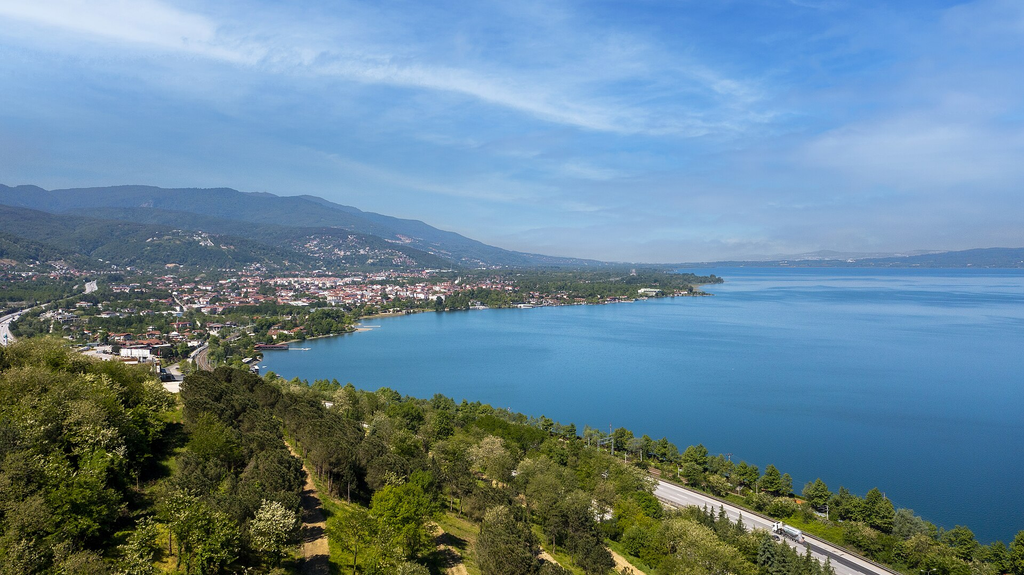
Above: Sapanca, Türkiye
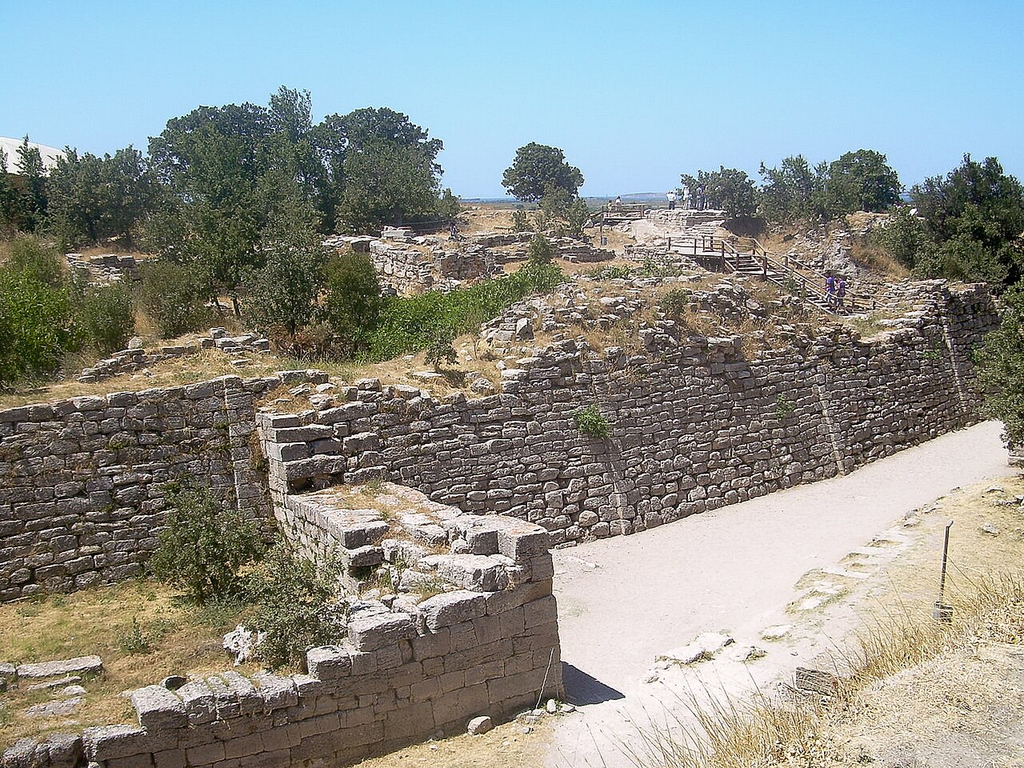
Above: Troy, Çanakkale, Türkiye

Above: ANZAC Cove, Gallipoli, Çanakkale, Türkiye

Above: İzmir, Türkiye

Above: Library of Celsus, Ephesus, Selçuk, Türkiye
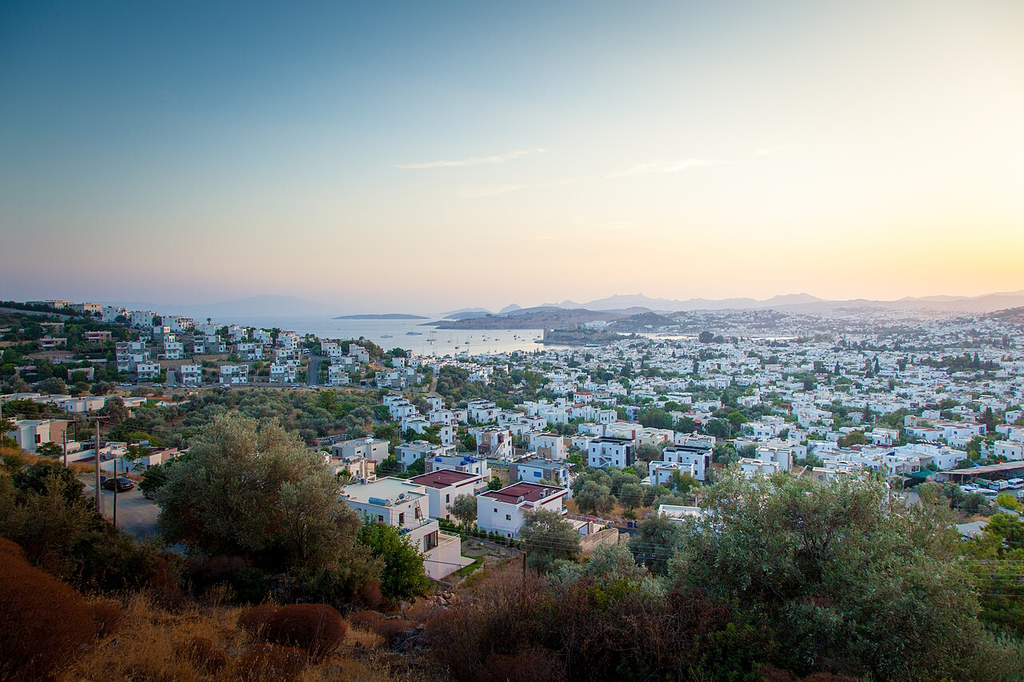
Above: Bodrum, Türkiye
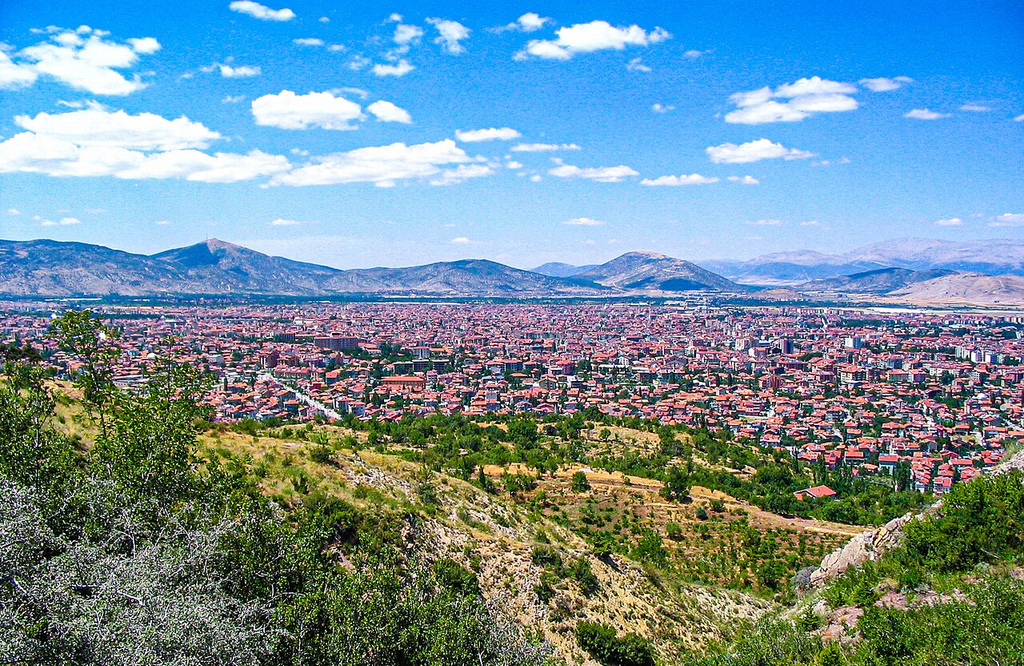
Above: İsparta, Türkiye

Above: Eğirdir, Türkiye

Above: Pamukkale, Türkiye
In central Anatolia, I had explored Gordion, Hattusa, Eskişehir, Kütahya, Afyonkarahisar and Konya, while further north I had ventured through Safranbolu, Kastamonu, Sivas and Amasya.

Above: Gordion, Yassıhüyük, Türkiye

Above: Hattusa, Boğazkale, Türkiye
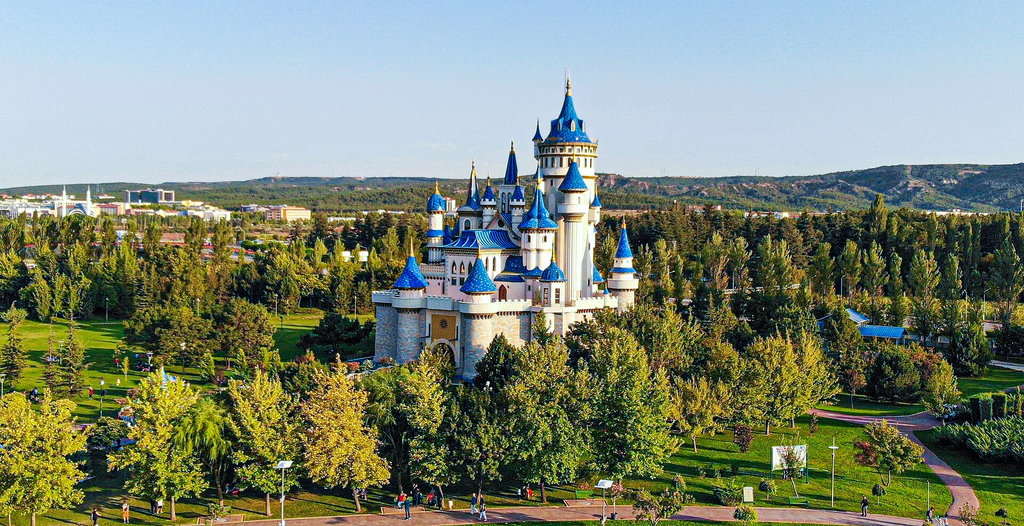
Above: Sazova Park, Eskişehir, Türkiye
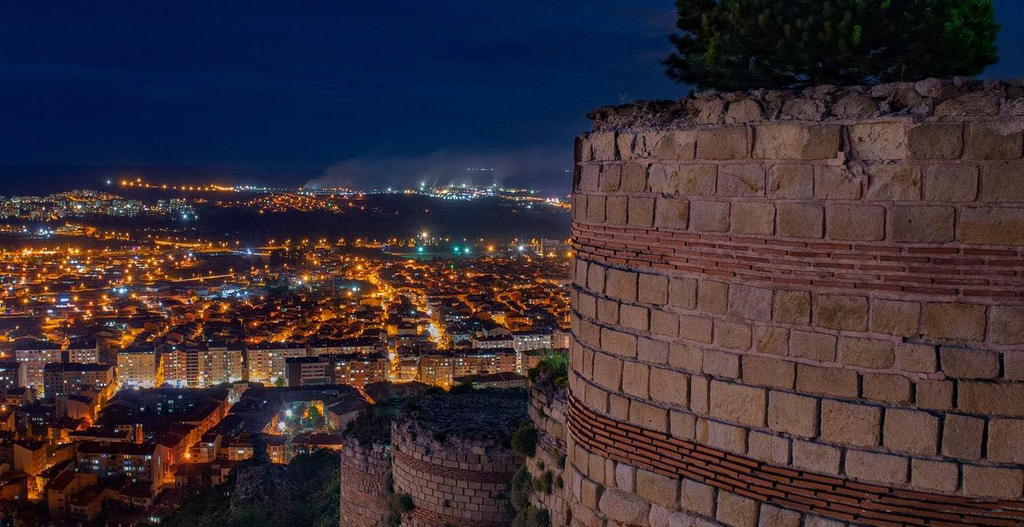
Above: Kütahya, Türkiye

Above: Afyonkarahisar, Türkiye

Above: Konya, Türkiye
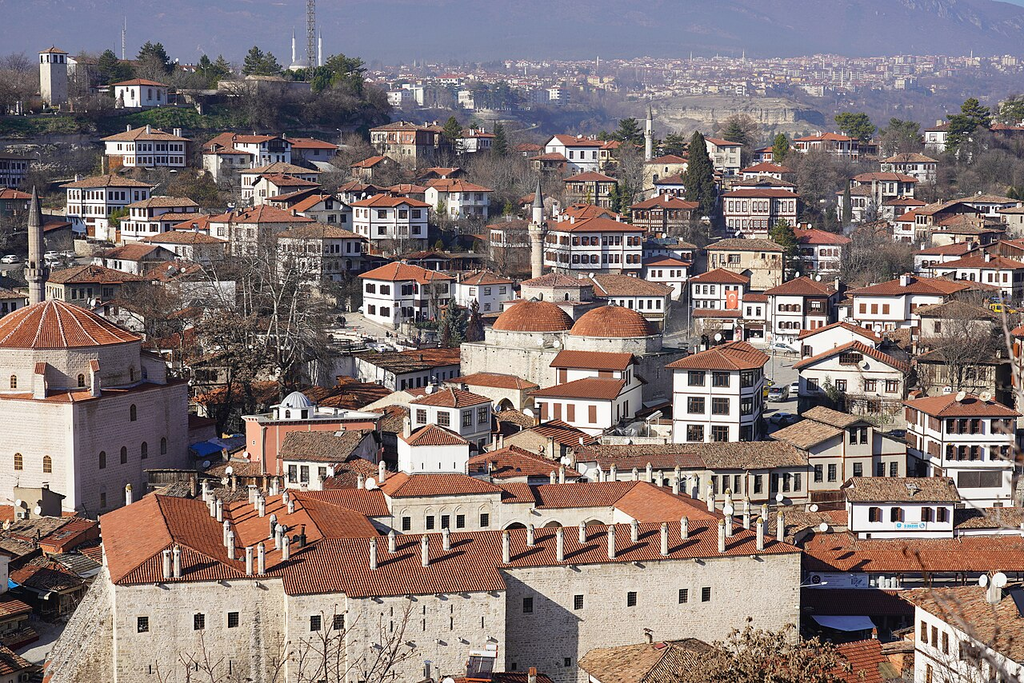
Above: Safranbolu, Türkiye

Above: Kastamonu, Türkiye

Above: Sivas, Türkiye

Above: Amasya, Türkiye
My travels had also taken me to Diyarbakır and Mardin in the south-east, and to the remarkable medieval Armenian city of Ani, near the border with Armenia.
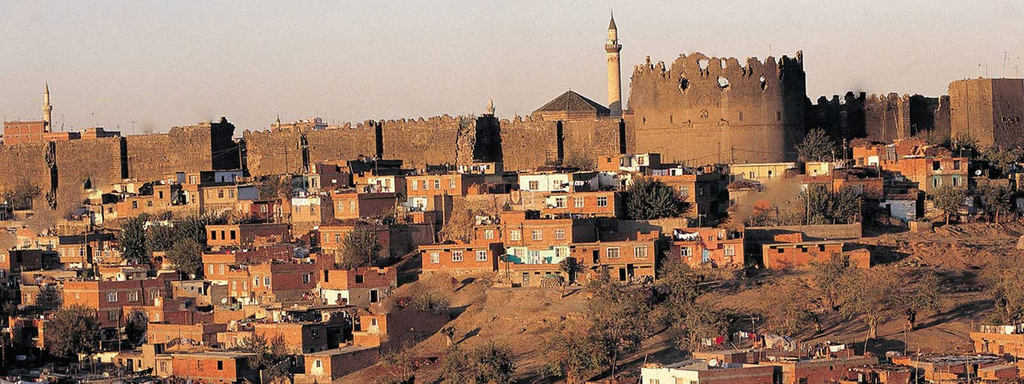
Above: Diyarbakir, Türkiye

Above: Mardin, Türkiye
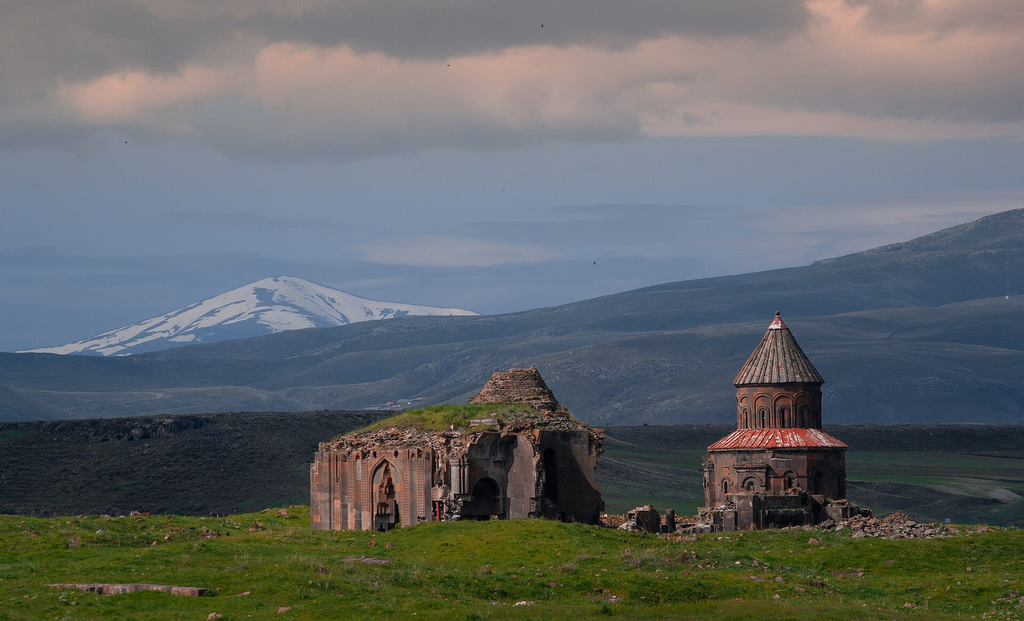
Above: Ani, Türkiye
Some of my Turkish students remarked that I had seen more of their country than they had in their entire lives living there.
Perhaps they were right.
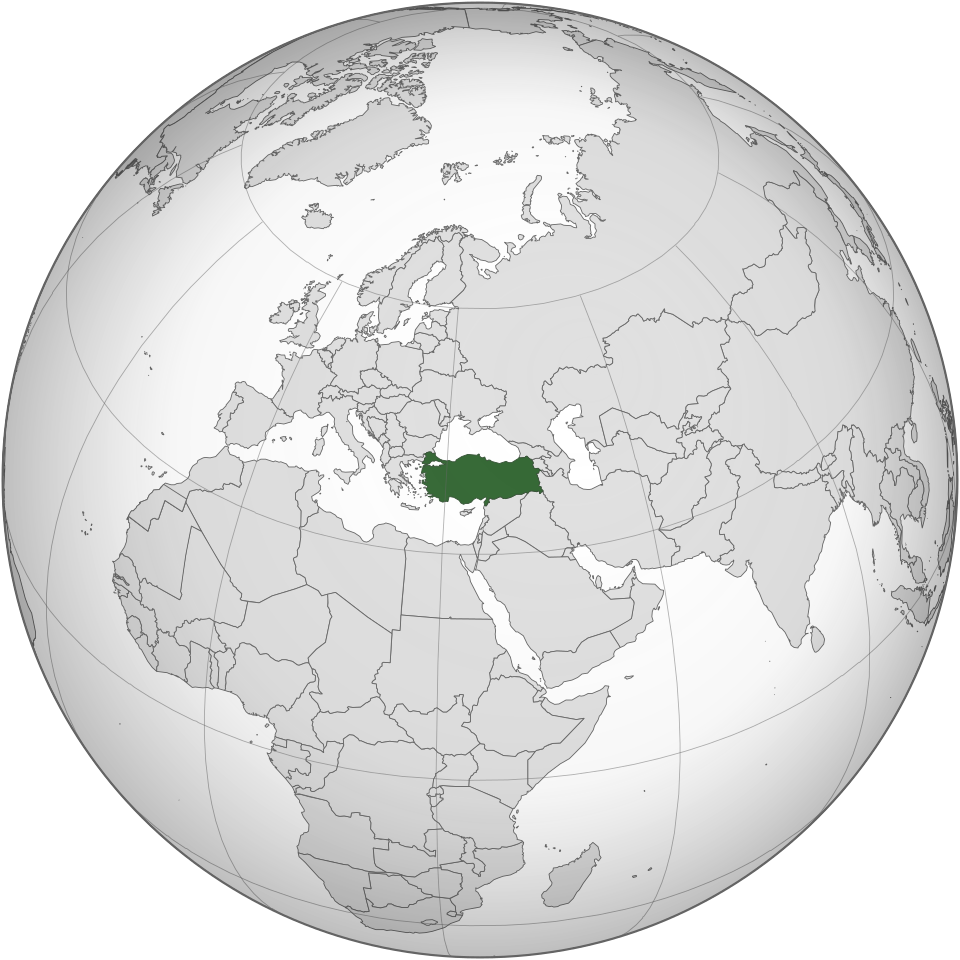
Above: (in green) Türkiye
Certain places, however, remain particularly vivid in my memory: Hattusas, Gordion, Smyrna, Ephesus and Ani among them.
Hattusas — more commonly Hattusha (Ḫattuša) or Hattusa — was the capital of the Hittite Empire in central Anatolia, near modern Boğazkale in Türkiye.
One of the great political and religious centers of the Late Bronze Age, its surviving fortifications, temples, palaces, inscriptions, and archives provide an unusually rich picture of Hittite civilization.
The archaeological landscape is remarkable in scale: a monumental enclosure wall extended for more than 8 kilometers, with over a hundred towers known along the Upper City’s defenses.
Particularly important remains include the Lion Gate, King’s Gate, Sphinx Gate, the royal citadel at Büyükkale, and the Great Temple in the Lower City.
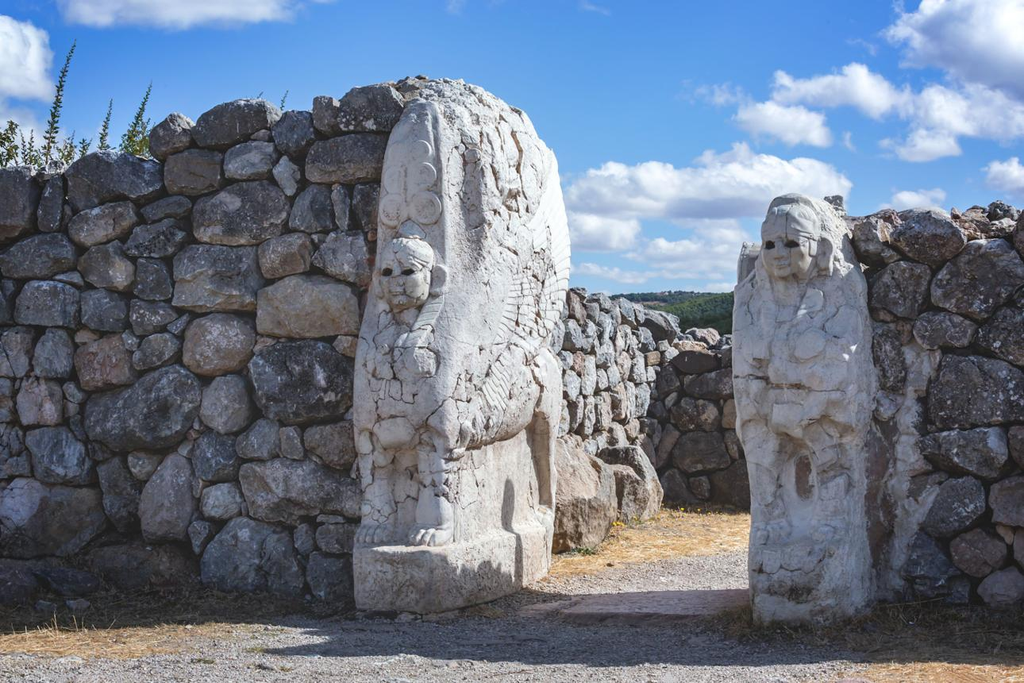
Above: Sphinx Gate, Hattusa, Türkiye
Gordion is the archaeological site of ancient Phrygia’s capital in central Anatolia, about 90 km southwest of Ankara, Türkiye.
Its unusually well-preserved citadel, monumental burial mounds, and long occupation sequence make it the foremost archaeological source for understanding Phrygian civilization.
UNESCO inscribed it as a World Heritage Site in 2023.

Above: Logo of the United Nations Educational, Scientific and Cultural Organization (UNESCO)
Gordion is closely associated with King Midas, the historical Phrygian ruler behind the later legendary figure with the “golden touch”.
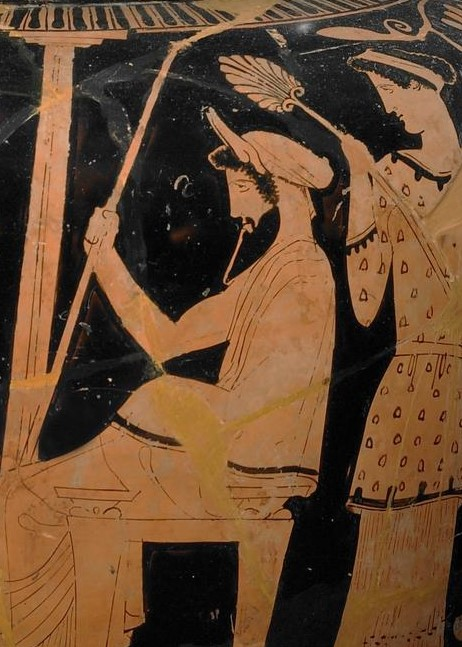
Above: King Midas
The enormous Tumulus MM, traditionally called the Midas Mound, rises 53 meters.
Its burial chamber, dating to about 740 BCE, is regarded as the oldest known standing wooden building, although the individual buried there is not securely identified as Midas himself.
Preservation at Gordion is exceptional: its fortified gateway retains masonry up to roughly 10 meters high, while elite buildings contain the earliest known colored floor mosaics.
Excavations have also uncovered sophisticated woodworking, furniture, metalwork, textile production, and monumental architecture, providing unusually detailed evidence for the economy and craftsmanship of Iron Age Phrygia.

Above: Gordion, Türkiye
Gordion also entered classical legend through the Gordian Knot.
Ancient tradition held that an extraordinarily complicated knot associated with the Phrygian kingship could be undone only by the future ruler of Asia.
Alexander the Great encountered it at Gordion during his campaign against Persia in 334 BCE, giving rise to the enduring image of solving an apparently impossible problem by decisive action.
Gordion itself remained occupied across a remarkably long span, from roughly 2500 BCE into the medieval period.
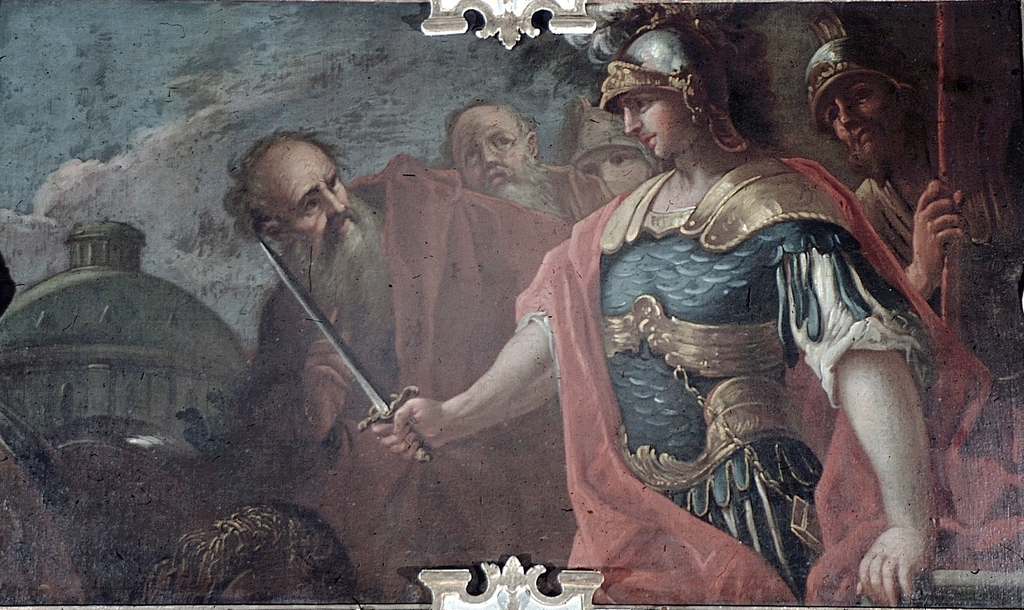
Above: Alexander the Great cuts the Gordian Knot (1751), Livio Retti
Smyrna was a major ancient Greek and Roman port city on the Aegean coast of Anatolia, largely beneath and within modern İzmir, Turkey.
Its strategic harbor helped make it an important center of Mediterranean commerce, while surviving remains — notably the Agora — preserve unusually vivid evidence of its Hellenistic and Roman urban life.
The Agora of Smyrna, between modern Kemeraltı and Kadifekale, is the most impressive surviving complex.
Its vaulted basilica basement preserves thousands of pieces of Roman-era graffiti — drawings and inscriptions that provide unusually direct glimpses of commerce, entertainment, personal expression, and everyday urban life — while excavations elsewhere have identified the theater, council house, mosaic hall, baths, streets, and water infrastructure.

Above: Smyrna, Türkiye
Ephesus, near modern Selçuk in İzmir Province, was one of the great cities of the ancient Mediterranean.
An ancient Greek settlement, traditionally associated with Ionian colonization, it became one of the most important cities of Roman Asia, with a population estimated in the hundreds of thousands at its height.
Notable remains include the Library of Celsus, the enormous theatre, Curetes Street, the Temple of Hadrian and the terrace houses.
Ephesus was an important centre of early Christianity.
The Apostle Paul preached there.

Above: Image of Paul the Apostle, Grotto, Ephesus, Türkiye
The city is associated with the Virgin Mary in Christian tradition.
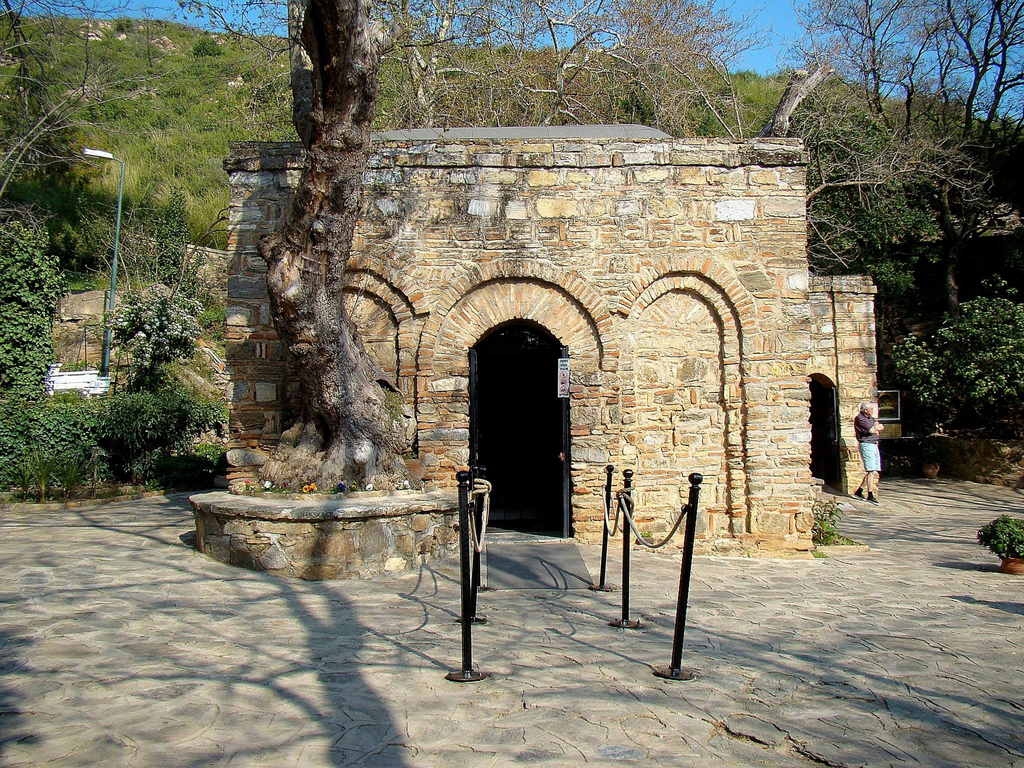
Above: House of the Virgin Mary, Ephesus, Türkiye
Changes in trade routes, silting of its harbour, political upheavals and other factors contributed to its gradual decline.

Above: Ephesus, Türkiye
Ani, near Kars, stands on a plateau overlooking the Akhurian River, which forms part of the present-day Turkish-Armenian border.
Its history is particularly relevant to your theme.
The settlement has a history extending back approximately 2,500 years.
In 961, King Ashot III made Ani the capital of the Armenian Bagratid kingdom.
Its position on a branch of the Silk Road made it a prosperous trading centre.
It became famous for its Armenian churches and distinctive architecture.
It was sometimes called the City of 1,001 Churches.
Byzantines, Seljuks and Georgians successively controlled the city.
Mongol invasions, an earthquake in 1319 and changing trade routes contributed to its eventual abandonment.
Today, its churches, city walls, palaces and other ruins remain as evidence of a once-thriving medieval metropolis.
Ani became a UNESCO World Heritage Site in 2016.

Above: Ani, Türkiye
Hattusas, Gordion, Smyrna, Ephesus and Ani are reminders that cities can outlive their inhabitants, but neither can tell us everything about the people who once called them home.
Imagine standing among those ruins.
Once, people conducted business, worshipped, married, raised children and worried about their futures there.
Today, we admire their architecture and wonder about their civilization.
But how many of their names do we know?
We know the names of certain rulers, warriors, philosophers and artists.
But what of everyone else?
Who remembers them?
What survives of their individual lives?
How many people have lived, loved, laughed, suffered and died without leaving anything by which future generations might remember them?
That is precisely the question I want to carry from Türkiye to Tbilisi.

I have seen the writing on the wall before, although not necessarily in the figurative sense.
During a visit to Pompeii, I encountered graffiti preserved on the walls of a city buried beneath the volcanic debris of Mount Vesuvius in AD 79.

Above: Pompeii and Mount Vesuvius, Italy
The messages had been left by people who could never have imagined that their casual observations, declarations and expressions would one day be examined by visitors from distant lands, almost two thousand years later.
Pompeii’s graffiti is particularly relevant because it wasn’t all intended as art or public commemoration.

Above: Fresco depicting the fight in the amphitheatre between Pompeians and Nucerians
Much of it was ordinary communication:
Declarations of affection, political comments, advertisements, insults, jokes and records of everyday life.
The people who wrote on those walls weren’t trying to become immortal.
They were simply expressing themselves.

Above: Graffiti, Pompeii, Italy
Returning to Tbilisi, I found myself looking at two rather different declarations.
One, written in Cyrillic, proclaimed “Glory to Ukraine“.
The other, in English, urged passers-by to “Never Never Give Up“.
Who had written them?
What had motivated their authors?
Were they expressions of personal conviction, political solidarity or encouragement to someone whose identity we shall never know?
Perhaps these messages will disappear beneath a fresh coat of paint, or perhaps they will survive long enough to be discovered by someone who will wonder about the circumstances in which they were written.
I wonder what a future archaeologist might make of them.
Would they recognize the events that inspired the words, or would the messages become as mysterious to them as some of the inscriptions we encounter in ancient ruins?
I photograph a wall, record an observation and publish my thoughts.
Perhaps someone will read them in the future.
Perhaps not.
The difference between the Pompeian graffiti writer and the Tbilisi graffiti writer may ultimately be nothing more than the passage of time.

Above: Graffiti, Tbilisi, Georgia
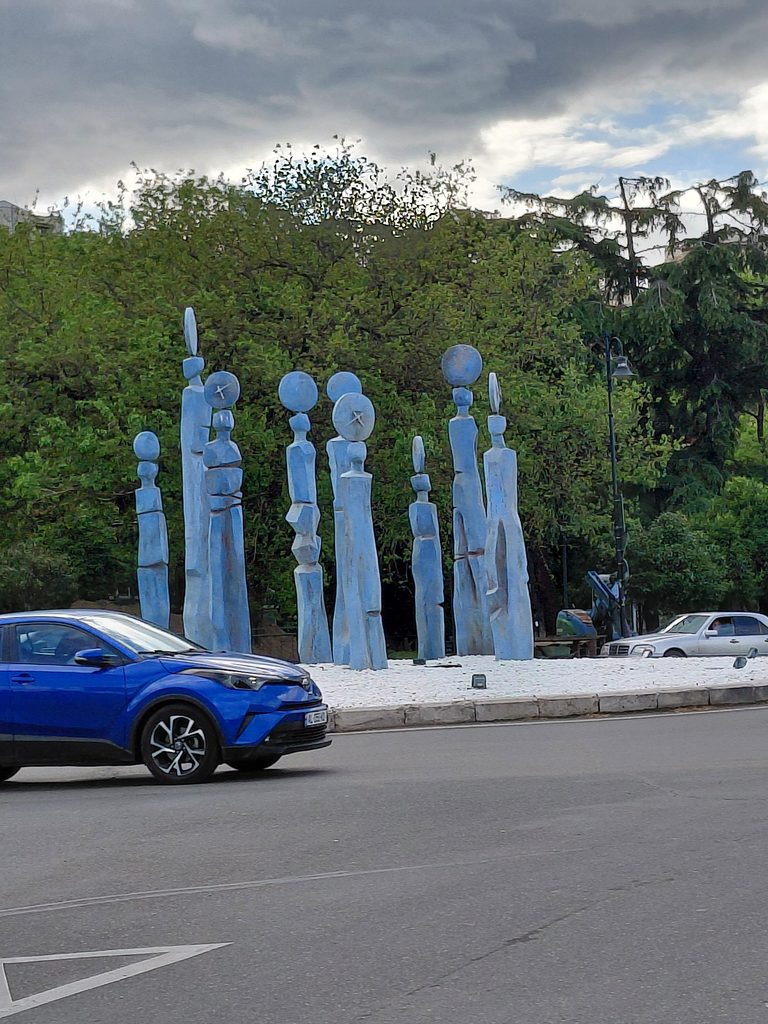
Later in the day I stumble across the Statue of Clocks by Georgian artist Tamar Kvesitadze.

Above: The Statue of Clocks, Tbilisi, Georgia
I am reminded of something His Holiness the 14th Dalai Lama said about the true meaning of life:
“We are visitors on this planet.
We are here for 90 or 100 years at the very most.
During that period, we must try to do something good, something useful, with our lives.
If you contribute to other people’s happiness, you will find the true goal, the true meaning of life.“
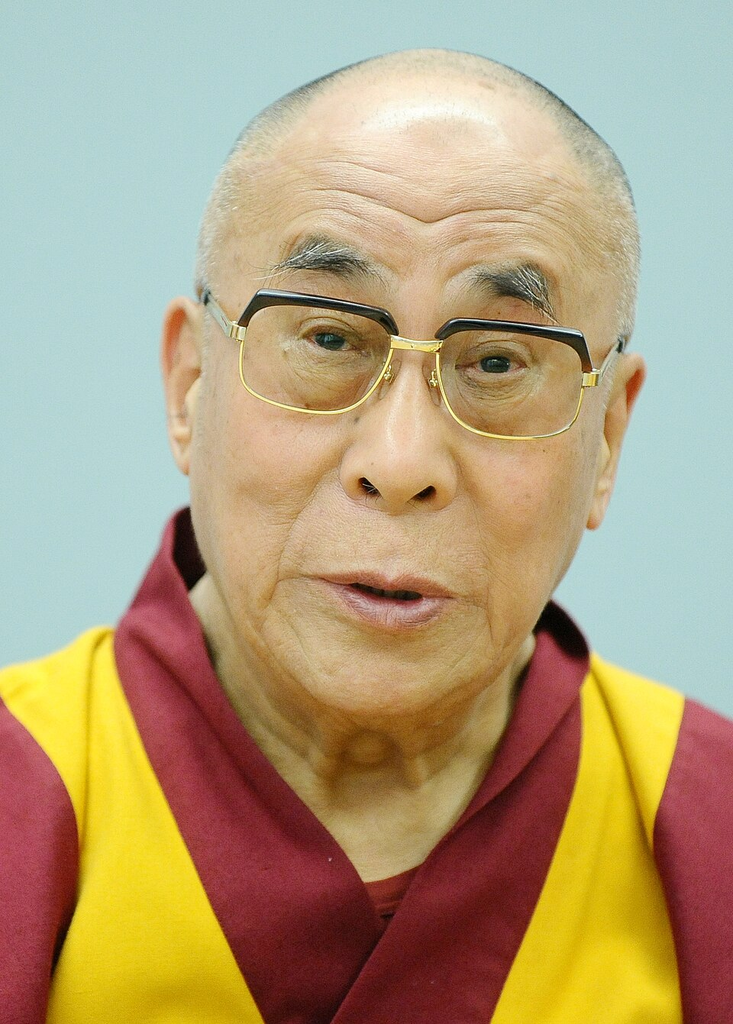
Above: Tibetan spiritual leader, the Dalai Lama
The apparent permanence of monuments is a deliberate illusion created through heavy materials and massive scale to make specific historical narratives feel permanent and unquestionable.
While built from stone and bronze to project eternal stability, monuments are physically fragile, socially contested, and prone to fading from daily notice.
Builders design monuments to project authority and freeze a specific version of history in public space.
Builders use granite, marble, and bronze to make the values represented by the structure feel literally set in stone.
Placing monuments in central squares, parks, and on city maps embeds a dominant worldview into everyday life as a natural part of the landscape.
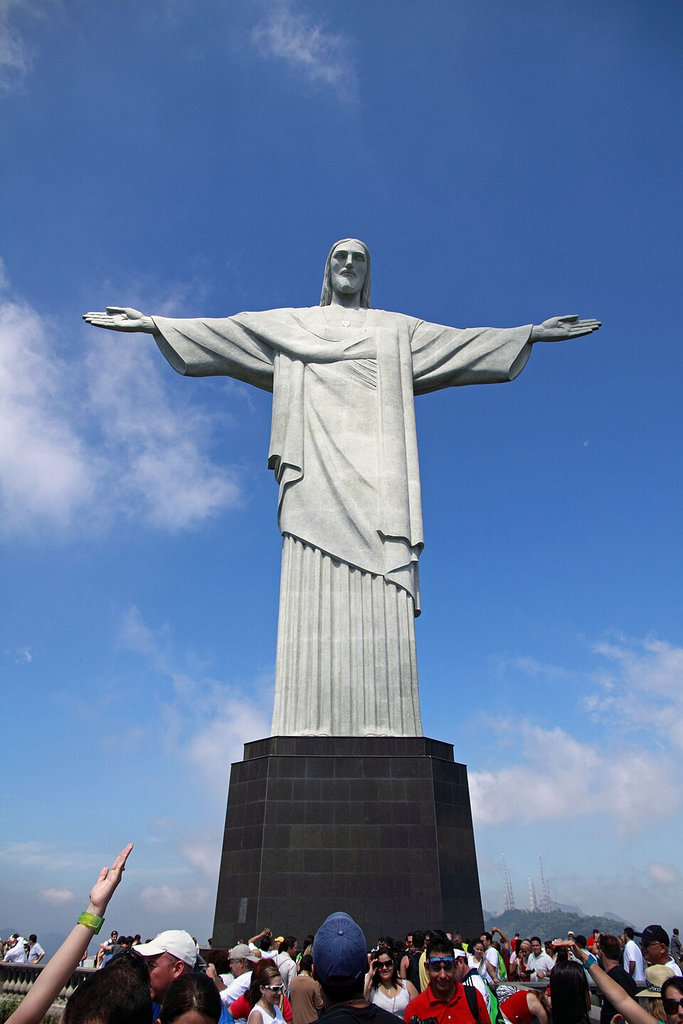
Above: Christ the Redeemer, Rio de Janeiro, Brazil
As French historian Pierre Nora noted, societies build these lieux de mémoire during times of upheaval to anchor collective identity and create a stable image of the past.

Above: French historian Pierre Nora (1931 – 2025)
Despite their solid appearance, monuments change constantly in both physical form and cultural meaning.
Stone erodes, metal oxidizes and surfaces accumulate pollution, reminding viewers that all structures eventually turn back into dust.
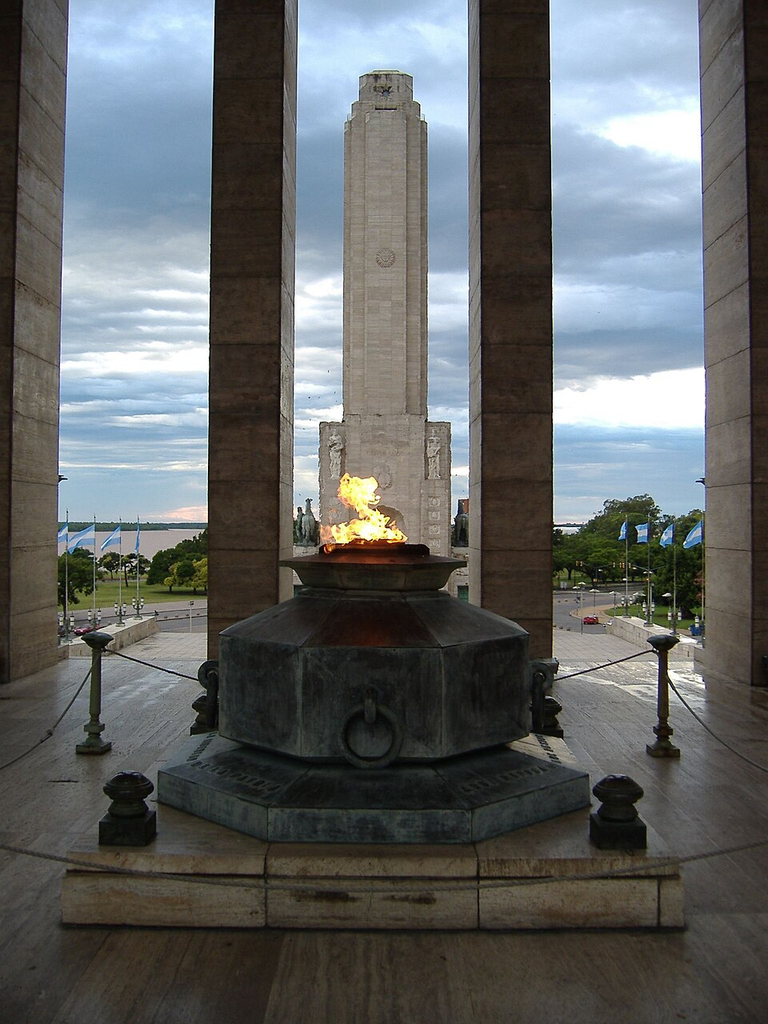
Above: National Flag Memorial, Rosario, Argentina
Austrian writer Robert Musil famously observed that nothing is as invisible as a monument, because daily familiarity causes passersby to tune them out.
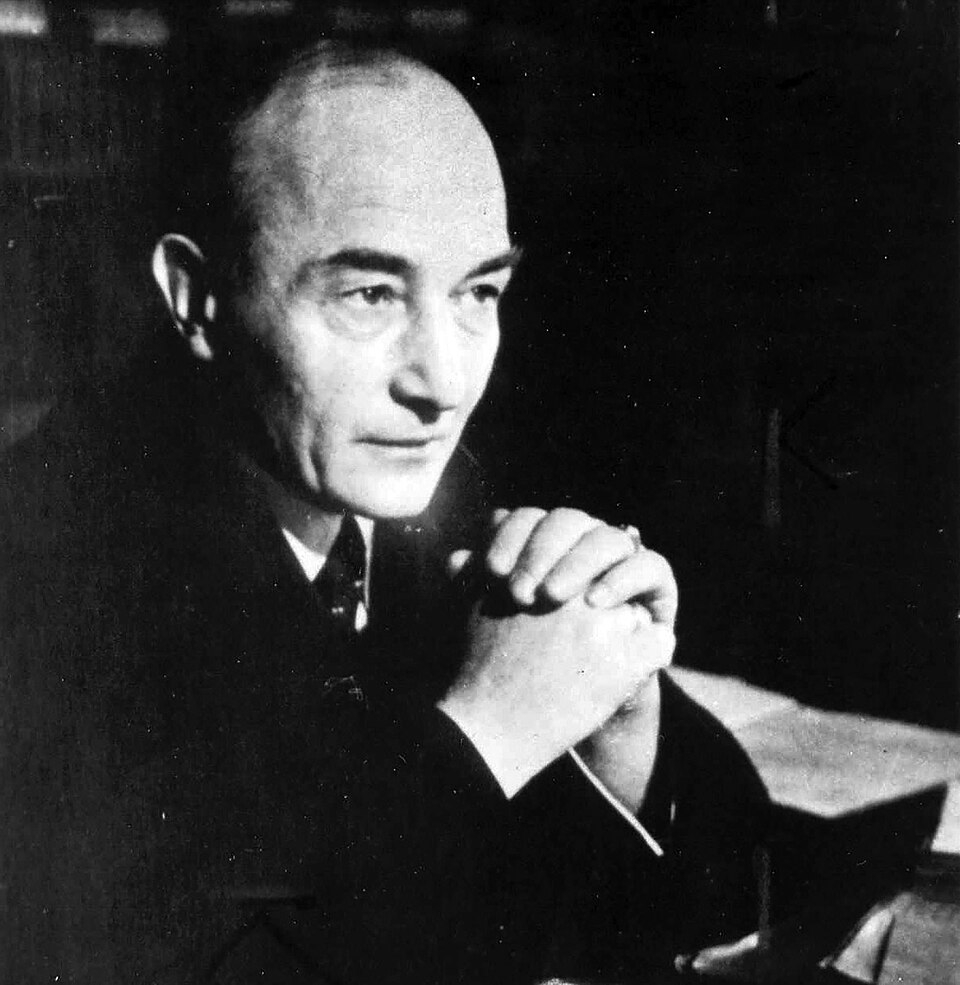
Above: Austrian philosopher/writer Robert Musil (1880 – 1942)
Future generations reinterpret, repurpose or remove monuments when the values they celebrate fall out of favor.
By locking one narrative in place, monuments actively obscure alternative histories and marginalized perspectives.
Contemporary artists and architects increasingly challenge traditional monumentality by designing works that embrace impermanence.
Artists use wax, ice, projections, or biodegradable materials that melt, fade, or require community upkeep to survive.
Some modern memorials are built to slowly sink into the ground or disappear over time, shifting the burden of remembering from stone back onto people.
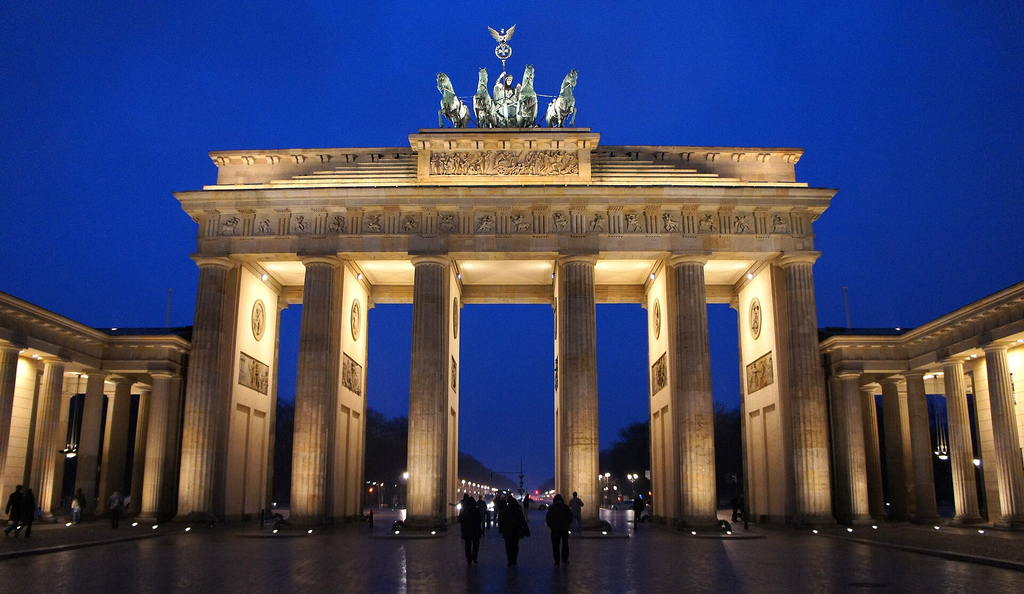
Above: Brandenburg Gate, Berlin, Germany
Memory is how people and groups remember and feel the past, while history is the formal, evidence-based study of what happened.
The two shape each other constantly.
History uses personal memories as clues to rebuild the past, and those written histories then reshape how societies remember their own stories.
Memory is lived experience, family stories and shared traditions.
The goal is to build identity, find meaning and connect with a group.
Memory’s nature is emotional, personal and always changing over time.
Memory is tied to specific people, families or communities.
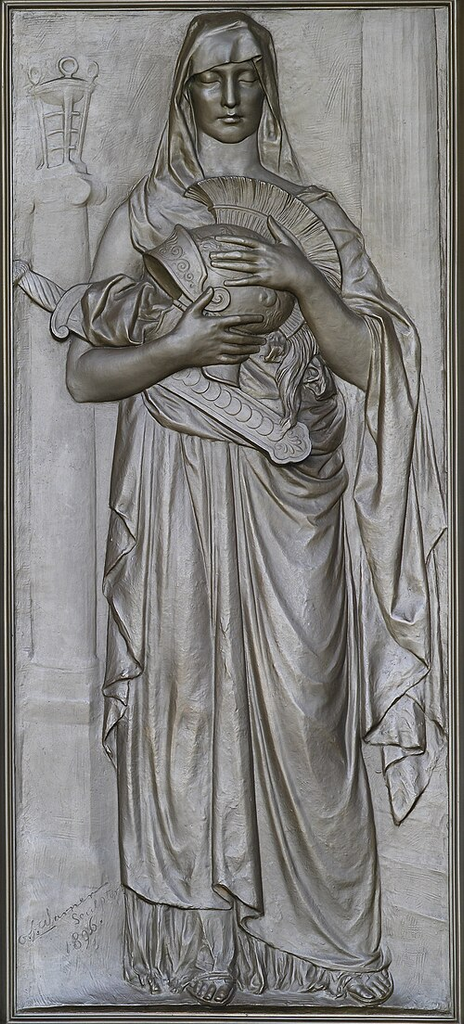
Above: Memory (1896), Olin Levi Warner, Thomas Jefferson Building, Library of Congress, Washington DC, USA
History lives in archives, letters, official records and physical artifacts.
The goal is to find out what happened and explain why it happened.
Its nature is analytical, critical and based on checking facts.
History aims for a broader, more objective look at the past.

“Archeology is the search for fact, not truth.
If it’s truth you’re interested in, Dr. Tyree’s philosophy class is right down the hall.
So forget any ideas you’ve got about lost cities, exotic travel, and digging up the world.
We do not follow maps to buried treasure, and X never, ever marks the spot.
70% of all archaeology is done in the library.
Researching.
Reading.
We cannot afford to take mythology at face value.“
Harrison Ford (Professor Henry Jones Jr.)

Above: Indiana Jones and the Last Crusade (1989)
Even though they are different, memory and history depend on each other to give us a full picture of the past.
Historians rely on diaries, interviews, and spoken stories to understand daily life and emotions that official government records often leave out.
Human memory can fade, exaggerate, or leave out painful truths.
Historians check personal stories against hard evidence to separate myth from fact.
History books, museums, and school lessons decide which events a society remembers together and which ones get forgotten.
When official histories ignore certain groups, community memories and oral traditions keep those overlooked stories alive until historians take notice.
Because memory is tied to identity and pride, it often clashes with historical research.
People tend to remember “the good old days” fondly, even when historical records show those times were full of hardship or injustice.
Monuments, holidays and memorials blend history and memory together.
They use historical events to create a shared emotional bond in the present, which can sometimes spark debates over what a society chooses to honor.
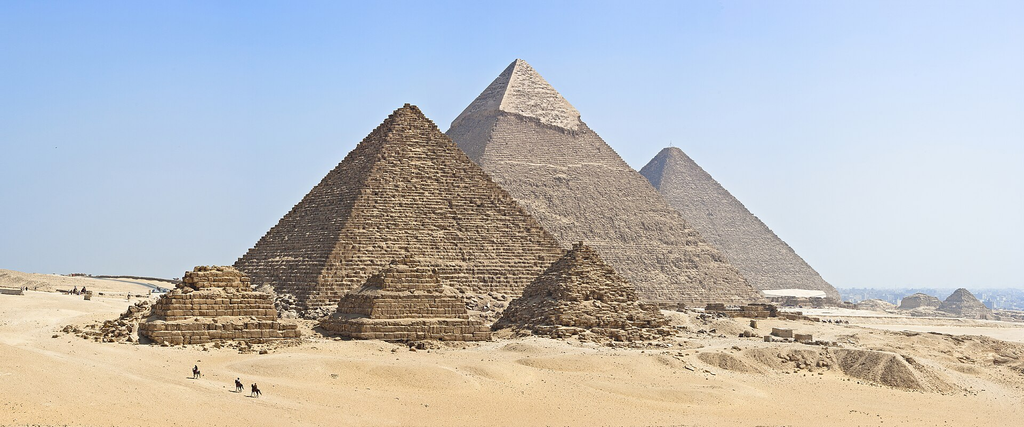
Above: Pyramids of Giza, Egypt
“Space is big.
Really big.
You just won’t believe how vastly, hugely, mindbogglingly big it is.
I mean, you may think it’s a long way down the road to the chemist, but that’s just peanuts to space.”
The Hitchhiker’s Guide to the Galaxy (1979), Douglas Adams

“Whenever life gets you down, Mrs. Brown
And things seem hard or tough
And people are stupid, obnoxious or daft
And you feel that you’ve had quite enough…
Just, remember that you’re standing on a planet that’s evolving
And revolving at 900 miles an hour
That’s orbiting at 19 miles a second, so it’s reckoned
A sun that is the source of all our power
The sun, and you and me, and all the stars that we can see
Are moving at a million miles a day
In an outer spiral arm at 40,000 miles an hour
Of the galaxy we call the Milky Way
Our galaxy itself, contains a hundred billion stars
It’s a hundred thousand light years side-to-side
It bulges in the middle, sixteen thousand light years thick
But out by us its just three thousand light years wide
We’re thirty thousand light years from galactic central point
We go round every two hundred million years
And our galaxy is only one of millions of billions
In this amazing and expanding Universe
The Universe itself keeps on expanding and expanding
In all of the directions it can whiz
As fast as it can go, the speed of light you know
12 million miles a minute and that’s the fastest speed there is
So remember when you’re feeling very small and insecure
How amazingly unlikely is your birth
And pray that there’s intelligent life somewhere up in space
Cause there’s bugger-all down here on Earth
The Galaxy Song, Monty Python’s The Meaning of Life (1983)

We are, after all, discussing an almost incomprehensibly vast Universe from the perspective of one rather insignificant planet.
And yet, every individual on that planet experiences a life that is uniquely their own.
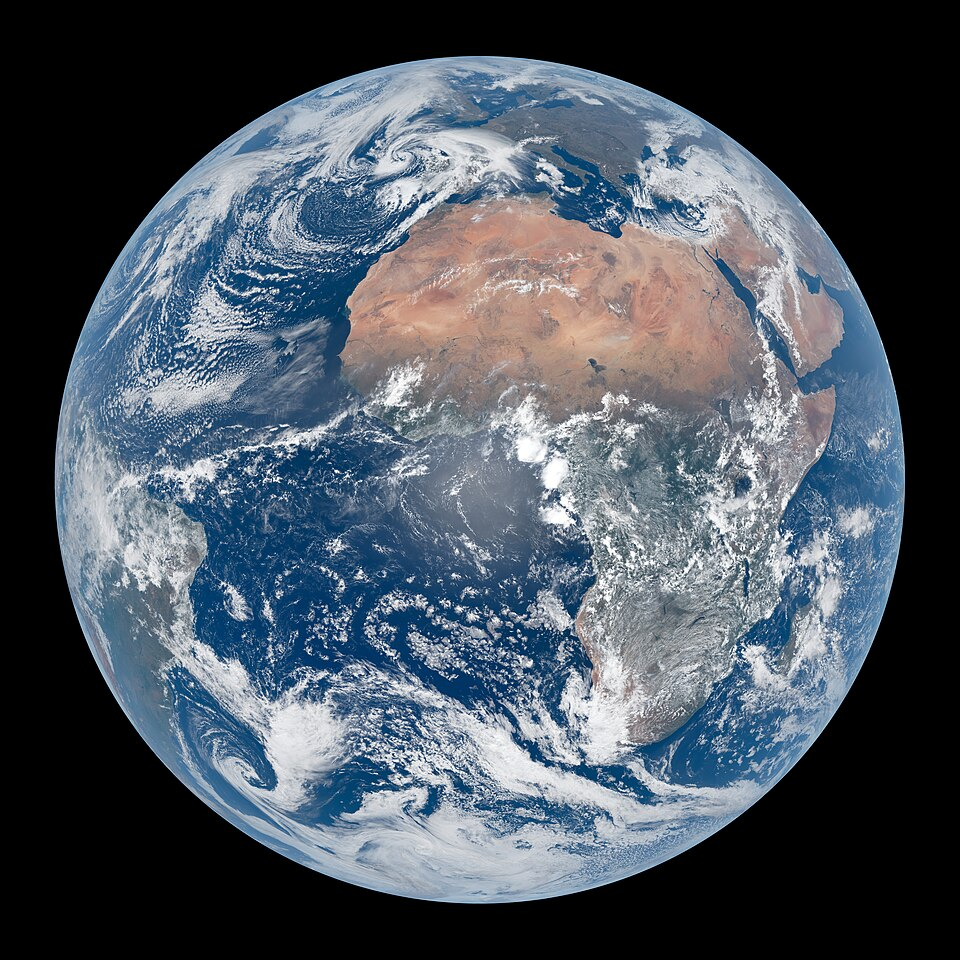
Above: Earth
Later this day I encounter a monument to the poet Shota Rustaveli.
I ask myself:
- Why do some writers survive centuries?
- How does a person become part of the collective identity of a nation?
- How many people beyond Georgia recognise Rustaveli?
- What is the significance of The Knight in the Panther’s Skin being available in so many languages in Georgian bookshops and yet it is relatively unknown beyond the borders of Georgia?
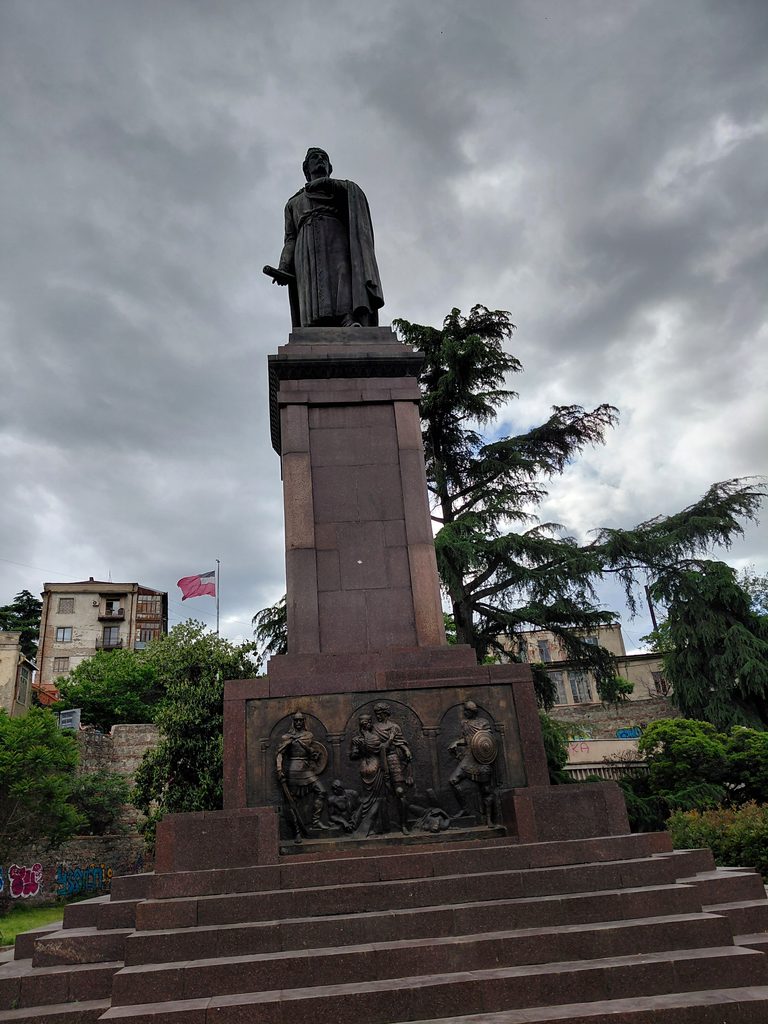
Above: Shota Rustaveli Monument, Tbilisi, Georgia
(More on Shota Rustaveli in a future blogpost…..)
St. Michael the Archangel Church is located at 47 Dimitri Uznadze Street in the Chugureti district of Tbilisi, Georgia.
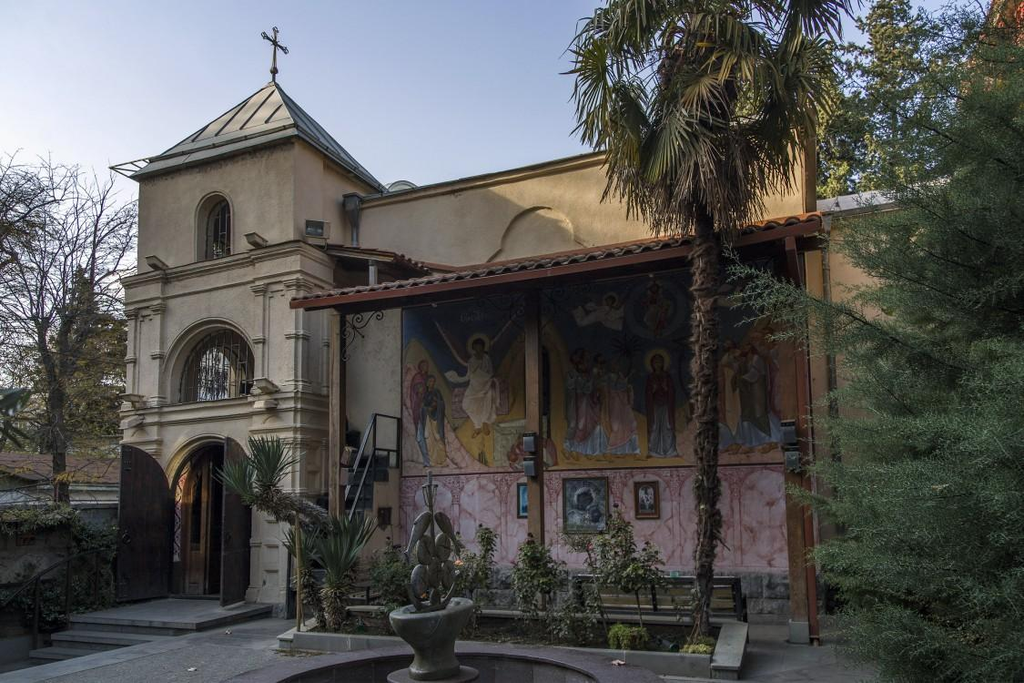
Above: Church of St. Michael the Archangel, Tbilisi, Georgia
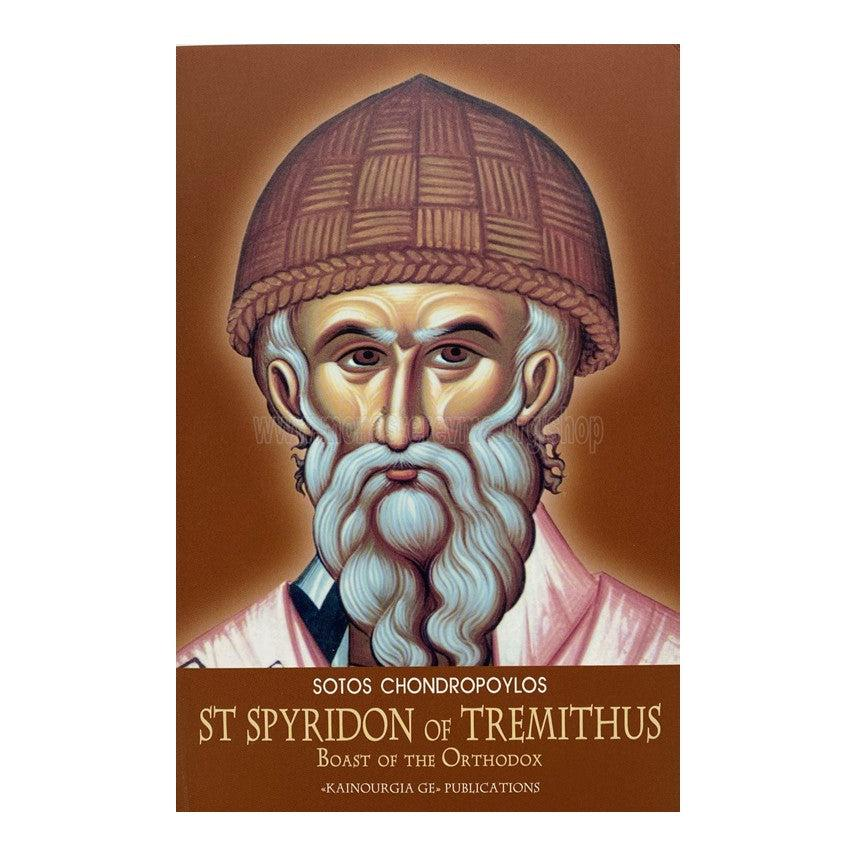
Inside, the church is particularly recognized by visitors for its icon of Saint Spyridon of Trimythous.
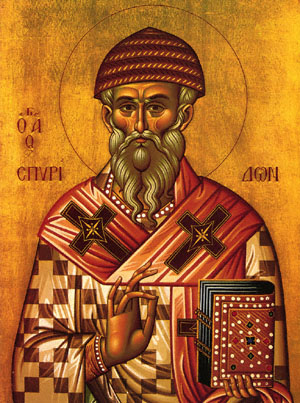
Above: Image of Saint Spyridon of Trimythous (270 – 348)
DIGRESSION
According to ecclesiastical tradition, Saint Spyridon performed numerous miracles:
- He was associated with the Prophet Elijah because his prayers were believed to bring rain during periods of drought in Cyprus.

Above: Elijah Fed by the Raven (1510), Giovanni Girolamo Savoldo
- A friend of Spyridon was falsely accused, imprisoned, and sentenced to death.
While hurrying to help him, Spyridon encountered a swollen river.
Through his prayers, the waters parted, allowing him and his companions to cross.
When the judge learned of the miracle, he repented his error and released the innocent man.
- One night, when the oil in Spyridon’s lamp was nearly exhausted and the flame was about to go out, he prayed, and the lamp was miraculously replenished with oil.
- He healed Emperor Constantius II when he was gravely ill and near death.
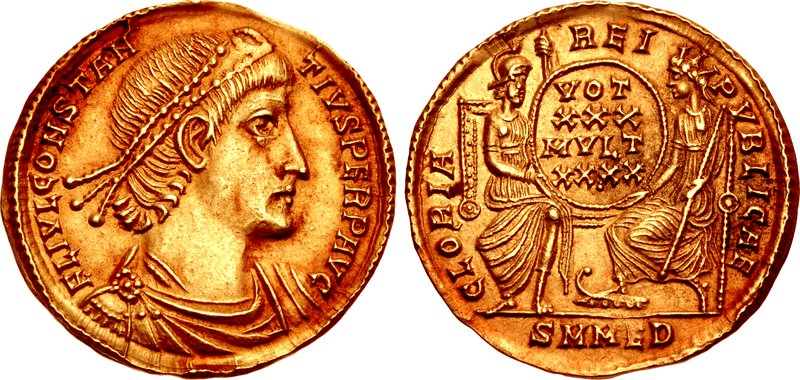
Above: Coinage of Constantius II (317 – 361)
- A woman brought her dead child to Spyridon and begged him for help.
After he prayed, the child was restored to life.
Overcome by the miracle, the mother collapsed and died, but Spyridon prayed once more and restored her to life as well.
- Following the death of her daughter Irene, a woman approached Spyridon concerning valuable jewelry she had entrusted to Irene for safekeeping.
Unable to locate the valuables, he went to Irene’s tomb and asked where they had been hidden.
Irene answered from the grave and revealed their location, allowing the jewelry to be recovered and returned to its owner.
- When a Council was convened in Alexandria in 340, all the city’s pagan idols reportedly collapsed through the prayers of the assembled bishops except for one.
According to the account, the Patriarch received a vision revealing that the remaining idol would fall only upon Spyridon’s arrival.
When he reached Alexandria, the idol and its altars immediately collapsed.

Above: Modern Alexandria, Egypt
- God revealed to Spyridon the time of his death.
He died while at prayer.

Built in the second half of the 19th century (1851 – 1875), this quiet, active Orthodox parish is known for a notable literary piece of history:
On 8 January 1889, it was the venue for the wedding of Russian Silver Age poet Zinaida Gippius and writer/philosopher Dmitry Merezhkovsky.
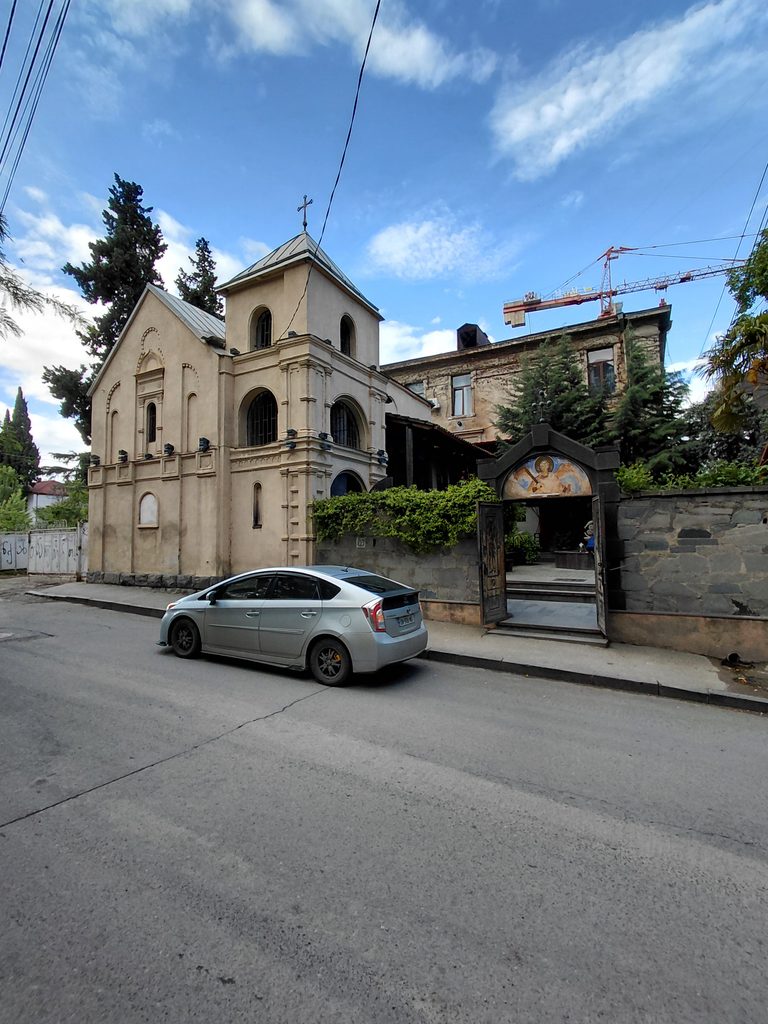
Above: Church of St. Michael the Archangel, Tbilisi, Georgia
This is what Google Images informs me.

But who was Saint Spyridon of Trimythous?
DIGRESSION
He came from a modest rural background and worked as a shepherd in his youth.
According to later accounts of his life, he was known from an early age for his piety, simplicity, and generosity toward the poor.
Spyridon married and had a daughter named Irene.
His wife is said to have died soon after their marriage, after which Spyridon devoted himself more fully to religious life and the service of the Church.
He later entered the clergy and gained recognition among the Christians of Cyprus for his devotion and pastoral care.
At a later stage of his life, Spyridon was elected Bishop of Trimythous, an ancient city located near modern-day Famagusta in Cyprus.
As Bishop, he served a local Christian community during the period when Christianity was undergoing major changes throughout the Roman Empire following the reign of Constantine the Great.
Unlike many prominent bishops of the period who came from urban and educated backgrounds, Spyridon was remembered in tradition as a Bishop who retained the simplicity of his rural origins.
Spyridon took part in the ecclesiastical affairs of the 4th century and is traditionally counted among the bishops who attended the First Council of Nicaea in 325.
At the Council, he entered into a dispute with a Greek philosopher who was defending the Arian heresy.
Although the philosopher was said to have been more skilled in rhetoric and philosophical learning, tradition holds that Spyridon succeeded in refuting his arguments through a simple explanation of the Christian faith, leading the philosopher to accept the decisions of the council and embrace Nicene Christianity.
After returning to Cyprus, Spyridon continued to serve as Bishop of Trimythous until his death, traditionally placed around 348.
He was buried in Cyprus, where his memory continued to be honored by local Christian communities.
Over the following centuries, devotion to Spyridon expanded beyond Cyprus and became widespread throughout the Byzantine Empire and the wider Eastern Christian world.
Who were Zinaida Gippius and Dmitry Merezhkovsky?
Why is their wedding worth remembering?

Above: Russian poet Zinaida Gippius (1869 – 1945)
DIGRESSION
Zinaida Nikolayevna Gippius was a Russian poet, playwright, novelist, editor and religious thinker.
She began writing at an early age, and by the time she met Dmitry Merezhkovsky in 1888 was already a published poet.
The two married in 1889.
Gippius published her first book of poetry, Collection of Poems: 1889 – 1903 (1903), and her second collection, Collection of Poems, Book 2: 1903 – 1909 (1910).
After the 1905 Revolution, the couple became critics of the Tsarist government.
They spent several years abroad during this time, including trips for treatment of health issues.
They denounced Russia’s 1917 October Revolution, seeing it as a cultural disaster.
In 1919 they emigrated to Poland.
After living in Poland they moved to France, and then to Italy, continuing to publish and to take part in Russian émigré circles, though Gippius’s harsh literary criticism made enemies.
The tragedy of the exiled Russian writer was a major topic for Gippius in emigration, but she also continued to explore mystical and covertly sexual themes, publishing short stories, plays, novels, poetry and memoirs.

Above: Russian novelist Dmitry Merezhkovsky (1865 – 1941)
DIGRESSION
Throughout his lifetime Dmitry Merezhkovsky polarized opinion in his native Russia, bringing upon himself both praise and scorn, occasionally from the same quarters.
Merezhkovsky became Russia’s first ever new-type, universal kind of a dissident who managed to upset just about everybody who thought themselves to be responsible for guarding morality and order.
In the words of a modern biographer, “he will find his place in history alongside those classics who only through being condemned and ostracized by the many could be approached and appreciated by the few.”
Merezhkovsky has been given credit for his exceptional erudition, the scientific approach to writing, literary gift and stylistic originality.
Merezhkovsky was praised as an engaging essayist and “a master of quote-juggling“.
Some critics loathed the repetitiveness in Merezhkovsky’s prose.
Others admired his (in a broad sense) musical manner of employing certain ideas almost as symphonic themes, which was new at the time.
In poetry the unspoken things, flickering through the beauty of symbol, affect us stronger than what’s expressed by words.
Symbolism endows both style and essence of poetry with spirituality.
Poetic word becomes clear and translucent as walls of alabaster amphora carrying flame.
Longing for things that have never been experienced yet, looking for undertones yet unknown, searching out dark and unconscious things in our sensual world is the coming Ideal poetry’s main characteristics.
The three principal elements of the new art are:
The mystic essence, symbolism and the expansion of artist’s impressiveness.”
Dmitry Merezhkovsky
For most folks, the Church blends into the urban landscape and these names aforementioned have long been forgotten and bear no significance to the lives of passers-by.
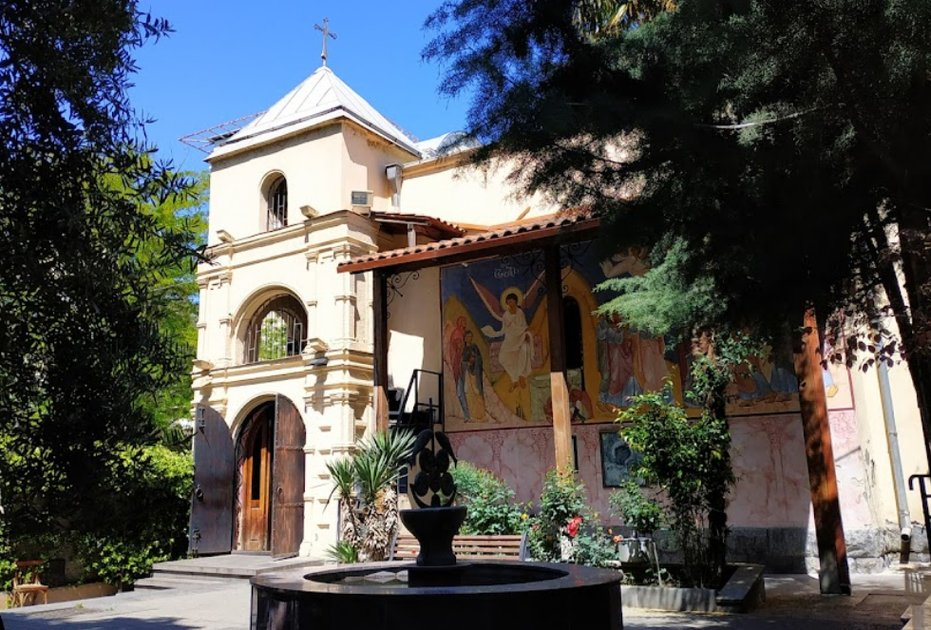
Above: Church of St. Michael the Archangel, Tbilisi, Georgia
I am reminded of the American poet Ralph Waldo Emerson:
“Every man I meet is my master in some point, and in that I learn of him.“
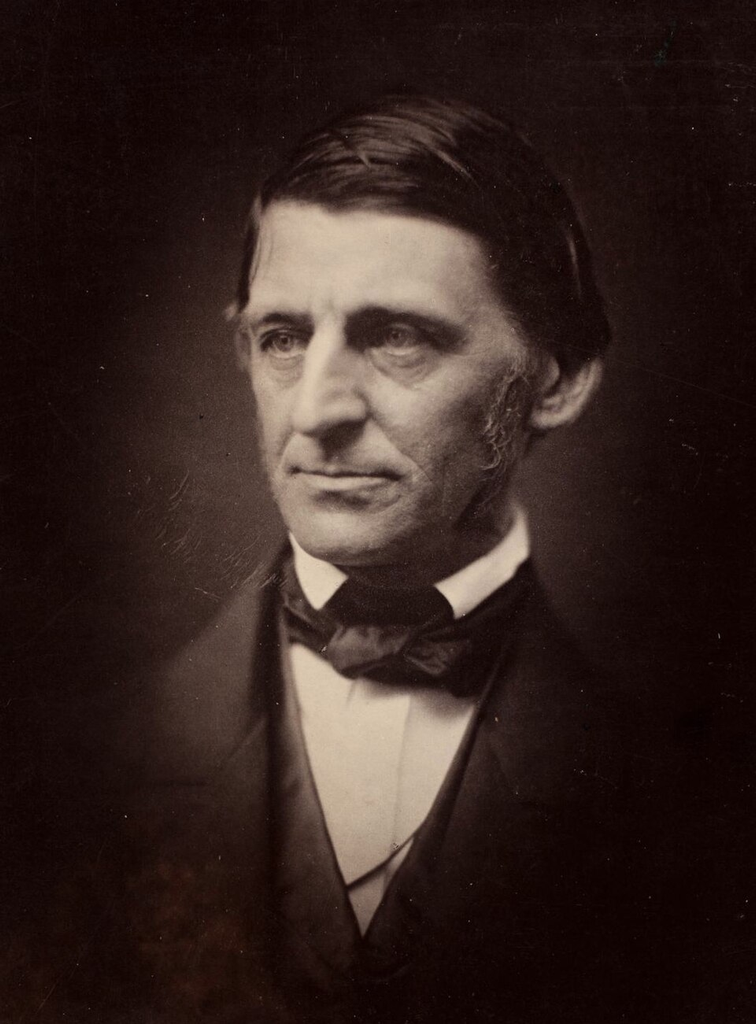
Above: American philosopher Ralph Waldo Emerson (1803 – 1882)
I add the thought:
“I am also superior to every man in some respect, because there is something he may learn from me.“
That second proposition is important.
It transforms humility into reciprocity.
We are neither universally superior nor universally inferior.
Each of us possesses knowledge, experience and perspectives that another might benefit from.
And that brings us back to those forgotten inhabitants of ancient cities.
We might not know their names, but imagine what we could have learned from them.

I am reminded of Dead Poets Society:
Robin Williams plays John Keating, an English teacher who encourages his pupils to think independently, appreciate poetry and recognize the value of their individual lives.

“We don’t read and write poetry because it’s cute.
We read and write poetry because we are members of the human race.
And the human race is filled with passion.
Medicine, law, business, engineering, these are noble pursuits and necessary to sustain life.
But poetry, beauty, romance, love, these are what we stay alive for.
To quote from Walt Whitman:
“O me! O life!
Of the questions of these recurring
Of the endless trains of the faithless
Of cities fill’d with the foolish
What good amid these, O me, O life?
Answer:
That you are here —
That life exists, and identity,
That the powerful play goes on,
And you may contribute a verse.”
That the powerful play goes on and you may contribute a verse.
What will your verse be?“
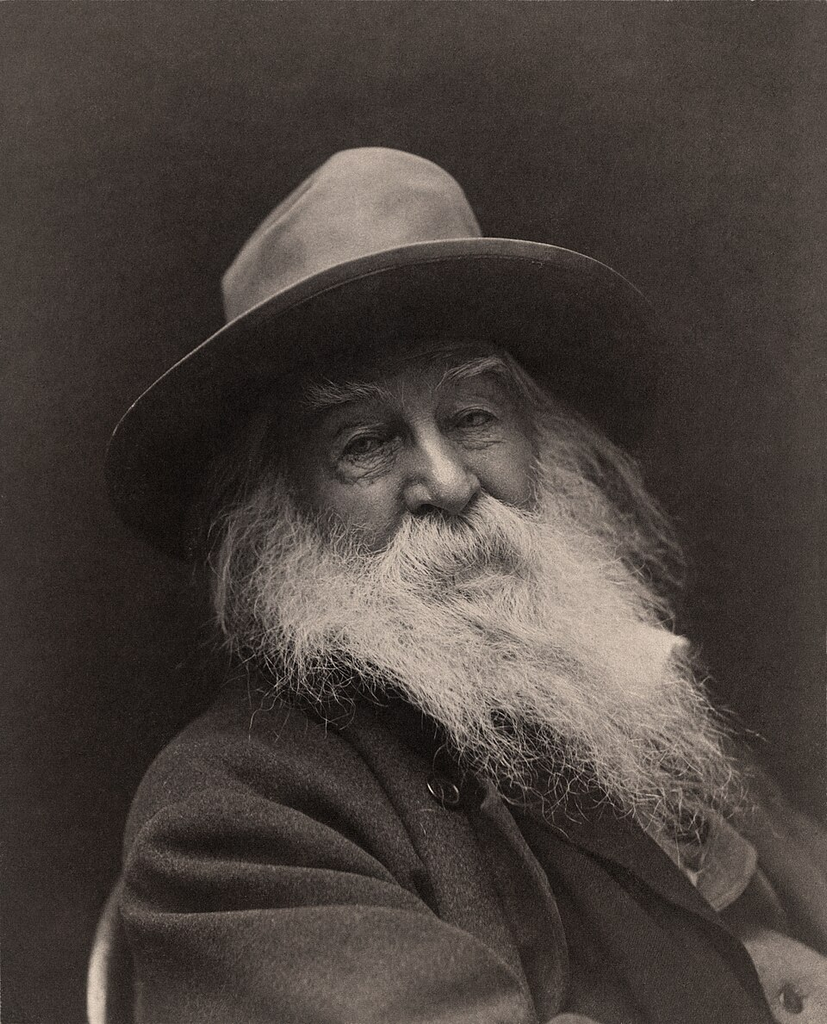
Above: American writer Walt Whitman (1819 – 1892)
“When you read, don’t just consider what the author thinks, consider what you think.“
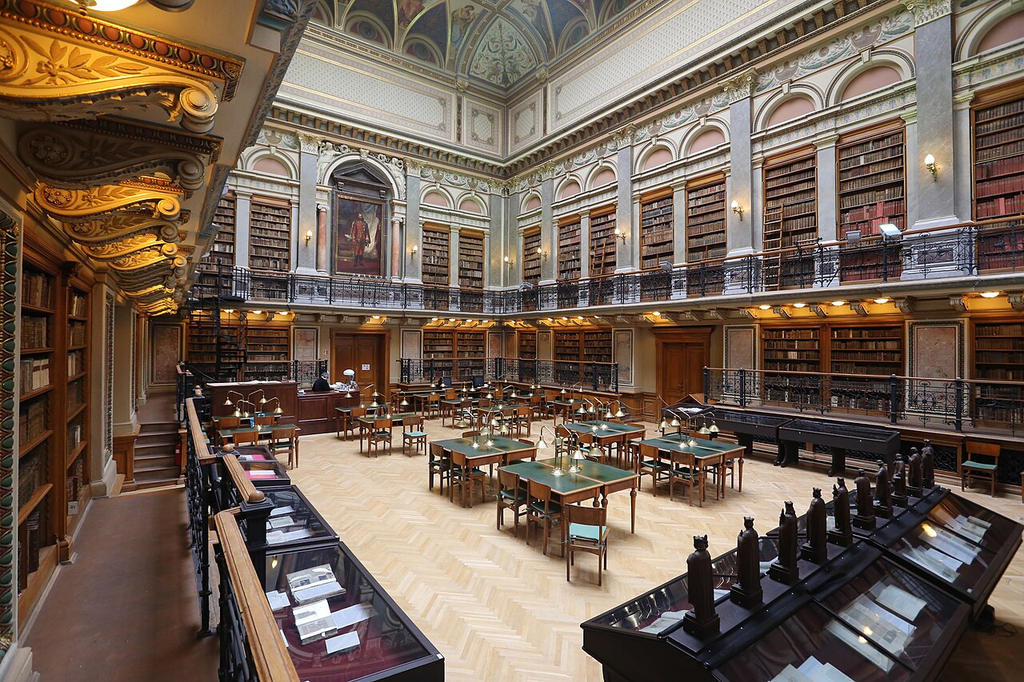
Above: University Library, Eötvös Loránd University, Budapest, Hungary
“No matter what anybody tells you, words and ideas can change the world.“
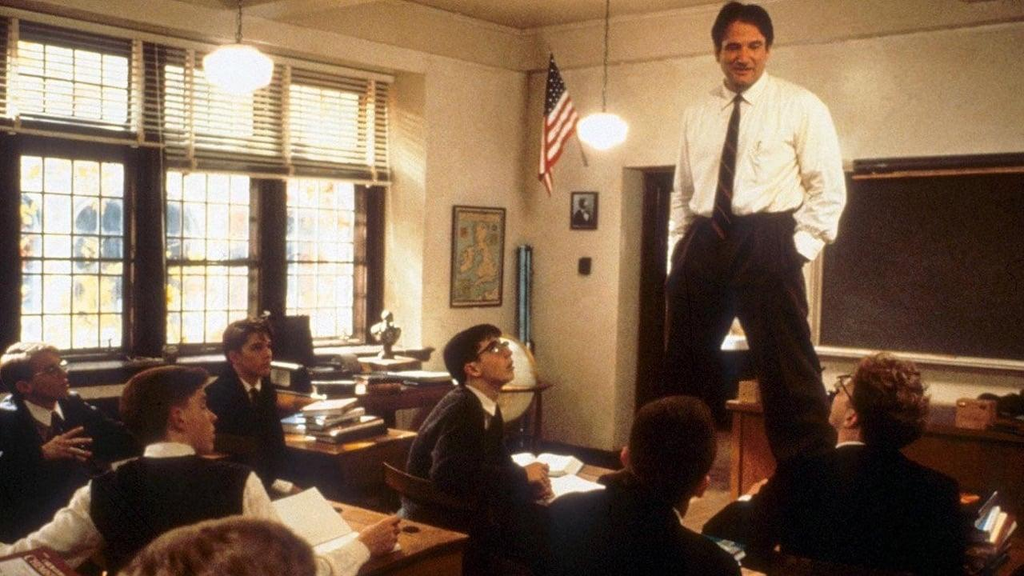
Above: Scene from Dead Poets Society
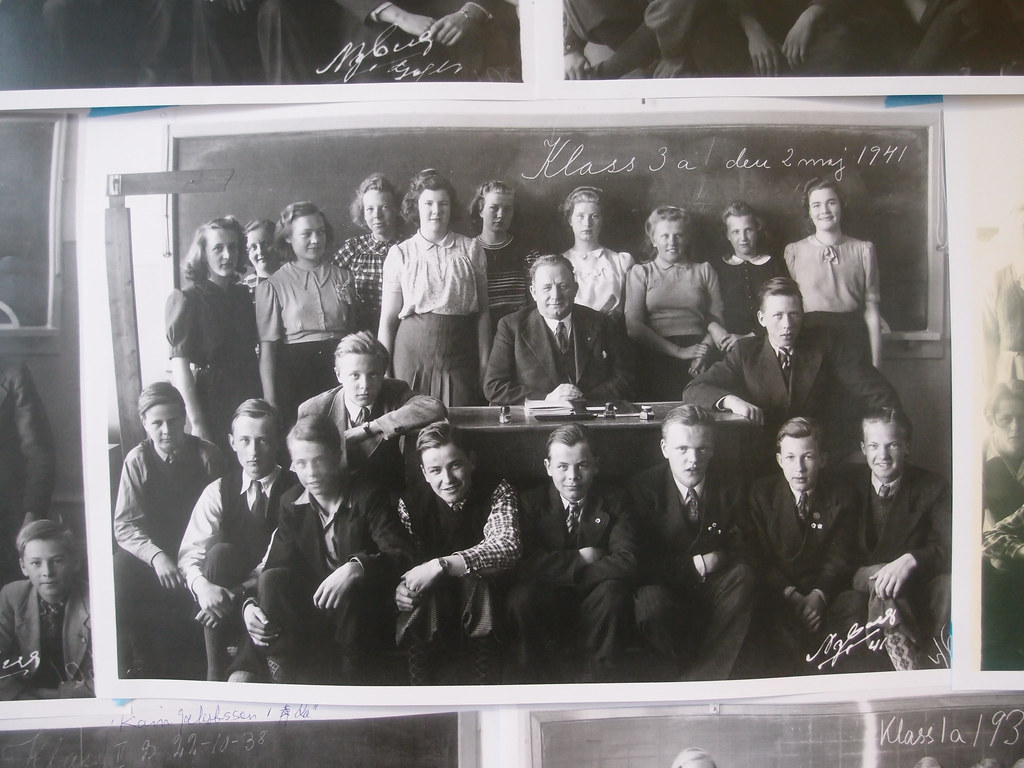
Demonstrating a picture of former alumni of the school:
“They’re not that different from you, are they?
Same haircuts.
Full of hormones, just like you.
Invincible, just like you feel.
The world is their oyster.
They believe they’re destined for great things, just like many of you, their eyes are full of hope, just like you.
Did they wait until it was too late to make from their lives even one iota of what they were capable?
Because, you see gentlemen, these boys are now fertilizing daffodils.
But if you listen real close, you can hear them whisper their legacy to you.
Go on, lean in.
Listen, you hear it? – –
Carpe – – hear it? – –
Carpe, carpe diem, seize the day boys, make your lives extraordinary.“
“Boys, you must strive to find your own voice.
Because the longer you wait to begin, the less likely you are to find it at all.
Henry David Thoreau said:
“Most men lead lives of quiet desperation.”
Don’t be resigned to that.
Break out! Break out! Now is the time!“
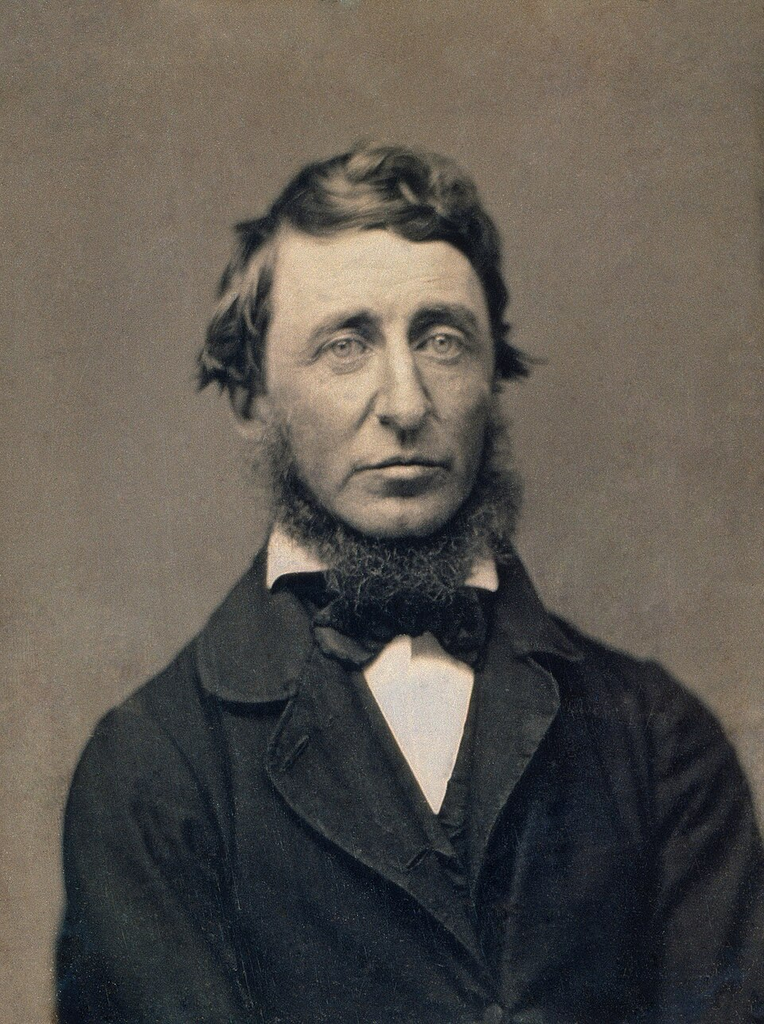
Above: American philosopher Henry David Thoreau (1817 – 1862)
“Seize the day.
Gather ye rosebuds while ye may.”
Why does the writer use these lines?
Because we are food for worms, lads.
Because, believe it or not, each and every one of us in this room is one day going to stop breathing, turn cold and die.“

Above: English poet Robert Herrick (1591 – 1674)
“I went to the woods because I wanted to live deliberately.
I wanted to live deep and suck out all the marrow of life.
To put to rout all that was not life and not when I had come to die discover that I had not lived.“
Walden, Henry David Thoreau

Rustaveli contributed his verse.
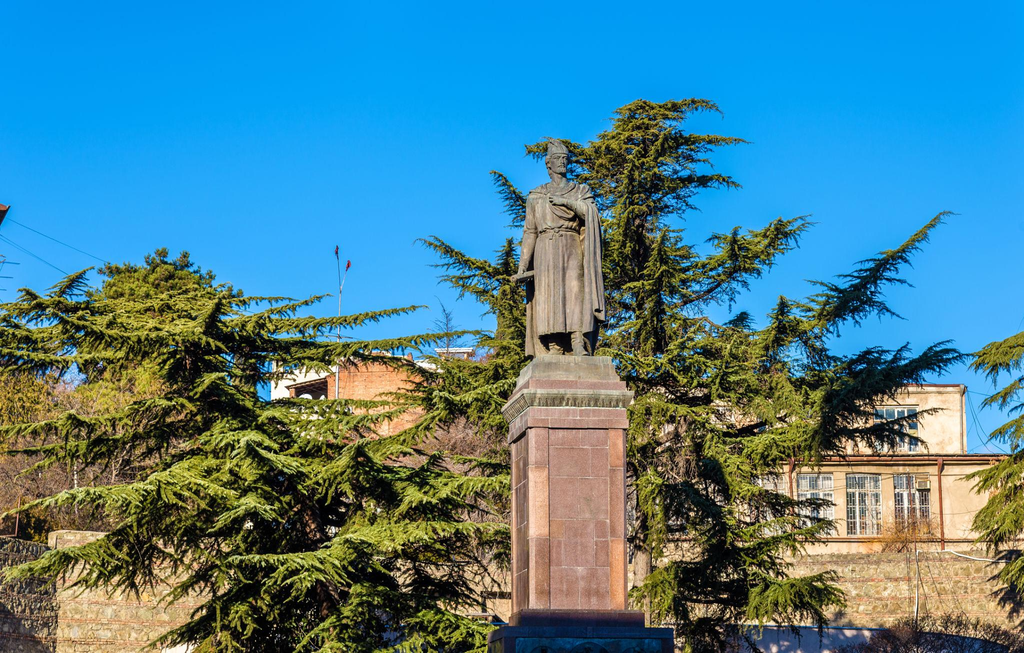
Above: Monument to Shota Rustaveli (1160 – 1220), Tbilisi, Georgia
Gippius and Merezhkovsky contributed theirs.
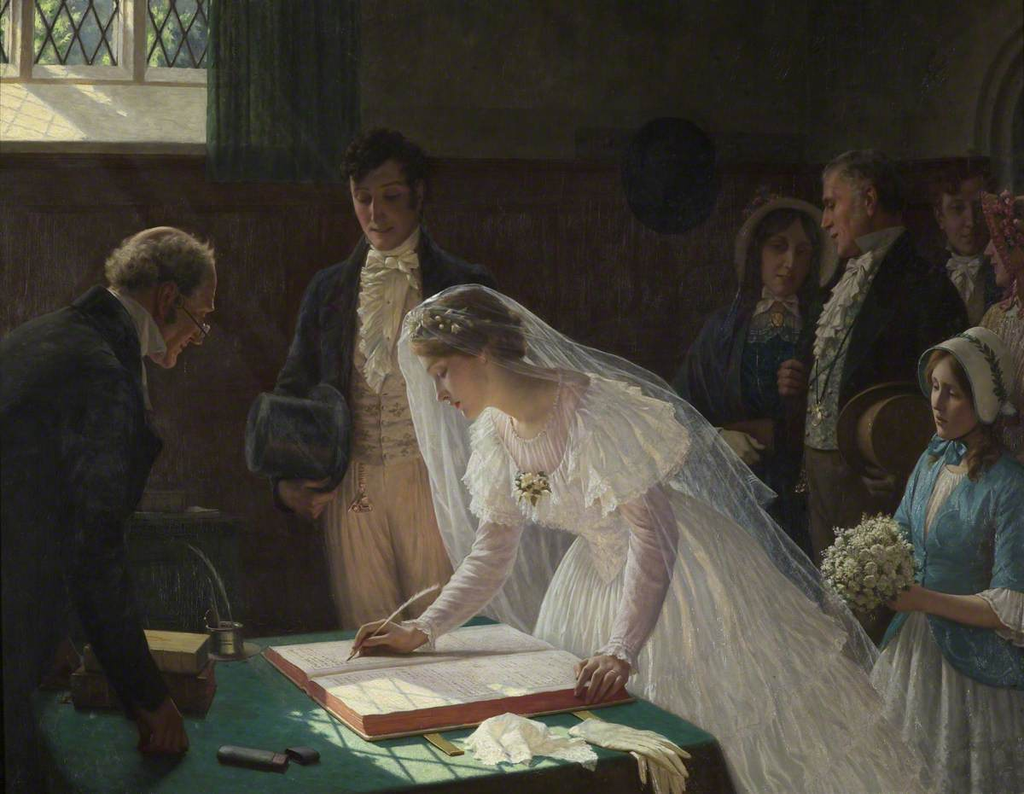
The anonymous inhabitants of ancient cities contributed theirs, although history has largely forgotten their names.

I am trying to contribute mine.

Above: Your humble blogger, younger days
Keating isn’t simply telling his students to become famous or immortal.
He is asking them to live meaningfully and find their own voices.

Above: Scene from Dead Poets Society
We are part of something incomprehensibly vast.
Every person has a universe of experiences, thoughts and relationships.
Each life is unique, even when its owner eventually disappears from the historical record.
We have something to learn from everyone and something to offer in return.
Rustaveli, the graffiti artists, the sculptor, the writers and the anonymous inhabitants of ancient cities.
Each leaves something behind, intentionally or otherwise.
Keating’s challenge:
We each have an opportunity to contribute something to the continuing human story.
We cannot determine what history will remember of us.
We can, however, determine how we live, what we contribute and how we treat those whose paths cross ours.
There is a scene from Groundhog Day (1993) that stays with me.

Rita recites a poem “Breathes There the Man“, by Sir Walter Scott, from The Lay of the Last Minstrel (1805).
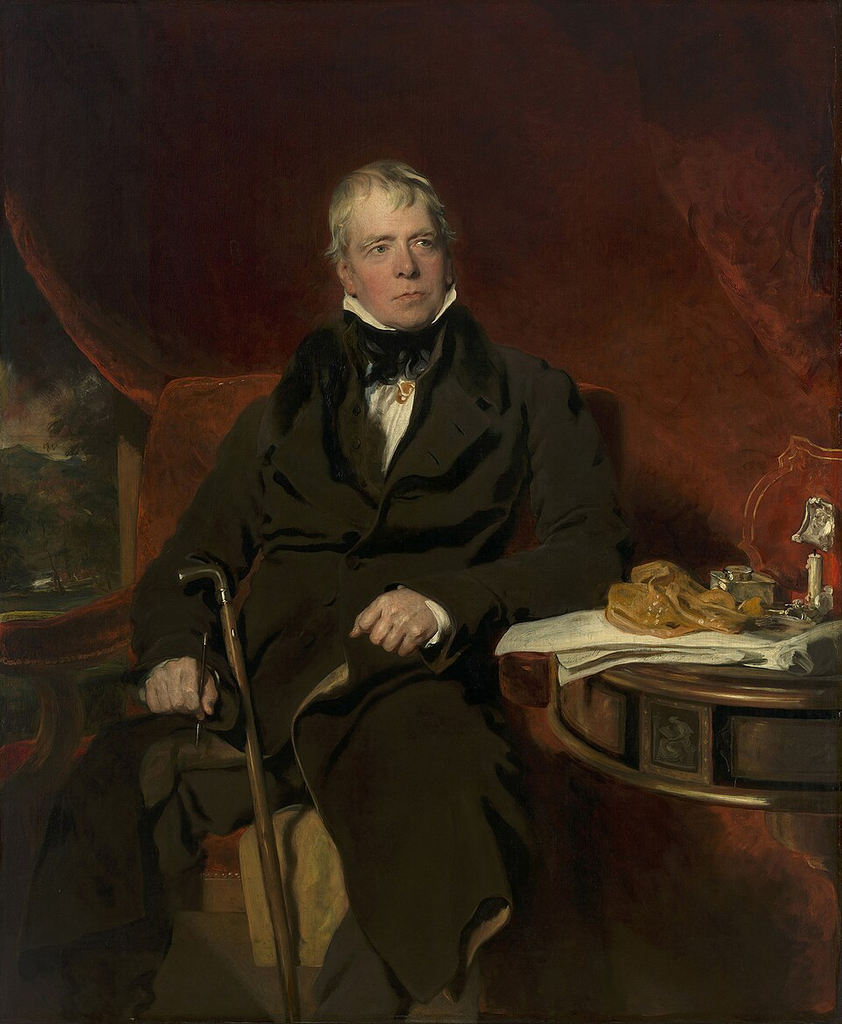
Above: Scottish writer Walter Scott (1771 – 1832)
Rita recites it to Phil Connors in the diner, when he boasts that he no longer worries about anything.
The passage reads:
The wretch, concentred all in self,
Living, shall forfeit fair renown,
And, doubly dying, shall go down
To the vile dust from whence he sprung,
Unwept, unhonored, and unsung.”

Above: Scene from Groundhog Day
There is a potential trap in this subject and I think it is worth avoiding.
We can become so preoccupied with what survives us that we inadvertently suggest that a life needs to leave a permanent mark to have been worthwhile.
Does it?
The anonymous person who lived in Gordion, loved somebody, raised a family and died without leaving an identifiable inscription may have lived a more fulfilling life than a celebrated king whose name has survived for thousands of years.
Perhaps the important distinction is between being remembered and having mattered.
They are not necessarily the same thing.
Perhaps the question isn’t whether we shall be remembered, but whether we have made a positive difference to the lives of others.
A person need not be remembered by history to have mattered in life.
And perhaps one final reflection to return to the individual rather than to monuments.
The Universe will continue.
Tbilisi will change.
Graffiti will disappear.
Clocks will stop.
Monuments will weather.
Buildings will eventually be replaced.
The Universe will continue.
Civilizations will rise and fall.
Books will be lost and rediscovered.
Names will be remembered and forgotten.
But the fact that a life leaves no permanent historical record does not make that life insignificant.
Perhaps what matters is not whether we achieve immortality, but whether we recognise the significance of our own lives and those of others while we have the opportunity.
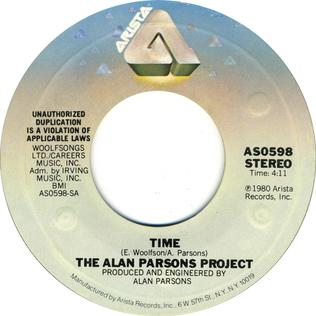
But for a few brief moments on Saturday 16 May 2026….
I was there.
I noticed.
I wondered about the people who came before me.
I photographed what caught my attention.
I made connections that might never have occurred to another visitor.
That, too, is part of the human story.
It has been a good day.
“Well, I’m not the kind to live in the past
The years run too short and the days too fast
The things you lean on are the things that don’t last
Well, it’s just now and then my line gets cast into these
Time passages
There’s something back here that you left behind
Oh, time passages
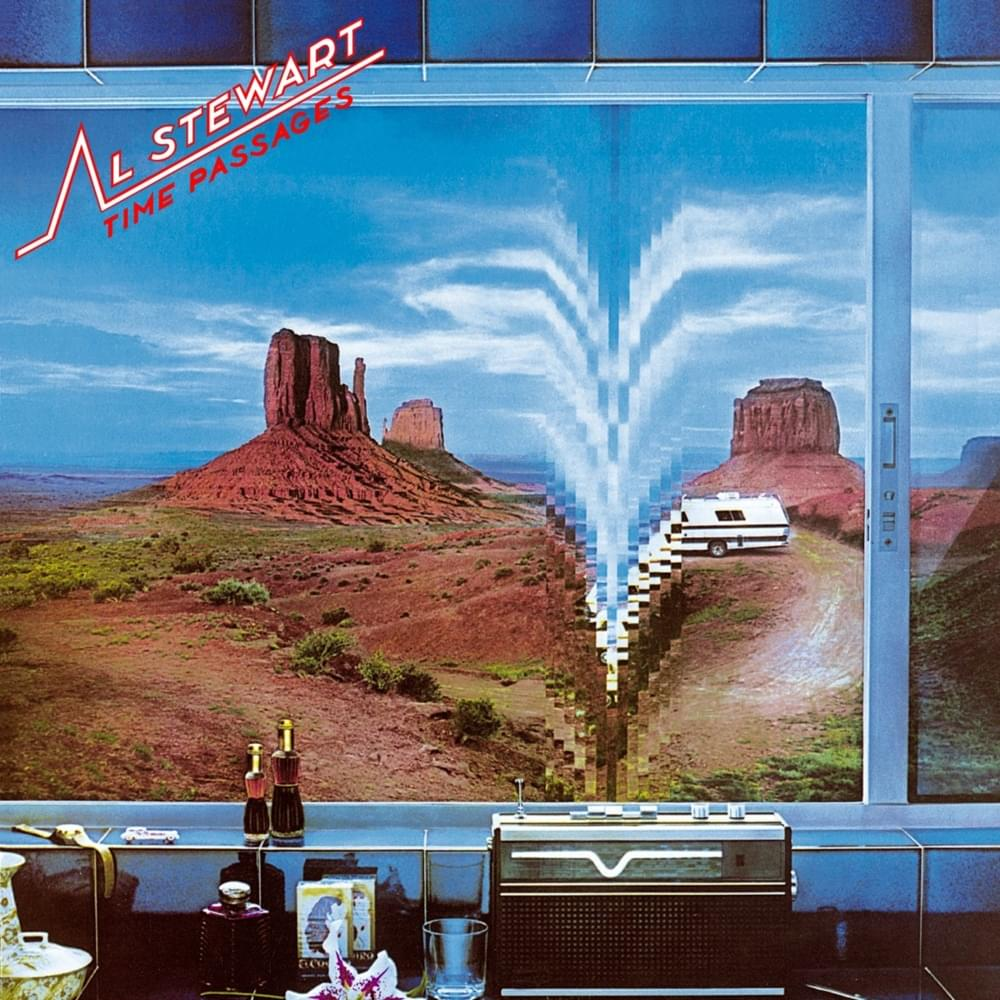
Buy me a ticket on the last train home tonight“