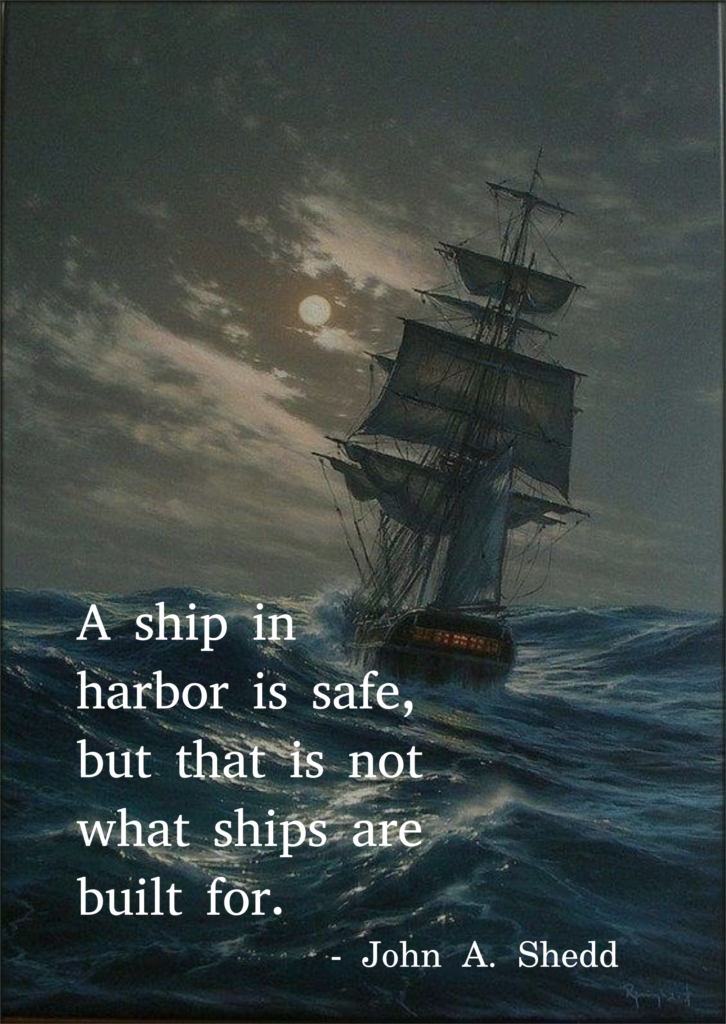
Wednesday 15 July 2026
Landschlacht, Canton Thurgau, Switzerland
Rain and hail has made the decision to remain inside a wise one today.
Emotionally I am feeling very similar to how I felt on my first day of travelling in Georgia.
The question:
So, what do I do now?
I have made job applications both in person and online for the short period of free-time that I anticipate having between now and the week of 15 September.
I am slowly visiting friends but careful to not venture outside too often in the interest of not spending money for food and transport.
I have friends in St. Gallen, Rapperswil, Herisau and Luzern, but when or if I will visit them as yet to be determined.
There are a number of things I could and should be doing while I am here.
The blog / the practice of writing is one of these.
Sometimes you have to write before the words flow….
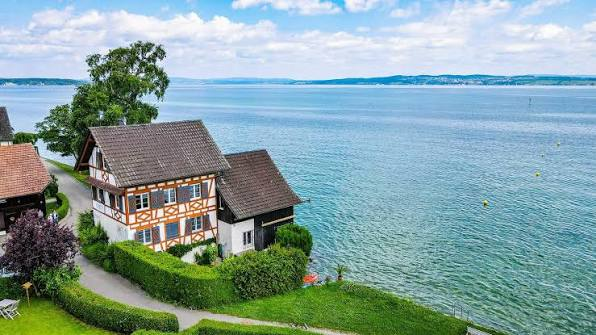
Above: Landschlacht, Canton Thurgau, Switzerland
Monday 11 May 2026
Batumi (ბათუმი), Autonomous Republic of Adjara (აჭარის ავტონომიური რესპუბლიკა), Georgia (Sakartvelo/საქართველო)
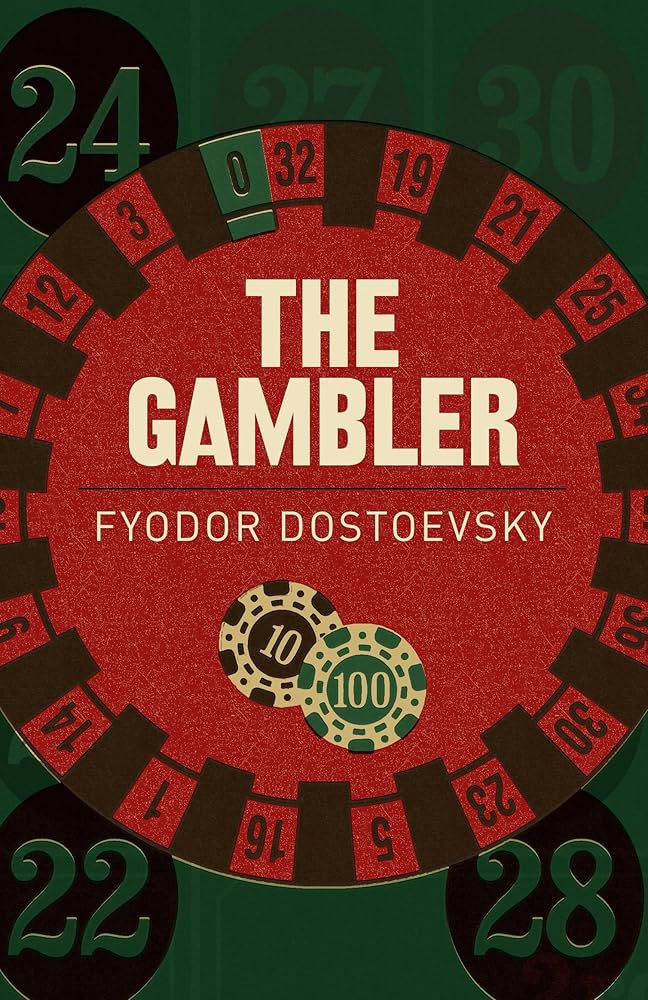
“A gentleman, even if he loses everything he owns, must show no emotion.
Money must be so far beneath a gentleman that it is hardly worth troubling about.”
Fyodor Dostoevsky, The Gambler
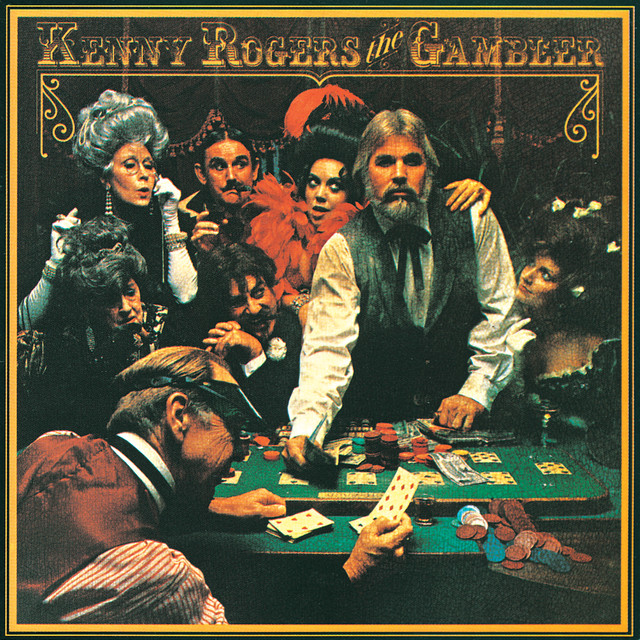
You’ve got to know when to hold ’em
Know when to fold ’em
Know when to walk away
And know when to run
You never count your money
When you’re sittin’ at the table
There’ll be time enough for countin’
When the dealin’s done
Kenny Rogers, The Gambler

Batumi is the second-largest city of Georgia and the capital of the Autonomous Republic of Adjara, located on the coast of the Black Sea in Georgia’s southwest, 20 kilometres (12 mi) north of the border with Turkey.
Batumi and its vicinity is one of the important tourism and resort zones on the Georgian Black Sea littoral.
The day is humid, subtropical.
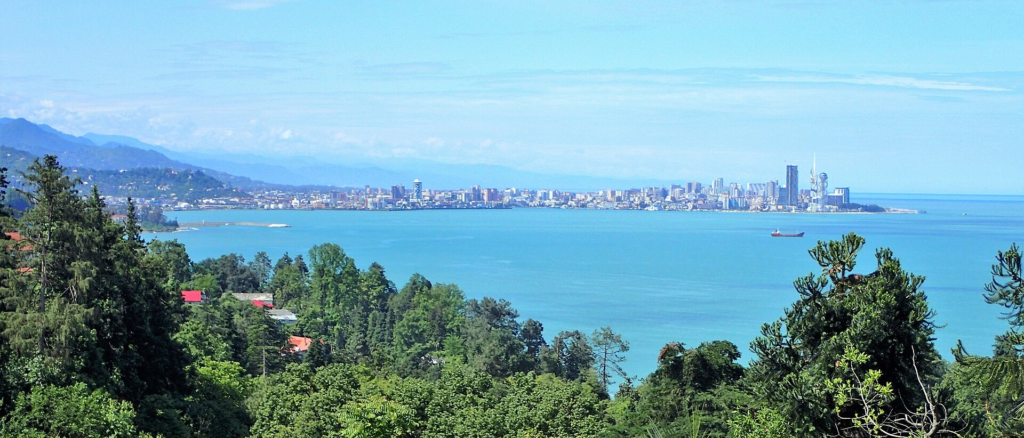
Above: Batumi, Adjara, Georgia
Batumi is located on the site of the ancient Greek colony in Colchis called “Bathus” or “Bathys”, derived from the Ancient Greek for ‘deep harbor‘).
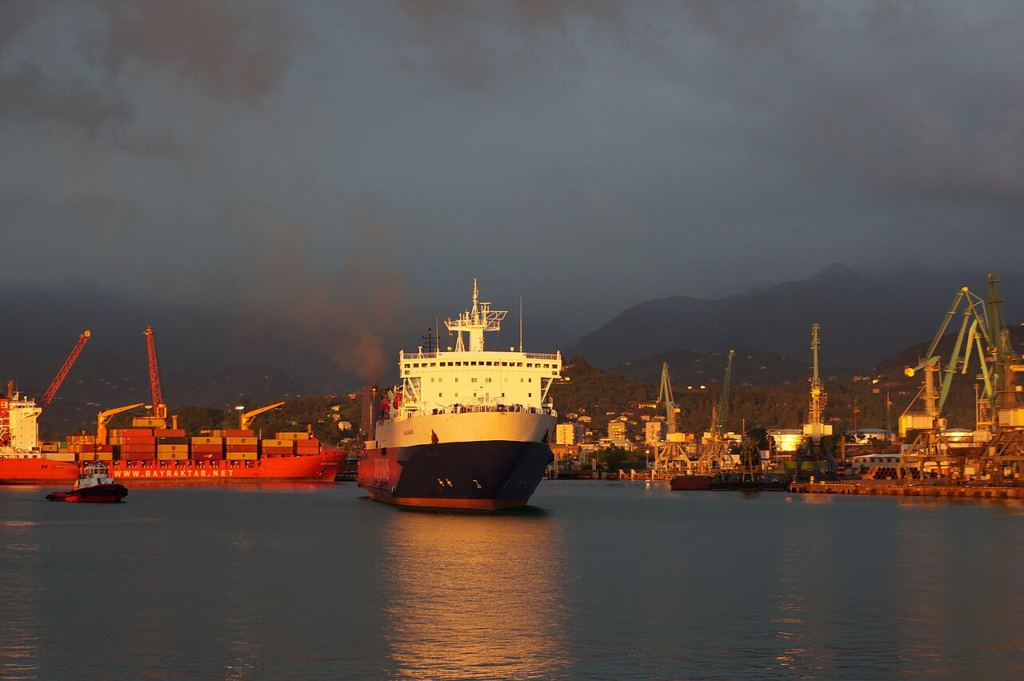
Above: Batumi Port
The official and majority language is Georgian.
Nonetheless, English, Russian and Turkish are also commonly spoken.
Russian is spoken by most older Georgians, while English is spoken by many (though hardly most) younger ones.
In addition, because of the large number of Turkish tourists, it is not uncommon for locals to speak Turkish, or at least simple Turkish phrases.
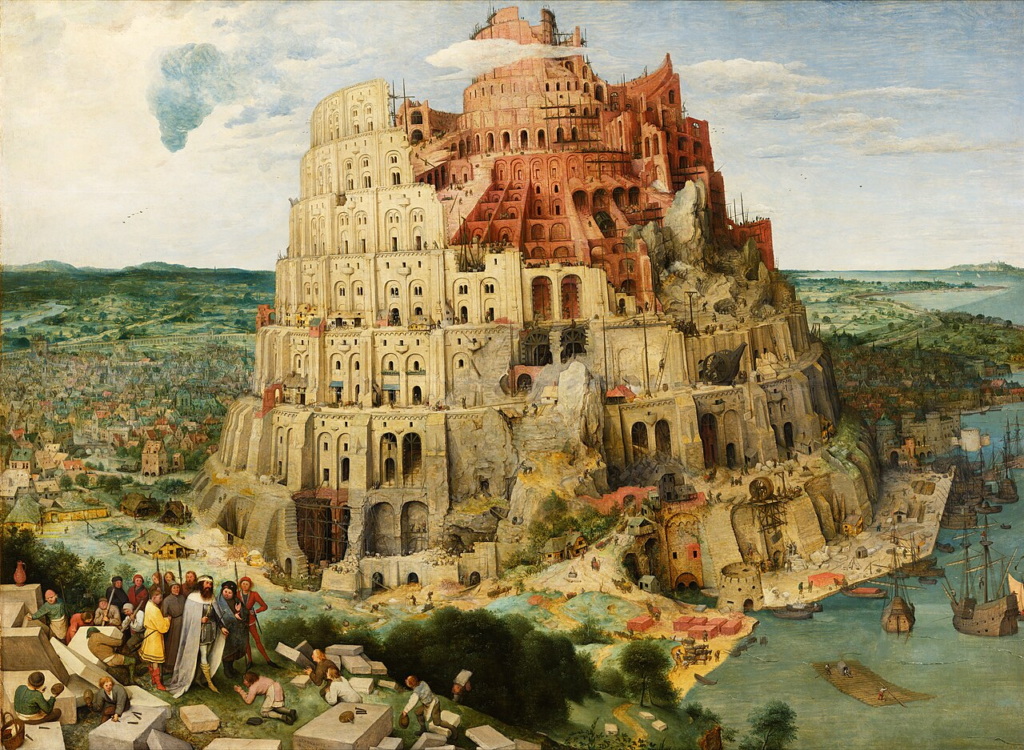
Above: The Tower of Babel, Peter Bruegel the Elder (1563)
Guidebooks will tell you to begin at the Boulevard, the Alphabet Tower or the Botanical Gardens.
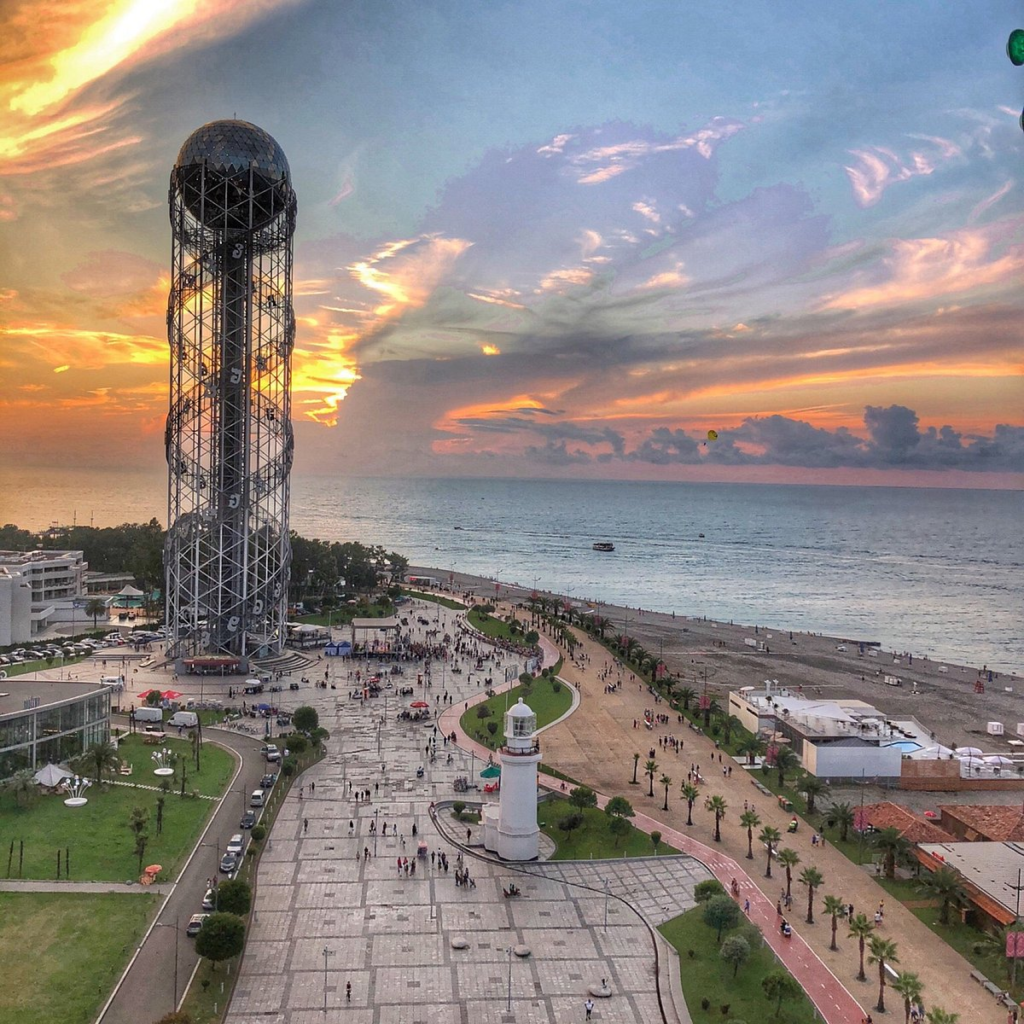
Above: Batumi Boulevard and Alphabet Tower, Batumi
Please know, gentle reader, that the Batumi of the guidebooks still lies ahead.
You will discover Batum’ alongside me over the days that follow.
For there is great potential for other stories here.
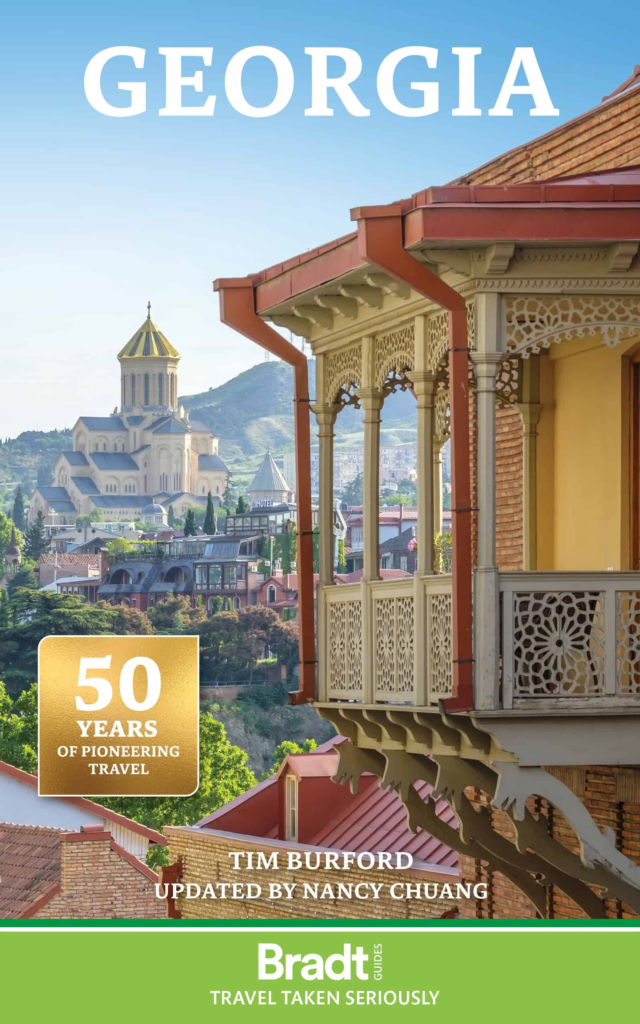
Gambling –
How does one gamble?
Why does one gamble?
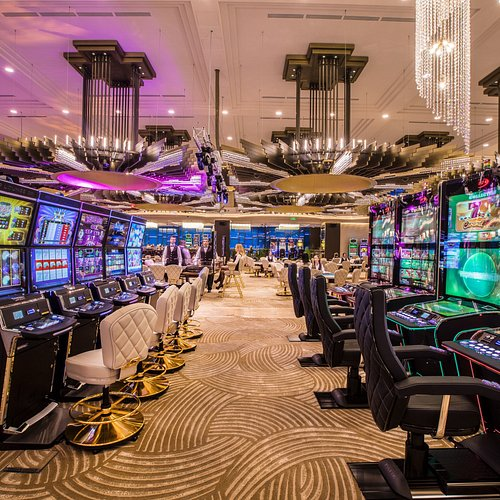
Much of Batumi’s economy revolves around tourism and gambling (it is nicknamed “The Las Vegas of the Black Sea“)
The Burgundian pirates.
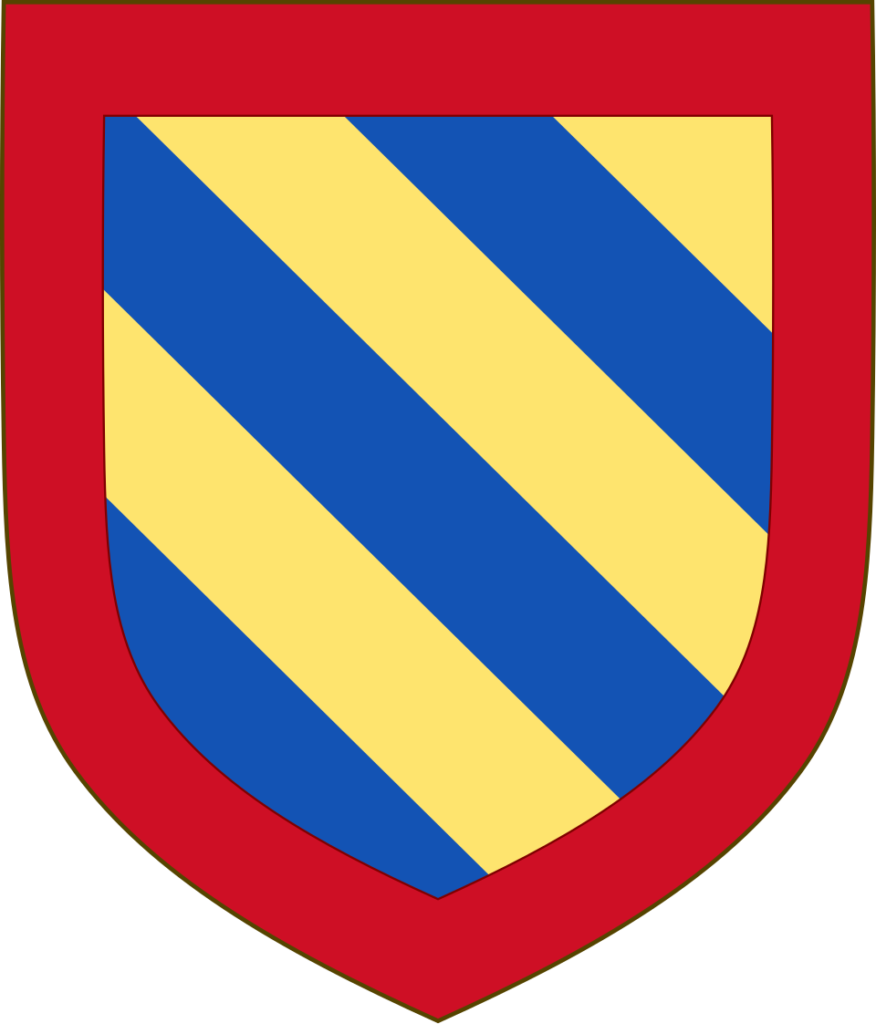
Above: Coat of arms of Burgundy, France
Doukhobors to Canada.
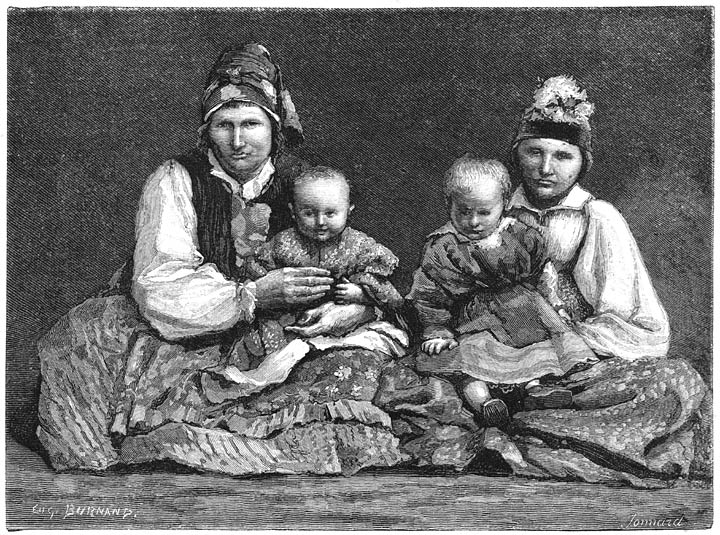
Above: Doukhobour women, 1887
Joseph Stalin in Batumi.
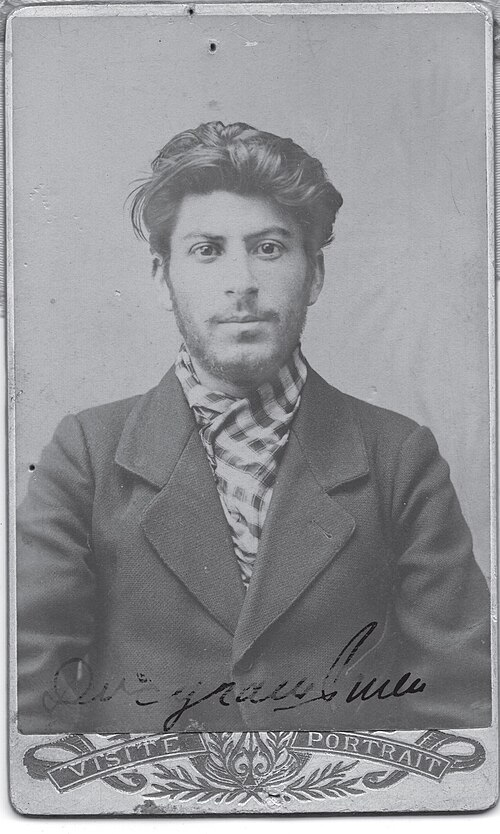
Above: Future Russian dictator Joseph Stalin (1902)
What happened to Trump Batumi?
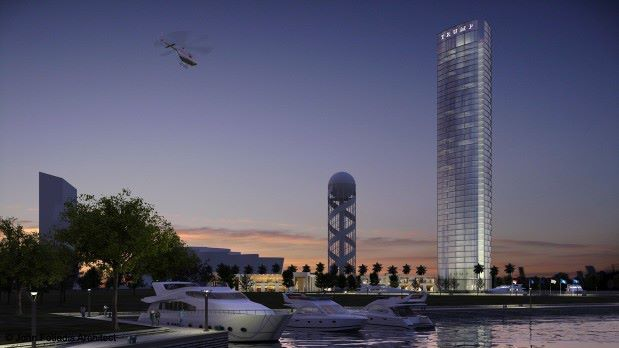
Above: Batumi and the Trump Tower
How was life different under the Ottomans, the Russians, the British, the Georgians?
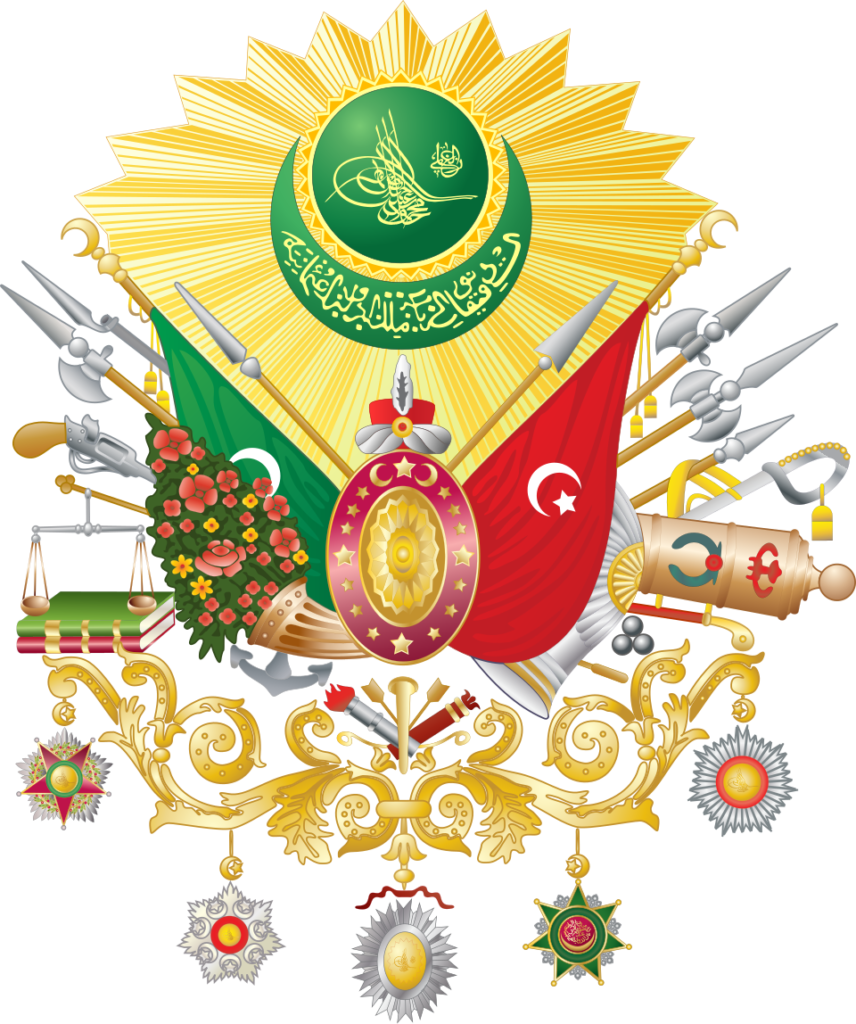
Above: Coat of arms of the Ottoman Empire (1299 – 1922)
Above: Flag of Russia
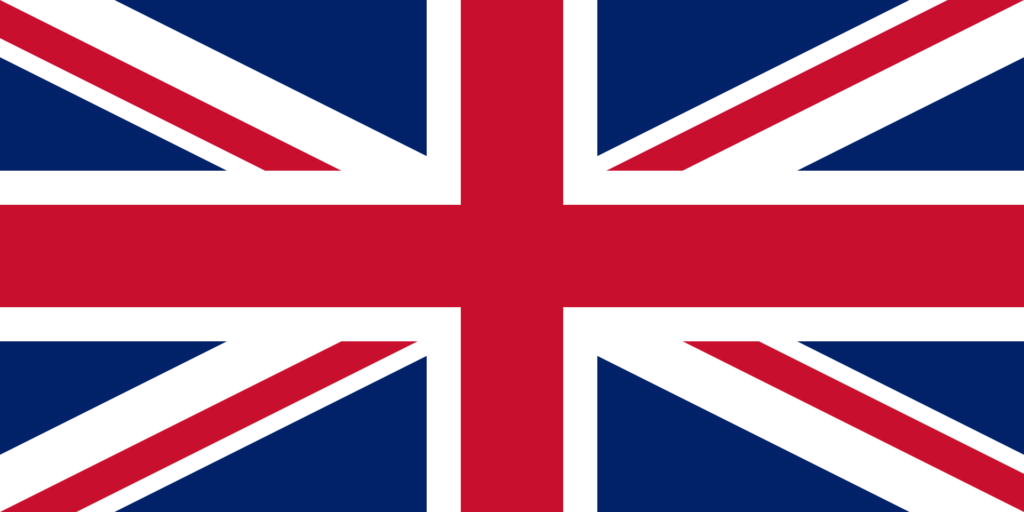
Above: Flag of the United Kingdom
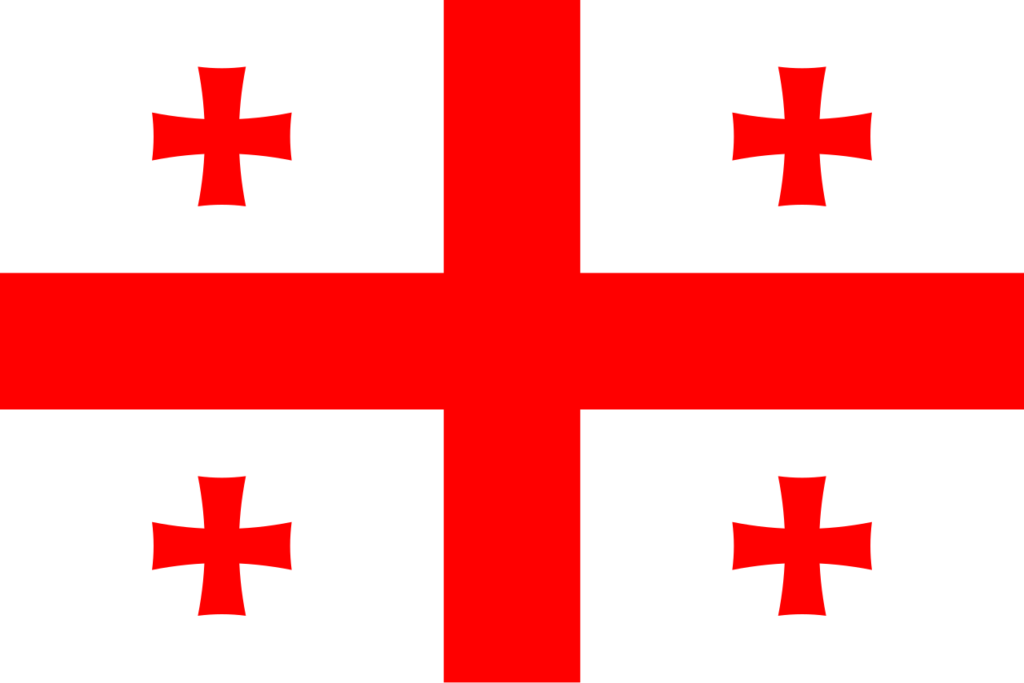
Above: The flag of Georgia
The fiefdom of Aslan Abashidze.
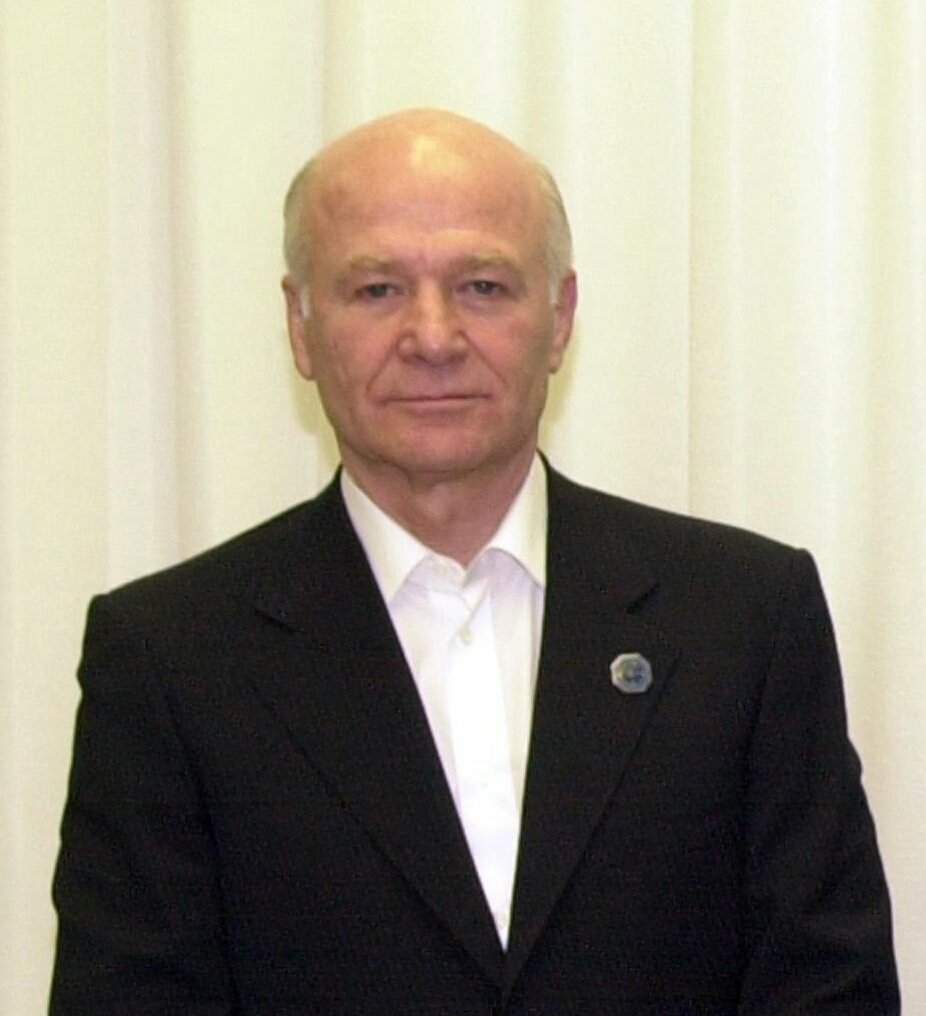
Above: Adjara Chairman Aslan Abashidze
How is life for Indians in Batumi?
According to The Times of India, many Indian students choose Batumi for MBBS studies due to simplified admission processes and National Medical Commission-recognized curriculum.
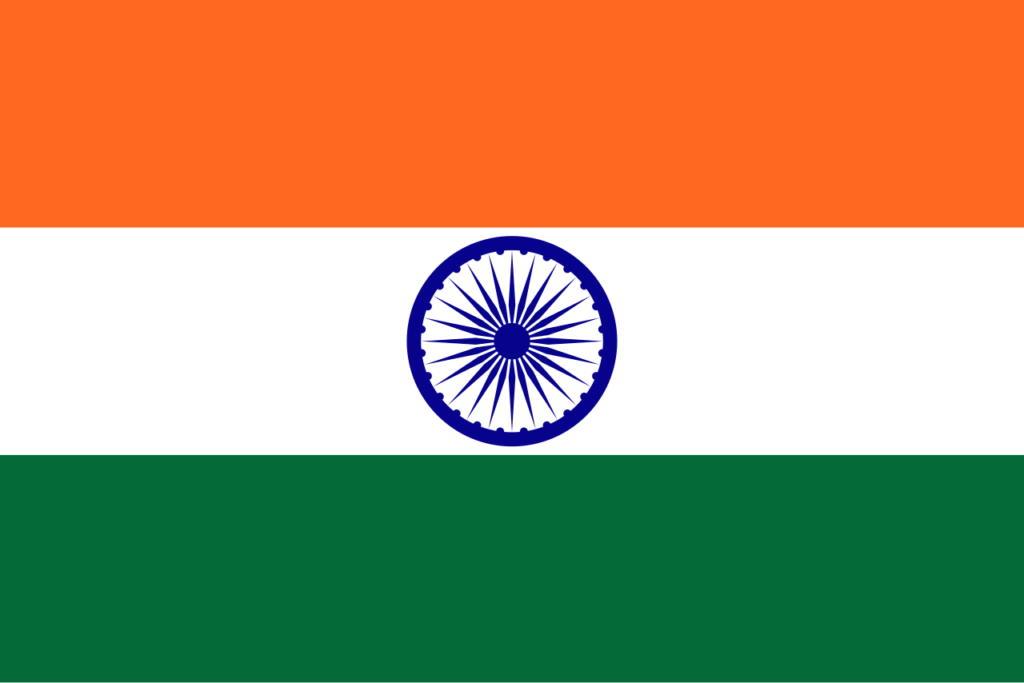
Above: Flag of India
The story of Ali and Nino.
A sculpture by Tamara Kvesitadze of two standing figures on the seashore shows the story first told in the 1937 Austrian novel, Ali and Nino, of lovers who are parted after World War I.
Each day, the two figures move toward each other but never stay together.
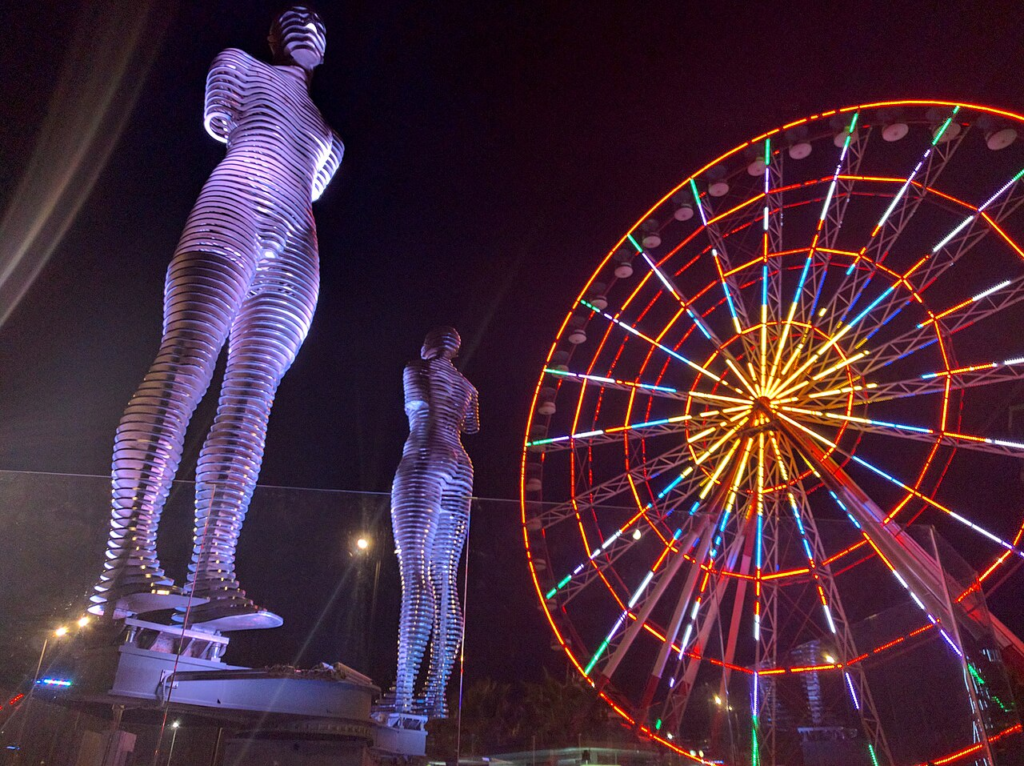
Above: Ali and Nino, Batumi
Ali, an Azerbaijani Muslim, falls in love with Georgian princess, Nino, but sadly, after they are finally able to get together, the war hits home and Ali is killed.
Medea, Jason, the Argonauts and the Golden Fleece:
There is a statue of Medea and the Golden Fleece, near the Iranian/Azerbaijani joint consulate.
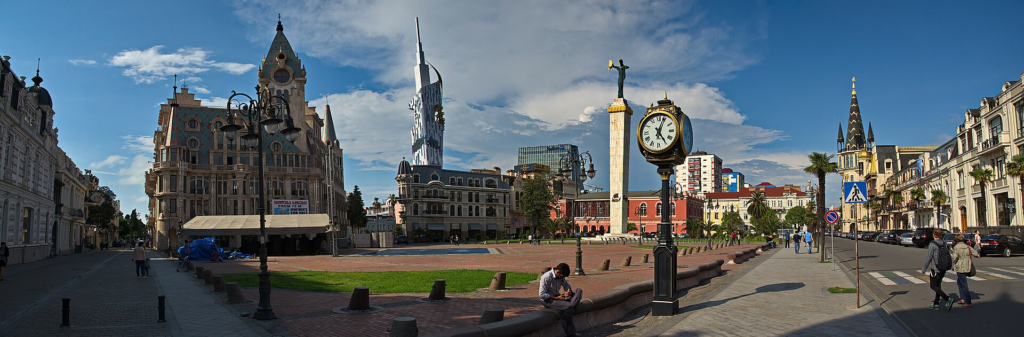
Above: Panorama view of Batumi Europe Square and Medea Statue
The Father of the Nation, Ilia Chavchavadze.
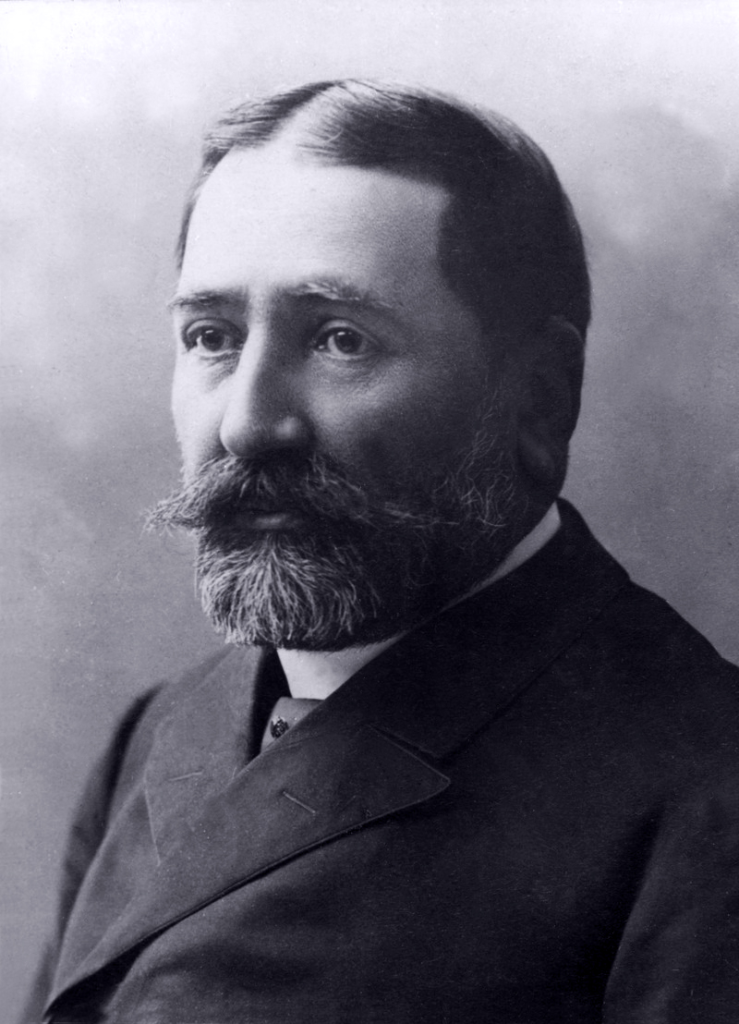
Above: Georgian poet/politician Ilia Chavchavadze (1837 – 1907)
The Hunger Plan of Herbert Backe.
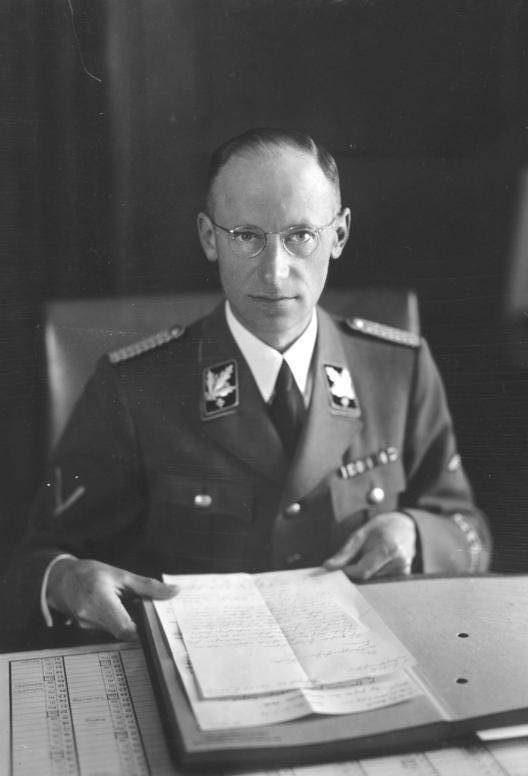
Above: German Reichsminister of Food and Agriculture Herbert Backe (1896 – 1947)
Mary Eristavi, the hopeless infatuation of Galaktion Tabidze, one of the leading Georgian poets of the time.
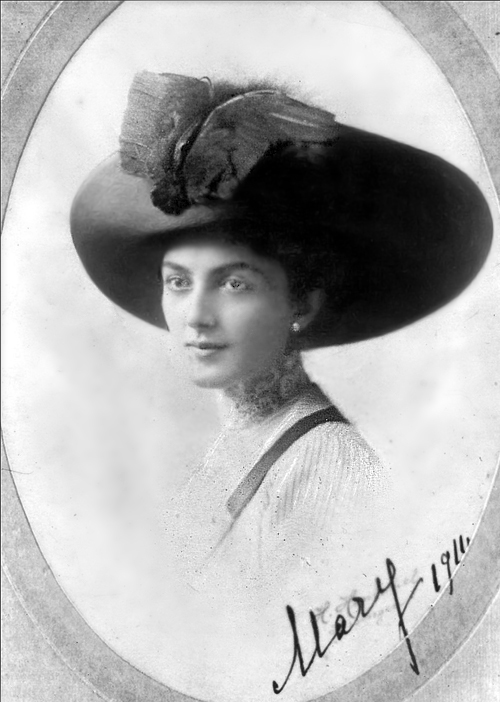
Above: Georgian fashion model Princess Mary Eristavi (1888 – 1986)
The tribulations of Viktor Azrielevich Grossman and Aramashot Papayan.
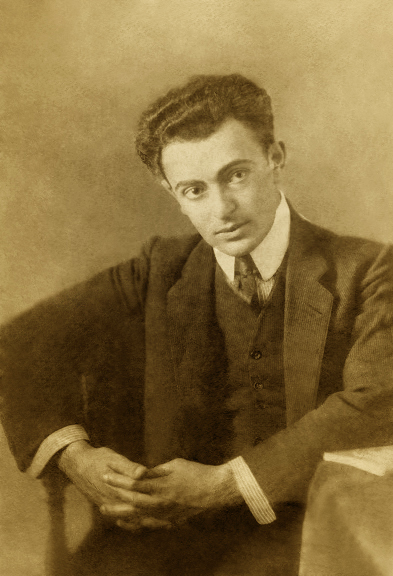
Above: Georgian writer Viktor Azrielevich Grossman (1887 – 1978)
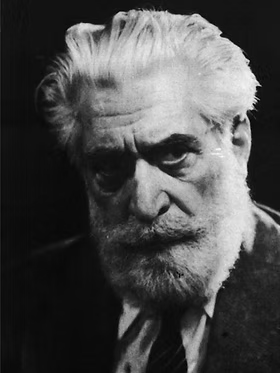
Above: Georgian/Armenian writer Aramashot Papayan (1911 – 1998)
The ugly realism of Lado Seidishvili.
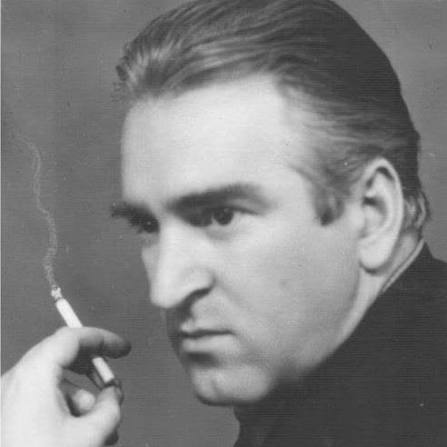
Above: Georgian painter/poet Lado Seidishvili (1931 – 2010)
The wanderers’ universe, the roadside picnic and the land of crimson clouds of Arkady and Boris Strugatsky.
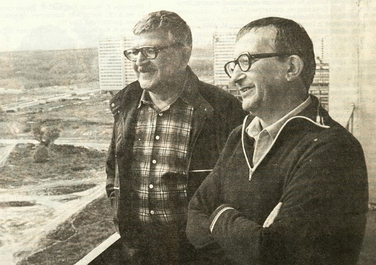
Above: Georgian SF authors Arkady (1925 – 1991) and Boris Strugatsky (1933 – 2012)
The raw poetry of Sergei Yesenin.
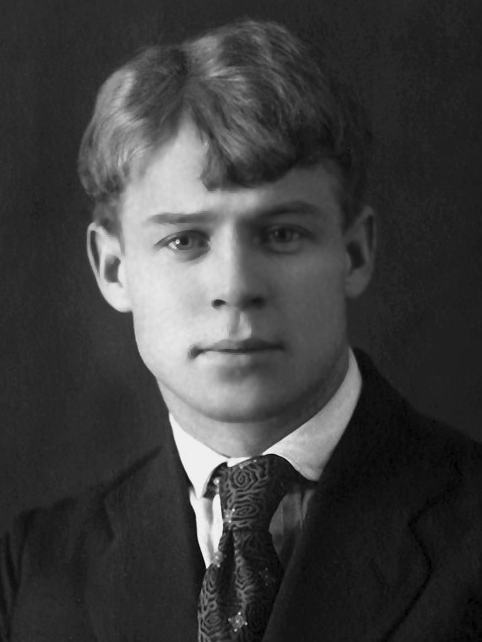
Above: Russian poet Sergei Yesenin (1895 – 1925)
The election of Shio III to the Patriarchate of the Georgian Orthodox Church.
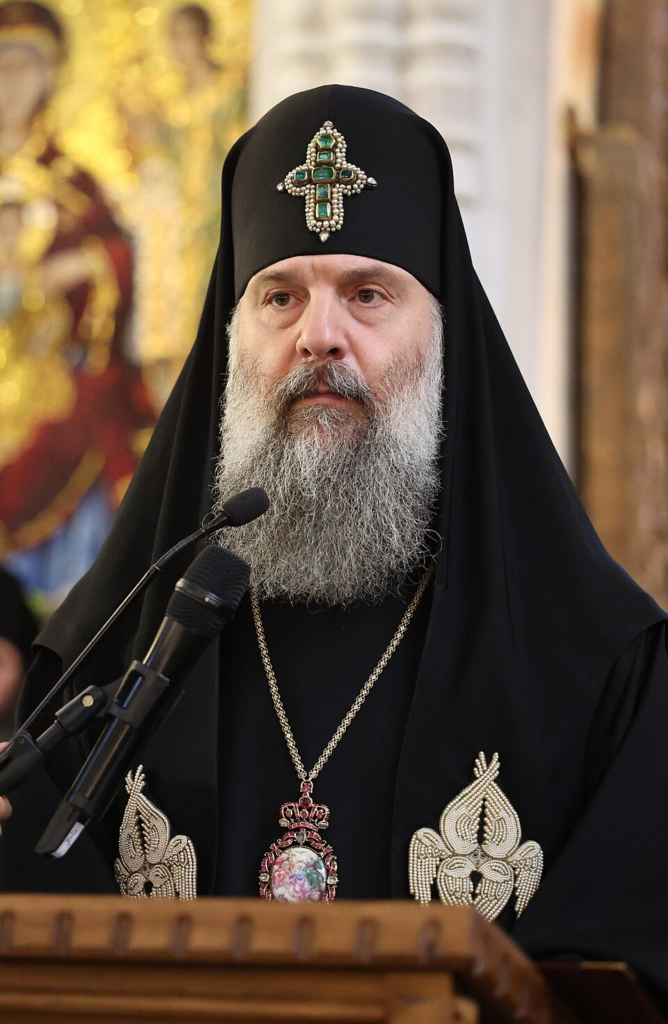
Above: Georgian Orthodox Church Patriarch Shio III
Of course, they cannot / should not be jammed into one blogpost.
Yet they all long to be told….
I think the exhaustion I felt gives me permission to postpone history.
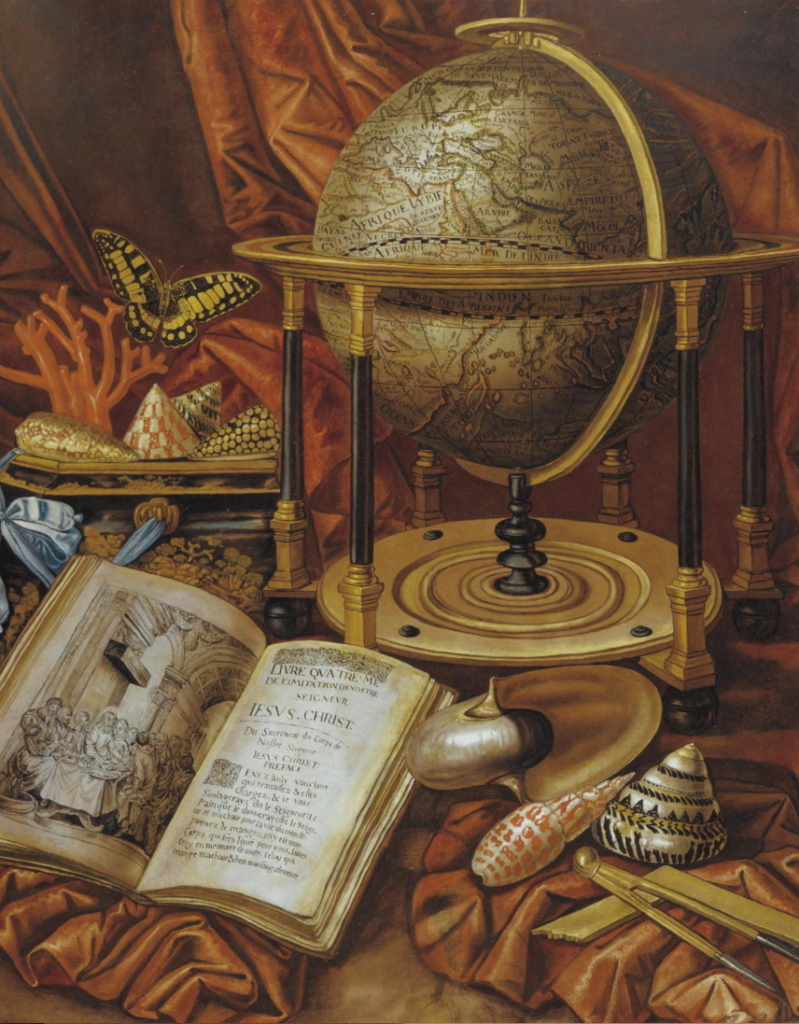
On that first evening, I didn’t know or care who Geoffroy de Thoisy was.
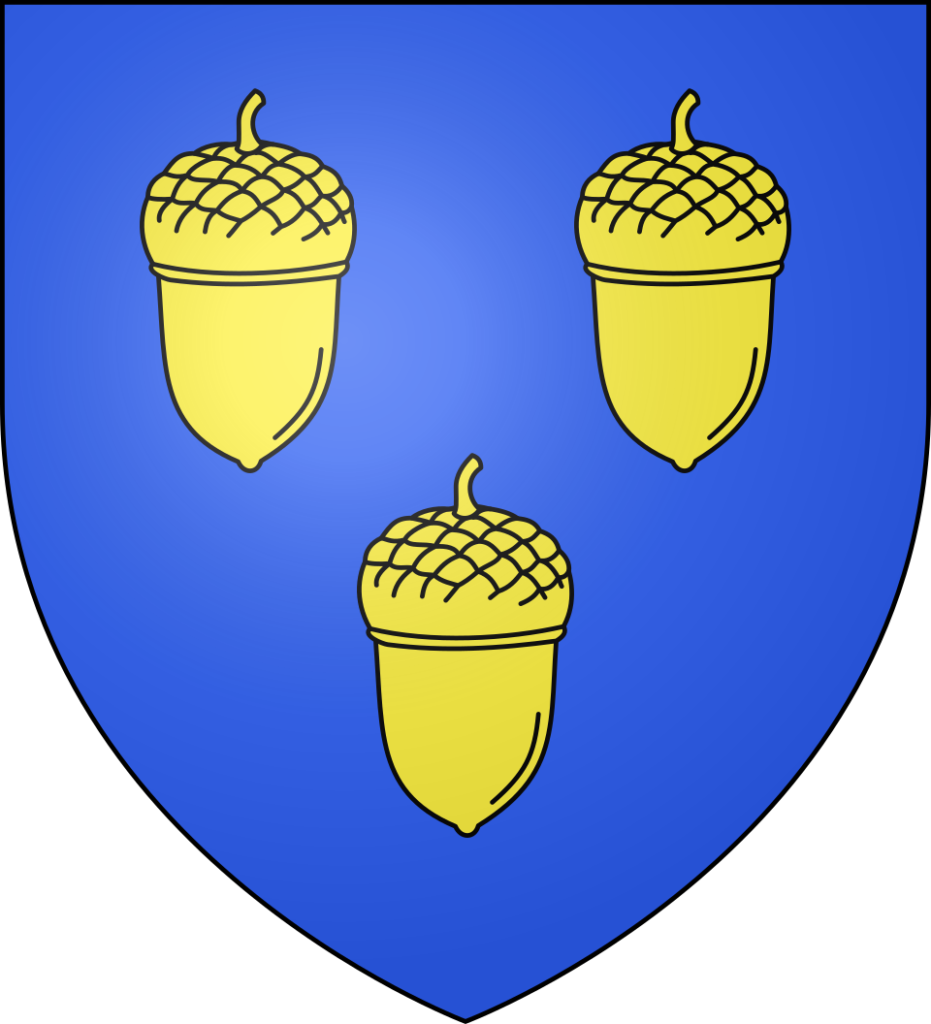
Above: Coat of arms of Geoffroy de Thoisy (15th century)
I didn’t care about the Doukhobors.
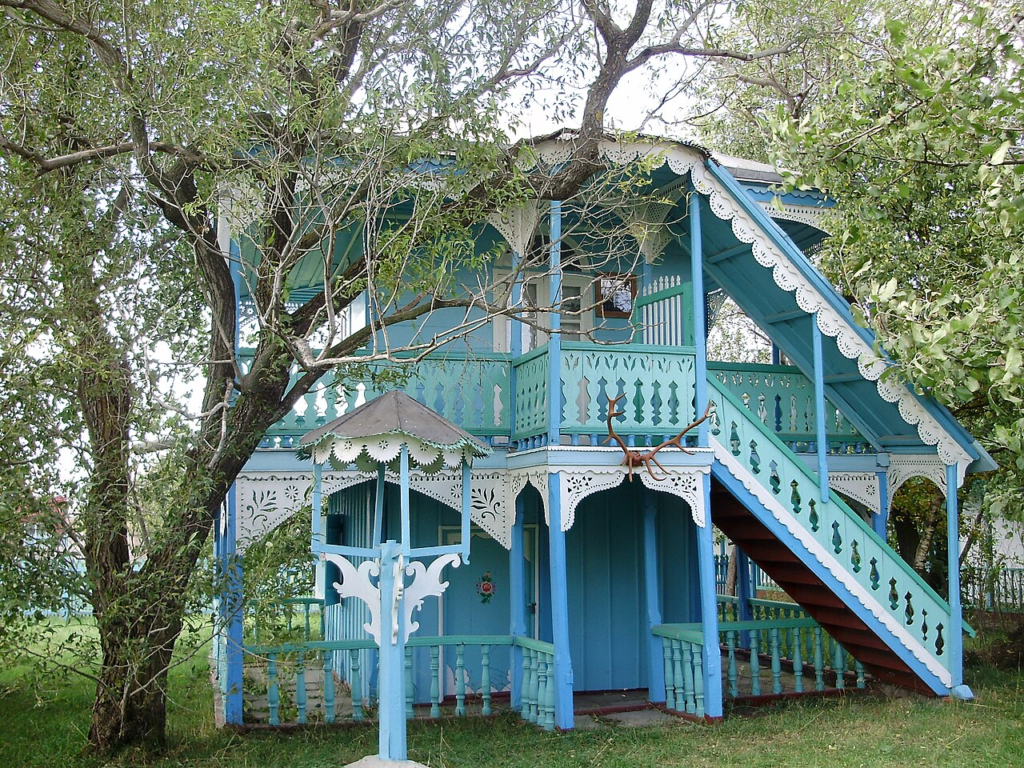
Above: Doukhobor worship place in Georgia
I didn’t care about Medea.
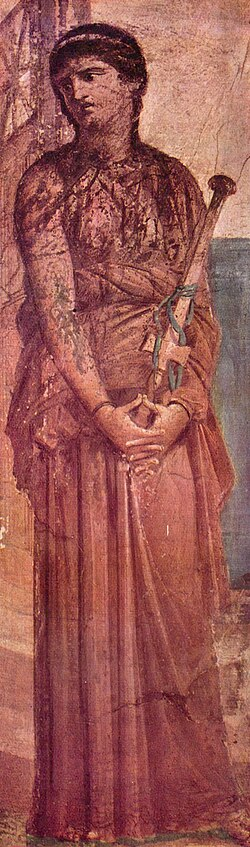
Above: Medea in a 70 AD fresco from Herculaneum, Museo Archeologico Nazionale, Napoli (Naples), Italia (Italy)
I cared about finding a place to sleep and some dinner to devour.
That is psychologically truthful.
Only after I had slept, eaten and regained my bearings did my mind become curious again.
That was when the city started revealing itself — not just as a place to survive, but as a place to understand.
And I hope, gentle reader, you can see another subtle advantage.
By delaying the historical and cultural material, you can capture this traveler’s experience.
When we arrive somewhere new, we don’t immediately see centuries of history.
We see practicalities:
Where to sleep.
Where to eat.
Whether we are safe.
The deeper layers emerge only once we have caught our breath.
My tale begins with an ATM, a reception desk and a fire escape.

This is the true arrival scene — not the border crossing itself, but the moment when the romance of movement collapses into fatigue, bureaucracy, disorientation, and the cold practical reality of being alone in an unfamiliar city.

I speak neither Turkish nor Georgian- the latter’s script looks a lot like Thai despite the unique of the Georgian language – the rounded curves and flowing characters create that same sensation of beautiful unreadability — a script that feels visually approachable yet utterly indecipherable to outsiders.
Georgian has an uncanny quality of seeming ancient and futuristic simultaneously.
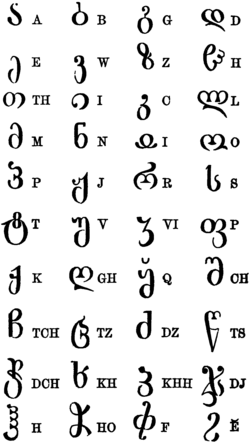
Above: The Georgian alphabet
The bus assistant speaks little English.
I show a Batumi map from the small unmanned TIC kiosk just beyond Customs in Sarpi and show him the street my booking says my hotel is located.
“Carrefour“.
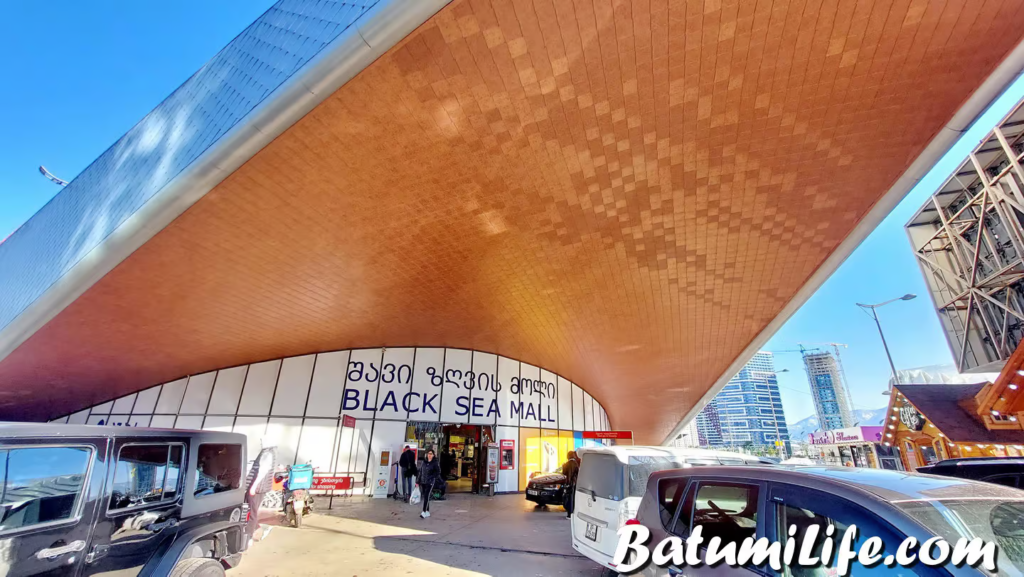
He says I will be dropped off at Carrefour, which is as unclear as if he had said Place Perroquet in Algiers (if such a place exists).
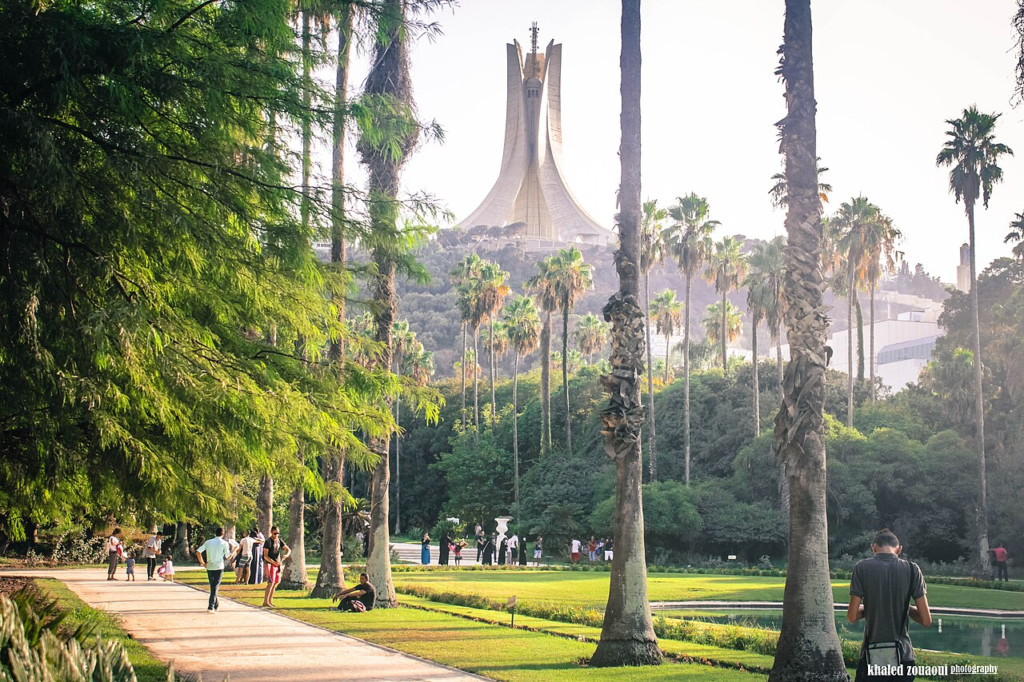
Above: Botanical Garden of Hamma, Algiers, Algeria
Despite the map and because my phone’s Internet is off and is on flight mode to avoid roaming charges, I quickly become hopelessly lost, wandering to and fro streets with rare signage to be seen.
Through trial and error and a taxi driver who phoned the number on my booking I find my way to Orbi Center Block A.
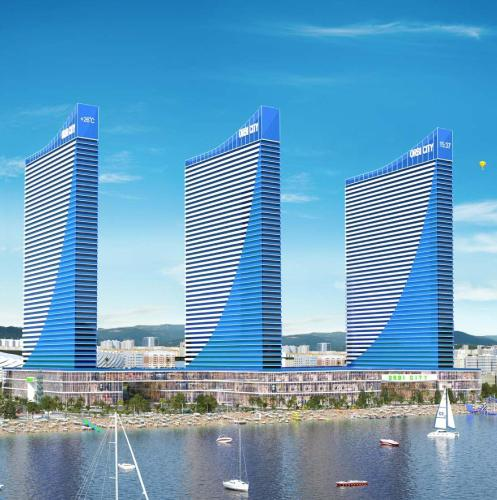
Above: Orbi City, Batumi
Batumi does not welcome me gently here.
First comes navigational confusion:
- the vague “Carrefour” instruction
- the uselessness of maps without connectivity
- the rare signage
- the wandering
- the dependence upon strangers and luck
That experience is deeply familiar to anyone arriving exhausted in a foreign city without mobile data.
One loses not only orientation but confidence.
Streets cease to feel like systems and become mazes.
In Room 2061, I find myself being scammed.
The booking says GEL 136 for 5 nights.
Rati, a very rude and unsympathetic Georgian demands GEL 300.
I had the complete information:
Booking number, PIN.
The phone number that the cabbie used had functioned and led me here, but subsequent calling led to immediate hang-up each time I tried to resolve the discrepancy.
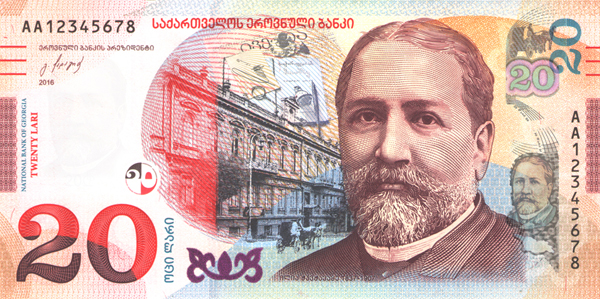
Above: Georgian 20 lari banknote
I call Emir, my friend in Istanbul who had arranged my travels, and he thinks like me.
This is impossible.
We have a document.
The price is written plainly.
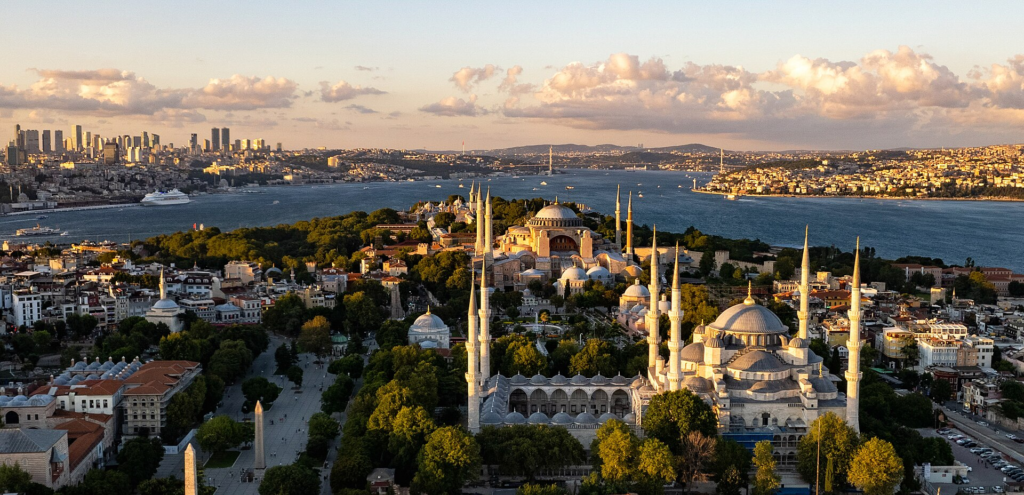
Above: Istanbul, Türkiye
I am tired of arguing with someone who adamantly suggests I pay or go away.
I pay.
Emir suggests he could find another spot for me to crash, that we could make a complaint to Booking.com.

I am tired.
Rati wants cash and does not give me a receipt.
Fortunately, I found an ATM that accepted my Swiss card to withdraw GEL 1,000.

Above: Flag of Switzerland
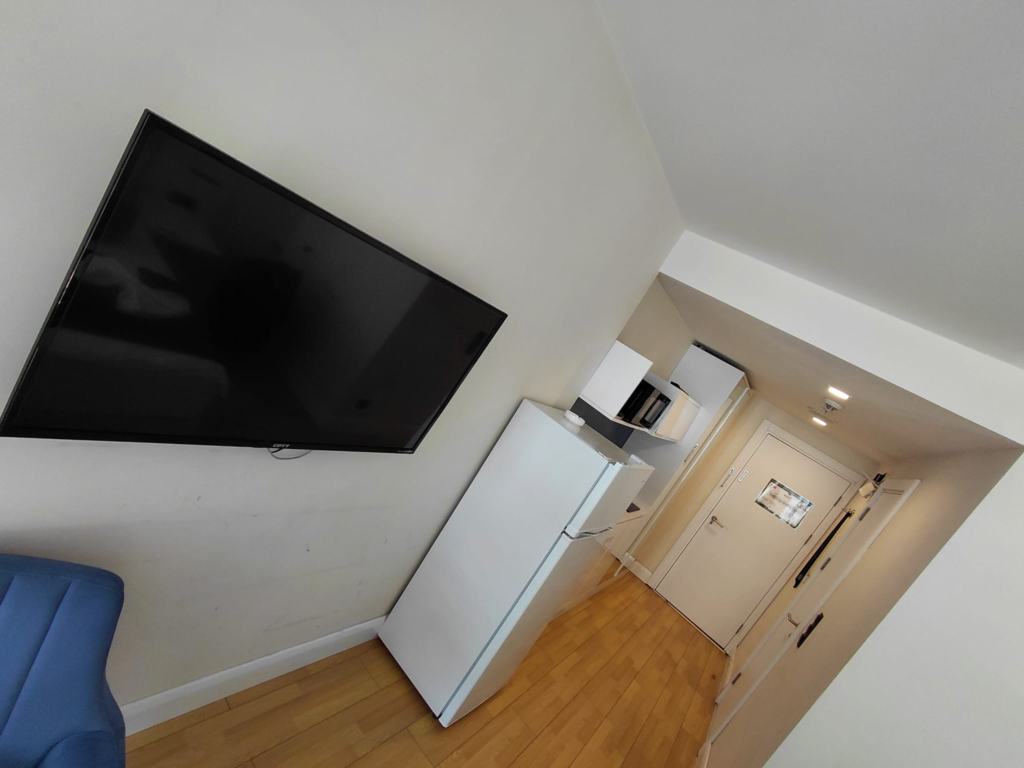
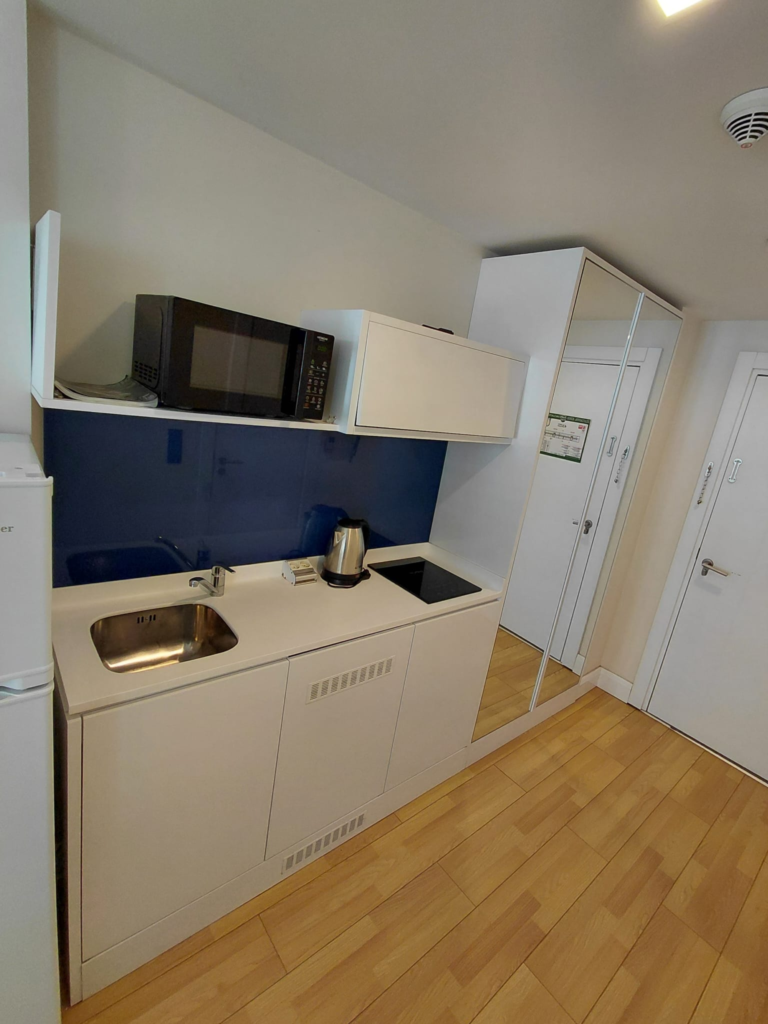
The cost of my private apartment (Room 4342) (with a one-plate stove, a full-size fridge – freezer, a washer in the washroom, a king-size bed, a narrow balcony that offers a terrifying view from 43 stories high but lacking laundry products, plates or cutlery) costs GEL 60 a night.
I naively believe that I may save money by cooking my own meals.
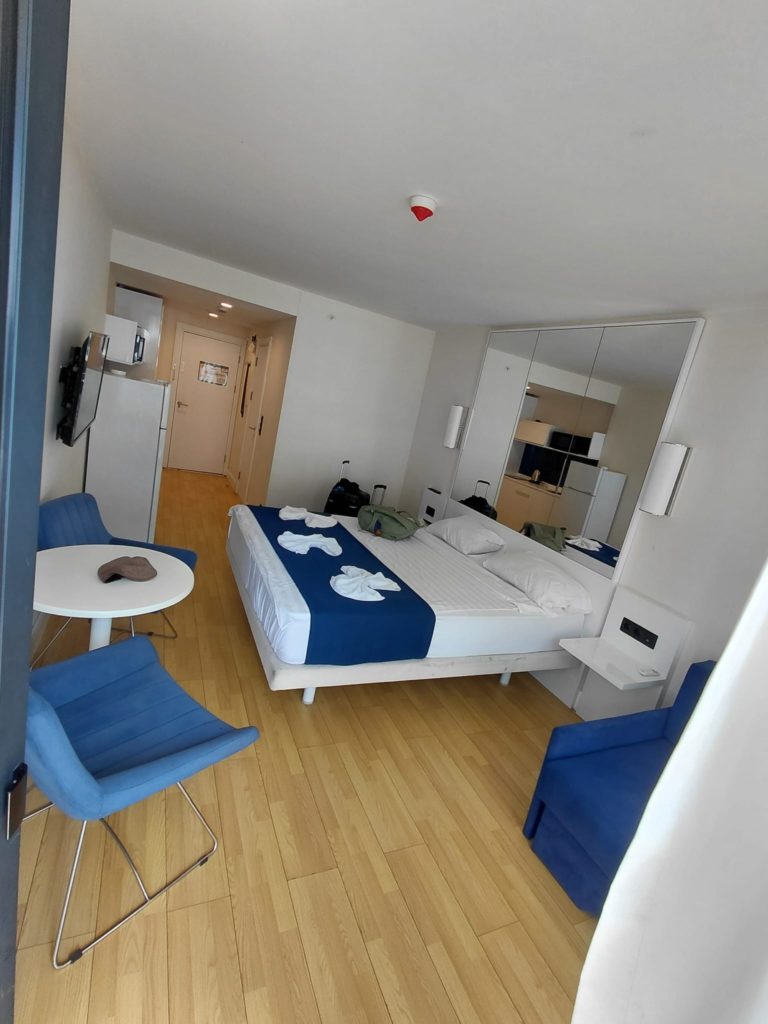
I get into the apartment.
I sit down without unpacking.
Suddenly, an alarm goes off.
An announcement in Georgian, English and Russian informs that this is a weekly fire alarm test.
I return to Room 2061 to get the WiFi code for my apartment.
I return to texting my wife when the alarm goes off again.
Same jarring annoyance, but the trilingual announcement tells the world that this time this is not a test, that everyone needs to evacuate the buildings, by not using the elevators but the grey semi-lit stairwells.
43 flights descended and Reception – the place is both a hotel and private rented apartments – tells me that this was also a test and that the elevators can be used soon.
I am bothered by the scam.
What makes it especially draining is not merely the money but the emotional asymmetry.
I possessed documentation.
I was objectively correct.
Yet correctness becomes irrelevant once one is exhausted, foreign, linguistically isolated, and standing in a reception area with luggage and nowhere else to go.
“Pay or go away.”
That is the real coercion.
Not violence.
Just attrition.
And poor Emir — suddenly functioning as long-distance crisis management from Istanbul while I stand in a Georgian high-rise lobby trying to understand why written agreements have dissolved into improvisation.
The lack of a receipt is especially telling.
My instincts there were entirely sound.
Yet the apartment itself almost reads like a strange reward after the ordeal:
- the tiny stove
- the giant fridge
- the terrifying balcony
- the washer
- the improbable height above the Black Sea coast.
Room 4342 is less like a hotel room than a temporary orbital station suspended above Batumi.
And then the fire alarms.
At this point in the chronicle, the sequence almost tips into dark comedy:
— scammed on arrival
— exhausted from international transit
— finally sit down
— alarm
— obtain WiFi code
— sit again
— second alarm
— descend 43 flights of stairs
— told that was also a test
It has the absurd rhythm of a film where the protagonist is denied rest by the Universe itself.
The grey semi-lit stairwells image perfectly captures the emotional tone of the moment — not danger exactly, but institutional impersonality.
I have crossed empires, mountains, and borders only to descend endlessly through concrete emergency stairs in a giant anonymous tower.
And yet the meal at the end restores a measure of humanity to the day.
I am hungry.
I have eaten neither breakfast not lunch.
I am tired.
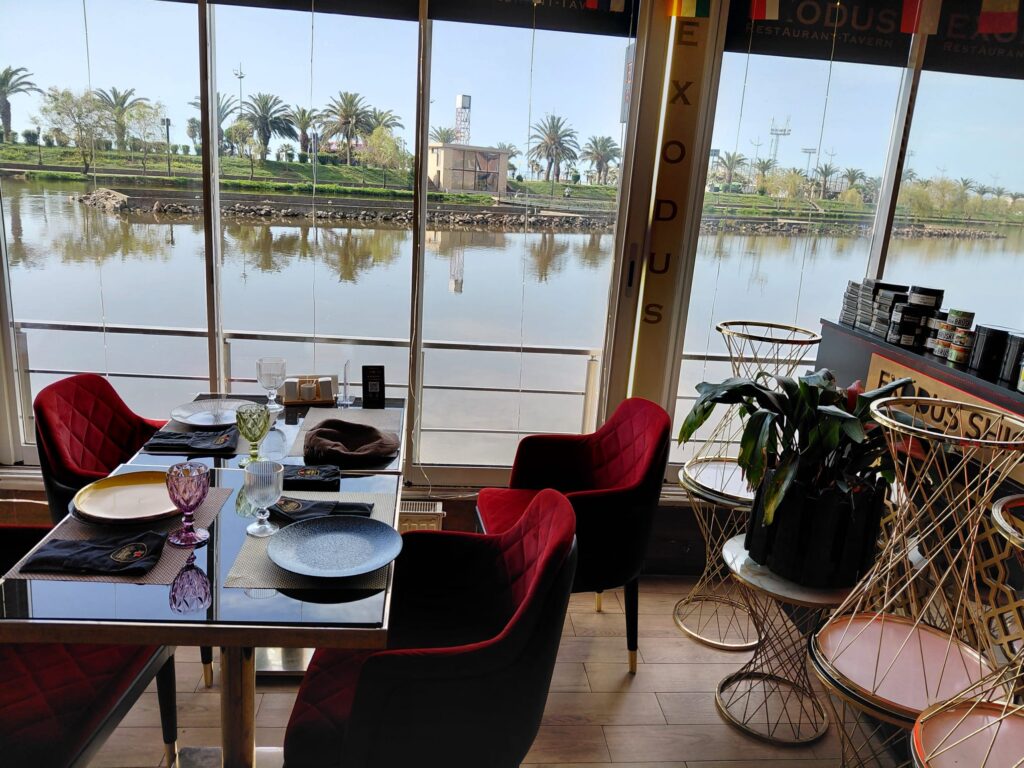
I wander across the street to the Exodus Restaurant and devour a sea bass, three cola and an affogato.
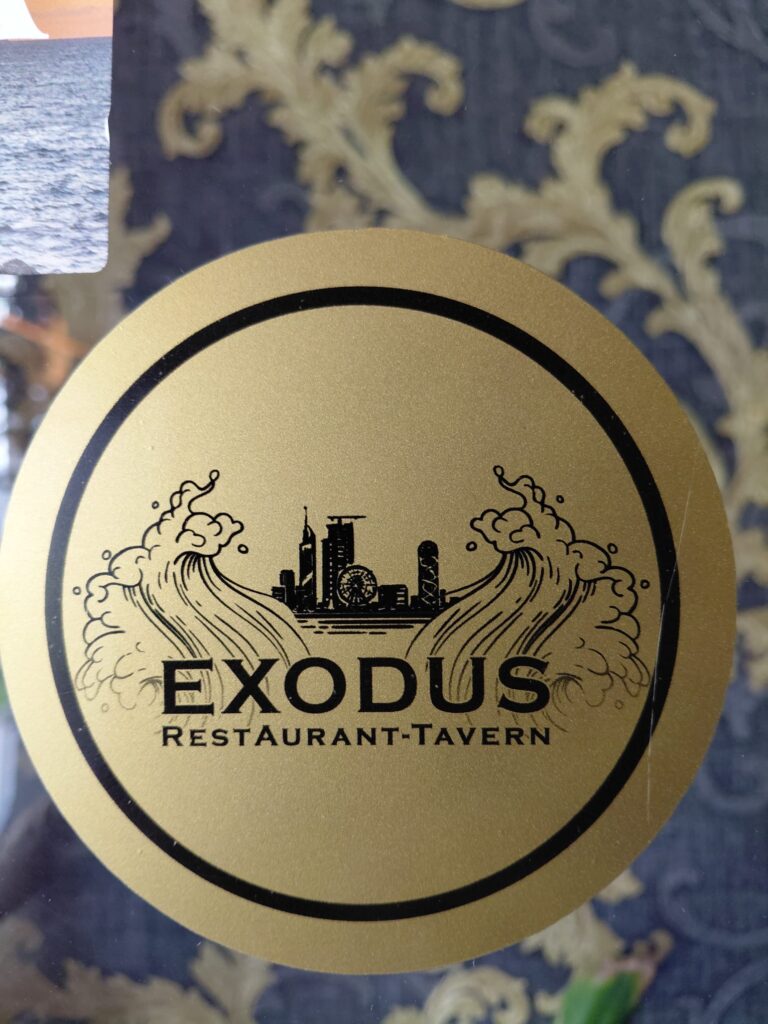
There is something wonderfully specific and earned about that dinner.
The body reclaiming itself after stress and motion.
Hunger finally acknowledged.
I look and listen to other customers and the waiters Soso and Salba.
An Indian couple fight.
He tells her after all he has done for her that she does not appreciate him.
An argument I recognize.
The volume of sound and words remains universal.

The city with all its postmodern architecture feels Western European in this quarter of the place.
It is warmer than Rize but feels colder in mood.
The final priority is to rest, thankfully without calls to prayer, hopefully without fire alarms.
Rize, for all its conservatism and early morning calls to prayer, feels socially textured and organically lived-in.
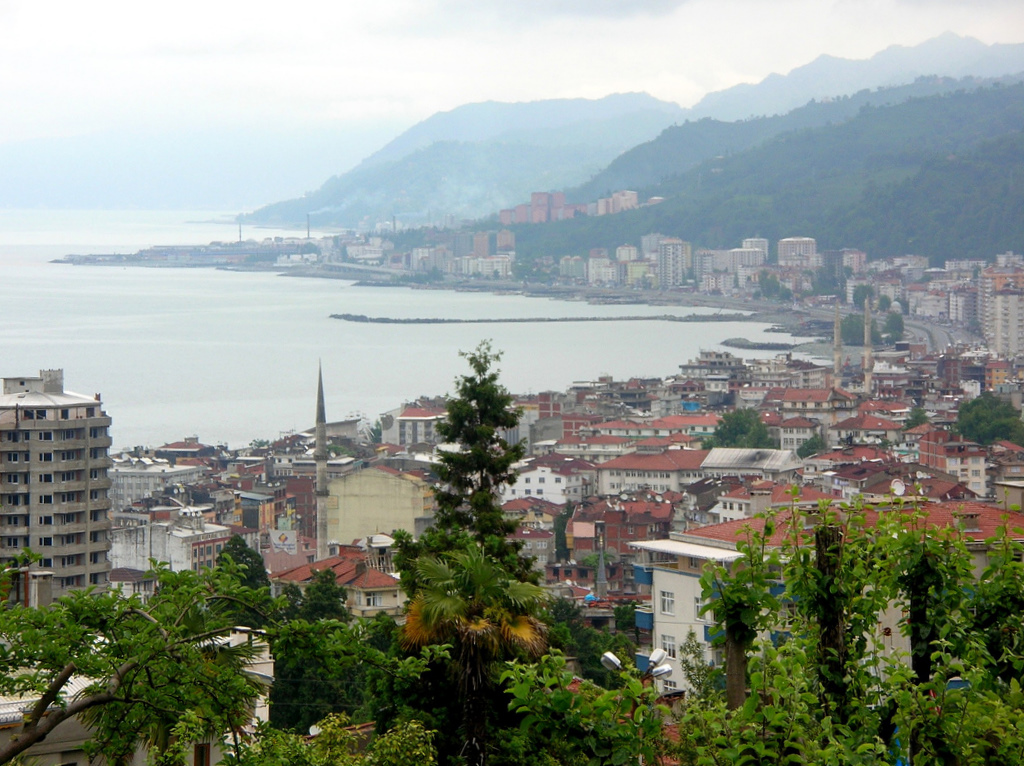
Above: Rize, Türkiye
Batumi, by contrast, emerges initially as vertical, transactional, glossy, anonymous — a place of towers, rentals, kiosks, reception desks, ATMs and elevators.
A frontier resort city built for circulation rather than belonging.
And yet, beneath the exhaustion, there is also a subtle transition occurring here.
For the first time in the journey, I am no longer in transit.
I am stationary.
I have a room.
A refrigerator.
A stove.
A balcony.
Georgian currency in my pocket.
Temporary roots, however fragile.
The silence without the call to prayer matters to me more than I expected.
After prolonged exposure, even sounds one respects culturally can become physically exhausting.
The hope for uninterrupted sleep at the end of this entry feels profoundly earned.
And now Batumi itself waits beyond the apartment tower windows.
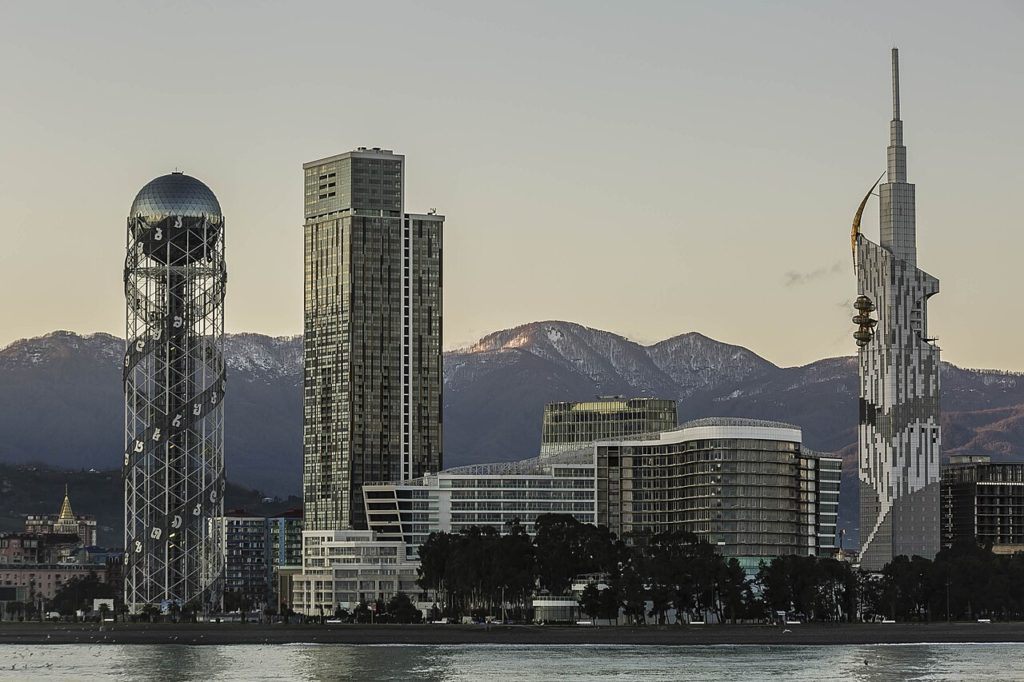
Above: Batumi
Every gambler knows
That the secret to survivin’
Is knowin’ what to throw away
And knowin’ what to keep
‘Cause every hand’s a winner
And every hand’s a loser
And the best that you can hope for
Is to die in your sleep