Tuesday 7 July 2026
Sighnaghi, Signagi Municipality, Kakheti, Georgia
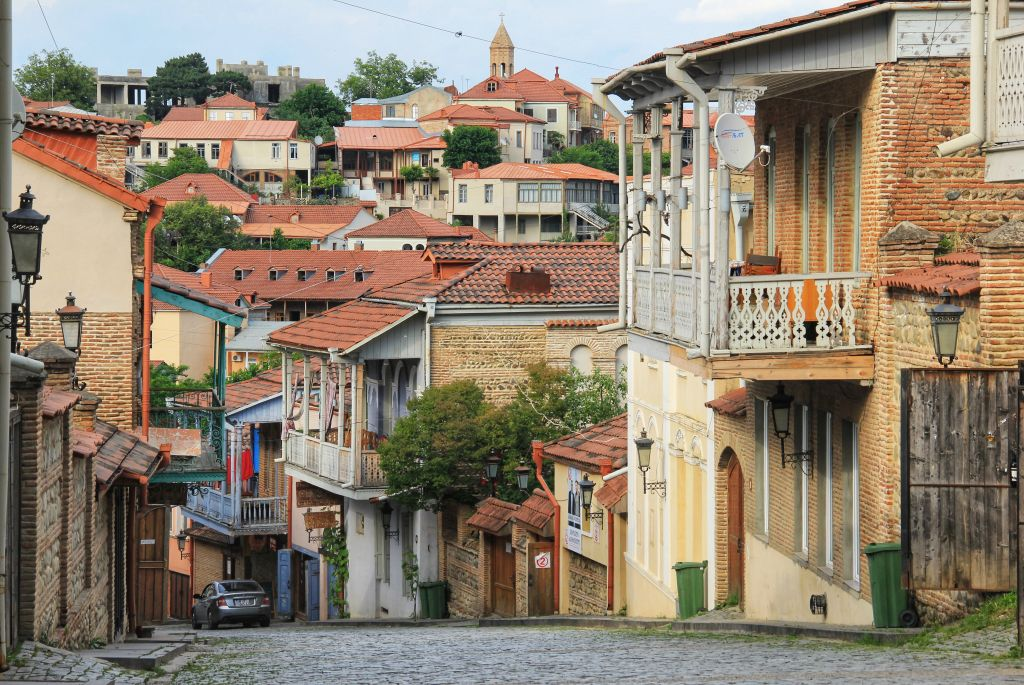
Above: Sighnaghi, Signagi Municipality, Kakheti, Georgia
In four hours I ride to Tbilisi Airport to catch my 0600 flight to Zürich.
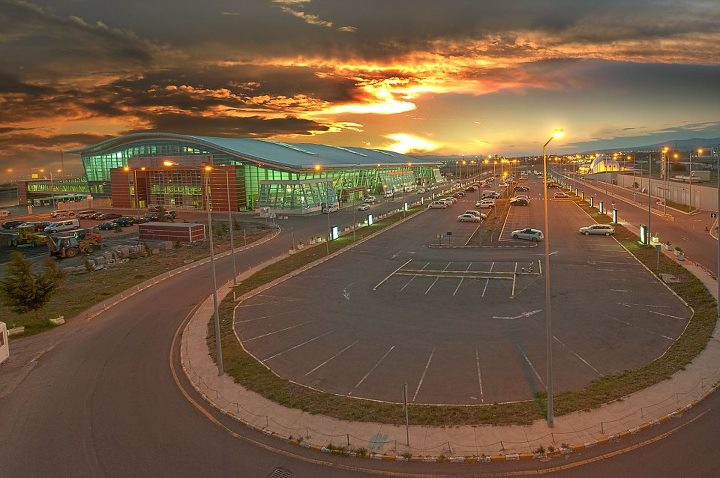
Above: Tbilisi International Airport, Tbilisi, Georgia
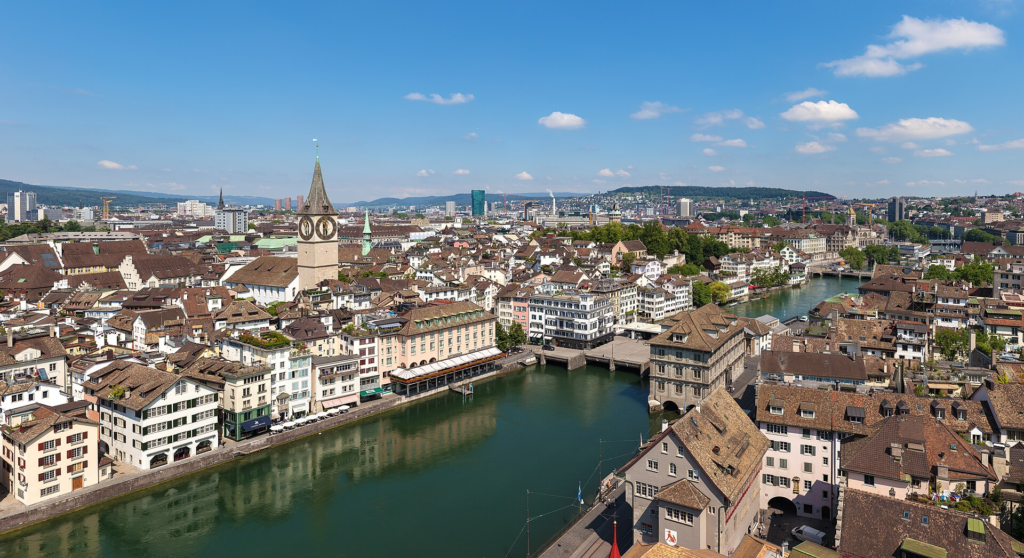
Above: Zürich, Canton Zürich, Switzerland
I will miss travelling – been doing this since 10 May – and my time in Georgia has filled my life with great meaning and joy.
But all good things must come to an end.
For now.
If things go as I hope, I will return in September to teach.
Above: Flag of Georgia
For now, I will write an account of all that has transpired since I left Ankara….
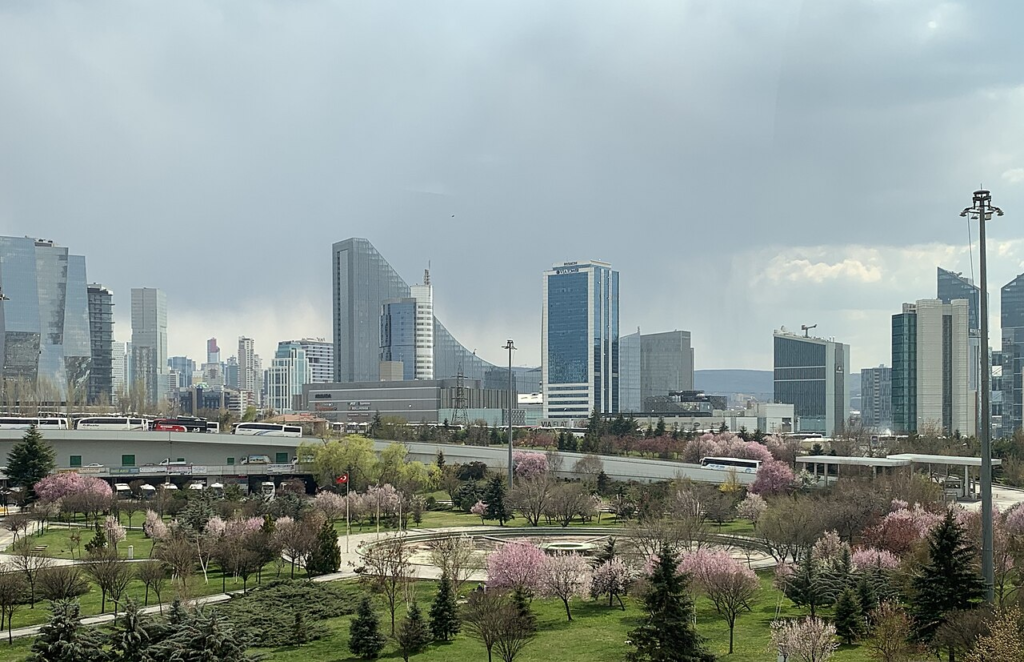
Above: Ankara, Ankara Province, Türkiye
Sunday 10 May 2026
Rize, Rize Province, Türkiye
Mountain Slopes, Part 2
Rize is a coastal city in the eastern part of the Black Sea Region of Turkey.
It is the seat of Rize Province and Rize District.
Its population is 119,828 (2021).
Rize is a typical Turkish provincial capital with little in the way of nightlife or entertainment.
Since the border with Georgia was opened in the early 1990s, the Black Sea coast road has been widened and the town is much wealthier than it used to be.
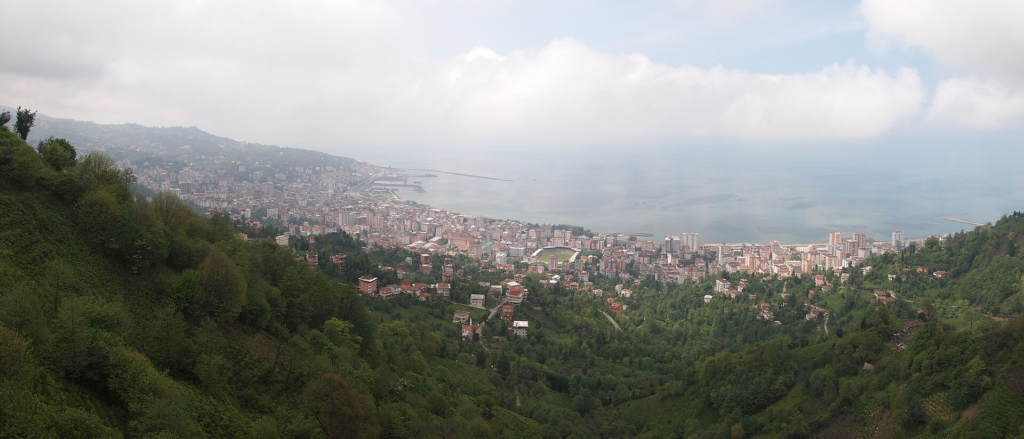
Above: Rize, Rize Province, Türkiye
Current Turkish President Recep Tayyip Erdoğan’s family has its roots in Rize Province and the local university is named after him.
To me, there is something wrong with naming places for a person while that person is still alive.
That is a very old instinct and not an unreasonable one.
Many people feel discomfort when living political figures become omnipresent in public infrastructure, universities, airports and institutions.
It can create the impression not merely of commemoration, but of cultivated permanence.
History generally feels cleaner when time itself has rendered judgment first.
What is good and bad about public institutions being named after current government leaders?
The question touches on history, politics, and psychology all at once.
My assessment is that naming public institutions after current government leaders is generally unwise in a healthy democracy, though there are arguments made in its favor.

Arguments in favor
Supporters usually advance several points.
Recognizing exceptional leadership
If a serving leader has genuinely transformed a country — through economic reforms, national independence, or overcoming a crisis —supporters argue that recognition need not wait until retirement or death.
Building national unity
Governments sometimes believe attaching a respected leader’s name to schools, hospitals, airports, or universities creates a shared national symbol, especially during periods of rapid change or reconstruction.
Political legitimacy
A government may use such naming to reinforce the message that the current administration is delivering tangible improvements.
In their view, the institution becomes a visible reminder of successful policies.

Arguments against
The drawbacks, however, are usually more substantial.
It blurs the line between the state and the government.
This is perhaps the strongest objection.
Public institutions belong to the nation — not to whichever party or individual currently holds office.
Naming them after a sitting leader can imply that the state itself is identified with one person.
A useful democratic principle is:
Governments are temporary.
States are permanent.”
Institution names ideally reflect the permanent rather than the temporary.
It encourages personality cults.
Even when begun with good intentions, repeated naming of institutions after a current leader can elevate the individual above the office.
History offers many examples where this evolved into personality cults, ranging from mild political branding to extreme authoritarianism.
History has not yet rendered its verdict.
Current leaders are still writing their stories.
Policies that seem successful today may later prove harmful — or vice versa.
Waiting allows historians rather than politicians to evaluate a person’s legacy.
Many countries therefore wait several years after a leader has left office before considering such honours.
Successive governments may reverse the decision.
If a new administration removes the name, institutions become symbols of political rivalry rather than public service.
The school, hospital or bridge becomes a political football.
It may alienate part of the population.
Even popular leaders rarely enjoy unanimous support.
Citizens who oppose the government may feel excluded from institutions funded by their own taxes.

Historical patterns
There is an interesting spectrum.
Common in authoritarian systems
- Extensive naming after living rulers is characteristic of many authoritarian or highly personalized regimes.
Occasional in hybrid systems
- Some democracies with dominant parties also engage in this practice, though usually on a more limited scale.
Relatively rare in mature liberal democracies
- Countries such as Canada, Switzerland, the United Kingdom, and many others generally avoid naming major public institutions after serving political leaders.
- When honours are given, they more often occur after retirement or death and after broad public consensus has formed.

Above: Flag of Canada

Above: Flag of Switzerland

Above: Flag of the United Kingdom
Are there exceptions?
Certainly.
Some leaders’ achievements are so extraordinary that contemporaries feel immediate recognition is justified.
Examples often cited include figures associated with national liberation or the founding of a modern state.
Even then, however, there is value in allowing some historical distance.
Time tends to separate enduring achievement from political enthusiasm.

My overall assessment
If I were designing constitutional conventions for a democracy, I would recommend a simple rule:
- Do not name national public institutions after serving elected officials.
- Consider doing so only after they have left office, after a significant interval has passed, and through a transparent, non-partisan process.
That approach protects the distinction between honouring a historical legacy and promoting a current political figure.
It also acknowledges that public institutions belong equally to supporters, opponents and those with no political allegiance at all.

As a student of history, I recall an old observation often attributed to the Roman tradition:
Societies that commemorate leaders too quickly sometimes discover they have written history before history itself was finished.
Waiting is not a lack of gratitude —
It is an expression of humility before the judgment of time.
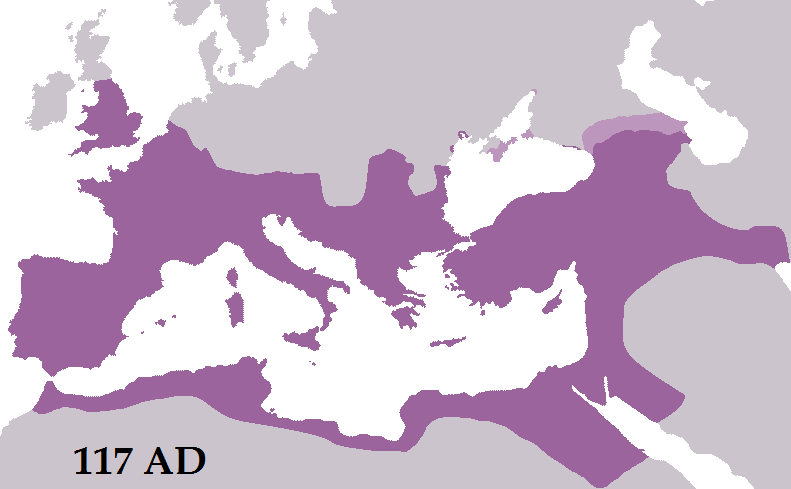
Above: The Roman Empire at its greatest extent
Has Turkish President Recep Tayyip Erdoğan demonstrated exceptional leadership from a purely historical POV?
That is a good example of why historians are often cautious about judging living or recently serving leaders.
From a purely historical perspective, I would distinguish between exceptional influence and exceptional leadership.
The former is easier to establish than the latter.
Recep Tayyip Erdoğan has undoubtedly been one of the most consequential Turkish leaders since Mustafa Kemal Atatürk.
Whether history ultimately judges his leadership as exceptional in a positive sense remains an open question.
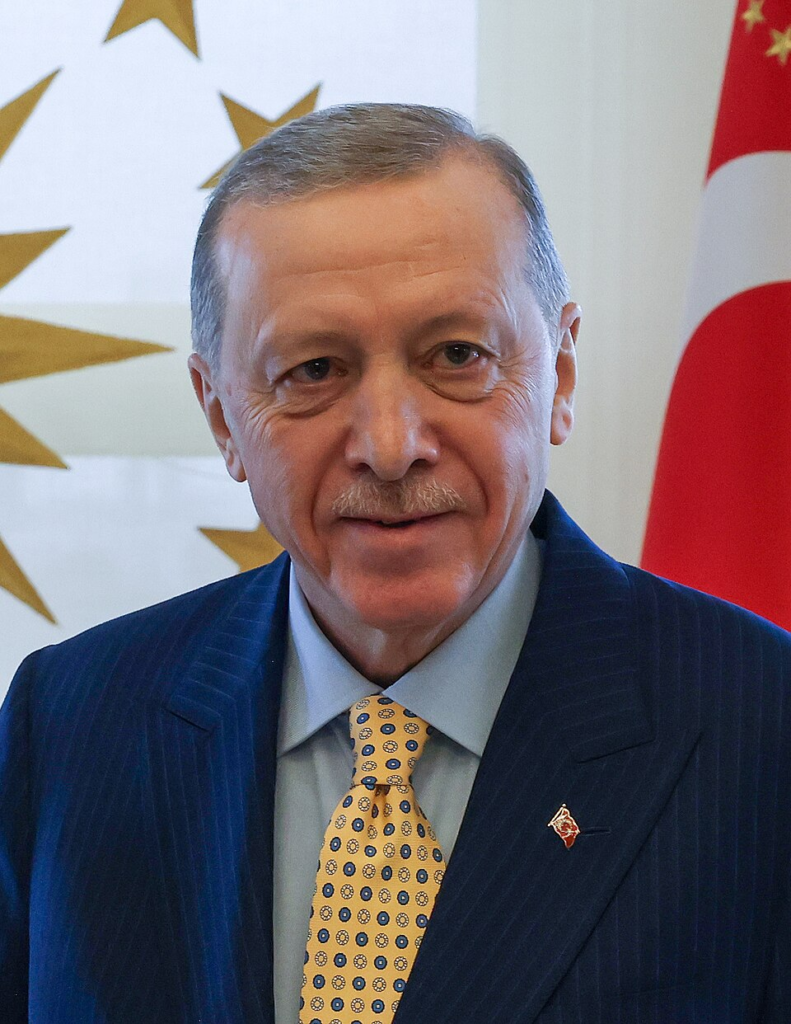
Above: Turkish President Recep Tayyip Erdoğan
In what sense has Erdoğan been exceptional?
Several aspects are historically significant.
Longevity
He has dominated Turkish politics for over two decades, first as Prime Minister and then as President.
Few democratic leaders anywhere have exercised such sustained political influence.
Above: Coat of arms of Türkiye
Transformation of the political system:
Under his leadership, Türkiye shifted from a parliamentary to a presidential system following the 2017 constitutional referendum.
This is one of the most important constitutional changes in modern Turkish history.
Above: Seal of the Turkish Parliament
Expansion of Turkish regional influence
During his tenure, Türkiye has become a much more assertive actor in the Middle East, the Caucasus, the Eastern Mediterranean, and parts of Africa.
Its defense industry has also grown substantially.
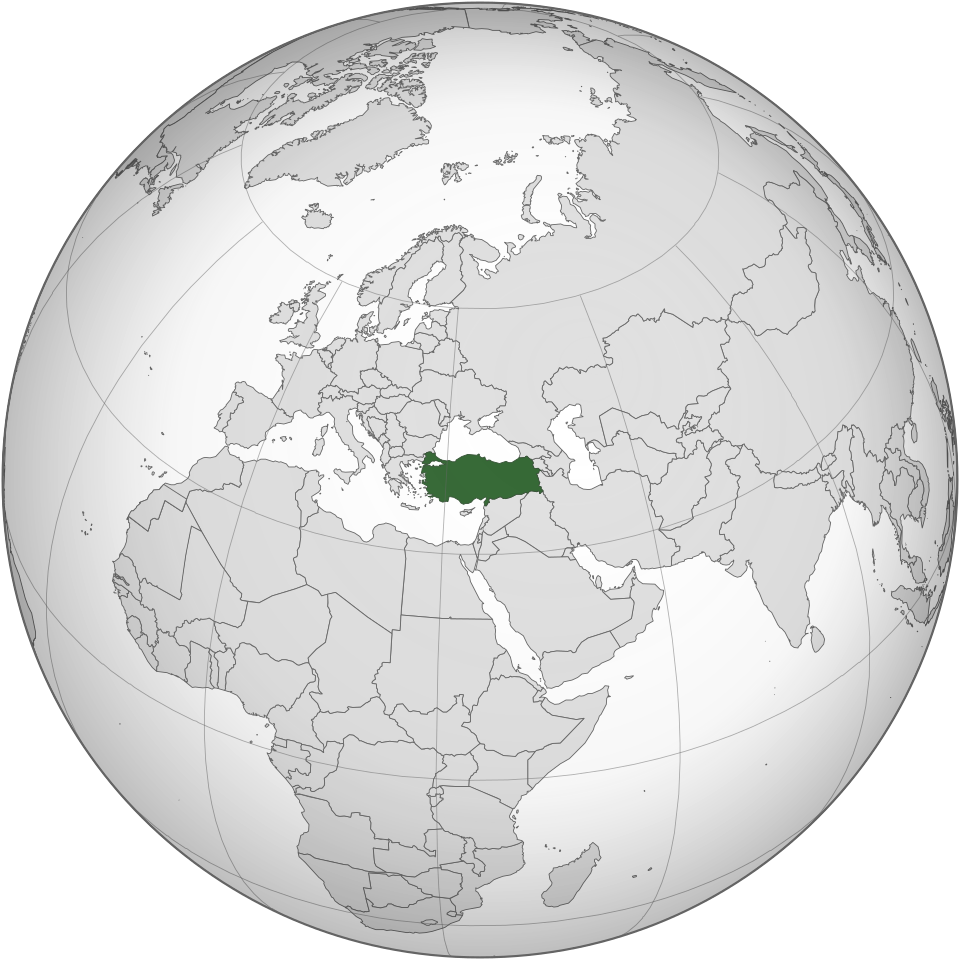
Above: (in green) Location of Türkiye
Infrastructure development:
His governments oversaw major investments in highways, airports, bridges, hospitals and high-speed rail.
Supporters view these as transformative modernization projects.
Above: Flag of Türkiye
Political realignment:
Erdoğan reshaped relations between civilian governments and the military, reducing the military’s long-standing political influence.
Supporters see this as strengthening civilian rule.
Critics argue it coincided with increasing concentration of executive power.
These developments alone ensure that historians will devote considerable attention to his era.
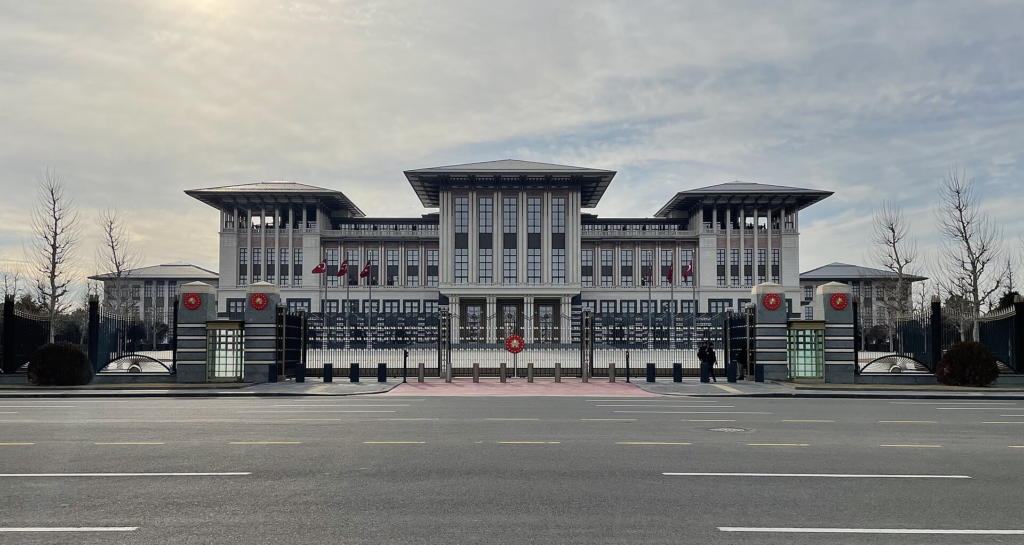
Above: Presidential Palace, Ankara, Türkiye
Why is his historical assessment contested?
The same period is associated with significant criticisms.
Critics point to:
- concerns about judicial independence and the rule of law,
- restrictions on press freedom and civil liberties,
- the concentration of executive authority,
- economic instability, particularly periods of high inflation and currency depreciation,
- increased political polarization.
Supporters counter that:
- Türkiye faced genuine security threats, including the failed coup attempt of 2016 and terrorism,
- many reforms strengthened the state’s ability to respond to crises,
- economic growth and improvements in infrastructure significantly raised living standards during much of his tenure,
- Türkiye gained greater strategic autonomy and international influence.
Both sets of arguments are part of the historical record.

How might future historians approach him?
Future historians are likely to ask questions such as:
- Did the constitutional changes strengthen or weaken Turkish democracy over the long term?
- Will Türkiye’s more independent foreign policy be seen as a lasting strategic success?
- How durable are the infrastructure projects and industrial gains?
- How will economic performance over the full span of his leadership compare with earlier and later periods?
- Did his style of governance leave institutions stronger or more dependent on individual leadership?
Those questions cannot yet be answered definitively because many of their consequences are still unfolding.

My assessment
From a purely historical standpoint, I think it is reasonable to say:
- Erdoğan is clearly an exceptional historical figure in modern Turkish history because of the scale and duration of his influence.
- It is premature to conclude whether he will be remembered as an exceptionally successful leader, an exceptionally divisive one, or some combination of both.
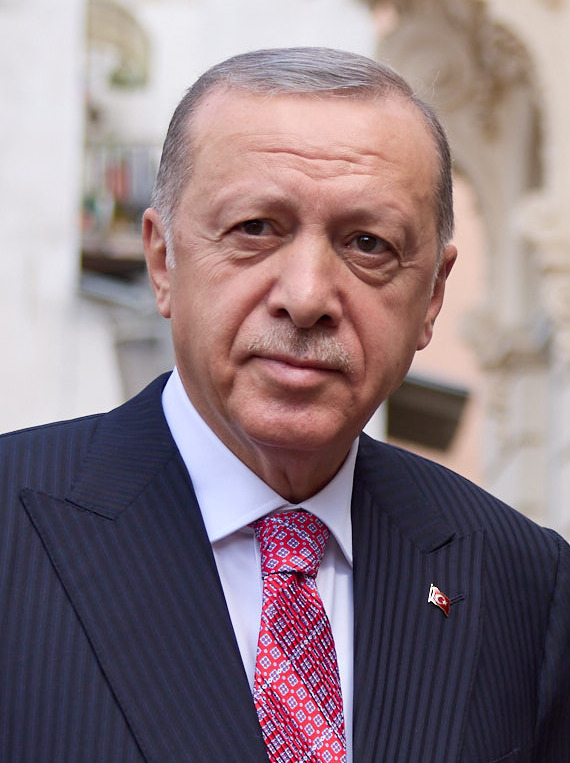
Above: President of the Republic of Turkey Recep Tayyip Erdoğan
History contains many leaders — such as Charles de Gaulle, Margaret Thatcher and Franklin D. Roosevelt — whose reputations remained highly contested during and immediately after their time in office, only to be reassessed repeatedly by later generations.
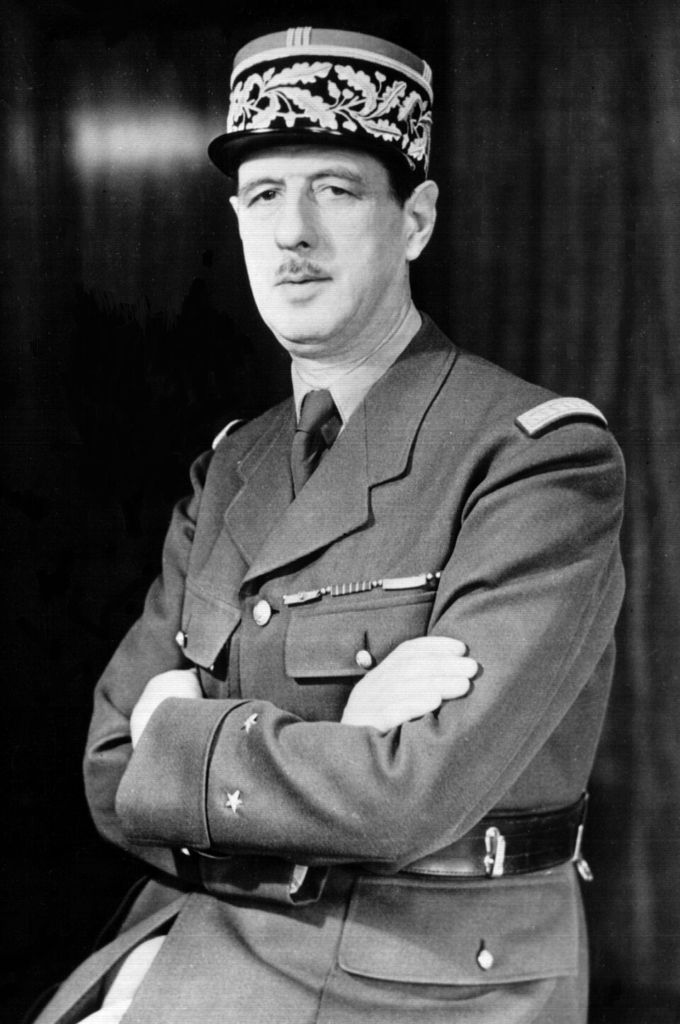
Above: French President Charles de Gaulle (1890 – 1970)
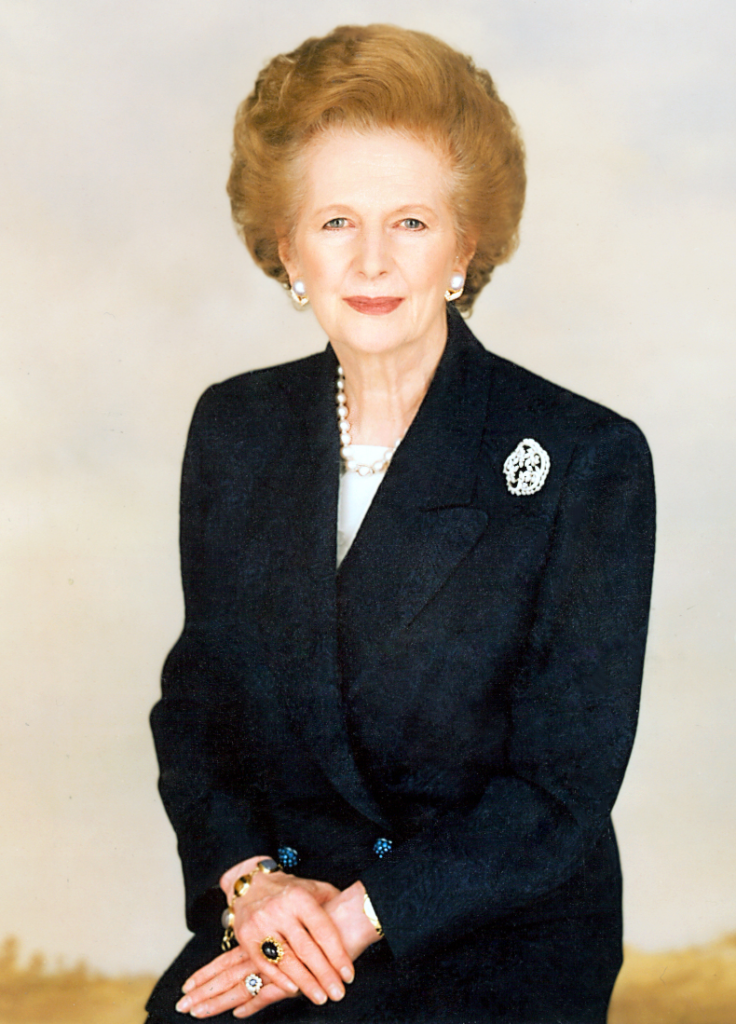
Above: British Prime Minister Margaret Thatcher (1925 – 2013)
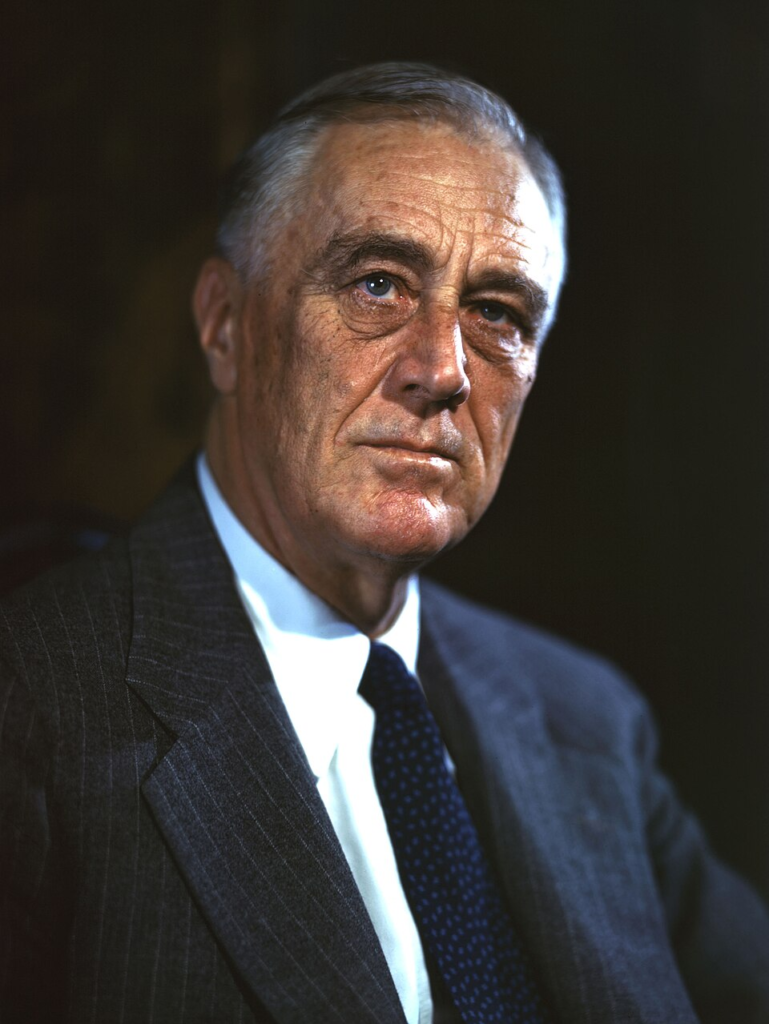
Above: US President Franklin Delano Roosevelt (1882 – 1945)
Erdoğan’s legacy will almost certainly undergo a similar process.
In short, history has already established Erdoğan as one of the defining political figures of early 21st-century Türkiye.
Whether it ultimately ranks him among the country’s greatest leaders, or judges his tenure more critically, will depend on the long-term outcomes of the institutional, economic, and geopolitical changes associated with his years in power.
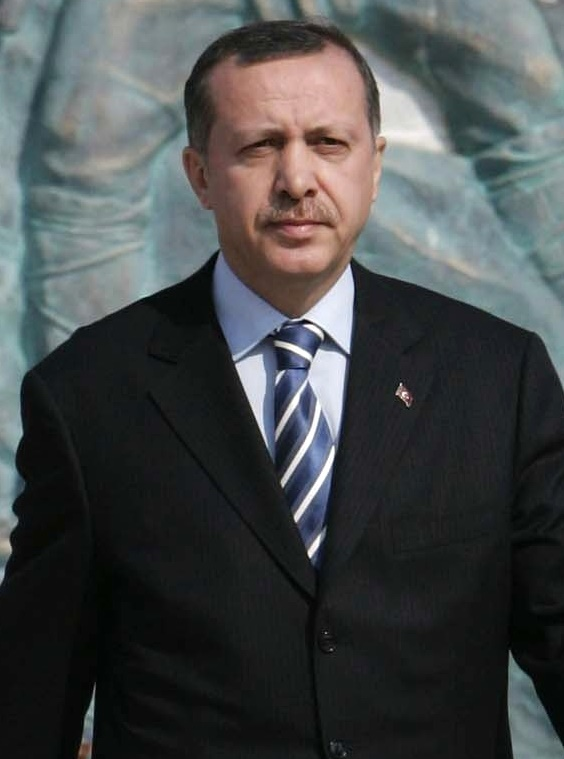
Above: Recep Tayyip Erdoğan (2008)
Recep Tayyip Erdoğan (born 26 February 1954) is a Turkish politician and statesman who has been the President of Turkey since 2014.
Above: Emblem of the President of Türkiye
He previously served as the 25th Prime Minister from 2003 to 2014 as part of the Justice and Development Party (AKP), which he co-founded in 2001.

Above: Seal of the Prime Minister of Türkiye

Above: Justice and Development Party logo
He also served as Mayor of Istanbul from 1994 to 1998.
Above: Logo of the Istanbul Metropolitan Municipality
Coming from an Islamist background and promoting socially conservative policies, Türkiye has experienced increasing authoritarianism, democratic backsliding and suppression of dissent under Erdoğan’s rule.
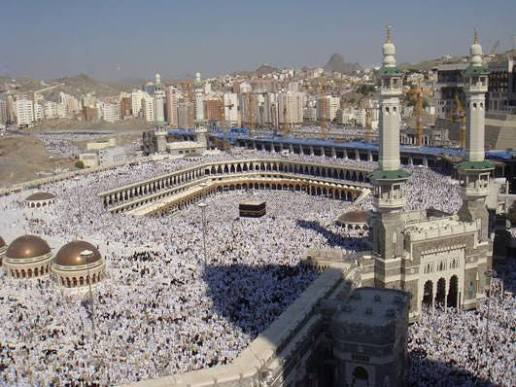
Above: Mecca, Saudi Arabia
Erdoğan was born in Beyoğlu, Istanbul, and studied at the Aksaray Academy of Economic and Commercial Sciences, before working as a consultant and senior manager in the private sector.
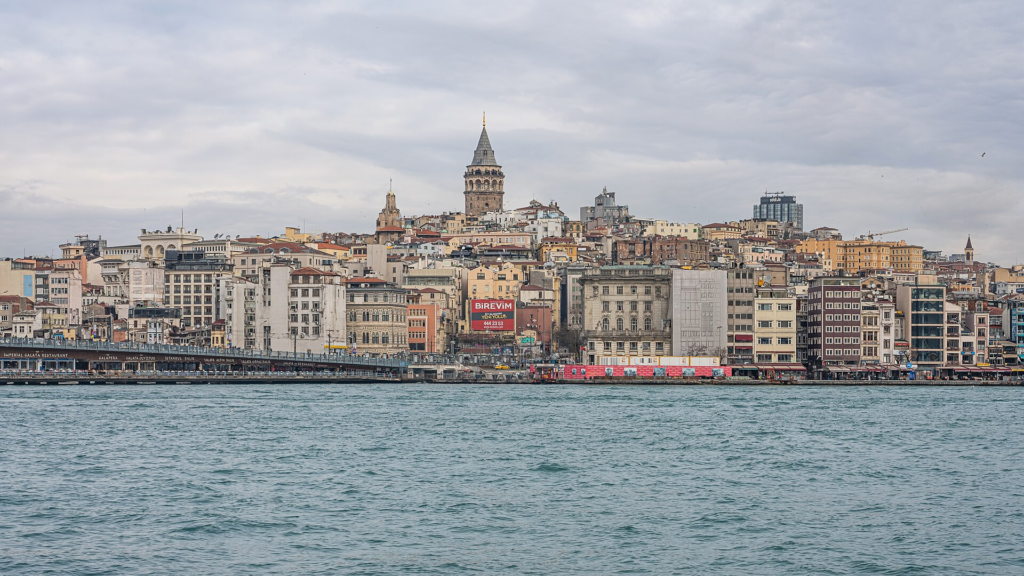
Above: View of Karaköy (with Galata Bridge and Galata Tower) in Istanbul, Türkiye

Above: Logo of Marmara University, Istanbul, Türkiye
Becoming active in local politics, he was elected Welfare Party’s Beyoğlu district chair in 1984 and Istanbul chair in 1985.
Above: Logo of the Welfare Party (1983 – 1998)
Following the 1994 local elections, Erdoğan was elected Mayor of Istanbul.
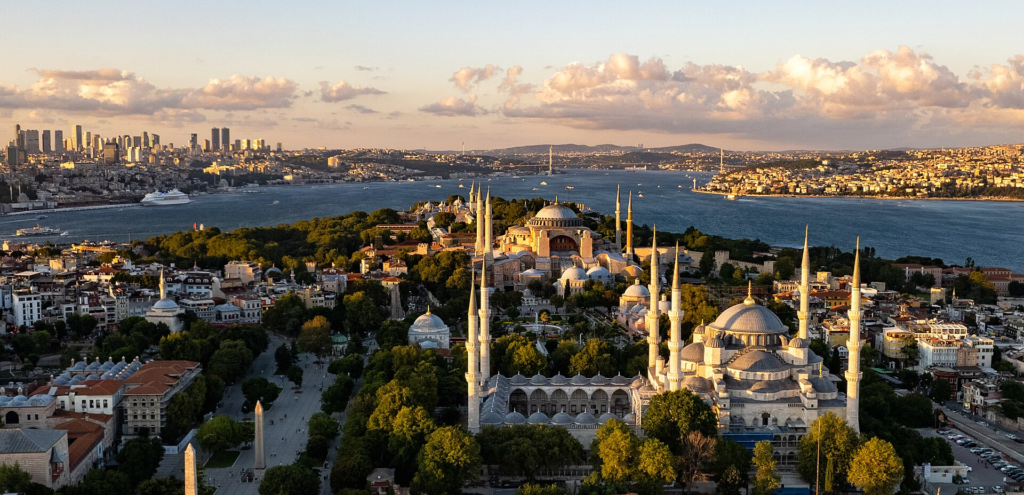
Above: Istanbul, Türkiye
In 1998 he was convicted for inciting religious hatred and banned from politics after reciting a poem by Ziya Gökalp that compared mosques to barracks and the faithful to an army.
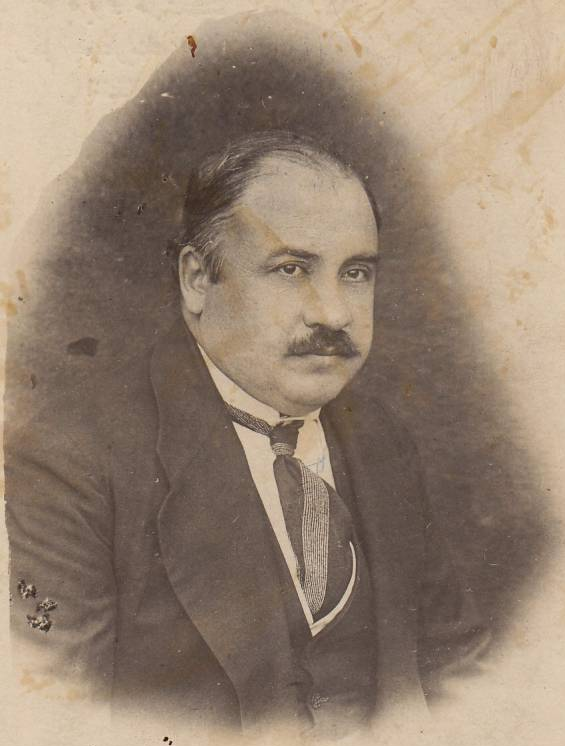
Above: Turkish sociologist/writer/poet/politician Ziya Gökalp (1876 – 1924)
Erdoğan was released from prison in 1999 and formed the AKP, abandoning openly Islamist policies.
Erdoğan led the AKP to a landslide victory in the election for the Grand National Assembly in 2002, and became Prime Minister after winning a by-election in Siirt in 2003.
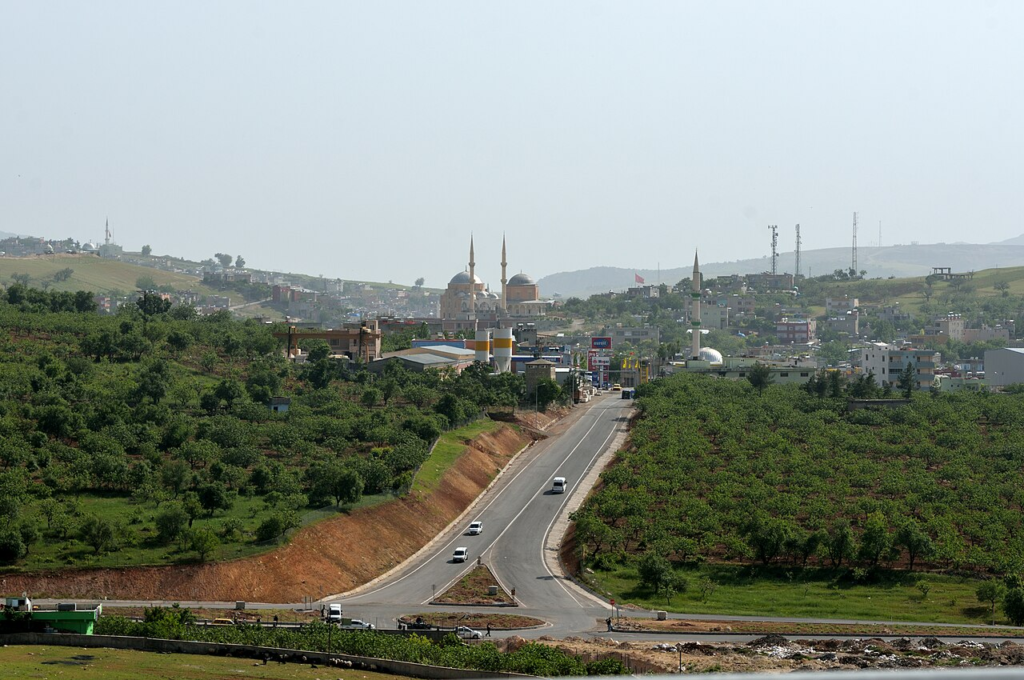
Above: Siirt, Siirt Province, Türkiye
Erdoğan led the AKP to two more election victories in 2007 and 2011.
His tenure consisted of economic recovery from the economic crisis of 2001, the start of EU membership negotiations, and the reduction of military influence on politics.
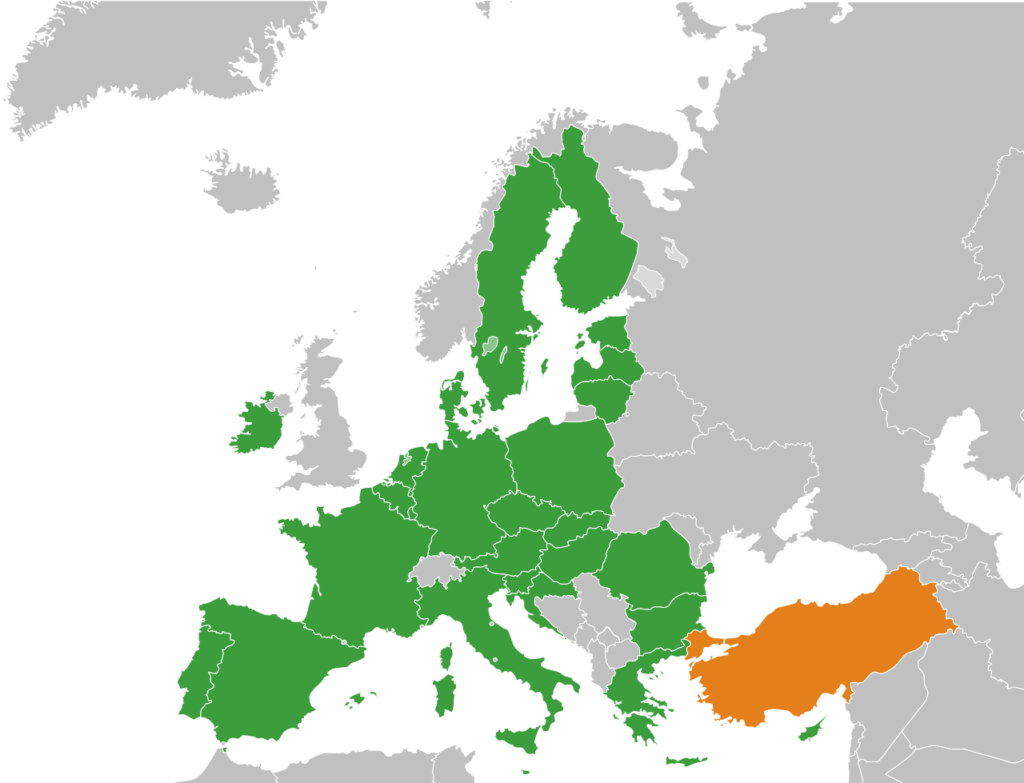
Above: The European Union (in green) and Türkiye (in orange)
In late 2012, his government began peace negotiations with the Kurdistan Workers Party (PKK) to end the Kurdish–Turkish conflict, negotiations which ended three years later.
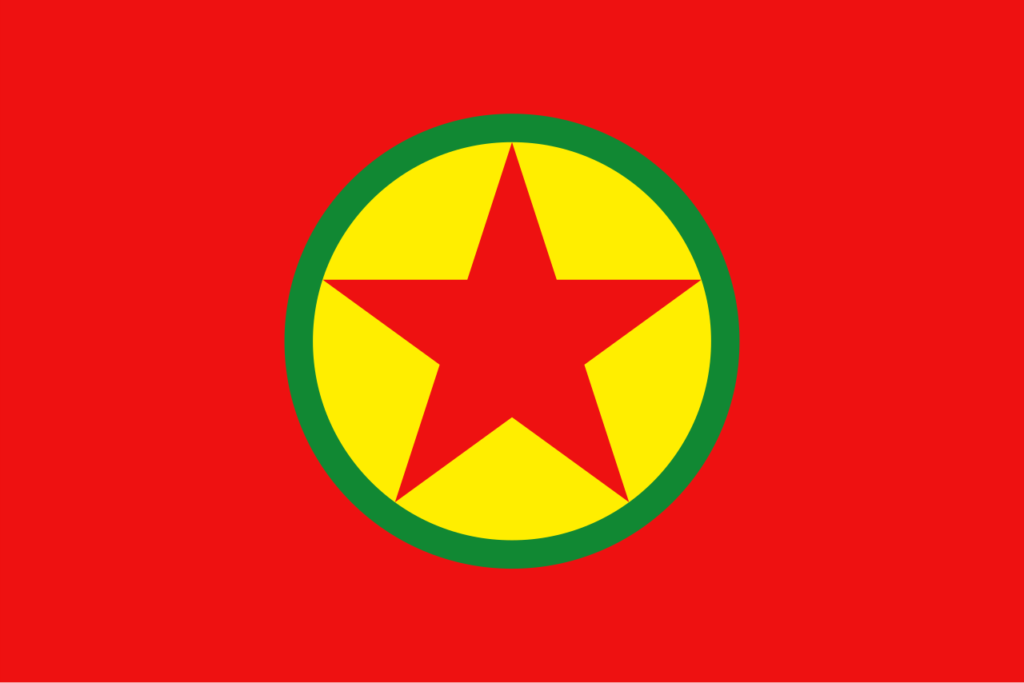
Above: Flag of the Kurdistan Workers’ Party (PKK)
In 2014, Erdoğan became the country’s first directly elected President.
Erdoğan’s presidency has been marked by democratic backsliding and a shift towards authoritarianism.
His economic policies have led to high inflation and the depreciation of the Turkish lira.
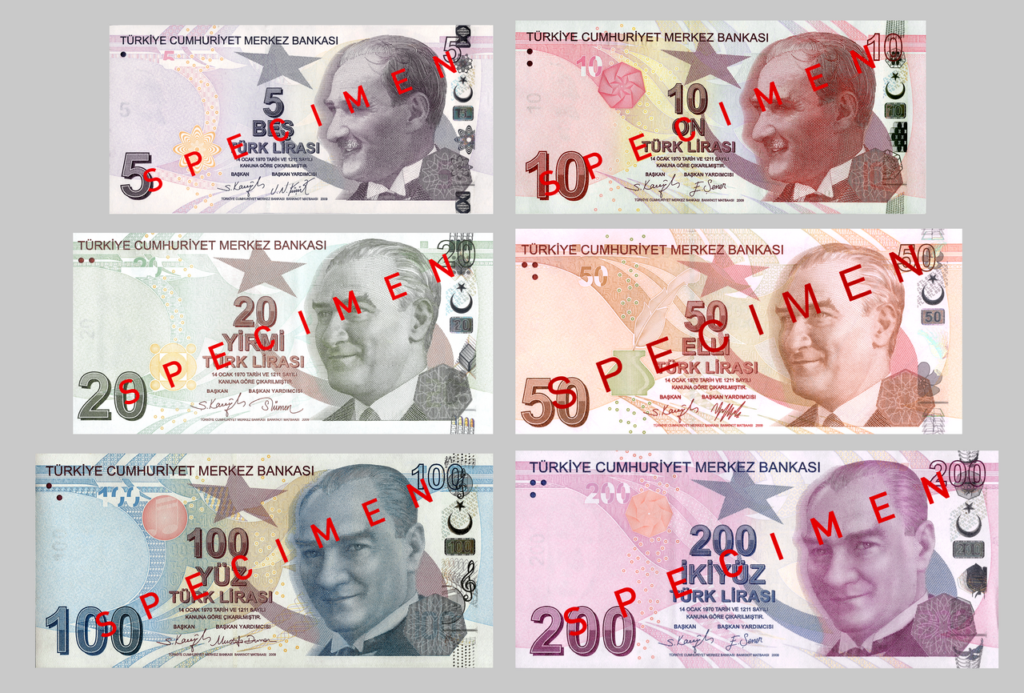
Above: Turkish lira banknotes
He has intervened in the ongoing conflicts in Syria and Libya, launched operations against the Islamic State, Syrian Democratic Forces and Assad’s forces leading to the fall of the Assad regime, and has made threats against Greece.
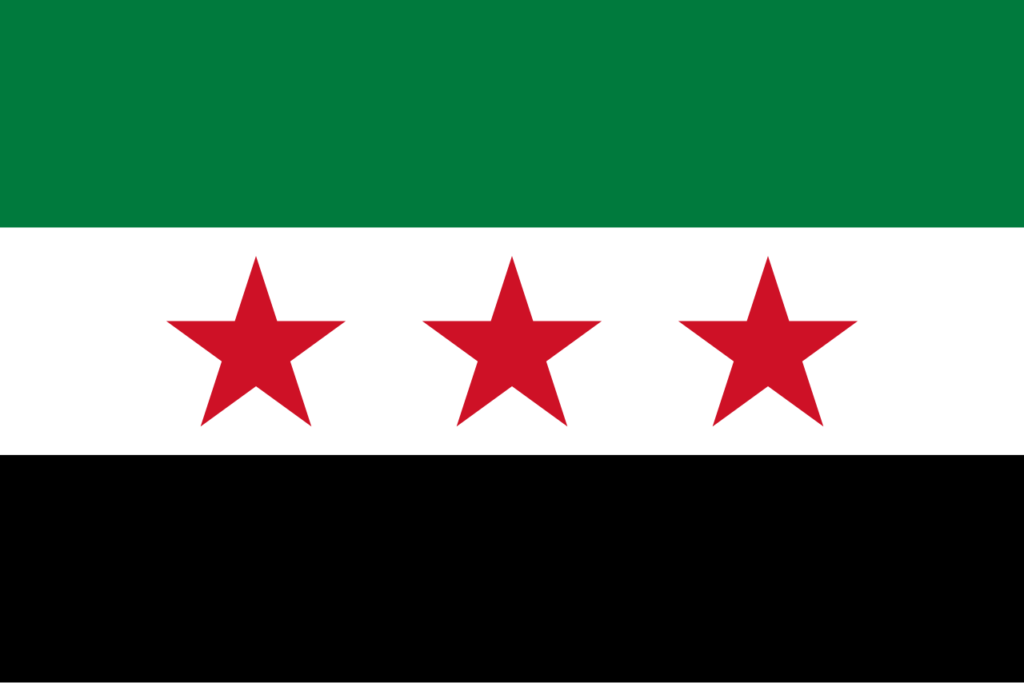
Above: Flag of Syria
(Turkish involvement in the Syrian civil war began diplomatically and later escalated militarily.
After a decade of relatively friendly relations with Syria from 2000 to 2010, Turkey condemned Syrian President Bashar al-Assad over the violent crackdown on protests in 2011 and, from the beginning of the war, Turkey trained defectors of the Syrian Army in its territory under the supervision of the Turkish National Intelligence Organization (MİT), among whom emerged the Free Syrian Army (FSA) in July 2011.
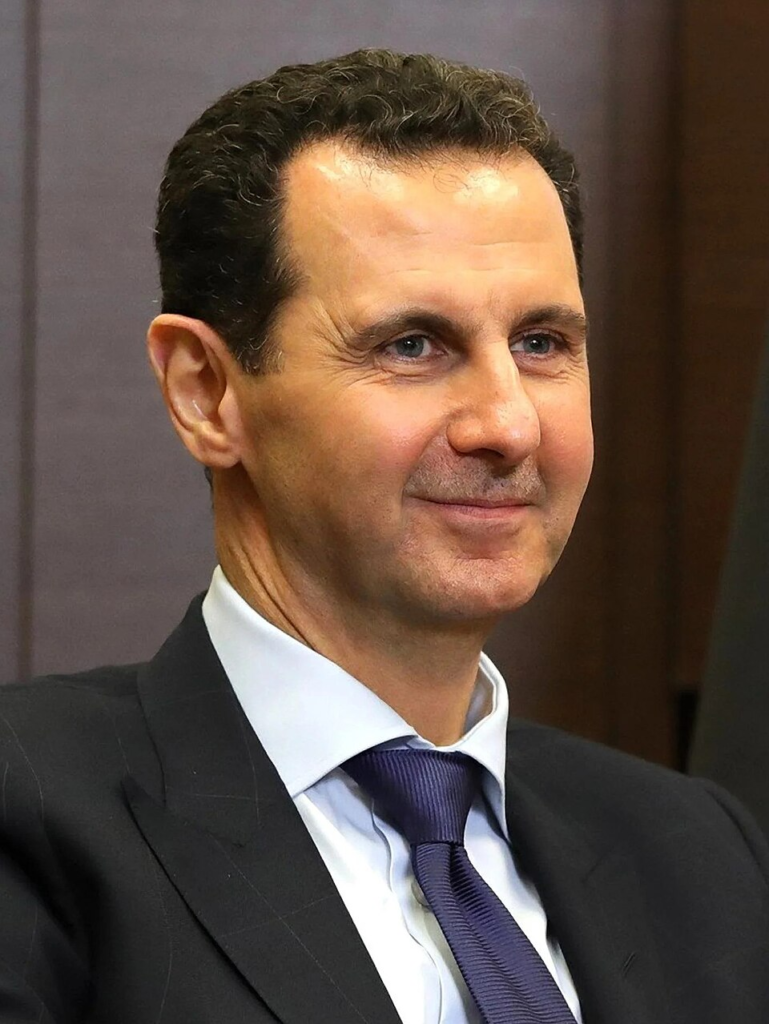
Above: Syrian President Bashar al-Assad
Above: Seal of the Turkish National Intelligence
Above: Coat of arms of the Free Syrian Army
The Turkish government’s involvement further evolved into border clashes in 2012, and direct military interventions in 2016 – 2020 and 2022, resulting in the Turkish occupation of northern Syria since August 2016.
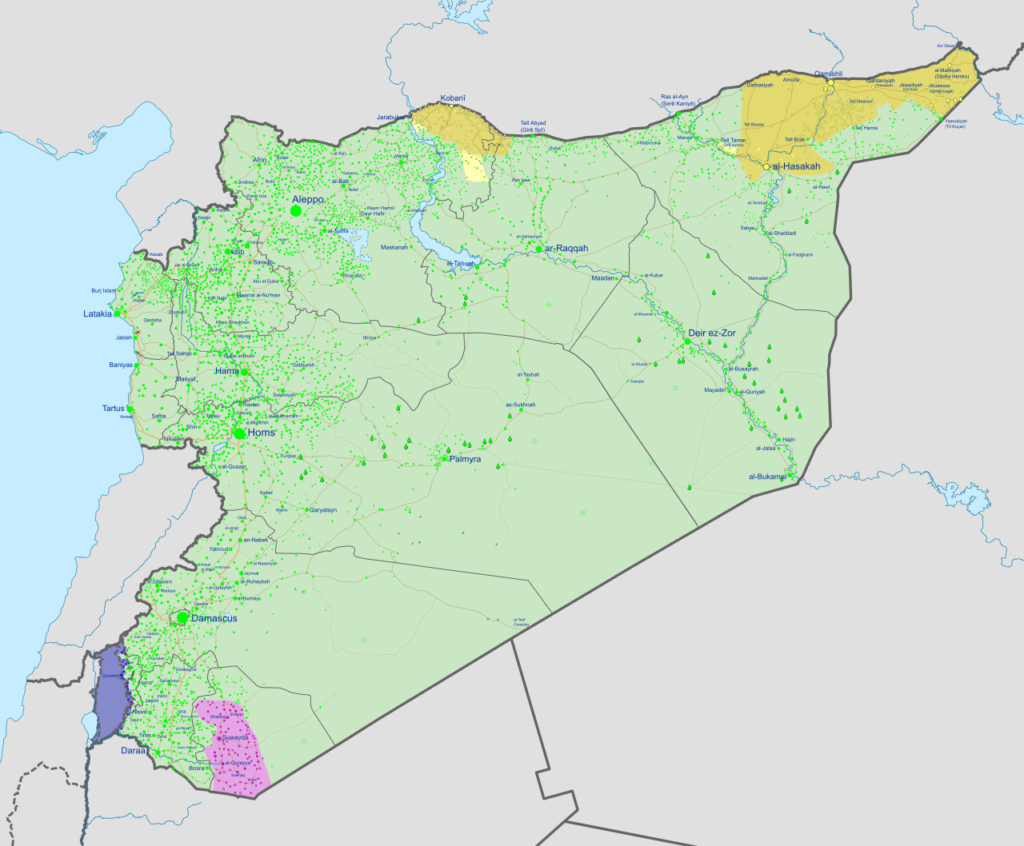
Above: Syrian Civil War map
In December 2024, Turkish proxy forces involved in the 2024 Syrian rebel offensive toppled the Assad regime in Damascus with US support, turning into the most influential party during the conflict.
Until 2016, Turkey had addressed the Syrian civil war through international diplomacy and targeted sanctions.
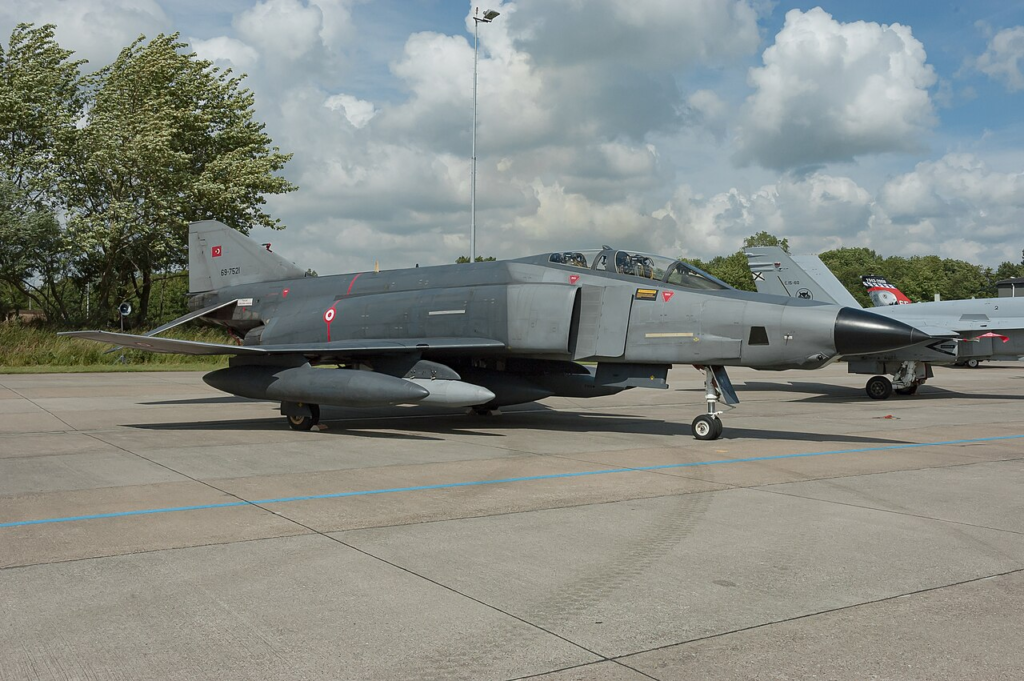
Tensions between Syria and Turkey significantly worsened after Syrian forces shot down a Turkish fighter jet in June 2012, and border clashes erupted in October 2012.
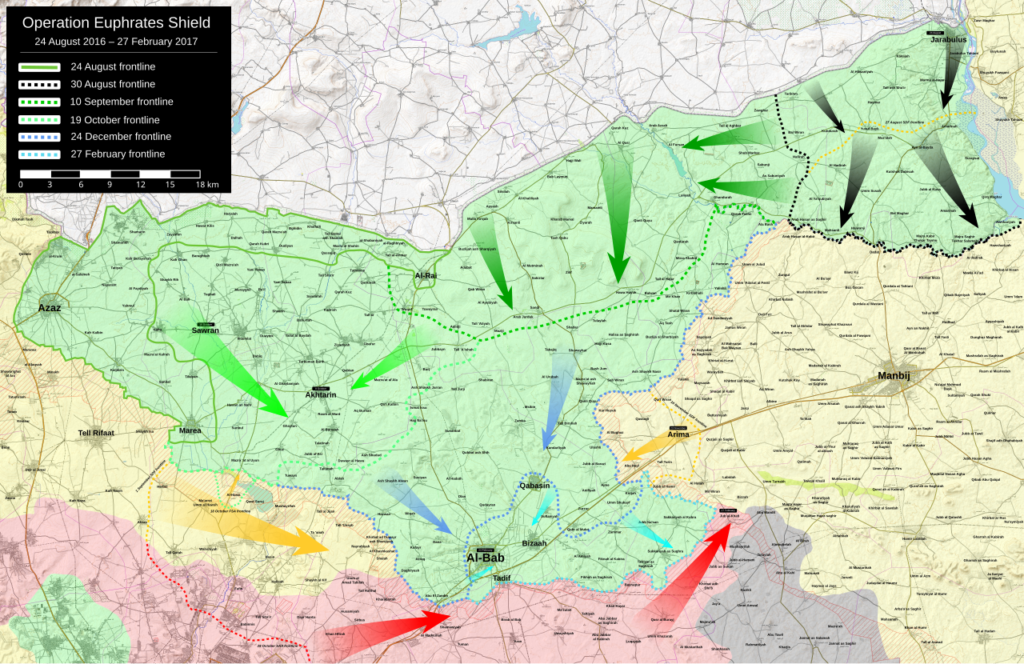
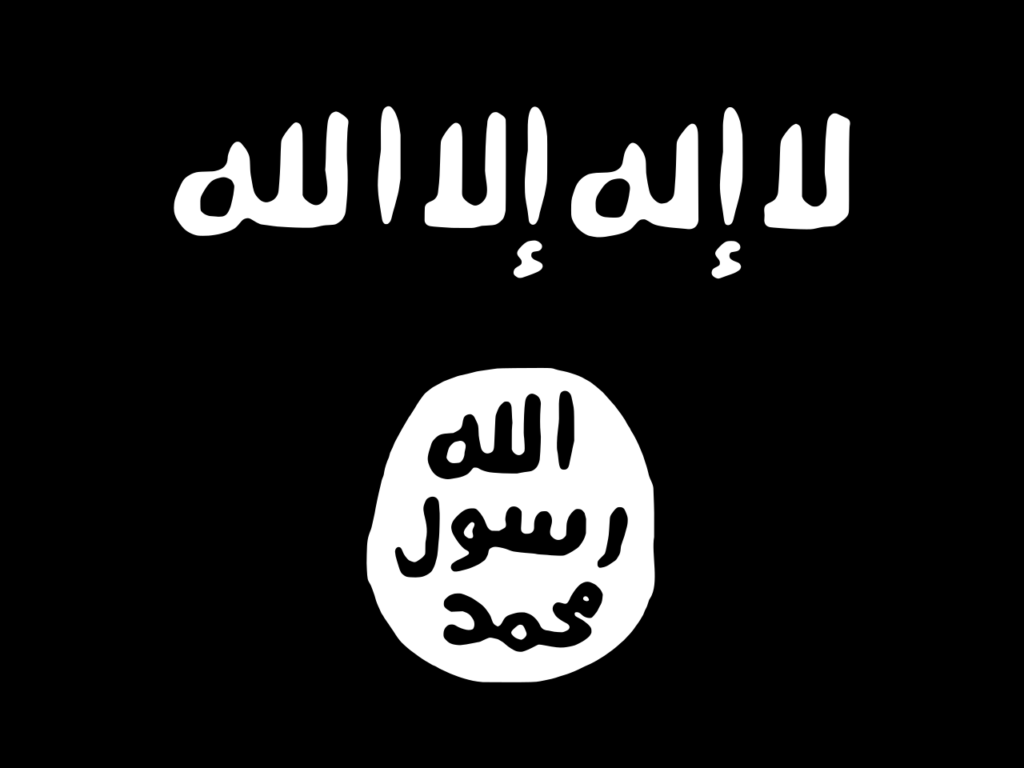
On 24 August 2016, the Turkish Armed Forces began a direct military intervention into Syria by declaring Operation Euphrates Shield, mainly targeting the Islamic State of Iraq and the Levant (ISIL).
Above: Flag of the Islamic State
It had also fulfilled other pre-existing Turkish policy goals, such as limiting the influx of the refugees of the Syrian civil war.
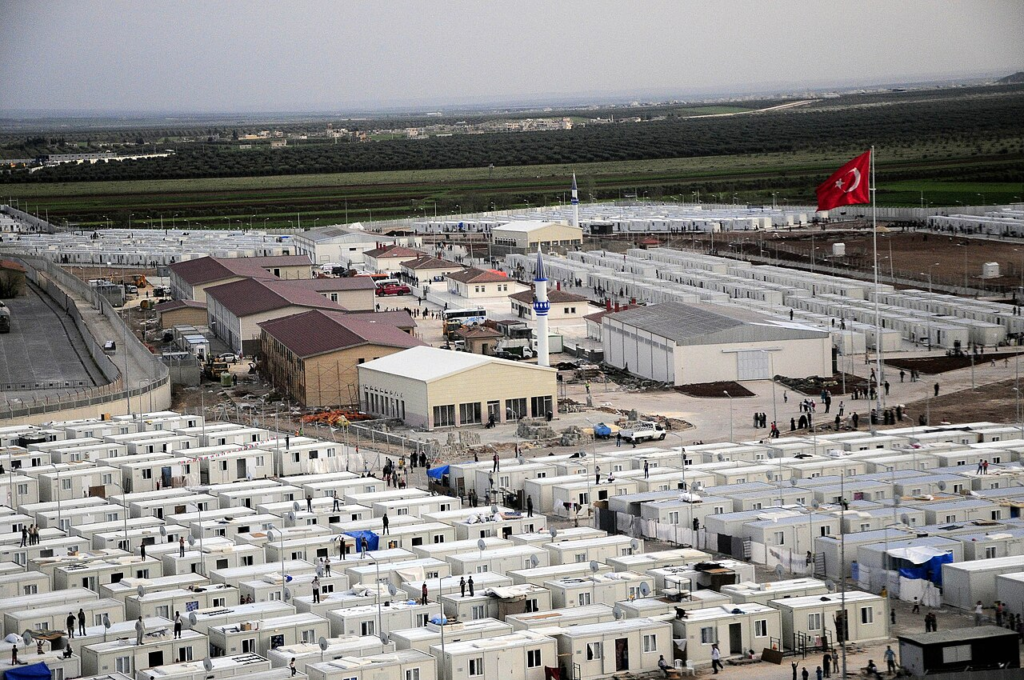
Above: Syrian refugee camp, Türkiye
Turkey has strongly supported Syrian dissidents, as it became increasingly hostile to the Assad government’s policies and encouraged reconciliation among dissident factions.
Turkey financed the National Coalition of Syrian Revolutionary and Opposition Forces, also known as the Syrian National Coalition, and facilitated the establishment of the Syrian National Army.)

Above: Logo of the Syrian National Coalition
Above: Logo of the Syrian National Army
He oversaw the transformation of Türkiye’s parliamentary system into a presidential system, introducing term limits and expanding executive powers, and Türkiye’s migrant crisis.
In May 2022, Erdoğan temporarily blocked Finland and Sweden from joining NATO.

Above: Flag of Finland
Above: Flag of Sweden
Above: Logo of the North Atlantic Treaty Organization
Erdoğan responded to the 2022 Russian invasion of Ukraine by closing the Bosphorus to Russian naval reinforcements, brokering a deal between Russia and Ukraine regarding the export of grain, and mediating a prisoner exchange.
Above: Flag of Russia
Above: Flag of Ukraine
In 2025, Erdoğan oversaw the arrest of Istanbul Mayor Ekrem İmamoğlu and his subsequent disqualification from the upcoming 2028 presidential election, for which he was considered the opposition front-runner, leading to ongoing widespread protests.
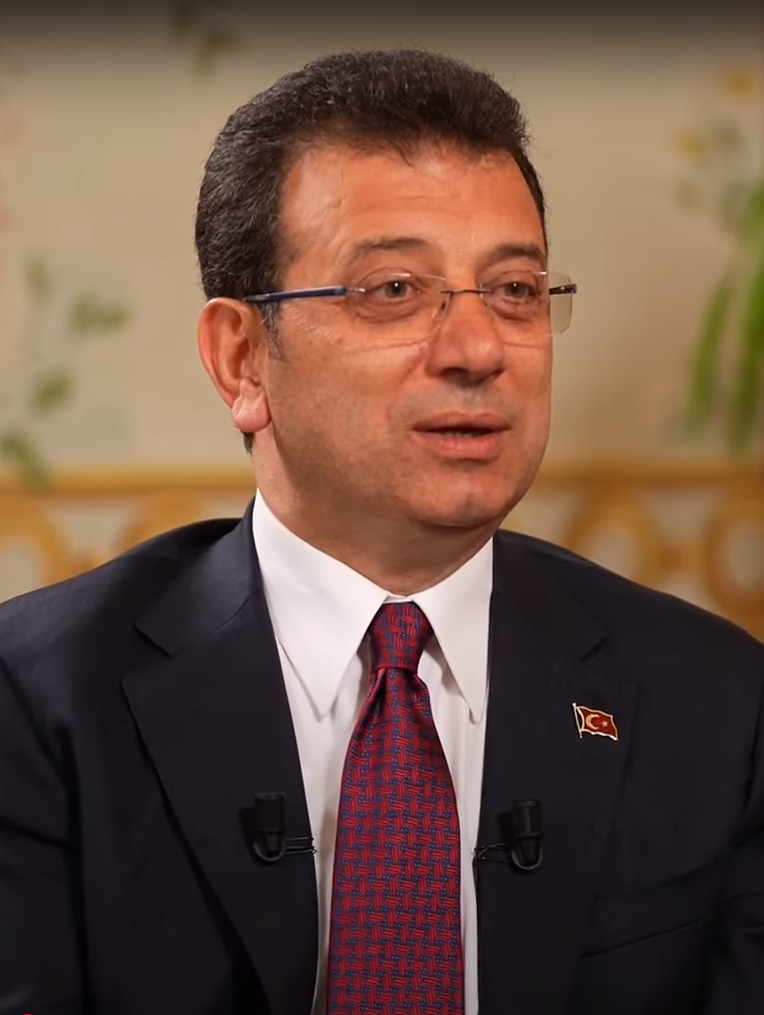
Above: Istanbul Mayor Ekrem İmamoğlu
Should we respect Turkish President Recep Tayyip Erdoğan?
Yes.
Even if for no other reason than he is the President.

But should we name plazas and bridges and universities after him?
Perhaps one day.
But now?
No.
Not yet.
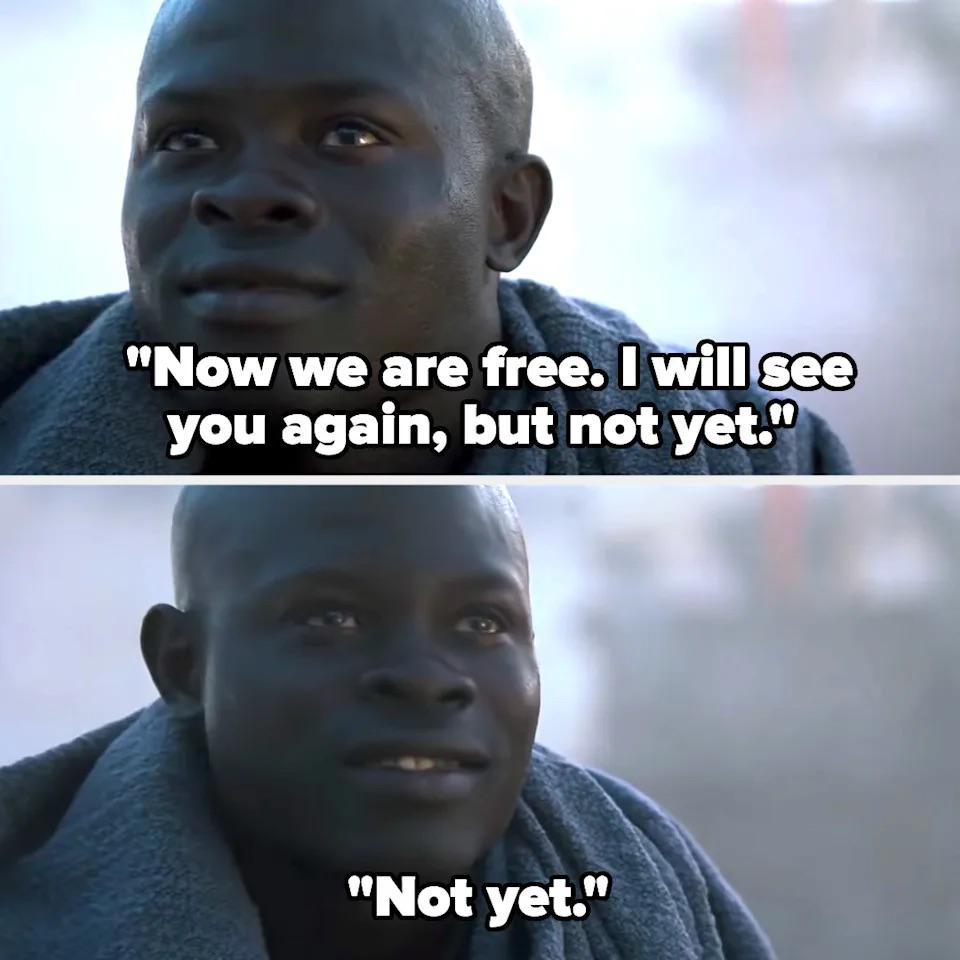
Above: Scene from Gladiator (2000)
